Just in:
Wizz Air half-year earnings sink as fuel costs surge // Nvidia directors weigh Huang removal amid misconduct allegations // How A Newly Elected Democratic Congress Could Reshape US–India Relations? // Valarmathi restarts fast as teachers defy police // Hongkong Land Unveils LANDMARK Orchard as New Name for Wheelock Place // Court reinstates Police association rejig order // Spain housing strike disrupts transport and industry nationwide // U.S. Democratic Leadership Starts Dialogue With Progressive Bloc For Joint Strategy // ATI Secures Manila South Harbour Concession Renewal To 2063 // Saudi fund assets forecast to cross $400 billion in 2027 // ONYX Hospitality Group Unveils Plans for Amari Samui Resort and Villas, Elevating Its Premium Resort Offering on Koh Samui // Ajman University MBA climbs to joint 13th regionally // Ping An Digital Bank Deepens Purchase Order Financing Scenarios, Expands into Service Trade Financing Market // Eternal Beauty Holdings Releases the “2026 Hong Kong Daily Mood Index and Fragrance Trends White Paper” // Uforce reaches $6 billion valuation with British backing // December Is the Last Window for $800,000 U.S. Residency Investment // Forged court directives trigger probe into website blocking // LANDMARK Presents ‘Destination CENTRAL’: A District-Wide Celebration Inviting Global Travellers to Explore the Dynamism, Luxury, and Soul of Central // New Zealand bond bids reach thirteen-year auction peak // Maersk discloses data theft from acquired legacy system //

News related to
Low oil

Abu Dhabi National Oil Company has formalised a 15-year sales and purchase agreement with Japan’s Osaka Gas, committing to supply up to 0.8 million tonnes per annum of liquefied natural gas from its Ruwais LNG project. This definitive contract transitions a prior heads-of-agreement into a binding commitment, marking the inaugural long-term LNG supply arrangement between the two corporations. The Ruwais LNG facility, currently under development in Al […]

Oil prices fell on Friday, heading for their first monthly decline since November, as global economic growth uncertainties and potential fuel demand reductions weighed on the market. The more active May Brent crude futures slipped 31 cents, or 0.4%, to $73.26 a barrel by 6:48 a.m. Saudi time, while U.S. West Texas Intermediate crude futures were at $70.04 a barrel, down 31 cents, or 0.4%. The front-month […]

Merger and acquisition activity in the Middle East and North Africa region experienced a significant uptick in 2024, with total deal value reaching $92.3 billion, a 7% increase from the previous year. The number of deals also rose by 3%, totaling 701 transactions compared to 679 in 2023. This growth has been largely attributed to substantial reforms in capital markets, strategic policy changes, and enhanced efforts to attract foreign investments.

The Gulf Cooperation Council countries were at the forefront of this surge, accounting for 580 deals worth $90 billion. Cross-border transactions played a pivotal role, representing 52% of the total deal volume and 74% of the overall value. Sovereign wealth funds such as the Abu Dhabi Investment Authority , Mubadala Investment Company from the United Arab Emirates , and the Public Investment Fund from Saudi Arabia were instrumental in driving this activity.

The UAE emerged as a key player, recording the region’s largest M&A deal of the year. Clayton Dubilier & Rice, Stone Point Capital, and Mubadala Investment announced the acquisition of Truist Insurance for $12.4 billion. Following closely, Saudi Aramco acquired a 22.5% stake in Rabigh Refining and Petrochemical Company from Japan’s Sumitomo Chemical for $8.9 billion. Additionally, a consortium comprising PAG, Mubadala, and ADIA acquired a 60% stake in China’s Zhuhai Wanda Commercial Management Group for $8.3 billion.

Outbound deals dominated the M&A landscape, contributing 61% of the total deal value with 199 transactions amounting to $56.6 billion. The MENA region continued to attract foreign direct investment, with 163 inbound deals valued at $11.4 billion, marking an 18% increase in volume and a 42% surge in value compared to 2023.

Sector-wise, technology and consumer products led in deal volume, each experiencing a 10% year-on-year increase. The United States stood out as the largest acquiring country outside the region, with 48 transactions totaling $4.6 billion.

The UAE maintained its position as a preferred investment destination, achieving the highest volume and value for inbound transactions. The country recorded 96 deals valued at $7.6 billion, representing 67% of the total deal value. The technology sector was particularly vibrant, with 35 deals driven by the nation’s focus on artificial intelligence, cybersecurity, and digital transformation. Notably, Microsoft’s $1.5 billion acquisition of Abu Dhabi’s Group 42 underscored the strengthening ties between the UAE and the United States.

Saudi Arabia also attracted significant investment, with the UAE and Saudi Arabia collectively reporting 318 deals valued at $29.6 billion. Both countries were among the top bidders in the MENA region, highlighting their active participation in the M&A landscape. In 2024, the United States was the favored target destination for MENA investors, with 41 deals amounting to $19.9 billion.

Domestic M&A activity saw an uptick, contributing 48% of the total deal volume with 339 deals, up from 333 in 2023. The combined disclosed value of domestic transactions stood at $24.4 billion. The technology and consumer products sectors attracted increased investor interest, fueled by digital transformation and evolving consumer behaviors, together accounting for 35% of the total domestic deal volume.

The oil and gas sector continued its upward trajectory, leading in disclosed deal value with $9 billion, representing 37% of the total domestic deal value. This was largely due to Saudi Aramco’s $8.9 billion acquisition of Rabigh Refining and Petrochemical Company.

Saudi Arabia’s Public Investment Fund is reportedly in preliminary discussions to acquire a stake in the aerostructures unit of Leonardo SpA, Italy’s prominent aerospace and defence company. This potential investment aligns with PIF’s strategic objective to diversify Saudi Arabia’s economy by expanding its footprint in the global aerospace sector. The aerostructures division of Leonardo is responsible for the design and manufacturing of critical components for both civil […]

The United Arab Emirates has solidified its position as a global nexus for trade and investment, with Ernst & Young projecting the nation to be among its fastest-growing markets worldwide in the next five to ten years. This optimistic outlook is attributed to substantial opportunities for collaboration across both public and private sectors, as highlighted by Anthony O’Sullivan, EY’s Managing Partner in the UAE.

Speaking at Investopia 2025 in Abu Dhabi, O’Sullivan emphasized EY’s strategic focus on the UAE and the broader Middle East and North Africa region. He noted that EY’s global leadership is keenly aware of the region’s attractive investment climate and robust economic growth policies, which have been instrumental in fostering a conducive environment for business expansion.

EY’s commitment to the UAE is underscored by its longstanding presence since 1966, with its Dubai office now serving as the largest in the region, housing several regional leaders and key clients. This deep-rooted establishment has enabled EY to play a pivotal role in the nation’s economic diversification efforts, aligning with the UAE’s Vision 2031 plan to reduce oil dependency and promote sustainable growth.

The UAE’s strategic initiatives have yielded tangible results. In 2024, the nation achieved a record non-oil trade value of 3 trillion dirhams , marking a 14.6% increase from the previous year. This milestone reflects the UAE’s proactive approach in forging Comprehensive Economic Partnership Agreements with various countries, enhancing its global trade relations. Notably, exports to CEPA partner nations surged by 42.3% in 2024, accounting for a quarter of the total non-oil exports.

O’Sullivan also highlighted the transformative role of technology and artificial intelligence across various sectors. He asserted that these technologies are vital in enhancing operational efficiency and improving financial compliance. “Technology and data are now integral to any business, particularly in consulting,” he stated. “We utilize AI to enhance tax compliance, helping clients meet regulatory requirements more efficiently. AI also plays a role in financial auditing, enabling better financial data analysis and consistency, allowing teams to focus on advisory services rather than routine tasks.”

EY’s integration of AI-driven solutions extends beyond internal processes. The firm leverages its extensive global network and consultancy expertise to assist clients in adopting these advanced technologies, thereby bolstering their competitiveness in an increasingly digital economy.

The UAE’s appeal as a consulting hub is further amplified by its strategic location and favorable business environment. The Gulf Cooperation Council region, which includes the UAE, experienced a 13.2% growth in consultancy services in 2023. This surge is driven by national efforts to diversify economies away from oil reliance, with major consulting firms establishing strong presences to support public sector projects and economic transformation initiatives.

By Sushil Kutty External Affairs Minister S Jaishankar never seems to finish his thoughts. People might mistake him to be a hesitant hacker. But that isn’t the case. EAM Jaishankar is the second longest serving foreign minister after Jawaharlal Nehru, who kept the external affairs portfolio with him, for the entirety of his tenure as […]

Arabian Post Staff -Dubai The United Arab Emirates is experiencing heightened competition in its job market due to a significant influx of expatriate professionals. This surge has led to a reassessment of salary structures, with legacy expatriates witnessing a decline in the lucrative packages once prevalent. According to the Robert Half 2025 Salary Guide, the UAE’s growing expatriate population has expanded the talent pool, enabling employers to […]

Advertisements

UAE-based fintech company Flow48 has successfully raised $69 million in a Series A funding round, combining debt and equity, to enhance its financing solutions for small and medium-sized enterprises and expand into Saudi Arabia. The investment round was led by Paris-based venture capital firm Breega, with participation from investors including 212, Speedinvest, Daphni, Endeavor Catalyst, Evolution Ventures, and Plus VC. Founded in 2022 by CEO Idriss Al […]

https://www.census.gov/foreign-trade/balance/c5700.htmlhttps://www.census.gov/foreign-trade/balance/c5700.htmlBy Dr. Nilanjan Banik The US-China trade war has been a focal point of economic discussions for a significant period, as the world’s two largest economies have imposed tariffs on each other’s goods. The Trump administration imposed 10% tariffs on Chinese imports, while China, in turn, levied 15% tariffs on US liquid natural gas (LNG) […]

Careem, the region’s leading multi-service platform, has announced a partnership with Bustanica, the world’s largest vertical farm, to deliver fresh, pesticide-free produce directly to customers across the United Arab Emirates . This collaboration aims to enhance access to high-quality, locally grown vegetables, reinforcing the nation’s commitment to food security and sustainable agricultural practices.

Bustanica, a $40 million investment by Emirates Flight Catering and Crop One Holdings, operates a 330,000-square-foot facility near Al Maktoum International Airport in Dubai. Utilising advanced hydroponic technology, the farm produces over 1,000,000 kilograms of leafy greens annually, including lettuce, spinach, parsley, and kale. The innovative farming methods employed allow for cultivation without soil, natural sunlight, or pesticides, and use 95% less water than traditional agriculture.

Through this partnership, Careem’s customers can order Bustanica’s fresh produce via the Careem app, ensuring convenient access to nutritious greens harvested daily. The produce is grown in a controlled environment, free from pesticides, herbicides, and chemicals, guaranteeing high-quality, clean, and safe food options for consumers.

Bustanica’s facility operates on a continuous production cycle, driven by machine learning, artificial intelligence, and a team of experts in agronomy, engineering, horticulture, and plant science. This approach ensures a consistent supply of fresh produce, unaffected by external factors such as weather or pests. The closed-loop system employed in the farm recycles water, leading to significant conservation of resources—saving over 250 million litres annually compared to traditional farming methods.

The collaboration between Careem and Bustanica not only provides consumers with easy access to fresh, locally grown produce but also supports the UAE’s National Food Security Strategy 2051. This strategy emphasises sustainable food production through advanced technology and smart solutions, aiming to balance food security with resource conservation and economic diversification.

By integrating Bustanica’s produce into its delivery platform, Careem is contributing to the promotion of healthy eating habits and the reduction of the UAE’s reliance on imported foods. This initiative aligns with the global trend of adopting vertical farming and other innovative agricultural practices to address food security challenges, especially in regions with arid climates and limited arable land.

The partnership also highlights the role of technology in revolutionising the agriculture sector. Bustanica’s use of artificial intelligence and machine learning optimises growing conditions, enhances crop yields, and ensures the efficient use of resources. This model of farming presents a viable solution for sustainable food production in urban settings, reducing the carbon footprint associated with food transportation and promoting environmental conservation.

As the UAE prepares to host the COP28 summit, initiatives like the Careem-Bustanica partnership underscore the nation’s commitment to environmental sustainability and innovative solutions to global challenges. By investing in and supporting such projects, the UAE is positioning itself as a leader in sustainable agriculture and food security on the world stage.

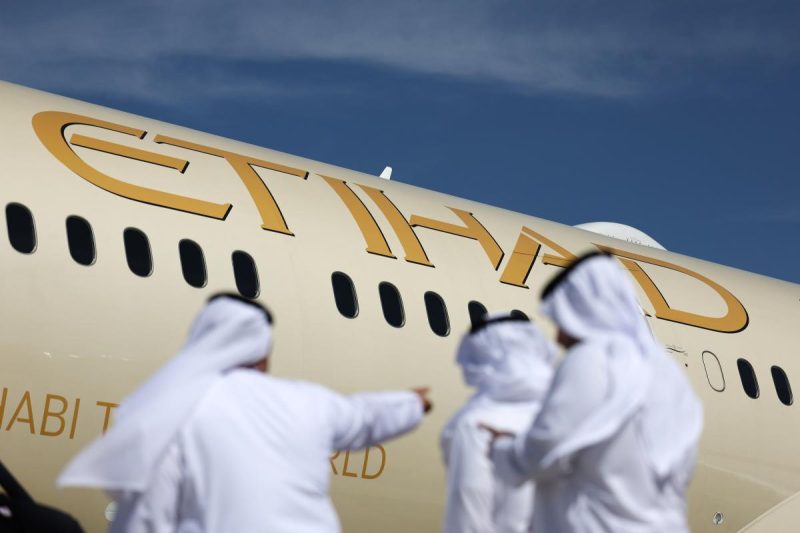
Etihad Airways is set to announce the launch of an initial public offering worth $1 billion, sources have revealed. This marks a significant milestone in the aviation industry, as it would be the first public listing by a major Gulf airline in nearly two decades.

The airline, which is fully owned by Abu Dhabi’s sovereign wealth fund ADQ, intends to offer 20% of its business to the public, with the funds raised being allocated towards accelerating its expansion plans. The decision to go public highlights Etihad’s ambitions to position itself as a stronger player in the global airline industry.

The move also underscores the growing trend among Gulf-based companies to raise capital through IPOs, following a wave of high-profile listings in the region. The Middle East has witnessed a surge in IPO activity in recent years, driven by a desire for diversification and economic growth, in line with the region’s broader efforts to reduce reliance on oil revenues.

Etihad’s decision to open up its equity to public investors is part of a larger strategy aimed at enhancing its operational capabilities and competing more effectively with regional and international rivals. The airline’s plans include expanding its fleet, increasing flight frequencies, and potentially adding new routes to cater to growing demand in key global markets.

The IPO also reflects the broader changes taking place in the aviation sector, particularly in the Gulf region. Airlines in the region, such as Emirates and Qatar Airways, have been aggressively investing in their fleets and expanding their networks in a bid to capture more market share. Etihad’s move to become a publicly traded entity comes as the airline looks to consolidate its position as a leading regional carrier, competing with its peers.

Sources close to the matter suggest that Etihad’s management team is optimistic about the potential success of the IPO, given the ongoing recovery in the global travel industry following the challenges posed by the COVID-19 pandemic. The airline is reportedly confident that investors will be attracted to its growth prospects, as air travel demand rebounds and the aviation sector experiences a strong recovery.

The IPO will be managed by a consortium of financial institutions, which are expected to handle the share sale process. The precise timing of the launch is yet to be confirmed, but it is anticipated to take place in the coming days. As part of the offering, Etihad is likely to sell a portion of its shares to institutional investors, with a smaller portion allocated to retail investors.

Etihad Airways has faced a challenging few years as it navigated the impacts of the global pandemic, which resulted in a significant decline in air travel demand. However, the airline has implemented a series of cost-cutting measures and streamlined its operations in an effort to adapt to the changing market environment. These efforts, coupled with its focus on expanding its network and enhancing its product offering, have positioned Etihad for long-term growth.

Despite the challenges faced by the airline, Etihad has remained committed to its vision of becoming a global aviation leader. The airline’s investment in new technologies, customer service initiatives, and sustainability measures has helped bolster its reputation and attract a loyal customer base. By tapping into the capital markets, Etihad hopes to strengthen its financial position and continue to invest in its future growth.

The IPO is expected to be closely watched by market analysts, investors, and industry experts alike, as it could signal the beginning of a new era for Gulf airlines. If successful, Etihad’s IPO could set a precedent for other regional carriers considering similar moves. Airlines in the region are under increasing pressure to modernize their fleets, improve operational efficiencies, and adapt to changing consumer preferences.

Etihad’s decision to go public is part of the wider trend in the Gulf region, where state-owned companies are increasingly seeking to diversify their operations and raise funds to support growth initiatives. The UAE government has been actively encouraging the privatization of certain state-owned entities to promote economic development and attract foreign investment.

A high-stakes civil trial commenced today in Mandan, North Dakota, as Energy Transfer, the developer behind the Dakota Access Pipeline, seeks $300 million in damages from environmental organization Greenpeace USA. The lawsuit alleges that Greenpeace engaged in defamation, trespassing, and incitement of criminal activities during the 2016-2017 protests against the pipeline’s construction. Energy Transfer contends that Greenpeace disseminated misleading information about the pipeline’s environmental impact and safety, […]

KUALA LUMPUR, MALAYSIA – Media OutReach Newswire – 25 February 2025 – France has over 100 different apple varieties thanks to its unique climate and fertile soil. Recently, climate change has significantly impacted global agriculture, particularly affecting fruit cultivation. Following a challenging harvest in 2023, Europe’s apple production faces its second-lowest level of the century, primarily due to severe frost conditions in Eastern Europe, which results in […]

Deyaar Development, a prominent real estate developer in the UAE, has announced the launch of AYA Beachfront Residences, its inaugural residential venture in the Emirate of Umm Al Quwain. This strategic expansion signifies Deyaar’s commitment to broadening its footprint across the nation’s diverse real estate landscape. AYA Beachfront Residences is poised to set a new benchmark for coastal living in Umm Al Quwain. The development boasts a […]

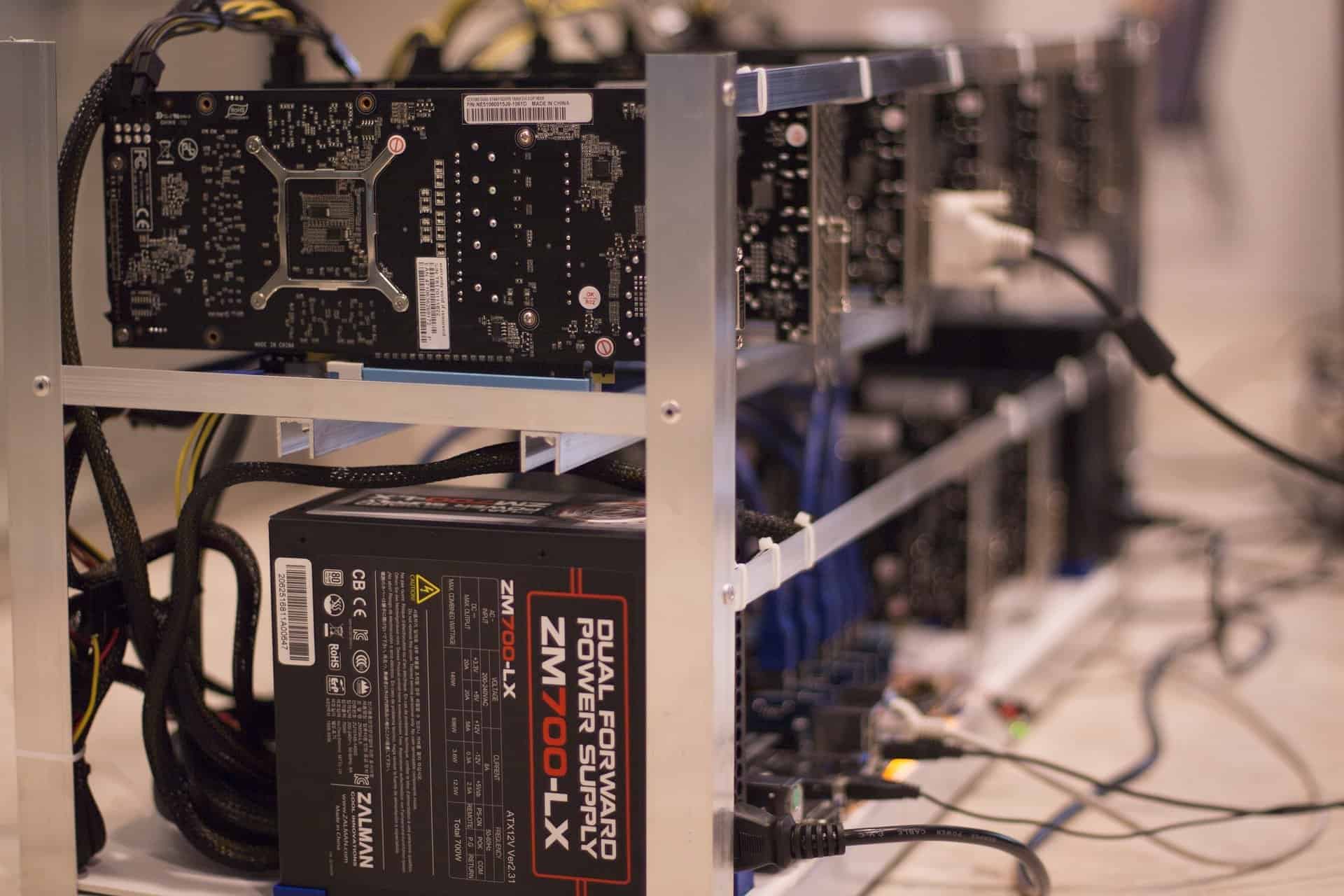
Cryptocurrency markets have witnessed a sharp downturn, with major tokens such as Solana , XRP, and Dogecoin experiencing significant losses. The market has plunged by double digits, with Solana seeing a drop of 14%, while XRP and Dogecoin both fell by 8%. Analysts are pointing to a combination of macroeconomic factors and market sentiment driving the sell-off, which has left many traders and investors anxious about the future of digital assets.

The sell-off marks another chapter in a volatile year for the cryptocurrency market, which has been heavily impacted by shifts in investor confidence, regulatory pressure, and broader economic conditions. Despite the immediate losses, experts suggest that the bearish sentiment may be overblown and that the situation could improve if broader market conditions stabilise. A significant aspect of the downturn stems from macroeconomic decisions, particularly those related to interest rates and inflationary concerns, which continue to affect global financial markets.

A closer examination of the data reveals that Solana’s decline of 14% has been the most pronounced, as the token has struggled to maintain momentum amid broader market turmoil. Solana, once hailed as a promising competitor to Ethereum due to its high transaction speeds and lower fees, had seen significant growth earlier in the year. However, a combination of investor uncertainty and technical setbacks has prompted a sharp pullback. The cryptocurrency, which had been making strides in various sectors including decentralized finance and NFTs, now faces questions about its long-term prospects.

XRP, the token associated with Ripple Labs, also saw a notable decline. XRP’s price had been particularly sensitive to ongoing regulatory scrutiny. The US Securities and Exchange Commission had filed a lawsuit against Ripple Labs, alleging that XRP was being sold as an unregistered security. While the case has experienced some legal setbacks for the SEC, the uncertainty surrounding its final resolution continues to weigh heavily on XRP’s price. The overall decline of XRP further demonstrates the market’s vulnerability to legal and regulatory challenges.

Dogecoin, once considered a meme coin but now one of the most widely recognised cryptocurrencies, also experienced a sharp decline. Dogecoin has largely been buoyed by its strong community and celebrity endorsements, particularly from Elon Musk, who has been a vocal supporter of the coin. However, the broader market sentiment has put pressure on Dogecoin, and its reliance on external factors such as Musk’s influence has led some analysts to question its sustainability as a long-term investment.

Traders and analysts are divided on the cause of the ongoing market plunge. Many argue that the market is simply undergoing a correction after a period of speculative excess, while others point to external macroeconomic factors such as rising inflation and concerns over central bank policies. The US Federal Reserve’s interest rate hikes have been a particular point of concern, as higher rates tend to increase the cost of borrowing, which can reduce risk appetite among investors.

On the other hand, some market participants suggest that the negative sentiment is exaggerated. “The cryptocurrency market is inherently volatile, and these sharp sell-offs are not unusual,” said one experienced trader. “While the market is facing headwinds, there are still significant opportunities for growth if the macroeconomic landscape improves.” According to these traders, the market may bounce back once investors regain confidence, and the ongoing regulatory developments around cryptocurrencies are clarified.

Market watchers are also considering the role of technological advancements and institutional adoption in shaping the future of digital assets. There has been a growing trend of large institutional players becoming more involved in the cryptocurrency space. Companies such as Tesla and MicroStrategy have been buying up Bitcoin, while various traditional financial institutions have been exploring blockchain-based solutions for their clients. The continued expansion of blockchain technology, particularly in areas like supply chain management and cross-border payments, is expected to contribute to long-term growth in the sector.

However, the current sell-off raises important questions about the underlying value of digital assets. Many investors are beginning to question whether the price levels of cryptocurrencies can sustain themselves without broader economic support. The fear of further regulatory crackdowns and the uncertainty surrounding potential government intervention in the space has left many feeling wary of long-term investments in cryptocurrencies.

In light of the current downturn, some analysts believe that the market could stabilise over the coming months, especially if global financial conditions improve. While the sell-off is painful for many investors, it could also present opportunities for those with a longer-term outlook. “These types of corrections are painful, but they are also a natural part of any market cycle,” said one economist specialising in digital currencies. “If the macroeconomic situation stabilises and governments and regulators take a more balanced approach, the market could bounce back.”

The rise of central bank digital currencies is another aspect that could impact the cryptocurrency landscape. Several countries, including China and the European Union, are actively exploring or testing CBDCs, which could potentially reduce demand for private cryptocurrencies. However, experts believe that CBDCs and cryptocurrencies could coexist, with central banks using digital currencies for state-backed transactions and private cryptocurrencies continuing to serve as alternatives for more speculative or peer-to-peer transactions.


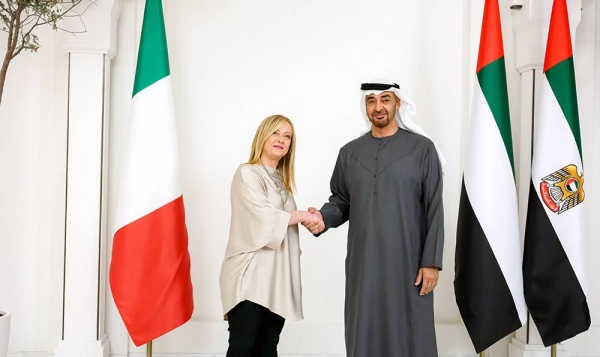
President Sheikh Mohamed bin Zayed Al Nahyan’s state visit to Italy has significantly bolstered the relationship between the United Arab Emirates and Italy. During a dinner banquet hosted by Italian President Sergio Mattarella, both leaders expressed their commitment to enhancing bilateral cooperation across various sectors.

President Mattarella welcomed Sheikh Mohamed and his delegation, highlighting the deep-rooted ties between the two nations and their mutual desire to further strengthen collaboration for the benefit of their peoples. In response, Sheikh Mohamed conveyed his appreciation for the warm reception and emphasized the strategic partnership’s ongoing growth. He noted that this visit reflects both countries’ aspirations to work together towards elevated cooperation and joint economic development.

A symbolic exchange of honors took place during the banquet. Sheikh Mohamed awarded President Mattarella the Order of Zayed, the UAE’s highest civilian honor bestowed upon world leaders. In return, President Mattarella conferred upon Sheikh Mohamed the Order of Merit of the Italian Republic, Italy’s highest accolade for foreign dignitaries.

The UAE delegation accompanying Sheikh Mohamed included Sheikh Abdullah bin Zayed Al Nahyan, Deputy Prime Minister and Minister of Foreign Affairs; Sheikh Hamdan bin Mohamed bin Zayed Al Nahyan, Deputy Chairman of the Presidential Court for Special Affairs; and Sheikh Mohammed bin Hamad bin Tahnoon Al Nahyan, Advisor to the UAE President. The Italian side was represented by several ministers, senior officials, and other dignitaries.

As Sheikh Mohamed’s aircraft entered Italian airspace, it was ceremoniously escorted by a squadron of Italian military jets, symbolizing the importance of this visit. This gesture underscores the mutual respect and the strengthening ties between the two nations.

The discussions between the leaders encompassed a wide range of topics, including investment opportunities, advancements in artificial intelligence, and cultural exchanges. Both countries are keen to explore collaborative ventures in these areas to foster innovation and economic growth.

Energy cooperation emerged as a focal point during the talks. The UAE’s Abu Dhabi National Oil Company and Italy’s energy giant Eni are expanding their partnership beyond traditional oil and gas sectors. Their collaboration now includes renewable energy projects, aligning with global efforts to transition towards sustainable energy solutions.

Defense and security were also prominent on the agenda. Italy’s Leonardo remains a key supplier to the UAE Armed Forces, and both nations are exploring avenues to deepen their defense cooperation. This includes potential joint ventures and knowledge exchange programs aimed at enhancing the capabilities of their respective armed forces.

Emerging sectors such as climate change mitigation, food security, and the space industry were identified as promising areas for future collaboration. Both countries recognize the importance of addressing global challenges through joint initiatives and are committed to working together to develop innovative solutions.

This visit follows Italian Prime Minister Giorgia Meloni’s diplomatic mission to Abu Dhabi, which took place approximately a month prior. During that visit, multiple cooperation agreements were signed, including a significant energy deal involving Albania. These developments signify a renewed vigor in UAE-Italy relations, moving beyond traditional frameworks to embrace broader regional and global partnerships.

Analysts suggest that the UAE-Italy relationship is evolving into a strategic alliance with the potential to influence regional dynamics. Both nations are positioning themselves as key players in the Indo-Mediterranean region, leveraging their economic and geopolitical strengths to foster stability and prosperity.

The leaders also discussed the possibility of developing trilateral and regional alliances, particularly focusing on Africa and East Asia. While Italy prioritizes Eastern Europe, the UAE maintains a strong focus on Africa, creating opportunities for strategic alignment and collaborative initiatives in these regions.

The Gulf Cooperation Council economies are poised to outpace global economic growth in 2025, driven by strategic diversification efforts and robust non-oil sector expansion. According to First Abu Dhabi Bank’s latest Global Investment Outlook report, the GCC’s gross domestic product is projected to nearly double, reaching 3.6% in 2025, surpassing the International Monetary Fund’s global growth forecast of 2.8%.

Saudi Arabia stands at the forefront of this regional surge, with its non-oil GDP anticipated to grow by 4.4% in 2025, up from 3.5% the previous year. This projection aligns with PwC’s analysis, which also foresees a 4.4% expansion in the kingdom’s non-oil economy for the same period. The IMF further estimates that Saudi Arabia’s overall economy will expand by 3.3% in 2025, with growth accelerating to 4.1% in 2026. This optimistic outlook is bolstered by Moody’s recent upgrade of Saudi Arabia’s sovereign credit rating to Aa3, reflecting the success of its economic diversification initiatives and reduced reliance on oil revenues.

The United Arab Emirates is also projected to experience significant economic growth. The IMF forecasts a 5.1% increase in the UAE’s GDP for 2025, while the World Bank anticipates growth rates of 4% in 2025 and 4.1% in 2026. These projections are underpinned by the UAE’s strategic investments in non-oil sectors, business-friendly regulations, and a low corporate tax regime. S&P Global Ratings highlights that the UAE’s GDP growth is expected to remain strong between 2025 and 2027, supported by buoyant non-hydrocarbon activities.

Oxford Economics echoes this positive sentiment, predicting that the GCC’s regional GDP growth will nearly double to 3.6% in 2025, outpacing the global forecast of 2.8%. This growth is attributed to gradual increases in oil production and sustained robust trajectories in non-energy sectors. The World Bank concurs, projecting that the GCC region will grow by 3.4% in 2025 and 4.1% in 2026, compared to an expected 3.3% growth rate for the broader Middle East and North Africa region.

FAB’s Group Head of Global Private Banking, Michel Longhini, emphasized the region’s resilience, stating, “The 2025 global economic environment presents unique challenges, but the GCC region continues to stand out as a beacon of resilience and opportunity.” This resilience is further demonstrated by the UAE’s non-oil GDP growth, which is expected to remain strong at 4.9% in 2024 and 5% in 2025, supported by government initiatives to attract foreign investments and promote economic diversification.

In Saudi Arabia, economic growth is expected to accelerate in 2025 due to an increase in oil production, following two years of modest performance. A Reuters poll of economists indicates that the kingdom’s economy is forecasted to grow by 4.4% in 2025, up from an anticipated 1.3% this year. This growth is driven by plans to reverse previous production cuts and bolster non-oil revenues.

Edge Artificial Intelligence is rapidly transforming how industries process data by enabling real-time analysis directly on devices. This shift reduces dependence on centralized cloud infrastructures, offering significant advantages in speed, security, and efficiency. By processing data locally, Edge AI minimizes latency, providing immediate responses essential for applications like autonomous vehicles and industrial automation. This on-device computation ensures that critical decisions are made without delays associated with data […]

Cryptocurrency exchange Bybit has made a significant move in the digital asset market by acquiring approximately 36,893 Ether in an over-the-counter transaction valued at $100 million USDT. This strategic purchase, conducted at a rate of $2,711 per ETH, was facilitated through prominent financial services firms Galaxy Digital and FalconX.

This acquisition comes on the heels of a substantial security breach that Bybit experienced on February 21, 2025, where approximately 401,347 ETH, equivalent to $1.12 billion, were illicitly transferred from the exchange’s cold wallet. The hack, attributed to the North Korean Lazarus Group, significantly impacted market confidence and led to a notable decline in Ethereum’s price, which dropped from $2,850 to $2,750 within an hour of the incident.

In response to the breach, Bybit’s CEO, Ben Zhou, addressed the situation in a public forum, assuring users of the exchange’s financial resilience. He stated that the company’s assets exceed the stolen amount, with a cold wallet reserve of nearly $3 billion in USDT. This reassurance aimed to bolster user confidence amidst the turmoil.

The decision to purchase a substantial amount of ETH is part of Bybit’s strategy to replenish its reserves and stabilize its operations following the hack. The transaction was executed through OTC channels to minimize market disruption and secure a fixed purchase price. This approach reflects a growing trend among cryptocurrency exchanges to manage large transactions discreetly, thereby reducing potential volatility in the open market.

Market analysts have observed that such significant acquisitions can influence investor sentiment positively. Following Bybit’s announcement, Ethereum’s price experienced a modest uptick, rising by over 2.3% in the past 24 hours, while the broader CoinDesk 20 Index saw a 0.76% increase during the same period. This price movement suggests a restoration of confidence among investors, despite the recent security concerns.

The broader implications of Bybit’s actions highlight the challenges cryptocurrency exchanges face in ensuring security and maintaining user trust. The swift response to the breach, coupled with transparent communication and decisive financial maneuvers, underscores the importance of robust security protocols and contingency planning in the rapidly evolving digital asset landscape.

As the situation develops, stakeholders within the cryptocurrency ecosystem will be monitoring Bybit’s continued efforts to enhance security measures and restore full operational integrity. The incident serves as a critical reminder of the vulnerabilities inherent in digital asset management and the necessity for continuous advancements in cybersecurity practices.

In the wake of these events, Ethereum’s market performance remains a focal point for investors. The recent price fluctuations underscore the asset’s sensitivity to exchange-related incidents and broader market dynamics. As of now, Ethereum is trading at $2,769.35, reflecting a change of $89.60 from the previous close. The intraday high reached $2,792.69, with a low of $2,679.35, indicating ongoing volatility in the market.

Oil prices experienced a decline on Friday, with Brent futures decreasing by 73 cents, or 0.95%, to $75.75 per barrel, and U.S. West Texas Intermediate crude falling by 73 cents, or 1%, to $71.75 per barrel. Despite this downturn, both benchmarks were poised for a weekly gain, influenced by supply disruptions in Russia and ongoing uncertainty surrounding potential peace negotiations in Ukraine.

The market has been reacting to recent events impacting supply dynamics. Ukrainian drone strikes targeted a key pumping station on a major international pipeline in southern Russia, disrupting oil supplies from Kazakhstan. This incident has heightened concerns over the stability of oil exports in the region, contributing to price volatility.

In the United States, oil refiners are expected to shut in about 1.25 million barrels per day of capacity in the week ending February 21, increasing available refining capacity by 258,000 bpd. Offline capacity is projected to fall to 893,000 bpd in the week ending February 28. These adjustments in refining operations reflect the industry’s response to current supply and demand conditions.

Global oil demand growth is projected to average 1.1 million bpd in 2025, up from 870,000 bpd in 2024. This increase is primarily driven by emerging Asian economies, with China remaining a significant contributor due to its petrochemical sector. However, the pace of China’s expansion is expected to slow, and OECD demand is forecast to return to a structural decline following a modest increase last year.

World oil supply experienced a decline of 950,000 bpd to 102.7 million bpd in January, influenced by seasonally colder weather affecting North American production, as well as output decreases in Nigeria and Libya. Despite this reduction, supply remains 1.9 million bpd higher than a year ago, with gains led by the Americas. Projections indicate that global oil supply will increase by 1.6 million bpd to 104.5 million bpd in 2025, assuming OPEC+ voluntary cuts remain in place.

The Energy Information Administration forecasts that Brent crude oil prices will average $74 per barrel in 2025, before declining to $66 per barrel in 2026. This outlook considers factors such as increasing production and relatively weak global oil demand growth, leading to a rise in global oil inventories and exerting downward pressure on prices.

Market participants are closely monitoring geopolitical developments, particularly the potential for peace negotiations between Russia and Ukraine. The outcome of these discussions could significantly impact global oil supply and demand dynamics, influencing price trajectories in the near term.

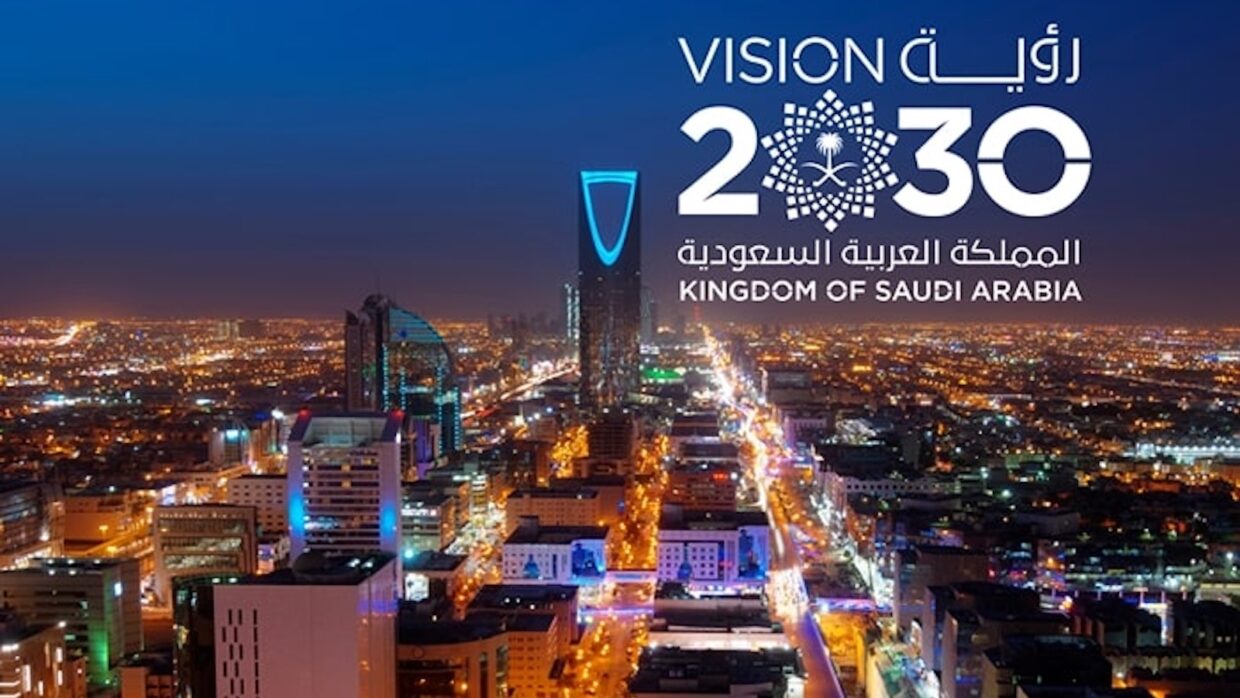
Saudi Arabia has rapidly become a pivotal player in the Gulf Cooperation Council’s private equity sector, driven by strategic reforms and its ambitious Vision 2030 agenda. Over the past five years, the Kingdom’s private equity investments have experienced remarkable growth, escalating from $523 million in 2019 to $4 billion in 2023, reflecting a compound annual growth rate of 66%. This surge underscores Saudi Arabia’s commitment to creating an investor-friendly environment that appeals to both domestic and international stakeholders.

A significant factor contributing to this expansion is the dominance of buyout transactions, which have consistently constituted approximately 80% of the total private equity capital deployed in the country. This trend indicates a robust market for mergers and acquisitions, aligning with the nation’s objectives to diversify its economy and reduce reliance on oil revenues. Additionally, growth equity investments are gaining momentum, supporting mid-sized companies poised for expansion and further stimulating economic diversification.

The Kingdom’s strategic initiatives, particularly the Shareek Program launched in 2021, play a crucial role in this transformation. Designed to bolster large Saudi enterprises, Shareek aims to accelerate private sector investments, fostering economic development and enhancing the global competitiveness of Saudi businesses. By facilitating partnerships between the public and private sectors, the program seeks to unlock new investment opportunities and drive sustainable growth.

Sector-wise, technology and infrastructure have emerged as focal points for private equity investments. The government’s emphasis on digital transformation and smart city projects has attracted substantial capital, leading to advancements in these areas. For instance, the development of NEOM, a futuristic city envisioned under Vision 2030, exemplifies the type of large-scale infrastructure projects drawing investor interest. Such initiatives not only modernize the nation’s landscape but also create a plethora of opportunities for private equity firms seeking to capitalize on the burgeoning demand for innovative solutions.

In tandem with these developments, Saudi Arabia’s Public Investment Fund has been instrumental in anchoring foreign investments within the Kingdom. By collaborating with international asset managers and financial institutions, PIF aims to attract $100 billion in annual foreign direct investments by 2030. Notable partnerships include a $2 billion Middle East infrastructure fund with Canadian asset manager Brookfield and agreements with Japanese financial entities, reflecting the Kingdom’s strategic approach to integrating global expertise and capital into its economic framework.

However, the rapid evolution of the private equity landscape is not without challenges. Proposed changes by the Accounting and Auditing Organization for Islamic Financial Institutions could introduce complexities in the Islamic debt market, potentially affecting transaction structures and investor appeal. The new rules mandate issuers of Islamic bonds to transfer legal ownership of underlying assets to investors, aiming for closer adherence to Islamic principles of risk-sharing. While intended to enhance compliance, these changes may increase transaction costs and deter investment if not managed adeptly.

Liquidity concerns persist, particularly in sectors with less mature market infrastructures. The developing nature of the private equity and venture capital ecosystems necessitates continuous efforts to deepen capital markets and enhance investor confidence. Initiatives to address these issues include the maturation of Saudi Arabia’s stock market, which is progressively offering more exit avenues for private equity investments, thereby improving liquidity and attracting further capital inflows.

The Kingdom’s proactive stance in privatizing state-owned assets across various sectors, such as energy, infrastructure, healthcare, education, tourism, and entertainment, has unlocked vast opportunities for both local and international investors. With investments now exceeding $50 billion, these privatization efforts signify a pivotal shift in Saudi Arabia’s economic landscape, promoting private sector involvement and fostering a more dynamic investment climate.

In the realm of sports and entertainment, Saudi Arabia has made significant strides, exemplified by its $1 billion investment in DAZN, a sports streaming service owned by billionaire Sir Leonard Blavatnik. This strategic move not only amplifies the Kingdom’s presence in the global sports industry but also aligns with its broader objectives to diversify the economy and enhance its international image. The collaboration aims to broadcast Saudi sports and events to over 200 markets, showcasing the nation’s commitment to expanding its cultural and entertainment footprint worldwide.

Global oil prices have experienced a significant decline, with West Texas Intermediate crude falling nearly 3% to $70.40 per barrel, marking a two-month low. This downturn is attributed to a combination of U.S. policy changes under President Donald Trump and evolving geopolitical dynamics in the Middle East. President Trump’s recent energy policies have introduced substantial volatility into the oil market. His administration’s focus on bolstering fossil fuel […]

Saudi Arabia is poised to lead the Middle East and North Africa region in initial public offerings in 2025, with 27 companies planning to list on its stock exchange. This surge underscores the Kingdom’s efforts to diversify its economy and strengthen its capital markets. According to a report by EY, the MENA region anticipates 38 company IPOs and 22 fund listings in 2025, spanning various sectors. The […]

Israeli Prime Minister Benjamin Netanyahu has directed the military to intensify operations in the occupied West Bank after explosions damaged three buses near Tel Aviv. The incidents, which authorities are treating as suspected terrorist attacks, occurred on Thursday evening in the suburbs of Bat Yam and Holon. Fortunately, no casualties were reported, as the buses were unoccupied at the time. The explosions took place while the buses […]

VISHNU RAJA
RYO YAMADA
HITORI GOTOH
IKUYO KITA