News related to
Low oil

Lucid Motors, the electric vehicle manufacturer backed by Saudi Arabia’s Public Investment Fund (PIF), is set to launch a stock sale aiming to raise approximately $1.67 billion. This move comes as the company seeks to bolster its financial position amid ongoing challenges in the EV market, including increased competition and supply chain constraints. With ambitions to expand production capabilities and improve cash flow, Lucid’s strategic decision highlights the importance of capital infusion in achieving its long-term growth objectives.

Founded in 2007, Lucid Motors initially gained attention for its luxury electric sedans, particularly the Lucid Air, which offers high performance and premium features. The vehicle has garnered numerous accolades for its impressive range and innovative technology, solidifying Lucid’s position as a key player in the luxury EV segment. The company went public in 2021 through a merger with a special purpose acquisition company (SPAC), further fueling expectations of significant growth and innovation.

The stock offering is expected to be conducted through an underwritten public offering, with the PIF participating as a significant investor. This partnership with the Saudi fund underscores the commitment of both entities to not only enhance Lucid’s market position but also align with Saudi Arabia’s broader economic diversification plan, Vision 2030. This initiative aims to reduce the kingdom’s dependence on oil revenues by investing heavily in renewable energy and technology sectors.

Financial analysts view this stock sale as a necessary step for Lucid to secure funds to navigate the challenges of scaling production while maintaining quality and safety standards. The company has faced scrutiny over its production timelines, with initial targets for delivering vehicles falling short of expectations. As Lucid ramps up its manufacturing capabilities, having sufficient capital will be crucial for maintaining operational efficiency and meeting consumer demand.

Recent data indicates that Lucid delivered a total of 2,000 vehicles in the first half of the year, a significant increase from previous figures, but still below market expectations. Analysts suggest that this stock sale could provide Lucid with the financial flexibility to address bottlenecks in its supply chain and enhance its manufacturing processes.

Competition in the luxury EV space is intensifying, with established automakers such as Tesla, Rivian, and traditional automotive giants investing heavily in electric vehicle development. This competitive landscape necessitates that Lucid not only increases production but also invests in marketing and customer acquisition strategies to capture a larger share of the growing EV market.

Lucid’s management has indicated plans to introduce new models in the coming years, including an SUV variant that could broaden its appeal beyond the luxury sedan segment. Such diversification is expected to attract a wider customer base and generate additional revenue streams. However, executing these plans requires substantial investment in research and development, which the anticipated stock offering aims to support.

Investor sentiment surrounding Lucid remains cautiously optimistic, especially given the strategic backing from the PIF. This partnership not only provides financial resources but also enhances Lucid’s credibility in the global market. As part of Saudi Arabia’s strategy to invest in innovative technologies, the PIF’s involvement serves to align Lucid with the kingdom’s goals of fostering sustainable energy solutions and advancing technological advancements.

Despite the promising outlook, challenges remain for Lucid. The automotive industry has been significantly impacted by ongoing supply chain disruptions, including semiconductor shortages that have hindered production across the sector. As a new player in the industry, Lucid must navigate these hurdles effectively to establish itself as a viable competitor against more established manufacturers.

Lucid’s market performance has been volatile since its public debut, reflecting broader trends in the EV sector. Investors are closely monitoring Lucid’s ability to execute its growth strategies and achieve profitability in the coming quarters. The outcome of the stock sale will play a crucial role in shaping the company’s future trajectory and investor confidence.

As the electric vehicle market continues to evolve, Lucid’s strategic decisions will be closely scrutinized by industry observers and investors alike. The forthcoming stock offering is a pivotal moment for the company, as it seeks to secure the necessary funds to enhance its production capabilities and innovate its product line.

A coalition of eleven nations has committed to the Middle East Green Initiative, aimed at addressing climate change and promoting sustainable development across the region. This significant expansion follows a recent summit where leaders gathered to discuss collaboration on environmental issues, further cementing the initiative’s role as a central platform for regional cooperation on sustainability. The Middle East Green Initiative, launched by Saudi Arabia, is designed to […]

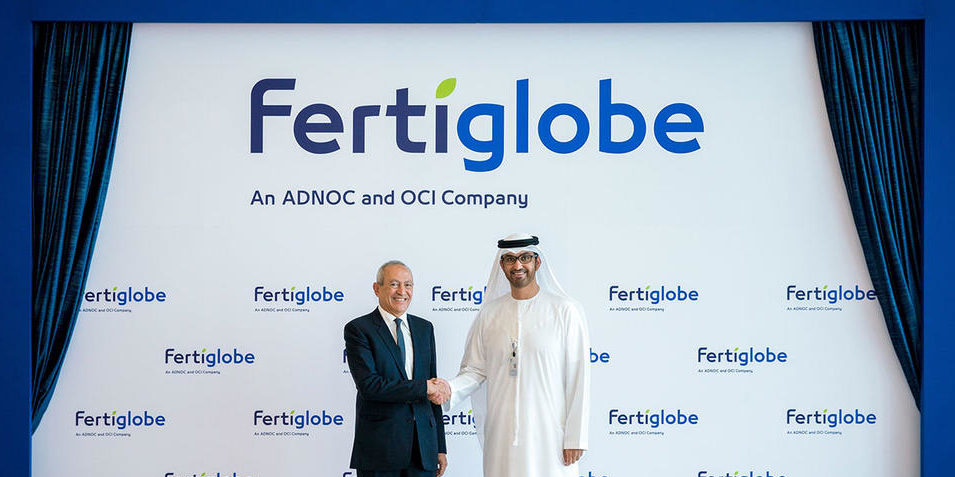
Fertiglobe, a prominent player in the nitrogen fertilizer industry, is making significant strides in securing long-term ammonia contracts, a move that could reshape its growth trajectory. The CEO, Hassan Badrawi, recently emphasized that these contracts are pivotal in bolstering the company’s market position and enhancing its profitability in an evolving landscape.

The company, a joint venture between Abu Dhabi National Oil Company (ADNOC) and OCI N.V., has been actively pursuing long-term agreements with key industrial clients globally. These contracts, spanning multiple years, are designed to provide stable pricing and guaranteed supply, allowing Fertiglobe to navigate the volatility often seen in the commodity markets. Badrawi noted that securing these contracts not only solidifies relationships with clients but also ensures a consistent revenue stream that supports long-term investments in production capacity and technology.

Fertiglobe’s approach aligns with broader industry trends, where manufacturers are increasingly prioritizing sustainability and supply chain resilience. The global ammonia market has experienced fluctuations due to geopolitical tensions, trade dynamics, and changing regulatory environments. Fertiglobe aims to mitigate these challenges by locking in long-term agreements that provide predictability in supply and pricing. This strategy is particularly crucial as countries transition towards more sustainable agricultural practices and seek reliable sources of nitrogen fertilizers.

The CEO highlighted the importance of innovation in Fertiglobe’s operations. The company has been investing heavily in technology to enhance production efficiency and reduce carbon emissions. Fertiglobe is committed to producing “green ammonia,” which is generated using renewable energy sources and is expected to play a crucial role in meeting future fertilizer demand while addressing environmental concerns. This commitment to sustainability resonates with clients who are increasingly seeking eco-friendly solutions in their supply chains.

The ammonia market is witnessing robust growth, fueled by rising global food demand and a push for more sustainable agricultural practices. As populations expand and dietary patterns shift, the need for effective fertilizers has never been more critical. Fertiglobe’s strategic focus on long-term contracts positions it favorably to capitalize on this growth, ensuring that it can meet the needs of its customers while also contributing to global food security.

Fertiglobe’s operational footprint is another factor that enhances its competitive advantage. The company’s facilities, located in the United Arab Emirates, benefit from proximity to key markets and access to essential raw materials. This geographical advantage not only reduces transportation costs but also improves supply chain efficiency. By securing long-term contracts with local and regional clients, Fertiglobe is poised to solidify its role as a reliable ammonia supplier.

Analysts are optimistic about Fertiglobe’s strategy. The company is seen as a key player in the ammonia sector, with the potential to expand its market share significantly. The move towards long-term contracts aligns with investor expectations for stability and growth, particularly in a sector characterized by fluctuations in demand and supply. As the agricultural sector increasingly emphasizes sustainability, Fertiglobe’s initiatives in producing green ammonia are likely to attract attention and investment.

Fertiglobe’s commitment to transparency and ethical practices strengthens its position in the market. As stakeholders demand greater accountability from corporations, Fertiglobe’s focus on sustainable practices and responsible sourcing is expected to enhance its reputation and foster long-term relationships with clients. This ethical approach not only appeals to consumers but also aligns with the growing expectations from investors for companies to prioritize environmental, social, and governance (ESG) factors.

Fertiglobe’s initiatives reflect a broader industry shift towards greater collaboration among key players. The establishment of long-term contracts is not just about securing sales; it also involves sharing knowledge and resources to drive innovation in fertilizer production and distribution. As Fertiglobe continues to forge strategic partnerships, the potential for collaborative projects that enhance sustainability and efficiency becomes increasingly feasible.

As the global market for ammonia evolves, Fertiglobe is well-positioned to adapt to changing dynamics. The emphasis on long-term contracts reflects a proactive strategy to ensure stability and growth, while the commitment to innovation and sustainability aligns with industry trends. With food security and environmental sustainability at the forefront of global concerns, Fertiglobe’s initiatives in securing long-term ammonia contracts underscore its role as a pivotal player in the agricultural supply chain.

Experience the new autumn menu, a one-night only Italian feast by michelin-starred chefs and more joy of exclusive culinary at Galaxy Macau. MACAU SAR – Media OutReach Newswire – 17 October 2024 – As the crisp north winds signal the start of the harvest season, the Autumn Crab Feast at Galaxy Macau™ Integrated Resort begins in earnest, treating food lovers to the most luxurious and magnificent culinary […]

By Nitya Chakraborty Bangladesh is the diplomatic battleground of two super powers USA and China since the interim Government took over power on August 9 this year following the ouster of the Sheikh Hasina led Awami League regime on August 5 last. In the last five weeks of the new government led by Chief Adviser […]

HOHHOT, CHINA – Media OutReach Newswire – 17 October 2024 – Under the warm autumn sun, hundreds of farmers are racing to seize the remaining chance before winter to plant trees along the banks of Ulan Suhai Lake, the largest freshwater lake in the Yellow River basin. A greater flamingo is seen in Ulan Suhai Lake in Urad Qianqi, north China’s Inner Mongolia Autonomous Region, May 25, […]

Ardian, a global investment firm, is reportedly evaluating potential co-investment opportunities in the green hydrogen sector alongside two prominent players: Masdar and the Public Investment Fund (PIF) of Saudi Arabia. This collaborative venture could significantly impact the renewable energy landscape, reflecting a growing commitment to sustainable investments as nations strive to meet climate goals. The interest in green hydrogen arises from its potential to serve as a […]

Advertisements

The World Bank forecasts a 4.1% growth for the United Arab Emirates’ GDP in 2025, supported by diversification efforts and recovery in tourism and trade. This projection comes amidst ongoing economic reforms and investments in infrastructure and technology that aim to bolster the country’s long-term economic resilience. In its latest report, the World Bank emphasizes that the UAE’s economy has shown remarkable adaptability, bouncing back from the […]

United Development Company (UDC), a prominent real estate and investment firm in Qatar, has finalized an agreement to divest a 40% stake in Qatar Cool, the leading district cooling service provider in the region. This strategic move is poised to bolster UDC’s financial position while allowing Qatar Cool to enhance its operational capabilities and expand its service offerings. The deal underscores the growing importance of sustainable energy solutions in Qatar’s rapidly developing economy.

Qatar Cool, which was established in 2003, has been instrumental in providing efficient cooling solutions to various sectors, including residential, commercial, and industrial clients. The company has a significant footprint in Qatar, servicing landmark projects such as The Pearl-Qatar, Lusail City, and various governmental facilities. The district cooling model has gained traction in the Gulf region, particularly in Qatar, where high temperatures necessitate energy-efficient cooling solutions.

The decision by UDC to divest a portion of its stake comes at a time when the demand for district cooling services continues to rise, driven by increasing urbanization and the ongoing development of large-scale infrastructure projects. Industry analysts view this divestment as a move that will allow UDC to unlock capital for reinvestment into its core real estate ventures while also enabling Qatar Cool to leverage the new partnership for growth opportunities. The transaction is expected to close within the coming months, pending regulatory approvals.

As the largest shareholder in Qatar Cool, UDC’s divestment will not significantly alter the company’s strategic direction. However, the introduction of new partners could provide fresh perspectives and innovative approaches to expand Qatar Cool’s operations. Analysts are optimistic that this partnership will enable the company to enhance its technology and service delivery, aligning with Qatar’s Vision 2030 objectives focused on sustainable development.

The Qatar district cooling market has seen a substantial increase in investment over the past few years, with several new projects coming online to meet the burgeoning demand. According to industry reports, the district cooling market in Qatar is projected to grow at a compound annual growth rate (CAGR) of approximately 7.5% between 2024 and 2030. This growth is largely attributed to the government’s push for energy-efficient solutions that reduce carbon emissions and support sustainable urban development.

Qatar’s commitment to hosting global events such as the FIFA World Cup 2022 has accelerated infrastructure development across the country. The event has not only raised the profile of Qatar on the world stage but has also catalyzed significant investments in various sectors, including energy, real estate, and utilities. This investment climate is favorable for companies like Qatar Cool, as they can capitalize on the infrastructure development boom to expand their customer base.

Key players in the district cooling industry are increasingly adopting advanced technologies, such as smart cooling systems and IoT-enabled monitoring solutions, to improve energy efficiency and operational performance. Qatar Cool, in particular, has been at the forefront of this trend, leveraging innovative technologies to enhance its service offerings. The company has implemented state-of-the-art infrastructure that allows for real-time monitoring and management of its cooling systems, leading to improved efficiency and cost savings for customers.

UDC’s move to divest a portion of its stake aligns with a broader trend among corporations in the Middle East, where companies are re-evaluating their asset portfolios to focus on core competencies and maximize shareholder value. This strategic realignment is becoming increasingly important as the region navigates economic challenges and seeks to diversify its economies away from oil dependency. The sale of the stake is seen as a prudent financial strategy, positioning UDC to better invest in its real estate projects that are vital to Qatar’s ongoing development.

Industry experts anticipate that this divestment could pave the way for further consolidation in the district cooling sector, as companies seek to enhance their operational capabilities and market reach. The entrance of new stakeholders could bring additional investment, expertise, and innovation to Qatar Cool, ultimately benefiting its customers and contributing to the country’s sustainability goals.

Abu Dhabi National Oil Company (ADNOC) has enhanced its ownership in Fertiglobe, a leading producer of nitrogen fertilizers, with an aim to advance the development of low-carbon ammonia. This strategic move signals ADNOC’s commitment to reinforcing its position within the global fertilizer market and addressing the increasing demand for sustainable agricultural solutions. By increasing its stake from 67% to 80% in Fertiglobe, ADNOC is poised to play […]

KUALA LUMPUR, MALAYSIA – Media OutReach Newswire – 16 October 2024 – The U.S. dollar holds significant sway over global markets, particularly for traders in India and Southeast Asia. This release highlights the critical importance of monitoring the dollar’s value and explores how its fluctuations affect currency pairs, commodity prices, and market strategies in the region. The U.S. dollar’s dominance in global trade and finance is unparalleled. […]

By Dr. Gyan Pathak “NPPA revises the ceiling prices of eight scheduled drugs to meet the twin objectives of availability and affordability,” reads the title of the press release published on the Press Information Bureau’s website pib.gov.in. The title reverberated the sole esoteric Modi Mantra of the ritual of the price rise, that no one […]

Kelix Bio, a Mubadala-backed pharmaceutical company, is moving to acquire four major assets from Yas Holding’s GlobalOne Healthcare Holding (GHH) in a strategic deal that could reshape the regional healthcare landscape. The acquisition, targeting prominent pharmaceutical firms in the Middle East and Africa, is part of Kelix Bio’s broader expansion strategy aimed at strengthening its presence in emerging markets. The transaction underscores the growing interest of regional […]

Qatar’s banking sector is poised for a resurgence in the global debt markets as local lenders embark on refinancing efforts and seek to diversify their funding sources. Several prominent Qatari banks, including Qatar National Bank (QNB) and Commercial Bank, are taking strategic steps to enhance their liquidity positions and broaden their investor base amidst a shifting economic landscape. The move comes in the wake of increased interest […]

A significant shift in global oil prices has occurred, triggered by reports that Israel will not target Iranian energy facilities during its ongoing military operations. The announcement has contributed to a notable decrease in crude oil prices, with Brent crude futures falling to approximately $83.50 per barrel, a drop of nearly 5%. West Texas Intermediate (WTI) also experienced a decline, trading around $78.50 per barrel. The news of a potential de-escalation of tensions has sparked optimism among traders and analysts, prompting discussions about the implications for oil supply and regional stability.

This development follows heightened concerns about the geopolitical landscape in the Middle East, particularly since the onset of hostilities involving Israel and Hamas. Market observers had speculated that any escalation involving Iran could disrupt oil supply chains, especially given Iran’s substantial role in the global oil market. The country, a member of the Organization of the Petroleum Exporting Countries (OPEC), has consistently been a significant player in oil production, with its output averaging around 3 million barrels per day prior to the imposition of sanctions.

Analysts have noted that the decision to refrain from targeting Iranian facilities could stabilize oil prices in the short term. Such stability is crucial, as fluctuations in oil prices often reflect broader economic sentiments and can influence inflation rates worldwide. The International Energy Agency (IEA) had previously warned that any conflict in the region could lead to a supply shock, resulting in further price surges. However, the latest assurances have alleviated some of these fears, allowing for a moment of respite in oil markets.

The interplay between Israel and Iran extends beyond military engagements, encompassing significant economic implications as well. Iran’s oil exports have faced restrictions due to sanctions imposed by Western nations, limiting its ability to engage in international trade. Despite these challenges, Iran has sought to bolster its oil exports through partnerships with countries such as China, which has emerged as a primary importer of Iranian crude.

This latest news has prompted reactions from various stakeholders in the oil market. Major oil companies are closely monitoring the situation, as any potential escalation could alter their operational strategies and long-term investment plans in the region. Executives from companies like BP and Shell have expressed cautious optimism, reiterating their commitment to maintaining stable supply chains while navigating geopolitical uncertainties.

While the immediate outlook appears more favorable for oil prices, analysts caution that the situation remains fluid. The potential for conflict in the Middle East has not dissipated, and other geopolitical factors could still influence market dynamics. For instance, the ongoing conflict in Ukraine and its ramifications for global energy supply also weigh heavily on market sentiment. European countries continue to seek alternatives to Russian gas, further complicating the energy landscape and contributing to price volatility.

Market analysts are keeping a close eye on OPEC’s strategies in response to shifting demand dynamics. The organization has historically played a critical role in managing oil supply to influence prices. The group is likely to convene in the coming weeks to assess the current situation and consider adjustments to their production quotas. OPEC’s decisions are crucial for maintaining market equilibrium, especially during times of uncertainty.

In the context of these developments, there has been a renewed focus on the importance of diversifying energy sources and enhancing energy security. Nations worldwide are increasingly exploring renewable energy options as part of their long-term strategies to reduce dependence on fossil fuels. This transition has been accelerated by rising global temperatures and the urgent need to address climate change, prompting many governments to invest in sustainable energy infrastructure.

Power outages persist across North Carolina in the wake of Hurricane Helene, which left a trail of devastation that has upended communities. In Buncombe County, more than 25,000 households have been left without electricity for three weeks, as severe flooding damaged critical infrastructure, slowing efforts to restore power. The statewide impact has been significant, with nearly 100,000 households still struggling with outages, as local utilities and government agencies work to rebuild in the aftermath of one of the worst hurricanes the state has experienced in recent history.

The storm made landfall with Category 4 intensity, bringing winds exceeding 130 mph and unleashing torrential rains that led to flash flooding in several regions. Rural and urban areas alike suffered widespread damage, with roads washed away, bridges collapsing, and homes submerged under several feet of water. Emergency services have been stretched thin, with thousands of rescue operations underway, especially in hard-hit areas like Asheville, where rivers swelled to dangerous levels, overwhelming the city’s flood defenses.

In Buncombe County, the power grid took a particularly hard hit due to the storm’s ferocity. Many of the county’s substations were submerged under floodwaters, making it difficult for utility crews to assess the extent of the damage. Roads leading to key infrastructure have been washed away or remain inaccessible due to debris, further delaying repair efforts. The combination of flood damage and fallen trees from the hurricane’s high winds has left electrical lines in disarray, forcing residents to endure an extended blackout.

Local officials have been working round-the-clock to mitigate the impact of the prolonged outages. However, challenges remain as access to remote areas continues to be obstructed. Governor Roy Cooper emphasized that while progress is being made, the scale of destruction is unprecedented, and recovery will take time. He urged residents to remain patient and assured that federal disaster relief funds would be allocated to expedite repairs. Meanwhile, the National Guard has been deployed to assist with clearing roadways and delivering essential supplies to isolated communities.

As temperatures dropped, concerns about the well-being of those without power have increased. Residents in Buncombe County, in particular, have voiced frustration as they continue to grapple with the lack of electricity, while others are facing challenges related to food preservation and heating. The disruption of public services has compounded the difficulties, with schools in the area remaining closed and businesses struggling to reopen without reliable access to power. Many families have been forced to relocate temporarily, seeking refuge in shelters set up by the Red Cross and local churches.

The hurricane also triggered a cascading effect on other vital services. Hospitals, nursing homes, and other critical care facilities have faced mounting pressure to maintain operations using backup generators, while others have been forced to transfer patients to unaffected regions. Water treatment plants were similarly overwhelmed, leading to boil-water advisories in several towns, as the risk of contamination rose due to floodwaters breaching sanitation systems.

The agricultural sector in North Carolina has also borne the brunt of the hurricane’s devastation. Farmers in the eastern part of the state reported catastrophic losses as fields were submerged and livestock perished in the floods. Early estimates suggest that the damage to crops, particularly soybeans, tobacco, and corn, could reach into the hundreds of millions of dollars. Livestock farmers have also struggled, with large numbers of cattle and poultry succumbing to the rising waters. Agricultural experts warn that the full scope of the damage may not be realized for several weeks, as fields remain waterlogged and the logistical challenges of restoring farming operations persist.

Environmental experts have raised concerns about the long-term impact of Hurricane Helene on North Carolina’s ecosystems. Flooding has resulted in large-scale soil erosion, while contaminants from industrial sites and agricultural runoffs have mixed with floodwaters, potentially causing lasting harm to water sources and habitats. The state’s fisheries, a key economic driver, could see prolonged disruptions as rivers and estuaries remain clouded with debris and pollutants, threatening aquatic life and commercial fishing operations.

Insurance companies are bracing for what is expected to be an unprecedented number of claims. Early projections indicate that Hurricane Helene may be one of the costliest storms in the state’s history, with damages potentially exceeding $10 billion. Insurers have been mobilizing teams of adjusters to assess the damage, but the sheer scale of destruction, combined with ongoing access issues, has slowed the process. Many homeowners, however, are discovering that their policies do not fully cover the extent of the damage caused by flooding, leaving them facing substantial out-of-pocket expenses for repairs.

Rebuilding efforts are now the primary focus for state and local authorities, as they work to restore power and infrastructure in the affected areas. Federal assistance has been crucial in these efforts, with the Federal Emergency Management Agency (FEMA) coordinating aid and providing financial support to expedite recovery. President Joe Biden, during a briefing, promised continued federal assistance to North Carolina, acknowledging the hurricane’s devastation and the long road to recovery.

Nintendo and Game Freak have confirmed a significant data breach affecting the Pokémon franchise. The breach, which reportedly occurred earlier this year, compromised the personal information of both current and former employees, leading to widespread concern within the gaming industry. In a formal apology published on Game Freak’s official website, the developer studio acknowledged unauthorized access to its server, stating that sensitive data had been exposed. The […]

SINGAPORE – Media OutReach Newswire – 15 October 2024 – Chevron Singapore, which operates the retail brand Caltex, has announced the launch of the refreshed CaltexGO mobile app, designed to enhance customer convenience and engagement across all Caltex stations nationwide. This latest iteration of Singapore’s first mobile fuel payment app underscores Caltex’s commitment to innovation and delivering exceptional customer experiences. The refreshed CaltexGO mobile app (Credit – […]

As tensions escalate between Israel and Iran, the world is watching with bated breath, and financial markets are bracing for a potential economic shock. The deployment of additional US troops and advanced anti-missile systems to Israel highlights how serious the situation has become. Recent unprecedented attacks from Iran and Israel’s potential countermeasures, particularly targeting Iran’s vital oil or nuclear facilities, could set the stage for a global […]

An initial public offering (IPO) by a leading Saudi human resource firm has garnered significant attention, with the offering fully subscribed within the first hour of trading. This surge in interest reflects growing investor confidence in the burgeoning Saudi market, driven by economic reforms and diversification efforts as outlined in the Vision 2030 initiative. The firm, which specializes in workforce management and recruitment services, has positioned itself […]

Goldman Sachs has revised its projection for China’s 2024 economic growth, raising the country’s GDP forecast to 4.9%, signaling renewed confidence in Beijing’s economic recovery efforts. The investment bank’s upward revision stems from several factors, including stronger-than-expected data on industrial output and increased consumer spending, coupled with the effects of more targeted policy support. These adjustments suggest that Chinese authorities are focusing on stabilizing the economy through both fiscal measures and monetary easing.

China’s economic performance in 2023 faced significant hurdles, particularly due to sluggish consumer demand following the lifting of strict pandemic-related restrictions, and a property sector in turmoil. However, signs of stabilization have emerged, leading global financial institutions, including Goldman Sachs, to reassess their outlook on the world’s second-largest economy.

The Chinese government’s approach to managing the country’s growth has evolved, reflecting a shift from aggressive pandemic-era fiscal policies toward more measured economic interventions. Goldman Sachs noted that China’s leadership has implemented strategies aimed at striking a balance between economic stimulus and long-term sustainability. This shift has helped calm investor concerns about structural issues, particularly in real estate, while stimulating sectors such as manufacturing and technology.

The revised forecast aligns with other optimistic assessments, suggesting that China is poised to achieve moderate yet sustainable growth in 2024. Goldman Sachs’ economists highlighted that China’s renewed focus on infrastructure spending, along with a gradual recovery in the property market, are likely to support the nation’s GDP growth trajectory. Additionally, the bank predicts that consumer confidence will continue to rebound, boosted by government initiatives aimed at alleviating unemployment and expanding credit availability.

Analysts also emphasize the role of China’s exports, which have benefitted from the relative strength of global demand, particularly in sectors such as electronics and machinery. While geopolitical tensions, including trade relations with the U.S., remain a potential risk, the bank noted that China’s diverse manufacturing base and strategic partnerships with emerging markets will continue to bolster its economic resilience.

However, challenges persist, particularly within the property sector. Although authorities have taken steps to stabilize the real estate market, the sector remains fragile due to high levels of debt among property developers and continued concerns about housing affordability. Goldman Sachs pointed out that resolving these issues will be critical to maintaining the momentum of China’s broader economic recovery.

A video that recently resurfaced online has reignited concerns over the alleged tampering of Amul ice cream, sparking a wave of misinformation and public debate. The Gujarat Cooperative Milk Marketing Federation (GCMMF), which oversees the Amul brand, has swiftly denied any wrongdoing, reaffirming its commitment to maintaining the highest standards of product quality.

The video, originally circulated years ago, made its way back onto social media, accusing Amul of using non-vegetarian ingredients in its ice cream, particularly an emulsifier labeled as E-471, which the rumors claimed was derived from animal fat. This allegation triggered alarm among various communities, as Amul is widely known and trusted as a brand that delivers purely vegetarian products.

To quell the situation, R S Sodhi, Managing Director of GCMMF, issued an official statement through both video and print channels, dismissing the claims as false and malicious. Sodhi clarified that the emulsifier in question is derived from 100% plant-based oils, such as those from soybean, sunflower, or palm, which are commonly used in the food industry. He emphasized that Amul’s products adhere to strict vegetarian sourcing, aligning with the trust placed in the brand by millions of consumers across the country.

The controversy over the emulsifier is not new. Various food products globally use E-471, which can be derived from either plant or animal sources. The persistence of these rumors, despite clarification, appears to be part of a targeted misinformation campaign, with vested interests aiming to damage the reputation of one of India’s most beloved dairy brands. The swift public relations response by Amul underscores the company’s proactive stance in maintaining consumer trust and protecting its brand integrity.

The original video that caused the uproar showed alleged tampering of Amul’s ice cream packaging and implied that animal-based ingredients were being used, which stirred strong reactions, particularly among those adhering to vegetarian or religious dietary restrictions. However, GCMMF countered the claims, explaining that all processes in its manufacturing chain are transparent, strictly regulated, and in line with the company’s commitment to high-quality dairy production.

Social media platforms have played a central role in the spread of these allegations, prompting a range of reactions from consumers. While some voiced concerns about product safety, others came to the defense of the brand, highlighting their long-standing loyalty to Amul and dismissing the video as another attempt to mislead the public. Various users have expressed their unwavering trust in Amul, calling it a cornerstone of the Indian dairy industry. Many pointed out that Amul, as a cooperative, represents the interests of millions of farmers, making it an ethical brand focused on delivering value to both producers and consumers.

The controversy has led to renewed discussions about how easily misinformation spreads on social media, and the role of companies in actively addressing public concerns. Amul’s rapid response has been seen as a strategic effort to maintain consumer confidence amid growing digital challenges. Sodhi also urged the public to be cautious about believing unverified information circulating online, stressing the importance of relying on credible sources for product information.

Ambitious renewable energy goals set by the UAE have not only been met but are expected to be exceeded by 2030, according to a recent report from the International Energy Agency (IEA). The report highlights the nation’s strategic investments and policies that have accelerated the development of renewable energy sources, particularly solar and wind power. With a commitment to diversifying its energy mix and reducing reliance on […]

Crown Prince Mohammed bin Salman will not participate in the upcoming BRICS summit scheduled for October 17-19 in Moscow. This decision marks a significant diplomatic moment, as Saudi Arabia engages in a complex geopolitical landscape that includes balancing relationships with both Western nations and emerging economies in the Global South. The absence of the Crown Prince at such a high-profile gathering raises questions about the Kingdom’s strategy […]

VISHNU RAJA
RYO YAMADA
HITORI GOTOH
IKUYO KITA