News related to
Low oil

Geopolitical uncertainties and escalating regional tensions have continued to dampen growth in the UAE’s non-oil sector, with July’s Purchasing Managers’ Index marking its lowest point in four years. The S&P Global UAE PMI dropped to 52.9 from 53.5 in June, highlighting a slower pace of expansion in the country’s non-oil business activity. The decline indicates that the rate of growth has weakened, falling below the long-term trend observed in past months.

The report, based on a survey of businesses across the UAE, signalled the weakest growth in the non-oil sector since June 2021. It outlined several key factors contributing to the slowdown, most notably the lingering geopolitical uncertainties affecting both domestic and regional market conditions. Sales, in particular, have been impacted, with companies facing challenges in securing new business. The survey revealed that a cautious approach was being adopted by clients, with many hesitant to commit to new expenditures due to the prevailing uncertain environment.

The survey found that new business growth had slowed further, with firms reporting reduced client demand across various sectors. This has led to a decline in both hiring and purchasing activity, further underscoring the strained business conditions. Companies appear more reluctant to invest in workforce expansion or in the procurement of goods and services.

Despite these setbacks, there was a notable increase in output levels, as firms worked to manage their backlogs of work. To ensure that delivery times were met and customer satisfaction remained high, businesses opted to accelerate their production. This uptick in output was a response to the mounting pressures caused by increased demand from existing orders, with firms aiming to prevent a further buildup of work left unfinished.

According to the PMI report, the services sector, a key pillar of the non-oil economy, showed signs of stagnation in growth. This is in contrast to other periods of relative expansion, where the sector had experienced more robust gains. The impact of external factors, such as regional tensions and fluctuating demand, has been particularly noticeable in the services sub-sector, which includes industries like hospitality, tourism, and business services.

Notably, the survey’s findings also revealed that UAE businesses were still grappling with a cautious economic outlook. Many are navigating the ongoing challenges posed by global economic conditions, including inflationary pressures and supply chain disruptions. While some sectors have managed to adapt, the overall sentiment among businesses remains one of caution.

Another contributing factor to the sector’s struggle has been the steady rise in costs. With inflationary pressures mounting, firms have faced higher input costs, which they have had to balance against the slower growth in demand. Despite these challenges, many companies are opting to absorb the additional costs to maintain competitive pricing in the marketplace, though the sustainability of this approach is under scrutiny as conditions persist.

While the non-oil sector’s growth has been muted, there have been some positive indicators in the form of continued investment in infrastructure projects and the government’s commitment to diversifying the economy. The UAE’s Vision 2030, which focuses on reducing dependence on oil revenues, remains a long-term blueprint for economic transformation. However, the road ahead appears uncertain, with regional tensions and external pressures acting as major headwinds to the UAE’s ambitious goals.

In terms of employment, the outlook is mixed. While there has been a decline in hiring across some sectors, others continue to experience demand for skilled workers, particularly in industries aligned with the country’s long-term economic diversification plans. However, businesses have also been cautious in their hiring practices, mindful of the fluctuating economic environment and the potential for further uncertainties in the coming months.


LANKAO, CHINA – Media OutReach Newswire – 5 August 2025 – From July 23 to 27, the Shanghai Cooperation Organization Media and Think Tank Summit took place in Zhengzhou, Henan Province. Themed Upholding the “Shanghai Spirit” to Build a More Beautiful Home, the summit brought together leading media outlets, prominent think tanks, senior government officials and diplomatic envoys from SCO member states, observer states and dialogue partners, […]

A major economic migration is shaping the global landscape, with the UAE emerging as a primary destination for millionaires seeking new opportunities. In 2025, projections indicate that over 140,000 affluent individuals will relocate across borders, and the UAE is set to capture a substantial portion of this wealth migration. Among the largest share of the 142,000 millionaires relocating worldwide, the UAE is expected to see 9,800 of […]

The cost of purchasing homes in Abu Dhabi has surged, driven by a growing influx of high-net-worth individuals and a steady demand for prime residential properties. According to the latest data, residential real estate prices have soared by 17.3% in the second quarter of the year, marking a 31.3% increase since Q1 2020. This price hike has pushed the average price per square foot to AED 1,230, […]

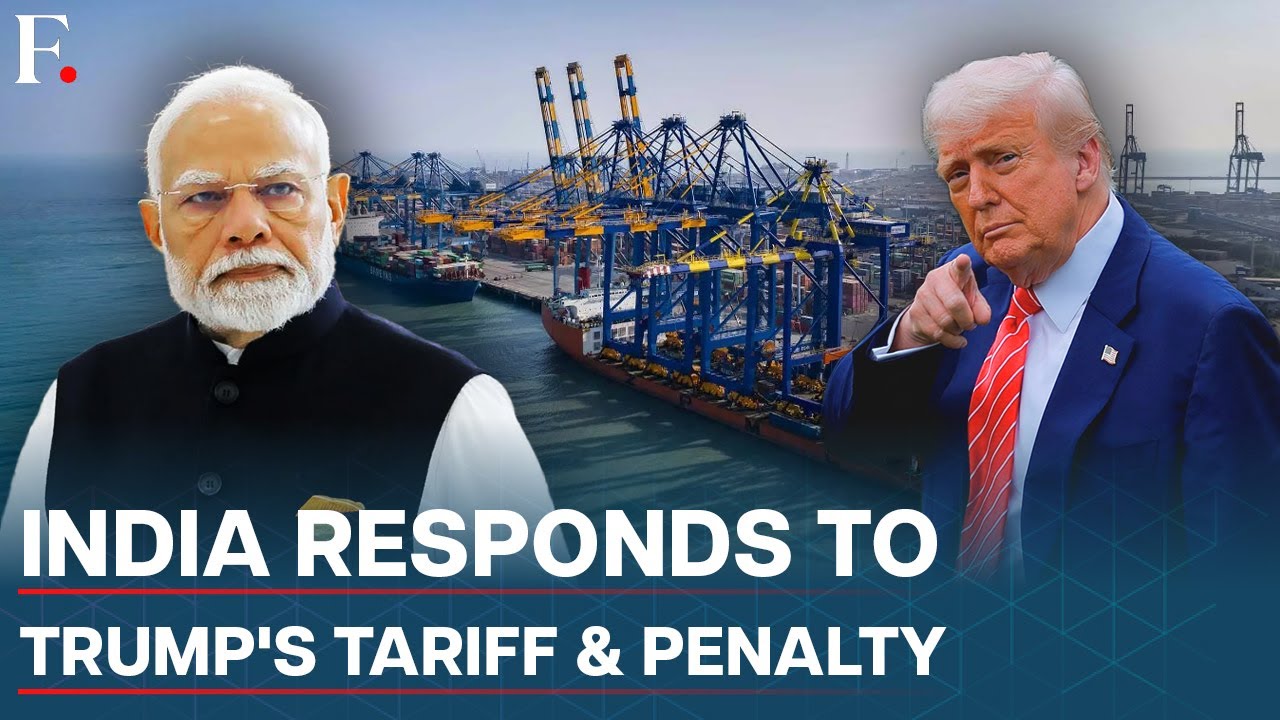
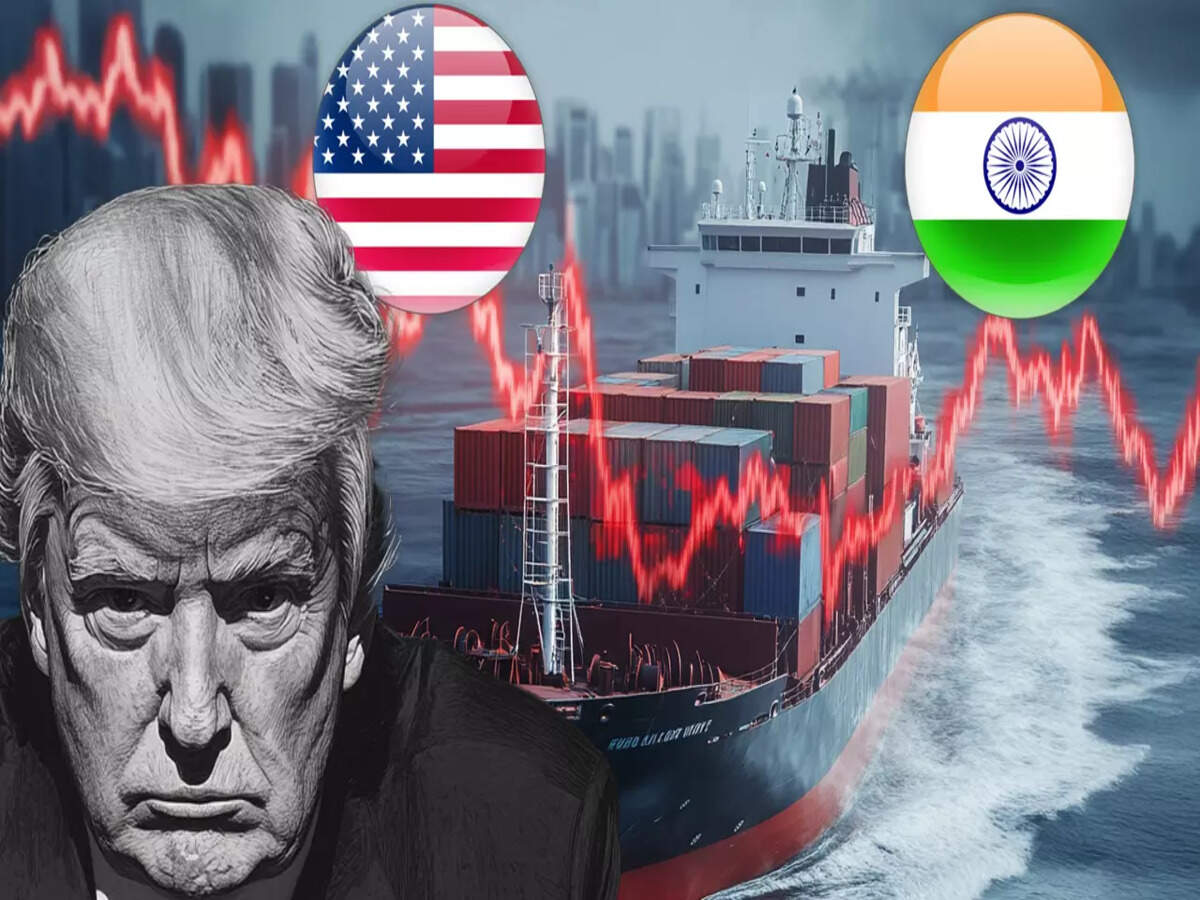
US President Donald Trump has announced plans to significantly raise tariffs on exports from India, citing the country’s oil purchases from Russia as the primary reason for the move. The statement marks an escalation in tensions between the two countries, with both sides having clashed over trade policies and geopolitical issues in recent years.

Trump’s remarks, made on social media, have ignited a strong response from New Delhi, which views the threat as unjustified and damaging to its economic interests. The US President criticized India’s ongoing imports of Russian crude oil, calling the move a betrayal, as the West intensifies efforts to isolate Moscow over its invasion of Ukraine. He pointed out that India’s purchases were then being resold on the international market for profits, further compounding the situation.

The US government has consistently condemned the sale of Russian oil to countries that are still buying from Moscow amid global sanctions designed to cripple the Russian economy. These sanctions, which were imposed by the US and its allies in response to Russia’s aggressive actions in Ukraine, have led to a complex diplomatic web, with several nations, including India, caught in the middle.

While the US and European Union have significantly reduced their oil imports from Russia, countries like India and China have stepped in to fill the gap, buying discounted crude oil from Moscow. India, in particular, has ramped up its purchases of Russian energy, a decision that is seen by many as a strategic move to secure energy resources at lower costs. These purchases have helped India maintain its economic growth amidst the energy price crisis exacerbated by the war in Ukraine.

The announcement by Trump that tariffs on Indian goods would be substantially raised could have serious repercussions for trade between the two nations. India is one of the United States’ largest trading partners, and any significant tariffs would undoubtedly affect a range of industries, from agriculture to technology. In 2022, the bilateral trade between the two countries surpassed $150 billion, with India exporting a wide array of goods to the US, including textiles, chemicals, and pharmaceuticals.

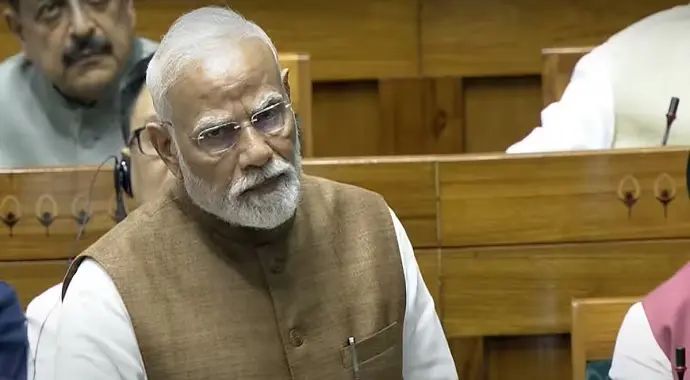
The Indian government, however, has rejected Trump’s claims, arguing that its oil purchases from Russia are in line with its energy security needs and do not violate any international laws. New Delhi has maintained a neutral stance on the war in Ukraine, calling for dialogue and diplomacy to resolve the crisis rather than escalating sanctions and pressure on Russia.

India’s position reflects a broader strategy of balancing its foreign relations with both the West and Russia. While it maintains strong ties with the US and Europe, it also values its long-standing relationship with Russia, particularly in defense and energy sectors. Over the years, Russia has been a reliable supplier of defense equipment to India, a factor that continues to shape India’s foreign policy decisions.

The economic impact of higher tariffs could have a ripple effect on both countries’ economies. India could face higher costs for its exports to the US, which might lead to inflationary pressures within certain sectors. For the US, such tariffs could result in higher prices for American consumers on imported goods, potentially exacerbating inflation at a time when the country is already grappling with economic challenges.

The political fallout from Trump’s threat to raise tariffs could further complicate efforts to resolve trade disputes between the US and India. Both nations have been working on strengthening their strategic and economic ties, but issues like tariffs and energy trade could undermine this progress. Negotiations over trade deals, such as the proposed free trade agreement, may now face significant hurdles as both sides dig in their heels.

The decision to increase tariffs on India could also have wider implications for the global economy. It might set a precedent for other nations to retaliate against countries purchasing Russian oil, particularly those in the Global South who have not been willing to fully sever their economic ties with Moscow. This could potentially fragment the global energy market even further, making it harder for countries to secure stable and affordable energy supplies.

This development highlights the growing division between the US-led West and countries that have opted to remain neutral or continue engaging with Russia. As the war in Ukraine shows no sign of abating, the economic and diplomatic repercussions of these decisions are likely to continue shaping global relations for the foreseeable future.

By Nantoo Banerjee US President Donald Trump is becoming increasingly unpredictable, if not crazy, with his freakish combination of styles to deal with countries and issues – from trade to diplomacy. The 25 percent import tariff on India since last Friday may not considerably hurt India’s export trade with the US, but it threatens to […]

Abu Dhabi’s non-oil foreign trade has seen a remarkable surge in the first half of 2025, marking a robust 34.7% growth to AED 195.4 billion compared to AED 145 billion in the same period of 2024. This growth highlights the ongoing strength of the emirate’s economic diversification efforts, underpinned by its expanding infrastructure and logistical capabilities.

The first six months of 2025 saw a significant increase across various trade segments. Non-oil exports jumped by 64%, reaching AED 78.5 billion, up from AED 47.9 billion in the first half of 2024. This surge underscores the growing demand for products manufactured and processed in Abu Dhabi, with key sectors such as chemicals, metals, and machinery playing a pivotal role in this expansion. The rise in exports reflects the emirate’s increasing competitiveness in international markets, driven by its strong manufacturing base and strategic trade agreements with global partners.

On the import front, Abu Dhabi recorded a 15% increase, amounting to AED 80 billion in H1 2025, up from AED 70 billion in the same period last year. This increase in imports is largely attributed to a growing demand for raw materials and technological advancements, as the emirate continues to develop its industrial and technological sectors. Imports have supported the growth of local industries, providing them with the necessary components to maintain high levels of production and innovation.

Meanwhile, re-exports also showed a healthy rise, increasing by 35% to surpass AED 36 billion, compared to AED 26.6 billion during the same period in 2024. Re-exports have become an increasingly vital part of Abu Dhabi’s trade strategy, leveraging the emirate’s strategic location as a key logistics hub. The UAE’s positioning between Asia, Europe, and Africa has made it an essential node for goods flowing to and from global markets. Abu Dhabi’s efficient ports and transport infrastructure further enhance its appeal as a re-export centre, enabling businesses to access regional and international markets more easily.

Key factors contributing to the growth of Abu Dhabi’s non-oil trade include the continuous improvement of its infrastructure, the advancement of logistics services, and the emirate’s strategic positioning as a global trade hub. The development of world-class airports, ports, and transportation networks has facilitated the smooth movement of goods, bolstering trade flows and enhancing the efficiency of supply chains. Additionally, the UAE’s free trade agreements with various countries and regions have opened up new markets for Abu Dhabi’s goods, further driving growth.

The performance of the non-oil trade sector is also a testament to the success of the UAE’s economic diversification policies. The country has long sought to reduce its reliance on oil revenues by fostering growth in other sectors such as manufacturing, trade, and services. Abu Dhabi, in particular, has been at the forefront of this push, with substantial investments in infrastructure, innovation, and education.

Abu Dhabi Customs has played a key role in supporting this growth by enhancing border management and customs procedures, making it easier for businesses to trade globally. Customs reforms and the adoption of digital technologies have streamlined the trade process, reducing delays and costs for traders and facilitating smoother transactions across borders.

Advertisements

Oil prices fell sharply after OPEC+ announced plans to raise its production output by 547,000 barrels per day, effective from September. The decision, which came in line with market expectations, has raised fresh concerns about the potential for a global oversupply, especially as fears mount over the long-term impact of economic challenges driven by the US-led trade war.

Brent crude dipped toward $69 per barrel, while West Texas Intermediate hovered near $67, reflecting a sharp pullback following the announcement. The decision to increase output marks a shift in OPEC+ strategy, after several months of production cuts aimed at stabilising oil prices during periods of uncertain demand. However, with global economic headwinds, particularly from trade tensions and slowing growth in major economies, questions are now being raised about whether this increase in supply could overwhelm demand.

Analysts have pointed out that the ongoing US-China trade conflict may be having a profound effect on global energy consumption. The trade war, which has led to tariffs and retaliatory measures between the two largest economies, continues to disrupt global supply chains and dampen business activity. Slower growth in industrial production and manufacturing in key markets has prompted concerns that energy demand could continue to weaken in the face of broader economic struggles.

The increase in production from OPEC+ countries, particularly from the likes of Saudi Arabia, Russia, and Iraq, comes at a critical juncture for global oil markets. While the move was made to ease rising prices and provide some breathing room for oil-dependent economies, the effect of this policy shift is complex. Economists argue that by adding more barrels to an already fragile market, OPEC+ could inadvertently drive down prices further, straining the economic recovery in various parts of the world.

For the time being, the immediate impact of the decision has been reflected in market reactions, with investors showing caution. Oil futures have displayed heightened volatility in response to these developments, as traders remain uncertain about how the oil market will balance the twin pressures of increased supply and potential demand weakness.

The decision was met with mixed reactions from within OPEC+ itself, with some members pushing for a more aggressive increase in output, while others expressed concerns about the potential for exacerbating the supply glut. The divergence of views within the coalition underscores the challenges facing the organisation as it attempts to navigate global economic headwinds. Some member states with economies heavily reliant on oil exports may welcome the production increase as a means to inject more revenue into their national coffers. However, the overall effect on oil prices may ultimately prove counterproductive, especially as the US energy sector continues to grow and exert pressure on global markets.

The decision by OPEC+ to increase output by this amount is also raising questions about the future of production cuts and supply management. The group has made strides to curtail output in recent years in a bid to boost prices, but with uncertainty surrounding demand forecasts, it remains to be seen whether these additional barrels will be absorbed by the market or contribute to further price erosion.

Some market watchers have speculated that the OPEC+ move could be an attempt to pre-emptively counterbalance a potential slowdown in demand as a result of ongoing geopolitical tensions. The trade war, for instance, has prompted governments to enact policies aimed at reducing energy consumption and shifting toward greener, more sustainable energy sources, all of which could place long-term downward pressure on fossil fuel consumption.

Amid these shifting dynamics, some experts are also questioning whether OPEC+ will be able to continue its production increase strategy without facing backlash from consumers and governments alike. With many nations already feeling the strain of high fuel prices, there is a growing sentiment that increasing output may not be the best course of action, particularly in light of concerns about the broader economic slowdown.

OPEC+ members are poised to approve a significant increase in oil output at a crucial meeting scheduled for Sunday. Sources indicate that the group will likely raise production, though discussions are still ongoing over the exact size of the hike for September. The decision follows rising concerns about global oil supplies and the potential for further disruptions from Russia. This move comes as the international community grapples […]

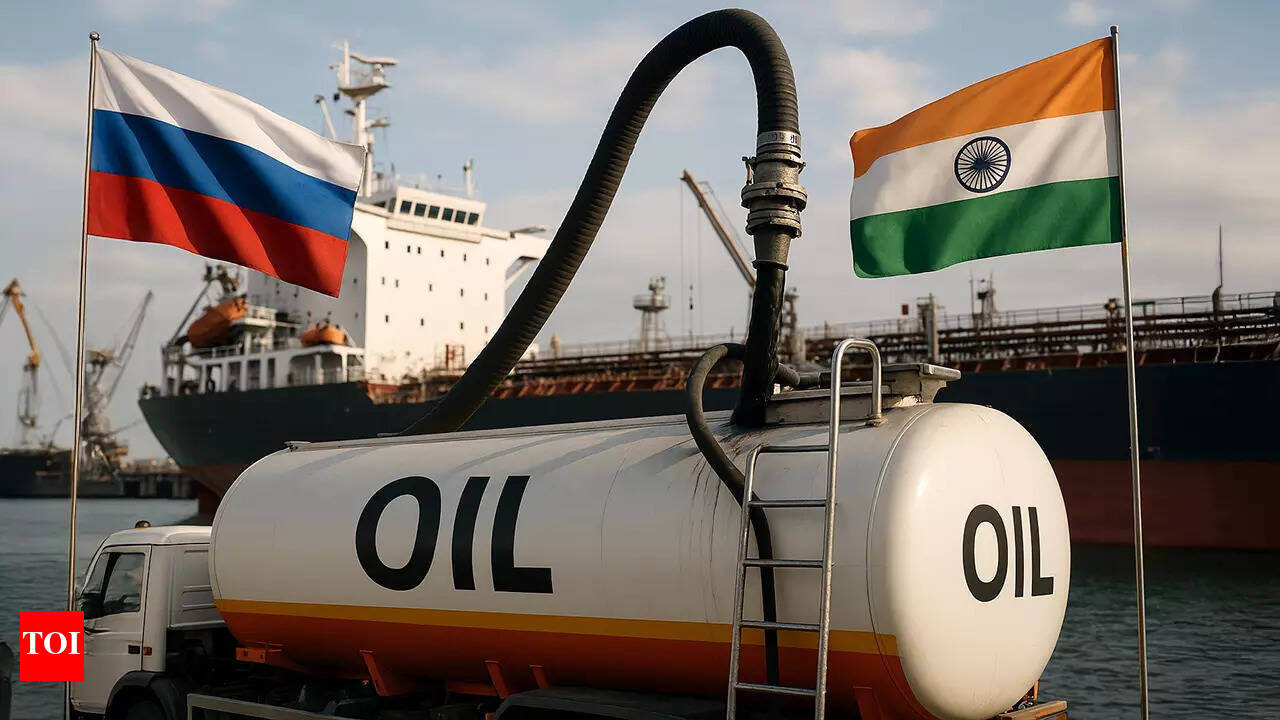
Despite mounting international tensions and growing calls for sanctions, India has confirmed its commitment to continuing oil purchases from Russia. The decision, which has drawn both support and criticism, comes in the face of strong opposition from Western powers, particularly the United States.

India’s robust relationship with Russia, especially in energy sectors, remains central to its strategy to ensure energy security amid global market volatility. While the United States has intensified its warnings against increasing trade with Russia, citing geopolitical risks and the ongoing war in Ukraine, Indian officials assert that the decision aligns with the country’s broader economic interests and long-term energy goals.

The timing of the announcement comes as global oil prices continue to fluctuate, driven by factors ranging from OPEC+ production cuts to the ripple effects of the Russia-Ukraine conflict. With Russia now facing significant sanctions from the West, including oil price caps and restrictions on exports, India has emerged as one of the largest buyers of Russian crude oil, navigating complex international pressures while keeping its energy needs in focus.

India’s oil imports from Russia soared in the wake of the war in Ukraine, particularly after Western nations moved to isolate Moscow from the global market. The country, which historically sourced much of its oil from the Middle East, found Russian oil a lucrative alternative as Western sanctions created discounts, allowing India to tap into a relatively cheap energy supply.

Russia, in turn, welcomed the partnership, as it opened new markets and ensured continued demand for its oil. According to official sources, Russia’s increased sales to India, and other non-Western nations, helped offset some of the lost revenue due to sanctions.

India’s government, however, has been careful to position its stance within a framework of neutrality. Public statements highlight that the nation’s energy decisions are based on its own national interest, focusing primarily on economic stability and the welfare of its people. Officials have also pointed out that India is among the world’s most energy-hungry nations and needs to secure a steady and affordable supply of oil to support its growing population and economic expansion.

Internationally, this trade has sparked debates over the moral and strategic implications of engaging with Russia. Critics argue that by maintaining ties with Russia, India risks undermining global efforts to isolate Moscow, particularly as Western governments seek to enforce stricter sanctions. They point out the tensions between India’s non-alignment policy and its deepening economic relationship with a nation under international scrutiny.

On the other hand, some argue that India’s approach reflects a pragmatic understanding of its own strategic priorities, particularly the need to balance international relationships with domestic requirements. With rising fuel costs and inflation becoming pressing issues for many nations, securing affordable energy resources has become a matter of national security.

India’s oil trade with Russia, however, is not without its challenges. Western nations have long pressured India to reduce its dependence on Russian energy. The Biden administration, particularly, has warned that India’s continued imports could strain relations, especially as the US seeks to maintain solidarity with its European allies in pressuring Russia. Washington’s position on the matter is clear: nations that continue to do business with Russia will face consequences, with potential impacts on trade and geopolitical ties.

Yet, India’s economic and geopolitical imperatives make it unlikely to back down. As part of the BRICS group, which also includes Brazil, Russia, China, and South Africa, India has voiced its commitment to a multipolar world order where nations can pursue their own economic paths, free from external coercion. India has also consistently argued for the need for dialogue and peaceful resolution in the Russia-Ukraine conflict, advocating for diplomacy over military escalation.

The ongoing conflict has undeniably reshaped global energy dynamics, forcing countries to reassess their energy strategies and alignments. While India’s stance has garnered significant attention, its broader approach is seen as part of an evolving foreign policy that seeks to advance national interests without being swayed by external pressures.

By K Raveendran Donald Trump’s aggressive tariff regime, launched under the guise of bolstering American strength and reclaiming lost economic ground, has triggered a worldwide response that may ultimately defeat the very goal it seeks to achieve. Framed as a nationalist project to assert America’s economic primacy, the tariff war has turned out to be […]
By Nitya Chakraborty It is not a cliché to say that our powerful Prime Minister Narendra Modi’s moment truth has arrived after 11 years of ruling the country as the unchallenged leader. The 25 per cent tariff hike on Indian exports announced by the United States President Donald Trump on Wednesday and taking effect from […]

e& has reported an impressive net profit of AED 3.5 billion for the second quarter of 2025, up 9.7 per cent year‑on‑year, driven by a substantial rise in its global subscriber base. The company’s performance outstripped the average analyst forecast of AED 2.84 billion, underlining robust execution in a competitive market. Consolidated revenue for Q2 rose 28.1 per cent to AED 18.0 billion, while earnings before interest, tax, depreciation and amortisation increased by approximately 22.2 per […]

KAIFENG, CHINA – Media OutReach Newswire – 31 July 2025 – Recently, the Shanghai Cooperation Organization Media and Think Tank Summit was held in China’s Henan Province, with guests visiting the ancient capital of Kaifeng. They came from over 20 countries and regions, including Russia, Kazakhstan, Pakistan, Egypt, and Nepal. Immersed in the cultural legacy and vibrant development of this city that served as the capital of […]

By Dr. Nilanjan Banik Before the August 1 deadline, the U.S. President Donald Trump decided to impose a 25% tariff on Indian exports. He also talked about an additional penalty on Indian exports, which could go up to100% as a surcharge, targeting countries that continue trading oil with Russia. Trump seems to care less about […]
The U. S. Treasury has placed sweeping sanctions on a sprawling oil‑trading and shipping network linked to Mohammad Hossein Shamkhani, whose father, Ali Shamkhani, serves as adviser to Iran’s Supreme Leader Ayatollah Ali Khamenei. The action, imposed on 30 July 2025, marks the most extensive Iran‑related sanctions package since 2018, covering more than 115 individuals, entities and vessels.

At the heart of the measures is Shamkhani’s maritime empire, comprising 15 shipping firms, 52 vessels and 53 entities operating across 17 countries from Panama to Hong Kong. Officials contend the network funnels tens of billions of dollars in revenue from Iranian and Russian oil sales, largely to buyers in China, using aliases, front companies and falsified documentation to conceal ownership and origin.

Treasury Secretary Scott Bessent described the network as a prime example of elite Iranian circles using state influence for private gain while empowering Tehran’s destabilising agenda, asserting that this is “the largest to‑date since the Trump Administration implemented our campaign of maximum pressure on Iran”.

Hossein—known in industry as “H”, “Hector” or, in travel documents, “Hugo Hayek”—is said to travel internationally using foreign passports and operate from the UAE and beyond. The Treasury report underscores his use of a web of shell enterprises and shipping registries in jurisdictions such as Hong Kong, Singapore, the UAE, Italy and Switzerland to obscure true control of assets.

The network’s operations align with broader patterns observed in Iran’s so‑called “ghost fleet.” Surveillance reports have documented vessels switching flags, deactivating AIS transponders, engaging in ship‑to‑ship oil transfers, blending cargoes mid‑voyage and falsifying bills of lading to evade detection. Such tactics enable covert deliveries to Chinese “teapot” refineries and other end‑users despite global sanctions.

The sanctions also extend to six firms based in India, accused of transacting petroleum and petrochemical goods with Iran worth approximately $220 million. U. S. officials warned these sanctions could strain trade relations and signal serious repercussions for firms ignoring sanctions diplomacy ][5]).

While the sanctions are intended to sever the flow of funds financing Iran’s nuclear, ballistic missile and proxy capabilities, U. S. officials stopped short of declaring they will destabilise global oil markets. Still, they emphasised that the network’s disruption would make it “much more difficult” for Tehran to covertly maintain oil sales via front companies and intermediaries.

Ali Shamkhani, previously sanctioned by the U. S. in 2020, remains a key figure in Iran’s security establishment. Serving as a naval officer, former defence minister and head of the Supreme National Security Council until May 2023, he assumed the role of adviser to the supreme leader thereafter. His son’s oil empire is widely seen as an extension of those elite institutional networks.

Industry observers say the sanctions package highlights the increasing difficulty in enforcing international measures against Iran’s evolving evasion networks. The complexity, scale and global reach of Shamkhani’s operations underscore the challenge of identifying and intercepting entities that operate invisibly across jurisdictional lines.

Greenlogue/AP The Future Investment Initiative Institute, in collaboration with Saudi oil giant Aramco and global consultancy firm Arthur D. Little, has released a comprehensive white paper focused on leveraging artificial intelligence to revolutionise the voluntary carbon market. The paper, titled “AI-Enabled Carbon Markets: Identifying AI Solutions for the Voluntary Carbon Industry,” explores the vital role AI could play in improving transparency, accuracy, and efficiency within the sector, […]

President Trump has sharply shortened his own deadline for punishing buyers of Russian oil, catching markets off guard and forcing investors to price in a risk that had previously been dismissed.  On Monday, standing beside UK Prime Minister Keir Starmer in Scotland, Trump announced that Moscow now has only 10 to 12 days to secure a peace deal over Ukraine.   If it doesn’t, he says he will […]

By Nantoo Banerjee The European Union seems to have arrogated itself with extrajudicial power to prevent outside nations from purchasing Russian oil. It has no locus standi to impose its will on countries which are not members of EU. Thus, the latest expansion of the EU sanctions targeting Russian energy exports can legally cover only […]

Malaysia’s central bank has revised its economic growth forecast for 2025, citing increased volatility stemming from ongoing global trade tensions, notably those related to US tariffs. The Bank Negara Malaysia reduced its expected GDP growth to a range of 4% to 5%, down from an earlier projection of 5% to 5.5%. The adjustment comes as a response to the shifting dynamics of global trade, which have been exacerbated by the imposition of tariffs by the United States under the administration of President Donald Trump.

While Malaysia has been largely insulated from direct tariff measures, the broader implications of the US-China trade war and related tariffs have left a significant mark on its export-driven economy. Malaysia’s position as a key player in global supply chains has made it vulnerable to shifts in the global trade environment. The US tariffs, particularly on Chinese goods, have reverberated through Southeast Asia’s manufacturing sector, affecting Malaysia’s export performance and business sentiment.

BNM’s decision to cut the forecast reflects the broader concerns surrounding economic stability in the region. The central bank noted that the uncertainty surrounding US trade policy, particularly regarding its tariffs on various Chinese products, is likely to persist throughout 2025. Furthermore, the report highlighted the continued risks posed by rising protectionism and trade barriers globally, which have disrupted supply chains and added to market volatility.

In addition to the impact of tariffs, Malaysia’s central bank has also pointed to domestic factors influencing growth. These include higher inflationary pressures, mainly due to increased global commodity prices, which have had a knock-on effect on consumer spending. Malaysia’s key exports, such as palm oil, rubber, and electronic components, have all seen price fluctuations driven by external factors such as US tariffs and China’s economic slowdown.

The reduction in growth expectations comes at a time when Malaysia is also grappling with challenges in maintaining fiscal discipline. The government has pledged to reduce its budget deficit but has struggled to meet its revenue targets, further complicating the nation’s economic outlook. Malaysia’s reliance on exports, especially to major economies like the United States and China, has made it particularly sensitive to trade tensions. These developments have placed additional strain on the country’s fiscal policy, forcing the government to reconsider its growth strategies.

The central bank’s move is likely to have significant implications for Malaysia’s monetary policy. With inflation on the rise and external risks mounting, BNM may opt to adopt a more cautious stance in terms of interest rate adjustments. While the central bank has refrained from any immediate changes, economists expect that it will closely monitor both domestic and international developments, particularly as trade tensions show no sign of easing.

The challenges facing Malaysia’s economy are also compounded by global economic slowdowns, which have affected demand for Malaysian goods and services. As countries like the United States and China grapple with their own internal economic issues, Malaysia’s export markets have softened, leading to a reduced demand for its products. In particular, Malaysia’s electronics and semiconductor industries, which account for a significant portion of its exports, have faced headwinds as the US-China trade war has diverted global supply chains elsewhere.

Despite these challenges, the government remains optimistic about Malaysia’s long-term prospects. The country has made significant strides in diversifying its economy over the past few years, with a growing emphasis on technology, innovation, and sustainable development. Malaysia’s efforts to strengthen its digital infrastructure and promote industries such as e-commerce and renewable energy are seen as key to sustaining growth, even amid global trade disruptions.

A transformative trade agreement between the United States and the European Union is poised to redefine their economic relations. US President Donald Trump announced the deal, which is set to have far-reaching implications on both sides of the Atlantic. The agreement includes the unprecedented opening of trade at zero tariffs, along with a significant commitment from the EU to purchase $750 billion worth of energy over the […]

Saudi Arabia has revealed the complete details of a groundbreaking law that regulates real estate ownership by non-Saudis, following its approval by the Cabinet earlier this month. The law, which will be enacted 180 days from its publication, signals a significant shift in the Kingdom’s stance towards foreign ownership of property, opening up new opportunities for individuals, companies, and non-profit entities abroad. The law, published in the […]

OPEC+ is expected to maintain its current strategy on oil production levels when the Joint Ministerial Monitoring Committee convenes on Monday, despite shifting market conditions. Key delegates from the oil-producing coalition indicated that there will be no immediate changes to the group’s decision to increase output in August, which will see a rise of 548,000 barrels per day.

The JMMC, comprising high-ranking officials from the Organization of the Petroleum Exporting Countries and its allies, including Russia, is scheduled to meet at 1200 GMT. The outcome of this meeting has drawn considerable attention as global oil markets adjust to fluctuating demand patterns and supply conditions.

Several OPEC+ delegates, speaking anonymously, stated that the group is unlikely to alter its course, with the decision to gradually increase production still firmly in place. “There is a consensus that the demand recovery during the summer months is adequate to absorb the additional supply,” one source said. “The market dynamics currently seem to support this increase, and we are committed to regaining lost market share.”

Since the production cuts agreed upon in 2020 to counter the downturn caused by the COVID-19 pandemic, OPEC+ has been slowly increasing its oil output in a phased approach. However, with global economies on a recovery path, the group is under increasing pressure to balance its output against rising demand, particularly in regions such as Asia and North America.

While the rise in demand, particularly during the summer driving season, is helping to absorb the additional barrels, concerns have been voiced over the potential for global oil prices to soften. The overall impact of geopolitical tensions, the economic slowdown in key markets, and the risk of higher interest rates remain points of consideration for the group. However, OPEC+ delegates have indicated that their immediate focus will be on ensuring market stability while continuing to rebuild their market share lost during the pandemic.

Experts also pointed out that a significant shift in the global oil market would need to occur before the JMMC meeting in order to warrant a change in strategy. For now, the consensus is that OPEC+ will stick with the current path to bolster its market position. The decision to implement production increases has thus far been perceived as cautious and calibrated, aimed at preventing market volatility while capitalising on seasonal demand.

The continued commitment to raise output reflects OPEC+’s broader goal of restoring pre-pandemic production levels, despite the headwinds faced in navigating complex global markets. With increasing production from non-OPEC countries, including the United States and Brazil, OPEC+ is mindful of its position and market share but seeks to avoid dramatic shifts in strategy that could destabilise oil prices.

The JMMC’s decision will carry significant weight in shaping the oil market’s near-term trajectory. While global oil inventories remain relatively tight, with a demand spike in the Northern Hemisphere, OPEC+ is closely monitoring the response of major economies to any potential macroeconomic uncertainties. The meeting will also likely set the tone for discussions in future OPEC+ summits, where longer-term strategies will be evaluated in light of emerging trends, particularly energy transitions.

By Nitya Chakraborty The recent months have not been comfortable for India with its two neighbours Pakistan and India, but as regards the third most powerful neighbouring county China, th scenario has turned different. India-China ties which became bitter at the time of clashes in Galwan valley in 2020, started softening from last year and […]

VISHNU RAJA
RYO YAMADA
HITORI GOTOH
IKUYO KITA