News related to
Middle East

TEHRAN, 30th July, 2024 – H.H. Sheikh Abdullah bin Zayed Al Nahyan, UAE Deputy Prime Minister and Minister of Foreign Affairs, met with Iranian Foreign Minister Hossein Amir-Abdollahian. This high-level meeting follows President Ebrahim Raisi’s nomination of Amir-Abdollahian for approval by the Iranian parliament. The discussions between the two diplomats focused on enhancing bilateral relations and addressing key regional issues. The meeting marks a significant diplomatic moment, […]

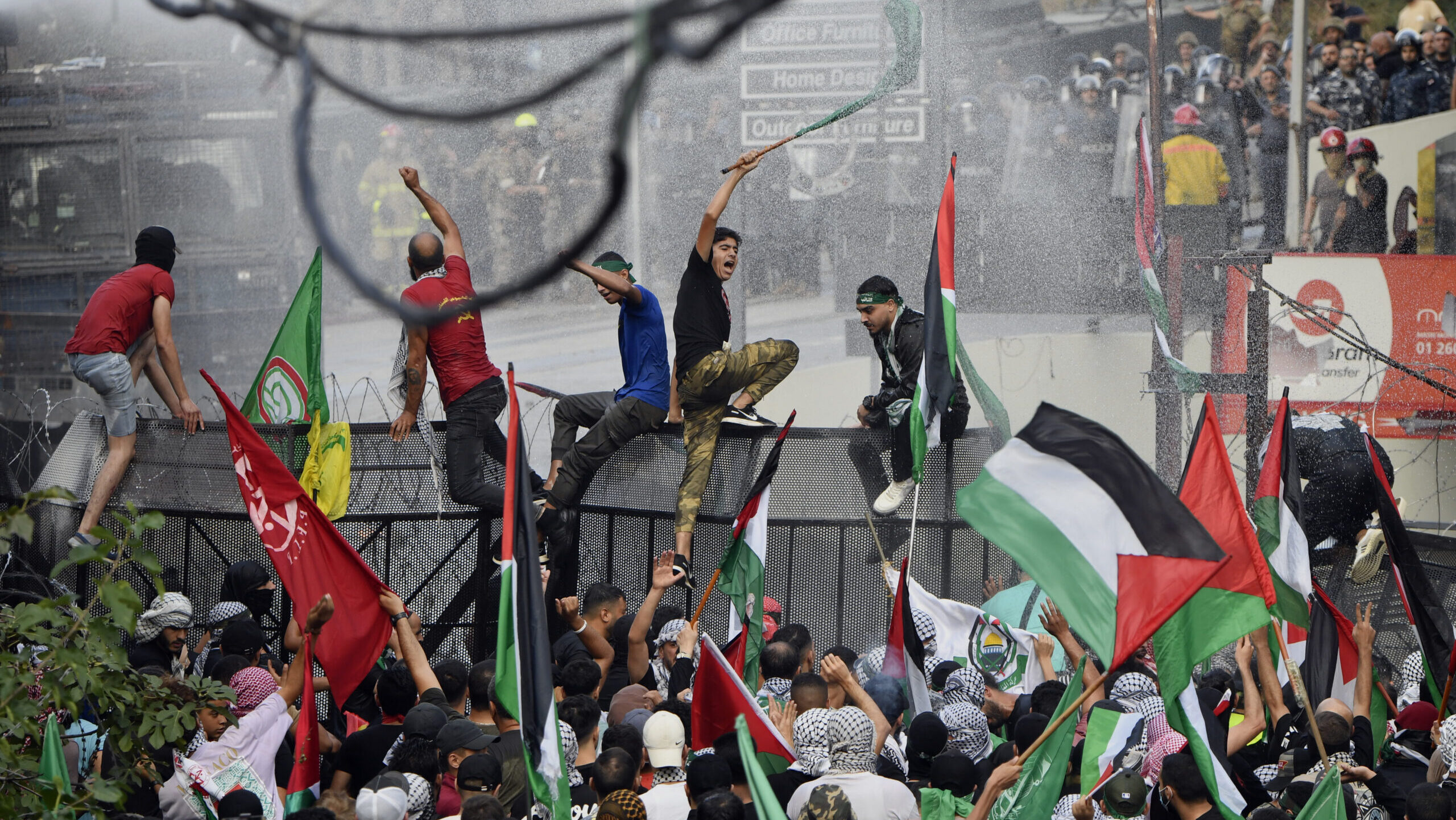
Airstrikes hit southern Beirut as the conflict between Israel and Gaza intensifies. The Israeli military launched attacks targeting Hezbollah positions in Lebanon’s capital, marking a significant escalation in the region.

Israel’s foreign minister declared the country was facing an “all-out war” following a deadly rocket strike in Majdal Shams, a town in the Golan Heights. The attack resulted in multiple casualties, raising tensions and prompting a swift military response from Israel.

The Israeli Defense Forces (IDF) reported that the airstrikes in Beirut aimed at neutralizing Hezbollah’s military capabilities, which Israel accuses of collaborating with Hamas in Gaza. The bombings targeted key infrastructure and weapons storage facilities, according to IDF spokespersons.

Hezbollah’s leader condemned the airstrikes, vowing retaliation and further complicating the conflict. The group claimed that the Israeli attacks damaged civilian areas and infrastructure, although the extent of the damage remains unclear.

The conflict’s escalation has drawn international concern, with calls for restraint and dialogue from the United Nations and several global leaders. The UN Secretary-General emphasized the need for immediate cessation of hostilities to prevent further humanitarian catastrophe.

In Gaza, the fighting has resulted in substantial casualties on both sides. Israeli airstrikes have targeted what they describe as military installations and tunnels used by Hamas. The Palestinian Health Ministry reported significant civilian casualties, including women and children, as a result of the bombings.

Humanitarian organizations have raised alarms over the deteriorating situation in Gaza. Hospitals are overwhelmed, facing shortages of medical supplies and electricity. The International Committee of the Red Cross (ICRC) called for safe corridors to deliver aid and evacuate the wounded.

The conflict’s impact extends beyond the immediate war zone. Protests and violent clashes have erupted in several cities across the Middle East, reflecting widespread anger and solidarity with the Palestinian cause. Demonstrations have also taken place in Western capitals, urging governments to intervene and advocate for a peaceful resolution.

Israel has faced international scrutiny over its military actions. Human rights organizations have called for investigations into potential violations of international law, particularly regarding the targeting of civilian areas in Gaza and Lebanon. The Israeli government maintains that its military operations are in self-defense and aimed at minimizing civilian harm.

Diplomatic efforts to broker a ceasefire have thus far been unsuccessful. Egypt and Qatar have been particularly active in mediating between the conflicting parties, but both sides remain entrenched in their positions. The United States has expressed support for Israel’s right to self-defense while urging for measures to protect civilians and reduce casualties.

The economic repercussions of the conflict are also significant. Gaza’s infrastructure has suffered extensive damage, affecting essential services and livelihoods. In Israel, the economy faces disruptions from rocket attacks, with businesses and schools in affected areas forced to close temporarily.

Regional analysts warn that the ongoing hostilities could destabilize the broader Middle East, with potential spillover effects into neighboring countries. The involvement of Hezbollah and the airstrikes in Beirut indicate a risk of the conflict expanding beyond Gaza and Israel.

As the situation unfolds, the international community continues to monitor developments closely. The prospects for a lasting peace appear dim amid the current escalation, with deep-seated grievances and historical animosities driving the conflict.

Efforts to address the humanitarian crisis and rebuild trust between the parties are crucial for any future resolution. The global call for peace underscores the urgent need for dialogue and diplomacy to end the violence and pave the way for a sustainable solution.


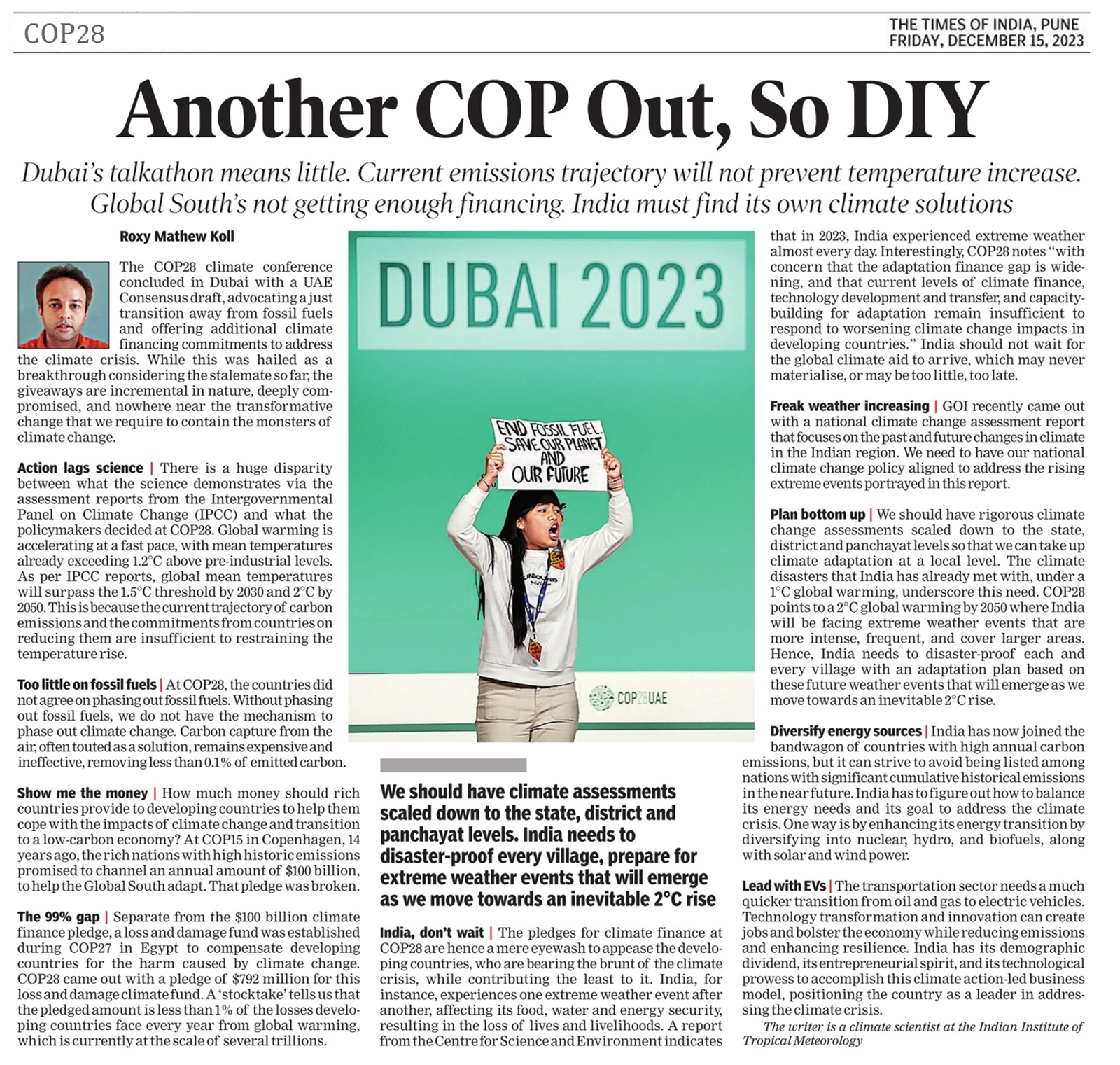
Dubai is currently experiencing extreme heat conditions, with temperatures feeling as high as 60°C (140°F) due to the combined effects of high air temperatures and humidity. This extreme weather is putting the city under significant stress and raising concerns about the future impacts of climate change.

The official temperature in Dubai during July averages around 39.4°C (102.9°F), with nighttime lows of about 32.3°C (90.1°F). However, the heat index, which factors in humidity, can make it feel significantly hotter, reaching dangerous levels of 54°C (129.2°F) and beyond. These extreme conditions are not only uncomfortable but also pose serious health risks, especially to those who must work or spend extended periods outdoors.

One of the key factors exacerbating the heat in Dubai is its high humidity levels, which hover around 51% in July. This combination of heat and humidity creates a stifling environment that can lead to heat exhaustion or heat stroke if proper precautions are not taken. The local authorities have issued advisories urging residents and visitors to stay hydrated, avoid strenuous activities during peak hours, and seek shelter in air-conditioned environments whenever possible.

The extreme heat has also highlighted the broader implications of climate change for the region. Dubai, like many parts of the Middle East, is expected to see even more extreme temperatures in the coming decades. Studies predict that heatwaves will become more frequent and intense, making large parts of the region uninhabitable without significant adaptations in infrastructure and lifestyle.

Dubai has already been taking steps to mitigate the effects of its harsh climate. The city has invested heavily in green building technologies, which include better insulation and energy-efficient cooling systems to reduce the reliance on air conditioning. Additionally, there are ongoing efforts to increase the amount of green space within the city to help lower temperatures through natural cooling.

Urban planners in Dubai are also looking into innovative solutions such as reflective building materials that can help reduce the urban heat island effect. This phenomenon, where cities become significantly warmer than their rural surroundings due to human activities, exacerbates the already extreme summer temperatures.

The health risks associated with such extreme weather are not limited to heat-related illnesses. High temperatures can also exacerbate existing health conditions such as cardiovascular and respiratory diseases. The healthcare system in Dubai is bracing for an increase in cases related to heat stress, and there are ongoing public health campaigns to educate people about the dangers of prolonged exposure to extreme heat.

Moreover, the economic impact of extreme heat is significant. High temperatures can reduce productivity, especially in sectors such as construction and outdoor services. The energy demand for cooling also spikes during heatwaves, putting additional strain on the power grid and leading to higher utility costs for both residents and businesses.

The current heatwave in Dubai serves as a stark reminder of the challenges that lie ahead as global temperatures continue to rise. It underscores the urgent need for both mitigation and adaptation strategies to address the risks posed by climate change. As Dubai continues to grow and develop, it will need to balance economic growth with sustainable practices that can help protect its residents and infrastructure from the escalating impacts of extreme weather.

Sources:
– Visit Dubai
– Weather Atlas
– Reuters

HONG KONG SAR – Media OutReach Newswire – 30 July 2024 – Hong Kong is exploring new pathways to business success with the Association of Southeast Asian Nations (ASEAN), including Laos, Cambodia and Vietnam. Starting in Laos (July 28-29, 2024), a high-level delegation, led by Hong Kong’s Chief Executive John Lee, is visiting these three countries to forge closer government-to-government, business-to-business and people-to-people ties in the region. […]

Enablo, a leading Australian technology, communication and productivity solutions provider and one of the largest partners of Meta’s enterprise communications software Workplace, announces a partnership that will allow Meta Workplace customers to integrate and transition to Flip’s Super App. The partnership between Enablo and Flip brings together two leading companies in the frontline technology space with the joint mission to shape the future of work STUTTGARD, GERMANY […]

Israel has issued a stern warning to Hezbollah, promising severe repercussions following a deadly attack in the Golan Heights. Tensions escalated after Hezbollah launched a multi-drone assault on an Israeli military outpost in the region, an incident the militant group claimed responsibility for but later denied initiating. The Israeli Defense Forces (IDF) reported the drone strike on the Golan Heights, an area Israel has controlled since the […]

Ask Mona, a pioneer in integrating artificial intelligence into cultural experiences, is poised to revolutionize museums across the Middle East. Leveraging cutting-edge generative AI, Ask Mona aims to enhance visitor engagement, streamline operations, and democratize access to knowledge in the region’s cultural institutions. Museums in the Middle East are increasingly looking to adopt innovative technologies to attract and retain visitors. Ask Mona’s AI solutions offer a comprehensive […]

Advertisements

At least 12.6% of an organisation’s annual revenues were at risk to cyber threats Sensors detected 125% attack hours – 10 attack hours in an 8-hour workday Businesses endured on average 1,104 hours of critical attacks during a span of 880 working hours; protected from a potential of 46 days of downtime Malware trended up 30% YoY, including a massive 92% spike in May alone Ransomware intensifies […]

The United Arab Emirates is taking significant steps towards legalizing gambling, marked by the establishment of a national lottery. The General Commercial Gaming Regulatory Authority (GCGRA) has been created to oversee and regulate gaming activities across the country, ensuring a socially responsible environment and adhering to high standards.

The introduction of this regulatory body comes as part of the UAE’s broader strategy to diversify its economy and boost tourism. This shift aligns with global trends and follows the announcement by Wynn Resorts to open a casino in Ras Al Khaimah. The new regulatory framework will also involve issuing a single national lottery license, with operators like Mahzooz and Emirates Draw vying for the contract.

Abu Dhabi will oversee the GCGRA’s operations, but individual emirates will retain the authority to decide whether to permit gambling within their jurisdictions. This decentralization allows for tailored approaches that respect local values and economic goals.

The national lottery license is expected to be awarded soon, with the GCGRA facilitating a structured and fair bidding process. This move is anticipated to attract significant interest from international and local gaming operators, highlighting the UAE’s potential as a new hub for regulated gambling in the region.

The lottery will likely draw substantial interest, both domestically and internationally, promising to boost the UAE’s tourism sector and provide new revenue streams. The GCGRA has committed to maintaining strict regulatory standards to ensure the integrity and fairness of all gaming activities.

The UAE’s initiative to legalize gambling through a national lottery license marks a significant shift in its economic and regulatory landscape. The move aims to balance economic benefits with social responsibility, positioning the country as a leader in the emerging Middle Eastern gaming market.

Arabian Post Staff Wego, the leading travel app in the Middle East and North Africa (MENA), has teamed up with the Aseer Region Development Authority (ASDA) to promote the scenic and cultural treasures of Saudi Arabia’s Aseer region. This collaboration aims to enhance the visibility of Aseer’s unique landscapes and rich heritage, positioning it as a prime destination for travelers. The Aseer region, known for its mountainous […]

Dubai continues its strides towards a sustainable future by accelerating its clean energy initiatives. This ambitious plan aims to provide 100% of the emirate’s energy production capacity from clean energy sources by 2050, aligning with the Dubai Clean Energy Strategy 2050 and the Dubai Net Zero Carbon Emissions Strategy 2050. Sheikh Mohammed bin Rashid Al Maktoum, Vice President and Prime Minister of the UAE and Ruler of […]

Chinese investors have significantly increased their investments in Saudi Arabian exchange-traded funds (ETFs), underscoring the deepening economic and diplomatic relationship between the two nations. This surge is part of a broader trend of growing financial integration and mutual interest in the energy and technology sectors.

The notable rise in investment activity follows recent agreements between China and Saudi Arabia aimed at bolstering bilateral trade and economic cooperation. Saudi Arabia has become an increasingly attractive destination for Chinese capital, driven by its strategic position in global energy markets and its Vision 2030 initiative, which seeks to diversify the economy away from oil dependence.

Saudi ETFs, which have been gaining prominence in global financial markets, now see a substantial portion of their investments coming from Chinese sources. This shift is reflected in the significant uptick in trading volumes and asset inflows into these funds. Analysts attribute this growing interest to the robust economic growth prospects in Saudi Arabia and its efforts to establish itself as a leading hub for investment in the Middle East.

China’s investment surge into Saudi ETFs is not an isolated phenomenon but part of a broader pattern of increased economic engagement between the two countries. The two nations have been working closely on a range of initiatives, including energy cooperation, infrastructure development, and technology exchanges. This growing economic synergy is also evident in the strategic partnerships formed between Chinese companies and Saudi businesses, further boosting investor confidence.

Saudi Arabia’s Vision 2030 plan aims to transform the kingdom into a global investment powerhouse by developing non-oil industries and encouraging foreign investment. This ambitious plan includes significant investments in sectors such as technology, tourism, and entertainment, areas that have attracted considerable interest from Chinese investors. The influx of capital into Saudi ETFs reflects broader investment trends and the strengthening of economic ties between China and Saudi Arabia.

Furthermore, recent developments in the global energy market have added impetus to the investment trend. As China seeks to secure stable energy supplies and diversify its energy portfolio, Saudi Arabia’s role as a leading oil exporter becomes increasingly significant. The strategic partnership between the two nations in the energy sector is thus reinforced by increased financial investments and collaborative projects.

The investment trend also highlights the role of Chinese financial institutions in shaping global capital flows. Chinese investors, including state-owned enterprises and private equity firms, have been actively seeking opportunities in emerging markets to achieve higher returns and diversify their portfolios. Saudi Arabia, with its dynamic economic reforms and strategic geopolitical positioning, offers a compelling investment proposition.

The rise in Chinese investments in Saudi ETFs is indicative of a broader geopolitical shift, with China and Saudi Arabia strengthening their economic and strategic partnership. This trend reflects a growing alignment of interests and mutual benefits, positioning both nations to leverage their strengths in the global marketplace.

As the relationship between China and Saudi Arabia continues to evolve, the flow of investment is likely to expand further, encompassing a wider range of sectors and financial instruments. The ongoing collaboration and financial integration between the two countries will play a crucial role in shaping the future of their economic relationship and influencing global investment patterns.

The newly built automated line allows DWS contributes to a daily capacity of 500,000 parcel KUALA LUMPUR, MALAYSIA – Media OutReach Newswire – 29 July 2024 – BEST Inc., a leading integrated smart supply chain and logistics solutions provider in China and Southeast Asia proudly announces the deployment of its eleven advanced Dimensioning, Weighing, and Scanning (DWS) systems in its largest sorting center in Southeast Asia, located […]

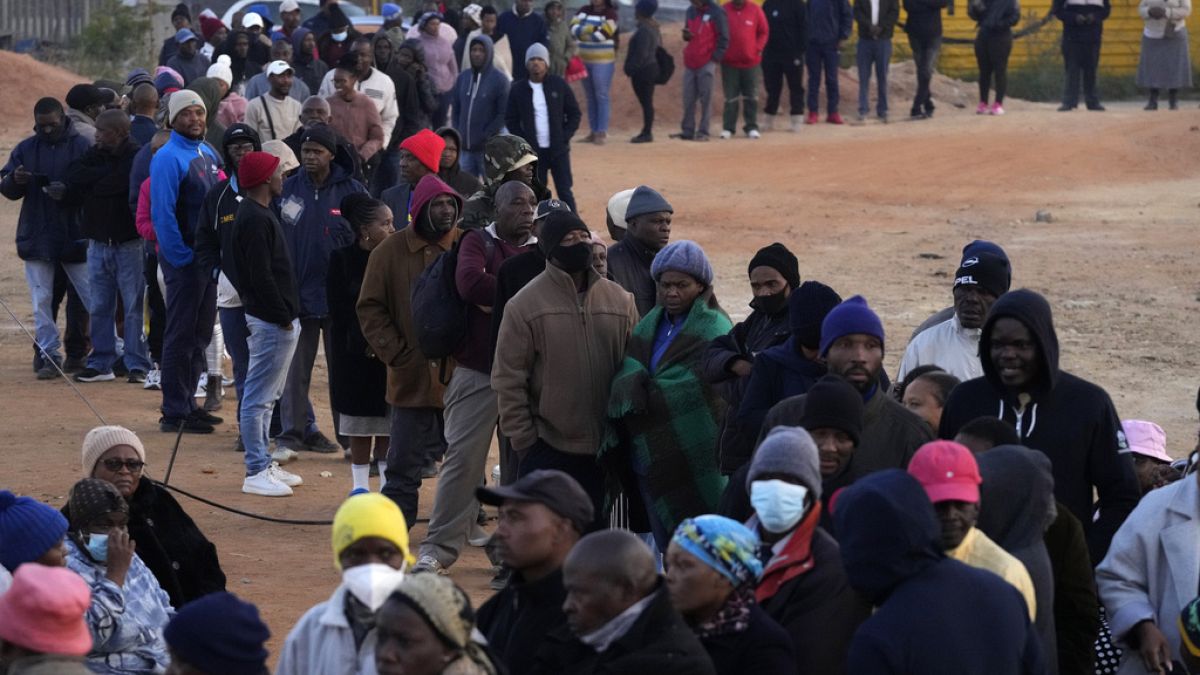
Cracks Appear In South African Coalition Govt As Partner DA Takes ANC To CourtCracks Appear In South African Coalition Govt As Partner DA Takes ANC To CourtBy Satyaki Chakraborty The new coalition government of South Africa formed last month after the national elections on May 29 is facing a major crisis as the leading party African National Congress (ANC) has been taken to court by its partner Democratic Alliance (DA) on the issue of a speech delivered by the President Cyril […]

Deputy Prime Minister Heng Swee Keat presented RGE with the highest distinction under the enhanced Company of Good Recognition system SINGAPORE – Media OutReach Newswire – 25 July 2024 – RGE Pte Ltd. has been distinguished as a ‘Champion of Good’ at the National Volunteer and Philanthropy Centre’s (NVPC) Company of Good (COG) Conferment ceremony on 18 July 2024. The award recognizes RGE’s commitment to sustainable practices […]

Driving Towards a Greener Future in Style SINGAPORE – Media OutReach Newswire – 26 July 2024 – smart, a market leader in premium, intelligent, all-electric cars, is set to transform Singapore’s automotive landscape in 2024. Led by a vision for widespread adoption of electric vehicles (EVs), smart’s range of high-end, compact, all-electric SUVs is a showcase of modern cutting-edge innovation, paired with an unwavering focus on the […]

BANGKOK, THAILAND – Media OutReach Newswire – 26 July 2024 – KASIKORN Business-Technology Group (KBTG) recently organized KBTG Techtopia for the second consecutive year. A thought-provoking and skill-awakening tech conference, KBTG Techtopia brought together over 70 speakers from around the world and more than 2,500 attendees, establishing itself as Thailand’s leading platform for tech enthusiasts. KBTG Techtopia Mr. Ruangroj Poonpol, Group Chairman of KBTG, stated, “following our […]

China’s Baosteel Group has announced it will double its investment in the steel joint venture with Saudi Aramco and the Public Investment Fund (PIF) to $1 billion. This decision marks a significant expansion of Baosteel’s commitment to the project, reflecting growing confidence in the strategic partnership and the steel industry’s potential in the region. The steel venture, initially launched to strengthen ties between Saudi Arabia and China […]

European markets are increasingly open to Middle Eastern investments, reflecting a growing trend of cross-continental financial partnerships. This shift comes as European nations actively seek to diversify their economic sources and bolster their financial stability amid global uncertainties.

Middle Eastern investors, known for their substantial capital reserves, have been expanding their portfolios in Europe, targeting sectors such as real estate, technology, and energy. Notable investments include high-profile acquisitions and stakes in leading European companies, as well as ambitious infrastructure projects. The influx of Middle Eastern capital is seen as a strategic move by European nations to harness new economic opportunities and reinforce their positions on the global stage.

However, despite the enthusiasm surrounding these investments, there are several challenges that could impact their success. One significant issue is the regulatory environment in Europe. Different countries within the European Union have varying regulations and standards, which can complicate the investment process. These regulatory discrepancies create hurdles for Middle Eastern investors, who must navigate a complex landscape of legal and bureaucratic requirements.

Another challenge is the geopolitical tension that occasionally affects investment flows. Political relations between the Middle East and Europe can fluctuate, impacting investor confidence and decision-making. For instance, diplomatic disputes or shifts in foreign policy can lead to delays or cancellations of planned investments, affecting the overall stability of the investment landscape.

Cultural differences also play a role in the success of these cross-continental deals. Middle Eastern investors often face challenges related to business practices and negotiation styles that differ from European norms. These differences can lead to misunderstandings and conflicts, potentially complicating transactions and affecting the long-term success of investments.

Furthermore, economic conditions in Europe are not always conducive to new investments. Economic slowdowns, market volatility, and fluctuations in currency values can affect the attractiveness of European markets to Middle Eastern investors. These factors can lead to cautious investment strategies and reevaluation of planned projects.

Despite these challenges, the commitment to fostering a strong economic relationship between Europe and the Middle East remains evident. European governments and institutions are increasingly working to create a more favorable investment climate by streamlining regulations and enhancing transparency. Efforts to improve bilateral relations and address cultural and economic differences are ongoing, aiming to build a more robust and mutually beneficial investment framework.

As both regions navigate these complexities, the future of Middle Eastern investments in Europe will likely depend on the ability of both parties to address these challenges effectively. The evolving landscape of international finance suggests that while obstacles exist, the potential for successful partnerships remains significant.

The interaction between Middle Eastern capital and European markets illustrates a dynamic and evolving economic relationship. Both regions stand to gain from increased collaboration, provided that the underlying challenges are managed with care and strategic foresight.

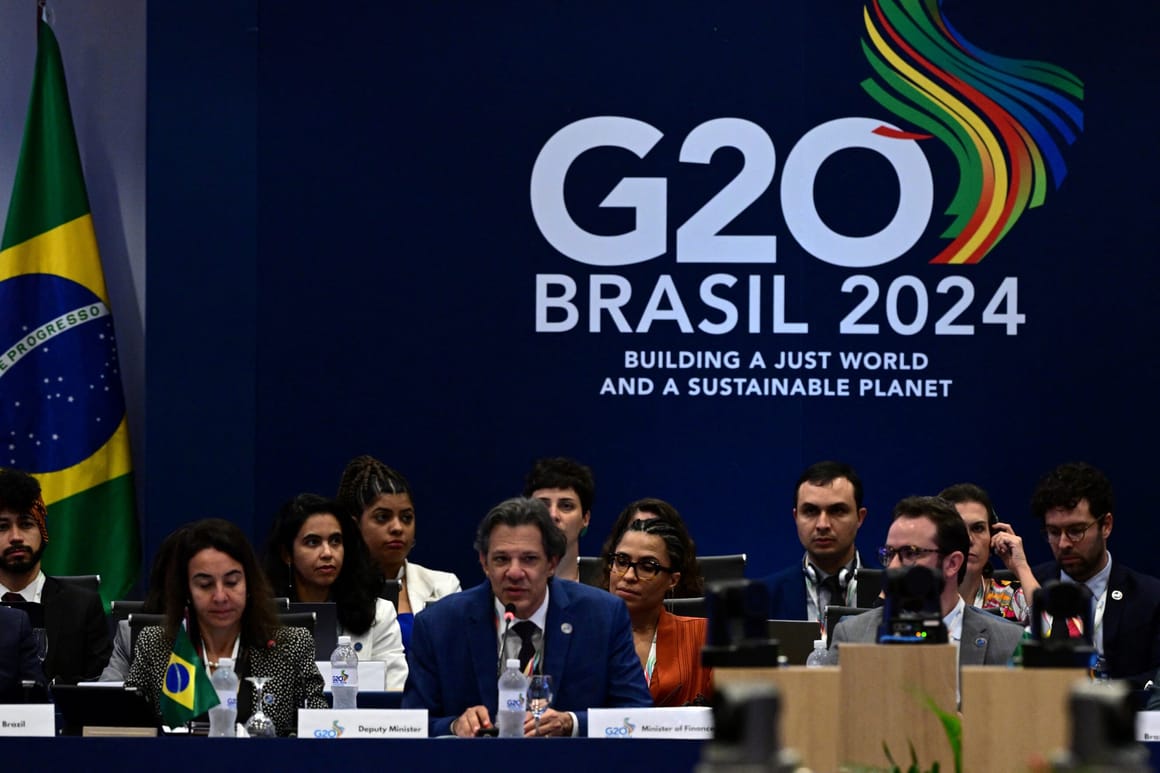
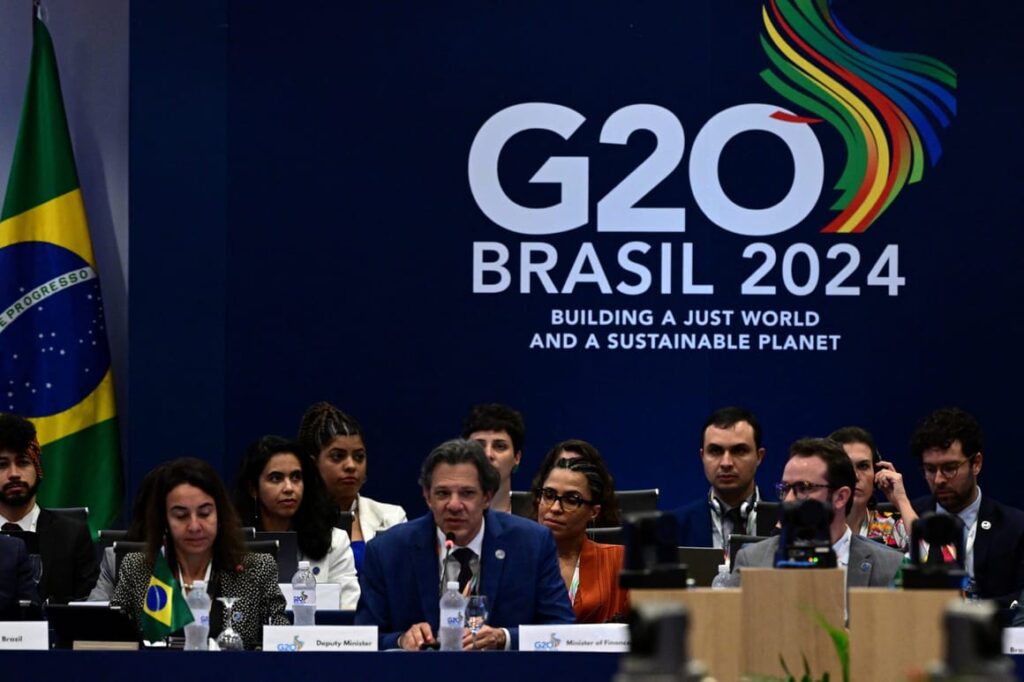
G20 To Work Together To Ensure Ultra-Rich Effectively TaxedG20 To Work Together To Ensure Ultra-Rich Effectively TaxedBy Dr. Gyan Pathak G20 has made a history to agree on working together to ensure ultra-rich are taxed effectively, even after the United States dismissed the need for an international accord on the matter for now. The agreement was reached on July 25 at a meeting of G20 finance ministers in Rio de Janeiro. […]

Negotiations aimed at resolving the conflict in Gaza have been delayed, with talks originally scheduled for Thursday in Doha now postponed to next week. This development follows the announcement that Israeli Prime Minister Benjamin Netanyahu will remain in Washington for an extended period. The postponement has been attributed to the need for Netanyahu’s presence in the negotiations, as key discussions were anticipated to involve high-level Israeli officials. […]

HONG KONG SAR – Media OutReach Newswire – 25 July 2024 – On July 24-25, an off-site session of the Eastern Economic Forum (EEF) was held in Hong Kong. Representatives from Russia and Hong Kong discussed the expansion of trade and economic ties and new opportunities for cooperation. Following the event, it was noted that entrepreneurs from Hong Kong plan to present their investment projects at EEF-2024. […]

Arabian Post Staff -Dubai Teenage Engineering has introduced the EP–133 K.O.II Sampler, a sophisticated addition to their lineup of portable music production tools. The new sampler merges cutting-edge technology with a user-friendly interface, appealing to both seasoned producers and novices. The EP–133 K.O.II features an enhanced sampling engine with improved sound quality and expanded storage capabilities. Users can now record, edit, and manipulate samples with greater precision, […]

HANOI, VIETNAM – Media OutReach Newswire – 25 July 2024 – A shift is underway in the Middle East, a region traditionally associated with vast oil reserves and a carbon-intensive economy. A new narrative of environmental sustainability and economic diversification is emerging, with companies like VinFast playing a key role in driving this change. This is evident in the burgeoning interest in electric vehicles (EVs) across the […]

VISHNU RAJA
RYO YAMADA
HITORI GOTOH
IKUYO KITA