News related to
Middle East

BANGKOK, THAILAND – Media OutReach Newswire – 23 October 2024 – PTT Global Chemical Public Company Limited (GC) hosts the GC Sustainable Living Symposium 2024: GEN S GATHERING under the theme “Sustainability Made Easy.” This fifth iteration of the symposium serves as a powerful platform uniting eco-conscious individuals, or GEN S (Generation Sustainability), from the government, business, and civil society sectors, all aiming to propel Thailand towards […]

HONG KONG SAR – Media OutReach Newswire – 23 October 2024 – A rising level of insolvency risk has emerged as a major concern looking ahead for half of companies surveyed by Atradius across Asia, with widespread worries it could negatively impact B2B trade on credit. Businesses are preparing for ripple effects and payment risks, adding to further anxiety about future profitability. At the heart of the […]

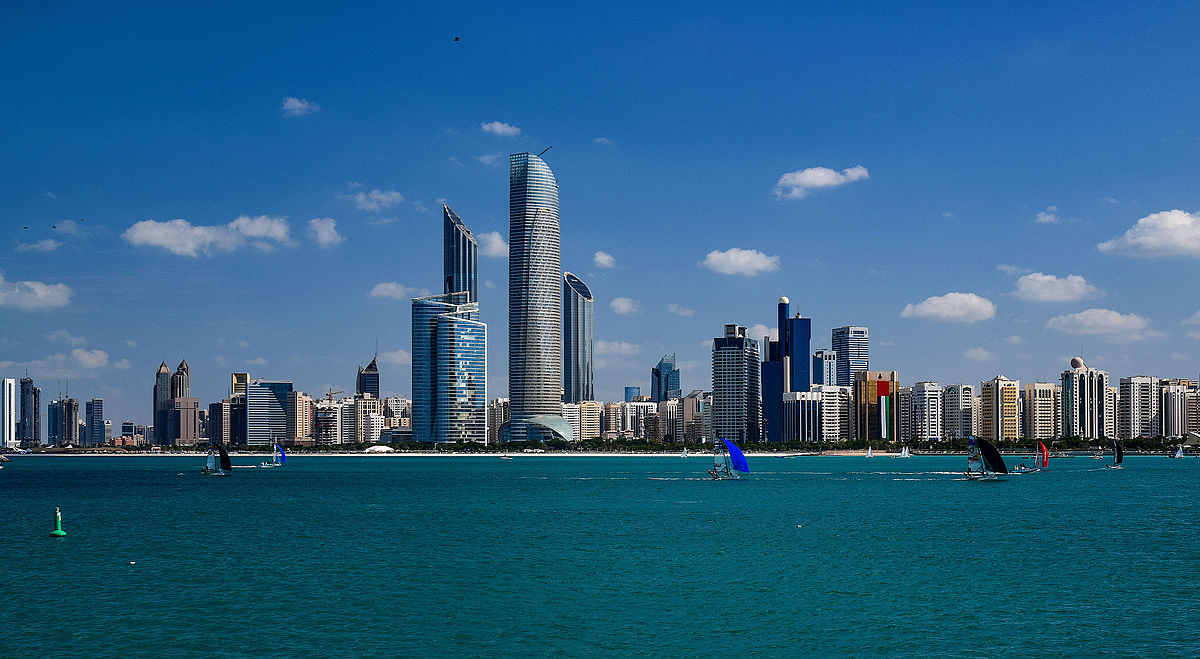
Britain’s wealthy are increasingly eyeing the UAE as a prime destination for relocation, with over 800 high-net-worth individuals (HNWIs) expected to make the move in 2024. The UAE, renowned for its strategic location, luxurious lifestyle, and favorable tax policies, has become a top choice for millionaires worldwide. The Henley Private Wealth Migration Report reveals that this year, the UAE will welcome a record-breaking 6,700 millionaires, of which […]

The legendary Spanish tenor joined three rising stars to deliver a show-stopping performance at Galaxy International Convention Center MACAU SAR – Media OutReach Newswire – 22 October 2024 – The much-anticipated “Galaxy Opera Gala with Plácido Domingo and Guests” took place on Sunday October 20 at the stunning Galaxy International Convention Center in Macau, drawing a diverse crowd of music lovers and cultural enthusiasts for an unforgettable […]

MBC Group has divested 2.45 million shares of Al Arabia, amounting to a substantial $111 million deal, marking a significant shift in its investment strategy. The move follows a broader trend in the media industry, where conglomerates are re-evaluating their holdings amid changing market dynamics and financial pressures. Al Arabia, a major player in the Middle Eastern media landscape, has seen fluctuations in its stock performance in […]

The world’s largest Bitcoin conference has made its debut in Abu Dhabi, attracting thousands of attendees, including influential figures from the cryptocurrency industry, investors, and blockchain enthusiasts. This event marks a significant milestone for the Middle East, emphasizing the region’s growing importance in the global cryptocurrency landscape. The conference is poised to showcase cutting-edge technologies, regulatory frameworks, and investment opportunities, while highlighting the UAE’s ambition to position itself as a key player in the digital economy.

Held at the Abu Dhabi National Exhibition Centre, the conference has brought together more than 10,000 participants from across the globe. Notable speakers included prominent figures such as Anthony Pompliano, a well-known Bitcoin advocate and investor, and Elizabeth Stark, co-founder of Lightning Labs, who addressed the potential of Bitcoin to reshape financial systems. The agenda features discussions on various topics, including Bitcoin adoption, regulatory challenges, and the future of decentralized finance (DeFi).

Abu Dhabi’s embrace of this event reflects a broader trend within the UAE to foster a conducive environment for blockchain technology and cryptocurrencies. The UAE government has actively pursued initiatives to integrate blockchain solutions across various sectors, including finance, healthcare, and logistics. This commitment is evidenced by the establishment of regulatory bodies such as the Abu Dhabi Global Market (ADGM) and the Dubai Financial Services Authority (DFSA), which have implemented frameworks to regulate cryptocurrency exchanges and Initial Coin Offerings (ICOs).

The conference is seen as a strategic opportunity for the UAE to attract international investment in the cryptocurrency sector, which has grown exponentially in recent years. With the global cryptocurrency market capitalizing at over $1 trillion, the UAE aims to position itself as a regional hub for digital assets, competing with established markets like Singapore and Hong Kong. Industry experts argue that the UAE’s favorable regulatory environment and strategic geographical location make it an ideal destination for cryptocurrency businesses seeking to expand their operations.

Amid the growing interest in cryptocurrencies, discussions surrounding regulatory frameworks have been a focal point of the conference. Panel discussions have addressed the need for a balanced approach that encourages innovation while ensuring investor protection. The UAE’s proactive stance on regulation has garnered praise from industry leaders, who emphasize the importance of clear guidelines to foster trust in the cryptocurrency ecosystem.

Emerging trends within the cryptocurrency space have also been highlighted at the conference, including the rise of non-fungible tokens (NFTs) and decentralized finance. NFT marketplaces have gained significant traction, with many artists, musicians, and creators exploring these digital assets to monetize their work. The integration of NFTs into mainstream culture has prompted discussions about the future of digital ownership and intellectual property rights.

The concept of decentralized finance, which aims to replicate traditional financial services using blockchain technology, has gained momentum. DeFi platforms offer services such as lending, borrowing, and trading without the need for intermediaries, presenting a disruptive force in the financial industry. The conference has provided a platform for DeFi project leaders to share insights on the challenges and opportunities within this rapidly evolving space.

As the conference unfolds, attendees are optimistic about the future of cryptocurrencies in the Middle East. The engagement of local businesses, government officials, and global experts underscores the UAE’s commitment to fostering innovation in the financial sector. Networking opportunities abound, with many participants expressing excitement over potential collaborations and partnerships that could emerge from this gathering.

The successful hosting of this major Bitcoin conference is expected to catalyze further interest and investment in the UAE’s cryptocurrency market. As governments worldwide grapple with the implications of digital currencies, the UAE’s proactive approach positions it as a forward-thinking leader in the sector. The conference’s impact extends beyond mere discussions, as it showcases the region’s capabilities to host significant global events, potentially attracting future conferences focused on blockchain and financial technologies.

Russia’s covert network of oil tankers, often referred to as the “shadow fleet,” has drawn intense scrutiny from Western governments as it plays a central role in circumventing sanctions imposed on the country since its invasion of Ukraine. This fleet consists of hundreds of vessels engaged in the global transport of Russian oil, utilizing a web of deceptive practices, shell companies, and obscured ownership to avoid detection and maintain a steady flow of oil exports. As sanctions grow tighter, so do the clandestine methods employed by this fleet, particularly in securing insurance, which is critical for ships to operate globally.

With the imposition of strict international sanctions on Russia, major Western insurers withdrew from covering Russian oil tankers, creating a vacuum that Moscow has scrambled to fill. The creation of alternative insurance networks has become a lifeline for these vessels, allowing them to continue trading. Countries with limited regulatory oversight, such as certain Middle Eastern and Asian nations, have become key players in providing cover to these ships, enabling them to avoid scrutiny. The complex insurance arrangements are often routed through obscure entities that make it challenging for authorities to track or block the movement of sanctioned vessels.

The UK’s recent actions highlight the extent of the shadow fleet’s activities. In September 2024, the UK government sanctioned ten vessels linked to the shadow fleet, each involved in transporting large quantities of Russian oil. These ships, which had collectively moved over $5 billion in Russian oil, were barred from accessing UK ports and removed from the UK ship register. The sanctions underscore how pivotal the shadow fleet has become for Moscow, which has invested over $8 billion to maintain this network, despite the tightening economic pressure from the G7 and other Western nations. Western authorities hope to cripple this vital revenue stream for the Kremlin, but Russia remains defiant, with this secretive fleet operating across key global trade routes.

One of the most significant elements enabling this shadow trade is the reinsurance market. Reinsurance, which helps insurance companies manage risks by sharing portions of large policies with other firms, is a crucial piece of the puzzle for Russia. While direct insurance contracts for Russian tankers have become scarce, reinsurance deals continue to operate through less-regulated markets, creating layers of separation between the insured vessels and their true owners. These arrangements obscure the ships’ connections to Russia and make enforcement of sanctions difficult, as insurers may not always know they are covering Russian vessels. Some reports indicate that companies in regions like Dubai and Singapore are playing an increasing role in providing this indirect coverage, further complicating international efforts to clamp down on the shadow fleet.

The trade routes these vessels follow are also a significant aspect of their operations. Many ships involved in the shadow fleet use transshipment points, such as ports in Greece or off-shore locations in the Mediterranean and Asia, to transfer oil from sanctioned Russian tankers to other vessels. This practice of ship-to-ship transfers allows Russian oil to be rebranded or disguised before being sold on the global market. The use of such tactics has expanded in scale, with Western observers noting a steady increase in the number of these operations as Russia looks to maintain its oil revenues.

As a response to this ongoing trade, the European Union and G7 have both imposed price caps on Russian oil, limiting the price at which it can be sold legally. This measure, implemented in late 2022, was intended to reduce Russia’s profits from oil exports while keeping the global energy market stable. However, the shadow fleet has allowed Russia to bypass these restrictions by selling oil at a discount through third-party buyers. This system of backdoor trading has proven highly effective, even as governments in the West ramp up their sanctions and surveillance efforts.

What stands out in this complex landscape is the role of emerging markets in supporting Russia’s oil trade. Countries such as China and India have dramatically increased their imports of Russian crude, taking advantage of the lower prices and turning a blind eye to sanctions. In turn, their involvement in Russia’s energy exports has further insulated the country from the full impact of Western economic measures. Despite this, the shadow fleet has remained a critical cog in Moscow’s oil export machine, facilitating the continued flow of crude oil to these markets.

Advertisements

Global oil prices have started to recover after last week’s sharp decline, which saw a 7% loss driven by concerns over supply and demand dynamics. Factors such as higher output from major oil-producing nations and fears of slowing demand due to global economic uncertainty had sent prices tumbling. However, industry analysts now anticipate a gradual recovery, citing potential geopolitical risks and tightening supply measures from key producers like Saudi Arabia and Russia. Market participants are closely monitoring the evolving situation, especially with winter approaching, which traditionally bolsters demand.

Several contributing factors have influenced the market volatility. Last week’s sharp drop was linked to bearish demand signals, particularly from China, one of the largest importers of crude oil. China’s economic slowdown has continued to worry energy traders, as the country’s lower-than-expected industrial activity and economic data cast a shadow over oil demand projections.

Meanwhile, on the supply side, major oil exporters have maintained elevated production levels, adding to the downward pressure on prices. Saudi Arabia and Russia, both key members of the OPEC+ alliance, have previously agreed on voluntary cuts to manage the market, but production has remained higher than some traders anticipated. The United States, too, has seen an increase in shale production, further influencing the global oil supply glut.

Despite the recent pullback, market experts believe a rebound is on the horizon. Seasonal factors, including colder weather in the northern hemisphere, are likely to drive demand for heating oil, helping to support prices. In addition, geopolitical tensions in key energy regions, such as the Middle East, remain a wildcard that could lead to supply disruptions and drive prices higher in the near term. Any further developments in the Israel-Gaza conflict, for example, could ripple through the global energy markets, with potential repercussions for oil flows.

Energy traders have also been closely watching U.S. crude inventories, which play a crucial role in balancing global supply-demand. A significant drop in stockpiles could prompt oil prices to move upward. Additionally, the Federal Reserve’s approach to interest rates and inflation continues to impact broader market sentiment, including energy commodities.

Dubizzle Group, the leading online classifieds platform in the Middle East, is preparing for a landmark initial public offering (IPO) expected in 2025. The company’s efforts to restructure and position itself for this significant milestone reflect its commitment to consolidating its market presence and scaling its operations across the MENA region. This move comes after a series of successful funding rounds and acquisitions, further enhancing its valuation […]

Saudi Arabia’s United International Holding has confirmed plans to sell a 30% stake in the company through an initial public offering (IPO). This decision marks a significant move in the Saudi capital markets, reflecting the broader trend of privatization and investment diversification pursued by the kingdom. The company aims to utilize the funds raised through the IPO to enhance its operations and expand its market presence across […]

Lulu Group International, one of the Middle East’s largest retail conglomerates, is planning to sell a 25% stake in its retail and sourcing divisions, raising approximately $1.7 billion to $1.8 billion. This move is a precursor to its highly anticipated initial public offering (IPO), expected on the Abu Dhabi Securities Exchange (ADX). The company, led by Chairman and Managing Director Yusuff Ali M.A., is seeking a valuation in the range of $6.5 billion to $7 billion, according to sources with direct knowledge of the matter.

The decision to proceed with an IPO is expected to be announced within the week, marking a significant milestone for the company, which operates more than 250 hypermarkets across the Middle East, Africa, and Asia. Lulu Group’s IPO plans come amid a wave of interest in the Gulf’s capital markets, bolstered by investor confidence and economic diversification efforts across the region.

Lulu’s expansion into the public market is seen as part of a broader strategy to tap into new growth opportunities and enhance its market presence. The company’s financial performance has remained solid over the years, with continued revenue growth fueled by its expansion in key markets such as Egypt, India, and Malaysia. In addition to its retail operations, Lulu Group has invested heavily in logistics and infrastructure to support its growing global footprint.

The timing of the IPO coincides with heightened market activity on the ADX, where several major IPOs have been launched recently. Analysts view Lulu Group’s entry into the public market as a significant event, one that could set a precedent for other large family-owned businesses in the region to follow suit. The dual listing of the company on both the ADX and Saudi Arabia’s Tadawul is also under consideration, according to reports, which could further amplify investor interest.

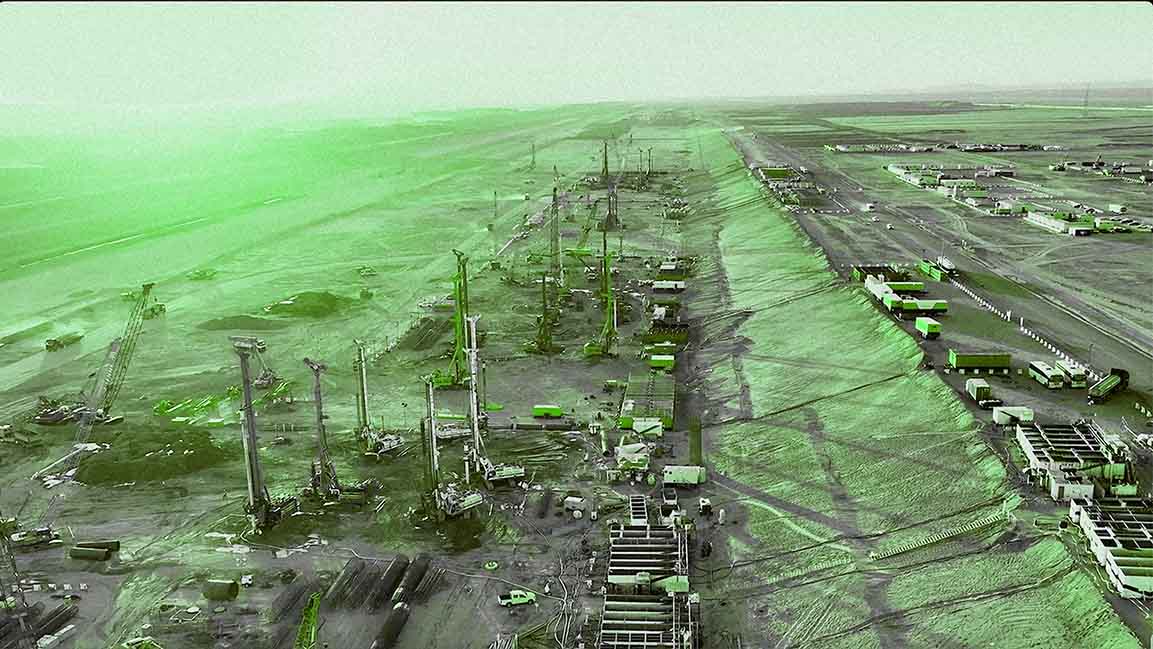
Saudi Arabia’s next major development, dubbed the “New Murabba,” is set to transform Riyadh’s skyline with the addition of a futuristic cube-shaped structure, slated to be one of the largest in the world. As the centerpiece of this $50 billion mega-development, the “Mukaab” will tower over 400 meters, making it taller than the Empire State Building. The cube is set to house various attractions, including residential spaces, hotels, cultural landmarks, and retail experiences, all within a digitally enhanced interior.

The New Murabba project is part of Riyadh’s push to become a global metropolis under the ambitious Vision 2030 initiative. Spearheaded by Crown Prince Mohammed bin Salman, Vision 2030 aims to diversify Saudi Arabia’s economy away from oil dependency by developing sectors such as tourism, entertainment, and technology. As part of this transformation, the Mukaab will serve not just as an architectural wonder but as a symbol of Saudi Arabia’s rapid modernization and growing influence in the global arena.

The cube’s massive scale reflects the Kingdom’s broader focus on positioning Riyadh as the Middle East’s primary hub for business, culture, and tourism. The project is expected to play a central role in hosting international events, including Expo 2030 and potentially the FIFA World Cup in 2034. Riyadh’s population is projected to reach 9.2 million by 2030, spurring the need for new infrastructure developments, including an improved road network and the construction of a metro system.

However, the massive scope of this project has raised concerns regarding its financial feasibility. With an estimated cost of $7.8 billion for the Expo alone, the Saudi government is recalibrating its priorities to manage the growing expenses of multiple giga-projects. Some developments, such as the $500 billion Neom city, have been delayed as Riyadh diverts resources toward completing critical infrastructure on time for these international events. The Public Investment Fund (PIF), which backs these mega-projects, has resorted to raising debt to meet its financial obligations. Nonetheless, the Mukaab remains a priority, given its symbolic and economic potential.

As the cube takes shape, it promises to offer more than just luxurious living spaces. Its immersive environment will incorporate augmented reality and digital technologies, creating a fully interactive experience for visitors and residents alike. This vision aligns with Riyadh’s goal of becoming a leading smart city, catering to both tourists and residents with cutting-edge technology and unique architectural designs. The Mukaab, in this sense, embodies the future Saudi Arabia envisions—a fusion of tradition and innovation, framed within a monumental structure that captures the imagination.

KUALA LUMPUR, MALAYSIA – Media OutReach Newswire – 17 October 2024 – BRICS represents a formidable economic bloc that significantly influences global trade and geopolitics. In January, the alliance of Brazil, Russia, India, China, and South Africa formally welcomed Egypt, Ethiopia, Iran, and the United Arab Emirates into its fold. Recent discussions have focused on expanding BRICS to include nations like Malaysia and Indonesia, presenting these countries […]

SINGAPORE – Media OutReach Newswire – 18 October 2024 – NextGen.AI (NGAI), an Singapore-based AI startup founded by Frank HO and his team of former advertising, software development executives & AI researchers, has secured a strategic investment of S$450,000 from Picasso FANG, on behalf of Asiawide Print. Picasso will also serve as a strategic partner and business mentor, guiding the company in scaling AI innovation across Singapore […]

SINGAPORE – Media OutReach Newswire – 18 October 2024 – Philips Monitors, a global leader in display technology, has announced the impactful results stemming from its ongoing Innovation Festival Campaign, inviting consumers to “Experience a New Intelligence in Display Technology.” Launched on August 1 and running through September 30, 2024, this campaign has generated significant engagement across the Asia-Pacific, Middle East, and Africa (APMEA) regions, including Australia, […]

Taking Place on 24 – 25 October the Forum Brings Together Leading Venture Capitalists and Entrepreneurs to Discuss Global Venture Capital Trends and Challenges, and Explore the Future Path of Hong Kong as the International Innovation and Technology Hub with Fresh Perspectives HONG KONG SAR – Media OutReach Newswire – 19 October 2024 – In the face of the lingering global economic and geopolitical uncertainties, the annual […]

Chinese markets are rallying as the country’s economy demonstrates signs of improvement. While the latest data offers some optimism, significant hurdles persist. Octa Broker analyses the situation and discusses the potential implications for the People’s Bank of China’s upcoming interest rate decision. KUALA LUMPUR, MALAYSIA – Media OutReach Newswire – 19 October 2024 – China has just released a slew of macroeconomic statistics. Although it generally looks […]

Many industry experts see crypto as having the potential to shape the future of finance, and this year, Bitcoin’s all-time high reflected this sentiment. For traders looking to explore crypto markets, Octa, a globally recognised financial broker, offers valuable tips and insights to help beginners approach trading digital assets effectively. KUALA LUMPUR, MALAYSIA – Media OutReach Newswire – 18 October 2024 – These days, many traders in […]

By Nitya Chakraborty The allegation by the Canadian Prime Minister Justine Trudeau involving Indian diplomats of the high commission in the killing of the Sikh extremist Canadian citizen, Hardeep Singh Nijjar, last year and also in the assassination attempt on another Sikh lawyer G S Pannun in USA, has created a storm in the global […]

A coalition of eleven nations has committed to the Middle East Green Initiative, aimed at addressing climate change and promoting sustainable development across the region. This significant expansion follows a recent summit where leaders gathered to discuss collaboration on environmental issues, further cementing the initiative’s role as a central platform for regional cooperation on sustainability. The Middle East Green Initiative, launched by Saudi Arabia, is designed to […]

Online shoppers in the region expect to have more flexible and convenient delivery options, with a preference for home delivery Survey respondents claim quicker delivery times and real-time tracking tend to improve their online shopping experience Fear of fraud is a barrier of cross-border online purchase SINGAPORE – Media OutReach Newswire – 18 October 2024 – Asia Pacific online shoppers are prioritizing flexible delivery options and free […]

Dahua Technology MENA is showcasing a range of innovative products and solutions at GITEX Global 2024, positioning itself as a key player in the region’s rapidly growing video-centric AIoT market. The company is using the prestigious Dubai event to introduce its latest advancements in artificial intelligence, the Internet of Things (IoT), and video technology. The company’s participation in GITEX comes as part of its strategic efforts to […]

Experience the new autumn menu, a one-night only Italian feast by michelin-starred chefs and more joy of exclusive culinary at Galaxy Macau. MACAU SAR – Media OutReach Newswire – 17 October 2024 – As the crisp north winds signal the start of the harvest season, the Autumn Crab Feast at Galaxy Macau™ Integrated Resort begins in earnest, treating food lovers to the most luxurious and magnificent culinary […]

An executive program aimed at enhancing the museum sector has been established between Saudi Arabia and China. The Museums Commission, part of Saudi Arabia’s Ministry of Culture, signed a significant agreement with the National Museum of China, bolstered by support from the Chinese Ministry of Culture and Tourism. This initiative is poised to fortify cultural ties between the two nations and promote collaborative efforts in museum development, heritage preservation, and cultural exchange.

The newly signed program emphasizes the importance of cultural diplomacy in fostering mutual understanding and cooperation. Through this partnership, both countries aim to benefit from shared expertise, resources, and innovative practices in the museum field. This collaboration is part of a broader strategy by Saudi Arabia to diversify its economy and position itself as a cultural hub in the region.

Under the framework of the executive program, various activities are planned, including staff exchanges, joint exhibitions, and the development of educational programs. The goal is to enhance professional training and capacity building within the museum sector. Experts from both nations will engage in knowledge sharing to develop best practices in museum management, curation, and visitor engagement strategies.

Saudi Arabia has been making significant strides in its cultural sector as part of its Vision 2030 initiative, which seeks to reduce the country’s reliance on oil revenue and promote tourism and cultural heritage. The establishment of museums has been identified as a critical area for development, aligning with the nation’s broader goals of economic diversification and global engagement.

The National Museum of China, renowned for its vast collection of historical artifacts and exhibitions, is expected to play a pivotal role in guiding the development of Saudi Arabia’s museum sector. By leveraging China’s extensive experience in museum management, Saudi Arabia can accelerate the development of its cultural institutions, ensuring they meet international standards.

This partnership comes at a time when both countries are keen on enhancing their bilateral relations. The agreement reflects a growing trend of cultural cooperation between China and Middle Eastern nations, as countries in the region seek to leverage cultural diplomacy to strengthen ties with major global players.

Experts believe that this collaboration will lead to a mutual exchange of ideas that can benefit both countries. The focus on developing educational initiatives, particularly aimed at youth engagement in cultural heritage, is seen as a significant step toward nurturing future generations’ appreciation for history and art.

Saudi Arabia’s approach to culture has shifted dramatically in the past few years, particularly with the unveiling of several high-profile cultural projects, including the Diriyah Gate and the King Abdulaziz Center for World Culture. These projects aim to position the kingdom as a cultural leader in the Gulf region, making it a focal point for international tourists and cultural enthusiasts.

The involvement of the National Museum of China adds a layer of credibility and expertise to the program. With China’s rich history and extensive experience in museum curation and cultural preservation, the partnership stands to benefit from innovative approaches to exhibiting and interpreting cultural heritage.

The collaboration is expected to enhance visitor experiences at Saudi Arabian museums. The development of joint exhibitions that showcase the histories and cultures of both nations will create unique opportunities for cultural exchange and education. This aspect is particularly important as Saudi Arabia seeks to attract more tourists and provide them with enriching cultural experiences.

The program aligns with the broader international cultural landscape, where countries increasingly recognize the value of cultural diplomacy in building soft power. As global interest in Saudi Arabia’s cultural heritage grows, this initiative presents an opportunity for both nations to showcase their unique histories and foster greater understanding between their peoples.

In addition to these developments, the program emphasizes the importance of digital innovation in the museum sector. With technology transforming how museums operate, both countries will explore ways to integrate digital tools into exhibitions, making art and history more accessible to diverse audiences. This focus on innovation aligns with global trends in museum practices, where digital engagement has become increasingly vital.

The signing of the executive program also reflects the broader geopolitical landscape in which cultural exchanges are gaining importance. As China continues to expand its influence globally, partnerships like this one provide Saudi Arabia with an avenue to enhance its cultural visibility on the world stage while benefiting from China’s established expertise in heritage management.

The initiative illustrates the commitment of both nations to investing in their cultural futures. By fostering collaboration in the museum sector, Saudi Arabia and China are setting a precedent for similar partnerships across other cultural domains. The long-term impact of this program is expected to extend beyond museum development, influencing the broader cultural and artistic landscape of both nations.


VISHNU RAJA
RYO YAMADA
HITORI GOTOH
IKUYO KITA