News related to
Middle East

SINGAPORE – Media OutReach Newswire – 15 November 2024 – Woh Hup, an esteemed name in the world of Asian sauces, proudly marks its 88th anniversary this year. Known for its delicious sauces, concentrated stocks, and instant noodles, Woh Hup has embarked on a remarkable journey fueled by a passion for crafting recipes that have stood the test of time, beloved by both professional chefs and homemakers. […]

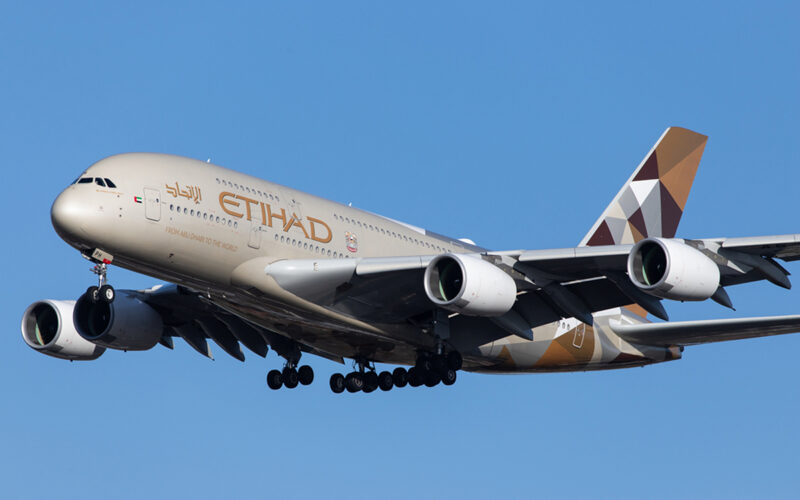
Etihad Airways, the national carrier of the UAE, achieved a substantial post-tax profit of $368 million (approximately AED 1.35 billion) for the first nine months of 2024, marking a 66% increase compared to the same period last year. This achievement underscores the success of its comprehensive restructuring strategy initiated in 2017, coupled with robust passenger and cargo performance.

The airline reported a 24% surge in total revenue, amounting to AED 11.7 billion for the first half of 2024, fueled by a significant rise in passenger traffic and an expanded network. Passenger revenue alone increased by 24% year-on-year, attributed to higher demand and frequency of flights across key routes. A total of 8.7 million passengers were transported in the first half, reflecting a 38% growth compared to the previous year. These figures highlight the airline’s ability to outperform regional competitors, with its growth rate surpassing the 13% industry average for Middle Eastern carriers during the same period.

Cargo operations also contributed significantly, recording a 10% revenue increase in the first half of the year. This growth was driven by heightened demand and increased fleet capacity dedicated to freight operations. The strong performance in cargo reflects Etihad’s ability to capitalize on global trade recovery and logistics demands.

Etihad’s operational efficiency has been pivotal in achieving these results. By maintaining a passenger load factor of 85% in the first half of 2024, the airline demonstrated its effective utilization of resources. This measure of profitability and seat occupancy aligns with its broader strategic goals, ensuring a balance between growth and financial sustainability.

The company’s achievements are a testament to its restructuring efforts over the past seven years. The initiative aimed at streamlining operations, optimizing routes, and enhancing fleet efficiency has led to a leaner, more focused business model. The restructuring has enabled the airline to transition from years of financial challenges to consistent profitability, positioning it as a formidable player in the aviation sector.

Looking ahead, Etihad Airways continues to focus on sustainability and innovation. The airline is actively investing in fuel-efficient technologies and exploring partnerships to minimize environmental impact. It recently expanded its use of sustainable aviation fuel (SAF) and adopted advanced technologies to enhance operational efficiency and customer experience.

Lenovo Group, the world’s largest PC maker, has announced plans to establish a state-of-the-art manufacturing facility in Saudi Arabia. This move aligns with the Kingdom’s Vision 2030 strategy, which seeks to diversify the economy by developing its technology and manufacturing sectors. The new facility, which will focus on assembling and producing personal computers and IT equipment, is expected to strengthen Lenovo’s foothold in the Middle East while driving local job creation and technical skill development.

Set to be located in the King Abdulaziz City for Science and Technology (KACST) area, the factory underscores the growing importance of Saudi Arabia as a strategic hub for global technology companies. Lenovo’s decision to invest in this region comes as demand for PCs and enterprise IT solutions continues to grow across the Gulf Cooperation Council (GCC) countries. With an annual production capacity estimated to reach tens of thousands of units, the plant will play a key role in meeting the technology needs of government entities, enterprises, and individual consumers in the region.

The factory is expected to generate hundreds of jobs for Saudi nationals, with Lenovo committing to knowledge transfer and training programs aimed at fostering local expertise in advanced manufacturing processes. This initiative aligns with the Kingdom’s Saudization goals, which prioritize the integration of local talent into key economic sectors. Lenovo’s executives emphasized that the plant would not only serve regional markets but also have the potential to export products to neighboring countries, further positioning Saudi Arabia as a technological hub for the wider Middle East.

Lenovo’s partnership with local entities and stakeholders, including the Ministry of Investment and the Saudi Industrial Development Fund, highlights the collaborative approach that has characterized its entry into the market. By leveraging Saudi Arabia’s supportive regulatory environment and infrastructure, the company aims to streamline operations and maximize efficiency in its production pipeline. This collaboration marks another milestone in Saudi Arabia’s efforts to attract foreign direct investment into its high-tech industries, a key pillar of Vision 2030.

The timing of Lenovo’s announcement coincides with a global shift in manufacturing trends, as companies seek to diversify their supply chains and mitigate risks associated with overdependence on specific regions. Lenovo’s Saudi factory will help the company reduce logistical complexities and ensure supply chain resilience, especially in a post-pandemic world where disruptions to global trade have underscored the need for localized production hubs.

While Lenovo has long been a dominant force in the global PC market, this investment represents its first manufacturing venture in Saudi Arabia. It signals the company’s intent to deepen its engagement with Middle Eastern markets, which have experienced steady growth in digital adoption and IT spending. Analysts believe this move could serve as a blueprint for other tech companies looking to expand their presence in the region.

The announcement also reflects the Kingdom’s broader ambitions to become a leader in emerging technologies such as artificial intelligence, robotics, and cloud computing. Saudi Arabia’s investments in smart cities like NEOM and other large-scale infrastructure projects are expected to drive demand for IT hardware and services, providing a robust market for companies like Lenovo to tap into. Additionally, the factory’s establishment could catalyze the development of ancillary industries, such as component manufacturing and logistics, further enriching the local economy.

Observers note that Lenovo’s move could pave the way for increased competition among technology companies in the region, prompting other global players to explore similar opportunities. This competitive environment is likely to benefit end-users by improving access to cutting-edge technology and reducing costs through localized production.

As the factory’s construction progresses, Lenovo plans to roll out community engagement programs aimed at fostering innovation and interest in technology among Saudi youth. These initiatives, including internships and partnerships with local universities, are intended to ensure that the Kingdom’s workforce remains equipped to meet the demands of a rapidly evolving digital economy.

MSB, Backbase and SmartOSC announce partnership in signing ceremony HANOI, VIETNAM – Media OutReach Newswire – 15 November 2024 – Backbase, creator of the Engagement Banking Platform, today announces that Maritime Commercial Joint Stock Bank (MSB), has made a strategic investment in the Backbase Engagement Banking Platform, with local implementation support from Backbase’s partner, SmartOSC, a premium digital enabler. This milestone marks a pivotal step in MSB’s […]

SINGAPORE – Media OutReach newswire – 15 November 2024 – This holiday season, Suntec City is thrilled to announce its first-ever collaboration with POP MART, bringing an unforgettable festive celebration. From 20 November to 25 December, shoppers can immerse themselves in a world of fun centred around POP BEAN, the beloved mini chibi version of iconic POP MART characters. Shoppers can look forward to the excitement of […]

The 2025 MICHELIN Guide Kuala Lumpur & Penang features a total of 143 establishments, including 56 Bib Gourmand and 80 MICHELIN Selected venues The first-ever MICHELIN Green Star goes to Dewakan, a two-MICHELIN-Starred restaurant The 2025 MICHELIN Guide Kuala Lumpur & Penang features a total of 143 establishments, including 56 Bib Gourmand and 80 MICHELIN Selected venues The first-ever MICHELIN Green Star goes to Dewakan, a two-MICHELIN-Starred […]

Global oil markets are headed toward a significant surplus in 2025, according to the International Energy Agency (IEA). The forecast, which emerged as part of the IEA’s latest oil market report, highlights the combination of weak demand growth and ample supply as key factors shaping the oil landscape in the coming year.

Oil demand growth is expected to slow considerably in 2025, with global consumption rising by only about 1 million barrels per day (mb/d), compared to nearly double that in 2023. This is mainly due to lackluster demand from major consumers like China, where oil consumption has been declining, adding pressure to an already softening market. The IEA’s predictions also reflect the subdued expectations for demand in the aviation sector, despite signs of recovery in some parts of the world.

Meanwhile, oil supply is on course to exceed demand growth, with non-OPEC countries, particularly in the Americas, poised to make substantial gains. The United States, Brazil, and Canada are expected to be key drivers of supply, contributing over 1 mb/d each in 2024 and 2025. This surge in output, coupled with spare capacity in OPEC+ countries, including major producers like Saudi Arabia and Russia, further amplifies the outlook for surplus production.

The IEA also flagged concerns over global refining margins, which have been under pressure due to weaker demand for refined products such as gasoline and diesel. This trend has led to a reduction in crude oil processing rates, adding to the surplus in the market. Refining activity could continue to struggle unless global demand rebounds, a scenario that seems unlikely under current economic conditions.

As the surplus looms, global oil inventories are being closely monitored. Although crude stock levels have dropped recently, they remain at relatively high levels compared to historical averages. Refined product stocks, on the other hand, have increased, further tightening margins for refineries globally. This situation points to an oversupplied market, especially if demand growth fails to meet expectations.

Despite these market dynamics, geopolitical tensions in oil-producing regions like the Middle East have continued to influence market volatility. However, unless significant disruptions occur, such as a major escalation of conflicts or natural disasters, the IEA anticipates that oil prices will remain under pressure in 2025. Although prices briefly spiked earlier in the year due to fears of supply disruptions, these fears have subsided, leaving the market in a precarious position.

Advertisements

Masdar, the clean energy powerhouse based in the United Arab Emirates, has announced plans to develop a 1GW wind farm in the Mingbulak region of Uzbekistan. This significant renewable energy project underscores Masdar’s ongoing expansion in Central Asia, positioning the company as a key player in the region’s transition toward sustainable energy. The wind farm, located in one of the country’s most promising areas for wind energy […]

Abu Dhabi’s sovereign wealth fund, the Abu Dhabi Investment Authority (ADIA), is significantly increasing its allocations to private equity in a strategic pivot to enhance long-term returns. This move underscores ADIA’s growing interest in high-risk, high-reward investment opportunities as it adapts to global market shifts. The fund’s decision comes at a time when traditional investment avenues are facing unprecedented volatility and when private equity is seen as […]

LOS ANGELES, USA – Media OutReach Newswire – 15 November 2024 – Livestreaming platform Bigo Live is set to bring Season 3 of its talent competition, BIGO’s Most Talented, to a thrilling conclusion with the Grand Finale on October 16 in Los Angeles. This innovative virtual talent show blends the competitive excitement of traditional reality TV with the interactivity of live streaming, using engagement as a unique […]

Viu, the pan-regional OTT video streaming service operated by PCCW, has expanded its offerings in the UAE by introducing a new benefit for its Viu Premium subscribers. As part of this initiative, new subscribers to the Viu Premium service will receive a complimentary Careem Plus subscription, enhancing their streaming experience with added value.

The partnership between Viu and Careem, the popular ride-hailing and services platform, brings together two prominent players in the region’s digital landscape. Careem Plus offers a variety of perks, including discounts on rides, food delivery, and more. This collaboration aims to not only strengthen Viu’s position in the competitive streaming market but also provide a broader suite of benefits for consumers.

This move follows a series of efforts by Viu to maintain its relevance in the increasingly crowded OTT sector. Viu has been expanding its content library and services across the Middle East and North Africa (MENA) region, targeting a growing base of digital-first consumers who are looking for diverse entertainment options. By offering added value through the Careem Plus subscription, Viu seeks to differentiate itself from other streaming platforms operating in the UAE and the larger Gulf region.

The strategy also aligns with broader regional trends, where OTT platforms are increasingly bundling services to offer more comprehensive packages. The integration of third-party services, such as ride-hailing or food delivery, has become a key strategy for service providers to boost customer loyalty and enhance user experience. This type of cross-sector partnership is growing in popularity, as it creates a more holistic ecosystem for consumers, blending entertainment with convenience.

For Careem, the collaboration with Viu allows the company to tap into the expanding base of Viu subscribers, potentially increasing its reach in the UAE. Careem’s move to offer exclusive perks to Viu Premium subscribers further underscores the platform’s efforts to enhance its value proposition, especially as it continues to evolve beyond its original ride-hailing model. The company, which has expanded into services like food delivery and digital payment solutions, has long been striving to position itself as an all-in-one lifestyle app in the region.

Viu’s premium service offers a wide range of on-demand content, including popular Arabic, Asian, and international shows, as well as movies and exclusive originals. With the addition of the Careem Plus subscription, Viu is aiming to elevate its value offering and cater to a broader audience who may be interested in both entertainment and lifestyle services. The initiative also highlights a broader trend in the OTT space, where platforms are looking for innovative ways to keep their customers engaged and retain their subscriptions in an environment where consumer loyalty is hard to maintain.

The UAE market, known for its high smartphone penetration and advanced digital infrastructure, has seen a rapid increase in the adoption of OTT services over the past few years. The shift toward on-demand entertainment, accelerated by the global pandemic, has contributed to the growth of digital streaming platforms. However, the competition remains fierce, with global players like Netflix, Amazon Prime, and regional services such as OSN and Shahid vying for consumer attention.

Viu, which operates in 16 markets across the Asia-Pacific and MENA regions, faces increasing competition in the UAE and wider MENA market, where local and international content providers are aggressively pursuing market share. By introducing perks such as the Careem Plus subscription, Viu hopes to add a layer of convenience that appeals to the diverse and digitally savvy consumers of the UAE, who are accustomed to seamless, multifaceted services.

The Viu-Careem collaboration also highlights a shift in the region’s approach to digital services, with companies moving toward integrated digital ecosystems. By bundling various services under one umbrella, companies are encouraging consumer stickiness. For instance, Viu subscribers can now enjoy discounts on Careem rides or deliveries, while Careem users can benefit from entertainment options from Viu. This model may set a new precedent for future partnerships in the region, where the boundary between entertainment, travel, and lifestyle services continues to blur.

The promotion is available to new Viu Premium subscribers in the UAE, with terms and conditions applicable to the complimentary Careem Plus subscription. The launch comes at a time when many OTT platforms are re-evaluating their strategies to stay competitive. As subscription fatigue sets in among users who are overwhelmed by an abundance of platforms, value-added features like the Careem Plus subscription can help sway potential customers toward Viu’s premium offering.

Prudential customers now have access to ten cancer clinics, including a one-stop integrated cancer centre at Icon Cancer Centre Singapore HONG KONG SAR – Media OutReach Newswire – 14 November 2024 – Prudential plc (“Prudential”) and Icon Cancer Centre Singapore (“Icon”) today announced a partnership that will provide Prudential’s health customers in Singapore and Indonesia access to outpatient cancer treatment, on a cashless basis[1], at Icon’s clinics […]

UAE investors have seen their wealth soar following a remarkable surge in Bitcoin prices, attributed to the political and economic shifts following Donald Trump’s victory in the US election. The cryptocurrency, which had been volatile in the years preceding the win, experienced unprecedented growth as markets reacted to the shifting political landscape, with many investors in the UAE now seeing significant returns on their investments.

Bitcoin’s price surged sharply after the US election results were confirmed, with many financial analysts predicting the trend would continue as uncertainty around Trump’s policies drove investors toward assets perceived as safer or potentially more profitable. The volatile nature of cryptocurrencies makes them an attractive option for those willing to accept the risks for the potential rewards. For investors in the UAE, Bitcoin presented a new opportunity, and many took advantage of the fluctuating prices in anticipation of future growth.

Several prominent cryptocurrency investment platforms have seen increased activity in the UAE, with more people turning to Bitcoin as a hedge against inflation and political instability. The surge in Bitcoin’s value has not only been a boon for individual investors but also for cryptocurrency trading platforms and firms offering Bitcoin-based investment products. Several such platforms reported a spike in sign-ups and transactions in the wake of Trump’s election win, which, combined with the global economic uncertainty that followed, has sparked an interest in digital currencies as an alternative to traditional investments.

In Dubai, where many investors have a global outlook, Bitcoin is quickly becoming a key component of wealth management strategies. The local cryptocurrency market has witnessed a rise in demand for both Bitcoin and other digital assets. Investors are diversifying their portfolios with more aggressive positions in cryptocurrency, banking on the potential for continued growth amid the global economic challenges. Some have even opened Bitcoin-specific funds, offering high-risk, high-reward opportunities to those seeking to capitalize on the digital currency’s upward trajectory.

A key factor contributing to this wave of Bitcoin investment is the cryptocurrency’s appeal as an alternative store of value. With concerns around traditional financial systems, particularly in the Middle East, many are seeking to protect their wealth by investing in assets that are decentralized and not subject to the fluctuations of regional currencies or government policies. Bitcoin, with its promise of independence from state-controlled monetary systems, offers a solution that is increasingly attractive to investors in the UAE.

The global appeal of Bitcoin, combined with its growing legitimacy, has made it a more palatable option for UAE investors, many of whom are looking to broaden their financial horizons. The UAE’s status as a financial hub with a progressive regulatory environment for cryptocurrencies has further contributed to the growing interest. While cryptocurrencies remain largely unregulated in many parts of the world, the UAE has been one of the leading countries in the region to introduce frameworks aimed at fostering innovation while protecting investors.

The surge in Bitcoin prices has also prompted a flurry of interest from young, tech-savvy investors in the UAE. As more millennials and Gen Z individuals enter the investment landscape, they are increasingly looking toward digital currencies as a means of growing their wealth. The UAE has one of the highest concentrations of cryptocurrency holders in the Middle East, with a growing number of younger investors taking positions in Bitcoin as part of a broader trend of tech-driven financial strategies.

While the surge in Bitcoin’s price has created substantial wealth for some investors, the cryptocurrency market remains highly volatile, and many caution against overexposure. Financial advisors emphasize the importance of diversifying portfolios, as the rapid rise in Bitcoin’s value could be followed by equally dramatic declines. Investors are urged to remain cautious, keeping in mind that the cryptocurrency market’s unpredictability makes it unsuitable for all types of investors.

The geopolitical factors that contributed to Bitcoin’s rise are also critical to understanding the broader trends at play. Following Trump’s win, the global economy experienced shifts in trade relations and economic policies, which, in turn, affected investor behavior. As Bitcoin’s value continues to fluctuate in response to these political developments, the currency remains a speculative asset. However, for many in the UAE, the rewards have been substantial, allowing some to realize returns on their investments that were previously unimaginable.

The Saudi Public Investment Fund (PIF), a major sovereign wealth fund under the Saudi government, has executed a notable transaction by divesting over $1 billion worth of shares in the Saudi Telecom Company (STC). This decision aligns with the PIF’s strategy to rebalance its investment portfolio, shedding portions of domestic holdings to fund international acquisitions and domestic development initiatives, particularly in high-growth sectors outside of oil.

This strategic move involved the sale of a 4% stake in STC through a secondary share placement. A major player in the Saudi economy, STC is considered a blue-chip stock on the Saudi exchange, Tadawul, where it holds a considerable influence on market performance. The transaction came after months of market speculation about potential PIF divestitures, spurred by the Fund’s stated ambition to optimize capital flows toward diverse global and domestic investments, potentially in technology and renewables, where PIF sees long-term growth opportunities.

The secondary share placement, conducted through a structured auction, attracted significant interest from both institutional and retail investors in Saudi Arabia and abroad. Market analysts report that this interest underlines the strong international appetite for shares in Saudi Arabia’s robust telecom sector, a pivotal component of the Vision 2030 economic reform plan. Under this framework, which aims to reduce Saudi Arabia’s dependency on oil revenue, sectors like technology and telecommunications are prioritized for growth.

Prior to the sale, PIF held a 64% stake in STC, which translates to substantial influence over the company’s strategic direction. By reducing its stake by 4%, PIF remains the controlling shareholder while monetizing a portion of its holdings, a strategy that reflects the Fund’s ongoing recalibration toward agile capital allocation. PIF’s latest divestiture follows a similar move in 2021 when it sold a 6% stake in STC, raising approximately $3.2 billion, a transaction that bolstered its financial flexibility for reinvestment.

Market observers suggest that this sale is likely to bolster investor confidence in Saudi corporate equities, given PIF’s role in maintaining liquidity and investor interest in Tadawul-listed firms. As PIF diversifies its holdings, the Fund has attracted global interest for its capacity to influence capital flow into emerging market sectors and sustainable development projects, often supported by Saudi state-owned enterprises and investments from foreign sovereign funds.

The timing of this transaction aligns with PIF’s mandate to sustain a diversified portfolio that supports domestic projects like the Red Sea tourism initiative, NEOM, and Qiddiya, in addition to investments in international tech and innovation enterprises. Analysts point out that the sale proceeds may be allocated toward similar domestic mega-projects or invested abroad to capture strategic returns from fast-growing sectors such as artificial intelligence, energy storage, and automation. A notable aspect of PIF’s recent portfolio strategy includes collaborations with international technology firms, signaling an interest in assets that foster cross-border digital infrastructure.

The shift also reflects STC’s own strategic trajectory, as the company continues to expand its service offerings, venturing into digital services and content creation. As part of the broader telecom transformation in Saudi Arabia, STC aims to tap into areas like cloud services, cybersecurity, and data management, all seen as integral to supporting Saudi Arabia’s growing digital economy. PIF’s partial divestment does not signify a reduction in STC’s importance but rather indicates the Fund’s confidence in STC’s operational independence and market resilience.

For international investors, this transaction highlights STC’s status as a critical component of Saudi Arabia’s evolving economic structure. The company remains positioned as a cornerstone of Saudi Arabia’s Vision 2030, which emphasizes developing sectors like entertainment, tourism, and technology. Analysts suggest that, by divesting a stake in STC, PIF frees up capital that can be redirected to reinforce these high-growth industries, underpinning Saudi Arabia’s long-term economic diversification efforts.

Following the transaction, STC’s stock initially witnessed moderate fluctuations, reflecting standard market responses to significant share movements. Market analysts anticipate that, in the near term, STC’s stock price may stabilize, buoyed by investor confidence in its fundamentals. Observers also emphasize that the transaction reflects positively on the Saudi stock exchange, underscoring Tadawul’s growing role as a hub for institutional and foreign investors seeking exposure to Middle Eastern equities.

STC, on its part, remains committed to its expansion strategy, which involves fortifying its digital platforms and expanding telecommunications infrastructure. These initiatives align with the demands of a more digitally interconnected society and the anticipated increase in data consumption across Saudi Arabia, partly driven by high smartphone penetration and rising demand for e-government services. Industry insiders point out that STC’s ongoing investment in 5G infrastructure and data centers positions it well to capture market share in the expanding Gulf tech landscape.

KUALA LUMPUR, MALAYSIA – Media OutReach Newswire – 14 November 2024 – Adding exotic currency pairs to a portfolio is a popular way to get exposed to a wider variety of assets. These pairs, which include currencies from emerging markets or smaller economies, offer unique opportunities due to their volatility and potential for high returns. For traders in regions like India and Southeast Asia, exotic pairs can […]

KUALA LUMPUR, MALAYSIA – Media OutReach Newswire – 12 November 2024 – The recent U.S. presidential election and subsequent economic events have significantly impacted the Malaysian Ringgit (MYR), with the USDMYR exchange rate reaching a three-month high on Monday. Octa Broker’s financial market analyst, Kar Yong Ang, explains the reasons for the recent weakness in the Malaysian ringgit and provides short-term exchange rate projections. It has been […]

RIYADH, SAUDI ARABIA – EQS Newswire – 13 November 2024 – President and CEO Philippe Delorme of KONE (www.KONE.com), a global leader in the elevator and escalator industry, is visiting the Gulf Cooperation Council (GCC) region following the launch of KONE’s new global strategy ‘Rise’, to discuss how digital and sustainable vertical transport innovations are critical in helping address the rapid growth across the GCC. “With urban […]

BANGKOK, THAILAND – Media OutReach Newswire – 13 November 2024 – Dusit International, one of Thailand’s leading hotel and property development companies, has signed a Memorandum of Understanding (MoU) with Tourism Development Fund (TDF), the national enabler of the tourism sector in Saudi Arabia, to establish a preliminary framework for developing hospitality projects that will enhance the country’s tourism infrastructure. Signed at the World Travel Market 2024 […]

KUALA LUMPUR, MALAYSIA – Media OutReach Newswire – 13 November 2024 – As China solidifies its influence across Southeast Asia, it becomes the region’s largest trading partner and a crucial investor in areas like infrastructure, technology, and renewable energy. This release explores how China’s expanding economic reach shapes Southeast Asian markets, from Indonesia’s booming coal exports to Vietnam’s tech transformation, and provides a glimpse into future growth […]

The Zimbabwe-Zambia (Zim-Zam) Energy Projects Summit will take place from November 18-20, 2024, in Victoria Falls, Zimbabwe, and could not be more timely. With the governments of both countries making innovative structural changes to make energy projects more bankable, appetite for investment is high. This is the opportunity to secure a more sustainable energy future for both Zimbabwe and Zambia. LONDON, UK – EQS Newswire – 12 […]

Abu Dhabi-based renewable energy giant Masdar has announced a significant milestone in its efforts to expand global clean energy projects, with its 1-gigawatt (GW) wind farm in Kazakhstan nearing its final stages of development. This marks a crucial step in the Middle Eastern energy company’s continued push into the renewable sector, aligning with Kazakhstan’s commitment to transition toward more sustainable energy sources. The wind farm, which is […]

HANOI, VIETNAM – Media OutReach Newswire – 12 November 2024 – On 12 November 2024, Vingroup, Vietnam’s largest private conglomerate, and its Chairman, Mr. Pham Nhat Vuong, announced a significant financial commitment to VinFast, the Vietnamese Nasdaq-listed electric vehicle maker. Vingroup plans to lend VinFast up to 35 trillion Vietnamese dong ($1.4 billion) by the end of 2026. Additionally, Mr. Vuong has personally pledged 50 trillion dong […]

The growing financial links between Asia and the Middle East are poised to significantly influence global capital flows, according to new insights from HSBC. The accelerating collaboration between these two regions is already reshaping the landscape of international investments, with both sides benefitting from a convergence of economic goals, financial strategies, and geopolitical interests. With Asia’s expanding markets and the Middle East’s substantial financial resources, the deepening […]

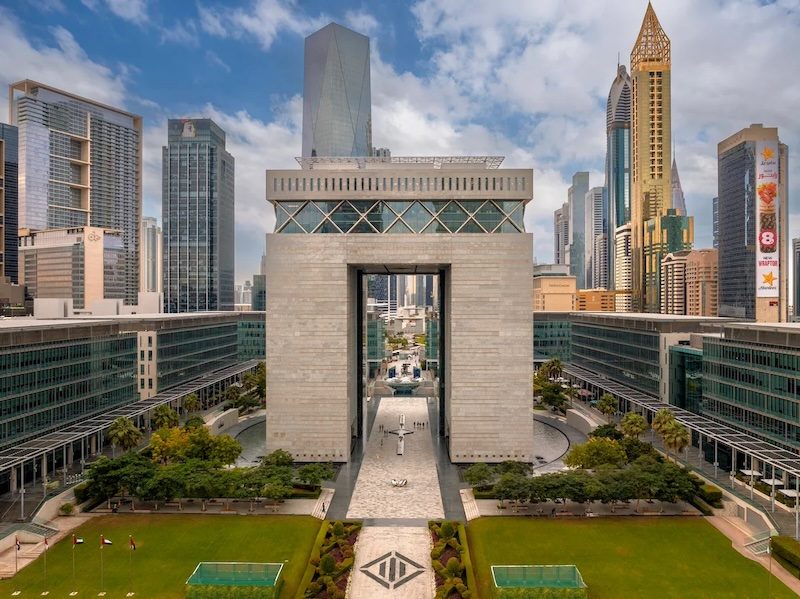
The Dubai International Financial Centre (DIFC) has repaid a $700 million sukuk, a significant milestone in its ongoing development efforts. This bond, originally issued to finance the expansion of the DIFC, helped fund key infrastructure projects, including the growth of its real estate sector and the development of the Gate Avenue retail precinct, which has become a central feature of the financial hub.

The repayment of the sukuk demonstrates the DIFC’s strong financial position, underscoring its ability to service its debt while continuing its mission to evolve as a global financial hub. The sukuk was part of a broader strategy to enhance the DIFC’s infrastructure and attract further investment to the region, reinforcing its status as one of the world’s leading financial centers.

Launched in 2004, the DIFC has seen exponential growth over the past two decades, with its strategic location and favorable business environment making it an attractive destination for international and regional firms. The expansion of DIFC’s real estate and retail offerings, particularly the Gate Avenue precinct, aligns with broader efforts to diversify its revenue streams and cement its position as a global business and lifestyle destination.

The Gate Avenue project, which was central to the sukuk issuance, transformed the DIFC area into a vibrant, mixed-use space combining commercial, retail, and residential offerings. The development has played a critical role in supporting the growth of the financial district, not only as a hub for businesses but also as a dynamic space for leisure and commerce. Gate Avenue features high-end retail outlets, restaurants, art galleries, and a host of premium office spaces, positioning the DIFC as a global destination for business and tourism alike.

The financial success of the sukuk reflects the increasing confidence in the DIFC’s ability to attract investment, maintain a strong credit rating, and manage large-scale projects effectively. The successful completion of the sukuk repayment follows a broader trend of fiscal responsibility within the Dubai government and its key development areas, including the Dubai Economic Agenda and the vision for the city’s continued diversification into non-oil sectors.

Dubai has steadily strengthened its position as a financial center, not just regionally but globally, through strategic investments in infrastructure, fintech, and real estate development. By repaying the sukuk, DIFC reaffirms its reputation as a key pillar of Dubai’s ambitious economic agenda. This action signals to both international investors and local stakeholders that DIFC remains a secure and attractive investment destination.

The sukuk’s issuance and repayment were also a part of the larger trend of Islamic financing mechanisms that have been growing in popularity in the UAE and other parts of the Gulf region. Sukuk, a Sharia-compliant alternative to conventional bonds, are increasingly viewed as an effective tool for raising capital for large-scale infrastructure and development projects. With the growing interest in sustainable finance, sukuk structures are adapting to include green and socially responsible investment components, further broadening their appeal.

The DIFC’s continued investment in its infrastructure is also reflected in its increasing number of financial firms, including major international banks, wealth management firms, and insurance companies, which have made the center their regional base. This is a testament to DIFC’s ability to provide a competitive and secure environment for financial operations, from asset management to fintech innovation.

The development of Gate Avenue, which connects the DIFC’s two main buildings with a series of bridges and corridors, offers not only commercial and office spaces but also cultural experiences that draw visitors and residents alike. This expansion helps differentiate the DIFC from other global financial hubs by offering a comprehensive lifestyle experience beyond the traditional financial operations. Its blend of culture, art, and luxury retail spaces makes it a unique offering in the competitive global financial landscape.

The repayment of the sukuk comes at a time when Dubai is positioning itself as a major player in the global financial and fintech sectors. As part of the Dubai 2040 Urban Master Plan, the city is focused on further expanding its financial infrastructure, which aligns with the UAE’s broader goal of diversifying its economy and attracting foreign investment. Projects like the DIFC’s development and the Gate Avenue precinct are designed to support this long-term vision and are expected to continue to bolster the UAE’s competitive edge.

DIFC’s financial success, evidenced by its ability to meet debt obligations, is closely tied to the broader economic strategies set out by Dubai and the UAE. The city has made substantial investments in becoming a global leader in fintech, with regulatory frameworks designed to foster innovation, while also strengthening its existing financial infrastructure. These efforts are part of a greater strategy to ensure Dubai’s place at the center of international finance, even as global markets face uncertainty.

As the DIFC looks to the future, it will likely continue its focus on sustainable development, leveraging its strategic location to attract global financial institutions and investors. The success of the sukuk repayment highlights the district’s ongoing stability and growth, which in turn strengthens Dubai’s position as a critical financial and business hub in the Middle East and beyond.


VISHNU RAJA
RYO YAMADA
HITORI GOTOH
IKUYO KITA