News related to
Middle East

Hamas has released three Israeli hostages, including 19-year-old soldier Agam Berger, as part of ongoing ceasefire negotiations. Berger, who was captured during the October 2023 attack, was handed over to the Red Cross in Gaza and is now undergoing medical assessment before reuniting with her family. The other released hostages are Arbel Yehud, 29, and 80-year-old Gadi Moses. Additionally, five Thai nationals were freed in this latest exchange.

The ceasefire agreement, brokered by U.S.-led mediators, aims to facilitate the release of hostages in exchange for Palestinian prisoners. Under the terms, Hamas is expected to release a total of 33 hostages, while Israel will free approximately 1,900 Palestinian prisoners. This truce seeks to halt the intense conflict that has resulted in significant casualties on both sides.

The release of Berger, the last female soldier held in Gaza, was met with celebrations in Tel Aviv. Footage showed her waving to the crowd upon her release, indicating she is alive and well. The emotional return has been a source of relief for her family and supporters.

The ceasefire has also allowed hundreds of thousands of Palestinians to return to northern Gaza, though they face significant devastation upon their return. Negotiations for further exchanges and a permanent end to the war are ongoing, with the next phase focusing on releasing remaining hostages and withdrawing Israeli troops from Gaza. The final phase will involve returning the bodies of deceased hostages and reconstructing Gaza.

The October 7, 2023, attack by Hamas resulted in over 1,200 deaths and 250 kidnappings, sparking the subsequent conflict. The recent releases are part of efforts to de-escalate tensions and work towards a more lasting peace in the region.

As part of the ceasefire deal, Israel has agreed to release 110 Palestinian prisoners. The truce, which paused the conflict earlier this month, is part of a larger deal aiming for a more extended halt in hostilities and the release of more captives. However, negotiations for a deeper, lasting peace remain complex and uncertain.

The release of hostages and prisoners is seen as a significant step towards de-escalation, but the path to a lasting peace remains fraught with challenges. Both sides have expressed a commitment to continuing negotiations, with the hope of achieving a more comprehensive resolution to the conflict.

The international community continues to monitor the situation closely, with many nations expressing support for the ceasefire and the ongoing negotiations. The hope is that these developments will lead to a sustainable peace and stability in the region.

As the situation evolves, the focus remains on the safe return of all hostages and the implementation of measures to prevent further escalation. The coming days and weeks will be critical in determining the future trajectory of the Israeli-Palestinian conflict.

The recent releases have provided a glimmer of hope in an otherwise tumultuous period, highlighting the potential for diplomacy and negotiation to yield positive outcomes even in the most challenging circumstances.

While significant hurdles remain, the progress made thus far underscores the importance of continued dialogue and the pursuit of peaceful solutions to longstanding conflicts.

The international community remains cautiously optimistic, recognizing that while the road ahead is uncertain, the recent developments represent a meaningful step towards a more peaceful and stable future for both Israelis and Palestinians.

The situation remains fluid, and stakeholders on all sides are urged to exercise restraint and continue working towards a comprehensive and lasting resolution to the conflict.

The hope is that through sustained efforts and mutual compromise, a durable peace can be achieved, bringing an end to the cycle of violence and suffering that has plagued the region for decades.

The recent hostage releases serve as a reminder of the human cost of the conflict and the urgent need for a resolution that ensures the safety and well-being of all individuals affected by the ongoing strife.

As negotiations continue, the focus remains on achieving tangible outcomes that pave the way for a peaceful coexistence between Israelis and Palestinians, fostering a future where both communities can thrive in harmony.

The international community stands ready to support these efforts, recognizing that a lasting peace in the Middle East is not only a regional imperative but also a global one, with far-reaching implications for international stability and security.

The path to peace is seldom straightforward, but the recent developments offer a beacon of hope, illustrating that even in the face of deep-seated animosities, progress is possible through dialogue, negotiation, and a shared commitment to a better future.

As the world watches, the actions taken in the coming days will be pivotal in shaping the course of the Israeli-Palestinian conflict and determining whether this moment of hope can be transformed into a lasting reality.

The release of hostages and the ongoing ceasefire negotiations represent a critical juncture, offering an opportunity to break the cycle of violence and lay the groundwork for a sustainable peace that benefits all parties involved.

The international community remains engaged, ready to assist in facilitating dialogue and providing support to ensure that the progress made is not only preserved but also built upon in the pursuit of a just and enduring resolution to the conflict.

Samsung has launched an innovative experiential space at Dubai Festival City, offering customers an exclusive opportunity to explore the capabilities of its latest Galaxy S25 Series. The pop-up space is designed to highlight the enhanced artificial intelligence features integrated into the new devices, which promise to revolutionize user experience with a focus on personalization and smarter interactions. The Galaxy S25 Series, unveiled as part of Samsung’s commitment […]

MANTRA, a blockchain platform for tokenizing real-world assets , has finalized a significant $1 billion agreement with DAMAC Group, a leading investment conglomerate in the UAE. This strategic partnership, announced on January 9, focuses on the tokenization of various assets within the Middle East region, bringing blockchain innovation into a thriving market.

The agreement underscores MANTRA’s commitment to expanding the use of decentralized finance solutions for asset management, leveraging blockchain’s potential to revolutionize traditional industries. DAMAC, known for its prominent presence in the real estate sector, will collaborate with MANTRA to tokenize a range of physical and financial assets, making them accessible through the blockchain.

DAMAC Group, founded by billionaire Hussain Sajwani in the early 2000s, has diversified its investments into several sectors, including real estate, hospitality, and entertainment. The company’s high-profile developments include luxury residential towers and resorts, which have shaped Dubai’s skyline. With a reputation for delivering upscale properties, DAMAC has long been recognized as one of the most influential developers in the region. By embracing blockchain technology, the firm seeks to modernize asset management and broaden the scope of its investment strategies.

MANTRA, on the other hand, has been gaining traction in the blockchain space for its unique approach to tokenizing real-world assets, including properties, commodities, and financial instruments. The platform’s capabilities allow users to invest in traditional assets using blockchain technology, enhancing liquidity and enabling fractional ownership. This process democratizes access to high-value assets, which was previously out of reach for smaller investors.

The partnership’s centerpiece is the tokenization of real estate assets, one of the most significant areas of focus. By converting physical properties into digital tokens, MANTRA and DAMAC aim to make real estate investment more inclusive and accessible. Investors can now trade or hold fractional ownership of properties without the traditional barriers of entry, such as the need for large capital investments or navigating complex ownership structures.

For DAMAC Group, this partnership represents an opportunity to broaden its investor base, reaching not only institutional investors but also individuals seeking exposure to high-end real estate. The ability to tokenize properties provides greater flexibility in managing assets and allows for more efficient transactions, as blockchain technology ensures transparency and reduces the need for intermediaries.

On a broader scale, the partnership aligns with global trends in digital finance, where the tokenization of real-world assets is seen as the next frontier for blockchain technology. While still a relatively new concept, the market for tokenized assets is rapidly growing, driven by increasing demand for alternative investment opportunities and the potential for blockchain to streamline asset trading.

The collaboration is also expected to have a broader economic impact in the UAE. The country has positioned itself as a global hub for technology and innovation, with several initiatives promoting the adoption of blockchain and other emerging technologies. This agreement between MANTRA and DAMAC highlights the UAE’s continued efforts to integrate cutting-edge technologies into traditional industries such as real estate.

Tokenization has the potential to address several challenges in the real estate sector, including illiquidity, high transaction costs, and the complexity of cross-border investments. Blockchain’s decentralized nature provides enhanced security and reduces the risks typically associated with traditional financial systems. Through tokenization, investors can gain access to a much broader array of real estate opportunities, including properties that were once considered inaccessible due to geographic or financial constraints.

The agreement between MANTRA and DAMAC could pave the way for future collaborations with other players in the real estate and investment sectors, both in the UAE and beyond. With the rise of digital assets, there is an increasing need for traditional businesses to adapt to the changing landscape of finance. Blockchain and tokenization offer a solution that meets this need, providing greater transparency, security, and efficiency in asset transactions.

The tokenization of RWAs is not just limited to real estate. Other sectors, including commodities, art, and even intellectual property, are beginning to explore how blockchain can enhance their operations. This trend is expected to accelerate in the coming years, as more businesses realize the potential benefits of tokenizing their assets. In this context, the MANTRA-DAMAC partnership could serve as a model for other companies looking to tap into the growing market for blockchain-based asset management.

As the global economy continues to evolve, so too does the role of blockchain in reshaping traditional industries. The MANTRA-DAMAC collaboration is a clear example of how blockchain technology can be leveraged to unlock new opportunities, reduce friction in asset transactions, and foster a more inclusive financial ecosystem. The success of this partnership will likely have far-reaching implications for the future of asset tokenization, setting the stage for further innovation in the years ahead.

HSBC is focusing on enhancing its presence in Asia, leveraging strong growth from its Middle East and North Africa investment banking operations. By capitalizing on the economic momentum in the MENA region, the banking giant seeks to extend its influence in Asia, where it has a long-established footprint. The move is seen as a strategic effort to position HSBC as a leading financial institution in both regions, […]

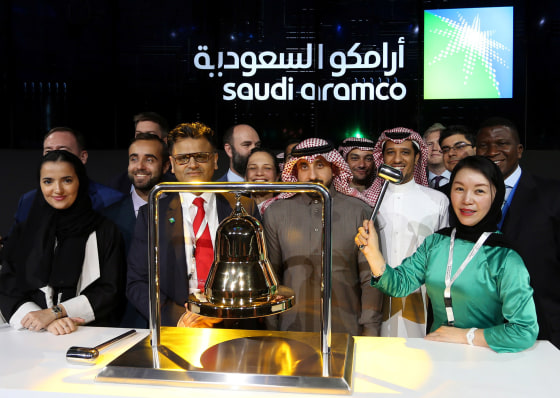
Nice One, a rising star in Saudi Arabia’s beauty and e-commerce sectors, made a remarkable debut on the Riyadh stock exchange this January, reflecting the ongoing boom in IPO activity across multiple industries in the Kingdom. The IPO raised an impressive $320 million, a significant milestone for the company, which saw its stock price soar by 30% on its first trading day—the maximum allowed by the exchange.

Shares of Nice One were initially priced at 35 riyals per unit, marking a strong start for the company. As the market opened, the price quickly rose to a high of SAR 64.50, before stabilizing at SAR 55.70 by the close of Wednesday’s trading session. This surge not only underscored investor confidence in the company but also highlighted the growing demand for opportunities in the region’s burgeoning beauty and e-commerce markets.

For the broader Saudi economy, Nice One’s IPO serves as a testament to the Kingdom’s strategic push to diversify its economy away from oil dependency and build up other sectors such as technology, retail, and digital services. This wave of IPOs, particularly in non-energy sectors, aligns with Saudi Vision 2030, an ambitious plan to reshape the country’s economic landscape and foster growth in new industries.

Nice One’s debut has caught the attention of investors and analysts alike, with many viewing it as a potential model for other startups within the beauty and e-commerce space. The company’s rapid rise, spurred by the increasing popularity of online retail in the Kingdom, highlights the shifting consumer behavior in Saudi Arabia, particularly among younger generations who are eager to embrace digital and mobile-first shopping experiences.

The beauty and e-commerce sectors have experienced significant growth in recent years, particularly as digital transformation has accelerated across the region. Online shopping platforms, like Nice One, have become increasingly popular as consumers seek convenience, variety, and competitive pricing. This shift in buying habits has been particularly pronounced during the COVID-19 pandemic, which further propelled the growth of e-commerce, with many consumers opting for home delivery and digital shopping solutions.

Nice One’s success also reflects the growing appeal of online beauty products in the Saudi market. The beauty industry in the region has become a major player in the global market, driven by an increasingly affluent and brand-conscious population. Saudi Arabia is home to a young, tech-savvy demographic, with high disposable incomes and a keen interest in beauty and wellness products. This has created an attractive market for local and international brands looking to expand their presence in the Middle East.

The company’s strong performance is expected to encourage other players in the e-commerce and beauty sectors to follow suit. Analysts predict that as Saudi Arabia’s stock market continues to liberalize and attract international investment, more companies within high-growth industries will consider IPOs as a means to raise capital and gain exposure on a regional or global scale.

It’s worth noting that the success of Nice One’s IPO is also closely tied to Saudi Arabia’s wider push to strengthen its capital markets. The Tadawul exchange, the largest in the Arab world, has become a focal point for IPO activity. As part of its ongoing reforms, the government has introduced initiatives designed to make the stock market more attractive to both local and international investors, including new regulations and incentives for IPO listings.

Beyond the financial impact, Nice One’s IPO also holds significance for the future of the Saudi retail and digital landscape. The company’s strong debut is a clear indicator that there is substantial growth potential in Saudi Arabia’s beauty and e-commerce markets, which have gained increasing traction both within the Kingdom and across the wider Middle East region. This sets the stage for further investment and innovation, as more companies within these sectors look to scale and capture a larger share of the market.

With a price jump of 30% on its debut, Nice One’s IPO is being seen as a benchmark for other companies that are eyeing expansion in the highly competitive beauty and e-commerce space. It serves as a signal to the market that there is a strong appetite for well-positioned companies in high-growth industries. The success of Nice One could pave the way for more consumer-focused businesses to consider listing on Tadawul, further diversifying the Kingdom’s economy.

Looking forward, the focus will be on how Nice One navigates its post-IPO growth phase. While the early performance of its stock has been promising, the company will need to demonstrate its ability to scale and maintain investor confidence. This will require continued innovation, strategic expansion, and effective management of the rapidly evolving beauty and e-commerce landscape.

Max Fashion has opened its inaugural Concept Store in the UAE at Ibn Battuta Mall, marking a pivotal shift in its retail approach. The new store is the second of its kind in the GCC and represents a significant move toward transforming the traditional shopping experience. Located in one of Dubai’s most well-known shopping destinations, the store combines contemporary design with a customer-centric shopping environment, offering a […]

DUBAI, UAE – Media OutReach Newswire – 28 January 2025 – AstraZeneca, a leading multinational pharmaceutical and biotechnology company, has been recognized as the second-best place to work across the Middle East for 2024 according to the annual prestigious “Best Places to Work” ranking. The company achieved remarkable country-specific ranking in the Best Places to Work certification, including being named the Best Place to Work for Women […]

Advertisements

Kick off the Year of the Snake early with iShopChangi as it rolls out a dazzling array of deals on Lunar New Year essentials. Avoid the festive frenzy and enjoy unbeatable discounts of up to 60% on everything you need to usher in prosperity and joy. From gourmet treats and traditional “Nian Huo” to spring cleaning supplies, exquisite liquors, and fashionable finds, celebrate with flair from now […]

Saudi Arabia has announced a historic move, opening doors for foreign investments in publicly-traded companies that own real estate in the holy cities of Makkah and Madinah. This marks a significant shift in the Kingdom’s approach to foreign investment, as the government seeks to diversify its economy and attract international capital to support its ambitious Vision 2030 economic plan. The decision to allow foreign investors into one […]

Pure Health, a prominent UAE-based healthcare provider, is set to acquire a controlling stake in Greece’s Hellenic Healthcare Group, marking a significant milestone in its international expansion strategy. The move is poised to strengthen Pure Health’s presence in Europe, opening doors to new growth opportunities in the rapidly evolving healthcare sector. The acquisition, which is expected to be finalized in the coming months, will give Pure Health […]

A shift in recruitment strategies across the Middle East, especially in the UAE and Saudi Arabia, signals a major move towards prioritizing skills over traditional job roles, industry experts say. Companies in these regions are adjusting their hiring approaches to match the rapidly changing demands of modern workplaces and the skills required for innovation. The concept of hiring based on specific skill sets, rather than predefined roles, […]

Abu Dhabi-based Eagle Hills has unveiled plans for a transformative $5.5 billion investment in Georgia, set to reshape the nation’s infrastructure and tourism sectors. The ambitious initiative, which marks one of the most substantial foreign investments in the region in recent years, is expected to drive significant economic growth and bolster Georgia’s position as a key player in the Caucasus. The announcement comes after several months of […]

Abu Dhabi’s real estate sector has experienced a significant surge in foreign direct investment (FDI), with a 225% increase in the first half of 2024 compared to the same period in 2023. The emirate attracted AED 3.28 billion ($893 million) from 971 individual investors spanning 75 countries, including the United States, the United Kingdom, China, Kazakhstan, and Russia. ([adrec.gov.ae](https://adrec.gov.ae/en/News/Foreign-Direct-investments?utm_source=chatgpt.com))

This influx of foreign capital underscores the growing confidence in Abu Dhabi’s property market. The Abu Dhabi Real Estate Centre (ADREC), the regulatory body overseeing the sector, attributes this growth to strategic initiatives aimed at positioning the emirate as a premier global investment destination. Rashed Al Omaira, Acting Director General of ADREC, emphasized the emirate’s commitment to creating a business-friendly environment characterized by innovation, transparency, and efficiency. ([adrec.gov.ae](https://adrec.gov.ae/en/News/Foreign-Direct-investments?utm_source=chatgpt.com))

In the first half of 2024, the real estate market recorded 12,439 transaction activities valued at AED 36.2 billion ($9.85 billion). This includes AED 23.7 billion from 7,088 sales and purchase transactions and AED 12.5 billion from 5,351 mortgage transactions. ([adrec.gov.ae](https://adrec.gov.ae/en/News/Foreign-Direct-investments?utm_source=chatgpt.com))

The surge in FDI is part of a broader trend of international interest in Abu Dhabi’s real estate. In February 2024, Fiera Capital, a Toronto-listed fund managing $166 billion in assets, announced the opening of its first Middle East office in Abu Dhabi. The firm plans to establish an office in Saudi Arabia within the next 18 to 24 months, aiming to engage more closely with sovereign wealth funds, family offices, pension funds, and listed corporations in the region. ([Financial News London](https://www.fnlondon.com/articles/fiera-capital-plans-saudi-arabia-office-following-middle-east-foray-in-2024-ac7cc384?utm_source=chatgpt.com))

Additionally, Abu Dhabi’s Modon Holding has been active in international real estate investments. The company acquired half of Citadel’s new office tower at Broadgate in the City of London, marking a strategic entry into the London real estate market. The tower at 2 Finsbury Avenue is set to complete in 2027 and is one-third pre-let to Citadel. ([ft.com](https://www.ft.com/content/ed5b219c-e18a-4b8b-bfe8-88430f7dbd76?utm_source=chatgpt.com))

Modon Holding also expanded its portfolio by acquiring the luxury development La Zagaleta in Marbella, Spain. This acquisition includes the Majarambuz project, a 2.2 million square meter development in Sotogrande. The group plans to develop these areas while maintaining the exclusivity and legacy of the original developments. ([Cinco Días](https://cincodias.elpais.com/companias/2024-12-19/modon-holding-con-sede-en-abu-dabi-adquiere-en-marbella-la-urbanizacion-de-lujo-la-zagaleta.html?utm_source=chatgpt.com))

In Egypt, a partnership between Egypt’s Safwat Kaliouby Group (SKG) and the Emirati KSH Investment Company resulted in a 24 billion Egyptian pound ($500 million) agreement to develop a real estate project along the Nile in Cairo. The project will span 20,000 square meters and include residential and commercial towers, as well as a five-star hotel. ([reuters.com](https://www.reuters.com/markets/deals/egyptian-emirati-companies-sign-500-mln-real-estate-deal-egypt-2024-07-09/?utm_source=chatgpt.com))

These developments highlight Abu Dhabi’s growing influence in the global real estate market and its strategic efforts to attract and deploy foreign direct investment. The emirate’s focus on creating a transparent and efficient investment environment continues to position it as a preferred destination for investors worldwide.

SINGAPORE – Media OutReach Newswire – 27 January 2025 – Dou Yee Enterprises, a prominent global player in high-tech manufacturing and precision engineering, has entered into a strategic partnership with BIOVIA a leader in scientific software solutions. Through this collaboration, Dou Yee will serve as a reseller of BIOVIA Laboratory Information Management System (LIMS) and Electronic Laboratory Notebook (ELN) software solutions across Southeast Asia. This propelled Dou […]

Bank of Singapore has strengthened its presence in Dubai with the appointment of six new professionals across various functions. This move is part of the bank’s ongoing efforts to bolster its regional operations and cater to the growing demand for wealth management services in the Middle East. These appointments are seen as a strategic push to expand the bank’s footprint in a market that has become a […]

The Middle East is poised for a significant economic transformation in 2025, with countries across the region intensifying their diversification strategies to reduce reliance on oil revenues. Saudi Arabia, the United Arab Emirates (UAE), and other Gulf Cooperation Council (GCC) nations are implementing robust measures to foster growth in non-oil sectors, aiming for sustainable economic futures. Saudi Arabia’s Public Investment Fund (PIF) has committed $200 million as […]

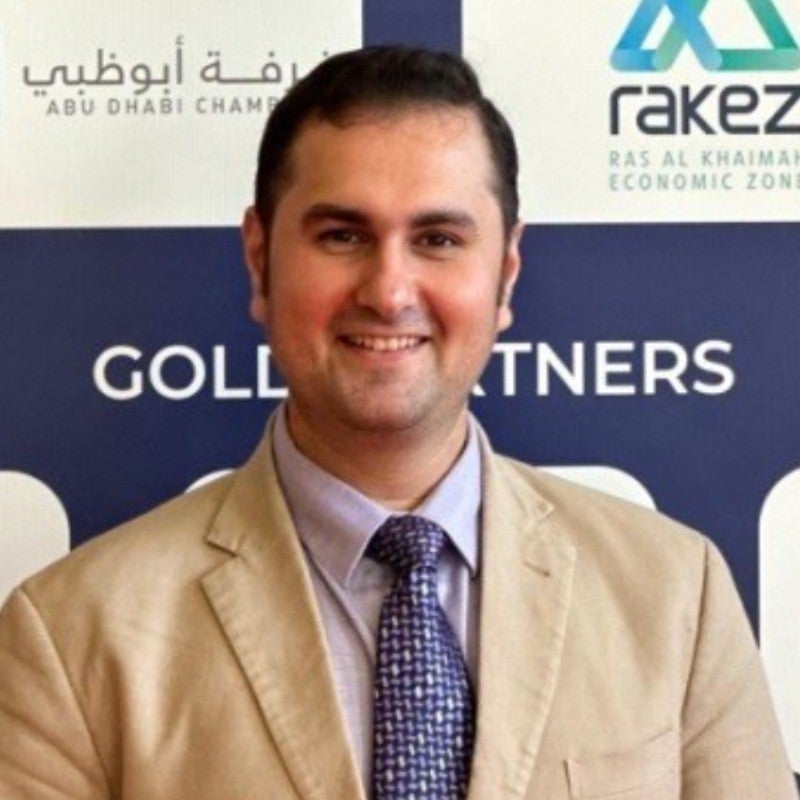
The Ras Al Khaimah Economic Zone (RAKEZ) has achieved an extraordinary milestone in 2024, welcoming over 13,000 new companies into its business ecosystem. This record growth marks a significant expansion for the free zone, reflecting its growing appeal to both regional and international businesses looking to capitalize on the strategic advantages offered by the UAE’s business-friendly environment.

This surge in company registrations can be attributed to a combination of factors, including the free zone’s comprehensive range of services, its cost-effective infrastructure, and the robust business climate in Ras Al Khaimah. As one of the fastest-growing economic zones in the region, RAKEZ has established itself as a vital hub for diverse industries, including manufacturing, logistics, technology, and services.

The 13,000 new companies span various sectors, underlining the broad interest in the region’s diverse economic opportunities. This growth not only strengthens RAKEZ’s position as a key player in the UAE’s economic landscape but also contributes significantly to the emirate’s overall economic development.

The free zone’s flexibility in offering tailor-made business solutions has become increasingly attractive to entrepreneurs, particularly in sectors like technology, e-commerce, and logistics, which have seen significant demand for their services. RAKEZ’s efforts to continuously enhance its infrastructure, improve customer services, and adapt to market trends have played a central role in its success.

Key to RAKEZ’s growth has been its ability to provide businesses with efficient, cost-effective solutions for setting up operations in the UAE. The zone offers a range of services, including 100% foreign ownership, zero taxation, and a simple licensing process that is especially appealing to start-ups and international companies entering the Middle East market.

Another factor contributing to the zone’s growth is the ongoing global demand for logistics and manufacturing services. As the UAE continues to develop as a global trade hub, companies in these sectors are finding Ras Al Khaimah’s strategic location and modern infrastructure increasingly appealing for establishing a foothold in the region.

For many entrepreneurs and international companies, RAKEZ’s proximity to key markets in Europe, Asia, and Africa is a major draw. The economic zone’s proximity to ports, airports, and trade routes makes it an ideal location for global logistics companies looking to expand their footprint in the Middle East and North Africa (MENA) region. With modern infrastructure that includes state-of-the-art warehouses and business parks, RAKEZ has become a preferred choice for firms seeking to establish a presence in this region.

RAKEZ’s efforts to promote innovation and technology-based industries have been a cornerstone of its success. The free zone has attracted a growing number of technology-driven companies, with particular focus on areas such as artificial intelligence, data analytics, and software development. With initiatives aimed at fostering innovation, RAKEZ continues to position itself as a leading destination for tech start-ups and established firms alike.

The zone has also focused on sustainability, which has increasingly become a significant factor for companies when choosing their business location. The UAE’s commitment to green initiatives, combined with RAKEZ’s sustainable infrastructure and green energy solutions, has contributed to its reputation as a responsible and forward-thinking business environment.

RAKEZ’s strategic focus on customer satisfaction and ease of doing business has been another key factor behind its success. The free zone provides a wide array of services that streamline the process for businesses, including fast-track licensing, streamlined visa processing, and operational support. The customer-centric approach has made it easier for companies to set up and grow, which in turn has contributed to RAKEZ’s ongoing expansion.

The steady rise in the number of new business registrations can also be seen as a testament to the overall economic resilience of Ras Al Khaimah. The emirate has shown impressive growth in various sectors, with increased foreign direct investment (FDI) and a stable business environment that continues to attract international players.

Another key driver for RAKEZ’s success has been the government’s commitment to fostering economic diversification. The UAE’s focus on creating a conducive environment for businesses to thrive has played a crucial role in ensuring that RAKEZ remains an attractive option for entrepreneurs and multinational corporations. By encouraging investment in non-oil sectors, the government has made significant strides in positioning the country as a diversified, future-ready economy.

As the global business landscape continues to evolve, RAKEZ is well-positioned to remain a major player in the UAE’s free zone ecosystem. The region’s continued growth will be shaped by its ability to attract new companies, encourage innovation, and adapt to the changing needs of a globalized economy. With its increasing prominence in key sectors like logistics, manufacturing, and technology, RAKEZ is set to remain a crucial component of Ras Al Khaimah’s economic development strategy.

Secures 16 Oakwood signings in 2024, reflecting a 30% year-on-year growth Adds four new Oakwood Premier properties in Adelaide, Bali, Shenzhen and Singapore Adds Bali to Oakwood’s growing portfolio of resort destinations, which includes Batam, Chongli and Ha Long SINGAPORE – Media OutReach Newswire – 23 January 2025 – The Ascott Limited (Ascott), the lodging business unit wholly owned by CapitaLand Investment (CLI), has accelerated the expansion […]

SINGAPORE – Media OutReach Newswire – 23 January 2025 – American Express and Singapore Airlines KrisFlyer are marking their 25 years of partnership by introducing exclusive limited-time rewards for new and existing American Express® Singapore Airlines KrisFlyer Ascend Credit Card Members, designed to elevate their travel experiences. Celebrating 25 years of Rewarding Journeys with American Express and Singapore Airlines KrisFlyer As part of this milestone, new and […]

Banks should prioritise cost optimisation, data governance, and digital transformation to build a foundation for long-term growth HONG KONG SAR – Media OutReach Newswire – 24 January 2025 – Hong Kong’s banking sector showed signs of recovery in 2024 after a prolonged period of challenges. This positive trend is expected to continue in 2025, with the pace of US rate cuts expected to be slower than many […]

HAIKOU, CHINA – Media OutReach Newswire – 24 January 2025 – Recently, the Hainan Free Trade Port in southern China has launched various events featuring intangible cultural heritage to celebrate the Spring Festival. Visitors can look forward to abundant sunshine, a rich cultural legacy, verdant rainforests, and warm hospitality over the holiday season. Hainan has planned 300 programs to highlight its intangible cultural heritage. Festival, the social […]

Donald Trump has urged Saudi Arabia to make a $1 trillion investment in the United States and to help lower oil prices. Speaking at a rally in Michigan, the former U.S. president emphasized the economic benefits of such a partnership for both countries, asserting that it would create millions of jobs and foster mutual prosperity. The call comes at a time when energy prices and geopolitical concerns […]

Abu Dhabi-based private equity firm MGX has made a substantial contribution to former President Donald Trump’s ambitious $100 billion artificial intelligence (AI) initiative. This investment, reportedly one of the largest in the tech space, is set to fuel groundbreaking developments in AI technology, specifically in areas like data processing and autonomous systems. The strategic partnership between MGX and Trump’s venture signals the UAE’s growing interest in the AI sector and positions both entities as key players in the global AI race.

The AI project, which aims to revolutionize industries such as healthcare, finance, and manufacturing, is part of Trump’s broader strategy to solidify his legacy in technological innovation. The initiative, described as the largest private-sector investment in AI, is intended to foster a new era of automation and machine learning. Experts in the field believe the collaboration with MGX could accelerate the timeline for implementing AI technologies at scale.

MGX, which has a history of backing high-profile ventures, is known for its investments in technology startups and its involvement in cutting-edge sectors. The firm’s decision to back Trump’s AI initiative underscores the growing convergence between Middle Eastern capital and American tech ventures. This partnership comes at a time when both the UAE and the United States are competing to lead in the rapidly evolving AI landscape.

The move also aligns with the UAE’s vision to diversify its economy and establish itself as a global leader in emerging technologies. Through strategic investments, the country has sought to expand its footprint in the global tech market, which is rapidly becoming dominated by AI-driven advancements. In recent years, the UAE has invested heavily in tech startups and AI research, positioning itself as a hub for innovation in the Middle East.

MGX’s contribution to the AI initiative marks a significant step in its expansion plans, particularly in terms of its growing influence in the global tech industry. The firm’s investment in AI technologies follows its track record of supporting businesses that aim to revolutionize established sectors. By entering the AI space, MGX not only bolsters its portfolio but also positions itself at the forefront of a rapidly evolving field.

Trump’s AI venture is expected to have far-reaching implications, particularly in sectors such as autonomous vehicles, smart cities, and healthcare. The potential of AI to automate complex tasks and process massive datasets holds the promise of transforming industries and improving efficiency across multiple sectors. However, experts warn that the ethical and societal impacts of widespread AI adoption will need to be carefully managed, with attention to issues such as job displacement and data privacy.

While the details of the deal between MGX and Trump’s venture remain closely guarded, insiders suggest that the collaboration will focus on the development of AI systems capable of transforming traditional industries. This includes advancements in predictive analytics, machine learning algorithms, and natural language processing, all of which have the potential to revolutionize how businesses operate.

The partnership is also expected to draw attention from policymakers and regulators, especially as the global debate over the regulation of AI intensifies. As AI becomes an increasingly powerful tool, questions about its ethical use, data security, and impact on employment will likely become central to the political discourse. Trump’s backing of AI is likely to spur more interest from global governments seeking to navigate the complex issues surrounding AI deployment.

At the heart of this initiative is the drive to position AI as a catalyst for economic growth and technological advancement. By aligning himself with MGX, Trump is positioning his venture at the intersection of innovation and capital, securing the funding necessary to scale his AI vision. The partnership serves as a demonstration of how private sector investments can shape the future of technological development, particularly in a field as dynamic and impactful as artificial intelligence.

For MGX, this deal represents a further expansion into the global tech sector, adding to its diverse portfolio of high-value investments. The firm’s deep pockets and commitment to backing groundbreaking technologies make it an influential player in the AI field. As the demand for AI solutions grows, particularly in sectors like healthcare and finance, MGX’s stake in the AI space is poised to yield substantial returns in the coming years.

As AI technology continues to evolve, both MGX and Trump’s venture are betting on its transformative power. The partnership serves as a reminder of the growing influence of private equity in shaping the future of technological development. With the combined resources of MGX and Trump’s ambition, the AI venture is set to become a cornerstone in the next wave of technological innovation.

Dubai Investments is gearing up to take its subsidiary companies public, with plans for an initial public offering (IPO), according to the company’s CEO. The move reflects the growing trend among Middle Eastern conglomerates to unlock value and attract investment by listing some of their high-performing subsidiaries. The company, a prominent player in the UAE’s investment sector, has not specified a timeline or details about which subsidiaries will be included in the offering, but the announcement marks a significant step in Dubai Investments’ ongoing strategy to diversify its capital base and enhance its market position.

The UAE has seen a surge in IPO activity in recent years, with companies from various sectors, including real estate, energy, and financial services, opting to go public to leverage favorable market conditions. Dubai Investments, with its diverse portfolio spanning sectors like manufacturing, real estate, and healthcare, is positioning itself to tap into this growing market momentum.

The decision to pursue an IPO aligns with the broader push by UAE-based companies to boost their financial profiles and capital flexibility. UAE’s stock exchanges have seen a revival of IPO activity, with several high-profile listings, such as those of Dubai-based Emirates Central Cooling Systems Corporation (Empower) and the real estate developer Emaar Properties. These IPOs, coupled with the UAE government’s efforts to make the country more attractive to foreign investors, have set a strong precedent for other major firms like Dubai Investments to follow suit.

CEO of Dubai Investments, Khaled Al Huraimel, expressed optimism regarding the company’s plans, pointing to a robust market appetite for high-growth companies with a diversified asset base. He emphasized that the decision to list subsidiaries will help maximize shareholder value and unlock greater capital for reinvestment into core operations. With Dubai’s stock market seeing record levels of participation, the potential for a successful IPO seems favorable.

As part of Dubai Investments’ growth strategy, the IPOs will likely be part of a broader restructuring that focuses on enhancing operational efficiencies and sharpening the strategic direction of its subsidiary companies. These subsidiaries, which include some of the UAE’s most successful ventures in manufacturing, real estate, and healthcare, stand to benefit from increased visibility and liquidity once listed. The capital raised from the IPO could be reinvested into expanding these businesses, as well as funding new projects and acquisitions, further solidifying Dubai Investments’ footprint in the region.

Market analysts expect the IPOs to create a ripple effect across the UAE’s business landscape, potentially encouraging other conglomerates in the region to pursue similar paths. By going public, Dubai Investments and its subsidiaries will gain access to a larger pool of capital, allowing them to expand operations more aggressively, strengthen market share, and accelerate their regional and international growth plans.

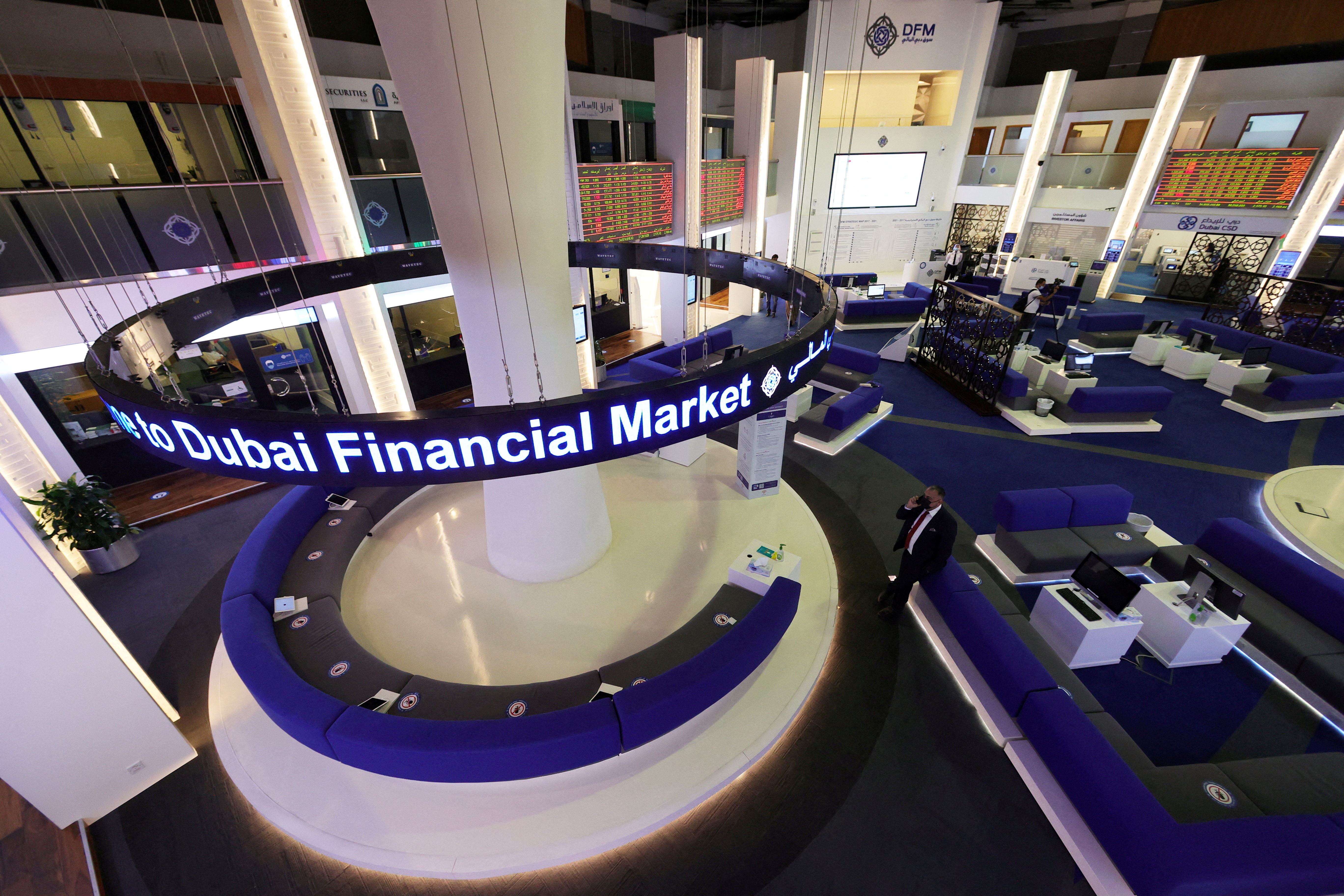
The UAE government’s pro-business initiatives, including efforts to attract foreign investments and regulatory reforms aimed at increasing market transparency, have made the country an attractive destination for initial public offerings. These efforts are part of the UAE’s broader economic diversification strategy, which aims to reduce reliance on oil revenues and foster the growth of non-oil sectors. The country’s stock exchanges, particularly the Dubai Financial Market (DFM) and the Abu Dhabi Securities Exchange (ADX), have benefited from these policies, experiencing increased investor interest and a rise in IPOs in recent months.

Experts believe that the market conditions are ripe for Dubai Investments to capitalize on the growing investor demand for stocks from well-established firms with strong operational histories. With a track record of success across various sectors, Dubai Investments is well-positioned to attract a wide range of institutional and retail investors who are eager to tap into the growth potential of its diverse subsidiary companies.

The company’s move to pursue an IPO comes at a time when Dubai is further consolidating its position as a regional financial hub, thanks to government-backed initiatives aimed at making the city an appealing destination for business and investment. Dubai’s ease of doing business, robust infrastructure, and investor-friendly regulations make it a favorable environment for companies like Dubai Investments to expand their capital base and achieve long-term growth.

However, the decision to go public also carries risks. IPOs can be volatile, particularly in times of global uncertainty or market fluctuations. Dubai Investments will need to carefully navigate the process to ensure that its subsidiaries are positioned for success post-listing. The company’s management will also need to ensure that the IPOs do not dilute the control or influence of its parent company, preserving its strategic direction and long-term vision.

For Dubai Investments, listing its subsidiaries is a key part of its transformation and efforts to modernize its portfolio. While the IPO route is seen as a way to enhance liquidity and raise capital, it also provides an opportunity to unlock value from a number of high-growth subsidiaries, many of which have proven resilient in the face of economic challenges.

VISHNU RAJA
RYO YAMADA
HITORI GOTOH
IKUYO KITA