News related to
Middle East

A newly established venture capital fund, backed by Saudi Arabia’s Public Investment Fund (PIF), aims to accelerate the growth of start-ups in the UAE and Saudi Arabia. The $50 million fund targets early-stage companies, with a particular focus on industries such as technology, energy, and health care, aligning with both nations’ broader economic diversification efforts. The PIF-backed fund, a strategic move in the Kingdom’s and UAE’s fast-evolving […]

Middle Eastern airlines are on track to generate the highest profits globally per passenger in 2024, with a projected $23 in earnings for every passenger flown. This figure sets the region apart from other global airlines and highlights its robust recovery and growth within the aviation sector.

The Middle East has long been a pivotal hub for international aviation, with carriers such as Emirates, Qatar Airways, and Etihad Airlines driving both passenger traffic and financial performance. According to data from the International Air Transport Association (IATA), airlines in the region are expected to see a combined net profit of $3.1 billion in 2024, a significant jump from the previous yearncrease in profitability stems from a combination of factors, including the region’s strategic location as a bridge between the East and West, the rapid expansion of flight routes, and increasing demand for air travel. The number of Revenue Passenger Kilometres (RPK) is anticipated to grow by 6.3% in 2024, signaling strong demand for international and regional travel.

Despiges faced by the global aviation sector, such as fluctuating fuel prices and geopolitical tensions, the Middle East’s aviation sector continues to display resilience. Airlines have diversified their revenue streams, not only focusing on passenger traffic but also expanding cargo operations, which has become a significant part of their income. The expansion of premium services has been another contributing factor, with affluent travelers flocking to these airlines for their exceptional services.

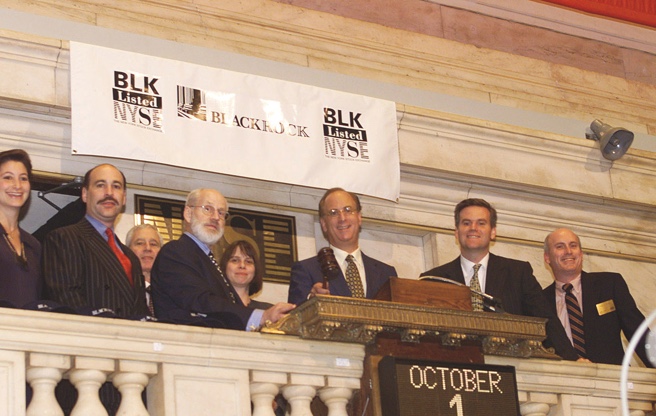
BlackRock, one of the world’s largest asset management firms, has expressed a strong interest in taking cornerstone investment roles in upcoming initial public offerings (IPOs) across the Middle East. The company’s move signals growing confidence in the region’s capital markets and a deepening commitment to its investment strategies in emerging markets.

Over the past few years, the Middle East has seen a substantial uptick in IPO activity, particularly in Saudi Arabia and the United Arab Emirates. Following the historic listing of Saudi Aramco in 2019, which set a new benchmark for the global IPO market, more companies in the region are exploring public offerings. With the backing of major sovereign wealth funds and private investors, these IPOs are seen as an attractive investment opportunity for global firms like BlackRock. The asset manager has previously been involved in such offerings, but now seeks a more pronounced stake by becoming cornerstone investors—those who commit to buying a significant portion of shares before the IPO is publicly launched.

A cornerstone investment carries considerable weight. It not only provides financial support to the issuing company but also bolsters the IPO’s credibility, often leading to greater investor confidence and successful market debuts. This dynamic is particularly critical in the Middle East, where many companies are looking to leverage their IPOs as a way to fund expansion and diversification. BlackRock’s potential involvement signals the growing maturity of the regional market, which has shifted from a reliance on local and regional investors to attracting global players.

The Middle East, particularly the Gulf Cooperation Council (GCC) countries, has become a major hub for investment in infrastructure, technology, and finance. Countries like Saudi Arabia, the UAE, and Qatar have been at the forefront of this transformation. Saudi Arabia’s Vision 2030 plan, which aims to diversify the kingdom’s economy away from oil dependency, has created an environment ripe for privatizations and IPOs in industries ranging from entertainment to healthcare and technology. Similarly, the UAE continues to open up its financial markets with initiatives like the Dubai Financial Market’s efforts to attract more international listings.

In parallel, BlackRock’s increased interest aligns with its broader strategic focus on emerging markets. The firm, which manages trillions of dollars in assets globally, has been expanding its footprint in the Middle East as part of its efforts to tap into the region’s growing wealth and investment opportunities. As the region’s financial ecosystem matures, global investors are keen to get a slice of what could be the next big opportunity.

For BlackRock, entering the IPO scene in the Middle East is not just about expanding its market share but also diversifying its portfolio with high-growth potential investments. The firm has made substantial efforts to ensure its involvement in emerging markets, viewing the Middle East as a key component of its global strategy. The region’s infrastructure development, economic reforms, and push towards diversification make it an attractive place for long-term investments. A cornerstone investment in an IPO could thus offer BlackRock the dual benefit of aligning with local growth ambitions while also capitalizing on new investment opportunities.

Saudi Arabia’s recent IPOs of major companies like the National Energy Services Company and Saudi Telecom have been highly anticipated. Both offerings demonstrated the kingdom’s ability to attract international investors, despite fluctuating oil prices and global economic uncertainty. BlackRock’s potential involvement in such high-profile deals would likely bring credibility to the process, further positioning the country as a growing investment hub. Moreover, it could drive further interest from other institutional investors looking to enter the Middle Eastern market.

The UAE’s stock exchange, the Dubai Financial Market (DFM), and the Abu Dhabi Securities Exchange (ADX) are also key players in the region. As the country looks to increase privatizations and diversify its economy, large-scale IPOs are expected in sectors such as real estate, energy, and technology. BlackRock’s interest in taking up cornerstone stakes reflects its belief in the resilience and expansion potential of the UAE’s market, particularly as it strengthens its status as a regional financial center.

The involvement of global asset managers in Middle Eastern IPOs not only signals the growing internationalization of the region’s capital markets but also highlights the increasing confidence in its long-term economic stability. While geopolitical risks and the ongoing volatility of global oil prices remain factors that could impact these markets, the resilience shown by the Middle East in navigating past crises and diversifying its economy makes it an attractive destination for investors.

Investors from the West have been particularly drawn to the region’s rapidly expanding consumer market and digital transformation initiatives. BlackRock’s strategy of anchoring cornerstone investments in this landscape reflects its commitment to these evolving markets. As companies continue to seek funds through public offerings, the expertise and financial muscle of major players like BlackRock are likely to influence the direction of the region’s IPOs.

Talabat Holding, a leading Middle Eastern online food delivery platform, made its long-anticipated debut on the Dubai Financial Market (DFM) following an initial public offering (IPO) that launched in late November 2024. Despite the market’s optimism surrounding the listing, the company’s shares faced a sharp decline on their first day of trading. Talabat, which offers a wide range of services from food delivery to grocery sales, had […]

The United Arab Emirates has concluded a major series of trade agreements with Russia, enhancing economic ties and positioning itself as a key player in the evolving global market. These developments come after high-level meetings at the Innoprom industrial exhibition in Yekaterinburg, where an Emirati delegation led by Dr. Sultan Al Jaber, Minister of Industry and Advanced Technology, negotiated deals on a range of strategic sectors. These agreements are expected to facilitate the establishment of a free-trade zone between the two nations and improve agricultural technology supply chains, among other initiatives.

A focal point of the discussions was the removal of trade barriers to accelerate bilateral commerce. Russian Industry and Trade Minister Anton Alikhanov expressed optimism about the future of these trade relations, highlighting the potential for significant growth once these barriers are overcome. In a statement, Alikhanov said that removing these obstacles would be key to maximizing the economic benefits of this partnership.

The UAE, which has emerged as one of Russia’s most important economic partners in the Middle East, continues to strengthen its position as a leading global trade hub. President Vladimir Putin, during his visit to Abu Dhabi in December 2023, underscored the UAE’s role as Russia’s top investor in the region. This growing economic relationship is not just limited to Russia; the UAE is also seeking to diversify its trading partnerships globally, with Russia playing a significant part in that strategy.

These deals further reflect the UAE’s broader approach to international trade, which involves forging deeper ties with nations like Russia while diversifying its economic portfolio. The Emirati leadership is keen to leverage its technological advancements and infrastructure, particularly in energy and agriculture, to build a more robust trading network with both traditional and emerging markets.

Matein Khalid The dramatic events of last week in Syria have only boosted President Erdogan’s role as the preeminent regional powerbroker in the heart of the Arab Levant as Turkish armed/financed Sunni militias engineered their collapse of the 54-year-old Assad dynastic tyranny in Damascus. Syria is once again a de facto Turkish protectorate, as it was in the five centuries since Sultan Selim Yavuz vanquished its Mamluk […]

Mohammed Bin Rashid Aerospace Hub (MBRAH) has inaugurated a new hangar facility at Dubai World Central (DWC), marking a significant milestone for both the aviation industry in the UAE and global business aviation. The event, which took place recently, was attended by key figures including Khalifa Al Zaffin, Executive Chairman of Dubai Aviation City Corporation, alongside senior executives from MBRAH and Comlux, a prominent name in business aviation, known for its specialized services in aircraft transactions, completions, and maintenance.

The new hangar facility is part of MBRAH’s broader vision to strengthen Dubai’s position as a global aviation hub. The expansion of aviation infrastructure at DWC further supports Dubai’s goal to become a world-leading center for aviation excellence. Comlux’s investment in this new facility reflects the growing demand for business aviation services and underscores the strong partnership between the private sector and governmental initiatives aimed at enhancing the aviation ecosystem.

Comlux, headquartered in Switzerland, provides services including aircraft management, charter, completions, and maintenance. The company’s decision to establish a new base at DWC not only reinforces the UAE’s role in global aviation but also emphasizes Dubai’s strategic location as a prime hub for business aviation in the Middle East. With its newly inaugurated hangar, Comlux aims to enhance its operational capacity and cater to a wider range of clients across the region.

DWC has been positioning itself as a key player in the global aviation sector, offering world-class facilities for both commercial and private aviation. The MBRAH hub, in particular, serves as a dynamic platform for companies in the aerospace industry, providing tailored services and state-of-the-art infrastructure. This includes specialized hangars for the maintenance and repair of aircraft, as well as facilities designed to support business aviation operations.

The inauguration ceremony highlighted the growing importance of private and business aviation services within the UAE. With Dubai’s aviation sector continuing to thrive, the demand for high-end services such as those provided by Comlux has surged, prompting further investments in infrastructure to meet these needs. This new hangar is expected to serve a range of aircraft, from smaller jets to large, long-range models, with maintenance and servicing capabilities designed to handle diverse client requirements.

The development of the Comlux facility is expected to provide a significant boost to Dubai’s aviation ecosystem by fostering increased collaboration between local and international stakeholders. It also presents new opportunities for job creation within the sector, offering a variety of roles in aircraft management, engineering, and logistics. By strengthening its infrastructure, Dubai aims to not only meet the needs of the growing business aviation market but also drive further economic growth in the aviation and aerospace industries.

Advertisements

Abu Dhabi Investment Office (ADIO) has entered into a strategic collaboration with PGIM, the global asset management division of Prudential Financial Inc., to establish the RealAssetX Innovation Center in Abu Dhabi. The initiative, unveiled at the Abu Dhabi Finance Week (ADFW), aims to create an innovative ecosystem for real asset technology and solutions, which will bolster the emirate’s position as a leader in financial and technological advancements.

This partnership, solidified by key figures such as Badr Al-Olama, Director General of ADIO, and Raimondo Amabile, Co-CEO and Global Chief Investment Officer of PGIM, is set to tap into the growing global demand for digital transformation in real assets. The center will provide a platform for developing and testing cutting-edge solutions in sectors such as infrastructure, real estate, and energy.

RealAssetX will serve as a collaborative space where global investors, technology innovators, and market experts can partner to address the challenges facing real estate and infrastructure sectors. It is designed to foster the exchange of ideas, accelerate the commercialization of new technologies, and help participants navigate the complexities of digital transformation. The center is also expected to contribute to the UAE’s wider economic goals, supporting its diversification strategy away from oil dependency and enhancing its financial services sector.

The collaboration between ADIO and PGIM underscores Abu Dhabi’s growing role as a hub for innovation, particularly in the realm of financial technologies and asset management. The new center is strategically aligned with the UAE’s ongoing push to attract international investments and create a conducive environment for innovation and entrepreneurship. Moreover, it highlights the emirate’s commitment to sustainability and its role in advancing global efforts to meet the challenges of climate change.

ADIO’s involvement in this partnership reflects its broader objectives of fostering economic diversification and positioning Abu Dhabi as a leader in high-tech, future-focused sectors. Under Badr Al-Olama’s leadership, ADIO has been actively pursuing initiatives to strengthen the emirate’s investment climate, promoting sectors such as technology, manufacturing, and financial serviceslAssetX Innovation Center is expected to drive these efforts by offering a unique space for collaboration between various stakeholders, from tech startups to global enterprises.

For PGIM, this partnership marks a significant step in further expanding its footprint in the Middle East. The firm’s involvement is part of its wider strategy to increase its presence in high-growth markets. PGIM’s commitment to the initiative will also bring a wealth of expertise in asset management, supporting the center’s goal of integrating technology into the real assets sector.

NEOM Media has teamed up with Hakawati Entertainment to propel Saudi Arabia’s film industry into the global spotlight, signaling a transformative step in the kingdom’s creative sector. The strategic collaboration aims to produce up to nine feature films and build a world-class production services division within the NEOM region.

This ambitious partnership is poised to enhance Saudi Arabia’s position as a key player in the global entertainment industry. By leveraging NEOM’s futuristic infrastructure and Hakawati’s extensive expertise in film, television, and literary management, the initiative promises to set a new standard for production in the region. The deal highlights the growing significance of Saudi Arabia’s Vision 2030, which prioritizes the diversification of the economy through sectors like media and entertainment.

The partnership focuses on creating high-quality cinematic productions that can appeal both regionally and globally. With access to NEOM’s state-of-the-art facilities, the collaboration aims to attract international talent and filmmakers. The new production division is expected to provide cutting-edge services, positioning Saudi Arabia as a top destination for film and television production in the Middle East.

Hakawati Entertainment, known for its pivotal role in advancing the local media landscape, brings a wealth of experience to the table. The company’s founder and CEO, who has worked on a variety of major film projects, emphasized the significance of this alliance in shaping the future of entertainment in the Kingdom. “This partnership allows us to combine world-class infrastructure with the storytelling traditions of the region, creating films that resonate globally,” said the CEO.

A major goal of the venture is to not only produce films but also foster the development of local talent. The initiative is expected to create thousands of jobs across multiple sectors, including production, creative development, and technical services. Training and mentorship programs will be integral to the project, empowering young filmmakers and actors and helping to build a sustainable, self-sufficient entertainment ecosystem.

Saudi Arabia’s growing interest in the media sector is a direct result of Crown Prince Mohammed bin Salman’s Vision 2030, which aims to reduce the country’s dependency on oil and develop new industries. As part of this vision, Saudi Arabia has been investing heavily in entertainment, sports, and culture to position itself as a global hub for creativity and innovation.

This partnership comes at a time when Saudi Arabia is already making significant strides in the global film industry. Earlier initiatives, such as the opening of cinemas in the kingdom after a decades-long ban, have brought international attention to the country’s evolving entertainment sector. The establishment of the Saudi Film Commission, which supports local filmmakers and fosters a creative economy, further demonstrates the country’s commitment to becoming a powerhouse in the film industry.

The partnership with NEOM is another critical step in the country’s broader strategy to attract international film productions and create a thriving local media ecosystem. The NEOM region itself, which is part of a larger $500 billion megacity project, promises to be a hub for technological innovation and sustainability, making it an attractive location for global production companies looking for state-of-the-art facilities and infrastructure.

Industry experts believe that this collaboration has the potential to revolutionize the Middle Eastern film market. Saudi Arabia’s growing film industry is well-positioned to tap into a vast, untapped market in the region, which has long been dominated by international players. As the entertainment industry in the Middle East becomes increasingly diverse and competitive, the region is on the brink of producing more high-quality films that reflect its unique cultural heritage while appealing to international audiences.

The partnership with Hakawati Entertainment also plays a crucial role in fostering Saudi Arabia’s position as a cultural and economic force in the region. By focusing on both local production and international collaborations, the kingdom is establishing itself as a place where creative minds from around the world can come together to tell powerful stories. The partnership aligns with broader regional efforts to promote the film industry and strengthen cultural ties across the Arab world.

BANGKOK, THAILAND – Media OutReach Newswire – 11 December 2024 – The Asia Corporate Excellence and Sustainability (ACES) Awards 2024 brought together some of the most forward-thinking organisations and individuals from across Asia, highlighting their outstanding contributions to innovation, leadership, sustainability, and social impact. Since its inception in 2014, the ACES Awards has grown to become one of the region’s most esteemed accolades, consistently celebrating excellence and […]

MACAO SAR – Media OutReach Newswire – 10 December 2024 – As the holiday season sweeps in, Galaxy Macau™(referred to as “Galaxy Macau”), the world-class luxury integrated resort, is ready to unwrap a feast of festive-themed menus at its distinguished dining venues. Here, every dish is a curated work of art by the talented master chefs, designed to make this holiday moments sparkle. Whether it’s a family […]

KUALA LUMPUR, MALAYSIA – Media OutReach Newswire – 10 December 2024 – Octa, a financial broker with globally recognised licences, received two industry accolades for its proprietary trading platform OctaTrader: the ‘Best professional trading platform for functionality and ease of use’ award from Professional Trader Awards and the ‘Best proprietary platform’ award from FXScouts. Near the end of 2024, OctaTrader, Octa broker’s trading solution, received two prestigious […]

The TON DLT Foundation has officially announced its incorporation under the Abu Dhabi Global Market’s (ADGM) Distributed Ledger Technology (DLT) Foundations Framework. This strategic move marks a pivotal step in advancing blockchain innovation and regulation within a globally recognized hub for financial and technological development.

As part of its ambitious plan to facilitate widespread adoption of the TON Blockchain, the foundation has set a clear target to empower 500 million users by 2028. To achieve this, it will focus on accelerating core technological advancements and expanding the blockchain’s footprint across the Middle East, North Africa (MENA), and Asia-Pacific (APAC) regions. The foundation’s operations will emphasize enhancing TON’s scalability, usability, and developer ecosystem.

ADGM has emerged as a leading jurisdiction for DLT entities, fostering an ecosystem that combines progressive regulatory measures with robust compliance standards. Its DLT Foundations Framework has been instrumental in attracting innovative blockchain projects, positioning Abu Dhabi as a key player in global blockchain adoption. The TON DLT Foundation’s decision to establish itself within ADGM underscores the market’s reputation as a conducive environment for growth and innovation in the blockchain sector.

The foundation’s presence in the MENA and APAC regions aims to capitalize on the rapid digital transformation underway in these areas. By focusing on these markets, TON seeks to tap into the burgeoning interest in blockchain technology, driven by both public and private sector initiatives. The foundation is expected to work closely with regional stakeholders to promote blockchain adoption, highlighting its potential to streamline financial services, enhance transparency, and foster innovation.

Dubai-based fintech platform Stake has officially launched its operations in Saudi Arabia, marking a significant step in its expansion strategy across the Middle East. This move is set to bolster the company’s position in the region’s growing digital financial landscape, which has seen rapid growth amid Saudi Arabia’s push to diversify its economy under the Vision 2030 framework. Stake, which has established itself as a leading player […]

Cryptocurrency, particularly Bitcoin, is increasingly seen as a disruptive force across global financial systems, with a potential to reshape even the most traditional sectors. In the Middle East and North Africa (MENA) region, where Islamic finance principles govern a large portion of financial activities, Bitcoin could signal a fundamental shift. Islamic finance, based on Sharia law, prohibits earning income from interest or investments in businesses that conflict […]

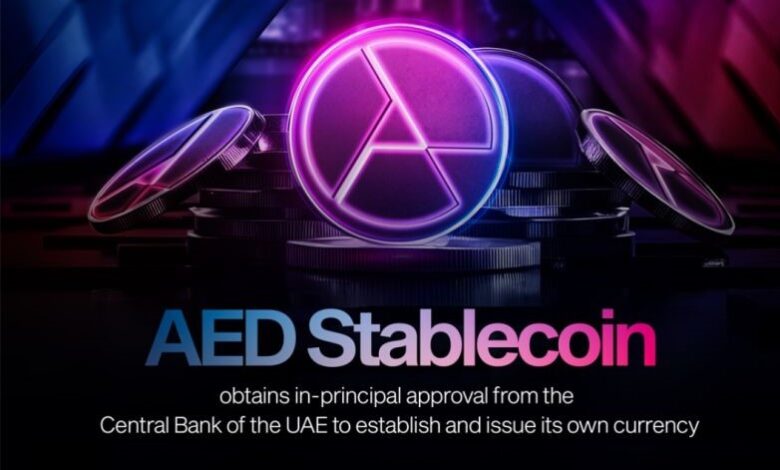
The UAE’s first regulated stablecoin has officially received the final green light from authorities, setting the stage for its anticipated launch across the country. This milestone marks a significant development in the UAE’s push to establish itself as a leading player in the global cryptocurrency market. With this approval, the stablecoin is poised to offer greater security and transparency in digital transactions, contributing to the growth of the digital economy in the region.

The UAE’s financial sector has undergone a significant transformation in recent years, driven by the government’s efforts to modernize its financial infrastructure. This stablecoin approval reflects the country’s ambition to integrate blockchain technology into its financial system and attract global investors looking for a secure digital asset to support transactions. The approval was granted by the UAE’s Financial Services Regulatory Authority (FSRA), which oversees all financial products and services in the Abu Dhabi Global Market (ADGM). This move is seen as part of a broader strategy to encourage the growth of fintech and blockchain-related ventures in the region.

The stablecoin, designed to be pegged to the value of the US dollar, will provide an alternative to more volatile cryptocurrencies such as Bitcoin and Ethereum. By pegging the value of the digital currency to a stable asset, the UAE’s stablecoin aims to mitigate the price fluctuations that often make other cryptocurrencies less attractive for everyday transactions. This stablecoin will be available to both businesses and consumers within the UAE, offering them a more secure, stable, and efficient way to carry out digital payments and trade.

The approval of the stablecoin also aligns with the UAE’s broader goals of expanding its digital economy. The UAE government has placed considerable emphasis on developing blockchain technologies, with the country’s leaders recognizing the potential for these innovations to revolutionize industries such as finance, real estate, and logistics. As part of the UAE’s “Vision 2021” initiative, there have been efforts to establish Dubai as a global hub for blockchain technology and cryptocurrency. These efforts have been amplified by the Dubai International Financial Centre (DIFC), which has introduced new regulations to govern the use of blockchain and cryptocurrency assets.

Industry experts view this approval as a major step forward for the UAE’s financial landscape. With the introduction of the stablecoin, businesses in the UAE will be able to make international transactions more efficiently, with fewer delays and reduced risks compared to traditional banking systems. Additionally, consumers will be able to use the stablecoin to pay for goods and services, facilitating everyday transactions in a secure and stable manner.

The issuance of a regulated stablecoin also brings the UAE in line with other countries that have moved forward with digital currencies. As countries around the world begin to recognize the need for secure, regulated digital currencies, the UAE’s stablecoin will likely gain traction as a reliable alternative for those seeking to move away from unstable fiat currencies. The stablecoin approval comes on the back of similar developments in countries such as China, where the People’s Bank of China has developed its own digital currency, and in Europe, where the European Central Bank has been exploring the creation of a digital euro.

UAE regulators have indicated that the stablecoin will undergo rigorous monitoring to ensure its stability and compliance with the country’s financial regulations. This will involve ongoing audits and checks to ensure that the stablecoin remains fully backed by the US dollar and that it adheres to anti-money laundering (AML) and know-your-customer (KYC) standards. The FSRA’s regulatory oversight is expected to instill greater confidence in users and investors, making the stablecoin a secure asset for transactions and investments.

With its stablecoin now officially approved, the UAE is positioning itself at the forefront of the cryptocurrency revolution. The development signals the country’s commitment to creating a forward-thinking financial system that embraces innovation while ensuring that new technologies are regulated in a way that protects consumers and businesses alike. The stablecoin is expected to become a key component of the UAE’s broader strategy to promote digital transformation, particularly in sectors such as finance, e-commerce, and international trade.

As the UAE becomes one of the first countries in the region to offer a regulated stablecoin, it sets a precedent for other countries in the Middle East and North Africa (MENA) to follow. The move could also position the UAE as a key player in the global cryptocurrency market, attracting international investors and businesses seeking a secure and regulated environment for their digital assets.

Abu Dhabi-based CYVN has finalized an agreement to acquire McLaren’s automotive division, marking a significant shift for the renowned British car manufacturer. The deal, valued at an estimated £1.2 billion, aims to secure McLaren’s future in the high-performance sports car sector, while ensuring its long-term growth and innovation. This agreement also signals the latest chapter in McLaren’s ongoing restructuring efforts, which have been crucial in navigating the challenges of global economic uncertainty and the shifting dynamics of the automotive market.

CYVN, a prominent investment group from the UAE with interests in luxury and high-tech industries, has been actively seeking strategic acquisitions to expand its portfolio in the automotive sector. The buyout of McLaren’s automotive business, which produces some of the world’s most coveted hypercars, aligns with CYVN’s goal to further solidify its presence in the global luxury market. McLaren’s automotive arm, known for its innovative designs and engineering prowess, will now be under the strategic guidance of CYVN’s management, which is expected to inject fresh capital and technological expertise.

The deal comes after a period of financial restructuring for McLaren, which has faced mounting debt and a need for investment to sustain its position in a competitive market. Over the past few years, McLaren has been exploring various avenues to maintain its financial health while continuing to produce high-performance cars that blend cutting-edge technology with luxury. The acquisition deal is expected to provide McLaren with the necessary funds to stabilize its operations and drive forward its plans for innovation, particularly in electric vehicle development and other eco-friendly technologies.

The automotive industry is undergoing a major transformation, with manufacturers pivoting towards sustainability, electrification, and advanced technologies. This shift has been a focal point for McLaren in recent years, with the brand aiming to integrate hybrid and electric powertrains into its lineup. The acquisition by CYVN is seen as an opportunity to accelerate these ambitions, as the investment group has already expressed interest in expanding McLaren’s electric vehicle capabilities.

For CYVN, the purchase represents a strategic move to gain a foothold in the ultra-luxury car market, which has shown resilience despite global economic fluctuations. The growing demand for high-end, bespoke vehicles, particularly among the wealthy elite in emerging markets, has created a favorable environment for investment in this sector. McLaren, with its strong brand heritage and established presence in key markets, presents an ideal acquisition target for CYVN to further enhance its standing in the global luxury goods and automotive industries.

This acquisition also positions McLaren to tap into new markets, particularly in Asia and the Middle East, where demand for luxury cars has been increasing. The UAE, a key hub for high-end automobiles, is expected to play a central role in McLaren’s continued expansion. The deal could potentially lead to new manufacturing facilities or partnerships within these regions, further strengthening McLaren’s market presence.

The automotive sector, particularly the luxury segment, has witnessed a surge in consolidation and strategic partnerships in recent years. Industry experts suggest that the combination of CYVN’s financial backing and McLaren’s engineering expertise could create a powerful synergy capable of rivaling the industry’s largest players. As competition intensifies, especially with the push towards sustainable technologies, automakers must remain agile, investing in innovation while maintaining profitability. McLaren, with its deep engineering heritage and now bolstered by CYVN’s resources, is positioned to play a significant role in the next generation of high-performance vehicles.

Although the deal was welcomed by many industry observers, it also raises questions about McLaren’s future identity. The brand, once fully independent, now faces the challenge of aligning its operations and vision with the broader strategic goals of its new owner. The transition may involve shifts in McLaren’s production processes, management structure, and product offerings. However, the emphasis on maintaining McLaren’s engineering excellence and brand prestige is expected to remain a top priority for CYVN.

McLaren’s existing leadership, including CEO Michael Fleischmann, is expected to retain their positions, although the influence of CYVN’s management will likely be felt across key areas of the business. The company has reiterated its commitment to preserving the iconic status of its automotive division, ensuring that future models will continue to offer the exceptional performance and design that McLaren fans have come to expect.


BANGKOK, THAILAND – Media OutReach Newswire – 10 December 2024 – Jeffrey C. Lim, President of SM Prime Holdings, Inc., has been instrumental in transforming SM Prime into a leading property conglomerate, a journey now recognized with the Eminent Leaders in Asia Award at the Asia Corporate Excellence & Sustainability (ACES) 2024 Awards. An exceptional moment of recognition: Jeffrey Lim, President of SM Prime Holdings, Inc. (left […]

Matein Khalid The late summer and autumn of 2024 may well go down in history as the Berlin Wall moment for the Middle East as the collapse of the nightmarish Assad dynastic dictatorship will have a seismic geopolitical fall out across the region. Iran has lost its land bridge/weapon supply conduit to its proxy militia Hezbollah, itself decapitated and militarily degraded by the IDF in Lebanon. Baathist […]

The United States government has approved the export of cutting-edge artificial intelligence (AI) chips to the United Arab Emirates (UAE) under a deal involving Microsoft and the Emirati technology firm G42. This decision comes after a prolonged review, and the deal underscores growing interest in enhancing the UAE’s AI capabilities. Microsoft has invested heavily in G42, forming a partnership to push forward the development of AI technologies in the UAE, but the approval has sparked debates over security risks and potential misuse of the technology.

Microsoft’s $1.5 billion investment in G42 this year not only includes a minority stake but also a strategic partnership that integrates Microsoft’s cloud services with G42’s AI applications. This collaboration is expected to enhance the UAE’s role as a leading player in AI development, especially in areas such as healthcare, government services, and autonomous systems.

However, the deal has faced scrutiny from U.S. lawmakers, who expressed concerns over G42’s potential links to China. The fears center on the possibility of U.S. technology being leveraged by adversarial nations, particularly given G42’s connections to powerful players in the Middle East. U.S. officials have raised alarms about the company’s ties to the Chinese government and its military, fearing that advanced AI systems could inadvertently benefit Beijing or other entities of strategic concern to the U.S.

To mitigate these concerns, the U.S. government imposed strict conditions on the export. Among the most notable restrictions, personnel from countries subject to U.S. arms embargoes, including China, are prohibited from accessing the Microsoft-operated facility in the UAE. Additionally, the deal specifically blocks individuals linked to the Chinese government or organizations based in China from using the technology. These safeguards are designed to ensure that sensitive U.S. technology is not misappropriated by entities that could pose a threat to national security.

Despite these precautions, the deal has ignited a broader conversation about the global race to develop and deploy AI technologies. U.S. officials have repeatedly warned that AI advancements, particularly in fields like military applications and weapons technology, could have significant national security implications. In light of this, the Biden administration has taken steps to bolster oversight of AI development, with mandatory disclosures required from developers of large-scale AI systems regarding the potential security risks of their technologies.

G42, which is partially owned by Abu Dhabi’s sovereign wealth fund and chaired by Sheikh Tahnoon bin Zayed Al Nahyan, has tried to reassure critics by emphasizing its compliance with international standards on AI and its commitment to transparency. However, the company’s efforts have not fully alleviated concerns, with many observers questioning whether the restrictions will be sufficient to prevent sensitive technology from falling into the wrong hands.

The partnership with Microsoft is seen as a major boost for the UAE’s ambitions to position itself at the forefront of AI research and development. The country has long sought to diversify its economy beyond oil, and AI is seen as a key pillar of this transformation. Yet, as this deal shows, the international implications of such partnerships are complex and multifaceted. While the UAE stands to benefit from access to some of the world’s most advanced AI technologies, the potential security risks associated with the transfer of such capabilities remain a point of contention.

The United States government has granted approval for the export of advanced artificial intelligence (AI) chips to the United Arab Emirates (UAE), marking a significant development in the global AI hardware market. This decision, part of a strategic agreement with Microsoft, enables the UAE to enhance its technological infrastructure and further its ambitions in the field of AI and data science. The chips in question are designed […]

Saudi Arabia has taken a significant step toward its environmental ambitions by officially launching the National Sustainability Committee. The initiative, which aligns with the Kingdom’s Vision 2030 reform program, aims to spearhead the country’s efforts in sustainability, focusing on comprehensive environmental reforms across various sectors. The committee’s formation is a direct response to the growing global demand for sustainable development practices, as well as the Kingdom’s commitment […]

New supply to weigh on office sector rental levels, while core retail high street rents continue to recover Grade A office year-to-date (YTD) net absorption as at mid-November recorded 1 million sq ft, with overall rents down by 5.9% in the same period. Rents are forecast to experience further downwards pressure in the 7%–9% range in 2025. Prime retail high street store leasing momentum slightly picked up […]

Polen Capital, a prominent global asset management firm, has announced its plans to open an office in Abu Dhabi, marking a significant step in its strategy to expand its operations in the Middle East. The firm, which has a strong track record in managing equity and fixed-income portfolios, aims to tap into the growing wealth and investment opportunities in the region. This move underscores the increasing importance […]

VISHNU RAJA
RYO YAMADA
HITORI GOTOH
IKUYO KITA