News related to
Middle East

HONG KONG SAR – Media OutReach Newswire – 17 October 2024 – John Lee, Chief Executive of the Hong Kong Special Administrative Region unveiled a range of measures in his 2024 Policy Address (October 16) to inject greater vitality into the economy, focusing on both established and emerging industries. In terms of existing businesses, Mr Lee said the Government would explore new growth areas, specifically by creating […]

TRENDS Research and Advisory, a think tank based in the UAE, has opened a virtual office in São Paulo, Brazil, marking a significant move to foster closer ties with academic institutions in Latin America. The launch aligns with TRENDS’ ongoing expansion strategy, following its previous ventures into Africa and Asia. This virtual office is expected to enhance collaboration on research projects and scholarly exchanges, particularly focusing on areas such as geopolitical studies, climate change, and economic development, which are gaining increasing attention in the region.

Dr. Mohammed Abdullah Al-Ali, CEO of TRENDS, emphasized the importance of this office in reinforcing the think tank’s global research network. The initiative was introduced during the 2024 Brazil-Africa Forum in São Paulo, where TRENDS participated as a Diamond Sponsor. By entering the Latin American region, TRENDS seeks to expand its influence and contributions in shaping policy discussions and providing academic insights tailored to the needs of countries in the Global South.

The decision to launch in Brazil reflects the country’s growing significance as a research hub within Latin America. Brazil’s rich academic landscape and its role as a key player in regional political and economic issues made it an attractive location for TRENDS. The think tank aims to collaborate with leading Brazilian institutions to produce studies addressing shared challenges such as climate change, technology, and international trade relations. The establishment of this virtual office allows TRENDS to work closely with local experts, creating a knowledge-sharing platform that benefits both regions.

TRENDS has been pursuing an ambitious international agenda, with recent expansions into Africa, China, and South Africa, highlighting its commitment to becoming a global thought leader. Its initiatives often focus on issues like governance, social development, and security, topics that are of growing relevance across Latin America. The São Paulo office is expected to organize seminars, forums, and joint research efforts that will bridge gaps between Latin American scholars and their counterparts in the Middle East, further contributing to the global knowledge economy.

The virtual nature of the office in Brazil comes as a strategic choice, reflecting the evolving landscape of international research collaboration in a post-pandemic world. Virtual offices allow think tanks like TRENDS to operate flexibly and minimize logistical barriers, fostering intellectual exchanges without the constraints of physical borders. By leveraging technology, TRENDS aims to facilitate continuous engagement with its global partners, especially as it ventures into markets and academic communities that are becoming increasingly interconnected.

Through partnerships with local universities and research centers, TRENDS is expected to support the development of critical research initiatives on topics ranging from environmental policy to digital transformation. These collaborations are set to be an important channel for the dissemination of TRENDS’ studies, with a particular focus on topics that resonate with policymakers across both continents.

As part of its global expansion, TRENDS has also been active in organizing panels and symposiums addressing major global issues. The organization’s research output has often delved into global power shifts, technological advancements, and the implications of new political alliances. In recent years, TRENDS has notably expanded its scope by focusing on interdisciplinary research that includes experts from a range of fields, such as sociology, economics, and international relations. Its work has garnered attention for providing nuanced, data-driven insights that appeal to decision-makers worldwide.

The new office in Brazil will also enhance TRENDS’ capacity to contribute to global debates on sustainability, social justice, and innovation. The think tank’s presence in Latin America is expected to be particularly relevant in the areas of environmental research and sustainable development, which are high on Brazil’s policy agenda. Brazil’s leadership in biodiversity conservation and its role as a major economy in the region offer fertile ground for research initiatives that TRENDS is keen to explore further.

The World Bank forecasts a 4.1% growth for the United Arab Emirates’ GDP in 2025, supported by diversification efforts and recovery in tourism and trade. This projection comes amidst ongoing economic reforms and investments in infrastructure and technology that aim to bolster the country’s long-term economic resilience. In its latest report, the World Bank emphasizes that the UAE’s economy has shown remarkable adaptability, bouncing back from the […]

Microsoft’s cloud ecosystem is poised to significantly bolster the UAE’s economy, contributing over $74 billion in the next four years. This substantial impact underscores the growing role of technology in driving economic growth and digital transformation within the region. As businesses increasingly migrate to cloud platforms, the demand for advanced digital services is surging, transforming traditional business models and fostering innovation.

The projections stem from Microsoft’s commitment to enhancing its cloud infrastructure in the UAE, which aligns with the nation’s broader vision of becoming a global tech hub. The company has been actively investing in local data centers and expanding its cloud services, such as Azure, Dynamics 365, and Microsoft 365. These initiatives are expected to accelerate digital adoption among enterprises, enabling them to harness advanced analytics, artificial intelligence, and other cutting-edge technologies.

A recent report from a leading market research firm highlights that the UAE’s digital economy is on an upward trajectory, driven by initiatives such as the National Digital Economy Strategy and the Emirates Digital Economy Council. These efforts aim to create a resilient, competitive, and sustainable digital economy that supports diverse sectors, including finance, healthcare, and education.

Microsoft’s investments also play a crucial role in fostering job creation and skills development in the region. As more companies transition to cloud-based operations, the demand for skilled professionals in cloud computing, data analysis, and cybersecurity is escalating. Microsoft has pledged to provide training programs and certifications to empower local talent, addressing the skills gap and enhancing employability within the tech sector.

The collaboration between Microsoft and the UAE government signifies a robust public-private partnership that can drive economic diversification. The government’s push to embrace digital transformation aligns with Microsoft’s expertise in cloud computing and innovation, creating a synergistic relationship that enhances the overall economic landscape.

As companies in the UAE adapt to the digital age, the reliance on cloud services is becoming increasingly vital. The cloud offers flexibility, scalability, and cost-effectiveness, allowing businesses to respond swiftly to changing market dynamics. This shift not only enhances operational efficiency but also opens new avenues for innovation and collaboration.

The UAE’s strategic location as a gateway to the Middle East and North Africa (MENA) region further amplifies the significance of Microsoft’s investments. By positioning itself as a leader in cloud technology, Microsoft is not only catering to local enterprises but also targeting international businesses looking to establish a foothold in the MENA market. This approach is expected to attract foreign direct investment (FDI) and enhance the UAE’s competitiveness as a business hub.

Microsoft’s commitment to sustainability aligns with the UAE’s ambitious goals for a greener future. The company is dedicated to achieving carbon neutrality by 2030 and has initiated programs aimed at reducing the environmental impact of its data centers. This emphasis on sustainability resonates with the UAE’s vision for sustainable development, positioning Microsoft as a responsible corporate citizen in the region.

Industry experts have lauded Microsoft’s efforts in enhancing the UAE’s digital landscape. The collaboration between tech giants and governments is seen as a catalyst for innovation and economic growth. Analysts believe that the ripple effects of Microsoft’s cloud ecosystem will extend beyond direct contributions to GDP, influencing various sectors and fostering a culture of innovation among local enterprises.

As part of its cloud initiatives, Microsoft is leveraging partnerships with local startups and enterprises to drive innovation and foster entrepreneurship. These collaborations aim to create a vibrant ecosystem that nurtures creativity and supports the growth of homegrown businesses. By empowering startups with access to cutting-edge technology and resources, Microsoft is contributing to a thriving entrepreneurial landscape in the UAE.

The anticipated economic impact of Microsoft’s cloud ecosystem is not only a testament to the company’s strategic vision but also reflects the UAE’s determination to embrace digital transformation as a cornerstone of its economic future. As the nation continues to evolve into a technology-driven economy, the partnership with Microsoft positions it at the forefront of the global digital landscape.

Abu Dhabi National Hotels (ADNH) Catering has set the final price for its Initial Public Offering (IPO) at AED 1.18 per share. This decision comes as the company prepares to list its shares on the Abu Dhabi Securities Exchange, with trading expected to commence on October 23. The pricing reflects a market capitalization of approximately AED 1.79 billion ($487 million) and follows a successful offering process that garnered strong interest from both institutional and retail investors.

The IPO represents a significant opportunity for ADNH Catering to enhance its capital structure and expand its operations. The company plans to utilize the proceeds from the IPO to support its growth strategy, which includes diversifying its services and improving operational efficiencies. This strategic move aligns with the broader goals of the Abu Dhabi government to bolster the local economy and increase the participation of private sector entities in the market.

ADNH Catering has been a key player in the hospitality and catering sectors in the UAE, offering a range of services including catering solutions for events, institutional catering, and food services for hotels and restaurants. The company’s strong market position is underpinned by its extensive experience and reputation for quality, making it a preferred partner for various clients in the region.

Market analysts view the IPO as a positive development for both ADNH Catering and the broader UAE market. The successful pricing indicates robust investor confidence in the company’s future prospects. The IPO follows a growing trend of public offerings in the Gulf Cooperation Council (GCC) region, which has seen increased activity in the capital markets as companies seek to capitalize on favorable economic conditions and investor appetite.

Investors’ interest in the ADNH Catering IPO has been driven by several factors, including the company’s track record of profitability and its plans for future expansion. According to reports, the IPO attracted significant attention from institutional investors, with the offering being oversubscribed multiple times. This enthusiasm reflects a broader trend of investor confidence in the UAE market, driven by various economic reforms and a commitment to diversifying the economy.

The UAE’s hospitality sector has shown resilience and adaptability in the face of global challenges, such as the COVID-19 pandemic. As travel restrictions have eased, there has been a notable resurgence in tourism, leading to increased demand for catering services. ADNH Catering aims to leverage this recovery by enhancing its service offerings and expanding its market reach both domestically and internationally.

The IPO is expected to contribute to the UAE’s goal of attracting foreign direct investment. By providing a platform for local companies to access capital, the IPO aligns with the UAE’s Vision 2030 initiative, which seeks to transform the economy by fostering innovation and increasing private sector participation. This initiative is vital for maintaining the UAE’s competitive edge in the global market.

As the date for the start of trading approaches, ADNH Catering has focused on ensuring a smooth transition to the public market. The company has engaged with stakeholders, including investors, financial advisors, and regulatory bodies, to prepare for its debut on the Abu Dhabi Securities Exchange. This proactive approach is designed to instill confidence among potential investors and promote transparency in the company’s operations.

The finalization of the IPO price marks a critical milestone for ADNH Catering, which has undergone significant transformations in recent years. The company has invested in modernizing its infrastructure and enhancing its service capabilities to meet the evolving needs of its clients. This commitment to innovation positions ADNH Catering well for future growth in a competitive market.

The success of the IPO is also likely to inspire other companies in the region to consider going public. As more firms seek to tap into the capital markets, the UAE could see a surge in IPO activity, further solidifying its status as a financial hub in the Middle East. This trend could lead to increased liquidity in the market and offer investors more opportunities to diversify their portfolios.

Analysts are closely monitoring the developments surrounding ADNH Catering’s IPO, recognizing its potential implications for the broader market. The company’s listing is expected to attract considerable attention from both domestic and international investors, adding to the vibrancy of the Abu Dhabi Securities Exchange. The interest generated by the offering underscores the confidence investors have in the company’s growth trajectory and the overall health of the UAE economy.

United Development Company (UDC), a prominent real estate and investment firm in Qatar, has finalized an agreement to divest a 40% stake in Qatar Cool, the leading district cooling service provider in the region. This strategic move is poised to bolster UDC’s financial position while allowing Qatar Cool to enhance its operational capabilities and expand its service offerings. The deal underscores the growing importance of sustainable energy solutions in Qatar’s rapidly developing economy.

Qatar Cool, which was established in 2003, has been instrumental in providing efficient cooling solutions to various sectors, including residential, commercial, and industrial clients. The company has a significant footprint in Qatar, servicing landmark projects such as The Pearl-Qatar, Lusail City, and various governmental facilities. The district cooling model has gained traction in the Gulf region, particularly in Qatar, where high temperatures necessitate energy-efficient cooling solutions.

The decision by UDC to divest a portion of its stake comes at a time when the demand for district cooling services continues to rise, driven by increasing urbanization and the ongoing development of large-scale infrastructure projects. Industry analysts view this divestment as a move that will allow UDC to unlock capital for reinvestment into its core real estate ventures while also enabling Qatar Cool to leverage the new partnership for growth opportunities. The transaction is expected to close within the coming months, pending regulatory approvals.

As the largest shareholder in Qatar Cool, UDC’s divestment will not significantly alter the company’s strategic direction. However, the introduction of new partners could provide fresh perspectives and innovative approaches to expand Qatar Cool’s operations. Analysts are optimistic that this partnership will enable the company to enhance its technology and service delivery, aligning with Qatar’s Vision 2030 objectives focused on sustainable development.

The Qatar district cooling market has seen a substantial increase in investment over the past few years, with several new projects coming online to meet the burgeoning demand. According to industry reports, the district cooling market in Qatar is projected to grow at a compound annual growth rate (CAGR) of approximately 7.5% between 2024 and 2030. This growth is largely attributed to the government’s push for energy-efficient solutions that reduce carbon emissions and support sustainable urban development.

Qatar’s commitment to hosting global events such as the FIFA World Cup 2022 has accelerated infrastructure development across the country. The event has not only raised the profile of Qatar on the world stage but has also catalyzed significant investments in various sectors, including energy, real estate, and utilities. This investment climate is favorable for companies like Qatar Cool, as they can capitalize on the infrastructure development boom to expand their customer base.

Key players in the district cooling industry are increasingly adopting advanced technologies, such as smart cooling systems and IoT-enabled monitoring solutions, to improve energy efficiency and operational performance. Qatar Cool, in particular, has been at the forefront of this trend, leveraging innovative technologies to enhance its service offerings. The company has implemented state-of-the-art infrastructure that allows for real-time monitoring and management of its cooling systems, leading to improved efficiency and cost savings for customers.

UDC’s move to divest a portion of its stake aligns with a broader trend among corporations in the Middle East, where companies are re-evaluating their asset portfolios to focus on core competencies and maximize shareholder value. This strategic realignment is becoming increasingly important as the region navigates economic challenges and seeks to diversify its economies away from oil dependency. The sale of the stake is seen as a prudent financial strategy, positioning UDC to better invest in its real estate projects that are vital to Qatar’s ongoing development.

Industry experts anticipate that this divestment could pave the way for further consolidation in the district cooling sector, as companies seek to enhance their operational capabilities and market reach. The entrance of new stakeholders could bring additional investment, expertise, and innovation to Qatar Cool, ultimately benefiting its customers and contributing to the country’s sustainability goals.

SINGAPORE – Media OutReach Newswire – 17 October 2024 – Yuno, the world’s leading payment orchestration platform, today announced the appointment of SheueChee Beh as its new Head of Partnerships for APAC. This move doubles down on the company’s commitment to scaling its presence in Asia-Pacific. SheueChee has over two decades of payments experience and a proven track record working within Asia’s tech and financial services sector, […]

Advertisements

The World Bank has adjusted its economic growth forecasts for the Middle East and North Africa (MENA) region, citing heightened uncertainties stemming from the ongoing Gaza conflict. This revised outlook reflects the significant impact of geopolitical tensions on the economic stability of nations within the region.

In its latest report, the World Bank projected that MENA’s economy would grow by 2.4% in 2024, a decrease from its previous estimate of 3.1%. This downgrade highlights the fragile state of the region’s recovery amid escalating conflicts and rising inflation. The report emphasizes that the disruption caused by the Gaza war could have ripple effects across the region, particularly affecting trade, investment, and tourism.

Countries in the Gulf Cooperation Council (GCC) are expected to demonstrate more resilience, with projected growth rates of around 4.1%. However, the report notes that even these nations may not be immune to the broader economic downturn. With a notable dependency on global oil prices, any fluctuations could hinder growth potential. The World Bank attributes the GCC’s relative strength to high oil revenues, which are supporting government spending and infrastructure development.

The impact of the Gaza conflict is significant for several reasons. The humanitarian crisis in Gaza has raised concerns about stability in neighboring countries, which could lead to an influx of refugees and strain public services. Additionally, the ongoing conflict has prompted discussions about energy security in the region, particularly given Europe’s efforts to reduce its reliance on Russian gas.

Analysts also point to the potential for increased military spending in response to the conflict, which could divert resources from social and economic development initiatives. Such shifts in government spending could hinder long-term growth prospects for nations striving to diversify their economies away from oil dependency.

Tourism, a critical sector for many MENA economies, particularly in the Levant and North Africa, is facing headwinds as well. The Gaza conflict has raised travel advisories from various countries, impacting visitor numbers and spending. Countries such as Egypt and Jordan, which rely heavily on tourism, are expected to see a decline in revenues. The report indicates that the tourism sector’s recovery may lag behind other industries, affecting job creation and economic stability in these nations.

The region faces persistent challenges related to inflation and food security. Rising global commodity prices, exacerbated by supply chain disruptions from the Ukraine conflict, are contributing to higher living costs. Many MENA countries are grappling with food inflation, which has emerged as a significant issue for households, particularly in countries with already high poverty rates.

The report identifies key players who are likely to shape the region’s economic landscape. Saudi Arabia, with its Vision 2030 initiative, continues to drive efforts to diversify its economy and attract foreign investment. The United Arab Emirates is also making strides in positioning itself as a global business hub, focusing on technology and innovation. However, the volatility created by geopolitical tensions could impede these efforts and delay the realization of ambitious economic goals.

Lebanon, meanwhile, remains in a precarious economic situation. The ongoing political instability and the fallout from the 2020 port explosion continue to affect economic recovery efforts. Inflation has skyrocketed, and essential services have deteriorated, leading to widespread discontent among the population. International support remains critical for Lebanon as it navigates this challenging landscape.

As the World Bank’s report underscores, addressing these challenges will require coordinated efforts among MENA nations. Investment in renewable energy, improvements in infrastructure, and enhancements in governance and institutional frameworks are essential for fostering sustainable growth. The current geopolitical landscape presents both risks and opportunities for the region, highlighting the need for adaptive policies that can respond to emerging threats.

Tawaref, a prominent Saudi technology firm, has announced the acquisition of Amaana, an emerging player in the artificial intelligence solutions sector. This strategic move aims to bolster Tawaref’s capabilities in delivering innovative AI-driven services to its clients across various industries, particularly in logistics, e-commerce, and healthcare. The acquisition is seen as a critical step in enhancing Tawaref’s service offerings and positioning it as a leader in the […]

The Middle East saw an impressive surge in sustainable bond issuances, reaching a total of $16.7 billion in the first three quarters of 2024, according to S&P Global Ratings. This figure reflects the growing commitment of governments and corporations in the region to finance green initiatives and projects aimed at addressing climate change and promoting sustainability. Notably, the surge in issuances is driven by increased awareness of […]

A strategic partnership between UAE-based telecommunications giant e& (formerly known as Etisalat Group) and Amazon Web Services (AWS) has been established, valued at $1 billion. This collaboration aims to enhance the digital transformation landscape across the Middle East, enabling organizations to leverage advanced cloud technologies. The agreement signifies a substantial investment in the region’s technological infrastructure, reflecting both companies’ commitment to supporting the UAE’s vision of becoming a global technology hub.

The partnership will focus on providing cloud-based solutions, particularly in areas such as artificial intelligence, machine learning, and data analytics. e& intends to leverage AWS’s extensive capabilities to accelerate its digital service offerings, allowing businesses in the region to improve operational efficiencies and innovate at a faster pace. This move aligns with the UAE’s broader initiative to bolster its digital economy and promote the adoption of advanced technologies across various sectors.

Ahmed Julfar, Group Chief Executive Officer of e&, expressed enthusiasm for the partnership, stating that it underscores their commitment to enhancing customer experiences and enabling businesses to thrive in an increasingly competitive landscape. He emphasized that the alliance with AWS will empower enterprises to utilize cutting-edge technologies, ultimately transforming the region’s business ecosystem.

AWS, a leading global cloud services provider, has been rapidly expanding its footprint in the Middle East. The company views this partnership as an opportunity to deepen its engagement in the region while contributing to the UAE’s digital ambitions. The collaboration is expected to create job opportunities and stimulate economic growth, particularly in sectors poised for digital transformation, such as healthcare, education, and financial services.

The partnership follows a series of strategic investments by AWS in the Middle East, including the establishment of multiple data centers in the UAE. This infrastructure is crucial for providing local customers with faster access to cloud services while ensuring compliance with regional data regulations. The UAE government has been proactive in creating an enabling environment for digital innovation, evidenced by initiatives such as the UAE National Strategy for Artificial Intelligence, which aims to position the country as a global leader in AI by 2031.

Industry experts view this partnership as a significant milestone for both companies. Analysts highlight the importance of collaboration in the tech sector, especially in regions like the Middle East, where digital transformation is increasingly becoming a priority for governments and businesses alike. The partnership not only enhances e&’s service portfolio but also positions AWS as a pivotal player in driving cloud adoption across the region.

The announcement of this partnership coincides with a broader trend in the telecommunications sector, where traditional service providers are increasingly pivoting towards becoming technology companies. This shift is driven by the need to stay competitive in a market that is witnessing rapid changes due to advancements in digital technology. Telecom operators globally are recognizing the importance of diversifying their service offerings beyond traditional voice and data services to include cloud solutions, cybersecurity, and IoT services.

UAE’s e& has been at the forefront of this transformation, investing heavily in technology and innovation. The company has been expanding its portfolio to include various digital solutions, such as e-commerce, digital payments, and smart city initiatives. By partnering with AWS, e& aims to enhance its capabilities in cloud computing and provide customers with seamless access to a range of digital services.

Amazon Web Services, on its part, has been aggressively investing in the Middle East, signaling its commitment to supporting the region’s digital transformation journey. The company has made significant investments in local infrastructure and has launched various initiatives aimed at nurturing local talent and fostering innovation within the tech community. This approach is aligned with the UAE’s vision of creating a knowledge-based economy and promoting a culture of innovation.

As the demand for cloud services continues to surge across the Middle East, this partnership is poised to play a pivotal role in shaping the future of technology in the region. Organizations are increasingly recognizing the importance of digital transformation as they seek to improve efficiency, enhance customer engagement, and drive innovation. The collaboration between e& and AWS is expected to facilitate this transition, providing businesses with the tools and resources needed to thrive in an increasingly digital world.

KUALA LUMPUR, MALAYSIA – Media OutReach Newswire – 16 October 2024 – The U.S. dollar holds significant sway over global markets, particularly for traders in India and Southeast Asia. This release highlights the critical importance of monitoring the dollar’s value and explores how its fluctuations affect currency pairs, commodity prices, and market strategies in the region. The U.S. dollar’s dominance in global trade and finance is unparalleled. […]

SINGAPORE – Media OutReach Newswire – 15 October 2024 – The acclaimed international brand UNIQ, synonymous with sleek and multifunctional phone cases, presents its latest range of iPhone 16 cases, featuring modern designs and elevated customizability. Extending to the iPhone 16, iPhone 16 Plus, iPhone 16 Pro, and iPhone 16 Pro Max models, the collection is set to appeal to a new generation of discerning and pragmatic […]

Bolt, a European ride-hailing platform, has made its entry into the UAE with a strategic partnership with Dubai Taxi Corporation (DTC). The move, which has already attracted attention, aims to provide ride-hailing services across Dubai, leveraging the extensive fleet and operational expertise of DTC. The partnership is expected to strengthen Dubai’s transportation infrastructure, offering commuters more ride options, and is in line with the city’s vision for […]

The Solana blockchain network is moving to strengthen its presence in the UAE, a key emerging market in the crypto world, by hosting the Founders’ Villa event. Organized by Solana Foundation and held at the luxury Founders’ Villa, the event attracted attention from global Web3 investors, entrepreneurs, and developers eager to engage with one of the fastest-growing ecosystems in blockchain.

Solana, known for its high-speed and low-cost transactions, has been pushing aggressively to expand its global footprint. The UAE, with its business-friendly regulatory environment, burgeoning tech hub, and growing interest in blockchain technologies, presents a strategic opportunity for Solana to establish itself as a major player in the region.

At the heart of the event was the growing interest from the UAE’s tech community in Web3 innovations. The Founders’ Villa featured panels, networking opportunities, and demonstrations that showcased Solana’s capabilities, particularly its decentralized finance (DeFi) applications and non-fungible token (NFT) projects. The event highlighted the blockchain’s commitment to improving scalability and security while addressing environmental concerns through energy-efficient Proof-of-History (PoH) consensus mechanisms.

The UAE’s recent strides in blockchain adoption have made it a significant player in the global blockchain ecosystem. Solana’s move into the region aligns with Dubai’s Vision 2030 initiative, which includes heavy investment in digital technologies, blockchain, and smart city solutions. The Dubai Multi Commodities Centre (DMCC) has also been a major supporter of blockchain innovation, launching initiatives such as the DMCC Crypto Centre, which provides a hub for blockchain and crypto-related companies.

Solana’s push into the UAE isn’t just about adoption—it’s about leadership in a market that’s rapidly expanding. The Founders’ Villa event provided a platform for investors to explore the potential of Solana’s ecosystem, with key figures emphasizing the importance of creating sustainable, scalable blockchain solutions. The event comes at a time when the UAE is increasingly viewed as a global hub for Web3, alongside major financial centers like Singapore and Switzerland.

In tandem with this effort, Solana has been targeting partnerships in the Gulf region. The blockchain’s ability to process transactions at a much higher speed than Ethereum and Bitcoin while maintaining lower fees has drawn interest from companies and governments looking for blockchain applications in finance, supply chain, and other sectors. The focus of Solana’s team at the event was not just on expanding the user base but also on ensuring that the network can continue to scale effectively without compromising on performance.

One of the key themes that emerged from the Founders’ Villa was the UAE’s readiness to integrate blockchain into mainstream sectors. Participants from industries including finance, real estate, and logistics expressed growing confidence in blockchain as a foundational technology for future digital ecosystems. Solana’s developers shared insights into new technical upgrades, including planned developments aimed at making the network more resilient against outages, a key challenge the network has faced in the past.

The Founders’ Villa event also provided a platform for showcasing NFT art and decentralized applications (dApps) being built on Solana. The UAE’s growing interest in NFTs, particularly as an investment class, was a major point of discussion. Experts at the event suggested that the region’s wealth managers and family offices are increasingly considering NFTs as part of a diversified investment strategy, particularly as the regulatory environment becomes more supportive of digital assets.

Meanwhile, Dubai’s commitment to fostering innovation in crypto is increasingly drawing global talent to the city. Solana’s decision to hold this event in the UAE signals the blockchain network’s strategic shift toward markets that are less saturated but hold significant potential for growth. The event was marked by a series of announcements about upcoming initiatives that will deepen Solana’s involvement in the region, further strengthening its role as a leader in the blockchain space.

The global blockchain industry has taken note of the UAE’s efforts, and Solana is positioning itself to be at the forefront of this movement. By building relationships with regulators, businesses, and developers in the region, Solana aims to tap into the vast potential of the Middle Eastern market, which is rapidly evolving as a center for blockchain innovation and Web3 technologies.

KUALA LUMPUR, MALAYSIA – Media OutReach Newswire – 15 October 2024 – While gold and silver often move in tandem, their relationship can sometimes be complicated. Despite sharing similar characteristics and applications, differences in underlying demand and supply dynamics can lead to occasional divergences. Octa broker discovers the nuances behind the gold-silver correlation and explores potential trading opportunities with the gold-silver ratio. The positive correlation between gold […]

Kelix Bio, a Mubadala-backed pharmaceutical company, is moving to acquire four major assets from Yas Holding’s GlobalOne Healthcare Holding (GHH) in a strategic deal that could reshape the regional healthcare landscape. The acquisition, targeting prominent pharmaceutical firms in the Middle East and Africa, is part of Kelix Bio’s broader expansion strategy aimed at strengthening its presence in emerging markets. The transaction underscores the growing interest of regional […]

Qatar’s banking sector is poised for a resurgence in the global debt markets as local lenders embark on refinancing efforts and seek to diversify their funding sources. Several prominent Qatari banks, including Qatar National Bank (QNB) and Commercial Bank, are taking strategic steps to enhance their liquidity positions and broaden their investor base amidst a shifting economic landscape. The move comes in the wake of increased interest […]

Executives in the Middle East are increasingly viewing climate change as a top priority, as highlighted by a comprehensive study examining corporate attitudes towards environmental sustainability. This shift is driven by the recognition that climate change poses significant risks to both the economy and the overall well-being of the region’s populations. The study indicates that an overwhelming majority of executives believe that addressing climate issues is not […]

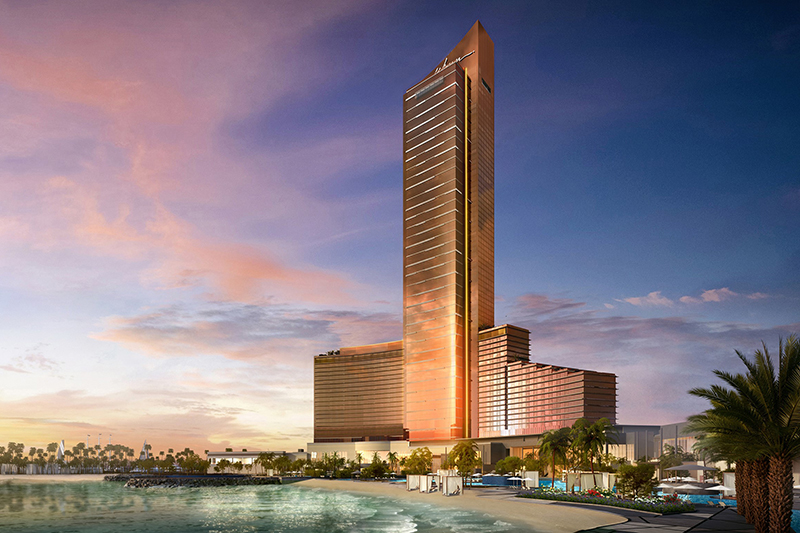
Wynn Resorts has announced the size of its highly anticipated gaming area in Ras Al Khaimah, marking a significant development in the UAE’s burgeoning gaming and entertainment landscape. The new facility is set to span approximately 75,000 square feet, showcasing a range of gaming options, including table games and slot machines, that cater to both international tourists and local patrons. This venture signals a strategic move by the company to establish a foothold in the Middle East, tapping into the region’s growing appetite for luxury entertainment experiences.

The announcement comes as part of a broader initiative to enhance the tourism sector in Ras Al Khaimah, a popular destination known for its scenic landscapes and rich cultural heritage. The gaming area is expected to be a key component of the Wynn property’s larger resort complex, which will include hotels, restaurants, and entertainment venues. This integrated approach aims to attract a diverse range of visitors, boosting both the local economy and the UAE’s position as a premier tourism hub.

The Ras Al Khaimah project is particularly notable in the context of the UAE’s evolving regulatory environment concerning gaming. The UAE government has been progressively liberalizing its policies to attract foreign investment and diversify its economy away from oil dependence. The introduction of casinos and gaming facilities represents a significant shift in the region’s tourism strategy, aligning with global trends where gaming is increasingly integrated into resort experiences. The local government anticipates that this new attraction will draw in millions of tourists, enhancing the emirate’s status as a destination for luxury travel.

Wynn’s investment in Ras Al Khaimah is also reflective of a broader trend among international gaming operators seeking opportunities in emerging markets. With a rising number of affluent travelers looking for unique experiences, the potential for significant returns on investment is compelling. Wynn Resorts, known for its opulent properties in Las Vegas and Macau, aims to replicate its success by offering a similar level of luxury and service in Ras Al Khaimah.

Industry analysts view this development as part of a competitive push among various emirates in the UAE, each striving to carve out a niche in the lucrative tourism sector. Dubai has long been a leader in attracting global tourists, but Ras Al Khaimah’s unique offerings, combined with the Wynn property, could shift some focus towards the northern emirate. The region’s emphasis on family-friendly attractions, adventure tourism, and natural beauty positions it well to attract a diverse array of visitors.

The Wynn project’s ambitious scale is also indicative of the company’s confidence in the UAE’s economic resilience and long-term growth potential. Despite global economic uncertainties, the UAE continues to demonstrate robust growth, particularly in the tourism and hospitality sectors. The government’s proactive measures to stimulate economic activity and enhance visitor experiences have been instrumental in maintaining investor confidence.

Key stakeholders in the gaming and hospitality sectors are closely monitoring Wynn’s progress in Ras Al Khaimah. Local businesses anticipate a positive ripple effect from the casino’s opening, predicting increased foot traffic and customer spending in surrounding areas. The addition of a major gaming destination is expected to create jobs and boost the hospitality sector, further solidifying Ras Al Khaimah’s reputation as a multifaceted travel destination.

Wynn’s expansion into the UAE comes at a time when the global gaming industry is experiencing transformative changes. With technological advancements and shifting consumer preferences, operators are rethinking traditional gaming models. The focus is increasingly on creating immersive experiences that blend gaming with entertainment, dining, and leisure activities. Wynn’s plans in Ras Al Khaimah appear to align with this trend, as the resort is designed to offer a holistic experience rather than merely a gaming-focused environment.

Wynn’s foray into the UAE aligns with the growing trend of luxury tourism, where high-end travelers seek exclusive experiences that go beyond conventional offerings. This strategy may position Wynn as a leader in the luxury gaming sector within the region, appealing to both international tourists and residents alike. The emphasis on creating a world-class resort experience may also influence other operators to enhance their offerings, leading to a broader transformation within the regional gaming landscape.

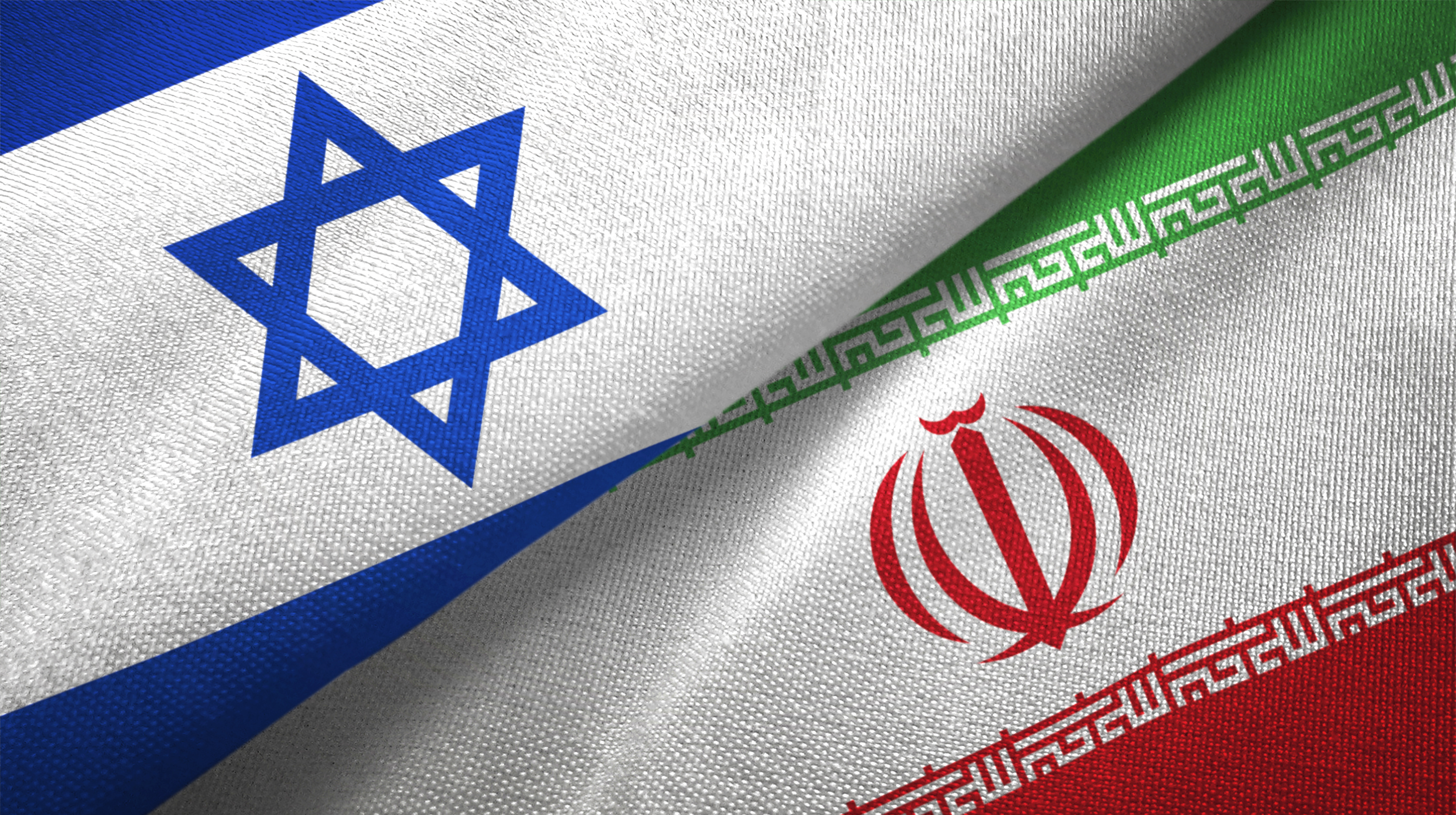
A significant shift in global oil prices has occurred, triggered by reports that Israel will not target Iranian energy facilities during its ongoing military operations. The announcement has contributed to a notable decrease in crude oil prices, with Brent crude futures falling to approximately $83.50 per barrel, a drop of nearly 5%. West Texas Intermediate (WTI) also experienced a decline, trading around $78.50 per barrel. The news of a potential de-escalation of tensions has sparked optimism among traders and analysts, prompting discussions about the implications for oil supply and regional stability.

This development follows heightened concerns about the geopolitical landscape in the Middle East, particularly since the onset of hostilities involving Israel and Hamas. Market observers had speculated that any escalation involving Iran could disrupt oil supply chains, especially given Iran’s substantial role in the global oil market. The country, a member of the Organization of the Petroleum Exporting Countries (OPEC), has consistently been a significant player in oil production, with its output averaging around 3 million barrels per day prior to the imposition of sanctions.

Analysts have noted that the decision to refrain from targeting Iranian facilities could stabilize oil prices in the short term. Such stability is crucial, as fluctuations in oil prices often reflect broader economic sentiments and can influence inflation rates worldwide. The International Energy Agency (IEA) had previously warned that any conflict in the region could lead to a supply shock, resulting in further price surges. However, the latest assurances have alleviated some of these fears, allowing for a moment of respite in oil markets.

The interplay between Israel and Iran extends beyond military engagements, encompassing significant economic implications as well. Iran’s oil exports have faced restrictions due to sanctions imposed by Western nations, limiting its ability to engage in international trade. Despite these challenges, Iran has sought to bolster its oil exports through partnerships with countries such as China, which has emerged as a primary importer of Iranian crude.

This latest news has prompted reactions from various stakeholders in the oil market. Major oil companies are closely monitoring the situation, as any potential escalation could alter their operational strategies and long-term investment plans in the region. Executives from companies like BP and Shell have expressed cautious optimism, reiterating their commitment to maintaining stable supply chains while navigating geopolitical uncertainties.

While the immediate outlook appears more favorable for oil prices, analysts caution that the situation remains fluid. The potential for conflict in the Middle East has not dissipated, and other geopolitical factors could still influence market dynamics. For instance, the ongoing conflict in Ukraine and its ramifications for global energy supply also weigh heavily on market sentiment. European countries continue to seek alternatives to Russian gas, further complicating the energy landscape and contributing to price volatility.

Market analysts are keeping a close eye on OPEC’s strategies in response to shifting demand dynamics. The organization has historically played a critical role in managing oil supply to influence prices. The group is likely to convene in the coming weeks to assess the current situation and consider adjustments to their production quotas. OPEC’s decisions are crucial for maintaining market equilibrium, especially during times of uncertainty.

In the context of these developments, there has been a renewed focus on the importance of diversifying energy sources and enhancing energy security. Nations worldwide are increasingly exploring renewable energy options as part of their long-term strategies to reduce dependence on fossil fuels. This transition has been accelerated by rising global temperatures and the urgent need to address climate change, prompting many governments to invest in sustainable energy infrastructure.

SINGAPORE – Media OutReach Newswire – 15 October 2024 – Chevron Singapore, which operates the retail brand Caltex, has announced the launch of the refreshed CaltexGO mobile app, designed to enhance customer convenience and engagement across all Caltex stations nationwide. This latest iteration of Singapore’s first mobile fuel payment app underscores Caltex’s commitment to innovation and delivering exceptional customer experiences. The refreshed CaltexGO mobile app (Credit – […]

As tensions escalate between Israel and Iran, the world is watching with bated breath, and financial markets are bracing for a potential economic shock. The deployment of additional US troops and advanced anti-missile systems to Israel highlights how serious the situation has become. Recent unprecedented attacks from Iran and Israel’s potential countermeasures, particularly targeting Iran’s vital oil or nuclear facilities, could set the stage for a global […]

Mubadala’s healthcare arm, KELIX Bio, has made a decisive step in boosting its presence in the life sciences sector by acquiring four pharmaceutical assets from GlobalOne Healthcare Holding. This move is part of Mubadala’s broader ambition to transform the UAE into a global hub for life sciences innovation and advanced healthcare solutions. The acquisition reflects the growing influence of the UAE’s healthcare industry as it aligns with the nation’s goals to enhance its capabilities in pharmaceuticals and biotechnology.

The deal involves four strategic pharmaceutical companies, which are expected to add substantial value to Mubadala’s existing healthcare portfolio. It also demonstrates the commitment of KELIX Bio, a key player in Mubadala’s ecosystem, to expanding its footprint across the Middle East and Africa. This acquisition is seen as an essential step toward addressing rising healthcare demands in the UAE and further establishing the nation as a leader in advanced healthcare solutions.

The UAE has been focused on expanding its healthcare infrastructure and capabilities, especially in the fields of pharmaceuticals and biotechnology. The government’s initiatives, such as the National Strategy for Wellbeing 2031, are aimed at enhancing the overall health sector in the country. Mubadala’s acquisition aligns with these initiatives, helping to create an ecosystem that fosters innovation, sustainability, and long-term economic growth.

KELIX Bio is positioned as a leader in the manufacturing and distribution of essential medicines across emerging markets, focusing on addressing the critical need for quality and affordable treatments. The latest acquisitions from GlobalOne Healthcare Holding provide KELIX Bio with advanced pharmaceutical production capabilities and access to new markets. These assets are integral to producing generic and specialized medications that will serve both the UAE’s population and neighboring regions.

Mubadala’s strategy is not limited to expanding its pharmaceutical footprint within the UAE. The acquisitions signal a broader focus on making the country a life sciences powerhouse that can influence markets across the Middle East, Africa, and beyond. By enhancing local production capabilities, KELIX Bio aims to reduce dependency on imported medicines and foster a sustainable supply chain for critical medications.

The importance of these acquisitions is further highlighted by the fact that KELIX Bio has been aggressively pursuing growth in various healthcare sectors. Prior to this deal, the company made notable investments in manufacturing facilities in Egypt and Morocco, positioning itself as a dominant force in the region’s pharmaceutical market. The addition of GlobalOne’s assets will enhance KELIX Bio’s portfolio, enabling it to meet the growing demand for medical treatments across emerging markets.

Industry experts believe that this acquisition could significantly impact the life sciences industry in the UAE. The healthcare sector in the UAE has been undergoing rapid growth, driven by government initiatives, private investments, and a strong emphasis on medical research and development. The addition of new pharmaceutical assets is expected to catalyze innovation in drug production and distribution, supporting the country’s long-term vision for a sustainable and advanced healthcare system.

Mubadala’s focus on healthcare is not new. The sovereign wealth fund has long prioritized investments in sectors that align with the UAE’s economic diversification goals. Over the years, Mubadala has played a key role in developing critical industries such as healthcare, aerospace, and renewable energy, contributing to the nation’s vision of building a knowledge-based economy. Through KELIX Bio, Mubadala is now advancing its efforts to create a self-reliant healthcare system that is less dependent on international supply chains.

The life sciences industry in the UAE is also benefiting from an influx of global talent and expertise, driven by both government policies and Mubadala’s investments. The country has established itself as an attractive destination for life sciences companies and professionals, thanks to its strategic location, favorable business environment, and robust infrastructure. The acquisition of GlobalOne Healthcare Holding’s assets further strengthens the UAE’s position as a growing center for pharmaceutical and healthcare innovation.

The UAE government’s long-term vision for the healthcare sector has laid the groundwork for a thriving life sciences ecosystem. By fostering public-private partnerships and encouraging investment in cutting-edge healthcare technologies, the country aims to become a global leader in this field. Mubadala’s acquisition is expected to contribute significantly to this vision, as it brings in new technologies, expertise, and opportunities for collaboration in the global healthcare market.

The acquired assets will help boost the production of life-saving medicines and therapies, with a particular focus on emerging markets. The deal comes at a time when the global demand for affordable and effective healthcare solutions is on the rise. By focusing on expanding its presence in pharmaceuticals, Mubadala is addressing both regional and international healthcare needs, providing essential treatments to underserved populations.

Mubadala’s acquisition is expected to spur growth in the UAE’s pharmaceutical manufacturing sector, creating new jobs and contributing to the country’s economic development. The move aligns with the UAE’s broader healthcare goals of improving access to high-quality medical treatments and fostering innovation within the industry. KELIX Bio’s acquisition strategy will likely continue as the company looks for more opportunities to strengthen its position in the Middle East and Africa.


VISHNU RAJA
RYO YAMADA
HITORI GOTOH
IKUYO KITA