News related to
Middle East

U.S. Senators Chris Coons and Ted Cruz introduced a resolution condemning attacks by Iranian military proxies on American troops stationed in Iraq and Syria. The resolution, backed by a bipartisan group of lawmakers, aims to respond to and deter these assaults, which have surged since mid-October following terror attacks by Hamas on Israel. More than 115 incidents have been recorded against U.S. forces in the region, attributed to Iranian-backed militia groups that receive financial and military support from Tehran.

Senator Coons emphasized the necessity for a strong response from the Biden administration to these provocations. He expressed his support for American service members in the Middle East and the mission of the U.S. Central Command in countering terrorism and maintaining regional stability. Senator Cruz highlighted the broader implications of Iranian aggression, which not only endangers American troops but also threatens freedom of navigation and global economic stability through actions in critical waterways like the Red Sea.

The resolution is co-sponsored by a diverse group of senators, reflecting broad bipartisan concern over the issue. Among the co-sponsors are Senators Jeanne Shaheen, Joe Manchin, Katie Britt, and John Barrasso, among others. They collectively underscore the urgency of holding Iran accountable for its actions and supporting measures to protect U.S. personnel and interests abroad.

In parallel, a separate legislative effort led by Senators Jeff Merkley and Marco Rubio, the Transnational Repression Policy Act, addresses the broader issue of foreign governments targeting dissidents and activists across borders. This bill proposes new policies to hold foreign entities accountable for such repressive actions, which can include stalking, intimidation, and physical assault. High-profile cases cited in support of this legislation include the Belarusian government’s diversion of a plane to arrest an opposition journalist and various instances of harassment by Iranian and Chinese agents against activists abroad.

These legislative initiatives represent a concerted effort by U.S. lawmakers to address and deter acts of aggression and repression by foreign governments. They highlight the ongoing challenges posed by authoritarian regimes to international stability and human rights, and the steps being taken to ensure accountability and protection for those targeted by such actions.

Vertiv, a prominent provider of critical digital infrastructure solutions, has announced a strategic partnership with Gulf Data Hub to establish a new data center in Dubai Silicon Oasis. This collaboration marks a significant step in expanding data center capabilities in the UAE, addressing the increasing demand for advanced digital infrastructure in the region. The joint venture between Vertiv, which is publicly traded on the New York Stock […]

HONG KONG SAR – Media OutReach Newswire – 1 August 2024 – Hong Kong is on a mission to deepen bilateral relations with Cambodia and the wider Association of Southeast Asian Nations (ASEAN) region. John Lee, Chief Executive of the Hong Kong Special Administrative Region, led a high-level business delegation to Cambodia (July 30-31, 2024) to explore new opportunities for closer co-operation. During the visit, Mr Lee […]

President Sheikh Mohamed bin Zayed Al Nahyan of the UAE met with Egyptian President Abdel Fattah El Sisi in El Alamein, Egypt, to discuss strengthening bilateral ties and regional cooperation. The high-level talks focused on enhancing economic, developmental, and political collaboration within the strategic partnership that binds the two nations.

During their discussions, both leaders emphasized the importance of collective Arab action to promote peace, stability, and development in the region. They reaffirmed their commitment to ongoing consultation and coordination, aiming to ensure improved regional stability and security. The dialogue also highlighted opportunities for further collaboration in economic and investment areas, showcasing the depth of the UAE-Egypt relationship.

Prominent UAE officials, including Vice President and Deputy Prime Minister Sheikh Mansour bin Zayed and Minister of Industry and Advanced Technology Dr. Sultan Al Jaber, attended the talks. This meeting followed Sheikh Mohamed’s visit to Cairo in April and El Sisi’s participation in the World Government Summit in Dubai earlier in the year, reflecting the reciprocal nature of the diplomatic efforts between the two countries.

The leaders also addressed pressing regional issues, with Sheikh Mohamed reiterating his call for unimpeded aid delivery to Gaza. The discussions underscored the need for intensified efforts to achieve a lasting ceasefire and international action to support the political process based on a two-state solution.

El Sisi hosted an Iftar in honor of Sheikh Mohamed’s visit, and later, Sheikh Mohamed was seen engaging with the public, taking selfies, and exchanging smiles, demonstrating the personal rapport between the leaders and the people.

This meeting marks another step in the UAE and Egypt’s efforts to strengthen their partnership, focusing on mutual goals and addressing regional challenges collaboratively. The talks are part of a broader strategy to enhance relations and ensure peace and stability in the Middle East.

Sources:
– Dubai Eye
– Trends Mena

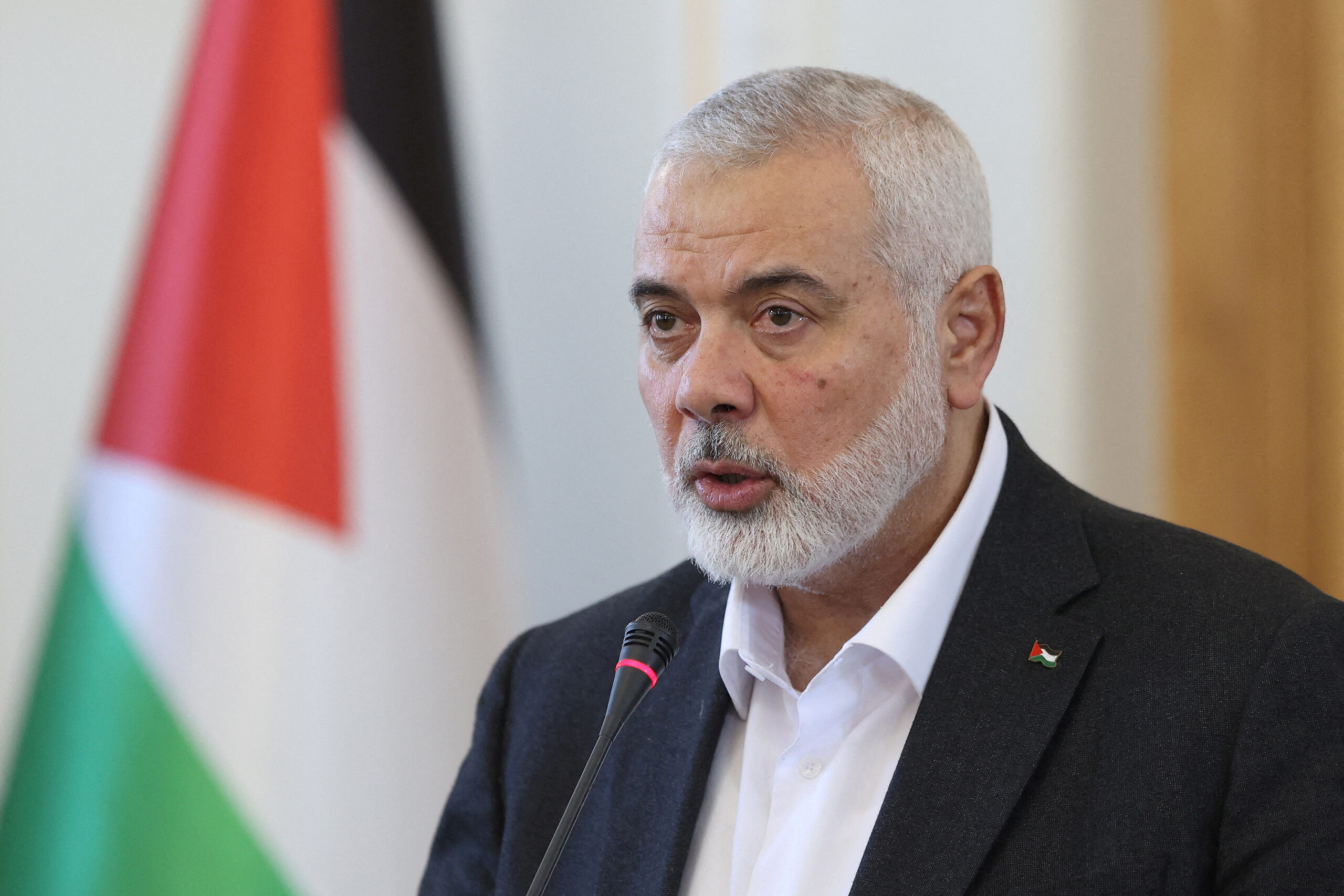
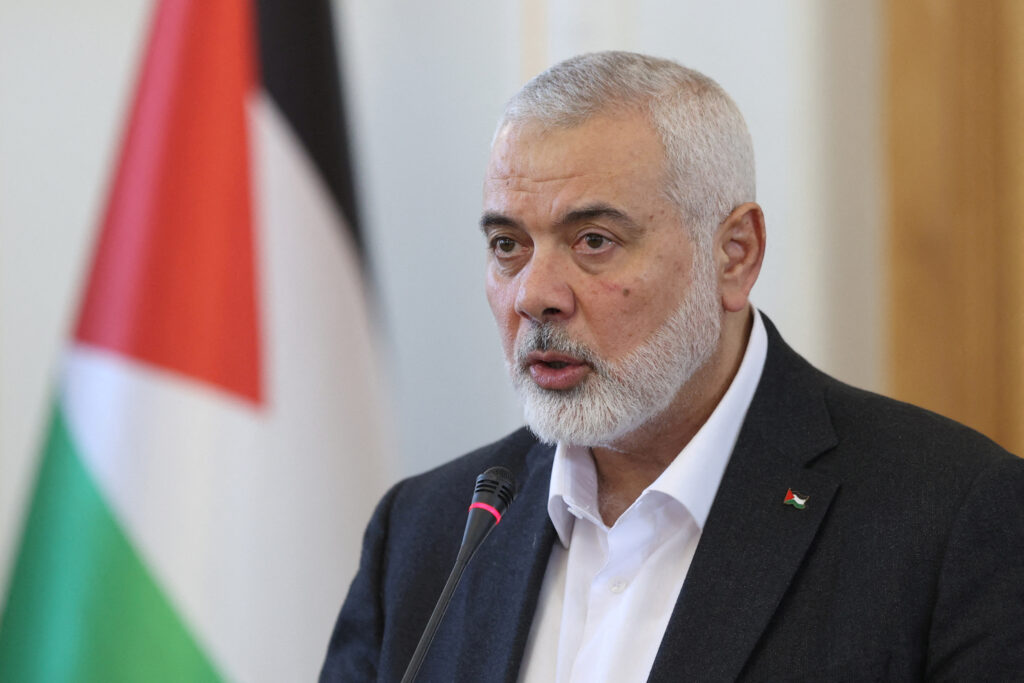
Israel has launched a series of targeted strikes, escalating tensions in the Middle East. The assassination of Ismail Haniyeh, a top Hamas leader, has particularly inflamed the conflict. Haniyeh, who was in exile, was killed in a missile strike in Tehran. This action is part of Israel’s broader campaign against militant leaders across the region.

The Israeli government has confirmed the strike, labeling it a critical blow to Hamas’ leadership. The attack has sparked significant international reactions, with Iran and its allies condemning the assassination. Iranian leaders have vowed retaliation, promising that Israel will regret this action.

The Israeli military is preparing for potential retaliatory strikes from Iran and its proxies. In addition to Haniyeh’s killing, Israel also conducted strikes in Beirut, targeting Hezbollah’s military chief. These operations mark a significant escalation, expanding the conflict beyond Gaza and into neighboring countries.

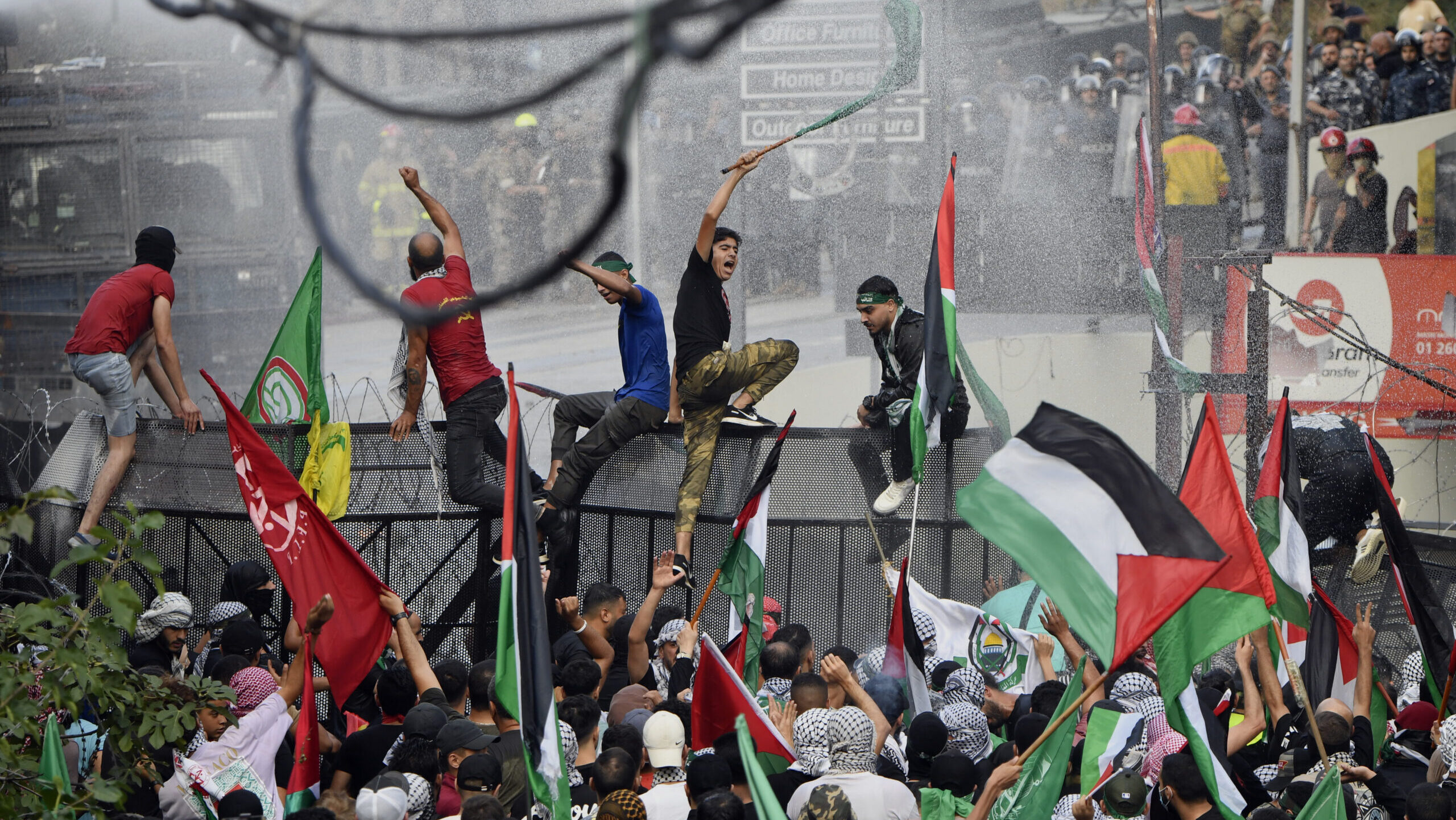
Palestinian Authority President Mahmoud Abbas has declared a day of mourning for Haniyeh, denouncing the killing as cowardly. Pro-Hamas marches have erupted in various cities, including a significant demonstration in Istanbul, where Turkish President Recep Tayyip Erdoğan condemned the assassination.

The strikes have also complicated ongoing hostage negotiations. Egypt and Qatar have criticized the timing of the attacks, suggesting they undermine efforts to secure the release of captives held by Hamas. U.S. Secretary of State Antony Blinken has emphasized the necessity of a ceasefire to facilitate these talks.

The United Nations Security Council held an emergency meeting to address the escalating tensions. Members of the Iran-backed axis, including Hezbollah, have harshly criticized Israel, calling the situation a dangerous escalation. Security experts predict that while Iran and its allies are likely to respond, they may not be able to reverse Israel’s strategic gains in Gaza.

This series of high-profile killings highlights Israel’s extended reach and intelligence capabilities. The assassination of Haniyeh in Tehran underscores the deep penetration of Israeli operations in Iran, a point acknowledged by various analysts. As the conflict enters a new phase, the potential for wider regional instability looms large.

The situation remains volatile, with both sides bracing for further developments. The international community continues to monitor the conflict closely, urging restraint and the pursuit of diplomatic solutions to prevent further escalation.

Diplomatic efforts to revive peace talks between Israel and Gaza have intensified following the death of Ismail Haniyeh, a key figure in the Hamas leadership. The US government is actively engaging with regional stakeholders to address the potential implications of Haniyeh’s death on the ongoing conflict and peace negotiations. Ismail Haniyeh, who served as the political leader of Hamas, passed away due to health complications. His death […]

BANGKOK, THAILAND – Media OutReach Newswire – 1 August 2024 – Family Office (“RFO”), Asia’s leading family office, today announced the appointment of Dr. Niti Nerngchamnong as a Board Advisor. Dr. Niti will offer strategic counsel in areas such as family governance and succession planning to RFO’s clients. Dr. Niti brings over 20 years of legal and business expertise experience. He currently serves as the Managing Partner […]

Advertisements

The death of a high-ranking Hamas official has shed light on significant vulnerabilities within Iran’s political and security framework. The figure, a prominent leader in Hamas’s military wing, was killed in an operation that has exposed serious gaps in Iran’s oversight and influence over its allies in the region. Hamas confirmed the death of the leader, which took place in a coordinated attack attributed to rival factions […]

Sheikh Abdullah bin Zayed Al Nahyan, the Deputy Prime Minister and Minister of Foreign Affairs of the United Arab Emirates, held a significant meeting with Iran’s newly inaugurated President Masoud Pezeshkian. This high-profile discussion, which took place in Tehran, focused on enhancing regional peace and stability amid shifting geopolitical dynamics.

The meeting between Sheikh Abdullah and President Pezeshkian marks a notable moment in UAE-Iran relations, reflecting a mutual interest in addressing long-standing regional tensions. Sheikh Abdullah’s visit underscores the UAE’s commitment to fostering dialogue and cooperation with its neighbors in the Middle East. The talks are seen as a crucial step towards building bridges and finding common ground on issues that impact the stability of the region.

During the meeting, both leaders emphasized the importance of collaborative efforts to tackle pressing challenges, including security concerns and economic development. They expressed a shared vision for a peaceful and prosperous region, with an emphasis on resolving conflicts through diplomatic means rather than confrontational approaches.

The UAE has consistently sought to play a mediating role in regional conflicts, advocating for dialogue and engagement as pathways to resolution. Sheikh Abdullah’s discussions with President Pezeshkian are part of a broader strategy to strengthen bilateral ties and encourage a cooperative atmosphere in the Gulf and beyond. This approach aligns with the UAE’s broader foreign policy objectives of promoting stability and fostering economic partnerships.

Iran, under President Pezeshkian’s leadership, has also indicated a willingness to engage more constructively with its regional neighbors. The new administration has expressed a commitment to addressing various regional issues through diplomatic channels, aiming to improve relations with Gulf countries and other key stakeholders. This shift is expected to influence regional dynamics positively, potentially leading to more collaborative efforts on shared challenges.

The discussions between Sheikh Abdullah and President Pezeshkian are particularly timely given the current geopolitical landscape. With ongoing tensions in the Middle East and evolving alliances, the UAE and Iran’s dialogue could serve as a catalyst for broader regional cooperation. Both leaders have recognized the necessity of finding common ground and working together to address issues that affect the stability and prosperity of their respective countries and the broader region.

This meeting also reflects a broader trend of increased diplomatic engagement in the Middle East, as nations seek to navigate complex regional relationships and emerging global challenges. Sheikh Abdullah’s visit and the ensuing discussions signify a proactive approach by the UAE to strengthen ties with Iran and other neighboring countries, contributing to a more stable and interconnected regional environment.

The UAE’s efforts to engage with Iran and other regional actors underscore its strategic interest in fostering a stable and cooperative Middle East. By prioritizing dialogue and mutual understanding, the UAE aims to enhance its role as a key player in regional diplomacy and contribute to a more harmonious geopolitical landscape.

As the UAE and Iran continue their diplomatic engagement, the outcomes of these discussions will be closely watched by other nations and stakeholders in the region. The success of this dialogue could pave the way for further collaboration and mutual understanding, setting a positive precedent for future interactions among regional powers.

MUSCAT, OMAN – Media OutReach Newswire – 31 July 2024 – VinFast Auto, the global electric vehicle (“EV“) manufacturer and Bahwan Automobiles and Trading LLC (“BAT“) proudly announces the grand opening of its first Middle East showroom in the Sultanate of Oman, marking a significant milestone in its expansion into the Middle East market. Mr. Ta Xuan Hien, CEO of VinFast Middle East (4th from the left), […]

A fragile truce in Iraq faces significant jeopardy following a recent U.S. airstrike targeting a militant base south of Baghdad. The attack has intensified tensions, with the Islamic Resistance in Iraq vowing retaliation. This escalation could unravel ongoing peace efforts and destabilize an already volatile region.

The U.S. strike, conducted late last week, was aimed at a compound reportedly used by Iran-backed militias. According to Pentagon sources, the operation was in response to recent threats against American personnel and facilities in Iraq. This action marks a severe escalation in the U.S. military’s involvement in the region and has drawn sharp condemnation from various factions within Iraq.

The Islamic Resistance in Iraq, a prominent group within the broader network of Iranian-aligned militias, has condemned the strike as a blatant violation of Iraqi sovereignty. The group’s senior official indicated that retaliation is imminent, exacerbating fears of a renewed cycle of violence. This development threatens to undermine the delicate balance that has been maintained through ongoing negotiations and diplomatic efforts.

The truce, which has been in place for several months, was intended to reduce hostilities and facilitate dialogue between conflicting parties. It followed a period of intense conflict marked by frequent skirmishes and escalating tensions between Iraqi militias and U.S. forces. The recent airstrike not only jeopardizes this truce but also risks inflaming regional tensions further, potentially drawing in other actors and destabilizing the broader Middle Eastern landscape.

Observers are concerned that the strike could prompt a series of retaliatory actions, leading to a resurgence of hostilities. This would not only disrupt the fragile peace process but also have significant repercussions for the stability of Iraq and the wider region. The potential for a broader conflict underscores the need for immediate diplomatic interventions to de-escalate the situation.

The Iraqi government has condemned the U.S. action, emphasizing the need for respect of its sovereignty and urging restraint from all parties involved. However, the response from the Islamic Resistance in Iraq suggests that diplomatic appeals may not be sufficient to prevent further escalation. The situation remains fluid, with both sides preparing for potential further conflict.

The international community has called for calm and restraint, stressing the importance of dialogue and peaceful resolution to the crisis. However, the immediate aftermath of the strike indicates that the path to de-escalation will be fraught with challenges. The U.S. and Iraqi governments are under immense pressure to navigate the complex dynamics of this conflict and work towards stabilizing the region.

As the situation continues to unfold, the global community watches closely, hoping for a resolution that will preserve the fragile truce and prevent further violence. The next steps taken by the involved parties will be critical in determining whether the current crisis can be mitigated or if it will lead to a broader and more destructive conflict.

Palestinians in Gaza are grappling with heightened despair following the tragic death of three sons of Hamas leader Ismail Haniyeh in an Israeli airstrike. This attack occurred during the Muslim holiday of Eid al-Fitr, a time typically marked by celebration and communal gathering.

The Israeli airstrike targeted a car carrying Haniyeh’s sons—Hazem, Amir, and Mohammed—along with several of his grandchildren in the Al-Shati refugee camp. Eyewitnesses reported the car being obliterated, resulting in the deaths of all its occupants. This incident has intensified the already dire humanitarian situation in Gaza, where more than 30,000 Palestinians have been killed since the conflict began six months ago.

Ismail Haniyeh condemned the attack as a “horrendous massacre” and reaffirmed his commitment to the Palestinian cause. In a televised statement, he declared that such actions by Israel would not weaken the resolve of the Palestinian people but instead strengthen their determination to resist.

The war in Gaza has led to widespread devastation, with the majority of the population facing severe shortages of food, clean water, and medical supplies. Israel’s military offensive has displaced 85% of Gaza’s population, leaving many without homes and basic necessities. The international community has voiced concern over the humanitarian crisis, with the International Court of Justice urging Israel to take measures to prevent famine in the region.

This event has exacerbated tensions in the Middle East, with Israel’s actions being condemned by various global leaders. Iran’s Supreme Leader, Ayatollah Ali Khamenei, issued a stern warning to Israel, promising repercussions for the airstrike that also killed several Iranian generals in Syria.

As Gaza continues to mourn, the future remains uncertain. The conflict has pushed the region to the brink, with the latest incident only deepening the sense of hopelessness among its residents.

By Nitya Chakraborty The Middle East was thrown into an unprecedented turmoil on Wednesday as the news came of the killing of the Hamas leader Ismail Haniyeh in Teheran in the morning by unidentified gunmen in his residence. Though the Iranian government said that they were investigating the killing and the Israeli government kept officially […]

A high-level meeting between Egypt’s Foreign Minister Badr Abdelatty and Iran’s new President Masoud Pezeshkian has marked a significant step towards normalizing relations between the two countries. The encounter took place on the sidelines of Pezeshkian’s inauguration, symbolizing a potential thaw in diplomatic ties that have been strained for decades.

The diplomatic engagement follows months of behind-the-scenes negotiations aimed at easing long-standing tensions. Abdelatty’s attendance at the inauguration is seen as a strategic move to open new channels of communication and cooperation between Cairo and Tehran. This development comes amid broader regional efforts to stabilize the Middle East and foster collaborative relationships among key players.

Egypt and Iran, both influential countries in the region, have historically had a contentious relationship, primarily due to differing political ideologies and alliances. The Egyptian government has maintained close ties with Saudi Arabia and the United States, both of which have had adversarial stances towards Iran. Conversely, Iran’s alliances with non-state actors and its involvement in regional conflicts have further complicated relations.

The meeting between Abdelatty and Pezeshkian is part of a larger trend of rapprochement in the region. The recent reconciliation between Saudi Arabia and Iran, brokered by China, has set a precedent for other nations to follow. This shift is driven by the realization that regional stability and economic development are interlinked and can be better achieved through dialogue rather than confrontation.

Observers note that while the meeting is a positive step, significant challenges remain. The diplomatic normalization process will require addressing contentious issues such as Iran’s nuclear program, its influence in Iraq, Syria, and Lebanon, and its support for groups that Egypt and its allies consider destabilizing. Additionally, Egypt’s strategic partnerships with countries opposing Iran’s regional policies could complicate the normalization efforts.

However, both countries have shown a willingness to engage in dialogue. Abdelatty emphasized the importance of cooperation in areas such as trade, tourism, and cultural exchanges, which could serve as a foundation for rebuilding trust and fostering mutual benefits. Pezeshkian, on his part, expressed optimism about the future of bilateral relations, highlighting the potential for collaboration in addressing regional security challenges and economic opportunities.

Analysts believe that successful normalization between Egypt and Iran could have far-reaching implications for the region. Improved relations could lead to increased economic cooperation, contributing to regional stability and development. It could also pave the way for more comprehensive diplomatic efforts to resolve ongoing conflicts in the Middle East.

The international community is closely monitoring these developments, recognizing the significant impact they could have on global geopolitics. The United States and European Union have expressed cautious optimism, hoping that this rapprochement could lead to broader stability in the region. China, having played a crucial role in the Saudi-Iran reconciliation, has also shown interest in supporting Egypt-Iran normalization efforts, viewing it as a part of its broader strategy to enhance its influence in the Middle East.

The path to normalization is expected to be gradual and fraught with challenges. Both Egypt and Iran will need to navigate a complex web of regional alliances and domestic political considerations. Nonetheless, the willingness to engage in high-level dialogue signifies a noteworthy shift in their approach to regional diplomacy.

As the process unfolds, it will be essential for both nations to maintain a focus on mutual interests and the broader goal of regional stability. The potential benefits of normalized relations are substantial, offering a new chapter of cooperation and development in a region long marred by conflict and division.

Merger and acquisition (M&A) activity in the Middle East and North Africa (MENA) experienced a modest 1 percent growth year-over-year during the first half of 2024, totaling $49.2 billion across 321 transactions. This slight uptick, as reported by Ernst & Young, reflects a steady but cautious expansion in the regional M&A landscape. Saudi Arabia and the United Arab Emirates (UAE) emerged as pivotal players in this market, […]

Hamas’s political chief, Ismail Haniyeh, was killed in an attack on his residence in Tehran, Iran. This incident, which also claimed the life of one of his bodyguards, marks a significant escalation in the ongoing tensions involving the Palestinian militant group. The attack has drawn immediate condemnation and concern from international leaders and analysts.

According to initial reports, the assailants targeted Haniyeh’s residence with a coordinated assault, leading to his death and the injury of several others. The circumstances surrounding the attack remain under investigation, and no group has yet claimed responsibility. The Iranian government has vowed a thorough investigation into the incident, emphasizing its commitment to combating terrorism and securing the safety of its citizens.

Haniyeh, a prominent figure in Hamas, has been a central player in the group’s leadership and operations. His death could potentially shift the balance within Hamas and affect its strategies and alliances. Analysts are closely watching for potential repercussions on regional stability and the broader Israeli-Palestinian conflict.

The assassination of Haniyeh represents a critical development in the ongoing conflict dynamics. His leadership was instrumental in Hamas’s political and militant activities, and his absence might create a power vacuum within the organization. This event is likely to provoke varied responses from different factions, both within the region and internationally.

International reactions have been swift, with calls for restraint and dialogue from various world leaders. The attack underscores the volatile nature of the geopolitical landscape in the Middle East, highlighting the persistent risks associated with high-profile figures in conflict zones. The implications of Haniyeh’s death will unfold in the coming days as the situation develops and more information becomes available.

As the investigation continues, the global community remains on alert for potential repercussions. The situation reflects the ongoing complexities of Middle Eastern politics and the enduring challenges in achieving lasting peace and stability in the region.

M A Hossain After a recent rocket attack on a soccer field in the Israeli-controlled Golan Heights, the question of whether the Middle East is on the verge of an all-out war has captured global attention. This attack, which resulted in the death of 12 people amid the ongoing Gaza conflict, has escalated tensions to a critical level. In response, Israeli forces carried out a drone strike […]

An Israeli airstrike targeted Hezbollah commander Fouad Shukr in Beirut, marking a significant escalation in tensions between Israel and Hezbollah. Shukr, a senior military figure within the Lebanese group, is known for his close ties to Hezbollah’s leadership and his involvement in strategic operations.

The airstrike occurred late Tuesday, with initial reports indicating that Shukr was among the primary targets. Lebanese media confirmed the attack, noting damage to several buildings in the southern suburbs of Beirut, a Hezbollah stronghold. The area, often referred to as Dahiyeh, has seen similar strikes in the past, but this operation specifically aimed at Shukr signals a more direct confrontation.

Fouad Shukr, also known by his nom de guerre, Al-Hajj Mohsin, has been a prominent figure in Hezbollah for decades. His military career began in the early 1980s, and he has since ascended through the ranks, becoming a key advisor to Hezbollah’s Secretary-General Hassan Nasrallah. Shukr’s expertise in military tactics and his role in coordinating operations in Syria have made him a critical asset to the organization.

Hezbollah’s involvement in the Syrian conflict has been extensive, with Shukr playing a pivotal role. His strategic planning and operational oversight have contributed to the group’s efforts to support the Syrian government, particularly in key battles such as those in Aleppo and Qusayr. These operations have cemented Shukr’s reputation as a skilled military leader within Hezbollah’s ranks.

The Israeli government has long viewed Shukr as a significant threat. His role in planning and executing operations against Israeli targets, both within Lebanon and abroad, has placed him high on Israel’s list of adversaries. Israeli officials have accused Shukr of being involved in the 1983 Beirut barracks bombings, which killed 241 U.S. service members, a claim that Hezbollah has consistently denied.

This targeted strike on Shukr is part of a broader Israeli strategy to disrupt Hezbollah’s military capabilities. Israel has repeatedly stated its intent to prevent Hezbollah from acquiring advanced weaponry and strengthening its position along the Israeli-Lebanese border. Over the years, Israel has conducted numerous airstrikes in Syria and Lebanon aimed at intercepting weapons shipments destined for Hezbollah.

The timing of this strike is particularly noteworthy. It comes amid heightened tensions in the region, with ongoing conflicts in Syria and escalating confrontations between Israel and Iranian-backed militias. Hezbollah’s close alliance with Iran has further complicated the dynamics, as Israel seeks to counter Iranian influence in the Middle East.

Reactions to the strike have been swift. Hezbollah condemned the attack, vowing retaliation and reinforcing its commitment to resist Israeli aggression. The Lebanese government, while acknowledging the attack, has called for restraint to avoid further escalation. International reactions have been mixed, with some countries urging both sides to de-escalate and others expressing concern over the potential for a broader conflict.

Analysts suggest that this strike could have significant implications for the stability of the region. Hezbollah’s response will likely determine the immediate future of Israeli-Lebanese relations. Should Hezbollah choose to retaliate, the possibility of a larger military confrontation cannot be ruled out. However, the group may also opt for a more calculated response, avoiding direct confrontation while continuing to strengthen its military infrastructure.

The situation remains fluid, with the potential for rapid developments. As both Israel and Hezbollah navigate this latest escalation, the international community will be closely monitoring the unfolding events. The strike on Fouad Shukr underscores the persistent volatility in the region and the ongoing struggle for power and influence between Israel and Hezbollah.

Hezbollah’s next moves, coupled with Israel’s strategic objectives, will shape the regional landscape in the coming months. This episode highlights the fragile nature of the current ceasefire and the ever-present risk of conflict in the Middle East.

Closing the ‘B-Gap’ – How CloudMosa and HMD have cracked getting the next billion people online through a new cloud solution delivered on affordable devices CloudMosa unveils new cloud-driven technology that makes internet and modern app experiences accessible on low-cost feature phones, piloting with HMD’s Nokia 110 4G (2023) and 106 4G (2023) devices Opening significant business expansion and spectrum migration opportunities for telecom carriers, manufacturers, and […]

An Israeli airstrike hit Beirut on Tuesday night, targeting senior Hezbollah commander Fouad Shukr. This move marks a significant escalation in the long-standing tension between Israel and Hezbollah, a militant group based in Lebanon.

Fouad Shukr, a senior member of Hezbollah’s military wing, has been a key figure in the organization’s operations for decades. He is alleged to have played a pivotal role in the planning and execution of various military actions against Israel. Shukr’s involvement in the group’s military strategies has made him a high-value target for Israeli forces.

The strike on Beirut was part of a broader campaign by Israel to neutralize Hezbollah’s leadership and diminish its operational capabilities. Israeli officials have accused Hezbollah of stockpiling weapons and preparing for attacks against Israeli targets. The targeting of Shukr is seen as a strategic move to disrupt Hezbollah’s command structure and weaken its ability to coordinate attacks.

This development comes amid heightened tensions in the region. Over the past few weeks, both sides have exchanged threats and accusations, with Hezbollah leaders vowing to retaliate against Israeli aggression. The group has a substantial presence in Lebanon and is known for its sophisticated military capabilities, including a significant arsenal of rockets and missiles.

Israel’s intelligence services have been closely monitoring Hezbollah’s activities, aiming to thwart potential threats before they materialize. The decision to strike Shukr was likely based on actionable intelligence indicating his involvement in planning imminent attacks against Israel. The precision strike underscores Israel’s commitment to defending its borders and deterring hostile actions from Hezbollah.

Hezbollah’s leadership has yet to issue an official statement regarding the strike on Shukr. However, sources within the group have indicated that they are assessing the damage and planning a response. The strike is expected to provoke a strong reaction from Hezbollah, which has a history of retaliating against Israeli military actions.

The international community has expressed concern over the escalation of hostilities between Israel and Hezbollah. The United Nations has called for restraint from both sides to prevent a further deterioration of the situation. Diplomatic efforts are underway to de-escalate the conflict and encourage dialogue between the parties involved.

The strike on Fouad Shukr highlights the ongoing volatility in the Middle East and the fragile balance of power in the region. Both Israel and Hezbollah possess significant military capabilities, and any further escalation could lead to a broader conflict with severe consequences for the region.

The Lebanese government, which has limited control over Hezbollah’s activities, is also under pressure to address the situation. Lebanon is already facing a myriad of challenges, including a severe economic crisis and political instability. The strike adds another layer of complexity to the country’s already precarious situation.

In the coming days, the focus will be on Hezbollah’s response to the strike and how Israel will manage the fallout. The potential for a broader conflict remains high, and the international community will be watching closely to see how the situation unfolds.

As tensions continue to simmer, the prospect of a full-scale confrontation looms, posing a significant threat to regional stability. Both sides will need to weigh their options carefully to avoid a catastrophic escalation that could engulf the entire region in conflict.

TEHRAN, 30th July, 2024 – H.H. Sheikh Abdullah bin Zayed Al Nahyan, UAE Deputy Prime Minister and Minister of Foreign Affairs, met with Iranian Foreign Minister Hossein Amir-Abdollahian. This high-level meeting follows President Ebrahim Raisi’s nomination of Amir-Abdollahian for approval by the Iranian parliament. The discussions between the two diplomats focused on enhancing bilateral relations and addressing key regional issues. The meeting marks a significant diplomatic moment, […]

Airstrikes hit southern Beirut as the conflict between Israel and Gaza intensifies. The Israeli military launched attacks targeting Hezbollah positions in Lebanon’s capital, marking a significant escalation in the region.

Israel’s foreign minister declared the country was facing an “all-out war” following a deadly rocket strike in Majdal Shams, a town in the Golan Heights. The attack resulted in multiple casualties, raising tensions and prompting a swift military response from Israel.

The Israeli Defense Forces (IDF) reported that the airstrikes in Beirut aimed at neutralizing Hezbollah’s military capabilities, which Israel accuses of collaborating with Hamas in Gaza. The bombings targeted key infrastructure and weapons storage facilities, according to IDF spokespersons.

Hezbollah’s leader condemned the airstrikes, vowing retaliation and further complicating the conflict. The group claimed that the Israeli attacks damaged civilian areas and infrastructure, although the extent of the damage remains unclear.

The conflict’s escalation has drawn international concern, with calls for restraint and dialogue from the United Nations and several global leaders. The UN Secretary-General emphasized the need for immediate cessation of hostilities to prevent further humanitarian catastrophe.

In Gaza, the fighting has resulted in substantial casualties on both sides. Israeli airstrikes have targeted what they describe as military installations and tunnels used by Hamas. The Palestinian Health Ministry reported significant civilian casualties, including women and children, as a result of the bombings.

Humanitarian organizations have raised alarms over the deteriorating situation in Gaza. Hospitals are overwhelmed, facing shortages of medical supplies and electricity. The International Committee of the Red Cross (ICRC) called for safe corridors to deliver aid and evacuate the wounded.

The conflict’s impact extends beyond the immediate war zone. Protests and violent clashes have erupted in several cities across the Middle East, reflecting widespread anger and solidarity with the Palestinian cause. Demonstrations have also taken place in Western capitals, urging governments to intervene and advocate for a peaceful resolution.

Israel has faced international scrutiny over its military actions. Human rights organizations have called for investigations into potential violations of international law, particularly regarding the targeting of civilian areas in Gaza and Lebanon. The Israeli government maintains that its military operations are in self-defense and aimed at minimizing civilian harm.

Diplomatic efforts to broker a ceasefire have thus far been unsuccessful. Egypt and Qatar have been particularly active in mediating between the conflicting parties, but both sides remain entrenched in their positions. The United States has expressed support for Israel’s right to self-defense while urging for measures to protect civilians and reduce casualties.

The economic repercussions of the conflict are also significant. Gaza’s infrastructure has suffered extensive damage, affecting essential services and livelihoods. In Israel, the economy faces disruptions from rocket attacks, with businesses and schools in affected areas forced to close temporarily.

Regional analysts warn that the ongoing hostilities could destabilize the broader Middle East, with potential spillover effects into neighboring countries. The involvement of Hezbollah and the airstrikes in Beirut indicate a risk of the conflict expanding beyond Gaza and Israel.

As the situation unfolds, the international community continues to monitor developments closely. The prospects for a lasting peace appear dim amid the current escalation, with deep-seated grievances and historical animosities driving the conflict.

Efforts to address the humanitarian crisis and rebuild trust between the parties are crucial for any future resolution. The global call for peace underscores the urgent need for dialogue and diplomacy to end the violence and pave the way for a sustainable solution.

Dubai is currently experiencing extreme heat conditions, with temperatures feeling as high as 60°C (140°F) due to the combined effects of high air temperatures and humidity. This extreme weather is putting the city under significant stress and raising concerns about the future impacts of climate change.

The official temperature in Dubai during July averages around 39.4°C (102.9°F), with nighttime lows of about 32.3°C (90.1°F). However, the heat index, which factors in humidity, can make it feel significantly hotter, reaching dangerous levels of 54°C (129.2°F) and beyond. These extreme conditions are not only uncomfortable but also pose serious health risks, especially to those who must work or spend extended periods outdoors.

One of the key factors exacerbating the heat in Dubai is its high humidity levels, which hover around 51% in July. This combination of heat and humidity creates a stifling environment that can lead to heat exhaustion or heat stroke if proper precautions are not taken. The local authorities have issued advisories urging residents and visitors to stay hydrated, avoid strenuous activities during peak hours, and seek shelter in air-conditioned environments whenever possible.

The extreme heat has also highlighted the broader implications of climate change for the region. Dubai, like many parts of the Middle East, is expected to see even more extreme temperatures in the coming decades. Studies predict that heatwaves will become more frequent and intense, making large parts of the region uninhabitable without significant adaptations in infrastructure and lifestyle.

Dubai has already been taking steps to mitigate the effects of its harsh climate. The city has invested heavily in green building technologies, which include better insulation and energy-efficient cooling systems to reduce the reliance on air conditioning. Additionally, there are ongoing efforts to increase the amount of green space within the city to help lower temperatures through natural cooling.

Urban planners in Dubai are also looking into innovative solutions such as reflective building materials that can help reduce the urban heat island effect. This phenomenon, where cities become significantly warmer than their rural surroundings due to human activities, exacerbates the already extreme summer temperatures.

The health risks associated with such extreme weather are not limited to heat-related illnesses. High temperatures can also exacerbate existing health conditions such as cardiovascular and respiratory diseases. The healthcare system in Dubai is bracing for an increase in cases related to heat stress, and there are ongoing public health campaigns to educate people about the dangers of prolonged exposure to extreme heat.

Moreover, the economic impact of extreme heat is significant. High temperatures can reduce productivity, especially in sectors such as construction and outdoor services. The energy demand for cooling also spikes during heatwaves, putting additional strain on the power grid and leading to higher utility costs for both residents and businesses.

The current heatwave in Dubai serves as a stark reminder of the challenges that lie ahead as global temperatures continue to rise. It underscores the urgent need for both mitigation and adaptation strategies to address the risks posed by climate change. As Dubai continues to grow and develop, it will need to balance economic growth with sustainable practices that can help protect its residents and infrastructure from the escalating impacts of extreme weather.

Sources:
– Visit Dubai
– Weather Atlas
– Reuters

HONG KONG SAR – Media OutReach Newswire – 30 July 2024 – Hong Kong is exploring new pathways to business success with the Association of Southeast Asian Nations (ASEAN), including Laos, Cambodia and Vietnam. Starting in Laos (July 28-29, 2024), a high-level delegation, led by Hong Kong’s Chief Executive John Lee, is visiting these three countries to forge closer government-to-government, business-to-business and people-to-people ties in the region. […]

VISHNU RAJA
RYO YAMADA
HITORI GOTOH
IKUYO KITA