News related to
Middle East

Kuwait and Iraq are engaged in a high-stakes competition to develop two massive port projects that promise to redefine trade routes and economic power in the Gulf region. With an estimated combined investment of $13 billion, the projects—the Grand Faw Port in Iraq and the Mubarak Al Kabeer Port in Kuwait—are set to become major hubs for global shipping. Iraq’s Grand Faw Port, situated in the southern […]

The Independents Group, a global luxury marketing communications conglomerate, has solidified its expansion strategy by acquiring the creative powerhouse Bureau Betak. This acquisition is part of the group’s broader plan to strengthen its presence in the Middle East, following a successful $400 million investment round led by FL Entertainment and TowerBrook Capital Partners.

Bureau Betak, renowned for producing high-profile fashion events, will play a crucial role in the group’s ambitions to offer integrated services across the luxury, lifestyle, and fashion sectors. The move comes as The Independents Group aims to double its size by 2025, with a focus on key markets including Dubai and Riyadh.

The acquisition aligns with the group’s strategy to consolidate its position as a global leader in brand positioning, particularly in the luxury sector. The addition of Bureau Betak’s expertise is expected to enhance The Independents’ capabilities in delivering comprehensive, creative solutions to luxury brands, further fueling its growth trajectory.

This strategic move not only expands The Independents’ global footprint but also reinforces its commitment to innovation and excellence in the luxury marketing industry. As the group continues to grow, it remains focused on creating a one-stop-shop for brands seeking high-end marketing and communication services across multiple regions.

With Bureau Betak now under its umbrella, The Independents Group is poised to become a dominant force in the Middle East, setting new standards in the luxury event production and marketing landscape.

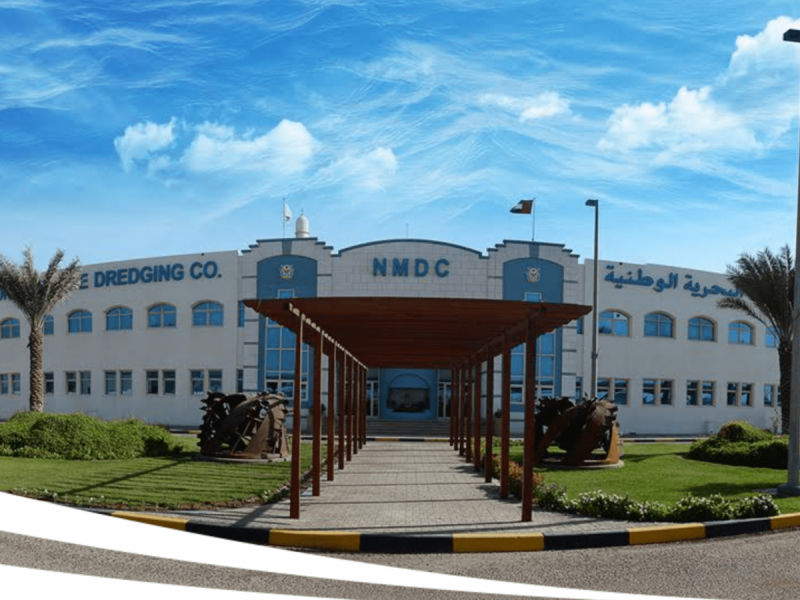
The UAE-based NMDC Group is preparing for what is set to be the country’s largest initial public offering (IPO) of the year. The firm, which was established as a subsidiary of the Abu Dhabi National Oil Company (ADNOC), aims to raise up to $2 billion through the listing. The company is now majority-owned by Alpha Dhabi Holding.

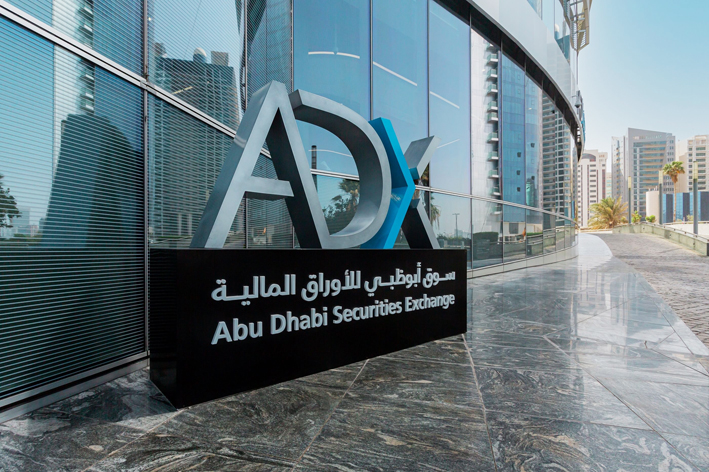
NMDC provides integrated drilling services across the Middle East, has announced plans to float around 7.5% of its shares on the Abu Dhabi Securities Exchange (ADX). The IPO will offer approximately 1.5 billion shares to institutional and retail investors, marking a significant milestone in the UAE’s financial markets.

The NMDC IPO comes at a time of fluctuating oil prices and global economic uncertainties. NMDC has reported substantial revenue growth over the past few years, driven by increasing demand for its drilling services and an expanding portfolio of projects across the region.

Global air cargo demand surged in July 2024, marking the eighth consecutive month of double-digit growth, according to data released by the International Air Transport Association (IATA). Middle Eastern carriers led this momentum with a significant 14.7% year-on-year increase in demand, a reflection of the robust performance seen across all regions.

This upswing comes as global demand, measured in cargo tonne-kilometers (CTKs), rose by 13.6% compared to July 2023. The remarkable growth is attributed to several factors, including a rise in global trade, booming e-commerce, and ongoing capacity constraints in maritime shipping, which have increasingly driven demand toward air freight. The peak season for air cargo is still ahead, signaling a potential continuation of these positive trends.

Asia-Pacific airlines recorded the strongest regional performance, with a 17.6% year-on-year growth in demand, bolstered by a 19.8% rise on the Within-Asia trade lane. Middle Eastern carriers maintained their strong position, particularly on the Europe-Middle East route, which saw an impressive 32.2% increase in demand.

Capacity, measured in available cargo tonne-kilometers (ACTKs), also expanded in July, growing by 8.3% globally. This growth was largely driven by a 12.8% increase in international belly capacity, supported by a thriving passenger market, and a 6.9% rise in international freighter capacity.

IATA’s Director General, Willie Walsh, noted the resilience of the air cargo industry amidst various political and economic challenges, highlighting the sector’s ability to adapt to shifting demand patterns. He also pointed out that despite challenges, including flight cancellations and airport disruptions caused by severe weather events in North America and the Caribbean, the industry continued to demonstrate strong performance.

Overall, July’s performance underscores the vital role air cargo plays in global trade, especially in regions where other modes of transport face limitations. With the peak shipping season approaching, the air cargo sector is poised to continue its robust growth trajectory into the latter half of the year.

Oil prices held steady after a period of volatility driven by escalating tensions in the Middle East and disruptions in Libyan production. Brent crude futures hovered around $78.25 per barrel, while U.S. West Texas Intermediate (WTI) maintained a price near $75.25. The market had reacted sharply to a significant drop in U.S. crude inventories, coupled with geopolitical concerns following the killing of key militant leaders and a […]

Wärtsilä has announced plans to develop a substantial 1.5 gigawatt (GW) power generation project in Kuwait, marking a significant investment in the country’s energy infrastructure. The proposed project is poised to enhance Kuwait’s power supply stability and support its growing energy demands. This ambitious initiative involves the construction of a state-of-the-art power plant, which will utilize Wärtsilä’s advanced technology to ensure efficient and reliable energy production. The […]

Adani Power, the energy arm of the Indian conglomerate Adani Group, has launched a new subsidiary in Abu Dhabi, marking a significant expansion into the Middle Eastern market. This strategic move highlights the company’s commitment to broadening its international footprint and tapping into the lucrative energy sector of the UAE. The newly established subsidiary, Adani Power Middle East, aims to leverage Abu Dhabi’s strategic location and growing […]

Advertisements

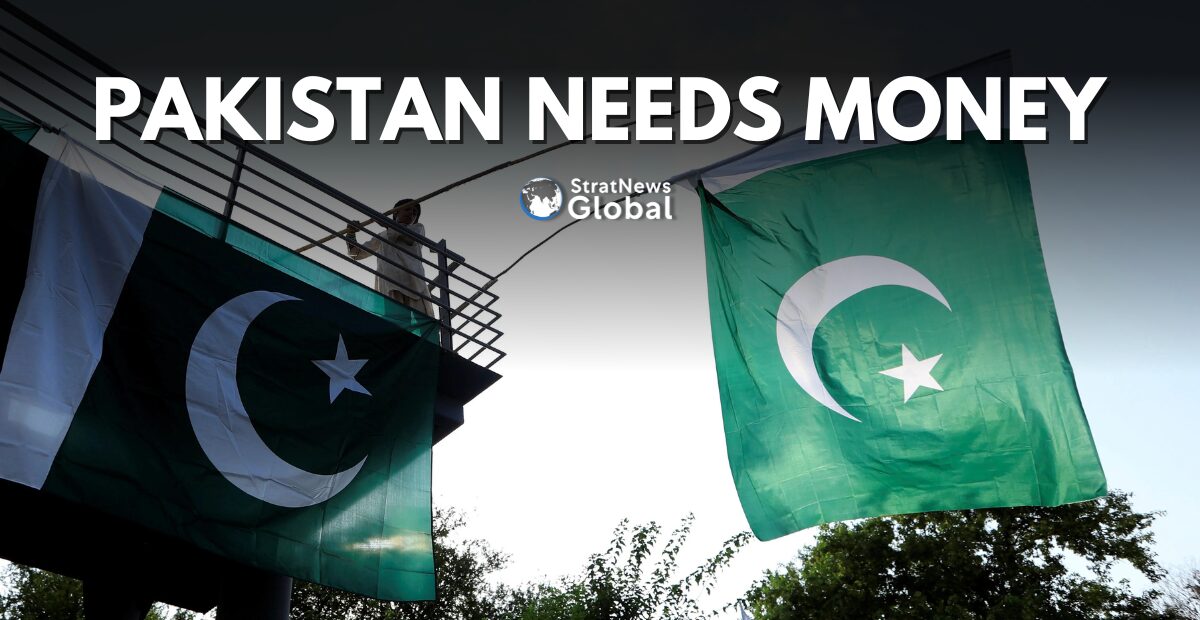
Pakistan’s central bank is actively pursuing $4 billion in financial support from Middle Eastern banks to address a significant funding gap in the country’s economy. This strategic move aims to bolster Pakistan’s foreign exchange reserves and stabilize its financial situation amid ongoing economic challenges.

The need for external financial assistance has become more pressing as Pakistan grapples with a substantial trade deficit and a weakening currency. The country’s financial authorities have been engaged in discussions with several banks in the Middle East, seeking their participation in bridging the critical funding shortfall.

Pakistan’s central bank chief highlighted that the proposed funds are crucial for managing the nation’s economic stability. These funds would help mitigate the pressure on foreign reserves, which have been under strain due to persistent trade imbalances and rising import costs. The central bank is focused on securing this financial support to ensure the smooth functioning of the economy and maintain investor confidence.

The initiative to secure funding from Middle Eastern banks reflects Pakistan’s broader strategy to diversify its sources of financial support and reduce dependence on traditional Western lenders. This approach is part of a broader economic reform agenda aimed at stabilizing the economy and fostering sustainable growth.

Middle Eastern banks, known for their substantial financial resources, have been a target for many countries seeking to address economic imbalances. Pakistan’s outreach to these institutions aligns with its efforts to build stronger economic ties with the region and tap into its financial capabilities.

The central bank’s efforts come at a time when Pakistan is also negotiating with international financial institutions for additional support. These negotiations are critical for the country as it seeks to balance its budget and address its economic vulnerabilities.

The potential $4 billion infusion from Middle Eastern banks would provide a significant boost to Pakistan’s foreign exchange reserves, allowing the country to better manage its external debt obligations and enhance its economic stability. This move is expected to alleviate some of the immediate financial pressures and provide a more favorable environment for economic recovery.

In parallel, Pakistan’s government is implementing a series of reforms aimed at improving fiscal discipline and enhancing economic efficiency. These measures are designed to address long-standing structural issues and create a more resilient economic framework.

The central bank’s outreach to Middle Eastern banks underscores the importance of international financial collaboration in addressing global economic challenges. As Pakistan navigates its path to economic stability, securing support from key financial players will be crucial in achieving its financial and economic goals.

This funding initiative represents a pivotal moment in Pakistan’s economic strategy, highlighting the country’s proactive approach to managing its financial challenges and seeking innovative solutions to bolster its economic position.

Dubai and Abu Dhabi have risen to prominence as premier destinations for executive digital nomads, according to the latest Savills Executive Nomad Index for 2023. Dubai clinched the top spot, outpacing other global cities thanks to its thriving fintech and financial services sectors, a tax-free environment, and a high standard of living. The city’s appeal is further bolstered by its world-class digital infrastructure, with the UAE boasting the fastest mobile internet speeds globally. This combination of factors has positioned Dubai as a magnet for high-earning professionals who have the flexibility to work remotely.

Abu Dhabi, a new entrant in the top five, has also made significant strides, ranking fourth in the index. The capital’s growing reputation as a hub for technology and innovation, coupled with its cultural offerings and high quality of life, has made it an attractive destination for digital nomads seeking a dynamic yet stable environment. The city’s strategic location and excellent connectivity, with Abu Dhabi International Airport serving as a key gateway to the world, further enhance its appeal.

This year’s index highlights a shift in the global landscape for remote work, with cities that offer robust digital infrastructure, favorable business conditions, and an exceptional quality of life taking the lead. Dubai and Abu Dhabi’s rise in the rankings underscores the growing importance of these factors for executive nomads, who prioritize seamless digital connectivity and a vibrant, cosmopolitan lifestyle.

The Savills report also noted the emergence of new locations such as Malaga, which took second place due to its cultural appeal and the introduction of Spain’s digital nomad visa. However, it is the Middle Eastern cities that have captured the attention of the global workforce, with both Dubai and Abu Dhabi setting the standard for what executive nomads seek in a remote work destination.

Amid a backdrop of rising tensions and shifting political landscapes, Israel faces a critical juncture in its ongoing struggle with Iran. As support for Prime Minister Benjamin Netanyahu continues to grow, the question of whether Israel should intensify its confrontation with Iran is gaining prominence. While the prospect of such a move may appeal to some as a demonstration of strength and resolve, the unpredictable nature of warfare poses significant risks that must be carefully considered.

Netanyahu has long positioned himself as a staunch defender of Israel’s security, particularly in relation to the perceived threat from Iran. His rhetoric and actions have consistently underscored the view that Iran’s nuclear ambitions and regional influence constitute an existential danger to Israel. Over the years, Netanyahu has been vocal about the need to curb Iran’s power, and his administration has supported a range of strategies, including military strikes, covert operations, and diplomatic pressure, to achieve this goal.

Recent developments have only heightened the stakes. Iran’s nuclear program appears to be advancing at a rapid pace, with reports suggesting that it may soon reach a critical threshold. Additionally, Iran’s influence in the region, through its support for proxy groups such as Hezbollah and its involvement in conflicts in Syria and Yemen, remains a significant concern for Israel. The strategic calculus for Israel is therefore becoming increasingly complex, as it weighs the potential benefits and costs of escalating the conflict with Iran.

Support for Netanyahu’s hardline approach has been bolstered by several factors. Domestically, his political standing has improved, partly due to his handling of security issues and his ability to present himself as a strong leader in times of crisis. The recent normalization agreements between Israel and several Arab states have also enhanced his reputation, suggesting that Israel’s regional position is stronger than ever. These developments may lead some to believe that now is the opportune moment to confront Iran more directly, capitalizing on Netanyahu’s political momentum and the perceived alignment of regional interests.

However, the decision to escalate the conflict with Iran is fraught with peril. Wars, by their very nature, are unpredictable and can spiral out of control in ways that are difficult to foresee. Even with superior military capabilities, Israel cannot guarantee a quick and decisive victory. Iran is a formidable adversary with a well-established military and a network of regional allies that could respond to Israeli aggression in ways that might destabilize the entire Middle East.

One of the key risks associated with a larger war is the potential for it to draw in other regional and global powers. The Middle East is a complex web of alliances and enmities, and any significant escalation by Israel could provoke responses from other countries, including Russia, Turkey, and the United States. Each of these actors has its own interests and objectives in the region, and their involvement could complicate Israel’s strategic objectives, leading to a protracted and costly conflict.

Moreover, there is the question of public opinion, both domestically and internationally. While Netanyahu may enjoy growing support within Israel, particularly among those who prioritize security concerns, there is also a segment of the population that is wary of the consequences of another major war. The memory of past conflicts, such as the 2006 Lebanon War and the ongoing tensions in Gaza, serves as a reminder of the human and economic toll that war can exact. Internationally, Israel could face increased scrutiny and criticism, particularly if civilian casualties were to mount, which could undermine its diplomatic standing and erode the support it currently enjoys from key allies.

The economic implications of a larger conflict should not be overlooked either. Israel’s economy, while robust, is not immune to the shocks that accompany military conflicts. Prolonged warfare could disrupt trade, deter investment, and strain public finances, leading to long-term economic challenges. The costs of rebuilding and addressing the humanitarian fallout of war could be substantial, diverting resources away from other critical areas such as education, healthcare, and infrastructure.

Given these considerations, the argument against escalating the conflict with Iran gains considerable weight. While the desire to neutralize a perceived threat is understandable, the risks associated with a larger war are significant. Netanyahu’s leadership has been characterized by a willingness to take bold actions, but in this case, caution may be the more prudent course.

Israel’s security concerns are legitimate, and the threat posed by Iran is real. However, history has shown that wars often produce unintended consequences. The 2003 invasion of Iraq by the United States serves as a cautionary tale of how even well-intentioned military interventions can lead to long-term instability and suffering. Israel must weigh the potential short-term gains of weakening Iran against the long-term risks of igniting a broader regional conflict.

Diplomatic efforts, while challenging, offer an alternative path. The international community, including Israel’s allies, has a vested interest in preventing a larger war in the Middle East. Diplomatic channels, including negotiations and multilateral efforts to curb Iran’s nuclear ambitions, should be pursued with renewed vigor. While diplomacy may not provide immediate results, it offers the possibility of a more sustainable and less costly resolution to the ongoing tensions.

The decision to escalate or avoid a larger conflict with Iran is one that will define Netanyahu’s legacy and Israel’s future. It is a decision that requires careful consideration of the potential consequences, both known and unknown. The support for Netanyahu’s approach is undeniable, but the wisdom of pursuing a path of greater confrontation remains questionable. Wars are rarely as simple as they appear at the outset, and the costs of miscalculation can be immense.

As Israel navigates this complex and dangerous terrain, the choice it makes will have profound implications for its security, its economy, and its standing in the world. The allure of a decisive victory over a formidable adversary is strong, but the risks of a broader conflict may ultimately outweigh the potential rewards. Israel must tread carefully, recognizing that while strength is essential, so too is the wisdom to avoid unnecessary and potentially catastrophic conflict.


RIYADH, SAUDI ARABIA – Media OutReach Newswire – 27 August 2024 -Beijing Ubox Online Technology Co., LTD. (“Ubox“) (SEHK stock code: 02429.HK) is pleased to announce the signing of a strategic partnership Memorandum of Understanding (MoU) with Siwar Foods Co., LTD. (“Siwar”) in Saudi Arabia. This collaboration will introduce advanced unmanned retailing technology for ready-to-eat (RTE) food to major cities in Saudi Arabia, including Riyadh, Jeddah, Mecca, […]

Abu Dhabi Investment Authority (ADIA), the sovereign wealth fund of Abu Dhabi, has further expanded its presence in India’s renewable energy sector by investing in Premier Energies. This strategic move comes as Premier Energies, one of India’s leading solar module manufacturers, gears up for an initial public offering (IPO).

The investment by ADIA underscores its growing interest in India’s green energy market, which has been a key focus area for global investors. Premier Energies, known for its extensive production capacity and innovation in solar energy, plans to use the funds to scale its operations and expand its product offerings.

This investment aligns with ADIA’s broader strategy of diversifying its portfolio and increasing its exposure to high-growth markets in Asia. India, with its ambitious renewable energy targets and favorable government policies, has become a prime destination for such investments. ADIA’s involvement in Premier Energies is expected to bolster the company’s market position ahead of its IPO, signaling strong institutional support.

Over the years, ADIA has steadily increased its investments in India, targeting various sectors including technology, e-commerce, and now, renewable energy. This latest investment highlights the growing trend of Gulf-based sovereign funds seeking opportunities in India’s rapidly expanding economy. As Premier Energies prepares for its public listing, ADIA’s backing is likely to attract further investor interest, solidifying the company’s status as a key player in India’s solar energy industry.

ADIA’s investment in Premier Energies is part of a larger wave of capital inflows into India from sovereign wealth funds, particularly from the Middle East. The Indian government’s push towards renewable energy, combined with the country’s economic growth, makes it an attractive destination for these funds. ADIA’s investment strategies continue to evolve, focusing on sectors that are poised for long-term growth and sustainability, with India playing a crucial role in its portfolio.

This strategic move by ADIA not only strengthens its position in the renewable energy sector but also demonstrates the growing confidence of international investors in India’s economic prospects. Premier Energies’ IPO, supported by ADIA’s investment, is expected to be a significant milestone in the company’s growth journey and a testament to the increasing global interest in India’s renewable energy potential.

Qatar National Bank (QNB) and Ooredoo have joined forces to introduce exclusive packages tailored for QNB First members. This collaboration, starting from August 25, 2024, and extending through December 31, 2025, aims to offer a range of enhanced services and benefits, blending financial and telecommunications perks. The partnership is designed to enhance the value proposition for QNB First members by integrating Ooredoo’s telecommunications services with the bank’s […]

Lunate Capital LLC has introduced a new Shariah-compliant exchange-traded fund (ETF) focused on Indian equities. This initiative marks a significant expansion for the Abu Dhabi-based asset management firm, which operates under the regulatory framework of the Securities and Commodities Authority (SCA) and is a subsidiary of Lunate Holding RSC Limited. The Chimera ETF aims to attract investors interested in adhering to Islamic finance principles while gaining exposure to the dynamic Indian stock market.

The Chimera ETF, launched on August 27, 2024, is designed to align with Shariah laws by avoiding investments in industries such as alcohol, gambling, and pork, and ensuring that financial transactions comply with Islamic principles. The fund’s portfolio will be comprised of companies listed on Indian exchanges that meet these criteria, providing investors with a way to participate in India’s growing economy while adhering to their religious beliefs.

Lunate Capital’s decision to focus on Indian equities is driven by the country’s robust economic growth and increasing market opportunities. India has emerged as a key player in the global economy, with its diverse market presenting significant potential for investment. The Chimera ETF is expected to offer investors a diversified exposure to various sectors, including technology, pharmaceuticals, and consumer goods, reflecting India’s economic diversity.

The introduction of this ETF comes at a time when interest in Shariah-compliant financial products is on the rise, particularly among investors in the Middle East and Southeast Asia. The growth of Islamic finance has been notable in recent years, with many investors seeking opportunities that align with their ethical and religious standards. By launching this fund, Lunate Capital aims to cater to this growing market segment and provide a tailored investment solution.

The ETF’s launch is also a strategic move for Lunate Capital, positioning the firm as a significant player in the Islamic finance sector. The company’s expertise in managing Shariah-compliant investments, combined with its focus on high-growth markets like India, is expected to enhance its reputation and attract a broader investor base. The Chimera ETF will be traded on the Abu Dhabi Securities Exchange (ADX) and is expected to draw significant interest from both regional and international investors.

As global investment trends continue to evolve, the demand for ethical and Shariah-compliant financial products is likely to increase. Lunate Capital’s new ETF is poised to benefit from this trend by offering a product that aligns with investors’ values while tapping into the lucrative Indian market. The launch underscores the growing convergence between Islamic finance and global investment opportunities, highlighting the expanding role of Shariah-compliant products in diverse financial markets.

This development reflects broader trends in the financial industry, where traditional investment products are being adapted to meet the needs of a diverse and global investor base. By integrating Shariah compliance with a focus on high-growth markets, Lunate Capital is setting a precedent for how Islamic finance can intersect with emerging economic opportunities.

A new venture, Waad Investment, has been established by a coalition of private investors and family offices from Saudi Arabia, marking a significant development in the region’s investment landscape. The firm is set to inject 750 million riyals (approximately $200 million) into growth-stage startups, aiming to bolster innovation and entrepreneurship in the Middle East. Waad Investment’s mission is to provide critical financial support to promising startups across […]

BlackRock, a leading global asset management firm, has announced a strategic partnership with Saudi Arabia to enhance the kingdom’s property finance sector. This collaboration aims to create a robust real estate finance framework, supporting both residential and commercial property development across the country. The agreement was formalized through BlackRock’s dedicated real estate investment team, which will work closely with Saudi entities to leverage their expertise and capital […]

The Guggenheim Museum’s ambitious expansion in Abu Dhabi is set to reshape the city’s cultural landscape and reinforce its status as a major hub for expatriates. The museum, renowned for its cutting-edge architecture and global art collections, is poised to enhance Abu Dhabi’s appeal as a cosmopolitan destination. Abu Dhabi’s transformation into a vibrant expatriate hub has been driven by a series of strategic developments aimed at […]

A groundbreaking joint venture between Marlan Space, a subsidiary of International Holding Company (IHC), and U.S.-based Loft Orbital marks a significant milestone for the United Arab Emirates’ burgeoning space sector. This new venture, named Orbitworks, is set to become the first private space infrastructure company in the Middle East, focusing on the production of commercial low Earth orbit (LEO) satellite constellations.

With an initial investment exceeding $100 million, Orbitworks plans to construct a state-of-the-art facility in the UAE, where up to 50 satellites weighing 500 kilograms each will be produced annually. The facility, expected to begin operations by early 2025, will leverage advanced hardware and software technologies to meet the growing demand for satellite-based services in telecommunications, Earth observation, and scientific research.

Loft Orbital, established in 2017 and known for its rapid and reliable deployment of payloads into space, brings substantial expertise to the partnership. The company’s CEO, Pierre-Damien Vaujour, emphasized the importance of this collaboration in advancing the UAE’s space ambitions. He noted that Loft Orbital is excited to support the UAE’s vision of becoming a global space powerhouse.

The collaboration also includes partnerships with local technology providers and component manufacturers, ensuring that the UAE’s ecosystem is deeply integrated into the project. Orbitworks aims to bolster the UAE’s AI capabilities by offering a straightforward path for AI companies to deploy their applications into orbit.

This joint venture is poised to play a pivotal role in the UAE’s strategy to become a leader in the global space industry. The first satellite from this venture is anticipated to be launched as early as the first quarter of 2026, reflecting the rapid progress of this ambitious project.

SHANGHAI, CHINA – Media OutReach Newswire – 22 August 2024 – The adoption of Artificial intelligence (AI) among Mainland Chinese companies has increased steadily over the past three years and is expected to surge in the next 12 months. CPA Australia’s Business Technology Survey 2024 Nearly half of surveyed accounting and finance professionals in Mainland China expect their business will increase the use of AI in the […]

Bank of Singapore is strategically focusing on expanding its presence in the Middle East, forecasting a significant increase in assets and revenue from the region over the next five years. The financial institution anticipates that the Middle East will contribute up to 20% of its total revenue and private banking assets by 2029. The bank’s expansion strategy aligns with broader trends of international financial institutions bolstering their […]

An Iranian hacking group targeted the WhatsApp accounts of individuals associated with both the Biden and Trump administrations, according to a statement from Meta Platforms. The hackers, posing as tech support agents from well-known companies such as Microsoft and Google, attempted to infiltrate accounts belonging to officials in the United States, the United Kingdom, and the Middle East. Meta revealed that the attempted breaches were part of […]

Several leading airlines, including Singapore Airlines, British Airways, and Lufthansa, have resumed and expanded their flight operations over Afghanistan, a significant shift from their previous avoidance of the region. This development comes as heightened conflict in the Middle East has altered the strategic calculations regarding air routes over Afghanistan, which is now perceived as a safer passage compared to other turbulent areas. Singapore Airlines, known for its […]

Resorts World Cruises is set to expand its footprint in the Middle East by launching a new series of cruise sailings from Dubai. This move marks a significant step in the company’s strategic growth plan, aiming to tap into the thriving cruise market in the region. The inaugural voyage is scheduled to begin in early October 2024, featuring a diverse range of itineraries designed to attract both […]

Bank of Singapore, one of Asia’s leading private banks, is setting its sights on the Middle East as a key growth region. The bank aims to significantly increase its private banking assets in the region, targeting the Middle East to contribute up to 20% of its total assets under management (AUM) within the next three to five years, a substantial rise from the current 10%.

Ranjit Khanna, head of private banking for Europe and the Middle East and CEO of the bank’s Dubai hub, emphasized the strategic importance of the Middle East, particularly the UAE, in the bank’s expansion plans. Dubai has emerged as a major destination for global millionaires, driven by favorable government policies, a business-friendly environment, and attractive residency programs like the golden visa.

Bank of Singapore’s expansion into the Middle East is part of a broader trend among wealth managers, particularly in Asia, who are increasingly establishing a presence in Dubai. This shift is fueled by growing diplomatic ties between China and the Middle East and the rising demand for wealth diversification among high-net-worth individuals in the region.

As of the end of September 2023, the Bank of Singapore’s AUM stood at $116 billion, up from $20 billion in 2010, with the majority of assets currently managed out of its Singapore and Hong Kong hubs. The Middle East, however, is quickly gaining ground as a crucial market for the bank, with the UAE’s role as a cross-border wealth hub becoming increasingly prominent. The UAE saw the highest growth in cross-border wealth inflows among Middle Eastern countries, driven by investments from Saudi Arabia and other prosperous markets in the region.

Khanna believes that the Middle East and Asia will be dominant regions in wealth management over the next decade, further solidifying the bank’s strategic focus on these areas as key drivers of growth.

This aggressive expansion strategy underscores the bank’s commitment to enhancing its presence in the Middle East, leveraging the region’s economic dynamism and the burgeoning wealth of its high-net-worth population.

VISHNU RAJA
RYO YAMADA
HITORI GOTOH
IKUYO KITA