News related to
Middle East

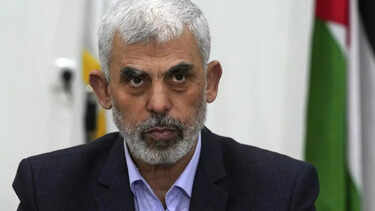
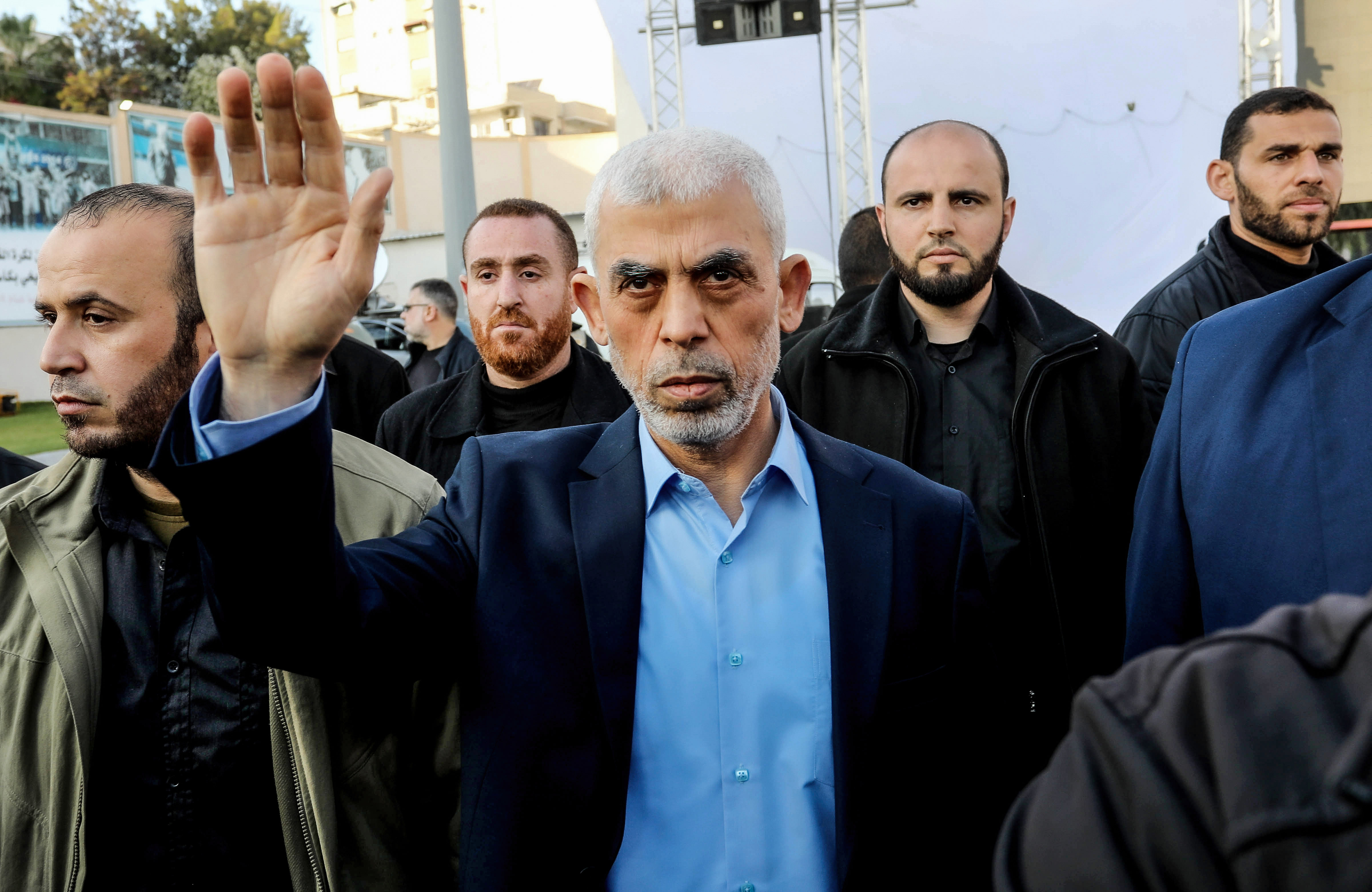
Yahya Sinwar has been appointed as the new leader of Hamas, marking a significant development in the organization’s political landscape. Sinwar’s selection comes at a pivotal time as Hamas seeks to consolidate its position and strategic direction amidst ongoing regional tensions.

Sinwar, who has been a prominent figure within Hamas for several years, previously served as the leader of Hamas in the Gaza Strip. His appointment to the top position within the organization underscores a shift in leadership dynamics and strategic focus. Known for his hardline stance and deep involvement in the group’s military and political operations, Sinwar’s new role is expected to influence Hamas’s approach to both internal governance and its interactions with international stakeholders.

The decision to appoint Sinwar reflects internal changes within Hamas as it navigates complex political and military challenges. Analysts suggest that his leadership could steer the organization towards a more assertive stance in regional conflicts and negotiations. This development also raises questions about the potential impacts on ongoing peace processes and the broader geopolitical landscape of the Middle East.

In parallel, US Vice President Kamala Harris has announced Minnesota Governor Tim Walz as her running mate for the upcoming presidential election. This choice is seen as a strategic move to strengthen the Democratic ticket by appealing to a broader voter base. Walz, known for his leadership during challenging times, brings a wealth of experience to the campaign, potentially enhancing the Democratic platform’s appeal and electoral prospects.

Moreover, the Middle East and North Africa (MENA) region has seen notable achievements in sports, with athletes from the region claiming victories in various competitions. These successes highlight the growing prominence of MENA countries on the global sports stage and contribute to the region’s rising international profile.

As these developments unfold, they will likely have significant implications for regional politics, international relations, and domestic electoral strategies. The appointment of Yahya Sinwar as Hamas’s leader and the strategic moves in US politics, combined with emerging sports successes, reflect a dynamic and evolving global landscape.

Singapore turns 59! Party it up with unbeatable deals of up to 59% off, and revel in the best of homegrown brands with iShopChang! From exclusive offers and discounts on local brands to sitewide festive steals, it’s time to celebrate big and save big! SINGAPORE – Media OutReach Newswire – 6 August 2024 – From 1 to 31 August 2024, travellers and non-travellers can join in the […]

A significant portion of Americans disapprove of deploying U.S. ground forces to protect Israel in the event of an Iranian attack. This sentiment emerges amidst heightened tensions in the Middle East, reflecting a broader reluctance to engage militarily in foreign conflicts.

Recent surveys from Pew Research Center and Ipsos reveal that a majority of Americans prefer the United States to adopt a diplomatic stance rather than a military one in the ongoing Israel-Hamas conflict. Approximately 57% of respondents oppose sending U.S. troops if Israel were attacked by its neighbors, while 50% oppose military intervention if Iran directly entered the conflict. This indicates a strong preference for non-interventionist policies, despite widespread sympathy for Israel among the American public.

The data also shows significant demographic and political variations in opinions on U.S. involvement. Older Americans, particularly those over 65, are more inclined to support military aid, whereas younger adults, especially those under 30, largely oppose it. Politically, Republicans are more supportive of military aid to Israel than Democrats, but a significant portion of both groups agree on avoiding direct military engagement.

The American public’s preference leans heavily towards diplomatic efforts. Most Americans believe the U.S. should play a minor role in resolving the Israel-Hamas conflict, with 53% advocating for diplomatic negotiations and 54% supporting efforts to protect Israeli civilians. There is, however, less consensus on military aid, with the country almost evenly split—36% in favor and 34% against.

Jewish Americans strongly support military aid to Israel, with 56% in favor, contrasted by 55% of Muslim Americans who oppose it. These differences highlight the complex and multifaceted nature of public opinion on U.S. foreign policy in the Middle East.

While the public remains divided on specific policies, there is a clear majority opposing the deployment of U.S. ground troops in active combat scenarios. This stance underscores a broader trend of wariness towards further military entanglements, emphasizing a preference for diplomatic and humanitarian interventions over direct military action.

The findings indicate a cautious approach to U.S. involvement in the Middle East, reflecting a desire for balanced and measured responses to complex international conflicts.

—

Sources:
– Pew Research Center: Views on U.S. Involvement in Israel-Hamas Conflict
– Ipsos: American Public Opinion on Israel-Gaza Conflict

Saudi Arabia’s Zahid Group is reportedly in discussions to acquire Barloworld, a South African industrial conglomerate. This potential acquisition is part of Zahid Group’s strategy to diversify and expand its international footprint in the industrial sector. Barloworld, a leading industrial processing and distribution company, has a significant presence in various sectors including equipment, automotive, and logistics. The company’s strong foothold in these industries makes it an attractive […]

Hamas has announced Yahya Sinwar as its new political leader, succeeding Ismail Haniyeh, who was assassinated in Tehran. Sinwar, a prominent figure within the organization, has long been a key player in Hamas’s military and political strategy. This move marks a significant shift in the group’s leadership amid ongoing tensions in the region.

Sinwar’s appointment comes at a crucial time for Hamas, which faces escalating conflicts and internal challenges. Known for his hardline stance and deep ties to the organization’s military wing, Sinwar’s leadership is expected to impact Hamas’s strategic direction significantly. His background includes involvement in numerous operations and a focus on consolidating control over Gaza.

The assassination of Haniyeh, a notable leader who had steered Hamas through various diplomatic and military campaigns, has left a power vacuum that Sinwar is now set to fill. Haniyeh’s tenure was marked by efforts to navigate complex relations with both regional actors and international stakeholders. Sinwar’s rise to power signals a potential shift towards a more confrontational approach in the group’s policies and strategies.

As Sinwar takes the helm, Hamas faces mounting pressures from both within the Gaza Strip and from external forces. The group continues to grapple with economic challenges and humanitarian crises exacerbated by the ongoing blockade and internal governance issues. Sinwar’s leadership will be closely scrutinized for how he manages these pressures and steers Hamas’s future actions.

International reactions to Sinwar’s appointment have been mixed. Some regional players view the change with apprehension, concerned about the implications for peace and stability in the Middle East. Meanwhile, supporters of Hamas anticipate a stronger stance against Israel and a renewed focus on resistance activities.

Sinwar’s leadership may also influence Hamas’s relationships with other Palestinian factions and its stance towards peace negotiations. The broader implications of his appointment will unfold as he begins to shape Hamas’s policies and strategies in the coming months.

This development underscores the dynamic nature of leadership within Hamas and its impact on the broader geopolitical landscape. The organization’s internal dynamics and external relations will likely be shaped by Sinwar’s approach to governance and resistance.

Asian stock markets surged on Tuesday, rebounding from significant losses experienced in previous sessions. Investor sentiment turned positive as market participants seized opportunities to buy stocks at lower prices, spurred by optimism despite economic concerns.

Japan’s Nikkei 225 Index led the recovery, soaring nearly 3,000 points to surpass the 34,400 mark. Major contributors included SoftBank Group, Honda, and Toyota, which saw substantial gains, lifting overall market performance. The Nikkei’s recovery followed a sharp decline on Monday, reflecting investor confidence in the resilience of major sectors.

Australia’s S&P/ASX 200 Index also saw a modest increase, driven by gains in technology stocks like Appen and iron ore miners such as BHP Group. This uptick came despite a drop in building approvals reported by the Australian Bureau of Statistics, indicating a mixed economic outlook.

South Korea’s KOSPI Index surged by 3%, bolstered by a positive turn in market sentiment. Investors showed renewed interest in major tech stocks, which had been heavily sold off in the previous sessions.

Hong Kong’s Hang Seng Index experienced a 2% rise, with significant gains in the technology and financial sectors. Companies like Tencent and HSBC contributed to the index’s recovery, demonstrating resilience amidst broader economic uncertainties.

This rebound across Asian markets followed the worst sell-off since 2008, triggered by fears of a U.S. recession and geopolitical tensions in the Middle East. Despite these underlying concerns, the latest market performance indicates a cautious optimism among investors, driven by strategic buying and a focus on long-term growth prospects.

Overall, the recovery in Asian stock markets highlights the dynamic nature of global financial markets, where investor sentiment can quickly shift in response to evolving economic indicators and geopolitical events. This positive trend suggests a potential stabilization in the coming weeks, contingent on continued investor confidence and favorable economic developments.

Development will be Vantage’s largest APAC campus to date and support digital growth in Malaysian market DENVER, USA and SINGAPORE – Media OutReach Newswire – 6 August 2024 – Vantage Data Centers, a leading global provider of hyperscale data center campuses, today announced it has broken ground on its second Cyberjaya campus (KUL2) in Malaysia. Set on 35 acres of land adjacent to Vantage’s existing campus (KUL1), […]

Advertisements

A rocket attack targeted the Ain Al Asad air base in Iraq, resulting in injuries to several US personnel. The incident occurred on Monday, prompting immediate responses from both US and Iraqi military forces.

The attack involved the launch of multiple rockets towards the air base, a key installation housing US troops and equipment. Initial reports indicate that the rockets were fired from an unknown location, and investigations are underway to determine the responsible parties. The injured personnel received immediate medical attention, with some evacuated to more advanced medical facilities for further treatment.

Ain Al Asad, located in Iraq’s Anbar province, has been a frequent target of rocket and drone attacks, particularly by groups with links to Iranian-backed militias. These groups have often targeted US military installations in retaliation for various geopolitical tensions in the region.

The timing of this attack is notable, coming amidst heightened regional tensions following the recent escalation of hostilities between Israel and Hezbollah, along with ongoing instability in Iraq. The US military has reiterated its commitment to maintaining a presence in Iraq to support the fight against remnants of the Islamic State and to provide stability in the region.

Pentagon officials have condemned the attack, emphasizing that such actions will not deter the US from its mission in Iraq. They highlighted that the security of personnel and assets remains a top priority, and necessary measures will be taken to protect them. Additionally, efforts are being intensified to enhance the base’s defensive capabilities to prevent future attacks.

The Ain Al Asad air base has historically been a strategic location for US operations in the Middle East. It has played a critical role in the coalition’s efforts against ISIS and continues to be a vital hub for training and supporting Iraqi security forces. The base has also hosted numerous high-profile visits, including a visit by former US President Donald Trump in 2018.

Local Iraqi authorities are cooperating with US forces to investigate the attack and to track down those responsible. This incident underscores the ongoing volatility in the region and the persistent threats faced by US and coalition forces stationed in Iraq.

As the situation develops, both US and Iraqi forces are expected to bolster security measures and remain vigilant against further threats. The international community watches closely as tensions in the Middle East continue to pose significant challenges to regional and global security.

Sources:
– Times Now
– LBC
– CBS News

UN High Commissioner for Human Rights Volker Türk expressed grave concerns over the escalating tensions in the Middle East, calling for urgent measures to de-escalate the situation. Türk highlighted the critical need to prioritize the protection of civilians, particularly women and children, who have endured severe suffering due to ongoing violence. Türk’s statement comes amid increasing violence and political turmoil in the region. Over the past months, […]

HANOI, VIETNAM – Media OutReach Newswire – 5 August 2024 – Vingroup, Vietnam’s largest private conglomerate, has firmly established its presence in diverse sectors such as real estate, technology, hospitality, healthcare, and education. However, Vingroup’s success is not solely attributed to ambitious expansion, but is deeply rooted in an unwavering commitment to making the world a better place and to a customer-centric philosophy – a core value […]

SINGAPORE – Media OutReach Newswire – 5 August 2024 – YouBiz, a leading multi-currency corporate card and spend management platform for businesses by YouTrip, today announced the launch of a new Chinese Yuan Renminbi (CNY) remittance corridor. This strategic expansion caters to the increasing demand for efficient and cost-effective cross-border transactions between Singapore and China, as businesses deepen their engagements with the world’s second-largest economy. China is […]

Sidara, a prominent player in the global energy sector, has decided to suspend its planned acquisition of the UK-based Wood Group, citing escalating geopolitical risks. This decision marks a significant shift in the company’s strategic direction, underscoring the growing impact of international tensions on corporate mergers and acquisitions. The proposed deal, which had been in advanced stages of negotiation, was intended to expand Sidara’s presence in the […]

HONG KONG SAR – Media OutReach Newswire – 5 August 2024 – A high-level Hong Kong delegation, led by Chief Executive John Lee, has wrapped up a fruitful six-day visit to three Association of Southeast Asian Nations (ASEAN) member states, namely Laos, Cambodia and Vietnam (28 July – August 2, 2024). Hong Kong’s Chief Executive Mr John Lee (left) meets with the Deputy Secretary of the Ho […]

Swedish oil company Tethys Oil has secured a five-year term loan facility worth $60 million for its operations in Oman, through its local subsidiary, Tethys Oil Block 3&4 Ltd. This strategic move aims to bolster the company’s exploration and production capabilities in the region. The loan agreement, finalized with the Abu Dhabi Commercial Bank (ADCB), will support Tethys Oil’s ongoing projects and expansion plans within the Sultanate. […]

By Nantoo Banerjee The sudden and sharpest cut in the import duty on gold and gold doré seems to be quite confusing since even at a 15 percent import duty on gold India’s import of the yellow metal surged nearly 30 percent amounting US$45.54 billion in the last financial year. The gold import in the […]


KUALA LUMPUR, MALAYSIA – Media OutReach Newswire – 5 August 2024 – The growth of financial technologies, including blockchains and cryptocurrencies, depends on how well the legal system can adapt. Globally, the legal status of cryptocurrencies remains ambiguous as most countries still need to establish comprehensive laws to govern them. However, only a few states explicitly prohibit crypto mining. While the global regulatory landscape continues to evolve, […]

The United Arab Emirates (UAE) is emerging as a significant diplomatic force in the Middle East by leveraging its support for Gaza and its growing ties with Israel. The UAE’s recent initiatives highlight its strategic approach to regional politics and its evolving role in Middle Eastern diplomacy.

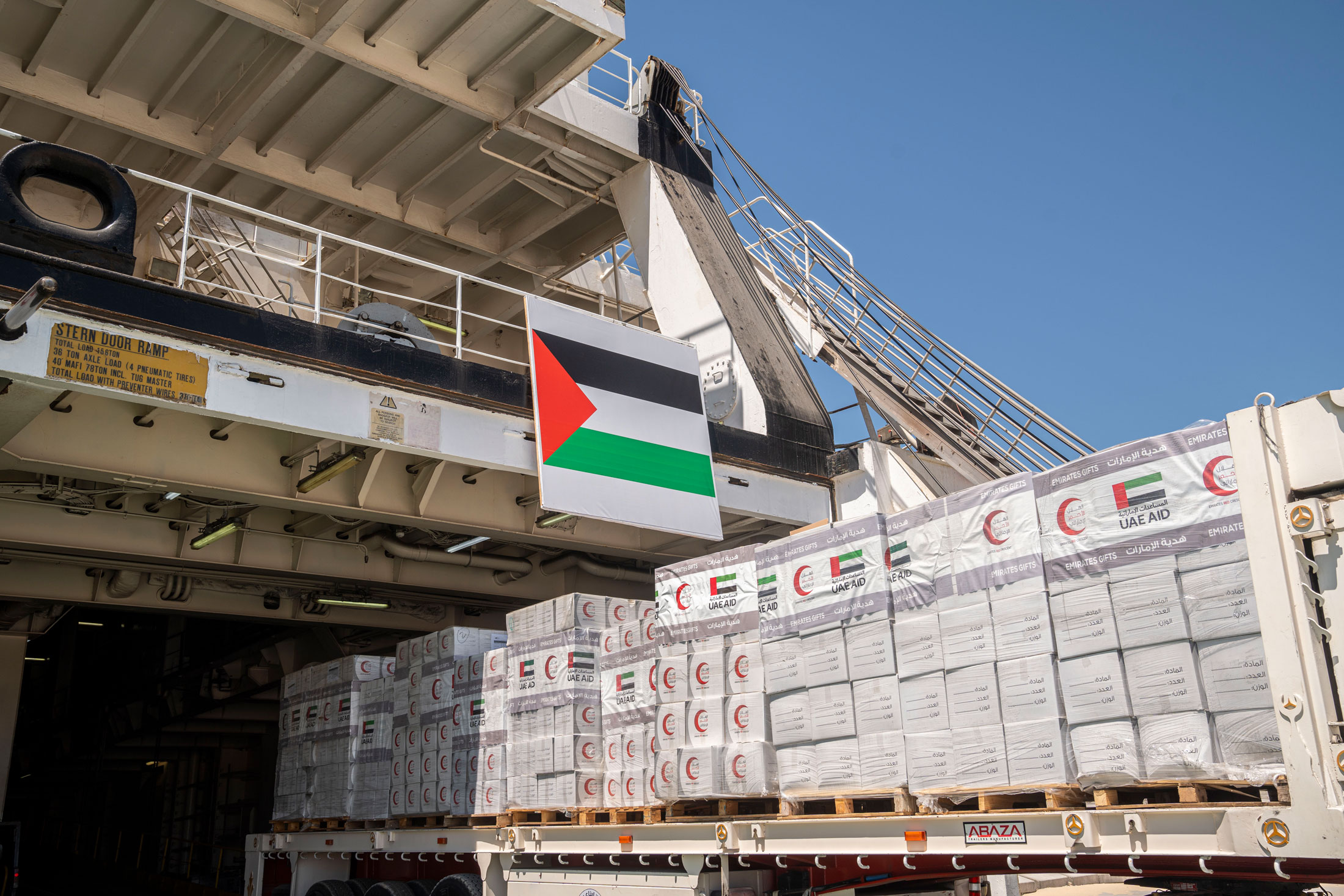
In a notable move, the UAE has pledged substantial aid to Gaza, aiming to alleviate the humanitarian crisis exacerbated by ongoing conflicts. This commitment not only underscores the UAE’s humanitarian efforts but also positions it as a key player in Middle Eastern peace efforts. The aid includes financial support, medical supplies, and infrastructure development projects designed to address urgent needs in the beleaguered region.

Simultaneously, the UAE is deepening its relationship with Israel, a development that reflects a broader shift in regional alliances. The normalization of relations between the two countries, formalized through the Abraham Accords, has led to increased economic and diplomatic exchanges. Recent agreements between the UAE and Israel encompass various sectors, including technology, trade, and security cooperation. This collaboration is seen as part of the UAE’s strategy to enhance its influence and build stronger ties with Western nations and other global powers.

The UAE’s dual approach—offering aid to Gaza while strengthening relations with Israel—demonstrates a sophisticated balancing act aimed at boosting its regional standing. By providing humanitarian assistance to Gaza, the UAE is addressing critical issues and gaining support from various stakeholders in the Arab world. Concurrently, its partnership with Israel signals a pragmatic approach to regional politics, reflecting a willingness to engage with diverse political entities to advance its national interests.

Experts suggest that the UAE’s actions are part of a broader strategy to position itself as a pivotal diplomatic actor in the Middle East. The combination of humanitarian aid and diplomatic engagement with Israel is seen as a means to enhance the UAE’s influence and stability in the region. This strategy aligns with the UAE’s broader goals of economic diversification and regional leadership, as it seeks to play a central role in shaping the future of the Middle East.

As the UAE continues to navigate its complex diplomatic landscape, its actions are closely watched by both regional and international observers. The UAE’s approach to Gaza and its relationship with Israel reflect a nuanced and strategic effort to balance humanitarian concerns with geopolitical ambitions. This evolving dynamic underscores the UAE’s growing role as a key player in Middle Eastern diplomacy, shaping the future of the region through a combination of aid and strategic alliances.

The UAE’s recent diplomatic maneuvers highlight its ambition to influence regional politics and enhance its global standing. By addressing humanitarian needs in Gaza while fostering ties with Israel, the UAE is positioning itself as a central figure in Middle Eastern affairs, demonstrating a sophisticated approach to diplomacy that blends humanitarian efforts with strategic partnerships.

The United Arab Emirates (UAE) is reinforcing its diplomatic stance by balancing its aid efforts in Gaza with maintaining ties with Israel. This comes amid escalating tensions and concerns over the humanitarian situation in the Gaza Strip. The UAE has been actively involved in providing humanitarian assistance to Gaza. UAE’s Ambassador to the United Nations, Lana Nusseibeh, highlighted the country’s efforts, including the establishment of a field […]

Gulf Cooperation Council (GCC) sovereign wealth funds are increasingly becoming pivotal players in global markets, accounting for a significant portion of the capital deployed by state investors worldwide. These funds, primarily from Saudi Arabia, the UAE, and Qatar, are leveraging their substantial oil revenues to make strategic investments across various sectors globally.

Sovereign wealth funds from the GCC countries accounted for 54% of the $96 billion deployed by state investors last year, marking the highest rate since 2009. Saudi Arabia’s Public Investment Fund (PIF), the Abu Dhabi Investment Authority (ADIA), and Qatar Investment Authority (QIA) are among the most active investors, targeting sectors such as technology, healthcare, and infrastructure.

The UAE’s ADIA has made several notable investments, including acquiring a stake in Adani Enterprises’ $2.5 billion secondary share offering and investing $5.6 billion in Dechra Pharmaceuticals alongside EQT. ADIA also participated in a $900 million deal to purchase Japanese hotels and expanded its holdings in Chinese companies such as Zijin Mining and China Shenhua Energy.

Saudi Arabia’s PIF has similarly been active, notably investing in the gaming industry with stakes in Nintendo, VSPO, and Scopely. The fund is also backing the merger of the PGA Tour, DP World Tour, and LIV Golf, and plans further investments in electric vehicle maker Lucid Motors and the Saudi-Iraqi Investment Company, which focuses on infrastructure and other critical sectors.

Qatar’s QIA continues to seek opportunities, eyeing assets in Egypt’s asset sale program and other investments in the region. These sovereign wealth funds are not only diversifying their portfolios but also seeking to bolster their influence on the global stage through these strategic investments.

Overall, GCC sovereign wealth funds have grown their assets under management significantly, reaching a combined total of $4 trillion, accounting for approximately 37% of global sovereign funds’ assets. This growth underscores their rising importance and influence in global finance, with investments spanning advanced economies and emerging markets.

As these funds continue to expand their global footprint, they are reshaping their strategies to support local economies, create wealth for future generations, and secure geopolitical influence. This trend is expected to persist, with continued investments in diverse sectors worldwide.

Vice President Kamala Harris has secured critical backing from a prominent U.S. Muslim group as pro-Gaza delegates push for greater influence within the Democratic Party. This development comes at a time when the party grapples with internal divisions over the Israel-Gaza conflict.

Harris has been advocating for a more balanced U.S. stance on the conflict, emphasizing the need for humanitarian aid and protection for civilians in Gaza. Her recent calls for a ceasefire have resonated with progressive factions and Muslim communities, who have been vocal about the humanitarian crisis in the region.

The shift in support is significant given the historical alignment of Muslim voters with the Democratic Party. Harris’s stance represents a nuanced position that seeks to address the concerns of both pro-Israel and pro-Palestinian advocates within the party. Her approach includes condemning Islamophobia while also supporting Israel’s right to defend itself, a stance that has garnered both praise and criticism from different quarters.

The endorsement from the Muslim group is seen as a strategic move to strengthen Harris’s position within the party and appeal to a broader base of voters. This backing could prove crucial as the Democratic National Convention approaches, where delegates will play a pivotal role in shaping the party’s platform and candidate selection.

Harris’s proactive engagement on this issue highlights the ongoing struggle within the Democratic Party to balance its traditional support for Israel with the growing demand for Palestinian rights and humanitarian considerations. Her efforts to align with progressive constituencies reflect the evolving dynamics within the party and the broader political landscape.

This support from the Muslim group not only boosts Harris’s credentials but also underscores the increasing influence of diverse voter blocs in shaping U.S. political discourse. The outcome of these internal party dynamics will likely have significant implications for the Democratic Party’s future direction and its approach to foreign policy, particularly in the Middle East.

In sum, Harris’s recent actions and the endorsement from a key Muslim group indicate a strategic realignment within the Democratic Party, aiming to address the complex and often contentious issues surrounding the Israel-Gaza conflict. This move is poised to impact the party’s unity and electoral prospects as it navigates the intricate balance of supporting both Israeli security and Palestinian humanitarian needs.

Authorities in the United Arab Emirates (UAE) have uncovered a clandestine network allegedly formed by members of the Muslim Brotherhood, according to recent findings. The investigation, led by UAE security agencies, has reportedly identified a sophisticated organization operating under the guise of various legitimate enterprises. The secret network, described as highly covert, has been accused of infiltrating several sectors including finance and education. The UAE claims this […]

Emirates NBD has been selected to move forward with its bid for a significant stake in IDBI Bank, a major Indian lender with government backing. The Dubai-listed financial institution joins two other contenders: Canada’s Fairfax Financial and a consortium led by Mumbai-based LIC. This development marks a significant step in IDBI Bank’s ongoing privatization process, which aims to enhance its operational efficiency and financial stability.

The Indian government, which holds a substantial share in IDBI Bank, has been actively seeking strategic buyers to reduce its stake in the lender. This effort is part of a broader initiative to privatize state-owned banks and attract foreign investment to bolster the sector’s growth. Emirates NBD’s participation highlights the increasing interest from international investors in India’s banking sector, driven by its robust growth prospects and expansive market.

Fairfax Financial, a prominent Canadian investment firm, is another key player in the bidding process. The company’s bid underscores its commitment to expanding its footprint in the Indian financial market. Meanwhile, the LIC-led consortium, which includes Life Insurance Corporation of India and other entities, presents a formidable challenge with its significant local knowledge and resources.

The bid submissions will be evaluated based on several criteria, including the financial stability and strategic vision of the bidders. Emirates NBD’s extensive experience in managing diverse financial services across the Middle East and North Africa positions it as a strong contender. The bank has a well-established reputation for operational excellence and a solid track record in managing large-scale acquisitions.

IDBI Bank, with its extensive network and substantial asset base, represents a valuable acquisition target. The bank has faced various challenges in recent years, including asset quality issues and regulatory scrutiny. The ongoing privatization is expected to inject much-needed capital and expertise into the institution, facilitating its transformation into a more competitive player in the Indian banking sector.

The privatization of IDBI Bank aligns with the Indian government’s broader objectives of enhancing efficiency in the public sector and promoting greater participation from private investors. This move is anticipated to contribute positively to the overall health of the banking sector by encouraging best practices and fostering innovation.

As the bidding process progresses, the focus will be on how each contender plans to address IDBI Bank’s current challenges and leverage its opportunities. The outcome of this bid will be closely watched by industry experts and investors, as it will likely set a precedent for future privatization efforts in the Indian banking industry.

Emirates NBD’s advancement in the bidding process not only highlights its strategic ambitions but also reflects the growing interest of global financial institutions in India’s banking sector. The outcome of this bid will have significant implications for both IDBI Bank’s future trajectory and the broader landscape of banking privatization in India.

Mayyas, the Lebanese all-female dance troupe, mesmerized audiences with their debut public performance in Beirut. Known for their intricate and synchronized choreography, the group delivered an extraordinary show that highlighted their signature style and artistic vision.

Nadim Cherfan, the founder and choreographer of Mayyas, described the performance as their most elaborate production yet. Cherfan emphasized that this show represents the culmination of years of hard work and dedication, aiming to push the boundaries of dance and performance art.

The performance took place at the Beirut Waterfront, attracting a large crowd eager to witness the group that won Season 17 of “America’s Got Talent” (AGT). Since their victory on AGT, Mayyas have gained international acclaim, performing alongside major artists such as Beyoncé at the opening of Atlantis The Royal in Dubai and receiving accolades from prominent figures including Lebanese President Michel Aoun, who awarded them the Lebanese Order of Merit.

The Beirut performance featured a mix of new and familiar routines, each showcasing the precision and creativity that have become the group’s trademarks. The dancers, dressed in elaborate costumes, moved in perfect harmony, creating visually stunning patterns and formations. The choreography blended elements of traditional Middle Eastern dance with contemporary styles, offering a unique cultural fusion that captivated the audience.

Mayyas’ journey began in 2019 when they participated in “Arabs Got Talent” and won the Golden Buzzer, propelling them to regional fame. Their subsequent participation in “Britain’s Got Talent: The Champions” and eventual triumph on AGT solidified their status as a global sensation. The group’s success has been a source of pride for Lebanon, highlighting the country’s rich cultural heritage and the potential of its artists on the world stage.

Cherfan’s vision for Mayyas extends beyond just performance. He aims to empower women through dance, challenging societal norms and breaking down barriers. The group, consisting of dancers from various backgrounds, embodies this mission, promoting unity and strength through their art.

The Beirut show also served as a platform for Cherfan to announce Mayyas’ upcoming projects, including international tours and collaborations with other artists. He expressed gratitude for the support the group has received from fans and the wider dance community, noting that their journey has just begun.

Audience reactions to the performance were overwhelmingly positive, with many praising the group’s technical skill and artistic expression. Social media was abuzz with clips and photos from the event, further spreading the word about Mayyas’ exceptional talent.

Mayyas continue to inspire and amaze with their innovative approach to dance. Their Beirut debut marks a significant milestone in their journey, promising even more spectacular performances in the future. As they prepare to take their art to new heights, Mayyas remain a symbol of creativity, resilience, and cultural pride.

Embark on a Coffee Adventure Like Never Before with Exclusive Tour, Tastings, and Workshops at Citadines Properties in Singapore SINGAPORE – Media OutReach Newswire – 2 August 2024 – The Ascott Limited (Ascott), the lodging business unit wholly owned by CapitaLand Investment (CLI), is inviting guests to embark on a captivating coffee adventure this October in celebration of International Coffee Month, with exclusive local Nanyang coffee roastery […]

VISHNU RAJA
RYO YAMADA
HITORI GOTOH
IKUYO KITA