News related to
Part

A powerful heat wave will bring intense swelter to New York City and other major Eastern Seaboard cities, with heat indices rising into the triple digits along the I‑95 corridor. Temperatures are expected to climb well above seasonal norms from Sunday through mid‑week, driven by a strengthening high‑pressure dome and amplified humidity, posing serious health risks and heightening strain on infrastructure. Cities from Chicago to Washington, D.C.—including […]

OpenAI and Microsoft are locked in critical negotiations over the former’s plan to transform its for-profit entity into a public-benefit corporation, a move that hinges on Microsoft’s approval and hinges on its desire for greater equity. With tensions mounting, OpenAI has even contemplated accusing Microsoft of anti-competitive conduct as leverage in talks, signalling a shift from collaboration to confrontation. The dispute centres on Microsoft’s demand for a […]

JD.com is preparing to deploy a regulated stablecoin through its Hong Kong arm as part of a significant expansion into digital payments. Its subsidiary, Jingdong Coinlink Technology Hong Kong, entered the Hong Kong Monetary Authority’s stablecoin sandbox in July 2024. The project is testing tokens pegged to the Hong Kong dollar and other major currencies, aiming for a wider rollout in the fourth quarter of 2025.

Tests performed by JD Coinlink have covered cross-border payment mechanisms, retail use cases—initially in JD Global’s Hong Kong and Macau markets—and investment applications on a public blockchain, ensuring transparency and regulatory compliance. JD is targeting integration across its extensive e-commerce ecosystem, including fast‑settling transactions for global trade, M&A deals, B2B settlements and consumer checkouts.

Richard Liu, JD’s founder and chairman, highlighted the company’s aim to secure stablecoin licences across major currency jurisdictions, citing the potential to cut cross‑border payment costs by up to 90 per cent and reduce settlement times to approximately 10 seconds. Liu underlined that once B2B applications prove viable, JD intends to broaden the stablecoin’s use to everyday consumer purchases within its platform.

The HKMA granted licences only to firms demonstrating robust risk controls and consumer protections. Under the Stablecoins Ordinance, which passed on 21 May 2025, issuers using or referencing the Hong Kong dollar must obtain formal approval and meet stringent obligations including reserve backing, redemption rights, transparent governance and segregation of client assets.

Jingdong Coinlink is complemented by parallel efforts to issue an offshore yuan stablecoin, though its launch hinges on regulatory authorisation from mainland authorities. This aligns with wider interest in the stablecoin market: Ant Group is also pursuing Hong Kong licences, and Western giants including JPMorgan, PayPal and Standard Chartered are racing to launch stablecoins.

Hong Kong’s regulatory clarity gives JD.com and its peers a regional advantage. The sandbox initiative, begun in March 2024, enabled live testing under HKMA supervision prior to licence application. With the Ordinance’s full force due on 1 August 2025, JD appears well aligned to capitalise on a rapidly evolving framework.

JD’s stablecoin will be issued on a public blockchain, enabling open verification of issuance volume and reserve data. CEO Liu Peng confirmed that the second phase of testing concluded in May, focusing on cross-border, retail and investment use cases. Assuming regulatory approval, licensing and integration plans are on track for Q4 2025.

These efforts form part of JD’s broader strategy to become a fintech powerhouse. The company recently expanded in food delivery and consumer finance, acknowledging a “lost” five‑year stretch of innovation. Its current push builds on JD’s in‑house blockchain infrastructure—Zhizhen Chain—which already facilitates roughly US $7 billion annually in supply‑chain finance.

Industry analysts observe that JD’s combination of logistics, e‑commerce reach and blockchain technology positions it uniquely among digital‑asset issuers. With nearly 600 million active users and operations spanning over 20 countries, the company could accelerate stablecoin adoption by integrating token payments into its merchant network.

As global stablecoin activity accelerates—fuelled by regulatory developments like the U.S. GENIUS Act and Hong Kong’s licensing framework—JD.com may emerge as one of Asia’s first large-scale retail-facing stablecoin providers.

Depending on its licensing trajectory, JD plans to list its stablecoin on regulated exchanges and deploy it on a public blockchain in Q4 2025. Beyond the HKD coin, the company is developing offshore yuan functionality, pending mainland approval.

voco Dubai The Palm has unveiled an expanded private beachfront, enhancing its leisure offering on Palm West Beach with additional space, panoramic sea views, and a curated beach day experience tailored for non-resident guests. The development adds a premium draw to Dubai’s hospitality sector, capitalising on the city’s demand for upscale coastal experiences without the need for an overnight stay. Located along the West Beach stretch of […]

By K Raveendran With the likelihood of a diplomatic solution appearing increasingly distant, West Asia is now clearly veering toward a longer and more intense confrontation, one that may significantly reshape economic, geopolitical, and energy dynamics not only in the Middle East but globally. What was initially perceived as a retaliatory exchange following months of […]

BANGKOK, THAILAND – Media OutReach Newswire – 10 June 2025 – Get ready to turn your Bangkok getaway into a rewarding adventure—in every sense of the word! The ONESIAM Global Grand Giveaway, Siam Piwat’s flagship tourism campaign, is making a grand comeback for its second year from June 20 to September 30, 2025, and is set to bring even more exclusive rewards, elevated experiences, and jaw-dropping prizes […]

Bitcoin has surged to command approximately 64 per cent of the global cryptocurrency market, a dominance level unseen since January 2021 and propelled by heavy institutional inflows following the U.S. Securities and Exchange Commission’s approval of Bitcoin ETFs in January 2024. This increased dominance has coincided with a resurgence in confidence for Ethereum, which has seen its share climb from around 7.1 per cent in April to approximately 9.3 per cent today.

This shift marks a turning point in crypto capital flows. For many investors, Bitcoin remains the safe harbour amid global market volatility and rising macroeconomic uncertainty. According to the Financial Times, heightened Bitcoin dominance is underpinned by “heightened institutional investment,” with major hedge funds such as Millennium Management and Brevan Howard among top ETF holders. Smaller tokens have lost ground as smart money funnels into the more established and liquid assets.

Ethereum’s revival reflects this evolving dynamic. Once languishing with just over 7 per cent market share in April, it has rebounded to 9.3 per cent. Analysts attribute the rise to improving investor sentiment and increasing adoption of Ethereum-based applications. Technical indicators also support a bullish outlook: Ethereum’s market value has risen nearly 48 per cent over the past three months, compared to Bitcoin’s 31 per cent.

Chart patterns signal a potential inflection. Bitcoin dominance has encountered resistance at around 64–65 per cent, hinting at a possible reversal. Analysts such as “Astronomer” on social platforms point out that Bitcoin’s market share is approaching a critical ceiling and may soon recede—a shift that historically precedes renewed altcoin activity.

Investor behaviour appears to reflect this emerging balance. Spot Ethereum ETFs have attracted sustained inflows, with over US$1.3 billion entering ETH products across 19 consecutive days. Additionally, ‘smart money’ whale activity in ETH protocols indicates a strategic accumulation, even as retail traders step back. These large-scale holders are said to control nearly 27 per cent of the total ETH supply—an indication of growing institutional confidence.

Market analysts underscore that Bitcoin dominance near 64 per cent still keeps altcoins marginalised. Daan Crypto warns that unless Bitcoin dominance dips below this level, funds will remain weighted toward Bitcoin. The Altcoin Season Index—a metric tracking the performance of top altcoins relative to Bitcoin—currently sits in the 30s, suggesting a fading but not yet full-blown move into altcoins. Historically, a shift above 75 triggers more substantive altcoin rallies.

Nevertheless, proponents argue that liquidity rotation is underway. Ethereum’s rise is seen as the vanguard, often signalling broader market rotation into high-cap alternatives. As Maxwell Mutuma noted, “Altcoins have spent a good part of 2025 playing catch‑up…with Bitcoin’s dominance at 64 per cent, it’s certainly raised some concerns,” even as “Ethereum’s recent surge hints at a broader altcoin rotation”.

Despite current trends, caution remains. Analyst Severino has advised that although technical indicators support a pullback in Bitcoin’s dominance, any full-scale altcoin rally is not yet assured. He emphasises that meaningful declines below 62 per cent in Bitcoin dominance would be needed to confirm a structural shift in asset allocation.

Ethereum stands at the centre of this crossroads. With its market share approaching 9.3 per cent, ongoing technological updates such as the upcoming Pectra upgrade may reinforce investor confidence and drive further capital inflows.

The current scene paints a narrative of cautious optimism. Bitcoin remains firmly dominant, buoyed by institutional demand, but Ethereum’s resurgence signals that capital is beginning to trickle back into the altcoin space. Whether this marks the vanguard of a broader altcoin resurgence or simply a temporary reprieve will depend on whether Bitcoin dominance retreats from its 64 per cent plateau.

Advertisements

UAE authorities have deployed emergency measures across major airports to manage widespread disruptions after several Middle Eastern nations, including Iran, Iraq, Jordan, Syria and Israel, shut their airspace due to escalating geopolitical tensions. The Federal Authority for Identity, Citizenship, Customs and Ports Security activated its emergency business‑continuity protocol to maintain essential operations with minimal interruption.

Field teams operating round‑the‑clock at Dubai International, Dubai World Central, Abu Dhabi’s Zayed International and Sharjah International airports have been reinforcing frontline support, immigration coordination and airline rescheduling. Real‑time information desks, logistical assistance and temporary accommodation arrangements have been offered to travellers affected by cancellations or delayed connections.

ICP emphasises its swift response was made necessary by the abrupt airspace closures prompted by the intensifying Iran–Israel conflict. Comprehensive coordination among operational stakeholders and deployment of advanced technologies aim to secure passenger safety, uphold service quality and maintain passenger flow amidst turbulent circumstances.

International carriers—including Emirates, Etihad, Qatar Airways, British Airways, Lufthansa and Air India—have been rerouting flights via Central Asia and the Mediterranean to avoid restricted zones. Estimated additional travel durations and increased fuel requirements are among the logistical adjustments implemented by airlines. Eurocontrol reports that roughly 1,400 daily flights across Europe–Asia–Gulf corridors were affected, spotlighting the magnitude of the disruption.

UAE’s aviation stakeholders have issued traveller advisories urging early check‑in, constant monitoring of flight status updates and openness to alternate routing. Visa‑holding visitors are also being advised to renew stay permits promptly to avoid fines due to unexpected delays in departure schedules.

Analysts warn that ongoing geopolitical volatility may prolong airspace closures, potentially escalating operational costs for airlines and straining global travel chains. The UAE’s crisis‑management protocol is being watched closely by global aviation regulators as a case study in maintaining continuity under pressure.

Passengers at UAE airports have, according to the ICP, cooperated with staff amidst what they describe as “exceptional regional circumstances.” This collaboration has been cited as instrumental in allowing swift rescheduling and maintaining operational flow. ICP reiterates its commitment to ensuring passenger security without compromising service standards.

Fitch Ratings upgraded Ghana’s long‑term foreign currency sovereign rating from “restricted default” to “B‑” on 16 June, accompanied by a stable outlook. The move reflects substantial progress in debt restructuring after the West African nation normalised relations with a large majority of its external commercial creditors. Ghana’s economy endured its most severe crisis in decades, driven by collapses in its cocoa and gold sectors. The government’s proactive restructuring […]

Conscious Aerospace, KLM Royal Dutch Airlines and Transavia have entered a strategic Memorandum of Understanding at the Paris Air Show to co-develop a liquid‑hydrogen fuel‑cell retrofit for the De Havilland Canada Dash 8‑300 regional turboprop. The agreement, inked in front of Dutch aviation authorities, aims to outfit the aircraft with hydrogen‑electric propulsion, optimise cabin and cargo configurations, assess route viability, and model operational costs ahead of demonstration flights […]

BEIJING, CHINA – Media OutReach Newswire – 18 June 2025 – The livestreaming-commerce model has taken the world by storm in recent years. In China, numerous enterprises are actively venturing into livestreaming e-commerce, including several airlines. In 2024, Hainan Airlines established HNA Preferred Business Co., Ltd., specializing in Internet livestreaming and sales. Notably, as early as 2020, the airline began piloting livestream sales on platforms like Ctrip, […]

China’s central bank governor, Pan Gongsheng, announced at the Lujiazui Forum on 18 June that a dedicated international operations centre for the e‑CNY will be established in Shanghai. The move signals Beijing’s renewed push to extend the digital yuan’s reach in global transactions and shift the balance of currency power. Pan described stablecoins and central bank digital currencies as “reshaping cross‑border payments”, emphasising that global financial infrastructure needs […]

Lawmakers in Ohio’s House Technology and Innovation Committee have approved House Bill 116 — dubbed the “Bitcoin Rights” measure — with a unanimous 13‑0 vote. The legislation safeguards personal control over encrypted digital assets, explicitly legalises individual and corporate mining and node operation, and provides a state income‑tax break of up to US $200 per transaction in capital gains from digital assets.

The bill, formally titled the Ohio Blockchain Basics Act, moves to the full House for a vote as part of an initiative to position the state as a hub for blockchain and cryptocurrency operations.

At the heart of the measure is the protection of self‑custody rights, allowing citizens to keep their crypto in hardware or self‑hosted wallets without interference from state or local authorities. It also shields miners and node operators from regulatory burdens. Individuals may mine at home, in residential zones, and businesses may operate industrial‑scale mining farms where zoning rules permit. Additionally, digital‑asset activities such as mining, staking, token swaps and node‑running would not trigger money‑transmitter or investment licensing requirements.

Another key component is the $200 per transaction exclusion from Ohio state income tax on capital gains from digital assets used as payment. That threshold is set to rise annually with inflation, offering relief to small‑scale users and encouraging routine use of cryptocurrency in commerce. Local governments, including municipalities and charter counties, would also be barred from imposing their own taxes or fees on such transactions.

The legislative analysis explains that the bill prevents state or locality from prohibiting acceptance of crypto as payment or from confiscating hardware or wallets. In industrial zones, mining operations enjoy protections from discriminatory rezoning, though noise and zoning regulations still apply.

Proponents, including the bill’s primary sponsor, Representative Steve Demetriou, have framed the bill as a foundational move to foster technology innovation, champion financial autonomy and attract blockchain businesses to Ohio. The bipartisan, unanimous committee vote reflects broad political willingness to embed crypto‑friendly measures at state level.

Supporters argue Ohio will benefit economically by drawing in infrastructure investment and fostering public familiarity with digital assets — especially with enhanced legal certainty and tax incentives in place.

However, critics caution that the bill may leave regulatory gaps, presenting consumer‑protection and environmental challenges. Concerns have been raised over potential disregard for energy‑intensive mining’s impact on local power grids and carbon emissions. Others warn that dubbing activities like mining and staking as outside the scope of money‑transmitter laws could allow for unmonitored financial operations.

Industry experts and legal analysts note that the bill’s nuanced definitions — covering digital assets, hardware wallets, self‑hosted wallets, nodes and mining operations — constitute one of the more comprehensive legal frameworks for crypto in the US. Its allowance for pension funds to study digital‑asset ETF investment is also seen as a significant institutional development.

Under the bill, each state retirement system must submit a report within a year assessing the viability, advantages and risks of investing in digital‑asset ETFs, and offer recommendations to reduce exposure in case of such investments.

Should the full House and Senate pass the bill and the governor sign it, Ohio will rank among the most crypto‑welcoming states. Observers suggest that its balanced approach — mixing legal clarity, tax relief and targeted environmental zoning controls — may serve as a model for other jurisdictions exploring blockchain policy frameworks.

With the committee stage complete, attention now turns to the legislature’s upper chamber, where further amendments or debates may arise. Policy‑wonks will be watching for potential changes on environmental stipulations and consumer protections, as well as alterations to the tax‑exemption levels.

The United Arab Emirates has cautioned against a dangerous spiral between Israel and Iran, as its foreign minister strongly warned that “uncalculated and reckless steps” might spread beyond the conflict zones. Sheikh Abdullah bin Zayed Al Nahyan expressed deep concern over escalating military actions that risk drawing in neighbouring states and aggravating regional instability, the UAE Foreign Ministry said on Tuesday. Abu Dhabi’s heightened alarm follows a sharp intensification of hostilities. […]

Dubai-listed Deyaar Development has announced ambitions to achieve sales of nearly AED 2 billion from its Downtown Residences project in Business Bay, CEO Saeed Mohammed Al Qatami confirmed to CNBC Arabia. The mammoth twin‑tower, rising over 110 storeys and reaching 445 metres in height, is slated to commence construction in the fourth quarter of 2025. Completion is targeted for the end of 2030, with the project offering 522 residences, including one‑ to […]

Oil surged on Wednesday amid escalating friction between Iran and Israel, with Brent crude topping $76.60 and West Texas Intermediate reaching roughly $75.10 a barrel. Market momentum was powered by rising fears over supply chain vulnerabilities in the Middle East, even though core oil infrastructure remains largely intact and operational. The escalation entered its sixth day as both nations exchanged strikes. President Trump has intensified U.S. military […]

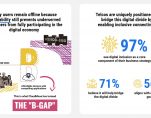
New research from CloudMosa shows digital inclusion is shifting from CSR to a core business strategy – and telcos stand to gain if they move quickly Majority (97%) of telco leaders say digital inclusion is now central to their business strategy, driven primarily by the need to bridge the digital divide (71%) With 92% of respondents seeing a strong alignment with government affordability initiatives as a key […]

The U.S. Senate has enacted the GENIUS Act, the first-ever federal framework for regulating dollar‑pegged stablecoins, with a decisive 68–30 bipartisan vote on 17 June 2025. Eighteen Democrats joined Republicans in supporting the legislation, which now advances to the House and is expected to reshape Washington’s digital asset rules.

The bill mandates that stablecoin issuers back tokens with liquid assets such as U.S. Treasuries, require regular financial disclosures and adhere to anti‑money‑laundering measures. It grants banks the authority to issue stablecoins, while explicitly restricting executive branch officials and legislators from sharing in their profits—a direct response to concerns over conflicts of interest.

A surge in crypto-sector investment in political campaigns appears to have shifted momentum. Industry spending topped $119 million in support of pro‑crypto congressional candidates during the 2024 cycle. Lobbyists then intensified efforts to engage Democratic lawmakers, viewed as essential for reaching the 60-vote threshold in the evenly divided Senate.

Internal communications among Democratic operatives reveal strategic alignment with crypto backers. In a private group chat described in reporting by the Lever, coalition members acknowledged that, despite ethical concerns, opposing the industry would be “political suicide.” One member reportedly observed that any amendment targeting Trump‑family conflicts would be “DOA,” suggesting token amendments offered for optics rather than impact.

Legislators including Senator Elizabeth Warren have voiced misgivings, arguing that the bill inadequately shields consumers or addresses risks associated with big‑tech or foreign‑issued stablecoins. She contends it grants too much leeway to the likes of former President Donald Trump’s crypto ventures, such as the Trump memecoin and World Liberty Financial.

The crypto lobby’s efforts have extended beyond campaign funding to retention of influential political operatives. Coinbase, for instance, recently appointed veteran Democratic strategist David Plouffe to its advisory board, joining a roster of insiders from both parties. Observers note this reflects crypto’s emerging status as a “politically competitive” constituency.

The political dynamic has shifted decisively. As AP reports, Democrats are balancing distrust of Trump-linked crypto enterprises with newfound recognition of the sector’s electoral influence. Backing the GENIUS Act became for many a strategic necessity, notwithstanding deep ideological resistance to deregulation.

The Senate vote occurred amid broader legislative discussions. The CLARITY Act—aimed at clarifying agency jurisdiction across the SEC and CFTC—is under consideration in the House Financial Services Committee. Some lawmakers propose merging the stablecoin and authority-defining bills, though others caution it could delay the GENIUS Act’s passage.

Crypto industry leaders view the GENIUS Act as a critical precursor to more comprehensive legislation. Ledger’s Head of Global Policy, Seth Hertline, described the Senate’s action as “a political bellwether” for the sector’s broader legislative agenda.

The bill’s passage also intersects with Trump’s personal crypto interests. His family’s stablecoin projects have sparked accusations of profiteering and lobbying for relaxed oversight. Critics warn that current legislative safeguards fall short of preventing conflicts of interest.

The next phase lies in the House, where Republican leadership must reconcile the Senate’s GENIUS Act with its own STABLE Act or integrate it into broader regulatory plans. Some Republicans advocate adding provisions to limit central bank digital currency initiatives, though such measures may complicate Senate approval.

Major stablecoin issuers such as Tether and Circle —together controlling over $200 billion in supply—stand to gain regulatory clarity and legitimacy if the GENIUS Act becomes law. Recent moves by major corporates, including JPMorgan’s planned stablecoin on Coinbase’s Base chain and indications that Amazon and Walmart are exploring token issuance, signal growing private‑sector enthusiasm.

As the House deliberates, questions remain whether the Senate’s bipartisan vote marks the start of a fully fleshed-out U.S. crypto regulatory regime—or the culmination of a high-stakes battle between policy integrity and political pragmatism.

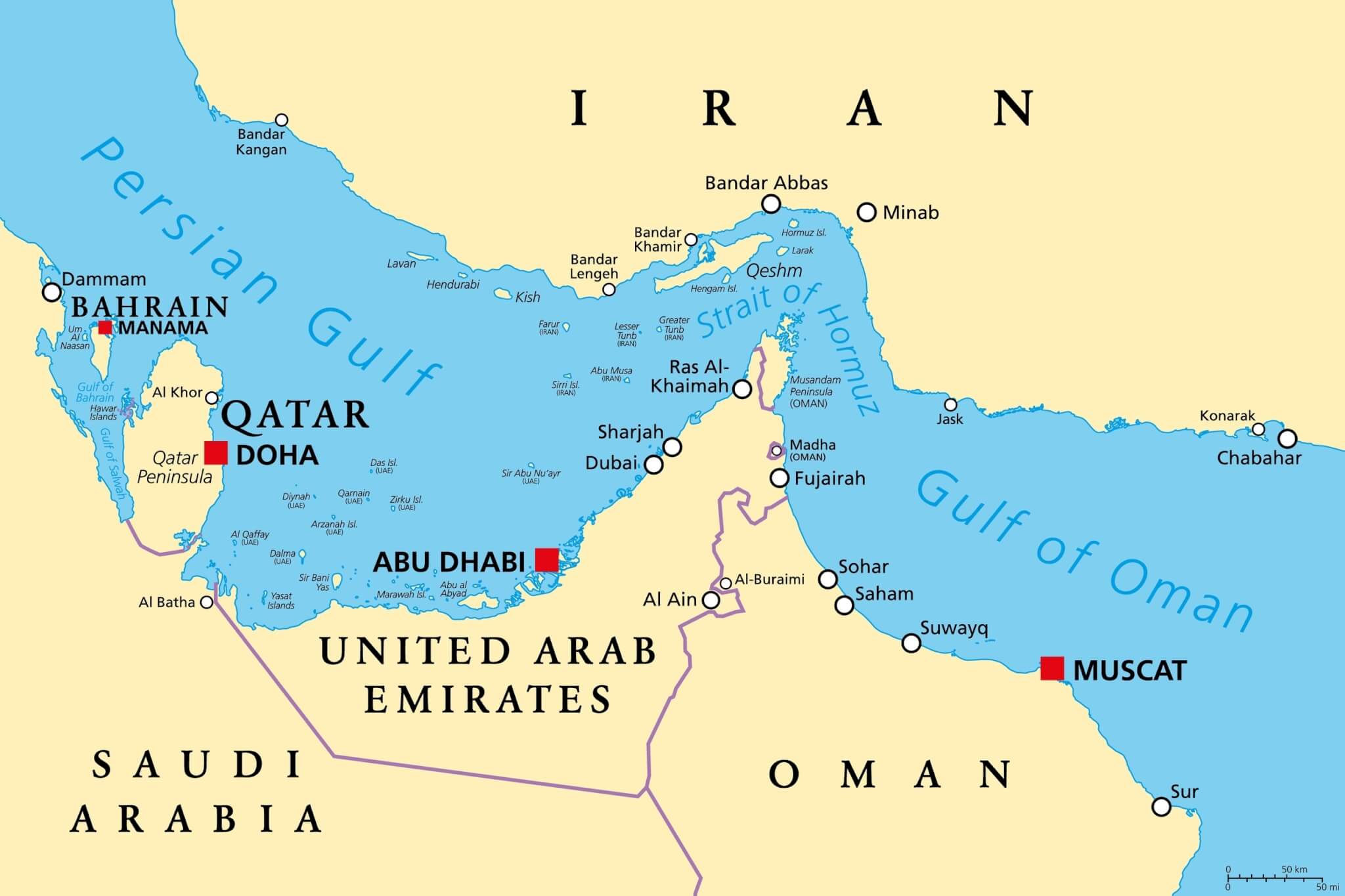
Qatar has instructed LNG carriers to remain outside the Strait of Hormuz until one day prior to loading operations as regional security risks heighten, with officials emphasising that this measure is precautionary and unlikely to disrupt overall supply volumes.

The directive from QatarEnergy affects vessels bound for the Ras Laffan terminal, one of the world’s largest liquefied natural gas export facilities. Around a dozen carriers are idling in ballast outside the terminal, awaiting final instructions before undertaking brief, tightly scheduled transits through the strait.

Market indicators reacted swiftly: European gas prices surged as much as 4.8%, while Asian benchmarks inched upward amid growing concern over potential delivery delays. Despite this, analysts and industry insiders maintain that the streamlined entry process—coupled with Qatar’s steady production—should keep cargo volumes within normal parameters.

This move aligns with contingency efforts by the world’s third-largest LNG exporter. Industry sources confirm that the carriers will execute “quick entry and speedy exits” across the Hormuz passage, necessitating precise scheduling and coordination with maritime authorities.

Analysts acknowledge that about 20–25% of global LNG traffic transits the Strait, underscoring its significance as a logistical chokepoint. Instructing vessels to loiter offshore aims to reduce their vulnerable exposure time in the strait.

Strategic analysts warn that escalating tensions—particularly after recent military exchanges involving Israel and Iran—increase risks for all Gulf shipping. Tehran has threatened to seal off the strait, which could strain Qatar’s export pipelines and ripple through global energy markets.

Despite geopolitical headwinds, Qatar’s production at the South Pars/North Field complex remains steady. The foreign ministry emphasised that LNG output and shipments continue to follow their usual course, even as the country takes enhanced security measures.

Operational insights from shipping analysts describe a familiar summer idling pattern, but note slight increases in loitering time and cautious routing. Vessels such as the tanker HLAITAN are reportedly waiting outside the strait in anticipation of load orders.

Market response has been modest. European gas hubs such as TTF recorded price rises of around 4–5%, while the Asia‑Pacific’s JKM benchmark reached nearly $14 per mmBtu, marking a $1.20 uptick since mid‑June. CNBC‑style commentary points out that the precautionary shift is “unlikely to cause major disruption,” although insurers are adjusting premiums to reflect the heightened transit risks.

For global exporters and importers, Qatar’s stance underscores a renewed emphasis on maritime risk management. Shipping firms are increasingly factoring geopolitical volatility into their routing and scheduling protocols. International insurers have begun revising coverage for LNG carriers traversing the Gulf, citing increased premiums tied to potential missile or drone threats in the region.

Qatar’s approach enables more controlled maritime planning: by delaying vessel entry until close to the loading window, the country limits their exposure to strategic bottlenecks and regional flare‑ups. This calculated move underscores Doha’s dual priorities of maintaining export reliability and protecting vital shipping assets.

Abu Dhabi’s state‑owned oil giant ADNOC has unveiled plans to escalate its U.S. energy investments six‑fold over the next decade, targeting a total of $440 billion. Speaking in Washington on 17 June, Sultan al‑Jaber, ADNOC Chief Executive and UAE Minister of Industry and Advanced Technology, declared that the American market is “not just a priority; it is an investment imperative” for the company’s global expansion.

Al‑Jaber underlined the urgency of the move, emphasising that artificial intelligence represents a “once‑in‑a‑generation investment opportunity.” He pointed out that the growth of data centres driven by AI will demand substantial power— “The next stage of evolution” in energy consumption, he said. The planned investments will span a wide spectrum: anchor stakes in the largest liquefied natural gas facility in Texas, petrochemical plants, and the deployment of 5.5 gigawatts of renewable energy paired with storage systems “from coast to coast”.

ADNOC’s international investment arm, XRG, is cementing its presence with a new Washington office, aimed at steering these high‑stakes ventures. XRG has already struck a deal with Occidental’s 1PointFive for a direct air capture project in Texas, with potential investment reaching $500 million. Additional widescale cooperation includes agreements to develop U.S. gas, LNG, specialty chemicals and energy infrastructure.

The announcement synchronises with a broader bilateral strategy: in March, senior UAE officials committed to a ten‑year, $1.4 trillion investment framework in the U.S., covering sectors such as AI, energy, semiconductors and manufacturing. As part of that pact, U.S. companies agreed to invest $60 billion in UAE energy assets. The XRG–Occidental partnership, as well as other collaborations involving ExxonMobil, Japanese firms Inpex and JODCO, is expected to expand capacity at Abu Dhabi’s major offshore oil field, Upper Zakum.

At the Atlantic Council Global Energy Forum in Washington, al‑Jaber addressed the broader challenge of powering AI, stating that U.S. energy infrastructure must undergo a “system‑wide shift” to keep pace. He highlighted the need to hyperscale energy supply—from gas, renewables with storage and nuclear—to meet the projected requirement of 50–150 GW of new capacity just in the next five years. He warned against prematurely retiring existing power plants, advocating instead for grid modernisation and rapid permitting for new infrastructure.

Environmental groups have voiced concern that the surge in AI‑driven energy demand could lead to rising carbon emissions unless clean energy is prioritised. In response, al‑Jaber suggested that AI could, in fact, offer solutions—optimising grid efficiency and managing load fluctuations, effectively “unlocking its own energy challenge”.

The energy‑AI summit ENACT, hosted by XRG and MGX alongside the Atlantic Council, gathered leading figures from across the energy, tech and finance sectors. Delegates, including representatives from Exxon, OpenAI and BP, discussed mid‑ and long‑term strategies to address the escalating power needs of hyperscale data centres.

These developments are set against a backdrop of rising instability in the Middle East, where al‑Jaber cautioned that energy remains a “cornerstone of peace, stability and prosperity,” signalling that the new chapter of collaboration aims to underpin global energy security.

For the U.S., the influx of investment promises a host of benefits: large‑scale infrastructure expansion, high‑task employment, and reinforced energy resilience. Projects under the UAE umbrella—from LNG plants to hydrogen and carbon capture initiatives—are poised to generate thousands of jobs, while U.S. energy firms gain access to new development avenues both at home and back in the Gulf.

Yet questions remain. Policy experts stress that realisation of al‑Jaber’s ambitious vision will depend heavily on ensuring timely regulatory approvals and creating an effective risk environment for private capital. Moreover, balancing fossil fuel commitments with the drive toward decarbonisation will require clear direction from both governments and industry stakeholders.


Emirates returned to the Paris Airshow at Le Bourget to introduce its new Airbus A350‑900, showcasing its most advanced cabin design and reinforcing ties with French aerospace. The jet, featuring three cabin classes and upgraded passenger amenities, reflects the carrier’s strategy to modernise its long-haul fleet.

The A350‑900 on display is configured in a three‑class layout with 32 next‑generation lie‑flat seats in Business Class, 21 Premium Economy seats, and 259 Economy seats. Cabin highlights include increased headroom, wider aisles, electric window blinds across all classes, cinematic 4K inflight entertainment, wireless charging, and high‑speed Wi‑Fi.

Emirates has taken delivery of seven A350s so far, with 58 remaining on order—bringing its total to around 65 aircraft. The first commercial flight occurred on 3 January 2025, from Dubai to Edinburgh. Further services began in January and February to Ahmedabad, Bahrain, Bologna, Colombo, Kuwait City, Lyon and Mumbai.

Emirates President Sir Tim Clark and French industry partners celebrated the aircraft’s introduction, which highlights the airline’s investment in France’s aerospace sector. Since 1985, Emirates has purchased more than €114 billion worth of Airbus aircraft and components, supporting firms such as Safran, Thales and Michelin. At the show, Emirates announced a €896 million deal with Safran for next‑generation seats and a €322 million investment in Thales’s AVANT Up entertainment system for the A350.

This debut coincides with a renewed emphasis on sustainable aviation. The A350 is powered by fuel‑efficient Rolls‑Royce engines, enabling a range of 7,700 miles and emitting lower CO₂ per seat compared to previous generations. Emirates is retrofitting older 777 and A380 aircraft with premium economy seats and renewing its fleet as delivery delays with Boeing’s 777X persist.

Highlighting its global network impact, Emirates became the first airline to deploy the long‑range A350‑900ULR on the Adelaide–Dubai route, enabling flights over 14,000 km and more than 15 hours nonstop from December 1, 2025. Adelaide Airport anticipates a boost of A$62 million in annual tourism revenue from the service.

Emirates operates 21 weekly flights to Paris—three via A380—plus a daily A350 to Lyon and a daily A380 service to Nice Côte d’Azur. By end‑2025, the A350 is expected to serve at least 17 destinations. Its versatility allows deployment on both long‑haul and shorter routes, offering lie‑flat seats and premium amenities even on regional legs.

Vietnam leads Southeast Asia in financial confidence and readiness for major purchases, Visa survey With Visa Flex Credential, consumers can seamlessly choose how they pay, via credit, debit, and more, all on a single credential, redefining the future of payments HCMC, VIETNAM – Media OutReach Newswire – 17 June 2025 – Visa (NYSE: V), a global leader in digital payments, announced the launch of Visa Flex Credential, […]

Wonderish, a new “vibe prompting” platform, debuted on Product Hunt on 16 June 2025, promising to let users build web experiences through conversational prompts rather than traditional code. Co‑founders Trey Smith, Karen Avdalyan and Artem Bondar, leveraging their success with Buildbox, are positioning Wonderish as a gateway for non‑technical creators—designers, marketers, entrepreneurs—to craft websites, landing pages, web apps and even games simply by chatting with the AI. Early user reaction […]

Arabian Post Staff Medical experts confirm that consuming a large Coca‑Cola with salty fries can temporarily ease migraine symptoms in some individuals, though they warn the remedy is no substitute for comprehensive treatment. At the heart of the trend—dubbed the “McMigraine meal”—are the physiological effects of caffeine, salt, carbohydrates and sugar, which may tackle certain migraine triggers, according to neurologists and neuroscientists interviewed by reputable health outlets. […]

VISHNU RAJA
RYO YAMADA
HITORI GOTOH
IKUYO KITA