News related to
Part

TikTok has removed the hashtag #SkinnyTok from its platform, responding to escalating concerns over content promoting extreme weight loss and disordered eating behaviours. Users searching for the term are now redirected to resources offering support for body image and eating disorders. The decision follows sustained scrutiny from European regulators, particularly in France, where officials have criticised the platform for enabling the spread of content that glamorises unhealthy […]

A wild elephant named Plai Biang Lek caused a stir in Thailand’s Nakhon Ratchasima province by entering a convenience store near Khao Yai National Park and helping himself to snacks. The incident, captured on surveillance footage, showed the elephant calmly selecting items such as sweet rice crackers, a sandwich, and dried bananas before leaving the store. Despite attempts by park workers to deter him, Plai Biang Lek remained undisturbed, leaving behind muddy footprints and minor ceiling damage.

This event underscores the increasing frequency of human-elephant encounters in the region. Plai Biang Lek, approximately 30 years old, is known to locals for his foraging behavior, often venturing into human settlements in search of food. While he has previously entered homes, this marks the first recorded instance of him entering a commercial establishment.

The growing number of such incidents is attributed to habitat loss due to agricultural expansion. As forests are cleared for farming, elephants are forced to seek food sources in nearby villages and towns. Thailand’s Department of National Parks, Wildlife and Plant Conservation estimates the wild elephant population at around 4,000, with many residing in areas like Khao Yai National Park.

Local residents and authorities are increasingly concerned about the safety implications of these encounters. While no injuries were reported in this instance, the potential for harm exists as elephants and humans come into closer contact. Efforts are underway to develop strategies to mitigate these conflicts, including community education and the creation of buffer zones between human settlements and elephant habitats.

KUALA LUMPUR, MALAYSIA – Media OutReach Newswire – 5 June 2025 – May proved to be a rather challenging month for gold traders. XAUUSD, the primary financial instrument for trading gold, fluctuated in a relatively broad range between $3,120 and $3,435 per ounce (oz), but finished the month virtually unchanged, narrowly recording a fifth consecutive monthly gain. Although trading started on a bearish note, XAUUSD found support […]

President Donald Trump has signed a proclamation barring entry into the United States for nationals from 12 countries, with partial restrictions on seven others, citing national security concerns. The order, effective from 12:01 a.m. on Monday, June 9, 2025, marks a significant expansion of the administration’s immigration policies.

The countries facing a full entry ban include Afghanistan, Myanmar, Chad, Republic of the Congo, Equatorial Guinea, Eritrea, Haiti, Iran, Libya, Somalia, Sudan, and Yemen. Partial restrictions apply to individuals from Burundi, Cuba, Laos, Sierra Leone, Togo, Turkmenistan, and Venezuela. These measures affect both immigrant and non-immigrant visa applicants, though exemptions exist for lawful permanent residents, current visa holders, and individuals deemed to support U.S. national interests.

In a video statement, President Trump linked the decision to a firebombing attack at a pro-Israel rally in Boulder, Colorado, allegedly perpetrated by an Egyptian national who had overstayed his visa. Although Egypt is not among the countries listed in the ban, the incident was cited as evidence of the dangers posed by inadequately vetted foreign nationals.

“We will not allow people to enter our country who wish to do us harm,” Trump stated, emphasizing the need for stringent vetting processes. The administration highlighted concerns over countries with deficient identity verification systems and high visa overstay rates as primary factors in the decision-making process.

This move echoes the controversial “Muslim Ban” implemented during Trump’s first term, which faced numerous legal challenges but was ultimately upheld by the Supreme Court in 2018. Legal experts anticipate that the new proclamation will also face judicial scrutiny, with civil rights groups and immigration advocates preparing to contest the order.

Critics argue that the ban disproportionately targets nations with majority Muslim populations and undermines America’s commitment to humanitarian principles. Advocacy organizations warn that the policy could disrupt refugee resettlement efforts and strain diplomatic relations with the affected countries.

Simultaneously, the administration announced a ban on foreign students seeking to study at Harvard University, citing concerns over national security and intellectual property theft. Harvard condemned the decision, asserting that it violates the First Amendment and pledging to support its international student community.

In addition to the travel restrictions, President Trump has initiated an investigation into former President Joe Biden and his aides, alleging that they concealed Biden’s cognitive decline and improperly used electronic signatures on official documents. The probe follows revelations from a new book highlighting concerns over Biden’s mental acuity.

The administration has also proposed a $1,000 expedited visa interview fee and reallocated $250 million from refugee aid to fund voluntary self-deportation programs. These measures are part of a broader strategy to tighten immigration controls and prioritize national security.

International reactions have been swift, with several of the affected countries expressing dismay over the travel ban. Diplomatic channels are reportedly being utilized to seek clarifications and negotiate exemptions for specific categories of travelers.

Akamai Technologies has solidified its position as a major contender in the public cloud Infrastructure as a Service landscape, according to the latest vendor evaluation by a leading industry analyst. The assessment highlights Akamai’s strategic focus on expanding its datacenter footprint, advancing security technologies, and enhancing low-latency application delivery as key factors that strengthen its appeal to enterprises undergoing cloud transformation. The report underscores Akamai’s extensive expertise […]

Thailand’s tourism industry continues to grapple with significant challenges despite the temporary surge in visitor interest linked to the popularity of HBO’s hit series set on Koh Samui. The so-called “White Lotus effect” sparked a modest increase in Western tourists drawn by the picturesque island backdrop of the show. However, this spike has failed to reverse the broader downward trend that has gripped the sector, which remains weighed down by a complex mix of economic, geopolitical, and structural factors.

Tourism, which historically accounted for approximately 20% of Thailand’s GDP, has not rebounded to pre-pandemic levels. The government’s ambitious targets for visitor arrivals have consistently fallen short, with numbers lagging due to a combination of diminished demand from key markets, lingering travel restrictions in some regions, and competition from neighbouring countries aggressively courting tourists with attractive packages and incentives.

Koh Samui, often portrayed as a tropical paradise in the series, experienced an influx of curious travellers eager to visit the filming locations. Hotels and local businesses reported short-term gains, but these have proven insufficient to restore the overall health of the industry. Analysts note that the White Lotus effect highlights the growing influence of media and entertainment in shaping travel preferences but also underscores the limitations of relying on such ephemeral boosts without broader strategic support.

The pandemic fundamentally altered global travel behaviours, accelerating trends towards more cautious spending and preference for less crowded destinations. Additionally, the economic slowdown and inflationary pressures in Western countries have tightened discretionary budgets for leisure travel, further curbing outbound flows. Thailand, which relies heavily on long-haul visitors from Europe, North America, and Australia, has thus found itself at a disadvantage amid shifting global economic dynamics.

Geopolitical tensions in Southeast Asia and stricter visa and entry policies in response to health concerns have deterred potential visitors. While Thailand has progressively eased COVID-19 restrictions, some travellers remain wary of changing regulations and the unpredictability of travel protocols. This uncertainty contrasts with competitors like Vietnam and Malaysia, which have implemented more streamlined border policies to attract tourists.

The country’s tourism infrastructure also faces scrutiny. Despite being a longstanding favourite destination, several regions struggle with overdevelopment, environmental degradation, and inconsistent service standards. These issues have sparked calls for more sustainable tourism practices to ensure long-term viability. Efforts to diversify tourism offerings beyond beach resorts, such as promoting eco-tourism, cultural tourism, and wellness retreats, are gaining traction but require substantial investment and coherent policy frameworks to achieve scale.

The Thai government has responded with a series of incentives aimed at reviving the sector. These include marketing campaigns targeting emerging markets such as China, India, and the Middle East, where outbound travel is expected to grow. Subsidies and financial support for local businesses, infrastructure upgrades, and training programmes for hospitality workers form part of the recovery blueprint. Nonetheless, experts caution that the benefits of these measures will manifest gradually and hinge on geopolitical stability and global economic recovery.

Tourism operators highlight that the industry’s challenges extend beyond attracting visitors to addressing the quality of the visitor experience and the sustainability of growth. For example, concerns about overtourism in some hotspots have led to overcrowding and resource depletion, while lesser-known regions struggle to attract sufficient attention and investment. This imbalance has prompted calls for a more balanced approach that spreads economic benefits more evenly across the country.

Foreign direct investment in the tourism sector remains muted compared with previous years, reflecting broader investor caution about global economic uncertainties. The depreciation of the Thai baht has had mixed effects; while it makes the destination more affordable for foreign tourists, it also raises costs for imported goods and services crucial to the hospitality industry. Inflationary pressures on food, energy, and labour add to the operational challenges faced by businesses seeking to maintain profitability while keeping prices competitive.

Labour shortages persist as well, with many workers leaving the tourism sector during the pandemic to pursue alternative employment. This has led to difficulties in maintaining service quality and meeting seasonal demand peaks. The government has encouraged re-skilling and vocational training programmes, but the gap remains significant, especially in rural and less-developed areas.

Industry analysts point to the need for a comprehensive long-term strategy that integrates tourism with broader economic and social development goals. This would include embracing digital transformation to enhance marketing, customer engagement, and operational efficiency, as well as fostering partnerships between the public and private sectors to ensure resilience against future shocks.

Thailand’s brand as a travel destination continues to enjoy global recognition for its natural beauty, rich culture, and culinary appeal. However, sustaining this reputation requires ongoing adaptation to evolving traveller expectations, global trends, and environmental imperatives. While the White Lotus series has brought some renewed attention to specific locales, the industry’s recovery depends on deeper structural reforms and coordinated efforts at multiple levels.

The United Arab Emirates and Kuwait have cemented a series of bilateral agreements designed to enhance collaboration across vital sectors such as health, energy, education, and defence. These agreements were formalised during an official visit by UAE Vice President Sheikh Mansour bin Zayed Al Nahyan at Bayan Palace, where Kuwaiti Prime Minister Sheikh Ahmad Abdullah Al-Ahmad Al-Sabah also presided over the signing ceremony.

This diplomatic engagement reflects a shared commitment to deepen economic and political cooperation amid a shifting geopolitical landscape in the Gulf region. Both nations seek to leverage their strategic partnership to accelerate development goals and bolster regional stability.

The agreements encompass a broad spectrum of cooperation frameworks. In healthcare, the MoUs aim to facilitate joint initiatives in medical research, health services, and pandemic preparedness. This builds upon existing efforts to enhance public health infrastructure and improve access to advanced medical technologies within both countries. The collaboration is expected to include exchanges of expertise and the establishment of joint health projects, reinforcing resilience against future health crises.

Energy cooperation constitutes a central pillar of the accord, reflecting the growing importance of sustainable development and energy diversification in Gulf policies. Both nations have expressed intent to collaborate on clean energy projects, including renewable energy deployment and energy efficiency programmes. This aligns with wider regional ambitions to reduce carbon footprints and accelerate the energy transition, tapping into solar, wind, and hydrogen potential. The partnership aims to foster knowledge-sharing, joint investments, and innovation in sustainable energy technologies, signalling a clear move away from traditional hydrocarbon dependency.

Education and innovation sectors also feature prominently in the agreements. Kuwait and the UAE plan to develop cooperative education programmes, facilitate student and academic exchanges, and promote joint research ventures. These initiatives target strengthening human capital and nurturing a knowledge-based economy, crucial for long-term competitiveness. Special focus is placed on artificial intelligence and digital transformation, areas recognised for their transformative potential across industries.

Defence collaboration marks another significant dimension of the bilateral ties, with both countries pledging closer coordination in security and military affairs. This includes enhanced training cooperation, intelligence sharing, and joint exercises aimed at improving operational readiness and countering emerging threats in a volatile regional security environment.

Investment and infrastructure development feature heavily within the broader strategic framework. The agreements envisage boosting trade flows, encouraging cross-border investments, and facilitating infrastructure projects. These measures are expected to unlock economic opportunities, create jobs, and support broader Gulf Cooperation Council integration efforts.

Social development has not been overlooked, with the accords setting the stage for cooperative efforts in social welfare, cultural exchange, and community development. This demonstrates a recognition that sustainable progress extends beyond economic growth to encompass social cohesion and quality of life improvements.

This series of MoUs signals a concerted effort by the UAE and Kuwait to consolidate their partnership amid evolving regional and global dynamics. Both nations are navigating complex challenges, including economic diversification pressures, climate change imperatives, and shifting geopolitical alliances. The agreements reflect a proactive strategy to leverage bilateral cooperation as a stabilising and growth-enhancing force.

The visit by Sheikh Mansour underscores the UAE’s broader diplomatic outreach in the Gulf, aimed at strengthening ties with neighbouring states while advancing shared priorities. Kuwait, meanwhile, views this enhanced partnership as vital for reinforcing its role in regional affairs and securing avenues for economic resilience.

Experts note that such collaborations between Gulf states are increasingly critical as they face mounting global competition and internal transformation demands. By pooling resources, expertise, and political will, the UAE and Kuwait position themselves to address mutual challenges more effectively and harness new opportunities.

This development follows a pattern of intensified Gulf collaboration that has gained momentum following shifts in regional geopolitics. Enhanced bilateral relations are viewed as key to ensuring collective security and economic prosperity, particularly amid external uncertainties and emerging global power dynamics.

The agreements also reflect a clear alignment with the strategic visions of both countries, which prioritise innovation, sustainability, and regional integration. As the Gulf states pursue diversification and modernisation agendas, such partnerships become essential tools for advancing these objectives.

While the full scope and impact of the signed agreements will unfold over time, the foundations laid in this visit mark a significant milestone. The emphasis on critical sectors such as healthcare, clean energy, education, and defence highlights the comprehensive nature of the partnership.


Advertisements

The United Arab Emirates and the United States are preparing to initiate negotiations for a potential bilateral trade agreement aimed at reducing or eliminating tariffs imposed during President Donald Trump’s administration on UAE steel and aluminium exports. These tariffs include a baseline 10% duty and a specific 25% tariff on steel and aluminium—which the Trump administration plans to double to 50%.

The UAE, whose steel and aluminium are significant non-oil exports and accounted for 8% of U.S. steel and aluminium consumption in 2024, is looking to leverage its history of swiftly concluded trade deals with nations such as India, Turkey, and Australia. While the U.S. may pursue a limited agreement rather than a full free trade pact, it is expected to be labeled a Comprehensive Economic Partnership Agreement , consistent with the UAE’s past trade deals.

The UAE, Washington’s largest trade partner in the Middle East with $34.4 billion in bilateral trade in 2024, is also a major U.S. investor and security ally, hosting American troops and planning $1.4 trillion in future U.S. investments. Both sides reportedly responded positively to the idea during Trump’s recent visit to Abu Dhabi, though a timeline for formal talks remains unclear.

The Trump administration’s decision to double tariffs on imported steel and aluminium to 50% took effect on June 4, 2025, impacting nearly all trading partners except the United Kingdom, which has a preliminary trade agreement with the U.S. The policy significantly affects major U.S. trading partners like Canada and Mexico, with Canada being the leading exporter of aluminium to the U.S. and both countries ranking high in steel exports.

UAE-based steel producers expect to escape major impact from the latest move by the U.S. to double tariffs on steel imports. The new tariffs apply to all trading partners except the UK, which struck a preliminary trade agreement with the U.S. last month. However, steel manufacturers in the UAE don’t anticipate a hard hit. The U.S. decision to double steel import tariffs “may have an indirect effect on market dynamics but is not expected to materially impact Emsteel’s business,” said Michael Rion, chief commercial officer at Emirates Steel, part of Abu Dhabi-listed Emsteel Group. The company has a “modest exposure” to the U.S. market, with exports accounting for less than 2% of total annual sales.

The UAE’s push for a trade agreement with the U.S. is part of its broader strategy to mitigate the impact of increased tariffs and strengthen economic ties. The potential agreement, discussed during President Trump’s visit to Abu Dhabi, seeks to address the challenges posed by the new tariffs and reinforce the economic partnership between the two nations.

SINGAPORE – Media OutReach Newswire – 5 June 2025 – Sentosa Development Corporation (SDC) and Mount Faber Leisure Group (MFLG) have collaborated to transform Sentosa for ‘Peranakan Reimagined’ — a vibrant showcase that reimagines Peranakan culture through a contemporary lens. A double celebration in commemoration of SG60 as well as the 10th year anniversary of the Singapore Cable Car – Sentosa Line, this showcase will run from […]

Tether, the issuer of the world’s most widely used stablecoin USDT, is intensifying its focus on emerging markets across Asia and Latin America, as U.S. lawmakers advance stringent legislation that could reshape the digital asset landscape.

From January 2024 to February 2025, USDT accounted for between 62% and 91% of global stablecoin payment volumes, with Asia and Latin America leading adoption. Singapore, Hong Kong, and Japan collectively represented 36.3% of global stablecoin traffic, while the United States trailed at 18.7%.

Tether CEO Paolo Ardoino reaffirmed the company’s commitment to these regions, stating that the firm will continue prioritizing emerging markets outside the U.S., despite regulatory progress and a pro-crypto administration. Ardoino emphasized that the company sees more opportunity abroad than under strict upcoming U.S. laws.

In a strategic move to deepen its presence in Latin America, Tether announced a significant investment in Orionx, a Chile-based cryptocurrency exchange and financial infrastructure firm. Orionx operates across Chile, Peru, Colombia, and Mexico, offering services such as cross-border payments, remittances, and treasury solutions. The investment aims to enhance Orionx’s technological capabilities and scale stablecoin-powered infrastructure throughout the region.

Ardoino highlighted the importance of this partnership, noting that the investment supports a high-impact company and advances Tether’s broader vision of making stablecoin-powered financial tools accessible to underserved communities across Latin America.

The surge in stablecoin adoption in Latin America is attributed to economic instability and high inflation rates in countries like Argentina and Brazil. Stablecoins offer a more stable store of value and a means to conduct transactions without relying on volatile local currencies. Tether’s USDT has become a preferred option for everyday needs such as saving, sending money to family, and conducting business transactions.

Meanwhile, in the United States, the regulatory landscape for stablecoins is undergoing significant changes. The Senate is advancing the Guiding and Establishing National Innovation for U.S. Stablecoins Act, which introduces stricter regulations on stablecoin issuers, focusing on consumer protection, national security, and financial system integrity. Key provisions include prohibiting yield offerings by stablecoins, mandating audits, and enhancing anti-money laundering protocols.

Despite the U.S. administration’s pro-crypto stance, with President Donald Trump and Vice President JD Vance advocating for the industry, the GENIUS Act reflects a bipartisan effort to establish a robust regulatory framework. The act has garnered support in the Senate, passing a motion to proceed with a 69-31 vote.

However, the legislation has sparked debate among lawmakers. Some Democrats express concerns over potential conflicts of interest due to the Trump family’s direct involvement in crypto ventures. Senators Chris Murphy and Elizabeth Warren have opposed the bill on ethical grounds, while others like Senators Cory Booker and Kirsten Gillibrand support it, emphasizing the need for consumer protection and clearer crypto regulations.

Telegram has introduced two significant features aimed at enhancing user interaction and monetization: Threaded Chats for large groups and Direct Messages for channels. These updates are part of the platform’s ongoing efforts to improve user experience and provide new avenues for content creators to engage with their audiences.

Threaded Chats allow users in large groups to organize discussions by topic or sender, making conversations more manageable and coherent. This feature is particularly beneficial for groups with high message volumes, as it enables users to follow specific discussions without getting lost in a continuous stream of messages. By tapping and holding on a message with replies, users can view all related responses in a single thread, facilitating more structured and focused conversations.

In addition to Threaded Chats, Telegram has rolled out Direct Messages for channels. This feature enables subscribers to initiate private conversations with channel owners and administrators without revealing personal contact information. Channel owners can activate this mode through the channel settings, allowing for direct engagement with their audience. To manage the influx of messages and maintain meaningful interactions, content creators have the option to set a fee for each direct message received. This monetization strategy provides an incentive for creators to offer personalized communication while also generating revenue.

Drunk Elephant’s Lala Retro Whipped Cream has become a sought-after skincare product in the UAE, particularly among consumers seeking effective hydration solutions. The cream’s formulation, featuring a triple-ceramide blend and a mix of African oils, has garnered attention for its ability to provide long-lasting moisture and support the skin’s barrier function. The product’s appeal lies in its clean and cruelty-free formulation, free from fragrances and essential oils, […]

Thomson Fertility (also known as TMC Fertility) together with Thomson Hospital Kota Damansara and Monash University Australia collaborate to bring together endometriosis experts from United Kingdom and Australia. PETALING JAYA, MALAYSIA – Media OutReach Newswire – 4 June 2025 – Thomson Fertility (also known as TMC Fertility) marked a significant milestone in women’s healthcare by hosting the Holistic Endometriosis Care Scientific Workshop at Thomson Hospital Kota Damansara. […]

Royal Challengers Bengaluru clinched their maiden Indian Premier League trophy in a dramatic final that showcased resilience and strategic brilliance. Punjab Kings fought valiantly, propelled by Shashank Singh’s determined unbeaten 61 off 30 balls, which pushed the contest into the final over, but Bengaluru’s composed chase secured a narrow victory that ended their long-standing title drought.

The final was held at the Narendra Modi Stadium in Ahmedabad, a venue known for its electric atmosphere and capacity to host large crowds, intensifying the stakes for both teams. Royal Challengers Bengaluru, having faced near-misses in past editions, approached the match with a balanced squad and a clear focus on executing their game plan.

Bengaluru’s opening batter, Faf du Plessis, delivered a crucial start with a measured innings that kept the scoreboard ticking, while Virat Kohli, the team’s captain, demonstrated exceptional leadership and composure under pressure. Kohli’s emotional response after the victory reflected the significance of this win, marking a landmark achievement in his illustrious career and for the franchise as a whole.

Punjab Kings’ campaign was bolstered by consistent performances throughout the tournament, with Shashank Singh emerging as a key figure in the final stages. His aggressive hitting in the final over rekindled Punjab’s hopes, underscoring his ability to perform in high-pressure situations despite being a less experienced player compared to some of the tournament’s big names.

The match unfolded with Bengaluru setting a competitive total, thanks to disciplined bowling and tight fielding that disrupted Punjab’s batting rhythm. The team’s bowling unit, featuring young pace talents and seasoned spinners, executed their plans effectively, exploiting pitch conditions that favoured variation and accuracy over sheer pace.

Punjab’s chase was anchored by Shashank Singh’s late surge, supported by contributions from seasoned campaigners in the middle order. The game’s intensity escalated in the final overs as both teams exchanged momentum shifts. Bengaluru’s fielding unit rose to the occasion with sharp catches and crucial run-outs, demonstrating the importance of athleticism in T20 cricket.

Kohli’s leadership was pivotal throughout the tournament and especially in the final, where his tactical decisions—such as bowling changes and field placements—proved decisive. His decision to trust emerging players and balance the bowling attack between spin and pace showcased his evolving captaincy style, blending experience with youth.

This victory holds particular weight for Royal Challengers Bengaluru, who had faced criticism for their inability to convert strong squads into championship wins despite featuring some of the world’s best cricketers over the years. Their perseverance and strategic adjustments reflect the franchise’s commitment to learning from past shortcomings and building a cohesive team culture.

On the other side, Punjab Kings’ performance signals their growing stature in the IPL landscape. Their squad, combining experienced international stars and dynamic local talent, has laid the groundwork for sustained competitiveness in future seasons. Shashank Singh’s emergence as a clutch player adds a new dimension to their batting arsenal.

The tournament itself highlighted evolving trends in the IPL, such as the increasing value of all-rounders who can contribute in multiple facets of the game, and the growing importance of data analytics in shaping team strategies. Teams that adapted quickly to pitch variations and managed player workloads effectively gained a competitive edge.

Royal Challengers Bengaluru’s triumph also reflects the broader trend of franchises investing in nurturing young talent alongside marquee signings. The blend of youth and experience in their squad created a balanced dynamic, enabling flexibility in match situations and resilience during pressure moments.

Virat Kohli’s emotional celebration after the victory symbolised not just personal triumph but also the fulfilment of collective team ambition. His dedication and on-field performances throughout the tournament served as inspiration to his teammates and fans alike, reaffirming his status as one of the modern era’s leading cricketers.

The success of the final, both in terms of competitive quality and spectator engagement, underscores the IPL’s position as a premier cricket league that blends entertainment with high-performance sport. It also sets a precedent for future editions, where teams will look to replicate Bengaluru’s model of combining strategic planning with individual brilliance.

This landmark title for Royal Challengers Bengaluru may well signal a shift in the IPL’s competitive balance, encouraging franchises to prioritise long-term team-building and leadership stability. The franchise’s journey from perennial runners-up to champions illustrates the evolving nature of T20 cricket, where adaptability and mental toughness are as vital as raw talent.

With the IPL continuing to attract global stars and expanding its audience, the implications of this final extend beyond the trophy itself. It provides valuable insights into how teams can harness both data-driven decision-making and traditional cricketing skills to succeed in a highly competitive environment.

By K Raveendran Strong signs of undercurrents are emerging in the aviation space between India and the Gulf. There is renewed tussle over landing rights — the coveted permissions that determine which airlines get to fly where, how often, and with how many seats. For years, this battleground has been tilted in favour of Gulf-based […]

The United Arab Emirates has long established itself as a vibrant meeting point of cultures, ideas, and innovation — a country where talent from every corner of the world is celebrated. Among the creative figures making their mark on the UAE’s cultural landscape is Zia Ur Rehman Shaikh, a dynamic filmmaker, storyteller, and cultural ambassador whose work continues to inspire and connect communities through the power of […]

Amazon has expanded its footprint in South Africa by adding non-perishable groceries, pet food, and health supplements to its product range. This strategic move aims to capture a larger share of the growing e-commerce market in the region, responding to increasing consumer demand for online shopping options beyond electronics and household goods. The online retail giant first entered South Africa’s e-commerce landscape in 2023, initially offering categories […]

President Bola Tinubu has bestowed Nigeria’s third-highest national honour, the Commander of the Order of the Federal Republic , on Bill Gates. The recognition acknowledges Gates’s substantial philanthropic contributions to the country, particularly through the Bill & Melinda Gates Foundation, which has invested heavily in public health and agriculture sectors across Nigeria. The conferment took place during a formal ceremony in Abuja, underscoring the Nigerian government’s appreciation […]

Dubai is poised to make a significant impact at the upcoming IMEX event, reinforcing its status as a premier destination for global meetings and events. The city’s persistent rise in the meetings and incentives travel sector has been highlighted by its sustained ranking as the top meeting destination in the Middle East and Africa, according to the latest industry data. The recognition by Cvent, a leading meetings […]

South Korea’s newly inaugurated President has signalled an intent to extend negotiations with the United States over critical trade agreements, aiming to secure more favourable terms that could shape the trajectory of the country’s export-driven economy. The administration recognises the complexity of current talks and the high stakes for sectors that form the backbone of South Korea’s global economic influence, including semiconductors, automotive manufacturing, and shipbuilding.

The president, Lee Jae-myung, who took office following a highly competitive election, has prioritised trade diplomacy with Washington as a cornerstone of his economic agenda. South Korea’s reliance on exports to the US market makes the outcome of these talks pivotal for sustaining growth and competitiveness. The decision to request additional time highlights the government’s cautious approach amid mounting international uncertainties and intensifying global supply chain disruptions.

Lee’s administration faces pressure to address contentious issues such as tariff reductions, intellectual property protections, and technology transfers that have been key sticking points in negotiations. American officials have pushed for greater access to South Korea’s semiconductor sector, a world leader in chip production, while Seoul is equally keen to safeguard its industrial strengths against onerous restrictions. Balancing these priorities requires delicate diplomacy, with the stakes heightened by rising geopolitical tensions in the Indo-Pacific region.

Economic analysts observe that the extended timeframe could provide South Korea with a strategic advantage, allowing deeper consultation with domestic industries and stakeholders. The government is expected to leverage this period to refine proposals that accommodate emerging global trends, including shifts in supply chain localisation, heightened environmental standards, and evolving digital trade frameworks.

South Korea’s chipmakers, which dominate global markets with advanced memory and logic chips, are particularly attentive to outcomes of the talks. Recent moves by the US to incentivise domestic semiconductor manufacturing through legislative packages have raised concerns about potential trade barriers and competitive disadvantages for South Korean firms. The extended negotiation window offers a chance to clarify terms and possibly negotiate exemptions or compensatory measures to protect the industry’s international standing.

Similarly, the automotive sector, a pillar of South Korea’s industrial base, stands to gain or lose significantly depending on trade terms. The rise of electric vehicles and changing regulatory regimes worldwide necessitate adaptive trade policies that accommodate new technologies and market realities. The extended talks will enable Seoul to press for provisions that support its carmakers’ access to the US market, while also addressing issues related to tariffs and environmental regulations.

Shipbuilding, another vital sector for South Korea’s economy, faces challenges from global competition and evolving demand patterns, especially as the maritime industry shifts towards greener technologies. Negotiations with the US could influence the sector’s export potential, especially if environmental standards or subsidy regulations become part of trade discussions. Lee’s government is likely to emphasise the need for fair competition frameworks that protect the industry while fostering innovation.

The broader geopolitical context also plays a significant role in shaping these negotiations. South Korea’s balancing act between its strategic alliance with the US and its economic ties with China demands a nuanced trade policy. With tensions escalating between the US and China, Seoul must navigate these complexities carefully, ensuring that its trade agreements do not alienate either partner while maximising economic benefits.

South Korea’s trade ministry has indicated a willingness to engage constructively with American counterparts, stressing the mutual benefits of a comprehensive deal. The government has also engaged business leaders and experts to gather insights and build consensus on negotiation priorities. This inclusive approach aims to ensure that trade agreements align with long-term national interests rather than short-term gains.

Lee’s outreach to Washington comes at a time when global trade dynamics are undergoing rapid transformation. Protectionist sentiments and the realignment of supply chains following the pandemic have created both risks and opportunities for export-driven economies. South Korea’s strategic response through extended negotiations seeks to position the country favourably in this new environment.

Industry observers note that while additional time may raise concerns about potential delays or uncertainties, it also reflects a pragmatic recognition of the complexities involved in modern trade agreements. The extended timeline allows for more thorough impact assessments, stakeholder engagement, and the incorporation of emerging trade issues such as digital commerce, data security, and sustainability commitments.

Lee’s government is also expected to pursue parallel initiatives to strengthen domestic competitiveness alongside trade talks. Investments in innovation, infrastructure, and workforce skills development are seen as complementary measures to enhance South Korea’s economic resilience in a volatile global market.

The trade discussions have attracted close attention from international partners and economic forums, given South Korea’s integral role in global supply chains. The outcome will not only influence bilateral relations with the US but also set precedents for future trade policies across the Asia-Pacific region.

Multi-Award Winning Development Captures International Attention with 2-Star Fitwel Certification, Asia Pacific Property Awards, and PropertyGuru Excellence Recognition BANGKOK, THAILAND – Media OutReach Newswire – 4 June 2025 – Proud Real Estate has unveiled an extraordinary investment opportunity at ROMM Convent—Bangkok’s premier wellness-integrated residence in the prestigious Sathorn-Silom CBD. The only two duplex sky penthouses available, representing the pinnacle of luxury wellness living in Southeast Asia, are […]

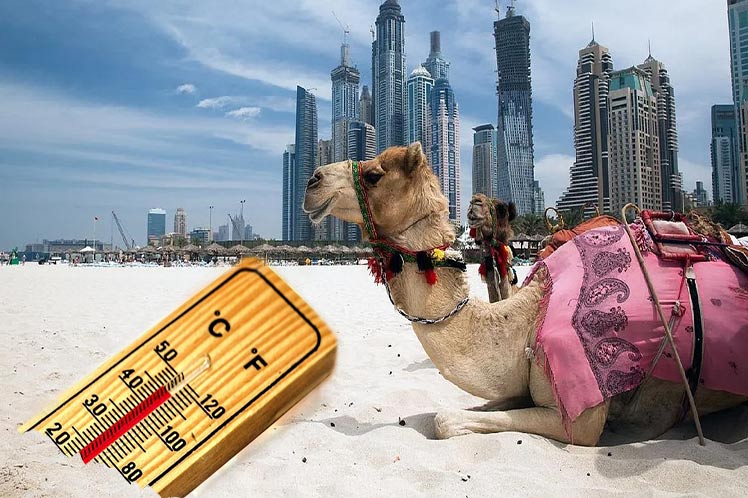
The United Arab Emirates endured an unprecedented surge in temperatures throughout May, with daily highs consistently exceeding 40ºC and several locations surpassing the 50ºC threshold. The National Centre of Meteorology confirmed this month as the hottest May in the country’s recorded history, marking a significant intensification of the region’s ongoing climate challenges.

Several emirates, including Abu Dhabi, Dubai, and Sharjah, experienced prolonged heatwaves that pushed the limits of historic temperature records. The peak temperatures, which exceeded 50ºC in some desert areas, have drawn attention from climatologists and environmental experts, highlighting the accelerated warming trend affecting the Arabian Peninsula. Such extreme heat has severe implications for public health, energy consumption, and urban infrastructure in a region already grappling with water scarcity and rapid urbanisation.

Experts indicate that the exceptional heat is linked to a combination of global climate change and localized meteorological patterns. The Arabian Peninsula’s unique geography, characterised by vast desert expanses, amplifies temperature extremes. Scientists note that climate models have long predicted a rise in heatwaves for this region, but the speed and intensity of these recent temperature spikes are causing concern among environmental analysts.

The impact on daily life has been multifaceted. Health authorities have issued warnings to vulnerable populations, particularly the elderly, children, and outdoor workers, to take precautions against heat-related illnesses. Hospitals have reported an increase in cases of heat exhaustion and dehydration, putting added pressure on healthcare services during the traditionally hot summer months. Municipalities across the UAE have accelerated measures to provide shaded areas and cooling centres to mitigate risks posed by the extreme heat.

Economic sectors dependent on outdoor labour, such as construction and agriculture, have faced operational challenges due to the intense temperatures. Labour laws have been adjusted to ensure safer working hours, often restricting outdoor activities during peak heat periods. The government’s proactive approach to safeguarding workers aligns with international labour standards, but the economic cost of these adjustments remains under evaluation.

Energy demand in the UAE has surged sharply as residents and businesses increase air conditioning usage to cope with the oppressive heat. This spike in electricity consumption raises concerns about grid stability and the environmental impact of increased fossil fuel reliance, despite the country’s ongoing investments in renewable energy. The UAE’s ambitious clean energy goals, including the development of solar power plants and nuclear energy facilities, aim to offset the environmental footprint associated with higher cooling demands.

The National Centre of Meteorology continues to monitor the evolving weather patterns closely, providing regular updates and forecasts to assist government agencies and the public in preparing for ongoing heat conditions. Advanced satellite technology and climate modelling tools are being utilised to enhance prediction accuracy and early warning systems, essential for managing risks related to extreme weather events.

Regional cooperation is becoming increasingly important as neighbouring Gulf countries face similar climatic stresses. Collaborative efforts focus on sharing data, research, and best practices for adapting to higher temperatures and mitigating environmental impacts. Multilateral discussions have emphasised the need for coordinated climate action, recognising that the Arabian Peninsula’s vulnerability to heat extremes transcends national borders.

Urban planners and architects in the UAE are responding by integrating climate-resilient designs into new developments. Innovative cooling technologies, green spaces, and heat-reflective materials are being employed to reduce the urban heat island effect, which exacerbates temperature rises in city centres. These measures are critical as the UAE’s population continues to grow, with urban expansion increasing the demand for sustainable infrastructure solutions.

Environmental groups have stressed the urgency of addressing the underlying causes of climate change, calling for stronger policies on carbon emissions and investment in sustainable technologies. While the UAE has made progress through initiatives such as the UAE Energy Strategy 2050, activists argue that more aggressive actions are required to curb the escalating frequency and severity of heatwaves.

Academic research from regional universities supports these concerns, with studies showing a marked upward trend in temperature averages and heatwave duration over the last two decades. These findings are consistent with broader global warming trends but underscore the disproportionate effects experienced in desert environments.

Public awareness campaigns have played a crucial role in educating residents about heat safety and energy conservation. Government agencies, non-profits, and community organisations collaborate to distribute information on hydration, recognising symptoms of heat stress, and reducing energy use during peak hours. These initiatives aim to enhance community resilience and promote sustainable living practices in the face of climatic shifts.

The East African Crude Oil Pipeline , stretching 1,443 kilometres from Uganda to the Tanzanian port of Tanga, has passed the 60 percent completion mark, marking a significant step forward in one of Africa’s largest infrastructure projects. This progress highlights the accelerating momentum in the development of critical energy infrastructure in the East African region, with implications for the economies and geopolitics of multiple countries. The pipeline, […]

African countries face growing challenges in accessing international finance as global economic uncertainty and tightening monetary policies restrict foreign capital flows. Moody’s Investors Service has highlighted the urgent need for these nations to develop robust local debt markets denominated in their own currencies to mitigate risks associated with reliance on external funding. As global financial conditions tighten, foreign investors have become more cautious about exposure to emerging […]

VISHNU RAJA
RYO YAMADA
HITORI GOTOH
IKUYO KITA