News related to
Part

– Launch a commemorative campaign by celebrating the Japanese app “TRIMA” surpassing 22 million downloads in Japan and its US version “GeoSmile” reaching 1 million downloads – TOKYO, JAPAN – Media OutReach Newswire – 12 June 2025 – GeoTechnologies, Inc. (Headquarters: Tokyo Japan, President & CEO: Yoichiro Yatsurugi), has announced that move-to-earn apps “TRIMA” and “GeoSmile” surpassed twenty-three million cumulative downloads worldwide. Expanding the Japanese move-to-earn app […]

By Nitya Chakraborty More than a month after the pause of India’s Operation Sindoor on May 10 at 5 PM, time has come to state it in candid terms that our Prime Minister’s doctrine of New Normal in respect of relations with Pakistan has failed to convince the major global powers. While strongly defending India […]

HONG KONG SAR – Media OutReach Newswire – 12 June 2025 – ShopBack, Asia’s leading cashback shopping platform, has announced a strategic partnership with Mastercard to introduce an exclusive cashback promotion, empowering Hong Kong shoppers with enhanced savings when they link their eligible Mastercard cards and purchase at selected merchants via the ShopBack app. ShopBack collaborates with Mastercard to unveil an exclusive cashback promotion, offering shoppers a […]

The newly announced trade agreement between the United States and China offers temporary relief from economic tensions, but it does not resolve the deep strategic rift between the world’s two largest economies. For investors, I believe, this is a short-term fix within a long-term rivalry, and portfolios must be positioned accordingly. President Donald Trump’s statement that a deal is “done” follows two days of talks in London. […]

Running a business in 2025 is increasingly moving online — and documentation is no exception. One of the most common questions among entrepreneurs and freelancers is how to quickly and correctly issue an invoice without involving accountants, dealing with paperwork, or registering on complex platforms. While managing finances and sending invoices is becoming simpler, it’s just as important to have a reliable online presence to support your […]

Africa’s ageing oilfields are undergoing a transformation as artificial intelligence technologies unlock new opportunities for enhanced oil recovery. Operators across the continent are leveraging data-driven systems, machine‑learning and regional policy incentives to revive mature reservoirs, boost output and improve efficiency. Major energy firms have spearheaded this push. SLB opened a 3,200 sq ft Africa Performance Centre in Luanda, Angola on 28 January 2025, designed to offer a collaborative platform for digital […]

Sharjah Islamic Bank and Warba Bank have spearheaded a flurry of USD‑denominated Additional Tier 1 sukuk issuances across the Gulf Cooperation Council, as institutions capitalise on narrower spreads, robust investor demand and abundant liquidity to bolster capital under Basel III norms. Sharjah Islamic priced a US$500 million perpetual issuance with a six‑year non‑call period at 6.125%, tightening from initial guidance of 6.5%, after books exceeded US$1 billion. Simultaneously, Kuwait’s Warba Bank […]

Advertisements

OpenAI is holding discussions with a range of international investors—including Saudi Arabia’s Public Investment Fund, Reliance Industries of India, and Abu Dhabi’s MGX—to raise around $40 billion in fresh equity. The move marks a pivotal effort to underwrite its ambitious next-generation AI models and the expansive Stargate infrastructure initiative. The round is being led by Japan’s SoftBank, which aims to shepherd significant capital into artificial intelligence advancements. At […]

Sharjah achieved a total real estate trading value of AED 5.5 billion during May 2025, recording 8,415 transactions across the emirate. The total area traded reached 13.2 million square feet, underlining the emirate’s advancing market strength. Investors conducted 1,574 outright sales deals, accounting for roughly 18.7 per cent of activity, alongside 381 mortgage registrations totalling AED 1.1 billion—4.5 per cent of the transactions. Additionally, 1,486 initial sale contracts were signed, and 3,619 ownership certificates […]

Basketball legend Shaquille O’Neal has reached a tentative settlement to resolve claims in a class‑action lawsuit filed by investors over his involvement with FTX, agreeing to pay $1.8 million. The deal, pending court approval, would shield him from any future legal actions and prevent him from seeking repayment from FTX’s bankruptcy estate.

O’Neal had been among a number of high‑profile figures accused of promoting FTX as a safe investment, acting in contrast to other endorsers who have dropped out of the case. Though he did not admit wrongdoing, the settlement stipulates his payment in exchange for legal closure.

Lawyers for the plaintiffs argued that O’Neal’s public statements—through social media and other media appearances—played a role in encouraging investors to view FTX as secure. The settlement documents reportedly assert that his endorsement carried weight and may have influenced investment decisions.

FTX collapsed spectacularly in late 2022, with founder Sam Bankman‑Fried’s empire crumbling under scrutiny over misappropriated customer funds and questionable internal controls. Backers like O’Neal, who appeared in ads and social media campaigns, have faced growing legal scrutiny as regulators and civil claimants try to establish accountability.

Earlier in the proceedings, several defendants were dismissed from the lawsuit, either through court rulings or individual settlements. This latest proposal ensures O’Neal will exit the litigation entirely once the $1.8 million is paid, with neither party admitting liability. It also blocks him from filing any future claims against the FTX estate, consolidating the resolution of his legal obligations in one definitive agreement.

Experts suggest the settlement reflects a broader trend of high‑net‑worth endorsers seeking to distance themselves swiftly from legal exposure linked to FTX. By settling, O’Neal may avoid burdensome depositions, prolonged litigation, and unpredictable jury verdicts.

Legal analysts note that the sum paid by O’Neal is modest compared to his estimated net worth, but legally sufficient to satisfy the criteria for settlement under class‑action rules. It also sets a benchmark; similar deals could be expected for other prominent individuals named in the suit.

Representatives for O’Neal declined to comment on the matter. Investor and plaintiff attorneys, while welcoming the proposed deal, are continuing litigation against other endorsers. They highlighted the need to hold accountable those whose promotional efforts may have contributed to widespread investor losses.

FTX’s bankruptcy proceedings remain ongoing. The estate is attempting to maximise recoveries for defrauded investors, including pursuing litigation against companies and individuals believed to have benefited from or enabled the exchange’s operations. The exclusion of O’Neal from future claims ensures one less claim the estate must monitor.

Court filings indicate that a judge will hold a hearing in the coming weeks to approve or modify the terms of the settlement. If endorsed, O’Neal’s payment will be directed to a fund for distribution to class‑action members, in line with established legal protocols.

The outcome of this deal will likely shape the strategy of other defendants in the class action. Some may follow O’Neal’s lead, opting to settle quickly to avoid long‑term exposure, while others may choose to litigate further, challenging allegations in court.

HONG KONG SAR – Media OutReach Newswire – 12 June 2025 – The Hong Kong Polytechnic University (PolyU) took part in the world-renowned London Tech Week 2025 held from 9 to 11 June in London, UK, as the only participating university from Hong Kong. Four PolyU startups showcased their ground-breaking innovations in artificial intelligence (AI), advanced manufacturing technologies and healthcare solutions. The event attracted business leaders, industry […]

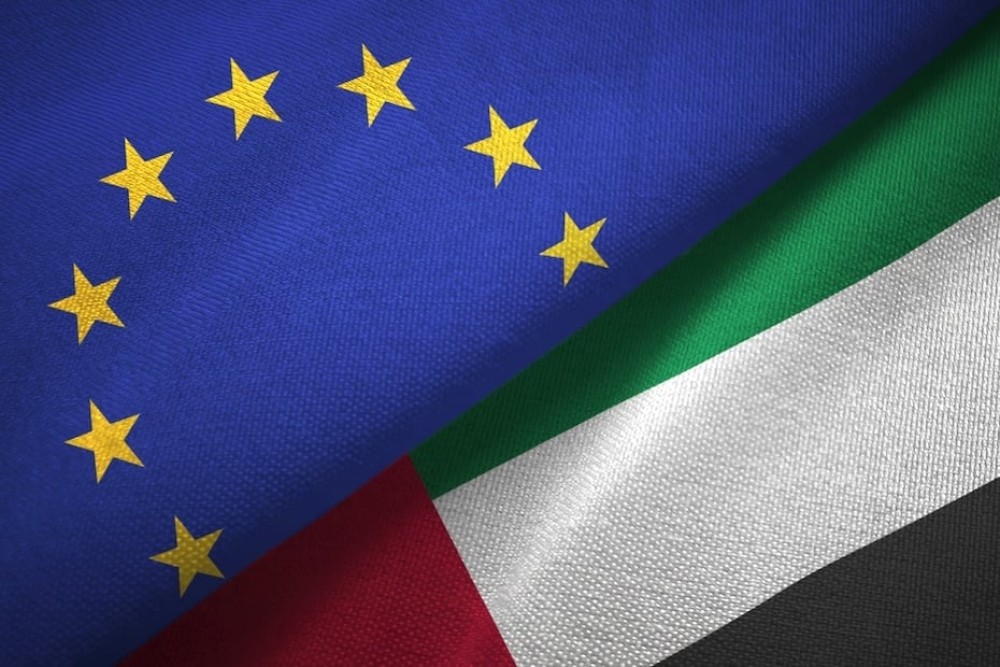
Brussels has moved to recalibrate its anti-money laundering framework with a significant update to its high‑risk third‑country list. The European Commission has put forward a delegated regulation that, pending a one-month scrutiny by the European Parliament and member states, would remove the United Arab Emirates from the bloc’s “high‑risk” list under the Fourth Anti‑Money Laundering Directive. Simultaneously, Algeria and Lebanon—alongside eight others—will be newly classified as jurisdictions with “strategic deficiencies” in their national AML and counter‑terrorism financing frameworks.

The UAE, delisted in tandem with Barbados, Gibraltar, Jamaica, Panama, the Philippines, Senegal and Uganda, has undergone a sequence of reforms aimed at strengthening judicial oversight, regulatory compliance, and enforcement against illicit financial flows. Its exit from the FATF’s grey list in February 2024 marked the start of a broader crackdown that included the creation of specialised courts for financial crimes and a succession of heavy penalties—most recently, a ₫3.3 million fine imposed by the Central Bank on multiple currency exchange houses for compliance violations.

In Brussels, Commissioner Maria Luís Albuquerque emphasised that the overhaul aligns with global standards and is based on rigorous evaluations involving FATF findings, bilateral dialogues and onsite assessments. The process reflects a broader ambition to shore up the integrity of Europe’s financial system by enforcing transparency and curbing illicit financial flows.

The inclusion of Algeria, Lebanon, Angola, Côte d’Ivoire, Kenya, Laos, Monaco, Namibia, Nepal and Venezuela signals rising concern about governance standards in these jurisdictions. Algeria’s entry follows high-profile anti-corruption prosecutions and its low standing in Transparency International’s Corruption Perceptions Index. Lebanon’s designation reflects ongoing socioeconomic volatility and persistent finance networks linked to non-state armed actors.

Monaco, already on the FATF grey list since mid‑2024, was also added to the EU’s high‑risk list despite its recent enhancements to its financial intelligence unit and AML supervisor. The Commission acknowledged its progress while noting unresolved weaknesses.

The dynamics surrounding the UAE’s delisting, however, are not without controversy. Previously, the European Parliament blocked the move, echoing concerns voiced by Transparency International, citing insufficient progress. Opposition is noted to persist among MEPs, particularly from Spain and its stance on Gibraltar, complicating consensus.

From an economic standpoint, the delistings carry tangible incentives. Banks and financial institutions across the EU will scale back enhanced due diligence on transactions linked to the UAE, reducing compliance burdens and speeding up capital flows. Analysts suggest this could enhance foreign investment, signalling confidence in the UAE’s reputation as a global financial hub and factoring into ongoing free-trade negotiations with the EU.

Despite the acknowledged legislative reforms in the UAE, dissent persists. German Green MEP Rasmus Andresen criticised the move as premature, warning that regulatory gaps remain that could be exploited for illicit financial activities. Commission spokespersons framed the update as technical, decoupled from trade ambitions, though the timing follows the launch of EU–UAE trade negotiations in April.

On the other side, proponents speak of a “reputational course correction” for the UAE, part of a sweeping strategy since 2022 that included legislative overhauls, enforcement operations and judicial mechanisms to reinforce compliance with FATF standards.

Should no objections arise during the legislative review, the updated list will come into force in late July. Transaction oversight requirements across EU financial institutions will adjust accordingly, with the UAE reclassified and new protocols applying to the newly added jurisdictions.

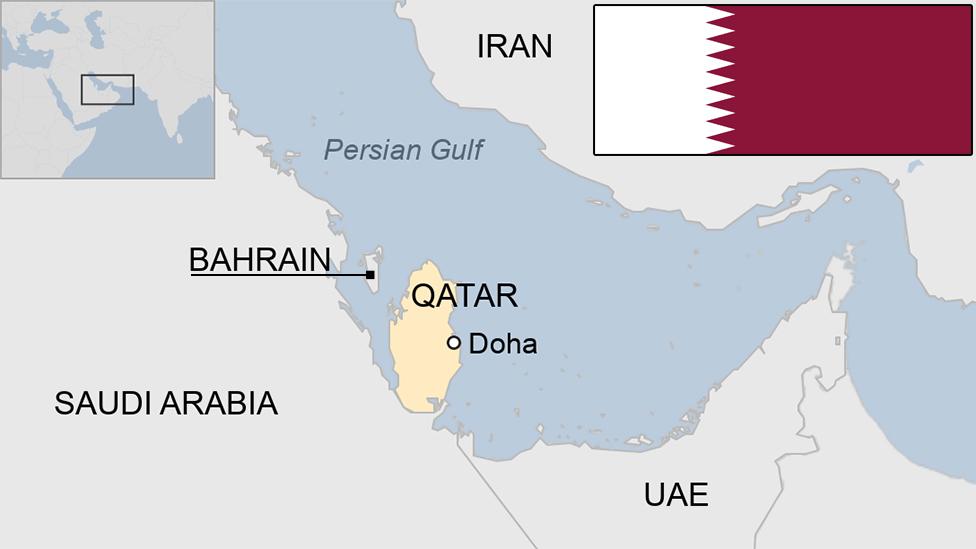
Defense Secretary Pete Hegseth informed the Senate Appropriations Committee on 11 June 2025 that the United States and Qatar have not yet formalised any agreement transferring a Boeing 747‑8 jetliner gifted by the Qatari royal family for potential use as Air Force One. Lawmakers pressing for details were met with repeated deferrals, as Hegseth invoked security and confidentiality concerns.

Senators voiced concern over the lack of transparency surrounding the gift. Senator Jack Reed of Rhode Island demanded insight into contractual terms and timeframe for retrofitting the aircraft to meet presidential standards, only to be told such information was “not for public consumption”. The Pentagon has neither disclosed cost estimates nor identified a specific US contractor for the extensive upgrade work required, including secure communications, defensive capabilities and airworthiness certification.

Despite earlier assurances from Air Force Secretary Troy Meink that retrofitting expenses could remain under USD 400 million, Democrats remain sceptical. Senator Chris Murphy pointed out that past Air Force One modernisation efforts have encountered significant budget escalations, sometimes reaching billions, and questioned the wisdom of funding work on a foreign jet when replacement aircraft are already in production.

Republicans, including Senators Jim Risch and Roger Marshall, defended the deal, asserting that Qatar and the UAE are strong US allies and that the jet donation alleviates procurement delays with Boeing. Secretary Hegseth echoed this view, suggesting that accepting Qatar’s jet could temporarily ease reliance on delayed Boeing‑built VC‑25B aircraft, though he declined to specify projected completion dates or key benchmarks.

Ethical concerns persist across party lines. Opponents argue that accepting a luxury aircraft from a foreign government may trigger Foreign Emoluments Clause issues or at least generate the appearance of impropriety. Qatar, meanwhile, has maintained that the nature of the transaction is under review—possibly a lease or outright purchase rather than a gift—though final details remain unresolved.

The Boeing 747‑8 in question, approximately 13 years old, features lavish interiors and advanced technology, earning it the nickname “palace in the sky.” Converting it to a presidential transport requires secure communications suites, defensive countermeasures, and structural modifications—a process estimated to span years. While Pentagon officials suggest costs may be contained beneath USD 400 million, analysts warn that upgrades for classified systems and nuclear safety could push costs well above one billion dollars.

Beyond the technical and ethical dimensions, questions remain over how accepting Qatar’s jet might affect broader US defence priorities. Some argue that prioritising resources for a foreign-made interim aircraft could detract from funding the delayed VC‑25B programme, which is pivotal to modernising the presidential fleet.

At the same hearing, Hegseth also dismissed calls for transparency, stating that budgetary and negotiating processes must remain classified for national security. This response intensified criticism from Democratic senators, who claim taxpayers deserve clarity on military expenditures and foreign transfers of high-value assets.

Meanwhile, Senate Republicans rejected two resolutions aiming to pause arms sales to Qatar and the UAE, signalling ongoing bipartisan support for the Gulf states despite growing unease over Trump administration’s foreign dealings. Republicans emphasised the strategic importance of maintaining strong defence cooperation, downplaying concerns over the aircraft gift.

The debate is set to continue as the Air Force advances planning and preliminary feasibility studies. Key upcoming moments include formalisation of the memorandum of understanding, selection of retrofit contractors, and disclosure of cost and timeline projections. The outcome will test the administration’s balance between diplomatic expediency, financial responsibility, and institutional transparency.

Dubai Land Department’s second tokenised property offering was fully subscribed in just one minute and 58 seconds, marking the fastest-ever blockchain-backed real estate transaction globally. The project, made available through the PRYPCO Mint platform, attracted 149 investors across 35 nationalities, while more than 10,700 others joined a waitlist to participate. The speed of uptake underscores growing trust in digital property ownership within the emirate’s broader Property Tokenization Initiative.

The feature property—a one‑bedroom apartment in Kensington Waters on Mohammed Bin Rashid City—was valued at AED 1.5 million, discounted from an estimated AED 1.875 million. Fractional ownership began at AED 2,000, enabling micro‑investing in prime Dubai real estate. This landmark offering followed an inaugural tokenisation in May 2025, which sold out within 24 hours, suggesting escalating global appetite for fractional property investments.

PRYPCO Mint is jointly operated by the Dubai Land Department and PRYPCO, under a regulatory framework accredited by the Virtual Asset Regulatory Authority, the UAE Central Bank, and Dubai Future Foundation within the Real Estate Sandbox initiative. The blockchain infrastructure is built by Ctrl Alt on the XRP Ledger and supported by Zand Digital Bank, ensuring tokens align with official title deeds.

Market data indicates robust momentum behind this pivot to tokenisation. In May, Dubai recorded total real estate sales of AED 66.8 billion, a 44 per cent increase year-on-year. The surge was driven by a 314 per cent rise in primary sales, with experts citing tokenisation as a catalyst for further growth. Scott Thiel, CEO of Tokinvest, observed that “tokenisation will not just accompany the next record, we believe, it will help drive it,” signalling strong confidence in the emerging asset class.

Dubai’s roadmap for tokenised real estate charts transformative ambitions. The DLD estimates that by 2033 tokenised assets could account for 7 per cent of the city’s total real estate market—equivalent to roughly US$16 billion. The first offering had drawn 224 investors from over 40 countries, with certificates of ownership now logged on the blockchain to ensure legal validity.

Industry insiders have noted the implications across the investment ecosystem. Zaher El Orm, a blockchain advocate in Dubai, commented that the asset “sold out in less than two minutes … with an average investment of around AED 10,000, a clear demonstration of the market’s appetite for on‑chain, fractional property investment,” adding that title certifications were issued within hours.

Earlier in the year, DAMAC Group—one of the UAE’s major developers—agreed to tokenize its assets worth US$1 billion via the MANTRA platform, reinforcing Dubai’s ambition to become a global digital assets hub. This aligns with regulatory updates from VARA in May extending tokenisation frameworks to real-world assets, bolstering transparency and operational efficiency.

Dubai Land Department and PRYPCO are now preparing to expand PRYPCO Mint’s offerings, encouraging investors to register early. Future phases aim to include international participants and onboard additional developers, scaling the initiative beyond its pilot phase.

Tokenisation is reshaping Dubai’s real estate landscape. By lowering barriers to entry, increasing liquidity, and embedding ownership in blockchain-secured records, Dubai is forging a path toward a digitally enabled property market that caters to both local and global investors. As the platform extends its reach, tokenised offerings may soon become a mainstream vehicle for property investment.

Global law enforcement has dismantled over 20,000 malicious IP addresses and domains used to serve 69 variants of information‑stealing malware, in a sweeping cybercrime operation spanning 26 countries across the Asia‑Pacific region. The coordinated effort—dubbed Operation Secure—uncovered the digital infrastructure behind credential‑harvesting malware, led to the seizure of 41 servers, over 100 GB of illicit data, and the arrest of 32 suspects, officials said. The four‑month initiative, conducted […]

NEW DELHI, INDIA – Media OutReach Newswire – 11 June 2025 – Throughout May, 1win took the roads of India with a mission: to bring IPL 2025 thrills to the cricket fans, even in the country’s distant corners. As part of a nationwide roadshow, the brand visited multiple cities and towns on the way from Mumbai to New Delhi with a fleet of branded trucks, entertaining fan […]

2025 Sustainable and Constructive News Awards Now Open for Entries TAIPEI, TAIWAN – Media OutReach Newswire – 12 June 2025 – The 2025 Sustainable and Constructive News Awards are now officially open for submissions. Under the theme “Raise Your Voice, Brighten the World; Report the Truth, Strengthen Its Power,” the Awards call on journalists to merge professional reporting skills with a commitment to sustainability—transforming journalism into a […]

Trump Media & Technology Group, owner of the Truth Social platform, has submitted a Form S‑1 registration to the U.S. Securities and Exchange Commission for its proposed Truth Social Bitcoin ETF, aiming to list on NYSE Arca. The application states the fund will hold Bitcoin directly, with Crypto.com serving as custodian, prime execution agent and liquidity provider, and Yorkville America Digital listed as sponsor. NYSE Arca has separately filed a Form 19b‑4 to list the fund should it receive regulatory approval.

The filing highlights an unprecedented disclosure linking the fund’s prospects to President Trump’s crypto-related initiatives. For the first time in a crypto-ETF filing, the risk section cites creation of an SEC crypto task force in January and the March executive order establishing a Strategic Bitcoin Reserve. It warns that the impact of these policies on the sponsor, the fund, TMTG, Crypto.com or affiliates “is not possible to fully predict”. Bloomberg’s Eric Balchunas noted this is likely “the first time ever the advisor is in the risk section”.

If approved, the ETF would become part of a growing cohort of spot Bitcoin funds currently active in the U.S., including BlackRock’s iShares Bitcoin Trust, which has amassed over US $70 billion in assets, BlackRock having initially launched the product in January 2024. Other major asset managers—Fidelity, Bitwise—also offer similar instruments, making the market highly competitive.

TMTG’s proposed fund is closely tied to the broader ambitions of Trump’s crypto policy platform. The earlier executive order in March 2025 mandated creation of a Strategic Bitcoin Reserve using government-forfeited assets, effectively integrating Bitcoin into sovereign reserves. The order also created a U.S. Digital Asset Stockpile, requiring federal agencies to centralise digital asset holdings and obliging the Secretaries of Treasury and Commerce to evaluate further acquisitions at no cost to taxpayers.

The regulatory backdrop has shifted markedly. January’s executive directive established a Presidential Working Group on Digital Asset Markets and directed the SEC to create a crypto task force. Gary Gensler resigned as SEC chair on the eve of Trump’s inauguration and was succeeded by Paul Atkins, a noted crypto advocate. The SEC has since dropped several previous enforcement cases and eased accounting rules, paving the way for more crypto-product filings.

Trump Media’s broader strategy involves securing a substantial Bitcoin treasury. SEC filings indicate its Form S‑3 shelf registration allows issuance of up to 85 million shares tied to its $2.3 billion private placement, earmarked to purchase roughly 23,000 Bitcoin—potentially placing the company among the top public corporate holders. Custody of these assets is expected to be shared between Anchorage Digital and Crypto.com.

Yorkville America Digital’s dual role—as sponsor of the ETF and partner to TMTG—has raised questions of conflicts of interest. The risk disclosure notes Yorkville affiliates are also involved in Truth.Fi, an investing platform tied to Trump’s “America First” agenda, and have made up to $2.5 billion in equity commitments to TMTG. The same affiliate acted as co-placement agent for the $2.44 billion private placement.

Financial markets have responded with mixed signals. While Bitcoin briefly surpassed US $111,000 following Trump’s return to the executive and policy shifts, it has since retreated to the US $105,000–$101,000 range. TMTG’s own stock dropped around 8 per cent following public disputes between Trump and Elon Musk, and remains down roughly 56 per cent over the past 12 months.

Analysts say the fund faces significant challenges. Despite its high-profile branding and alignment with Trump’s policy agenda, it competes against established firms with deep institutional credibility. ETF expert Dave Nadig remarked that long-term asset gathering for this fund is “extraordinarily unlikely”. CoinCorner CEO Danny Scott expressed unease about Trump’s use of political influence in personal financial ventures.

The ETF’s structure also contains potentially problematic clauses. Cointelegraph reports that the S‑1 includes exclusive arrangements granting Crypto.com sole custodian and liquidity provision roles, and provisions that allow the sponsor to take positions ahead of the Trust—raising transparency concerns.

Still, proponents contend the fund could redefine retail and ideological investor access. Backers assert its America‑First branding might appeal to conservative retail investors seeking regulated Bitcoin exposure. Crypto.com’s reach—serving over 140 million users and holding approximately US $30 billion in assets—could alleviate institutional concerns about custody risk.

Approval hinges on SEC review of both S‑1 and 19b‑4 filings. With multiple spot Bitcoin ETFs already approved in the U.S., the regulatory framework exists—but TMTG’s political ties, interlocking financial relationships and novel disclosures may trigger heightened scrutiny.


HANOI, VIETNAM – Media OutReach Newswire – 11 June 2025 – Vinmec Healthcare System has successfully performed a Total Femoral Replacement (TFR) surgery using personalized 3D printing materials for the world’s youngest cancer patient. It is also the first biomedical product designed and produced entirely in Vietnam, marking a major milestone in the country’s advancement in precision medicine. Vinmec successfully performs world’s youngest pediatric total femur replacement […]

Donald Trump has declared on social media that the United States and China have finalised a trade agreement, pending formal sign-off from both himself and Chinese President Xi Jinping. The accord ensures China will supply rare earth minerals and magnets “up front” to the U.S., while the U.S. will honour its commitments, including allowing Chinese students to study at American universities. Trump also highlighted a tariff arrangement favouring the U.S., imposing a total of 55 per cent, against China’s 10 per cent.

Negotiators in London laid the groundwork for this framework during two days of discussions aimed at restoring the Geneva truce first reached in May, which had faltered amid export restrictions on critical minerals. U.S. Commerce Secretary Howard Lutnick described the outcome as putting “meat on the bones” of the Geneva agreement by addressing China’s curbs on rare earths and magnets. Both governments intend to present the framework for approval by Trump and Xi.

China controls a significant share of the world’s rare earth minerals, essential for manufacturing electronics, electric vehicles and defence technologies. Export licences recently granted to Chinese firms meeting U.S. demand reinforce China’s commitment to the agreement. The shortage of these minerals had previously disrupted global supply chains and limited U.S. access to critical components.

Alongside rare earth supplies, the agreement addresses educational exchanges by reaffirming that Chinese students will continue to access American universities. Trump emphasised this pledge in his social media announcement. Although the U.S. has criticised visas for students in sensitive fields, the deal appears to restore earlier norms.

Trump presented the tariff structure as a win for American interests: 55 per cent U.S. tariffs versus 10 per cent Chinese tariffs. These adjustments mark a shift from the extreme tariff stances of earlier this year, which had peaked at triple-digit levels.

Stock markets responded cautiously to the news: global indices displayed measured optimism as investors awaited details and official approvals. Analysts warned that markets remain fragile, with movement dependent on implementation and trust between the two nations.

Beijing’s participation was led by Vice Premier He Lifeng and Commerce Minister Wang Wentao, who conveyed the deal as a balanced step toward reviving the Geneva pact. The U.S. delegation included Commerce Secretary Lutnick, Treasury Secretary Scott Bessent, and Trade Representative Jamieson Greer. President Trump and President Xi had previously spoken by telephone on 5 June, building momentum for these discussions.

Despite this progress, experts caution that deep-seated mistrust and unresolved disputes remain. Non‑tariff barriers, such as technology export restrictions and visa policies, continue to loom. Chinese officials emphasised the deal’s provisional nature, awaiting “balanced” steps by both sides.

Analyst Ian Bremmer of Eurasia Group observed that while restarting the Geneva truce is a step up from breakdown, achieving a durable U.S.-China trade relationship will require sustained engagement and policy alignment. The role of rare earths as leverage underscores China’s global strategic advantage.

President Trump signalled confidence that approval could occur swiftly: Lutnick suggested sign-off might happen within days, as early as Wednesday or Thursday, after which implementation could begin. However, both governments have set a firm deadline of 10 August to negotiate a broader accord, before tariffs revert to higher levels.

With economic growth at risk from disrupted supply chains and tense trade anomalies, both the White House and Beijing face pressure to deliver tangible results. The World Bank recently warned that heightened tariff uncertainty could drag down global growth to an estimated 2.3 per cent in 2025.

While the deal hasn’t resolved core security‑driven trade issues—such as semiconductor and aviation export controls—it marks a notable thaw in tensions. Trump labelled his relationship with Xi as “excellent”, while both leaders exchanged invitations for state visits, signalling a diplomatic openness that has been absent from U.S.-China relations.

Pentagon officials have trimmed the U.S. Air Force’s F-35A fighter jet order dramatically, requesting just 24 aircraft in fiscal year 2026—cutting it by half from the previously projected 48 jets. The revised procurement proposal, submitted to Congress, seeks approximately $3.5 billion for the jets and an additional $531 million set aside for advance materials procurement. This downsizing is part of a broader strategy by the Department of Defence to […]

A major ransomware assault on a leading diagnostic and pathology services provider has sent healthcare operations into disarray, pausing thousands of patient procedures, crippling essential services like blood transfusions and cancer screenings, and exposing sensitive patient data across multiple hospitals. Investigators have attributed the attack to the Qilin ransomware group, known to operate under Russia’s ransomware-as-a-service infrastructure. The breach exploited weak multi-factor authentication, excessive privileged access, orphaned […]

By Nitya Chakraborty The high level delegations of United States of America and China concluded their two day trade talks in London on Tuesday agreeing to take forward the course of negotiations for further promoting steady and healthy development of economic and trade ties between the two largest economies of the world. Both Chinese and […]

The World Bank has raised its forecast for the UAE’s gross domestic product to 4.6 percent in 2025, marking a notable upward revision of 0.6 percentage points from its January outlook. The renewed projection is driven by strong momentum in non‑oil sectors—tourism, construction, transportation and finance—while the phased easing of OPEC+ production cuts is expected to support oil output growth.

Overall GCC growth is also tipped to rise to 3.2 percent in 2025, climbing further to 4.5 percent in 2026 and 4.8 percent in 2027. Globally, however, the World Bank projects a slowdown to 2.3 percent in 2025, the weakest expansion outside recessions since 2008 — due mainly to elevated trade tensions and policy uncertainty.

Within the UAE, the non‑oil sector is poised to expand by roughly 4.9 percent in 2025, outpacing oil‑based growth. This upturn reflects robust activity in tourism, real estate, transport, and financial services. The first nine months of 2024 saw non‑oil GDP rise by 4.5 percent, a stronger contributor than the 1.5 percent growth recorded in oil GDP.

Analysts point to the UAE’s strategic economic diversification as central to this trajectory. Public investment in infrastructure and tech industries, alongside governance reforms aimed at enhancing the business environment, have significantly boosted competitiveness. Free‑zone facilities and logistics integration—especially in Abu Dhabi—are improving supply chain efficiency, while the nation’s Comprehensive Economic Partnership Agreements are broadening international trade links.

OPEC+ adjustments remain influential. The group is implementing a gradual withdrawal from voluntary oil output limits between May 2025 and September 2026, which the World Bank says will bolster oil GDP amid global price pressures. The UAE’s oil GDP is thus anticipated to gain ground after a lull, providing a stabilising complement to the diversification agenda.

Risks persist, including uncertainty around global trade, fluctuating energy prices, and regulatory slowdowns. The World Bank notes that logistics sectors across the GCC could be affected by broader trade disruptions. Meanwhile, lower oil revenues may limit fiscal flexibility, even as sovereign buffers remain robust.

In Abu Dhabi, economic diversification efforts are visibly gaining traction. The non‑oil sector there grew by 6.2 percent in 2024, representing over half of the emirate’s GDP at AED 644.3 billion. Large‑scale initiatives—such as new business districts, enhanced transport infrastructure, and collaborative zones linking academia with private industry—are expanding economic capacity.

Despite global headwinds, the UAE’s fiscal position remains sound. The 2024 fiscal surplus stood at approximately 4.6 percent of GDP, supported by counter‑cyclical spending and healthy sovereign reserves. Inflation has moderated to near 2.3 percent, with the Central Bank maintaining supportive liquidity without compromising price stability.

Employment is also expected to benefit. The International Labour Organization projects job growth to remain around 3.3 percent in 2025, with unemployment steady at roughly 2.1 percent. Nonetheless, structural issues—such as high youth unemployment and gender disparities—persist, particularly among younger and female cohorts.

Looking ahead, the UAE is on track to sustain growth above 4 percent through 2027, with oil and non‑oil sectors contributing in tandem. Yet, global vulnerabilities underscore the need for continued diversification, fiscal prudence and trade resilience.

VISHNU RAJA
RYO YAMADA
HITORI GOTOH
IKUYO KITA