News related to
Part

Cancer patients, survivors and their loves ones formed an inaugural dragon boat team Citizens and tourists dive into the Dragon Boat Frenzy HONG KONG SAR – Media OutReach Newswire – 9 June 2025 – The “2025 Sun Life Hong Kong International Dragon Boat Races”, organized by the Hong Kong Tourism Board in collaboration with the Hong Kong China Dragon Boat Association and proudly title-sponsored by Sun Life, […]

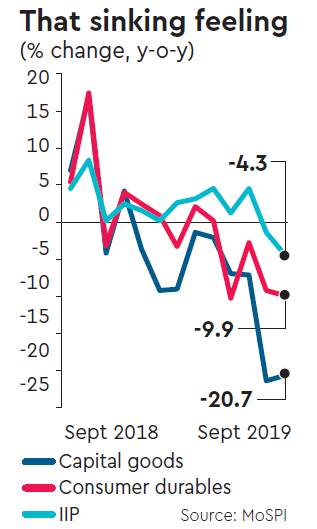
By Nantoo Banerjee India’s economic growth figures seem to be getting increasingly delinked with domestic manufacturing, industrial output, and job generation. The manufacturing sector had a very little contribution to the country’s 6.5 percent GDP growth during the last financial year, the slowest in four years. Despite a good monsoon last year, the country’s agriculture […]

Apparel Group has marked a significant milestone by launching Go Colors’ inaugural international store at Dubai’s Silicon Central Mall, signalling the brand’s entry into the global retail market. This expansion represents a strategic step for Go Colors, which has established a strong presence in India with its vibrant and affordable fashion offerings. The move aims to capitalise on Dubai’s status as a retail hub, known for its diverse, fashion-conscious clientele and high footfall of international shoppers.

Go Colors is part of the Apparel Group, a leading retail conglomerate that manages over 75 global brands across the Middle East, India, and beyond. The launch in Dubai is designed to leverage the city’s cosmopolitan market, introducing Go Colors’ distinct range of colourful apparel, accessories, and lifestyle products to a broader audience. The brand’s identity revolves around youthful, trendy designs and a commitment to affordable pricing, which has resonated well with the domestic market and is now poised to attract the diverse demographics of Dubai’s shoppers.

Dubai’s Silicon Central Mall, a recently developed retail complex situated in the heart of Dubai Silicon Oasis, was chosen for its strategic location and modern infrastructure. The mall is rapidly emerging as a key destination for technology and lifestyle retail, combining innovation with shopping experiences. This aligns with Go Colors’ dynamic brand ethos and the Apparel Group’s ambition to expand its footprint in premium retail locations. The new store covers approximately 2,000 square feet and features a wide array of products tailored to appeal to men, women, and children, maintaining the brand’s core focus on versatility and style.

The decision to launch Go Colors internationally reflects broader trends in the retail sector, where Indian-origin brands are increasingly seeking growth beyond domestic boundaries. This expansion is facilitated by Dubai’s robust economic framework, ease of doing business, and a strong retail infrastructure that attracts international brands looking to establish a presence in the Middle East. Industry experts note that the Middle East retail market continues to grow steadily, driven by a young population, rising disposable incomes, and a blend of traditional and contemporary shopping preferences.

Go Colors’ entry into the Dubai market comes amid intensifying competition among apparel brands vying for consumer attention in the region. The brand’s strategy focuses on differentiating itself through vibrant colour palettes, frequent new collections, and price accessibility. This approach is expected to attract not only the local UAE residents but also expatriates and tourists, who constitute a significant share of Dubai’s retail consumers. By emphasising a youthful and energetic brand image, Go Colors aims to fill a niche that balances trendy fashion with everyday affordability.

The Apparel Group’s leadership expressed confidence in the growth potential of the new store. The group’s CEO highlighted that the launch represents a blend of innovation, market understanding, and the ability to connect with diverse consumer groups. He underlined the importance of Dubai as a gateway for international expansion and pointed to the group’s extensive experience in managing multiple global brands as a key asset in navigating new markets. The leadership’s vision for Go Colors involves not only store expansion within the UAE but also potential future openings in other strategic locations worldwide.

Operationally, the new store employs a mix of local staff trained in customer engagement and product knowledge, ensuring a high standard of service that aligns with the brand’s values. The layout of the store is designed to offer a seamless shopping experience, combining colourful, eye-catching displays with intuitive product categorisation. This allows customers to easily navigate through seasonal collections, casual wear, and accessories. Additionally, the store integrates digital elements such as QR codes for product information and promotions, reflecting a growing trend towards blending physical and digital retail experiences.

Market analysts observe that the Apparel Group’s expansion strategy is well-timed, considering the growing appetite for fast fashion and lifestyle brands in the Middle East. The region’s retail sector is adapting rapidly to shifts in consumer behaviour, with increased demand for value-oriented yet stylish apparel. Go Colors’ proposition fits into this paradigm by offering fresh designs frequently, thus catering to consumers seeking variety without compromising affordability. This trend is underscored by data indicating increased spending on casual and lifestyle clothing across GCC countries, driven by younger demographics and evolving fashion sensibilities.

While the launch signals optimism, challenges remain for Go Colors as it enters a competitive and sophisticated market. Established international brands and regional players alike have entrenched customer bases, and consumer expectations for quality, trendiness, and service are high. Success will depend on how effectively Go Colors can localise its product offerings, adapt to cultural preferences, and sustain a compelling value proposition. The Apparel Group’s experience in the Middle East retail sector, including managing franchises and original brands, is expected to play a crucial role in mitigating these challenges.

The store opening is also part of a wider retail resurgence in Dubai, as the city continues to attract global investors and shoppers post-pandemic. Retail experts point to increased foot traffic in malls and rising consumer confidence as indicators of a robust recovery. Government initiatives promoting tourism, retail innovation, and business-friendly policies have contributed to this positive environment. For Go Colors, entering this market now could provide early mover advantages as consumer habits stabilise and purchasing power strengthens.

Dubai’s FIX Dessert Chocolatier confirmed it will unveil a new chocolate bar at Mall of the Emirates this Friday, June 13, launching a three‑day pop-up from 10 AM until midnight through Sunday, June 15. The brand, already famed for its pistachio‑and‑knafeh‑filled “Dubai Chocolate” bars, has withheld details on the new variant, teasing only that it draws from “childhood memories”. Shoppers will also encounter interactive games, prize giveaways and brand‑curated surprises […]

Ethiopia has surged ahead to become Africa’s largest wheat producer, with output surpassing that of Egypt by a factor of three, according to Prime Minister Abiy Ahmed. This achievement marks a significant milestone in Ethiopia’s agricultural sector, underscoring its rising role in continental food security and economic development. Prime Minister Abiy announced this development during a national address, highlighting the government’s concerted efforts to boost domestic wheat […]

The 2025 Infiniti QX80 marks a significant departure from its predecessor, delivering a blend of commanding presence and refined agility rarely seen in full-size luxury SUVs. Infiniti’s latest iteration sheds the bulkiness that once defined the model, replacing it with a sleeker, more aerodynamic silhouette while enhancing interior sophistication and technological integration. This transformation reflects the brand’s push to compete more aggressively within the crowded luxury SUV […]

Dubai’s Museum of the Future has launched a vibrant series of events and interactive workshops designed to engage visitors with cutting-edge technology and innovation throughout June. This initiative aims to expand public interaction with future-forward concepts, positioning the museum as a hub for experiential learning and exploration in the region. The new programme features a blend of activities tailored to various age groups and interests, with a […]

Advertisements

Lyntia Networks is advancing its operational support systems through the integration of Oracle’s cloud-native communications technology, aiming to automate service orchestration and enhance the speed and efficiency of its telecom service delivery. The Spanish neutral wholesale operator, known for expanding its footprint in fibre infrastructure, seeks to leverage automation to meet growing market demands and improve customer experience. The deployment of Oracle’s OSS solutions will enable Lyntia […]

Hong Kong’s Hang Seng index climbed past the 24,000 mark, reaching heights unseen since March, fuelled by renewed optimism surrounding US-China trade discussions. Investor sentiment improved as market participants weighed the possibility of easing tensions between the two largest economies, sparking a notable rally in Hong Kong’s benchmark index. However, this upbeat mood contrasted sharply with the performance of Bitcoin, which struggled amid uncertainties over inflation dynamics and broader market volatility.

The Hang Seng’s advance reflected a growing belief that US and Chinese officials are making progress toward resolving key trade disputes. Early talks aimed at addressing tariffs, technology restrictions, and investment barriers have led investors to anticipate a thawing in one of the most consequential economic standoffs globally. The improving trade dialogue appears to be encouraging capital inflows into Hong Kong-listed shares, particularly in sectors sensitive to cross-border trade such as technology, manufacturing, and finance.

Market experts highlight that investor focus remains fixed on the trajectory of these negotiations, with any breakthroughs potentially unlocking significant value in the region’s equities. The rally also aligns with a more cautious but hopeful stance among traders that a prolonged trade conflict could ease, bolstering global economic growth prospects. Notably, blue-chip stocks led the gains, signalling confidence among institutional investors betting on recovery and expansion in the Asia-Pacific markets.

Conversely, Bitcoin’s performance diverged, as the leading cryptocurrency grappled with pressure from both macroeconomic and regulatory fronts. The digital asset has faced downward momentum partly due to investor apprehensions over persistent inflationary pressures in the United States. Inflation data remains a key focal point, as higher consumer prices could prompt the Federal Reserve to sustain or accelerate interest rate hikes, tightening liquidity conditions and dampening risk appetite in speculative assets.

Bitcoin’s volatility has also been compounded by shifting regulatory attitudes worldwide. Authorities in various jurisdictions are intensifying scrutiny of digital currencies, citing concerns over money laundering, market manipulation, and financial stability risks. Such regulatory tightening has contributed to a cautious investor approach, limiting Bitcoin’s ability to capitalize on broader risk-on sentiment seen in equities.

Analysts note that while Bitcoin has often been viewed as a potential inflation hedge, its correlation with traditional risk assets has increased, causing it to react sensitively to shifts in monetary policy and global economic uncertainty. This evolving dynamic challenges the narrative of cryptocurrencies as safe havens, complicating portfolio strategies for institutional and retail investors alike.

The Hang Seng’s rally has benefited from strong performances in technology companies listed in Hong Kong. Giants in the semiconductor and telecommunications sectors saw their share prices rise amid speculation that easing trade tensions could reduce supply chain disruptions and promote cross-border business activities. Additionally, financial stocks gained momentum as optimism grew about improving economic fundamentals and potential credit growth in the region.

Meanwhile, traders are closely monitoring upcoming US inflation reports, which could significantly influence market direction. Persistent inflation could lead the Federal Reserve to maintain a hawkish stance, thereby exerting downward pressure on risk assets including equities and cryptocurrencies. Conversely, signs of easing inflation could provide further impetus for market rallies and reduce volatility.

Hong Kong’s role as a financial gateway between China and the global economy continues to underpin investor confidence. The city’s markets are seen as a barometer for broader regional economic health, and the Hang Seng’s rise signals expectations that cross-border trade and investment flows will stabilise or improve amid diplomatic progress. This optimism is tempered by awareness of ongoing geopolitical risks, including Taiwan tensions and global supply chain uncertainties.

Bitcoin’s challenges underscore the growing complexity of the global investment landscape, where traditional and emerging asset classes are influenced by an intertwined set of economic, regulatory, and geopolitical factors. While the cryptocurrency market remains dynamic, its path forward appears increasingly contingent on external economic conditions rather than solely on technological or adoption milestones.

The UAE Football Association has imposed substantial sanctions on Sharjah FC’s Khalid Al Dhanhani and Shabab Al Ahli’s Sultan Adil, levying fines of Dh500,000 each and domestic bans spanning five matches. Both clubs have expressed full support for the association’s decision and announced plans to initiate internal reviews into the conduct of the players involved.

The disciplinary measures follow an investigation into conduct deemed inappropriate during recent fixtures in the UAE Pro League. The Football Association’s decision signals a firm stance on maintaining discipline and sportsmanship standards in the country’s top-tier football competitions. Sharjah and Shabab Al Ahli, two of the UAE’s most prominent clubs, have publicly committed to cooperation with the governing body’s directives and have vowed to undertake rigorous internal probes aimed at preventing future breaches.

Officials from Sharjah FC described the imposed sanctions as “just and necessary,” underscoring the club’s zero-tolerance policy towards behaviour that undermines the integrity of the sport. Similarly, Shabab Al Ahli representatives reiterated their support for the Football Association’s rulings, stressing the importance of upholding the reputation of UAE football on domestic and regional stages.

The cases against Al Dhanhani and Adil reportedly involved incidents that breached the association’s code of conduct, though specific details about the nature of the violations have been withheld from public disclosure to protect all parties involved. Observers note that the magnitude of the fines and bans reflects the association’s increased commitment to enforcing discipline and deterring misconduct in a league that continues to grow in regional prominence.

This move aligns with broader efforts by the UAE Football Association to professionalise the sport locally and align with international standards of governance and fairness. The recent enforcement of hefty penalties on high-profile players sends a message to the football community that violations, irrespective of player status, will attract stringent consequences.

Inside the clubs, internal investigations are expected to scrutinise not only the incidents leading to the penalties but also the systemic factors that may have contributed to the lapses in conduct. Sharjah and Shabab Al Ahli’s initiatives aim to reinforce codes of behaviour, improve player education regarding sportsmanship, and implement monitoring mechanisms to prevent recurrence.

The UAE Pro League, which features many international talents alongside local stars, has seen increased scrutiny over player behaviour and match officiating standards in recent seasons. The Football Association’s disciplinary committee has stepped up its vigilance to safeguard the league’s competitive integrity and enhance its appeal to sponsors and fans alike.

Football experts within the region have welcomed the decisive action taken by the association, noting that maintaining discipline is crucial as UAE clubs seek to compete more effectively in continental competitions such as the AFC Champions League. The implementation of fair play principles is viewed as integral to sustaining the sport’s development and nurturing young talent under professional frameworks.

While the penalties levied are severe, they also serve as an opportunity for the players to reflect on their professional conduct and align with the expectations set by their clubs and governing bodies. Both Al Dhanhani and Adil remain key figures within their teams, and their return following suspension will likely come with an emphasis on exemplary behaviour.

The financial fines represent a significant deterrent, especially in a league where clubs are increasingly investing in player welfare and development. The sanctions highlight the balance sought between disciplinary action and the need to foster a positive competitive environment that encourages respect among players, coaches, and officials.

The Football Association’s handling of this matter has been consistent with international best practices, reflecting a growing maturity in sports governance within the UAE. Clubs across the league are anticipated to reinforce internal policies and promote awareness to ensure alignment with the standards enforced by the governing body.

The disciplinary episode involving Al Dhanhani and Adil has also drawn attention to the broader cultural and professional expectations within UAE football, emphasising accountability and ethical behaviour as non-negotiable elements of athlete performance. As clubs prepare for the next stages of the season, the message from the association and participating teams is clear: professionalism and discipline will be upheld at all costs.

Dubai has recorded a robust 20 per cent increase in overall student enrolment at private higher education institutions during the 2024–25 academic year, pushing total numbers to an unprecedented 42,026 students across 41 KHDA‑licensed campuses. International student presence surged by 29 per cent, now constituting 35 per cent of the total enrolment, while Emirati participation surged by 22 per cent, signalling growing confidence among nationals in private university offerings. This expansion […]

Greenlogue/AP The European Commission has initiated a research and innovation project to develop megawatt charging systems tailored for heavy‑duty transport across the EU. Aimed at aligning with the Green Deal’s objective of 90 % CO₂ reductions for HGVs by 2040, the project supports pilot hubs combining ultra-high-power charging with operational road‑haul scenarios on major corridors. The initiative includes constructing two demonstration sites—one in the Nordic region and another […]

OPEC+ has escalated production quotas by roughly one million barrels per day from March to June, aiming to reactivate idled capacity, yet actual output across the group remains flat, according to data from Morgan Stanley analysts led by Martijn Rats. Saudi Arabia in particular shows no detectable uptick, underscoring a lag between policy shifts and market reality.

The decision to accelerate quota rollbacks follows sustained cuts totalling around 2.2 million b/d, initiated in early 2023 to support prices. With non‑OPEC supply growing and global demand weakening, the efficacy of supply restraint has waned, prompting OPEC+ to pivot back to restoring output gradually. Despite headline quota increases of approximately 137,000 b/d per month since April, actual deliveries appear limited.

Underlying structural factors are at play. Several members—most notably Kazakhstan and Iraq—have reportedly exceeded their quotas, diluting the announced gains. Saudi Arabia, with substantial spare capacity, stands out as the most capable contributor to any genuine rise in output. However, its contribution remains muted so far. Analysts suggest this reflects a strategic choice to reclaim market share rather than an immediate scale-up.

Analysts at Morgan Stanley project modest growth: between June and September, OPEC+ core members may add around 420,000 b/d—approximately half of which could originate from Saudi Arabia. Even then, actual production may fall well short of quotas, with implementation challenges persisting.

This gap between policy and output carries market implications. With more supply forecast, Morgan Stanley predicts a surplus of roughly 800,000 b/d in Q4 and 1.5–2.0 million b/d in early 2026, pressuring Brent crude prices down toward the mid‑$50s. Currently, Brent trades near $66 per barrel—11% below its level at the start of the year.

In parallel, geopolitical friction between Saudi Arabia and Russia surfaced during policy talks. Riyadh favoured a more aggressive quota rollback, while Moscow, alongside Oman and Algeria, urged caution amid worries about demand resilience. The compromise settled on another 411,000 b/d increase for July, a repetition of earlier monthly hikes.

Markets initially responded positively: oil prices climbed 3–4% following the July quota announcement, with Brent touching the mid‑$60s. That rebound, however, reflected relief over continuity rather than enthusiasm over fresh supply. Wildfires in Canada and refinery maintenance cycles were also cited as supporting factors.

Across OPEC+, reliability of quotas remains a concern. While some members exceed limits, others—constrained by infrastructure or investment—may struggle to ramp up. Saudi Arabia’s spare capacity remains central, but constraints on countries like Russia complicate the outlook even as OPEC+ restores cut volumes faster than planned.

Meanwhile, non‑OPEC supply continues to grow, particularly in the U.S., Canada, Guyana and Brazil—with forecast increases of about 1.1 million b/d in 2025. That expansion alone could outpace expected global demand growth of 800,000 b/d, risking oversupply irrespective of OPEC+ decisions.

With a full quota restoration now likely by September 2025—months ahead of the original schedule—and non‑OPEC volumes outweighing demand growth, the market faces a mounting supply glut heading into late 2025 and 2026. Analysts caution that idled capacity may remain untouched for months beyond official quotas, delaying meaningful production gains.

As OPEC+ enters this intensified phase of quota reopening, its central challenge remains execution rather than announcement. High-profile policy shifts are yet to translate into barrels at market, and the divergence between targets and reality could widen over the coming quarters. Market players are now watching whether Saudi Arabia leads by example or the rhetoric fades before the pumps do.

Arabian Post Staff -Dubai DP World Trade Finance and JPMorgan have struck an alliance designed to improve working capital availability in emerging economies, responding to an estimated global trade finance shortfall of US $2.5 trillion. The partnership combines DP World’s logistics capabilities with JPMorgan’s financial services to distribute risk on trade finance deals, ensuring underserved enterprises can access vital credit. The signature transaction under this collaboration financed a leading food company’s […]

HONG KONG SAR – Media OutReach Newswire – 9 June 2025 – Generali Hong Kong announces the launch of LionAchiever Elite (the “Plan”), a new flagship whole life savings and life insurance plan that offers customers high potential returns¹ with a short 2-year premium payment term, while also providing all-in-one legacy planning. Designed to support both wealth accumulation and legacy planning, the plan empowers customers to achieve […]

HONG KONG SAR – Media OutReach Newswire – 9 June 2025 – The Chinese University of Hong Kong (CUHK) continues to attract exceptional international talent, as demonstrated by the success story of Sansita DEWANI, a second-year Integrated Bachelor of Business Administration (IBBAC) student from India. Her journey highlights CUHK’s growing appeal among South Asian students seeking world-class education in Asia. CUHK full scholarship awardee Sansita DEWANI (second […]

Matein Khalid I had analyzed SpaceX as a potential 10X winner in the Dubai media circa late 2020 when it traded at a mere $46 billion in the private market and even invited a number of close friends in an investor syndicate after sourcing shares from the Founders Fund in San Fran via the secondary market. Shakespear’s Henry V praised the English longbow archers who won him […]

UAE’s car market is undergoing a fundamental shift as lifestyle-driven mobility rises to prominence, reshaping consumer choices from metal to experience. A surge in preference for digitally enabled, subscription-based, and autonomous transportation is aligning with the emirates’ drive for sustainable, high-tech urban living. Automakers and transport authorities are adapting, marking a new era for mobility in the region.

At the forefront is the uptake of connected and autonomous vehicles. A 2024 Astute Analytica report found that the UAE invested US $500 million in autonomous and connected vehicle infrastructure, and government surveys show that nearly 60 per cent of residents are open to self-driving cars once available . Dubai aims for 25 per cent of its transport network to operate autonomously by 2030, while Abu Dhabi is piloting robotaxis under a combined Dubai Roads and Transport Authority and DP World initiative . Chinese mobility pioneer WeRide has commenced fully driverless robotaxi trials in Abu Dhabi and holds significant UAE licences, further cementing the country’s status as a regional testbed .

Parallel to autonomy, digital car buying and subscription services are gaining ground. A global study by Arthur D. Little reports that UAE has the highest percentage worldwide of buyers willing to complete vehicle purchases entirely online, with 53 per cent preferring full digital transactions . It also notes more than half of car buyers intend to purchase hybrid or electric models for their next car . Major brands such as Jaguar‑Land Rover, Audi and Volvo have launched subscription models allowing flexible short‑term access to vehicles, reflecting a deeper shift from ownership to access .

Luxury meets lifestyle in a market defined by adventure and affluence. The UAE’s love for off‑road capable SUVs—icons like Land Rover, Toyota Land Cruiser and Mercedes G‑Class—remains strong, supported by driving culture and desert heritage . At the same time, social media has amplified the aspirational value of high‑performance and bespoke vehicles, prompting services offering vehicle customisation and luxury rentals to expand .

Despite their prestige, sustainable mobility options are advancing steadily. Government plans aim for EVs to account for 10 per cent of all vehicles by 2030; Dubai Electricity and Water Authority intends to install 1,000 public charging points by 2025 . Financial incentives including free parking and toll exemptions support uptake. While less than 15 per cent of buyers currently prefer full battery‑electric vehicles , more than 50 per cent plan to choose hybrid or electric options next .

Shared mobility and micro‑mobility solutions are gaining traction among urban dwellers. The UAE’s ride‑hailing market grew to US $1.3 billion in 2023, and car‑sharing usage surged by 30 per cent to over 200,000 subscribers . Platforms like Careem, ekar and others expand convenient access while supporting sustainability goals .

Pre‑owned and rental markets also reflect shifting lifestyle demands. The luxury car rental segment caters to business travellers and experience‑seeking residents, accounting for over half of regional luxury rentals . Certified pre‑owned programmes and digital platforms make premium vehicles accessible and promote circular economy models .

Industry participants are racing to adapt. Six major dealers—including Al Futtaim Motors and Al Habtoor—control more than 62 per cent of the auto market by offering hybrid and electric models, digital sales funnels, and after‑sales personalisation services . Additionally, more than 80 per cent of UAE and KSA consumers now value in‑car digital services and are willing to share data for personalised experiences .

Strategic foreign investment continues to flow. In 2024, DP World handled a record 1.3 million vehicles, up 53 per cent year‑on‑year. China led automotive investments region‑wide, with 27 projects worth US $8 billion, generating 20,000 jobs . The UAE attracted 145 automotive projects valued at US $22 billion, solidifying its regional industry leadership .

Air mobility is emerging as a bold frontier. Authorities, including the General Civil Aviation Authority and Technology Innovation Institute, are mapping aerial corridors for air taxis and drones with a view to commercial roll‑out by 2026. Vertiports are under construction as Dubai aims to launch urban air taxi operations in early 2026 . Collaborations with global developers such as Volocopter and Joby Aviation underscore UAE’s intent to lead advanced mobility innovation.

Demographic and behavioural trends are shifting expectations. UAE’s younger, tech‑savvy population demands multimodal transport, sustainable choices, and flexible ownership. European research shows Gen Z and millennials prefer compact, shared, and electric vehicles, and lease options tied to services—mirroring emerging patterns in the Emirates . The convergence of digital retail, in‑car connectivity, autonomous capabilities and lifestyle choices is now the defining feature of the market.

That convergence gives rise to dynamic policy alignment and infrastructure development. Dubai’s Autonomous Transportation Strategy ambitions to ease congestion and strengthen economic diversification, while public‑private partnerships are building the ecosystem for AI‑enabled transport .

The transformation is clear: the UAE auto sector is evolving from a conventional showroom‑focused industry to an experiential mobility ecosystem. Consumers expect seamless digital transactions, autonomous options, flexible subscriptions, and elevated experiences. Governments and businesses are aligning investment and strategy to meet these expectations, fusing luxury with sustainability, and individual desire with urban resilience.

As the 2030 horizon approaches, next‑generation mobility is no longer an aspiration but a reality rolling on UAE roads, in the air, and on digital platforms—heralding a new age for the Gulf’s automotive narrative.


Debswana Diamond Company, Botswana’s premier diamond producer, has initiated a significant reduction in its mining operations, citing sustained global demand weakness and mounting economic pressures. The company, a 50-50 joint venture between the Botswana government and De Beers, announced a temporary halt in production at key sites, including the Jwaneng Cut-9 and Orapa mines, aligning output with the subdued market conditions. This strategic move follows a challenging […]

Mistral AI has unveiled Mistral Code, a comprehensive AI-powered coding assistant designed specifically for enterprise software development. The platform integrates advanced language models with secure, customisable deployment options, aiming to address the stringent compliance and security requirements of large organisations. Mistral Code offers a suite of features tailored for enterprise needs, including in-IDE assistance, on-premise deployment capabilities, and robust enterprise tooling. Built upon the open-source project Continue, […]

Murena has unveiled /e/OS 3.0, the latest iteration of its open-source, privacy-centric mobile operating system. This update introduces a suite of features aimed at bolstering user privacy and providing enhanced parental controls, positioning /e/OS as a compelling alternative for those seeking to minimize reliance on mainstream tech ecosystems. A notable addition is the integration of Murena Find, a search engine powered by Qwant. Operating in a default […]

India is poised to release a comprehensive discussion paper on cryptocurrency regulation in June 2025, marking a significant shift in its approach to digital assets. This initiative aims to establish a clear policy framework, drawing from international standards set by the International Monetary Fund and the Financial Stability Board . The move comes amid growing global acceptance of cryptocurrencies and domestic pressures, including a nudge from the Supreme Court, to clarify India’s stance on digital assets.

Currently, India’s cryptocurrency landscape is characterized by a 30% tax on gains and a 1% transaction levy, without formal recognition of crypto assets. These stringent tax measures have led to over 90% of Indian crypto trading shifting offshore, as reported by industry sources. The forthcoming discussion paper is expected to address these issues and invite public feedback, potentially paving the way for a more structured and innovation-friendly crypto ecosystem in the country.

Despite the government’s move towards regulation, the Reserve Bank of India maintains a cautious stance on cryptocurrencies. RBI Governor Sanjay Malhotra reiterated concerns about the potential risks to financial stability and monetary policy, emphasizing that there has been no change in the central bank’s position. The RBI continues to promote its own digital currency, the e₹, as a safer alternative to private digital assets.

In parallel with developments in the crypto sector, the Indian government has introduced stricter requirements for claiming tax deductions in the assessment year 2025-26. Taxpayers are now mandated to provide detailed documentation when filing their Income Tax Returns , particularly under the old income tax regime. For instance, claiming House Rent Allowance now necessitates disclosing the place of work, actual HRA received, rent paid, and landlord information. Similarly, deductions under sections 80C and 80D require specific policy or receipt numbers and details of the insurance providers. These measures aim to reduce fraudulent claims by enabling the tax department to cross-verify the eligibility of deductions.

To assist taxpayers in navigating these complex requirements, AI-driven platforms like TaxBuddy have emerged as valuable tools. TaxBuddy simplifies the tax filing process by offering automation that pre-fills ITR forms using data from PAN, Aadhaar, and uploaded documents. The platform reduces manual data entry and minimizes errors, making the process faster and more efficient. Additionally, TaxBuddy provides expert assistance for complex tax situations, post-filing support for notices or audits, and secure data handling for peace of mind.

Meanwhile, affluent individuals are increasingly leveraging agricultural income exemptions to reduce their tax liabilities. Under the Income Tax Bill 2025, while genuine agricultural income remains tax-free, the government has introduced stricter documentation requirements to verify farming activities. This move aims to curb the misuse of agricultural income exemptions by wealthy individuals who invest in farmlands primarily for tax benefits. Tax experts have highlighted cases where individuals with substantial agricultural revenues have legally avoided significant tax payments, underscoring the need for more transparent and equitable tax policies.

World Liberty Financial , a cryptocurrency initiative associated with U.S. President Donald Trump, has executed an airdrop, distributing 47 units of its USD1 stablecoin to each holder of its WLFI token. The distribution, conducted on the Ethereum blockchain, was automatic and required no action from recipients. The figure of 47 USD1 tokens per wallet is widely interpreted as a symbolic reference to Trump’s position as the 47th […]

MEXC, a prominent digital asset exchange, has accelerated its stablecoin expansion strategy after acquiring $20 million worth of USDe tokens, marking a notable milestone as its stablecoin ecosystem surpasses a $100 million total value locked . This move signals a determined push by MEXC to strengthen its position in the increasingly competitive stablecoin market and further diversify its crypto offerings.

The $20 million USDe acquisition represents a calculated effort to bolster liquidity and adoption of stablecoins pegged to the US dollar, which have become vital in reducing volatility within the cryptocurrency sector. Stablecoins like USDe offer users a more reliable medium of exchange and store of value compared to traditional cryptocurrencies, which can experience dramatic price swings. MEXC’s increasing focus on stablecoins aligns with global trends where institutional and retail investors seek safer avenues for digital asset investment amid regulatory uncertainties and market fluctuations.

Beyond the recent purchase of USDe, MEXC’s stablecoin portfolio has seen sustained growth, pushing the platform’s total stablecoin value locked to exceed $100 million. This figure reflects the combined assets users have committed within MEXC’s stablecoin ecosystem, encompassing liquidity pools, staking, and yield farming products. The growing TVL not only underscores user confidence but also enhances the exchange’s capacity to support high-volume trading and DeFi activities anchored by stablecoins.

MEXC’s engagement in the stablecoin space builds upon its earlier strategic $16 million investment in Ethena, a notable innovator specialising in stablecoin technology and ecosystem development. Ethena’s platform focuses on creating programmable, algorithmic stablecoins that aim to maintain price stability through decentralised governance and dynamic supply adjustments. By backing Ethena, MEXC has positioned itself at the forefront of stablecoin innovation, tapping into emerging technologies that could redefine how digital currencies achieve and sustain their peg.

The decision to invest heavily in USDe and Ethena also comes amid rising competition among exchanges and financial platforms seeking to capture market share in stablecoin issuance and trading. Major players like Tether , USD Coin , and Binance USD dominate market capitalization, but newer tokens like USDe have gained traction through enhanced transparency, regulatory compliance, and blockchain interoperability. MEXC’s adoption of USDe highlights its intent to diversify beyond the dominant incumbents, offering users alternatives that may align better with evolving regulatory frameworks.

Industry experts note that the integration of stablecoins into broader financial systems remains a critical driver for crypto adoption. Stablecoins facilitate cross-border payments, remittances, and decentralised finance applications with reduced friction and costs compared to fiat-based mechanisms. MEXC’s strategy of expanding its stablecoin offerings enhances its utility as a hub for such financial activities, making it attractive to a wider range of traders and developers.

Regulatory clarity surrounding stablecoins has varied globally, with some jurisdictions imposing stringent requirements while others promote innovation-friendly policies. MEXC, headquartered in Seychelles with a growing international presence, has adapted to this shifting landscape by aligning its stablecoin partnerships with platforms like Ethena that emphasise compliance and governance transparency. This approach aims to pre-empt potential regulatory hurdles and establish MEXC as a responsible player in the digital currency ecosystem.

The growth in MEXC’s TVL also corresponds with increased user engagement in decentralised finance products facilitated by stablecoins. Yield farming and staking opportunities offered on the platform encourage users to lock their assets in exchange for rewards, helping to boost liquidity and network activity. These products often depend on stablecoins to mitigate risk, offering participants a balance between yield generation and capital preservation.

Market analysts observe that the stablecoin sector is poised for further expansion as demand for digital dollar substitutes rises. Factors such as increasing institutional interest, the rise of central bank digital currencies , and the ongoing integration of blockchain technology into mainstream finance all contribute to stablecoins becoming indispensable in the crypto landscape. MEXC’s proactive steps to expand its stablecoin infrastructure may provide a competitive advantage as these trends accelerate.

The $100 million TVL milestone not only demonstrates MEXC’s capability to attract substantial user funds but also reflects confidence in the exchange’s technical infrastructure and security protocols. Ensuring safe custody and seamless transactions is crucial for stablecoin platforms, given the heightened regulatory scrutiny and user concerns over fraud and hacking incidents in the sector.

MEXC’s roadmap indicates continued efforts to broaden its stablecoin offerings, with potential plans to incorporate additional tokens and enhance cross-chain compatibility. This would enable users to transact stablecoins across multiple blockchain networks, facilitating greater interoperability and expanding MEXC’s reach within the decentralised finance space.

The exchange also plans to deepen its collaboration with DeFi projects and developers, positioning stablecoins as a foundational component for innovative financial products. This aligns with broader industry movements where stablecoins serve as the backbone for lending protocols, decentralised exchanges, and payment solutions.

VISHNU RAJA
RYO YAMADA
HITORI GOTOH
IKUYO KITA