News related to
Space

National Industries Group (NI Group), one of Kuwait’s leading conglomerates, is weighing a strategic move to acquire Foulath Holding, a key player in the steel and industrial sectors across the Gulf region. This potential acquisition signals NI Group’s intent to further expand its regional influence, adding to its already diverse portfolio that spans building materials, financial investments, and manufacturing across the Middle East, Europe, and North America.

Foulath Holding, based in Bahrain, specializes in steel production through its subsidiary companies like SULB and Bahrain Steel. These entities play a significant role in supplying critical steel infrastructure, not only to local markets but also to global players. SULB, in particular, has been instrumental in producing structural steel sections, which are essential for various industrial projects throughout the region. Its operations are anchored in Bahrain and Saudi Arabia, with a large production capacity focused on regional demand and export.

This possible acquisition aligns with NI Group’s long-term strategy to enhance its industrial base, particularly in sectors poised for growth. Established in 1960, NI Group has evolved into a significant industrial conglomerate, boasting a robust financial standing and a clear vision of expanding its industrial footprint. With more than 1800 employees, NI Group’s operations are diversified through companies like National Industries Company (NIC), which leads in producing building materials and infrastructure products in Kuwait.

For Foulath Holding, the acquisition could provide a stronger financial backing, leveraging NI Group’s extensive resources and experience in the industrial and financial sectors. Foulath’s role in regional steel production is vital, given the growing demand for infrastructure and construction projects throughout the GCC. This synergy could position both entities to capitalize on large-scale regional initiatives such as Saudi Arabia’s Vision 2030, which demands substantial steel input for infrastructure development.

NI Group’s ambitions are not confined to the Gulf. Through its subsidiaries like Noor Financial Investment Company and Proclad Group, it has already made strides in international markets. Noor, for example, has a diverse portfolio in financial services and real estate investments, while Proclad Group provides critical engineering solutions for the oil, gas, and energy sectors.

The discussions around the acquisition come at a time when the global steel industry faces increasing challenges, including fluctuating raw material prices and rising demand for sustainable production methods. Should NI Group successfully close this deal, it would bolster its capabilities to respond to these challenges while securing a stronger foothold in the steel manufacturing space. Such a move could also provide opportunities for innovation and expansion in environmentally friendly steel production, aligning with global trends toward sustainable development.

VanEck, a leading global asset management firm, has introduced a $30 million early-stage fund, VanEck Ventures, marking a significant move into the realms of fintech, digital assets, and artificial intelligence (AI). This initiative aims to capitalize on the burgeoning opportunities in technology-driven financial services, with the fund dedicated to pre-seed and seed-stage startups. The company’s focus is squarely on supporting visionary founders and entrepreneurs as they develop cutting-edge financial applications and infrastructure for the next generation.

The new fund is part of VanEck’s broader strategy to expand its presence in emerging sectors such as blockchain, cryptocurrency, and AI, which are increasingly becoming integral to the global financial ecosystem. Fintech has seen an explosion of growth, driven by rapid digitalization and consumer demand for innovative financial solutions. With this fund, VanEck is positioning itself at the forefront of this transformation, aiming to fuel the growth of promising early-stage companies.

The fund, VanEck Ventures, reflects the company’s growing interest in startups that can disrupt traditional financial systems with groundbreaking technologies. The global shift towards decentralized finance (DeFi) and blockchain-based financial services has created a fertile environment for innovation. Fintech solutions are enabling faster, cheaper, and more accessible financial services to both individuals and businesses, particularly in underserved markets. Similarly, AI is becoming a pivotal tool for enhancing decision-making, automating processes, and improving customer experiences within the financial sector.

VanEck Ventures will target a wide range of innovative companies, particularly those working on decentralized finance, AI-driven financial technologies, and blockchain-based solutions. The fund’s focus on pre-seed and seed stages highlights its commitment to backing startups during their formative years, when support and funding can have the most significant impact. With many early-stage fintech and AI companies struggling to secure financing, the creation of this fund provides crucial capital and resources to help these businesses scale.

The global fintech landscape has been evolving rapidly, with investment in the sector reaching unprecedented levels. In recent years, a growing number of traditional financial institutions and asset managers have been diversifying into fintech and digital assets to stay competitive. VanEck’s new venture fund is a testament to this shift, demonstrating how established firms are seeking to harness the potential of disruptive technologies. As the lines between traditional finance and technology continue to blur, VanEck Ventures is well-positioned to drive the next wave of financial innovation.

VanEck’s foray into venture capital follows a pattern seen in other major asset management firms. Several of these firms have launched venture funds aimed at early-stage fintech companies in the hopes of getting ahead of technological changes reshaping the financial services landscape. By investing in startups at the pre-seed and seed stages, VanEck not only aims to benefit from potential returns but also gain strategic insights into emerging technologies and business models.

AI’s role in transforming financial services has also been a key driver of investment interest. AI and machine learning are now being deployed across various financial processes, from fraud detection and risk management to customer service and algorithmic trading. The integration of AI technologies in fintech has led to more efficient, secure, and personalized services. As the sector matures, it is expected that more startups will emerge, leveraging AI to develop innovative solutions that address the complex challenges faced by the financial industry.

VanEck Ventures’ commitment to digital assets aligns with the growing institutional interest in blockchain and cryptocurrency technologies. Blockchain is seen as a foundational technology that can enhance transparency, security, and efficiency in financial transactions. VanEck has been an early advocate of cryptocurrency investments, notably with its push for a Bitcoin exchange-traded fund (ETF). The creation of VanEck Ventures represents a natural extension of the company’s efforts to foster the development of blockchain-based financial solutions.

The competitive nature of the fintech landscape, combined with the rapid pace of innovation, means that early-stage funding is critical for startups looking to make an impact. For companies in this space, having access to not only capital but also strategic guidance from an established player like VanEck could prove invaluable. The firm’s expertise in asset management and financial services positions it as a key partner for fintech and AI startups seeking to navigate the complexities of their respective industries.

VanEck’s decision to launch VanEck Ventures at this moment speaks to the broader trends driving the financial services industry. As fintech, AI, and blockchain technologies converge, the boundaries between these fields are becoming increasingly porous, resulting in a surge of new opportunities for innovation. Companies that can effectively harness these technologies stand to redefine the future of finance, and VanEck Ventures aims to be at the heart of this transformation.

The focus on pre-seed and seed-stage companies also underscores VanEck’s long-term vision for the sectors in which it is investing. While the risks associated with early-stage investments are higher, so too are the potential rewards. By backing innovative startups at an early stage, VanEck is positioning itself to not only gain financial returns but also play a pivotal role in shaping the evolution of fintech and AI.

HONG KONG SAR – Media OutReach Newswire – 9 October 2024 – As the Federal Reserve adopts a more accommodative monetary policy, VT Markets emphasizes the importance for traders and investors to stay informed and proactive. The Federal Reserve’s recent decision to cut interest rates by 50 basis points on September 19, 2024, marks a significant shift from its previous aggressive rate-hiking regime to a strategy designed […]

Tamkeen Technologies, a leading human resources solutions provider based in Saudi Arabia, is preparing to issue an initial public offering (IPO) in which 30% of its shares will be made available to investors. This move is anticipated to significantly enhance the company’s capital base and provide it with the necessary resources to expand its operations and reach within the rapidly growing HR tech sector. Established in 2015, […]

Dubai Holding, a prominent global investment conglomerate, has announced its intention to establish a Real Estate Investment Trust (REIT), targeting substantial investment in the region’s thriving real estate sector. This strategic move aligns with the company’s broader vision of enhancing Dubai’s position as a premier investment destination while responding to the increasing demand for innovative financial products in the market. The planned REIT will focus on a […]

Frasers Property unveils its holistically integrated development in Bangkok, redefining urban living One of Thailand’s largest private sector developments, One Bangkok, with an investment value of USD3.2 billion, features world-class facilities, including premium office towers, luxury and lifestyle hotels and residences, and dynamic retail experiences. Designed by Skidmore, Owings & Merrill (SOM), the district features permanent public sculptures by Anish Kapoor and Tony Cragg; it also hosts […]

OpenShot, an open-source video editing software, has quietly built a niche following among Linux users and beyond. While not as widely recognized as some of its commercial counterparts, OpenShot’s capabilities and community-driven development have positioned it as a robust alternative in the competitive landscape of video editing tools. Launched with the aim of providing a free, accessible solution for video enthusiasts and professionals alike, OpenShot has evolved […]

Advertisements

Solana has emerged as the leading blockchain network for new token creation, accounting for a staggering 96,010 out of 110,180 tokens launched in the past year across decentralized exchanges (DEXs). This puts Solana at the forefront of the token creation space, representing over 87% of all new tokens. The rapid rise in token launches on Solana can be largely attributed to the increasing popularity of memecoins and speculative assets, which have flooded the network over the past year.

Blockchain networks, particularly Solana, have seen a significant influx of memecoins, which have become one of the primary drivers behind the surge in token creation. The memecoin phenomenon has led to a frenzy of activity as users flock to decentralized platforms to create, trade, and speculate on these assets. Solana’s fast and low-cost transaction infrastructure has made it an attractive destination for memecoin creators, as well as those looking to capitalize on the short-term hype surrounding these tokens. Despite their initial popularity, many memecoins tend to lose value quickly, leaving traders and investors vulnerable to volatile market movements.

Since early 2024, Solana has consistently maintained its position as the dominant network for token creation, often competing with Base Layer, another blockchain network that has played a significant role in token launches. Together, these two networks have dominated the space, accounting for over 80% of all new token projects. However, Solana has continued to pull ahead, with a large percentage of these new tokens being listed on decentralized exchanges (DEXs), which offer open and permissionless trading environments for newly minted tokens.

Despite the impressive growth in token launches, the influx of new assets on Solana is not without risks. Memecoins, in particular, are highly speculative and can experience extreme price swings, often leading to market instability. Many of these tokens are created quickly, with minimal utility or long-term viability, and can lose value as quickly as they rise. This has raised concerns about the sustainability of the memecoin-driven growth on Solana and the broader implications for token creation on decentralized platforms.

The explosive growth of token creation on Solana is also a reflection of the broader trends within the cryptocurrency market, where new asset classes, such as non-fungible tokens (NFTs) and decentralized finance (DeFi) tokens, have taken center stage. Token creation is no longer limited to traditional cryptocurrencies like Bitcoin or Ethereum, but now includes a wide variety of digital assets, many of which are driven by community-led initiatives and viral marketing campaigns.

Nio, the Chinese electric vehicle (EV) manufacturer, has taken a strategic step forward by partnering with Abu Dhabi-based CYVN Holdings to enhance EV production and sales across the Middle East and North Africa (MENA) region. The collaboration aims to accelerate the deployment of smart electric vehicles, addressing the growing demand for sustainable transportation and positioning Abu Dhabi as a key player in the global EV market. Nio’s […]

Abu Dhabi Investment Authority (ADIA) has announced the establishment of a subsidiary within India’s GIFT City, a move that is set to enhance the region’s reputation as a global financial hub. This development reflects ADIA’s strategic intent to tap into emerging opportunities in India and reinforces the country’s growing appeal as an investment destination.

GIFT City, located in Gandhinagar, Gujarat, is designed as a smart city to facilitate financial services and technology-driven initiatives. The city operates under a special economic zone framework, offering favorable regulations and tax incentives to attract foreign investment. ADIA’s entry into GIFT City marks a significant milestone for the financial landscape of India, signaling confidence in the country’s economic trajectory.

The establishment of the subsidiary comes amid a surge in foreign direct investment (FDI) in India, particularly in sectors such as technology, renewable energy, and infrastructure. ADIA’s foray into GIFT City aligns with the broader trend of institutional investors increasingly seeking to diversify their portfolios by exploring opportunities in India’s rapidly expanding economy.

As a sovereign wealth fund managing assets exceeding $800 billion, ADIA’s strategic investments are focused on long-term growth and value creation. The authority has a history of investing in various sectors globally, including real estate, technology, and infrastructure, aiming to capitalize on lucrative opportunities that emerge across different markets.

The GIFT City initiative is being touted as a transformative project for India, attracting several global financial institutions and tech companies. By hosting a variety of financial services and fostering innovation, GIFT City aims to emerge as a key player in the global finance landscape. ADIA’s presence will likely encourage other foreign investors to consider GIFT City as a viable option for investment, further bolstering the city’s standing.

Experts have noted that GIFT City’s establishment has provided a platform for financial technology (fintech) companies to thrive. The city has already attracted notable players in the fintech space, aiming to facilitate seamless financial transactions and enhance service delivery in the sector. ADIA’s new subsidiary could further catalyze this growth by potentially investing in innovative fintech solutions.

The announcement of ADIA’s subsidiary also highlights a growing trend of collaboration between sovereign wealth funds and local governments to stimulate economic growth. The Indian government has been actively promoting GIFT City as a hub for international business and finance, reflecting its commitment to making India a preferred investment destination.

GIFT City’s unique position as a designated financial zone allows it to offer services such as international banking, insurance, and capital market operations under a single umbrella. This integrated approach has garnered attention from various sectors, making it an attractive proposition for foreign investors.

Industry analysts predict that the collaboration between ADIA and GIFT City will lead to the development of new financial products and services that cater to both local and international markets. The subsidiary could also explore partnerships with Indian startups and established companies to foster innovation and growth within the financial sector.

As ADIA embarks on this new venture, its role will likely extend beyond mere investment. The authority’s extensive global experience and resources can contribute to knowledge sharing and capacity building within GIFT City, potentially enhancing the capabilities of local firms and promoting sustainable development.

This development comes at a time when India is striving to position itself as a global economic powerhouse. The government’s focus on digital transformation, infrastructure development, and policy reforms is aimed at enhancing the ease of doing business and attracting foreign investments. ADIA’s commitment to establishing a subsidiary in GIFT City is indicative of the growing interest from global investors in India’s economic potential.

The United Arab Emirates has implemented a significant tax relief for cryptocurrency-related businesses and investment firms, providing them with a value-added tax (VAT) exemption that aims to bolster the country’s position as a global hub for digital assets and investment services. This move, which comes as part of the UAE’s broader economic reforms, reflects its ongoing efforts to attract fintech innovators, financial institutions, and investors seeking a […]

The recent release of Mario Draghi’s long-awaited report on European Union competitiveness has sparked discussions across the financial and business world. While the report is rich in policy recommendations for bolstering Europe’s competitive edge, one striking detail stands out: In the last 50 years, no EU company with a market capitalization exceeding €100 billion has been created from scratch. Meanwhile, in the United States, six companies—most famously […]

The United Arab Emirates has amended its Value Added Tax (VAT) legislation to exempt fund management firms and specific virtual asset services, marking a significant shift in its tax framework aimed at enhancing the region’s appeal to international investors. This change aligns with the UAE’s broader strategy to establish itself as a global financial hub and a favorable environment for innovative financial services.

As part of these amendments, the UAE’s Federal Tax Authority (FTA) has clarified the conditions under which fund management services can operate free from VAT. The exemption applies primarily to fund managers operating within the scope of financial services, allowing them to attract more investments without the burden of additional taxation. This initiative is expected to facilitate growth in the asset management sector, further attracting foreign direct investments.

The decision is a strategic move reflecting the UAE’s commitment to maintaining a competitive edge in the finance sector. It comes amid increasing competition from other global financial centers, which have been offering favorable tax regimes to attract fund managers and investors. By removing VAT on fund management services, the UAE aims to streamline operations for these firms and enhance their profitability, ultimately encouraging greater investment flows into the region.

In addition to the VAT exemption for fund management firms, the legislation also introduces provisions specifically tailored for certain virtual asset services. This includes companies engaged in activities related to digital currencies and other blockchain technologies. The VAT exemption is seen as a vital step in fostering innovation in the fintech space, as it reduces the cost of compliance and operational expenses for these businesses.

Key players in the finance and technology sectors have welcomed the amendments, viewing them as a vital step toward bolstering the UAE’s status as a leader in financial technology. The exemptions are expected to attract not only local firms but also international players looking to establish a presence in the UAE, thus enriching the local economy and creating job opportunities.

These legislative changes come as the UAE continues to develop its regulatory framework for virtual assets, including cryptocurrencies and blockchain technologies. The government has been proactive in engaging with industry stakeholders to ensure that the legal and regulatory environment is conducive to innovation while ensuring compliance with international standards.

The move aligns with global trends where countries are increasingly recognizing the significance of virtual assets and the potential economic benefits they can bring. With more nations introducing regulations to harness the growth of cryptocurrencies, the UAE’s latest amendments position it favorably within this dynamic landscape.

Economic analysts suggest that the VAT exemptions could significantly boost the asset management industry in the UAE, allowing firms to enhance their operational efficiency and competitiveness. As the region continues to evolve as a financial hub, the introduction of such measures is anticipated to attract a diverse array of investment products, including private equity, hedge funds, and real estate investment trusts.

The UAE’s financial sector has shown resilience and adaptability in the face of global economic challenges. With this latest reform, the nation reiterates its commitment to providing a robust framework for financial services, fostering a business-friendly environment that encourages investment and innovation.

Stakeholders are optimistic about the potential long-term impacts of these changes. By reducing the tax burden on fund management and virtual asset services, the UAE not only enhances its attractiveness to international investors but also stimulates local entrepreneurship in the financial technology space. This is expected to lead to a vibrant ecosystem that can drive further advancements and innovation.

The amendments to the VAT law are expected to be a game-changer for fund management firms, enabling them to operate with greater flexibility and reduced costs. As the financial landscape evolves, these firms can focus more on delivering value to their clients and exploring new investment opportunities.

While the immediate effects of the changes are still unfolding, industry experts are already observing heightened interest from foreign investors seeking to capitalize on the UAE’s favorable business climate. The tax exemption is likely to facilitate new partnerships and collaborations between local and international firms, thereby enriching the region’s financial services landscape.

Saudi Arabia’s Public Investment Fund (PIF) is evaluating the possibility of increasing its stake in Nintendo, a move that reflects the kingdom’s strategic interest in the global gaming industry. This potential investment comes amid an ongoing trend of Middle Eastern investment in major gaming companies, which has seen significant financial outlays in recent years. PIF’s foray into the gaming sector aligns with Saudi Arabia’s broader economic diversification efforts, as outlined in its Vision 2030 initiative aimed at reducing reliance on oil revenues.

The PIF currently holds approximately 8% of Nintendo, a position acquired through a series of investments totaling around $1 billion. This stake has proven to be lucrative, especially as Nintendo’s stock has surged in response to the success of its Switch console and various blockbuster game releases. By contemplating a larger stake, the PIF aims to bolster its portfolio further and capitalize on the gaming sector’s growth trajectory.

The global gaming industry has shown remarkable resilience and growth, with market analysts projecting it to surpass $200 billion by 2023. Major players in the sector, including Microsoft and Sony, have been investing heavily in game development studios and new technologies, indicating a competitive environment that encourages investment and innovation. Nintendo, with its legacy of popular franchises like Mario, Zelda, and Pokémon, remains a pivotal figure within this landscape, making it an attractive target for investors.

Saudi Arabia’s ambition to become a hub for entertainment and digital gaming has prompted local authorities to pursue partnerships with international gaming firms. The kingdom has already hosted numerous esports events and launched initiatives aimed at fostering a domestic gaming industry, reflecting its commitment to being at the forefront of this rapidly evolving sector. The interest from the PIF not only signifies confidence in Nintendo’s future but also highlights the strategic importance of gaming as a component of Saudi Arabia’s economic diversification.

The interest from the PIF aligns with other notable investments in the gaming space, including the acquisition of a significant share in Activision Blizzard and partnerships with other gaming companies. The PIF’s strategy appears to be part of a larger pattern of sovereign wealth funds increasingly looking towards technology and entertainment sectors for growth opportunities. This trend has implications for the global gaming market as it encourages consolidation and new capital influx, potentially leading to innovative developments in gaming technology and experiences.

The potential expansion of the PIF’s investment in Nintendo could signal more profound collaborations in game development, marketing, and distribution strategies. Analysts speculate that increased financial backing could empower Nintendo to explore new technologies such as augmented reality (AR) and virtual reality (VR), which are becoming pivotal in enhancing user experiences in gaming. As the industry pivots towards more immersive gaming experiences, the involvement of entities like the PIF could drive significant advancements.

The broader implications of this investment strategy are evident in the way it could influence Nintendo’s operational decisions. Historically, Nintendo has maintained a conservative approach to partnerships, preferring to develop its titles in-house. However, increased capital from a strategic partner like the PIF may enable the company to consider joint ventures or collaborations that could lead to innovative gaming experiences while retaining its unique brand identity.

The engagement of sovereign wealth funds such as the PIF in the gaming industry could pave the way for a more competitive landscape, where financial resources are directed towards emerging gaming trends and technologies. This influx of capital can catalyze growth in areas such as mobile gaming, cloud gaming, and subscription-based models, which are gaining traction in the industry.

As the PIF deliberates on increasing its stake in Nintendo, it reflects broader ambitions within Saudi Arabia to shape its economic future. By investing in established firms with strong intellectual property, the PIF seeks not only to grow its financial holdings but also to position the kingdom as a prominent player in the global entertainment arena. The potential collaboration between the PIF and Nintendo could herald a new era of gaming innovation and economic growth, showcasing the evolving landscape of international investment in the gaming sector.

This engagement comes as other Middle Eastern nations also ramp up their efforts to invest in entertainment and technology, with the United Arab Emirates and Qatar also making substantial investments in gaming and esports. The race to establish a foothold in the burgeoning gaming industry may see a heightened pace of mergers, acquisitions, and partnerships as countries compete for dominance in this lucrative sector.

KYOTO, JAPAN – Media OutReach Newswire – 7 October 2024 – Travelodge Hotels Asia proudly announces the grand opening of Travelodge Kyoto Shijo Omiya, the second Travelodge property in Kyoto and the fifth in Japan, marking a significant step in the brand’s expanding presence in key destinations. With Kyoto’s projected increase in international visitors for 2025, driven by its rich history, cultural landmarks, and local experiences, the […]

The 44th edition of GITEX Global 2024, taking place in Dubai, is set to become a significant milestone for RNTrust as it unveils groundbreaking solutions in generative AI and hyperautomation. With the rapidly evolving landscape of digital transformation, RNTrust’s roadmap promises to redefine how enterprises approach digital innovation. Showcased at Novotel DWTC, Dubai, their latest release of the SPITrust Coopera platform is designed to facilitate end-to-end digital content management and hyperautomated workflows, enabling businesses to streamline operations with AI-driven scalability.

The event marks a critical moment for companies worldwide looking to adopt next-generation technologies. RNTrust, a leading player in business orchestration, has positioned itself at the forefront of automation and AI-powered solutions, aiming to meet the growing demand for seamless digital integration in business processes. The Coopera platform combines Business Orchestration and Automation Technology (BOAT) with Enterprise Content Management (ECM) to handle content capture, hyperautomation, and long-term data preservation efficiently.

Coopera’s enhanced capabilities will assist organizations in scaling their operations, integrating AI tools to improve workflows and making it easier for businesses to manage their digital assets. The platform’s AI-powered automation features not only reduce manual processes but also enhance security and compliance, ensuring data integrity throughout its lifecycle. This is expected to resonate strongly with businesses seeking to remain competitive in a digital-first world.

RNTrust’s vision aligns with the broader goals of GITEX Global 2024, which is positioned as a hub for showcasing the latest innovations in AI, cybersecurity, and digital transformation. This year’s edition of the event features an impressive roster of speakers and exhibitors, including pioneers in AI, cybersecurity, and biotech. One of the major highlights is the introduction of GITEX Editions, an initiative aimed at fostering growth among global startups with the goal of creating 30 unicorns in Dubai by 2030.

The focus on artificial intelligence at GITEX is more pronounced than ever, with major industry players such as Axelera AI, InSilico Medicine, and Horizon Quantum Computing leading the discussions on how AI can shape industries ranging from life sciences to edge computing. Speakers like Fabrizio del Maffeo of Axelera AI and Dr. Alexander Zhavoronkov of InSilico Medicine are set to explore the future of AI infrastructure, drug discovery, and synthetic biology, adding to the excitement of the event.

Cybersecurity also takes center stage at GITEX 2024. With increasing threats in the digital realm, companies are keen to learn about the latest strategies and solutions in this critical area. Experts like Chenxi Wang of Rain Capital and Ekaterina Serban of Bosch will lead sessions focusing on the integration of AI into security frameworks. The cybersecurity conference is expected to shed light on the most pressing issues facing businesses today, including AI-powered live hacks and corporate board strategies for cybersecurity.

Adding to the event’s global flair, the Pakistan Software Export Board has been named GITEX’s Tech Destination of the Year. This partnership reflects Pakistan’s growing influence in the global tech ecosystem, driven by innovation and international collaboration. Shaza Fatima Khawaja, Pakistan’s Minister of State for IT & Telecommunication, emphasized the significance of the country’s tech talent and its potential for global leadership.

GITEX 2024 has also attracted a wide range of global tech leaders, from Sony AI to Adobe, with their experts discussing the future of generative AI in creative fields. These first-time participants highlight the event’s status as a premier destination for digital innovation. Michael Spranger from Sony AI and Chris Duffey from Adobe are among the prominent figures set to deliver insights into the transformative impact of AI on industries ranging from content creation to aerospace.

The introduction of Gen AI and hyperautomation solutions by RNTrust at GITEX is poised to make a substantial impact on how organizations address their digital challenges. The SPITrust Coopera platform’s AI-driven approach to content and workflow management is designed to not only increase efficiency but also to future-proof businesses in an increasingly complex digital landscape.

Cryptocurrency markets are seeing a revival, largely led by AI-focused tokens, thanks to optimistic economic data from the U.S. and signals of recovery in the broader crypto space. A stronger-than-expected jobs report has bolstered confidence, showing the U.S. added 251,000 jobs in September, calming concerns about a potential recession. This labor market strength has positively impacted market sentiment, as a robust economy hints at the possibility of […]

RIYADH, SAUDI ARABIA – Media OutReach Newswire – 6 October 2024 – Sahm Capital transformed Al Othaim Mall into a vibrant hub of celebration and community engagement for Saudi National Day with the “Journey of Fun with Sahm!” event, held at Al Othaim Mall Rabwa, Saffori Land, from September 19 to 25. This week-long celebration fostered community spirit while highlighting the joys of investing. The festival created […]

Creators from across the Middle East gathered in Riyadh last month for the TikTok Creator Summit, which provided a platform for content creators to delve into new trends and learn strategies to enhance their presence on the popular platform. The event, hosted by TikTok, showcased the company’s commitment to the evolving content landscape in the Middle East, focusing on content strategy, creator education, and the platform’s role […]

RNTrust is gearing up to present its groundbreaking advancements in artificial intelligence and hyperautomation at the 2024 edition of GITEX Global in Dubai. The company’s updated SPITrust Coopera platform, set to be unveiled at the Novotel DWTC, is designed to reshape the digital transformation landscape for businesses by offering a comprehensive solution for business orchestration, automation, and enterprise content management (ECM). This new version of Coopera is […]

Cycle & Carriage and smart Expand EV Offerings with New Showroom and SUV Coupé SINGAPORE – Media OutReach Newswire – 4 October 2024 – Cycle & Carriage and smart Automobile have announced the official opening of the smart showroom at Level 3 of the Mercedes-Benz Center, located at 301 Alexandra Road. The new showroom features the smart #1 compact SUV and marks the launch of the smart […]

Coinbase has taken steps to delist certain stablecoins from its European platform as the European Union’s Markets in Crypto Assets (MiCA) regulatory deadline approaches. MiCA, which was officially adopted in 2023, is set to introduce a sweeping regulatory framework aimed at managing the cryptocurrency market within the EU. One of its key objectives is ensuring transparency, consumer protection, and compliance, particularly in stablecoin issuance and circulation. As […]

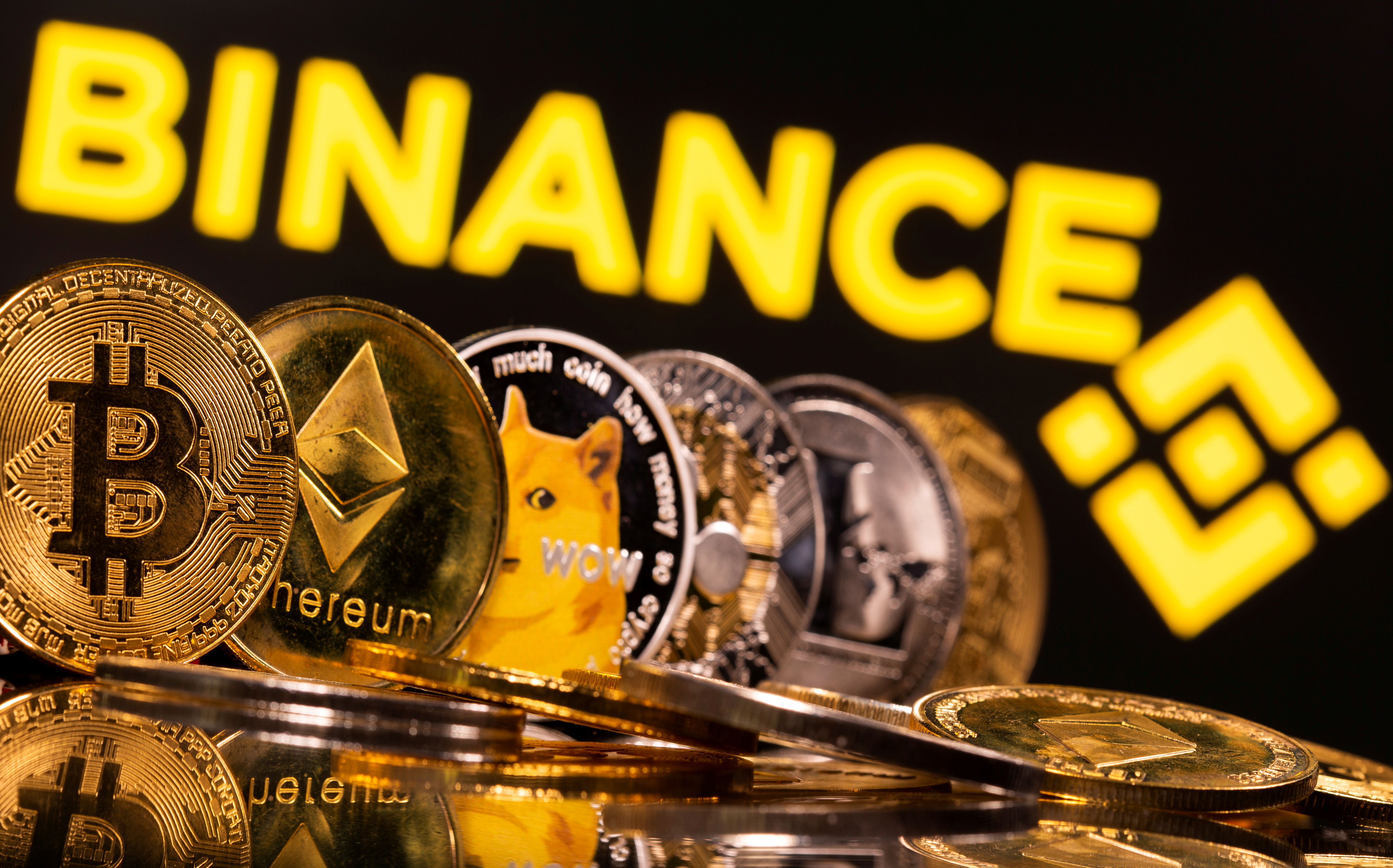
Binance, once the dominant force in cryptocurrency exchanges, has witnessed a sharp fall in its market share, marking a four-year low as of September 2024. This decline is coupled with a notable drop in trading volumes, with figures indicating a contraction of over 20% compared to the previous month. The exchange’s declining influence underscores broader market dynamics that are reshaping the competitive landscape of digital assets trading.

As of September, Binance’s market share slipped to approximately 34%, a significant decline from the 50% it commanded earlier in the year. The company’s dwindling dominance has raised questions about its long-term strategy and its ability to maintain its foothold in a market that is becoming increasingly fragmented. Several factors have contributed to Binance’s drop, including regulatory pressures, legal challenges, and the emergence of rival platforms that are capitalizing on the exchange’s setbacks.

Binance’s struggle is further exacerbated by the global regulatory environment, which has been tightening around the exchange. Multiple jurisdictions, including the U.S. and Europe, have introduced or expanded regulations aimed at increasing oversight of cryptocurrency exchanges. In particular, Binance has faced scrutiny from authorities over concerns surrounding compliance with anti-money laundering (AML) rules, as well as issues related to Know Your Customer (KYC) requirements. These challenges have resulted in some users migrating to alternative platforms that are seen as more compliant or less prone to legal uncertainties.

Despite these obstacles, Binance continues to be a major player in the crypto space. Its diverse offerings, including a wide array of digital assets and its established reputation, still attract a substantial user base. However, the exchange has been forced to adapt to changing conditions, implementing new policies aimed at addressing regulatory concerns. These measures, while necessary, have also created friction with some users who prefer the more relaxed regulatory environment that Binance originally thrived in.

Rival exchanges such as OKX and Bybit have gained ground, seizing the opportunity to attract traders dissatisfied with Binance’s regulatory troubles. OKX, in particular, has seen its market share rise, largely driven by its appeal to institutional investors and its regulatory standing in key regions. Bybit, on the other hand, has capitalized on its innovative product offerings, particularly in derivatives trading, which has drawn significant trading volume away from Binance.

Decentralized exchanges (DEXs) have surged in popularity as a viable alternative to traditional, centralized platforms like Binance. DEXs offer users the ability to trade directly from their wallets without the need for intermediaries, providing an additional layer of privacy and security that centralized exchanges sometimes struggle to offer. Uniswap and other DEXs have seen an uptick in usage, contributing to the redistribution of market share across the broader crypto ecosystem.

The overall cryptocurrency market has also been experiencing reduced trading activity, which has affected not just Binance but the industry as a whole. Lower volatility in major cryptocurrencies such as Bitcoin and Ethereum has led to a decrease in speculative trading, which typically drives much of the volume on exchanges. As a result, Binance’s reliance on high trading volumes has placed it in a vulnerable position during periods of market stagnation.

The exchange’s response to these challenges will likely determine its ability to regain market share. Binance has already made efforts to bolster its reputation and restore confidence, including expanding its regulatory compliance team and forging partnerships with regulators to create a more transparent operational environment. Nevertheless, with its trading volume plunging and competitors gaining traction, Binance’s path forward remains uncertain.

One of the more notable trends influencing Binance’s decline is the growing interest in institutional cryptocurrency trading. Institutional players have become more active in the space, seeking exchanges that can provide robust compliance frameworks, secure trading environments, and advanced features suited to their needs. Binance, despite its size and market share, has struggled to fully cater to these demands, creating an opening for more niche, institution-focused platforms to thrive.

Binance’s founder and CEO, Changpeng Zhao (CZ), has maintained a bullish stance on the future of the company, pointing to its innovation pipeline and its commitment to working with regulators. He has stressed the exchange’s focus on creating a sustainable ecosystem that will benefit both retail and institutional traders. However, the company’s future success will largely depend on how well it navigates the complex regulatory landscape and adapts to the evolving needs of its users.

Private jets provide passengers with a high level of luxury and convenience, but choosing the right aircraft can be extremely overwhelming, especially with the range of options available. From nimble light jets to well-stocked long-range models, each category serves unique travel needs and customer preferences. This guide navigates the world of private aviation, breaking down popular jets by size and capability. We’ll explore their features, costs, and […]

VISHNU RAJA
RYO YAMADA
HITORI GOTOH
IKUYO KITA