News related to
Space

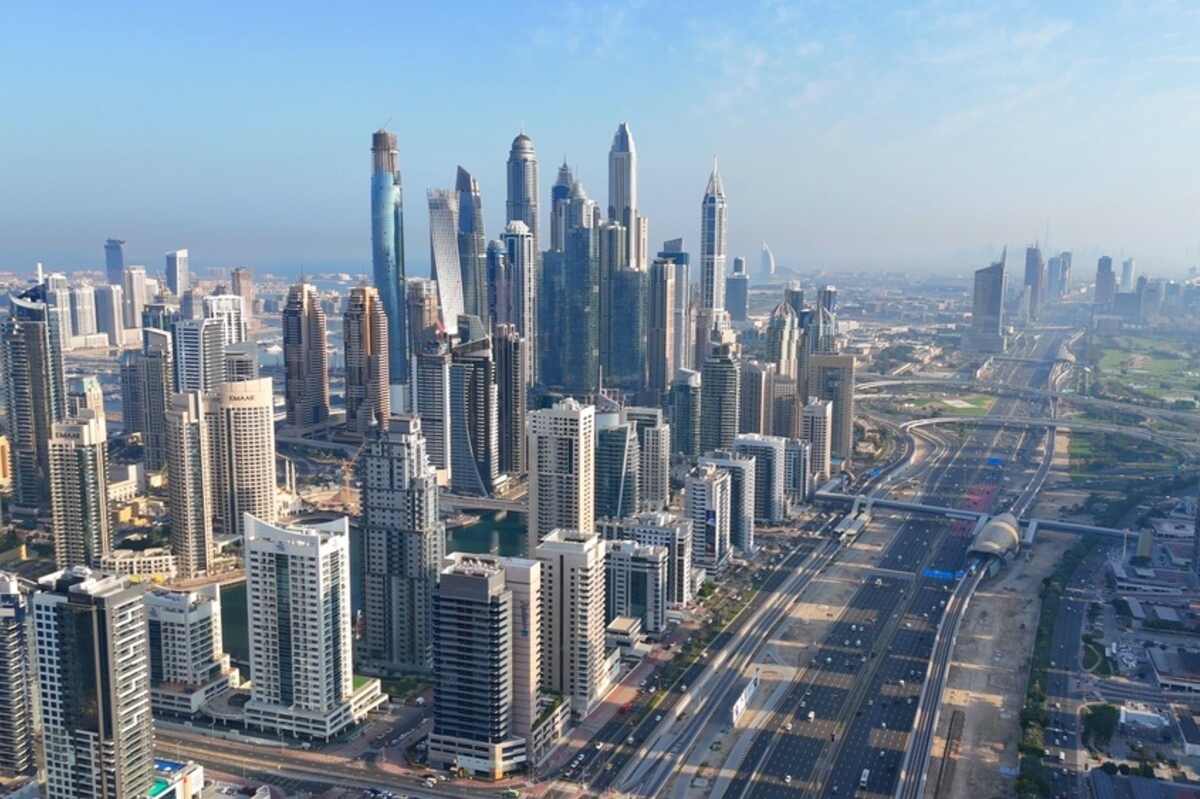
Dubai’s real estate market is experiencing a significant upswing, marked by soaring property prices and heightened investor interest. However, industry experts are expressing caution, suggesting that the market may be approaching a saturation point.

Residential sales reached AED 120 billion in the third quarter of 2024, with luxury property transactions increasing by 62%. High-net-worth individuals are driving demand in prime locations such as Palm Jumeirah and Downtown Dubai. Despite this growth, analysts from ValuStrat predict that prices for high-end villas may stabilize in the latter half of 2025, indicating a potential cooling of the market.

The supply of new housing is not keeping pace with demand. Only 19,700 new villas are expected to be completed by the end of 2025, far below the growing demand for larger, family-friendly homes. This shortage has led to a 26% increase in villa prices in 2024, with further increases anticipated. Delays in construction projects, averaging 30%, suggest that actual completions may fall short of targets, exacerbating the housing shortfall.

Government initiatives, such as the Golden Visa program and the Dubai 2040 Urban Master Plan, have attracted over 100,000 individuals since its launch, boosting investor confidence. However, the rapid speed of new development, particularly around off-plan projects, raises concerns about the risk of oversupply in certain segments of the market. If demand does not keep pace, particularly for mid- to upper-tier residential units, a price correction could occur in specific micromarkets.

Jeremy, a seasoned real estate investor, advises caution. He suggests that prospective buyers wait until the summer for better opportunities, as market corrections may present more favorable conditions. Jeremy emphasizes the importance of seeking impartial advice, contrasting it with the commission-driven motivations of most brokers. His real estate company prioritizes client interests through unbiased analysis, leading to exceptional returns for clients.

The Dubai real estate market offers high rental yields, ranging from 5% to 8% annually in key areas like Dubai Marina and Downtown Dubai. However, rising living costs and inflation are impacting property affordability, particularly for middle-income buyers. Developers may need to explore more inclusive housing models to address this issue.

Sustainability is becoming a key focus in Dubai’s real estate sector. Developers are integrating eco-friendly features such as solar panels and energy-efficient systems into residential projects, aligning with Dubai’s commitment to achieving net-zero emissions by 2050. By 2025, 35% of new office spaces in Dubai are expected to be LEED-certified, up from 25% in 2023.

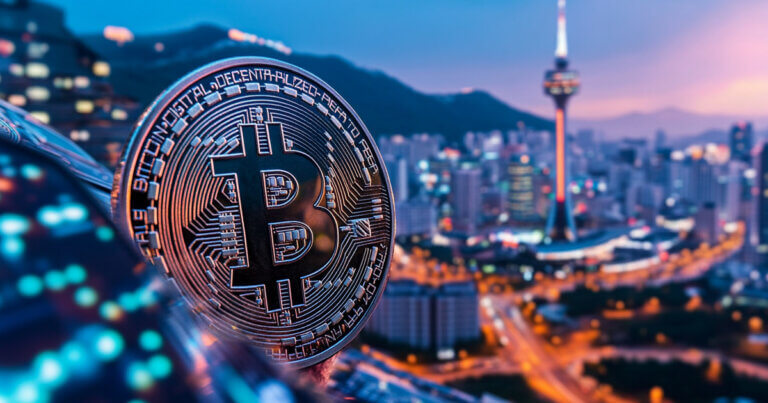
Dubai’s real estate market is poised for substantial expansion, with projections indicating a potential doubling of property values over the next five years, according to Abdullah Alajaji, CEO of Driven Properties. This optimistic outlook is underpinned by a combination of robust demand, strategic urban planning, and investor-friendly policies.

Average property prices in Dubai have surged by approximately 75% since early 2021, nearing the pre-2008 peak of AED 1,750 per square foot. This growth is attributed to a 50-month rally driven by economic resilience, liberalized visa regulations, and a significant influx of expatriates. The city’s population is projected to exceed 4 million by 2026, fueling sustained demand for residential properties, particularly in emerging areas such as Dubai South, Jumeirah Village Circle, and Dubai Hills Estate.

The luxury segment has witnessed remarkable activity, with sales of properties valued at AED 15 million and above reaching 948 transactions in 2024. Developments like Palm Jumeirah and Dubai Hills Estate have been at the forefront, attracting high-net-worth individuals seeking premium residences. The introduction of branded residences and ultra-luxury waterfront properties continues to appeal to affluent buyers.

Dubai’s government has implemented several initiatives to enhance the real estate sector’s appeal. Notably, policies allowing 100% foreign ownership of commercial companies outside free zones have been introduced, boosting investment in office and retail spaces. The expansion of the golden visa scheme has further attracted international investors, contributing to increased demand for high-end properties.

Sustainability and smart technology are increasingly influencing buyer preferences. By 2025, it is anticipated that 35% of new office spaces in Dubai will be LEED-certified, reflecting a shift towards eco-friendly developments. Smart homes equipped with IoT-enabled features, AI-powered security, and blockchain-based transaction systems are becoming more prevalent, aligning with the city’s commitment to innovation and sustainability.

The off-plan market remains a significant driver of growth, with 7,381 transactions recorded in January 2025 alone, totaling AED 15.1 billion. Flexible payment plans and attractive pricing continue to draw both foreign investors and end-users. Additionally, the redevelopment of areas like Sheikh Zayed Road and Al Jaddaf into freehold zones is expected to attract new investors and spur property value increases of 30-50% in these locations.

Despite the impressive growth, the market faces potential risks, including global economic fluctuations and oil price volatility. However, Dubai’s efforts to diversify its economy and attract foreign investment provide a solid foundation for long-term resilience. The city’s proactive approach to urban planning, coupled with its focus on sustainability and innovation, positions it favorably for continued growth in the real estate sector.

South Korea’s presidential frontrunner, Lee Jae-myung, has vowed to support the approval of spot cryptocurrency exchange-traded funds and introduce measures to ensure a safer investment environment for digital assets. His proposal has stirred significant interest in the rapidly evolving sector, especially as South Korea positions itself as a key player in the global cryptocurrency market.

Lee’s pledge is seen as a critical move to modernise South Korea’s financial system, fostering an environment that encourages crypto investments while also ensuring investor protection. The commitment comes as cryptocurrencies continue to gain mainstream attention, with both retail and institutional investors looking for more secure avenues to enter the market.

Lee, who is leading the polls ahead of the June 3 election, has garnered widespread support from the financial community, with many industry experts viewing his stance as a positive step towards broader acceptance of digital assets. His proposal, which includes measures for transparency and better regulatory oversight, aims to balance innovation with safety in a market that has often been fraught with volatility and high-profile scandals.

As part of his plan, Lee has also indicated that his administration would work closely with South Korea’s financial regulators, including the Financial Services Commission , to facilitate the approval process for spot crypto ETFs. This would allow South Korean investors to trade cryptocurrencies in a more structured, regulated manner, mitigating some of the risks associated with direct crypto trading.

The announcement comes at a time when cryptocurrencies are experiencing increased scrutiny globally, with governments and regulators seeking to address concerns over money laundering, fraud, and market manipulation. South Korea’s move to approve crypto ETFs could set a new precedent in Asia, where countries like China have imposed stringent restrictions on crypto trading. In contrast, South Korea has been more open to digital assets, and Lee’s policy is expected to bolster the country’s reputation as a regional crypto hub.

The policy proposal is part of a broader financial strategy by Lee Jae-myung to modernise South Korea’s economy. His platform focuses on technological innovation and regulatory reform, ensuring that the country remains competitive in the global digital economy. By endorsing crypto ETFs, Lee seeks to tap into the growing demand for cryptocurrency investments while providing a more secure framework for both retail and institutional investors.

In response to Lee’s proposal, South Korea’s Financial Services Commission has expressed its support for the initiative. A representative from the FSC highlighted that the commission is already preparing to work with the next administration to establish a clear regulatory framework for spot crypto ETFs. This collaboration would aim to address potential risks associated with crypto investments and provide a safer market environment for investors.

The FSC has previously introduced regulatory measures to curb illegal activities in the crypto space, such as requirements for cryptocurrency exchanges to comply with anti-money laundering and know-your-customer regulations. However, the approval of spot crypto ETFs would represent a significant shift in policy, making South Korea one of the few countries in Asia to offer such products to the public.

As part of his strategy, Lee Jae-myung has also emphasised the need for robust monitoring systems to prevent fraudulent activities and ensure that investors are not exposed to excessive risks. His proposal includes the establishment of dedicated bodies to oversee crypto transactions and exchanges, as well as systems to track suspicious activities in real time. These measures would provide investors with greater confidence in the market, which has often been plagued by scams and sudden price swings.

The approval of spot crypto ETFs would mark a significant milestone for the South Korean market, which has seen a surge in interest from both domestic and international investors in recent years. The country’s position as a technological leader in the digital space has made it an attractive market for crypto projects, and Lee’s policy could serve to further solidify its standing as a global hub for cryptocurrency innovation.

Lee’s platform has resonated with a broad cross-section of South Korea’s electorate, particularly younger voters who are more likely to view cryptocurrencies as a promising investment. The promise of clearer regulations and safer investment options has generated excitement within the industry, with many stakeholders hoping that the new administration will provide the leadership needed to navigate the challenges posed by the crypto market.

However, the proposal is not without its critics. Some experts have raised concerns that South Korea may be moving too quickly to embrace cryptocurrencies, given the inherent risks involved in trading such volatile assets. These critics argue that while regulatory frameworks are necessary, they should be introduced with caution to avoid exposing investors to significant financial harm. Despite these reservations, the broader consensus within the financial community seems to favour Lee’s approach, viewing it as a necessary step toward aligning South Korea’s regulatory environment with the evolving global crypto landscape.

Tether, the issuer of the popular stablecoin USDT, is set to launch its token on the Kaia blockchain, marking a significant move into the ecosystem of LINE NEXT, the subsidiary of the messaging giant LINE Corporation. This new development will enable LINE users to access a range of blockchain-based financial services directly from their platform. Through this partnership, the USDT stablecoin will be integrated into LINE’s Mini Dapp platform and wallet, broadening the scope of services available to millions of users within LINE’s ecosystem.

The collaboration between Tether, Kaia, and LINE NEXT aims to leverage the fast-growing trend of integrating blockchain technology with mobile apps, particularly in Asia, where LINE has a dominant presence. LINE NEXT, which focuses on the development of Web3 and blockchain-related technologies, is poised to play a key role in facilitating the adoption of digital currencies within LINE’s ecosystem. By integrating USDT into its Mini Dapp platform, LINE hopes to attract more users to explore decentralized finance services, including payments, cross-border remittances, and token transfers.

The partnership is expected to provide LINE users with enhanced payment options, allowing them to transfer funds internationally with minimal fees. The use of USDT, a stablecoin pegged to the US dollar, offers an appealing solution for users who wish to avoid the volatility often associated with cryptocurrencies. Tether’s USDT is already one of the most widely adopted stablecoins, with billions of dollars in circulation, making it a reliable option for both retail and institutional users.

The inclusion of USDT on the Kaia blockchain represents a significant milestone for both Tether and the broader blockchain industry. The Kaia blockchain, which has been gaining attention for its focus on scalability and security, will benefit from the increased demand for its services through this partnership. The Kaia blockchain is expected to provide a robust and efficient infrastructure for Tether’s USDT transactions, offering users fast and secure transfers while ensuring that the scalability needs of the growing LINE ecosystem are met.

With the integration of USDT into LINE’s Mini Dapp platform, users will be able to engage in a variety of blockchain-based financial activities without leaving the LINE app. This includes paying for goods and services, making cross-border payments, and participating in DeFi services such as lending and borrowing. LINE has already made significant strides in incorporating blockchain technology into its platform, and this move is expected to further solidify its position as a leader in the Web3 space.

The timing of this partnership comes at a crucial moment in the evolution of blockchain technology, as more companies and platforms are exploring ways to integrate digital currencies into their services. The popularity of mobile payment systems and the growing adoption of DeFi services make this collaboration particularly noteworthy. By providing a seamless experience for users to access both traditional and decentralized financial services, LINE and Tether are tapping into a new wave of digital financial innovation.

Netflix is set to develop a dramatic series surrounding the FTX collapse of 2022, which rocked the cryptocurrency world and resulted in major financial losses for investors. The story, one of the most significant in recent history, has caught the attention of top-tier actors, with Julia Garner in discussions to play Caroline Ellison, the former CEO of Alameda Research, the trading firm closely linked to FTX. Meanwhile, Evan Peters is rumored to portray Sam Bankman-Fried, the former CEO of FTX, whose arrest and legal proceedings following the scandal have made international headlines.

The collapse of FTX, once valued at $32 billion, shocked both the cryptocurrency and finance industries. Bankman-Fried’s fall from grace, from being one of the most prominent figures in the crypto space to facing multiple charges of fraud and money laundering, has become a subject of intense public interest. The bankruptcy of FTX, alongside the allegations against its executives, has led to widespread scrutiny of the cryptocurrency industry’s regulatory framework and the practices of its leading platforms. Bankman-Fried, who was once hailed as the “crypto wunderkind,” is now facing a complex legal battle after being accused of orchestrating a scheme that defrauded thousands of investors.

Netflix’s adaptation is expected to delve into the intricacies of the rise and fall of FTX, exploring not only Bankman-Fried’s role but also the individuals around him, including Caroline Ellison. Ellison, who was the chief executive of Alameda Research, has become a key figure in the FTX saga. She has publicly admitted to playing a role in the mismanagement of funds and has faced intense media scrutiny. The series will likely focus on her complex relationship with Bankman-Fried, along with the broader implications of the collapse on the cryptocurrency market.

Julia Garner, known for her critically acclaimed performance in *Inventing Anna*, has reportedly been tapped to bring Ellison to life on screen. Garner’s ability to portray complex, multi-dimensional characters has earned her significant praise, making her an ideal choice for the role. As the plot of the show centres around one of the most publicized financial collapses in recent memory, Garner’s portrayal of Ellison will be under close scrutiny, as audiences seek a deeper understanding of the individuals behind the scandal.

Evan Peters, who gained significant recognition for his work in *American Horror Story* and his portrayal of Jeffrey Dahmer in *Dahmer – Monster: The Jeffrey Dahmer Story*, is rumored to be cast as Sam Bankman-Fried. However, this casting has not been officially confirmed. If Peters does join the project, his performance could become a focal point, given Bankman-Fried’s high profile and the sheer drama surrounding his arrest and subsequent legal proceedings. Peters’ previous work has demonstrated his range and ability to embody controversial figures, making him a strong candidate for such a complex role.

The series will likely shed light on the inner workings of FTX, exploring its rise to prominence and the decisions that ultimately led to its downfall. Bankman-Fried, who was once celebrated for his philanthropy and innovative approach to crypto trading, has become a symbol of the dangers of unregulated financial ventures. His arrest in December 2022, just weeks after the collapse, marked the beginning of a high-profile legal process that continues to unfold.

As the series is still in development, few details have been released about the production timeline or the full cast. However, Netflix has a history of producing compelling dramas based on real-life events, from *The Crown* to *Making a Murderer*, and this new project is expected to garner significant attention. The platform’s focus on bringing real-world stories to life has proven successful in the past, with audiences eager to watch depictions of events that have captured the public’s imagination.

The FTX collapse continues to reverberate through the cryptocurrency industry, with ongoing investigations and trials. As the legal case against Bankman-Fried progresses, the series will likely serve as a poignant reminder of the consequences of financial mismanagement and the vulnerability of investors in the fast-paced world of digital currencies. With a star-studded cast and a compelling storyline, Netflix’s upcoming drama is poised to become a major cultural touchpoint for those following the saga of FTX.

The United States Department of Justice has officially recommended that Google’s ad-tech platform be dismantled following claims of an illegal monopoly. The proposal aims to address antitrust concerns that have intensified in recent years, as Google’s dominance in the digital advertising space raises significant questions about competition and market fairness. The DOJ’s recommendation stems from an investigation into Google’s practices, particularly its control over key aspects of […]

Valnet, the Canadian digital media conglomerate known for owning GameRant and TheGamer, has acquired gaming and entertainment website Polygon from Vox Media, leading to significant editorial changes and staff layoffs. The acquisition, announced on May 1, 2025, is part of Vox Media’s strategy to streamline operations and focus on its core brands. Following the sale, a substantial portion of Polygon’s editorial team has been laid off or […]

Advertisements

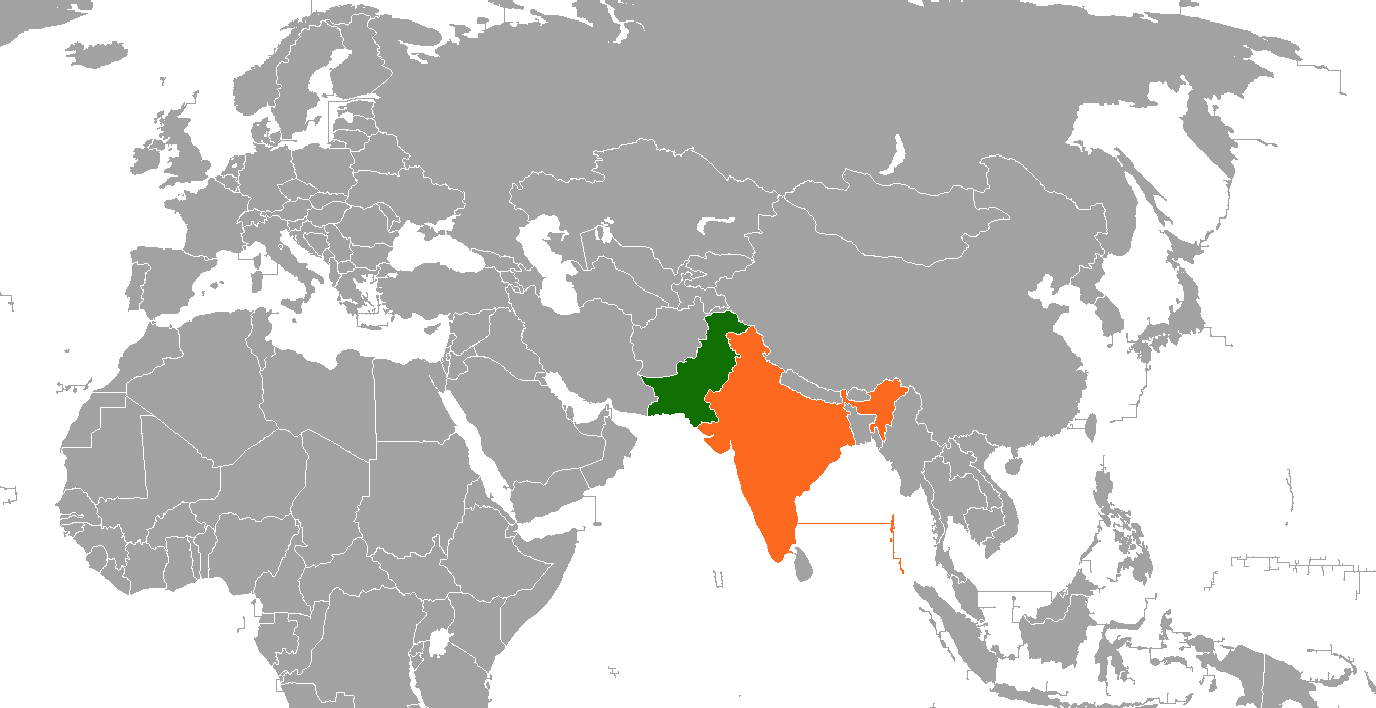
At 1:44 a.m. on 6 May 2025, Indian armed forces carried out precision strikes on nine locations in Pakistan and Pakistan-administered Kashmir. The operation, codenamed ‘Operation Sindoor,’ was launched in response to the 22 April massacre in Pahalgam, where 26 civilians, predominantly Hindu tourists, were killed. The Indian government stated that the targets were terrorist infrastructure linked to the attack.

The Indian Ministry of Defence described the strikes as “focused, measured, and non-escalatory,” emphasizing that no Pakistani military facilities were targeted. The operation involved coordinated efforts from the Army, Navy, and Air Force, with Prime Minister Narendra Modi reportedly monitoring the mission closely.

Pakistan condemned the strikes, labeling them an “act of war” and reported civilian casualties, including the death of a child. Islamabad claimed to have shot down two Indian jets and vowed a robust response. A state of emergency was declared in Punjab province, and airspace was closed to commercial flights.

The Pahalgam attack, carried out by militants in army fatigues, targeted tourists in the Baisaran meadow. Eyewitnesses reported that the assailants singled out non-Muslims before opening fire. The Resistance Front, an offshoot of Lashkar-e-Taiba, initially claimed responsibility but later retracted. Indian authorities linked the attack to Pakistan-based operatives, citing digital traces leading to safe houses in Muzaffarabad and Karachi.

In the aftermath, India suspended the Indus Waters Treaty, expelled Pakistani diplomats, and closed borders. Pakistan responded by suspending the Simla Agreement, restricting trade, and closing airspace. Both nations have engaged in cross-border exchanges of fire, raising concerns of a broader conflict.

By Subrata Majumder India has emerged as the second most attractive destination for Japanese investors in Asia, after Singapore. It surpassed China, the most attractive place for Japanese investment in Asia for over four decades. Hitherto, India was eighth in 2020 in terms of getting investment from Japan. Latest Japanese interest in India manifests a […]

A high-level delegation from Abu Dhabi has arrived in Tokyo for the inaugural Abu Dhabi Investment Forum, marking a significant step towards deepening the economic ties between the UAE capital and Japan. The four-day visit, running from May 6 to 9, sees top officials and private sector leaders from Abu Dhabi engaging with their Japanese counterparts to explore new areas of collaboration, particularly in advanced industries such […]

Dubai Multi Commodities Centre has unveiled two new business licence categories designed to offer greater flexibility and efficiency for companies operating in the UAE. The newly introduced Special Purpose Vehicle and Holding Company licences are aimed at providing businesses with enhanced options for structuring investments, managing assets, and overseeing operations across the region. The initiative reflects DMCC’s continued efforts to adapt to the evolving needs of the […]

Dubai Holding, a leading global investment conglomerate, has announced the listing of its Dubai Residential Real Estate Investment Trust on the Dubai Financial Market . This marks the first initial public offering in Dubai for the year, reflecting the continuing strength of the emirate’s thriving property sector.

The Dubai Residential Reit, a sharia-compliant fund that generates income through investments in residential real estate, is set to offer 1.625 billion units, representing 12.5 per cent of the total stake in the trust. Dham Investments, a fully owned subsidiary of Dubai Holding, is behind the move, aiming to diversify the company’s portfolio and expand its reach in the regional real estate market.

The subscription period for the offering will run from May 13 to May 20, 2025. After this, the final offer price will be disclosed on May 21, with the trading of the Reit’s units expected to commence on the Dubai Financial Market on May 28, 2025. The offer is poised to attract a wide range of investors, from institutional to retail, as the Dubai property market continues to attract significant interest from global investors.

The Dubai property market has shown remarkable resilience in the face of global economic challenges, with both residential and commercial segments witnessing robust growth. With high demand for luxury homes, rental properties, and mixed-use developments, the Reit presents a strategic opportunity for investors to gain exposure to the lucrative Dubai real estate market.

This IPO comes amid a boom in the emirate’s property market, fuelled by strong investor confidence, favourable government policies, and an influx of expatriates looking to secure a foothold in one of the world’s most dynamic cities. Dubai’s real estate market has been one of the most resilient globally, thanks to a range of measures introduced by the government to attract foreign investment, including long-term residency options for investors and property owners.

The listing is also significant for Dubai Holding, which has consistently sought to diversify its investment portfolio across various sectors, including real estate, hospitality, and technology. As one of the largest investment companies in the UAE, Dubai Holding’s strategic shift into the publicly traded real estate space could potentially open doors for further capital raising and market expansion in the region.

The offering is expected to draw attention not only from regional investors but also from international funds, as Dubai continues to be a top destination for global real estate investments. With property prices expected to maintain upward momentum in the coming months, the timing of the IPO could prove advantageous, particularly as Dubai continues to grow as an international business hub.

The Dubai Residential Reit has a strong portfolio of residential assets, strategically located in prime areas across the emirate. These properties are anticipated to generate consistent rental income, making the Reit an attractive investment for those seeking exposure to Dubai’s booming property market without the complexity of direct property ownership. Investors will also benefit from the fund’s income-distributing structure, with regular dividend payouts projected over time.

The IPO follows Dubai Holding’s broader strategy of strengthening its presence in key sectors and diversifying its investment base. With the growing demand for real estate in the region, Dubai Holding’s decision to list the Reit is seen as a move to unlock value from its high-quality assets while expanding its footprint in the public capital markets.

As with all public offerings, the success of this IPO will depend on the investor appetite, market conditions, and the overall economic landscape. Despite this, Dubai’s real estate sector remains resilient, buoyed by strong fundamentals and continuous infrastructure development that supports both residential and commercial property demand.

The Dubai Financial Market has positioned itself as a key player in the region’s capital markets, and the listing of Dubai Residential Reit is expected to contribute to further growth in market activity. It marks a significant milestone for the DFM, which has seen a series of successful listings in recent years, strengthening its position as a leading financial hub in the Middle East.

United Airlines has cut 35 daily flights at Newark Liberty International Airport, citing a critical shortage of air traffic controllers and repeated failures in the Federal Aviation Administration’s infrastructure. The move, which affects approximately 10% of United’s domestic round-trip operations at the airport, follows days of severe delays, cancellations, and diversions that have rippled across the national aviation network. Chief Executive Scott Kirby described the situation as […]

HONG KONG SAR – Media OutReach Newswire – 4 May 2025 – From March to April 2025, JCI Victoria conducted an online survey to examine the current situation, barriers, and needs of people with disabilities in Hong Kong regarding sports participation. The survey received responses from 285 participants. Over half of the respondents felt that the current sports resources provided by the government or sports organizations do […]

Matein Khalid He was a handsome young Gen-Z kid from Dubai, son of a Sindhi family long settled in the UAE, only a few years older than my twins. I can just imagine him as a toddler, all decked out in ​Babyshop diapers, then a little guy having his birthday bash with his classmates at McDonalds​ or Kidzania, as an IHS student on a school bus in […]

World’s Most MICHELIN-Starred Gastronomic Icon returns to a stunning new space in LANDMARK ATRIUM HONG KONG SAR – Media OutReach Newswire – 2 May 2025 – LANDMARK is delighted to announce the highly anticipated return of gastronomic legend L’ATELIER DE JOËL ROBUCHON HONG KONG as the cornerstone of its refined Central dining portfolio this summer. The iconic restaurant has been located at LANDMARK for 18 years and […]

Bitcoin has climbed above $90,000, recovering from a sharp decline that followed the November 2024 U.S. presidential election. This rebound has reignited discussions about its potential role as a safe-haven asset, especially as it outperforms gold in the current market environment.

After reaching a low of approximately $74,500 in early April, Bitcoin’s price has surged nearly 25%, erasing a significant portion of its earlier losses. This upward trajectory is attributed to a combination of factors, including renewed investor interest and shifting macroeconomic conditions.

Analysts point to the increasing appeal of Bitcoin as a hedge against traditional financial instruments. Geoff Kendrick, head of digital assets research at Standard Chartered, forecasts Bitcoin reaching $120,000 in the second quarter of 2025. He cites economic uncertainties, such as rising tariffs and questions over Federal Reserve policies, as catalysts driving investors toward Bitcoin over traditional assets like U.S. Treasurys.

The cryptocurrency’s performance has also been bolstered by institutional interest. Upcoming SEC 13F filings are anticipated to reveal increased Bitcoin holdings by pension and sovereign wealth funds. Additionally, the approval of Bitcoin exchange-traded funds earlier this year has facilitated greater mainstream adoption, contributing to its price appreciation.

Comparatively, gold has experienced a more modest performance. While it reached a record high of over $3,500 per ounce in April, its gains have been overshadowed by Bitcoin’s rapid ascent. The Bitcoin-to-gold price ratio, a metric used to compare the value of the two assets, hit a record-breaking 40 in December 2024, reflecting Bitcoin’s growing dominance in the alternative asset space.

Despite these developments, some experts urge caution. Mark Hackett from Nationwide Financial emphasizes that it’s premature to classify Bitcoin as a safe-haven asset due to its historical volatility. He notes that while Bitcoin’s recent performance is promising, it must demonstrate sustained stability and low correlation with traditional risk assets to be considered a reliable store of value.

The broader market context also plays a role in Bitcoin’s resurgence. President Trump’s economic policies, including delayed tariffs, have influenced investor behavior, prompting a reevaluation of asset allocations. As traditional markets grapple with these policy shifts, alternative assets like Bitcoin are gaining traction among investors seeking diversification.

Goldman Sachs is intensifying its commitment to digital assets, with plans to expand crypto lending operations and accelerate efforts in asset tokenization. Mathew McDermott, the bank’s global head of digital assets, has outlined a strategic roadmap that positions the firm at the forefront of blockchain integration within traditional finance.

The bank is preparing to spin off its digital asset platform, GS DAP®, into an independent entity within the next 12 to 18 months. This move aims to foster a more collaborative and decentralized ecosystem, enabling broader participation from industry stakeholders. McDermott emphasized that such a structure would better serve the goal of creating a truly decentralized platform.

Goldman Sachs’ investment in the digital asset space is substantial, having already invested in 11 digital asset companies. These investments span services such as compliance, cryptocurrency data, and blockchain management. The firm’s digital asset team has grown to over 70 members, including a dedicated crypto options and derivatives trading desk.

A significant aspect of Goldman Sachs’ strategy is the tokenization of traditional financial instruments. The bank is leveraging blockchain technologies and smart contracts to enable digital issuance for clients across debt, equities, funds, and derivatives. This approach aims to digitize the end-to-end lifecycle of these assets, enhancing efficiency and liquidity.

McDermott highlighted the benefits of tokenization, noting that digitizing the lifecycle of asset issuance not only improves operational efficiency but also increases liquidity by potentially bringing in a wider group of investors. He pointed out that fractionalizing products and offering them to a broader universe of investors could broaden distribution channels and concentrate more secondary liquidity.

The bank’s involvement in the Canton Network, a public blockchain network developed for financial institutions, underscores its commitment to blockchain integration. Launched in 2023 by a consortium including Goldman Sachs, Microsoft, and Deloitte, the network aims to connect disparate financial systems while meeting regulatory and privacy requirements. In October 2024, a pilot involving 27 market participants, including Euroclear and the World Gold Council, successfully tokenized gilts, eurobonds, and gold on the Canton Network.

Goldman Sachs is also exploring opportunities in the crypto bankruptcy claims market. McDermott indicated that the bank is actively looking at investing in crypto bankruptcy claims, viewing it as a strategic opportunity amid the evolving digital asset landscape.

The bank’s focus on digital assets extends to its own product offerings. In April, Goldman Sachs launched its first bitcoin-secured loan and executed its first bitcoin options trade, marking significant milestones for a major Wall Street bank. These developments are part of the firm’s broader strategy to expand its crypto product suite while adhering to regulatory standards.

KUALA LUMPUR, MALAYSIA – Media OutReach Newswire – 2 May 2025 – Kenanga Investment Bank Berhad (“Kenanga” or “the Group“) is proud to be recognised for its market-leading achievements at the prestigious Bursa Excellence Awards 2024 held at St. Regis Kuala Lumpur on 25 April 2025. From left: Datuk Wira Ismitz Matthew De Alwis, Chief Executive Officer/ Executive Director, Kenanga Investors Berhad; Dato’ Fad’l Mohamed, Chief Executive […]

Dubai International Airport is expected to cease operations in the near future, with Dubai Airports CEO Paul Griffiths confirming that Al Maktoum International Airport will eventually replace DXB as the city’s primary air travel hub. Griffiths revealed the plan at the Arabian Travel Market this week, indicating that DWC’s expansion would pave the way for the closure of DXB. As Dubai continues to experience rapid growth in […]

Charles Schwab, one of the largest investment firms globally with over $10 trillion in assets under management, is set to launch spot cryptocurrency trading within the next 12 months. CEO Rick Wurster confirmed the timeline during the company’s first-quarter earnings call, stating that the firm is preparing to offer direct access to digital assets like Bitcoin and Ethereum by April 2026.

Wurster attributed the move to a significant surge in client interest, noting a 400% increase in traffic to Schwab’s cryptocurrency-related content. Approximately 70% of this traffic came from prospective clients, indicating a strong demand for crypto trading services among new investors.

The firm’s decision aligns with a broader trend among traditional financial institutions entering the cryptocurrency market. Morgan Stanley is also preparing to offer crypto trading through its E*Trade platform, aiming for a launch next year.

Schwab’s cautious approach to cryptocurrency is evident in its current offerings, which include indirect exposure through exchange-traded funds and other investment products. The company has previously warned clients about the risks associated with digital assets, emphasizing that cryptocurrencies could become worthless.

Despite these warnings, Schwab has been laying the groundwork for a more direct entry into the crypto space. In 2023, the firm co-founded EDX Markets, a non-custodial cryptocurrency exchange backed by Fidelity and Citadel Securities. EDX Markets began trading Bitcoin, Ether, Litecoin, and Bitcoin Cash, providing a platform for institutional investors to engage in cryptocurrency trading.

The regulatory environment in the United States has become more favorable for cryptocurrency trading under the current administration. The Federal Reserve has eased restrictions, removing supervisory letters that previously discouraged banks from engaging in crypto-related activities. This shift has encouraged financial institutions like Schwab and Morgan Stanley to expand their cryptocurrency offerings.

Schwab’s planned rollout of spot crypto trading is expected to make digital asset trading more accessible to everyday investors through its trusted platform. The firm aims to meet rising investor demand for easier access to cryptocurrencies, positioning itself as a competitive player in the evolving financial landscape.

While the firm is optimistic about the potential of digital assets, it continues to approach the sector with caution. Schwab’s website still warns that crypto investments carry the risk of becoming entirely worthless, asserting that digital assets like Bitcoin lack intrinsic value.

Microsoft’s fiscal third-quarter earnings surpassed Wall Street expectations, propelled by a 33% year-over-year surge in Azure cloud revenue and robust enterprise demand for AI-driven services. The company’s stock climbed over 7% in after-hours trading, reflecting investor confidence in its cloud and AI strategy. Total revenue for the quarter reached $70.1 billion, marking a 13% increase from the same period last year. Net income rose to $25.8 billion, […]

Chelsea Football Club has signed a landmark partnership agreement with DAMAC Properties, appointing the Dubai-based luxury real estate developer as the club’s official Property Development Partner. The collaboration will see the launch of Chelsea Residences by DAMAC, a high-end residential development in Dubai that will merge world-class football branding with luxurious living.

The development will be situated in Dubai Maritime City, an area known for its premium waterfront views and proximity to the heart of Dubai. This location will offer residents seafront views and easy access to the city’s key attractions. Chelsea Residences is slated to include over 1,400 residential units, ranging from apartments to luxury villas, designed to meet the needs of affluent buyers seeking both high-end living and a touch of football culture in their homes.

The project’s design promises to blend the elegance of Chelsea’s iconic blue branding with the sophisticated and modern style synonymous with DAMAC Properties. It will feature Chelsea-branded amenities, including state-of-the-art fitness centres, wellness facilities, and a football-themed community space, which aims to embody the values of health, fitness, and well-being that the club advocates both on and off the pitch.

In addition to providing a distinctive football-themed residential experience, the collaboration will also see the creation of exclusive lifestyle experiences for residents. This could include special events, VIP access to Chelsea games, and potential meet-and-greet opportunities with players and management. The project is expected to attract not only football fans but also investors interested in combining luxury living with a globally recognized sports brand.

This partnership marks a strategic move by Chelsea FC to further enhance its brand value beyond football, entering the lucrative real estate market. For DAMAC Properties, the association with one of the world’s most popular football clubs is an opportunity to expand its portfolio and tap into new demographics, particularly those with a passion for football.

The project also underscores Dubai’s status as a global hub for luxury real estate and sports investment. The city, known for its ambitious development projects and high-profile partnerships, continues to draw attention from international investors. By combining the global appeal of Chelsea FC with DAMAC’s reputation for delivering top-tier residential projects, Chelsea Residences aims to attract both local and international buyers looking for a distinctive and luxurious living environment.

The development aligns with the UAE’s wider strategy to position itself as a leader in luxury lifestyle offerings, particularly in the areas of hospitality, sports, and entertainment. Dubai has long been a magnet for wealthy expatriates and investors, with its real estate market offering a unique blend of high-end developments and tax-free benefits.

While DAMAC Properties is no stranger to branding collaborations, this partnership with Chelsea FC is particularly notable for its scale and the integration of football culture into real estate. Previous DAMAC ventures have included high-profile collaborations with fashion brands like Versace and Fendi, but the Chelsea partnership takes it a step further by incorporating a sport with such a massive global following.

Chelsea Residences by DAMAC is part of a broader trend of football clubs seeking new ways to monetise their brand through property developments and other ventures outside of traditional sponsorship deals. Similar moves have been made by other top European clubs, which have entered the real estate market to capitalize on their large, global fanbases. However, this development is unique for its strong focus on the football experience and its integration of Chelsea’s ethos and values.

The project is expected to be completed in phases, with the first units likely to be ready for occupancy within a few years. The development’s timeline will likely be influenced by factors such as the economic climate and demand for luxury properties in the region. However, early interest in the project is anticipated to be strong, particularly among Chelsea fans and international investors looking to secure a piece of the high-end Dubai market.

This partnership also highlights a growing trend in the sports industry, where clubs are diversifying their revenue streams and looking beyond traditional matchday earnings, broadcasting deals, and merchandise sales. With its extensive global fanbase, Chelsea FC’s partnership with DAMAC opens up the potential for new revenue streams, while offering DAMAC a chance to strengthen its brand association with one of the most successful football clubs in the world.

Dubai hosted the TOKEN2049 crypto conference on Wednesday, drawing approximately 15,000 attendees, including executives from major firms like BlackRock, Goldman Sachs, and Binance. The event, featuring a scheduled appearance by Eric Trump, highlighted both the sector’s resilience and the diminishing enthusiasm surrounding President Donald Trump’s pro-crypto stance.

President Trump, once a sceptic of digital currencies, has positioned himself as a champion of the crypto industry, launching his own cryptocurrency and pledging to ease regulatory constraints. However, the anticipated surge in market performance has not materialised; Bitcoin has declined by over 10% from its peak of $109,225 since Trump’s inauguration, reflecting investor concerns over the pace of policy implementation and broader economic uncertainties.

Despite these challenges, the crypto sector has witnessed significant investment activity. In the first quarter of 2025, global venture capital funding in the industry reached $5.4 billion, marking the strongest performance since mid-2022. Notable deals include Twenty One Capital’s planned $3.6 billion SPAC merger, Ripple’s $1.25 billion acquisition of Hidden Road, and Kraken’s $1.5 billion deal with futures broker NinjaTrader. Galaxy Digital is also set for a Nasdaq listing after securing SEC approval.

Dubai’s emergence as a crypto hub is evident, with initiatives such as Binance receiving a $2 billion investment from Abu Dhabi’s MGX, developers accepting Bitcoin for real estate transactions, and Emirates NBD launching crypto services. The Dubai Multi Commodities Centre has announced plans for a new “crypto tower” by 2027, further cementing the city’s position in the global crypto landscape.

In the United States, the Trump administration has taken steps to foster a more crypto-friendly environment. Regulatory agencies, including the Federal Reserve, FDIC, and OCC, have rolled back previous guidance that urged caution for banks engaging in cryptocurrency activities. The SEC has dropped lawsuits against major crypto firms like Coinbase and Ripple, and a dedicated crypto task force has been established to address the regulatory needs of the evolving digital asset space.

President Trump’s executive order establishing the U.S. Strategic Bitcoin Reserve, holding approximately 200,000 BTC from seizures, has positioned the United States as the largest sovereign Bitcoin holder. However, the announcement initially caused Bitcoin’s price to drop by 5.7% before recovering, indicating market sensitivity to policy developments.

While the administration’s pro-crypto stance has invigorated the market, some investors remain cautious. The launch of Trump-themed cryptocurrencies, such as the $Trump coin, has faced criticism and underperformance, with the coin’s value plummeting by 50% following the debut of a similar token by First Lady Melania Trump.

VISHNU RAJA
RYO YAMADA
HITORI GOTOH
IKUYO KITA