News related to
Space

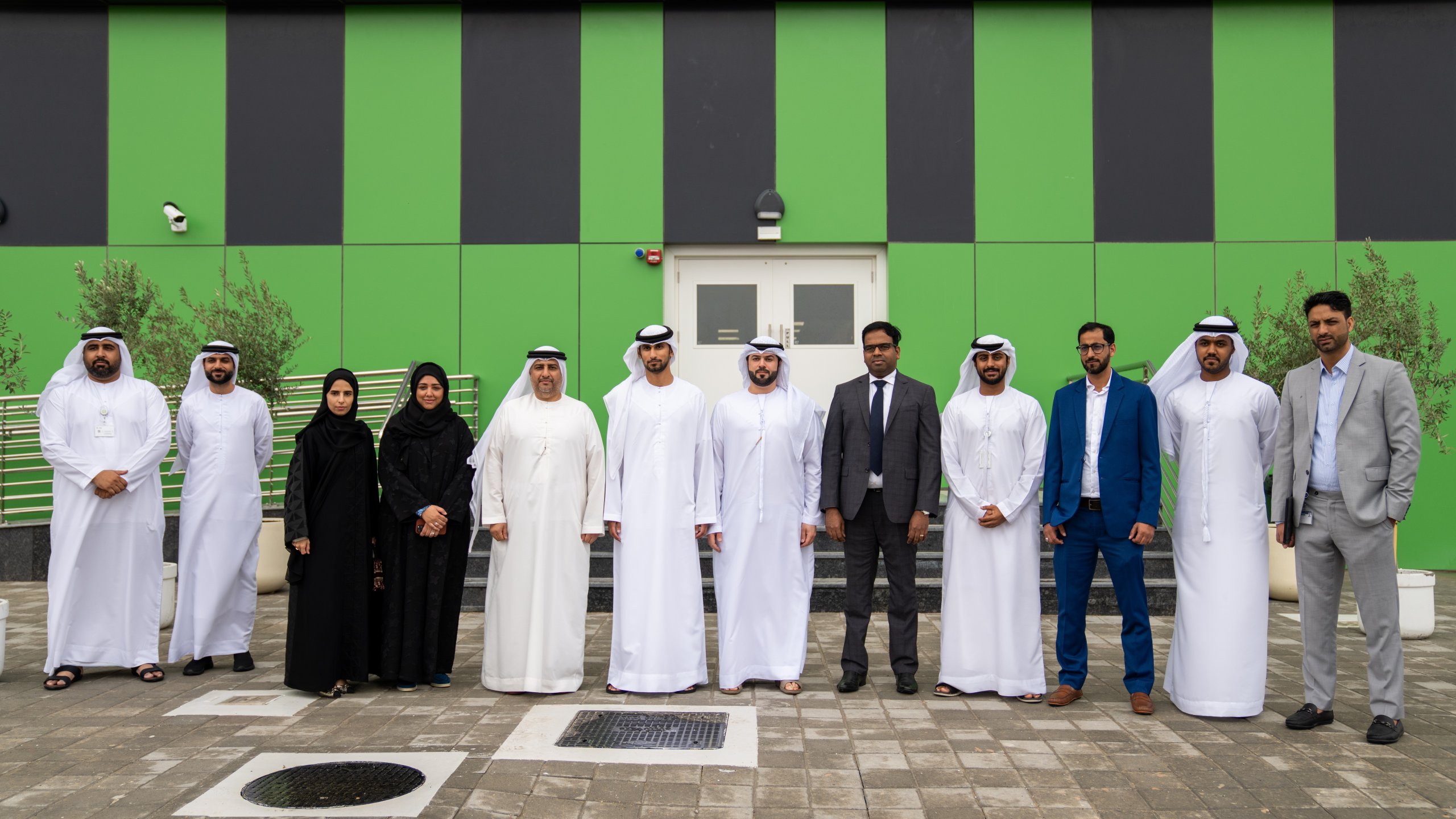
Moro Hub, a subsidiary of Digital DEWA, has formalized a partnership with Dubai Islamic Bank (DIB) aimed at enhancing the bank’s cybersecurity capabilities. The collaboration focuses on the provision of advanced colocation services and a comprehensive cybersecurity suite, ensuring the security and resilience of DIB’s IT infrastructure. This development is expected to boost Dubai Islamic Bank’s efforts to safeguard its operations and data against an evolving threat landscape while expanding its digital footprint.

The Memorandum of Understanding (MoU) signed between Moro Hub and Dubai Islamic Bank underscores the growing need for robust digital infrastructure in the financial sector. As part of the agreement, Moro Hub will provide DIB with secure colocation services in a state-of-the-art data center, alongside a suite of cybersecurity solutions tailored to meet the specific needs of the financial institution. These services aim to mitigate the risk of cyberattacks and ensure the bank’s compliance with regulatory standards, reflecting the increasing pressures on banks globally to adopt enhanced security measures.

Colocation, a service allowing businesses to rent space for their servers and other computing hardware within a third-party data center, offers banks like DIB the advantage of enhanced physical security, disaster recovery, and operational efficiency. Moro Hub’s colocation services will enable Dubai Islamic Bank to host its critical systems in a secure environment, benefiting from the company’s advanced infrastructure, which is designed to meet the stringent security requirements of financial institutions.

This partnership comes at a time when financial institutions in the UAE and around the world are grappling with a surge in sophisticated cyber threats. With the rise of digital banking services and the increased reliance on online platforms, banks have become prime targets for cybercriminals. By leveraging Moro Hub’s expertise in cybersecurity, Dubai Islamic Bank aims to strengthen its defenses against these threats, ensuring the protection of its clients’ sensitive information.

The global banking sector has witnessed a dramatic rise in cybersecurity incidents over the past few years, prompting financial institutions to invest heavily in protective measures. From phishing attacks to sophisticated ransomware campaigns, banks are constantly under siege by attackers seeking to exploit vulnerabilities in their systems. Dubai Islamic Bank’s decision to partner with Moro Hub reflects a proactive approach to dealing with these challenges, as the bank seeks to stay ahead of the curve in an increasingly digitalized world.

Moro Hub, established as part of Dubai’s broader Smart City initiative, has positioned itself as a key player in the region’s digital transformation efforts. The company’s data centers and cybersecurity services are aligned with international standards, making it a trusted partner for businesses seeking to secure their digital operations. For Dubai Islamic Bank, this partnership offers a significant opportunity to enhance the security and efficiency of its IT operations while also reducing the operational costs associated with maintaining in-house data centers.

Cybersecurity is no longer just a technological challenge; it has become a critical component of business strategy for banks and other financial institutions. Regulatory bodies in the UAE and across the globe have tightened their requirements for data protection, mandating that banks adopt stricter security protocols to safeguard customer data and prevent breaches. Failure to comply with these regulations can result in hefty fines and damage to the institution’s reputation. By partnering with Moro Hub, Dubai Islamic Bank aims to ensure full compliance with these regulatory standards while also minimizing the risk of operational disruptions caused by cyberattacks.

Beyond the immediate security benefits, this partnership is also expected to have broader implications for Dubai Islamic Bank’s digital transformation journey. The bank has been steadily expanding its digital services, offering customers a range of online banking options, including mobile banking apps and digital payment platforms. As customer expectations continue to evolve, DIB’s ability to provide seamless and secure digital services will be crucial to maintaining its competitive edge in the market.

The digital banking landscape is undergoing rapid transformation, with customers increasingly favoring online and mobile services over traditional banking methods. This shift has forced banks to rethink their operational strategies, with a focus on enhancing the digital experience for customers while ensuring robust security measures are in place. For Dubai Islamic Bank, the partnership with Moro Hub is a strategic move to ensure that its digital infrastructure is capable of meeting these demands while also safeguarding against the growing threat of cyberattacks.

Financial institutions across the UAE have been accelerating their investments in digital infrastructure in response to changing market conditions and regulatory pressures. With initiatives such as the UAE’s National Cybersecurity Strategy and Dubai’s push towards becoming a global fintech hub, banks are under increasing pressure to enhance their cybersecurity frameworks. Dubai Islamic Bank’s collaboration with Moro Hub is in line with these national priorities, positioning the bank as a leader in digital security within the financial sector.

While the specific financial terms of the MoU were not disclosed, the partnership between Moro Hub and Dubai Islamic Bank represents a significant step forward in the bank’s efforts to strengthen its IT infrastructure. The bank’s leadership has emphasized the importance of cybersecurity as a core component of its business strategy, and this collaboration with Moro Hub is expected to play a key role in achieving those objectives.
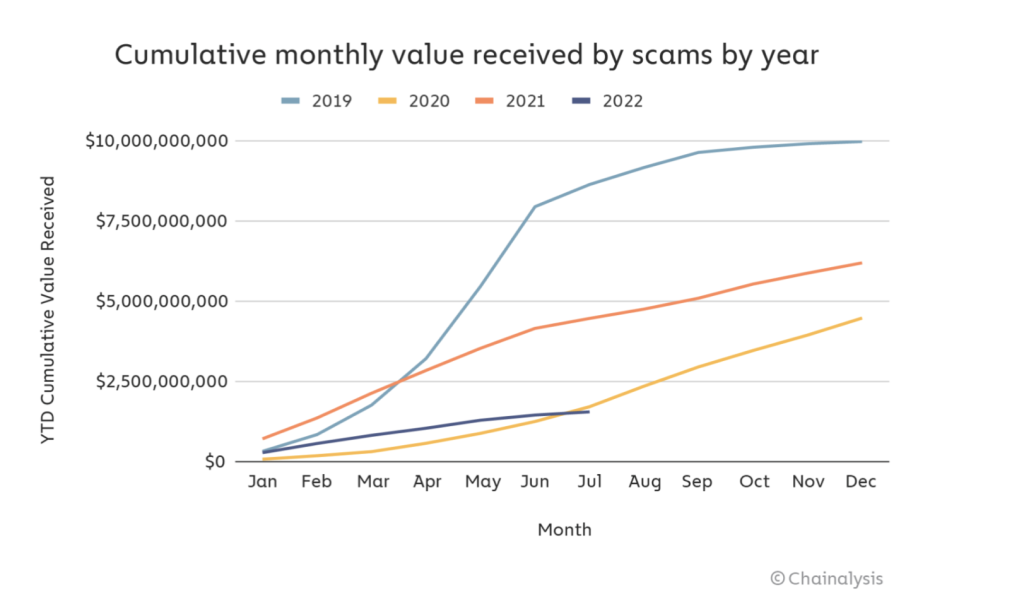
A significant legal battle looms as Chainalysis prepares for court regarding a $650 million defamation lawsuit initiated by the creators of YieldNodes. This case, which emerged from allegations that Chainalysis branded YieldNodes as an “investment scam,” has captured attention in the cryptocurrency and financial sectors. The lawsuit, filed in January, asserts that Chainalysis’s statements severely damaged the reputation and operations of YieldNodes.

YieldNodes, a platform that allows users to generate passive income through cryptocurrency investments, claims that Chainalysis’s assertions have negatively impacted their business model and investor confidence. The plaintiffs contend that the accusations have led to substantial financial losses and undermined their efforts to establish YieldNodes as a legitimate enterprise within the cryptocurrency ecosystem. The creators of YieldNodes argue that Chainalysis’s labeling of their operations as fraudulent constitutes defamation, and they seek reparations for the damages incurred.

Chainalysis has responded robustly to these allegations, denying any wrongdoing and asserting that their analyses are based on evidence gathered during their investigations into cryptocurrency operations. The analytics firm, known for its role in tracking blockchain transactions and providing insights into potential illicit activities, contends that its statements were grounded in factual observations related to suspicious activities tied to YieldNodes. Chainalysis has also filed motions to dismiss the lawsuit, arguing that the plaintiffs have failed to substantiate their claims with concrete evidence.

The lawsuit raises critical questions about the boundaries of free speech and responsible reporting in the rapidly evolving world of cryptocurrency. Chainalysis, as a prominent player in the blockchain analytics space, has a vested interest in maintaining its reputation as a credible source of information for regulators, law enforcement agencies, and the cryptocurrency community. As such, the firm defends its analysis as essential to combating fraud and ensuring the integrity of the market.

Legal experts suggest that the outcome of this case could set important precedents regarding defamation claims in the cryptocurrency sector. As the industry continues to mature, the lines between legitimate investment opportunities and fraudulent schemes are becoming increasingly blurred. This case could influence how companies navigate their public relations and disclosure strategies in an environment fraught with regulatory uncertainty and reputational risk.

The court proceedings will involve examining the standards for defamation, including whether Chainalysis acted with actual malice or if the statements were made in good faith based on the information available at the time. The distinction between subjective opinion and actionable statements of fact will also be pivotal in determining the case’s outcome. As both parties prepare for the courtroom, the stakes are high for both YieldNodes and Chainalysis, as the decision will likely impact the future of defamation law within the cryptocurrency context.

The case highlights the increasing tensions between companies operating in the cryptocurrency space and those tasked with monitoring and regulating it. YieldNodes represents a growing trend of companies attempting to legitimize their offerings amid rampant speculation and potential fraud in the market. At the same time, firms like Chainalysis emphasize their role as watchdogs, attempting to safeguard investors by providing transparency and analysis.

As the cryptocurrency market continues to evolve, this legal battle underscores the ongoing challenges companies face in balancing innovation with the scrutiny of regulatory authorities and public perception. The outcome of the lawsuit may influence how firms communicate about potential risks and allegations in the future, potentially leading to more stringent standards for public disclosures.

The court date is anticipated to be closely watched by industry stakeholders and legal analysts alike, as it may illuminate the complex interplay between defamation claims, freedom of speech, and the cryptocurrency landscape. This case serves as a reminder of the legal implications that arise as the cryptocurrency market becomes more mainstream and subject to scrutiny.

YieldNodes and Chainalysis’s confrontation illustrates the broader challenges faced by the cryptocurrency industry. As companies strive to build credibility and trust among investors, they must also navigate a minefield of potential allegations and reputational risks. The unfolding legal drama may also encourage companies to adopt clearer communication strategies and engage with legal counsel to mitigate risks associated with public statements.

The market capitalization of PayPal’s PYUSD stablecoin has dropped significantly, falling by 40% from over $1 billion in August to approximately $618 million in a span of just 90 days. This substantial decline appears to be largely attributed to a reduction in the circulating supply of PYUSD on the Solana blockchain, which has been a critical platform for its trading and usage.

PYUSD, introduced by PayPal in August 2023, was designed to provide users with a reliable digital currency that could facilitate transactions and offer a means of value storage within the PayPal ecosystem. Despite its initial success, this latest decline raises concerns regarding the stablecoin’s stability and acceptance in a competitive market, particularly as other cryptocurrencies and stablecoins vie for market share.

One of the main factors behind the market cap decline is the reduced circulating supply on Solana. As a blockchain that supports rapid transactions and lower fees, Solana has been integral to PYUSD’s utility. However, the supply reduction indicates a shrinking user base or decreased demand for the stablecoin within this ecosystem. Market analysts suggest that a diminished supply can lead to reduced confidence in a stablecoin’s ability to maintain its value, potentially triggering a sell-off by investors.

The broader cryptocurrency market has experienced volatility, influencing investor sentiment and trading behavior. PYUSD’s market cap reduction is reflective of the challenges faced by many digital currencies in maintaining stable values amid fluctuating demand. Competing stablecoins, particularly Tether (USDT) and USD Coin (USDC), continue to dominate the market with larger market capitalizations and established user bases. These competitors have managed to sustain trust among investors, unlike PYUSD, which is now seen as struggling to find its footing in the rapidly evolving cryptocurrency landscape.

Despite these challenges, PayPal remains committed to its digital currency initiatives. The company has reiterated its vision of integrating cryptocurrencies into its services and enhancing user experiences with digital payments. Experts believe that PayPal’s established reputation and extensive user base provide a unique advantage, which could be leveraged to revitalize the PYUSD stablecoin.

The declining market cap has led to increased scrutiny from regulatory bodies as well. Governments and financial institutions worldwide are keenly observing how companies like PayPal navigate the complex regulatory landscape surrounding digital currencies. The fallout from PYUSD’s market cap reduction may prompt additional regulatory oversight, emphasizing the importance of transparency and stability in the cryptocurrency sector.

Analysts are closely monitoring user engagement with PYUSD. As digital payments continue to evolve, the preference for cryptocurrencies as a transactional tool could reshape how users interact with stablecoins like PYUSD. PayPal’s integration of PYUSD within its platform could be pivotal in reigniting interest and expanding its user base. The company’s ability to innovate and adapt to market changes will be crucial in determining the future of its stablecoin offerings.

The decline in PYUSD’s market cap also underscores broader trends within the cryptocurrency market. The stablecoin sector has faced increased competition, with various projects emerging to meet diverse consumer needs. User preferences are shifting towards stablecoins that not only provide price stability but also facilitate seamless integration within broader financial ecosystems. This trend poses a challenge for established players like PayPal, which must continuously innovate to retain relevance in the market.

The dynamics of the cryptocurrency landscape are changing rapidly, with traditional financial institutions entering the space and offering their own digital currencies. These developments are creating a more competitive environment, which may further impact the performance of PYUSD and other stablecoins.

Ardian, a global investment firm, is reportedly evaluating potential co-investment opportunities in the green hydrogen sector alongside two prominent players: Masdar and the Public Investment Fund (PIF) of Saudi Arabia. This collaborative venture could significantly impact the renewable energy landscape, reflecting a growing commitment to sustainable investments as nations strive to meet climate goals. The interest in green hydrogen arises from its potential to serve as a […]

BANGKOK, THAILAND – Media OutReach Newswire – 16 October 2024 – Thailand’s real estate sector, estimated to be worth US 2 trillion, is on the brink of significant transformation, driven by three emerging megatrends: multigenerational living, semi-retirement, and hospitality-residence hybridization. These trends, identified by Proud Real Estate Plc, a leader in the SET-listed property market, are set to redefine the landscape in response to a shifting demographic […]

HONG KONG SAR – Media OutReach Newswire – 16 October 2024 – Response to the Policy Address 2024/25 by KK Chiu, International Director, Chief Executive, Greater China of Cushman & Wakefield: Farewell to subdivided units and optimize the living environment We are pleased to see that the government’s taking proactive measures in housing supply and land policy to address the housing problem. The introduction of a rental […]

A resurgence of optimism in the crypto market is gaining momentum, as JPMorgan analysts predict significant growth for Bitcoin and other cryptocurrencies, driven by a range of geopolitical and financial factors. The prospect of Donald Trump’s return to the U.S. presidency in 2025 has emerged as a key element in the bank’s optimistic outlook. Trump’s potential win is seen as a possible catalyst for regulatory shifts that could provide greater clarity and support for digital assets, with Bitcoin expected to be one of the primary beneficiaries.

While political developments are central to JPMorgan’s forecast, other significant factors are also influencing its stance. The winding down of the Mt. Gox and Genesis liquidation processes could lead to reinvestment in the market. Moreover, the potential resolution of the FTX bankruptcy case is another critical factor, as recovered assets from the exchange may be reinvested, bringing additional liquidity and stability to the crypto ecosystem.

The bank’s analysts have pointed to the rising market capitalization of stablecoins as a further indication of growing institutional confidence in the sector. Stablecoins, which provide a bridge between the fiat and crypto worlds, are increasingly being viewed as essential components of the global financial system. Their expanding role may support broader market stability, enhancing the appeal of cryptocurrencies as viable assets in traditional finance.

JPMorgan’s analysis also aligns with broader market sentiments, where Trump’s increasing odds in the upcoming 2024 presidential election have sparked renewed enthusiasm within the crypto space. His policies, particularly his prior statements on deregulation and economic growth, are viewed as favorable to a pro-crypto agenda. This has driven a rally in crypto stocks, including key players like Marathon Digital and Coinbase, with many seeing Trump’s potential presidency as a boost to the digital currency industry.

Advertisements

World Liberty Financial has launched its WLFI token sale to the public, attracting significant attention from investors. Approximately 655 million tokens were sold at a price of $0.015 each, generating around $9.825 million in sales. Despite over 100,000 individuals signing up for the whitelist, the company has encountered hurdles, with a staggering 19.345 billion tokens still remaining available for purchase.

The WLFI token sale is part of World Liberty Financial’s strategy to raise $300 million by offering 20% of its total token supply, which is valued at $1.5 billion. However, the initial response to the token sale has highlighted challenges in reaching its ambitious financial goals. The sale’s low performance relative to its target has raised questions about investor confidence and market demand for the WLFI tokens.

Technical difficulties have also plagued the token sale. Many potential investors reported intermittent downtimes on the official sale website, which hindered access during critical moments of the launch. This limited availability could have impacted the ability of interested buyers to participate in the sale, potentially affecting the total amount raised.

World Liberty Financial, linked to former President Donald Trump, aims to position itself in the burgeoning cryptocurrency market, which has been experiencing both volatility and growth. The launch of the WLFI token is seen as a pivotal moment for the company as it attempts to carve out a space in an increasingly competitive landscape.

The WLFI token is designed to facilitate various transactions within the World Liberty Financial ecosystem, which aims to provide innovative financial solutions. The token’s intended utility includes enabling faster and cheaper transactions while offering a platform for various financial services. However, the initial market reception and the remaining token supply may pose significant challenges in achieving these objectives.

Market analysts are closely monitoring the developments surrounding the WLFI token sale, noting that the cryptocurrency market is experiencing a period of adjustment. The fluctuating prices of cryptocurrencies and the ongoing regulatory scrutiny in various jurisdictions have created an environment of uncertainty for investors. Consequently, the initial uptake of the WLFI token may reflect broader market sentiments regarding new cryptocurrency offerings.

Investor sentiment is also influenced by the broader implications of former President Trump’s involvement in the cryptocurrency space. While some investors may view this connection as a potential advantage, others may harbor skepticism based on past controversies associated with Trump’s business ventures. This complex dynamic could play a significant role in shaping the token’s perceived value and overall market performance.

The launch of the WLFI token sale comes at a time when the cryptocurrency market is witnessing a surge in initial coin offerings (ICOs) and token sales. Many projects are vying for investor attention, making it essential for new entrants like World Liberty Financial to differentiate themselves effectively. The current landscape requires not only innovative technology and robust business models but also transparent communication and trust-building with potential investors.

As the WLFI token sale progresses, the company’s ability to adapt to market challenges will be critical. Addressing technical issues, improving accessibility for investors, and fostering confidence in the WLFI token’s value will be paramount. Analysts suggest that a proactive approach in engaging with the investor community and enhancing the overall user experience on the sale platform could mitigate some of the initial setbacks.

The performance of the WLFI token in the coming weeks will likely provide crucial insights into its long-term viability and the company’s potential to achieve its financial goals. Market watchers will be keen to see whether World Liberty Financial can capitalize on the initial interest in its token and translate it into sustained investor support.

Tesla has shifted its substantial Bitcoin holdings, totaling 11,500 BTC, valued at roughly $760 million, to new, unmarked digital addresses. This significant movement has sparked speculation regarding the company’s intentions concerning its cryptocurrency assets. As the electric vehicle manufacturer is known for its dynamic approach to digital currencies, the implications of this transfer could have noteworthy impacts on market trends and investor sentiment.

The transfer was made public through blockchain analytics platforms, which indicated that the entire Bitcoin stash was moved on October 15. The sudden shift to new addresses raises questions about Tesla’s strategy regarding Bitcoin, especially after CEO Elon Musk’s past enthusiasm for cryptocurrencies. This action comes amid a backdrop of fluctuating Bitcoin prices and a market that has shown volatility due to regulatory scrutiny and macroeconomic conditions.

Musk’s relationship with Bitcoin has been well-documented, with Tesla initially investing heavily in the cryptocurrency last year. In February 2021, Tesla disclosed that it had purchased $1.5 billion worth of Bitcoin, which contributed to a surge in its value. However, following concerns about Bitcoin’s environmental impact, Musk announced in May 2021 that Tesla would stop accepting Bitcoin as payment, a decision that sent shockwaves through the cryptocurrency market.

The latest transfer has led to widespread speculation among analysts and investors. Some believe that Tesla might be repositioning itself within the cryptocurrency market, potentially indicating a future strategy that could involve selling or reinvesting its Bitcoin holdings. The company’s previous actions, including liquidating a portion of its Bitcoin assets in 2022, have created a precedent for such speculation.

Blockchain experts have highlighted the importance of understanding the new addresses to which the Bitcoin has been transferred. Without clear indications of ownership, it remains uncertain whether these addresses are still associated with Tesla or if they represent a shift in ownership. The lack of transparency surrounding these transfers is common in the cryptocurrency space, where pseudonymity is a fundamental feature. However, this characteristic can lead to uncertainty and speculation regarding the motivations behind such significant movements.

Market analysts have observed that Tesla’s transfer of Bitcoin could also be a tactical move to shield its assets from market volatility. By moving Bitcoin to new addresses, the company might be aiming to mitigate risk and enhance security. Such actions are not uncommon among large holders of cryptocurrency, especially during periods of heightened regulatory scrutiny or market fluctuations.

The timing of the transfer coincides with a broader trend of institutional interest in Bitcoin and other cryptocurrencies. Many companies are reassessing their positions in digital assets, and Tesla’s move could be indicative of a larger shift within corporate strategies concerning cryptocurrencies. The ongoing dialogue surrounding cryptocurrency regulation, especially in the United States and Europe, continues to influence corporate decisions.

Elon Musk’s comments on Twitter have historically impacted Bitcoin prices. His influence in the cryptocurrency realm is both significant and contentious. Therefore, any indications of Tesla’s plans for its Bitcoin holdings could sway market perceptions and trading patterns. Industry observers will be closely monitoring Tesla’s next steps and any public statements from Musk regarding the company’s cryptocurrency strategy.

As the cryptocurrency landscape evolves, the actions of high-profile companies like Tesla are crucial in shaping investor sentiment and market dynamics. The movement of such a large Bitcoin holding adds an additional layer of complexity to an already intricate market. Investors are left to ponder whether this transfer is a prelude to selling, a strategy to fortify assets against volatility, or a reallocation of holdings in light of regulatory developments.

The cryptocurrency market has seen an uptick in both institutional and retail investor activity as Bitcoin and other digital assets continue to garner mainstream attention. Amid this growing interest, companies are reevaluating their positions in cryptocurrencies, and Tesla’s actions will likely serve as a case study in corporate cryptocurrency strategy. The decisions made by Tesla regarding its Bitcoin holdings could influence other corporations in the sector, shaping their future engagements with digital currencies.

SINGAPORE – Media OutReach Newswire – 16 October 2024 – Homegrown air conditioning specialists, Newway SG, demonstrates a strong commitment to managing the impacts of indoor air quality (IAQ) on health and productivity, with the launch of a new environmental research and testing facility under the brand “Newway Laboratories”. Newway SG New Indoor Environmental Quality (IEQ) Laboratory Addressing Critical Air Quality Concerns The initiative aims to provide […]

Google has announced a pivotal partnership with Kairos Power to utilize small modular reactors (SMRs) to support its artificial intelligence (AI) operations. This marks a strategic move as the tech giant navigates the energy-intensive demands of AI. The decision to invest in nuclear energy comes as the company looks for more sustainable and reliable sources to power its vast data center operations. The announcement underscores the company’s […]

The Solana blockchain network is moving to strengthen its presence in the UAE, a key emerging market in the crypto world, by hosting the Founders’ Villa event. Organized by Solana Foundation and held at the luxury Founders’ Villa, the event attracted attention from global Web3 investors, entrepreneurs, and developers eager to engage with one of the fastest-growing ecosystems in blockchain.

Solana, known for its high-speed and low-cost transactions, has been pushing aggressively to expand its global footprint. The UAE, with its business-friendly regulatory environment, burgeoning tech hub, and growing interest in blockchain technologies, presents a strategic opportunity for Solana to establish itself as a major player in the region.

At the heart of the event was the growing interest from the UAE’s tech community in Web3 innovations. The Founders’ Villa featured panels, networking opportunities, and demonstrations that showcased Solana’s capabilities, particularly its decentralized finance (DeFi) applications and non-fungible token (NFT) projects. The event highlighted the blockchain’s commitment to improving scalability and security while addressing environmental concerns through energy-efficient Proof-of-History (PoH) consensus mechanisms.

The UAE’s recent strides in blockchain adoption have made it a significant player in the global blockchain ecosystem. Solana’s move into the region aligns with Dubai’s Vision 2030 initiative, which includes heavy investment in digital technologies, blockchain, and smart city solutions. The Dubai Multi Commodities Centre (DMCC) has also been a major supporter of blockchain innovation, launching initiatives such as the DMCC Crypto Centre, which provides a hub for blockchain and crypto-related companies.

Solana’s push into the UAE isn’t just about adoption—it’s about leadership in a market that’s rapidly expanding. The Founders’ Villa event provided a platform for investors to explore the potential of Solana’s ecosystem, with key figures emphasizing the importance of creating sustainable, scalable blockchain solutions. The event comes at a time when the UAE is increasingly viewed as a global hub for Web3, alongside major financial centers like Singapore and Switzerland.

In tandem with this effort, Solana has been targeting partnerships in the Gulf region. The blockchain’s ability to process transactions at a much higher speed than Ethereum and Bitcoin while maintaining lower fees has drawn interest from companies and governments looking for blockchain applications in finance, supply chain, and other sectors. The focus of Solana’s team at the event was not just on expanding the user base but also on ensuring that the network can continue to scale effectively without compromising on performance.

One of the key themes that emerged from the Founders’ Villa was the UAE’s readiness to integrate blockchain into mainstream sectors. Participants from industries including finance, real estate, and logistics expressed growing confidence in blockchain as a foundational technology for future digital ecosystems. Solana’s developers shared insights into new technical upgrades, including planned developments aimed at making the network more resilient against outages, a key challenge the network has faced in the past.

The Founders’ Villa event also provided a platform for showcasing NFT art and decentralized applications (dApps) being built on Solana. The UAE’s growing interest in NFTs, particularly as an investment class, was a major point of discussion. Experts at the event suggested that the region’s wealth managers and family offices are increasingly considering NFTs as part of a diversified investment strategy, particularly as the regulatory environment becomes more supportive of digital assets.

Meanwhile, Dubai’s commitment to fostering innovation in crypto is increasingly drawing global talent to the city. Solana’s decision to hold this event in the UAE signals the blockchain network’s strategic shift toward markets that are less saturated but hold significant potential for growth. The event was marked by a series of announcements about upcoming initiatives that will deepen Solana’s involvement in the region, further strengthening its role as a leader in the blockchain space.

The global blockchain industry has taken note of the UAE’s efforts, and Solana is positioning itself to be at the forefront of this movement. By building relationships with regulators, businesses, and developers in the region, Solana aims to tap into the vast potential of the Middle Eastern market, which is rapidly evolving as a center for blockchain innovation and Web3 technologies.

GITEX Global 2024 has drawn the attention of the global tech community, making Dubai a focal point for innovation and collaboration. Held at the Dubai World Trade Centre, this year’s event is showcasing an array of cutting-edge advancements, including artificial intelligence (AI), cybersecurity, blockchain, and more. With over 6,000 exhibitors from 180 countries, GITEX is promoting key sectors like AI-driven healthcare, fintech, and climate tech. The event has also placed a spotlight on cybersecurity challenges and solutions, attracting top industry players to discuss the future of AI in various fields.

One of the central themes of this year’s GITEX is AI’s role in reshaping industries. “AI Everything,” a major attraction at the event, is focusing on integrating AI into sectors such as digital finance, healthcare, and education. With demonstrations of AI-driven technologies, attendees are gaining insights into how AI will continue to disrupt traditional models, providing more efficiency and data-driven decision-making.

In tandem with these developments, the fintech sector is experiencing significant attention. “Fintech Surge,” another highlight of the event, is hosting global fintech leaders to explore how blockchain and AI are pushing boundaries in digital finance. Investors and startups alike are eyeing new opportunities as digital currencies, decentralized finance (DeFi), and AI-powered financial services grow in prominence. Dubai, positioning itself as a hub for innovation, offers the perfect backdrop for these transformative conversations.

Cybersecurity has emerged as a key topic, as threats in the digital space continue to escalate. GITEX’s “Cyber Valley” is addressing the intersection of AI and cybersecurity, gathering top experts to explore ways to counter cyber threats in an increasingly connected world. High-profile cybersecurity executives and government leaders are collaborating to establish frameworks that can protect sensitive data, infrastructure, and networks from sophisticated cyber-attacks.

Startups and entrepreneurs are also finding GITEX to be a launchpad for growth. “Expand North Star,” a major startup event running alongside GITEX, is connecting founders with venture capitalists and tech leaders to foster partnerships and scale new ventures. The event highlights the increasing importance of fostering an entrepreneurial ecosystem that nurtures innovative ideas and gives rise to the next generation of tech giants.

The event’s focus on sustainability is evident through “Gitex Impact,” where climate-tech innovators are unveiling solutions for environmental challenges. AI-driven sustainable technologies, including advancements in waste management and conservation, are on display, emphasizing the role of technology in addressing global climate issues.

Dubai’s ambition to be a leading global tech hub is reinforced by the diversity of participants and the scale of innovations being showcased at GITEX. Government leaders, industry experts, developers, and investors are all converging to forge partnerships and explore how emerging technologies can drive future economic growth.

GITEX Global 2024 is not just about presenting technological advancements, but also about sparking discussions around the ethical implications of such technologies. From the regulatory challenges of AI to privacy concerns, these critical issues are being debated as technology continues to evolve rapidly. The convergence of AI, cybersecurity, and fintech underlines the complex, interconnected nature of modern digital transformations.

Introduces first-in-market “Wealth Booster Option” to Create Value Beyond Insurance HONG KONG SAR – Media OutReach Newswire – 14 October 2024 – Chow Tai Fook Life Insurance Company Limited (“CTF Life”) recently celebrated its towards 40th anniversary with a celebration dinner themed “Value Beyond Insurance” at the Hong Kong Convention and Exhibition Centre. To further promote the value of CTF Life in providing customers with personalised planning […]

Bengaluru Airport City has officially launched its new 2 million square feet business park as part of an ambitious effort to bolster the city’s Global Capability Centre (GCC) ecosystem. This development, located within Kempegowda International Airport’s larger Airport City project, spans over 17.7 acres and is set to transform the area into a mixed-use destination. The new facility is designed to attract global corporations, promote innovation, and elevate Bengaluru’s status as India’s hub for technology, biotechnology, and aerospace sectors.

Rao Munukutla, the Executive Director and CEO of Bengaluru Airport City Limited (BACL), highlighted that the business park is expected to play a key role in driving growth, both for the city’s economy and the global companies that will set up operations there. Bengaluru already accounts for 36% of India’s GCC workforce, with significant contributions from industries such as IT, biotechnology, and automotive. This new business park aims to strengthen this lead, creating a thriving space for companies to innovate and expand.

The larger Airport City project at Kempegowda International Airport is envisioned as more than just a business hub. It will include dedicated zones for education, health care, research and development, entertainment, and hospitality, making it an integrated destination for work and leisure. Among the planned amenities are India’s first concert arena within an airport ecosystem and a state-of-the-art convention and exhibition centre. These additions are expected to attract international events and boost the city’s profile as a premier destination for business and tourism.

The cryptocurrency market has seen a surge in the meme coin sector as Bitcoin edges closer to the $65,000 mark. This bullish sentiment has reverberated through the market, driving significant interest in meme tokens. Among the key players, MOG and Cat in a Dogs World (MEW) have caught the eye of investors with their sharp price increases and growing market caps. As the meme coin market pushes toward a $53 billion valuation, the potential for these tokens to hit all-time highs has become a hot topic of debate.

Meme coins, once considered a niche within the broader cryptocurrency landscape, have matured into a formidable asset class. Dogecoin and Shiba Inu set the precedent for meme coins, creating widespread adoption and community engagement. MOG, a new entrant into this space, has already made waves with a significant 10x price increase since its launch. Similarly, MEW has capitalized on the current market momentum, drawing attention due to its unique approach and steady price growth.

MOG, which markets itself as a token for the meme-obsessed generation, has leveraged social media virality to attract new users. Its developers have implemented innovative tokenomics, including staking rewards and burning mechanisms that contribute to its deflationary supply model. This has resonated with investors looking for high-risk, high-reward opportunities in the volatile cryptocurrency sector. MOG’s sudden price surge is also driven by speculative buying, with rumors circulating about potential listings on major exchanges.

Meanwhile, MEW, a relatively new meme coin with a doge-based theme, has captured the imagination of its growing community. Built with a focus on decentralized finance (DeFi) applications, MEW offers its holders the opportunity to earn rewards through various staking programs. The project’s roadmap outlines ambitious plans for expanding its ecosystem, including collaborations with other DeFi projects and the introduction of non-fungible tokens (NFTs). With its current growth trajectory, MEW appears well-positioned to capitalize on the meme coin mania, potentially reaching new all-time highs in the coming weeks.

As Bitcoin continues to rally, the correlation between its price movements and meme coin performance has become evident. Historically, when Bitcoin experiences a significant price surge, meme coins tend to follow, driven by retail investors looking for more affordable alternatives to the blue-chip cryptocurrencies. This trend is evident in the current market as MOG and MEW show signs of breaking through their resistance levels. However, the speculative nature of meme coins also means that they are prone to sudden and dramatic price swings.

The broader meme coin market has seen several tokens enter the limelight. Coins like Shiba Shootout and Sponge V2 have also posted impressive gains, highlighting the widespread appeal of these humorous yet often lucrative digital assets. Shiba Shootout, for example, has embraced gamification by offering its holders the ability to participate in Wild West-themed battles, staking tokens to earn rewards. Sponge V2, on the other hand, has focused on play-to-earn (P2E) mechanics, allowing users to earn tokens by participating in a racing game, which has helped boost its popularity.

As the market continues to evolve, meme coins are no longer just jokes or speculative assets; they are becoming integral parts of the broader cryptocurrency ecosystem. The increasing integration of DeFi, NFTs, and play-to-earn mechanics into meme coins has given them additional utility beyond mere speculation. For example, MOG’s ability to offer staking rewards through a decentralized platform has made it more appealing to long-term investors, rather than just day traders. MEW’s upcoming NFT marketplace launch could also drive further adoption as NFTs remain a hot trend in the crypto space.

While the future of meme coins is uncertain, their impact on the market cannot be ignored. The question now is whether MOG and MEW, alongside other trending tokens, can sustain their growth and reach new all-time highs. Analysts are divided on this issue, with some pointing to the inherent volatility of meme coins as a red flag. However, others believe that the combination of community engagement, innovative use cases, and market conditions could propel these tokens to unprecedented levels.

Mubadala’s healthcare arm, KELIX Bio, has made a decisive step in boosting its presence in the life sciences sector by acquiring four pharmaceutical assets from GlobalOne Healthcare Holding. This move is part of Mubadala’s broader ambition to transform the UAE into a global hub for life sciences innovation and advanced healthcare solutions. The acquisition reflects the growing influence of the UAE’s healthcare industry as it aligns with the nation’s goals to enhance its capabilities in pharmaceuticals and biotechnology.

The deal involves four strategic pharmaceutical companies, which are expected to add substantial value to Mubadala’s existing healthcare portfolio. It also demonstrates the commitment of KELIX Bio, a key player in Mubadala’s ecosystem, to expanding its footprint across the Middle East and Africa. This acquisition is seen as an essential step toward addressing rising healthcare demands in the UAE and further establishing the nation as a leader in advanced healthcare solutions.

The UAE has been focused on expanding its healthcare infrastructure and capabilities, especially in the fields of pharmaceuticals and biotechnology. The government’s initiatives, such as the National Strategy for Wellbeing 2031, are aimed at enhancing the overall health sector in the country. Mubadala’s acquisition aligns with these initiatives, helping to create an ecosystem that fosters innovation, sustainability, and long-term economic growth.

KELIX Bio is positioned as a leader in the manufacturing and distribution of essential medicines across emerging markets, focusing on addressing the critical need for quality and affordable treatments. The latest acquisitions from GlobalOne Healthcare Holding provide KELIX Bio with advanced pharmaceutical production capabilities and access to new markets. These assets are integral to producing generic and specialized medications that will serve both the UAE’s population and neighboring regions.

Mubadala’s strategy is not limited to expanding its pharmaceutical footprint within the UAE. The acquisitions signal a broader focus on making the country a life sciences powerhouse that can influence markets across the Middle East, Africa, and beyond. By enhancing local production capabilities, KELIX Bio aims to reduce dependency on imported medicines and foster a sustainable supply chain for critical medications.

The importance of these acquisitions is further highlighted by the fact that KELIX Bio has been aggressively pursuing growth in various healthcare sectors. Prior to this deal, the company made notable investments in manufacturing facilities in Egypt and Morocco, positioning itself as a dominant force in the region’s pharmaceutical market. The addition of GlobalOne’s assets will enhance KELIX Bio’s portfolio, enabling it to meet the growing demand for medical treatments across emerging markets.

Industry experts believe that this acquisition could significantly impact the life sciences industry in the UAE. The healthcare sector in the UAE has been undergoing rapid growth, driven by government initiatives, private investments, and a strong emphasis on medical research and development. The addition of new pharmaceutical assets is expected to catalyze innovation in drug production and distribution, supporting the country’s long-term vision for a sustainable and advanced healthcare system.

Mubadala’s focus on healthcare is not new. The sovereign wealth fund has long prioritized investments in sectors that align with the UAE’s economic diversification goals. Over the years, Mubadala has played a key role in developing critical industries such as healthcare, aerospace, and renewable energy, contributing to the nation’s vision of building a knowledge-based economy. Through KELIX Bio, Mubadala is now advancing its efforts to create a self-reliant healthcare system that is less dependent on international supply chains.

The life sciences industry in the UAE is also benefiting from an influx of global talent and expertise, driven by both government policies and Mubadala’s investments. The country has established itself as an attractive destination for life sciences companies and professionals, thanks to its strategic location, favorable business environment, and robust infrastructure. The acquisition of GlobalOne Healthcare Holding’s assets further strengthens the UAE’s position as a growing center for pharmaceutical and healthcare innovation.

The UAE government’s long-term vision for the healthcare sector has laid the groundwork for a thriving life sciences ecosystem. By fostering public-private partnerships and encouraging investment in cutting-edge healthcare technologies, the country aims to become a global leader in this field. Mubadala’s acquisition is expected to contribute significantly to this vision, as it brings in new technologies, expertise, and opportunities for collaboration in the global healthcare market.

The acquired assets will help boost the production of life-saving medicines and therapies, with a particular focus on emerging markets. The deal comes at a time when the global demand for affordable and effective healthcare solutions is on the rise. By focusing on expanding its presence in pharmaceuticals, Mubadala is addressing both regional and international healthcare needs, providing essential treatments to underserved populations.

Mubadala’s acquisition is expected to spur growth in the UAE’s pharmaceutical manufacturing sector, creating new jobs and contributing to the country’s economic development. The move aligns with the UAE’s broader healthcare goals of improving access to high-quality medical treatments and fostering innovation within the industry. KELIX Bio’s acquisition strategy will likely continue as the company looks for more opportunities to strengthen its position in the Middle East and Africa.

The cryptocurrency market opened the week on a buoyant note, with Bitcoin soaring above $64,000, reflecting a robust demand from investors. This bullish sentiment extends beyond Bitcoin, with several major cryptocurrencies experiencing notable gains. In particular, memecoins captured significant attention over the weekend, driving trading volumes and investor interest.

Bitcoin’s recent ascent is attributed to various factors, including a wave of institutional investments and ongoing enthusiasm around cryptocurrency adoption. Many analysts highlight the role of exchange-traded funds (ETFs) in boosting market confidence, as institutional players increasingly seek exposure to digital assets. Bitcoin’s price spike comes amid a broader narrative of technological advancements within the blockchain ecosystem, which continues to capture the imagination of retail and institutional investors alike.

Ethereum, the second-largest cryptocurrency by market capitalization, also benefited from Bitcoin’s rally, rising over 5% in value. The upward momentum is attributed to several developments, including the upcoming Ethereum upgrade, which aims to improve network scalability and reduce gas fees. As Ethereum transitions to a proof-of-stake model, many analysts anticipate further institutional interest, given the platform’s essential role in decentralized finance (DeFi) and non-fungible tokens (NFTs).

Meanwhile, the excitement surrounding memecoins—typically inspired by internet memes and social media trends—has significantly influenced market dynamics. Tokens like Dogecoin and Shiba Inu witnessed substantial trading volumes as retail investors flocked to these assets, drawn by their perceived potential for high returns. Social media platforms played a pivotal role in amplifying this trend, with influencers and dedicated communities rallying support for these tokens. The continued engagement of these communities indicates a shift in trading patterns, where retail sentiment increasingly shapes market movements.

China’s latest stimulus announcements, while generating initial optimism, fell short of expectations, impacting broader market sentiments. The country’s efforts to stabilize its economy amid challenges posed by global supply chain disruptions and regulatory crackdowns have elicited mixed reactions from traders. Despite the lackluster stimulus measures, market participants remain hopeful, buoyed by Bitcoin’s upward trajectory and the resilience demonstrated by major cryptocurrencies.

Investors are closely monitoring regulatory developments in various jurisdictions as they navigate the evolving landscape of digital assets. The introduction of clearer regulations in regions such as Europe and the United States has fostered a more secure environment for institutional investments. However, uncertainty remains, particularly in regions where regulatory frameworks are still taking shape.

The recent performance of cryptocurrencies is also influenced by macroeconomic factors, including inflation concerns and shifts in monetary policy. Central banks’ responses to inflationary pressures may significantly impact investor sentiment, with many viewing cryptocurrencies as a hedge against traditional market volatility. As Bitcoin approaches all-time highs, discussions around its role as a digital store of value continue to gain traction among institutional investors.

Emerging trends within the cryptocurrency space, such as the growing popularity of decentralized finance applications, are further contributing to Bitcoin’s appeal. DeFi platforms have gained substantial traction, offering innovative financial services outside traditional banking systems. This trend aligns with a broader movement towards financial inclusivity, where individuals seek alternatives to conventional finance.

As Bitcoin maintains its upward momentum, analysts are keenly observing key price levels that may serve as psychological barriers. The $70,000 mark has become a focal point, with investors speculating on whether Bitcoin can sustain its rally and surpass this threshold. Historical price action suggests that breaking through significant resistance levels often leads to further price discovery, a phenomenon that many traders are keen to capitalize on.

Market sentiment remains a crucial driver of cryptocurrency prices, with investor behavior often influenced by social media trends and news cycles. The ability of key influencers to sway market dynamics underscores the importance of community engagement within the cryptocurrency ecosystem. This trend has been particularly evident with memecoins, where social media platforms act as catalysts for rapid price fluctuations.

The interplay between technological advancements and regulatory developments will continue to shape the cryptocurrency landscape as investors seek to navigate the complexities of digital assets. Institutions are increasingly recognizing the importance of blockchain technology, leading to heightened investment in research and development. This recognition of the underlying technology’s potential may spur further innovation and drive the next wave of adoption across various industries.

Ethena Labs has put forward a proposal to include Solana (SOL) in the collateral pool for its stablecoin, USDe. If approved, this move would position SOL alongside Bitcoin (BTC) and Ethereum (ETH) as part of Ethena’s diversified collateral strategy. The incorporation of SOL aims to enhance the stability and utility of USDe while tapping into the growing Solana ecosystem.

The proposal reflects Ethena Labs’ ongoing efforts to strengthen its product offerings and enhance the robustness of its stablecoin. Currently, USDe is backed by BTC and ETH, both of which have established themselves as reliable digital assets within the cryptocurrency market. By adding SOL, Ethena Labs hopes to leverage the asset’s increasing popularity and the broader developments in the Solana network.

Solana has garnered significant attention in recent years for its high throughput and low transaction costs. As the demand for efficient blockchain solutions grows, Solana has positioned itself as a leading contender. This is particularly relevant as various decentralized finance (DeFi) projects increasingly look for scalable solutions. Ethena Labs’ move to integrate SOL into USDe’s collateral mix could also signal a growing acceptance of diverse assets within the stablecoin market.

The proposal has sparked discussions among stakeholders within the cryptocurrency community, with many viewing it as a strategic alignment with current market trends. Several analysts believe that including SOL could help stabilize USDe by providing an additional layer of security and liquidity. Solana’s unique consensus mechanism, which allows for faster transaction speeds, could contribute positively to the stability of USDe, particularly during times of market volatility.

Industry experts point out that the successful integration of SOL will depend on regulatory compliance and market acceptance. Ethena Labs has emphasized its commitment to maintaining high standards of compliance and risk management as it navigates the complexities of including a new asset in its collateral pool. The company has also sought feedback from its community to ensure that all perspectives are considered before moving forward with the proposal.

The growing interest in Solana has not only been driven by its technological capabilities but also by its expanding ecosystem of projects and partnerships. As more developers build on Solana, its utility and value proposition are expected to increase, making it an attractive asset for collateralization. Ethena Labs’ strategic move could also encourage other stablecoin issuers to consider similar integrations, reflecting a broader trend of diversification in the stablecoin market.

Competitors in the space are also monitoring Ethena Labs’ proposal closely, as it may set a precedent for how stablecoins can adapt to the evolving cryptocurrency landscape. With the market continually shifting, the addition of diverse assets to stablecoin collateral pools could become increasingly common. This could help to further legitimize various cryptocurrencies as viable options for collateralization, enhancing their overall market presence.

The proposal for SOL’s inclusion in USDe collateral comes at a time when the stablecoin market is experiencing significant growth. With various stablecoins gaining traction among investors and users, the demand for innovative collateral strategies is paramount. By diversifying its collateral mix, Ethena Labs aims to enhance the resilience of USDe, providing greater confidence for users seeking stability in their digital assets.

Solana’s reputation as a scalable and efficient blockchain solution aligns with Ethena Labs’ objectives of improving the performance of its stablecoin. With SOL’s potential to contribute to faster transactions and lower fees, Ethena Labs is positioning itself to capture a segment of the market that values efficiency and innovation.

As discussions surrounding the proposal unfold, Ethena Labs has reaffirmed its commitment to transparency and stakeholder engagement. The company plans to conduct a thorough analysis of community feedback and regulatory implications before finalizing its decision on including SOL in USDe’s collateral framework. This approach underscores the importance of aligning business strategies with the expectations of users and regulators in the rapidly evolving cryptocurrency ecosystem.

The addition of SOL to Ethena Labs’ collateral mix would not only signify a strategic move for USDe but could also influence broader market dynamics. As stablecoins continue to gain popularity among traders and investors, the integration of diverse assets could reshape the landscape of digital currencies. Ethena Labs’ proactive approach reflects a growing recognition of the need for stablecoins to adapt to market changes while maintaining their core functions.

Dubai, a thriving metropolis renowned for its opulence and multicultural environment, is experiencing a surge in its expatriate population that is exerting pressure on the city’s infrastructure. The latest figures indicate that approximately 88% of Dubai’s population comprises expatriates, with many flocking to the emirate for employment opportunities and an enviable lifestyle. As this trend continues, authorities are faced with significant challenges in managing the growing demand […]

Dubai’s reputation as a global hub for blockchain innovation solidified further as industry leaders from across the globe gathered for the Future Blockchain Summit 2024. The summit, which runs from October 13 to 16 at Dubai Harbour, features cutting-edge discussions and presentations from experts in blockchain, crypto, NFTs, Web 3.0, and more, signaling a key moment in the advancement of the digital economy.

The Future Blockchain Summit, now in its sixth edition, has evolved into a premier platform for fostering collaborations between governments, enterprises, and startups. It continues to align with Dubai’s ambitious blockchain and digital transformation goals. The event promises to showcase transformative technologies that could redefine financial services, supply chains, healthcare, and governance.

Key highlights of the 2024 edition include insights from a diverse array of speakers, including thought leaders from both the public and private sectors. Major players in the blockchain space, such as Ethereum co-founder Vitalik Buterin and representatives from global blockchain firms, are expected to provide critical analysis on the evolution of decentralized systems, and the road ahead for mainstream blockchain adoption.

Dubai’s focus on blockchain technology is part of a broader strategic vision that began with the Dubai Blockchain Strategy and the Emirates Blockchain Strategy. This framework aims to digitize key government services using blockchain by 2025. The event’s organizers have highlighted the importance of this convergence, noting how governments and enterprises worldwide are increasingly exploring the potential of blockchain to drive efficiency, transparency, and trust in digital transactions.

This year’s summit emphasizes the practical applications of blockchain and its ability to disrupt industries beyond cryptocurrency. With the integration of NFTs, the Metaverse, and Web 3.0 technologies into the mainstream, blockchain is being recognized for its broader implications. During the summit, new solutions and case studies will be shared, shedding light on how blockchain can facilitate digital ownership, secure identity management, and more transparent business operations.

Beyond the focus on blockchain applications, the summit is expected to stimulate dialogue on regulation and sustainability. Policymakers and regulators are anticipated to discuss the creation of balanced frameworks that encourage innovation while ensuring the safety of participants in the digital space. Dubai, in particular, has been a key player in fostering a progressive regulatory environment that has attracted blockchain firms from around the globe.

Among the prominent names attending the event are representatives from DMCC (Dubai Multi Commodities Centre), a key participant in the event. DMCC has been instrumental in supporting blockchain enterprises through its crypto center and blockchain-related initiatives, further solidifying Dubai’s status as a hub for blockchain businesses. DMCC’s representatives will present their insights at the summit, discussing how the organization supports blockchain development within its award-winning free zone community.

The summit also offers opportunities for startups, with several exhibitions and networking events designed to connect emerging firms with potential investors. Several blockchain startups are expected to showcase their innovations, with a particular focus on solving industry-specific challenges through decentralized technologies.

This year, Dubai aims to further its vision as a “Smart City” by emphasizing the integration of blockchain into smart infrastructure projects. These initiatives aim to streamline everything from real estate transactions to cross-border payments. The event underscores how blockchain can enhance operational efficiency, promote transparency in government processes, and provide secure, tamper-proof records.

Notable discussions on the agenda include the future of decentralized finance (DeFi), which is gaining traction as a legitimate alternative to traditional banking. DeFi uses blockchain to eliminate intermediaries in financial transactions, potentially lowering costs and improving access to banking services in underserved markets. Additionally, the summit will explore the impact of blockchain on sustainable practices, particularly in the energy sector.

Dubai’s strategic importance in the global blockchain community is reflected in its hosting of this key event. As the blockchain industry continues to expand, the city is positioning itself as a leader in shaping the future of digital assets and decentralized technologies. The Future Blockchain Summit 2024 is expected to serve as a catalyst for further growth and collaboration within the blockchain ecosystem, helping to propel the technology toward mainstream adoption across industries.

A cryptocurrency whale has reportedly lost $55 million to a phishing scam, underscoring the ongoing vulnerabilities in the decentralized finance (DeFi) space. The incident, which took place in August, involved the unsuspecting crypto holder signing an unverified transaction that transferred ownership of their funds to a malicious address. The attackers quickly moved the assets, exchanging stablecoins for Ether, in a well-coordinated cyber theft.

Blockchain security firms have highlighted the increasing sophistication of phishing tactics targeting digital asset holders. These attacks, often disguised as legitimate transaction prompts, trick victims into surrendering control of their crypto wallets. This case is a stark reminder for users to remain vigilant, double-check transaction requests, and refrain from signing unknown contracts.

French farmers have reignited their protests, expressing deep frustration over the government’s unfulfilled promises from earlier in the year. Organized mainly by agricultural unions and regional leaders, this wave of protests stems from unresolved issues regarding rising fuel costs, regulatory burdens, and crop damages due to extreme weather events. Despite earlier pledges from Prime Minister Vital to address these concerns, demonstrators claim that little has improved. They continue to demand better support, including diesel tax relief, water reservoir construction, and compensation for climate-induced losses.

The protests, involving road blockages and the dumping of manure in public spaces, echo the intensity of the January demonstrations that saw highways obstructed and large rallies across France. Farmers argue that government concessions made earlier, such as pausing planned tax increases, were insufficient to address the structural issues they face. The failure to deliver concrete solutions has reignited tensions, with farmers stating that their livelihoods are increasingly precarious amid fluctuating commodity prices and soaring input costs.

A significant grievance involves the continued lack of financial compensation for crops damaged by epizootic hemorrhagic disease, which has affected cattle in southern regions. Farmers from Occitania, where this disease has hit hardest, have taken a prominent role in leading the protests, demanding more substantial compensation packages and faster government action. They argue that their efforts to engage with policymakers have been ignored, leaving them with no choice but to return to public demonstrations.

The government’s attempts to de-escalate the situation have so far failed. Agriculture Minister Jean-Paul Durand had urged farmers to be patient, noting that some reforms were in progress, including subsidies for water reservoirs and the reintroduction of emergency funds. However, these assurances have been dismissed by protesters as insufficient and too slow to materialize. As a result, many farmers feel abandoned, leading to escalating tensions as more agricultural workers join the demonstrations.

This resurgence of protests follows broader trends across Europe, where farmers have increasingly taken to the streets over grievances ranging from environmental regulations to market instability. French farmers, in particular, feel squeezed by both domestic policies and European Union directives, which they claim impose unrealistic expectations on agricultural practices while failing to address their economic vulnerabilities. There is mounting pressure on the French government to balance these competing demands while maintaining its commitments to climate action and environmental sustainability.

The movement’s resurgence has also sparked concerns about public disruptions. Authorities have heightened security measures in anticipation of further road blockades and intensified protests. The farmers, however, show no signs of backing down, signaling that the movement may continue until their demands are met. The ongoing struggle highlights the deep discontent within the agricultural sector, which has been exacerbated by what many see as the government’s slow response to their plight.

Although Prime Minister Vital had initially brokered temporary concessions earlier this year, these measures have done little to address the underlying frustrations. Farmers are now calling for longer-term structural reforms that would reduce their vulnerability to both economic fluctuations and environmental impacts. They emphasize that without a comprehensive solution, their protests will continue, potentially disrupting transportation and food supply chains across the country.

As the protests evolve, French officials are facing a critical challenge: how to balance the urgent demands of farmers with broader policy objectives, particularly in relation to environmental goals. The growing tension underscores the difficulty of finding solutions that can satisfy the farming community while also adhering to the government’s climate commitments. This delicate balance remains at the heart of the current standoff.

A new co-working space aimed at promoting sustainable building practices has been launched by the Emirates Green Building Council (EmiratesGBC). The Sustainability Lounge, which is designed specifically for members, was inaugurated by Cristina Gamboa, CEO of the World Green Building Council, alongside Khaled Bushnaq, Chairman of EmiratesGBC. This initiative reflects a commitment to fostering collaboration among industry professionals dedicated to sustainability in the built environment. Located within […]

VISHNU RAJA
RYO YAMADA
HITORI GOTOH
IKUYO KITA