Just in:
TORRAS Launches Two New iPhone Duo Cases from Its Popular Ostand Series, Addressing Foldable Phone Users’ Concerns About Difficult Stand Positioning and Scratches // 11 Boutique Xinjiang Wineries to Debut in Singapore // L’OCCITANE Celebrates 50 Years Of Provençal Craftsmanship With Holiday 2026 Collection // The Honey Trap Is The Headline, The Chip Pipeline Is The Story // October Food Price Shock Has Far Reaching Consequences // UAE crews sustain coastal oil removal as beaches reopen // US authorities dismantle North Korean cryptocurrency deception infrastructure // Yicura BioMed Advances Dual Capital and Industrial Strategy: Completes First Closing of Series B Financing Led by Gobi Partners // Messi affair SIT finds all-round violations // Nvidia appoints Colette Kress interim chief after Huang departure // Sun World Ba Den Mountain marks Vietnam Culture Day, welcoming Cambodian visitors over Bon Om Touk // China Reconciled To U.S. Curbs On Chips Exports, Woos South Korea For Supply // Microsoft outage leaves Outlook and Teams users disconnected // Hackers falsify NVIDIA GPU readings to mask cryptomining // Microsoft apologises as Outlook services recover after outage // Inpex reaffirms Gulf oil strategy despite shipping constraints // Saudi fund assets forecast to cross $400 billion // Rooftop solar planning gaps behind power shortages // From Dubai to the EU: how UAE-based crypto firms can expand under MiCA // Lego restores BrickLink marketplace after security investigation //

News related to
Space

Nexchain, a United Kingdom-based blockchain startup, has raised $1.5 million in its ongoing presale, marking a significant milestone as it enters Stage 10 with its native token, $NEX, priced at $0.038. The project, which aims to integrate artificial intelligence into blockchain infrastructure, is attracting attention from investors seeking innovative opportunities in the cryptocurrency space.

Nexchain positions itself as the world’s first Layer-1 AI-powered blockchain, designed to enhance transaction speed, security, and scalability. The platform employs a hybrid consensus mechanism combining Proof-of-Stake with AI-driven algorithms, allowing for adaptive transaction validation and network management. This approach aims to process up to 400,000 transactions per second, significantly surpassing the capabilities of many existing blockchain networks.

The $NEX token serves multiple functions within the Nexchain ecosystem, including payment for transaction fees, staking rewards, and participation in governance decisions. Token holders are entitled to a share of the network’s revenue, with 10% distributed among those who stake their tokens in decentralized finance wallets. This model is designed to incentivize long-term holding and active participation in the platform’s development.

Nexchain’s roadmap outlines a series of developments aimed at enhancing the platform’s capabilities. The testnet launch is scheduled for the second quarter of 2025, featuring public testing of smart contracts and AI modules. The mainnet release is planned for the fourth quarter, introducing full AI blockchain implementation and support for decentralized AI applications across various industries, including finance, healthcare, and supply chain management.

The presale, which began on March 18, 2025, is set to continue until December 30, 2025, with a soft cap of $20 million and a hard cap of $50 million. The total token supply is capped at 2.15 billion $NEX, with allocations designated for marketing, rewards, treasury, ecosystem development, and team incentives.

Investor interest in Nexchain is bolstered by its plans for listings on major cryptocurrency exchanges, including Coinbase, Bybit, OKX, MEXC, Bitget, Gate, and KuCoin. The project accepts a diverse range of cryptocurrencies for contributions, such as BTC, ETH, BNB, TRC, TON, SOL, BASE, USDT, USDC, TRUMP, and DOGE, with a minimum investment threshold of $10.

Nexchain’s integration of AI into blockchain technology aims to address longstanding challenges in the industry, such as scalability and security. By leveraging AI for real-time data analysis and decision-making, the platform seeks to optimize operations and enhance user experience. Its AI-driven smart contracts are designed to self-optimize and respond intelligently to changing conditions, offering a dynamic approach to contract execution.

The platform’s emphasis on interoperability allows for seamless communication between different blockchain networks, facilitating the development of applications that can operate across multiple platforms. This feature is particularly relevant as the blockchain industry continues to evolve towards greater integration and collaboration among diverse ecosystems.

Security remains a focal point for Nexchain, which employs post-quantum cryptography and AI-driven security measures to safeguard the network against emerging threats. These protocols are designed to detect and respond to anomalies in real-time, enhancing the platform’s resilience and reliability.


HONG KONG SAR – Media OutReach Newswire – 14 May 2025 – Hang Lung Properties Limited (SEHK Stock Code: 00101) (the “Company” or “Hang Lung”) is pleased to announce the launch of NET•WORK, a premier coworking space in the heart of Central, Hong Kong. As Hong Kong continues to strengthen its status as an international financial center, NET•WORK’s vibrant and flexible office spaces have attracted financial institutions, […]

PENANG, MALAYSIA / SINGAPORE – Media OutReach Newswire – 14 May 2025 – The Ascott Limited (Ascott), the wholly owned lodging business unit of CapitaLand Investment (CLI), is ramping up talent development to support the opening of more than 300 new properties by 2028. This global expansion is expected to create more than 12,000 new jobs, including over 1,500 property leadership roles. To power this growth, the […]

VeChain CEO Sunny Lu has outlined an ambitious vision to tokenise sustainable human behaviours—such as driving electric vehicles—by integrating blockchain, artificial intelligence , and real-world asset tokenisation into a unified infrastructure. This initiative was presented during the Consensus Toronto conference, where VeChain introduced its latest suite of tools aimed at making blockchain applications more accessible and impactful for mainstream users.

At the heart of this strategy is VeChain’s Marketplace-as-a-Service platform, launched in March 2024. MaaS enables users to create and brand their own customised NFT marketplaces without the need for extensive coding skills. The platform supports the integration of physical products with digital twins—referred to as “phygitals”—through NFT and chip technology. This approach simplifies participation in the NFT space and supports the global tokenisation movement by bridging the gap between physical and digital assets.

VeChain’s MaaS platform also incorporates fee-delegation technologies, allowing builders to cover transaction costs on behalf of users, thereby removing the barrier of transaction fees. Additionally, the platform has integrated an NFT checkout provider and is in discussions with a global payment service provider to enable direct fiat on/off ramps. These features aim to make the user experience similar to traditional Web2 interfaces, enhancing the platform’s usability.

Complementing MaaS is VeChain’s VeBetterDAO ecosystem, which promotes sustainability and community engagement by rewarding contributions towards environmental projects. The ecosystem reflects VeChain’s commitment to sustainability and community participation, incentivising individuals for their contributions to sustainability projects.

VeChain has also formed collaborations with AI-focused organisations such as SingularityNET, FetchAI, and Ocean Protocol to drive innovations in AI through blockchain technology. These partnerships aim to develop AI agents capable of autonomously executing blockchain-related tasks like governance voting and asset management. Such AI agents are sophisticated programs that can analyse information, learn from experience, and autonomously execute tasks on behalf of users, thereby enhancing the efficiency and effectiveness of blockchain applications.

The integration of AI agents into VeChain’s infrastructure is expected to facilitate the automation of tasks and adapt to changing environments, shaping investment decisions and operational efficiencies in the coming years. This move positions VeChain at the forefront of combining AI with blockchain technology to create more intelligent and responsive systems.

VeChain’s efforts are underpinned by its VeChainThor public blockchain, which utilises a Proof of Authority consensus mechanism. This mechanism ensures high throughput and security, making it suitable for enterprise-grade applications. The VeChainThor blockchain supports fee delegation, allowing transactions to be paid by a third-party account, thereby improving the usability of decentralised applications.

The company’s dual-token economic model, comprising VET and VTHO tokens, safeguards the long-term sustainability of the VeChainThor ecosystem. This model separates the medium of value from the cost of using the blockchain , ensuring stability and predictability in transaction costs.

VeChain’s initiatives have garnered attention from various sectors, including collaborations with organisations like WoV Labs to enhance digital ownership for readers of SNOB Non Per Tutti magazine. This collaboration utilises VeChain’s advanced tools to create a unique engagement model, allowing readers to access exclusive benefits through WoV Labs’ digital passport without needing blockchain or Web3 knowledge. Such partnerships highlight the integration of blockchain technology into traditional media and create new opportunities for user interaction and content delivery.

The company’s financial health is reflected in its reported $440 million in assets by the end of 2023, indicating its financial stability and attracting a wide user base. The growth in unique wallet addresses, now exceeding 3 million, further demonstrates VeChain’s expanding influence within the cryptocurrency community.

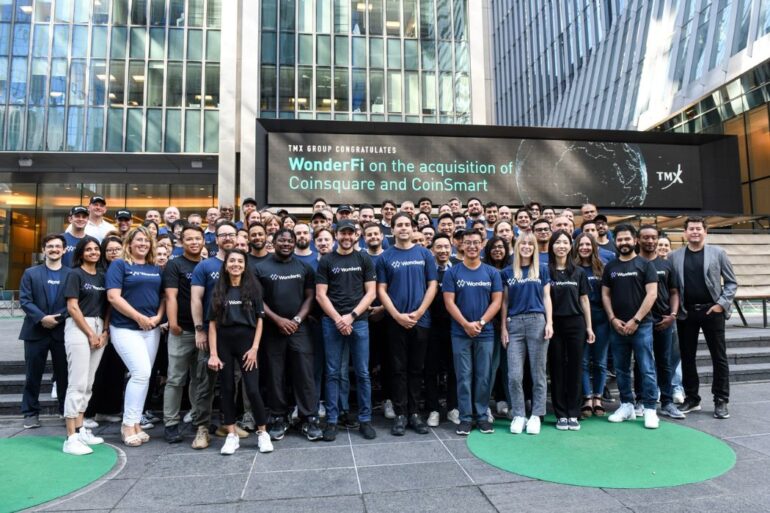
Robinhood has announced a definitive agreement to acquire WonderFi Technologies Inc. for C$250 million in cash, marking a significant expansion into Canada’s regulated cryptocurrency sector. The deal, anticipated to close in the second half of 2025, offers a 41% premium to WonderFi’s shareholders and will integrate WonderFi’s entire team into Robinhood Crypto’s Canadian operations.

This acquisition grants Robinhood access to WonderFi’s regulated crypto trading platforms, Bitbuy and Coinsquare, which collectively manage over C$2.1 billion in client assets. These platforms have experienced substantial growth, with a 110% increase in assets under custody since the end of 2023.

WonderFi’s consolidation of Bitbuy and Coinsquare under a single regulated investment dealer has positioned it as a dominant player in Canada’s crypto market. The company now serves over 1.7 million registered users, offering services that include crypto trading, staking, and payment processing through its SmartPay platform.

The acquisition aligns with Robinhood’s strategy to diversify its offerings beyond traditional stock trading. By integrating WonderFi’s platforms, Robinhood aims to provide Canadian users with a comprehensive suite of financial services, including crypto trading, staking, and payments. This move also reflects a broader trend of consolidation in the crypto industry, as companies seek to expand their global footprint and comply with evolving regulatory standards.

The Canadian crypto market has become increasingly attractive to international firms, partly due to its stringent regulatory environment. WonderFi’s adherence to Canadian regulations and its status as a fully regulated investment dealer make it a valuable asset for Robinhood’s international expansion. The acquisition is expected to enhance Robinhood’s competitiveness in the global crypto market, providing a robust platform for growth in Canada and potentially beyond.

This transaction is part of a series of strategic moves by Robinhood to deepen its involvement in the cryptocurrency space. The company previously acquired crypto exchange Bitstamp for $200 million, signaling its commitment to expanding its crypto offerings.

The new residential development presents a unique investment opportunity, featuring premium amenities in one of Dubai’s most sought-after locations.   IKR Development is an emerging real estate developer in Dubai, committed to crafting contemporary residential projects. IKR has partnered with Golden Bridge, UAE’s leading sales and marketing partner, to launch a new masterpiece, Provenza Residences. The project was officially announced at the IKR Sales Center. Golden Bridge […]

Sobha Realty has unveiled its latest masterplan development, Sobha Central, strategically located on Sheikh Zayed Road. The project introduces 1,225 upscale residences across six residential towers, aiming to redefine urban living in Dubai’s central corridor. Designed as a self-contained vertical community, Sobha Central integrates residential, commercial, and recreational spaces. The development features a curated mix of one- and two-bedroom apartments, targeting professionals and investors seeking modern amenities […]

Advertisements

Bitcoin’s trajectory has garnered heightened attention as prominent figures in the cryptocurrency realm project significant growth, underpinned by strategic initiatives and institutional endorsements.

Changpeng Zhao, known as CZ and the founder of Binance, has articulated a bullish stance, suggesting that Bitcoin’s value could escalate to between $500,000 and $1,000,000 within the current market cycle. He attributes this potential surge to increasing institutional adoption and the maturation of the crypto market, envisioning the total cryptocurrency market capitalization reaching $5 trillion by year’s end.

Investor Tim Draper has expressed an even more optimistic view, positing that Bitcoin could attain an “infinite” value in U.S. dollar terms. He characterizes Bitcoin as a new store of value, emphasizing its decentralized nature and finite supply, which he believes positions it as a superior alternative to traditional fiat currencies.

Eric Trump has also entered the discourse, forecasting exponential growth for Bitcoin. He has disclosed that the Trump family holds a substantial position in Bitcoin, reflecting their confidence in its long-term value. Eric Trump has further stated that his father, President Donald Trump, will vigorously support the cryptocurrency sector, aiming to establish the United States as a global leader in digital assets.

Geoffrey Kendrick of Standard Chartered has projected a significant appreciation for Binance Coin , anticipating a 360% increase to $2,775 by 2028. He cites the coin’s utility and scarcity as primary drivers of its expected growth.

Analyst Michaël van de Poppe has accurately predicted Ethereum’s breakout to $2,100, attributing the movement to favorable market conditions and increased investor interest. Similarly, Lark Davis has identified a bullish pattern in Solana’s price action, targeting a rise to $170 once it surpasses the $150–$160 range.

These forecasts coincide with strategic developments in the cryptocurrency space. President Trump’s administration has initiated the establishment of a Strategic Bitcoin Reserve, repurposing over $17 billion in forfeited bitcoins from legal cases to create a federal digital asset reserve. This move aims to position the U.S. as a leader in digital asset holdings, with the Treasury managing the reserve through strategies like dollar-cost averaging and prohibiting the sale of the assets to maintain long-term value.

The Trump family’s involvement in the cryptocurrency sector extends beyond holdings. Eric Trump and Donald Trump Jr. have invested in a bitcoin-mining venture named American Bitcoin, in partnership with Hut 8, a major crypto infrastructure company. This initiative seeks to make American Bitcoin the world’s largest and most efficient bitcoin miner, with plans to accumulate a substantial strategic bitcoin reserve.

KUALA LUMPUR, MALAYSIA – Media OutReach Newswire – 12 May 2025 – Tenchijin Inc., a leading space technology company, today announced a partnership agreement with PWS, Malaysia’s prominent water solutions provider, for the distribution of KnoWaterleak in key Malaysian territories as of May 1. This strategic partnership combines Tenchijin’s innovative satellite-based water leak detection technology with PWS’s extensive network and expertise in the Malaysian water sector. PWS, […]

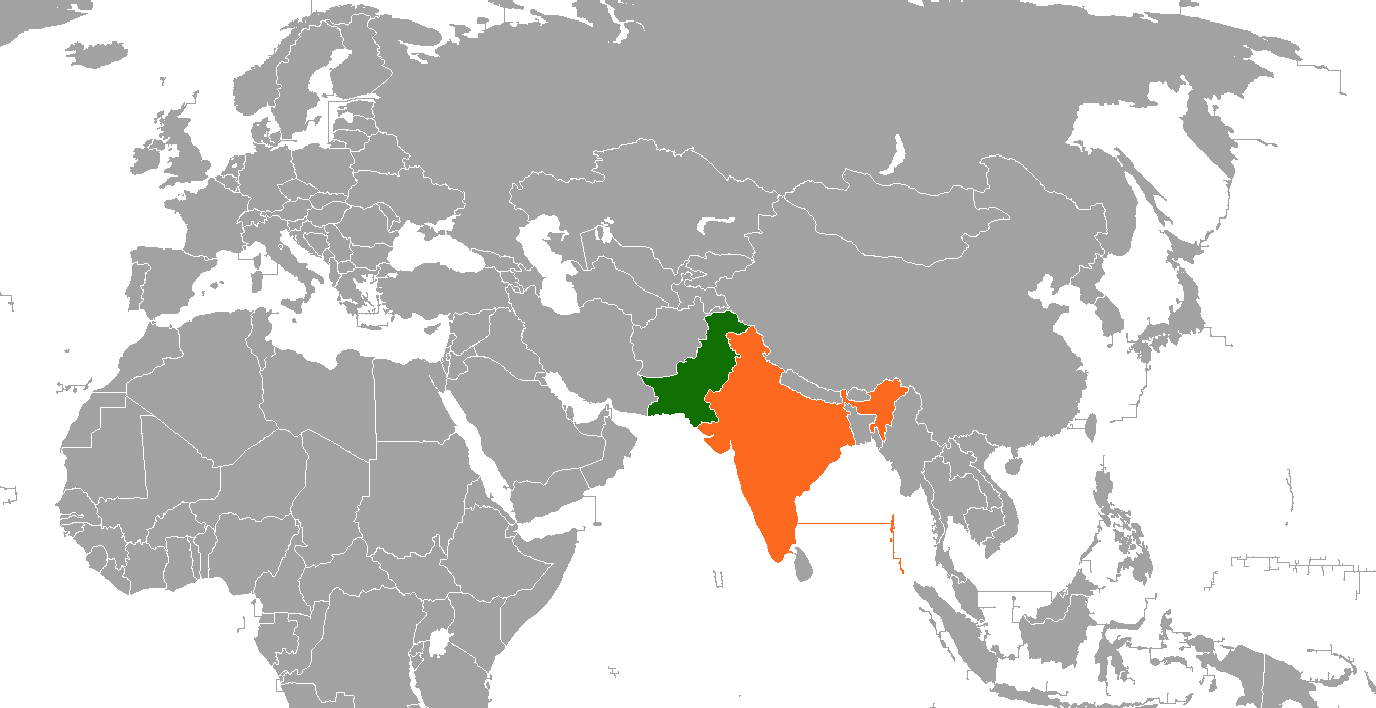
UAE-based airlines have resumed flights to Pakistan following the reopening of the country’s airspace, which had been closed due to military tensions along the border with India. The resumption of services marks a significant step in improving regional connectivity, with both Emirates and Etihad Airways promptly reinstating their routes to key Pakistani cities such as Islamabad, Karachi, and Lahore.

The closure of Pakistan’s airspace, which began earlier this year, had caused substantial disruption to air travel, especially for international carriers operating flights between the UAE and Pakistan. The airspace restrictions had forced airlines to reroute their flights, resulting in longer travel times, higher operational costs, and a reduction in passenger services. The renewed access is expected to enhance the efficiency of flight operations and restore passenger convenience between the two countries.

The airspace closure came as a consequence of escalating tensions between Pakistan and India, triggered by the ongoing disputes over the Kashmir region. These tensions led to a series of military confrontations, prompting both countries to take precautionary measures, including limiting access to their respective airspaces. The situation remained tense for several months, with the international community expressing concern over the stability of the region.

Diplomatic efforts led by the United States and other global powers played a crucial role in the eventual resolution of the situation. After several rounds of negotiation and pressure from major stakeholders, including the United Nations, Pakistan and India reached a ceasefire agreement, paving the way for the reopening of the airspace. While the terms of the agreement have not been publicly disclosed in full, both sides have reportedly committed to reducing military activity along the disputed borders, with the aim of stabilising the region.

The reopening of airspace holds significant economic implications, particularly for the UAE, which has a considerable number of expats from Pakistan. The demand for air travel between the two nations is substantial, and the resumption of direct flights will provide greater convenience for passengers. Additionally, it will enable airlines to operate more cost-effectively, as they will no longer need to take longer routes to avoid restricted airspace. The UAE’s flag carriers, Emirates and Etihad, are both highly reliant on international travel, and the restoration of these routes is expected to boost their bottom line, offering more frequent and efficient connections.

The reopening of the airspace comes at a critical time, as global air travel continues to recover from the impact of the COVID-19 pandemic. The pandemic led to a massive decline in air traffic worldwide, and the recovery of international routes is seen as a vital part of the aviation industry’s return to pre-pandemic levels of operations. For Pakistan, the resumption of flights is seen as a positive step in regaining access to the global aviation network and supporting its economic recovery.

Despite the positive developments, analysts warn that the situation remains fragile. The underlying political tensions between Pakistan and India have not been fully resolved, and the potential for flare-ups in the future remains a concern. While the ceasefire agreement has been welcomed, it is clear that long-term peace will require continued diplomatic engagement and confidence-building measures between the two nuclear-armed neighbours.

The UAE’s strategic interests in the region further underscore the importance of restoring stable air travel. As one of the Middle East’s key aviation hubs, Dubai, in particular, benefits from its role as a transit point for passengers travelling between Asia, Europe, and North America. The connectivity between Pakistan and the UAE is a significant component of this hub-and-spoke model, and the restoration of these routes will reinforce Dubai’s position as a global aviation leader.

The aviation sectors in both countries are now preparing to increase flight frequencies, with airlines already announcing plans to expand services in the coming months. Emirates, for instance, has indicated that it will gradually return to pre-crisis levels of capacity, while Etihad has committed to restoring full operations between Abu Dhabi and Lahore. These developments highlight the recovery of not just the airlines but also the broader travel and tourism sectors, which rely on air connectivity for economic growth.

The reopening of airspace signals a potential shift in how air travel can be affected by geopolitical tensions. While airlines and passengers generally hope for stability, there is an increasing awareness that political events and military tensions can have a significant impact on flight operations. In this context, air carriers are likely to continue exploring contingency plans and alternative routes to safeguard operations in the event of future escalations.

Sharjah’s real estate sector has demonstrated impressive growth, registering 7,206 transactions in April 2025, totalling AED 4 billion in trading value. The total area of sales transactions amounted to 10.3 million square feet, indicating a sustained upward trajectory in the emirate’s real estate market.

This marked performance underscores the sector’s resilience and continued momentum, which has been a result of a combination of strategic government policies, urban expansion, and an influx of both local and international investors. Experts note that Sharjah’s real estate market is witnessing a fundamental transformation, spurred by a series of developments aimed at enhancing the emirate’s appeal as a prime investment destination.

The significant boost in Sharjah’s real estate market can be attributed to several key factors that have contributed to its rapid growth. The emirate’s government has implemented flexible policies and supportive legislative measures, providing a stable and investor-friendly environment. These regulations not only ensure security for investors but also create the conditions for long-term capital inflows, making Sharjah an increasingly attractive proposition for both domestic and international players.

Notable among these are the continued urban developments that have reshaped the city’s landscape. Sharjah has focused on large-scale infrastructure projects, aimed at expanding residential, commercial, and industrial areas. These initiatives have enhanced the emirate’s appeal as a dynamic hub for business and investment, attracting a growing number of investors seeking to capitalise on its expanding property market.

Sharjah’s strategic location, proximity to major business centres, and a robust transport network have also been crucial in driving demand. The emirate’s accessibility to both the UAE’s northern and southern markets makes it an ideal location for business expansion, which in turn fuels the demand for real estate across various sectors.

Alongside these developments, government policies targeting ease of doing business have provided a strong foundation for growth. The introduction of regulations designed to encourage foreign investment, including the ability to purchase freehold properties in certain areas, has attracted a wider range of investors. The emirate’s efforts to streamline property registration processes and offer competitive investment incentives have contributed to a growing sense of confidence in the market, positioning Sharjah as a favourable alternative to other regional markets.

The residential sector, in particular, has seen a significant surge in demand, fuelled by a combination of population growth and increasing economic activity. A growing middle-class population, coupled with rising disposable incomes, has driven the demand for both affordable and luxury properties. The government’s push to create new communities, supported by amenities such as schools, hospitals, and recreational areas, has further reinforced the attractiveness of Sharjah as a place to live and invest.

Commercial real estate has also experienced substantial growth. With increasing demand for office spaces, retail outlets, and industrial facilities, developers have responded with new projects tailored to meet the needs of an evolving business landscape. The expansion of Sharjah’s commercial infrastructure is expected to continue, supported by initiatives such as the Sharjah Free Zones, which have long been a key draw for investors looking to establish a presence in the emirate.

Foreign investment in the sector has been another major driver behind the growth of Sharjah’s real estate market. With a burgeoning interest from overseas investors, particularly from neighbouring GCC countries, the region’s property market has benefitted from the influx of foreign capital. Investors from countries such as Saudi Arabia, Qatar, and Kuwait have been particularly active in Sharjah, attracted by the relatively affordable property prices and the emirate’s strategic location within the UAE.

Despite the growing demand and development, Sharjah’s real estate market is not without its challenges. While the sector continues to experience strong growth, experts warn that maintaining this upward trend will require continued attention to infrastructure development and the sustainability of urban expansion projects. As the emirate becomes more developed, ensuring that urbanisation remains in line with environmental sustainability will be key to preserving Sharjah’s attractiveness as a destination for investors.

Goldman Sachs has elevated its position in BlackRock’s Bitcoin exchange-traded fund to a staggering $1.4 billion, signalling an intensified commitment to the rapidly expanding cryptocurrency market. This move follows a growing interest among institutional investors, who are increasingly seeking exposure to Bitcoin as a hedge against inflation and a way to diversify their portfolios. With the global financial landscape facing new challenges, such as fluctuating interest rates and geopolitical instability, Bitcoin has emerged as a potential safe haven, enticing financial giants to deepen their involvement in digital assets.

The financial powerhouse’s latest decision to boost its stake in the Bitcoin ETF indicates not only the firm’s confidence in the cryptocurrency but also reflects the broader institutional shift towards embracing Bitcoin as part of a diversified investment strategy. Goldman Sachs’ previous foray into Bitcoin ETFs was more cautious, but this latest increase marks a notable change in approach, suggesting that the firm believes the regulatory environment for digital assets is stabilising, making Bitcoin a more attractive asset class.

This bold move comes at a time when the Bitcoin market has seen considerable fluctuations. Despite this volatility, institutional investors, including hedge funds, pension funds, and asset managers, are positioning themselves to benefit from long-term growth. Goldman Sachs’ decision also highlights the increasing convergence of traditional finance and the cryptocurrency world. The firm’s involvement is likely to set a precedent for other major banks, who may follow suit in bolstering their positions in Bitcoin and other digital currencies.

Central to Goldman Sachs’ decision to increase its stake is the market’s evolving sentiment towards Bitcoin and its potential to outperform traditional assets in the coming years. Despite its price swings, Bitcoin is being seen by many as a store of value, similar to gold, particularly as governments worldwide engage in expansive fiscal policies. The rise of Bitcoin ETFs, led by BlackRock’s offering, has provided institutional investors with a regulated and accessible means of entering the crypto space, without the direct involvement in managing digital wallets or private keys.

The ETF market has been a key component in facilitating institutional adoption of digital assets. BlackRock’s Bitcoin ETF, launched amid growing demand, has provided a vehicle for major investors to gain exposure to Bitcoin’s price movements through a traditional financial instrument. This has enabled established firms like Goldman Sachs to invest without the complexities associated with direct cryptocurrency trading. ETFs also offer the benefit of liquidity and transparency, which appeal to institutional investors who prioritise stability and regulatory clarity.

The impact of institutional investments in Bitcoin cannot be overstated. With large players such as Goldman Sachs now deeply embedded in the Bitcoin ecosystem, the cryptocurrency is receiving a degree of legitimacy previously reserved for traditional assets. This institutional endorsement is likely to encourage other investment firms to follow suit, pushing Bitcoin further into the mainstream. Moreover, the increased demand from institutions is expected to drive the price of Bitcoin upward, as more capital flows into the market, further solidifying its role as a viable asset class.

Another critical aspect of Goldman Sachs’ decision is the changing macroeconomic environment. The COVID-19 pandemic has accelerated the adoption of digital assets, with central banks around the world introducing monetary policies that have weakened fiat currencies. This environment has made Bitcoin an attractive hedge against inflation, especially in countries facing economic instability. Goldman Sachs, recognising this trend, appears to be doubling down on its belief that Bitcoin’s scarcity and decentralized nature position it as a powerful asset in uncertain economic times.

Goldman Sachs’ stake in BlackRock’s Bitcoin ETF demonstrates the growing acceptance of Bitcoin by the broader financial industry. BlackRock’s decision to launch a Bitcoin ETF itself marked a pivotal moment in the crypto market, as it was one of the first major asset management firms to publicly embrace Bitcoin in such a significant manner. The success of the ETF, alongside Goldman Sachs’ investment, reinforces the notion that Bitcoin is gradually being integrated into the mainstream financial system.

The strategic importance of this move by Goldman Sachs extends beyond just its investment in the ETF. The firm’s actions are likely to influence future regulatory developments concerning digital assets. With such a large financial institution making a significant move into the crypto market, it is expected that regulators will be more inclined to develop clearer guidelines and frameworks for Bitcoin and other cryptocurrencies. This regulatory certainty would be beneficial for both institutional investors and the broader crypto ecosystem, as it would reduce the risks associated with the evolving nature of cryptocurrency laws.

ValorC3 Data Centers has unveiled plans to construct a state-of-the-art 10MW colocation facility in Boise, Idaho. The project is a strategic move to meet growing demand for high-performance infrastructure capable of supporting artificial intelligence and other cutting-edge technologies. The new facility is expected to position Boise as a key hub in the U.S. data centre landscape, reinforcing the region’s role in the digital economy. This major development […]

Rootstock, a prominent project designed to bring advanced functionalities to Bitcoin, has made significant strides in improving the security of decentralised finance through an enhanced hashrate contribution. As Bitcoin’s blockchain remains the most dominant in the world, Rootstock seeks to provide additional layers of functionality, particularly by enabling smart contracts and decentralised applications on top of Bitcoin’s network. This development is seen as a major step forward in bridging the gap between Bitcoin’s strong security features and the flexibility that DeFi protocols demand.

For years, Bitcoin has been regarded as a secure store of value but lacked many of the programmability features available in other blockchain networks, notably Ethereum. While Ethereum’s dominance in the DeFi sector is well-established, Bitcoin’s limited scripting capabilities have prevented it from achieving similar prominence in the space. Rootstock, by integrating smart contracts with Bitcoin, aims to leverage Bitcoin’s security and decentralisation while also making it more adaptable to the growing demand for DeFi services.

One of the key advancements in Rootstock’s latest efforts is its contribution to Bitcoin’s overall hashrate. Hashrate is the computational power required to process transactions and secure the network, and it plays a vital role in maintaining blockchain integrity. The increase in Rootstock’s hashrate share is an important factor in improving Bitcoin’s security, particularly as the ecosystem grows more complex with the addition of smart contract functionality. By boosting its hashrate share, Rootstock provides a stronger shield against potential attacks, such as double-spending or malicious 51% attacks, that could compromise the security of both Bitcoin and its additional smart contract capabilities.

The significance of Rootstock’s contributions goes beyond technical performance. As it integrates with Bitcoin, Rootstock makes it easier for developers to build on the Bitcoin blockchain, providing greater flexibility in the development of dApps. Rootstock’s compatibility with Bitcoin allows developers to tap into Bitcoin’s established and robust user base while adding advanced functionalities through the Rootstock platform.

Smart contracts, which are at the heart of DeFi, enable trustless financial transactions without the need for intermediaries. By combining these with Bitcoin’s inherent security model, Rootstock offers a promising solution for users and developers alike. The project’s work in enhancing security through hashrate support complements its broader mission of ensuring the long-term viability and competitiveness of Bitcoin in the rapidly evolving DeFi landscape.

Although Bitcoin’s energy consumption has drawn criticism due to its reliance on proof-of-work , Rootstock’s innovation demonstrates that scaling the network can be done without sacrificing security. As one of the leading DeFi platforms to incorporate Bitcoin into its framework, Rootstock’s developments suggest that Bitcoin could become a more formidable player in the DeFi sector moving forward.

For Bitcoin to thrive in the DeFi world, the integration of features like smart contracts and improved security is essential. Rootstock’s success in merging these elements without compromising Bitcoin’s decentralisation model is a critical step in this direction. The increase in hashrate not only strengthens the network’s defences but also reassures users and investors of the project’s commitment to robust security practices.

Dubai saw up to an 11% rise in high-end apartment prices in Q1 2025. Premium amenities, stunning views, and opulent living experiences attract investors. And if you are looking for a luxury apartment in Dubai, this blog will help you decide which is best for you. Where to Find High-End Living Spaces in Dubai These are the top five options for high-end apartments in Dubai: W Residences, […]

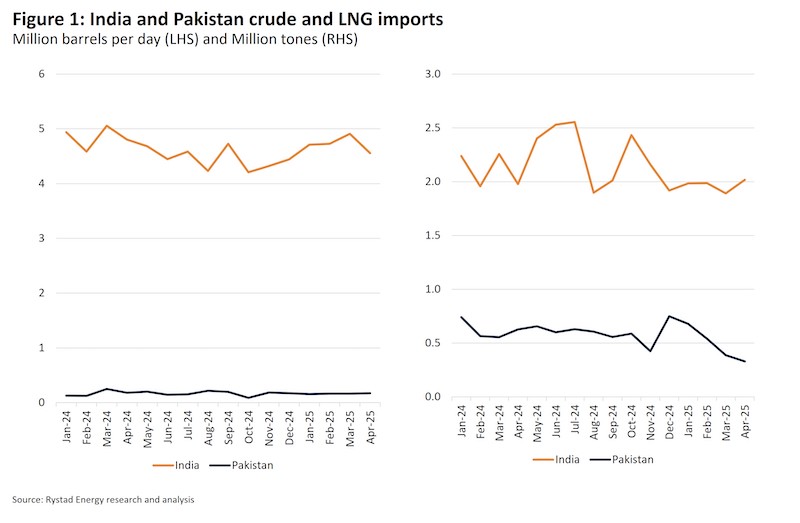
By K Raveendran Reports from across the border suggest that Pakistan is already suffering a fuel crisis, with petrol pumps having been ordered closed for the time being. An analysis of the emerging energy scenario in the wake of the ongoing conflict suggests the beginning of a serious crisis for Pakistan, while India is relatively […]

Oman has allocated approximately OMR60 million towards artificial intelligence initiatives between 2021 and 2024, as part of its strategic drive to position itself as a regional leader in digital innovation. This investment, overseen by the Ministry of Transport, Communications and Information Technology, underscores the sultanate’s commitment to integrating AI across various sectors to enhance public service efficiency and stimulate economic growth. The National Programme for Artificial Intelligence […]

Abu Dhabi’s Mubadala Investment Company reported a 33.7% surge in capital deployment in 2024, reaching AED 119 billion , positioning it as the most active sovereign wealth fund globally, according to data from Global SWF. This uptick coincided with a 9% year-on-year increase in assets under management , now totaling AED 1.2 trillion , and a five-year annualised return of 10.1%.

The fund’s intensified investment activity was largely driven by strategic allocations in artificial intelligence , semiconductors, and private equity sectors. Notably, Mubadala’s investments in North America nearly doubled, underscoring its confidence in the U.S. market despite prevailing economic uncertainties. In a significant move, Mubadala acquired a 50% stake in MGX, an AI-focused entity that collaborated with BlackRock and Microsoft in a $30 billion AI infrastructure fund.

Mubadala’s portfolio composition remained relatively stable, with 40% allocated to private equity, 23% to public markets, and 17% to infrastructure and real estate. This allocation reflects a strategic emphasis on sectors poised for long-term growth. The fund also expanded its private credit holdings to $20 billion, aligning with its broader investment strategy.

In the healthcare sector, Mubadala finalized the acquisition of an 80% stake in Global Medical Supply Chain and Al Ittihad Drug Store, enhancing its presence in healthcare logistics and pharmaceutical distribution. Additionally, the fund invested in Zelis, a U.S.-based healthcare technology firm, alongside Norwest and HarbourVest.

Mubadala’s commitment to clean energy was evident through Masdar’s acquisition of a 50% stake in the Big Beau combined solar and battery storage project in California. Furthermore, Mubadala Capital announced a $13.5 billion investment in a biofuels project in Brazil, marking a significant step in sustainable energy initiatives.

The fund’s strategic partnerships extended to the financial sector, with the acquisition of Fortress Investment Group from SoftBank, following regulatory approval from the Committee on Foreign Investment in the United States . This acquisition bolsters Mubadala’s position in global credit markets.

Mubadala’s CEO, Khaldoon Al Mubarak, emphasized the fund’s focus on future-oriented sectors, stating that the portfolio is constructed to navigate market cycles and scale sectors such as AI, clean energy, life sciences, semiconductors, and advanced manufacturing, aligning with national priorities.

The fund’s strategic initiatives also include the establishment of Space42, a space and satellite technology entity formed through the merger of Yahsat and Bayanat, and M42, a tech-enabled healthcare company, both in collaboration with Abu Dhabi’s tech group G42.

Mubadala’s approach to sustainable finance was highlighted by the issuance of its inaugural green bond, aligning with the UAE’s commitment to Net Zero by 2050. The fund maintains a conservative gearing ratio of 10.3% and a strong liquidity position, ensuring resilience amid global economic fluctuations.

In the realm of private equity, Mubadala Capital raised $3.1 billion for its latest fund, surpassing the initial target of $2 billion. The fund aims to invest between $150 million and $500 million per deal, focusing on acquiring large holdings in private equity markets.

The upcoming launch of CyberCatsCoin is generating considerable excitement in the cryptocurrency community, as the new meme coin promises to bring tangible utility to a sector often dominated by speculative tokens. With its presale slated to begin shortly, the coin’s creators are positioning it to stand out not only for its playful, meme-inspired branding but also for its innovative approach to addressing real-world problems within the crypto space.

Unlike many meme coins, which thrive primarily on viral marketing and community-driven hype, CyberCatsCoin aims to blend the playful, community-driven ethos of meme tokens with functionality that extends beyond just speculation. According to the project’s whitepaper, the coin is designed to facilitate a range of use cases, from providing a platform for decentralized applications to integrating with charity initiatives and supporting real-world partnerships. This combination of fun and purpose has already caught the attention of crypto enthusiasts and investors alike.

The project is being led by a team of experienced blockchain developers, marketing strategists, and community managers, many of whom have previously worked on high-profile crypto projects. Their goal is to differentiate CyberCatsCoin from the vast sea of meme tokens by offering long-term value to its holders, rather than relying solely on short-term speculative hype. By integrating robust utility features, the team hopes to attract a broader audience beyond typical meme coin investors, such as those interested in decentralized finance , NFTs, and blockchain-based solutions.

One of the primary goals of CyberCatsCoin is to create an ecosystem where users can interact with the coin in various meaningful ways. The development team has outlined plans to launch a decentralized exchange and a series of dApps that will enable holders to use their tokens in real-world applications. These include everything from charity donations to staking rewards and governance in the project’s evolving ecosystem. Such features are designed to drive both utility and adoption, helping to position CyberCatsCoin as more than just another joke coin.

The presale for CyberCatsCoin is expected to generate significant interest, particularly among meme coin enthusiasts who are familiar with coins like Dogecoin and Shiba Inu. However, the coin’s creators are eager to highlight how CYBCC is different. By incorporating meaningful use cases and long-term vision into the tokenomics, they are positioning the coin as a more sustainable and impactful option for those seeking to participate in the meme coin market.

The presale will offer early investors the chance to purchase CYBCC at a discounted price before it officially launches on various exchanges. This strategic move aims to build a solid foundation of loyal supporters and create momentum for the token’s eventual widespread adoption. As with any presale, however, investors are urged to exercise caution and conduct due diligence before committing their funds.

CyberCatsCoin’s focus on real-world utility has sparked considerable interest from the DeFi and blockchain development communities. The project is not just about creating another meme coin for fun but about pushing the boundaries of what meme-inspired cryptocurrencies can achieve. Experts in the blockchain sector have noted that the integration of utility with meme-based marketing could pave the way for a new breed of crypto assets that combine the best of both worlds: fun, community engagement, and real-world applicability.

Despite the current bear market conditions in the cryptocurrency sector, the project has already garnered a strong community following on social media platforms, with thousands of users joining Telegram groups and Twitter channels dedicated to CyberCatsCoin. This level of early interest bodes well for the presale and beyond, as the coin’s creators continue to engage with their community through regular updates, contests, and partnership announcements.

Tensions between India and Pakistan have prompted the closure of 24 airports in India, severely impacting civil aviation operations. The Ministry of Civil Aviation confirmed the development late on Thursday, citing security concerns due to the heightened situation. The airports, which include both major and smaller regional facilities, will be closed for an indefinite period, severely disrupting domestic and international flight schedules.

Airlines have also issued travel advisories, urging passengers to verify their flight status before heading to the airports. With the closures affecting airports in multiple states, airline operators have scrambled to adjust their operations. Several flights have been rerouted, while others have been delayed or cancelled entirely.

The decision to temporarily halt civil aviation activities was taken in light of the worsening security situation, as both nations engage in a war of words, following escalating border tensions and military skirmishes. Experts suggest that these disruptions could have significant economic consequences, especially for air traffic and tourism in India.

The airports affected include some of the busiest in the country, which serve as key hubs for both international and domestic flights. Among those closed are airports in major cities such as Mumbai, Delhi, and Bangalore, although smaller regional airports, especially those located closer to the western border, have also been impacted.

Authorities have not specified the exact nature of the threat leading to the closures but have made it clear that national security remains the top priority. Government sources indicate that security agencies are on high alert, monitoring the situation closely. The closure of these airports is seen as a precautionary measure to prevent any potential threats to civil aviation.

Airlines, including domestic carriers such as Air India and IndiGo, have been proactive in reaching out to passengers with updated flight details. The carriers have also advised those planning to travel to check with their respective airlines for any changes to their flight schedules. The uncertainty surrounding travel dates has caused frustration among passengers, many of whom are now scrambling to rebook their tickets.

The aviation industry, which has been recovering from the significant impacts of the COVID-19 pandemic, faces yet another setback. The temporary airport shutdowns come at a time when air travel demand has been rising in India, fuelled by a growing middle class eager to travel both domestically and internationally.

Travel experts caution that the ongoing closures could strain both the logistics and the tourism sector, which had been seeing an uptick in activity after a prolonged period of restrictions. Regional tourism hotspots, especially those relying heavily on air traffic, could feel the economic ramifications of these disruptions.

The closures are not the first instance of aviation disruptions tied to geopolitical tensions between India and Pakistan. Both nations have historically imposed airspace restrictions during periods of heightened conflict, particularly along their shared border. However, the scale of this shutdown, involving 24 airports, represents a significant disruption to India’s aviation infrastructure.

The government has yet to provide a timeline for when normal operations will resume at the affected airports. Aviation authorities have urged the public to remain patient and adhere to updated guidelines. Security forces have been deployed around the airports that remain operational, and extra measures are in place to handle the surge of passengers affected by the closures.

Meanwhile, businesses in sectors reliant on air cargo are also facing disruptions, with certain freight shipments delayed due to the grounding of flights. India’s growing logistics and e-commerce industries, which depend on efficient air freight services, could experience a ripple effect from the ongoing crisis.

As the situation continues to evolve, the Indian government has promised to keep the public informed of any further developments. The Ministry of Civil Aviation has set up a helpline for affected passengers and continues to collaborate with security agencies to monitor any emerging threats.

Underpins De Beers Group’s commitment to natural diamonds Element Six to retain exclusive focus on industrial applications for synthetic diamonds HONG KONG SAR – Media OutReach Newswire – 9 May 2025 – De Beers Group today announces its intention to close its lab-grown diamond (“LGD”) jewellery brand, Lightbox, reinforcing De Beers Group’s commitment to natural diamonds in the jewellery sector. As part of the closure process, De […]

Dubai Municipality has launched a transformative project at Mushrif Park, positioning it as a premier sports and entertainment hub. The development introduces a 50-kilometre network of cycling paths, a 10-kilometre hiking trail, and a range of new amenities, including cafes, restaurants, locker rooms, and showers. Mushrif Park, established in 1982 and spanning 525 hectares, is located in the eastern part of the city near Al Khawaneej. It […]

HONG KONG SAR – Media OutReach Newswire – 8 May 2025 – This Mother’s Day, love finds its most radiant expression at LANDMARK in Central Hong Kong. Over 200 distinguished guests, including industry experts, LANDMARK’s esteemed clients, and a stellar lineup of celebrities—such as Michelle Wai, Best Actress of the 43rd Hong Kong Film Awards, Jay Fung, Marf Yau, DJ Ah Jeng, Jennifer Yu, Grace Chan, Albert […]

Bjarke Ingels Group , the renowned architectural firm, has unveiled a groundbreaking plan to redevelop the Jebel Ali Racecourse into a vibrant, sustainable urban district. The ambitious project, in collaboration with ARM Holding, a prominent Dubai-based development company, aims to revitalise a sprawling 5-square-kilometre area, turning the historical site into a hub for both residential and commercial spaces.

The proposal includes creating an environmentally friendly, mixed-use community that integrates cutting-edge design with green technologies. This redevelopment is expected to redefine urban living in Dubai, focusing on sustainability, innovation, and improved connectivity within the city.

BIG’s design concept emphasises green spaces, pedestrian-friendly walkways, and eco-conscious architecture, making it a model for future urban developments. The plan includes residential units, office spaces, recreational areas, and cultural hubs, all within a green environment designed to reduce the carbon footprint. The development aims to cater to the growing demand for urban spaces that not only meet residential needs but also foster community engagement and sustainability.

The project is being seen as a significant step in Dubai’s broader urban planning strategy, which aligns with the city’s Vision 2040. This vision focuses on creating a sustainable and diversified economy, with an emphasis on innovative, eco-friendly developments. By transforming the Jebel Ali Racecourse, the project supports the city’s ongoing efforts to establish a greener, more resilient urban landscape.

The existing racecourse, a significant landmark for horse racing enthusiasts in Dubai, will be integrated into the new district, preserving its cultural and historical value. The developers plan to retain the iconic racetrack as a key feature, while surrounding it with modern amenities and green infrastructure.

One of the key aspects of the plan is the extensive use of renewable energy sources and energy-efficient designs. Solar panels, energy-efficient buildings, and water conservation systems will be incorporated throughout the district. This will not only minimise the environmental impact of the development but also contribute to Dubai’s goals of reducing carbon emissions and enhancing the sustainability of its infrastructure.

The residential aspect of the development will offer a range of living options, including apartments, townhouses, and villas, catering to a diverse demographic. A variety of amenities, such as schools, healthcare facilities, and retail outlets, will be integrated into the design to ensure that the community is self-sufficient and well-connected.

The district will feature a state-of-the-art transportation network, including electric vehicle charging stations, bike paths, and enhanced public transport links. This will ensure that the development is easily accessible and fully integrated into the wider urban fabric of Dubai. The emphasis on sustainability extends to mobility solutions, with plans for a smart transport system aimed at reducing congestion and promoting greener travel alternatives.

The partnership between BIG and ARM Holding is a significant development for the city’s real estate market, with both parties bringing their expertise to the project. BIG, known for its innovative and sustainable designs, will be responsible for the architectural vision, while ARM Holding will manage the development and construction phases. Their collaboration is expected to set new benchmarks for urban development in the region.

As part of Dubai’s push to become a global leader in sustainable urban planning, the Jebel Ali Racecourse redevelopment is expected to attract considerable interest from international investors. The project aligns with Dubai’s efforts to position itself as a hub for innovation and sustainability in the Middle East.

The transformation of the Jebel Ali Racecourse site is part of a larger trend of reimagining historical spaces in Dubai to meet the demands of a growing population and economy. Similar projects are already underway in other parts of the city, focusing on transforming underutilised or outdated areas into modern, sustainable communities that offer high quality of life for residents.

The economic impact of this project is expected to be substantial, with job creation during the construction phase and long-term benefits from increased tourism, commerce, and real estate investments. The development will also contribute to the diversification of Dubai’s economy, with a focus on attracting high-tech industries and green businesses.

While the project is still in the early stages, it has already generated significant excitement in the city’s real estate and architectural sectors. Dubai’s reputation for ambitious and futuristic developments has been bolstered by similar large-scale projects, such as the Dubai Creek Tower and the Museum of the Future. The Jebel Ali Racecourse redevelopment is expected to continue this trend, setting a new standard for sustainable urban design in the region.

VISHNU RAJA
RYO YAMADA
HITORI GOTOH
IKUYO KITA