News related to
Space

New ‘Designer of the Year’ Award Unveiled HONG KONG SAR – Media OutReach Newswire – 1 November 2024 – Hong Kong Design Centre (HKDC) is pleased to announce the esteemed laureates of the DFA Awards 2024, celebrating the innovative spirit and profound impact of design across Asia. This year, DFA Awards introduced an exciting new accolade, the DFA Designer of the Year, marking a significant milestone in […]

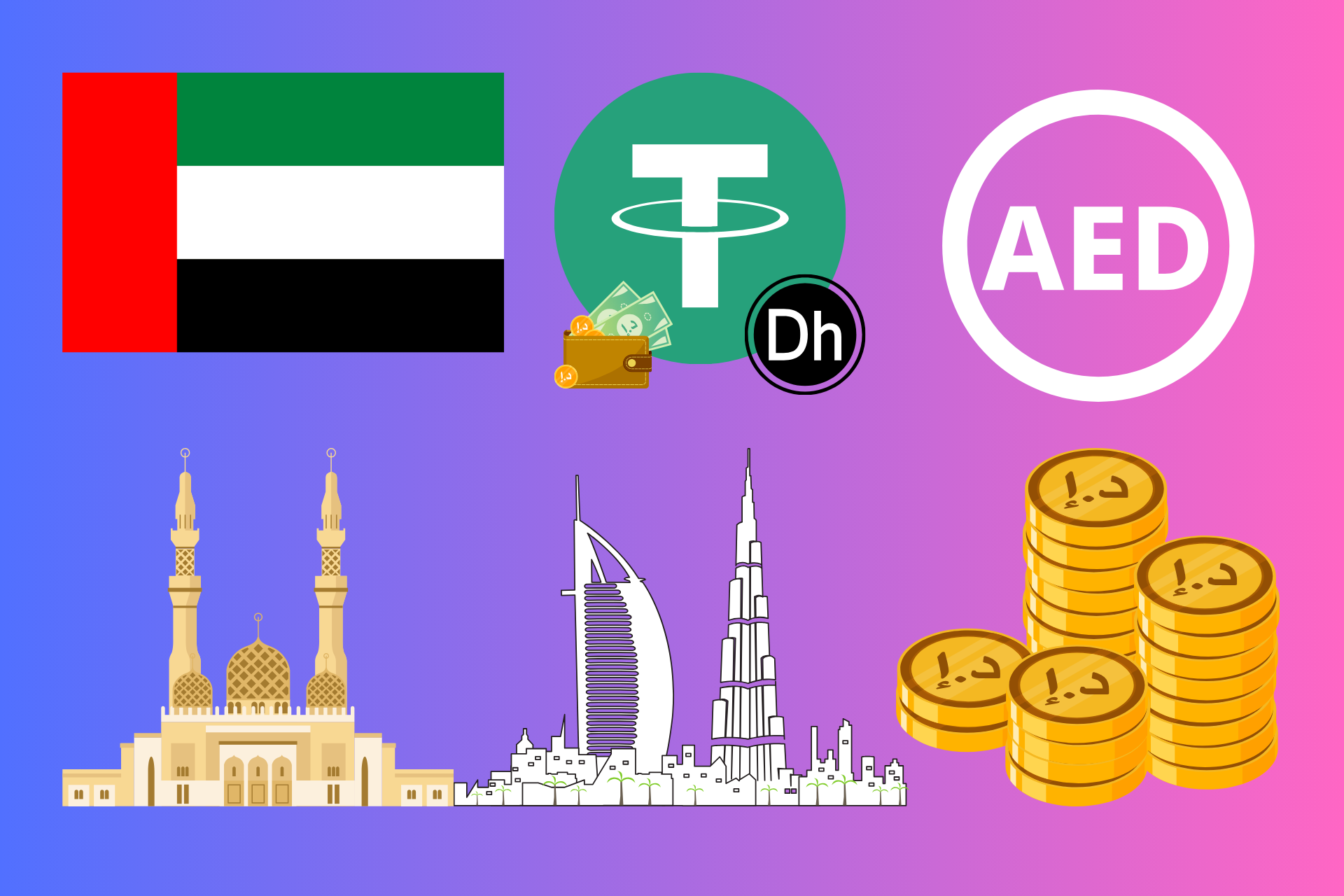
Tether, the prominent stablecoin issuer known for USDT, is set to roll out a new digital asset pegged to the United Arab Emirates Dirham (AED) on the TON blockchain. This strategic move reflects Tether’s ambition to diversify its offerings and capitalize on the Gulf region’s growing interest in stable digital currencies, offering an alternative to dollar-dominated assets. The development highlights the UAE’s evolving regulatory environment, which is increasingly favorable for cryptocurrency adoption, positioning the Gulf state as a major digital finance hub.

The proposed Dirham-backed stablecoin seeks to address the demand for a localized digital currency in the UAE, allowing for easier access to UAE Dirham transactions for users in the region. With full backing in AED reserves held locally, Tether is aiming to reassure users about the coin’s stability and security, a critical factor given regulatory scrutiny of stablecoins globally. Phoenix Group, a UAE-based tech and investment firm, is collaborating with Tether on this project, leveraging the UAE’s technological framework to build a secure ecosystem around the new stablecoin. Tether’s CEO Paolo Ardoino emphasized that the AED-pegged coin is set to cater to users within and beyond the UAE, meeting the increasing need for Dirham-denominated transactions in both personal and business spheres.

The launch on the TON blockchain is noteworthy, as TON has gained traction as a flexible and scalable blockchain platform, offering fast, efficient transactions that are increasingly attractive to enterprises looking for seamless digital payment solutions. This marks Tether’s first stablecoin on TON, adding to its existing range across other platforms. This Dirham-pegged coin will not only diversify Tether’s blockchain presence but also underscore the TON blockchain’s growing relevance in the crypto space, as more businesses seek adaptable infrastructure for their digital financial operations.

HONG KONG SAR – Media OutReach Newswire – 1 November 2024 – Lionrock Property is currently in charge of two student accommodation projects at 177 Prince Edward West and 56 Ma Tau Wai Road. Upholding the core concept of people-oriented, we located the student accommodation in a community with comprehensive facilities to provide long-term accommodation for students in need. 177 Prince Edward West was built in the […]

Nasdaq surged to fresh highs this week, driven by Alphabet’s impressive earnings, underscoring the enduring allure of AI-driven software as the foundation of market growth. The latest market movements reveal a significant shift: while AI’s vast potential remains undiminished, investors are coming to terms with the fact that hardware, especially in the chip sector, may not be the most sustainable path to capitalize on it. As major […]

Cancer awareness campaign completes 10 years Manju Ramanan “In a world full of entertainment events, it is always a gratifying challenge to venture into an event that inspires and empowers all. The Beyond October Cancer Campaign that I started in 2014 as a Can Defeat Cancer Campaign is just that,” says Manju Ramanan, a journalist, author and Founder of the Beyond October Cancer Campaign. The platform exclusive to […]

HANOI, VIETNAM- Media OutReach Newswire – 1 November 2024 – Vinhomes JSC and Sunny Vietnam Co. announce the launch of the Ocean International Lantern Contest and Festival. This event marks the first-ever international-scale lantern design competition, bringing together the most distinguished artisans from major lantern-making cultures worldwide. This annual program, held at the Ocean City megacomplex, aims to create an artistic destination to witness some of the […]

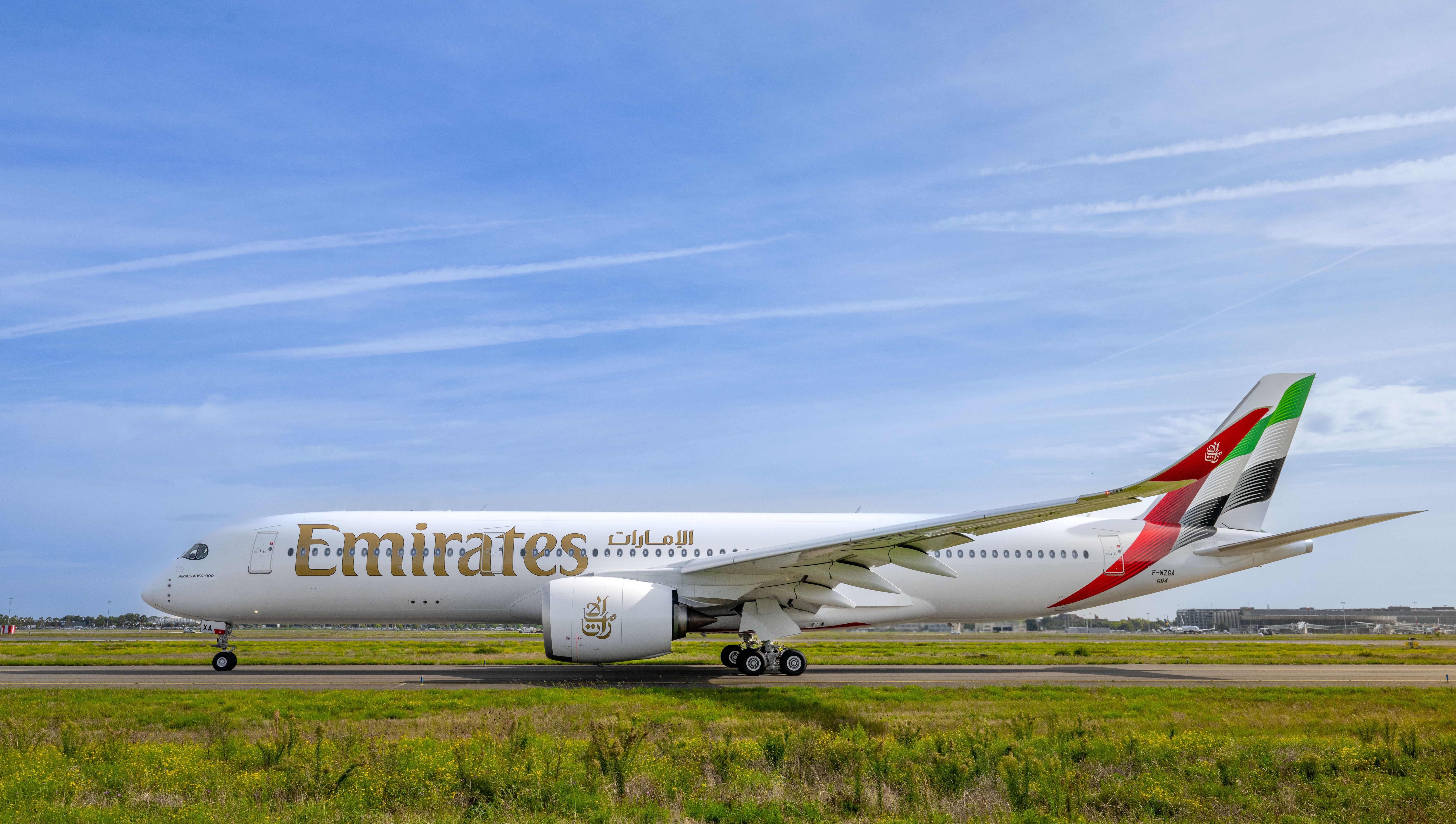
The delivery of Emirates’ first Airbus A350 has been postponed until early December, marking yet another setback in the airline’s fleet expansion plans. Originally scheduled for delivery in mid-2023, this delay is attributed to ongoing supply chain challenges that have impacted the aviation industry globally.

Emirates has been at the forefront of modernizing its fleet, committing to acquiring 50 Airbus A350-900 aircraft, a move aimed at enhancing operational efficiency and passenger comfort. The A350 is known for its fuel efficiency and long-range capabilities, making it a strategic choice for Emirates as it navigates a recovering post-pandemic travel market. However, the postponement reflects broader trends affecting major airlines, which are grappling with supply chain disruptions exacerbated by global events, including the lingering effects of the COVID-19 pandemic and geopolitical tensions.

Airbus has acknowledged the challenges it faces in meeting delivery schedules, largely stemming from shortages in parts and components critical for aircraft assembly. Despite these hurdles, the manufacturer is actively working to resolve the issues, with plans to ramp up production in the coming months. The delay in Emirates’ delivery reflects a cautious optimism within the industry, as airlines anticipate a rebound in demand for air travel, particularly in regions with high passenger traffic.

Industry experts suggest that this setback may lead Emirates to adjust its operational strategies temporarily. The airline has been known for its ability to adapt to market changes rapidly, and this delay may prompt a re-evaluation of its short-term capacity plans. With the holiday season approaching, there is increased pressure on airlines to meet passenger demand, and any fleet expansion delays could impact their service offerings.

Emirates’ commitment to the A350 program remains strong, as the aircraft is designed with advanced technology, including a quieter cabin and improved aerodynamics. The A350’s introduction is expected to bolster Emirates’ already extensive fleet of modern aircraft, which includes Boeing 777s and Airbus A380s. The A350 will also complement Emirates’ sustainability goals, contributing to reduced carbon emissions through its advanced fuel-efficient engines.

Airlines across the globe are facing similar challenges. Other major carriers have reported delays in aircraft deliveries, including Boeing and regional players, highlighting a systemic issue within the aerospace supply chain. The demand for aircraft has surged as travel restrictions ease and passenger numbers rebound, prompting manufacturers to strive for higher production rates while grappling with the complexities of sourcing components.

Emirates’ leadership remains optimistic about the long-term benefits of its investment in the A350, believing that once the aircraft enters service, it will provide a significant competitive advantage in the market. The airline’s management has emphasized its commitment to fleet modernization as a key driver of its strategy to enhance customer experience and operational efficiency.

As the airline prepares for the eventual delivery of the A350, it continues to explore other opportunities to expand its network and services. Emirates has been actively engaging in partnerships with various airlines, aiming to enhance connectivity and improve service offerings across its routes. This strategy includes forging codeshare agreements that allow for greater flexibility and options for travelers.

Despite the delays, Emirates has managed to maintain a strong market position, aided by its extensive route network and premium service offerings. The airline has invested heavily in marketing and customer engagement initiatives, ensuring that it remains a top choice for international travelers. This proactive approach, coupled with its strong brand recognition, positions Emirates well to navigate the challenges presented by fleet delays and supply chain disruptions.

The upcoming delivery of the Airbus A350 is critical not only for Emirates but also for Airbus, as it signals a milestone in the manufacturer’s recovery from the disruptions that have plagued the aviation sector. Successful deliveries are essential for restoring confidence among airlines and signaling a return to normalcy within the industry.

Advertisements

BEIJING, CHINA – Media OutReach Newswire – 31 October 2024 – During the recently launched 2024 Beijing Chaoyang International Light Festival, the Liangma River Cultural and Economic Belt, on the theme of “Following Light, Beautiful Shadows,” has erected over 50 lighting installations and staged over 10 entertainment and consumption event across three main areas: the Liangma River International Water Front with the sub-theme of “Flowing Light and […]

IPO Oversubscribed by 1.5x SINGAPORE – Media OutReach Newswire – 31 October 2024 – Goodwill Entertainment Holding Limited (“Goodwill Entertainment” or the “Company“, and together with its subsidiaries, the “Group“), a multi- entertainment concepts operator, registered its offer document today in connection with the proposed placement (the “IPO“) and listing of its ordinary shares in the capital of the Company on the Catalist Board (“Catalist“) of the […]

HONG KONG SAR – Media OutReach Newswire – 31 October 2024 – Crown Worldwide Group is proud to announce its recognition, winning the Gold award for “Best Workspace Provider” and the Silver award for “Best Employee Development Consultancy” at the HR Vendors of the Year Awards 2024. These accolades underscore Crown Worldwide Group’s commitment to excellence in creating dynamic workspaces and supporting employees’ seamless mobility journey. The […]

Robinhood Markets, Inc. has reported a remarkable increase in its cryptocurrency trading volumes for the third quarter of the fiscal year, reaching $14.4 billion. This figure marks a 112% rise compared to the same period last year, reflecting a growing interest in digital assets among retail investors. However, this uptick follows a significant drop from earlier in the year, with volumes falling sharply from $21.5 billion in the previous quarter and $36 billion in the first quarter.

The third-quarter results underscore a broader trend in the cryptocurrency market, where trading activities have experienced volatility amid shifting market conditions. Investors have been navigating a complex landscape characterized by fluctuating prices and regulatory scrutiny. The increase in trading volume year-over-year highlights Robinhood’s ability to capture a segment of the market, particularly among novice traders who have flocked to the platform for its user-friendly interface and commission-free trading model.

Despite the impressive year-over-year growth, the decline from earlier quarters raises questions about the sustainability of this trend. Analysts attribute the decrease to a combination of factors, including heightened market volatility and a cooling off after the frenzy surrounding cryptocurrencies in 2021. The cryptocurrency market, once marked by soaring prices and speculative investments, has encountered increasing regulatory scrutiny and market corrections that have tempered trading enthusiasm among investors.

A pivotal aspect influencing trading volumes has been the evolving regulatory environment surrounding cryptocurrencies. Governments and regulatory bodies worldwide are implementing stricter guidelines to manage risks associated with digital assets. For instance, the U.S. Securities and Exchange Commission (SEC) has intensified its focus on cryptocurrency exchanges, emphasizing compliance and investor protection. Such regulatory measures have led to increased uncertainty in the market, potentially impacting trading behavior on platforms like Robinhood.

The competitive landscape for trading platforms has evolved, with various fintech companies entering the cryptocurrency space. Established players are enhancing their offerings to attract users, while traditional financial institutions are beginning to embrace digital currencies. This competition could pose challenges for Robinhood as it seeks to maintain its market share in an increasingly crowded field.

User engagement remains a critical factor for Robinhood as it navigates these challenges. The platform has introduced features aimed at enhancing the trading experience, including educational resources and enhanced tools for monitoring cryptocurrency performance. By focusing on user education, Robinhood aims to empower its investors to make informed decisions in a volatile market. This strategy is particularly relevant as retail investors, many of whom are new to trading, may require additional guidance in navigating the complexities of cryptocurrency investments.

Despite the recent fluctuations in trading volumes, Robinhood has remained committed to expanding its cryptocurrency offerings. The company is actively exploring the introduction of new digital assets and trading pairs to cater to a diverse range of investor preferences. This strategy aligns with the broader trend of increasing consumer demand for access to a wider array of cryptocurrencies, as more investors seek to diversify their portfolios.

Looking ahead, analysts anticipate that Robinhood’s ability to adapt to market conditions and regulatory developments will be crucial for sustaining growth in cryptocurrency trading. The platform’s responsiveness to evolving investor needs, combined with its commitment to enhancing the user experience, will likely play a significant role in shaping its future performance. As the cryptocurrency market continues to evolve, Robinhood will need to navigate the delicate balance between user engagement, regulatory compliance, and competitive pressures to remain a leading player in the space.

The sentiment among retail investors is gradually shifting. Many are becoming more cautious after experiencing the volatility that characterized the cryptocurrency markets earlier this year. This shift in sentiment may influence trading behaviors and the overall demand for crypto assets in the short term. Investors may take a more strategic approach, focusing on long-term investments rather than short-term speculative trades.

In the ever-evolving world of online gaming, staying ahead of the competition requires more than just quick reflexes and a good internet connection. Whether you’re a casual player or an aspiring eSports champion, employing effective strategies can significantly elevate your gameplay. This blog post explores key strategies that can help you up your online gaming game and maximize your performance. 1. Master the Basics Before diving into […]

Dubai International Airport (DXB) has attained a significant milestone in its sustainability efforts by receiving the Airport Carbon Accreditation (ACA) certification at the “Level 3+ Neutrality” stage. This recognition places DXB among a select group of international airports committed to environmental responsibility and carbon neutrality. The certification underscores the airport’s ongoing commitment to reducing its carbon footprint and enhancing sustainable practices in its operations. The Airport Carbon […]

Abu Dhabi’s Economic Vision 2030 gains momentum with a pivotal collaboration between the Emirates Water and Electricity Company (EWEC) and the Abu Dhabi National Exhibitions Company (ADNEC). This partnership aims to transform the ADNEC Centre into a hub for clean energy, marking a significant step towards sustainable development in the region. The agreement, announced on October 30, 2024, highlights EWEC’s commitment to providing renewable energy solutions. By […]

The International Air Transport Association (IATA) has announced its plans to incorporate digital currencies into its financial settlement systems, signaling a significant shift in how the aviation industry conducts transactions. This move aims to enhance operational efficiency and cater to evolving consumer preferences in a rapidly digitizing world.

With a growing interest in digital currencies, particularly cryptocurrencies and stablecoins, IATA’s initiative addresses the need for more flexible payment methods within the airline sector. The association’s director general, Willie Walsh, emphasized that adopting digital currencies could facilitate quicker settlements, reduce transaction costs, and improve overall customer experience.

As airlines seek innovative ways to optimize their operations post-pandemic, integrating digital currencies presents an opportunity to streamline payment processes. Currently, many airlines and travel-related companies are grappling with the challenges of legacy systems that often hinder speed and efficiency. Walsh stated that integrating digital currencies aligns with the industry’s push towards modernization and technological advancement.

Digital currencies have gained traction in various sectors, but the aviation industry remains cautious due to regulatory uncertainties and the volatile nature of many cryptocurrencies. However, IATA believes that working closely with regulators will ensure that the introduction of digital currencies into financial systems complies with existing laws and regulations.

Emerging trends in the financial landscape are shaping the future of payments in aviation. With a significant portion of travelers expressing interest in using cryptocurrencies, airlines must adapt to meet this demand. Research indicates that younger generations, particularly millennials and Gen Z travelers, are more inclined to use digital currencies for purchases. By embracing these payment methods, airlines can attract a tech-savvy customer base that values flexibility and innovation.

IATA’s move also reflects a broader trend across various industries exploring blockchain technology and digital assets. Companies are increasingly recognizing the potential of blockchain to enhance transparency and security in transactions. This technology allows for secure, real-time processing of payments, reducing the risks associated with fraud and chargebacks.

Several airlines have already begun to experiment with accepting cryptocurrencies. For example, major carriers like AirAsia and Lufthansa have launched initiatives allowing customers to book flights using Bitcoin and other digital currencies. These pioneering efforts indicate a growing willingness among airlines to adapt to changing market conditions and consumer preferences.

The pandemic has accelerated the digital transformation across industries, with contactless payment options becoming a necessity rather than an option. IATA’s strategy to integrate digital currencies is in line with this trend, enabling airlines to offer a seamless and secure payment experience for travelers.

While the potential benefits are significant, challenges remain. Regulatory frameworks surrounding digital currencies vary widely across countries, creating complexity for airlines operating in multiple jurisdictions. IATA is actively engaging with international regulators to address these concerns and promote a cohesive approach to digital currency adoption.

Industry experts believe that for digital currencies to gain widespread acceptance in aviation, robust standards and guidelines must be established. These standards would address issues such as security, interoperability, and compliance with anti-money laundering regulations. Collaboration among stakeholders, including airlines, payment providers, and regulatory bodies, will be crucial in developing a sustainable framework for digital currency transactions.

As the aviation industry grapples with rising operational costs and fluctuating fuel prices, digital currencies may offer a more stable alternative for financial settlements. Stablecoins, which are pegged to traditional currencies or commodities, could provide airlines with a hedge against volatility, enabling more predictable budgeting and planning.

The adoption of digital currencies is not just about payment processing; it also opens avenues for innovative loyalty programs and customer engagement strategies. Airlines could leverage blockchain technology to create more transparent and efficient loyalty schemes, allowing customers to earn and redeem rewards in digital currency.

As IATA moves forward with its plans, collaboration with technology providers and financial institutions will be essential. By partnering with fintech companies, airlines can access the necessary infrastructure and expertise to integrate digital currencies seamlessly into their existing systems.

Customer education will play a vital role in the successful implementation of digital currency payment options. Airlines will need to inform travelers about the benefits, risks, and practicalities of using digital currencies for purchases. This initiative could also foster a greater understanding of blockchain technology and its applications in aviation.


In today’s fast-paced world, leisure time has become a precious commodity. Whether you’re looking to unwind after a long day or seeking new experiences to enrich your weekends, there’s a plethora of activities awaiting your exploration. Engaging in new hobbies, stepping out into nature, fostering inner peace, expanding knowledge, and building connections can all add significant value to your life. Keep reading to learn about some dynamic […]

The United Arab Emirates has solidified its position as a leading hub for Islamic finance, underscoring the growing significance of Sharia-compliant financial instruments in the global marketplace. This assessment comes from the CEO of FTSE Russell, who highlights the UAE’s strategic initiatives and regulatory frameworks that have bolstered its financial sector’s appeal to both domestic and international investors. The ongoing developments reflect the country’s commitment to fostering an environment conducive to Islamic finance and investment.

Islamic finance has gained traction worldwide, driven by a rising demand for ethical and sustainable investment options. The UAE’s proactive approach includes creating a robust regulatory environment, enhancing product offerings, and promoting innovation in financial technology. By embracing these strategies, the nation is attracting a diverse array of investors looking for compliant investment opportunities. According to industry experts, the UAE’s Islamic finance market is expected to expand significantly in the coming years, fueled by an increase in global investor interest and the growing appeal of Sharia-compliant financial products.

FTSE Russell’s CEO pointed out that the UAE is home to several Islamic banks and financial institutions that are setting global benchmarks for excellence in compliance and service delivery. This trend is supported by the UAE’s comprehensive Islamic finance infrastructure, which includes robust legal and regulatory frameworks. Institutions such as the Dubai Islamic Economy Development Centre (DIEDC) play a pivotal role in promoting the Islamic finance agenda and positioning the UAE as a key player in the global Islamic economy. The DIEDC’s initiatives focus on enhancing the knowledge base, facilitating partnerships, and promoting Islamic financial literacy, which are essential for sustaining growth in this sector.

Recent reports indicate that the Islamic finance industry is witnessing a shift towards technology-driven solutions, known as fintech. The UAE is at the forefront of this transformation, with numerous fintech startups emerging in the Islamic finance space. These companies are leveraging technology to enhance the delivery of services, improve customer experience, and streamline operations. The convergence of fintech and Islamic finance not only presents opportunities for innovation but also aligns with the broader economic diversification goals of the UAE.

One key player in this sector is Abu Dhabi Islamic Bank (ADIB), which has been proactive in integrating technology into its service offerings. The bank has launched various digital platforms that cater to the needs of a tech-savvy customer base, thereby enhancing access to Islamic banking products. This strategic focus on digital transformation is indicative of a broader trend among financial institutions in the UAE, which are increasingly recognizing the importance of technological adaptation to remain competitive.

The Islamic finance market is diversifying beyond traditional banking products. Sukuk, or Islamic bonds, have gained prominence as a viable investment vehicle. The UAE is leading the issuance of sukuk globally, with significant contributions from both government and corporate entities. This surge in sukuk issuance is attributed to favorable market conditions and a heightened interest from investors seeking Sharia-compliant options. Analysts predict that the trend will continue, with the UAE playing a pivotal role in shaping the global sukuk market.

Sustainability is another critical aspect of the UAE’s Islamic finance landscape. With the increasing global focus on environmental, social, and governance (ESG) criteria, the UAE is aligning its Islamic finance initiatives with sustainable development goals. Various financial institutions are incorporating ESG principles into their investment strategies, creating products that appeal to environmentally conscious investors. This integration of sustainability into Islamic finance is expected to enhance the sector’s attractiveness and resilience in the face of evolving investor preferences.

The UAE’s commitment to advancing Islamic finance is further reflected in its strategic partnerships with international organizations. Collaborations with entities such as the Islamic Financial Services Board (IFSB) and the Accounting and Auditing Organization for Islamic Financial Institutions (AAOIFI) are aimed at harmonizing standards and practices across the industry. These partnerships enhance the credibility of the UAE’s Islamic finance sector, making it more appealing to foreign investors and institutions looking for stable and compliant investment avenues.

The UAE government is actively promoting awareness and understanding of Islamic finance principles among its citizens. Educational programs and workshops are being organized to foster a deeper understanding of Sharia-compliant financial products. By enhancing financial literacy, the UAE is not only empowering its populace but also cultivating a new generation of investors who are well-versed in the principles of Islamic finance.

Vantage Data Centers has broken ground on a large-scale, $2 billion data center campus in New Albany, Ohio, marking its first major infrastructure development in the Midwest. Situated near Columbus, the campus will span 70 acres, ultimately accommodating over 1.5 million square feet of space and 192 megawatts (MW) of IT capacity, positioning Ohio as a new critical hub in the global cloud computing and artificial intelligence […]

Bitcoin surged to $73,600 during U.S. trading hours, inching close to its previous record of $73,798 established on March 14. This remarkable upward movement has generated renewed optimism among traders, as Bitcoin currently holds steady around $72,200, representing a robust 3% increase in just one day. This trend aligns with a broader positive sentiment across the cryptocurrency market, which has been characterized by rising trading volumes and heightened investor interest.

Market analysts attribute this surge to a confluence of factors. Institutional interest remains a significant driver, with several large-scale investments recently reported. Notably, Fidelity Investments announced its plan to launch a Bitcoin exchange-traded fund (ETF), a move seen as a substantial endorsement of the cryptocurrency. This development has fueled speculation that other major financial institutions might follow suit, further legitimizing Bitcoin as an asset class.

Macroeconomic conditions are contributing to the bullish momentum. With inflation concerns lingering and central banks hinting at prolonged low interest rates, many investors are turning to Bitcoin as a hedge against inflation. This shift in sentiment is underscored by a marked increase in the number of wallets holding Bitcoin, which reflects growing adoption among retail and institutional investors alike.

In addition to institutional interest, the trading behavior of retail investors is also evolving. Following Bitcoin’s rise earlier this month, many retail traders have re-entered the market, leveraging platforms that facilitate easy access to cryptocurrency trading. This influx of retail participation has intensified market dynamics, creating a feedback loop that propels prices higher as more buyers enter the fray.

Emerging trends in blockchain technology further bolster the optimism surrounding Bitcoin. Innovations such as the Lightning Network, which enables faster and cheaper transactions, are enhancing the overall utility of Bitcoin. This technological advancement is likely to attract even more users to the ecosystem, potentially driving up demand and price.

Key players in the cryptocurrency space are also responding to these trends. Exchanges like Binance and Coinbase have reported significant increases in trading volumes, signaling heightened activity among investors. This increased liquidity makes it easier for larger trades to occur without causing substantial price fluctuations, further supporting the bullish case for Bitcoin.

However, challenges remain. Regulatory scrutiny is intensifying in various jurisdictions, as governments seek to establish frameworks for cryptocurrency operations. Notably, discussions around taxation and compliance are ongoing, and any unfavorable regulatory changes could dampen market enthusiasm. Investors are closely monitoring these developments, as regulations could either facilitate further growth or impose constraints on the market.

The sentiment in cryptocurrency circles is largely optimistic, with many analysts projecting that Bitcoin could surpass its all-time high in the near future. Some are targeting even higher price points, with estimates ranging between $74,000 to $80,000 as the next psychological barriers. This speculation is supported by technical analysis indicating that if Bitcoin breaches the $74,000 mark, it could trigger a wave of buying pressure as traders seek to capitalize on momentum.

Investor sentiment, driven by social media platforms and online forums, plays a crucial role in shaping market expectations. Influencers and analysts on platforms like Twitter and Reddit are actively discussing potential price trajectories, contributing to a more dynamic trading environment. This collective discourse influences not only retail investor behavior but also how institutional players position themselves in the market.

The global cryptocurrency market is witnessing a renaissance, characterized by an influx of new entrants and a growing acceptance of digital assets as legitimate investment vehicles. Major financial institutions, hedge funds, and even traditional asset managers are reevaluating their portfolios to include cryptocurrencies. This broadening acceptance of Bitcoin and other cryptocurrencies is gradually reshaping the landscape of global finance.

As Bitcoin navigates this transformative phase, the importance of market education cannot be overstated. Initiatives aimed at educating potential investors about the fundamentals of blockchain technology and the intricacies of trading can significantly enhance participation in the market. A more informed investor base is likely to make more prudent decisions, contributing to the overall stability and maturity of the cryptocurrency market.

The interplay between supply and demand dynamics is also pivotal. With Bitcoin’s supply capped at 21 million coins, any increase in demand has a direct impact on price. Market participants are keenly aware of the halving events that occur roughly every four years, which reduce the rate at which new Bitcoin is generated. This mechanism, along with increasing institutional participation, is expected to create a supply-demand imbalance that could drive prices higher in the long term.

Meta Platforms is advancing its technological arsenal with the development of an AI-driven search engine aimed at lessening its reliance on established competitors like Google and Bing. This strategic move follows a broader trend of tech companies leveraging artificial intelligence to enhance user experiences and streamline information retrieval. The new search tool is designed to deliver conversational AI summaries, allowing users to engage more interactively with current […]

The newly launched high-performance VG and S Series chillers help to reduce greenhouse gas emissions. The new systems align with the National Environment Agency’s (NEA) latest initiative to gradually phase out air conditioning equipment that utilises refrigerants with high GWP. Johnson Controls-Hitachi Air Conditioning’s energy-efficient HVAC solutions support goals of Singapore’s Climate Action Plan 2030. SINGAPORE – Media OutReach Newswire – 29 October 2024 – Johnson Controls-Hitachi […]

Dubai Aerospace Enterprise (DAE) Ltd. has entered an agreement to acquire ten narrow-body, next-generation aircraft in a deal valued at approximately $500 million. This acquisition forms part of DAE’s ongoing expansion strategy and bolsters its fleet with highly sought-after, fuel-efficient models that cater to current market demand. The newly acquired aircraft are exclusively narrow-body models, a category known for operational efficiency on high-demand, short to medium-haul routes. […]

A remarkable milestone occurred on October 26 when Base achieved a record in stablecoin trading volume, momentarily eclipsing major blockchain platforms such as Solana, Ethereum, and Tron. The platform accounted for an impressive 30.06% of the total stablecoin volume, marking a significant shift in the landscape of digital asset trading.

Base, a layer-2 solution built on the Ethereum blockchain, has gained traction for its scalability and low transaction fees, making it an attractive option for traders and developers alike. The recent surge in stablecoin activity can be attributed to a confluence of factors, including growing interest in decentralized finance (DeFi) and the increasing acceptance of cryptocurrencies by mainstream financial institutions.

Alongside the stablecoin volume milestone, Base also set a new benchmark in daily transactions, recording 5.6 million transactions on the same day. This figure represents a notable 20% increase from the previous month, underscoring the growing engagement of users with the platform. The impressive transaction volume reflects not only heightened trading activity but also a broader trend toward the adoption of blockchain technology.

Several key players have contributed to Base’s success in the stablecoin market. The integration of various decentralized applications (dApps) on its platform has enhanced user experience and attracted a diverse range of users. Developers are increasingly building on Base due to its compatibility with Ethereum, allowing for seamless integration of existing Ethereum-based dApps while benefiting from lower gas fees and faster processing times.

The momentum gained by Base comes in the context of an evolving stablecoin landscape. Traditional stablecoins like Tether (USDT) and USD Coin (USDC) continue to dominate, yet alternative stablecoins and newer entrants are making significant inroads. This shift illustrates the dynamic nature of the cryptocurrency market and highlights Base’s ability to position itself as a formidable player amid these changes.

Partnerships with financial institutions have played a crucial role in Base’s ascent. Collaborations with firms that support crypto transactions have bolstered user confidence and expanded the platform’s reach. As institutional adoption of cryptocurrencies continues to grow, platforms like Base are well-positioned to capitalize on the increased demand for efficient, reliable trading environments.

The surge in daily transactions can also be linked to the rising popularity of yield farming and liquidity provision within the DeFi space. Users are incentivized to engage with platforms that offer competitive yields, prompting a surge in transaction volume as liquidity pools are funded and manipulated to optimize returns. This trend reflects a broader shift toward decentralized financial services, where users can take greater control of their assets without intermediaries.

Market analysts observe that Base’s focus on user experience has been instrumental in its growth. Simplifying the process of trading and providing users with intuitive interfaces has lowered barriers to entry for newcomers to the crypto space. Educational initiatives and community engagement have also played a role in fostering a sense of trust and loyalty among users, which is vital in an industry often marred by volatility and uncertainty.

The competitive landscape for stablecoins and blockchain platforms remains fierce. As Base continues to expand its user base and enhance its offerings, attention must be paid to regulatory developments that could impact the broader market. The regulatory environment for cryptocurrencies and stablecoins is evolving, with various jurisdictions exploring frameworks that could affect operations and user engagement. This regulatory scrutiny emphasizes the importance of compliance and the need for platforms like Base to adapt to changing legal landscapes.

Innovative features are also on the horizon for Base as it looks to maintain its growth trajectory. Enhancements to its infrastructure, including scalability improvements and security measures, are in development to ensure that the platform can handle increasing transaction volumes without compromising performance. Continued investment in technology will be crucial for sustaining user trust and engagement, particularly as competitors vie for market share.

Inflows into digital assets reached $901 million this month, culminating in a remarkable $27 billion year-to-date total, signaling a substantial shift in market sentiment. The surge in inflows is largely attributed to increasing political optimism within the United States, which has invigorated investor confidence in the sector. Notably, the U.S. recorded the largest inflows, totaling $906 million, while Canada, Brazil, and Hong Kong faced slight outflows, highlighting a regional divergence in market dynamics.

Bitcoin emerged as the standout performer this month, drawing an impressive $920 million in inflows, a stark contrast to Ethereum, which witnessed $35 million in outflows. This pronounced divergence indicates a growing preference among investors for Bitcoin, reinforcing its dominance in the digital asset landscape. Solana also attracted attention, garnering $10.8 million in inflows, while blockchain equities gained $12.2 million, reflecting a broader appetite for diversified investments within the crypto ecosystem.

The influx of capital into digital assets aligns with a backdrop of significant political developments in the U.S., including legislative efforts aimed at regulating the cryptocurrency sector. Increased regulatory clarity is seen as a key factor fostering a more secure investment environment, encouraging institutional investors to re-enter the market. This positive sentiment is underscored by discussions surrounding potential regulatory frameworks that could facilitate mainstream adoption of digital currencies.

Analysts highlight the role of political stability in shaping market trends. The Biden administration’s focus on creating a more structured regulatory environment for cryptocurrencies is viewed favorably by investors, contributing to the bullish outlook for digital assets. The prospect of clearer regulations is particularly appealing to institutional investors who have previously been cautious due to the lack of defined guidelines.

As capital flows into digital assets, the implications for traditional financial markets are becoming increasingly pronounced. Financial institutions are taking note of this trend, with several firms beginning to incorporate cryptocurrencies into their portfolios. This shift could signify a broader acceptance of digital assets as a legitimate asset class, potentially reshaping investment strategies across various sectors.

In terms of market performance, Bitcoin’s continued ascent underscores its status as the flagship cryptocurrency. The asset’s ability to attract significant inflows, even amid fluctuating market conditions, reinforces its position as a safe haven for investors seeking refuge from economic uncertainty. Conversely, Ethereum’s outflows may suggest a reassessment of its value proposition, prompting investors to seek alternative avenues within the crypto space.

Emerging trends in the digital asset sector are also evident in the increasing interest in decentralized finance (DeFi) projects. These platforms, which leverage blockchain technology to provide financial services without traditional intermediaries, are gaining traction among investors seeking higher yields and innovative solutions. The continued growth of DeFi is likely to further diversify the landscape of digital assets, attracting a broader range of participants to the market.

The integration of cryptocurrencies into mainstream financial systems is progressing. Major payment processors and financial institutions are exploring ways to facilitate cryptocurrency transactions, enhancing accessibility for everyday consumers. This shift could pave the way for increased adoption, as consumers become more comfortable using digital assets for transactions.

Internationally, the divergence in inflows among different countries illustrates the varying levels of acceptance and regulatory approaches to digital assets. While the U.S. leads in inflows, the outflows in Canada, Brazil, and Hong Kong signal the need for these regions to adapt to changing market conditions. Investors in these areas may be looking for clarity on regulatory measures before committing significant capital to digital assets.

As the market evolves, key players in the digital asset space are adapting their strategies to align with changing investor sentiments. Institutional players, in particular, are refining their approaches to capitalize on the growing demand for cryptocurrencies. The ongoing competition among asset managers to offer crypto-related products reflects a broader trend toward integrating digital assets into traditional investment frameworks.

Looking ahead, the trajectory of digital asset inflows will likely be influenced by ongoing political developments and regulatory updates. As policymakers continue to grapple with the implications of cryptocurrency adoption, the market will respond to both domestic and international regulatory signals. Investors are expected to remain vigilant, monitoring these developments closely as they navigate the evolving landscape of digital assets.

VISHNU RAJA
RYO YAMADA
HITORI GOTOH
IKUYO KITA