News related to
Space

Careem Pay, the financial services arm of the Careem app, has introduced a new remittance service enabling United Arab Emirates residents to send funds directly to bank accounts in Egypt. This development aims to provide a swift and cost-effective alternative to traditional banking methods for the substantial Egyptian expatriate community in the UAE. The UAE hosts a significant number of Egyptian expatriates, positioning Egypt among the top […]

Four Seasons Hotel Riyadh at Kingdom Centre has announced a unique collaboration for Ramadan 2025, partnering with esteemed fashion brands Art of Heritage and DAR AL HANOUF to offer guests an elevated cultural experience. This initiative showcases a fusion of traditional Saudi craftsmanship and contemporary design, reflecting the Kingdom’s rich heritage.

The collaboration commenced with an exclusive suhoor gala on March 8, held in the hotel’s prestigious Kingdom Suite. This two-storey suite, located on the 48th and 50th floors, provided panoramic views of Riyadh, offering an exquisite setting for the unveiling of the couture collection. The event was attended by VIP guests, including members of the royal family, who were treated to traditional oud music, enhancing the cultural ambiance of the evening.

Following the launch, private viewings and personalized fittings were available from March 9 to 11, allowing guests to acquire bespoke pieces tailored to their preferences. This exclusive opportunity to own handcrafted couture, designed with deep cultural significance, underscored the hotel’s commitment to offering unique experiences during the holy month.

Art of Heritage, led by CEO HRH Princess Nourah Bint Mohammed Al Faisal, has evolved over 25 years from a philanthropic initiative to a respected brand. Specializing in luxury handcrafted reproductions of traditional Saudi garments, jewellery, and household items, the brand draws inspiration from historical patterns and textiles across the Kingdom, adapting them for contemporary use. A portion of the proceeds from this collection will support community initiatives, aligning with the brand’s social responsibility efforts.

DAR AL HANOUF, founded by Alhanouf Mazen in 2012, is renowned for its couture creations that seamlessly weave cultural elements like Najd architecture, AlUla traditions, Hejaz roshans, and northern motifs into pieces reflecting both modern luxury and environmental consciousness. The 2025 collection presents modern cuts offering comfort and elegance, focusing on earthy tones that complement layers of silk chiffon and luxurious lace. These elements converge to form artistic pieces that express refined craftsmanship and creativity, melding metallic hues and hand-drawn illustrations—an exploration of polished sophistication that fuses the past with a bold, forward-looking perspective.

In addition to the fashion showcase, Four Seasons Hotel Riyadh has curated special suhoor experiences for its guests. The Kingdom Suite is available for private suhoor bookings, offering an intimate setting with expansive city views. Guests can enjoy a curated selection of regional delicacies and refreshing beverages crafted by the hotel’s culinary team, ensuring a memorable pre-dawn gathering.

Café Boulud, under the guidance of acclaimed French chef Daniel Boulud, has introduced its inaugural suhoor menu this Ramadan. The menu features innovative interpretations of traditional flavors, providing guests with a unique dining experience throughout the holy month. The café’s vintage-inspired setting, warm candlelight, and tranquil atmosphere make it an ideal space for quiet reflection or meaningful moments with loved ones.

KUALA LUMPUR, MALAYSIA – Media OutReach Newswire – 11 March 2025 – Tenchijin Inc. (Chuo-ku, Tokyo; CEO: Yasuto Sakuraba) is pleased to announce that on Tuesday, February 25, 2025, the company will sign a Memorandum of Understanding (MOU) with Universiti Sains Malaysia (USM), Malaysia’s national science university. The MOU aims to facilitate joint research on infrastructure assessment and renewable energy site selection utilizing AI technology and satellite […]

SINGAPORE – Media OutReach Newswire – 10 March 2025 – SKINARMA has doubled up their seasonal drop this season of pairing with the Apple Watch strap GEMINI and Apple Watch case ATOM. Made to coordinate and complement each other, both products fashioned for the latest Apple Watch Series 10 and Ultra 2 are dressed in dual colors for endless combinations—so you never have to settle for a […]

Spain’s second-largest bank, Banco Bilbao Vizcaya Argentaria , has officially received regulatory approval to offer Bitcoin and Ethereum trading services. This approval comes as the European Union’s Markets in Crypto-Assets regulation fully takes effect, marking a significant step forward for both the banking sector and cryptocurrency adoption within the region.

The move represents a landmark shift for BBVA, as it expands its portfolio of services to include cryptocurrencies. This decision aligns with the bank’s ongoing strategy to adapt to digital finance, meeting growing consumer demand for digital assets. With the MiCA regulation now operational, BBVA is positioning itself to take advantage of new opportunities in an increasingly digital economy.

The MiCA regulation, a major component of the EU’s broader digital finance strategy, aims to create a comprehensive framework for cryptocurrency markets across member states. The regulation provides clarity on legal aspects such as licensing, consumer protection, and financial stability, establishing a uniform approach to crypto assets across the EU. Its implementation signals a major regulatory shift that is set to influence financial institutions throughout the region.

BBVA’s approval is part of a broader trend in Europe where traditional banks are gradually integrating cryptocurrencies into their services. This comes at a time when the European crypto market is maturing, with increased institutional involvement and more regulatory oversight. The move not only represents an opportunity for the bank but also signals increasing mainstream acceptance of digital currencies.

BBVA’s entry into cryptocurrency trading follows a series of pilot programs that tested various blockchain-based solutions. The bank had already ventured into the crypto space in 2021, offering a limited range of services for clients in Switzerland, where cryptocurrency regulation is more permissive. Now, with MiCA regulation fully in place across the EU, BBVA’s decision to expand its crypto offerings into Spain is seen as a natural progression.

The decision by BBVA also highlights the growing importance of regulatory frameworks for the cryptocurrency sector. MiCA aims to ensure that the crypto market operates in a transparent, secure, and consumer-friendly manner, which has been a concern for both regulators and market participants. By adhering to these regulations, BBVA is positioning itself as a leader in responsibly integrating cryptocurrency trading into its offerings.

Other financial institutions in Europe are also taking steps to integrate digital assets into their portfolios. For instance, major banks like Deutsche Bank and Barclays are experimenting with blockchain technologies and exploring potential cryptocurrency-related services. However, BBVA stands out due to its proactive approach in securing regulatory approval and expanding its services at a time when cryptocurrency markets are still evolving.

The move comes as institutional interest in cryptocurrencies continues to rise. More investors, from hedge funds to family offices, are seeking exposure to digital assets, and this trend is expected to continue in the coming years. With its new offering, BBVA aims to cater to both retail and institutional clients, providing them with a secure and regulated platform to trade popular cryptocurrencies like Bitcoin and Ethereum.

As part of its offering, BBVA plans to integrate crypto trading into its existing digital banking services, allowing customers to manage their cryptocurrency investments alongside traditional assets. This seamless integration could offer a competitive advantage, as more banks are starting to see the benefit of combining traditional financial services with digital assets.

While some European banks are cautious about entering the cryptocurrency market, BBVA’s strategy reflects a more optimistic outlook on the long-term potential of digital currencies. The bank’s leadership has signalled that its move into the cryptocurrency sector is part of its broader strategy to embrace innovation and meet the evolving needs of its customers.

The success of BBVA’s crypto offering will depend not only on its ability to navigate regulatory frameworks but also on how well it can address concerns related to security, volatility, and customer education. As cryptocurrency markets continue to evolve, banks like BBVA will need to remain agile, adapting to both regulatory changes and shifting customer expectations.

The impact of BBVA’s decision could also ripple through the broader financial industry, pushing other institutions to consider their own approaches to cryptocurrency and blockchain technology. As more banks integrate digital currencies into their offerings, the financial services landscape could become increasingly intertwined with the cryptocurrency sector, challenging traditional business models and introducing new opportunities for growth and innovation.

Despite the promise, challenges remain. Cryptocurrency markets are still highly volatile, and many investors view digital assets as speculative. While the MiCA regulation aims to address some of these concerns, there are still risks associated with investing in crypto. BBVA’s ability to mitigate these risks through effective risk management strategies will be closely watched by both regulators and investors.

Blockchain analytics firm Arkham Intelligence has introduced a new tagging system designed to track cryptocurrency transactions of prominent figures in the digital asset space. This feature, termed the “Key Opinion Leader” tag, enables users to monitor the wallet activities of influencers boasting over 100,000 followers on the platform X .

As of March 8, Arkham has cataloged approximately 950 wallet addresses associated with these high-profile individuals. Noteworthy figures identified include Ethereum co-founder Vitalik Buterin, crypto entrepreneur Justin Sun, Binance founder Changpeng Zhao, Yearn Finance co-founder Andre Cronje, and U.S. President Donald Trump.

The primary objective of this initiative is to enhance transparency within the cryptocurrency ecosystem. By allowing users to observe the digital asset movements of influential personalities, Arkham aims to shed light on potential market trends and provide insights into the holdings and transactions of these key players.

In the past, Arkham has provided valuable insights into the activities of major crypto figures. For instance, the platform tracked Vitalik Buterin’s liquidation of $2.5 million worth of meme coins, which were subsequently directed to his biotech charity, Kanro. Additionally, in May 2024, Arkham identified a wallet linked to Donald Trump, revealing holdings exceeding $10 million, primarily comprising MAGA and ETH tokens.

Under the newly introduced KOL tag, several prominent figures and their crypto holdings have been highlighted:

– Justin Sun: The founder of Tron leads the list with nearly 4 million followers on X. One of his wallets holds over $590 million in digital assets, with approximately $435 million in Tron .

– Vitalik Buterin: With around 5.7 million followers, Buterin’s wallet contains roughly $523 million in Ethereum.

– Hong Qi Yu: The CEO of Tokenize Xchange has over 723,000 followers and holds $28.31 million in digital assets.

– Arthur Hayes: The co-founder of BitMEX possesses $18.32 million in assets and has 640,000 followers.

– Dinghua Xiao: With 235,000 followers, Xiao’s wallet holds $12.33 million in cryptocurrencies.

– Murad Mahmudov: Known as “Muststopmurad” on X, he has 718,300 followers and $5.27 million in digital assets.

The introduction of the KOL tag comes amid growing concerns about the reliability of influencer-backed tokens. Research indicates that 76% of such tokens fail to deliver, with their value plummeting by more than 90% within just three months. This has raised alarms about misleading endorsements and the potential for pump-and-dump schemes within the crypto community.

By offering this tracking feature, Arkham provides investors with the tools to scrutinize whether influencers genuinely back the tokens they promote or if their endorsements are merely paid advertising. This level of transparency could help distinguish genuine endorsements from deceptive promotions, thereby fostering a more informed and secure investment environment.

The crypto community has responded with mixed reactions to this development. Some users commend the move towards greater transparency, while others express concerns about privacy and the potential misuse of such information. One user commented, “Biggest scammer on top! Now everyone can watch your wallets. But they should know y’all have multiple ones.”

KUALA LUMPUR, MALAYSIA – Media OutReach Newswire – 9 March 2025 – In 2025, global markets are navigating a phase of economic uncertainty as potential inflationary pressures induced by trade tariffs, shifting central bank policy, and geopolitical risk shape trading conditions. Traders who integrate fundamental analysis into their strategies can navigate these uncertainties more effectively, positioning themselves ahead of major market movements. Kar Yong Ang, a financial […]

Advertisements

SINGAPORE – Media OutReach Newswire – 7 March 2025 – Every year hundreds of entrepreneurs are launching their brands on Amazon to reach millions of customers in North America and beyond. Ahead of International Women’s Day, read the inspiring stories of Singapore female entrepreneurs and innovators who are making their mark globally on Amazon through products such as dog toys, health foods, baby essentials, and lifestyle homeware. […]

SpaceX’s ambitious Starship program encountered a significant setback as its eighth test flight ended in failure. The spacecraft disintegrated minutes after launch from Boca Chica, Texas, scattering debris over the Caribbean. This incident marks the second failure for the Starship vehicle within a span of six weeks, raising concerns about the program’s trajectory and safety protocols. The test flight commenced at 5:30 p.m. CST, with the Super […]

Superstate Services, a prominent tokenized asset manager, has secured its registration as a transfer agent with the U.S. Securities and Exchange Commission . This marks a significant milestone for the company, which plans to enhance its support for tokenized securities, starting with two of its own investment funds. The move positions Superstate at the forefront of the rapidly expanding market for digital assets, signalling its intent to expand its services to a broader range of issuers as the market matures.

Tokenized securities, which represent ownership in real-world assets through blockchain technology, have gained increasing attention as the financial industry seeks innovative ways to streamline operations and democratise access to investment opportunities. The registration with the SEC allows Superstate to operate legally in the United States, providing a secure and compliant platform for transferring and managing tokenized assets.

The firm’s entry into the transfer agent space comes as the digital securities market shows significant growth. Blockchain technology offers new efficiencies and transparency, which appeal to investors looking for safer and more transparent financial markets. As a registered transfer agent, Superstate will be responsible for managing shareholder records, overseeing securities transfers, and ensuring compliance with regulatory standards – all crucial tasks in the management of tokenized securities.

Superstate’s decision to focus initially on supporting its own funds aligns with the company’s strategic approach to entering the market. By concentrating on a controlled set of assets, Superstate aims to fine-tune its operations and build a reputation for reliability and security in a space that is still developing. However, the firm’s long-term ambitions are more expansive. It plans to extend its services to other issuers as the broader market for tokenized securities continues to evolve.

As the market for tokenized assets grows, there is a pressing need for regulatory clarity and standardisation. The SEC’s increased focus on digital assets and tokenisation has provided a foundation for firms like Superstate to operate within a legally recognised framework. Superstate’s ability to navigate this regulatory landscape positions it as a leader in the space, setting a precedent for other companies looking to register as transfer agents for tokenized securities.

One of the driving forces behind the rise of tokenized securities is the potential for fractional ownership. By digitising assets, such as real estate or private equity, tokenisation allows for smaller, more affordable investments, broadening access to traditionally illiquid markets. This democratisation of investment is one of the key advantages that blockchain technology offers, and it has drawn the attention of institutional investors and regulators alike.

The market for tokenized securities is still in its infancy, and there are hurdles to overcome, including addressing concerns about security, market manipulation, and investor protection. Superstate’s registration with the SEC reflects the increasing regulatory scrutiny of the sector, which aims to protect investors while enabling innovation. The company’s move to operate within the bounds of this regulatory framework demonstrates its commitment to transparency and compliance.

Superstate’s work as a transfer agent also positions it as a critical player in the infrastructure of the tokenized securities market. Transfer agents play an essential role in ensuring the integrity of financial transactions, including the smooth transfer of ownership in securities. In the world of tokenized assets, where transactions can be processed quickly and across borders, this function becomes even more vital.

As the demand for tokenized assets rises, the need for reliable intermediaries who can navigate complex legal and regulatory frameworks will continue to grow. Superstate’s move to expand its services beyond its own funds could mark the beginning of a new era in which traditional financial structures and blockchain technology coexist to reshape the future of investing.

The decision to register with the SEC also serves as a validation of the potential for tokenized assets in mainstream finance. While many in the financial industry have been cautious about the broader adoption of blockchain technologies, the actions of firms like Superstate show that tokenisation is moving from a speculative niche to a more established part of the financial landscape.

Looking ahead, Superstate’s position as a registered transfer agent provides a foundation for further growth in the tokenized asset management space. The firm is poised to leverage its expertise in tokenisation and asset management to support a wider range of clients, potentially including large financial institutions and high-net-worth individuals seeking exposure to tokenised assets.

BANGKOK, THAILAND – Media OutReach Newswire – 6 March 2025 – Ananda Development has announced MIRA VALLEY, a landmark luxury residential project spanning 8,000 acres of Phuket’s largest untouched forest. Located between Kamala Mountain and Bang Niao Dum Reservoir, this groundbreaking development features over 100 kilometers of pristine nature trails and exclusive equestrian facilities. A $1.4 billion adventure in luxury, where leisure meets legacy. “MIRA VALLEY redefines […]

Tether, the issuer of the USDT stablecoin, has frozen approximately $27 million linked to the Russian cryptocurrency exchange Garantex. This decisive move has led Garantex to suspend its trading and withdrawal services, marking a significant escalation in the enforcement of international sanctions against Russia.

Garantex announced the suspension on its official Telegram channel, stating, “Tether has entered the war against the Russian crypto market and blocked our wallets worth more than 2.5 billion rubles.” The exchange, previously sanctioned by both the United States and the European Union, has been accused of facilitating transactions that circumvent international financial restrictions.

The European Union included Garantex in its 16th sanctions package against Russia on 24 February 2025, accusing the crypto exchange of being closely associated with EU-sanctioned Russian banks and responsible for circumventing EU sanctions. This marked the first time the EU directly sanctioned a cryptocurrency exchange, highlighting the bloc’s commitment to closing loopholes in the enforcement of financial restrictions.

Tether’s action to freeze the USDT assets underscores the increasing scrutiny on cryptocurrency platforms that are perceived to be aiding sanctioned entities. Stablecoins like USDT are often used to facilitate transactions in the digital asset space due to their peg to traditional currencies, making them a focal point in the enforcement of financial sanctions.

The implications of Tether’s freeze are profound for Garantex’s users, who now face uncertainties regarding their assets on the platform. This development also sends a clear message to other cryptocurrency exchanges operating in jurisdictions with lax regulatory oversight: compliance with international sanctions is imperative, and failure to do so can result in significant operational disruptions.

The broader cryptocurrency market is likely to feel the ripple effects of this incident. Regulatory bodies worldwide may intensify their oversight of digital asset platforms to ensure adherence to international financial norms. Exchanges may need to bolster their compliance mechanisms to avoid similar punitive actions, potentially leading to a more regulated and transparent cryptocurrency ecosystem.

A strategic gathering of House Republicans took place this week at a “Crypto Power Lunch,” which featured key players from the cryptocurrency sector, positioning the event as a precursor to the upcoming White House crypto summit. The meeting included representatives from influential organisations such as the Digital Chamber, Blockchain Association, Paradigm, a16z, CoinFlip, Coinbase, Anchorage Digital, DCG, and ConsenSys. The event highlighted the growing alignment between political leaders and crypto advocates, aiming to shape the future of regulatory frameworks for digital currencies in the United States.

The lunch, hosted in Washington, served as a platform for dialogue between legislators and crypto industry giants. Participants discussed regulatory clarity and the potential for future legislation that would address concerns about market stability, security, and innovation in the rapidly evolving digital assets space. Lawmakers who attended the meeting have voiced a commitment to creating a legislative environment that fosters innovation while ensuring consumer protection.

The move is part of a broader strategy by Republicans to engage with the cryptocurrency community, recognising its potential to drive economic growth and technological advancement. This outreach comes as digital currencies are becoming increasingly mainstream, attracting not only individual investors but also institutional players. Republican lawmakers are positioning themselves as champions of the crypto industry, which has seen explosive growth despite the ongoing regulatory challenges.

The presence of firms like Coinbase and Anchorage Digital signals the crypto industry’s continued interest in influencing policy. Coinbase, one of the largest cryptocurrency exchanges in the world, has long advocated for clear, consistent regulations that would allow businesses to thrive within a defined legal framework. Anchorage Digital, a leader in crypto custody, has similarly lobbied for clarity on how digital assets should be treated by financial regulators.

DCG, the parent company of Grayscale, one of the largest asset managers in the crypto space, also participated in the lunch. DCG’s involvement reflects its ongoing efforts to influence legislative decisions regarding the future of digital asset management. As the largest institutional player in the crypto sector, DCG is concerned about how potential regulation could impact the broader industry, especially in terms of accessibility for institutional investors.

The Blockchain Association and the Digital Chamber, both of which represent a wide array of cryptocurrency-related companies, have been active in advocating for more comprehensive regulation that allows for innovation while addressing concerns related to market manipulation and security risks. Their participation at the lunch signals the need for a more balanced approach to regulation that considers both the opportunities and risks posed by digital currencies.

The event also underscored a growing push from the crypto community to have a seat at the table when it comes to shaping policy. Many industry leaders have expressed concerns over the lack of a clear, unified regulatory framework, which has led to confusion and a fragmented approach to cryptocurrency governance in the US. While some regulators advocate for a more stringent approach, others argue that excessive regulation could stifle innovation and push the industry overseas, potentially leading to the loss of jobs and investment opportunities.

The timing of the lunch is significant, with the White House crypto summit on the horizon. At the summit, President Biden and his administration are expected to engage with both industry leaders and regulatory bodies to discuss the future of cryptocurrency policy. The Republican push to engage with crypto advocates aligns with broader political efforts to ensure that the US remains a global leader in cryptocurrency innovation and adoption.

Some policymakers have called for a more cautious approach, citing the volatility of digital currencies and the potential for misuse in illegal activities such as money laundering or fraud. These concerns have prompted calls for stronger enforcement of anti-money laundering and know-your-customer rules within the industry. However, proponents of the industry argue that the technology behind cryptocurrencies, such as blockchain, offers a more secure and transparent way of conducting financial transactions, reducing the risks of fraud and criminal activity.

As the crypto industry becomes more integrated into the global financial system, the question of how it should be regulated is becoming ever more urgent. The crypto power lunch, which served as a precursor to the summit, represents a concerted effort by Republicans to shape the narrative around digital assets and ensure that any regulatory measures taken in the future reflect the industry’s input.

The impact of these discussions could be far-reaching. Should Congress and the White House agree on a comprehensive regulatory framework for cryptocurrencies, it could set the stage for widespread adoption and integration of digital assets into mainstream financial systems. For businesses operating in the sector, such clarity would provide a level of stability that has been lacking in recent years, potentially unlocking new opportunities for growth and innovation.

SINGAPORE – Media OutReach Newswire – 6 March 2025 – Wells Singapore is proud to introduce the Wells Home Café, the world’s first Tea X Coffee capsule machine designed to elevate the home beverage experience in Singapore. This innovative appliance seamlessly integrates with the Wells The One water dispenser, providing users with a convenient and premium solution for brewing both tea and coffee using purified water. Wells […]

BANGKOK, THAILAND – Media OutReach Newswire – 5 March 2025 – vivo is boldly integrating art, technology, and social responsibility to redefine mobile photography and inspire creators. As part of its commitment to user-inspired innovation, vivo invited seven visionary photographers from different backgrounds to explore love’s boundless forms with the vivo V50. Their breathtaking results can be seen at the vivo VLOVE Portrait Gallery at Central World […]

By Dr. Sobhanlal Datta Gupta A controversy has erupted centring around CPI(M)’s position expressed in the Draft Political Resolution for the ensuing 24th Party Congress that the present Narendra Modi Government is not fascist, but marked by fascist tendencies. This stand has been subjected to criticisms by other Left parties on the ground that this […]

China has set an ambitious economic growth target of approximately 5% for 2025, maintaining the same figure as the previous year, despite ongoing tensions with the United States in the form of a prolonged tariff war. This announcement comes at a time when both countries are embroiled in a cycle of escalating trade restrictions, and experts are closely watching the impact these developments will have on global economic stability.

The Chinese government’s decision to maintain its 5% growth target for 2025 is indicative of its continued focus on achieving steady economic expansion in the face of significant external challenges. The target is in line with that of 2024, as the country seeks to navigate its way through a complicated geopolitical landscape. Despite the slowdown in the global economy and intensifying trade disputes with Washington, the Chinese government is prioritising stability, especially as it prepares for its own domestic policy goals, including technological self-sufficiency and boosting domestic consumption.

In an attempt to strengthen its economic position, China has introduced retaliatory tariffs on key American imports, notably targeting agricultural products. These include 15% tariffs on chicken, wheat, corn, and cotton from the U.S., alongside a 10% levy on a broader range of agricultural commodities such as sorghum, soybeans, pork, beef, aquatic products, fruits, vegetables, and dairy products. This is a clear response to U.S. tariffs that have impacted Chinese industries, particularly in sectors such as electronics and consumer goods. The trade dispute, which has evolved over the years, now impacts critical supply chains, particularly in sectors where the U.S. and China have intertwined economies.

In parallel with the tariff increases, China has expanded its list of American companies subject to export controls. The Chinese Ministry of Commerce recently added 15 more American firms to its export control list, including drone manufacturer Skydio. This measure is aimed at restricting Chinese firms from providing dual-use technologies—equipment that can serve both civilian and military purposes—to these companies. The move is a direct response to U.S. actions, particularly those targeting Chinese firms like Huawei and TikTok in previous years. By limiting access to advanced technology, China seeks to ensure its technological independence, especially in areas of high strategic importance, such as artificial intelligence, semiconductors, and aerospace.

The trade war, which began under former President Donald Trump, has seen both countries impose tariffs on billions of dollars’ worth of goods. Although the Biden administration initially sought to soften the stance, tensions have reignited as both nations continue to use tariffs as a bargaining chip. The announcement of a 5% growth target comes as China faces several challenges, not only from the trade war but also from domestic economic pressures such as rising debt levels, a struggling property sector, and an aging population.

While the 5% growth target may appear conservative compared to China’s previous years of double-digit expansion, analysts argue that it reflects a more sustainable growth trajectory in the current global climate. The focus is now shifting towards quality growth, with an emphasis on high-tech industries, innovation, and green development. For the Chinese government, maintaining this growth rate is essential for ensuring social stability and reinforcing the Communist Party’s control over the country.

The U.S.-China trade war has led to significant disruptions in global markets, with both sides suffering economic consequences. For instance, the U.S. has seen its farmers and manufacturers experience difficulties due to China’s retaliatory tariffs. At the same time, Chinese companies have faced hurdles in securing advanced technology from U.S. suppliers. This has led to shifts in global supply chains, as companies increasingly seek to diversify their production away from China to avoid the risks posed by further trade escalation.

In response to these challenges, China has been actively exploring alternative markets. This includes strengthening its trade ties with countries in Asia, Africa, and Latin America, as well as making efforts to deepen its economic integration with the European Union. Furthermore, China has focused on boosting its domestic consumption, aiming to reduce its reliance on exports as a driver of growth. This approach has led to the expansion of industries such as electric vehicles and renewable energy, which are seen as crucial for the country’s long-term economic future.

Despite the economic headwinds, China’s leadership remains resolute in its plans to ensure economic growth through a mixture of policy tools. Measures such as infrastructure spending, financial support for key industries, and a continued push for technological advancements are central to these plans. The government’s ability to navigate through this tumultuous period will largely depend on its ability to manage both domestic challenges and international relations, particularly with the U.S.

Startups in India’s deep-tech and semiconductor sectors are increasingly positioning themselves as key players in the global technological race. With innovations spanning automotive semiconductors, AI-driven edge computing, and secure connectivity solutions, these startups are poised to lead the next wave of technological advancement.

The role of India’s emerging deep-tech ecosystem is gaining global recognition, especially in fields where cutting-edge technology is required to meet the rapidly evolving demands of industries. Notably, companies in the semiconductor sector are contributing significantly to the development of next-generation automotive systems. These systems rely heavily on semiconductor components to enable functions like autonomous driving, safety features, and advanced in-car connectivity, all of which are in high demand globally.

NXP Semiconductors, a global leader in semiconductor solutions, has highlighted the critical role India’s deep-tech startups are playing in this technological transformation. According to NXP executives, Indian startups are at the forefront of developing innovative solutions that can cater to the evolving needs of the automotive industry. “India’s deep-tech ecosystem is thriving, particularly in the semiconductor space, which is foundational for automotive technologies,” stated an NXP spokesperson. These startups are not only serving the domestic market but are also well-positioned to tap into the vast global market for automotive semiconductors.

India’s progress in automotive technology is attributed to a blend of innovation, government support, and a rapidly growing pool of highly skilled engineers and entrepreneurs. The country’s focus on fostering startups through initiatives like the ‘Startup India’ programme has provided a conducive environment for these companies to flourish. Additionally, the Indian government’s emphasis on expanding its semiconductor manufacturing capabilities has laid the foundation for more home-grown innovations in this sector.

While the automotive sector is receiving significant attention, Indian startups are also making strides in other high-growth sectors like AI-driven edge computing. These technologies are revolutionizing industries by enabling faster data processing at the source of data generation, as opposed to relying solely on cloud infrastructure. The ability to process data at the edge, especially in real-time applications such as smart cities and industrial IoT , is proving to be a game-changer. Indian startups are developing solutions that make edge computing more scalable, efficient, and secure, which is crucial for industries that demand low-latency operations and enhanced security.

India’s deep-tech startups are playing a vital role in advancing secure connectivity solutions, an area that has seen increasing demand with the rise of the Internet of Things and the digitalisation of services. In an era where data security is paramount, these companies are creating cutting-edge technologies to secure communications and data transmissions across various platforms. The emphasis on cybersecurity and secure communication protocols is vital in safeguarding critical infrastructure, especially with industries such as healthcare, finance, and defence becoming more interconnected.

Industry leaders believe that the synergy between India’s deep-tech startups and the government’s efforts to boost innovation will create a strong foundation for India’s dominance in these high-tech sectors. A key component of this success lies in the startups’ ability to develop customised solutions for both domestic and international markets. This is where their deep understanding of local challenges combined with global aspirations gives them a competitive edge.

With significant investments flowing into the country’s startup ecosystem, especially in semiconductors, AI, and edge computing, the outlook for India’s deep-tech sector is promising. The advent of 5G technology, in particular, is expected to further accelerate demand for these innovative solutions, particularly in automotive, smart cities, and industrial sectors. The country’s deep-tech startups are expected to play an instrumental role in the development and deployment of 5G-enabled technologies, which will provide them with more opportunities to scale globally.

India’s push towards developing indigenous semiconductor manufacturing capabilities has also opened doors for local companies to cater to the international semiconductor market. The government has actively sought to reduce India’s reliance on imported semiconductors, which has led to a surge in the development of local semiconductor fabs and research and development facilities. With global supply chains under pressure due to geopolitical factors, the demand for domestic semiconductor solutions has risen sharply. Indian startups are emerging as key players in this sector, meeting both the needs of the domestic market and providing competitive alternatives to global suppliers.

Experts predict that Indian deep-tech startups are not only set to lead in traditional areas like automotive and semiconductor technologies but are also likely to make breakthroughs in emerging fields such as quantum computing, robotics, and biotechnology. With the convergence of AI, machine learning, and quantum technologies, Indian startups are uniquely positioned to innovate at the intersection of these fields, driving future technological revolutions.

One of the challenges Indian startups face, however, is the scaling-up process. While the innovation coming out of India is impressive, the ability to scale these technologies globally remains a complex task. To overcome these challenges, Indian startups are increasingly collaborating with global players and securing strategic partnerships that help them expand their reach and capabilities. These partnerships also provide them with access to crucial markets and resources, enabling them to scale their solutions faster and more efficiently.

Dubai is set to bolster its status as a burgeoning hub for hedge funds with the launch of the DIFC Hedge Funds Centre, a facility tailored for emerging hedge fund startups. The Dubai International Financial Centre is repurposing a building to provide short-term, plug-and-play office spaces, enabling firms to pilot their operations before scaling up. This initiative underscores Dubai’s commitment to attracting global financial players and is […]

The White House is set to host a significant summit on March 7, aimed at discussing the future of cryptocurrency and digital assets. The event will see the participation of high-profile figures from the crypto industry, alongside members of the Presidential Working Group on Digital Assets. The gathering will provide a platform for leaders to discuss policy and regulatory frameworks surrounding digital currencies and their potential impact on the economy.

Among the 20 to 25 invitees are key players from some of the most influential companies in the crypto and blockchain sectors. The summit will bring together individuals who have shaped the industry through their work in technology, finance, and digital innovation. Some of the most prominent names on the guest list include Michael Saylor, the CEO of MicroStrategy, who is known for his advocacy of Bitcoin, Brian Armstrong, CEO of Coinbase, and Vlad Tenev, CEO of Robinhood.

Also attending are Arjun Sethi, CEO of Kraken, David Bailey, CEO of Bitcoin Magazine, and Matt Huang, co-founder of Paradigm. These leaders represent a cross-section of the cryptocurrency ecosystem, spanning exchanges, media, and venture capital firms. Other notable attendees include JP Richardson, CEO of Exodus, Kyle Samani, managing partner of Multicoin Capital, and Zach Witkoff, co-founder of WLFI. Sergey Nazarov, the co-founder of Chainlink, will also be present, further emphasizing the blockchain industry’s influence on the digital assets conversation.

The event’s significance extends beyond the individual discussions among these leaders. With the Biden administration focusing on digital assets and their regulatory framework, the summit marks a critical moment in the government’s ongoing effort to better understand the complexities of cryptocurrency markets. Attendees are expected to engage in dialogues that could shape the regulatory environment surrounding digital assets in the United States.

Over the past year, the U.S. government has shown an increasing interest in regulating the cryptocurrency industry. This heightened focus comes amid concerns over the volatility of digital assets, their potential for illicit use, and their long-term impact on financial markets. The summit at the White House is seen as a way to bridge the gap between policymakers and industry leaders, with the goal of crafting policies that support innovation while ensuring consumer protection.

A key topic likely to dominate discussions at the summit is the role of digital assets in the broader financial ecosystem. As cryptocurrencies become more mainstream, there is growing pressure to ensure that they operate within a clear regulatory framework. Some experts argue that without proper regulation, the risk of fraud, money laundering, and market manipulation could undermine trust in digital currencies. Others, however, advocate for a hands-off approach, arguing that overregulation could stifle innovation and limit the potential benefits of digital assets.

The White House summit is expected to focus on a range of issues, from the regulatory treatment of cryptocurrencies to their use in traditional financial markets. A major point of contention has been whether cryptocurrencies should be classified as commodities, securities, or a new class of assets entirely. This distinction has major implications for how they are taxed, traded, and regulated.

For many in the crypto space, this summit represents a critical opportunity to engage directly with policymakers and advocate for policies that support innovation. The presence of prominent figures like Michael Saylor, who has been vocal about his support for Bitcoin as a store of value, and Brian Armstrong, who has been an outspoken advocate for clearer regulatory guidelines, suggests that the meeting will feature a candid and open discussion on the future of digital assets.

One of the critical issues that attendees may address is the potential for a central bank digital currency in the U.S. While other countries, such as China, have made significant strides in developing CBDCs, the U.S. has been cautious in its approach. Some industry leaders are concerned that the introduction of a government-backed digital currency could undermine the decentralised ethos of blockchain technology and compete with private cryptocurrencies like Bitcoin.

At the same time, the growing interest in decentralized finance and non-fungible tokens is likely to feature in conversations. DeFi, in particular, has emerged as one of the most disruptive trends within the cryptocurrency space, offering financial services such as lending and borrowing without the need for traditional intermediaries like banks. This fast-evolving sector could pose challenges for regulators, who will need to balance fostering innovation while ensuring these platforms comply with existing financial laws.

Another important aspect of the summit will be the broader international context. As global governments begin to take action on cryptocurrency regulation, the U.S. faces increasing competition from other countries in setting the pace for crypto innovation. European countries, for example, have introduced their own regulatory frameworks for digital assets, while nations like El Salvador have adopted Bitcoin as legal tender. How the U.S. positions itself in this global race for regulatory leadership could have far-reaching consequences for the industry.


Dubai is set to enhance its electric vehicle infrastructure with the installation of new charging stations in the first quarter of 2025. This initiative results from a collaboration between the Dubai Electricity and Water Authority and Parkin Company PJSC , the emirate’s largest provider of paid public parking facilities and services. The new charging stations will operate on alternating current with a capacity of 22 kilowatts each, […]

GNOME 48, the latest iteration of the widely used Linux desktop environment, is scheduled for official release on March 19, 2025. This update introduces a suite of new features and enhancements aimed at improving user experience, system performance, and overall digital wellbeing. One of the most notable additions is the ‘Wellbeing’ feature integrated into the Settings application. This tool provides users with a dashboard displaying daily screen […]

The U.S. Securities and Exchange Commission has officially concluded its investigation into Yuga Labs, the company behind prominent non-fungible token collections such as the Bored Ape Yacht Club and CryptoPunks. This development signifies a pivotal moment for the NFT industry, as the SEC’s decision implies that these digital assets are not classified as securities under federal law.

Yuga Labs announced the closure of the investigation on March 3, stating, “After 3+ years, the SEC has officially closed its investigation into Yuga Labs. This is a huge win for NFTs and all creators pushing our ecosystem forward. NFTs are not securities.”

The SEC initiated its probe into Yuga Labs in October 2022, aiming to determine whether certain NFTs could be considered securities, thereby subjecting them to specific regulatory requirements. The investigation also scrutinized the distribution of ApeCoin , a cryptocurrency associated with the BAYC ecosystem, to assess its compliance with securities regulations.

The decision to conclude the investigation without any enforcement action is perceived as a significant regulatory victory for Yuga Labs and the broader NFT community. This outcome provides a measure of clarity for NFT creators and marketplaces, suggesting a potential shift in the SEC’s approach to digital assets under the current administration.

Yuga Labs, established in 2021, has rapidly ascended to prominence within the NFT space. The company’s flagship collection, the Bored Ape Yacht Club, has garnered substantial attention, with individual NFTs selling for considerable sums. The collection’s floor price experienced a slight uptick following the announcement, reaching 13.75 Ether , though it remains significantly lower than its peak in May 2022.

The SEC’s closure of the Yuga Labs investigation aligns with a broader trend of the agency reevaluating its stance on cryptocurrency and digital asset regulation. In recent weeks, the SEC has also terminated investigations into other major players in the crypto industry, including exchanges like Kraken and Coinbase, as well as platforms such as OpenSea and Uniswap Labs. These developments indicate a potential shift toward a more accommodating regulatory environment for digital assets.

The NFT market has experienced significant fluctuations over the past few years, with periods of rapid growth followed by notable declines. The SEC’s decision to close the investigation into Yuga Labs without pursuing charges may bolster confidence among creators and investors, potentially influencing the market’s trajectory in the coming months.

However, despite this regulatory reprieve, the NFT market continues to face challenges. The floor prices of major NFT collections, including those by Yuga Labs, have seen substantial declines from their all-time highs. For instance, the Bored Ape Yacht Club’s floor price has dropped over 90% from its peak of 153.7 Ether in May 2022. Similarly, other collections like Mutant Ape NFTs and tokens such as ApeCoin have experienced significant devaluation.

The SEC’s decision not to classify NFTs as securities could have far-reaching implications for the digital asset industry. It may encourage more creators and companies to explore NFT ventures without the looming concern of stringent regulatory oversight. Additionally, this development might influence how other jurisdictions approach NFT regulation, potentially leading to a more harmonized global framework.

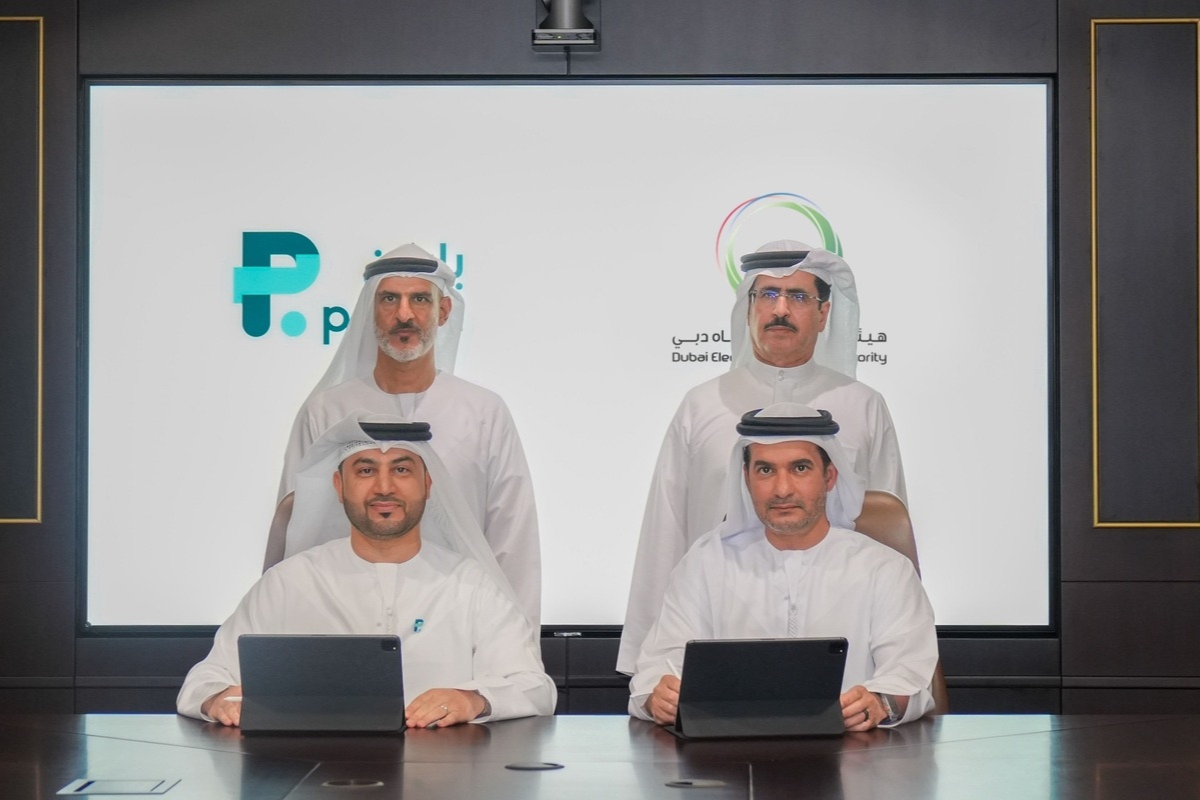
Dubai is set to enhance its electric vehicle infrastructure through a strategic collaboration between the Dubai Electricity and Water Authority and Parkin Company PJSC, the city’s leading provider of paid public parking facilities. This initiative aims to install new EV charging stations by the first quarter of 2025, reinforcing Dubai’s commitment to sustainable transportation.

The forthcoming charging stations will operate on alternating current , each offering a capacity of 22 kilowatts. Strategically positioned at prime parking locations managed by Parkin, each station is designed to serve two parking spaces. The focus will be on specific on-street parking areas in Zones A and C, targeting high-density residential communities that currently have limited access to EV charging facilities. This strategic placement aims to address the growing demand for EV infrastructure in densely populated areas.

To enhance user convenience, customers will be able to pay for both parking and charging fees through Parkin’s integrated app and digital wallet, streamlining the transaction process. This seamless payment system is expected to encourage more residents to consider transitioning to electric vehicles by simplifying the charging experience.

DEWA currently operates approximately 740 EV charging points across Dubai and has ambitious plans to expand this network to 1,000 stations by the end of 2025. This expansion aligns with Dubai’s broader sustainability goals and reflects the city’s proactive approach to supporting green mobility. The partnership with Parkin is a significant step towards achieving these objectives, as it leverages Parkin’s extensive network of parking facilities to provide accessible charging options for EV users.

This collaboration is part of DEWA’s ongoing efforts to enhance sustainability and encourage the use of environmentally friendly electric vehicles. By increasing the availability of EV charging stations in convenient locations, DEWA and Parkin aim to support the UAE’s vision for a sustainable future and reduce carbon emissions in the transportation sector.

The initiative also supports the Dubai Green Mobility Strategy 2030, which aims to promote the use of sustainable transport and reduce the emirate’s carbon footprint. By expanding the EV charging infrastructure, Dubai is taking concrete steps towards achieving its environmental goals and encouraging residents to adopt cleaner modes of transportation.

The integration of EV charging stations into Parkin’s facilities represents a significant advancement in Dubai’s efforts to promote sustainable mobility. As the largest provider of paid public parking facilities in the emirate, Parkin’s involvement ensures that EV users will have greater access to charging stations in convenient locations, thereby supporting the global transition to electric vehicles.

The collaboration between DEWA and Parkin underscores Dubai’s commitment to fostering a sustainable urban environment. By investing in EV infrastructure and promoting green mobility, the city is positioning itself as a leader in environmental sustainability and innovation.

VISHNU RAJA
RYO YAMADA
HITORI GOTOH
IKUYO KITA
Just in: