News related to
Space

MACAU SAR – Media OutReach Newswire – 15 August 2025 – Galaxy Macau™ Integrated Resort, a world-class luxury destination, is proud to introduce the Galaxy Wellness Hub, a wellness-themed pop-up space located in the bright and airy Pearl Lobby of Galaxy Promenade. Following the successful debut of a similar concept at Promenade East, this new activation marks another creative milestone. Launching today, the Galaxy Wellness Hub invites […]

Wuhan, once at the centre of the global pandemic, is emerging as a key tourist destination. With an increasing focus on environmental sustainability and green infrastructure, the city is reinventing itself and positioning itself as a hub for cultural tourism in China.

The city is leveraging its unique geographical advantage, nestled between the Yangtze and Han rivers, with abundant lakes and natural spaces that have made it a prime candidate for eco-tourism. Wuhan’s local government has pushed to transform its tourism landscape by blending urban development with environmental preservation. This has resulted in increased green spaces, cleaner air, and a revitalised waterfront.

One of the key draws for tourists is Wuhan’s “green foundations”, which are central to its urban planning. In August 2025, the symposium “Green Foundations for a Hub City” highlighted the city’s progress in integrating nature with urban life. The event underscored Wuhan’s commitment to preserving its riverbanks, improving water quality, and fostering sustainable tourism practices. It is now home to beautifully restored parks, scenic riverfronts, and nature reserves that provide a serene escape for visitors.

The city is also known for its historical and cultural landmarks. The Yellow Crane Tower, perched on the banks of the East Lake, is a must-visit. Built over a thousand years ago, it remains a symbol of Wuhan’s deep cultural roots and has been meticulously preserved as a testament to the city’s rich history. The surrounding East Lake, one of China’s largest urban lakes, is a focal point for tourists, offering boat rides, hiking trails, and opportunities to experience Wuhan’s natural beauty.

Wuhan is also positioning itself as an arts and cultural hub. The city’s many museums and galleries, such as the Hubei Provincial Museum, provide visitors with a glimpse into the region’s history, while the bustling Wuchang District is home to vibrant street art and music scenes. The city’s transformation is not just about nature but also about cultivating a sense of creativity and modernity that appeals to both domestic and international tourists.

The shift in Wuhan’s tourism offerings is complemented by an emphasis on local cuisine. The city has long been known for its culinary offerings, including its famous hot dry noodles, which have been a staple for locals and tourists alike. Wuhan’s food scene has grown as new eateries focus on bringing innovative takes on traditional dishes. From street food vendors to upscale dining, the city’s food culture is an attraction in itself, drawing food enthusiasts from across the globe.

Wuhan is making significant strides in improving its infrastructure to accommodate the influx of tourists. The Wuhan Tianhe International Airport is expanding, with new international routes being added regularly. High-speed rail links further connect Wuhan to major cities across China, making it easier for visitors to explore the city. The government is also investing in better public transport networks, ensuring tourists can navigate the city with ease.

Despite its past association with the Covid-19 outbreak, Wuhan has worked diligently to foster a safe environment for tourists. Strict health and safety protocols are in place, with the local government promoting Wuhan as a safe and welcoming destination. This concerted effort is helping to reshape perceptions and attract visitors eager to discover what the city has to offer beyond its past.

Singapore has firmly established itself at the forefront of global digital finance innovation, particularly in the realm of tokenized assets. The city-state’s embrace of blockchain technology is reshaping the investment landscape, enabling quicker, more accessible, and transparent transactions. As financial institutions, startups, and regulatory bodies collaborate, Singapore is positioning itself as a pivotal player in the tokenization of assets.

Tokenization, the process of converting assets into digital tokens on a blockchain, has garnered significant attention for its potential to revolutionize various sectors, from real estate to commodities. In Singapore, tokenized finance is progressing from pilot projects to full-scale adoption, driving the country’s financial ecosystem towards greater efficiency and market accessibility.

One of the main driving forces behind Singapore’s success in this area is its robust regulatory framework. The Monetary Authority of Singapore has been instrumental in fostering innovation by providing a clear set of rules that encourage experimentation while maintaining investor protection. This regulatory clarity has given businesses the confidence to explore tokenized finance solutions without fear of running afoul of the law.

The growth of blockchain technology in Singapore has been swift, particularly in sectors like real estate, where tokenized property shares allow for fractional ownership. Investors no longer need substantial capital to gain exposure to high-value properties. Instead, they can purchase smaller stakes in tokenized properties, broadening the pool of potential investors and promoting liquidity in traditionally illiquid markets.

Equally noteworthy is the role of Singapore’s thriving fintech sector. The city has seen a surge in startups developing blockchain-based solutions, ranging from platforms for trading tokenized securities to services that facilitate the creation and management of digital assets. This startup ecosystem is supported by venture capital, which has flooded the market with investment, accelerating the development of blockchain applications in finance.

Global players are also taking note of Singapore’s advancements in tokenization. International banks and financial institutions are increasingly setting up operations in the city, attracted by the favourable regulatory environment and the city’s growing reputation as a hub for blockchain and digital asset innovation. For instance, HSBC and Standard Chartered have partnered with local firms to explore tokenized securities and digital asset offerings, cementing Singapore’s status as a global leader in this space.

The introduction of projects like Project Ubin has been pivotal in demonstrating the benefits of blockchain technology within the financial services sector. Initiated by the MAS, Project Ubin explored the use of blockchain for the clearing and settlement of payments, offering proof of concept for tokenized digital currencies. This project not only advanced the understanding of blockchain within financial markets but also helped to strengthen Singapore’s position as a blockchain innovation leader.

The government’s commitment to blockchain and tokenization goes beyond regulation. Singapore has also established itself as a key player in blockchain research and development, with several academic institutions focusing on the technology’s financial applications. Collaborations between private companies and research bodies ensure that Singapore stays at the cutting edge of blockchain development.

Tokenization also promises to democratize finance, giving more people access to investment opportunities that were once restricted to the wealthy. By lowering the barriers to entry, tokenized assets open up new possibilities for retail investors, who can now invest in a wide range of tokenized products with much smaller capital commitments.

Despite these advancements, challenges remain. As tokenization grows, concerns about security, compliance, and the stability of the underlying blockchain systems need to be addressed. Singapore’s regulatory bodies are aware of these risks and continue to refine regulations to ensure that tokenized markets remain secure and trustworthy. The development of more sophisticated security protocols and smart contract auditing tools is expected to further strengthen the ecosystem.

Lumen Technologies has surpassed a significant milestone by crossing the 1,000-customer mark on its expanding Network-as-a-Service platform. This achievement underscores the growing demand for flexible, scalable enterprise connectivity solutions as businesses accelerate their digital transformations. NaaS, which enables organisations to streamline and scale their network infrastructure without the need for heavy investments in hardware, has become an essential offering in today’s fast-evolving technology landscape. The milestone reflects […]

The cryptocurrency market has suffered a significant blow, with over $500 million in liquidations across positions within just one hour. This sharp decline follows the release of the latest U. S. Producer Price Index report, which revealed unexpectedly high inflation figures. The data has dashed investor hopes for imminent interest rate cuts by the U. S. Federal Reserve, sparking widespread panic and a sell-off across multiple crypto assets.

The PPI report, which tracks the change in prices that producers receive for goods and services, showed an uptick in inflation that exceeded analysts’ expectations. The results were particularly alarming given the U. S. Federal Reserve’s ongoing battle to control inflation. As a result, the market now faces a more aggressive stance from the central bank, with investors bracing for potential rate hikes rather than cuts, at least in the short term.

This shift in sentiment has had a dramatic impact on risk assets, particularly in the volatile crypto market. Bitcoin, Ethereum, and several altcoins saw rapid declines in their valuations, with the overall market sentiment turning bearish. Liquidation volumes surged as traders, particularly those with leveraged positions, were forced to sell their assets to cover their margin calls.

Bitcoin, the largest cryptocurrency by market capitalisation, saw a drop of over 5% in just a few hours, while Ethereum and other major altcoins followed suit with steep losses. The sell-off was not confined to smaller coins either; large-cap cryptos that are usually seen as more stable also witnessed significant price drops. Some analysts have warned that the market could continue its downward trajectory if inflation remains persistent and the Fed keeps its hawkish policy stance in place.

The crypto market had previously been showing signs of optimism, especially after recent rallies that saw prices inch higher. Many market participants had hoped that the Federal Reserve, under pressure from slower economic growth, would begin to reduce interest rates in the latter half of 2023, which would typically support riskier assets like cryptocurrencies. However, the latest PPI figures dashed such expectations, leading to a sharp reversal in market sentiment.

The primary concern now is the potential for more stringent monetary tightening, which could further dampen investor appetite for high-risk assets. Rising interest rates often drive capital out of speculative markets, as higher borrowing costs make riskier assets less appealing compared to traditional investments like bonds or equities.

Some analysts are predicting that the current market instability could persist for some time, especially if inflationary pressures continue to be a concern. “Cryptocurrencies are still seen as speculative assets, and as long as inflation remains high and the Fed is tightening, there is little room for these assets to flourish,” said one senior strategist at a leading global investment bank.

The liquidations across the crypto market serve as a stark reminder of the inherent risks of trading in this volatile space. Traders leveraging their positions to maximise profits are particularly vulnerable in such an environment, as even small fluctuations in price can trigger substantial losses. The crypto market’s high leverage environment is often seen as a double-edged sword, where both potential rewards and risks are amplified.

Beyond the immediate price impact, there are broader concerns about how the crypto market might react to further tightening measures by the Fed. If inflation continues to exceed expectations, market participants may be forced to adjust their strategies, potentially driving further price declines.

This shake-up has led to heightened calls for regulation within the crypto space. Industry experts have long argued that greater oversight is needed to protect investors and reduce the risks associated with volatile market movements. The sudden surge in liquidations underscores the importance of establishing clearer guidelines for trading and risk management in cryptocurrencies.


Peloton Interactive Inc. is gearing up to launch its most significant product upgrades in years, with plans to boost sales by introducing new hardware, fresh accessories, and cutting-edge artificial intelligence features. These moves come as the company strives to reassert itself in the competitive fitness market and rebuild consumer confidence after a series of financial setbacks and slowing growth. The company is set to unveil a revamped […]

CI Financial has been officially taken private by Mubadala Capital following the completion of all necessary approvals, effective 12 August 2025. The deal, structured under a statutory plan of arrangement governed by Ontario’s Business Corporations Act, sees Mubadala Capital purchasing all outstanding common shares of CI Financial for C$32 per share, valuing the company’s equity at approximately C$4.7 billion and implying an enterprise value near C$12.1 billion. […]

Advertisements

Nigeria’s push toward becoming a $1 trillion economy by 2030 is gaining momentum, driven by a growing tech ecosystem supported by both government initiatives and global tech giants. The country’s digital economy is set to play a central role in this ambitious vision, with significant emphasis on talent development and digital infrastructure. The inaugural edition of GITEX NIGERIA, scheduled for 1-4 September 2025 in Abuja and Lagos, […]

President Donald Trump has authorised Nvidia and AMD to resume limited sales of artificial intelligence chips to China, marking a significant shift in U. S. trade policy. The agreement allows the companies to sell specific AI chips in exchange for a 15% revenue share paid to the U. S. government. This move deviates from previous strategies aimed at restricting China’s access to advanced semiconductors due to national […]

Robinhood has added Floki Inu and Ondo Finance to its cryptocurrency offerings, granting both tokens access to the platform’s 25 million-strong user base. This strategic move has led to significant price surges for both assets, highlighting a growing interest in diverse crypto projects.

Floki Inu, once known primarily as a meme coin, has evolved into a multifaceted ecosystem encompassing decentralized finance, non-fungible tokens, and metaverse initiatives. Its listing on Robinhood marks a significant step in its transition from a niche digital asset to a more mainstream cryptocurrency. The listing has been met with enthusiasm from the community, as evidenced by a notable uptick in trading volume and market activity.

Ondo Finance, on the other hand, is focused on integrating real-world assets into the blockchain ecosystem. By tokenizing assets such as U. S. Treasury bills, Ondo aims to bridge the gap between traditional finance and the crypto world. The platform’s approach has garnered attention from institutional investors, further underscoring the potential of RWAs in the digital asset space.

The inclusion of both tokens on Robinhood underscores the platform’s commitment to diversifying its crypto offerings. While Floki Inu appeals to retail investors with its community-driven approach, Ondo Finance attracts those interested in the convergence of traditional finance and blockchain technology.

du has initiated live deployment of 5G-Advanced technology on its network, becoming the first operator in the region—and marking the United Arab Emirates as the first country—to roll out this next-generation capability in cooperation with Huawei. This accomplishment underscores du’s ambition to pioneer telecommunications innovation and strengthen the nation’s digital infrastructure.

The rollout centres on the Dual Band Active Antenna Unit, operating simultaneously in the 3.7 GHz and 2.6 GHz bands. Conceived by du and realised in collaboration with Huawei, this advanced solution merges hardware consolidation with enhanced spectrum efficiency, delivers superior network performance, and significantly trims energy consumption and carbon footprint.

According to du’s chief technology officer, the deployment represents “a monumental leap forward” for both the operator and the telecom sector in the UAE. He stressed that the milestone reflects du’s dedication to offering world-class connectivity and aligns with national objectives to position the country as a global technology leader—in parallel emphasising the importance of building sustainable, future-ready networks.

From Huawei’s perspective, Felix Liu, head of its Carrier Business for the UAE, noted that the company is honoured to support this frontier in 5G-Advanced infrastructure. He described the 5G Dual Band AAU as a flagship solution delivering outstanding network performance and user experience while resonating with the UAE’s sustainability goals.

This achievement builds on du’s history in the region’s 5G evolution. In 2024, du and Huawei introduced the Middle East’s first indoor 5G-Advanced network using three-carrier aggregation alongside Huawei’s LampSite X solution, achieving peak speeds of 5.1 Gb/s in spaces such as malls, hotels, airports, and residential buildings. Prior to that, the two companies had collaborated on a “5G-Advanced Country” initiative and unveiled a 5G-A-enabled demonstration villa featuring 10 Gbps Fixed Wireless Access and XR capabilities.

Technical advances in this live deployment include more efficient use of spectrum and reduced dependence on extensive hardware—a strategic move given the growing demand for capacity and coverage. Dual-band AAUs are expected to support dense urban environments while reducing operational energy use.

This development assumes added significance against the backdrop of the UAE’s broader digital transformation objectives. The Telecommunications and Digital Government Regulatory Authority has championed advanced 5G trials, including initiatives to unlock 10 Gbps speeds with 6 GHz spectrum, in collaboration with service providers such as du.

The industry now closely watches how the live 5G-Advanced network, powered by dual-band AAUs, will impact key user segments—whether in high-density urban zones, enterprise campuses, or immersive content scenarios. Future use cases could span ultra-high-definition streaming, real-time XR, holographic conferencing, and enhanced industrial IoT applications. du and Huawei’s previous commitment, through a memorandum of understanding, to establish a joint innovation centre to drive 5G-A adoption and incubate next-generation services indicates a clear roadmap for expanding from infrastructure to ecosystem development.

A new Ethereum-based meme coin, Pepeto, has raised more than $6.09 million in its presale stage, signalling a strong demand and growing investor confidence in the project. The surge in funding comes as the cryptocurrency market continues to attract speculative investments, with meme coins often riding waves of social media trends and community-driven hype.

Pepeto, which launched its presale only a few weeks ago, is quickly gaining traction among crypto enthusiasts and investors. Its presale has been characterised by significant interest, with the project’s unique branding, which mimics the success of other meme tokens, such as Dogecoin and Shiba Inu, being one of the driving factors. The coin, a derivative of the meme-driven cryptocurrency ecosystem, appears to be tapping into a burgeoning market for low-cost, high-risk investment opportunities.

The presale phase, which is expected to reach its ninth stage soon, represents a crucial point for the token’s developers and backers. Ethereum-based tokens are particularly favoured for their robust network and security features, and the increasing popularity of meme coins on this platform makes Pepeto an attractive option for investors looking for the next breakout opportunity in the highly volatile crypto space.

Unlike other meme coins, which rely heavily on viral marketing campaigns and online communities, Pepeto has garnered attention through strategic partnerships and a steady stream of community engagement. By focusing on building a loyal following through transparency and open communication, the Pepeto team has managed to create a sense of trust among early investors, a key factor in the coin’s rapid success.

While the coin’s development team remains tight-lipped about the specifics of its long-term roadmap, experts believe that meme coins’ reliance on social media-driven hype can be both a strength and a vulnerability. The ability of a coin like Pepeto to maintain momentum and deliver real utility beyond mere speculation will determine whether it can break free from the boom-and-bust cycles that have plagued other meme coins in the past.

As the presale enters its final stages, the token’s backers are already planning its full public launch, which is expected to bring even more attention to the project. However, the risks associated with investing in meme coins are well known, and many market observers have cautioned investors to exercise caution.

Pepeto’s success thus far is a reflection of the broader trend in the crypto market, where meme tokens continue to garner attention and attract speculative investment. The explosive growth of tokens like Dogecoin and Shiba Inu has led to a proliferation of similar projects, all vying for a slice of the highly profitable, yet highly volatile, crypto market.

Critics argue that the speculative nature of meme coins poses a significant risk to investors, particularly as the market experiences periods of high volatility. Given the short-term focus of many meme coin investors, the long-term sustainability of projects like Pepeto remains uncertain. However, the project’s ability to raise funds at this stage is indicative of the appetite for risk among crypto investors.

In parallel, some cryptocurrency analysts believe that the boom in meme coins could be indicative of a broader trend towards decentralised finance and the growing interest in community-led projects. Pepeto’s success, however, will depend on how well it can transition from a meme-based speculative asset into a coin with genuine value.

The oldest hotel and casino in Las Vegas is taking a bold step by removing all live dealer games from its floor. The decision marks a significant change in the city’s famed gaming landscape, as the establishment transitions to electronic table games. The hotel, which has a long-standing history in the city’s development, made this move in response to evolving customer preferences and technological advancements in gaming. […]

Hyperliquid, a decentralised exchange platform, has resolved a significant technical issue that temporarily hindered user access to its trading services. The glitch, reported by users in various online communities, involved a disruption that prevented some traders from executing orders and impacted the platform’s ability to update prices accurately. The malfunction, which occurred during a period of high trading volume, raised concerns about the reliability of the system, with some users expressing frustration over the lack of transparency and communication from the platform’s support team.

The issue first came to light after multiple reports surfaced from users who found themselves unable to place or complete transactions, while others faced price slippage due to delays in the system’s updates. The disruption coincided with a surge in demand for certain assets, leading to increased pressure on the platform’s infrastructure. Hyperliquid acknowledged the problem in a statement, revealing that it was related to a backend technical failure in its order-matching system, which handles the execution of trades.

Technical teams at Hyperliquid worked quickly to address the malfunction, with a fix implemented within several hours. The platform’s engineers carried out a series of updates to its infrastructure and order-matching logic, designed to prevent such issues from recurring. Hyperliquid assured its users that it was closely monitoring the situation and would continue to improve its systems to ensure a smooth trading experience in the future.

This glitch on Hyperliquid is part of a wider trend that has raised concerns about the stability of decentralised exchanges, which rely on smart contract-based mechanisms to execute transactions. While decentralised platforms are often touted as more secure and resistant to manipulation, they can face unique technical challenges that centralised exchanges do not. These issues range from software bugs to network congestion and other performance bottlenecks, particularly during periods of heightened activity.

In light of this disruption, many users have called for greater transparency from decentralised exchange platforms regarding their technical operations. Some have questioned whether such glitches could undermine trust in the decentralised finance space, which is increasingly seen as an alternative to traditional financial systems. The DeFi ecosystem has seen explosive growth in recent years, with millions of dollars flowing through platforms like Hyperliquid. However, incidents like this highlight the vulnerabilities inherent in even the most sophisticated blockchain-based systems.

Hyperliquid’s response to the outage, including the quick deployment of a fix, has been largely positive among the platform’s users, although many are still wary of potential future disruptions. Several traders noted that while the issue was resolved swiftly, the lack of clear communication from the platform during the downtime was a point of contention. Some have suggested that platforms like Hyperliquid could benefit from providing users with more detailed updates in real time, especially during periods of service disruption.

The incident has also sparked a broader conversation within the DeFi community about the need for better infrastructure and risk management protocols. Experts have pointed out that while decentralised exchanges offer innovative features such as privacy and self-custody of funds, their technological foundations must be solid enough to handle spikes in demand without compromising the user experience.

The crypto and blockchain job market in 2025 has evolved significantly from the early days of experimentation and speculative investment. As the technologies become more established, companies are now scaling operations, emphasising practical application and implementation rather than simply exploring new concepts. This shift reflects a broader maturing of the industry, where the focus is on delivering tangible results rather than relying on hype.

A key trend that has emerged is the demand for mid-to-senior level roles, particularly in project management and operations. While the number of junior-level positions remains steady, it is the more experienced professionals who are driving growth and innovation. These individuals are not only managing complex projects but also overseeing cross-functional teams, making their roles integral to the success of blockchain and crypto companies. The prominence of senior roles is indicative of an industry that is prioritising strategic leadership over individual contributors. However, it’s important to note that job titles in the sector can sometimes be misleading, with roles such as “blockchain architect” or “crypto strategist” often blending technical and managerial responsibilities.

Emerging markets are becoming significant hotspots for blockchain and crypto employment, with companies offering salary multiples that can be as high as 10 times those in traditional industries. Countries in Asia, Latin America, and parts of Africa have seen a surge in blockchain-related job creation. These markets offer cost-effective, yet highly skilled talent pools, making them attractive for businesses looking to expand their workforce. However, this salary gap also reflects a growing disparity in the global job market, where geography increasingly dictates pay rates. In more developed regions, such as the United States and Europe, salaries are certainly high, but the competition for talent is fierce, and the skill set required is rapidly advancing.

In the engineering space, there has been a notable shift towards project management roles outnumbering developers by a ratio of 2:1. This is a direct response to the complexities of managing blockchain and crypto initiatives, which require not only technical proficiency but also strong organisational skills to ensure that projects run on time and within budget. Project managers are expected to liaise with a variety of teams, coordinate development, testing, and deployment, and ultimately ensure the strategic objectives of the company are realised. As blockchain solutions scale up, project management has become just as vital as coding skills.

Hybrid work is no longer seen as a temporary response to global events but as a long-term norm in the industry. Many companies have implemented a 3-4 day in-office work policy, recognising that while remote work allows for flexibility, physical collaboration remains crucial in high-stakes, fast-moving projects. The hybrid model is seen as a way to balance the benefits of in-person interaction with the convenience of working from home. As companies continue to grow, the ability to collaborate effectively both remotely and in person has become a key factor in employee productivity and satisfaction.

What do you associate flowers with? Maybe it’s your dad’s or mum’s birthday, when you celebrate it with your family. Perhaps a romantic date with your partner, when the whole world stops and it’s just the two of you, delicious food and a nice glass of wine. And flowers remind you of your wedding day, where everything is covered and decorated with soft pastel coloured flowers, gentle […]

Kevin Spacey is poised to receive a Lifetime Achievement Award at this year’s prestigious film and television event, a recognition that comes after a series of legal and professional challenges that have marred his career. The actor, known for his roles in House of Cards and The Usual Suspects, is being honoured for his contributions to the entertainment industry. The announcement has sparked a mixed response, reflecting […]

Jumbo Enterprise has entered into a strategic partnership with Jio Haptik to offer next-generation Agentic AI solutions to enterprises across the GCC. This collaboration brings together the regional reach and IT expertise of Jumbo with Jio Haptik’s advanced AI-driven customer experience technology. The agreement positions both companies to transform enterprise operations in the Gulf region. By integrating Agentic AI, businesses will benefit from more efficient customer engagement, […]

Aldar Properties has unveiled its latest project, the Fahid Beach Terraces, a luxurious six-building residential community set along a pristine stretch of coastline on Fahid Island, Abu Dhabi. Positioned as the emirate’s first coastal wellness destination, the development promises a new standard of living, combining scenic views with world-class amenities.

The Fahid Beach Terraces feature expansive living spaces, with each unit offering panoramic sea views and access to a private, dedicated beachfront. The community aims to create an idyllic living environment that blends modern comfort with the serenity of nature. The development is situated in close proximity to key leisure and retail destinations, offering both seclusion and accessibility.

At the heart of the community is an exclusive beachfront clubhouse, a central hub for residents. The clubhouse houses an array of wellness-focused amenities designed to promote health and relaxation. These facilities include an outdoor pool, a state-of-the-art gym, and spa services, ensuring that residents can enjoy an elevated lifestyle. Aldar has emphasised that the design of the community integrates the principles of sustainability, creating an eco-conscious living experience.

The Fahid Beach Terraces are also set to offer various recreational options, such as walking paths, yoga areas, and sports courts. These spaces are strategically positioned throughout the community, allowing residents to enjoy both social activities and moments of personal tranquillity.

Aldar’s vision for the project is to offer a complete lifestyle solution. The development is not just about luxurious residences but is aimed at creating a well-rounded living experience with a strong focus on health and well-being. Fahid Island’s unique location along Abu Dhabi’s coastline further strengthens this concept, with the community’s design capturing the essence of both modern living and nature.

The properties within the community are set to cater to high-net-worth individuals seeking a premium living experience. Aldar’s commitment to quality is evident in the materials used throughout the development, ensuring that each home meets the highest standards of craftsmanship. Additionally, the architecture of the buildings reflects contemporary design principles, featuring sleek lines and expansive windows that maximize the views of the surrounding environment.

As part of its larger strategy to cater to the growing demand for luxurious residential spaces in the UAE, Aldar’s Fahid Beach Terraces is expected to set a benchmark for future coastal developments in the region. The project adds to Aldar’s extensive portfolio of premium properties, further cementing the developer’s position as a leading force in the real estate market.

The development is anticipated to attract both local and international buyers, with its focus on wellness and luxury making it a highly desirable location for investors. As the UAE continues to position itself as a global hub for business and leisure, projects like Fahid Beach Terraces offer a glimpse into the future of upscale living, where quality of life and environmental sustainability are paramount.

With the increasing interest in wellness-oriented lifestyles, particularly in the wake of the global pandemic, the Fahid Beach Terraces cater to a demographic that values both health and comfort. The concept of wellness in residential design has grown in importance, and Aldar’s innovative approach to integrating these elements into a luxurious environment speaks to this shift in consumer preferences.

“More Than Pumping” will amplify trusted voices, offer emotional support, and provide expert guidance to create a breastfeeding-friendly environment where mothers feel understood and supported SINGAPORE – Media OutReach Newswire – 12 August 2025 – As Breastfeeding Awarenesss Month begins, Momcozy, the global No.1 wearable breast pump brand, proudly launches its newest initiative “More Than Pumping, Real Support with Trusted Voices“. The initiative highlights the company’s mission […]

A UK court recently ruled against Wikipedia’s challenge to the country’s Online Safety Act, yet the decision may have set a significant legal precedent. The case, which has been closely monitored by tech companies and legal experts, revolved around the implications of the new rules on platforms like Wikipedia. Despite the court’s decision, legal commentators argue that the ruling still marks a pivotal moment in the debate […]

Previewing the Glittering New Landmark, Galaxy Macau celebrates its unwavering commitment to the craft of ultra-luxury hospitality at Asia’s Award-Winning Integrated Resort MACAU SAR – Media OutReach Newswire – 11 August 2025 – In a move which promises to redefine the contours of luxury hospitality in Asia, Galaxy Macau announces the soft opening of Capella at Galaxy Macau. This meticulously conceived property brings with it an ethos […]

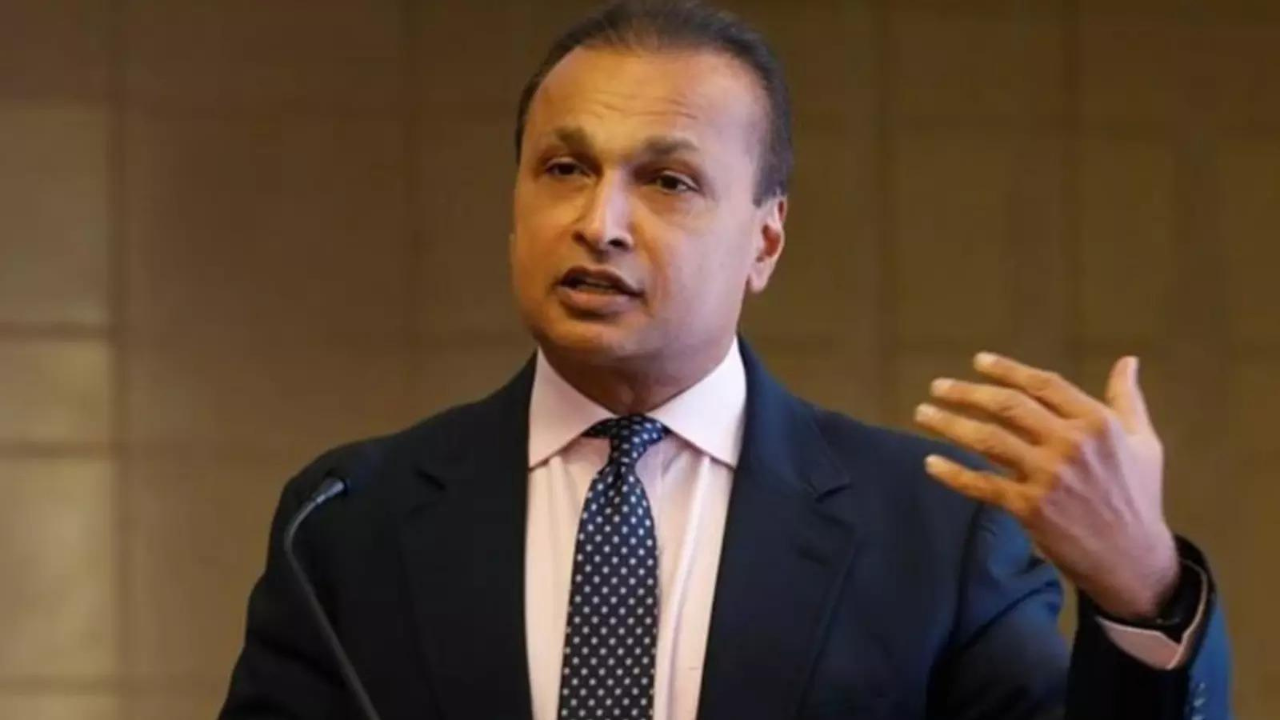
By Nantoo Banerjee The regular news feed by India’s Enforcement Directorate on alleged massive money laundering by the Reliance Anil Ambani Group (RAAG), which is also known as the Anil Dhirubhai Ambani Group (ADAG), seems to have been designed more to create an abominable sensation around the flamboyant entrepreneur than any other serious purpose. The […]


Dubai’s real estate sector has seen a notable surge in licensed activities, with 4,049 new registrations reported in the first half of 2025. This increase highlights the city’s continuing appeal as a hub for global investment, underscoring its position as a growing economic powerhouse.

The expansion in real estate-related activities is a key indicator of investor confidence in Dubai’s property market. The city’s ongoing efforts to enhance its investment climate, alongside the development of new regulations and policies, have solidified its standing as a global player in the real estate sector. The uptick in the number of new real estate ventures reflects a broader trend of diversification in the market, as Dubai seeks to expand beyond traditional residential and commercial projects into emerging sectors like hospitality, mixed-use developments, and smart city infrastructure.

The Dubai Land Department has been instrumental in driving these developments by continuing its focus on transparency, innovation, and regulatory improvements. One of the standout features of Dubai’s property market has been its emphasis on simplifying procedures for investors, which has directly contributed to the rise in new real estate-related ventures. The DLD’s efforts to digitise property transactions and improve investor accessibility have been particularly significant in this regard.

Dubai’s status as a business-friendly environment has also played a critical role in attracting international investors. Policies such as long-term residency visas, 100% foreign ownership in certain sectors, and reforms in property ownership laws have all enhanced the city’s attractiveness to global capital. The emirate’s strategic location, offering easy access to both Eastern and Western markets, has further positioned it as a key destination for multinational companies and high-net-worth individuals looking to invest in its growing real estate sector.

Dubai’s commitment to diversification has allowed it to weather global economic fluctuations better than many other markets. The emirate’s drive towards sustainability and innovation in urban planning has led to the development of numerous smart city projects, which blend residential, commercial, and leisure spaces in ways that appeal to both investors and residents. These initiatives have attracted attention from international real estate developers who view Dubai as a model for the future of urban living.

The diversification of Dubai’s real estate market is not limited to the types of properties being developed, but also to the services and amenities that accompany them. The growing prominence of serviced apartments, co-working spaces, and eco-friendly developments shows that the market is increasingly catering to a wide range of needs. The ongoing shift towards more integrated communities reflects broader global trends, such as the rise in remote working and demand for work-life balance.

Dubai’s real estate sector has also been buoyed by its ambitious infrastructure projects, such as the expansion of its transport network, the Dubai Expo City, and the upcoming World Expo 2030, which is expected to bring even more global attention and investment to the emirate. The government’s plans to develop future-focused infrastructure align with global trends in technology, sustainability, and connectivity, positioning the city as a model for future urban development.

Investor interest in Dubai’s property market is further supported by the city’s relatively stable macroeconomic environment. The UAE’s strong economic performance, backed by diversification efforts in sectors like tourism, technology, and renewable energy, continues to drive demand for commercial and residential properties alike. Despite global uncertainties, the Dubai real estate market remains a safe haven for investors, thanks to its robust regulatory framework, investor-friendly policies, and a growing base of international buyers.

VISHNU RAJA
RYO YAMADA
HITORI GOTOH
IKUYO KITA
Just in:
UAE crews sustain coastal oil removal as beaches reopen // OpenAI unveils ChatGPT Wallet for agent-led purchases // IEA forecasts fourth-quarter oil surplus as Gulf shipments rebound // Saudi fund assets forecast to cross $400 billion // Sun World Ba Den Mountain marks Vietnam Culture Day, welcoming Cambodian visitors over Bon Om Touk // Yicura BioMed Advances Dual Capital and Industrial Strategy: Completes First Closing of Series B Financing Led by Gobi Partners // The Honey Trap Is The Headline, The Chip Pipeline Is The Story // TORRAS Launches Two New iPhone Duo Cases from Its Popular Ostand Series, Addressing Foldable Phone Users’ Concerns About Difficult Stand Positioning and Scratches // October Food Price Shock Has Far Reaching Consequences // Woman found dead as bank moves to repossess home // Crescent Enterprises venture arm funds Oyster Therapeutics development // Microsoft restores services gradually but gives no recovery deadline // Fujairah highway pile-up leaves 14 dead and 30 injured // Electoral register gains 2.17 lakh voters // EBANX and Eneba strengthen partnership in Latin America with 138% YoY growth in payment volume // Microsoft apologises as Outlook services recover after outage // Inpex reaffirms Gulf oil strategy despite shipping constraints // Microsoft outage leaves Outlook and Teams users disconnected // US authorities dismantle North Korean cryptocurrency deception infrastructure // Salik posts Dhs1.045bn profit despite lower toll traffic //