Just in:

News related to
Space

Capital Deployed to Date: Over US$1 Billion Companies Supported: Advised and invested in 200+ SGX-listed companies SINGAPORE – Media OutReach Newswire – 6 August 2025 – ICH Group is the key anchor investor in the recent Initial Public Offerings (IPOs) of Lum Chang Creations, Info-Tech and Goodwill Entertainment on multi-asset platform Singapore Exchange (SGX Group), a decisive move that signals renewed investor confidence following a notable drought […]

Alphabet’s investment arm has fully divested its stake in CrowdStrike, a cybersecurity firm, after initially reducing its holdings in the first quarter. This decision signals a notable shift in the company’s strategy, which had previously seen an active involvement in the growth of CrowdStrike. The tech giant’s divestment raises questions about broader trends in the tech and cybersecurity sectors. The exit from CrowdStrike follows Alphabet’s trimming of […]

Proton has unveiled a new two-factor authentication app, which positions itself as a robust alternative to Microsoft Authenticator. As security concerns around digital identities grow, Proton’s offering enters a competitive field, aiming to provide an enhanced user experience while addressing key issues in account protection. The app, designed by the Swiss company behind Proton Mail, integrates advanced security measures to protect sensitive user data from threats. Unlike […]

Base Network, the layer-2 blockchain backed by Coinbase, has faced its first service interruption in over a year, halting its operations for 29 minutes due to a block production issue. This event marks a significant moment for the blockchain, which has enjoyed a relatively smooth run since its launch in 2023.

The disruption began shortly after 1:00 UTC, with users and developers quickly reporting that transactions were no longer being processed. Blockchain explorers confirmed the halt, with validators unable to produce new blocks for nearly half an hour. The Base Network team acknowledged the issue on its official communication channels, assuring users that the problem was being resolved.

This downtime is the first major service disruption for Base Network since its debut in 2023, a period during which the blockchain has attracted significant attention. It is part of a growing trend of scaling solutions in the Ethereum ecosystem, designed to reduce transaction costs and improve speed, all while leveraging the security of the Ethereum mainnet.

Base, developed by Coinbase, has rapidly gained traction among developers and users alike, particularly due to its integration with the broader Ethereum ecosystem. The blockchain’s promise of low-cost transactions and seamless scalability has made it an attractive option for decentralised finance applications and non-fungible token projects.

For many users and developers, the interruption comes as an unwelcome surprise, especially given the increasing reliance on the blockchain for transactions. The timing of the downtime was also notable, as it occurred during a busy period for crypto markets, leading to further frustration among traders who were unable to execute transactions on the network.

The interruption was linked to an issue with the block production process, which caused delays in adding new blocks to the chain. While Base Network is designed to function as a layer-2 solution, relying on Ethereum’s mainnet for security, the block production issue seems to have been specific to the protocol’s internal mechanics.

Following the disruption, Base Network’s team worked to identify the root cause and restore functionality as quickly as possible. They credited a swift response from the community of validators for preventing a longer service outage, highlighting the collaborative nature of the platform’s decentralised ecosystem.

Despite the temporary setback, Base Network’s broader goals remain intact. The platform is still one of the most anticipated and widely used layer-2 blockchains in the market. It continues to gain support, particularly with Coinbase’s backing, which has provided it with a degree of credibility and a strong user base.

Base Network’s performance is often compared to other layer-2 solutions in the Ethereum space, such as Arbitrum and Optimism. While these blockchains have had their share of issues, including downtime and network congestion, Base’s relatively short disruption marks a rare hiccup in its operation.

The broader implications of the downtime for the blockchain ecosystem remain to be seen, but it serves as a reminder of the ongoing challenges that even the most established projects face in maintaining uptime and reliability. For users, the incident underscores the importance of decentralised infrastructures that can respond quickly to unforeseen technical challenges.

Coinbase, which has long advocated for the benefits of blockchain technology and its potential to revolutionise various industries, will likely use this incident as a learning opportunity. It remains committed to improving the platform’s infrastructure to avoid such disruptions in the future, particularly as the demand for scalable solutions grows.

While the network’s downtime was brief, the event highlights the complexities of operating a layer-2 blockchain that interacts closely with the Ethereum mainnet. Base Network, like other blockchain projects, must navigate the technical and operational challenges of scaling while maintaining trust within the user community.

Shiga Digital, a rapidly expanding blockchain-based fintech company, is reshaping financial access for African businesses with its newly launched mobile applications. Available on both Android and iOS, the platform provides businesses and individuals across the continent with seamless access to a suite of digital finance tools, including stablecoin payments, cross-border transactions, and secure digital asset management. This move marks a significant step forward in the company’s mission […]

Base has outpaced Solana in the number of newly launched tokens, marking a significant shift in the blockchain space. On July 27, Base recorded over 54,000 newly launched tokens, surpassing Solana, which had just 25,000. This surge has been largely attributed to platforms like Farcaster and Zora, where every post generates a liquid token, further accelerating the trend of token migration.

The momentum on Base has been further bolstered by its unique design, which allows a broader, more accessible environment for token creation. This makes it an attractive platform for the influx of new meme coins and so-called “shitcoins.” These tokens, often driven by speculative trading rather than tangible utility, have seen a sharp rise in numbers and trading activity, particularly on decentralized exchanges. Base’s network appears to be more conducive to this type of activity, offering lower transaction fees and faster processing times.

Meanwhile, Solana is facing a decline in the number of meme coins and other low-value tokens being created. Platforms such as Pump. fun and LetsBonk, which once saw massive trading volumes, have seen a dramatic drop in both trading activity and revenues. Analysts suggest that this decline may be the result of waning interest in Solana’s ecosystem, particularly in the meme token space, as investors and creators seek more profitable or stable alternatives.

The cooling off of meme tokens across the broader market is also evident. The total market capitalisation of these tokens has fallen by approximately 15%, while trading volumes have dipped by more than 50%. This decline reflects a broader trend in the cryptocurrency market, where speculative trading has become less profitable amid increased regulation and a general shift towards more sustainable blockchain projects.

The market for meme coins, often referred to as “shitcoins,” is heavily influenced by social media trends and the speculative nature of investors. Meme tokens are typically not backed by any underlying technology or use case, which makes them volatile and prone to sudden surges or declines. The launch of tokens on platforms like Base has further inflated the meme coin market, though it remains to be seen whether these tokens will have any lasting value.

Farcaster and Zora have become central to this shift in token creation. Both platforms offer users the ability to mint tokens tied to their posts, leading to a rapid increase in the number of tokens being minted. On Zora, every tweet or post can become a tradable token, and this feature has contributed to the surge in tokens on Base. These platforms’ decentralised nature and innovative tokenomics have provided a fertile ground for the growth of these low-value assets.

Solana, on the other hand, is facing stiff competition from other blockchain platforms. The ecosystem that once thrived on high-speed transactions and low costs is now grappling with diminishing enthusiasm for meme tokens. As the market evolves, platforms like Solana, once a leader in decentralized finance and non-fungible tokens, are losing their edge. Despite attempts to rejuvenate its ecosystem through partnerships and updates, Solana has yet to recover the lost momentum in the meme token space.

Dubai is set to become the first city globally to introduce a commercial air taxi service, marking a significant milestone in the evolution of urban mobility. This groundbreaking move follows the successful completion of full-scale test flights by US-based Joby Aviation, a company leading the development of electric vertical takeoff and landing aircraft. The service is planned to roll out in 2026, making Dubai a frontrunner in […]

Advertisements

The cost of purchasing homes in Abu Dhabi has surged, driven by a growing influx of high-net-worth individuals and a steady demand for prime residential properties. According to the latest data, residential real estate prices have soared by 17.3% in the second quarter of the year, marking a 31.3% increase since Q1 2020. This price hike has pushed the average price per square foot to AED 1,230, […]

With its signature ‘All-Day Chill’ the gaga café phenomenon comes to Galaxy Macau, marking outlet number 99 for the Shenzhen-born brand that’s quietly redefining contemporary café culture MACAU SAR – Media OutReach Newswire – 5 August 2025 – Galaxy Macau™ Integrated Resort (“Galaxy Macau”) today officially opened gaga, the Shenzhen-born dining group’s 99th outlet and first-ever non-mainland location, in Macau. In a natural evolution for China’s most […]

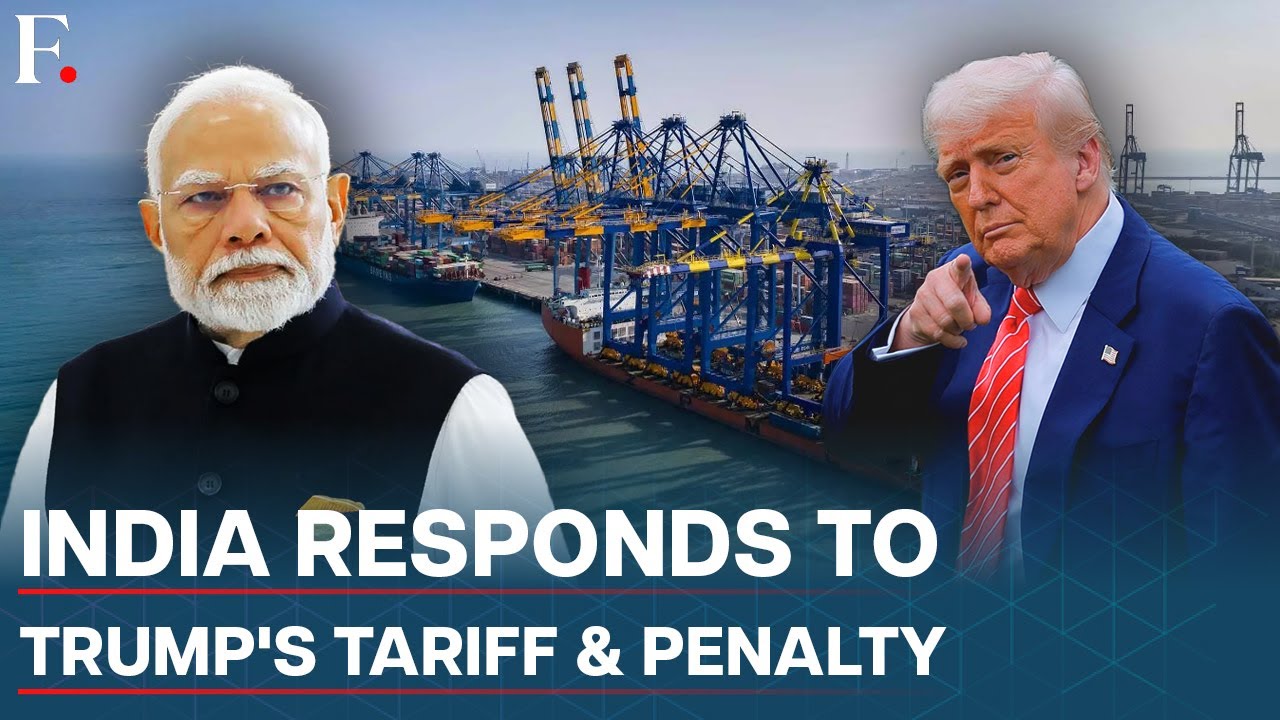
By Nantoo Banerjee US President Donald Trump is becoming increasingly unpredictable, if not crazy, with his freakish combination of styles to deal with countries and issues – from trade to diplomacy. The 25 percent import tariff on India since last Friday may not considerably hurt India’s export trade with the US, but it threatens to […]

Dubai has seen a marked surge in its real estate sector in 2025, with 24 major property projects completed in the first half of the year. These developments, worth a combined Dh4.5 billion, are part of a wider trend that reflects the city’s growing demand for residential units and integrated communities. According to the Dubai Land Department, there are currently 726 active projects under construction across the […]

French artificial intelligence startup Mistral is engaged in discussions to secure up to $1 billion in funding, which could elevate its valuation to $10 billion, according to reports from industry insiders. The company is in talks with several investors and venture capital firms, alongside Abu Dhabi-based MGX, to bolster its growth. This funding will enable Mistral to further develop its large language models and accelerate the commercial […]

eToro, the globally recognised trading platform, revealed plans to introduce tokenized US stocks and exchange-traded funds on Ethereum. This announcement, made during a global webinar titled ‘eToro Unlocked: Trade Without Boundaries’, marks a significant development in the integration of traditional financial assets with blockchain technology.

The initiative aims to bridge the gap between conventional finance and the burgeoning world of decentralised finance. By utilising Ethereum’s blockchain, eToro will allow users to trade tokenized versions of US stocks and ETFs. This move follows the growing trend of decentralised financial products that provide greater accessibility and transparency to global markets. The tokenisation of these assets is expected to enable fractional ownership, meaning investors can hold and trade portions of stocks and ETFs without the need for a large capital outlay.

This shift is in line with a wider industry push towards blockchain adoption. Major financial institutions, including banks and asset managers, have explored tokenisation as a way to simplify processes, reduce costs, and make trading more efficient. By offering these products on a platform like eToro, which boasts millions of active users, the company is positioning itself as a key player in the digital asset space.

As of now, traditional trading platforms have been somewhat slow to incorporate blockchain technologies, particularly when it comes to mainstream products like equities and ETFs. However, tokenisation is rapidly gaining traction, with the promise of faster transactions, lower fees, and enhanced security. Ethereum, due to its widespread use and robust smart contract capabilities, has emerged as a leading blockchain for such innovations.

The rollout of tokenized US stocks and ETFs will occur in phases. Initially, a select group of eToro users will be given early access to these digital assets, with the plan for a broader launch depending on regulatory approval and market demand. Despite the novelty of tokenised equities, the platform’s offering will be fully compliant with the relevant financial regulations, ensuring that users can trade with confidence.

eToro’s move to embrace Ethereum-based tokenisation comes at a time when other financial services firms are also investigating blockchain’s potential in transforming asset management. For instance, firms like Fidelity and Grayscale have pioneered offerings that allow traditional investment in cryptocurrency, while companies such as JP Morgan and Goldman Sachs have been integrating blockchain technologies into their existing infrastructure.

However, it remains to be seen whether tokenised assets can truly revolutionise the way investors interact with traditional financial products. While blockchain technology offers numerous advantages, including faster settlement times and reduced friction in cross-border trading, the challenge lies in widespread adoption. Regulatory hurdles and market acceptance will play key roles in determining whether tokenisation becomes mainstream or remains a niche offering.

Nonetheless, the trend is gaining momentum. Tokenisation is seen as a way to democratise access to high-value assets that were previously reserved for wealthier investors or institutions. By breaking down these assets into smaller, more affordable fractions, eToro aims to give a wider audience the opportunity to diversify their portfolios, gain exposure to US stocks and ETFs, and participate in a global marketplace.

As eToro has expanded its offerings in recent years, it has positioned itself as a platform that seeks to empower users by providing more trading options and access to a range of global financial products. This tokenisation project is part of eToro’s broader vision of a more open and inclusive financial ecosystem, where geographical and financial barriers are diminished through technological advancements.

The Indian government has launched a substantial ₹1 lakh crore initiative aimed at advancing research and development in DeepTech sectors, which include artificial intelligence, biotechnology, and clean energy. The move seeks to position India at the forefront of technological innovation while addressing pressing global challenges, such as climate change and health issues, through groundbreaking advancements.

The scheme, which is the largest of its kind in the country, provides financial support through low-interest loans and grants to organisations engaged in pioneering research within these high-tech fields. This initiative is designed to fuel India’s transition to a knowledge-based economy, empowering domestic companies to compete on the global stage.

The programme has been met with widespread enthusiasm across industries, particularly for its potential to create high-skilled jobs and promote sustainable growth. Industry experts believe that the government’s focus on DeepTech will provide the necessary infrastructure for start-ups and established companies to undertake transformative research, particularly in AI and biotechnology, areas that are expected to revolutionise industries globally.

The scheme is structured to benefit both large-scale enterprises and smaller start-ups, ensuring a wide distribution of opportunities across the technology ecosystem. By offering loans with highly favourable interest rates, the government is incentivising private investment in research and innovation. These funds can be used for a variety of purposes, including product development, infrastructure creation, and collaboration with academic institutions. The emphasis on clean energy projects is particularly timely, given the global push towards sustainability and reducing carbon footprints.

Aimed at fostering a more robust R&D culture, this initiative also ties into broader national objectives, such as strengthening India’s technological independence and making strides towards self-reliance. By facilitating the creation of homegrown technologies, the government hopes to reduce the nation’s dependence on foreign technologies and build a self-sustaining innovation ecosystem.

The programme is expected to bring a ripple effect, spurring greater investment in the country’s deep-tech space. This comes at a time when global investors are showing increasing interest in emerging markets like India, particularly in sectors that address environmental concerns and healthcare challenges. Experts suggest that this initiative could make India a major player in AI, clean energy, and biotech, which have seen explosive growth globally.

This initiative builds upon earlier steps taken by the government to boost technological innovation. A notable example is the government’s push for AI adoption across industries, with initiatives such as the National AI Strategy. Moreover, India’s growing digital infrastructure, which includes expanding internet access and cloud capabilities, is seen as a foundation for the country to lead in cutting-edge research and development.

With AI poised to reshape industries such as healthcare, agriculture, and education, the government’s focus on AI-driven projects through this scheme could significantly enhance the country’s global competitiveness. For example, AI technologies are expected to play a critical role in optimising supply chains, improving healthcare diagnostics, and even contributing to smarter urban planning and infrastructure.

Similarly, India’s biotechnology sector, which has been a cornerstone of the nation’s medical advancements, stands to benefit enormously from the new scheme. Biotechnology holds promise for breakthroughs in disease treatment, diagnostics, and sustainable agricultural practices. With government backing, researchers and innovators will have access to the necessary resources to push the boundaries of what is currently possible in life sciences.

The clean energy component of the scheme is particularly crucial in the context of global environmental concerns. India, as one of the world’s largest emitters of carbon dioxide, has made ambitious commitments to reduce its carbon footprint, and this initiative is aligned with those goals. By providing financial incentives for renewable energy projects, including solar, wind, and hydrogen energy, the government is fostering an ecosystem conducive to green innovation.

The scheme also complements India’s broader economic reforms aimed at boosting manufacturing and technological self-sufficiency under the “Make in India” programme. By nurturing DeepTech innovation, India could develop indigenous solutions that cater not just to domestic needs but also to international markets, enhancing its stature as a hub for cutting-edge technology.

As part of its effort to ensure the programme’s success, the government is also facilitating partnerships between industry players and academia. This collaborative approach is intended to strengthen the research base and bridge the gap between innovation and practical application. Partnerships with international research bodies are also expected to enhance India’s global position in deep-tech innovation.


The world of cybersecurity has entered an uncharted realm, where artificial intelligence is not only a weapon for cyber attackers but also a critical tool in defending against these increasingly sophisticated threats. As cybercriminals turn to AI to power their attacks, the race is on to develop AI-driven systems that can outthink and outpace malicious algorithms. One of the key figures in this rapidly evolving landscape is […]

A statue honouring Satoshi Nakamoto, the elusive figure behind Bitcoin, has been stolen from its site in Lugano, Switzerland. The monument, unveiled in late 2024, had become an iconic representation of the enigmatic creator of the cryptocurrency, whose true identity remains one of the tech world’s greatest mysteries.

The statue, a large sculpture depicting the name “Satoshi Nakamoto” etched into a series of metallic layers, had captivated visitors and crypto enthusiasts alike since its installation. Situated in the heart of Lugano, it symbolised the city’s growing embrace of blockchain technology and cryptocurrency. For many, the statue was more than just art; it was a tribute to the digital revolution that Bitcoin sparked more than a decade ago.

Authorities were alerted to the theft in the early hours of the morning, when a security guard noticed the conspicuous absence of the monument, which had previously stood proudly at the centre of a public park. The area, which had been carefully monitored by surveillance cameras, now bears only the faint traces of the statue’s former presence, leaving behind a curious and eerie emptiness.

Lugano, a city with strong ties to the cryptocurrency world, had seen significant developments in recent years to become a leading hub for blockchain-based businesses. The city’s proactive approach in fostering crypto-related innovation was epitomised by the statue’s unveiling in 2024, making the theft a significant blow to the region’s reputation.

Local police have launched an investigation into the incident, with officials suggesting that the thieves may have targeted the statue for its material value, given its considerable worth as a work of art. The theft of public art is not uncommon, but the involvement of a high-profile piece linked to one of the most famous figures in tech history has drawn international attention.

Security experts have raised concerns over the vulnerability of public art installations, particularly those linked to high-profile and controversial figures. While the statue’s theft may have been opportunistic, some speculate that it could have been taken as a statement against the pervasive influence of cryptocurrency in traditional finance sectors. Others argue that the absence of the statue only reinforces the mystery of Nakamoto’s identity, highlighting the growing divide between Bitcoin’s revolutionary vision and the material world it inhabits.

A spokesperson for the city’s municipal government expressed their regret over the theft and assured the public that they would work closely with law enforcement to identify the perpetrators. “We are committed to preserving our city’s artistic and technological heritage, and we will take all necessary steps to ensure that such an incident does not occur again,” they said in a statement.

The statue’s disappearance has ignited conversations within the cryptocurrency community, with many speculating on the reasons behind its removal. Some see it as an attempt to erase the legacy of Nakamoto, who has long remained an enigma. Others argue that the theft could be a commentary on the volatile and unpredictable nature of cryptocurrency itself.

Lugano had embraced Bitcoin and blockchain technology with open arms, with the city offering various incentives to crypto companies and developers. It became one of the first cities in the world to allow its citizens to pay for public services with Bitcoin. With this deep connection to the digital currency, the theft of Nakamoto’s statue could be seen as a blow to the city’s ambitions to be at the forefront of the global cryptocurrency movement.

While authorities have not yet identified any suspects, there has been no shortage of theories circulating within the tech community. Some believe that the statue could resurface on the black market, where it might fetch a significant price. Others suggest that the theft could be part of a larger movement aimed at discrediting or disrupting the cryptocurrency space.

By K Raveendran Donald Trump’s aggressive tariff regime, launched under the guise of bolstering American strength and reclaiming lost economic ground, has triggered a worldwide response that may ultimately defeat the very goal it seeks to achieve. Framed as a nationalist project to assert America’s economic primacy, the tariff war has turned out to be […]

SHANGHAI, CHINA – Media OutReach Newswire – 1 August 2025 – InMobi, a global leader in mobile advertising and AI-powered monetization, is taking center stage at ChinaJoy 2025, highlighting its unparalleled growth and unwavering commitment to the Chinese developer ecosystem. With over 80% penetration among China’s top 100 gaming publishers and near-complete publisher retention InMobi has acheived a two-fold increase in revenue for Chinese partners between H1 […]

HONG KONG SAR – Media OutReach Newswire – 1 August 2025 – Cushman & Wakefield, a leading global real estate services firm, today released its Life Sciences on the Chinese Mainland – Vital signs: Diagnosing trends in the life sciences real estate market on the Chinese mainland report. It is based on in-depth interview surveys we conducted on professionals active in the life sciences sector on the […]

Zambia’s government is pushing for a 12-month extension to its current loan arrangement with the International Monetary Fund, according to an official cabinet statement released on Wednesday. The proposal, if approved, would see the existing agreement, set to expire at the end of October, continue until October 2024. This decision follows a series of critical economic challenges faced by the southern African nation, which is heavily reliant […]

Union Properties reported a sharp decline in second-quarter net profit, registering AED 8.74 million, a 52% fall from AED 18.3 million for the same quarter last year. The Dubai-listed developer attributed the downturn to heavier upfront investments channelled into development activities and upgrades to infrastructure across its portfolio.

For the first half of 2025, profit stood at AED 14.56 million, significantly lower than the AED 34.77 million reported during the same period in 2024. Despite this decline in bottom-line earnings, the company recorded a notable improvement in revenue. Total income for the six-month period rose to AED 316 million, a 19% year-on-year increase compared to AED 266 million during the first half of 2024.

The company’s performance reflects a strategic pivot toward long-term asset enhancement, which has led to a temporary squeeze on margins. According to statements from company officials, this phase of intensified capital expenditure is aligned with efforts to revitalise core assets and push forward master-planned projects aimed at bolstering future recurring revenue.

Union Properties has been seeking to reposition itself in the competitive Dubai real estate landscape, where both private and publicly traded developers are ramping up efforts to respond to shifting demand patterns in residential, commercial, and mixed-use spaces. The firm’s latest investment push includes modernisation of infrastructure, land parcel optimisation, and enhancements across its flagship MotorCity community, as well as new project launches in high-growth corridors of Dubai.

Market analysts indicate that the firm’s choice to front-load development expenses may place temporary pressure on quarterly earnings but positions the company for stronger medium-term growth, particularly as Dubai’s property sector remains buoyant. Real estate transaction volumes in the emirate have continued to show strength, driven by both domestic end-user demand and international investor interest.

Union Properties has also been undertaking restructuring initiatives since 2022 in a bid to reverse a prolonged downturn marked by legal disputes, operational setbacks, and financial mismanagement. The group’s current leadership has focused on stabilising the balance sheet, improving transparency, and advancing stalled developments. The company’s equity structure has undergone changes, with efforts to attract new institutional investors and offload non-core assets.

During the latest reporting period, the developer recorded a surge in project execution costs, which contributed to the narrowing of margins. Construction and infrastructure spending increased significantly, while administrative expenses remained relatively stable. The higher costs are partly reflective of an accelerated build-out of key developments and a recalibration of timelines to align with updated delivery schedules.

The developer’s revenue boost was attributed largely to stronger unit sales and improved rental income from existing properties. However, the impact of increased capital expenditure overshadowed these gains, resulting in lower profitability. The company’s cash flow remains positive, supported by pre-sales and project advances, although liquidity management remains a focus area amid the ongoing investment cycle.

Union Properties’ board has reiterated its confidence in the current trajectory, describing the strategic investments as necessary for sustainable growth. Internal forecasts suggest that revenue streams will continue to expand into the second half of the year as multiple projects reach key development milestones. Delivery schedules have been tightened and operational efficiencies have been integrated to mitigate further cost overruns.

The wider Dubai property market has shown continued resilience, with price growth moderating but staying positive. Analysts suggest that Union Properties’ recent performance must be viewed in the context of its turnaround efforts and sector-wide transformation. Large-scale developers have increasingly shifted focus towards quality, lifestyle-oriented developments, a segment Union Properties is now actively targeting through its redevelopment strategy.

SINGAPORE – Media OutReach Newswire – 31 July 2025 – Oriental Remedies Clinic, a Traditional Chinese Medicine (TCM) clinic chain in Singapore, has announced the opening of its new clinic in Punggol. Located at Punggol Coast Mall, the chain’s fifth branch aims to cultivate a sanctuary for holistic family wellness, prioritising a nurturing and stress-free environment that offers a child-friendly experience for all ages. Warm, personalised TCM […]

Major Ethereum holders, often referred to as “whales,” have amassed more than 200,000 ETH in the past 48 hours, pushing their total accumulation to nearly 2 million ETH since the start of July, according to on-chain data firm Santiment. This sharp uptick in activity has caught the attention of market analysts, suggesting that large investors are showing increasing confidence in Ethereum’s long-term price trajectory.

The surge in whale accumulation comes as Ethereum has experienced notable price fluctuations. Following a period of volatility, Ethereum’s price appears to be stabilising, with these strategic accumulations indicating that whales foresee potential price growth. Data from Santiment reveals that these large holders, who hold a significant portion of the total ETH supply, have been acquiring tokens at a rapid pace. Their actions are seen as a signal of confidence in Ethereum’s future, particularly as the network continues to develop and mature.

Ethereum’s ongoing network upgrades, such as the transition to Ethereum 2.0, are likely a contributing factor to this growing bullish sentiment. The shift towards a Proof-of-Stake consensus mechanism has been a long-awaited move, expected to improve scalability, reduce energy consumption, and enhance security. The successful deployment of key upgrades has sparked renewed optimism in the community, particularly among institutional investors who are looking to gain exposure to Ethereum while aligning with broader trends in sustainability.

The shift in sentiment is also reflected in Ethereum’s growing adoption across various sectors. From decentralized finance to non-fungible tokens, Ethereum’s ecosystem continues to expand, driving demand for ETH. As the Ethereum network becomes increasingly entrenched in the broader financial landscape, it is likely that whales view this as a strong indicator of the asset’s potential for long-term appreciation.

The broader cryptocurrency market has been seeing a general trend of institutional involvement, with large-scale investors increasingly allocating capital towards digital assets. Ethereum, as the second-largest cryptocurrency by market capitalisation, stands as a prime target for these investors. The accumulation by whales, many of whom are institutional investors or wealthy individuals, underscores Ethereum’s growing position within the digital asset class.

Despite the positive sentiment surrounding Ethereum, the market remains volatile, with regulatory concerns and global economic factors continuing to influence price movements. However, the heavy accumulation by whales suggests that these investors are more focused on the long-term value proposition of Ethereum rather than short-term price swings. Many believe that as Ethereum’s use cases expand, its value will grow, potentially leading to greater market stability and increasing institutional adoption.

The increasing concentration of ETH in the hands of a few large holders has also raised questions about decentralisation and the potential risks of market manipulation. Critics argue that such accumulation could lead to a situation where a small group of investors has disproportionate control over Ethereum’s price. However, proponents of Ethereum argue that the network’s decentralisation mechanisms and the broader community’s engagement provide a counterbalance to this concentration of power.

The Ethereum Foundation and other key stakeholders have been working diligently to foster an environment that encourages decentralised participation. Community governance, a hallmark of Ethereum’s design, continues to evolve, with decisions about protocol upgrades being made through a collaborative process. As a result, the growing dominance of whales, while notable, is not seen as a fundamental threat to Ethereum’s decentralised nature.

With major upgrades and developments on the horizon, including the anticipated roll-out of sharding to further scale the network, Ethereum’s prospects remain positive. These technological advancements are expected to bolster Ethereum’s position as a leader in the blockchain space, potentially increasing demand for ETH from both institutional and retail investors.

A deadly shooting at the Grand Sierra Resort in Reno, Nevada, on Monday left three people dead and three others wounded, prompting an immediate law enforcement response. The attack, which took place inside the popular casino, occurred around midday, sending shockwaves through the community. Authorities quickly responded to the scene, with Reno Police Chief Kathryn Nance confirming the fatalities and injuries. The victims’ identities have not been […]

VISHNU RAJA
RYO YAMADA
HITORI GOTOH
IKUYO KITA