Just in:

News related to
Space

Bitcoin’s price experienced a sharp dip over the weekend, falling from $98,500 to $95,500 by Sunday, leading to significant volatility across the cryptocurrency market. This decline triggered a wave of liquidations, totaling over $500 million, as futures positions, particularly those linked to smaller altcoins and midcap cryptocurrencies, were abruptly closed out.

The pullback, although noticeable, did not shake long-term investor sentiment, as many market analysts continue to hold a positive outlook for Bitcoin’s future price trajectory. Despite the drop, experts maintain their expectation that Bitcoin could reach $100,000 in the near future, supported by ongoing institutional interest, potential regulatory clarity, and upcoming developments within the blockchain ecosystem.

XRP and Dogecoin were among the hardest hit during the weekend’s turbulence. XRP, facing legal challenges in the U.S., saw a significant decrease in value, which compounded with broader market losses. Dogecoin, popular for its meme-driven momentum, also took a substantial hit, as speculative trading took a backseat to more fundamental concerns over the broader crypto market outlook.

The spike in liquidations was primarily driven by leveraged positions within futures markets. Traders who had bet on price increases found themselves caught in a cascade of automatic sell-offs as Bitcoin’s decline spooked the market. Smaller altcoins, which often experience more volatile price movements than Bitcoin, were particularly susceptible to this market-wide pullback, leading to larger-than-usual liquidation events.

Bitcoin’s price, despite the weekend’s decline, is still far from the sharp corrections seen in past market cycles. The overall market sentiment remains cautiously optimistic, with many investors looking toward the potential for future catalysts to propel Bitcoin higher. Key factors driving this optimism include expectations of increased institutional adoption, blockchain infrastructure upgrades, and regulatory clarity in major markets.

The general consensus within the industry is that Bitcoin’s price movements, while volatile, do not indicate a fundamental shift in investor confidence. Many analysts argue that the pullback could actually provide an opportunity for new investors to enter the market at lower levels, positioning themselves for a potential rally once the market stabilizes. The price drop is viewed by some as a healthy correction after months of strong upward momentum, allowing the market to recalibrate before any further upward movement.

For smaller altcoins, however, the weekend liquidation event served as a stark reminder of the risks associated with highly leveraged positions in more speculative assets. As Bitcoin’s price corrected, altcoins like Solana, Cardano, and Polkadot also experienced sharp losses, though none to the extent of the leading cryptocurrencies. The widespread impact on midcap altcoins further highlights the fragility of these markets, particularly when liquidity dries up and risk aversion sets in.

Despite the market-wide pullback, Bitcoin’s fundamentals remain strong, with the cryptocurrency continuing to be viewed as a hedge against inflation and a potential store of value in the long term. Institutional interest has steadily increased, with major financial players like BlackRock and Fidelity continuing to push for Bitcoin ETFs and other financial products linked to the digital asset. This institutional push has not only brought new capital into the market but also legitimized Bitcoin in the eyes of traditional investors.

In addition to institutional adoption, the continued growth of decentralized finance (DeFi) platforms and blockchain technology is expected to further bolster Bitcoin’s value proposition. With more businesses adopting blockchain for a range of applications, including supply chain management, healthcare, and financial services, Bitcoin is increasingly being seen as an essential part of the broader blockchain ecosystem.

Though market corrections are inevitable in any asset class, Bitcoin’s established position as the leader in the cryptocurrency space ensures that its price movements remain closely watched by both retail and institutional investors alike. While volatility remains a characteristic of the crypto market, the long-term outlook for Bitcoin and major altcoins is driven by fundamental trends that support sustained growth over time.

The ongoing battle for market dominance between Bitcoin and Ethereum, along with the rise of other blockchain protocols, also plays a crucial role in shaping the broader crypto landscape. Analysts argue that while Bitcoin remains the undisputed leader in terms of market capitalization, Ethereum’s advancements in smart contract capabilities and its transition to Ethereum 2.0 have sparked renewed interest in altcoins. Ethereum’s ability to facilitate decentralized applications (dApps) and execute smart contracts gives it a technological edge over Bitcoin in some areas, although Bitcoin’s brand recognition and security features are expected to keep it ahead in terms of value.

The cryptocurrency market has witnessed a remarkable shift as altcoins gain significant bullish momentum, pushing Bitcoin to the sidelines while driving substantial market activity. The latest data reveals that liquidations across the crypto market have surpassed $494 million, primarily fueled by a surge in altcoins such as Stellar Lumens (XLM), Decentraland (MANA), and The Sandbox (SAND).

Bitcoin’s recent performance has been characterized by a steady consolidation phase, with the leading cryptocurrency closing out its third consecutive week within the price discovery phase. However, this period of indecision in Bitcoin’s market action has paved the way for a growing rally among altcoins, suggesting that investors may be shifting their focus to smaller tokens as they look for promising returns. Analysts point to the altcoin market’s strong performance as a sign of growing investor confidence outside of Bitcoin, possibly indicating the start of a broader shift in market trends.

Stellar Lumens, for example, has seen its value surge by over 30% in the past week alone, driven by renewed interest in its cross-border payment solutions. Similarly, Decentraland, the virtual reality platform, and The Sandbox, which provides a decentralized gaming experience, have also posted impressive gains. These altcoins, benefiting from positive market sentiment and strong project fundamentals, have been attracting both retail and institutional investors. Experts suggest that the increased focus on the decentralized finance (DeFi) sector and non-fungible tokens (NFTs) could be contributing factors to the bullish trends seen in these specific assets.

As Bitcoin’s price remained relatively stable, hovering around the $35,000 mark for the past several weeks, the broader cryptocurrency market saw increased volatility, particularly with altcoins. Liquidations—when leveraged positions are forcibly closed out due to price movements—have been a significant aspect of the market activity. The total liquidation figure for this week alone has exceeded $494 million, with the majority stemming from short and long positions in altcoins. This high liquidation value reflects the volatility that altcoins are experiencing, driven by sudden price shifts and investor actions within these smaller tokens.

The liquidations have sparked mixed reactions among market participants. On one hand, some see these liquidations as a sign of caution, where traders who bet on price declines in altcoins have been forced to cover their positions after the sudden upward momentum in these tokens. On the other hand, others view the liquidations as a natural part of the market cycle, often marking the end of a bearish phase and signaling the potential for further gains in altcoins.

In addition to individual altcoins like XLM, MANA, and SAND, the broader DeFi ecosystem has been undergoing rapid development. The sector, which aims to replicate traditional financial services like lending, borrowing, and trading on the blockchain, has been a key driver of altcoin value growth. DeFi protocols have seen a sharp increase in user engagement, which, in turn, has led to the appreciation of tokens associated with these platforms. As institutional investors begin to show more interest in the DeFi space, many believe this sector will continue to outperform Bitcoin in the short term.

While Bitcoin continues to hold its position as the dominant cryptocurrency by market capitalization, the altcoin sector is showing signs of growth that cannot be ignored. Many analysts have pointed out that the market’s focus on altcoins could be indicative of a growing shift in investor strategy. With Bitcoin’s price action stagnating, some traders are diversifying their portfolios by increasing their holdings in smaller, high-potential coins. This shift toward altcoins is particularly noticeable in the wake of Bitcoin’s dominance in the market, with Bitcoin’s market share dipping below 50% in recent weeks as altcoins rise in prominence.

This altcoin rally, however, comes with its own set of risks. The volatility seen in the altcoin market can lead to drastic price swings, as evidenced by the liquidations in the past week. The rise of altcoins also coincides with heightened regulatory scrutiny in various jurisdictions, which could bring about new challenges for these assets. Many in the market are closely watching the regulatory landscape, especially as governments and financial authorities begin to focus more on the potential risks associated with decentralized finance and crypto assets in general.

At the same time, altcoins such as Stellar Lumens and Decentraland have benefitted from major partnerships and network upgrades. These developments, along with increasing user adoption, have played a crucial role in the altcoin market’s ongoing rise. Stellar, for example, has been making strides in the cross-border payments industry, which has been increasingly appealing to investors looking for practical use cases for their digital assets. Decentraland’s integration of virtual real estate within its metaverse platform has also attracted significant attention, with institutional players and major brands seeking to capitalize on the growing trend of digital spaces.

Elon Musk and Jeff Bezos have become embroiled in a public spat over claims involving stock predictions tied to the 2024 U.S. presidential election. The conflict centers on Musk’s assertion that Bezos had advised people to sell stock in Tesla and SpaceX, speculating that Donald Trump would lose the upcoming election. Bezos has firmly rejected the accusations, labeling them as “100% not true.”

Musk, known for his outspoken commentary and influence across industries, made these claims during an appearance on a podcast, alleging that Bezos had encouraged investors to offload Tesla and SpaceX shares, based on his belief that Trump’s re-election bid would falter. The remarks have raised eyebrows, especially given the ongoing political climate and the volatility surrounding tech stocks and the stock market in general.

The controversy gained traction quickly, with Musk’s comments drawing attention from tech industry insiders, political analysts, and investors alike. Musk’s public persona often intertwines with his ventures in both technology and space exploration, creating a unique intersection where his statements on politics and business are heavily scrutinized. While some critics see his accusations as part of a broader tension with Bezos, others have raised questions about the implications such claims might have for investor sentiment.

Bezos, for his part, has vehemently denied the allegations. The Amazon founder, whose wealth and influence are often discussed in parallel with Musk’s, responded to the accusation through a spokesperson, who conveyed his strong disagreement with Musk’s narrative. “This is 100% not true,” the statement read, emphasizing Bezos’s position and distancing him from any involvement in discussions about selling stock based on political outcomes.

The timing of Musk’s claims is crucial, as both Tesla and SpaceX are closely linked to political developments in the United States. Tesla, a global leader in electric vehicles, has been a major topic of debate in the context of environmental policy and government incentives. SpaceX, a private space exploration company, often finds itself at the crossroads of technology and political agendas, with government contracts and space policy significantly impacting its operations.

Musk’s connection to Trump has long been a subject of interest. Musk has publicly supported Trump at various points during the former president’s tenure, even receiving praise from Trump himself. However, Musk’s ties to Bezos, who has had a more neutral stance in the political realm, have often been less clear-cut. Bezos, through his ownership of The Washington Post, has been seen as more directly involved in political discourse, and his views on policy have sometimes diverged from Musk’s, especially when it comes to environmental regulations and government subsidies for private companies.

Investors in both Tesla and SpaceX, two companies that Musk and Bezos are closely linked with, were quick to react to the public dispute. Stock prices of Tesla saw some fluctuations following Musk’s comments, although they remained relatively stable in the face of the accusations. SpaceX, being a privately held company, was not directly impacted in terms of stock price. However, analysts have noted that any potential friction between the two billionaires could lead to long-term repercussions, not just for their companies but for the wider tech and space industries.

The rift between Musk and Bezos could have broader implications beyond their personal feud. The public nature of their disagreement highlights the intersection of politics, business, and media in an era of increased polarization. Both men have significant influence over public perception, and their comments often carry weight far beyond the immediate context. Musk, who frequently uses Twitter to communicate with millions of followers, has been known to influence markets and public opinion with his words, while Bezos has a more traditional media influence through his ownership of The Washington Post and his broader media endeavors.

The stakes of the 2024 U.S. presidential election also contribute to the intensity of the dispute. As the election draws nearer, the rhetoric surrounding Trump’s potential victory or defeat will become increasingly important for business leaders, investors, and policymakers. Both Musk and Bezos have positioned themselves as influential figures in the U.S. economy, and their views on political outcomes may influence broader business strategies and investment patterns.

While both billionaires have become prominent figures in the public sphere, their relationship has never been without tension. Their rivalry has been marked by competition across multiple sectors, from space exploration to electric vehicles. Musk’s SpaceX competes directly with Bezos’s Blue Origin, a private space exploration venture, for government contracts and commercial partnerships. Tesla and Amazon also operate in parallel sectors, with Tesla’s electric vehicles posing a challenge to Amazon’s ambitions in sustainable energy and transportation.

SHENZHEN, CHINA – Media OutReach Newswire – 21 November 2024 – OPPO has strengthened its cooperation with Microsoft to deliver advanced AI productivity features to ColorOS 15, OPPO’s next-generation smart device experience. “To deliver advanced AI experiences, we are incredibly proud to partner with Microsoft, a pioneer in the field. At the cutting edge of global AI development, Microsoft lays a strong foundation for ColorOS 15’s language […]

HONG KONG SAR – Media OutReach Newswire – 22 November 2024 – The spirit of Christmas has come alive at Pacific Place and Starstreet Precinct! Welcome to ChristmasVille, the tranquil village that bursts into life every Christmas, igniting your inner holiday spirit. From today to 2 January, join our larger-than-life monsters from the village as they take you on a stroll through their beautiful evergreen cove and […]

The urgency of addressing climate finance dominated discussions at COP29 in Baku, Azerbaijan, as leaders from across the globe convened to tackle the escalating impacts of climate change. With rising temperatures already affecting vulnerable populations disproportionately, the summit has placed a significant focus on achieving an ambitious and actionable global financial framework. Chalermchai Sri-on, Thailand’s Minister of Natural Resources and the Environment, underscored the critical need for […]

Openreads, a new open-source mobile app, is revolutionizing the way readers track their books. The app, designed for avid readers and book lovers, offers a customizable platform to organize, catalog, and review books from an extensive library. As the popularity of digital platforms continues to rise, Openreads provides a refreshing alternative by giving users complete control over their data while supporting the open-source community. The app’s clean […]

Advertisements

Tickets Now Available via Urbtix HONG KONG SAR – Media OutReach Newswire – 22 November 2024 – The seventh edition of “No Limits”, co-presented by the Hong Kong Arts Festival (HKAF) and The Hong Kong Jockey Club Charities Trust, opens on 21 February 2025. Continuing its mission to promote inclusion through arts, No Limits 2025 offers a series of innovative performances and activities featuring numerous outstanding artists […]

BEIJING, CHINA – Media OutReach Newswire – 22 November 2024 – The 2024 Beijing Changping Forum on Life Science, themed “Explore Life for A Shared Future” was grandly kicked off on November 22. The forum aims to further create an innovative ecosystem that is open, international, and full of market dynamism. It will help build Beijing Zhongguancun Life Science Park into a cutting-edge “Life Science Valley”, accelerate […]

Egypt and the United Arab Emirates have entered into a series of agreements aimed at boosting their renewable energy collaboration. These deals, announced during a high-level diplomatic visit, underscore the strengthening economic partnership between the two nations. With both countries prioritizing energy transition strategies, the agreements could play a crucial role in achieving their sustainability and energy security goals.

The signing ceremony, held in Cairo, marks a significant milestone in the growing economic cooperation between the two nations, particularly in the renewable energy sector. Under the terms of the deals, the UAE will contribute both expertise and financial support to help Egypt accelerate its renewable energy initiatives. The projects will focus on solar and wind energy, aligning with Egypt’s broader objective to increase its renewable energy capacity in the coming decades.

The partnership is built on a foundation of shared strategic interests in energy security and sustainability. Egypt has set ambitious targets to generate 42% of its energy from renewable sources by 2035, with a particular emphasis on expanding its solar and wind energy capacities. Meanwhile, the UAE, which has been a leader in the renewable energy space through investments such as the Masdar energy initiative, is eager to bolster its influence in the Middle East and North Africa (MENA) region by supporting Egypt’s green energy transition.

Egypt, located at the crossroads of Africa and the Middle East, offers vast opportunities for renewable energy investments due to its geographic advantages, including abundant sunlight and wind potential. As part of the deal, the UAE’s energy firms will help finance and develop large-scale solar parks, as well as offshore wind farms along Egypt’s Mediterranean coastline. These ventures are expected to enhance Egypt’s energy export potential, particularly to Europe, which has shown increasing interest in diversifying its energy supply sources in light of current geopolitical tensions.

The strategic importance of this collaboration is further underscored by the fact that it comes amid global energy shifts. As countries around the world work toward meeting climate change goals, many have turned their attention to renewable energy as a key pillar of energy security. For both Egypt and the UAE, this agreement represents a significant step toward achieving their respective goals of reducing dependence on fossil fuels, creating green jobs, and positioning themselves as leaders in the global renewable energy market.

Both nations have been active participants in the global push to combat climate change. The UAE has been a strong advocate for decarbonization and played a leading role in the 2023 COP28 climate summit, which took place in Dubai. Egypt, on the other hand, hosted the COP27 summit in Sharm El Sheikh in 2022, focusing on solutions for sustainable development and advancing renewable energy technologies. This shared commitment to environmental stewardship is expected to deepen their collaborative efforts in the years to come.

The Egyptian government has expressed optimism that these agreements will bring not only energy transformation but also broader economic benefits. By expanding its renewable energy capacity, Egypt aims to create jobs, boost foreign direct investment, and reduce its energy import dependency. Additionally, the projects could help Egypt manage its growing energy demands as the population expands and industrial development accelerates.

The UAE’s role in these developments is also seen as a key element in its strategy to diversify its economy beyond oil and gas. With the UAE’s heavy investments in clean energy technologies, the country is positioning itself as a regional leader in the green energy revolution. Through Masdar, one of the UAE’s leading renewable energy companies, the country has been actively involved in solar and wind energy projects across the globe. By partnering with Egypt, the UAE is not only extending its energy portfolio but also reinforcing its influence in one of the region’s largest economies.

Both Egypt and the UAE have set ambitious goals for their renewable energy initiatives. Egypt has a target to generate 20 gigawatts of renewable energy by 2025, and it is currently one of the largest producers of solar energy in the MENA region. Meanwhile, the UAE has invested heavily in technologies such as carbon capture and storage, green hydrogen production, and nuclear energy, with plans to become a global leader in clean energy innovation.

The deals are also expected to benefit local communities in Egypt by providing much-needed infrastructure, skills development, and employment opportunities. As Egypt continues to expand its renewable energy sector, the demand for technical expertise and local labor is expected to rise. Both Egyptian and UAE officials have emphasized the importance of creating long-term, sustainable benefits for the local workforce, including vocational training and capacity-building programs.

Energy cooperation between Egypt and the UAE is not limited to just these renewable energy projects. Both countries have also been discussing potential collaborations in other sectors, such as agriculture, water management, and technology. These efforts are part of a broader economic strategy aimed at fostering deeper ties between the two nations, which share strong trade relations and mutual interests in advancing economic growth and regional stability.

HANOI, VIETNAM – Media OutReach Newswire – 22 November 2024 – By capitalizing on its first-mover advantage, Vincom Retail has had a profound impact on Vietnamese leisure culture. Over the past two decades, the company has demonstrated significant growth through a tripartite strategy: expanding its footprint, diversifying its retail real estate formats to cater to a wide range of consumer needs, and continuously pioneering to stay ahead. […]

MicroStrategy has successfully completed the issuance of $3 billion in convertible senior notes, marking a significant move just three days after its initial offering. The company, known for its significant Bitcoin holdings, opted for the issuance as part of its strategy to bolster its financial flexibility. The move has attracted widespread attention due to the nature of the deal, which offers investors the opportunity to convert their debt into equity in the future, with a 0% interest rate attached to the notes.

The offering is part of the company’s ongoing efforts to raise capital, primarily to fund its Bitcoin investments. MicroStrategy’s strategy of accumulating Bitcoin over the years has been a key aspect of its business model, and this convertible note issuance is seen as a way to support its ambitious cryptocurrency acquisition goals without incurring immediate interest payments.

The $3 billion raised through this debt offering is a notable increase compared to its previous financing moves. The company had already raised substantial funds through similar offerings in the past, and with Bitcoin’s market fluctuations, the timing of this move is seen as a proactive measure. MicroStrategy’s ability to offer a 0% interest rate has been an enticing factor for investors, signaling confidence in the company’s future performance, even amidst the volatile nature of cryptocurrency markets.

Convertible notes have become a preferred financing option for firms like MicroStrategy, which are heavily involved in the cryptocurrency space. By issuing convertible debt, companies offer investors the potential upside of equity conversion while avoiding the pressure of paying interest, which could strain their balance sheets. The terms of the offering specify that the notes will mature in 2027, giving MicroStrategy ample time to execute its strategy and raise additional capital through its Bitcoin holdings.

The offering comes at a time when cryptocurrency markets are experiencing significant shifts, with Bitcoin prices seeing both upward and downward trends. This volatility makes financing through traditional methods such as equity offerings less appealing for companies like MicroStrategy, which is why convertible debt has become increasingly popular. By issuing these notes, MicroStrategy is able to maintain its focus on acquiring more Bitcoin, which it views as a long-term hedge against inflation and economic instability.

In terms of execution, the completion of the offering so quickly reflects MicroStrategy’s readiness and confidence in its financial strategy. The company was able to swiftly finalize the deal, a testament to its strong investor base and the strategic importance of its Bitcoin holdings. The capital raised from this offering will be used to buy more Bitcoin, aligning with the company’s goal of becoming the world’s largest corporate holder of the cryptocurrency. With this latest round of funding, MicroStrategy’s Bitcoin acquisition plan is set to continue, further solidifying its position in the market.

The notes issued are convertible into common stock at a premium to the current price of MicroStrategy’s shares, offering investors the possibility to benefit from future price appreciation. This structure is a clear indication that MicroStrategy anticipates growth in its stock value, which could eventually lead to profitable conversions of the debt into equity.

The company’s CEO, Michael Saylor, has been a vocal advocate for Bitcoin, emphasizing the cryptocurrency’s role as a store of value. Saylor’s firm stance on Bitcoin as a strategic asset has made MicroStrategy one of the most visible corporate players in the space. The company has continued to accumulate Bitcoin despite the fluctuations in market prices, demonstrating its unwavering commitment to the asset class. As of now, MicroStrategy holds over 150,000 Bitcoin, with the value of these holdings exceeding $4 billion at current prices.

The interest in convertible notes from investors is also reflective of the broader appetite for cryptocurrency exposure. The growing acceptance of Bitcoin and other digital assets in mainstream financial markets has led to an increase in investment vehicles that allow for indirect exposure to the cryptocurrency market. For MicroStrategy, this offering represents a savvy financial maneuver to maintain flexibility while continuing to build its Bitcoin portfolio.

Despite the volatility of Bitcoin and the broader cryptocurrency market, MicroStrategy’s approach to capital raising is attracting attention for its innovation and the company’s unique position in the tech and financial sectors. The move to issue convertible notes also signals that MicroStrategy is positioning itself to ride out any short-term market fluctuations while staying committed to its long-term Bitcoin acquisition strategy.

MicroStrategy’s latest financing effort marks a crucial step in its larger strategy of integrating Bitcoin into its corporate structure. While critics may question the company’s reliance on a volatile asset, MicroStrategy’s leadership remains focused on its vision for the future, with Bitcoin expected to play a central role in its corporate growth. By issuing convertible notes with a zero-interest rate, the company has secured the funds needed to continue its expansion in the cryptocurrency market without taking on additional financial strain.

Federal scrutiny of Apple Pay has intensified as the Consumer Financial Protection Bureau (CFPB) moves to enhance oversight of digital payment platforms. The CFPB is evaluating how Apple Pay aligns with consumer protection laws, citing concerns over competition, data security, and equitable access to digital payment services. The platform, which has become a leader in mobile payments, may face significant changes if the proposed regulations proceed. The […]

OpenAI has announced plans to introduce a browser powered by its AI capabilities, integrating ChatGPT to provide users with an advanced web experience. This move directly challenges existing market leaders like Google Chrome and Microsoft Edge, leveraging OpenAI’s reputation for generative AI innovation to reshape how people interact with online content. The browser, set to expand upon the framework of OpenAI’s existing SearchGPT tool, aims to provide […]

AirAsia is charting a bold course to establish a low-cost aviation hub, inspired by the success of Dubai, in key Southeast Asian cities like Bangkok and Kuala Lumpur. The carrier’s move comes at a time when it seeks to reposition itself after enduring a series of challenges that have shaped the airline industry post-pandemic. AirAsia’s vision is to become a major player in the global air transport scene by capitalizing on the low-cost model that has become increasingly attractive to budget-conscious travelers.

The decision to target Bangkok and Kuala Lumpur reflects a strategic pivot toward optimizing the airline’s existing routes and expanding its presence in an increasingly competitive air travel market. The model aims to leverage these cities as central hubs from which passengers can access a wide range of affordable international destinations. This vision mirrors the transformative success of Dubai International Airport, which has become one of the world’s busiest transit hubs by offering extensive connections at competitive prices.

This ambitious project is not just a push for more flight routes but a larger vision of connecting key Southeast Asian cities to the world. AirAsia aims to position these locations as gateways for travelers seeking affordable access to global destinations. By doing so, AirAsia hopes to replicate the success of Dubai, which has thrived on a similar strategy of fostering global connectivity through a low-cost airline model.

The role of technology and innovative service models is central to AirAsia’s approach. The airline plans to enhance its digital capabilities, streamlining operations and customer engagement through mobile apps, online booking systems, and other digital platforms. By focusing on efficiency and customer-centric services, AirAsia intends to remain competitive in the increasingly digital world of air travel.

One of the key challenges AirAsia faces is the evolving nature of the aviation industry. While the low-cost model has proven successful, especially during times of financial instability, the airline is now contending with a new set of pressures. Rising fuel costs, inflationary pressures on travel demand, and labor shortages have all made it more difficult for low-cost carriers to maintain profitability without compromising service quality. In this challenging landscape, AirAsia’s focus on cost efficiency and technological innovation is crucial to ensuring long-term sustainability.

The airline’s pivot toward Southeast Asia as a potential low-cost hub also taps into the growing demand for regional air travel. The COVID-19 pandemic reshaped many travelers’ preferences, with a notable shift toward short-haul flights in regional markets. As countries in the Asia-Pacific region begin to recover from the pandemic, AirAsia anticipates that demand for budget-friendly travel options will surge, especially as economic uncertainty remains a significant concern for many consumers.

AirAsia’s ability to offer cheap fares while maintaining operational efficiency is critical to its long-term strategy. A key part of this strategy is maintaining a fleet of narrow-body aircraft, which are more fuel-efficient and better suited for short-haul, budget-friendly routes. AirAsia has already begun expanding its fleet in anticipation of this growth, particularly focusing on the latest aircraft models that offer lower operational costs. By doing so, the airline hopes to maintain its competitive edge while providing a seamless travel experience to its customers.

Despite the airline’s optimism, competition remains fierce in Southeast Asia’s budget airline market. Regional competitors, including Singapore Airlines’ Scoot and Jetstar Asia, have also adopted low-cost models and are expanding their services in key markets. As these rivals continue to grow, AirAsia will need to ensure that its hubs in Bangkok and Kuala Lumpur are not just affordable but also offer a unique and attractive proposition to travelers.

AirAsia’s ability to succeed in establishing itself as a global hub will depend on its partnerships with local governments, airport authorities, and tourism boards. AirAsia’s experience in fostering relationships with regional authorities will be a key advantage, as the airline seeks to integrate seamlessly into the local tourism and transportation infrastructure. By aligning its objectives with those of local stakeholders, AirAsia can position its Southeast Asian hubs as integral parts of regional and global travel networks.

The airline’s expansion also taps into broader trends in the global aviation industry, which has seen significant consolidation and a shift towards sustainability. AirAsia has committed to reducing its carbon footprint and has already introduced several initiatives to make its operations more environmentally friendly, including the purchase of more fuel-efficient aircraft and the implementation of carbon offsetting measures. While these efforts are still in their early stages, the airline’s focus on sustainability is likely to appeal to an increasingly environmentally conscious traveler base.

One aspect that could play a significant role in AirAsia’s bid to establish a low-cost hub in Southeast Asia is the region’s growing middle class. With countries like Indonesia, Thailand, and Malaysia witnessing rapid urbanization and a rise in disposable income, air travel is becoming more accessible to a wider segment of the population. As this trend continues, the potential for a low-cost hub to serve as a gateway for millions of travelers expands.

Dubai has witnessed a transformative step in sustainable living with the groundbreaking of Knightsbridge, a pioneering climate-adaptive wellness community by LEOS Developments. Marking a milestone in urban planning, the project blends luxury and environmental consciousness, establishing a new benchmark for real estate in the region.

Strategically situated in Meydan’s District 11, the development covers an extensive 335,877 square feet, with an impressive 70% dedicated to green spaces. The Knightsbridge master plan, a collaboration with Nakheel and Meydan, integrates natural surroundings into a luxury urban environment, setting a new standard for ecological harmony and resident well-being.

The design draws inspiration from classic British architecture, integrating modern climate-responsive features such as UV-proof double glazing, energy-efficient LED lighting, and a self-shading building structure. Additionally, the community prioritizes sustainability through solar panels, smart irrigation systems, greywater recycling, and biodegradable reed-bed filtration. The eco-conscious approach ensures optimal adaptation to Dubai’s unique climate, promoting both comfort and efficiency.

Knightsbridge comprises luxury villas and townhouses, offering amenities such as private pools, elevators, climate-controlled outdoor terraces, and cutting-edge smart home systems. Enhanced features in the villas include private cinemas, chef’s kitchens, and jacuzzis, providing an unparalleled living experience. Residents will also enjoy access to a swimmable lagoon, yoga decks, outdoor cinemas, and wellness-focused facilities.

This innovative project positions Knightsbridge not just as a residence but as a lifestyle destination, seamlessly blending luxury, health, and sustainability. LEOS Developments aims to redefine modern living in Dubai, aligning with the emirate’s vision for progressive urban development.

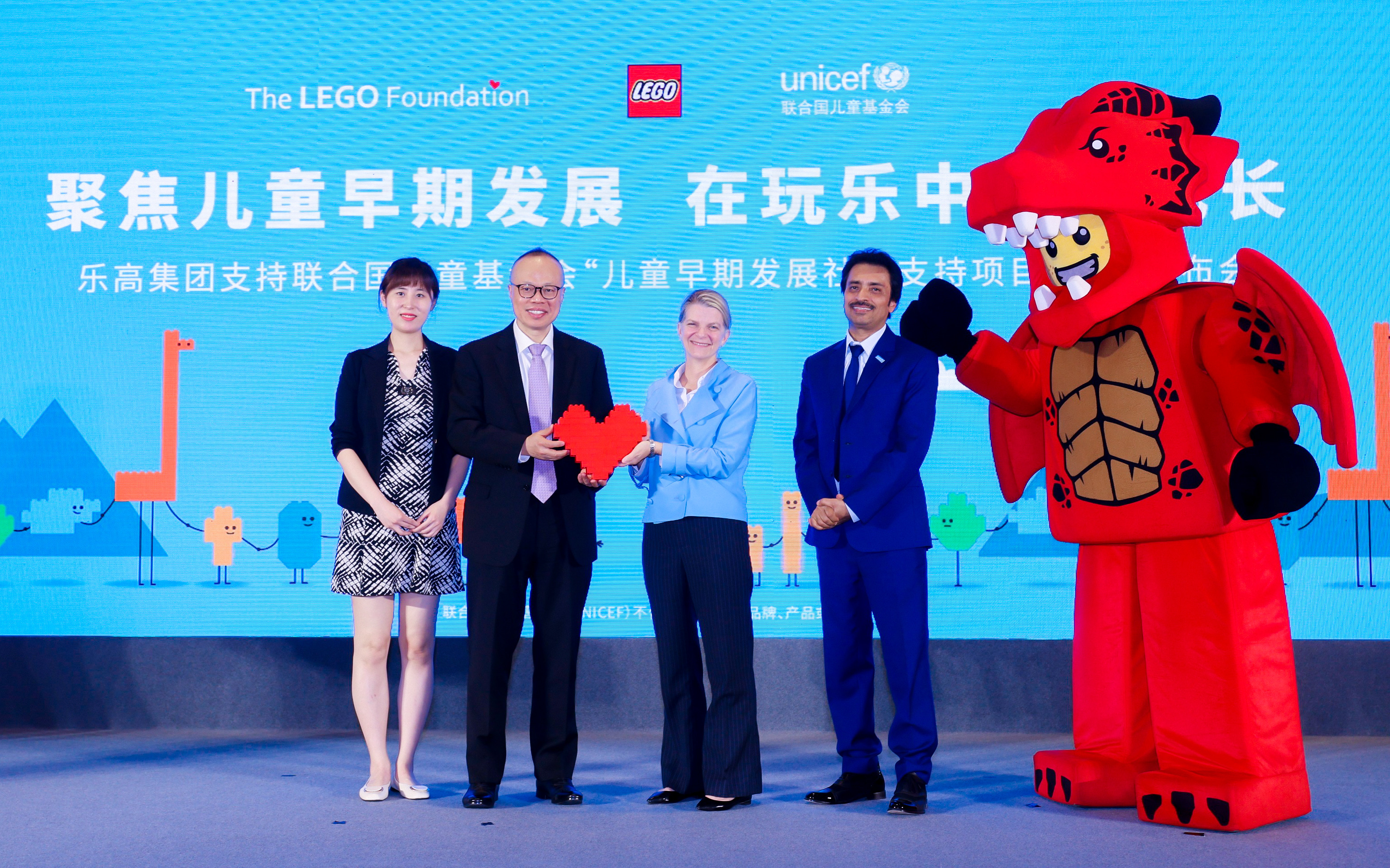
Lego and UNICEF have introduced a new set of design guidelines aimed at creating safer and more enriching digital play experiences for children. These tools, referred to as the Responsible Innovation Guidelines for Digital Child Safety, encourage game developers to prioritize child welfare, privacy, and meaningful engagement in the rapidly evolving digital entertainment sector. This initiative represents a significant step in addressing growing concerns about the impact of digital spaces on children’s mental and physical well-being.

The guidelines are crafted to help developers integrate child-centric design principles, including promoting positive online interactions, protecting privacy, and discouraging addictive mechanics. By fostering safer online ecosystems, Lego and UNICEF aim to mitigate risks associated with gaming, such as cyberbullying, excessive screen time, and exposure to harmful content.

Lego’s commitment to child safety aligns with its broader strategy of integrating play with learning. The guidelines are expected to provide a blueprint for the gaming industry, urging companies to adopt practices that uphold the rights and well-being of younger audiences. This move comes amid increased scrutiny of digital platforms’ responsibility towards their youngest users, as highlighted by recent studies and advocacy efforts from child welfare organizations.

BANGKOK, THAILAND – Media OutReach Newswire – 22 November 2024 – Michelin, world-leading manufacturer of life-changing composites and experiences, welcomed international media to its two-day Asia Pacific Media Event at Michelin’s Talent Campus, located in Chon Buri, Thailand. The event focused on the theme “Innovating for a Sustainable Future” and Michelin’s dedication to innovation and sustainability, outlined through its All-Sustainable Strategy: People X Profit X Planet. MICHELIN […]

Whimsical White Christmas KUALA LUMPUR, MALAYSIA – Media OutReach Newswire – 21 November 2024 – Are you dreaming of a white Christmas? This holiday season, Avenue K Shopping Mall fulfils your dreams with its theme of ‘Whimsical White Christmas‘ right in the heart of KL. From 15th November to 25th December, Avenue K will transform into a winter wonderland adorned with breathtaking decorations and elegant illuminations. Avenue […]

Collect FunStamps on the New 7-Eleven App and Redeem for FREE HONG KONG SAR – Media OutReach Newswire – 21 November 2024 – Christmas is just around the corner and 7-Eleven is inviting all of your favourite Pixar pals to celebrate with you! 10 beloved characters – including Joy, Sadness, Anger, Disgust, Mike, Sulley, Buzz Lightyear, Lotso, Alien and Woody – are here to spread cheer with […]

Featuring Hong Kong’s first ink art carnival InkFinity Fair with a blend of interactive games and art engagements HONG KONG SAR – Media OutReach Newswire – 21 November 2024 – UOB Art Academy and UOB Hong Kong are pleased to announce the return of the “UOB Art in Ink Festival” (Festival), Hong Kong’s premier ink art celebration, running from 13 to 29 December 2024 at the West […]

OPPO Find X8 and Find X8 Pro launched in global markets Find X8 Series delivers ultra-grade cameras, performance and battery life ColorOS 15 debuts on Find X8 Series with cutting-edge OPPO AI JAKARTA, INDONESIA – Media OutReach Newswire – 21 November 2024 – OPPO, the world’s leading smart device brand, today announced the global availability of its Find X8 and Find X8 Pro flagship smartphones. Each delivers […]

Bithumb, South Korea’s second-largest cryptocurrency exchange, is set to launch trading for TONCOIN (TON) and METIS (METIS) in Korean won (KRW) on November 21 at 8 p.m. KST. This move is anticipated to attract increased interest from both local and international investors, further positioning the platform as a key player in the region’s digital asset market.

The decision to list these two cryptocurrencies comes at a time of growing adoption and interest in the global crypto space. TONCOIN, a blockchain originally developed by the Telegram team, has gained considerable traction since its inception, while METIS, known for its Ethereum Layer 2 scaling solution, has also secured a loyal following for its efficiency and reduced transaction fees. By adding these coins to its roster, Bithumb hopes to cater to the increasing demand for both established and emerging crypto assets.

TONCOIN’s potential is rooted in its association with Telegram, one of the most popular messaging apps worldwide. The coin has carved out a niche by leveraging Telegram’s massive user base, with users able to use TONCOIN for a variety of decentralized applications (dApps) and services. As Telegram has faced regulatory hurdles in various markets, the coin has emerged as a decentralized alternative, gaining adoption both in the consumer space and by developers building on its blockchain.

On the other hand, METIS has been gaining attention due to its focus on improving the scalability and cost-efficiency of the Ethereum network. As the Ethereum blockchain faces growing network congestion and high gas fees, METIS offers an alternative by enabling faster, cheaper transactions without sacrificing the security that Ethereum provides. This scaling solution has attracted several projects, making METIS a strong contender in the Layer 2 space.

Bithumb’s decision to list both coins follows the growing trend of exchanges expanding their offerings to cater to investor demands for more diverse assets. The exchange, which handles a significant portion of South Korea’s cryptocurrency trading volume, has previously listed various popular coins, including Bitcoin, Ethereum, and Ripple, but the addition of TONCOIN and METIS signals its strategy to embrace more specialized cryptocurrencies that have garnered international interest.

The announcement was met with positive feedback from both the investor community and developers in the crypto space. TONCOIN’s supporters believe that the coin’s listing on Bithumb will help further its acceptance and adoption, particularly in South Korea, a country known for its tech-savvy population and strong interest in digital assets. Meanwhile, METIS proponents see the listing as a validation of their efforts to improve Ethereum’s scalability, a key issue for the network as it continues to expand.

The timing of the listing could also be significant given the evolving regulatory environment surrounding cryptocurrencies. South Korea has historically taken a cautious approach to crypto regulation, balancing innovation with consumer protection. The government has taken steps in recent years to tighten its grip on the sector, but has also indicated its willingness to support blockchain and cryptocurrency development. The introduction of TONCOIN and METIS trading on a major exchange like Bithumb comes at a time when South Korea is looking to position itself as a regional leader in the crypto and blockchain industries.

This development also underscores the ongoing importance of Korean won (KRW) trading pairs in the broader cryptocurrency market. As one of the leading fiat currencies in the crypto world, the South Korean won is often used as a reference point for cryptocurrency pricing in the Asian market. The availability of TONCOIN and METIS for KRW trading provides local investors with an accessible way to participate in the growing blockchain ecosystem, especially for those who may not have exposure to international exchanges or prefer to trade in their local currency.

Despite the positive outlook, some analysts caution that the ongoing volatility of the cryptocurrency market means that the success of these listings will depend heavily on market conditions. The global crypto market has experienced significant fluctuations in recent months, with both Bitcoin and Ethereum facing substantial price corrections. Therefore, while the listing of TONCOIN and METIS could attract short-term interest, the long-term viability of these coins will largely depend on broader market trends and the ongoing development of their respective blockchain ecosystems.

Nevertheless, Bithumb’s strategic move aligns with the growing demand for diverse cryptocurrency options and the need for exchanges to stay ahead of emerging trends in the industry. With more investors seeking alternative assets outside of traditional financial markets, the exchange’s decision to list TONCOIN and METIS could enhance its competitive edge in the dynamic and rapidly evolving crypto market.

Bitcoin surged to a new all-time high, surpassing the $97,600 mark, triggering a wave of liquidations worth over $450 million. The spike in value led to the forced closure of significant positions, with $270 million tied to long positions and $180 million to short positions. The volatility underscores the market’s highly reactive nature, as sudden price movements continue to fuel liquidations among traders.

The record-breaking surge in Bitcoin’s value occurred during a period of increased market optimism, with institutional interest and retail participation driving demand. This surge was also influenced by favorable macroeconomic factors, including speculation around potential future regulations and the growing acceptance of Bitcoin as a store of value. Investors and traders alike reacted strongly, as evidenced by the liquidation totals, further highlighting the level of leverage employed in the market.

Bitcoin’s rise above $97,600 marks a major milestone in the cryptocurrency’s price history, surpassing its previous record of $69,000 set in late 2021. This growth came after several months of volatility, in which the digital asset fluctuated widely due to macroeconomic uncertainties, regulatory concerns, and evolving market sentiment. However, despite these fluctuations, Bitcoin has managed to maintain its position as the leading cryptocurrency, with many analysts now predicting a continuation of its bullish trajectory.

The dynamics of cryptocurrency trading, particularly in leveraged positions, play a crucial role in these rapid price movements. Leverage amplifies both gains and losses, leading to a cascade of liquidations when prices swing sharply. The forced selling during Bitcoin’s price ascent is a direct result of traders being unable to meet the margin calls on their leveraged positions, causing automatic closures of both long and short positions.

A closer look at the figures reveals a substantial divide in the liquidations between long and short positions. The majority of the liquidated positions were long trades, valued at approximately $270 million. This reflects the high level of optimism among investors, with many betting that Bitcoin would continue to rise. On the other hand, the $180 million worth of short positions that were liquidated underscores the significant bearish sentiment that existed prior to the rally, as traders who had placed bets on Bitcoin’s decline were forced to close their positions as prices soared.

The liquidity impact extends beyond individual traders. The liquidations also contribute to heightened market volatility, as the closure of large positions can further drive price swings. This feedback loop is a common feature of markets that involve high levels of speculation and leverage, where short squeezes and long squeezes can exacerbate price movements. Such events, while often triggering short-term panic, have the potential to reshape market sentiment and influence future price expectations.

While liquidations are a natural part of the trading cycle, they can have a cascading effect on market participants and broader market trends. Many traders, especially those involved in high-leverage positions, face significant risk when price movements are unpredictable. Despite the allure of large potential returns, the risks associated with trading on margin are substantial, as demonstrated by the liquidation figures.

For Bitcoin and other cryptocurrencies, this volatility is not only a feature of the market but a driving force behind its evolution. As institutional participation increases and market infrastructure improves, there is a growing focus on the stability and regulation of the crypto space. However, the wild price swings that result from speculative trading remain a defining characteristic of the market.

This record-breaking price surge also highlights the ongoing evolution of the digital asset landscape. The acceptance of Bitcoin by institutional investors and large corporations has increased, with more prominent financial institutions entering the space. This institutional participation is seen by some as a validation of Bitcoin’s status as a legitimate financial asset, further fueling its upward trajectory. However, the same institutions are also grappling with the risks associated with the volatile nature of the market.

The Bitcoin rally is reflective of broader trends in the cryptocurrency industry. The increase in Bitcoin’s value comes alongside the rise of other digital assets, such as Ethereum and various altcoins. While Bitcoin remains the dominant cryptocurrency by market capitalization, the overall market for digital assets has grown substantially, with a growing number of investors looking to diversify their portfolios beyond traditional stocks and bonds.

As the digital asset market continues to mature, the balance between speculation and institutional involvement will likely determine the long-term sustainability of these price movements. While Bitcoin’s new all-time high is a significant achievement, the liquidations serve as a reminder of the risks involved in trading digital currencies. Traders and investors alike must remain mindful of the potential for sudden price shifts that can result in substantial financial losses.

VISHNU RAJA
RYO YAMADA
HITORI GOTOH
IKUYO KITA