News related to
Space

Canary Capital’s proposed spot Litecoin exchange-traded fund has been listed on the Depository Trust and Clearing Corporation system under the ticker LTCC, signaling a significant advancement toward its potential debut. This development indicates that the necessary trading infrastructure is being established, though the ETF still awaits approval from the U.S. Securities and Exchange Commission .

The DTCC serves as the primary clearing and settlement provider for securities transactions in the United States, processing millions of trades daily. Inclusion in the DTCC system is a critical preparatory step for any ETF, ensuring that once regulatory approval is granted, the fund can commence trading seamlessly. However, it’s important to note that a DTCC listing does not imply SEC approval; it merely reflects that the issuer is making necessary arrangements ahead of a potential launch.

Canary Capital submitted its application for the spot Litecoin ETF in October 2024, positioning itself ahead of similar filings by asset managers such as Grayscale and CoinShares. The firm’s proactive approach suggests a strategic effort to be at the forefront of offering investors exposure to Litecoin through a regulated financial product. If approved, this ETF would be the first in the U.S. to provide direct exposure to Litecoin, expanding the range of cryptocurrency investment options beyond Bitcoin and Ethereum.

The SEC’s decision-making process involves a thorough review of such applications, with an initial period of 45 days from the filing date, extendable up to 90 days. Given that Canary Capital’s application was filed in October 2024, a decision is anticipated imminently. Market analysts have been closely monitoring the situation, with Bloomberg’s Senior ETF Analyst Eric Balchunas estimating a 90% probability of approval before the end of 2025. This optimistic outlook is based on the SEC’s recent approvals of spot Bitcoin and Ethereum ETFs, which have set a precedent for similar cryptocurrency-based financial products.

The potential approval of a spot Litecoin ETF holds significant implications for the cryptocurrency market. Litecoin, often referred to as the “silver” to Bitcoin’s “gold,” has maintained a robust presence in the digital asset space since its inception in 2011. Designed to offer faster transaction confirmations and a different hashing algorithm, Litecoin has garnered a dedicated user base and widespread adoption. The introduction of an ETF would likely enhance Litecoin’s visibility and accessibility, attracting a broader spectrum of investors, including those who prefer traditional investment vehicles over direct cryptocurrency holdings.

The cryptocurrency market has experienced a surge in ETF-related activities, especially following the successful launch of spot Bitcoin ETFs in 2024. These products have collectively attracted substantial capital inflows, with Bitcoin ETFs alone amassing $65 billion, far exceeding initial projections. This influx of institutional investment has been a driving force behind the appreciation of Bitcoin’s price, which soared from $43,000 to over $100,000 within the same year. The anticipated approval of a Litecoin ETF could potentially replicate this effect, providing upward momentum for Litecoin’s market value.

As of February 22, 2025, Litecoin is trading at approximately $129.57, reflecting a slight decrease of 0.04% from the previous close. The cryptocurrency reached an intraday high of $138.79 and a low of $123.95. Market participants are keenly observing these price movements, as the potential approval of the ETF could serve as a catalyst for increased demand and price appreciation.


HONG KONG SAR & PARIS, FRANCE – Media OutReach Newswire – 21 February 2025 – The Hong Kong Furniture and Decoration Trade Association (HKF&DA) proudly announces that its first time participation in the Maison&Objet interior design trade fair has successfully concluded in January 2025 in Paris, France, with the Cultural and Creative Industries Development Agency (CCIDA) of the Government of the Hong Kong Special Administrative Region as […]

By Arun Srivastava Saffron ecosystem, especially the BJP leadership always strives to turn a Hindu festival into a political controversy. Every dispute adds to its membership and helps widen its support base. This time too they have succeeded in their move to politicize Maha Kumbh Mela. Notwithstanding stampede and death of large number of pilgrims […]


Zearn.fun has introduced a groundbreaking platform, positioning itself as the world’s first universal AI agent launchpad. This innovative framework, built upon ZetaChain’s cross-chain capabilities, enables users to create, deploy, and scale autonomous AI agents, thereby redefining the landscape of decentralized finance and meme culture. The platform’s architecture comprises three core components: an AI agent engine, sentient AI agents, and a universal cross-chain yield singularity. The AI agent […]

Researchers from the University of California San Diego and CEA-Leti have unveiled a pioneering microactuator driving system that integrates energy storage with voltage conversion, setting a new benchmark for efficiency in small electromechanical devices. This advancement, presented at the International Solid-State Circuits Conference 2025, promises to significantly enhance the performance of microdrones and medical implants. The core innovation lies in the system’s ability to deliver high-voltage outputs […]

HONG KONG SAR – Media OutReach Newswire – 21 February 2025 – The Hong Kong Science and Technology Parks Corporation (HKSTP) successfully hosted the “AI in Action” Career Day, attracting over 3,000 visitors. Marking HKSTP’s first-ever AI-focused recruitment initiative, the event delivered a one-stop career platform tailored for young professionals and graduates, connecting them with over 150 AI-specialised companies. Together, these innovators showcased 1,000+ roles in cutting-edge […]

Cryptocurrency exchange Kraken has announced plans to delist five stablecoins for users in the European Economic Area to align with the European Union’s Markets in Crypto-Assets regulations. The affected stablecoins are Tether , PayPal USD , Tether EURt , TrueUSD , and TerraUSD Classic . The delisting process will occur in phases, culminating in the full removal of these assets by 31 March 2025.

The MiCA regulations, which came into full effect on 30 December 2024, establish a comprehensive legal framework for crypto-assets within the EU. These regulations introduce stringent requirements for stablecoin issuers, including the necessity for asset-backed reserves and adherence to operational standards. Algorithmic stablecoins, such as TerraUSD Classic, are explicitly prohibited under MiCA due to their lack of traditional asset backing.

Kraken’s decision to delist these stablecoins reflects its commitment to regulatory compliance within the EEA. The exchange has outlined a phased approach to minimize disruption for its users. Spot trading for the affected assets will cease on 24 March 2025, at 12:00 PM UTC, with all open orders being closed at that time. Users holding these stablecoins are advised to convert or withdraw their assets before 31 March 2025, after which any remaining balances will be automatically converted into a compliant equivalent stablecoin.

This move by Kraken is part of a broader trend among cryptocurrency exchanges adjusting their offerings to meet the new regulatory standards set by MiCA. Other major platforms, such as Crypto.com and Coinbase, have also taken steps to delist non-compliant stablecoins within the EU market. These actions underscore the significant impact MiCA is having on the operational strategies of crypto service providers in the region.

The delisting of Tether’s USDT is particularly noteworthy, given its status as one of the most widely used stablecoins globally. Tether has faced scrutiny over its reserve practices and transparency, and its decision not to comply with MiCA’s stringent requirements has led to its removal from several European platforms. In contrast, competitors like Circle’s USD Coin have chosen to align with the new regulations, potentially positioning themselves more favorably within the EU market.

The implementation of MiCA aims to enhance consumer protection and market integrity within the European crypto-asset space. By enforcing strict compliance standards, the EU seeks to create a more secure and transparent environment for both investors and service providers. However, these regulations also present challenges for existing crypto businesses, particularly those operating with models that do not meet the new compliance criteria.

Advertisements

Kava, a prominent player in decentralized finance , has unveiled the world’s largest decentralized artificial intelligence model, powered by DeepSeek R1. This significant development was announced at Consensus Hong Kong on February 20, 2025, marking a pivotal moment in the convergence of AI and blockchain technologies. The integration of DeepSeek R1 into Kava’s platform aims to democratize access to advanced AI capabilities within the Web3 ecosystem. By […]

Solana , once a darling of the cryptocurrency world, is currently navigating a series of challenges that have significantly impacted its market performance. Over the past month, SOL’s value has plummeted by more than 40%, a decline attributed to a confluence of factors including meme coin scams, impending token unlocks, and a general downturn in trading volumes.

A notable incident exacerbating Solana’s woes involves the LIBRA token, which garnered attention after promotion by Argentine President Javier Milei. Following his endorsement, the token’s value surged, only to collapse shortly thereafter. Blockchain analysis firms Chainalysis and Nansen reported that approximately $99 million worth of cryptocurrency was withdrawn by wallets linked to LIBRA’s creator, leading to significant investor losses and a federal investigation into Milei’s involvement. This scandal not only undermined confidence in the LIBRA token but also cast a shadow over the Solana network, which hosted the token.

The proliferation of meme coins on the Solana blockchain has further strained its reputation. Platforms like Pump.fun have facilitated the creation of numerous meme coins, leading to network saturation and an influx of speculative assets. This environment has been fertile ground for scams, with the LIBRA incident serving as a prime example. The rapid rise and fall of such tokens have left many investors wary, contributing to a decline in trust and participation within the Solana ecosystem.

Adding to the downward pressure on SOL’s price is the scheduled release of over 15 million SOL tokens, valued at more than $2.5 billion, set for March 1. This significant token unlock has raised concerns about potential sell-offs, as investors anticipate increased supply in the market. The combination of these factors has led to a 19% decrease in Solana’s decentralized finance total value locked and a notable contraction in decentralized exchange trading volumes, indicating waning network engagement.

In stark contrast, Rollblock is experiencing a surge in user adoption and market interest. Rollblock, operating within the GambleFi sector, has introduced a deflationary revenue-sharing model that has captivated investors. The platform allocates up to 30% of its profits to buy back RBLK tokens from the open market. Of these repurchased tokens, 60% are permanently burned, reducing the overall supply and creating scarcity, while the remaining 40% are distributed as staking rewards, offering up to 30% annual percentage yield to long-term holders. This mechanism not only incentivizes holding but also fosters a sustainable increase in token value.

Rollblock’s ecosystem is further bolstered by its efficient transaction processes, allowing instant deposits and withdrawals in major cryptocurrencies such as Bitcoin, Ethereum, and Solana. This user-friendly approach has attracted a diverse investor base, including significant interest from holders of other cryptocurrencies like Polkadot. During its presale phase, RBLK’s price experienced a remarkable 420% increase, with the project raising over $10 million and attracting more than 45,000 investors.

The contrasting trajectories of Solana and Rollblock underscore the dynamic and rapidly evolving nature of the cryptocurrency landscape. While Solana grapples with challenges stemming from meme coin scams and market saturation, Rollblock’s innovative approach and robust ecosystem have positioned it as a promising contender in the crypto space.

World Liberty Financial, the cryptocurrency venture backed by U.S. President Donald Trump, has made a significant investment in the decentralized finance sector by purchasing 547,990 SEI tokens for $125,000 USDC. This strategic move has led to a notable increase in SEI’s market value, reflecting the growing influence of institutional investments in the cryptocurrency landscape.

The acquisition, executed on February 20, 2025, saw World Liberty Financial acquiring SEI tokens at an average price of $0.228 per token. This transaction was conducted on the Ethereum network, underscoring the platform’s continued prominence in facilitating significant cryptocurrency trades. Following the purchase, SEI’s price experienced an immediate surge, climbing approximately 12% to reach $0.24. This uptick highlights the market’s responsiveness to substantial investments from prominent entities.

World Liberty Financial’s portfolio, now valued at $117.052 million, reflects a 6.439% decrease in profit and loss, amounting to a $56.522 million loss. Despite this downturn, the firm continues to diversify its holdings, with recent acquisitions including 52.07 Wrapped Bitcoin worth $5 million and 2.53 million MOVE tokens valued at $1.14 million. These investments align with the company’s broader strategy to strengthen its position within the DeFi sector.

In addition to World Liberty Financial’s activities, notable movements have been observed among cryptocurrency whales. Two newly created multi-signature wallets, linked to the same creator, have collectively spent $20 million USDC to acquire 400 million WLFI tokens over the past two days. This substantial accumulation indicates a growing confidence among large-scale investors in the potential of WLFI tokens.

The SEI token, designed to enhance decentralized trading experiences, has garnered increased attention due to these high-profile investments. Market analysts suggest that such institutional interest could signal the onset of a bullish trend for SEI, as well as for the broader DeFi ecosystem. The infusion of capital from entities like World Liberty Financial is perceived as a vote of confidence in the viability and future growth of decentralized financial platforms.

World Liberty Financial’s strategic moves are not occurring in isolation. The cryptocurrency market as a whole has been experiencing a resurgence, with various tokens witnessing upward trajectories. The involvement of influential figures and substantial financial commitments are contributing to a renewed optimism within the crypto community.

However, these developments also prompt discussions about the potential implications of such concentrated investments. While the immediate market reactions are positive, questions arise regarding the long-term effects on market stability and the decentralization ethos that underpins the cryptocurrency space. The actions of large entities can significantly sway token valuations, which may lead to increased volatility and influence over decentralized networks.

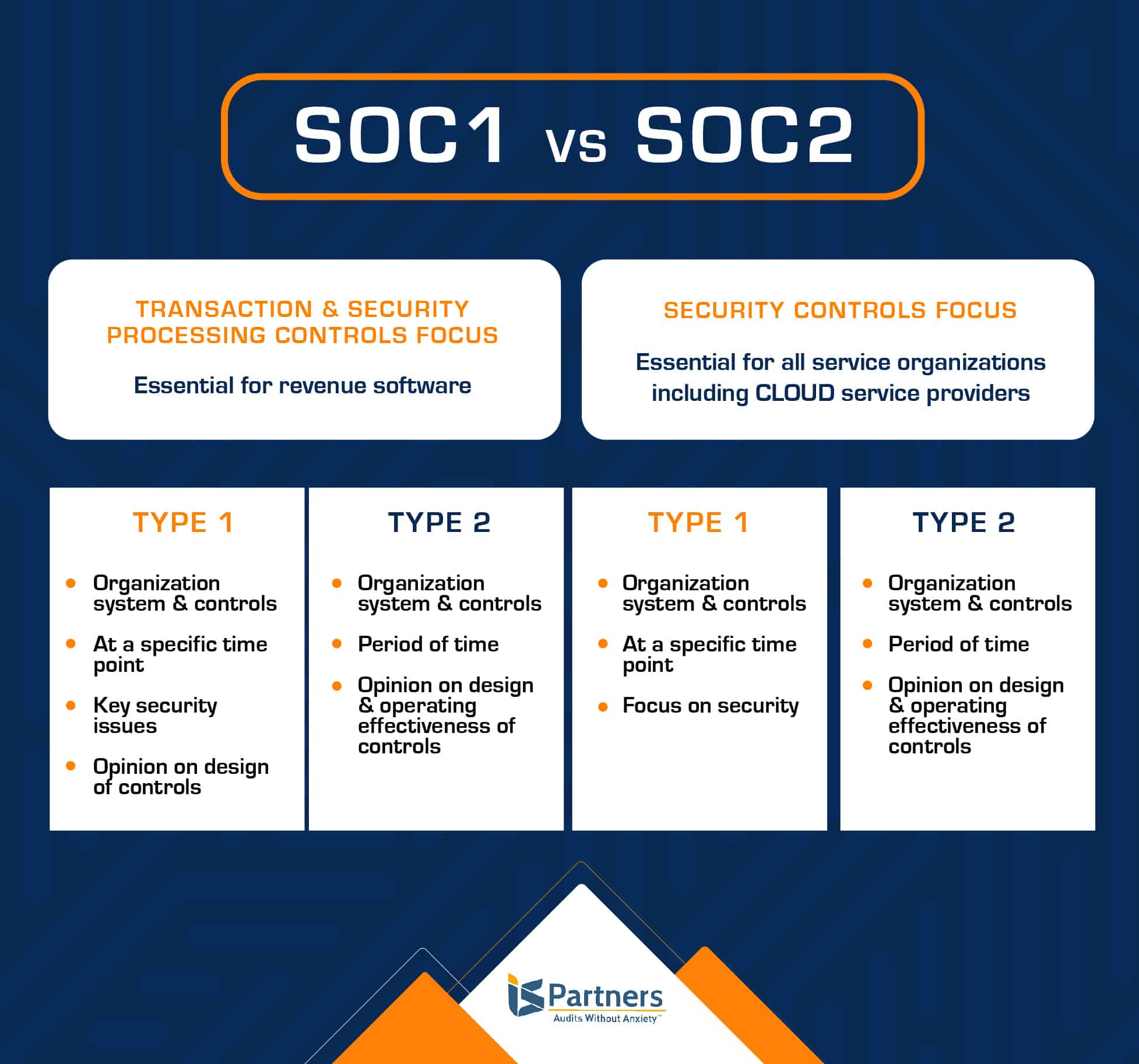
Cactus Custody, a prominent provider of institutional digital asset custody solutions, has achieved the SOC 1 Type 1 certification following an independent audit conducted by Deloitte. This accomplishment underscores the company’s dedication to maintaining high operational control standards and delivering secure, compliant custody services.

The comprehensive audit by Deloitte evaluated various aspects of Cactus Custody’s operations, including client account onboarding, fiat and cryptocurrency transactions, and internal system processes. The assessment confirmed the robustness of the company’s financial processing capabilities, encompassing settlement procedures, reconciliation, account management, fee processing, asset valuation, reporting, and the secure management of cryptographic keys throughout their lifecycle across diverse custody storage methods.

Wendy Jiang, General Manager of Cactus Custody, emphasized the significance of this certification: “Achieving SOC 1 Type 1 certification underscores our commitment to robust governance, precise financial management, and secure custody. We prioritize the security of our clients’ assets and maintain strict internal controls to deliver top-tier service. Moving forward, we will promote compliance and transparency, striving to set higher benchmarks in the evolving crypto asset space to enhance trust and satisfaction among our clients.”

The SOC 1 Type 1 certification serves as a benchmark for evaluating the effectiveness of an organization’s internal controls over financial reporting. By obtaining this certification, Cactus Custody demonstrates its capability to safeguard client assets and ensure the accuracy of financial information, thereby reinforcing trust with its clientele.

In addition to the SOC 1 Type 1 certification, Cactus Custody has previously attained the SOC 2 Type 1 certification, also audited by Deloitte. The company is actively working towards achieving the SOC 1 Type 2 report within the current year. These ongoing efforts reflect Cactus Custody’s dedication to enhancing digital asset custody standards, promoting industry compliance, and providing transparent, secure custodial services through regular, independent audits.

Cactus Custody is recognized as a trusted institutional digital asset custodian, holding ISO certifications and a license in Hong Kong . The company has also received a temporary exemption from the Monetary Authority of Singapore . Adhering to strict capital reserve requirements and Anti-Money Laundering and Counter-Terrorism Financing regulations, Cactus Custody is committed to the principle of “Security First, Integrity Always,” aiming to simplify crypto asset management for its clients with professionalism and confidence.

The attainment of the SOC 1 Type 1 certification is a significant milestone for Cactus Custody, reflecting its unwavering commitment to operational excellence, financial accuracy, and the security of digital assets. As the digital asset landscape continues to evolve, such certifications play a crucial role in establishing and maintaining client trust, ensuring that service providers like Cactus Custody meet and exceed industry standards for security and compliance.

“Thermo Earth of Love Project” to Enhance Surface Temperature Observation and Advance its Solutions Further TOKYO, JAPAN – Media OutReach Newswire – 20 February 2025 – On January 27, 2025, Tenchijin announced the launch of “Thermo Earth of Love Project,” a proprietary satellite program aimed at enhancing surface temperature monitoring capabilities. The company’s satellite is scheduled for launch in 2027. Thermo Earth of Love Project – LST […]

Leading figures in the cryptocurrency sector, including Coinbase, a16z, Paradigm, Kraken, and Uniswap, have collectively urged the U.S. Congress to repeal a tax policy introduced by the Internal Revenue Service that mandates decentralized finance brokers to report user information. The coalition contends that this regulation could severely impede DeFi innovation by imposing traditional brokerage data collection and reporting requirements on decentralized platforms.

The IRS finalized this significant digital asset broker rule between Christmas and New Year’s Eve, just days before the transition to President Donald Trump’s administration. The rule aims to subject DeFi brokers to the same information-reporting obligations as traditional securities brokers and exchanges. Critics argue that this approach demonstrates a fundamental misunderstanding of DeFi technology and oversteps regulatory boundaries.

Under the Congressional Review Act, recently approved regulations can be rescinded. Senator Ted Cruz, a Republican from Texas, introduced a resolution last week seeking to nullify the IRS’s DeFi broker rule. In a unified response, the Blockchain Association, alongside industry giants such as Coinbase, a16z, Paradigm, Kraken, Uniswap, Anchorage Digital, and numerous others, submitted a letter to congressional leaders advocating for the adoption of Senator Cruz’s resolution.

The letter asserts that the DeFi broker rule, finalized in the closing days of the Biden administration, represents regulatory overreach, fundamentally misinterprets the technology it seeks to regulate, and disregards congressional intent. The coalition emphasizes that utilizing Congress’s authority to overturn federal agency regulations offers a clear and definitive path to revoke this detrimental rule before it takes effect.

Industry leaders express concern that the rule disproportionately targets U.S.-based companies, imposing stringent requirements that foreign competitors are not obligated to follow when serving American customers. This disparity, they argue, could stifle DeFi innovation within the United States, as domestic firms would face unique compliance burdens not shared by their international counterparts.

The Congressional Review Act serves as a potent mechanism for reversing federal regulations, though its application can have lasting implications. Once a rule is nullified under this act, any future attempt to introduce a similar regulation is effectively barred, potentially complicating efforts to establish more balanced oversight in the same domain.

This collective action by the cryptocurrency industry underscores the escalating tension between innovative financial technologies and existing regulatory frameworks. As DeFi platforms continue to evolve, they challenge traditional notions of financial intermediaries, prompting regulators to adapt their approaches. The outcome of this legislative push could set a significant precedent for how decentralized technologies are governed in the future.

In a related development, venture capital firm a16z Crypto has expressed support for a legal challenge against the IRS’s new DeFi rules. The firm argues that the regulations exceed governmental authority, infringe upon constitutional rights, and could adversely affect the United States’ position in the global digital economy. This lawsuit, backed by the Blockchain Association, DeFi Education Fund, and Texas Blockchain Council, contends that the mandated reporting requirements threaten user privacy and could deter innovation in the DeFi space.

The IRS’s finalized rule stipulates that “front-end” crypto service providers adhere to the same tax reporting standards as traditional securities brokers. This encompasses the collection and reporting of user trading information, a requirement that many in the industry view as incompatible with the decentralized nature of DeFi platforms. Critics contend that enforcing such regulations could drive DeFi activities offshore, where U.S. regulatory reach is limited, thereby diminishing the country’s influence in the burgeoning digital asset sector.

The debate over the IRS’s DeFi broker rule highlights the broader challenge of applying existing regulatory paradigms to emerging technologies that operate outside traditional frameworks. As policymakers grapple with these issues, the balance between fostering innovation and ensuring compliance remains a contentious and evolving discourse.

The cryptocurrency community’s unified stance against the IRS’s reporting mandate reflects a broader concern that ill-fitting regulations could hamper the growth and potential of decentralized financial systems. As this situation unfolds, it will serve as a critical test of how regulatory bodies and innovative industries can navigate the complexities of technological advancement in the financial sector.

The outcome of this legislative and legal challenge may well determine the trajectory of DeFi development in the United States and influence how other jurisdictions approach the regulation of decentralized financial technologies. Stakeholders across the spectrum will be closely monitoring the proceedings, recognizing the profound implications for the future of finance and technology integration.

The cryptocurrency market witnessed a significant development as CLANKER, the native token of the tokenbot platform, achieved a market capitalization exceeding $60 million. This surge follows its recent listing on Coinbase, one of the world’s leading cryptocurrency exchanges.

As of February 20, 2025, CLANKER is trading at $61.28, reflecting a substantial increase from its initial market value. The token’s 24-hour trading volume stands at approximately $25.98 million, indicating heightened investor interest and activity. Notably, CLANKER’s price has experienced a 76.47% rise in the past 24 hours, underscoring its growing momentum in the crypto space.

The tokenbot platform, powered by CLANKER, offers an AI-driven solution on the Base network, enabling users to launch ERC-20 tokens seamlessly. By interacting with Clanker on Web3 social platforms like Warpcast or Supercast, users can specify token details, and the system automatically creates a Uniswap V3 pool with an initial market value of $30,000. This streamlined process has contributed to the platform’s rapid adoption and the token’s escalating value.

The recent listing on Coinbase has amplified CLANKER’s visibility and accessibility, attracting a broader spectrum of investors. Coinbase’s rigorous selection process for token listings often serves as a benchmark for credibility within the crypto community. The inclusion of CLANKER on such a prominent platform not only enhances its legitimacy but also provides a gateway for increased liquidity and trading volume.

Market analysts attribute CLANKER’s impressive performance to several factors, including its innovative platform features, strategic exchange listings, and the overall bullish sentiment in the cryptocurrency market. The token’s unique proposition of simplifying token creation through AI integration positions it favorably among both developers and investors seeking efficient solutions in the decentralized finance sector.

Aldar Properties has announced ‘The Wilds,’ a groundbreaking residential development in Dubai that seamlessly blends luxury living with natural habitats. This initiative, in partnership with Dubai Holding, introduces a community designed to harmonize modern residences with diverse wildlife and lush greenery. Strategically located along Sheikh Mohammed bin Zayed Road, opposite Global Village, ‘The Wilds’ is set to become a sanctuary for families and nature enthusiasts. The development […]

Azizi Developments has officially commenced sales for Burj Azizi, poised to become the world’s second-tallest tower at 725 meters. The grand launch event took place at Dubai’s Coca-Cola Arena on February 18, 2025, attracting over 15,000 attendees, including government officials, investors, and media representatives. The evening featured a performance by American singer Jennifer Lopez.

Global sales events are scheduled for February 19, 2025, at prestigious venues worldwide, including the Conrad Hotel in Dubai, The Peninsula in Hong Kong, The Dorchester in London, JW Marriott Juhu in Mumbai, Marina Bay Sands in Singapore, Four Seasons Hotel in Sydney, and the Palace Hotel in Tokyo.

Burj Azizi, set for completion by 2028, will feature over 131 stories comprising residential, hotel, retail, and entertainment spaces. The residential section offers luxurious one-, two-, and three-bedroom apartments, with prices starting at AED 10,000 per square foot. Notably, it will be the only freehold property on Dubai’s Sheikh Zayed Road.

Amenities include wellness centers, swimming pools, saunas, cinemas, gyms, mini markets, resident lounges, and a children’s play area. The tower will also house a seven-floor vertical retail center, a luxury ballroom, a beach club, an observation deck, an adrenaline zone, and various high-end dining options.

Mr. Farhad Azizi, Group CEO of Azizi Developments, expressed pride in the project, stating, “Burj Azizi is not just a structure; it is a tribute to the emirate’s ever-growing prominence on the global stage.”

The tower is designed to set multiple records, including the highest hotel lobby on the 111th floor, the highest nightclub on the 126th floor, and the highest restaurant on the 122nd floor. A museum at the pinnacle will showcase the building’s development through multimedia exhibits.

Every 20 floors will feature dedicated amenity spaces, including swimming pools, saunas, steam rooms, fully equipped gyms, yoga centers, spas, game rooms, business centers, children’s play areas, cinemas, restaurants, coffee shops, and supermarkets.

Azizi Developments, with a portfolio of over 30,000 delivered homes, aims to redefine luxury living and architectural innovation with Burj Azizi, further enhancing Dubai’s iconic skyline.

The project represents a significant investment, with sales now open to buyers worldwide. Interested parties can attend the global sales events or visit the official website for more information.

Burj Azizi is poised to become a landmark destination, offering unparalleled luxury and contributing to Dubai’s status as a global metropolis.

The development underscores Dubai’s commitment to pushing architectural boundaries and setting new standards in luxury real estate.

As construction progresses, Burj Azizi is expected to attract significant interest from investors and residents seeking a prestigious address in one of the world’s most dynamic cities.

The tower’s strategic location on Sheikh Zayed Road offers residents and visitors easy access to Dubai’s key attractions and business districts.

With its blend of luxury, innovation, and prime location, Burj Azizi is set to become a symbol of Dubai’s ambitious vision and growth.

Apple has introduced the iPhone 16e, a midrange smartphone designed to replace the iPhone SE. Priced at $599, the iPhone 16e offers a blend of modern features and affordability, aiming to attract a broader customer base. The iPhone 16e is powered by Apple’s latest A18 chip, ensuring enhanced performance and efficiency. This model features a 6.1-inch OLED display, marking a departure from the older design of the […]

Pi Network, the mobile-based cryptocurrency platform, has officially launched its open mainnet today at 8:00 AM UTC, transitioning from its enclosed mainnet phase that began in December 2021. This significant milestone enables Pi Coin to be traded on major cryptocurrency exchanges, marking a pivotal moment for its extensive user base.

Despite the anticipation surrounding the launch, Pi Coin’s value has experienced a sharp decline. Over the past 24 hours, the price of Pi Coin’s IOU token has plummeted by approximately 42%, now trading around $62.83. This downturn is attributed to growing skepticism among investors regarding the project’s viability and concerns over its structural integrity. Some analysts have raised questions about the network’s sustainability, with discussions emerging about potential pyramid scheme characteristics.

The Relative Strength Index , a momentum oscillator that measures the speed and change of price movements, indicates a bearish trend for Pi Coin. The RSI recently entered the overbought zone but has since experienced a significant downturn, reflecting increased selling pressure and declining investor confidence. Market analysts warn that if the current support level at $63 is breached, Pi Coin’s value could further decline to $47, unless substantial investor backing materializes.

In response to the mainnet launch, several major cryptocurrency exchanges have announced plans to list Pi Coin. Platforms such as OKX, Bitget, and HTX have confirmed the inclusion of Pi Coin on their trading platforms. Bitget has initiated a $60,000 Pi Coin airdrop promotion, running until March 3, aiming to incentivize user engagement and trading activity. Similarly, BitMart is offering a $3,000 USDT worth of Pi Coin giveaway to 300 selected users.

However, the transition has not been entirely seamless. Exchanges like HTX have delisted the Pi IOU token ahead of the mainnet launch, contributing to the token’s price volatility. This move underscores the challenges associated with the shift from IOU tokens to the actual Pi Coin, as the market adjusts to the newly tradable asset.

The Pi Network’s journey began in 2019, founded by a team of Stanford graduates with the vision of making cryptocurrency mining accessible via mobile devices. The project has since amassed a substantial user base, with millions of pioneers participating in its ecosystem. The mainnet launch signifies the network’s transition to full decentralization, enabling external wallet transfers, exchange listings, and the development of decentralized applications within its ecosystem.

Despite the project’s growth, the recent price decline highlights the uncertainties and challenges inherent in the cryptocurrency market. Investor sentiment appears cautious, influenced by concerns over the network’s structural integrity and the broader market dynamics. As Pi Coin becomes tradable on major exchanges, its value will be subject to market forces, and its long-term success will depend on user adoption, technological advancements, and regulatory compliance.

SINGAPORE – Media OutReach Newswire – 19 February 2025 – Singapore-based fragrance company Euvella is set to expand its collection with the introduction of two new scents—White Musk and Aquamelon—designed to elevate home ambience through their signature reed diffuser sticks. Slated for a tentative early March release, these new fragrances promise to bring a fresh and sophisticated touch to living spaces. White Musk, a delicate and refined […]

Arabian Post Staff With the GCGRA continuing to license gaming vendors, the UAE is expected to introduce new gaming products, including lotteries, prize draws, and integrated gaming systems for both online and land-based casinos. Although Internet and Sports Wagering licenses have yet to be approved, industry experts predict that 2025 could bring regulatory changes, with potential breaking news on online gaming licenses. Meanwhile, the focus remains on physical casinos and lottery expansions, shaping the UAE’s […]

Young Valens, Dubai’s first dedicated child mental health center, proudly announces its official launch at the renowned 777 Center. Following a successful soft opening on February 1, Young Valens now welcomes families and mental health professionals to its grand opening event on February 24, 2025. This milestone marks a significant advancement in specialized mental health care for children and adolescents in the region. Born from the trusted […]

Hashdex, a prominent asset management firm specializing in cryptocurrency investments, has obtained authorization from the Brazilian Securities and Exchange Commission to introduce the world’s inaugural XRP spot exchange-traded fund in Brazil. This pioneering financial product is poised to provide investors with direct exposure to XRP, the digital asset associated with the Ripple network, marking a significant milestone in the integration of cryptocurrencies into traditional financial markets. The exact date for the ETF’s listing on the Brazilian Stock Exchange is yet to be announced.

The approval of this ETF signifies a notable advancement in the cryptocurrency sector, particularly concerning XRP, which has faced regulatory challenges in various jurisdictions. By facilitating direct investment in XRP through a regulated financial instrument, Hashdex aims to bridge the gap between digital assets and conventional investors, offering a secure and accessible avenue for participation in the burgeoning crypto economy.

Hashdex’s initiative reflects a broader trend of increasing acceptance and integration of cryptocurrencies within mainstream financial systems. The firm’s commitment to providing innovative investment solutions is evident in its previous launches, including ETFs linked to other prominent digital assets. This latest development underscores Hashdex’s role as a trailblazer in the crypto investment landscape, continually expanding the horizons for investors seeking diversified exposure to digital currencies.

The introduction of the XRP spot ETF is anticipated to attract a diverse range of investors, from individuals seeking to diversify their portfolios to institutional entities exploring opportunities in the digital asset space. By offering a regulated and transparent investment vehicle, Hashdex is addressing prevalent concerns regarding security and compliance, thereby fostering greater confidence among potential investors.

While the precise listing date on B3 remains pending, the approval from CVM has already generated considerable interest within the financial community. Market analysts predict that the launch of the XRP spot ETF could influence the valuation and trading dynamics of XRP, as increased accessibility may lead to heightened demand and liquidity.

2024 Annual Results – Financial Highlights (Figures for the corresponding period in 2023 are shown in brackets) Consolidated revenue: HK$ 901 million (HK$ 822 million) Consolidated net loss attributable to equity holders of the Company: HK$ 230 million (HK$ 466 million) Basic loss per share: 11.29 HK cents (22.89 HK cents) No final dividend (No final dividend) HONG KONG SAR – Media OutReach Newswire – 19 February […]

Wintermute Trading Ltd., a prominent cryptocurrency market maker, has unveiled plans to broaden its footprint into the United States. The London-based firm intends to establish an office in New York and introduce over-the-counter trading products tailored for U.S. clientele. This strategic move is bolstered by a recent funding round spearheaded by Chinese technology conglomerate Tencent Holdings Ltd.

Chief Executive Officer Evgeny Gaevoy detailed the company’s expansion blueprint during an interview at the Consensus crypto conference in Hong Kong. He emphasized that, in addition to launching the New York office, Wintermute aims to augment its workforce by adding approximately five to ten employees to its existing team of 130 professionals. This modest increase underscores the company’s commitment to scaling its operations while maintaining agility in the rapidly evolving digital asset landscape.

The decision to venture into the U.S. market is influenced by Wintermute’s optimistic outlook on potential regulatory reforms. Gaevoy expressed confidence that forthcoming changes in U.S. policies could set a precedent, prompting other nations to adopt similar frameworks for digital assets. This perspective aligns with the broader industry sentiment that regulatory clarity in the U.S. could catalyze global acceptance and integration of cryptocurrencies.

The infusion of capital from Tencent marks a significant milestone in Wintermute’s growth trajectory. While specific financial details of the funding round remain undisclosed, sources familiar with the matter indicate that Tencent’s involvement reflects a strategic interest in the burgeoning cryptocurrency sector. This partnership not only provides Wintermute with the financial resources to expand but also aligns it with one of Asia’s most influential technology entities.

Wintermute’s operational model centers on providing liquidity across more than 50 cryptocurrency exchanges and trading platforms, including industry giants such as Binance, Bybit, and Coinbase. The firm’s algorithmic trading strategies have facilitated approximately $5 trillion in cumulative trading volume, a figure that has notably doubled over the past two years. This impressive growth trajectory underscores Wintermute’s pivotal role in enhancing market efficiency and stability within the crypto ecosystem.

In addition to its market-making activities, Wintermute has demonstrated a proactive approach to industry engagement through strategic investments. The firm has participated in over 100 venture initiatives, supporting projects that span various facets of the digital asset space. This investment strategy not only diversifies Wintermute’s portfolio but also fosters innovation and development within the broader cryptocurrency community.

The U.S. expansion plan includes the introduction of OTC trading services, designed to cater to institutional investors seeking large-volume transactions with minimized market impact. By offering these services, Wintermute aims to tap into the growing demand from U.S.-based institutional clients, providing them with tailored solutions that align with regulatory standards and market expectations.

Tencent’s participation in the funding round signifies a noteworthy foray into the cryptocurrency domain by a major Chinese technology firm. Known predominantly for its ventures in social media and gaming, Tencent’s investment in Wintermute suggests a strategic diversification and an acknowledgment of the transformative potential inherent in blockchain technologies and digital assets.

VISHNU RAJA
RYO YAMADA
HITORI GOTOH
IKUYO KITA