News related to
Strategy

Bitcoin’s struggle to maintain its value at the $65,000 mark has intensified with a noticeable increase in selling pressure. As the leading cryptocurrency faces challenges, attention is shifting towards altcoins that could benefit significantly if Bitcoin stages a rebound. Recent market analysis reveals a growing interest in alternative cryptocurrencies as investors seek opportunities beyond Bitcoin. Despite the current bearish sentiment, several altcoins exhibit strong potential for recovery […]

Located near Kyoto Station in the heart of Japan’s ancient former capital, Dusit’s first luxury hotel in the country has been officially recognised for offering ‘A very special stay.’ BANGKOK, THAILAND – Media OutReach Newswire – 2 August 2024 – Dusit Thani Kyoto, a luxury urban oasis operated by Dusit International, one of Thailand’s leading hotel and property development companies, has been named among the first hotels […]

Hong Kong SAR- Media OutReach Newswire – 1 August 2024 – The following announcement was issued today to a Regulatory Information Service approved by the Financial Conduct Authority in the United Kingdom. Highlights Underlying Group profit attributable to shareholders of US$76 million, up from US$33 million in the prior year Good profit growth in Food and Convenience Health and Beauty profit contribution grew 3% Continued net debt […]

UAE Minister of State for Entrepreneurship and SMEs, Aliya Al Mazrouei, has recently assessed the evolving startup environments across Dubai, Sharjah, Ajman, and Fujairah. The review, aimed at evaluating the growth and challenges faced by startups in these emirates, highlights a significant push towards enhancing entrepreneurial support and infrastructure. Al Mazrouei’s visit focused on understanding the current state of entrepreneurship in each emirate, with particular attention to […]

SINGAPORE – Media OutReach Newswire – 1 August 2024 – The Institute of Singapore Chartered Accountants (ISCA) has set aside $5 million to organise the inaugural World Accountancy Forum (WAF) in Singapore in 2025, bringing together around 3,000 top business and accountancy leaders worldwide to discuss key issues and trends in business and accountancy. The theme of the World Accountancy Forum is slated to be “Business Transformations […]

OPEC+ has reaffirmed its commitment to existing production limits, maintaining its current output policy amidst ongoing market volatility and fluctuating demand. The decision underscores the group’s strategy of a gradual adjustment in oil supply, aimed at stabilizing the global market amid uncertainties.

The meeting held by the oil-producing coalition, which includes members of the Organization of the Petroleum Exporting Countries (OPEC) and allied producers such as Russia, concluded with a consensus to keep production quotas unchanged. This move reflects the group’s cautious approach in response to the unpredictable nature of global oil markets.

Despite facing economic pressures and shifts in consumer demand, OPEC+ believes that its current strategy aligns with broader market conditions. The group’s adherence to its production limits comes as a response to mixed signals from the global economy. Recent data shows variable demand patterns, influenced by geopolitical tensions and shifting economic forecasts.

Oil prices have experienced considerable volatility in recent months, driven by factors such as inflationary pressures and changing economic policies in major economies. These fluctuations have led to divergent expectations about future demand, adding complexity to market forecasting.

The coalition’s decision is also influenced by the need to balance supply and demand dynamics. By maintaining current production levels, OPEC+ aims to avoid exacerbating price swings that could destabilize the market. The group’s focus remains on achieving a stable and predictable oil market, which is crucial for both producers and consumers.

Key players in the oil market have observed that while OPEC+ has opted for stability, the global energy landscape continues to evolve. Advances in alternative energy sources and shifts in consumer behavior are reshaping demand patterns, compelling oil producers to navigate an increasingly complex market environment.

Economic analysts have noted that OPEC+’s decision may have implications for global oil prices, particularly if demand continues to show significant variability. The group’s policy stance will likely influence short-term price movements, while longer-term trends will be shaped by broader economic developments and technological advancements in energy.

In the broader context of global energy markets, the role of OPEC+ remains pivotal. As a major force in oil production and pricing, the group’s policies have far-reaching effects on energy markets worldwide. Its decisions are closely watched by industry stakeholders, policymakers, and investors, all of whom are keenly attuned to shifts in production strategies and their potential impact on the global economy.

Looking ahead, the ability of OPEC+ to adapt to changing market conditions will be crucial. The coalition’s approach to managing production quotas amidst economic and geopolitical uncertainties highlights the complex interplay between supply, demand, and price stability in the oil market.

The current stance by OPEC+ illustrates its ongoing commitment to managing market stability through controlled production levels, reflecting a strategic response to the multifaceted challenges facing the global oil industry. As market conditions evolve, the group’s ability to navigate these challenges will remain a key factor in determining the future trajectory of oil prices and market stability.

President Sheikh Mohamed bin Zayed Al Nahyan of the UAE met with Egyptian President Abdel Fattah El Sisi in El Alamein, Egypt, to discuss strengthening bilateral ties and regional cooperation. The high-level talks focused on enhancing economic, developmental, and political collaboration within the strategic partnership that binds the two nations.

During their discussions, both leaders emphasized the importance of collective Arab action to promote peace, stability, and development in the region. They reaffirmed their commitment to ongoing consultation and coordination, aiming to ensure improved regional stability and security. The dialogue also highlighted opportunities for further collaboration in economic and investment areas, showcasing the depth of the UAE-Egypt relationship.

Prominent UAE officials, including Vice President and Deputy Prime Minister Sheikh Mansour bin Zayed and Minister of Industry and Advanced Technology Dr. Sultan Al Jaber, attended the talks. This meeting followed Sheikh Mohamed’s visit to Cairo in April and El Sisi’s participation in the World Government Summit in Dubai earlier in the year, reflecting the reciprocal nature of the diplomatic efforts between the two countries.

The leaders also addressed pressing regional issues, with Sheikh Mohamed reiterating his call for unimpeded aid delivery to Gaza. The discussions underscored the need for intensified efforts to achieve a lasting ceasefire and international action to support the political process based on a two-state solution.

El Sisi hosted an Iftar in honor of Sheikh Mohamed’s visit, and later, Sheikh Mohamed was seen engaging with the public, taking selfies, and exchanging smiles, demonstrating the personal rapport between the leaders and the people.

This meeting marks another step in the UAE and Egypt’s efforts to strengthen their partnership, focusing on mutual goals and addressing regional challenges collaboratively. The talks are part of a broader strategy to enhance relations and ensure peace and stability in the Middle East.

Sources:
– Dubai Eye
– Trends Mena

Advertisements

Senator Cynthia Lummis of Wyoming has introduced groundbreaking legislation aiming to establish Bitcoin as a reserve asset for the Federal Reserve. The bill proposes that the U.S. government purchase 5% of Bitcoin’s total issuance, amounting to one million Bitcoin over a five-year period, which would be funded by reallocating existing Federal Reserve and Treasury funds. This initiative is designed to stabilize the U.S. monetary system and enhance […]

Brazil’s Central Bank decided to keep its benchmark interest rate at 10.5% in its latest monetary policy meeting, marking the second consecutive time it has held rates steady. The decision reflects the institution’s ongoing struggle to balance economic growth with persistent inflationary pressures. Policymakers at the Central Bank of Brazil, led by Governor Roberto Campos Neto, arrived at this decision with a unanimous vote. The bank has […]

Masdar and TotalEnergies are embarking on a groundbreaking initiative to convert green hydrogen into sustainable aviation fuel (SAF) in Abu Dhabi. This innovative project represents a significant step in advancing clean energy technologies and aims to transform the aviation industry’s approach to sustainability. The partnership marks a pivotal development in the energy sector, leveraging cutting-edge technologies to produce SAF from green hydrogen. This method not only reduces […]

The Israeli Defense Forces (IDF) have announced the death of Mohammed Deif, a senior military commander for Hamas, in a targeted strike on Gaza. This operation, executed on July 13, represents a significant escalation in the ongoing conflict between Israel and Hamas.

Deif, who had long been a high-value target for Israeli forces, was reportedly eliminated during an airstrike in Gaza City. The IDF has described the strike as a successful operation aimed at dismantling the leadership structure of Hamas, a militant organization that has been involved in numerous conflicts with Israel.

The Israeli government has framed Deif’s death as a strategic victory, suggesting that it will weaken Hamas’s ability to coordinate attacks against Israeli targets. Deif was known for his role in orchestrating several high-profile attacks against Israel, including rocket launches and other military operations. His death is anticipated to have significant repercussions on Hamas’s operational capabilities.

Hamas has not officially confirmed the death of Deif but has condemned the strike as an act of aggression. The group has vowed retaliation, indicating that it views the death of one of its senior leaders as a direct challenge to its resilience and resistance efforts.

This latest development comes amid heightened tensions in the region. The ongoing conflict has seen numerous casualties and has exacerbated humanitarian issues within Gaza. Both sides continue to exchange fire, with civilian areas frequently caught in the crossfire, leading to a growing international concern over the impact on non-combatants.

The impact of Deif’s death on Hamas’s operational strategy is still unfolding. Analysts suggest that while the loss of a key leader could disrupt Hamas’s immediate military strategies, it is unlikely to bring an end to the conflict. The group has shown a capacity for adaptation and resilience, often rebuilding its command structures even after significant losses.

The international community remains vigilant, monitoring the situation as it evolves. Efforts to mediate and negotiate peace have been ongoing, but achieving a lasting resolution has proven challenging. The cycle of violence continues to affect both Israelis and Palestinians, with significant implications for regional stability.

As the situation develops, further updates from both the Israeli government and Hamas will be crucial in understanding the full ramifications of this strike. The death of a high-profile figure like Mohammed Deif inevitably shifts the dynamics of the conflict, potentially influencing future military and diplomatic strategies on both sides.

Arabian Post Staff Telegram founder Pavel Durov has unveiled an ambitious plan to integrate Web3 capabilities into the popular messaging app. The new features, set to launch by the end of July, include a mini app store and an in-app browser supporting decentralized web pages. Durov highlighted that the new in-app browser will allow users to access Web3 sites, enhancing the user experience with decentralized applications directly […]

Fertiglobe, a leading nitrogen fertilizer producer, reported revenues of $1,048 million for the first half of 2024, despite facing challenges in the global market. The company’s adjusted earnings before interest, taxes, depreciation, and amortization (EBITDA) stood at $398 million, reflecting the resilience and strategic execution by the firm amidst fluctuating market conditions. CEO Ahmed El-Hoshy highlighted the performance of the company, noting that higher production and effective […]

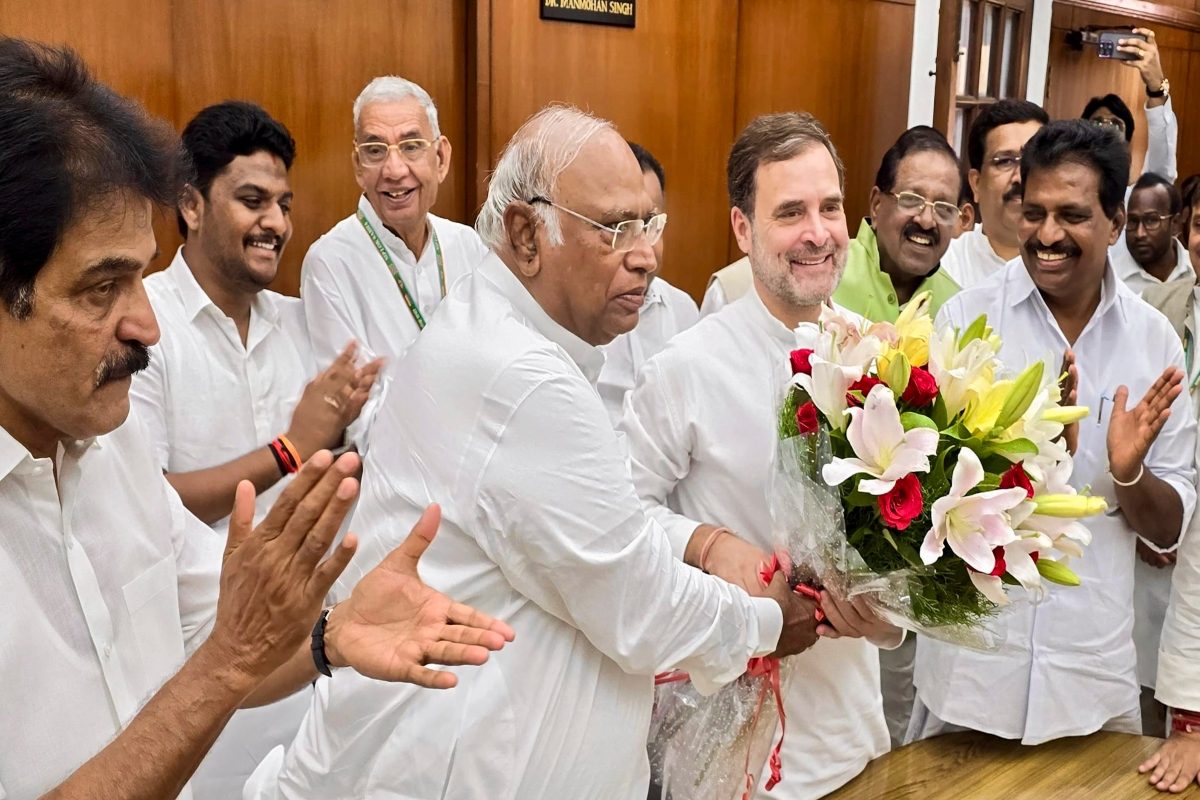
By K Raveendran Finance Minister Nirmala Sitharaman’s response to the opposition’s critique of the budget, coupled with Rahul Gandhi’s performance, has turned out to be the highlight of the debate on the budget in the Lok Sabha. The crux of the opposition’s argument was that the budget disproportionately favoured Bihar and Andhra Pradesh, states of […]

The death of a high-ranking Hamas official has shed light on significant vulnerabilities within Iran’s political and security framework. The figure, a prominent leader in Hamas’s military wing, was killed in an operation that has exposed serious gaps in Iran’s oversight and influence over its allies in the region. Hamas confirmed the death of the leader, which took place in a coordinated attack attributed to rival factions […]

Sheikh Abdullah bin Zayed Al Nahyan, the Deputy Prime Minister and Minister of Foreign Affairs of the United Arab Emirates, held a significant meeting with Iran’s newly inaugurated President Masoud Pezeshkian. This high-profile discussion, which took place in Tehran, focused on enhancing regional peace and stability amid shifting geopolitical dynamics.

The meeting between Sheikh Abdullah and President Pezeshkian marks a notable moment in UAE-Iran relations, reflecting a mutual interest in addressing long-standing regional tensions. Sheikh Abdullah’s visit underscores the UAE’s commitment to fostering dialogue and cooperation with its neighbors in the Middle East. The talks are seen as a crucial step towards building bridges and finding common ground on issues that impact the stability of the region.

During the meeting, both leaders emphasized the importance of collaborative efforts to tackle pressing challenges, including security concerns and economic development. They expressed a shared vision for a peaceful and prosperous region, with an emphasis on resolving conflicts through diplomatic means rather than confrontational approaches.

The UAE has consistently sought to play a mediating role in regional conflicts, advocating for dialogue and engagement as pathways to resolution. Sheikh Abdullah’s discussions with President Pezeshkian are part of a broader strategy to strengthen bilateral ties and encourage a cooperative atmosphere in the Gulf and beyond. This approach aligns with the UAE’s broader foreign policy objectives of promoting stability and fostering economic partnerships.

Iran, under President Pezeshkian’s leadership, has also indicated a willingness to engage more constructively with its regional neighbors. The new administration has expressed a commitment to addressing various regional issues through diplomatic channels, aiming to improve relations with Gulf countries and other key stakeholders. This shift is expected to influence regional dynamics positively, potentially leading to more collaborative efforts on shared challenges.

The discussions between Sheikh Abdullah and President Pezeshkian are particularly timely given the current geopolitical landscape. With ongoing tensions in the Middle East and evolving alliances, the UAE and Iran’s dialogue could serve as a catalyst for broader regional cooperation. Both leaders have recognized the necessity of finding common ground and working together to address issues that affect the stability and prosperity of their respective countries and the broader region.

This meeting also reflects a broader trend of increased diplomatic engagement in the Middle East, as nations seek to navigate complex regional relationships and emerging global challenges. Sheikh Abdullah’s visit and the ensuing discussions signify a proactive approach by the UAE to strengthen ties with Iran and other neighboring countries, contributing to a more stable and interconnected regional environment.

The UAE’s efforts to engage with Iran and other regional actors underscore its strategic interest in fostering a stable and cooperative Middle East. By prioritizing dialogue and mutual understanding, the UAE aims to enhance its role as a key player in regional diplomacy and contribute to a more harmonious geopolitical landscape.

As the UAE and Iran continue their diplomatic engagement, the outcomes of these discussions will be closely watched by other nations and stakeholders in the region. The success of this dialogue could pave the way for further collaboration and mutual understanding, setting a positive precedent for future interactions among regional powers.

Valiantys has announced its acquisition of Contegix, a leading Atlassian consulting firm, marking a strategic move to enhance its presence in North America. This acquisition is set to bolster Valiantys’ service offerings and market reach, positioning the company as a dominant player in the Atlassian consulting ecosystem. The acquisition brings together two Atlassian Platinum Partners, creating a powerful entity that leverages Contegix’s robust technical expertise and Valiantys’ […]

Boeing has appointed Kelly Ortberg as its new CEO, a move aimed at steering the company through challenging financial waters. Ortberg, who previously led Rockwell Collins and boasts extensive experience in aviation, takes the helm at a pivotal time for Boeing. The company has reported a substantial increase in its second-quarter losses, reflecting ongoing difficulties and operational hurdles.

Ortberg’s appointment comes as Boeing grapples with a significant financial downturn. For the second quarter of the fiscal year, Boeing’s losses widened compared to the same period last year. The company’s financial report reveals a steep decline in revenue and ongoing struggles within its commercial and defense sectors. The worsening financial performance underscores the persistent challenges Boeing faces, including supply chain disruptions and delays in aircraft deliveries.

The decision to bring Ortberg on board signals Boeing’s intent to revitalize its leadership and address its financial issues head-on. Ortberg, known for his successful tenure at Rockwell Collins, is expected to leverage his industry expertise to navigate Boeing through its current crisis. His leadership is anticipated to play a crucial role in reshaping Boeing’s strategy and improving operational efficiencies.

Boeing’s financial woes have been compounded by several factors, including reduced demand for new aircraft and increased costs associated with production and regulatory compliance. The company’s recent struggles reflect broader issues within the aerospace industry, where manufacturers are contending with a fluctuating market and evolving technological requirements.

As Boeing seeks to stabilize its financial situation, the appointment of Ortberg is seen as a strategic move to restore confidence among investors and stakeholders. The aviation veteran’s background in leading major aerospace companies provides a foundation for addressing the complex challenges Boeing faces. The company hopes that Ortberg’s leadership will drive a turnaround and position Boeing for long-term success.

The broader aerospace sector is experiencing a period of transformation, with companies adjusting their strategies in response to changing market dynamics and technological advancements. Boeing’s focus on improving its financial performance and operational effectiveness aligns with industry trends, as manufacturers adapt to new demands and evolving customer expectations.

Boeing’s financial outlook will be closely monitored in the coming quarters to assess the impact of Ortberg’s leadership. The company’s ability to address its current challenges and achieve financial stability will be critical in determining its future trajectory. The appointment of a seasoned executive like Ortberg reflects Boeing’s commitment to navigating its difficulties and striving for a more resilient operational model.

With Ortberg now at the helm, Boeing is poised to undertake a strategic reassessment of its operations and financial strategies. The aviation industry’s evolving landscape will present both opportunities and obstacles, and Boeing’s ability to adapt and respond effectively will be key to its future success.

The UAE Central Bank has announced a bond auction scheduled for August 5, aiming to enhance liquidity management and financial stability. This auction will feature four treasury bond issuances, reflecting a strategic move to manage cash flow and support the country’s economic policies. The treasury bonds to be auctioned include different maturities, catering to a range of investment preferences among institutional investors. This approach is designed to […]

BANGKOK, THAILAND – Media OutReach Newswire – 31 July 2024 – ONYX Hospitality Group, a renowned leader in hotel management, is proud to announce the opening of Shama Suasana Johor Bahru, marking the debut of the first Shama hotel and serviced apartment in Malaysia. This milestone expansion further strengthens the Shama brand’s presence in Southeast Asia, and is particularly significant as it makes Malaysia the first country, […]

A high-level meeting between Egypt’s Foreign Minister Badr Abdelatty and Iran’s new President Masoud Pezeshkian has marked a significant step towards normalizing relations between the two countries. The encounter took place on the sidelines of Pezeshkian’s inauguration, symbolizing a potential thaw in diplomatic ties that have been strained for decades.

The diplomatic engagement follows months of behind-the-scenes negotiations aimed at easing long-standing tensions. Abdelatty’s attendance at the inauguration is seen as a strategic move to open new channels of communication and cooperation between Cairo and Tehran. This development comes amid broader regional efforts to stabilize the Middle East and foster collaborative relationships among key players.

Egypt and Iran, both influential countries in the region, have historically had a contentious relationship, primarily due to differing political ideologies and alliances. The Egyptian government has maintained close ties with Saudi Arabia and the United States, both of which have had adversarial stances towards Iran. Conversely, Iran’s alliances with non-state actors and its involvement in regional conflicts have further complicated relations.

The meeting between Abdelatty and Pezeshkian is part of a larger trend of rapprochement in the region. The recent reconciliation between Saudi Arabia and Iran, brokered by China, has set a precedent for other nations to follow. This shift is driven by the realization that regional stability and economic development are interlinked and can be better achieved through dialogue rather than confrontation.

Observers note that while the meeting is a positive step, significant challenges remain. The diplomatic normalization process will require addressing contentious issues such as Iran’s nuclear program, its influence in Iraq, Syria, and Lebanon, and its support for groups that Egypt and its allies consider destabilizing. Additionally, Egypt’s strategic partnerships with countries opposing Iran’s regional policies could complicate the normalization efforts.

However, both countries have shown a willingness to engage in dialogue. Abdelatty emphasized the importance of cooperation in areas such as trade, tourism, and cultural exchanges, which could serve as a foundation for rebuilding trust and fostering mutual benefits. Pezeshkian, on his part, expressed optimism about the future of bilateral relations, highlighting the potential for collaboration in addressing regional security challenges and economic opportunities.

Analysts believe that successful normalization between Egypt and Iran could have far-reaching implications for the region. Improved relations could lead to increased economic cooperation, contributing to regional stability and development. It could also pave the way for more comprehensive diplomatic efforts to resolve ongoing conflicts in the Middle East.

The international community is closely monitoring these developments, recognizing the significant impact they could have on global geopolitics. The United States and European Union have expressed cautious optimism, hoping that this rapprochement could lead to broader stability in the region. China, having played a crucial role in the Saudi-Iran reconciliation, has also shown interest in supporting Egypt-Iran normalization efforts, viewing it as a part of its broader strategy to enhance its influence in the Middle East.

The path to normalization is expected to be gradual and fraught with challenges. Both Egypt and Iran will need to navigate a complex web of regional alliances and domestic political considerations. Nonetheless, the willingness to engage in high-level dialogue signifies a noteworthy shift in their approach to regional diplomacy.

As the process unfolds, it will be essential for both nations to maintain a focus on mutual interests and the broader goal of regional stability. The potential benefits of normalized relations are substantial, offering a new chapter of cooperation and development in a region long marred by conflict and division.

Israeli airstrikes on a Beirut suburb have intensified the search for senior Hezbollah commander Fouad Shukr, whose whereabouts remain uncertain following the attack. The residential building targeted was reportedly a key location for Hezbollah operations, raising concerns about Shukr’s status and potential casualties among his associates.

The airstrike occurred in the densely populated southern suburbs of Beirut, a region heavily influenced by Hezbollah. The Israeli government has not confirmed the specific targets of the strike but has maintained that the operation was a response to ongoing threats from Hezbollah. The Lebanese authorities have launched a search and rescue operation, sifting through the rubble of the destroyed building in hopes of locating survivors or recovering bodies.

Fouad Shukr, a high-ranking figure within Hezbollah, has been a subject of international attention due to his alleged involvement in various military and strategic operations. The attack has prompted Hezbollah to accuse Israel of aggression and to call for an immediate response. The group has mobilized its members in the area, and tensions are high as both sides brace for possible further escalations.

Local reports suggest that the building was used by Hezbollah for military purposes, including arms storage and strategic planning. This has led to speculations about the significance of the strike and whether it was part of a broader Israeli strategy to disrupt Hezbollah’s operational capabilities. The attack’s impact on the broader regional dynamics is yet to be fully understood, but it has already heightened security concerns in Lebanon and among international observers.

Lebanese rescue teams are working tirelessly, and international organizations have expressed concern about the humanitarian impact of the airstrikes. The focus is on providing aid to those affected by the explosion and addressing the needs of families displaced by the attack.

Hezbollah’s reaction has been swift, with the organization issuing statements condemning the Israeli actions and vowing retaliation. The group’s leaders have criticized the international community for not intervening and have called for solidarity from other nations sympathetic to their cause.

The situation remains fluid, with rescue operations ongoing and the possibility of additional strikes looming. The international community continues to monitor the developments closely, as the conflict between Israel and Hezbollah threatens to escalate further. The fate of Fouad Shukr remains a critical concern, with implications for both Hezbollah’s internal dynamics and the broader geopolitical landscape in the region.

The next steps for both Hezbollah and Israeli forces will be closely watched, as the aftermath of the strike unfolds and the international community responds to the evolving situation. The ongoing conflict underscores the volatility of the region and the challenges faced by all parties involved in seeking a resolution to the long-standing hostilities.

An Israeli airstrike targeted Hezbollah commander Fouad Shukr in Beirut, marking a significant escalation in tensions between Israel and Hezbollah. Shukr, a senior military figure within the Lebanese group, is known for his close ties to Hezbollah’s leadership and his involvement in strategic operations.

The airstrike occurred late Tuesday, with initial reports indicating that Shukr was among the primary targets. Lebanese media confirmed the attack, noting damage to several buildings in the southern suburbs of Beirut, a Hezbollah stronghold. The area, often referred to as Dahiyeh, has seen similar strikes in the past, but this operation specifically aimed at Shukr signals a more direct confrontation.

Fouad Shukr, also known by his nom de guerre, Al-Hajj Mohsin, has been a prominent figure in Hezbollah for decades. His military career began in the early 1980s, and he has since ascended through the ranks, becoming a key advisor to Hezbollah’s Secretary-General Hassan Nasrallah. Shukr’s expertise in military tactics and his role in coordinating operations in Syria have made him a critical asset to the organization.

Hezbollah’s involvement in the Syrian conflict has been extensive, with Shukr playing a pivotal role. His strategic planning and operational oversight have contributed to the group’s efforts to support the Syrian government, particularly in key battles such as those in Aleppo and Qusayr. These operations have cemented Shukr’s reputation as a skilled military leader within Hezbollah’s ranks.

The Israeli government has long viewed Shukr as a significant threat. His role in planning and executing operations against Israeli targets, both within Lebanon and abroad, has placed him high on Israel’s list of adversaries. Israeli officials have accused Shukr of being involved in the 1983 Beirut barracks bombings, which killed 241 U.S. service members, a claim that Hezbollah has consistently denied.

This targeted strike on Shukr is part of a broader Israeli strategy to disrupt Hezbollah’s military capabilities. Israel has repeatedly stated its intent to prevent Hezbollah from acquiring advanced weaponry and strengthening its position along the Israeli-Lebanese border. Over the years, Israel has conducted numerous airstrikes in Syria and Lebanon aimed at intercepting weapons shipments destined for Hezbollah.

The timing of this strike is particularly noteworthy. It comes amid heightened tensions in the region, with ongoing conflicts in Syria and escalating confrontations between Israel and Iranian-backed militias. Hezbollah’s close alliance with Iran has further complicated the dynamics, as Israel seeks to counter Iranian influence in the Middle East.

Reactions to the strike have been swift. Hezbollah condemned the attack, vowing retaliation and reinforcing its commitment to resist Israeli aggression. The Lebanese government, while acknowledging the attack, has called for restraint to avoid further escalation. International reactions have been mixed, with some countries urging both sides to de-escalate and others expressing concern over the potential for a broader conflict.

Analysts suggest that this strike could have significant implications for the stability of the region. Hezbollah’s response will likely determine the immediate future of Israeli-Lebanese relations. Should Hezbollah choose to retaliate, the possibility of a larger military confrontation cannot be ruled out. However, the group may also opt for a more calculated response, avoiding direct confrontation while continuing to strengthen its military infrastructure.

The situation remains fluid, with the potential for rapid developments. As both Israel and Hezbollah navigate this latest escalation, the international community will be closely monitoring the unfolding events. The strike on Fouad Shukr underscores the persistent volatility in the region and the ongoing struggle for power and influence between Israel and Hezbollah.

Hezbollah’s next moves, coupled with Israel’s strategic objectives, will shape the regional landscape in the coming months. This episode highlights the fragile nature of the current ceasefire and the ever-present risk of conflict in the Middle East.


TEHRAN, 30th July, 2024 – H.H. Sheikh Abdullah bin Zayed Al Nahyan, UAE Deputy Prime Minister and Minister of Foreign Affairs, met with Iranian Foreign Minister Hossein Amir-Abdollahian. This high-level meeting follows President Ebrahim Raisi’s nomination of Amir-Abdollahian for approval by the Iranian parliament. The discussions between the two diplomats focused on enhancing bilateral relations and addressing key regional issues. The meeting marks a significant diplomatic moment, […]

VISHNU RAJA
RYO YAMADA
HITORI GOTOH
IKUYO KITA