News related to
Strategy

Collaborative investment efforts are accelerating the development of Ras El Hekma on Egypt’s north coast, with the United Arab Emirates emerging as a key player in this transformative project. This coastal area is being positioned as a prime tourist destination, highlighting a strategic partnership aimed at bolstering economic growth in Egypt.

The UAE’s involvement stems from a broader initiative to enhance bilateral ties between the two nations, with a focus on infrastructure and tourism development. In a landmark agreement signed earlier this year, the UAE’s significant investment is expected to amount to billions of dollars, signaling confidence in Egypt’s potential for growth and development in the tourism sector. This collaboration aligns with Egypt’s Vision 2030, which seeks to diversify the economy and increase foreign investment.

Ras El Hekma, located approximately 80 kilometers west of Alexandria, is notable for its picturesque coastline and proximity to the Mediterranean Sea. The region has long been earmarked for development due to its favorable geographical location, which provides access to major transportation routes. Recent government initiatives have spotlighted Ras El Hekma as a vital component of Egypt’s tourism strategy, targeting both domestic and international visitors.

The development plans for Ras El Hekma include upscale resorts, luxury hotels, and residential units designed to attract both tourists and expatriates. A key aspect of this project is sustainability, with investments aimed at creating eco-friendly infrastructures that preserve the natural landscape while accommodating tourism. Authorities are keen to balance the influx of visitors with environmental stewardship, ensuring that Ras El Hekma retains its natural beauty.

Local authorities have reported that the first phase of the development is already underway, with groundwork being laid for the construction of high-end hotels and entertainment facilities. Partnerships with leading hospitality brands are being established to enhance the attractiveness of the region. This initial phase is expected to create thousands of jobs, contributing positively to the local economy.

Key players in the real estate sector are also engaging in this project. Prominent UAE-based real estate developers are exploring opportunities to invest in Ras El Hekma. Their expertise in luxury developments will play a crucial role in transforming the area into a sought-after destination for both international tourists and affluent residents. This influx of investment from UAE developers highlights a growing trend of Middle Eastern investment in North African markets, particularly in sectors like real estate and tourism.

The Egyptian government is committed to supporting these efforts through favorable policies and infrastructure improvements. Plans for enhancing transportation networks to Ras El Hekma include the expansion of roadways and the development of nearby airports to facilitate easier access for tourists. This strategic infrastructure development is critical to ensuring the success of the tourism initiative.

The UAE’s involvement in Ras El Hekma is part of a larger economic strategy that extends beyond tourism. Investments in sectors such as renewable energy, agriculture, and technology are also being explored, reflecting the UAE’s vision for a diversified portfolio in Egypt. The strong economic ties between the two countries are underscored by numerous high-level visits and trade agreements aimed at fostering collaboration.

Challenges remain as the project progresses. Economic stability and regional security are crucial factors that could influence investor confidence. The Egyptian economy has faced significant hurdles in recent years, including inflation and currency fluctuations, which may impact the overall viability of large-scale investments. Nevertheless, the UAE’s commitment to investing in Ras El Hekma is indicative of its belief in the potential of the Egyptian market.


GFH Financial Group, a leading financial services firm based in Bahrain, has taken significant steps to bolster its stake in Khaleeji Bank, reflecting its commitment to expanding its footprint in the Gulf region’s banking sector. The acquisition, which was finalized on October 3, 2024, involves GFH increasing its ownership to 40% of Khaleeji Bank, making it the bank’s largest shareholder. This strategic move is poised to enhance […]

The United Arab Emirates has amended its Value Added Tax (VAT) legislation to exempt fund management firms and specific virtual asset services, marking a significant shift in its tax framework aimed at enhancing the region’s appeal to international investors. This change aligns with the UAE’s broader strategy to establish itself as a global financial hub and a favorable environment for innovative financial services.

As part of these amendments, the UAE’s Federal Tax Authority (FTA) has clarified the conditions under which fund management services can operate free from VAT. The exemption applies primarily to fund managers operating within the scope of financial services, allowing them to attract more investments without the burden of additional taxation. This initiative is expected to facilitate growth in the asset management sector, further attracting foreign direct investments.

The decision is a strategic move reflecting the UAE’s commitment to maintaining a competitive edge in the finance sector. It comes amid increasing competition from other global financial centers, which have been offering favorable tax regimes to attract fund managers and investors. By removing VAT on fund management services, the UAE aims to streamline operations for these firms and enhance their profitability, ultimately encouraging greater investment flows into the region.

In addition to the VAT exemption for fund management firms, the legislation also introduces provisions specifically tailored for certain virtual asset services. This includes companies engaged in activities related to digital currencies and other blockchain technologies. The VAT exemption is seen as a vital step in fostering innovation in the fintech space, as it reduces the cost of compliance and operational expenses for these businesses.

Key players in the finance and technology sectors have welcomed the amendments, viewing them as a vital step toward bolstering the UAE’s status as a leader in financial technology. The exemptions are expected to attract not only local firms but also international players looking to establish a presence in the UAE, thus enriching the local economy and creating job opportunities.

These legislative changes come as the UAE continues to develop its regulatory framework for virtual assets, including cryptocurrencies and blockchain technologies. The government has been proactive in engaging with industry stakeholders to ensure that the legal and regulatory environment is conducive to innovation while ensuring compliance with international standards.

The move aligns with global trends where countries are increasingly recognizing the significance of virtual assets and the potential economic benefits they can bring. With more nations introducing regulations to harness the growth of cryptocurrencies, the UAE’s latest amendments position it favorably within this dynamic landscape.

Economic analysts suggest that the VAT exemptions could significantly boost the asset management industry in the UAE, allowing firms to enhance their operational efficiency and competitiveness. As the region continues to evolve as a financial hub, the introduction of such measures is anticipated to attract a diverse array of investment products, including private equity, hedge funds, and real estate investment trusts.

The UAE’s financial sector has shown resilience and adaptability in the face of global economic challenges. With this latest reform, the nation reiterates its commitment to providing a robust framework for financial services, fostering a business-friendly environment that encourages investment and innovation.

Stakeholders are optimistic about the potential long-term impacts of these changes. By reducing the tax burden on fund management and virtual asset services, the UAE not only enhances its attractiveness to international investors but also stimulates local entrepreneurship in the financial technology space. This is expected to lead to a vibrant ecosystem that can drive further advancements and innovation.

The amendments to the VAT law are expected to be a game-changer for fund management firms, enabling them to operate with greater flexibility and reduced costs. As the financial landscape evolves, these firms can focus more on delivering value to their clients and exploring new investment opportunities.

While the immediate effects of the changes are still unfolding, industry experts are already observing heightened interest from foreign investors seeking to capitalize on the UAE’s favorable business climate. The tax exemption is likely to facilitate new partnerships and collaborations between local and international firms, thereby enriching the region’s financial services landscape.

Saudi Arabia’s Public Investment Fund (PIF) is evaluating the possibility of increasing its stake in Nintendo, a move that reflects the kingdom’s strategic interest in the global gaming industry. This potential investment comes amid an ongoing trend of Middle Eastern investment in major gaming companies, which has seen significant financial outlays in recent years. PIF’s foray into the gaming sector aligns with Saudi Arabia’s broader economic diversification efforts, as outlined in its Vision 2030 initiative aimed at reducing reliance on oil revenues.

The PIF currently holds approximately 8% of Nintendo, a position acquired through a series of investments totaling around $1 billion. This stake has proven to be lucrative, especially as Nintendo’s stock has surged in response to the success of its Switch console and various blockbuster game releases. By contemplating a larger stake, the PIF aims to bolster its portfolio further and capitalize on the gaming sector’s growth trajectory.

The global gaming industry has shown remarkable resilience and growth, with market analysts projecting it to surpass $200 billion by 2023. Major players in the sector, including Microsoft and Sony, have been investing heavily in game development studios and new technologies, indicating a competitive environment that encourages investment and innovation. Nintendo, with its legacy of popular franchises like Mario, Zelda, and Pokémon, remains a pivotal figure within this landscape, making it an attractive target for investors.

Saudi Arabia’s ambition to become a hub for entertainment and digital gaming has prompted local authorities to pursue partnerships with international gaming firms. The kingdom has already hosted numerous esports events and launched initiatives aimed at fostering a domestic gaming industry, reflecting its commitment to being at the forefront of this rapidly evolving sector. The interest from the PIF not only signifies confidence in Nintendo’s future but also highlights the strategic importance of gaming as a component of Saudi Arabia’s economic diversification.

The interest from the PIF aligns with other notable investments in the gaming space, including the acquisition of a significant share in Activision Blizzard and partnerships with other gaming companies. The PIF’s strategy appears to be part of a larger pattern of sovereign wealth funds increasingly looking towards technology and entertainment sectors for growth opportunities. This trend has implications for the global gaming market as it encourages consolidation and new capital influx, potentially leading to innovative developments in gaming technology and experiences.

The potential expansion of the PIF’s investment in Nintendo could signal more profound collaborations in game development, marketing, and distribution strategies. Analysts speculate that increased financial backing could empower Nintendo to explore new technologies such as augmented reality (AR) and virtual reality (VR), which are becoming pivotal in enhancing user experiences in gaming. As the industry pivots towards more immersive gaming experiences, the involvement of entities like the PIF could drive significant advancements.

The broader implications of this investment strategy are evident in the way it could influence Nintendo’s operational decisions. Historically, Nintendo has maintained a conservative approach to partnerships, preferring to develop its titles in-house. However, increased capital from a strategic partner like the PIF may enable the company to consider joint ventures or collaborations that could lead to innovative gaming experiences while retaining its unique brand identity.

The engagement of sovereign wealth funds such as the PIF in the gaming industry could pave the way for a more competitive landscape, where financial resources are directed towards emerging gaming trends and technologies. This influx of capital can catalyze growth in areas such as mobile gaming, cloud gaming, and subscription-based models, which are gaining traction in the industry.

As the PIF deliberates on increasing its stake in Nintendo, it reflects broader ambitions within Saudi Arabia to shape its economic future. By investing in established firms with strong intellectual property, the PIF seeks not only to grow its financial holdings but also to position the kingdom as a prominent player in the global entertainment arena. The potential collaboration between the PIF and Nintendo could herald a new era of gaming innovation and economic growth, showcasing the evolving landscape of international investment in the gaming sector.

This engagement comes as other Middle Eastern nations also ramp up their efforts to invest in entertainment and technology, with the United Arab Emirates and Qatar also making substantial investments in gaming and esports. The race to establish a foothold in the burgeoning gaming industry may see a heightened pace of mergers, acquisitions, and partnerships as countries compete for dominance in this lucrative sector.

A pivotal moment for the UAE government emerged with its participation in the official inauguration of the Global Government Technology Centre (GGTC) in Berlin. This collaboration, a strategic alliance between the World Economic Forum and GovTech Campus Deutschland, aims to leverage digital technology’s transformative capabilities to revolutionize public services worldwide. The event showcased the UAE’s commitment to integrating technology into governance, aligning with its broader strategy to create a forward-thinking, tech-savvy administration.

The GGTC serves as a platform for governments, private sectors, and technology experts to collaborate, exchange ideas, and implement innovative solutions for effective governance. The launch event drew attention to the necessity of adapting government operations to the rapidly changing technological landscape. Experts at the event emphasized the critical role that digital tools can play in enhancing transparency, efficiency, and citizen engagement in governance.

During the launch, the UAE’s Minister of State for Artificial Intelligence, Omar Sultan Al Olama, highlighted the country’s ongoing initiatives in artificial intelligence and digital transformation. He emphasized that the UAE aims to position itself as a global leader in leveraging technology for public sector enhancement. Al Olama noted that the country’s focus on innovation is designed to ensure that governmental processes are agile, responsive, and tailored to meet the evolving needs of citizens.

The GGTC is expected to facilitate various initiatives aimed at streamlining public services through technology. This includes the adoption of data-driven decision-making processes and the implementation of smart city technologies that aim to improve the quality of life for residents. The center will serve as a resource hub for government officials worldwide to access the latest research, best practices, and case studies on successful technology implementation in governance.

The UAE’s participation in the GGTC underscores its aspiration to share its experiences and learn from other nations on their digital governance journeys. The UAE has been recognized for its proactive approach to digital transformation, characterized by initiatives such as the Dubai Smart City project and the establishment of the Ministry of Artificial Intelligence. These projects reflect the UAE’s commitment to creating a tech-enabled government that prioritizes efficiency and citizen satisfaction.

Key global players in technology and governance attended the launch, reflecting a diverse representation of countries and industries. Discussions at the event included how to utilize emerging technologies like blockchain, artificial intelligence, and machine learning in public administration. The importance of addressing cybersecurity challenges in digital governance was also highlighted, acknowledging that the integration of technology must be accompanied by robust security measures to protect sensitive data and maintain public trust.

In alignment with the UAE’s long-term vision, the government aims to position itself as a hub for technology and innovation in the Middle East and beyond. The establishment of the GGTC is seen as a significant step towards fostering a global dialogue on the future of government technology. The UAE’s emphasis on building collaborative networks among various stakeholders is expected to facilitate the exchange of ideas and strategies that can drive meaningful change in public governance.

The GGTC launch aligns with the UAE’s commitment to fostering a culture of innovation, which is a cornerstone of its strategic initiatives. The government is continually seeking to enhance its capabilities in areas such as data analytics and artificial intelligence, aiming to create a data-driven public service framework that prioritizes citizen needs. This strategic approach has garnered international attention, positioning the UAE as a leader in embracing technology for governance.

The UAE’s investment in tech-driven governance is part of a broader trend observed globally, where governments are increasingly seeking to digitize their operations. This trend reflects a growing recognition of the potential of technology to enhance public sector efficiency and improve citizen engagement. As more countries embark on their digital transformation journeys, the GGTC stands as a valuable resource for learning and collaboration among governments.

Ubisoft’s ambitious roadmap for its “Assassin’s Creed” franchise is encountering significant delays, with key projects like “Assassin’s Creed Shadows” pushed back to 2025. Internal challenges, including technical bugs and developmental setbacks, have emerged as major hurdles for the game studio. Developers cited issues with fine-tuning gameplay mechanics and addressing feedback from internal playtests. While Ubisoft Quebec remains committed to a February 2025 release for “Assassin’s Creed Shadows,” […]

Creators from across the Middle East gathered in Riyadh last month for the TikTok Creator Summit, which provided a platform for content creators to delve into new trends and learn strategies to enhance their presence on the popular platform. The event, hosted by TikTok, showcased the company’s commitment to the evolving content landscape in the Middle East, focusing on content strategy, creator education, and the platform’s role […]

Advertisements

Gulf states are rapidly advancing their initiatives to produce low-carbon metals as the European Union prepares to implement its carbon border adjustment mechanism (CBAM). This development represents a significant shift in the region’s industrial strategy, focusing on sustainable practices to align with global decarbonization trends. The EU’s carbon tax is designed to reduce greenhouse gas emissions by imposing tariffs on imported goods that do not meet certain […]

BAODING, CHINA – Media OutReach Newswire – 5 October 2024 – On October 1st, Great Wall Motor (GWM) and tens of thousands of its owners set the Alxa Desert ablaze with the grandeur of the “Hero Festival.” Featuring the TANK series, GWM POER Series, and the newly launched 2nd generation GWM HAVAL H9, GWM united off-road enthusiasts from around the world for an exhilarating celebration of off-road […]

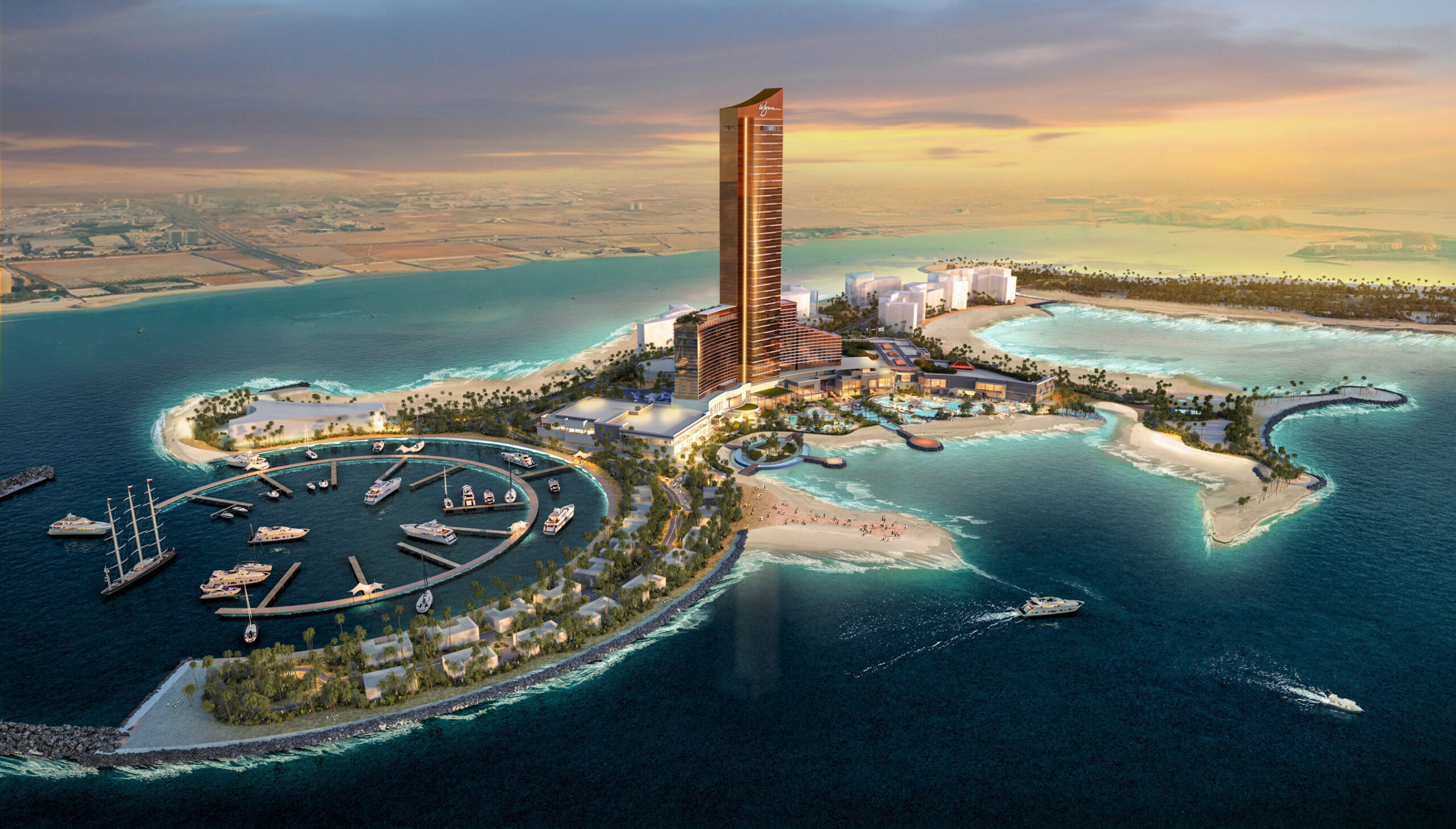
Wynn Resorts has officially received the first gaming license ever granted in the United Arab Emirates (UAE), marking a pivotal moment in the nation’s evolving stance towards regulated gambling. This approval paves the way for the company’s new multibillion-dollar integrated resort, which is currently under construction in Ras Al Khaimah and slated to open by 2027.

This significant development follows months of anticipation regarding the UAE’s potential move toward legalizing gambling, with Wynn Resorts at the center of the speculation. The project, titled Wynn Al Marjan Island, will include a luxury hotel, entertainment venues, and the nation’s first licensed casino, offering a highly curated experience that mirrors the glamour of Wynn’s Las Vegas operations. Wynn Resorts has expressed confidence in its ability to navigate the cultural and regulatory landscape in the region, highlighting that the gaming element will be incorporated sensitively to align with local expectations.

Ras Al Khaimah’s Tourism Development Authority has been instrumental in enabling this venture, introducing a new regulatory framework specifically to manage gaming activities. The Emirate’s regulations, crafted to uphold international standards of compliance, ensure responsible gaming practices are adhered to, with a focus on safeguarding social and economic interests. Ras Al Khaimah’s move appears strategic, aiming to bolster its tourism industry and compete with regional hubs, such as Dubai and Abu Dhabi, that have traditionally attracted tourists for non-gaming entertainment and luxury experiences.

For Wynn Resorts, this project marks its first foray into the Middle Eastern market, a bold step that positions the company as a trailblazer in the region’s nascent gaming sector. While Las Vegas Sands and MGM Resorts have also shown interest in expanding into Middle Eastern markets, Wynn’s success in securing the first license puts it ahead of its competitors.

As discussions about regulated gambling gain momentum across the UAE, it remains unclear whether this approval will set a precedent for future gaming licenses or whether Ras Al Khaimah will maintain its unique status. The UAE has long maintained strict regulations prohibiting gambling, making this decision a watershed moment for the country’s economic and social policies.

The investment is anticipated to bring significant economic benefits, with the resort set to create thousands of jobs and drive tourism to Ras Al Khaimah. Industry experts expect that the integrated resort could attract high-net-worth individuals from across the Gulf region, Europe, and Asia, helping to diversify the Emirate’s economy. This new focus on gaming as part of a broader tourism strategy represents a notable shift in Ras Al Khaimah’s ambitions to compete on a global scale.

Wynn Resorts, which operates successful properties in Las Vegas, Macau, and Boston, has stated that it aims to replicate the high standards of luxury and entertainment that it is known for worldwide. The company remains tight-lipped about the specifics of the gaming offerings, although it has been suggested that the casino will cater primarily to international tourists rather than local residents.

Abu Dhabi National Energy Company (TAQA) has successfully priced its $1.75 billion dual-tranche bond offering, continuing its strategy of leveraging debt to support both its business objectives and environmental commitments. The issuance consists of two portions: a seven-year tranche worth $900 million, maturing in 2031, and a 12-year tranche of $850 million, maturing in 2037. The longer-term bonds come with a coupon rate of 4.75%, while the […]

Family offices are playing a transformative role in Abu Dhabi’s economic landscape, driving diversification and growth across various sectors. Representing a significant portion of privately owned businesses in the UAE, these entities have expanded beyond traditional investments in real estate and finance, contributing to the emirate’s ambitions for sustainability and innovation.

Key developments in Abu Dhabi, such as the Abu Dhabi Industrial Strategy (ADIS), highlight the growing importance of family offices in fostering industrial growth, technology advancement, and clean energy projects. Under this strategy, the industrial sector’s GDP saw a remarkable surge from AED 83 billion in 2022 to AED 101 billion by 2023, with family offices continuing to boost these efforts through large-scale investments.

Family offices are now focusing on high-impact sectors like infrastructure, technology, and renewable energy, aligning with the emirate’s long-term goals. Their involvement is particularly notable in collaborative initiatives with the Abu Dhabi government, exemplified by agreements under programs like the Musataha initiative, which fosters private investment in state-owned land for community-driven projects.

The leadership in Abu Dhabi, including figures like Ahmed Jasim Al Zaabi, chairman of the Abu Dhabi Department of Economic Development, has been vocal about the strategic role of these family-owned businesses. Al Zaabi emphasized how initiatives like ADIS are not only growing the industrial sector but also positioning the emirate as a hub for innovation, advanced manufacturing, and clean technology.

Dubai’s Roads and Transport Authority (RTA) has lifted the restriction on foldable e-scooters within the Dubai Metro and Tram system, marking a shift in transport policy that comes with a firm set of guidelines. The RTA had initially introduced the ban in March 2024, citing concerns for commuter safety. However, with revised safety protocols in place, e-scooter riders are once again permitted to carry their devices on public transit, provided they adhere to stringent conditions aimed at maintaining safety and order within metro and tram stations.

The decision to relax the ban coincides with an increase in the popularity of e-scooters as a convenient mode of transport, especially for the last-mile commute in Dubai’s growing urban landscape. Foldable e-scooters have now been given the green light, provided they meet specific criteria set by the RTA. These scooters must be no larger than 120cmx70cmx40cm and weigh no more than 20kg. Additionally, they must be folded and placed in designated areas when inside stations or on public transport. This move comes as part of Dubai’s broader strategy to enhance eco-friendly transportation options, integrate diverse mobility solutions, and alleviate congestion in high-density areas.

Safety, however, remains a top priority. The new rules emphasize that riding e-scooters inside stations or on public transport is strictly prohibited, with the RTA reiterating that passengers must fold their scooters upon entering metro or tram premises. Failure to comply with these rules could lead to penalties, as part of the city’s drive to maintain high safety standards in public areas.

This policy adjustment reflects Dubai’s commitment to promoting sustainable transport, aligning with global trends that see cities embracing micro-mobility solutions. With e-scooters gaining traction in urban areas worldwide, especially in Europe and the US, cities are increasingly adopting frameworks to ensure these devices coexist safely with other forms of transport.

RTA’s renewed focus on safety is also evident in the broader context of its micro-mobility regulations. In addition to the size and weight restrictions, users are reminded that scooters must meet specific technical standards, such as brake functionality and proper lighting. Moreover, the RTA has announced that it will continue to monitor compliance and may introduce further updates to these regulations as necessary.

This regulatory shift follows a period of deliberation and review after the initial ban was imposed earlier this year. Public feedback and input from safety experts were reportedly considered in developing the new rules, ensuring that e-scooters can be integrated into the city’s public transport network without compromising the safety of metro and tram passengers.

By lifting the ban and putting these guidelines in place, Dubai joins a growing number of global cities that are actively working to incorporate micro-mobility solutions into their transport networks. It is yet another step in Dubai’s transformation into a smart city, enhancing the quality of life for residents by providing more flexible and sustainable transport options.

For e-scooter users, the easing of restrictions offers new convenience, particularly for commuters looking to bridge the gap between metro stations and their final destinations. As this mode of transport continues to evolve, the RTA is expected to remain vigilant in enforcing safety measures and adapting to the needs of a rapidly changing urban mobility landscape.

Coinbase has taken steps to delist certain stablecoins from its European platform as the European Union’s Markets in Crypto Assets (MiCA) regulatory deadline approaches. MiCA, which was officially adopted in 2023, is set to introduce a sweeping regulatory framework aimed at managing the cryptocurrency market within the EU. One of its key objectives is ensuring transparency, consumer protection, and compliance, particularly in stablecoin issuance and circulation. As […]

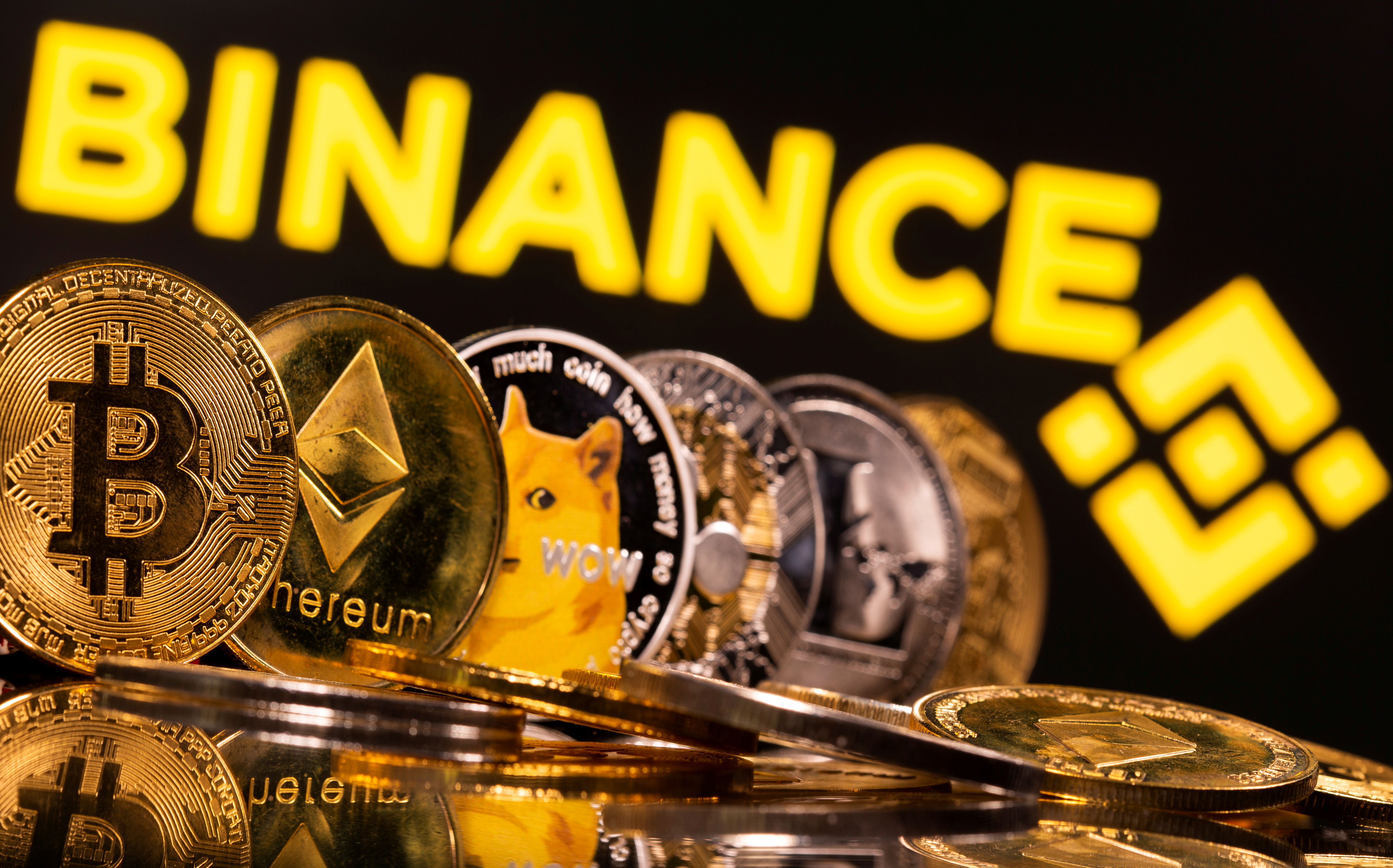
Binance, once the dominant force in cryptocurrency exchanges, has witnessed a sharp fall in its market share, marking a four-year low as of September 2024. This decline is coupled with a notable drop in trading volumes, with figures indicating a contraction of over 20% compared to the previous month. The exchange’s declining influence underscores broader market dynamics that are reshaping the competitive landscape of digital assets trading.

As of September, Binance’s market share slipped to approximately 34%, a significant decline from the 50% it commanded earlier in the year. The company’s dwindling dominance has raised questions about its long-term strategy and its ability to maintain its foothold in a market that is becoming increasingly fragmented. Several factors have contributed to Binance’s drop, including regulatory pressures, legal challenges, and the emergence of rival platforms that are capitalizing on the exchange’s setbacks.

Binance’s struggle is further exacerbated by the global regulatory environment, which has been tightening around the exchange. Multiple jurisdictions, including the U.S. and Europe, have introduced or expanded regulations aimed at increasing oversight of cryptocurrency exchanges. In particular, Binance has faced scrutiny from authorities over concerns surrounding compliance with anti-money laundering (AML) rules, as well as issues related to Know Your Customer (KYC) requirements. These challenges have resulted in some users migrating to alternative platforms that are seen as more compliant or less prone to legal uncertainties.

Despite these obstacles, Binance continues to be a major player in the crypto space. Its diverse offerings, including a wide array of digital assets and its established reputation, still attract a substantial user base. However, the exchange has been forced to adapt to changing conditions, implementing new policies aimed at addressing regulatory concerns. These measures, while necessary, have also created friction with some users who prefer the more relaxed regulatory environment that Binance originally thrived in.

Rival exchanges such as OKX and Bybit have gained ground, seizing the opportunity to attract traders dissatisfied with Binance’s regulatory troubles. OKX, in particular, has seen its market share rise, largely driven by its appeal to institutional investors and its regulatory standing in key regions. Bybit, on the other hand, has capitalized on its innovative product offerings, particularly in derivatives trading, which has drawn significant trading volume away from Binance.

Decentralized exchanges (DEXs) have surged in popularity as a viable alternative to traditional, centralized platforms like Binance. DEXs offer users the ability to trade directly from their wallets without the need for intermediaries, providing an additional layer of privacy and security that centralized exchanges sometimes struggle to offer. Uniswap and other DEXs have seen an uptick in usage, contributing to the redistribution of market share across the broader crypto ecosystem.

The overall cryptocurrency market has also been experiencing reduced trading activity, which has affected not just Binance but the industry as a whole. Lower volatility in major cryptocurrencies such as Bitcoin and Ethereum has led to a decrease in speculative trading, which typically drives much of the volume on exchanges. As a result, Binance’s reliance on high trading volumes has placed it in a vulnerable position during periods of market stagnation.

The exchange’s response to these challenges will likely determine its ability to regain market share. Binance has already made efforts to bolster its reputation and restore confidence, including expanding its regulatory compliance team and forging partnerships with regulators to create a more transparent operational environment. Nevertheless, with its trading volume plunging and competitors gaining traction, Binance’s path forward remains uncertain.

One of the more notable trends influencing Binance’s decline is the growing interest in institutional cryptocurrency trading. Institutional players have become more active in the space, seeking exchanges that can provide robust compliance frameworks, secure trading environments, and advanced features suited to their needs. Binance, despite its size and market share, has struggled to fully cater to these demands, creating an opening for more niche, institution-focused platforms to thrive.

Binance’s founder and CEO, Changpeng Zhao (CZ), has maintained a bullish stance on the future of the company, pointing to its innovation pipeline and its commitment to working with regulators. He has stressed the exchange’s focus on creating a sustainable ecosystem that will benefit both retail and institutional traders. However, the company’s future success will largely depend on how well it navigates the complex regulatory landscape and adapts to the evolving needs of its users.

Masdar, the renewable energy subsidiary of Abu Dhabi’s Mubadala Investment Company, is experiencing accelerated growth in the United States, reflecting the country’s increasing commitment to clean energy. The company’s expansion strategy in the US has been underscored by its recent projects, significant investments, and partnerships aimed at enhancing its renewable energy capacity, particularly in solar and wind energy sectors. This momentum coincides with the US government’s focus […]

By Nitya Chakraborty Bangladesh has just completed two months after the ouster of Sheikh Hasina Wazed from power on August 5 following the mass upsurge led by the students of Anti-Discrimination Front, popularly known as anti Quota movement. The interim Government led by the Nobel Laureate Dr. Muhammad Yunus took oath on August 8 with […]

Abu Dhabi National Energy Company, known as TAQA, has successfully issued $1.75 billion in dual-tranche bonds, reflecting robust investor confidence in the energy giant. The bonds, which were launched as two separate offerings of $1 billion maturing in 2029 and $750 million set to mature in 2034, were well-received by a global investor base. The issuance attracted substantial interest, with demand exceeding $4.6 billion, demonstrating the strong […]

Dubai’s booming real estate sector, characterized by record demand and competitive opportunities, is posing mounting challenges for developers seeking prime land. According to Reef Luxury Developments CEO, Samer Ambar, securing high-value plots has become a significant hurdle as the market continues to grow, attracting a diverse array of investors from around the globe. Ambar’s insights come at a pivotal moment for Dubai’s real estate market, which has […]

Dubai has maintained its position as the world’s top destination for greenfield foreign direct investment (FDI) projects in the first half of 2024, solidifying its leadership in global markets. The city attracted a high volume of investments, surpassing all other major financial hubs globally. These investments, particularly in greenfield projects, continue to play a significant role in driving the city’s economic diversification and positioning it as a […]

Gulf sovereign wealth funds are on track to collectively manage an unprecedented $7.3 trillion in assets by 2030, driven by significant global investments and domestic diversification efforts. Buoyed by surging oil revenues, these funds have evolved from passive actors into proactive players reshaping both local economies and global markets. The rise of these funds, especially over the last decade, has been fueled by sharp increases in oil […]

Dubai’s position as a global hub for innovation has drawn considerable attention to the city’s expanding cryptocurrency market. The United Arab Emirates (UAE), with its pro-technology policies and investment in blockchain infrastructure, has emerged as a strategic hotspot for crypto exchanges. With a clear focus on security, liquidity, and competitive fees, Dubai-based crypto platforms are capturing the attention of both retail and institutional investors alike. As the industry evolves, some exchanges stand out for their user-friendly approach, strong compliance with local regulations, and diverse product offerings.

The cryptocurrency landscape in Dubai is buoyed by the government’s proactive stance, including the adoption of blockchain technology in public services. The introduction of Emcash, the UAE’s first official cryptocurrency, underscores the country’s ambition to lead in the digital asset space. Given the booming interest in cryptocurrency trading, finding the best platform in Dubai is critical for investors keen to participate in this dynamic market. Several exchanges distinguish themselves by catering to different needs, from high liquidity to low transaction fees, ensuring that both new traders and seasoned professionals can find a suitable platform.

Among the leading platforms, Binance stands out due to its global reach, immense liquidity, and strong security features. Binance’s popularity in Dubai can be attributed to its diverse offering of digital currencies, its top-tier security measures such as multi-factor authentication, and its ability to process high transaction volumes efficiently. The exchange also boasts advanced trading features, including futures contracts, margin trading, and staking options, making it a go-to for both day traders and long-term investors.

Bybit, another prominent player in the Dubai market, has carved a niche for itself with its focus on derivatives trading and copy trading features. For those new to cryptocurrency, Bybit’s copy trading option allows users to mimic the trades of successful investors, reducing the risks typically associated with beginner errors. The platform’s clean interface and educational tools make it an appealing choice for new traders while offering robust charting tools and high-leverage options for more experienced users. Additionally, Bybit’s emphasis on compliance with UAE regulations has made it a trusted platform for local traders.

For investors looking to diversify beyond crypto assets, eToro provides an ideal solution. The platform is known for its multi-asset capabilities, allowing users to trade both cryptocurrencies and traditional forex markets. The added flexibility of managing diverse portfolios from a single platform enhances its appeal among traders in Dubai. eToro’s social trading feature, where users can follow and replicate trades from more experienced investors, adds another layer of accessibility, especially for those less familiar with the nuances of cryptocurrency markets. Its compliance with local regulatory frameworks further strengthens its credibility in the region.

BitOasis, one of the UAE’s homegrown exchanges, is widely recognized for its user-centric approach. Established in Dubai, the platform provides an easy entry point for new investors by simplifying the process of buying and selling popular cryptocurrencies like Bitcoin and Ethereum. What distinguishes BitOasis is its deep integration with local banking systems, which allows for smooth fiat-to-crypto conversions. This local focus has also enabled it to build a reputation for reliability and transparency, making it a preferred choice for users keen to avoid international transfer fees or delays.

On the other end of the spectrum, Rain has become a popular platform due to its low trading fees and ease of use, particularly appealing to budget-conscious investors. Originally based in Bahrain but with a strong presence in Dubai, Rain caters specifically to the Middle Eastern market by offering support for local currencies and adhering to regional regulations. The platform also offers a mobile-first design, ensuring that users can manage their portfolios and execute trades on the go. Its emphasis on low transaction fees makes it one of the most affordable options for traders in Dubai, helping Rain carve out a space in the competitive crypto exchange market.

While all these exchanges have different strengths, it is important to note the regulatory landscape of the UAE. In Dubai, the Virtual Assets Regulatory Authority (VARA) plays a crucial role in overseeing the cryptocurrency sector, ensuring that platforms operate within legal frameworks and adhere to stringent anti-money laundering (AML) and know-your-customer (KYC) requirements. This ensures that Dubai remains a secure environment for cryptocurrency activities, providing peace of mind for investors concerned with compliance and security.

The integration of blockchain technology within Dubai’s economy continues to grow, spurred on by these exchanges and the government’s broader vision for the future of digital assets. Dubai’s government has been at the forefront of blockchain adoption, aiming to become a global leader in the digital economy. Through initiatives like the Dubai Blockchain Strategy, the city has laid the groundwork for a more efficient, transparent, and secure financial ecosystem, with cryptocurrencies playing a pivotal role in this transformation.

Etihad Rail has unveiled its new brand identity, a strategic move that aligns with its vision to strengthen connectivity among the cities and regions of the United Arab Emirates. The initiative comes as the rail network progresses toward its operational milestones, promising to redefine transport and logistics in the region. The new identity aims to embody the nation’s Spirit of the Union, reflecting the core values of unity, progress, and sustainability.

The unveiling event, held at the Etihad Rail headquarters, featured high-ranking officials, stakeholders, and representatives from the construction and logistics sectors. Speaking at the event, Etihad Rail CEO Shadi Malak emphasized the significance of the new branding as a catalyst for future growth and innovation. He stated that the new identity encapsulates the ambition to connect communities, stimulate economic development, and create job opportunities across the UAE.

This branding initiative coincides with several key developments in the Etihad Rail project, which aims to link Abu Dhabi, Dubai, and other emirates through a 1,200-kilometer rail network. The project, envisioned as part of the UAE’s broader strategy for sustainable development, is expected to revolutionize the freight and passenger transport sectors. Currently, the construction of the first phase is nearing completion, with significant advancements reported in track laying and station construction.

The design of the new logo and branding elements symbolizes a modern and progressive vision for the rail network. Inspired by the natural landscapes of the UAE, the logo incorporates elements that represent the desert and urban environments, highlighting the harmony between nature and innovation. The brand colors were chosen to reflect the diverse culture and heritage of the UAE, aiming to resonate with both local and international audiences.

The rail network is anticipated to play a vital role in facilitating trade and tourism, with projections indicating that it will significantly reduce transportation costs and times. By providing a reliable and efficient mode of transport, Etihad Rail aims to support the UAE’s strategic objectives for economic diversification and sustainability. This aligns with the government’s long-term vision to establish the UAE as a global hub for business and tourism.

As the project progresses, various partnerships have been established with local and international firms to ensure the successful execution of the rail network. These collaborations are essential for integrating cutting-edge technologies and best practices in construction and operations. The involvement of key stakeholders underscores the project’s significance in enhancing the UAE’s infrastructure and connectivity.

Etihad Rail’s branding initiative also focuses on public engagement, aiming to raise awareness about the benefits of the rail network. Through targeted campaigns and community outreach, the company intends to foster a sense of ownership among residents and stakeholders. The objective is to encourage the use of rail transport, thereby promoting a shift towards more sustainable and efficient modes of travel.

With the UAE’s commitment to environmental sustainability, the rail network is designed to minimize its ecological footprint. By providing a viable alternative to road transport, it is expected to contribute to reduced traffic congestion and lower greenhouse gas emissions. This aligns with the UAE’s broader environmental objectives, including the reduction of carbon emissions by 30% by 2030 as part of its National Climate Change Plan.

The completion of the first phase of Etihad Rail, which will connect the freight and logistics sectors to key ports and industrial areas, is expected to revolutionize supply chain logistics. This phase is projected to enhance the efficiency of cargo transport, facilitating smoother operations for businesses reliant on logistics. It will also cater to the growing demand for efficient transport solutions in line with the UAE’s economic diversification goals.

Looking ahead, the subsequent phases of the Etihad Rail project will focus on expanding passenger services, connecting urban centers with suburban areas, and promoting regional tourism. This will not only improve mobility for residents but also enhance access for tourists exploring the UAE’s rich cultural and historical sites. The development of integrated transport solutions is anticipated to make travel more accessible and enjoyable for everyone.

Kao Data has commenced construction on a £350 million data center in Stockport, Greater Manchester, marking a significant investment in infrastructure for artificial intelligence (AI) and advanced computing. This facility is set to enhance the company’s capabilities in meeting the growing demand for data processing power, particularly in the rapidly evolving AI sector. The new center will be designed with sustainability in mind, aiming to achieve a […]

VISHNU RAJA
RYO YAMADA
HITORI GOTOH
IKUYO KITA
Just in:
After Reaching 7 Million Users in the Philippines, Skyro Launches Transparent Cash Loans in Malaysia // Xi Jinping Preparing For A Trilateral Summit With Trump And Putin At APEC Summit On Nov 18-19 // Private varsities bill all set to face the axe // Miss Universe Hong Kong Jen Zhou Departs for Puerto Rico to Compete in the 75th Miss Universe World Final // e-Crime Bureau Signs Cybersecurity Partnership With Smart Africa, Reinforcing Its Global Expansion // Meraas showcases five residential zones at Dubai Design Week // Hong Kong mandates crypto transaction disclosures to tax authorities // The “1st Greater Bay Area Health and Longevity Summit & Awards Ceremony” concludes successfully in Macao // OpenAI identifies 948 Linux privilege escalation flaws using AI // Utilities pursue ₹1,992 cr in unpaid bills // TVM –Mangaluru Vande Bharat claims top spot // Asia Left Behind: Ten international companies have yet to report delivering on their cage-free egg pledges across the region // Emirates Group records AED 4.1 billion half-year profit // Dubai boat show confirms international shipyard line-up for November // UK air traffic outage inflicted £33m financial losses // Cloudflare unveils Zero Wire vulnerability intelligence service // Vance attributes Republican midterm defeats to Iran conflict // Millions Of Indians May Soon Be Deprived Of Government Assistance // Trump’s Iran War Has A Share Of Contribution To His Midterm Debacle // CR Longdation Aethereal Cybersecurity × Global Cybersecurity Alliance (GCSA) Join Hands to Establish the “AI and Cybersecurity Research Centre” //