Just in:
xCube Access Welcomes Entrust Capital Limited  Expanding Access to Professional Portfolio Management // XTransfer and Bank of China (Hong Kong) Announce Partnership at Hong Kong FinTech Week // ADIPEC leaders urge investment in global energy networks // Varsity jobs face quota questions // ONYX Hospitality Group Expands Strategic Partnerships through ONYX Rewards // XRG secures agreement for $1.45bn Australian LNG stake // Arrow Electronics showcases technologies advancing intelligent robotics, mobility and digital infrastructure // Vingroup And Legends Global Announce Strategic Partnership For VinFast – Trong Dong Stadium // mamun raises US$3 million to finance cross-border trade between the Gulf and Asia // Apollo broadens Abu Dhabi partnership through Mubadala Capital stake // Can Bernie Sanders Ensure Enough Left Representation In New Congress? // Use Of Nuclear Weapons Against Iran Could Trigger A Global Chain Reaction // Winners and losers if a blue wave sweeps US Congress // America On Edge: November 3 Mid Term Polls Outcome May Weaken Trump // Democrats capture Senate majority with seven Republican seats // AI trust gap reveals distinct retail priorities: Divergent paths to consumer growth in Hong Kong and the GBA // CPI, CPM dispute portrayal of Vayalar uprising leaders // As AI Reshapes Education, Singapore Convenes Global Dialogue on the Future of Early Childhood Education // Binance SAFU bitcoin holdings halve after security breach // ChatGPT billing fraud deploys rotating sites for card theft //

News related to
Strategy

Takaful insurer Abu Dhabi National Takaful Company (ADNTC) has decided to halt its planned acquisition of Dubai-based AMAN Insurance’s portfolio. This decision, announced today, reflects a strategic shift and indicates a reevaluation of ADNTC’s growth strategies in the UAE market. The cancellation of the deal, which was initially valued at approximately AED 600 million, marks a significant development in the regional insurance sector. The acquisition was set […]

By Manish Rai Recent bold attacks carried out by Baloch Liberation Army (BLA) rocked Pakistan. A large number of people and security personnel were killed in the province of Balochistan when separatist insurgents attacked police stations, railway lines and highways, and security forces camps. The assaults were the most widespread and ferocious in years by ethnic militants fighting a decades-long insurgency to win secession of the resource-rich […]

Saudi Aramco is set to retain its 10% stake in the joint venture between Renault and Geely, underscoring its commitment to expanding partnerships in the automotive sector. The move signifies Aramco’s strategic focus on strengthening its position within the evolving landscape of automotive technology and sustainable energy solutions.

The alliance between Renault and Geely, formed in early 2024, aims to develop advanced powertrains and enhance vehicle electrification. Aramco’s involvement, first reported in March 2024, was seen as a significant step given its expertise in energy and automotive technologies. The company’s decision to maintain its stake highlights its long-term vision of integrating its energy solutions with the automotive industry’s shift towards sustainability.

Recent industry developments indicate a growing trend of traditional energy companies investing in automotive technologies. This trend reflects a broader shift towards electrification and hybrid powertrains, as automakers and energy firms align strategies to address climate change and evolving consumer preferences.

Aramco’s decision aligns with its broader strategy to diversify its investments and reduce its reliance on traditional oil and gas revenues. The company’s engagement in the Renault-Geely venture is part of a larger effort to position itself at the forefront of energy innovation. By holding onto its stake, Aramco aims to leverage the growing market for electric and hybrid vehicles, which is expected to see substantial growth over the next decade.

The joint venture between Renault and Geely, based in China, represents a significant collaboration in the global automotive industry. Renault, a major player in European automotive markets, and Geely, a key Chinese automotive manufacturer, have combined their resources to accelerate the development of new technologies and expand their market reach. Aramco’s involvement brings additional expertise and resources to the table, enhancing the venture’s capacity for innovation.

Aramco’s focus on maintaining its stake also signals its intention to explore further partnerships within the automotive and technology sectors. The company is reportedly in discussions with other automakers and technology firms to identify new opportunities for collaboration. This strategy is in line with Aramco’s goal of integrating its energy solutions with emerging technologies to drive growth and sustainability.

Analysts view Aramco’s commitment to the Renault-Geely venture as a strategic move that positions the company favorably in the rapidly changing automotive industry. The investment aligns with global trends towards sustainable transportation and energy efficiency. As the automotive industry continues to evolve, Aramco’s role in these developments could play a crucial part in shaping future innovations.

The Renault-Geely joint venture is set to benefit from Aramco’s expertise in energy and its substantial financial resources. This partnership is expected to facilitate the development of advanced technologies and accelerate the adoption of sustainable practices in the automotive sector. The continued collaboration reflects a shared vision of addressing environmental challenges and meeting the demands of a changing market.

With the automotive industry increasingly focusing on sustainability and technology integration, Aramco’s strategic investments are likely to have a significant impact. The company’s decision to retain its stake in the Renault-Geely venture underscores its commitment to being at the forefront of these changes. As the industry progresses, Aramco’s involvement in such partnerships could enhance its influence and drive innovation across the sector.

AD Ports Group’s Noatum has launched a new rail logistics solution designed to enhance the efficiency of cargo transportation across the region. This development comes as part of a broader strategy to bolster the capabilities of the logistics sector and address increasing demands for more sustainable and reliable supply chain operations.

The new rail solution aims to streamline the movement of goods by integrating advanced technology and infrastructure improvements. It features state-of-the-art railcar systems and enhanced track management to ensure a smoother, faster, and more efficient transportation process. The initiative is expected to significantly reduce transit times and operational costs, benefiting both businesses and consumers.

Noatum’s rail logistics solution includes a comprehensive digital platform that provides real-time tracking and analytics. This platform is intended to offer greater visibility into the logistics chain, allowing businesses to monitor shipments more closely and make informed decisions based on up-to-date data. By leveraging these technological advancements, the solution aims to minimize delays and optimize cargo handling processes.

The introduction of this solution aligns with AD Ports Group’s strategic objectives to expand its logistics network and enhance its service offerings. The company has been investing heavily in modernizing its infrastructure and adopting cutting-edge technologies to meet the evolving needs of the global logistics market. The new rail solution is a testament to these efforts, reflecting the group’s commitment to driving innovation in the logistics sector.

In addition to improving operational efficiency, the rail logistics solution is also expected to have a positive environmental impact. By promoting the use of rail transport over other modes of transportation, the initiative supports AD Ports Group’s sustainability goals. Rail transport is generally considered more environmentally friendly compared to road transport due to its lower carbon emissions per ton of cargo.

The implementation of the rail solution will involve significant upgrades to existing rail infrastructure. This includes the installation of advanced signaling systems and the enhancement of railcar capabilities. These improvements are designed to increase the capacity and reliability of the rail network, addressing the growing demand for efficient freight transport.

AD Ports Group has emphasized that the new rail solution will play a crucial role in supporting the region’s economic growth. By facilitating more efficient cargo movement, the solution is expected to boost trade and contribute to the development of key industrial sectors. The initiative is also likely to create new job opportunities within the logistics and transportation industries, further supporting economic advancement.

The launch of this rail logistics solution follows a series of successful projects and partnerships that AD Ports Group has undertaken in recent years. The company has established itself as a leader in the logistics sector, with a focus on integrating innovative technologies and expanding its operational capabilities. This latest development reinforces its position as a key player in the global logistics market.

Abu Dhabi National Oil Company (ADNOC) has announced the initial price thoughts (IPTs) for its latest dollar-denominated unsecured benchmark bond issuance, which will span three tranches with varying maturities. The offerings include five-year, 10-year, and 30-year bonds, reflecting ADNOC’s strategy to attract diverse investor interest while aligning with its long-term funding requirements. The five-year notes are being marketed at approximately 105 basis points (bps) over US Treasuries, […]

Saudi Arabia’s Public Investment Fund (PIF) is poised to issue benchmark sukuk and green bonds as part of its expanded financing strategy. This move is designed to diversify its funding sources and support the country’s sustainability goals. The sukuk issuance, a form of Islamic bond, and green bonds will be pivotal in funding various projects that align with Saudi Arabia’s Vision 2030 objectives.

The planned sukuk issuance will mark a significant step for the PIF, as it aims to leverage the strong appetite for Sharia-compliant investment products. This initiative is expected to attract substantial interest from global investors seeking opportunities in the Islamic finance sector. Sukuk, which comply with Islamic law by avoiding interest payments, have gained popularity in recent years due to their ethical investment framework and competitive returns.

In parallel, the PIF is also set to launch green bonds to support sustainable development projects. Green bonds are designed to raise capital for environmental and climate-related projects, contributing to global sustainability efforts. The issuance aligns with Saudi Arabia’s broader strategy to enhance its environmental footprint and promote green investment opportunities.

The PIF’s move comes amid a broader trend of increased issuance of sukuk and green bonds in the Middle East. Other regional players have also been active in this space, reflecting a growing commitment to sustainable finance and responsible investment practices. The market for both sukuk and green bonds has been expanding, driven by a combination of investor demand and supportive regulatory frameworks.

The sukuk and green bonds issued by the PIF will be closely watched by market participants for several reasons. First, the size and structure of these issues could set a benchmark for future offerings in the region. Second, the focus on sustainability through green bonds highlights the increasing integration of environmental considerations into investment strategies, aligning with global trends toward more responsible investing.

Saudi Arabia’s Vision 2030 aims to diversify the economy away from oil dependency and foster growth in various sectors, including finance and sustainable development. By tapping into the sukuk and green bond markets, the PIF is positioning itself to play a key role in this transformation. The fund’s activities are expected to contribute to the development of a more diverse and resilient financial market in Saudi Arabia.

The PIF’s approach reflects a broader shift in the financial landscape of the Middle East. Institutional investors and government entities across the region are increasingly focusing on sustainable finance as part of their investment strategies. This trend is driven by both regulatory pressures and growing awareness of environmental and social issues among investors.

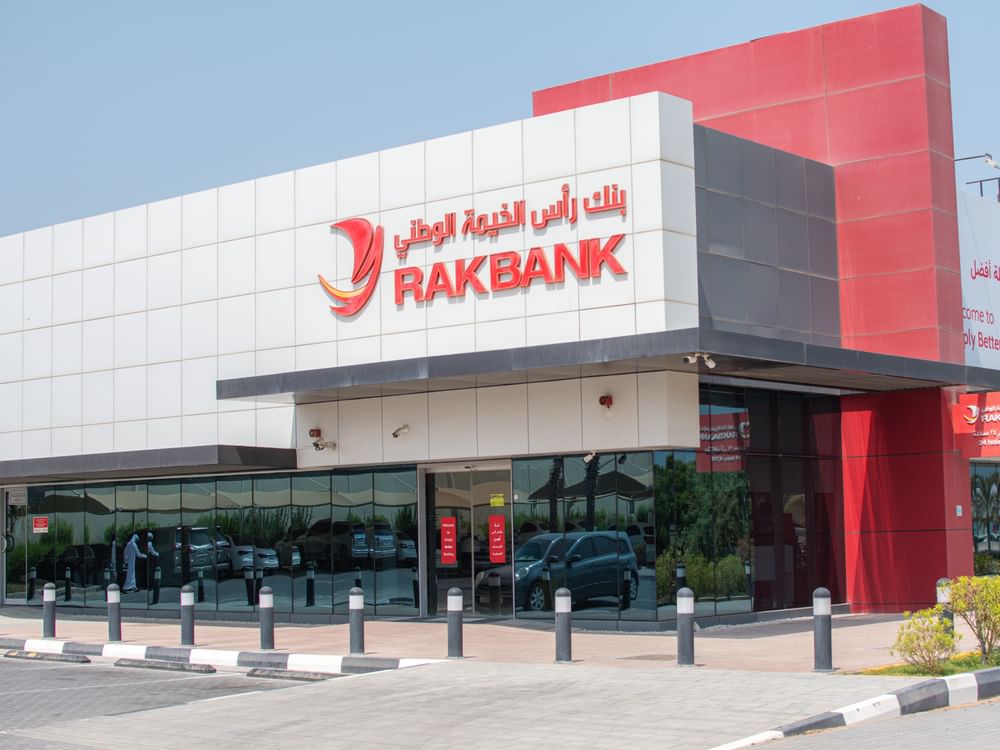
RAKBANK, the National Bank of Ras Al Khaimah, has successfully concluded its inaugural issuance of Tier 2 bonds, raising $250 million. This marks a significant milestone for the bank as it diversifies its funding sources and strengthens its capital base.

The bond issuance, conducted on September 4, 2024, was well-received by investors, reflecting strong confidence in the bank’s financial stability and growth prospects. The Tier 2 bonds are designed to enhance RAKBANK’s regulatory capital, providing a buffer against potential financial uncertainties and supporting its expansion strategies.

The bonds, with a 10-year maturity, were issued at an annual fixed rate of 5.25%, demonstrating the bank’s ability to secure favorable terms in the current capital markets. The issuance process attracted a diverse group of investors, including institutional and private investors, both regionally and internationally.

RAKBANK’s decision to issue Tier 2 bonds aligns with its ongoing efforts to strengthen its financial position and comply with the evolving regulatory requirements. Tier 2 capital, which forms part of a bank’s regulatory capital base, is crucial for maintaining the bank’s stability and supporting its growth initiatives. The successful issuance of these bonds is expected to bolster RAKBANK’s capital adequacy ratio, enhancing its ability to absorb potential losses and support future lending.

The bank’s strategy to tap into the Tier 2 bond market reflects a broader trend among financial institutions in the Middle East, where banks are increasingly turning to the capital markets to meet regulatory capital requirements and support their expansion plans. The issuance also underscores RAKBANK’s commitment to maintaining a robust capital structure, which is essential for navigating the challenges of the evolving financial landscape.

The completion of this bond issuance comes at a time when the global financial markets are experiencing a period of heightened volatility, driven by various economic and geopolitical factors. Despite these uncertainties, RAKBANK’s ability to secure significant investor interest highlights the bank’s strong market position and investor confidence in its long-term prospects.

Industry experts view RAKBANK’s Tier 2 bond issuance as a strategic move that positions the bank well for future growth. By securing additional capital, the bank is better equipped to support its lending activities, invest in new projects, and enhance its competitive position in the market. This capital injection will also enable RAKBANK to continue offering innovative financial products and services to its customers.

The successful completion of the Tier 2 bond issuance is expected to enhance RAKBANK’s credit profile, potentially leading to improved ratings from international credit rating agencies. This, in turn, could lower the bank’s borrowing costs and support its efforts to expand its footprint in both domestic and international markets.

RAKBANK’s Tier 2 bond issuance is part of a broader trend among banks in the region seeking to bolster their capital bases amid evolving regulatory requirements and economic uncertainties. Financial institutions across the Middle East are increasingly leveraging capital markets to meet their capital needs and support growth initiatives. This trend reflects a shift towards more sophisticated funding strategies as banks navigate the complexities of the modern financial landscape.

Advertisements

Economic sentiment across the Gulf Cooperation Council (GCC) remains largely positive despite facing significant challenges. Leaders from the region’s six member states—Saudi Arabia, the United Arab Emirates, Qatar, Kuwait, Oman, and Bahrain—are projecting continued economic growth driven by strategic diversification and investment in key sectors.

Saudi Arabia’s Vision 2030 continues to shape its economic landscape. The Kingdom is expanding its non-oil industries, particularly focusing on tourism, technology, and entertainment. Major projects like NEOM, a futuristic city planned to be powered entirely by renewable energy, are set to bolster economic diversification efforts. Despite fluctuations in oil prices and global economic uncertainties, Saudi Arabia’s economic policies aim to position the country as a global hub for innovation and investment.

The United Arab Emirates is also charting a course of strategic growth. Dubai, in particular, is enhancing its status as a global business and tourism center. The emirate’s emphasis on sustainable development, with initiatives such as the Dubai Clean Energy Strategy 2050, underscores its commitment to a diversified economy. Additionally, Abu Dhabi’s investments in renewable energy and technology sectors are expected to drive future economic stability.

Qatar’s economy is benefiting from its robust infrastructure projects and strategic investments. The country has been preparing for the 2022 FIFA World Cup, which is anticipated to provide a substantial boost to the hospitality and tourism sectors. Additionally, Qatar is focusing on strengthening its natural gas sector, positioning itself as a leading global exporter. This economic strategy aims to maintain Qatar’s high growth trajectory despite regional geopolitical tensions.

Kuwait is working towards economic diversification through its Vision 2035 plan, which seeks to reduce dependency on oil revenues by investing in sectors such as finance, technology, and healthcare. Despite facing budget deficits and economic pressures, Kuwait’s government is committed to implementing reforms and enhancing the investment climate to attract foreign capital.

Oman’s economic policies are geared towards improving its economic resilience through diversification. The Sultanate is investing in industries such as mining, tourism, and manufacturing. Oman’s efforts to enhance its business environment, coupled with regional trade agreements, are designed to foster economic growth. The government is also focusing on developing its infrastructure to support economic activities.

Bahrain is making strides in transforming its economy through investments in banking, finance, and technology. The Kingdom’s focus on becoming a fintech hub reflects its strategy to attract international businesses and foster innovation. Additionally, Bahrain’s efforts to enhance its human capital and improve its regulatory framework are expected to contribute to its long-term economic stability.

Virgin Atlantic Airways is set to expand its global footprint with a new service to Riyadh, Saudi Arabia, marking its first direct route to the Kingdom. This move comes amid a surge in travel demand as Saudi Arabia continues to emerge as a significant player in the global tourism sector.

The new route will operate three times a week starting from next month, aiming to connect Riyadh with London’s Heathrow Airport. This expansion aligns with Saudi Arabia’s Vision 2030, which seeks to diversify the economy and boost tourism as a key sector. Virgin Atlantic’s entry into the Saudi market reflects a broader trend of international airlines increasing their presence in the region.

Saudi Arabia’s tourism industry has witnessed substantial growth due to the government’s efforts to open up the country to international visitors. Initiatives such as the introduction of new visa programs and the development of large-scale tourist attractions are contributing to this growth. The country’s investment in infrastructure, including the expansion of airports and the construction of luxury hotels, further supports this upward trajectory.

Virgin Atlantic’s decision to add Riyadh to its network comes as part of the airline’s strategy to leverage the increasing travel demand in the Middle East. The route is expected to cater not only to business travelers but also to tourists exploring Saudi Arabia’s cultural and historical landmarks. Riyadh, the capital city, has seen a rise in international visitors, drawn by its vibrant culture and economic opportunities.

This move is also significant in the context of competition within the Middle Eastern aviation market. Major carriers like Emirates, Qatar Airways, and Etihad have long dominated the region, but Virgin Atlantic’s entry represents a shift in the competitive landscape. The airline’s expansion strategy includes targeting key emerging markets, with Riyadh being a prime example of this approach.

Virgin Atlantic’s new service will offer passengers a range of amenities, including state-of-the-art cabin features and high-quality in-flight services. The airline is positioning itself as a premium choice for travelers between the UK and Saudi Arabia, differentiating itself with a focus on customer experience and modern aircraft.

The addition of Riyadh to Virgin Atlantic’s route map also highlights the growing importance of the Middle East as a travel hub. The region’s strategic location between Europe, Asia, and Africa makes it a key transit point for international travelers. As global travel patterns continue to evolve, airlines are increasingly looking to the Middle East to drive growth.

Saudi Arabia’s push to enhance its global tourism appeal includes not only traditional landmarks but also new attractions and events. The country’s efforts to host international conferences, festivals, and sporting events are part of its strategy to become a top tourist destination. Virgin Atlantic’s new route will likely benefit from these initiatives, as increased tourism activities drive demand for air travel.

The expansion also underscores the role of airlines in supporting economic development and cultural exchange. By connecting Riyadh with London, Virgin Atlantic is facilitating greater connectivity between two major global cities, promoting business and leisure travel. This service will likely foster increased bilateral trade and investment opportunities, benefiting both the UK and Saudi Arabia.

Arabian Post Staff -Dubai Leaked images of the retail packaging for the DJI Air 3S have sparked speculation about an imminent release. The unexpected preview of the drone’s box suggests that DJI, a leader in the consumer drone market, may be preparing to unveil its latest model sooner than anticipated. The DJI Air 3S, anticipated as a successor to the Air 2S, has generated significant buzz among […]

Kazuo Ueda, the Governor of the Bank of Japan (BOJ), has recently reiterated the central bank’s readiness to raise interest rates if the Japanese economy and inflation align with forecasts. This stance has significantly impacted currency markets, contributing to the yen’s strengthened position against the U.S. dollar. As the BOJ navigates its monetary policy, the broader implications for risk assets and global financial stability are becoming increasingly […]

Clarivate Plc, a prominent global provider of transformative intelligence, has introduced a new generative AI-powered tool aimed at revolutionizing the research landscape. The Web of Science™ Research Assistant, developed in collaboration with the research community, is designed to assist researchers in navigating the vast and complex world of scientific literature with greater ease and efficiency. The innovative tool integrates generative AI technology into the renowned Web of […]

A luxury jet linked to Venezuelan President Nicolás Maduro has been seized by U.S. authorities, who claim it was bought through illicit means and smuggled in violation of sanctions and export controls. The Dassault Falcon 900EX, recently seized in the Dominican Republic, has been transferred to federal custody in Florida, according to the U.S. Justice Department.

The aircraft, a high-end model valued at millions of dollars, was reportedly purchased via a shell company, making it challenging for authorities to trace its true ownership. The Justice Department asserts that the plane’s acquisition and subsequent use contravened U.S. sanctions imposed on the Venezuelan government. The seizure aligns with broader efforts by U.S. authorities to enforce economic restrictions on countries and individuals considered to be engaging in prohibited activities.

The seizure operation unfolded after extensive coordination between U.S. and international law enforcement agencies. The plane was intercepted at a Dominican Republic airport before being transported to Fort Lauderdale Executive Airport in Florida. The timely transfer underscores the seriousness with which U.S. officials are pursuing violations of sanctions laws.

Venezuelan President Nicolás Maduro has been a target of U.S. sanctions for several years, with restrictions aimed at curbing his regime’s influence and financial operations. The U.S. has accused Maduro and his administration of numerous infractions, including human rights violations and corruption. The jet’s seizure marks a significant escalation in efforts to isolate the Venezuelan leader financially and politically.

The plane’s procurement through a shell company reflects sophisticated evasion tactics often employed by those under sanction. Shell companies are frequently used to obscure the true ownership of assets, complicating legal efforts to enforce sanctions and asset freezes. This case exemplifies the challenges faced by authorities in tracking and intercepting assets tied to sanctioned individuals.

U.S. officials have emphasized that the enforcement of sanctions is a critical component of their strategy to exert pressure on regimes and individuals engaged in illicit activities. The seizure of the jet is part of a broader campaign to disrupt the financial networks supporting sanctioned governments and leaders. By targeting high-value assets such as luxury jets, the U.S. aims to undermine the ability of sanctioned entities to project power and influence.

The plane’s journey from the Dominican Republic to Florida was meticulously tracked using flight monitoring systems, which played a crucial role in the operation. The Justice Department’s statement highlighted the use of advanced tracking technology as a vital tool in enforcing international sanctions and controlling the movement of restricted assets.

The case has drawn attention from international observers and analysts, who view it as a significant development in the ongoing sanctions enforcement efforts. The seizure not only affects the immediate asset but also sends a broader message regarding the U.S. commitment to uphold its economic restrictions and counteract attempts to bypass them.

As the legal and diplomatic implications of the seizure unfold, it remains to be seen how this action will impact U.S.-Venezuelan relations and the broader geopolitical landscape. The operation reflects the ongoing complexity and intensity of international sanctions enforcement and the lengths to which authorities will go to ensure compliance with economic and trade regulations.

The incident underscores the evolving nature of global sanctions regimes and the continuous efforts by governments to adapt their enforcement strategies in response to sophisticated evasion tactics. With increasing scrutiny and coordination among international law enforcement agencies, the efficacy of sanctions enforcement is likely to be a focal point in future diplomatic and legal discussions.

Emirates Global Aluminium (EGA) has unveiled a pioneering digital greenhouse gas (GHG) emissions tracking system, marking a significant step in the UAE’s environmental sustainability efforts. This new system is designed to enhance transparency and expedite the decarbonization process, setting a precedent for other industries in the region. EGA’s initiative is a part of its broader strategy to reduce its carbon footprint and aligns with the UAE’s ambitious […]

Saudi Arabia’s leading low-cost carrier, flynas, has significantly expanded its operations within the United Arab Emirates, marking a major development in regional air connectivity. This expansion adds Abu Dhabi, Sharjah, and Al Maktoum International Airport in Dubai to its growing network, enhancing air travel options between Saudi Arabia and the UAE. These new routes complement the existing services to Dubai International Airport, making flynas the first Saudi […]

Zain, a prominent telecommunications provider in Kuwait, has been honored with the ‘Best Corporate Governance Award 2024 for Kuwait’ by World Finance for the fourth consecutive year. This accolade underscores Zain’s continued excellence in adhering to high standards of corporate governance and transparency.

World Finance, a prestigious London-based magazine renowned for its comprehensive coverage of the financial sector, international business, and global economic trends, bestows this award to companies demonstrating exceptional governance practices. Zain’s achievement reflects its steadfast commitment to ethical business operations and robust governance frameworks.

The award, which Zain has received annually since 2021, recognizes companies that excel in transparency, accountability, and stakeholder engagement. Zain’s successful track record highlights its effective implementation of governance principles, including comprehensive risk management strategies, strong board oversight, and rigorous internal controls.

This accolade comes at a time when corporate governance has become increasingly significant for investors and stakeholders. With the evolving regulatory landscape and heightened scrutiny on corporate practices, Zain’s consistent performance in this domain positions it as a leader in maintaining high standards of corporate ethics and governance in the Middle East.

Zain’s governance model incorporates various elements that contribute to its reputation. The company’s board of directors, which comprises a diverse group of experienced professionals, plays a crucial role in overseeing strategic decisions and ensuring compliance with industry regulations. Additionally, Zain has established robust policies for financial reporting, internal audits, and risk management, which are regularly reviewed and updated to align with best practices.

The company’s commitment to corporate governance is also evident in its proactive approach to stakeholder engagement. Zain maintains transparent communication channels with its investors, employees, and customers, fostering trust and accountability. This approach is integral to Zain’s strategy, as it ensures that the company’s operations and decisions are aligned with the expectations and interests of its stakeholders.

Zain’s focus on ethical business practices is further demonstrated through its comprehensive code of conduct and ethics policies. These policies provide clear guidelines for employees and management, ensuring that all business activities are conducted with integrity and in compliance with legal and regulatory requirements. The company’s adherence to these standards has been a key factor in its ability to secure the Best Corporate Governance Award for multiple years.

The award from World Finance also reflects Zain’s broader efforts to promote corporate social responsibility (CSR). The company has implemented various initiatives aimed at supporting community development, environmental sustainability, and social causes. These efforts are part of Zain’s commitment to creating a positive impact beyond its core business operations.

Zain’s continued success in receiving this prestigious award highlights the effectiveness of its governance practices and its dedication to maintaining high standards in the industry. As corporate governance remains a critical focus for investors and regulators, Zain’s exemplary performance serves as a benchmark for other companies in the region.

In the context of the broader telecommunications industry, Zain’s achievement underscores the growing importance of governance and ethical practices. Companies across the sector are increasingly recognizing the value of strong governance frameworks in building investor confidence and ensuring long-term sustainability.

Zain’s success also aligns with global trends towards enhanced corporate governance. As businesses worldwide face increasing pressure to demonstrate transparency and accountability, Zain’s practices offer valuable insights into effective governance strategies. The company’s ability to maintain its position as a leader in corporate governance reflects its resilience and adaptability in a dynamic business environment.


Hyundai’s latest addition to the Ioniq 5 lineup for 2025 introduces the rugged XRT model, designed to cater to off-road enthusiasts and those seeking enhanced durability. This new variant expands the Ioniq 5’s appeal, targeting a broader audience with its robust features and advanced capabilities.

The Ioniq 5 XRT boasts several modifications that distinguish it from the standard model. Key enhancements include increased ground clearance, reinforced suspension, and protective body cladding. These upgrades are aimed at improving the vehicle’s performance on varied terrains, from rugged trails to inclement weather conditions. Hyundai’s design philosophy for the XRT model reflects a growing trend in the electric vehicle market towards versatility and adventure readiness.

Hyundai’s commitment to advancing electric vehicle technology is evident in the Ioniq 5 XRT. The model retains the core electric powertrain that defines the Ioniq 5 series, ensuring that the XRT variant maintains the same impressive range and performance metrics. The XRT’s all-wheel-drive system is also a notable upgrade, offering enhanced traction and stability compared to the standard rear-wheel-drive option.

The introduction of the Ioniq 5 XRT aligns with a broader industry trend where traditional automakers are expanding their electric vehicle portfolios to include more rugged and versatile options. This move reflects an increasing consumer demand for electric vehicles that can handle diverse driving conditions while retaining eco-friendly attributes.

Hyundai’s strategy involves not just enhancing the vehicle’s physical attributes but also integrating advanced technological features. The Ioniq 5 XRT will come equipped with the latest version of Hyundai’s infotainment system, which includes upgraded navigation and connectivity options. Additionally, the model will offer a suite of driver-assistance features designed to enhance safety and ease of driving in challenging environments.

Market analysis suggests that Hyundai’s focus on the XRT model could significantly impact the competitive landscape within the electric vehicle segment. As automakers vie to capture market share in the burgeoning electric SUV category, the XRT’s unique combination of ruggedness and electric efficiency positions it as a formidable contender.

Customer reception of the Ioniq 5 XRT is anticipated to be positive, particularly among those who previously viewed electric vehicles as primarily suited for urban environments. The addition of a rugged variant may also appeal to existing Ioniq 5 owners who are looking for an upgraded model with enhanced capabilities.

In terms of production and availability, Hyundai has indicated that the Ioniq 5 XRT will be introduced in select markets by early 2025. The model is expected to have a limited initial release, with broader availability following based on market demand and production capacity. This strategic rollout aims to gauge consumer interest and adjust production plans accordingly.

The Ioniq 5 XRT’s pricing strategy is also a point of interest. While specific figures have not been disclosed, industry analysts anticipate that the rugged model will be priced higher than the standard Ioniq 5 due to the additional features and modifications. Hyundai’s pricing will likely reflect the premium nature of the XRT while remaining competitive within the electric SUV market.

Doha, Qatar – Qatar Airways has introduced a groundbreaking commercial campaign, leveraging advanced artificial intelligence to offer a personalized viewing experience. The innovative “AI Adventure” film marks a global first by allowing viewers to become the central characters in the airline’s promotional content. This ambitious project underscores Qatar Airways’ commitment to providing unmatched, interactive experiences for its customers.

The new ad campaign utilizes cutting-edge technology to tailor the narrative to each viewer. By integrating AI-driven personalization, Qatar Airways ensures that each individual sees a version of the film that reflects their preferences and interests. This level of customization aims to create a more engaging and relevant experience, highlighting the airline’s dedication to innovation and customer satisfaction.

The “AI Adventure” film is a significant departure from traditional advertising methods. Instead of a one-size-fits-all approach, the film adapts in real-time based on viewer interactions. This not only enhances the viewer’s engagement but also reinforces Qatar Airways’ brand as a leader in technological advancements within the aviation industry.

This initiative is part of Qatar Airways’ broader strategy to set new standards in customer experience. The airline has long been known for its focus on luxury and innovation, and this new campaign builds on that reputation by incorporating the latest AI technologies. The move also aligns with a broader trend in the travel and hospitality industries, where companies are increasingly using technology to enhance customer interactions.

The development of the “AI Adventure” film involved extensive collaboration between Qatar Airways and a range of technology partners. These partnerships were crucial in creating a seamless and immersive experience that meets the high standards set by the airline. The project highlights Qatar Airways’ ability to integrate complex technologies into its marketing strategies, demonstrating the company’s forward-thinking approach.

The launch of this campaign comes at a time when the travel industry is facing significant changes. With evolving customer expectations and a growing emphasis on personalized services, airlines are seeking new ways to differentiate themselves. Qatar Airways’ use of AI in advertising is a clear response to these trends, aiming to offer a more individualized and memorable experience for travelers.

In addition to its technological innovations, Qatar Airways continues to emphasize its core values of quality and service. The airline’s commitment to excellence is evident in its ongoing investments in both customer experience and operational efficiency. By combining these elements with advanced technologies, Qatar Airways is positioning itself as a pioneer in the industry.

Tata AIA Life Insurance has expanded its offerings to cater to Non-Resident Indians (NRIs) by introducing dollar-denominated life insurance policies. This new product line is available directly through the company’s website, allowing NRIs to purchase life insurance coverage in U.S. dollars. The move aims to address the needs of NRIs who prefer to manage their insurance premiums and benefits in a currency aligned with their financial activities abroad.

The introduction of dollar-denominated policies marks a strategic shift for Tata AIA, aligning its product offerings with the preferences of NRIs who may want to avoid currency conversion risks associated with their home country’s currency. By facilitating transactions in U.S. dollars, Tata AIA aims to simplify the insurance process for NRIs, who often find themselves managing assets and expenses in multiple currencies.

Tata AIA’s new insurance products offer several benefits tailored to NRIs. Policyholders can enjoy the flexibility of making premium payments and receiving benefits in U.S. dollars, potentially providing a more straightforward financial management experience. This initiative reflects a growing trend among insurers to adapt to the global needs of their customers by offering products that cater to international lifestyles.

In addition to the convenience of dollar-denominated policies, Tata AIA provides various life insurance plans that cover different needs, from term life insurance to comprehensive investment-linked policies. The ability to manage these policies in U.S. dollars can be particularly appealing to NRIs who are earning or holding assets in the U.S. or other dollar-based economies.

The move aligns with Tata AIA’s broader strategy to enhance its global reach and appeal to a diverse customer base. This strategic initiative is expected to bolster the company’s position in the competitive life insurance market, particularly among the NRI community, which has significant financial interests abroad.

NRIs often face challenges in navigating financial products that are aligned with their international lifestyle. Tata AIA’s introduction of dollar-denominated insurance solutions is a response to these challenges, providing a tailored financial product that addresses the specific needs of this demographic. By offering these products online, Tata AIA also leverages the growing trend of digital financial services, making it easier for NRIs to access and manage their insurance coverage from anywhere in the world.

This development is part of a broader trend where financial institutions are increasingly customizing their offerings to meet the needs of global customers. As financial markets become more interconnected, there is a growing demand for products that cater to an international clientele, allowing them to seamlessly manage their financial activities across different currencies.

Tata AIA’s initiative reflects an understanding of the complexities faced by NRIs and an effort to simplify their financial management. The introduction of dollar-denominated policies not only provides a practical solution for managing insurance but also positions Tata AIA as a forward-thinking insurer capable of meeting the evolving needs of its global customer base.

RAKBANK, officially known as the National Bank of Ras Al-Khaimah, has introduced a new digital platform named “Protego,” aiming to reshape how UAE residents approach their insurance needs. This insurance aggregator platform is designed to simplify purchasing, managing, and claiming insurance policies, providing a seamless and user-friendly experience. Protego represents a significant leap forward in the UAE’s insurance sector, addressing the growing demand for more accessible and […]

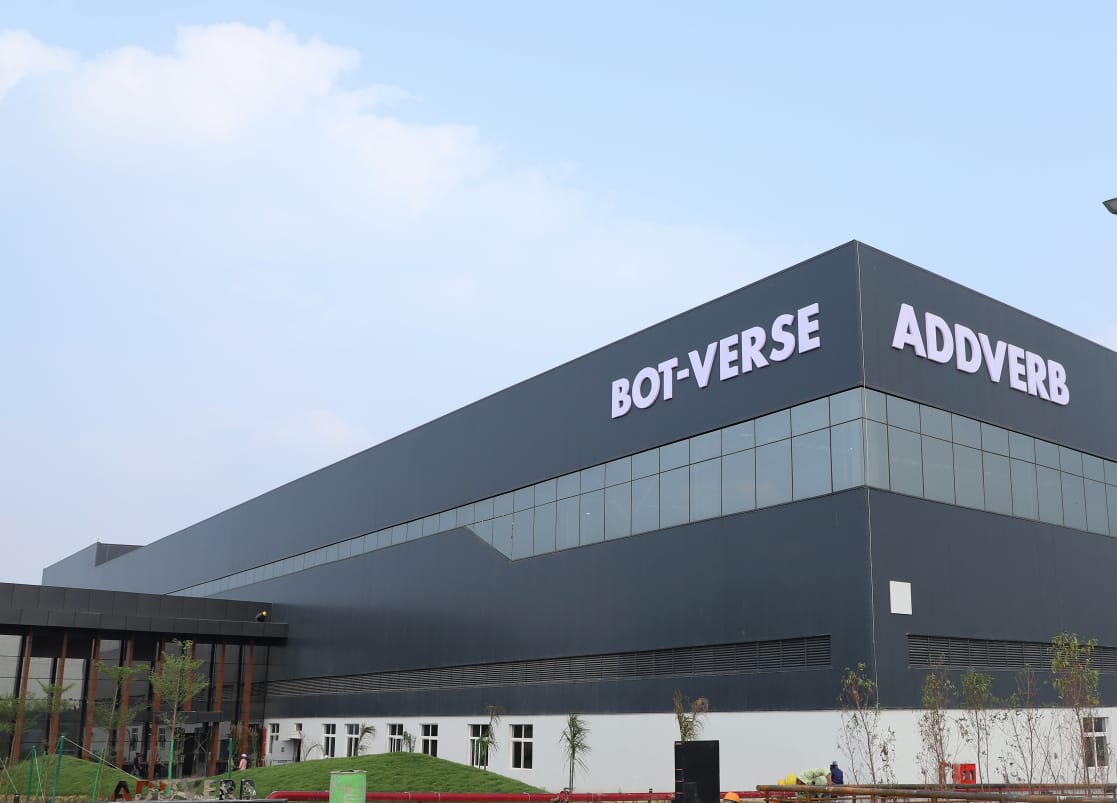
Addverb Technologies has inaugurated “Bot-Verse,” a cutting-edge mobile robot manufacturing facility in Greater Noida, India. This new plant, completed in a record time of just one year with an investment of $30 million, is set to become a significant player in the robotics industry. The factory boasts an impressive production capacity of 100,000 robots annually and is expected to create over 3,000 highly skilled jobs in the region.

The Bot-Verse facility represents a considerable leap in robotics manufacturing and is designed to meet the growing demand for advanced automation solutions. The site will serve as a major hub for Addverb’s operations, providing a wide range of mobile robots and automation systems to various sectors, including logistics, manufacturing, and retail. The facility’s ability to scale production up to 100,000 robots per year underscores its role in addressing both domestic and international market needs.

A key highlight of the Bot-Verse plant is its commitment to sustainability. The facility features a green cover spanning 20,000 square meters, integrating environmentally friendly practices into its operations. This green initiative is part of Addverb’s broader strategy to minimize the ecological impact of its manufacturing processes and promote sustainable industrial practices.

The rapid construction of the Bot-Verse factory reflects Addverb’s ambitious goals and the growing importance of India as a central player in the global robotics industry. The investment of $30 million is indicative of the company’s confidence in the Indian market and its potential to drive innovation in robotics technology.

Addverb’s strategic expansion into Greater Noida also highlights the region’s emerging role as a significant technology and manufacturing hub. The establishment of this facility is expected to bolster the local economy by providing thousands of high-quality jobs and fostering technological advancements in the area. Additionally, the factory’s advanced infrastructure and production capabilities are poised to enhance Addverb’s global competitive edge in the robotics sector.

The Bot-Verse facility will not only advance Addverb’s production capabilities but also serve as a benchmark for future industrial projects focused on sustainability and efficiency. The integration of a large green space within the manufacturing plant demonstrates the company’s commitment to balancing industrial growth with environmental responsibility.

This development is a testament to the growing investment in India’s technology sector and the increasing recognition of the country as a critical player in global innovation. As Addverb continues to expand its presence and capabilities, the Bot-Verse factory is likely to play a pivotal role in shaping the future of mobile robotics and automation on a global scale.

President Sheikh Mohamed bin Zayed Al Nahyan met with Akinwumi Adesina, the President of the African Development Bank Group (AfDB), on Tuesday to discuss enhancing cooperation between the United Arab Emirates (UAE) and the AfDB. This high-level meeting aimed to strengthen partnerships and identify new opportunities for collaboration across various development sectors.

The discussion focused on several key areas, including infrastructure development, renewable energy, and economic growth initiatives. Both leaders expressed a strong commitment to advancing sustainable development goals and addressing critical challenges facing African nations.

President Sheikh Mohamed emphasized the UAE’s dedication to supporting Africa’s development agenda, highlighting ongoing and future projects that aim to boost economic resilience and sustainable growth across the continent. He underscored the importance of aligning efforts with the AfDB’s strategic objectives to maximize impact and foster mutual benefits.

Akinwumi Adesina outlined the AfDB’s current priorities and projects, stressing the organization’s role in driving economic transformation and addressing poverty and inequality in Africa. He highlighted the bank’s focus on investing in green technologies and infrastructure to support long-term development goals.

Both leaders agreed on the necessity of leveraging their respective strengths to enhance regional stability and promote economic prosperity. The meeting also touched upon potential areas of collaboration, such as enhancing trade relations and investing in infrastructure projects that can drive economic growth and create job opportunities.

In addition to discussing bilateral cooperation, Sheikh Mohamed and Adesina explored ways to enhance the effectiveness of development aid and investment strategies. They acknowledged the importance of strategic partnerships and shared resources to achieve sustainable development outcomes.

This meeting comes as part of the UAE’s broader strategy to strengthen its role in global development and support international efforts to address pressing challenges. The UAE has been actively engaged in various development initiatives across Africa, aiming to build partnerships that contribute to economic and social advancement.

The dialogue between President Sheikh Mohamed and Akinwumi Adesina underscores the growing importance of international collaboration in addressing global development challenges. Both leaders’ commitment to enhancing cooperation reflects a shared vision of creating sustainable and inclusive growth opportunities for communities across Africa and beyond.

China has initiated an anti-dumping investigation into imports of Canadian canola, a move that follows Canada’s recent decision to impose tariffs on Chinese electric vehicles. The announcement, made by Chinese authorities on Tuesday, comes amid rising concerns over trade imbalances and market fairness.

The anti-dumping probe is set to examine whether Canadian canola is being sold at below market value in China, potentially harming the domestic canola industry. This development has significantly impacted the market, with domestic rapeseed oil futures in China surging to their highest levels in a month. The increase in prices reflects heightened market tension and uncertainty surrounding trade relations between the two countries.

The timing of China’s investigation is linked directly to Canada’s recent tariff measures. Canada had previously imposed tariffs on Chinese electric vehicles, citing concerns over unfair trade practices. This action appears to have prompted China to scrutinize Canadian canola imports more closely, signaling a potential escalation in trade tensions between the two nations.

China is one of the largest importers of canola, and Canadian canola represents a significant portion of its supply. The outcome of the investigation could have far-reaching implications for trade relations between China and Canada, potentially affecting the flow of canola and other agricultural products between the two countries.

Experts suggest that this move by China is part of a broader strategy to address trade imbalances and ensure fair competition in its domestic market. The investigation is expected to take several months, during which time both countries will likely engage in negotiations to resolve the issue. The outcome will be closely watched by industry stakeholders and policymakers, as it could influence future trade agreements and market dynamics.

The surge in rapeseed oil futures underscores the immediate impact of the investigation on the market. Traders and analysts are monitoring the situation closely, as any prolonged disruption in canola supplies could lead to increased volatility in global agricultural markets.

Saudi Arabia’s Public Investment Fund (PIF) has returned to the bond market for the fourth time this year, showcasing its continued aggressive strategy to finance its expansive investment agenda. This latest issuance is part of the sovereign wealth fund’s broader plan to raise substantial capital, aimed at supporting Vision 2030, the kingdom’s ambitious initiative to diversify its economy away from oil dependence.

The PIF has set an initial price guidance for a new dollar-denominated bond, with an expected issuance close to $10 billion for 2024. This move marks its second sukuk offering this year, following previous issuances that cumulatively position the fund as a significant player in global bond markets.

The timing of this bond issuance is strategically aligned with the PIF’s ongoing efforts to bolster its investment portfolio, which spans across various sectors including technology, green energy, and entertainment. This strategy is not just about raising capital but also about reinforcing Saudi Arabia’s financial presence on the international stage.

Analysts have noted that this consistent tapping into the bond market is a clear indication of the PIF’s robust financial health and its capacity to leverage global capital markets to fund its initiatives. The fund’s ability to attract substantial investment reflects confidence among international investors in the PIF’s management and Saudi Arabia’s economic reforms.

As the PIF continues its trajectory of aggressive investment, the funds raised from these bond issuances are expected to be channeled into both domestic and international projects, further solidifying Saudi Arabia’s position as a leading global investor. This strategy underscores the fund’s critical role in driving the kingdom’s economic diversification goals, particularly in the non-oil sectors.

The latest bond offering is expected to close shortly, with strong investor interest anticipated, given the PIF’s proven track record and the attractive pricing structure of its bonds. This issuance will add to the fund’s growing portfolio of debt instruments, ensuring that it remains well-capitalized to meet its long-term investment objectives.

VISHNU RAJA
RYO YAMADA
HITORI GOTOH
IKUYO KITA