Just in:
Hong Kong mandates crypto transaction disclosures to tax authorities // CR Longdation Aethereal Cybersecurity × Global Cybersecurity Alliance (GCSA) Join Hands to Establish the “AI and Cybersecurity Research Centre” // xCube Access Welcomes Entrust Capital Limited  Expanding Access to Professional Portfolio Management // Asia Left Behind: Ten international companies have yet to report delivering on their cage-free egg pledges across the region // Dubai boat show confirms international shipyard line-up for November // Ta’ziz finalises $1.39bn funding for Ruwais industrial facilities // After Reaching 7 Million Users in the Philippines, Skyro Launches Transparent Cash Loans in Malaysia // APT29-linked campaign exploits outdated Apple and Android software // Oil and chip shares retreat after Democratic victories // Middle East governments assess Iran war after US vote // Anthropic to prohibit persistent abuse of Claude chatbot // Emirates Group records AED 4.1 billion half-year profit // AI trust gap reveals distinct retail priorities: Divergent paths to consumer growth in Hong Kong and the GBA // SC to examine students’ exam plea today // Burying Head In “India Made Poverty Reduction” Data Is Dangerous // Pinarayi faults UDF over mounting road crashes // ADIA and partners establish $1.4 billion aviation venture // As AI Reshapes Education, Singapore Convenes Global Dialogue on the Future of Early Childhood Education // OpenAI identifies 948 Linux privilege escalation flaws using AI // Vance attributes Republican midterm defeats to Iran conflict //

News related to
Strategy

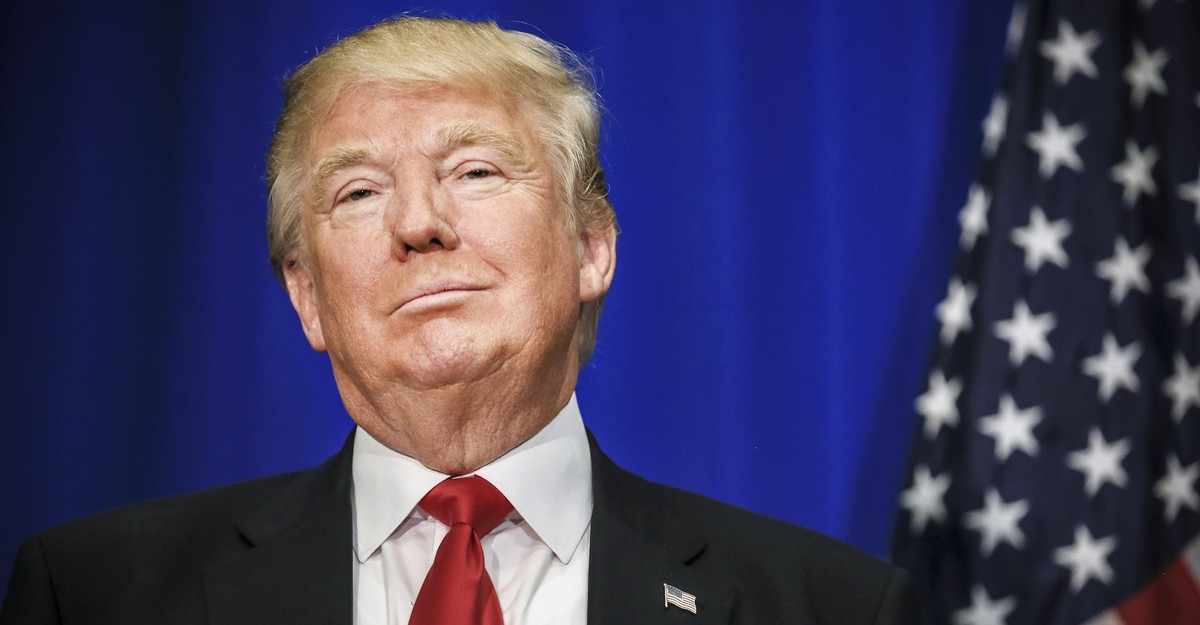
Bitcoin has surged to unprecedented heights, nearing the $90,000 mark as a combination of market optimism, increased institutional interest, and geopolitical shifts continue to fuel its momentum. This remarkable rise in the cryptocurrency’s value has been closely tied to a series of economic developments, notably the political climate surrounding former U.S. president Donald Trump, whose influence appears to be a significant factor in the growing bullish sentiment.

The cryptocurrency market’s volatility has long been a defining characteristic, but the latest surge in Bitcoin prices signals a shift in the forces driving demand. Analysts are pointing to a confluence of factors, with the Trump factor emerging as a particularly potent catalyst. The former president’s potential return to power has sparked both optimism and uncertainty, prompting traders to flock to Bitcoin as a hedge against political instability and inflationary pressures.

Bitcoin’s ascent began accelerating in mid-2024, following a series of positive regulatory signals, particularly in the United States. The market has also been buoyed by major institutional investors increasing their exposure to digital assets, solidifying Bitcoin’s position as a mainstream asset class. However, it is the increasing political unrest, particularly tied to the upcoming U.S. presidential election, that has helped propel the price to near-record highs.

Trump, whose political future remains uncertain but undeniably impactful, has been a key figure in driving risk-on sentiment within the financial markets. His public statements, rallying for policies that are viewed as pro-business, have ignited optimism among investors, particularly those who see Bitcoin as a store of value. The U.S. dollar’s weakness, in combination with potential political shifts, has fueled the flight to alternative assets, with Bitcoin positioned as the prime beneficiary of this trend.

The U.S. Federal Reserve’s monetary policy, focusing on cautious interest rate adjustments, also plays a role in the cryptocurrency’s rally. As traditional asset classes like equities and bonds face headwinds due to inflationary concerns and tightening policy, Bitcoin’s appeal as an inflation hedge has grown. The digital currency’s decentralized nature makes it an attractive option for those looking to protect their wealth from government interference, and this narrative is gaining traction amid a backdrop of rising populist movements and economic uncertainty.

Meanwhile, the ongoing developments in the global financial landscape are amplifying Bitcoin’s appeal. International geopolitical tensions, such as the growing U.S.-China rivalry and the instability in certain emerging markets, have led to increased interest in decentralized currencies. Bitcoin, as the flagship cryptocurrency, is seen by many as a safe haven in times of crisis. With central banks around the world adopting increasingly accommodative monetary policies in the face of economic challenges, Bitcoin’s value proposition is strengthened.

Institutional investors, who were once cautious about the volatile nature of cryptocurrencies, are now diving into the market with more confidence. Publicly traded companies and hedge funds have significantly increased their Bitcoin holdings over the past year, signaling growing acceptance of digital assets within traditional investment portfolios. This trend has been accelerated by high-profile endorsements, including that of companies like Tesla, MicroStrategy, and Fidelity, which have shifted a portion of their treasury reserves into Bitcoin, further legitimizing it as an investment vehicle.

In addition to institutional interest, the retail market has also played a key role in Bitcoin’s price surge. The proliferation of crypto-focused investment platforms and decentralized finance (DeFi) protocols has enabled easier access for individual investors, resulting in a broader base of market participants. As Bitcoin approaches the $90,000 threshold, its growing popularity among mainstream investors has prompted renewed speculation about the possibility of a $100,000 price target.

Despite the market’s optimism, there are still underlying risks that could hinder Bitcoin’s rally. Regulatory scrutiny remains a significant concern, particularly in major markets like the U.S., where regulators are working to establish clearer frameworks for cryptocurrency trading and taxation. The future of Bitcoin’s price may be shaped by how policymakers choose to approach these challenges.

Another risk factor is the volatility of the broader crypto market. While Bitcoin has shown remarkable resilience, other cryptocurrencies have seen more dramatic fluctuations in value, raising questions about the sustainability of the current rally. Altcoins such as Ethereum, Solana, and others are often subject to greater price swings, which can influence investor sentiment and spill over into Bitcoin’s price.

Are you curious about how Roth conversion taxes impact your retirement savings? Converting to a Roth IRA can be a smart move for future tax-free growth, but understanding the taxes involved is key to maximizing the benefits. Roth conversion taxes can seem complex, yet with the right strategies, you can manage them effectively and set up your retirement for success. By learning how to navigate these taxes, […]

Cathay Pacific has expanded its international network with the launch of direct flights between Hong Kong and Riyadh, marking a significant milestone in the airline’s growth strategy. This new route provides both business and leisure travelers with a more efficient travel option, strengthening connectivity between two major economic hubs in Asia and the Middle East.

The inaugural flight, which took off in early November, was celebrated with a ceremony attended by key officials from both Hong Kong and Saudi Arabia. Among the notable attendees were Financial Secretary of the Hong Kong SAR Government Paul Chan Mo-po, Consul General of Saudi Arabia in Hong Kong Hamad Aljebreen, and Cathay Group Chair Patrick Healy. The event underscored the growing ties between Hong Kong and the Kingdom of Saudi Arabia, particularly in the context of expanding air connectivity.

The new flight will operate four times a week, offering travelers more flexibility when flying between the two cities. Riyadh, the capital of Saudi Arabia, is a growing business center with increasing demand for direct international flights, particularly from Asia. Hong Kong, as one of the world’s major financial and trading hubs, is a natural gateway for Saudi nationals seeking to conduct business in Asia, and for Hong Kong residents wishing to explore the expanding opportunities in the Kingdom.

The service will be operated using Cathay Pacific’s Airbus A350-900 aircraft, which provides a comfortable flying experience with both business and economy class options. This aircraft is known for its fuel efficiency and advanced technology, making it a fitting choice for long-haul flights.

Lavinia Lau, Cathay Pacific’s Chief Customer and Commercial Officer, highlighted the importance of this new service, noting that it will significantly enhance the airline’s connectivity within the Middle East and further strengthen its presence in Asia. She emphasized the airline’s commitment to offering quality service and expanding its network to meet the evolving demands of its passengers.

The launch of the Hong Kong-Riyadh route is part of Cathay Pacific’s broader strategy to increase its presence in the Middle East. The airline has long been focused on providing convenient connections to key destinations in Asia, Europe, and North America, and this new flight is seen as a key step in maintaining the airline’s competitive edge in the global aviation industry.

Riyadh, as the economic heart of Saudi Arabia, is undergoing rapid transformation under the country’s Vision 2030 initiative. This ambitious plan aims to diversify the economy and reduce the Kingdom’s dependency on oil. As part of this vision, there is a concerted effort to build up the tourism and business sectors, with the government seeking to attract more international investment. This has created a strong demand for enhanced air links between Riyadh and key international destinations.

The direct flight between Hong Kong and Riyadh will play an integral role in fostering economic and cultural ties between the two regions. The Kingdom of Saudi Arabia has long been a major trade partner for Hong Kong, with bilateral trade continuing to grow in recent years. The direct air link will further support trade, tourism, and business opportunities by reducing travel time and increasing convenience for travelers.

The launch comes at a time when airlines are cautiously recovering from the pandemic’s effects on global air travel. Cathay Pacific, like many other carriers, faced significant challenges during the pandemic but has been gradually rebuilding its network as travel demand returns. The Hong Kong-Riyadh route signals the airline’s confidence in the recovery of international travel and its commitment to expanding its network in key markets.

Hong Kong’s Airport Authority also played a crucial role in making the direct flight route a reality. Vivian Cheung, Acting Chief Executive Officer and Chief Operating Officer of the Airport Authority Hong Kong, expressed enthusiasm for the new service, emphasizing that the launch reflects the airport’s continued effort to strengthen its global connectivity and solidify Hong Kong’s status as an international aviation hub.

With the increased demand for air travel between Hong Kong and the Middle East, this new service is expected to benefit not just business travelers but also tourists. Saudi Arabia has been making strides in opening up to international tourism, particularly with the introduction of new visa options and its ongoing efforts to position itself as a major tourist destination in the region. Hong Kong, with its mix of cultural heritage and modern attractions, is well-positioned to attract tourists from Saudi Arabia who are keen to explore Asia’s vibrant cities.

Bitcoin’s price continues to captivate investors, with projections suggesting it could reach the coveted $100,000 mark in the near future. However, experts caution that achieving this milestone will not be a straightforward journey. Volatility, regulatory hurdles, and shifting investor sentiment are just a few of the challenges that Bitcoin must navigate before it can break through this psychological barrier.

As the cryptocurrency market sees renewed interest, Bitcoin’s price has been fluctuating amid a wider crypto rally. Enthusiastic investors are closely watching Bitcoin’s performance, especially after Ethereum’s latest token, WallitlQ (WLTQ), gained significant traction. WallitlQ is expected to see a substantial rally, with some analysts forecasting up to a 300x return, driven by its innovative crypto wallet capabilities. This rising interest in altcoins could have a dual impact on Bitcoin, further intensifying competition and drawing attention away from the market leader.

The potential for Bitcoin to hit $100,000 remains within the realm of possibility, according to multiple cryptocurrency analysts. Historical trends show that Bitcoin’s price has surged by over 1,000% in the past, leading many to speculate that similar growth could unfold once again. But this time, experts stress that Bitcoin faces different macroeconomic factors, regulatory environments, and competition from emerging tokens like WallitlQ.

A key factor influencing Bitcoin’s price trajectory is the ongoing evolution of institutional investment in cryptocurrencies. Companies such as MicroStrategy and Tesla have bolstered their Bitcoin holdings, signaling a shift towards greater mainstream acceptance. These large-scale investments are often seen as a sign of confidence in Bitcoin’s long-term potential. However, Bitcoin’s price remains subject to broader market dynamics, including interest rates and inflation rates, which could hinder its ascent towards the $100,000 target.

Bitcoin’s decentralized nature allows it to bypass traditional financial institutions, but this characteristic also exposes it to heightened regulatory scrutiny. Governments around the world are beginning to take a closer look at cryptocurrency markets, particularly as Bitcoin becomes a more integral part of the global financial system. Proposals for tighter regulations, such as stricter anti-money laundering rules and tax reporting requirements, could exert downward pressure on Bitcoin’s price in the short term.

The competitive landscape for cryptocurrencies is also evolving rapidly. While Bitcoin remains the leader in market capitalization, new tokens are emerging with distinct features aimed at attracting different types of investors. WallitlQ’s unique proposition, for example, lies in its focus on providing a revolutionary crypto wallet that is expected to dramatically simplify transactions and improve user experience. As a result, WallitlQ’s potential 300x rally has sparked significant interest, particularly from investors looking for the next big opportunity in the crypto space.

Despite these competing narratives, Bitcoin’s reputation as a store of value continues to resonate with many investors. With inflation concerns and a growing sense of distrust in traditional financial systems, Bitcoin’s appeal as a hedge against economic instability has grown. Some analysts argue that Bitcoin’s fixed supply of 21 million coins makes it an attractive alternative to fiat currencies, which are susceptible to inflationary pressures. This perceived role as “digital gold” has drawn comparisons to precious metals, positioning Bitcoin as a viable asset class in a diversified portfolio.

Yet, Bitcoin’s volatility remains one of its most defining features. The cryptocurrency market is notorious for rapid price swings, and Bitcoin is no exception. At times, its price movements can be driven by sentiment, speculation, or short-term market events, making it difficult for investors to predict its long-term direction. While some market participants believe that Bitcoin’s price will stabilize as adoption grows, others caution that the cryptocurrency is still in the early stages of its development, and its true value remains uncertain.

Technical indicators, such as moving averages and support-resistance levels, are also being closely monitored by traders and analysts to gauge Bitcoin’s future trajectory. In recent months, Bitcoin has experienced periods of consolidation, which some view as a positive sign of price stability. However, others see it as a precursor to further volatility, with large price swings on the horizon. The next few months will likely be crucial in determining whether Bitcoin can continue to build momentum or face significant setbacks.

The rise of decentralized finance (DeFi) platforms and the increasing integration of blockchain technology into traditional industries are also factors influencing Bitcoin’s future. As more financial products and services are developed on blockchain networks, the demand for cryptocurrencies like Bitcoin could continue to rise. However, this growing interest in blockchain technology could also lead to a diversification of investments, with more capital flowing into altcoins like WallitlQ that offer unique use cases and functionality.

KUALA LUMPUR, MALAYSIA – Media OutReach Newswire – 11 November 2024 – AI has already made a profound impact on the financial markets. Its ability to predict trends, execute trades swiftly, and manage risk is transforming investment strategies at its core. Since it allows companies to provide enhanced user experience with improved accuracy and personalisation, businesses have started to adopt the tech and implement AI-based solutions. NVIDIA’s […]

IonQ, a global leader in quantum computing, has announced the acquisition of nearly all operational assets of Qubitekk, a California-based firm specializing in quantum networking technology. The strategic purchase is designed to enhance IonQ’s position in the rapidly evolving quantum space, particularly in quantum networking, which has become a critical aspect of advancing quantum computing. The deal marks a significant step for IonQ as it looks to […]

The Dubai government has approved an ambitious succession planning framework, focusing on securing continuity and resilience in public sector leadership. The newly introduced system, announced by Dubai’s Executive Council, aims to cultivate a pool of capable Emirati leaders across various government departments, ensuring that vital functions within the emirate are sustained without disruption.

Developed as part of a broader strategy to enhance corporate risk management, this framework is designed to support smooth leadership transitions and maintain operational consistency. With an emphasis on leadership training and skill-building for younger Emirati professionals, the initiative aims to create a structured approach to identifying and preparing potential successors for senior roles. This structured model is a key step forward, addressing risks tied to unforeseen vacancies and fostering stability across critical sectors.

Dubai’s succession plan aligns with the emirate’s vision of building a competitive and sustainable government workforce. This move also dovetails with Dubai’s larger strategic goals under the Dubai Plan 2021, which seeks to foster an innovative and adaptive public sector while reducing reliance on expatriate expertise in high-stakes roles. By focusing on developing a robust pipeline of national leaders, the government aspires to elevate Emirati talent within its civil service, ensuring a stronger, locally-led workforce.

Several departments, including the Dubai Chamber of Commerce and the Department of Economic Development, have already set up pilot programs to assess the new model’s effectiveness. These early trials have showcased positive outcomes in fostering Emirati leadership across finance, trade, and economic regulation roles. The Dubai Chamber has also emphasized that by formalizing succession planning processes, it aims to enhance efficiency, bring fresh perspectives to strategic decision-making, and address long-term staffing needs.

Advertisements

The Federal Reserve’s stance on interest rates has been a focal point of market speculation, with recent indications suggesting that policymakers may maintain the current rates as long as inflation shows signs of control. In the Fed’s latest policy statements, officials have conveyed a cautious tone, emphasizing the importance of achieving a “soft landing” in the economy—a scenario where inflation falls without triggering a recession. Yet the uncertainty surrounding future rate adjustments has kept investors and economists divided on the potential impacts on markets, labor, and spending.

The most pressing issue for the Fed is whether inflationary pressures can continue easing without the need for additional rate hikes. Fed Chair Jerome Powell has highlighted that while inflation has moderated from its highs, it remains above the central bank’s 2% target. Current labor market conditions—characterized by strong employment and moderate wage growth—are essential to the Fed’s calculus, as they impact both consumer spending and pricing power. Any signs of a slowing job market or dip in economic growth could prompt a reevaluation of the Fed’s approach.

Complicating the Fed’s decision-making process is the delicate balance between keeping inflation in check and preventing economic growth from stalling. Some Fed officials have suggested that the current rate levels, which are at their highest in over two decades, may already be sufficient to steer inflation downward in the long run. However, the evolving economic indicators and mixed market reactions continue to fuel debate within the Fed and beyond.

Market analysts point to the possibility of extended high rates, with expectations that the Fed may not begin to cut rates until mid-2024, depending on inflation and economic data trends. This approach reflects the Fed’s strategy to avoid a premature reduction in rates that could risk reigniting inflationary pressures. Meanwhile, some critics argue that the Fed’s communication could be clearer to help market participants anticipate its moves. A recent analysis by the Brookings Institution highlights this communication challenge, suggesting that the Fed’s shifting language often adds to investor uncertainty, even when its actions are steady.

SINGAPORE – Media OutReach Newswire – 8 November 2024 – The 2024 Singapore FinTech Festival took place from November 6 to 8 at the Singapore Expo, gathering central banks, regulatory authorities, industry leaders, entrepreneurs, investors, and innovators from around the world to discuss how to shape the future of the global financial ecosystem through coordinated regulation, innovation, and technology, with a focus on the potential of artificial […]

Unveiling The Future of Communication: AI-Powered, People-Centric, and Hyper-personalised SINGAPORE – Media OutReach Newswire – 8 November 2024 – Live Group has officially launched Envoku, an innovative platform that leverages artificial intelligence to revolutionise communication, engagement, and inclusivity across events, workplaces, and customer interactions. With a people-first approach, Envoku bridges gaps between diverse audiences, providing hyper-personalised experiences that foster deeper connections and engagement. In a world where […]

Avaada, a renewable energy firm backed by Brookfield, is making strides toward entering the green hydrogen sector with a major project in the UAE. The company, which has already established a significant footprint in solar energy, has announced plans to invest in green hydrogen production, marking its expansion into an emerging and strategically important industry in the region. The move highlights the UAE’s growing interest in clean […]

Deyaar Development has announced plans to launch a new real estate project in Dubai, with a projected investment value of Dh1.5 billion. This project, set for completion by the end of the year, marks a significant milestone for the company, which is renowned for its high-profile developments across the emirate. The initiative is part of Deyaar’s broader strategy to strengthen its presence in the competitive Dubai property […]

Talabat, the Middle East and North Africa (MENA) subsidiary of Delivery Hero, is set to launch an initial public offering (IPO) in Dubai, aiming to raise over $1 billion. This marks a pivotal move for the regional food delivery giant, as it transitions into the Dubai Financial Market, bringing with it a slice of the booming tech sector in the region. Delivery Hero, which will retain the majority of Talabat’s shares post-IPO, is taking steps to fortify its financial position amid the rapid growth of its MENA business.

This IPO, a secondary share sale, is expected to position Talabat as one of the most prominent tech stocks in the region. With Delivery Hero scaling back its international operations and focusing more on high-growth markets, the listing is seen as an opportunity to unlock value in a region that has shown impressive growth metrics for the company. Talabat, which has rapidly expanded across the Gulf Cooperation Council (GCC) and beyond, will now attract attention from investors eager to tap into the food delivery boom.

For Delivery Hero, the decision to list Talabat follows its divestment of operations in Taiwan and its broader strategy of simplifying its portfolio. The IPO comes at a time when Talabat’s financial performance in the MENA region has reached new heights. In the first half of 2024, the region’s Gross Merchandise Volume (GMV) surged 29.4% to $6.56 billion, while revenue rose by 32.2% to $1.81 billion. Adjusted EBITDA also demonstrated a strong increase, growing from $123.8 million to $233 million year-on-year.

Several central banks in the Gulf Cooperation Council (GCC) have moved in close alignment with the United States Federal Reserve, adjusting interest rates as a preemptive measure against inflationary trends and to stabilize financial markets. In the latest developments, central banks in the UAE, Saudi Arabia, Bahrain, and Qatar have either maintained their rates or slightly adjusted them in response to the Fed’s monetary policy shifts, which […]

By Anjan Roy Never before, an American presidential election evoked such widespread interest and concern across the world. This is because the presumptive president has given rise to fears and concerns about America’s policies which do not promise to follow the scripted lines. There is a sense of uncertainty all the way in the power […]

KUALA LUMPUR, MALAYSIA – Media OutReach Newswire – 8 November 2024 – Trading offers a pathway to financial growth, yet for many beginners, fear of loss, mistakes, and market unpredictability can create mental blocks. Octa, a broker with globally recognised licences, explores common trading fears, breaks down their causes, and presents practical methods to manage them. These insights will help traders build management and confidence-boosting strategies, creating […]

The Trump administration’s latest strategy to impose stricter sanctions on Iran and Venezuela is set to have a significant impact on global oil markets. As tensions rise over geopolitical maneuvering and energy security concerns, experts predict that these measures will strain already delicate oil supplies and could lead to higher prices globally. The decision underscores the U.S.’s firm stance against two key oil producers, both of which have been facing international isolation due to their respective political landscapes.

Under the previous administration, sanctions against these nations were ramped up, but the current approach seeks to tighten those restrictions even further, with the aim of curbing oil exports from both Iran and Venezuela. Analysts believe that this intensification is intended to increase pressure on the governments in Tehran and Caracas, while also signaling the U.S.’s commitment to reducing foreign oil dependency. The new sanctions could, however, complicate matters for oil-importing nations, as they will likely face higher costs and uncertainty in accessing sufficient supply.

Iran, whose oil industry has been a target of U.S. sanctions for years, faces restrictions that limit its ability to engage in global trade. With the United States and many European countries pressuring buyers not to purchase Iranian oil, Tehran’s market share has drastically shrunk. Despite this, Iran has still managed to export oil to certain regions, including China, albeit covertly. The latest sanctions are expected to curb these exports even further, as U.S. officials vow to penalize any entities engaging in trade with Tehran’s oil sector. This will likely exacerbate Iran’s economic woes and deepen the global oil supply shortage.

Venezuela, already grappling with a humanitarian crisis and a collapsed economy, is another major target of U.S. sanctions. The Latin American nation holds some of the largest oil reserves in the world but has struggled to maintain production levels due to mismanagement, lack of investment, and the effects of sanctions imposed by Washington. As production continues to decline, Venezuela’s role as a key oil exporter diminishes. With further sanctions on the horizon, experts anticipate a further decline in Venezuelan oil output, further straining the global oil market.

These sanctions could have widespread ramifications beyond Iran and Venezuela. Global oil prices, already volatile in recent months due to the ongoing war in Ukraine and other supply disruptions, are expected to rise as oil becomes scarcer. Some analysts are predicting that a more severe reduction in output from these two countries could push oil prices well above current levels, forcing governments and companies worldwide to adjust their energy strategies.

The administration’s move to implement stricter sanctions on these oil-rich countries aligns with broader U.S. goals of reducing global reliance on unstable regimes. By limiting Iran and Venezuela’s capacity to export oil, Washington is seeking to restrict revenue streams that could fund political instability or hostile actions. However, experts warn that these policies may not be fully effective in the long term and could further alienate both countries, making future diplomatic engagement more difficult.

For international oil markets, these measures represent a critical crossroads. A reduced supply of oil from Iran and Venezuela may benefit other oil-producing countries like Saudi Arabia, Russia, and the United States, which are all positioned to fill the gap. However, these nations are already producing at near maximum capacity, and additional pressure on these producers could create upward price pressures. Furthermore, non-compliance with the sanctions by other nations, especially China, could result in a fractured global response, leading to even more volatility in the markets.

The oil markets’ response to these sanctions will likely hinge on the willingness of major players to support U.S. policies. If countries such as China and India, two of the largest oil consumers, continue to trade with Iran and Venezuela despite U.S. warnings, the impact of these sanctions could be muted. On the other hand, if these nations adhere to the U.S.-led restrictions, the oil supply could shrink significantly, which would lead to higher costs for energy consumers worldwide.

One of the more significant ramifications of these sanctions is the effect on U.S. allies. Countries that are heavily dependent on Venezuelan or Iranian oil, such as certain European nations, may face challenges in meeting their energy needs. This could prompt some to seek alternative sources of oil, such as those from the U.S. itself, which has ramped up production in recent years. While U.S. shale production has boomed, it is unclear if it will be able to absorb the loss of oil exports from these countries and meet global demand.

The sanctions’ broader economic impact cannot be ignored. Countries around the world are grappling with inflation and supply chain disruptions, which are already driving up energy costs. The additional strain on oil markets caused by these new sanctions could further exacerbate economic instability, especially in developing nations that are highly reliant on affordable energy.

Hytron Enhances Hygiene Standards at Temasek Polytechnic, Marks a Monumental Leap in Cleaning Technology SINGAPORE, HONG KONG SAR, BEIJING – Media OutReach Newswire – 7 November 2024 – Primech AI Pte. Ltd., a subsidiary of Primech Holdings Limited (Nasdaq: PMEC), announces the launch of Hytron, a cutting-edge AI-powered automated toilet cleaning robot, now operational and enhancing hygiene standards at Temasek Polytechnic. This innovative technology introduces unprecedented levels […]

KUALA LUMPUR, MALAYSIA – Media OutReach Newswire – 6 November 2024 – Asian financial markets are experiencing increased interest from novice traders. In Southeast Asia, online trading has expanded rapidly, driven by growing internet access and an increasingly digital-savvy population. In Indonesia, active online traders grew by 18%, supported by a thriving e-commerce sector and rising financial literacy. Across Southeast Asia, the digital economy is projected to […]

Masdar, Sarawak Energy, and Gentari have joined forces to explore the feasibility of a large-scale floating solar energy project in Malaysia. The initiative, part of broader efforts to advance renewable energy in the region, seeks to harness Malaysia’s vast water bodies for solar energy generation. The companies aim to assess the potential environmental, technical, and economic factors influencing the deployment of such a project, which could mark […]

Saudi Aramco has seen significant financial performance in recent quarters, but its aggressive expansion and capital expenditure strategy are drawing attention amid broader concerns about the oil market. Despite strong earnings and robust cash flow, the company’s large-scale investments in both traditional energy and new technologies have raised questions about its ability to sustain these levels of expenditure while delivering consistent returns. In its latest financial results, […]

Tajul Islam Donald Trump’s recent critique of Bangladesh on social media, branding it as a nation rife with “barbaric violence” against religious minorities and claiming it exists in a “total state of chaos,” has drawn significant attention. This statement, made just days before the US presidential election, appears to be an effort to appeal to Hindu-American voters, a demographic that has increasingly urged Trump to address issues related […]

Abu Dhabi’s National Marine Dredging Company (NMDC) is pursuing its first significant acquisition in the Gulf region, with plans to finalize a deal by the end of the year. The state-backed firm, which has expanded its portfolio through several infrastructure and engineering projects, has been actively exploring new ventures in the region to diversify its operations and strengthen its position in the global construction and marine services […]

The UAE has unveiled its long-term National Investment Strategy 2031, aiming to attract and retain investments that will fortify the country’s economic diversification and accelerate its status as a global hub for business. The strategy is poised to reshape the investment landscape, focusing on key sectors including advanced technology, renewable energy, healthcare, and financial services.

The UAE’s leadership emphasized that the strategy is a pivotal element of the country’s broader economic transformation plan, building on its recent successes in establishing itself as a leading center for trade, technology, and innovation. As part of the strategy’s goals, the country is looking to increase the volume of foreign direct investment (FDI), enhance local businesses, and promote the integration of sustainable economic practices across industries.

Underpinning this ambitious strategy is the objective to improve the UAE’s competitive position in the global market by tapping into sectors of emerging global importance. This approach is intended not only to attract new investments but also to foster innovation that will drive growth across both traditional and non-traditional sectors. By 2031, the UAE aims to position itself as a key player in the global knowledge economy, with sustainable and cutting-edge technologies leading the charge.

One of the most critical components of the strategy is a comprehensive focus on advanced industries, particularly those that integrate artificial intelligence (AI), data science, and renewable energy technologies. In line with global trends, the UAE is seeking to capitalize on the opportunities brought about by climate change adaptation and green technologies. By investing in renewable energy projects, including solar and nuclear power, the nation is positioning itself to become a leader in sustainable energy solutions while contributing to global climate goals.

Another key feature of the strategy is its emphasis on strengthening the healthcare sector. As the world faces growing challenges related to aging populations and pandemics, the UAE is investing in health technologies that promise to not only improve the quality of healthcare services but also reduce costs and enhance healthcare delivery. This includes advancements in medical research, biotechnology, and digital health technologies, all aimed at improving efficiency and accessibility in the health sector.

A focal point of the UAE’s National Investment Strategy is also its effort to encourage the expansion of the financial services industry, particularly focusing on fintech innovations. By tapping into emerging trends such as blockchain, digital currencies, and decentralized finance, the UAE seeks to redefine its financial ecosystem, making it more agile and globally competitive. This is part of a broader initiative to attract a new generation of entrepreneurs and investors, particularly those in the tech and financial sectors.

The strategy also acknowledges the importance of a flexible and attractive regulatory framework for investors. The UAE plans to introduce measures that further ease the process of setting up businesses, reducing bureaucratic hurdles, and promoting an environment conducive to innovation. These steps include improvements in intellectual property laws, enhancing access to venture capital, and increasing transparency within the market. In this context, the UAE’s government is also aiming to make significant strides in digitizing the business registration process and enhancing the speed and efficiency with which new enterprises can operate.

The announcement of the National Investment Strategy 2031 comes at a time when the UAE is already seeing notable investments flowing into its economy. The UAE government has actively pursued bilateral investment agreements with countries across the globe, resulting in increased foreign capital inflows. The goal is to build on this momentum and ensure that the country remains an attractive proposition for investors and entrepreneurs seeking a stable and profitable business environment.

The strategy also aligns with the UAE’s Vision 2030, which places heavy emphasis on sustainability and economic diversification. It seeks to reduce the country’s reliance on oil exports and move towards a more knowledge-based economy. This vision aims to diversify revenue streams while fostering innovation and ensuring a more resilient economy in the face of global economic fluctuations. To support this transition, the UAE has been progressively creating a conducive ecosystem for high-tech industries, incorporating digital and green solutions into its infrastructure projects, and providing substantial incentives for businesses engaged in sustainability.

At the heart of the National Investment Strategy is the creation of new partnerships with global technology companies, investors, and academic institutions. These collaborations are expected to drive research and development activities, particularly in sectors that focus on sustainability, health, and innovation. Such partnerships are intended to propel the country’s efforts in creating a vibrant innovation ecosystem, fostering an environment where groundbreaking ideas can thrive and scale up quickly.

The strategy’s success will be closely tied to its ability to leverage the UAE’s geopolitical position as a bridge between East and West. Positioned at the crossroads of Europe, Asia, and Africa, the UAE has long served as a gateway for international trade, investment, and commerce. This strategic location, combined with its advanced infrastructure and growing talent pool, will help the UAE remain a prominent player on the global investment map.

VISHNU RAJA
RYO YAMADA
HITORI GOTOH
IKUYO KITA
Just in:
As AI Reshapes Education, Singapore Convenes Global Dialogue on the Future of Early Childhood Education // Cyberport Venture & Capital Forum 2026 Grand Opening // Oil and chip shares retreat after Democratic victories // ADIA and partners establish $1.4 billion aviation venture // UK air traffic outage inflicted £33m financial losses // Fast Just Got Fastest: STING Energy Boost™ Celebrates Kimi Antonelli’s Formula 1® World Championship and the Fan Energy Behind It // Hong Kong mandates crypto transaction disclosures to tax authorities // Dubai boat show confirms international shipyard line-up for November // Middle East governments assess Iran war after US vote // The “1st Greater Bay Area Health and Longevity Summit & Awards Ceremony” concludes successfully in Macao // Burying Head In “India Made Poverty Reduction” Data Is Dangerous // CR Longdation Aethereal Cybersecurity × Global Cybersecurity Alliance (GCSA) Join Hands to Establish the “AI and Cybersecurity Research Centre” // Democrats capture Senate majority with seven Republican seats // Emirates Group records AED 4.1 billion half-year profit // e-Crime Bureau Signs Cybersecurity Partnership With Smart Africa, Reinforcing Its Global Expansion // Anthropic to prohibit persistent abuse of Claude chatbot // After Reaching 7 Million Users in the Philippines, Skyro Launches Transparent Cash Loans in Malaysia // AI trust gap reveals distinct retail priorities: Divergent paths to consumer growth in Hong Kong and the GBA // xCube Access Welcomes Entrust Capital Limited  Expanding Access to Professional Portfolio Management // Utilities pursue ₹1,992 cr in unpaid bills //