News related to
Strategy

Legrand, a global leader in electrical and digital infrastructure solutions, has strengthened its position in the data center market through the acquisition of Power Bus Way, a Toronto-based provider of custom-engineered cable bus systems. This strategic move enhances Legrand’s portfolio, enabling the company to offer more comprehensive solutions to meet the growing demands of data centers, industrial facilities, and commercial properties. The acquisition reflects a growing trend […]

Abu Dhabi’s National Marine Dredging Company (NMDC) has expanded its reach into new sectors with the establishment of a dedicated logistics unit. This strategic move aims to enhance the company’s service offerings and leverage its operational expertise to capitalize on the growing demand for integrated logistics services. The new division will focus on providing logistics solutions for a wide range of industries, marking a significant shift in NMDC’s business trajectory.

The expansion comes at a time when the global logistics market is experiencing rapid growth, driven by advancements in technology and an increase in trade activities. NMDC’s decision to establish a logistics unit underscores its ambitions to diversify beyond its traditional dredging and marine operations. The move also positions the company to tap into a sector that is becoming increasingly vital to the supply chain, particularly in the Middle East, where infrastructure development continues to surge.

The logistics unit will provide end-to-end services, including transportation, storage, and distribution, aimed at industries such as construction, oil and gas, and infrastructure development. By venturing into this space, NMDC is poised to offer a broader suite of solutions to its existing client base while also attracting new customers from sectors that require sophisticated logistical support. The company’s extensive experience in project management and large-scale operations positions it well to integrate these new services into its existing portfolio.

According to industry experts, NMDC’s entry into the logistics market is a timely response to the increasing need for efficient supply chain solutions. The UAE, and particularly Abu Dhabi, is seeing a rise in demand for specialized logistics services driven by its growing infrastructure and energy sectors. With a well-established reputation for executing large-scale maritime and dredging projects, NMDC’s expansion into logistics is seen as a natural progression.

The establishment of the logistics division is expected to improve operational efficiency by streamlining the movement of goods, materials, and equipment across different sectors. Furthermore, the move aligns with broader economic trends in the UAE, where non-oil sectors are becoming a focal point of the country’s long-term economic diversification strategy. The UAE government has made significant investments in infrastructure, including airports, seaports, and transport systems, which have spurred demand for robust logistics capabilities.

One of the key advantages of NMDC’s new unit is its potential to integrate its marine expertise with logistics operations. Given the company’s vast experience in marine dredging, port construction, and offshore services, it is well-positioned to offer seamless transportation solutions for industries dependent on sea-based logistics. This expertise could offer a significant competitive edge, particularly in the context of the UAE’s strategic location as a hub for global trade. The integration of marine logistics with land-based services is expected to create a more efficient supply chain, allowing NMDC to offer cost-effective and timely solutions.

NMDC’s logistics expansion also reflects broader trends within the UAE’s corporate sector, where companies are diversifying to stay competitive amid evolving market conditions. The logistics sector, in particular, has attracted substantial investments from both public and private entities due to its role in supporting economic growth. As a result, many firms are increasingly seeking ways to enhance their capabilities to meet the demands of industries such as e-commerce, retail, and manufacturing.

The logistics unit will also have a significant impact on job creation within the region. As the company scales up its operations, it is expected to generate a range of employment opportunities, particularly for skilled workers in fields like supply chain management, transportation, and warehousing. The initiative also aligns with the UAE’s ongoing efforts to cultivate a competitive workforce and reduce dependency on foreign labor by providing more opportunities for local talent.

NMDC’s growth strategy involves not only expanding its reach in logistics but also enhancing its overall service capabilities to support the UAE’s broader economic objectives. The logistics division is expected to bolster the company’s presence in key regional markets, particularly as demand for efficient transportation services increases across the GCC and North Africa. By extending its services, NMDC aims to position itself as a leading player in the logistics sector, much like it has in the marine and dredging industries.

The logistics market in the UAE has witnessed significant growth in recent years, with an increasing number of companies entering the field to cater to the rising demand for transport, warehousing, and distribution services. NMDC’s move to enter this competitive market, however, comes with its own set of challenges. The logistics sector is highly competitive, with established players already commanding significant market share. However, industry analysts believe that NMDC’s reputation for successful large-scale project execution and its ability to integrate advanced technology into operations could give it a competitive advantage in the long term.

Technological innovation is expected to be a key focus for the logistics unit, with NMDC likely to implement smart logistics systems and automation to streamline processes. Technologies such as artificial intelligence, Internet of Things (IoT), and blockchain are increasingly becoming integral to the logistics sector, enabling companies to improve efficiency and transparency. By integrating such technologies, NMDC can not only optimize its logistics operations but also offer value-added services to customers who are increasingly seeking more digitized and automated solutions.


Arabian Post Staff -Dubai The United Arab Emirates has firmly established itself as a global leader in the new economy, marked by its vibrant and competitive marketplace, forward-thinking innovation ecosystem, and dynamic workforce. A report by the Statistical Centre for the Cooperation Council for the Arab Countries of the Gulf (GCC-Stat) highlights the nation’s remarkable strides in fostering a society driven by progress and sustainability. Released to […]

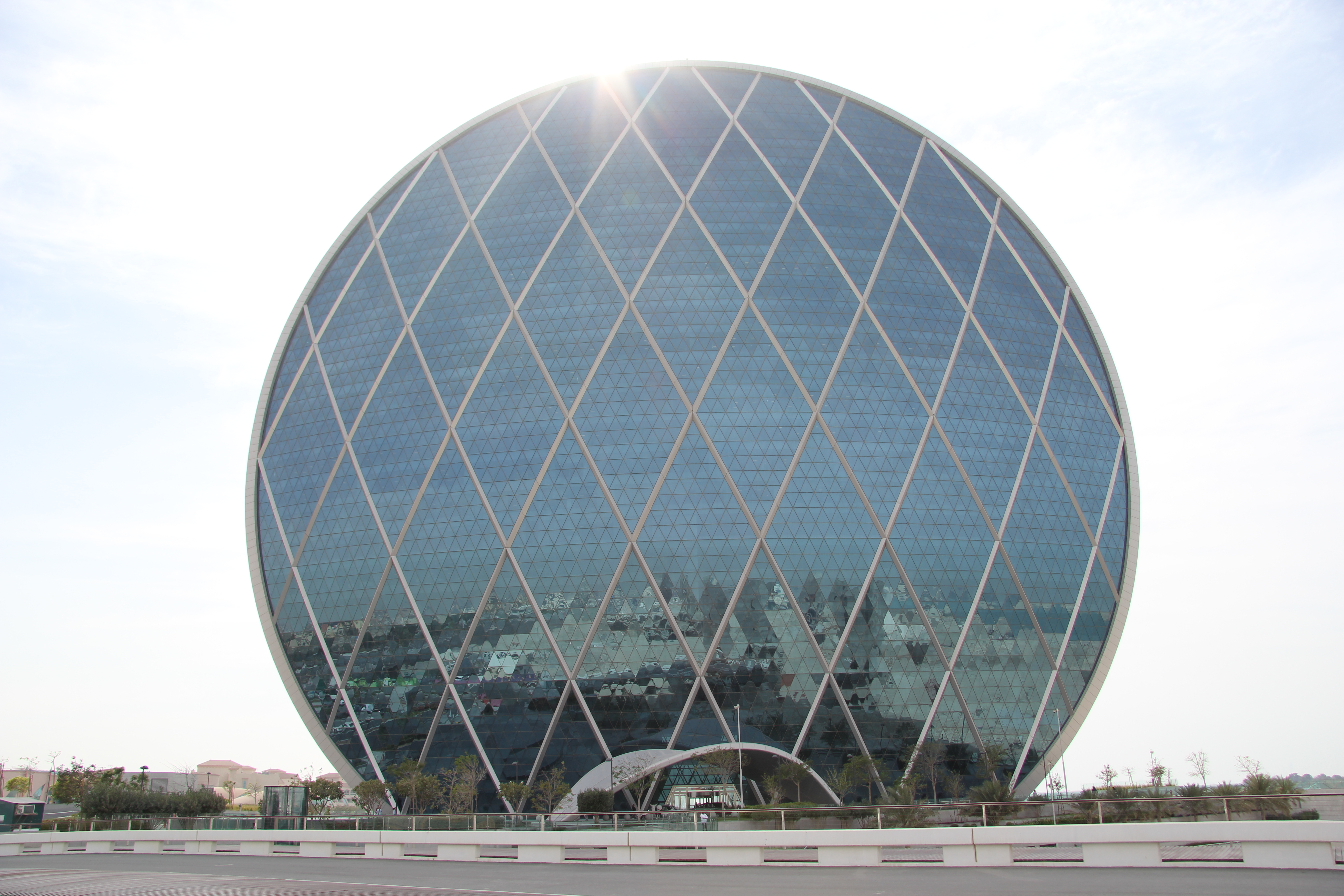
Aldar Properties, the prominent real estate developer from Abu Dhabi, has made a significant move to expand its footprint in Dubai by acquiring key commercial properties and planning landmark projects. These ventures underline Aldar’s commitment to tapping into the growing demand for premium office spaces in one of the region’s most dynamic business hubs.

The acquisition of a commercial tower in Dubai International Financial Centre (DIFC), formerly owned by H&H Development, positions Aldar as the sole developer with major commercial assets in both the Abu Dhabi Global Market (ADGM) and DIFC. This strategic purchase reinforces its status as a key player in the UAE’s real estate sector. This tower boasts state-of-the-art facilities and prime positioning, adding to Aldar’s growing portfolio of high-grade commercial properties.

Simultaneously, Aldar unveiled plans to develop a Grade A office tower along Sheikh Zayed Road near DIFC. Designed with premium office spaces and luxury amenities, the development is set to include a boutique hotel and branded residences. The project, located on one of Dubai’s last undeveloped double plots, will enhance connectivity with its proximity to major transport hubs, such as the Emirates Towers Metro Station.

These investments align with Aldar’s strategy to diversify its portfolio beyond residential and retail projects. Dubai has been identified as a priority growth market, as the company continues to explore opportunities in the emirate’s flourishing commercial real estate landscape. The acquisition also complements Aldar’s existing projects in Dubai, such as its developments in Dubai Internet City, further cementing its role in shaping the emirate’s commercial property offerings.

With an investment value exceeding AED 1.8 billion, Aldar’s ventures in Dubai are anticipated to contribute to economic growth and job creation while catering to the evolving needs of businesses seeking high-quality spaces in the UAE. This expansion comes amid strong demand for office properties, spurred by Dubai’s status as a global business hub and the economic diversification initiatives driving regional development.

Here’s a news report based on the given information:

Brighton College Dubai has implemented strict limits on mobile phone use among its students, resulting in measurable improvements in their overall happiness. Over the past two years, the school reported a 15% increase in student satisfaction, attributing the shift to its policy of reducing screen time both during and after school hours.

This educational institution is part of a growing movement in academic circles aiming to prioritize students’ mental well-being by tackling the pervasive issue of digital dependency. By curbing phone usage and regulating screen exposure, Brighton College Dubai has set an example for schools worldwide grappling with the challenges of modern technology in the classroom.

Headmaster Simon Crane explained that the decision was driven by growing concerns over the impact of excessive phone usage on student development and social interactions. Research has consistently highlighted the negative effects of prolonged screen time, including reduced attention spans, disrupted sleep patterns, and increased feelings of isolation. To combat these issues, the school introduced a series of measures designed to balance technology use with personal growth.

Students are required to store their phones in designated lockers throughout the school day, ensuring minimal distractions during lessons. Furthermore, the school has collaborated with parents to establish guidelines for device usage at home, fostering a holistic approach to managing screen time. This two-pronged strategy has yielded noticeable improvements in academic performance and emotional resilience among students.

Brighton College Dubai’s initiative aligns with broader educational trends addressing the digital age’s influence on young minds. Studies from global health organizations underscore the importance of limiting screen exposure, particularly for children and adolescents, as part of maintaining mental and physical health.

Parents at the school have largely welcomed the policy, praising its positive impact on their children’s lives. One parent noted that her son, a Year 9 student, had become more engaged in outdoor activities and face-to-face interactions since the rules were introduced. “It’s refreshing to see him spend more time outside, making meaningful connections with friends rather than being glued to his phone,” she remarked.

Teachers have also observed significant changes in the classroom dynamic. Without the distraction of phones, students appear more focused and actively participate in discussions. The policy has not only enhanced academic engagement but has also fostered a stronger sense of community within the school.

To further promote digital wellness, Brighton College Dubai has integrated lessons on responsible technology use into its curriculum. These sessions aim to educate students on the potential risks of excessive screen time while equipping them with the tools to maintain a healthy balance. Topics covered include cyberbullying, online etiquette, and the importance of unplugging to cultivate mindfulness.

This proactive stance has sparked interest from other educational institutions considering similar measures. Educators worldwide are recognizing the urgency of addressing the digital habits of today’s youth, and Brighton College Dubai’s success serves as a compelling case study.

While the policy has garnered widespread support, some students initially expressed resistance, citing the challenge of adapting to limited phone access. However, many have since embraced the change, reporting a greater sense of well-being and stronger interpersonal relationships. A Year 11 student shared that she now feels more present in her daily life, adding, “I didn’t realize how much time I was spending on my phone until it was taken away. Now, I enjoy being more connected to the people around me.”

Opens to the Public on December 4 Sparking Inspiration With a Line-up of Design Events HONG KONG SAR – Media OutReach Newswire – 4 December 2024 – Hong Kong Design Centre’s (HKDC) new landmark, DX design hub (the Hub) successfully concluded its Launching Party today. The celebratory event was attended by guests comprising of top government officials, business leaders and Mainland and France delegations. The Cultural and […]

Grayscale Investments has initiated a move to convert its Solana Trust into an exchange-traded fund (ETF), marking a significant step in expanding its ETF offerings. The trust, which was launched in 2021 as a closed-end fund, currently manages $134 million in assets, focusing exclusively on Solana, a blockchain platform known for its speed and low transaction costs. The conversion filing comes as Grayscale continues to build on […]

Advertisements

SIEM REAP, CAMBODIA – Media OutReach Newswire – 4 December 2024 – Prince Foundation, the philanthropic arm of Prince Holding Group, proudly supported the ASEAN Regional Mine Action Center (ARMAC) during the recently concluded Siem Reap-Angkor Summit on a Mine-Free World. The Foundation provided strategic communications expertise and exhibition design that highlighted ARMAC’s innovative victim assistance programs and technological initiatives, engaging over 700 delegates from more than […]

Grayscale Investments has formally applied to launch a Solana-based exchange-traded fund (ETF) on the New York Stock Exchange (NYSE), a move signaling the growing institutional interest in blockchain networks beyond Bitcoin and Ethereum. This filing positions Grayscale among a cohort of financial institutions vying to broaden the accessibility of cryptocurrency investments through regulated markets.

The proposed Solana ETF seeks to enable traditional investors to gain exposure to Solana’s ecosystem without directly owning the cryptocurrency. This initiative aligns with Grayscale’s strategy to expand its suite of single-asset ETFs, having already introduced ETFs for Bitcoin, Ethereum, and other digital assets. The application underscores the maturation of Solana, which is recognized for its high transaction throughput and scalability within the blockchain space.

Grayscale’s filing adheres to NYSE Arca Rule 8.800-E, which governs the listing and trading of digital asset-based securities. This compliance ensures the ETF will maintain stringent custody and trading standards, addressing concerns often raised by regulators about the security of cryptocurrency holdings. Coinbase Custody has been named as the custodian for the fund, leveraging multi-region secure storage of private keys to mitigate risks associated with digital assets.

Solana’s inclusion in an ETF reflects its surging adoption among decentralized finance (DeFi) applications, non-fungible token (NFT) marketplaces, and payment solutions. By bringing Solana into the ETF structure, Grayscale aims to bridge the gap between institutional investors and decentralized blockchain technologies, offering a pathway to diversify portfolios within a regulated framework.

This announcement comes amid a broader wave of applications by asset management firms seeking approval for cryptocurrency ETFs in the United States. Firms such as BlackRock and Fidelity have pursued similar strategies, aiming to address pent-up demand from investors hesitant to navigate the complexities of direct cryptocurrency ownership. The Securities and Exchange Commission (SEC) has recently signaled openness toward such proposals, creating optimism within the crypto industry.

BANGKOK, THAILAND – Media OutReach Newswire – 4 December 2024 – Henderson Land Development Company Limited has been named one of Asia’s Top Green Companies at the Asia Corporate Excellence & Sustainability (ACES) Awards 2024. This recognition underscores Henderson Land’s leadership in sustainable property development, environmental stewardship, and community well-being. Johnny Yu, Head of Sustainability and Advisor to the Chairman, Henderson Land Development Company Limited (Centre), proudly […]

IBIT, a prominent player in the cryptocurrency space, has crossed a significant milestone by accumulating more than 500,000 BTC in its reserves. This achievement places IBIT at the forefront of institutional investors, holding one of the largest Bitcoin stashes worldwide.

The growth of IBIT’s Bitcoin holdings signals not only the company’s expanding influence in the digital asset market but also the ongoing shift toward institutional investment in cryptocurrency. While many traditional investors have historically viewed Bitcoin and similar assets with skepticism, IBIT’s increasing accumulation of BTC highlights a changing trend, with crypto assets now becoming a central part of investment portfolios.

The timing of this move is notable, with Bitcoin’s market volatility and institutional adoption on the rise. As Bitcoin’s price has experienced fluctuations, the growing institutional presence in the market has added a layer of stability and legitimacy to the digital currency. IBIT’s actions are reflective of a broader trend where institutional investors are looking beyond Bitcoin’s price swings and viewing the cryptocurrency as a long-term store of value.

IBIT’s strategy aligns with a growing confidence in the potential of Bitcoin, especially as more companies and financial institutions seek exposure to this volatile yet highly profitable asset class. The company has made headlines not only for its significant Bitcoin holdings but also for its consistent commitment to securing digital assets in a safe and compliant manner. In a space rife with regulatory uncertainty, IBIT’s methodical approach to managing its Bitcoin reserves underscores the increasing sophistication of institutional cryptocurrency investing.

The surge in IBIT’s Bitcoin stash is reflective of an overarching trend in the cryptocurrency industry, where institutional players are playing an increasingly prominent role. Traditional hedge funds, family offices, and large corporations have recognized the value of diversifying their assets into Bitcoin, with the aim of reducing risk and boosting returns. The 500,000 BTC mark comes at a time when several other major players in the industry have followed suit, significantly raising their stakes in Bitcoin as an asset class.

Bitcoin’s market dynamics have changed considerably in recent years, with a notable increase in the volume of institutional investment. As these investors continue to accumulate large quantities of BTC, they inadvertently strengthen Bitcoin’s position within the global financial ecosystem. The digital currency is no longer just a speculative investment but is now seen as a legitimate store of value akin to gold.

IBIT has managed to build its position in the Bitcoin market through strategic acquisitions and partnerships with other major cryptocurrency-related firms. Its growing presence has been fueled by its adherence to a disciplined investment strategy, ensuring its Bitcoin holdings are not only large but also securely stored. This approach has won IBIT the trust of investors and stakeholders alike, many of whom view the company’s success as a blueprint for navigating the complexities of digital asset management.

IBIT’s holdings have been particularly significant when considering the broader trends in Bitcoin’s supply. With the cryptocurrency’s total supply capped at 21 million, large-scale holders like IBIT are seen as key players in the future price dynamics of Bitcoin. By owning over 500,000 BTC, IBIT controls a substantial portion of the available supply, which may influence both the market price and the broader narrative surrounding Bitcoin’s role in the global financial system.

The focus on secure and compliant Bitcoin holdings is an essential aspect of IBIT’s strategy. As regulatory bodies across the world continue to refine their approaches to cryptocurrency, IBIT has positioned itself as a leader in adhering to these evolving standards. This has ensured that its Bitcoin assets remain insulated from regulatory pressures that could potentially jeopardize the security or legality of the holdings.

IBIT’s ability to accumulate such a large amount of Bitcoin has garnered significant attention from investors and analysts. Many view the company’s strategy as indicative of the future direction of the digital asset market, where institutional players will continue to play a dominant role in shaping the supply and demand dynamics of Bitcoin. As Bitcoin’s price continues to rise, driven in part by institutional accumulation, IBIT’s strategic position places it at the center of an increasingly influential market.

The company’s success is also intertwined with Bitcoin’s role as a potential hedge against inflation and economic uncertainty. As central banks around the world continue to adopt expansive monetary policies, Bitcoin has gained recognition as an alternative asset that can serve as a store of wealth. This has contributed to the rise of institutional adoption, as large players seek assets that are less vulnerable to the policies and fluctuations of traditional financial systems.

India has seen a substantial increase in patent applications during the fiscal year 2024, with nearly 92,000 submissions recorded. This marks a significant jump, highlighting the country’s growing focus on innovation and its expanding role in global technology. The surge is seen as a reflection of both the efforts within India’s industrial sectors and the evolving landscape of intellectual property (IP) regulation in the country.

The Controller General of Patents, Designs, and Trademarks (CGPDTM) has noted the rise in applications as a sign of confidence in India’s innovation ecosystem. The CGPDTM is also in the midst of revamping intellectual property (IP) guidelines to further streamline processes and improve the effectiveness of patent protection, which could lead to even greater activity in the coming years. The latest figures underscore the increasing importance of intellectual property in India’s economic and technological landscape, with the government actively fostering a more robust IP environment.

This surge in patent filings is part of a broader shift in India’s innovation landscape, propelled by both private sector advancements and public policy initiatives. A number of technology companies, research institutions, and startups have been behind this momentum, driven by a growing emphasis on R&D and patenting as a key component of their business models. India’s thriving tech sector, including its burgeoning software, biotechnology, and renewable energy industries, has been a significant contributor to the increased filing of patents, as companies seek to protect their innovations in a highly competitive global market.

The increased patent filings also reflect the changing nature of India’s role in global intellectual property. Traditionally, India was seen more as a consumer of technology, but this shift in patent activity signals the country’s growing stature as a producer of cutting-edge innovations. This evolution is aligned with India’s ambition to establish itself as a global leader in research, development, and technological breakthroughs. As India continues to enhance its manufacturing and technology sectors, the need to safeguard intellectual property becomes ever more critical to its economic and strategic objectives.

The government has played a crucial role in this transformation. In the last few years, significant reforms have been introduced to improve the efficiency of patent processing, increase transparency, and make the system more accessible to innovators. The Patents (Amendment) Rules introduced by the government, along with efforts to digitize the patent application process, have made it easier and faster for applicants to file for protection. Additionally, the strengthening of IP-related infrastructure, including the establishment of regional offices and improvements in patent examination procedures, has further facilitated this growth.

The government’s initiatives to boost innovation in the country are also reflected in its support for startups. Various programs aimed at enhancing the startup ecosystem have encouraged young entrepreneurs to file for patents and protect their intellectual property. India’s innovation hubs, particularly in cities like Bengaluru, Hyderabad, and Pune, are seeing a notable increase in patent activity, especially in sectors such as information technology, electronics, and pharmaceuticals.

The surge in patent filings is also linked to India’s international trade and investment strategy. As the country seeks to enhance its global trade relations and attract foreign investment, strengthening intellectual property rights has become an essential part of the broader agenda. Ensuring that inventions are protected under a sound IP system provides confidence to investors, making India an attractive destination for global companies seeking to leverage the country’s resources for technological development. Moreover, the increase in patent filings may also indicate that India is becoming a more prominent player in international patent databases, further solidifying its role as a key global innovator.

India’s patent system has also seen improvements in terms of reducing the backlog of applications. In the past, the lengthy processing time for patent filings was often a point of concern for many innovators, but the government’s ongoing efforts to streamline the process have led to faster turnaround times. This has helped make India a more efficient location for filing patents, further encouraging growth in the sector. According to the CGPDTM, the average processing time for patent applications has been significantly reduced, and efforts are underway to further accelerate this process.

The growing patent activity in India is also indicative of the country’s enhanced focus on research and development (R&D). India’s private sector has been heavily investing in R&D, with multinational corporations and domestic firms alike looking to build and protect their intellectual assets. The rise in patent filings is not only a reflection of private sector growth but also a result of governmental incentives aimed at increasing the overall R&D output. Public research institutions have played a role in this, collaborating with industry leaders to develop new technologies and innovations that are patent-worthy.

While the increase in patent filings is a positive development for the country’s innovation landscape, experts suggest that India must continue to focus on improving its patent enforcement mechanisms. Ensuring that patent holders can effectively defend their intellectual property rights against infringement is vital for maintaining the integrity of the system. The government has taken steps in this direction by introducing new measures to improve the adjudication of patent disputes and to strengthen enforcement mechanisms. These efforts are expected to provide further support for the growing IP ecosystem in India.

France is shifting its focus toward harnessing the significant financial might of Saudi Arabia’s Public Investment Fund (PIF) as part of a strategic initiative to boost its economic recovery and global influence. With the PIF’s rapid expansion into diverse sectors—ranging from technology and renewable energy to infrastructure and entertainment—France sees a unique opportunity to attract capital that could be pivotal for both immediate economic growth and long-term […]

Saudi Arabia is advancing its healthcare framework through a strategic partnership with China’s BGI Genomics, a globally recognized leader in biotechnology. This collaboration is set to focus on transformative healthcare solutions, including advanced genetic research, infectious disease management, and early cancer detection. This development aligns with Saudi Vision 2030, which emphasizes healthcare modernization and increased investment in precision medicine. The agreement between BGI Genomics and Saudi Arabia’s […]

Polymarket bettors are betting that Microsoft’s shareholders will reject a proposal to purchase Bitcoin, signaling skepticism around a major pitch from MicroStrategy CEO Michael Saylor. Saylor, a vocal proponent of Bitcoin, has been advocating for Microsoft to add Bitcoin to its corporate treasury. This proposal has now reached a critical juncture, with Microsoft’s board set to vote on December 10. Despite Saylor’s persuasive presentations, including a direct appeal to Microsoft’s board, Polymarket participants believe the proposal is unlikely to gain the necessary shareholder approval.

Microsoft’s leadership has been hesitant about adopting such a volatile asset, with its focus instead on more traditional investments. The tech giant’s board has raised concerns about the risks associated with Bitcoin and its long-term suitability for Microsoft’s strategy, which heavily emphasizes artificial intelligence and other core technologies. Although a small group of shareholders, including some from large institutional investors, have shown interest in the proposal, the general sentiment is that the company should avoid high-risk investments like Bitcoin.

The proposal gained traction earlier this year when the National Center for Public Policy Research (NCPPR) pushed for the move, pointing to the success of MicroStrategy’s own Bitcoin strategy. This approach has significantly boosted MicroStrategy’s stock value, with the company’s shares surging by over 500% in 2024, far outpacing Microsoft’s modest stock gains. Despite this performance, Microsoft’s board remains firm in its stance that it is not currently focused on Bitcoin as a viable investment.

Polymarket bettors seem to agree with Microsoft’s cautious approach. As of early December, wagers on the platform overwhelmingly predict that shareholders will vote against the proposal, likely due to concerns about Bitcoin’s volatility and its potential to distract from Microsoft’s main business objectives. Even major institutional investors such as Vanguard, which hold substantial stakes in both Microsoft and Bitcoin-related assets like MicroStrategy, are not rallying behind the proposal.

The debate over Microsoft’s stance on Bitcoin underscores a broader trend within corporate finance, as companies grapple with the growing influence of cryptocurrency and digital assets. Saylor’s push for Microsoft to follow in the footsteps of companies like Tesla and Square, both of which have added Bitcoin to their balance sheets, highlights the increasing pressure on major corporations to reconsider their investment strategies. However, despite these external pressures, Microsoft’s leadership remains focused on prioritizing stability and minimizing risk.

Microsoft’s shareholders, many of whom are institutional investors with deep ties to traditional finance, have not embraced Bitcoin in the same way as other tech firms. Although there is interest in exploring blockchain technology and the broader crypto market, the company’s hesitance to diversify its treasury with Bitcoin reflects concerns about its long-term viability as an asset class. The volatility of Bitcoin, coupled with regulatory uncertainties, makes it a difficult choice for a company with such a large and diverse shareholder base.

QatarEnergy and Shell have finalized a major deal to supply liquefied natural gas (LNG) to China, further bolstering the energy ties between the two global powerhouses. The long-term sale and purchase agreement (SPA), which will see the delivery of three million tons per annum (MTPA) of LNG, is set to commence in January 2025. This deal, marking a significant step in energy cooperation, reflects the growing demand for natural gas in China and underscores the ongoing shift in the global energy landscape.

The agreement between QatarEnergy, the state-owned energy giant of Qatar, and Shell, one of the largest oil and gas companies worldwide, is expected to contribute to China’s energy security as it continues to diversify its sources of natural gas. China’s reliance on natural gas as a cleaner alternative to coal has steadily increased, positioning the country as one of the world’s top LNG importers. This new deal enhances Qatar’s position as a major global LNG supplier, reinforcing its role in the international energy market.

Qatar’s strategic focus on LNG exports aligns with its long-term vision to solidify its energy footprint globally, with significant emphasis on Asia-Pacific markets. China, as a critical player in global energy demand, is an essential partner for QatarEnergy, which has rapidly expanded its LNG production capacity over the past few years. The agreement between the two companies marks a crucial milestone in Qatar’s energy diplomacy, as it seeks to solidify its market share in the Asian region.

The SPA is not only a testament to the strong commercial partnership between QatarEnergy and Shell but also signals the growing importance of collaboration between national oil and gas companies and major international energy firms. While the details of the contract terms have not been fully disclosed, industry insiders speculate that the agreement includes flexible pricing mechanisms and long-term stability clauses, designed to provide both parties with predictable revenue streams and mitigate price volatility in the global LNG market.

This deal also highlights Shell’s ongoing commitment to expanding its footprint in the global LNG market, a sector that has gained momentum in light of rising energy demand and geopolitical uncertainty. Shell has been actively increasing its LNG trading capacity and has made substantial investments in LNG infrastructure globally, including terminals and shipping. The partnership with QatarEnergy further complements Shell’s strategy to position itself as a key player in LNG, alongside its broader focus on renewable energy and transition to cleaner energy solutions.

For China, the deal is particularly timely as it continues to pivot towards natural gas to fuel its rapid urbanization and industrial expansion. Despite a focus on renewable energy, the country’s growing energy demands have made natural gas an essential component of its energy mix, particularly in regions where access to alternative energy sources remains limited. By securing a steady and reliable supply of LNG from Qatar, China aims to stabilize its energy imports and reduce its dependence on coal, which has long been a significant contributor to the country’s high carbon emissions.

The partnership also plays into broader geopolitical dynamics in the LNG market. Over the last decade, China has increasingly relied on LNG imports from a variety of suppliers, including the United States, Australia, and Russia. However, by expanding its relationship with Qatar, a country with extensive gas reserves, China is also diversifying its sources to ensure greater energy security amid potential future supply disruptions. The strategic alliance with Qatar, therefore, not only meets China’s energy needs but also strengthens its energy ties with the Middle East, an important region in the global geopolitical arena.

As LNG demand continues to rise, particularly in Asia, the supply and demand dynamics of the global LNG market are expected to shift. Asia, as the largest importer of LNG, has seen an uptick in contracts between suppliers and buyers, with long-term agreements becoming more common. This trend, underscored by the QatarEnergy-Shell deal, suggests that market players are seeking greater stability in the face of volatile energy prices, exacerbated by geopolitical tensions and supply chain uncertainties.

The deal further underscores the role of LNG as a critical energy source in the global transition towards cleaner energy alternatives. LNG has gained favor as a relatively cleaner fossil fuel compared to coal and oil, thanks to its lower carbon footprint. As countries like China ramp up their efforts to curb emissions and reduce reliance on more polluting energy sources, natural gas has been positioned as a vital bridge in the energy transition, at least in the near to medium term.

In the broader context of Qatar’s energy strategy, the new deal also aligns with the country’s growing ambitions to dominate the global LNG market. With vast reserves of natural gas, Qatar has invested heavily in expanding its LNG production and infrastructure over the past few years. The country’s North Field Expansion Project, which is expected to increase its LNG production capacity by over 40%, will further cement Qatar’s role as a top supplier of natural gas worldwide. The partnership with Shell, one of the world’s largest LNG marketers, is an essential part of Qatar’s strategy to ensure access to key markets in Asia, Europe, and beyond.

Saudi Aramco, the world’s largest energy company, has secured a significant foothold in the evolving mobility sector through its acquisition of a 10% stake in Horse Powertrain, a global leader in automotive engineering and electrification technologies. This strategic move, announced last week, underscores Aramco’s ambition to diversify its portfolio and strengthen its commitment to sustainable mobility solutions. Horse Powertrain, renowned for its cutting-edge advancements in electric powertrains, […]

Qatar’s Central Bank has introduced a groundbreaking framework to regulate digital banking, marking a significant step toward modernizing the nation’s financial sector. This initiative aligns with the Qatar National Vision 2030 and is part of the broader Financial Sector Strategy for the 2024-2030 period. The framework is set to reshape digital banking operations, ensuring a balance between innovation and stringent regulatory oversight to foster financial stability and inclusion.

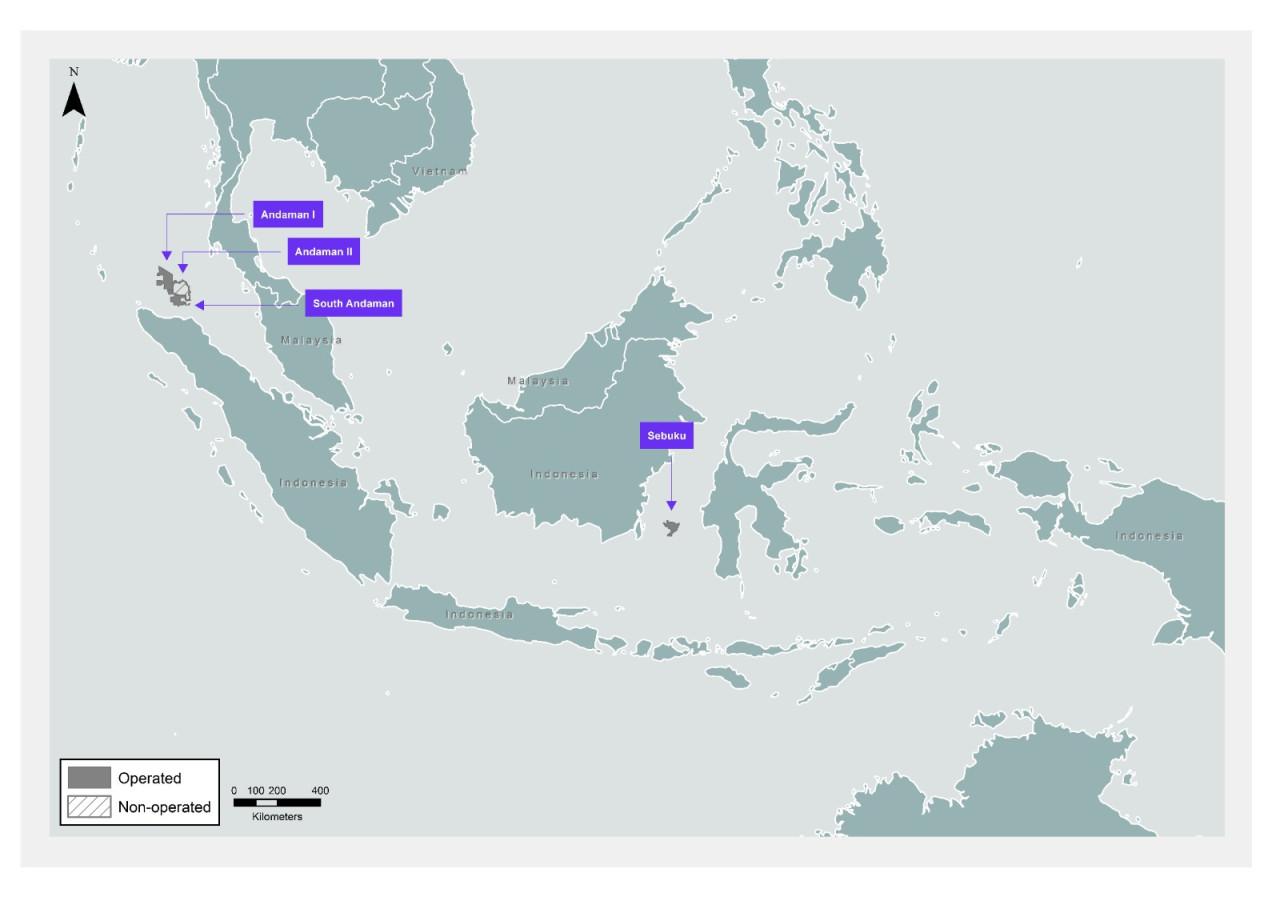
Indonesia has taken a significant step forward in its energy exploration sector by signing a contract with Harbour Energy and Abu Dhabi’s Mubadala Petroleum for the development of the Central Andaman block. The agreement is poised to unlock new prospects in the nation’s oil and gas sector, a move that is expected to enhance energy production and boost foreign investment in Indonesia’s energy resources.

The deal, which was finalized amid growing interest in Southeast Asia’s oil and gas reserves, marks a key milestone in Indonesia’s long-term strategy to increase its energy output and strengthen partnerships with international energy giants. Harbour Energy, a leading UK-based oil and gas company, alongside Mubadala Petroleum, an investment arm of the UAE’s Mubadala Investment Company, will collaborate on exploring and developing the Central Andaman block, located in the western part of Indonesia’s maritime zone. This area is rich in hydrocarbon potential, a crucial factor in meeting both domestic demand and export needs for Indonesia’s energy consumption.

This partnership is seen as a testament to Indonesia’s appeal as a prime investment destination in the energy sector. The agreement follows the country’s efforts to secure more investments in upstream oil and gas projects as part of its broader initiative to meet its energy targets. Indonesia has been working to reverse declining oil production and ensure that the nation’s oil and gas reserves continue to meet growing demand. The Central Andaman block, with its significant untapped reserves, is expected to contribute substantially to these goals.

The signing of the contract also aligns with the Indonesian government’s broader policy of attracting foreign capital into its energy sector. Harbour Energy’s track record in global exploration and Mubadala’s financial strength position both entities as highly strategic partners for the state-owned energy company, PT Pertamina. Pertamina, which will retain a stake in the project, is tasked with overseeing the development and ensuring the sustainability of operations across the block.

The Central Andaman block is located within an area known for its favorable geologic conditions, potentially offering both deepwater oil fields and gas reserves that have remained underexplored until now. The consortium’s exploration activities are expected to employ advanced technologies and methodologies to assess the block’s full potential, including seismic surveys and drilling operations in areas that have previously been difficult to access.

One of the key outcomes expected from this partnership is the improvement of Indonesia’s energy security. By developing its own oil and gas resources, Indonesia aims to reduce its dependence on energy imports, which have long been a vulnerability in its economic framework. Moreover, the exploration of new oil fields can provide an economic boost through job creation, the generation of local revenue, and the attraction of further investment into related sectors such as infrastructure and technology.

In addition to bolstering energy security, the deal also reflects growing geopolitical shifts in the global energy landscape. Southeast Asia has increasingly become a focal point for energy investments as global oil companies look for new frontiers amidst declining oil reserves in traditional oil-producing regions. The Central Andaman block’s untapped reserves add to Indonesia’s strategic importance, not only as an energy producer but also as a key player in the Indo-Pacific energy equation.

However, the path forward is not without challenges. The complex environmental and regulatory landscape of Indonesia’s offshore oil fields poses potential hurdles, including the need to adhere to stringent environmental standards while developing the block’s resources. Harbour Energy and Mubadala’s experience in managing large-scale offshore projects will likely be tested as they navigate these challenges, balancing sustainable practices with the need for efficient resource extraction.

The Indonesian government has indicated that it will continue to prioritize energy projects that contribute to the nation’s long-term economic growth while ensuring environmental sustainability. The Central Andaman block deal is expected to be closely monitored by both domestic and international stakeholders, who view the partnership as a litmus test for Indonesia’s ability to maintain its position as a leading oil and gas producer in Asia.

Coinbase has launched a new feature, integrating Apple Pay into its platform through the “OneRamp” product, enabling users to make seamless fiat-to-crypto transactions. This move comes as part of Coinbase’s strategy to simplify cryptocurrency trading and expand access for everyday users. By integrating Apple Pay, Coinbase aims to offer a more efficient and user-friendly method for purchasing cryptocurrencies directly from fiat accounts.

OneRamp, designed to streamline the transaction process, allows users to connect their Apple Pay accounts with their Coinbase profiles. The feature enables the purchase of digital assets with a single click, providing an immediate, seamless bridge between traditional fiat currencies and the world of cryptocurrency. The integration comes at a time when many investors and users are seeking easier ways to participate in crypto markets without dealing with the complexities of traditional banking and crypto exchanges.

The collaboration between Coinbase and Apple Pay is expected to make crypto more accessible to mainstream audiences, particularly those who are already comfortable using Apple Pay for everyday transactions. Apple Pay is widely used for various purchases, from retail shopping to online services, and the integration into Coinbase provides a new, frictionless entry point into the cryptocurrency ecosystem. As the crypto market continues to evolve, such integrations are seen as vital for bridging the gap between traditional finance and the decentralized finance world.

For Coinbase, the introduction of OneRamp with Apple Pay represents a significant shift in how the platform approaches user experience. By eliminating barriers like cumbersome account setup processes or the need for multiple authentication steps, Coinbase hopes to attract a broader user base. One-click crypto purchases can appeal to individuals who are not well-versed in blockchain technology but are familiar with digital payment methods like Apple Pay.

This integration also positions Coinbase to compete more effectively with other crypto exchanges that are constantly working on improving ease of use and expanding payment options. Other platforms have made similar moves in recent months, integrating traditional payment systems into their crypto-buying processes. As a result, Coinbase’s new feature is part of a larger trend to democratize access to cryptocurrency, making it as easy to purchase as any other consumer good.

The broader implications of the Coinbase-Apple Pay collaboration also touch on the growing intersection of traditional finance and the evolving cryptocurrency space. Apple, with its large user base and robust payment infrastructure, brings credibility and convenience to cryptocurrency purchases, something that has long been a barrier for potential investors. Cryptocurrency still faces challenges in gaining widespread adoption, with concerns over security, volatility, and regulatory uncertainty. By partnering with a trusted name like Apple, Coinbase hopes to address some of these issues while encouraging more mainstream participation.

This development also highlights Coinbase’s ongoing efforts to improve its platform for a global audience. Apple Pay is available in multiple regions, and its integration with OneRamp is expected to facilitate crypto transactions in these markets. Expanding payment options and making crypto more accessible to users in various countries is part of Coinbase’s strategy to broaden its international presence and increase its user base beyond North America.

In addition to the technical improvements, this integration has the potential to drive increased liquidity in the crypto market. The ability to quickly convert fiat into cryptocurrency through widely recognized payment systems could boost market activity, as users will have easier access to buy and sell cryptocurrencies as they see fit. This could also lead to a more dynamic marketplace, where crypto trading becomes just as seamless as trading in other financial assets.

However, the success of this integration will depend on how well Coinbase and Apple Pay can manage issues such as fraud prevention and regulatory compliance. With governments and regulators around the world tightening their focus on cryptocurrency transactions, Coinbase will need to ensure that its platform remains compliant with both local and international regulations. The integration of Apple Pay, while simplifying the purchasing process, may also require Coinbase to maintain robust security measures to protect users from potential cyber threats.

DUBLIN, IRELAND – Media OutReach Newswire – 3 December 2024 – Aon plc (NYSE: AON), a leading global professional services firm, today announces the appointment of Anne Corona as CEO of Enterprise Clients and global chief commercial officer, effective 1 January 2025. This appointment is part of the firm’s strategy to advance its commercial capabilities by deepening commercial alignment, integration of data and analytics and service excellence […]

BitGo, a prominent name in the digital asset sector, has unveiled a new custody platform specifically designed for retail cryptocurrency investors. The platform integrates the firm’s trusted institutional-grade security features into a user-friendly experience tailored to the needs of individual investors. This development marks a significant shift in BitGo’s strategy, traditionally focused on servicing institutional clients.

The new offering aims to bridge the gap between retail users and advanced security solutions, providing a platform that incorporates features like insured cold storage, robust compliance measures, and a seamless user interface. BitGo’s emphasis on institutional-grade security ensures that retail users can enjoy a level of asset protection previously reserved for larger entities. The platform includes multi-signature wallets, tamper-proof storage mechanisms, and regulated trust services.

MicroStrategy has solidified its position as the leading corporate holder of Bitcoin with a monumental acquisition. The company added 55,500 Bitcoin to its reserves for approximately $5.4 billion, an investment executed at an average price of $97,862 per Bitcoin. This purchase elevates the company’s total holdings to 386,700 Bitcoin, acquired at a cumulative cost of $21.9 billion, reflecting an average acquisition price of $56,761 per coin.

The acquisition follows the company’s completion of a $3 billion convertible notes offering, a strategic move that provided the financial backing for this significant investment. Over the past quarter, MicroStrategy reported a Bitcoin yield of 35.2%, underscoring the asset’s growing contribution to the company’s balance sheet. On a year-to-date basis, the yield surged to 59.3%, further cementing Bitcoin’s role as a core component of MicroStrategy’s long-term strategy.

Michael Saylor, MicroStrategy’s co-founder and executive chairman, continues to champion Bitcoin as a “digital gold” and a hedge against inflation. Since initiating Bitcoin purchases in 2020, the company has employed innovative financing methods, including equity sales and corporate cash flow, to fund acquisitions. This strategy has placed MicroStrategy at the forefront of corporate cryptocurrency adoption, influencing other companies to explore Bitcoin as a reserve asset.

Saylor stepped down as CEO in 2022 to focus exclusively on Bitcoin-related initiatives, enabling MicroStrategy to scale its crypto strategy while entrusting day-to-day operations to his successor, Phong Le. The company’s unwavering commitment to its Bitcoin strategy has inspired other corporations globally, with firms like Metaplanet in Japan and Semler Scientific in the United States adopting similar treasury practices.

MicroStrategy’s latest move has not only strengthened its financial position but also highlighted the growing acceptance of Bitcoin as a mainstream financial asset. As more corporations consider integrating Bitcoin into their strategies, MicroStrategy remains a pivotal player in shaping the narrative around cryptocurrency adoption in corporate finance.

From wars in Eastern Europe and the Middle East to rising tensions in the Taiwan Strait, geopolitical instability has become the defining characteristic of our time. There are now more active armed conflicts than at any point since World War II. Simultaneously, the digital realm has become a battleground, with cyberattacks escalating in frequency and sophistication, targeting both national infrastructures and private enterprises. While these developments are […]

VISHNU RAJA
RYO YAMADA
HITORI GOTOH
IKUYO KITA