News related to
Strategy

Snoop Dogg and filmmaker Robert Rodriguez are turning to their fans for financial backing to support their upcoming ventures. This novel approach allows fans to directly invest in and participate in the development of creative projects, reflecting a broader trend in the entertainment industry towards decentralized funding models.

Snoop Dogg is leveraging his significant fan base by offering opportunities to invest in his various artistic endeavors. His latest venture, which involves both music and entrepreneurial projects, is poised to benefit from the direct involvement of his supporters. By inviting fans to contribute financially, Snoop Dogg aims to create a more interactive and invested audience for his work.

Similarly, Robert Rodriguez, known for his distinctive filmmaking style and successful projects such as “Desperado” and “Sin City,” is exploring fan funding to finance his new film projects. Rodriguez’s move is part of a growing trend where traditional financing models are being disrupted by more personalized and engaging methods. This strategy not only raises capital but also generates early buzz and a committed audience for the projects.

This shift towards fan investment underscores a larger transformation in the entertainment industry. As digital platforms and social media become more integral to the creative process, artists and creators are increasingly seeking ways to engage their audiences in financial and creative decision-making. This model benefits both the creators, who gain financial support and build a loyal following, and the fans, who gain a sense of ownership and involvement in the projects they support.

The impact of fan financing extends beyond individual projects. It signifies a broader trend where crowdfunding and decentralized investment are reshaping how creative works are funded and distributed. This approach challenges traditional financing structures and opens up new possibilities for artists to bring their visions to life without relying solely on conventional studio or production company backing.

The increasing popularity of crowdfunding platforms like Kickstarter and Indiegogo has demonstrated the potential of this model. These platforms have been instrumental in financing a wide range of projects, from independent films to innovative products. The success stories from these platforms have paved the way for high-profile artists and creators to explore similar funding mechanisms.

Snoop Dogg’s and Rodriguez’s initiatives also highlight a growing trend of collaboration between artists and fans. By involving fans directly in the investment process, creators can cultivate a more engaged and enthusiastic audience. This engagement can lead to more robust promotional efforts and a more dedicated fan base, which is crucial in a competitive entertainment landscape.

In addition to financial contributions, fans who invest in these projects may receive exclusive content, early access to releases, and other perks. This creates a reciprocal relationship between creators and supporters, enhancing the overall fan experience and fostering a deeper connection to the work.

The rise of fan financing also reflects broader economic and technological trends. As digital tools and platforms become more accessible, they enable new forms of engagement and collaboration. This democratization of funding and participation is reshaping industries beyond entertainment, including technology, fashion, and even philanthropy.

As Snoop Dogg and Robert Rodriguez forge ahead with their fan-funded projects, they join a growing cohort of creators who are redefining traditional funding models. Their efforts exemplify how digital innovation and audience engagement can combine to create new opportunities and reshape the creative landscape.
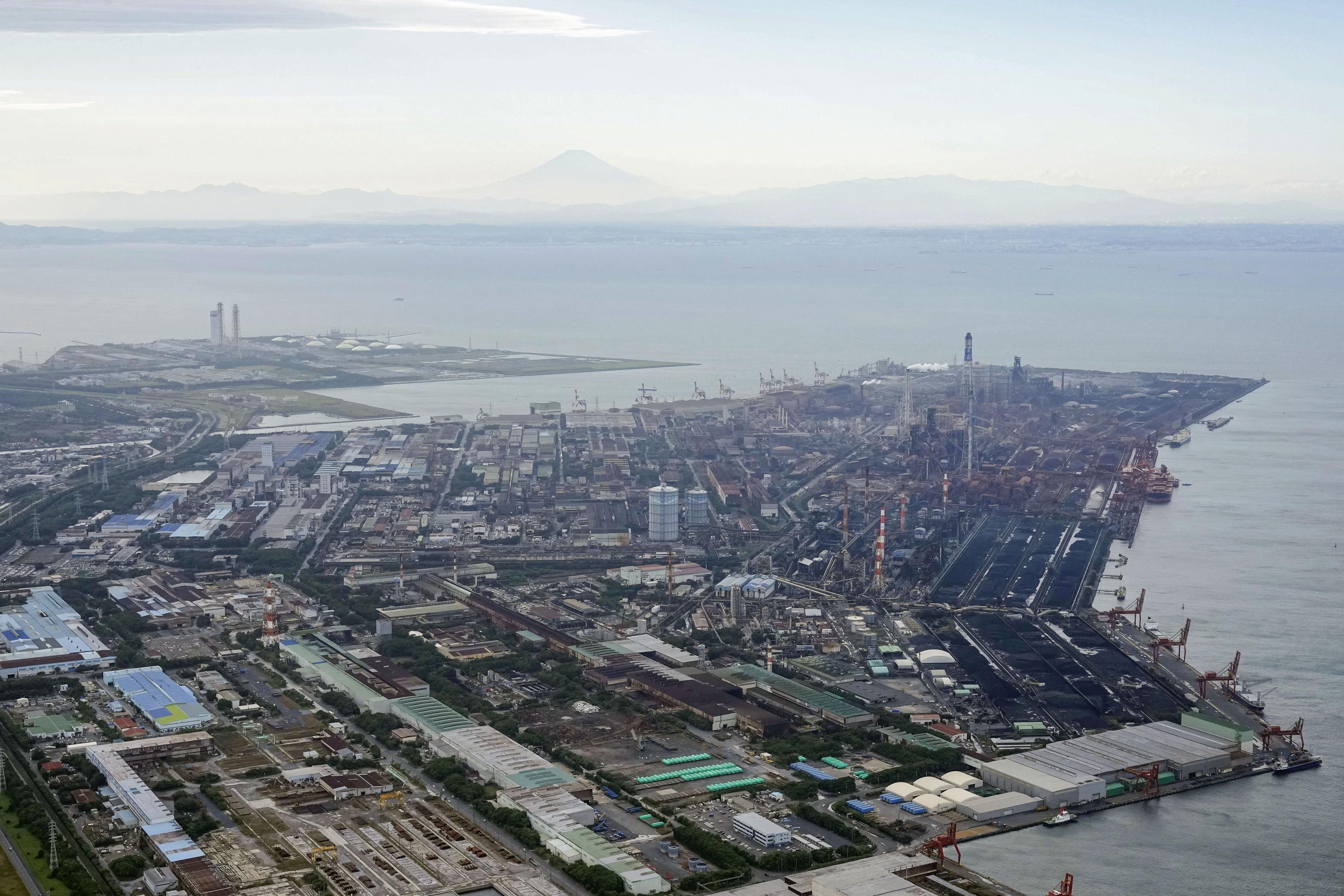

Nippon Steel Corp.’s ambitious $14.1 billion takeover of United States Steel Corp. appears to be in jeopardy, with the Biden administration signaling its intention to block the deal. The acquisition, seen as a strategic move by the Japanese steel giant to secure a larger foothold in the U.S. market, has run into significant political opposition as the White House prepares to intervene on grounds of national security and competition concerns. The move could derail what was shaping up to be one of the most significant cross-border acquisitions in the steel industry in years.

The takeover bid, which has been in the works for months, aimed to combine two of the world’s leading steel producers in a move that would have created a global steel powerhouse. Nippon Steel, already a major player in the industry, viewed the acquisition as a way to strengthen its presence in the U.S. market, where demand for steel is expected to surge due to infrastructure projects and defense contracts. U.S. Steel, on the other hand, has been grappling with aging infrastructure and rising costs, making it a potential target for foreign buyers seeking growth opportunities.

However, the proposed deal has drawn scrutiny from U.S. lawmakers and regulatory authorities, particularly due to the strategic importance of the steel sector to national defense. The Biden administration, keen on maintaining control over critical industries, is reportedly preparing to invoke regulatory powers to block the acquisition, citing national security concerns. Officials are reportedly worried that the sale of U.S. Steel to a foreign entity, even one as established as Nippon Steel, could pose risks to the country’s defense capabilities, especially with steel being a critical component in military hardware and infrastructure.

Nippon Steel’s interest in acquiring U.S. Steel is part of a broader strategy by the company to expand its global operations and secure a stable supply chain. With steel prices fluctuating and supply chains becoming more fragile in the aftermath of the COVID-19 pandemic, securing production capacity in key markets has become a priority for many manufacturers. The acquisition of U.S. Steel, with its extensive domestic production facilities and established relationships with American contractors, was seen as an ideal fit for Nippon Steel’s long-term plans.

The Biden administration’s opposition to the deal reflects a broader shift in U.S. trade and industrial policy, which has become increasingly protectionist under the current leadership. As part of its strategy to bolster domestic manufacturing and reduce reliance on foreign suppliers, the White House has taken a more aggressive stance on foreign takeovers, particularly in sectors deemed critical to national security. The steel industry, long considered a backbone of the U.S. economy and defense capabilities, has become a focal point of this policy shift.

Political opposition to the deal has been growing steadily. U.S. lawmakers have raised concerns over the potential loss of control over domestic steel production, pointing to the importance of maintaining a strong domestic industry in the face of global uncertainties. The U.S. Congress has also weighed in, with some members advocating for a review of the transaction under the Committee on Foreign Investment in the United States (CFIUS), which has the authority to block deals that pose a threat to national security.

At the same time, industry insiders argue that Nippon Steel’s acquisition of U.S. Steel would bring much-needed investment to the American company, which has struggled to modernize its operations in the face of mounting competition from international players. U.S. Steel, once a symbol of American industrial might, has seen its market share erode in recent years as cheaper imports and rising production costs have taken their toll. Proponents of the deal argue that foreign investment, particularly from a company with the resources and expertise of Nippon Steel, could revitalize U.S. Steel and strengthen the domestic industry in the long run.

The Biden administration’s stance, however, suggests that political considerations will ultimately outweigh economic arguments. With the 2024 elections looming, the White House is under pressure to demonstrate its commitment to protecting American jobs and industries, especially in critical sectors like steel. Blocking the Nippon Steel takeover allows the administration to signal its support for domestic manufacturing while reinforcing its broader trade policy objectives.

For Nippon Steel, the collapse of the deal would represent a significant setback in its efforts to expand its global footprint. The Japanese company has been aggressively pursuing international acquisitions in recent years as part of a strategy to diversify its operations and reduce its reliance on domestic markets. The U.S. market, with its robust demand for steel and favorable economic conditions, was seen as a key target for expansion. Losing out on the U.S. Steel acquisition would force Nippon Steel to reevaluate its options and look for alternative avenues for growth.

By Sushil Kutty The Maharashtra assembly polls are slated later this year along with Jharkhand. Also the bypolls in 10 UP assembly seats, which will put Uttar Pradesh Chief Minister Yogi Adityanath to test, are due. The thing to watch, however, is whether Prime Minister Narendra Modi will come out of his post-June 4 shell […]
Škoda Group, a leading Czech rail manufacturer, has secured a significant contract to supply up to 25 electric trains to Bulgaria, valued at 13 billion Czech crowns. This deal is part of Bulgaria’s ambitious plans to modernize its railway network and replace its aging fleet, enhancing the nation’s transportation infrastructure. The agreement centers on the delivery of 20 four-car electric train units, with an option for five […]

Arabian Post Staff Elon Musk’s engagement with AI-generated deepfakes has intensified, with a new focus on Vice President Kamala Harris since she launched her presidential campaign in July. Musk’s recent posts on X (formerly Twitter) have featured increasingly elaborate and doctored content portraying Harris in a misleading light, a tactic that mirrors some of the controversial strategies used by former President Donald Trump. The campaign against Harris […]

Shares of Kofola, the well-known Czech beverage producer, surged to their highest level in over two years, reflecting growing investor confidence in the company’s financial outlook. The rise comes on the heels of positive market forecasts, which project significant earnings growth in the near future. The company, which has a strong presence across Central Europe, is positioning itself for continued expansion, with eyes set on lucrative markets […]

dnata, one of the world’s leading air services providers, has taken a significant step toward environmental sustainability by transitioning its entire fleet of ground handling equipment to biodiesel in the UAE. This move is part of the company’s larger strategy to reduce its carbon footprint and contribute to global efforts to mitigate climate change. The fleet-wide switch to biodiesel marks dnata’s commitment to achieving long-term sustainability goals, […]

Advertisements

Anthropic has introduced Claude Enterprise, a new subscription plan designed for businesses seeking enhanced administrative control and security in AI interactions. This offering aims to directly compete with OpenAI’s ChatGPT Enterprise, which has been in the market for approximately a year. The launch of Claude Enterprise marks a significant move by Anthropic to expand its presence in the enterprise AI sector, reflecting a strategic effort to match […]

The Abu Dhabi National Oil Company (ADNOC) has announced a significant investment in ExxonMobil’s hydrogen production facility in Texas, acquiring a 35% stake in the project. This move marks a notable expansion of ADNOC’s global footprint in the low-carbon energy sector and underscores its commitment to advancing sustainable energy solutions. The facility in question, situated in the heart of Texas, is designed to produce up to 1 […]

As the fiscal year for U.S. regulators, including the Securities and Exchange Commission (SEC) and the Commodity Futures Trading Commission (CFTC), nears its end on September 30, a noticeable increase in enforcement actions is underway. This surge aims to bolster performance reports and substantiate budget requests to Congress. According to Jake Chervinsky, CLO of VariantFund, this annual uptick is a strategic move to showcase regulatory effectiveness. Chervinsky […]

Tourism in the UAE has seen a substantial boost in the first half of 2024, positioning the country as the leading destination in the Gulf Cooperation Council (GCC) region. According to recent figures, the UAE has outpaced its neighbors in attracting international visitors, driven by a combination of strategic marketing, major events, and ongoing investment in tourism infrastructure.

The UAE’s Ministry of Economy reported a significant increase in tourist arrivals, with Dubai and Abu Dhabi leading the charge. The country welcomed over 10 million international tourists from January to June 2024, marking a 15% increase from the same period last year. This surge has been fueled by a series of high-profile events and a continued emphasis on enhancing the visitor experience.

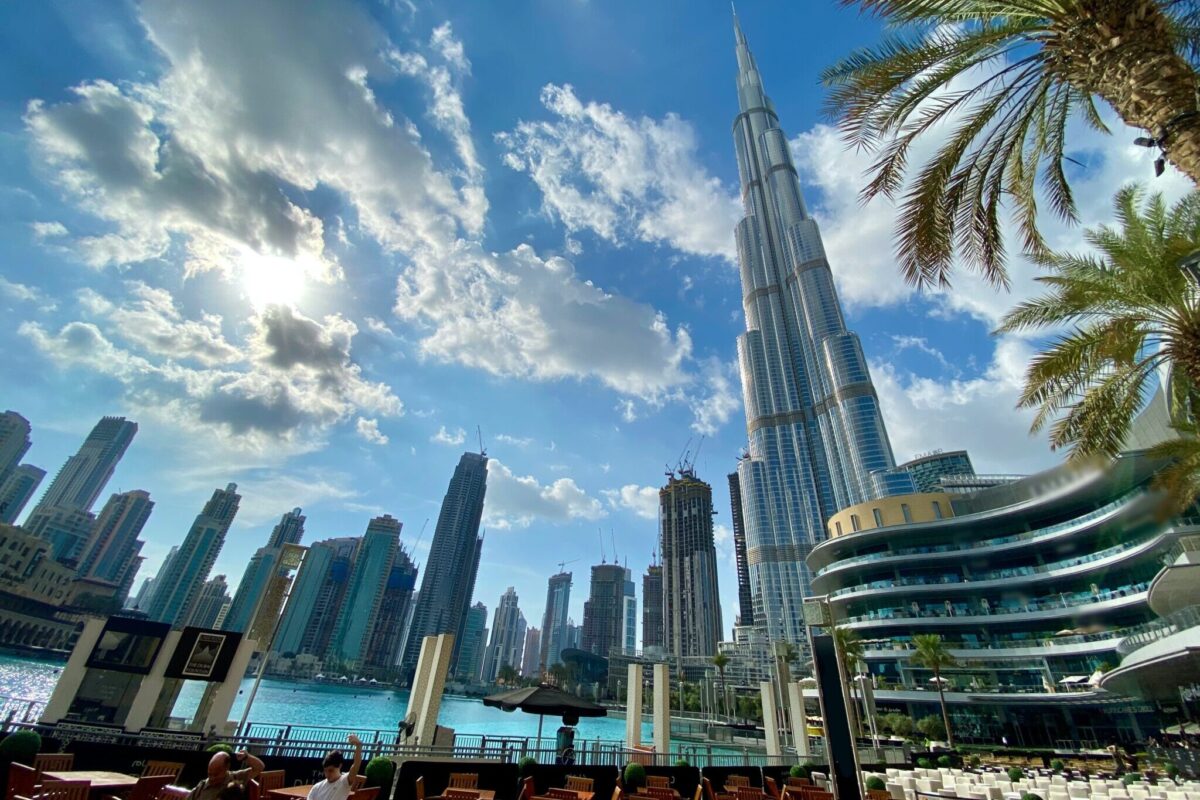
Dubai, known for its luxury tourism and major attractions like the Burj Khalifa and Dubai Mall, has witnessed a notable uptick in visitor numbers. The city’s ambitious strategy to diversify its tourism offerings and invest in world-class infrastructure has paid off. Major events such as the Dubai Shopping Festival and the Expo 2024 have drawn large crowds, contributing significantly to the rise in tourism figures.

Abu Dhabi, the UAE’s capital, has also seen a remarkable increase in tourist numbers. The city’s cultural and entertainment offerings, including the Louvre Abu Dhabi and Yas Island, have become major attractions. Recent investments in expanding hospitality services and promoting cultural tourism have bolstered Abu Dhabi’s position as a key player in the GCC tourism sector.

Other GCC countries have also experienced growth in their tourism sectors, but none have matched the UAE’s pace. Saudi Arabia, for instance, has made considerable strides with its Vision 2030 initiative, which aims to diversify the economy and promote tourism. However, while Saudi Arabia has seen growth, the scale and speed of the UAE’s tourism boom remain unmatched in the region.

Qatar and Oman have also reported increased tourist numbers, but the UAE’s strategic advantages in terms of infrastructure, marketing, and event management have given it a competitive edge. Qatar’s World Cup legacy continues to attract sports tourists, while Oman’s natural landscapes appeal to adventure and eco-tourism enthusiasts. Yet, the UAE’s well-established tourism ecosystem and its ongoing efforts to innovate and enhance the visitor experience have set it apart.

One of the key factors contributing to the UAE’s success is its continuous investment in tourism infrastructure. The UAE government has committed to expanding its hospitality sector, with numerous new hotels and resorts opening in recent months. Additionally, major projects such as the expansion of Dubai International Airport and the development of new tourism districts in Abu Dhabi are expected to further boost tourist numbers.

Another significant element is the UAE’s strategic marketing campaigns, which have effectively targeted key international markets. The UAE has focused on promoting its diverse attractions, ranging from luxury shopping and fine dining to cultural heritage and adventure tourism. This multifaceted approach has resonated with a broad spectrum of travelers, from affluent tourists seeking luxury experiences to those interested in cultural exploration and outdoor activities.

The UAE’s ability to host major global events has also played a crucial role in its tourism success. Events such as the Abu Dhabi Film Festival and Dubai Design Week attract international visitors and media attention, further enhancing the country’s profile as a leading tourist destination. These events not only draw visitors but also contribute to the UAE’s reputation as a hub for cultural and creative industries.

ACWA Power, a leading player in global energy and water desalination, is set to develop a new independent water plant in Sharjah, UAE, with an investment totaling $680 million. This major initiative marks a significant expansion of the company’s operations in the Middle East and aims to bolster the region’s water security and infrastructure.

The new facility will be located in the Al Hamriya area of Sharjah and is expected to substantially increase the Emirate’s water production capacity. ACWA Power has secured a 35-year concession for the project, which aligns with its broader strategy to enhance its footprint in the region’s water and energy sectors.

The plant, named the Sharjah Independent Water Plant (SIWP), is slated to have a production capacity of 600,000 cubic meters per day. It will utilize advanced reverse osmosis technology, which is both energy-efficient and environmentally friendly. This technology will help reduce the carbon footprint associated with water desalination, addressing sustainability concerns while meeting growing water demands.

The Sharjah Independent Water Plant is part of the broader UAE Water Security Strategy 2036, which aims to secure sustainable water sources and enhance the efficiency of the water sector. By investing in cutting-edge technology and infrastructure, ACWA Power is contributing to the UAE’s goal of ensuring a reliable and sustainable water supply for its population.

In addition to bolstering water security, the project is expected to create numerous job opportunities and stimulate local economic growth. Construction of the plant will involve a range of activities, from civil engineering to specialized technology installation, providing a boost to local businesses and workforce.

The financing for the project includes a combination of equity and debt, with significant contributions from international and local financial institutions. This financial backing reflects the confidence in the project’s viability and its alignment with regional development goals. The plant’s construction is anticipated to create a substantial number of jobs, both directly and indirectly, benefiting the local community.

The announcement comes as part of a series of strategic moves by ACWA Power to enhance its portfolio and reinforce its position as a leader in the water and energy sectors. The company’s commitment to innovation and sustainability is evident in its choice of technology and its adherence to international standards for environmental protection and operational efficiency.

ACWA Power’s CEO, Paddy Padmanathan, emphasized the strategic importance of the SIWP in meeting the growing demand for water in the UAE and supporting the country’s environmental objectives. He noted that the project represents a significant step forward in advancing the company’s mission to provide reliable and sustainable solutions for critical infrastructure.

This development follows a trend of increased investment in water infrastructure across the Middle East. The region, characterized by its arid climate and growing population, faces ongoing challenges related to water scarcity and the need for efficient resource management. The Sharjah Independent Water Plant is expected to play a key role in addressing these challenges by improving water supply reliability and contributing to the overall resilience of the regional water network.

The plant’s design incorporates state-of-the-art technology to ensure high efficiency and minimal environmental impact. The use of reverse osmosis technology is particularly notable for its lower energy consumption compared to traditional desalination methods. This choice aligns with global trends toward more sustainable and eco-friendly practices in water treatment.

Construction is projected to commence shortly, with completion anticipated within a few years. The timeline reflects the complexity of the project and the commitment to ensuring that the plant meets the highest standards of performance and reliability.

The SIWP will also contribute to the UAE’s broader goals of economic diversification and sustainability. By investing in advanced water infrastructure, ACWA Power supports the country’s efforts to reduce its dependence on traditional water sources and enhance its resilience against potential water shortages.

The UAE Cabinet has formally adopted a new National Strategy for Anti-Money Laundering, Countering the Financing of Terrorism, and Proliferation Financing (AML, CFT, and CPF) for the period 2024-2027. This strategic initiative, which received approval from the Higher Committee overseeing the National Strategy, marks a significant enhancement of the UAE’s efforts to safeguard its financial system from illegal activities.

The updated strategy introduces a multifaceted approach to address money laundering, terrorist financing, and proliferation financing. It aims to strengthen the UAE’s legal and regulatory framework, align with international standards, and improve the effectiveness of its financial oversight mechanisms. The move comes as part of the UAE’s ongoing commitment to maintain a robust financial system and to comply with global best practices in combating financial crime.

Key components of the new strategy include enhanced coordination among national and international bodies, advanced data-sharing practices, and the adoption of cutting-edge technologies for monitoring and enforcement. The strategy emphasizes a risk-based approach, focusing resources and efforts on high-risk areas to maximize the impact of preventive measures.

The UAE has been a prominent player in the global fight against financial crime, regularly updating its frameworks to reflect evolving threats and international standards. The previous strategy, which covered the years 2020-2023, laid the groundwork for significant improvements in the country’s anti-money laundering and counter-terrorism financing efforts. The new strategy builds upon these achievements by addressing identified gaps and incorporating feedback from stakeholders across the financial sector.

The implementation of the 2024-2027 strategy will involve a series of legislative and procedural updates. These include amendments to existing laws, the introduction of new regulations, and enhanced training programs for financial institutions and law enforcement agencies. By fostering a culture of compliance and vigilance, the UAE aims to further secure its financial system and bolster its reputation as a global financial hub.

International cooperation is a cornerstone of the new strategy. The UAE plans to strengthen its partnerships with other countries and international organizations to facilitate the exchange of information and best practices. This collaborative approach is essential for addressing the transnational nature of financial crimes and ensuring that the UAE’s measures are effective in a global context.

The UAE’s commitment to enhancing its anti-money laundering and counter-terrorism financing framework reflects broader global trends towards stricter regulatory environments and greater transparency. As financial crimes become increasingly sophisticated, countries worldwide are revising their strategies to stay ahead of emerging threats. The UAE’s proactive stance underscores its determination to maintain a secure and compliant financial sector.

The adoption of the new strategy also highlights the UAE’s role in supporting international efforts to combat financial crime. The country has been an active participant in global initiatives and organizations dedicated to addressing these issues. By aligning its national strategy with international standards, the UAE contributes to a unified global response to financial crime.

By Arun Srivastava The RSS leadership has imparted a new dimension to its protracted battle against Prime Minister Narendra Modi by extending support to caste census at the three day conclave of RSS organisations that ended in Kerala on September 2. With deepening existential crisis and unable to find a viable political device to combat […]

The United States has launched a series of measures aimed at countering what it describes as Russian attempts to interfere in the forthcoming presidential election. This includes targeting Russian-operated fake news sites and unwitting influencers believed to be spreading disinformation. U.S. officials have identified a sophisticated network of misinformation campaigns orchestrated by Russian entities. These campaigns are designed to manipulate public opinion and sow discord among voters. […]

IIT Delhi has inaugurated its first international campus in Abu Dhabi, marking a significant milestone in the institution’s expansion strategy. The new facility, situated in the UAE capital, represents IIT Delhi’s commitment to globalizing its world-renowned STEM education and research programs. This move is part of a broader initiative to enhance international collaboration and extend the institution’s educational reach beyond India’s borders.

The campus, located within the Abu Dhabi University district, is equipped with state-of-the-art facilities designed to foster advanced research and innovation. This expansion aims to build on IIT Delhi’s established reputation for excellence in engineering and technology, bringing its expertise to a new geographical region. The initiative aligns with the UAE’s strategic goals of enhancing educational offerings and fostering innovation-driven growth.

IIT Delhi’s new international campus will offer a range of undergraduate and postgraduate programs tailored to local and regional needs, including specialized courses in artificial intelligence, data science, and sustainable engineering. The institution has emphasized that the Abu Dhabi facility will serve as a hub for collaborative research, drawing on the UAE’s growing emphasis on technological advancement and smart city development.

The decision to establish a campus in Abu Dhabi reflects both IIT Delhi’s strategic vision and the UAE’s broader educational objectives. The UAE has been making substantial investments in higher education and research, aiming to position itself as a global leader in innovation. The partnership between IIT Delhi and UAE institutions is expected to strengthen the region’s academic and technological landscape.

This expansion is also seen as a response to the increasing global demand for high-quality STEM education and research opportunities. By leveraging its established reputation and expertise, IIT Delhi seeks to attract students and researchers from around the world, thereby enhancing its global footprint and influence.

The launch of the Abu Dhabi campus comes amid growing interest in international education partnerships, with many institutions seeking to broaden their global reach. For IIT Delhi, this venture not only represents an opportunity to extend its impact but also to contribute to the UAE’s educational and technological ambitions. The partnership is expected to yield mutual benefits, including collaborative research projects, student exchange programs, and joint ventures with local industries.

The new facility has been designed with a focus on cutting-edge technology and sustainability. It includes advanced laboratories, collaborative workspaces, and high-tech classrooms, all intended to support a dynamic learning and research environment. The campus is set to become a key player in the region’s academic and technological advancements, reinforcing IIT Delhi’s role as a leading global institution.

IIT Delhi’s international campus in Abu Dhabi is poised to attract students and researchers from across the globe, positioning itself as a significant educational hub in the Middle East. This move is expected to enhance the institution’s global network and influence, while contributing to the development of the UAE’s educational infrastructure and research capabilities.

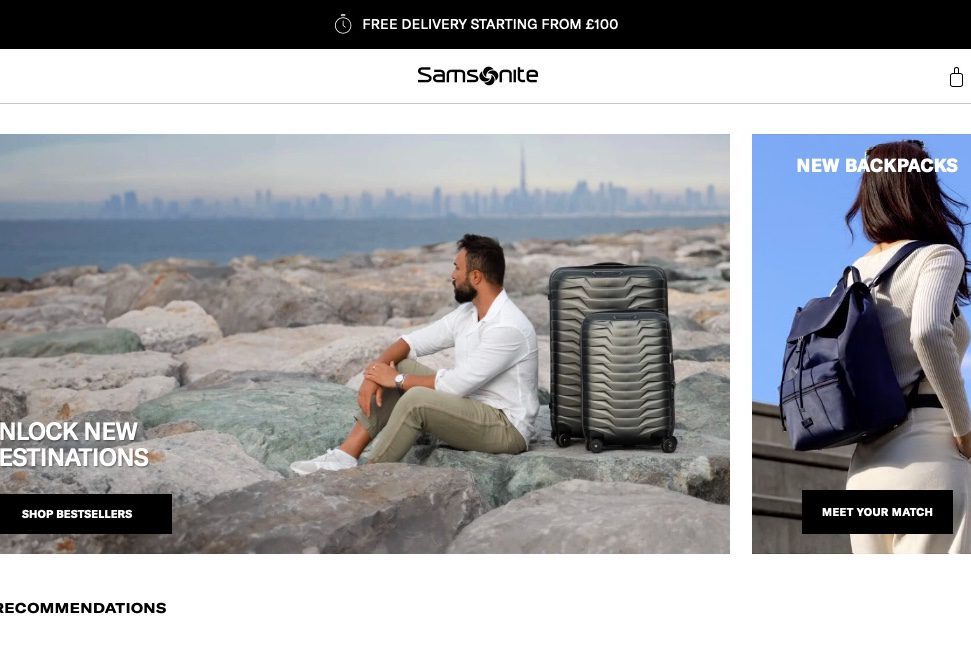
Samsonite International SA, the world’s largest travel luggage company, is preparing for a significant move to enhance its market position by pursuing a dual listing in the United States. According to sources familiar with the matter, Samsonite has selected JPMorgan Chase & Co. and Morgan Stanley to lead the process, signaling its intent to improve liquidity and widen its shareholder base. The decision comes as the company seeks to bolster its global presence and capitalize on the strong recovery of the travel industry.

The dual listing will allow Samsonite to attract a broader range of investors, particularly from the US, where its brands, including American Tourister and Tumi, are already well known. A listing on a US exchange, such as the New York Stock Exchange or Nasdaq, would increase the company’s visibility and provide easier access to the capital markets. This is seen as part of a strategic initiative by the company to diversify its funding sources and offer shareholders the option to trade more easily in a larger and more liquid market.

Samsonite, headquartered in Luxembourg, has been listed on the Hong Kong Stock Exchange since 2011. The company has been looking to expand its investor base, particularly in the wake of a strong recovery in travel demand. The resurgence in global travel after years of pandemic-related disruptions has given the company renewed confidence to explore growth avenues, including a possible US dual listing. The decision is seen as a way to solidify its foothold in a market that has seen increased demand for premium luggage and travel-related goods.

As discussions on the dual listing progress, it is expected that Samsonite will file the necessary paperwork for an initial public offering (IPO) in the US in the coming months. The timeline for the listing remains flexible, but sources suggest the company could be ready to go public in 2024. The dual listing would allow shares to be traded both in Hong Kong and the US, giving Samsonite a strategic edge in navigating international capital markets.

The company’s board is reportedly optimistic about the move, believing that a US listing could bring in significant capital that could be reinvested in expanding Samsonite’s retail footprint, enhancing its digital presence, and accelerating product development. Analysts view the listing as a smart move that would enable the firm to tap into the resurgence of travel demand and capture the attention of a larger pool of investors, especially those focused on the luxury goods and travel sectors.

Samsonite has seen substantial growth since its founding in 1910. The company, initially based in Denver, Colorado, has transformed itself into a global giant in the luggage industry. With operations in over 100 countries and a broad portfolio of brands catering to various market segments, Samsonite is uniquely positioned to take advantage of the recovery in global travel. Its product offerings, which range from budget-friendly to high-end luxury, have made it a household name in both business and leisure travel circles.

While the company faced significant challenges during the COVID-19 pandemic, with travel restrictions severely curtailing demand for its products, the easing of lockdowns and a rebound in international tourism have provided a much-needed boost. The firm reported a strong performance in its most recent earnings, with revenues climbing back to pre-pandemic levels. This recovery has been driven by a surge in demand for luggage and travel accessories as consumers resume international vacations and business trips.

In addition to its traditional luggage products, Samsonite has been investing heavily in expanding its range of travel-related goods, such as backpacks, business bags, and travel accessories. The company has also focused on sustainability initiatives, launching eco-friendly product lines made from recycled materials. These efforts are part of a broader strategy to appeal to environmentally conscious consumers, who are increasingly driving purchasing decisions in the travel goods market.

Samsonite’s leadership has remained focused on maintaining the company’s competitive edge in a rapidly evolving industry. CEO Kyle Gendreau has been vocal about the company’s ambitions to grow its presence in key markets, particularly in North America, Europe, and Asia. The potential US dual listing is seen as a critical part of this strategy, allowing the company to raise additional capital that could be used to fuel its expansion plans.

Market analysts have speculated that Samsonite’s choice of JPMorgan and Morgan Stanley reflects the company’s intent to make a strong debut in the US market. Both banks have extensive experience in handling high-profile IPOs and dual listings, making them ideal partners for a company of Samsonite’s scale and ambitions. Their involvement is expected to instill confidence in prospective investors, many of whom are eager to capitalize on the company’s strong market position and its growth potential.

The dual listing comes at a time when Samsonite is benefiting from favorable market conditions. Travel demand has rebounded sharply, and consumer spending on luggage and travel accessories is expected to grow steadily over the next several years. Industry forecasts indicate that the global luggage market could reach $23.6 billion by 2026, driven by increased travel, rising disposable incomes, and greater demand for premium travel products.

SINGAPORE – Media OutReach Newswire – 5 September 2024 – ST Telemedia Global Data Centres (STT GDC), one of the world’s fastest-growing data centre colocation services provider headquartered in Singapore, is pleased to announce the release of its enhanced Sustainability-Linked Financing Framework (SLFF). This update builds on STT GDC’s ongoing commitment to achieving carbon-neutral data centre operations by 2030, with more rigorous targets that align its financing […]

By K Raveendran The drop in crude oil prices below the $75 per barrel threshold has raised significant concerns within the oil market, particularly for the OPEC+ cartel, which has been striving to maintain prices near the desired $100 mark. The decline, influenced by a potential resolution of the Libyan political crisis and underlying economic […]


A high-level meeting between Saudi Arabia and the United States has underscored the deepening strategic partnership between the two nations, with a particular focus on the digital economy and fostering innovation. The discussions, which brought together top officials from both countries, aimed at exploring new avenues for collaboration in technology, cybersecurity, and artificial intelligence, areas that are rapidly becoming pivotal in the global economy.

Saudi Arabia, under the leadership of Crown Prince Mohammed bin Salman, has been aggressively pushing forward its Vision 2030 initiative, a comprehensive plan aimed at diversifying the nation’s economy away from its heavy reliance on oil. Central to this vision is the development of a robust digital economy, which the Kingdom views as essential for its future prosperity. The discussions with the U.S. were seen as a critical step in bolstering this aspect of Saudi Arabia’s long-term economic strategy.

The meeting, which took place in Riyadh, featured prominent figures from both the public and private sectors. Key topics included enhancing bilateral cooperation in the digital sphere, fostering innovation ecosystems, and addressing the challenges posed by the rapidly evolving technology landscape. Both sides expressed a strong commitment to working together to advance these objectives, recognizing the mutual benefits that such collaboration could bring.

Saudi officials emphasized the Kingdom’s ambitious plans to become a global leader in technology and innovation. The nation has already made significant investments in this area, including the establishment of tech hubs, the promotion of digital entrepreneurship, and the implementation of advanced technological infrastructure. The U.S., with its well-established tech industry and expertise in innovation, is seen as an ideal partner to help Saudi Arabia achieve these goals.

A key element of the discussions was cybersecurity, an area of increasing concern for both nations. With the rise of digital threats, protecting critical infrastructure and ensuring the security of digital assets have become top priorities. The U.S. has been a leader in cybersecurity innovations, and its expertise is expected to play a crucial role in helping Saudi Arabia develop its capabilities in this domain. The discussions highlighted the importance of sharing knowledge and resources to build resilient cyber defenses that can withstand sophisticated attacks.

Artificial intelligence (AI) also featured prominently in the talks. Saudi Arabia has shown a strong interest in AI, viewing it as a transformative technology that can drive economic growth and improve various sectors, including healthcare, finance, and transportation. The U.S., home to many of the world’s leading AI research institutions and companies, is well-positioned to assist Saudi Arabia in harnessing the power of AI. The two nations discussed potential joint initiatives to develop AI applications that could benefit both countries, as well as the broader global community.

Innovation ecosystems were another focal point of the meeting. Saudi Arabia has been actively working to create a supportive environment for innovation, including the development of new regulations, the promotion of research and development, and the establishment of innovation centers. The U.S. has a long history of fostering innovation through its vibrant startup culture and well-established tech industry. The discussions explored ways to integrate these strengths, with the aim of creating a dynamic innovation ecosystem in Saudi Arabia that could serve as a model for the region.

Both sides also addressed the broader implications of their collaboration on the global stage. The digital economy is increasingly seen as a critical driver of global growth, and partnerships like the one between Saudi Arabia and the U.S. could have far-reaching impacts. By working together, the two nations aim to set new standards for digital innovation and leadership, potentially influencing the direction of the global digital economy.

The UAE’s non-oil private sector displayed robust growth in August, marking a notable recovery from previous slowdowns. The latest data reveals a significant uptick in business activity, driven by increased demand and improved market conditions. According to the latest report from IHS Markit, the UAE’s non-oil private sector saw its highest expansion rate in over a year. The Purchasing Managers’ Index (PMI) for August reached 55.5, up […]

Brookfield Renewable Partners is on the brink of finalizing a major transaction involving Saeta Yield, a leading Spanish renewable energy firm. The deal, valued at approximately $1.1 billion, will see Saeta Yield acquired by Masdar, an Abu Dhabi-based renewable energy powerhouse. This move underscores a significant shift in the global renewable energy landscape and highlights the growing influence of Middle Eastern investors in the European green energy […]

Takaful insurer Abu Dhabi National Takaful Company (ADNTC) has decided to halt its planned acquisition of Dubai-based AMAN Insurance’s portfolio. This decision, announced today, reflects a strategic shift and indicates a reevaluation of ADNTC’s growth strategies in the UAE market. The cancellation of the deal, which was initially valued at approximately AED 600 million, marks a significant development in the regional insurance sector. The acquisition was set […]

By Manish Rai Recent bold attacks carried out by Baloch Liberation Army (BLA) rocked Pakistan. A large number of people and security personnel were killed in the province of Balochistan when separatist insurgents attacked police stations, railway lines and highways, and security forces camps. The assaults were the most widespread and ferocious in years by ethnic militants fighting a decades-long insurgency to win secession of the resource-rich […]

VISHNU RAJA
RYO YAMADA
HITORI GOTOH
IKUYO KITA