News related to
Strategy

Morgan Stanley has adjusted its Brent crude price projection for the second half of 2025 to $70 per barrel, citing OPEC+ production decisions and broader supply-demand dynamics. This revision reflects cautious optimism about the market’s ability to stabilize amid shifts in global oil supply, rising alternative energy adoption, and the evolving geopolitical landscape.

The OPEC+ coalition has opted to gradually unwind its voluntary production cuts totaling 2.2 million barrels per day starting from December, aiming to maintain price stability while balancing market cohesion. Analysts suggest this calculated strategy seeks to mitigate downward pressure on oil prices caused by oversupply fears and demand uncertainties. The move follows deliberations among key producers, including Saudi Arabia and Russia, with a long-term focus on discipline among non-OPEC+ suppliers.

Despite these measures, bearish market conditions persist. Morgan Stanley’s forecast aligns with broader trends suggesting that crude oil prices may face headwinds from an anticipated supply surplus of approximately 700,000 barrels per day by 2025. This surplus, driven by production expansions in regions such as the Americas, has tempered earlier bullish outlooks. Brazil, Guyana, and the United States are expected to collectively contribute over one million barrels per day to global output growth in the coming years.

Demand-side challenges also weigh heavily on the outlook. A slower-than-expected recovery in China’s oil consumption, attributed to rapid electric vehicle adoption and the rise of LNG-powered trucking, has raised concerns about long-term demand stagnation. Bank of America analysts have echoed this sentiment, projecting subdued growth in China’s oil usage as one of the factors leading to a potential market oversupply.

Middle Eastern tensions and disruptions to Libyan crude exports have added complexity to the short-term landscape. However, analysts anticipate these issues to have a limited impact on long-term pricing due to ongoing diplomatic efforts and the likelihood of resumed production in Libya. As such, markets remain focused on structural shifts, including the increasing role of alternative energy sources and changes in transportation fuel demand.

By Nitya Chakraborty Prime Minister Narendra Modi invited Russian President Vladimir Putin to visit India at the time of his visit to the BRICS summit at Kazan in Russia in October this year. This was immediately accepted by President Putin and in the last six weeks since the Kazan conclave on October 22-23 this year, […]

Gautam Hari Singhania has been appointed Executive Chairman of Raymond Lifestyle, following shareholder approval of the decision. This move marks a significant step for the company after the recent demerger of its lifestyle business, which now operates separately from Raymond’s other ventures. The reshaping of leadership within Raymond Lifestyle is seen as part of a broader strategy to enhance its growth prospects in a highly competitive market.

The demerger has allowed Raymond to streamline its operations, with the lifestyle business focusing exclusively on apparel, textiles, and retail. The appointment of Singhania, who has been involved in the family business for decades, underscores the company’s efforts to strengthen its leadership and position itself for the future. Under his stewardship, Raymond Lifestyle aims to continue its legacy in the textile and fashion sectors while diversifying its product offerings and expanding its market reach.

Singhania’s extensive experience in the corporate world is expected to bring a new era of innovation and growth for the company. His leadership will focus on maintaining Raymond’s strong market presence while navigating the challenges of a rapidly changing retail environment. With an emphasis on sustainable business practices and digital transformation, the company is poised to capture the shifting demands of modern consumers.

As Raymond Lifestyle operates in the highly competitive and fast-evolving fashion and retail sector, the company’s decision to appoint Singhania comes at a critical juncture. With the demerger now complete, the focus will be on maximizing operational efficiencies, expanding its retail footprint, and enhancing its digital capabilities. Singhania’s leadership will be integral in ensuring the brand remains relevant and agile in a market increasingly dominated by e-commerce and fast fashion.

The demerger itself is a strategic decision aimed at enabling both Raymond Lifestyle and the other businesses under the Raymond umbrella to flourish independently. Raymond Lifestyle, which has built a strong reputation for its high-quality apparel, will now have the flexibility to pursue its growth objectives without the complexities of managing non-core businesses. This move is expected to create a more focused entity, better able to respond to the needs of the modern consumer while continuing to leverage the strength of the Raymond brand.

Under Singhania’s direction, Raymond Lifestyle is also expected to further capitalize on emerging trends in sustainability and digital transformation. The company has already begun investing in eco-friendly fabrics and production methods, aligning with broader industry shifts towards more responsible manufacturing. As global consumers demand more transparency and sustainability from their brands, Raymond Lifestyle is well-positioned to lead in these areas.

Singhania’s appointment also signals a broader shift in corporate governance at Raymond Lifestyle. The company’s focus on innovation, sustainability, and digital transformation is expected to continue driving its long-term growth strategy. As the fashion industry undergoes rapid changes, the leadership of Raymond Lifestyle will need to remain adaptive, ensuring it can respond to both challenges and opportunities that lie ahead.

The demerger and Singhania’s appointment come at a time when Raymond is looking to consolidate its position in the market, ensuring that its lifestyle segment remains competitive while expanding its presence across the country and abroad. As global markets become more interconnected, Raymond Lifestyle’s ability to innovate and respond to consumer demands will be key to its success.

In the long term, Raymond Lifestyle is expected to deepen its presence in both domestic and international markets. The brand has already established a strong footprint in India, and Singhania’s leadership will be crucial in helping the company expand further into new international markets. With a focus on both digital and brick-and-mortar retail, Raymond Lifestyle will aim to provide an integrated shopping experience for consumers who are increasingly seeking convenience and personalization in their shopping choices.

As Raymond Lifestyle enters this new phase under Gautam Singhania’s leadership, industry observers are keen to see how the company navigates the challenges ahead. The fashion and lifestyle sector is undergoing a transformation, with shifting consumer preferences, supply chain challenges, and the rise of online retail. Singhania’s vast experience in both traditional business management and adapting to modern market trends will play a pivotal role in the company’s ability to thrive in this dynamic environment.

Tesla’s long-anticipated Cybertruck production has been put on hold, marking a significant setback for Elon Musk and the electric vehicle giant. The delay follows a series of hurdles that have shaken investor confidence and raised concerns about the company’s ability to meet its ambitious targets. These setbacks compound the challenges Musk has faced this week, including a major drop in his stock valuation and continued issues related […]

Ripple has announced a delay in the launch of its RLUSD stablecoin, clarifying that it will not debut the product today as initially expected. The company, a leading blockchain-based payments firm, cited the need for final approval from the New York Department of Financial Services (NYDFS) before proceeding with the launch.

This postponement has added to the mounting attention surrounding the regulatory landscape for digital assets in the U.S., particularly in the wake of growing scrutiny by state and federal regulators. The RLUSD stablecoin, which is designed to function as a regulated digital dollar, is seen as a key component of Ripple’s strategy to expand its offerings in the cryptocurrency and payments market.

Ripple’s announcement of the delay comes as the company continues to navigate its ongoing legal battle with the U.S. Securities and Exchange Commission (SEC), which has raised questions about the classification of certain cryptocurrencies as securities. Despite this, Ripple remains confident that the stablecoin will eventually receive approval from the NYDFS, a crucial step for its broader plans to integrate stablecoin services within the existing financial ecosystem.

The NYDFS is one of the primary regulatory bodies overseeing cryptocurrency and blockchain-based financial products in New York, a state known for its strict regulations. Ripple’s delay highlights the growing regulatory complexities facing cryptocurrency firms as they seek approval for new products. Stablecoins, in particular, have become a focal point for regulators, due to concerns over their potential to affect the stability of traditional financial systems and facilitate illicit activities.

As the U.S. government tightens its oversight of cryptocurrencies, Ripple’s RLUSD stablecoin represents an attempt to align itself with regulatory expectations, especially as the company aims to create a transparent and fully compliant digital currency. The product is designed to offer greater stability and transparency compared to other digital currencies, with the backing of traditional assets such as the U.S. dollar, which would be held in reserves.

Ripple has emphasized that the RLUSD stablecoin is intended to address several key challenges within the cryptocurrency industry, including volatility and lack of regulatory clarity. By working closely with the NYDFS and other regulators, the company aims to ensure that its new product meets the highest standards of compliance and consumer protection.

This development is just the latest chapter in Ripple’s ongoing efforts to expand its influence within the digital currency space, where competition among firms is intensifying. Ripple’s existing services, including its flagship XRP token, are widely used for cross-border payments, and the addition of a stablecoin product would allow the company to further diversify its portfolio. However, the regulatory hurdles facing Ripple are significant, as the company must satisfy a variety of legal requirements to launch the RLUSD coin.

Stablecoins like RLUSD have gained increasing prominence as more people and businesses look for ways to transact with digital currencies without the extreme price fluctuations associated with assets like Bitcoin or Ethereum. In many ways, the rise of stablecoins has mirrored the growing demand for decentralized finance (DeFi) solutions, which aim to provide financial services without the need for traditional banks or financial institutions.

Despite the popularity of stablecoins, regulators have expressed concerns over the potential for these assets to be used in money laundering, terrorist financing, and other illicit activities. Some U.S. lawmakers have called for stricter oversight of stablecoin issuers, citing the risks posed by unregulated digital currencies. The delay in Ripple’s stablecoin launch underscores the challenges facing all cryptocurrency companies in balancing innovation with compliance in a rapidly evolving regulatory environment.

Ripple’s decision to delay the RLUSD launch also raises questions about the future of digital currencies and their integration into mainstream finance. While the cryptocurrency industry has seen significant advancements in recent years, including the rise of central bank digital currencies (CBDCs) and growing institutional interest, regulatory uncertainty continues to be a major obstacle.

As Ripple awaits approval from the NYDFS, the company is likely to face continued scrutiny from both U.S. regulators and international bodies, as governments around the world grapple with how to regulate cryptocurrencies. The outcome of this approval process could have significant implications not only for Ripple but for the broader stablecoin market, which has grown to become a multi-billion-dollar industry.

Ripple’s ongoing efforts to secure the necessary regulatory approvals for RLUSD reflect the broader trend within the cryptocurrency industry, as companies seek to operate within the bounds of national and international laws. While the company’s legal battle with the SEC may dominate headlines, the approval process for RLUSD could shape the future of Ripple’s product offerings and its relationship with regulators moving forward.

Bitcoin has crossed a major milestone, emerging as the world’s 10th largest asset by market capitalization. This significant shift places the cryptocurrency ahead of both the Australian dollar and the Swiss franc, marking a new chapter in the ongoing evolution of digital assets. The latest surge in Bitcoin’s value showcases its growing influence within the global financial landscape.

The cryptocurrency has made headlines with a substantial increase in its market cap, which now exceeds $500 billion. This has been driven by a combination of factors, including a stronger adoption rate among institutional investors and a renewed interest from retail investors. As the digital currency continues to gain traction, its market value surpasses that of traditional currencies, positioning Bitcoin among the top 10 global assets.

The rise of Bitcoin comes at a time when financial markets are grappling with the volatility of traditional assets and currencies. The Australian dollar and Swiss franc, long seen as safe-haven currencies, are now being overshadowed by the growing dominance of Bitcoin in the financial markets. Bitcoin’s ability to secure its place among the top assets has further solidified its reputation as a digital store of value and an alternative investment class.

What makes this development even more striking is Bitcoin’s ability to challenge conventional asset classes, particularly in the context of growing concerns over inflation and economic instability. Investors are increasingly looking for assets that are decentralized and immune to government manipulation, making Bitcoin an attractive option.

A key contributor to Bitcoin’s rise is the influx of institutional investors, including hedge funds and publicly traded companies, that have begun adding Bitcoin to their portfolios. Large financial institutions like BlackRock, Fidelity, and MicroStrategy have embraced Bitcoin as a legitimate asset, fueling its upward trajectory. These investors view Bitcoin as a hedge against inflation, as it is perceived as being less susceptible to the monetary policies that affect traditional currencies.

At the same time, Bitcoin’s growing acceptance among retail investors has been a significant driver of its value. As more individuals recognize the potential of Bitcoin as both an investment vehicle and a medium of exchange, the demand for the cryptocurrency continues to soar. This has led to a steady increase in Bitcoin’s price and, consequently, its market capitalization.

The rising popularity of decentralized finance (DeFi) platforms has also contributed to Bitcoin’s ascension. DeFi applications, which are built on blockchain technology, are providing users with more ways to earn, borrow, and lend digital assets. As Bitcoin plays a central role in the DeFi ecosystem, its value is becoming increasingly linked to the success of these platforms.

Despite the volatility that has often been associated with cryptocurrencies, Bitcoin’s market dominance is a testament to its resilience. Unlike traditional financial markets, where volatility can be exacerbated by central bank interventions and geopolitical tensions, Bitcoin operates within a decentralized network that is free from government control. This has made Bitcoin a particularly attractive option during times of global uncertainty.

The broader crypto ecosystem, however, remains highly competitive. Ethereum, which ranks second in market capitalization, continues to challenge Bitcoin for dominance in the digital asset space. Despite this, Bitcoin has maintained its position as the leader in terms of market cap, even as other cryptocurrencies such as Binance Coin and Cardano grow in value.

Experts also note that Bitcoin’s status as a store of value is likely to continue strengthening as more people move away from traditional investment vehicles. The ongoing development of Bitcoin-related financial products, such as exchange-traded funds (ETFs) and futures contracts, is helping to integrate the cryptocurrency into mainstream financial markets. This trend suggests that Bitcoin’s role in the global financial system will only expand further in the coming years.

While the current rally in Bitcoin’s market value has garnered attention, analysts remain cautious about the sustainability of its growth. Bitcoin’s price has historically been prone to volatility, with sudden fluctuations often causing uncertainty in the market. Despite this, the long-term outlook for Bitcoin remains optimistic, as its underlying blockchain technology continues to garner support from both institutional and retail investors.

As Bitcoin continues to gain ground, questions remain about its role in the broader economy. While many view it as a hedge against inflation and a store of value, others are concerned about its environmental impact, given the energy consumption associated with mining operations. Moreover, regulatory scrutiny of cryptocurrencies is intensifying in several countries, with governments and financial regulators grappling with how to treat digital assets.

Bitcoin’s rise in market capitalization also highlights the increasing integration of cryptocurrencies into the global financial system. As more financial institutions adopt Bitcoin and other digital assets, it is likely that cryptocurrencies will continue to play an influential role in shaping the future of global finance. The potential for Bitcoin to be used as a widely accepted form of payment, along with its increasing recognition as an asset class, positions it as a key player in the evolution of the financial sector.


HONG KONG SAR – Media OutReach Newswire – 5 December 2024 – Hong Kong’s economic outlook and business confidence are set to further improve in 2025, CPA Australia’s latest survey shows. With more than half of respondents predicting their company’s revenue will grow in 2025, companies are becoming more aggressive in their expansion plans and hiring intentions are the highest since 2020. (from left to right) Mr […]

Advertisements

Dubai-based billionaire Hussain Sajwani’s Edgnex Data Centers has entered a joint venture with PPC Group, a major European utility, to build and operate a state-of-the-art data center in Greece. This collaboration comes with an initial investment of €150 million ($157 million), marking a significant step in Edgnex’s expansion strategy into the European data infrastructure market.

The partnership between Edgnex, a leading data center provider in the Middle East, and PPC Group, a key player in Greece’s energy sector, aims to capitalize on the growing demand for cloud computing, data storage, and digital transformation services across Europe. The planned facility will offer high-performance data storage and cloud infrastructure solutions designed to meet the needs of businesses and government agencies in Greece and the broader region.

The data center, to be located in a strategic area in Greece, will be designed to provide a sustainable and scalable infrastructure to meet the growing demand for data services. Both Edgnex and PPC Group aim to position the new facility as a key asset in Europe’s digital economy, enabling businesses to operate more efficiently and support the region’s transition to a more digitally connected and technologically advanced landscape.

Edgnex’s investment in Greece follows the company’s recent push into international markets. The Dubai-based firm is focusing on expanding its footprint beyond the Middle East, responding to a surge in demand for robust digital infrastructure and advanced technology solutions. The decision to partner with PPC Group allows Edgnex to leverage local expertise and infrastructure, making the venture highly strategic as it seeks to capture a larger share of the European market.

PPC Group, for its part, brings significant experience in managing large-scale infrastructure projects, with a long history in the energy and utilities sector. Its involvement in the joint venture ensures that the project will benefit from Greece’s extensive energy network, ensuring that the data center operates sustainably and efficiently. With a commitment to supporting the energy transition in Europe, PPC Group’s contribution underscores the growing importance of sustainable energy practices in the development of modern data infrastructure.

This collaboration aligns with broader trends in the data center industry, where there is an increasing emphasis on environmental sustainability and energy efficiency. As data centers consume substantial amounts of energy, the sector has been under increasing scrutiny to adopt greener practices. Edgnex’s data center in Greece is expected to integrate cutting-edge technologies to minimize its environmental impact, positioning it as a leader in sustainable data infrastructure development.

Greece itself has become an attractive location for data center investments due to its strategic geographical position, favorable regulatory environment, and growing digital economy. The Greek government has been actively working to position the country as a hub for digital innovation and technology services, providing incentives for international investors to develop critical infrastructure. These efforts have been paying off, as more global players look to establish a presence in Greece to serve the region’s increasing demand for digital services.

The Edgnex-PPC Group venture is expected to further bolster Greece’s position as a key player in Europe’s digital economy. By attracting major investments in the data infrastructure space, the country is laying the groundwork for future growth in sectors such as cloud computing, artificial intelligence, and big data analytics. As these industries continue to evolve, the demand for secure, high-performance data centers will only increase, making Edgnex and PPC Group’s investment a timely and strategic move.

Edgnex’s foray into the European market reflects the growing trend of Middle Eastern companies expanding their presence globally. With its strong financial backing and expertise in data center operations, Edgnex is well-positioned to compete with other global players in the European market. The joint venture with PPC Group is expected to serve as a model for future collaborations, as both companies aim to capitalize on the burgeoning demand for digital infrastructure services across the continent.

The joint venture is also poised to generate significant economic benefits for Greece, creating jobs, boosting local economies, and supporting the country’s digital transformation. As the demand for data storage and cloud services continues to rise, the development of new, advanced data centers will play a crucial role in supporting the growth of industries such as e-commerce, finance, and telecommunications.

As data privacy and security concerns continue to grow, the joint venture is also expected to address the increasing need for secure data storage solutions. The data center will meet high international standards for cybersecurity, ensuring that the data hosted on the site remains protected against emerging threats. This focus on security is expected to make the facility particularly attractive to clients in highly regulated industries such as finance and healthcare.

Looking ahead, Edgnex and PPC Group’s venture in Greece is poised to be a catalyst for further investment in the data center sector, not only in Greece but across Europe. The ongoing digital transformation across industries makes the demand for reliable, efficient, and sustainable data infrastructure more critical than ever. As businesses increasingly rely on data-driven solutions to stay competitive, the need for cutting-edge data centers to support this growth will continue to rise, creating opportunities for companies like Edgnex to expand their operations and meet this demand.

Oil prices have held their ground after a slight dip as the focus shifts to OPEC+’s upcoming decision regarding production cuts. Market participants are awaiting critical guidance on future supply restrictions from the cartel, a move that could significantly impact both global energy prices and economic stability. With mounting pressures from both geopolitical factors and fluctuating demand, the outcome of this decision is poised to influence the […]

Robinhood, the prominent commission-free trading platform, has confirmed its plans to expand into the Asia-Pacific (APAC) region by 2025. The company has chosen Singapore as its base of operations for this significant expansion, a move aimed at tapping into the fast-growing financial markets in Asia. This decision signals the company’s ambition to diversify its global footprint and cater to a region increasingly focused on digital finance and investment opportunities.

The decision to establish an office in Singapore reflects the city-state’s role as a key financial hub in Asia. Singapore’s favorable regulatory environment and its status as a regional fintech leader make it an attractive destination for global fintech companies looking to scale operations in the APAC region. The country has long been known for its pro-business stance, stable financial system, and robust technological infrastructure, all of which provide a conducive environment for a tech-driven financial firm like Robinhood.

Singapore has also seen a growing influx of financial startups and established companies expanding their reach to the Southeast Asian markets, making it a logical choice for Robinhood’s foray into the region. By setting up operations in Singapore, Robinhood hopes to capture a portion of the region’s burgeoning retail investor base, particularly as wealth in Asia grows rapidly, and more individuals gain access to financial markets through mobile apps and platforms.

Robinhood’s move into the APAC region also comes at a time when the fintech sector is undergoing significant changes. With the increasing use of smartphones and the internet, retail investment is seeing massive growth in Asia, especially among young investors who are tech-savvy and eager to explore stock trading. Robinhood’s low-cost, no-commission trading model aligns well with the financial preferences of these investors, making the company an appealing option in a region where many investors are looking for cost-effective and transparent trading solutions.

While Robinhood’s expansion into Asia is an exciting development, it will not be without its challenges. The company must navigate the diverse regulatory environments across various countries in the region, each with its own rules for digital finance, securities, and trading platforms. Although Singapore provides a strong starting point, Robinhood will need to carefully assess the regulatory frameworks in markets like Japan, South Korea, and India, where financial regulations can differ significantly.

As part of its regional expansion strategy, Robinhood is also expected to partner with local financial institutions and fintech startups in Asia. This could help the company tailor its services to the specific needs and preferences of consumers in each market. The company may also look to introduce new features that cater to local market conditions, such as investment options that are popular in certain countries or currencies that are more widely used in the region.

At the same time, Robinhood’s entry into Asia also brings the company into competition with established players in the region, including traditional brokerage firms and other fintech companies. In markets like Japan, South Korea, and Hong Kong, Robinhood will need to prove its ability to offer a compelling value proposition compared to local platforms, many of which already have a strong presence in their respective countries. To succeed, Robinhood will need to balance the advantages of its existing business model with the need to adapt to the unique dynamics of the Asian financial markets.

Despite the competition, Robinhood’s reputation as a disruptor in the financial services industry, combined with its innovative approach to retail investing, could provide a strong foundation for its success in the APAC region. The company’s ability to offer commission-free trading and easy-to-use mobile platforms has made it popular among retail investors in the United States, and it hopes to replicate this success in Asia, a region where digital adoption is accelerating.

Robinhood has also demonstrated its adaptability in the past, introducing new features and expanding into new territories as it seeks to broaden its user base. The company has already expanded its operations in Europe and Canada, and its move into Asia represents a natural next step in its global growth strategy. Given the rising demand for accessible investment tools across Asia, Robinhood’s entry into the region could prove to be a game-changer for retail investing in the APAC markets.

Circle, the issuer of the USD Coin (USDC), has officially confirmed that its stablecoin has met the criteria to qualify as a Value-Referenced Crypto Asset (VRCA) under Canada’s regulatory framework. This approval ensures USDC will remain in compliance with Canadian law and continue its operations in the country beyond the December 31, 2024, deadline.

The Canadian Securities Administrators (CSA) introduced stringent regulations in 2023 aimed at creating a safe and secure environment for digital assets. These rules require all stablecoins operating in the country to meet the VRCA requirements, a set of standards designed to guarantee that crypto assets are fully backed by reserves that are easily redeemable at par value. This regulatory framework is part of Canada’s broader strategy to bring digital currencies in line with existing financial systems, increasing transparency and protecting investors.

Circle’s achievement marks a significant milestone in the integration of stablecoins into national financial systems. USDC is the first stablecoin to meet the VRCA’s strict criteria, a move that positions it as a critical player in Canada’s evolving crypto landscape. As the only stablecoin to have secured this compliance, USDC now has a distinct advantage in the Canadian market, ensuring its ongoing use for payments, remittances, and other financial applications within the country.

The approval also signals a growing acceptance of digital currencies in Canada. The country has long been considered one of the more progressive jurisdictions in terms of cryptocurrency adoption, with regulators working to balance innovation with investor protection. The VRCA classification reflects a recognition of stablecoins’ utility in the broader financial ecosystem, especially for international transactions where volatility is a concern.

Circle’s commitment to regulatory compliance has been a cornerstone of its strategy. The company has worked closely with regulators around the world to ensure that USDC adheres to local laws while maintaining its stability and utility. This proactive approach has helped build trust with both users and governments, a critical factor in the growing acceptance of stablecoins.

Stablecoins like USDC are pegged to fiat currencies such as the U.S. dollar, offering a relatively stable value compared to the broader cryptocurrency market, which can experience significant price fluctuations. The ability to convert USDC easily into Canadian dollars under the new regulatory framework provides Canadian users with a reliable and efficient means of conducting digital transactions.

This regulatory approval by Canada also has broader implications for the global cryptocurrency market. As other nations consider how to regulate stablecoins, the Canadian example could serve as a model for establishing clear, comprehensive guidelines that protect users while fostering innovation. By creating a clear framework for stablecoins, Canada sets a precedent for how other jurisdictions might approach similar regulatory challenges in the coming years.

Circle’s compliance with Canada’s VRCA requirements may open the door for more stablecoin issuers to seek similar approvals in other jurisdictions, ultimately pushing the global regulatory landscape toward greater consistency. For now, USDC’s approval in Canada helps to reinforce its role as a leading stablecoin in the global market, used by a wide range of entities, from financial institutions to decentralized finance (DeFi) applications.

Despite these positive developments, the global regulatory landscape for stablecoins remains fragmented. Different countries have taken varying approaches to stablecoin regulation, with some adopting a more cautious stance and others moving forward with more aggressive regulatory frameworks. As regulators continue to refine their approaches, Circle’s success in meeting Canada’s VRCA standards may be a pivotal moment in shaping the future of stablecoins.

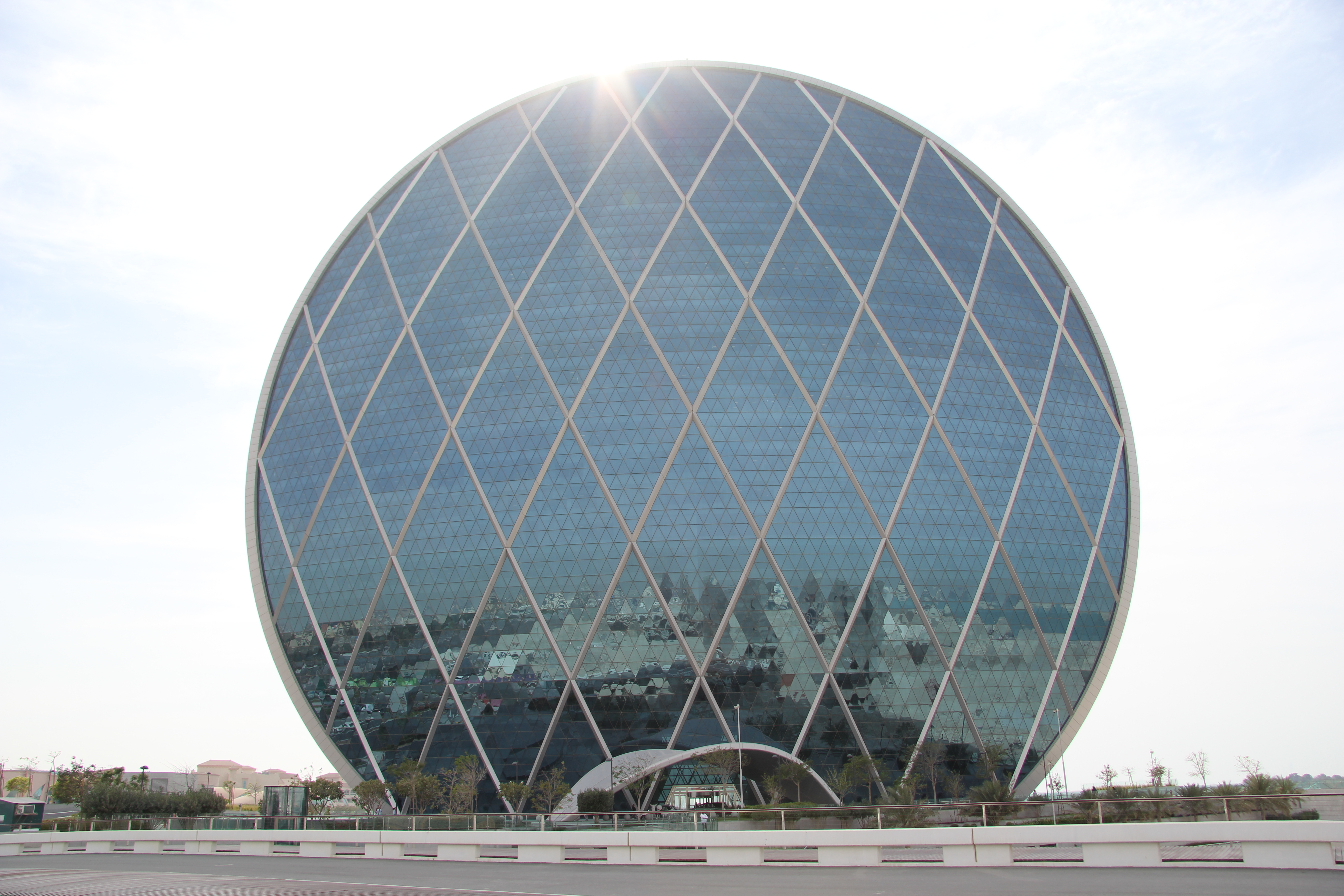
Aldar Properties has announced the acquisition of a Dh2.3 billion commercial tower located within Dubai International Financial Centre (DIFC). This development, which spans 40 floors, is set to be a significant addition to DIFC’s vibrant commercial landscape. Slated for completion by 2028, the project will integrate office and retail spaces designed to attract both businesses and investors looking for prime real estate within one of the region’s leading financial hubs.

The acquisition underscores Aldar’s expanding footprint in the UAE’s property sector, with the developer increasingly diversifying its portfolio across emirates and internationally. Known primarily for its strong presence in Abu Dhabi, Aldar has recently shifted focus to other lucrative markets such as Dubai and Ras Al Khaimah, complementing its projects in global locations including Egypt, London, and Western Europe.

This latest venture comes amidst Aldar’s robust financial performance in 2023. The company recorded a net profit surge of 40%, reaching Dh4.4 billion, supported by a 26% rise in revenue to Dh14.2 billion. This financial momentum is attributed to sustained demand for off-plan properties and strategic forays into new market segments. The company’s development backlog, which doubled to Dh36.8 billion by year-end, provides a steady stream of income visibility for the foreseeable future.

The DIFC tower acquisition aligns with Aldar’s strategy of capitalizing on high-growth urban markets. DIFC, a pivotal financial district housing leading multinational firms, offers the strategic advantage of proximity to global businesses and professionals. The newly acquired project is expected to bolster the area’s profile as a hub for commerce and innovation.

Robinhood Markets has announced remarkable performance metrics, highlighting its growing prominence in the cryptocurrency sector. The platform’s crypto trading volumes exceeded $30 billion during November, demonstrating substantial investor engagement in digital assets. This figure underscores a strong rebound in trading activity compared to earlier periods.

Robinhood revealed a significant increase in its user base, with over 400,000 new funded accounts added in November. This growth reflects a broader interest in the platform’s diversified financial offerings, including its recent expansion of cryptocurrency options. Assets under custody also climbed to over $190 billion, marking a 15% increase from October and a striking year-over-year growth, showcasing the company’s steady appeal to retail investors.

Robinhood’s strategy of introducing new tokens, such as Solana, Cardano, and XRP, has positioned the platform as a key player in adapting to evolving regulatory landscapes. Analysts have identified Robinhood as a potential beneficiary of anticipated regulatory changes favoring cryptocurrency trading. Bernstein research estimates the company’s crypto revenue share could rise to 38% of total revenues by 2025, significantly higher than the 7% recorded in 2023. This optimistic projection is supported by the platform’s cautious yet strategic approach to token listings under existing regulatory constraints.

Ranked the 2nd highest among nine global vendors evaluated by top global research firm in current offering and strategy categories HANGZHOU, CHINA – Media OutReach Newswire – 5 December 2024 – Alibaba Cloud, the digital technology and intelligence backbone of Alibaba Group, has been recently named a Leader in The Forrester Wave™: Public Cloud Platforms Q4 2024 report. Alibaba Cloud believes this designation recognizes its depth of […]

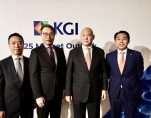
Balancing Global Dynamics HONG KONG SAR – Media OutReach Newswire – 4 December 2024 – Today, KGI has released its 2025 Market Outlook, covering regions including Mainland China, Hong Kong, Taiwan, the U.S., Singapore, and Indonesia. (From left) Cusson Leung, Chief Investment Officer at KGI; James Chu, Chairman at KGI Securities Investment Advisory; James Wey, Head of International Wealth Management at KGI; Kenny Wen, Head of Investment […]

Aldar Properties, Abu Dhabi’s largest real estate developer, has finalized the acquisition of a prominent commercial tower in Dubai’s International Financial Centre (DIFC) for a staggering 2.3 billion dirhams ($626 million). This deal marks one of the most significant property transactions in the region’s commercial real estate sector in recent years. The commercial tower, a key asset located in one of Dubai’s prime financial districts, was sold […]

Legrand, a global leader in electrical and digital infrastructure solutions, has strengthened its position in the data center market through the acquisition of Power Bus Way, a Toronto-based provider of custom-engineered cable bus systems. This strategic move enhances Legrand’s portfolio, enabling the company to offer more comprehensive solutions to meet the growing demands of data centers, industrial facilities, and commercial properties. The acquisition reflects a growing trend […]

Abu Dhabi’s National Marine Dredging Company (NMDC) has expanded its reach into new sectors with the establishment of a dedicated logistics unit. This strategic move aims to enhance the company’s service offerings and leverage its operational expertise to capitalize on the growing demand for integrated logistics services. The new division will focus on providing logistics solutions for a wide range of industries, marking a significant shift in NMDC’s business trajectory.

The expansion comes at a time when the global logistics market is experiencing rapid growth, driven by advancements in technology and an increase in trade activities. NMDC’s decision to establish a logistics unit underscores its ambitions to diversify beyond its traditional dredging and marine operations. The move also positions the company to tap into a sector that is becoming increasingly vital to the supply chain, particularly in the Middle East, where infrastructure development continues to surge.

The logistics unit will provide end-to-end services, including transportation, storage, and distribution, aimed at industries such as construction, oil and gas, and infrastructure development. By venturing into this space, NMDC is poised to offer a broader suite of solutions to its existing client base while also attracting new customers from sectors that require sophisticated logistical support. The company’s extensive experience in project management and large-scale operations positions it well to integrate these new services into its existing portfolio.

According to industry experts, NMDC’s entry into the logistics market is a timely response to the increasing need for efficient supply chain solutions. The UAE, and particularly Abu Dhabi, is seeing a rise in demand for specialized logistics services driven by its growing infrastructure and energy sectors. With a well-established reputation for executing large-scale maritime and dredging projects, NMDC’s expansion into logistics is seen as a natural progression.

The establishment of the logistics division is expected to improve operational efficiency by streamlining the movement of goods, materials, and equipment across different sectors. Furthermore, the move aligns with broader economic trends in the UAE, where non-oil sectors are becoming a focal point of the country’s long-term economic diversification strategy. The UAE government has made significant investments in infrastructure, including airports, seaports, and transport systems, which have spurred demand for robust logistics capabilities.

One of the key advantages of NMDC’s new unit is its potential to integrate its marine expertise with logistics operations. Given the company’s vast experience in marine dredging, port construction, and offshore services, it is well-positioned to offer seamless transportation solutions for industries dependent on sea-based logistics. This expertise could offer a significant competitive edge, particularly in the context of the UAE’s strategic location as a hub for global trade. The integration of marine logistics with land-based services is expected to create a more efficient supply chain, allowing NMDC to offer cost-effective and timely solutions.

NMDC’s logistics expansion also reflects broader trends within the UAE’s corporate sector, where companies are diversifying to stay competitive amid evolving market conditions. The logistics sector, in particular, has attracted substantial investments from both public and private entities due to its role in supporting economic growth. As a result, many firms are increasingly seeking ways to enhance their capabilities to meet the demands of industries such as e-commerce, retail, and manufacturing.

The logistics unit will also have a significant impact on job creation within the region. As the company scales up its operations, it is expected to generate a range of employment opportunities, particularly for skilled workers in fields like supply chain management, transportation, and warehousing. The initiative also aligns with the UAE’s ongoing efforts to cultivate a competitive workforce and reduce dependency on foreign labor by providing more opportunities for local talent.

NMDC’s growth strategy involves not only expanding its reach in logistics but also enhancing its overall service capabilities to support the UAE’s broader economic objectives. The logistics division is expected to bolster the company’s presence in key regional markets, particularly as demand for efficient transportation services increases across the GCC and North Africa. By extending its services, NMDC aims to position itself as a leading player in the logistics sector, much like it has in the marine and dredging industries.

The logistics market in the UAE has witnessed significant growth in recent years, with an increasing number of companies entering the field to cater to the rising demand for transport, warehousing, and distribution services. NMDC’s move to enter this competitive market, however, comes with its own set of challenges. The logistics sector is highly competitive, with established players already commanding significant market share. However, industry analysts believe that NMDC’s reputation for successful large-scale project execution and its ability to integrate advanced technology into operations could give it a competitive advantage in the long term.

Technological innovation is expected to be a key focus for the logistics unit, with NMDC likely to implement smart logistics systems and automation to streamline processes. Technologies such as artificial intelligence, Internet of Things (IoT), and blockchain are increasingly becoming integral to the logistics sector, enabling companies to improve efficiency and transparency. By integrating such technologies, NMDC can not only optimize its logistics operations but also offer value-added services to customers who are increasingly seeking more digitized and automated solutions.

Arabian Post Staff -Dubai The United Arab Emirates has firmly established itself as a global leader in the new economy, marked by its vibrant and competitive marketplace, forward-thinking innovation ecosystem, and dynamic workforce. A report by the Statistical Centre for the Cooperation Council for the Arab Countries of the Gulf (GCC-Stat) highlights the nation’s remarkable strides in fostering a society driven by progress and sustainability. Released to […]

Aldar Properties, the prominent real estate developer from Abu Dhabi, has made a significant move to expand its footprint in Dubai by acquiring key commercial properties and planning landmark projects. These ventures underline Aldar’s commitment to tapping into the growing demand for premium office spaces in one of the region’s most dynamic business hubs.

The acquisition of a commercial tower in Dubai International Financial Centre (DIFC), formerly owned by H&H Development, positions Aldar as the sole developer with major commercial assets in both the Abu Dhabi Global Market (ADGM) and DIFC. This strategic purchase reinforces its status as a key player in the UAE’s real estate sector. This tower boasts state-of-the-art facilities and prime positioning, adding to Aldar’s growing portfolio of high-grade commercial properties.

Simultaneously, Aldar unveiled plans to develop a Grade A office tower along Sheikh Zayed Road near DIFC. Designed with premium office spaces and luxury amenities, the development is set to include a boutique hotel and branded residences. The project, located on one of Dubai’s last undeveloped double plots, will enhance connectivity with its proximity to major transport hubs, such as the Emirates Towers Metro Station.

These investments align with Aldar’s strategy to diversify its portfolio beyond residential and retail projects. Dubai has been identified as a priority growth market, as the company continues to explore opportunities in the emirate’s flourishing commercial real estate landscape. The acquisition also complements Aldar’s existing projects in Dubai, such as its developments in Dubai Internet City, further cementing its role in shaping the emirate’s commercial property offerings.

With an investment value exceeding AED 1.8 billion, Aldar’s ventures in Dubai are anticipated to contribute to economic growth and job creation while catering to the evolving needs of businesses seeking high-quality spaces in the UAE. This expansion comes amid strong demand for office properties, spurred by Dubai’s status as a global business hub and the economic diversification initiatives driving regional development.

Here’s a news report based on the given information:

Brighton College Dubai has implemented strict limits on mobile phone use among its students, resulting in measurable improvements in their overall happiness. Over the past two years, the school reported a 15% increase in student satisfaction, attributing the shift to its policy of reducing screen time both during and after school hours.

This educational institution is part of a growing movement in academic circles aiming to prioritize students’ mental well-being by tackling the pervasive issue of digital dependency. By curbing phone usage and regulating screen exposure, Brighton College Dubai has set an example for schools worldwide grappling with the challenges of modern technology in the classroom.

Headmaster Simon Crane explained that the decision was driven by growing concerns over the impact of excessive phone usage on student development and social interactions. Research has consistently highlighted the negative effects of prolonged screen time, including reduced attention spans, disrupted sleep patterns, and increased feelings of isolation. To combat these issues, the school introduced a series of measures designed to balance technology use with personal growth.

Students are required to store their phones in designated lockers throughout the school day, ensuring minimal distractions during lessons. Furthermore, the school has collaborated with parents to establish guidelines for device usage at home, fostering a holistic approach to managing screen time. This two-pronged strategy has yielded noticeable improvements in academic performance and emotional resilience among students.

Brighton College Dubai’s initiative aligns with broader educational trends addressing the digital age’s influence on young minds. Studies from global health organizations underscore the importance of limiting screen exposure, particularly for children and adolescents, as part of maintaining mental and physical health.

Parents at the school have largely welcomed the policy, praising its positive impact on their children’s lives. One parent noted that her son, a Year 9 student, had become more engaged in outdoor activities and face-to-face interactions since the rules were introduced. “It’s refreshing to see him spend more time outside, making meaningful connections with friends rather than being glued to his phone,” she remarked.

Teachers have also observed significant changes in the classroom dynamic. Without the distraction of phones, students appear more focused and actively participate in discussions. The policy has not only enhanced academic engagement but has also fostered a stronger sense of community within the school.

To further promote digital wellness, Brighton College Dubai has integrated lessons on responsible technology use into its curriculum. These sessions aim to educate students on the potential risks of excessive screen time while equipping them with the tools to maintain a healthy balance. Topics covered include cyberbullying, online etiquette, and the importance of unplugging to cultivate mindfulness.

This proactive stance has sparked interest from other educational institutions considering similar measures. Educators worldwide are recognizing the urgency of addressing the digital habits of today’s youth, and Brighton College Dubai’s success serves as a compelling case study.

While the policy has garnered widespread support, some students initially expressed resistance, citing the challenge of adapting to limited phone access. However, many have since embraced the change, reporting a greater sense of well-being and stronger interpersonal relationships. A Year 11 student shared that she now feels more present in her daily life, adding, “I didn’t realize how much time I was spending on my phone until it was taken away. Now, I enjoy being more connected to the people around me.”

Opens to the Public on December 4 Sparking Inspiration With a Line-up of Design Events HONG KONG SAR – Media OutReach Newswire – 4 December 2024 – Hong Kong Design Centre’s (HKDC) new landmark, DX design hub (the Hub) successfully concluded its Launching Party today. The celebratory event was attended by guests comprising of top government officials, business leaders and Mainland and France delegations. The Cultural and […]

Grayscale Investments has initiated a move to convert its Solana Trust into an exchange-traded fund (ETF), marking a significant step in expanding its ETF offerings. The trust, which was launched in 2021 as a closed-end fund, currently manages $134 million in assets, focusing exclusively on Solana, a blockchain platform known for its speed and low transaction costs. The conversion filing comes as Grayscale continues to build on […]

SIEM REAP, CAMBODIA – Media OutReach Newswire – 4 December 2024 – Prince Foundation, the philanthropic arm of Prince Holding Group, proudly supported the ASEAN Regional Mine Action Center (ARMAC) during the recently concluded Siem Reap-Angkor Summit on a Mine-Free World. The Foundation provided strategic communications expertise and exhibition design that highlighted ARMAC’s innovative victim assistance programs and technological initiatives, engaging over 700 delegates from more than […]

VISHNU RAJA
RYO YAMADA
HITORI GOTOH
IKUYO KITA