News related to
Strategy

Saudi Aramco is set to bolster its financial positioning by increasing its debt levels, as it aims to continue delivering substantial dividends to shareholders. The decision is part of a broader strategy to maintain its capital return policy while balancing the financial demands of its massive oil and gas operations. The move highlights the company’s commitment to rewarding investors, even as it navigates the complex global energy market.

In a statement issued by the oil giant’s Chief Financial Officer, Aramco emphasized that the increased debt would help facilitate its expansion plans, while also ensuring the growth of its dividend payouts. These dividends have been a key component of Aramco’s investment appeal, with the company previously distributing more than $75 billion to its stakeholders in 2023 alone. The plan to take on more debt underscores a long-term commitment to high dividend levels, despite fluctuations in global oil prices and other macroeconomic factors.

Aramco’s pivot towards debt financing is indicative of its effort to balance its need for reinvestment in oil and gas infrastructure with the demands of shareholders seeking stable returns. Analysts suggest that this move could help the company better withstand market volatility and competition within the global energy sector. However, the strategy also places additional pressure on the company’s financial structure, as it may increase the burden of debt servicing over time.

The company’s debt-to-equity ratio and overall leverage are expected to come under scrutiny as it embarks on this new strategy. While Saudi Aramco remains one of the world’s most profitable companies, critics warn that heavy reliance on debt could expose it to risks if oil prices decline sharply or if geopolitical tensions disrupt supply chains. Nonetheless, Aramco’s financial management team remains confident that the company’s robust cash flow and diversified assets will allow it to service this debt while maintaining its dividend policy.

Aramco’s decision to increase debt comes as oil prices face pressure from a combination of global supply challenges and shifting demand patterns. While the global energy landscape remains unpredictable, Aramco has been consistently outperforming its peers, with solid profits in the last few quarters despite fluctuating crude prices. The company is focusing on maintaining its dominance in the energy sector by investing heavily in both upstream and downstream operations, while also seeking growth in renewable energy projects.

The Saudi oil giant’s move also aligns with its broader goal of diversifying its portfolio to reduce its dependency on crude oil revenue. With a growing interest in natural gas, petrochemicals, and renewable energy ventures, Aramco is looking to adapt to the shifting energy market. This diversification strategy, alongside its increasing debt, suggests that Aramco is positioning itself not only for immediate financial stability but also for long-term resilience.

Despite the challenges posed by shifting global energy markets, Saudi Aramco’s financial position remains strong. The company continues to be a key player in both the energy market and global finance, with investors closely watching its strategies for growth and sustainability. As Aramco ramps up its debt, it also seeks to maintain its reputation as a leading source of stable returns for its investors, cementing its status as one of the world’s most valuable companies.

One of the key aspects of Aramco’s financing strategy is its commitment to shareholder returns, a factor that has long been a hallmark of the company’s business model. As global energy demand fluctuates, Aramco has made it clear that it intends to prioritize its dividend payments as a central element of its financial strategy, which could provide stability to its investors in uncertain times.

However, Aramco’s decision to increase debt is not without its critics. Some experts believe that the move could signal potential concerns over the company’s long-term growth prospects, particularly if energy transition efforts in key markets reduce reliance on fossil fuels. The company’s substantial cash reserves have long been a point of pride, and while debt can provide short-term liquidity, some analysts caution that a more aggressive debt strategy could limit flexibility in the future.

Ultimately, the decision to take on more debt aligns with Aramco’s strategy to balance dividend growth with sustainable investments in its operations and energy diversification. The company’s financial team has expressed confidence that this approach will allow Aramco to meet the demands of its investors while also securing its future in an evolving global energy market.

Highlights of FY24/25 Half-Year Results Group sales US$1,854 million – down 4% compared to first half of the prior financial year Gross profit US$438 million or 23.6% of sales (compared to US$430 million or 22.2% of sales in the first half of the prior financial year) Adjusted EBITA US$177 million or 9.5% of sales (compared to US$180 million or 9.3% of sales in the first half of […]

KUALA LUMPUR, MALAYSIA – Media OutReach Newswire – 20 November 2024 – Bitcoin, the world’s most famous digital currency, has demonstrated an impressive performance following the U.S. presidential elections, in which Donald Trump, a Republican candidate, achieved a decisive victory. Although it has been widely speculated that Bitcoin would rally under Trump, a 30% rise in value in the course of just two weeks surprised even the […]

TAIPEI, TAIWAN – Media OutReach Newswire – 20 November 2024 – As Taiwan’s leading tech media powerhouse, TVBS consistently pioneers in merging advanced technology with high-quality journalism, delivering timely and accurate global news to Taiwanese audiences. With the 2024 U.S. presidential election drawing close competition between the two main candidates, the vote-counting process captivated viewers in Taiwan. On election day, TVBS News Channel, TVBS Channel, and TVBS […]

Saudi Investment Bank has priced its first Additional Tier 1 (AT1) sukuk at 6.375%, marking a significant milestone in the Islamic finance sector. The deal, which was announced to global investors this week, is expected to bolster the bank’s capital position and strengthen its financial stability. The issuance, primarily targeted at international investors, demonstrates the bank’s confidence in capitalizing on favorable market conditions and investor appetite for […]

Chinese refineries continue to benefit from discounted Iranian crude, a critical component of their energy strategy, despite intensified scrutiny and sanctions from the United States. Iran remains a significant supplier, leveraging a clandestine network of “dark fleet” tankers and intermediaries to evade U.S. sanctions. However, this covert supply chain faces heightened challenges, with Washington expanding measures targeting shipping routes and operators associated with these operations.

Iranian crude oil, often disguised as originating from Malaysia or Oman, constitutes about 13% of China’s total oil imports. Shipments have reached an estimated 1.4 million barrels per day this year, up significantly from earlier periods. Much of this oil is funneled through smaller, independent Chinese refineries known as “teapots,” which rely heavily on cost-effective supply sources to maintain operations amid narrowing profit margins.

China and Iran have crafted a trade system designed to bypass dollar transactions and U.S. oversight, utilizing Chinese yuan and intermediaries to shield their dealings. This setup has made it challenging for global regulators to enforce compliance. However, under the prospect of Donald Trump returning to the U.S. presidency and reinstating his administration’s “maximum pressure” campaign, sanctions enforcement could escalate further, potentially disrupting China’s energy imports and raising costs for refiners.

Expanded measures implemented by Washington in October include targeting vessels involved in ship-to-ship transfers of Iranian oil. This has caused delays in deliveries, forcing refiners to seek alternative methods to secure supply lines. While Beijing officially defends its oil trade with Tehran as lawful, the geopolitical stakes are high, with Western policymakers wary of letting discounted Iranian crude further entrench China’s energy security at odds with U.S. sanctions policies.

China’s appetite for Iranian oil reflects broader economic challenges, including lower-than-expected domestic fuel demand and weak refining margins. Many refineries are already struggling to remain profitable, and tougher sanctions enforcement could exacerbate their woes. Market experts predict that any disruption to Iranian oil imports might also create ripple effects across global markets, affecting oil prices and supply chains.

Meanwhile, China’s strategic ties with Iran are underpinned by a broader geopolitical alignment. Both nations seek to counterbalance U.S. dominance in the global oil market. Tehran views China as a lifeline to maintain its crude exports, while Beijing relies on these discounted imports to bolster its economic competitiveness. This intricate relationship continues to challenge U.S. efforts to isolate Iran economically.

Andalusian Private Equity, a leading U.S.-based investment firm, has confirmed plans to inaugurate its first international office in the United Arab Emirates. The new branch is expected to begin operations by early 2025, marking a significant step in the company’s expansion strategy and reflecting the UAE’s growing appeal as a global financial hub.

The firm’s move to the UAE underscores the country’s robust business environment, bolstered by favorable regulations, strategic location, and economic diversification initiatives. Over recent years, the UAE has emerged as a magnet for international private equity firms, drawn by investment opportunities across sectors such as technology, healthcare, real estate, and logistics. This trend aligns with Andalusian’s ambitions to capitalize on emerging markets, leveraging the UAE’s position as a gateway to Asia, Africa, and the Middle East.

Andalusian’s decision aligns with broader shifts in private equity dynamics, particularly in the Gulf Cooperation Council region. With its highly developed infrastructure and investor-friendly policies, the UAE remains a preferred destination for firms seeking regulatory transparency and access to high-net-worth individuals and institutional investors. Notably, the UAE’s dual financial jurisdictions, the Dubai International Financial Centre (DIFC) and Abu Dhabi Global Market (ADGM), offer a range of structures tailored to the needs of private equity managers, including Qualified Investor Funds and exempt fund regimes.

Andalusian’s new UAE office will focus on regional investments while maintaining oversight of its portfolio in North America. The company is likely to prioritize high-growth sectors such as renewable energy, fintech, and infrastructure, in line with current trends in Gulf investment priorities. This move also reflects a growing recognition of the UAE’s ability to bridge Western capital with opportunities in emerging economies.

The launch aligns with initiatives by the UAE government to position itself as a global leader in investment and innovation. Its regulatory authorities, including the Securities and Commodities Authority (SCA) and the Dubai Financial Services Authority (DFSA), have streamlined processes to attract international firms while ensuring compliance with global standards. These efforts have significantly boosted the UAE’s private equity market, which continues to see a surge in activity driven by both domestic and foreign investments.

Industry experts note that Andalusian’s entry will contribute to the region’s competitive private equity landscape. The firm’s strategic focus on sustainable and technology-driven ventures aligns with broader regional goals, particularly the UAE’s drive towards a green economy. This move also signals a trend among U.S. private equity firms to diversify geographically, spurred by shifting economic centers and the increasing importance of cross-border investments.

Advertisements

The UAE has solidified its position as a leader in digital banking across the Middle East, driven by robust infrastructure, supportive regulations, and an appetite for innovation in financial technology. With a rapidly growing user base and pioneering digital-first services, the country has emerged as a model for others in the region to emulate. The UAE’s digital banking penetration is among the highest globally, with nearly one-fifth […]

MicroStrategy, a business intelligence company, has reached a significant milestone by entering the ranks of the top 100 U.S. public companies based on market capitalization. With a valuation of $96 billion, the company’s market surge is propelled by a striking 528% increase in its stock price year-to-date. This rapid ascent places MicroStrategy among tech giants like NVIDIA, signaling the influence of Bitcoin in corporate valuations.

The surge in MicroStrategy’s stock has coincided with an unprecedented rally in Bitcoin’s value. As of now, the company holds 331,200 Bitcoin, which is currently valued at over $30 billion. This position makes MicroStrategy the largest corporate holder of the cryptocurrency, significantly influencing its overall market cap.

This performance not only highlights the company’s strategic bet on Bitcoin but also signals a broader trend of cryptocurrency’s growing role in traditional financial markets. MicroStrategy’s growth outpaces even NVIDIA’s over the past five years, a company that has seen significant appreciation due to its dominance in the semiconductor industry and the artificial intelligence (AI) sector.

MicroStrategy’s performance surge is indicative of the ongoing integration of cryptocurrency into mainstream financial strategies. Bitcoin’s price has recently surpassed $94,000, marking a new all-time high and further solidifying the digital asset’s place as a significant financial tool. The company’s strategy to adopt Bitcoin as a central part of its treasury reserves has now positioned it at the intersection of technology and digital assets, with financial markets increasingly viewing it as a key player in both spheres.

The surge in Bitcoin’s value has spurred a ripple effect throughout the broader economy. Companies with significant Bitcoin holdings, such as MicroStrategy, are seeing their market valuations skyrocket. This trend is not limited to MicroStrategy, as other firms in the cryptocurrency space have experienced similar growth. However, MicroStrategy stands out due to its deliberate focus on Bitcoin as a core asset. The company has repeatedly expressed confidence in the digital currency, viewing it as a hedge against inflation and a long-term store of value.

The market’s reaction to MicroStrategy’s performance has been overwhelmingly positive, with its stock price rising consistently throughout 2024. Analysts have pointed out that the company’s market cap, driven by its Bitcoin holdings, positions it as one of the most unique players in the tech sector. Unlike traditional tech firms, MicroStrategy is not just building software or providing services but is also leveraging a volatile and highly speculative asset class to drive its valuation.

MicroStrategy’s success has garnered attention from both traditional investors and crypto enthusiasts alike. The company’s stock has become a proxy for those looking to gain exposure to Bitcoin without directly purchasing the cryptocurrency. This has made MicroStrategy a key stock for those looking to diversify their portfolios and hedge against traditional market risks. Investors have increasingly viewed the company’s stock as a way to benefit from Bitcoin’s upside while avoiding the complexities of managing cryptocurrency directly.

This strategic move by MicroStrategy also raises questions about the future of cryptocurrency in corporate financial strategies. While some skeptics have warned about the volatility of Bitcoin and the potential risks associated with such heavy exposure to a single asset, MicroStrategy’s leadership remains undeterred. The company’s CEO, Michael Saylor, has long been a vocal proponent of Bitcoin, and his vision has shaped the company’s approach to integrating cryptocurrency into its business model. Under his leadership, MicroStrategy has made Bitcoin a central part of its balance sheet, purchasing large amounts of the digital asset over the years.

However, MicroStrategy’s approach is not without its challenges. The volatility of Bitcoin poses risks, particularly in terms of cash flow and the company’s ability to weather downturns in the market. At times when Bitcoin’s price fluctuates dramatically, MicroStrategy faces scrutiny from investors who are concerned about the stability of the company’s earnings. Yet, the company’s long-term vision for Bitcoin has enabled it to weather these fluctuations, and its success so far suggests that its strategy is paying off.

The cryptocurrency market’s growth has not only benefited companies like MicroStrategy but has also led to broader shifts in financial markets and institutional investment strategies. As Bitcoin continues to climb, more institutional investors are entering the space, either by purchasing the cryptocurrency directly or by investing in companies like MicroStrategy that hold substantial amounts of Bitcoin. This trend is reshaping the financial landscape, as digital assets continue to gain legitimacy as an asset class that can provide long-term growth potential.

For now, MicroStrategy’s position in the top 100 U.S. companies by market cap is a testament to the transformative power of Bitcoin and its increasing role in corporate strategy. The company’s growth is a clear indication that cryptocurrency is no longer a niche market, but an integral part of the global financial system. The surge in Bitcoin’s value has only accelerated this trend, and companies like MicroStrategy are positioning themselves at the forefront of this new era in finance.

Meta has undergone a transformative shift, pivoting from its metaverse ambitions to focus heavily on artificial intelligence. The company, led by Mark Zuckerberg, has embraced an open-source approach with its generative AI model, Llama, now at the heart of its operations. By making the model widely accessible, Meta is encouraging innovation across industries, from advertising to augmented reality, while challenging its competitors’ proprietary strategies. This decision has […]

Lada, the iconic Russian automaker, has made its entry into the UAE market, offering residents the chance to test drive and place orders for its vehicles. Through its official distributor in the UAE, the Russian brand is now showcasing a variety of models, including the Granta Sedan, Vesta SW Cross, Niva Legend, and Niva Travel, which are available for purchase and direct engagement by potential buyers in […]

By Saifur Rahman Dubai’s state-owned publicly-listed utility Dubai Electricity and Water Authority (DEWA), reported a 6.2 percent growth in revenue reaching a record US$6.4 billion (Dh23.5 billion) and net profit of US$1.5 billion (Dh5.5 billion) in the first nine months of the year. DEWA, the share of which is traded on Dubai Financial Market also declared a US$844.6 million (Dh3.1 billion) dividend to shareholders. DEWA’s first 9-month […]

Russia has announced plans to ban cryptocurrency mining in the territories of Ukraine that it currently occupies, including Donetsk, Luhansk, Zaporizhia, and Kherson regions. This move follows growing concerns about the strain mining operations have placed on the local power infrastructure, which is already grappling with severe shortages and capacity challenges as winter approaches.

The decision comes as Russia faces increasing pressure to manage energy resources more efficiently in these regions, where power outages and instability in the electrical grid have become more common. Authorities have pointed to the significant energy consumption of cryptocurrency mining as a contributing factor to the grid’s instability. Mining operations, which require massive amounts of electricity to power the high-performance computers used to mine digital currencies, have added further stress to an already fragile system, especially as the colder months demand more heating.

In a statement, Russian officials said that the ban would help ensure a more reliable power supply for both residents and essential services in the affected territories. With an already strained energy network, the decision was framed as a necessary step to safeguard the well-being of the local population and support the stability of the electrical grid.

Experts have long raised alarms about the high energy consumption required by the cryptocurrency sector. Mining operations, which often involve running thousands of specialized machines around the clock to solve complex algorithms, consume enormous amounts of electricity. According to some estimates, a single mining rig can use the same amount of power as several households combined, and when scaled up to the industrial level, the energy demands are considerable. This excessive consumption has raised concerns not only in Ukraine but in other parts of the world where crypto mining has been blamed for contributing to power shortages.

While the ban is officially positioned as a necessary measure to address energy shortages, it also reflects the broader geopolitical context of the ongoing conflict. The territories in question have been under Russian control since the early days of the invasion, and the move to restrict cryptocurrency mining underscores the ongoing efforts by Russian authorities to consolidate control over the occupied areas. Mining had become an increasingly important industry in these regions, particularly as a source of revenue for both local residents and military forces operating there. As cryptocurrency continues to grow in popularity worldwide, the sector has proven resilient even in conflict zones, offering financial opportunities amid the chaos.

Despite these efforts, Russia has faced significant challenges in maintaining control over its occupied territories. Energy shortages are not the only issue. Infrastructure damage, disruptions caused by ongoing conflict, and the difficulty of integrating these regions into Russia’s broader economic and administrative systems have all contributed to a complex and unstable situation. The decision to halt crypto mining highlights the Russian government’s attempts to prioritize short-term stability in the face of mounting pressures on the local economy and infrastructure.

The energy situation in the occupied territories has been dire for some time. Power plants and other critical energy infrastructure have been damaged or destroyed in the ongoing conflict, leading to frequent power outages. The electrical grid is struggling to meet the needs of both civilians and military operations, and officials have warned that the situation could worsen as winter approaches. With heating demands set to increase, the government is taking steps to ensure that enough energy is available to meet these needs, and halting energy-intensive operations like crypto mining is seen as a necessary part of the solution.

The ban also comes at a time when Russian authorities are looking for new ways to exert control over the cryptocurrency market. While Russia has not yet passed comprehensive legislation to regulate or ban cryptocurrency nationwide, the country has taken steps to curb the use of digital currencies in some sectors of the economy. The government has expressed concerns about the use of cryptocurrencies for illicit purposes, including money laundering and financing of criminal activities. The cryptocurrency mining industry, despite its growing significance, remains controversial in Russia, where authorities are wary of its potential to undermine traditional financial systems.

For now, the crypto mining ban in these occupied Ukrainian regions will likely have significant implications for the industry. Miners will be forced to shut down operations or relocate to other areas where mining remains legal, potentially causing disruptions in the flow of digital currencies in these regions. At the same time, the move is likely to generate mixed reactions among the local population, some of whom may have relied on mining as a source of income in the absence of stable employment opportunities.

The decision has also raised questions about Russia’s long-term strategy in these territories. While the ban may address immediate energy concerns, it may also serve to reinforce Russia’s growing control over the region’s economy. By restricting activities like crypto mining, Russia can assert more authority over the local population’s economic activities, potentially increasing its leverage in negotiations over the future of these territories.

HONG KONG SAR – Media OutReach Newswire – 20 November 2024 – Generali Life (Hong Kong) Limited (“Generali Hong Kong”) has been assigned an Insurer Financial Strength (IFS) Rating of ‘A’ (Strong) by Fitch Ratings, with a ‘Stable’ Outlook. Mr. Alessandro Lavenia, Chief Financial Officer of Generali Hong Kong, said, “This recognition from Fitch Ratings is a major milestone for Generali Hong Kong and a testament to […]

Elon Musk’s social media platform X has filed a lawsuit against Amazon-owned Twitch, claiming the streaming service is part of a broader illegal conspiracy to exclude the platform from advertising opportunities. The lawsuit, which was filed in the United States District Court for the Northern District of California, accuses Twitch of engaging in coordinated actions with other tech giants to disrupt the advertising revenue stream for X, a move that Musk’s legal team argues is both unlawful and damaging to the platform’s financial health.

The case is a significant escalation in Musk’s battle against the advertising industry, which he has criticized for allegedly unfairly targeting his platform and reducing the flow of advertising dollars. Musk, who acquired X (formerly Twitter) in 2022, has frequently argued that large corporations and digital media entities are stifling competition by colluding to reduce the effectiveness and revenue potential of his platform. He has claimed that companies, including Twitch, have coordinated with others to deprive X of crucial ad dollars, harming its ability to compete in the ever-growing social media market.

In the lawsuit, X asserts that Twitch’s actions were not isolated incidents but part of a deliberate attempt to harm the platform by steering advertisers away from X in favor of its competitors. The legal complaint details how X believes Twitch engaged in these practices, which the lawsuit describes as “anticompetitive behavior” in violation of both federal antitrust laws and state-level business regulations. This legal move is expected to have far-reaching implications for the advertising and social media industries as a whole.

At the center of Musk’s allegations is the claim that Twitch, alongside other online services, has been pressuring advertisers to avoid spending on X’s platform. X’s legal team argues that Twitch, with its vast reach in the live-streaming community, played a pivotal role in this alleged conspiracy. The lawsuit underscores how companies in the digital ad space, which rely heavily on advertising dollars to fuel their operations, are increasingly turning to such tactics to control market share and suppress competition.

Twitch, owned by Amazon, has yet to publicly comment on the lawsuit, but experts in the tech and advertising sectors suggest that this case could highlight the evolving tensions between the major players in the digital ad market. Twitch, which is widely regarded as the leading live-streaming platform for gamers and creators, has become a major competitor in the online entertainment space, attracting millions of viewers and ad dollars annually.

The lawsuit also sheds light on the broader landscape of advertising in the digital age, where power dynamics among tech companies are continuously shifting. Advertisers are increasingly exercising greater influence over where ad dollars are spent, and X has long been critical of the industry’s preferences for other platforms like Facebook, Google, and YouTube, accusing them of manipulating the digital ad ecosystem to limit competition. Musk’s accusations suggest that Twitch, with its connection to Amazon and its substantial user base, could be wielding its market power to support a digital ad cartel aimed at diminishing X’s revenue-generating capabilities.

Legal experts see Musk’s lawsuit as part of a larger strategy to position X as a champion of free market principles, countering what he describes as a monopolistic and anticompetitive media landscape. Musk has voiced his concerns about the challenges of securing advertisers for X, particularly after high-profile departures and skepticism from traditional brands who were wary of the platform’s direction under Musk’s leadership. By targeting Twitch and Amazon, Musk appears to be signaling that his platform’s advertising struggles are not merely the result of internal mismanagement but part of a broader effort to undermine its success.

The case also brings into question the growing power of companies like Amazon and Google, which dominate both the cloud computing and digital advertising sectors. Twitch’s parent company, Amazon, has faced its share of legal challenges over its business practices, particularly regarding competition and antitrust issues. The lawsuit could open new avenues for scrutiny of Amazon’s dominance in the tech world, especially in how it interacts with other digital media platforms and the companies that rely on advertising dollars.

Twitch’s role in this alleged conspiracy could be pivotal in determining the extent to which platforms like X and others in the social media sphere can survive without adequate advertising support. Musk’s claims suggest that the digital ad market may not be as open or competitive as it appears, with major players using their influence to dictate where and how advertising funds are allocated. If the case moves forward and is successful, it could lead to significant changes in how tech companies handle advertising relationships and could even prompt broader reforms in the advertising industry.

The outcome of the lawsuit is still uncertain, but the legal battle represents the latest chapter in a series of challenges Musk has faced in attempting to turn X into a profitable business. Since taking over Twitter, Musk has made numerous changes to the platform’s structure, operations, and content policies. However, one of the most significant hurdles remains securing a stable revenue stream, particularly from advertisers, who have historically been the lifeblood of social media platforms.

Game District, a prominent player in the gaming sector, has secured a majority stake in Gleam Games, marking a significant step toward expanding its portfolio of gaming assets. This acquisition highlights a growing trend in the gaming industry where established companies are consolidating power to strengthen their competitive position in an increasingly fragmented market. Game District, known for its expertise in the gaming business and its strategic […]

Apple has proposed a $100 million investment to resolve the ongoing ban of its iPhone 16 model in Indonesia. This move comes as part of the company’s efforts to comply with new regulations that require foreign companies to increase their investments and local involvement to maintain access to the country’s lucrative smartphone market. The Indonesian government’s decision to halt iPhone 16 sales stems from concerns about the […]

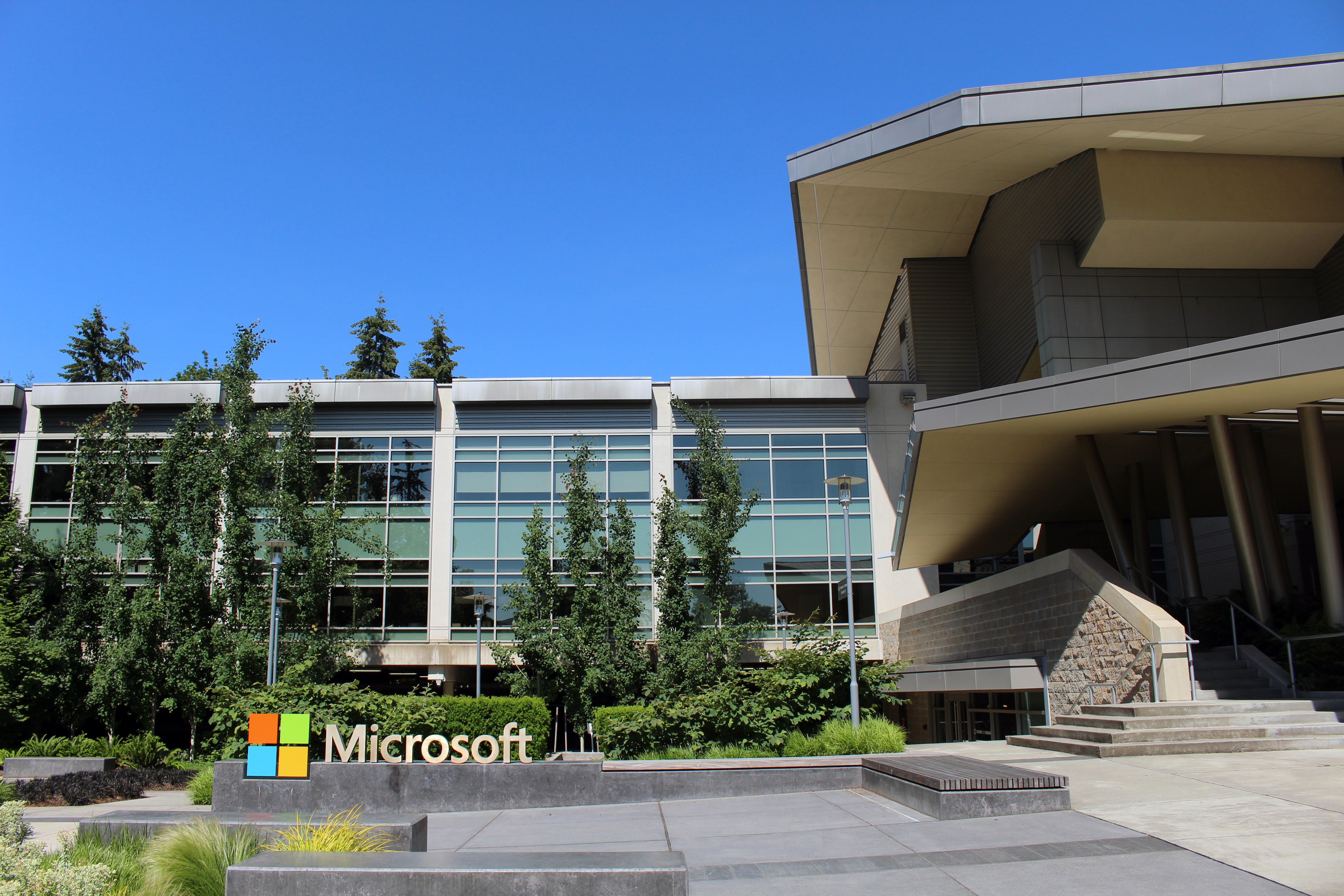
MicroStrategy’s founder, Michael Saylor, will address Microsoft’s board next month regarding the potential incorporation of Bitcoin into the tech giant’s corporate strategy. As the world’s largest software company continues to seek ways to leverage its $78 billion cash reserve, Bitcoin could become a cornerstone in their plans. However, reports indicate the board has already expressed skepticism, with several members raising concerns about the risks and volatility associated with digital assets.

Saylor, a vocal Bitcoin advocate, is expected to present a proposal that could see Microsoft join the growing number of corporate entities embracing cryptocurrency as part of their balance sheets. This follows a broader trend among tech companies, including Tesla and Square, that have invested in Bitcoin as both a hedge against inflation and as a means of aligning with the growing prominence of decentralized digital currencies.

The move by Microsoft, though not final, marks a significant moment in the ongoing evolution of corporate finance. While the company is sitting on a hefty cash reserve, which could potentially absorb the fluctuations of Bitcoin’s market, internal dissent underscores the divide between traditional financial strategies and the allure of digital currency. Microsoft’s board has been reluctant to adopt cryptocurrency, citing potential regulatory hurdles and concerns about the environmental impact of Bitcoin mining.

Despite the opposition, Saylor’s advocacy for Bitcoin remains unwavering. Since 2020, MicroStrategy has acquired over 150,000 BTC, making it one of the largest corporate holders of Bitcoin. The company has also committed to expanding its digital asset strategy, seeing Bitcoin not only as a store of value but also as a long-term investment that can yield substantial returns.

For Microsoft, the decision to integrate Bitcoin as part of its corporate strategy could be pivotal, especially as the company navigates the challenges of an evolving global economy. The ongoing discussions, set to culminate in the upcoming board meeting, come at a time when the financial world is increasingly debating the merits of digital currencies as an asset class. If the proposal is approved, Microsoft would join a small but growing group of traditional corporations making Bitcoin a central part of their financial structure.

In contrast, critics of cryptocurrency within the board have voiced concerns over Bitcoin’s volatility, which could undermine the stability of Microsoft’s cash reserves. These critics argue that the risks associated with such an investment could harm the company’s reputation as a reliable tech giant and create uncertainty for investors who have long viewed Microsoft as a safe haven in the stock market.

There are broader concerns about the regulatory environment surrounding cryptocurrencies. As governments worldwide grapple with the challenges of regulating digital currencies, the legal and financial uncertainties may deter some corporate leaders from taking such bold steps. Microsoft’s leadership, while innovative, has been historically cautious about ventures that could potentially invite scrutiny from regulators or affect the company’s relationships with stakeholders.

On the other hand, proponents of Bitcoin integration argue that Microsoft, with its vast financial resources, is well-positioned to weather the market’s fluctuations. Bitcoin’s rise in value over the past few years has proven that, despite its volatility, the digital currency holds significant long-term potential. With large tech companies and institutional investors like BlackRock increasingly backing Bitcoin, proponents believe that Microsoft’s endorsement could lend further legitimacy to the cryptocurrency market.

If Microsoft were to proceed with a Bitcoin investment strategy, the tech industry could see further moves from other major corporations exploring digital assets as a new avenue for growth. The decision would also reflect the changing mindset of corporate America, which is gradually warming to the idea of blockchain and cryptocurrencies as vital components of future business strategies.

Saylor, whose vision for Bitcoin as a central asset in corporate portfolios has often made headlines, will likely present a case focused not just on the potential upside of investing in Bitcoin, but also on its function as a store of value in an era of economic uncertainty. He argues that Bitcoin offers a unique value proposition compared to traditional assets like stocks or bonds, given its decentralized nature and the finite supply that protects against inflationary pressures.

The internal debate at Microsoft is just one example of how large corporations are grappling with the idea of digital currency integration. While some companies embrace Bitcoin as a forward-thinking investment, others remain wary, opting for more conventional approaches to managing their cash reserves.

As the tech world continues to wrestle with the implications of cryptocurrency, the decision Microsoft faces will serve as a barometer for the broader corporate landscape. Should the tech giant take the leap, it would signal a major shift in how corporations view digital currencies and their role in the future of business finance.

Singapore’s Gambling Regulatory Authority (GRA) has reduced the renewal period for the casino license of Resorts World Sentosa (RWS) to two years, citing underperformance in tourism contributions as the reason. This marks a significant shift in regulatory measures for one of the city-state’s two integrated casino resorts. Traditionally granted a three-year license, the shortened renewal highlights growing concerns over the resort’s ability to meet strategic objectives in boosting Singapore’s tourism sector.

The GRA’s decision comes amidst its increasing oversight of the gaming industry, which has seen heightened regulatory scrutiny since the authority’s establishment in 2022. Resorts World Sentosa, operated by Genting Singapore, was evaluated on its operational performance, social responsibility standards, and contributions to Singapore’s reputation as a global destination. Officials noted that RWS failed to meet expectations in attracting foreign visitors and delivering robust tourist performance, a key benchmark for its license renewal.

Industry observers have connected the GRA’s stricter stance to broader challenges faced by RWS, including a decline in international patronage. Despite its prime waterfront location and the allure of attractions like Universal Studios Singapore and the S.E.A. Aquarium, RWS has reportedly struggled to recover fully from the impact of travel restrictions over the past few years. Additionally, Singapore’s casino entry levies for citizens and permanent residents, doubled in 2019, may have influenced visitation dynamics.

RWS’s operational challenges are compounded by regulatory enforcement actions against the casino. Over the past year, the GRA has penalized the establishment twice for failing to perform customer due diligence, resulting in fines totaling SG$95,000. These infractions point to lapses in compliance with Singapore’s stringent Casino Control Regulations. The penalties, alongside the shortened license period, reflect the regulator’s focus on enforcing standards to ensure accountability within the gaming sector.

To address the issues raised, Genting Singapore has announced plans for a substantial reinvestment into the resort. A US$5 billion expansion project aims to revitalize Resorts World Sentosa, with promises of enhanced attractions, upgraded accommodations, and advanced gaming technology. The redevelopment is part of a broader strategy to align the resort with Singapore’s ambitions to remain competitive as a global tourism hub. Analysts suggest that the expansion could provide a much-needed boost to the resort’s appeal, especially to international visitors.

The GRA’s decision underscores the shifting dynamics in Singapore’s gaming landscape. While the casino industry has been a lucrative pillar of Singapore’s economy, contributing significantly to tax revenues and employment, the emphasis on aligning gaming operations with broader tourism goals has become more pronounced. The reduced license duration sends a clear message to operators about the government’s expectations for maintaining high standards of performance and responsibility.

Despite the setback, RWS remains one of the cornerstones of Singapore’s integrated resort strategy, which pairs casino gaming with non-gaming attractions to enhance visitor experience. Its counterpart, Marina Bay Sands, continues to set benchmarks for integrated resorts globally, and is in the midst of its own multibillion-dollar expansion.

Dubai International Airport (DXB) has positioned itself for a record-breaking year, with passenger traffic reaching 68.6 million during the first nine months of 2024. This performance marks a 36.2% increase compared to the same period in 2023 and reflects a significant recovery and growth in the aviation and tourism sectors.

Paul Griffiths, CEO of Dubai Airports, highlighted that DXB’s recovery surpassed expectations, largely driven by an influx of travelers from Europe, the Indian subcontinent, and the GCC region. Griffiths emphasized the airport’s focus on efficiency and customer experience as pivotal in accommodating the escalating numbers, projecting an annual throughput exceeding 90 million passengers.

The surge in traffic follows a strategic shift in Dubai’s aviation sector, with Emirates and flydubai expanding their networks and seat capacities. DXB’s capacity utilization has approached pre-pandemic levels, indicating robust growth momentum. Meanwhile, Dubai’s broader tourism strategy, including events such as Expo City attractions and global trade exhibitions, has further bolstered inbound travel.

Forecasts for DXB remain optimistic, with the airport poised to break its 2019 record of 86.4 million passengers. This performance underscores Dubai’s ambitions to maintain its status as the world’s busiest airport for international travelers, a title it has held since 2014.

Rothschild & Co. has appointed a seasoned Swiss banker to head its newly established wealth management office in Dubai, marking a significant expansion in the Middle East’s rapidly growing wealth management sector. The move reflects the firm’s strategic intent to strengthen its presence in a region that has seen an increasing concentration of affluent individuals and families.

The new office, located in Dubai International Financial Centre (DIFC), aims to provide tailored wealth management services to high-net-worth individuals (HNWIs) and ultra-high-net-worth individuals (UHNWIs) across the Gulf region. With an eye on the UAE’s growing market, Rothschild & Co. is poised to leverage its global expertise to cater to the unique needs of wealthy clients in the Middle East.

The Swiss banker, whose identity remains undisclosed, brings over two decades of experience in wealth management, having previously worked with top-tier financial institutions in Switzerland and other global financial hubs. His appointment underscores Rothschild’s commitment to ensuring that its Middle Eastern clients receive personalized, high-quality advisory services, particularly in managing cross-border wealth, succession planning, and complex family office structures.

Rothschild & Co.’s decision to set up a dedicated office in Dubai is an indication of the firm’s optimism regarding the region’s increasing appeal to investors. Over the past decade, the UAE has become a leading global financial center, attracting not just affluent individuals from across the globe but also major financial institutions seeking to tap into the region’s burgeoning wealth. The region has consistently witnessed growth in the number of high-net-worth individuals, driven by the country’s successful diversification of its economy, rapid urbanization, and its position as a key financial hub for businesses and wealthy families from Europe, Asia, and Africa.

The Dubai office will be pivotal in further extending Rothschild & Co.’s network, which already has a strong presence in key global cities. Rothschild’s wealth management business has long been focused on providing a highly personalized approach to managing wealth, with expertise in both traditional and alternative asset classes. The move into Dubai comes at a time when family offices and private wealth management services are gaining increased importance in the region, particularly among younger generations of wealthy individuals seeking to preserve and grow their wealth for future generations.

Rothschild & Co. is not the only global financial institution eyeing Dubai’s growing wealth management market. Several other international banks have expanded their operations in the region, with private banking and wealth management services seeing strong demand. The city has become a magnet for both business executives and wealthy investors, many of whom are seeking a base in Dubai due to its tax advantages, business-friendly regulations, and cosmopolitan lifestyle.

One of the key factors behind this shift is the increased number of high-net-worth individuals from Asia and Europe who are seeking to establish a presence in Dubai, either for business, lifestyle, or financial reasons. The UAE’s wealth management market has grown alongside its economic diversification and its expanding role as a hub for international investment, especially in sectors such as technology, real estate, and infrastructure.

This influx of capital is being supported by Dubai’s increasing attractiveness as a safe haven for wealth amid global economic uncertainties. In addition to its stable regulatory environment, Dubai’s tax-friendly policies, such as the absence of income tax and its favorable business laws, are a draw for investors looking for more favorable conditions to manage their wealth. Moreover, with Dubai’s strategic geographical location between Europe, Asia, and Africa, it serves as a natural gateway for investors looking to access emerging markets.

Rothschild’s wealth management office is also set to benefit from the growing importance of ESG (environmental, social, and governance) investing in the Middle East. The firm is already a recognized player in sustainable investment management, and its Dubai office will focus on guiding clients toward investments that align with their values, particularly in green energy, real estate, and sustainable technologies.

Rothschild & Co.’s expansion into Dubai also ties in with its broader strategy of enhancing its global wealth management capabilities. The firm has consistently sought to expand its client base in emerging markets while strengthening relationships with existing clients in mature markets. This approach is designed to cater to the growing demand for wealth management services that combine personalized advice with a global perspective, ensuring clients can navigate the complexities of international markets and investments.

Dubai’s status as an economic powerhouse in the Middle East makes it a critical component of Rothschild & Co.’s long-term growth strategy. The city’s status as a luxury destination and its role in the development of major infrastructure projects across the region further solidify its appeal as a wealth management hub. As the city continues to grow in prominence as a business and financial center, it is likely that more global wealth managers will follow Rothschild’s lead in establishing a presence in the UAE.

BANGKOK, THAILAND – Media OutReach Newswire – 19 November 2024 – ONYX Hospitality Group, Thailand’s leading management company for premier hotels, resorts, serviced apartments, and luxury residences, as well as a diverse range of hospitality experiences, is proud to announce the launch of an exciting new joint venture with Equatorial Group from Malaysia to co-develop “EQ Phuket”, a luxury hospitality project in Phuket, Thailand. Expected to open […]

HONG KONG SAR – Media OutReach Newswire – 19 November 2024 – Global business leaders, policymakers and innovators have dropped anchor in Asia’s world city for Hong Kong Maritime Week 2024 (HKMW) (November 17 – 23), an annual flagship event comprising conferences, exhibitions and networking activities under the broad theme of “Navigating to a Greener Future”. The theme of Hong Kong Maritime Week 2024 is “Navigating to […]

The cryptocurrency landscape is experiencing heightened urgency as key players emphasize the strategic importance of Bitcoin accumulation. Binance founder Changpeng Zhao, commonly referred to as CZ, has underlined the increasing relevance of Bitcoin as a strategic reserve for governments and institutions. This comes amid his praise for Michael Saylor’s presentation advocating Bitcoin’s role in the global financial ecosystem.

CZ stressed that governments printing money to acquire Bitcoin risk falling behind if they delay, warning that no entity can afford to lag in what is becoming a critical financial race. His commentary aligns with Saylor’s assertion that Bitcoin offers a hedge against currency devaluation, presenting an opportunity for nations and institutions to secure their financial stability in an uncertain economic environment.

The discourse gains significance as Bitcoin continues to solidify its position in global markets. Its decentralized nature and limited supply have fueled interest from sovereign states, particularly those grappling with inflation and monetary instability. Countries like El Salvador, which has embraced Bitcoin as legal tender, exemplify the potential for nations to integrate cryptocurrency into their fiscal strategies, a move hailed by some as forward-thinking but criticized by others as risky.

As nations assess Bitcoin’s potential, the broader cryptocurrency market faces regulatory scrutiny and geopolitical tensions. Binance, the world’s largest cryptocurrency exchange, has encountered legal and financial challenges, including a $4.3 billion settlement with U.S. authorities over compliance violations. This development has coincided with CZ stepping down as CEO, marking a pivotal moment for the company and the industry. The regulatory pressures faced by Binance highlight the delicate balance between innovation and compliance that cryptocurrency firms must navigate.

Michael Saylor, co-founder of MicroStrategy and a vocal Bitcoin advocate, has consistently argued that Bitcoin provides a unique value proposition as a store of value. Under Saylor’s leadership, MicroStrategy has accumulated significant Bitcoin reserves, demonstrating corporate confidence in the asset’s long-term potential. His vision for Bitcoin transcends private investment, suggesting its utility as a strategic reserve for nations seeking to safeguard their economies against monetary uncertainty.

While advocates like CZ and Saylor champion Bitcoin’s potential, the cryptocurrency’s volatility remains a concern. Critics argue that Bitcoin’s price fluctuations pose risks for governments and institutions, particularly those in economically vulnerable regions. These challenges are compounded by the environmental impact of Bitcoin mining, which has drawn criticism for its significant energy consumption.

Despite these concerns, Bitcoin adoption continues to expand globally. Institutional investors and financial firms are exploring Bitcoin-backed products, and central banks are investigating the feasibility of integrating digital currencies into their monetary frameworks. This trend reflects the growing recognition of Bitcoin’s transformative potential in reshaping traditional financial systems.

The geopolitical implications of Bitcoin adoption are equally noteworthy. As nations consider its strategic importance, the global financial order could witness significant shifts. Bitcoin’s ability to transcend borders and operate independently of traditional financial systems positions it as a disruptive force with the potential to challenge existing paradigms. However, this also raises questions about its regulation and the role of international bodies in overseeing its integration into global finance.

VISHNU RAJA
RYO YAMADA
HITORI GOTOH
IKUYO KITA