Just in:

News related to
Strategy

SINGAPORE – Media OutReach Newswire – 15 October 2024 – During China’s 2024 National Day Golden Week, celebrated fashion brand GOELIA opened nine new stores in China and overseas focusing this time on Singapore, where three flagship stores were launched consecutively at Jewel Changi Airport and Orchard Road. In contrast to the general trend of closing physical stores mainly due to the economic downturn, GOELIA, strong of […]

Kelix Bio, a Mubadala-backed pharmaceutical company, is moving to acquire four major assets from Yas Holding’s GlobalOne Healthcare Holding (GHH) in a strategic deal that could reshape the regional healthcare landscape. The acquisition, targeting prominent pharmaceutical firms in the Middle East and Africa, is part of Kelix Bio’s broader expansion strategy aimed at strengthening its presence in emerging markets. The transaction underscores the growing interest of regional […]

China’s electric vehicle (EV) market is rapidly reshaping the automotive landscape, leaving established players like Volkswagen, BMW, and Mercedes-Benz struggling to keep pace. With substantial investments and government support, Chinese manufacturers are not only producing high-quality electric vehicles but are also innovating in technology and sales strategies, challenging the dominance of their European counterparts. Leading the charge are Chinese brands such as BYD, NIO, and Xpeng, which […]

Executives in the Middle East are increasingly viewing climate change as a top priority, as highlighted by a comprehensive study examining corporate attitudes towards environmental sustainability. This shift is driven by the recognition that climate change poses significant risks to both the economy and the overall well-being of the region’s populations. The study indicates that an overwhelming majority of executives believe that addressing climate issues is not […]

Wynn Resorts has announced the size of its highly anticipated gaming area in Ras Al Khaimah, marking a significant development in the UAE’s burgeoning gaming and entertainment landscape. The new facility is set to span approximately 75,000 square feet, showcasing a range of gaming options, including table games and slot machines, that cater to both international tourists and local patrons. This venture signals a strategic move by the company to establish a foothold in the Middle East, tapping into the region’s growing appetite for luxury entertainment experiences.

The announcement comes as part of a broader initiative to enhance the tourism sector in Ras Al Khaimah, a popular destination known for its scenic landscapes and rich cultural heritage. The gaming area is expected to be a key component of the Wynn property’s larger resort complex, which will include hotels, restaurants, and entertainment venues. This integrated approach aims to attract a diverse range of visitors, boosting both the local economy and the UAE’s position as a premier tourism hub.

The Ras Al Khaimah project is particularly notable in the context of the UAE’s evolving regulatory environment concerning gaming. The UAE government has been progressively liberalizing its policies to attract foreign investment and diversify its economy away from oil dependence. The introduction of casinos and gaming facilities represents a significant shift in the region’s tourism strategy, aligning with global trends where gaming is increasingly integrated into resort experiences. The local government anticipates that this new attraction will draw in millions of tourists, enhancing the emirate’s status as a destination for luxury travel.

Wynn’s investment in Ras Al Khaimah is also reflective of a broader trend among international gaming operators seeking opportunities in emerging markets. With a rising number of affluent travelers looking for unique experiences, the potential for significant returns on investment is compelling. Wynn Resorts, known for its opulent properties in Las Vegas and Macau, aims to replicate its success by offering a similar level of luxury and service in Ras Al Khaimah.

Industry analysts view this development as part of a competitive push among various emirates in the UAE, each striving to carve out a niche in the lucrative tourism sector. Dubai has long been a leader in attracting global tourists, but Ras Al Khaimah’s unique offerings, combined with the Wynn property, could shift some focus towards the northern emirate. The region’s emphasis on family-friendly attractions, adventure tourism, and natural beauty positions it well to attract a diverse array of visitors.

The Wynn project’s ambitious scale is also indicative of the company’s confidence in the UAE’s economic resilience and long-term growth potential. Despite global economic uncertainties, the UAE continues to demonstrate robust growth, particularly in the tourism and hospitality sectors. The government’s proactive measures to stimulate economic activity and enhance visitor experiences have been instrumental in maintaining investor confidence.

Key stakeholders in the gaming and hospitality sectors are closely monitoring Wynn’s progress in Ras Al Khaimah. Local businesses anticipate a positive ripple effect from the casino’s opening, predicting increased foot traffic and customer spending in surrounding areas. The addition of a major gaming destination is expected to create jobs and boost the hospitality sector, further solidifying Ras Al Khaimah’s reputation as a multifaceted travel destination.

Wynn’s expansion into the UAE comes at a time when the global gaming industry is experiencing transformative changes. With technological advancements and shifting consumer preferences, operators are rethinking traditional gaming models. The focus is increasingly on creating immersive experiences that blend gaming with entertainment, dining, and leisure activities. Wynn’s plans in Ras Al Khaimah appear to align with this trend, as the resort is designed to offer a holistic experience rather than merely a gaming-focused environment.

Wynn’s foray into the UAE aligns with the growing trend of luxury tourism, where high-end travelers seek exclusive experiences that go beyond conventional offerings. This strategy may position Wynn as a leader in the luxury gaming sector within the region, appealing to both international tourists and residents alike. The emphasis on creating a world-class resort experience may also influence other operators to enhance their offerings, leading to a broader transformation within the regional gaming landscape.

Dubai Islamic Bank (DIB) has successfully issued a $500 million Additional Tier 1 (AT1) sukuk, marking a significant milestone for the lender in the capital markets. The sukuk carries a profit rate of 5.25%, reflecting strong demand and investor confidence amid a challenging economic climate. This issuance comes as part of DIB’s strategy to bolster its capital base and enhance its financial stability.

The sukuk was priced within the bank’s existing curve, demonstrating its robust standing in the market. This issuance is particularly noteworthy given the broader context of the global financial environment, where rising interest rates have led to cautious investor sentiment. The strong demand for DIB’s sukuk highlights the bank’s solid credit profile and the appeal of Sharia-compliant financial instruments.

According to industry experts, the success of this sukuk reflects DIB’s commitment to maintaining a diversified funding base while supporting its growth strategy. The bank’s Chief Financial Officer emphasized the importance of such instruments in ensuring liquidity and financial strength. With this issuance, DIB aims to reinforce its position as a leader in Islamic banking and enhance its capital structure in alignment with regulatory requirements.

Investor appetite for AT1 sukuk has been robust, driven by the attractive profit rates compared to traditional bonds. Analysts indicate that the increasing interest in Sharia-compliant financial products among global investors has contributed to this trend. DIB’s sukuk issuance has not only attracted local investors but has also garnered significant interest from international institutions, showcasing the bank’s global reach.

Market participants have noted that the issuance comes at a time when several regional banks are exploring similar funding avenues to meet capital adequacy ratios mandated by regulators. DIB’s proactive approach in tapping into the sukuk market is seen as a strategic move to ensure compliance while capitalizing on favorable market conditions. The bank’s successful placement of the sukuk also reflects the strength of its franchise and the effectiveness of its outreach efforts to a diverse investor base.

The AT1 sukuk structure allows banks to raise capital in a manner that is compliant with Islamic law while offering investors a higher yield compared to conventional debt instruments. This structure has gained traction among financial institutions as it provides a means to enhance capital ratios without diluting existing shareholders’ equity. With the issuance, DIB has not only secured necessary capital but has also positioned itself favorably in the competitive landscape of Islamic finance.

DIB’s management expressed optimism about the future, highlighting the potential for further sukuk issuances in response to market demand. This issuance aligns with the bank’s overall growth strategy, which focuses on expanding its footprint in the Islamic finance sector while addressing the needs of its diverse customer base. The successful placement of the AT1 sukuk also underscores the importance of maintaining a strong balance sheet, especially in a period characterized by economic uncertainty.

Investor sentiment towards DIB remains positive, as evidenced by the strong subscription levels during the sukuk offering. The issuance was oversubscribed, reflecting a healthy appetite for Islamic financial instruments. This enthusiasm among investors is indicative of the broader trend within the region, where Islamic banks are increasingly recognized for their resilience and ability to navigate complex financial landscapes.

The issuance comes as the UAE continues to position itself as a global hub for Islamic finance. The government’s commitment to enhancing the Islamic financial ecosystem through regulatory frameworks and supportive policies has fostered an environment conducive to growth. DIB’s strategic initiatives align with this national agenda, reinforcing its role as a key player in promoting the Islamic finance industry.

As the global economy continues to evolve, DIB’s proactive stance in the sukuk market exemplifies its commitment to adapting to changing market dynamics. The successful issuance of the AT1 sukuk not only enhances the bank’s capital base but also reinforces its position as a preferred choice for investors seeking Sharia-compliant financial products. With a solid reputation and a strong track record, DIB is poised to continue its growth trajectory in the Islamic banking sector.

Nintendo and Game Freak have confirmed a significant data breach affecting the Pokémon franchise. The breach, which reportedly occurred earlier this year, compromised the personal information of both current and former employees, leading to widespread concern within the gaming industry. In a formal apology published on Game Freak’s official website, the developer studio acknowledged unauthorized access to its server, stating that sensitive data had been exposed. The […]

Advertisements

Hong Kong’s premier electronics showcase has drawn significant attention to the future of mobility this year. The Hong Kong Applied Science and Technology Research Institute (ASTRI) presented its latest advancements in smart mobility, a key highlight of the 44th HKTDC Hong Kong Electronics Fair (Autumn Edition). From October 13 to 16, 2024, the event at the Hong Kong Convention and Exhibition Centre (HKCEC) provided ASTRI with a prominent platform to demonstrate innovations aimed at transforming transportation systems.

At the core of ASTRI’s presentation is Cellular Vehicle-to-Everything (C-V2X) technology, which plays a pivotal role in enhancing the safety and efficiency of autonomous vehicles. C-V2X enables direct communication between vehicles, infrastructure, and other road users, fostering a safer driving environment and contributing to the development of fully autonomous transportation. This technology is seen as a critical enabler for the future of smart cities, where connected and autonomous vehicles (CAVs) will play an integral role.

ASTRI’s showcase focused on how C-V2X can reshape urban mobility by enhancing vehicle communication, reducing traffic congestion, and minimizing accidents. The technology also has potential implications for fleet management and logistics, making it a versatile tool for various sectors. Attendees at the fair had the opportunity to experience live demonstrations of these capabilities, which underscored the institute’s commitment to developing solutions that align with the global shift towards smart city infrastructure.

ASTRI’s participation at the fair extended beyond its exhibits. The institute also hosted a seminar titled “Navigating Tomorrow: How Connected Autonomous Vehicles Reshape Industries.” The session explored the broader implications of CAV technology, emphasizing its potential to revolutionize industries such as transportation, logistics, and even consumer behavior. ASTRI’s experts discussed the potential of C-V2X to improve traffic flow, enhance public transportation systems, and promote greener urban environments by reducing emissions through optimized driving patterns.

The Hong Kong Electronics Fair is one of the largest gatherings of tech innovators and industry leaders, providing an ideal venue for ASTRI to connect with stakeholders across the technology and automotive sectors. This year’s edition featured a broad spectrum of technologies, from consumer electronics to industrial solutions, highlighting the growing importance of smart mobility solutions in the broader technology landscape. ASTRI’s display, positioned at booth CH-J04 in the Convention Hall, attracted significant attention from both local and international attendees, including representatives from the automotive and telecommunications industries, government bodies, and academic institutions.

ASTRI’s commitment to fostering innovation in smart mobility is part of a larger strategy to position Hong Kong as a leader in smart city development. The institute has been actively collaborating with local and international partners to advance research in autonomous driving, intelligent transportation systems, and vehicle communication technologies. Its C-V2X solutions are part of a broader portfolio of technologies that aim to make urban environments more sustainable and livable.

As the demand for smart city technologies continues to grow, ASTRI’s contributions to the development of C-V2X and other smart mobility solutions are likely to play a critical role in shaping the future of transportation in Hong Kong and beyond. The institute’s focus on practical, scalable solutions ensures that its innovations are well-positioned to meet the needs of cities looking to integrate autonomous vehicles into their transportation networks.

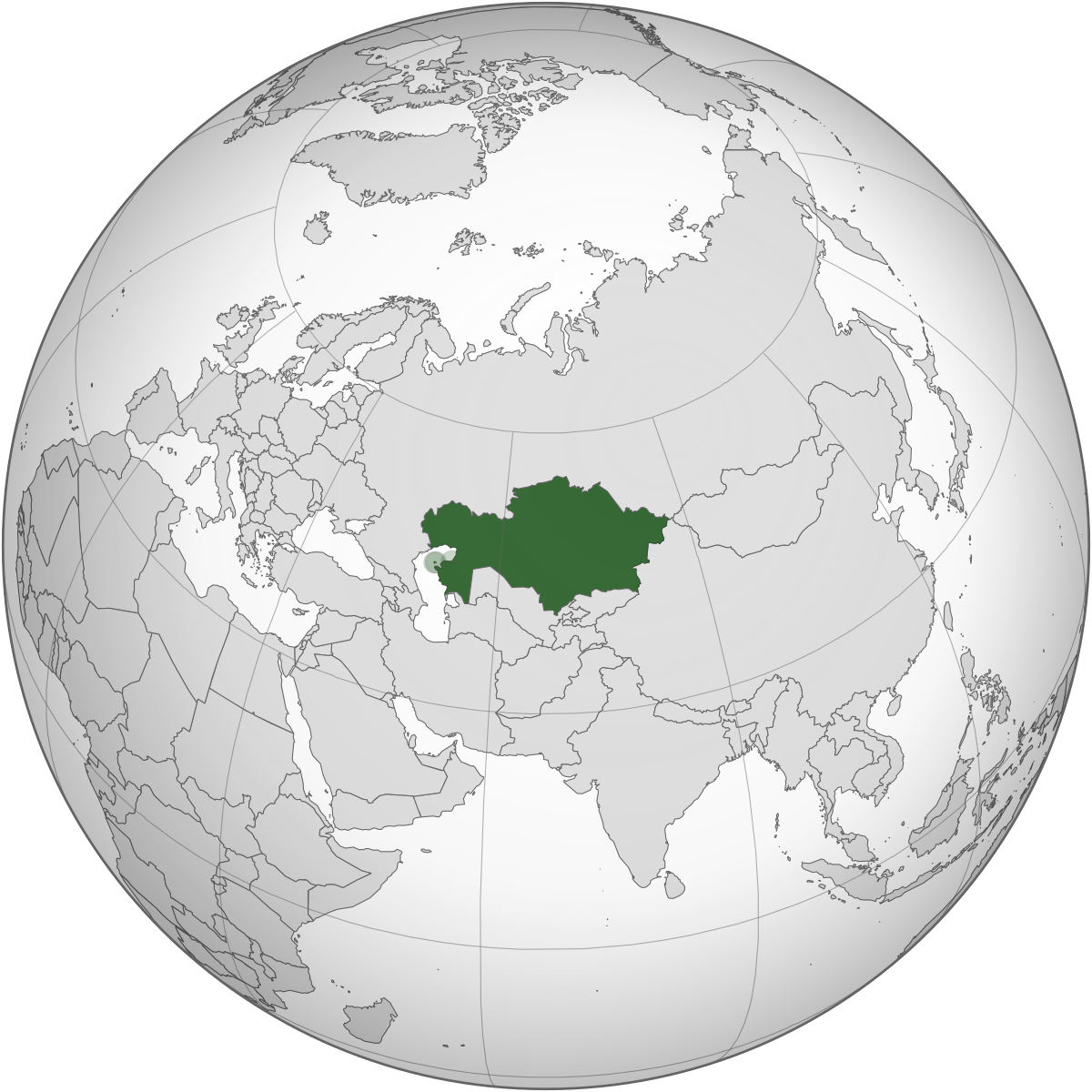
Telegram has announced plans to establish an office in Kazakhstan as part of efforts to comply with the country’s regulatory framework. The decision comes following an agreement between the Kazakh government and the messaging app to streamline content regulation and address the challenges posed by illegal and unauthorized channels. This move marks a significant step in the platform’s attempt to align itself with local laws while maintaining its global presence.

Kazakhstan, like many other nations, has been tightening control over digital platforms, pushing for increased cooperation with technology firms to regulate the spread of harmful content. Authorities in Kazakhstan have raised concerns over the use of messaging platforms like Telegram for illegal activities, including the distribution of extremist materials, drug trafficking, and unauthorized protests. In response, Telegram has agreed to assist the government in swiftly removing such content and blocking unauthorized channels that violate local laws.

As part of this effort, Telegram will establish a physical presence in the country, a development welcomed by the Kazakh government, which seeks to increase oversight of online activities within its borders. By working closely with the government, Telegram aims to ensure that it adheres to Kazakhstan’s regulatory requirements while providing a secure platform for its users.

Kazakh officials view this partnership as a critical tool for maintaining public safety and curbing the misuse of digital platforms for illegal activities. Digital transformation is a key focus for Kazakhstan, and controlling harmful content is essential to ensuring that technological advances benefit society without compromising national security. Telegram’s willingness to engage with the government is seen as a positive step towards building a safer online environment.

The Kazakh government has previously faced challenges in managing online content, particularly on platforms like Telegram that prioritize privacy and encryption. While these features are vital for safeguarding personal communications, they have also made it difficult for authorities to monitor illegal activities. By establishing a local office, Telegram is expected to enhance its response to the government’s concerns and provide a more effective mechanism for dealing with illegal content.

Telegram has a reputation for maintaining a strong commitment to user privacy and freedom of speech, which has often led to tensions with governments attempting to impose stricter regulations. However, the company has demonstrated flexibility in adapting to local laws in various countries where it operates. Its decision to open an office in Kazakhstan follows similar moves in other regions where governments have demanded more accountability from tech firms.

In Kazakhstan, the focus will likely remain on curbing extremist content and illegal activities while balancing the need for user privacy. Telegram’s encryption services have attracted millions of users worldwide, and any measures introduced in Kazakhstan will need to respect the platform’s core principles of secure communication.

The Kazakh government’s collaboration with Telegram comes amid broader efforts to modernize its digital landscape. As part of its digitalization strategy, the country has been promoting the development of online services and communication platforms, aiming to boost economic growth through technological innovation. Ensuring that these platforms operate within a clear regulatory framework is seen as crucial for the success of this strategy.

Telegram’s willingness to cooperate with Kazakhstan’s regulatory bodies is likely influenced by its desire to maintain access to the growing user base in the country. Central Asia has become an important market for tech companies, and securing compliance with local regulations is essential for maintaining long-term growth in the region. As part of this process, the Kazakh government has signaled that it will continue to engage with global tech firms, encouraging them to contribute to the country’s digital transformation while adhering to local laws.

The partnership between Telegram and the Kazakh government may also serve as a model for other nations in the region, where concerns over online safety and content regulation are rising. Governments across Central Asia have been exploring ways to manage the impact of social media and messaging platforms, which have increasingly become central to public discourse. By working with Telegram, Kazakhstan may set a precedent for regulatory cooperation that other countries could follow.

At the same time, Telegram’s decision to open an office in Kazakhstan could raise questions about how the company balances regulatory compliance with its commitment to user privacy and free expression. Critics of increased government regulation often argue that such measures could infringe on civil liberties and limit open communication. As Telegram navigates these challenges, it will need to carefully manage its relationship with the government while continuing to protect the privacy of its users.

Telegram founder Pavel Durov has long emphasized the importance of privacy and security in digital communications, and the platform’s encryption services remain a key feature. However, as the company expands its global operations, it is also facing increasing pressure to cooperate with governments to prevent misuse of the platform. Kazakhstan’s regulatory demands reflect broader global trends, where governments are seeking more control over online content while balancing the need for secure communication tools.

Mubadala’s healthcare arm, KELIX Bio, has made a decisive step in boosting its presence in the life sciences sector by acquiring four pharmaceutical assets from GlobalOne Healthcare Holding. This move is part of Mubadala’s broader ambition to transform the UAE into a global hub for life sciences innovation and advanced healthcare solutions. The acquisition reflects the growing influence of the UAE’s healthcare industry as it aligns with the nation’s goals to enhance its capabilities in pharmaceuticals and biotechnology.

The deal involves four strategic pharmaceutical companies, which are expected to add substantial value to Mubadala’s existing healthcare portfolio. It also demonstrates the commitment of KELIX Bio, a key player in Mubadala’s ecosystem, to expanding its footprint across the Middle East and Africa. This acquisition is seen as an essential step toward addressing rising healthcare demands in the UAE and further establishing the nation as a leader in advanced healthcare solutions.

The UAE has been focused on expanding its healthcare infrastructure and capabilities, especially in the fields of pharmaceuticals and biotechnology. The government’s initiatives, such as the National Strategy for Wellbeing 2031, are aimed at enhancing the overall health sector in the country. Mubadala’s acquisition aligns with these initiatives, helping to create an ecosystem that fosters innovation, sustainability, and long-term economic growth.

KELIX Bio is positioned as a leader in the manufacturing and distribution of essential medicines across emerging markets, focusing on addressing the critical need for quality and affordable treatments. The latest acquisitions from GlobalOne Healthcare Holding provide KELIX Bio with advanced pharmaceutical production capabilities and access to new markets. These assets are integral to producing generic and specialized medications that will serve both the UAE’s population and neighboring regions.

Mubadala’s strategy is not limited to expanding its pharmaceutical footprint within the UAE. The acquisitions signal a broader focus on making the country a life sciences powerhouse that can influence markets across the Middle East, Africa, and beyond. By enhancing local production capabilities, KELIX Bio aims to reduce dependency on imported medicines and foster a sustainable supply chain for critical medications.

The importance of these acquisitions is further highlighted by the fact that KELIX Bio has been aggressively pursuing growth in various healthcare sectors. Prior to this deal, the company made notable investments in manufacturing facilities in Egypt and Morocco, positioning itself as a dominant force in the region’s pharmaceutical market. The addition of GlobalOne’s assets will enhance KELIX Bio’s portfolio, enabling it to meet the growing demand for medical treatments across emerging markets.

Industry experts believe that this acquisition could significantly impact the life sciences industry in the UAE. The healthcare sector in the UAE has been undergoing rapid growth, driven by government initiatives, private investments, and a strong emphasis on medical research and development. The addition of new pharmaceutical assets is expected to catalyze innovation in drug production and distribution, supporting the country’s long-term vision for a sustainable and advanced healthcare system.

Mubadala’s focus on healthcare is not new. The sovereign wealth fund has long prioritized investments in sectors that align with the UAE’s economic diversification goals. Over the years, Mubadala has played a key role in developing critical industries such as healthcare, aerospace, and renewable energy, contributing to the nation’s vision of building a knowledge-based economy. Through KELIX Bio, Mubadala is now advancing its efforts to create a self-reliant healthcare system that is less dependent on international supply chains.

The life sciences industry in the UAE is also benefiting from an influx of global talent and expertise, driven by both government policies and Mubadala’s investments. The country has established itself as an attractive destination for life sciences companies and professionals, thanks to its strategic location, favorable business environment, and robust infrastructure. The acquisition of GlobalOne Healthcare Holding’s assets further strengthens the UAE’s position as a growing center for pharmaceutical and healthcare innovation.

The UAE government’s long-term vision for the healthcare sector has laid the groundwork for a thriving life sciences ecosystem. By fostering public-private partnerships and encouraging investment in cutting-edge healthcare technologies, the country aims to become a global leader in this field. Mubadala’s acquisition is expected to contribute significantly to this vision, as it brings in new technologies, expertise, and opportunities for collaboration in the global healthcare market.

The acquired assets will help boost the production of life-saving medicines and therapies, with a particular focus on emerging markets. The deal comes at a time when the global demand for affordable and effective healthcare solutions is on the rise. By focusing on expanding its presence in pharmaceuticals, Mubadala is addressing both regional and international healthcare needs, providing essential treatments to underserved populations.

Mubadala’s acquisition is expected to spur growth in the UAE’s pharmaceutical manufacturing sector, creating new jobs and contributing to the country’s economic development. The move aligns with the UAE’s broader healthcare goals of improving access to high-quality medical treatments and fostering innovation within the industry. KELIX Bio’s acquisition strategy will likely continue as the company looks for more opportunities to strengthen its position in the Middle East and Africa.

A new report from Bitpanda indicates a growing interest in cryptocurrency investments among Italians, with nearly 9% of the population engaging in digital currencies. The trend is particularly pronounced among younger demographics, where investment rates reach 16% among Millennials and 13% among Generation Z. This increase reflects a broader shift towards digital assets as traditional investment methods face challenges in a rapidly changing economic landscape.

The Bitpanda report highlights that Italians are increasingly turning to cryptocurrencies as an alternative investment strategy, motivated by factors such as potential high returns and the appeal of decentralized finance. Younger generations, in particular, have embraced this trend, leveraging technology and social media to explore and understand digital currencies. Their familiarity with online platforms positions them uniquely to navigate the complexities of cryptocurrency markets.

The rise of virtual currencies in Italy is mirrored by broader trends across Europe, where more individuals are considering cryptocurrencies as part of their financial portfolios. Factors contributing to this trend include the impact of the COVID-19 pandemic on financial behaviors, economic uncertainty, and a desire for diversification in investment strategies. As the financial landscape evolves, cryptocurrencies are gaining traction not only as speculative assets but also as a legitimate means of wealth preservation.

Italy’s regulatory framework for cryptocurrencies remains under development, which presents both challenges and opportunities for investors. While the government is working towards establishing clearer guidelines to protect consumers and regulate the market, the current lack of comprehensive regulation allows for greater experimentation and engagement from individual investors. However, this also raises concerns about the risks associated with investing in a volatile market.

Key players in Italy’s cryptocurrency landscape include exchanges, fintech companies, and advocacy groups pushing for a more supportive regulatory environment. These organizations play a crucial role in educating potential investors and promoting best practices for safe trading. Additionally, the rise of decentralized finance (DeFi) platforms has opened new avenues for investment and has contributed to the increasing interest among Italians.

The enthusiasm for cryptocurrencies is not confined to Italy. Across Europe, many countries report similar patterns, with youth populations particularly eager to explore digital currencies. Reports suggest that this demographic sees cryptocurrencies as an innovative tool for financial empowerment, diverging from traditional banking systems and investing norms. Educational initiatives and community-building efforts are essential in fostering informed investment practices and mitigating risks associated with cryptocurrency investments.

Challenges remain, particularly concerning security and the volatility of digital currencies. Investors face the risk of scams, hacks, and rapid market fluctuations, which can lead to significant financial losses. As interest in cryptocurrencies grows, so does the need for robust educational resources and protective measures to safeguard investors. Awareness campaigns focusing on risk management and secure trading practices are vital to ensure that individuals can engage with cryptocurrency markets responsibly.

Social media plays a significant role in shaping perceptions of cryptocurrencies among young investors. Platforms such as Twitter, Reddit, and TikTok have become hotbeds for cryptocurrency discussions, where trends can rapidly shift based on influencer endorsements and viral content. This phenomenon underscores the need for critical evaluation of the information being shared online, as not all sources offer sound investment advice.

The Italian government’s approach to cryptocurrency regulation is evolving, with ongoing discussions about how to balance innovation with consumer protection. As European Union regulators work to establish a cohesive regulatory framework for digital assets, Italy will likely continue to refine its own policies to align with broader EU standards. This alignment could enhance investor confidence and promote a safer trading environment.

Investments in cryptocurrency are also reshaping financial literacy initiatives in Italy. Educational institutions and organizations are beginning to incorporate digital finance into their curricula, reflecting the need for future generations to understand and engage with the evolving financial landscape. As more individuals express interest in cryptocurrencies, there is a growing recognition that education will play a critical role in fostering informed investors.

The Pentagon has announced the deployment of the Terminal High Altitude Area Defense (THAAD) missile defense system to Israel, reinforcing the nation’s defense capabilities against potential missile threats, particularly from Iran. This strategic move includes sending US military personnel to operate the system and comes amid escalating tensions in the region, notably due to Iran’s ongoing missile development and regional activities.

The deployment of the THAAD system, which is designed to intercept short- to intermediate-range ballistic missiles, marks a significant step in US-Israel defense cooperation. The system will enhance Israel’s already robust missile defense architecture, which includes the Iron Dome and David’s Sling systems. US Secretary of Defense Lloyd Austin emphasized the importance of this deployment, stating that it demonstrates the United States’ unwavering commitment to Israel’s security. He reiterated that the United States will continue to work closely with its allies to address shared security challenges.

Analysts suggest that this deployment is not merely a precautionary measure; it serves as a signal to both allies and adversaries that the US stands firmly with Israel in the face of rising threats. Iran’s missile program has expanded rapidly in recent years, with officials claiming capabilities to strike targets across the Middle East. Reports indicate that Iran is developing long-range missiles capable of reaching Europe and beyond, raising alarms not only in Israel but also among European nations and the Gulf states.

The THAAD system, operational since 2008, has been deployed in several locations worldwide, including South Korea and the United Arab Emirates, highlighting its role in US military strategy. This particular deployment is part of a broader framework of military support provided by the United States to Israel, which receives approximately $3.8 billion annually in military aid, as outlined in a 10-year memorandum of understanding signed in 2016.

Tensions have intensified in the region due to a range of factors, including Iran’s nuclear program and its support for militant groups like Hezbollah and Hamas. The Biden administration’s approach to Iran, characterized by attempts to re-engage diplomatically while maintaining a stance of deterrence, reflects the complexities of regional geopolitics. In the wake of stalled negotiations over the Iran nuclear deal, the deployment of THAAD serves as a tangible measure of deterrence.

Experts also note that Israel has been strengthening its own military capabilities, including advancements in aerial defense systems and cyber warfare. The Israeli military has been conducting various exercises to prepare for potential confrontations, ensuring that its forces are ready to respond to threats on multiple fronts. The addition of THAAD will complement these efforts, particularly in countering long-range missile threats.

The timing of this deployment coincides with heightened tensions between Israel and Palestinian factions in Gaza. Following a series of rocket attacks from Gaza, the Israeli military has intensified airstrikes, prompting fears of an escalation into broader conflict. The THAAD system is expected to provide an additional layer of defense against potential retaliatory missile strikes that could emerge from such clashes.

US officials have reiterated that the deployment does not signify an intention to escalate military involvement in the region but rather aims to bolster Israel’s defensive posture. This move reflects a strategic shift toward enhancing missile defense capabilities in an era marked by technological advancements in missile systems worldwide.

As the situation unfolds, the implications of this deployment will likely resonate beyond Israel, influencing the broader dynamics of Middle Eastern security. Regional actors, including Iran, will be closely monitoring the developments, assessing the implications for their own defense strategies and military posturing.

International reactions to the THAAD deployment have been mixed. While Israeli officials have welcomed the additional security assurances, some regional nations view the move with skepticism. There are concerns that increased US military presence could exacerbate existing tensions in an already volatile region.

As the Pentagon mobilizes resources to support Israel, the focus will also shift to diplomatic efforts aimed at addressing the underlying issues driving regional instability. Engaging Iran in constructive dialogue remains a challenge, with trust deficits complicating the prospects for meaningful negotiations.

Ethena Labs has put forward a proposal to include Solana (SOL) in the collateral pool for its stablecoin, USDe. If approved, this move would position SOL alongside Bitcoin (BTC) and Ethereum (ETH) as part of Ethena’s diversified collateral strategy. The incorporation of SOL aims to enhance the stability and utility of USDe while tapping into the growing Solana ecosystem.

The proposal reflects Ethena Labs’ ongoing efforts to strengthen its product offerings and enhance the robustness of its stablecoin. Currently, USDe is backed by BTC and ETH, both of which have established themselves as reliable digital assets within the cryptocurrency market. By adding SOL, Ethena Labs hopes to leverage the asset’s increasing popularity and the broader developments in the Solana network.

Solana has garnered significant attention in recent years for its high throughput and low transaction costs. As the demand for efficient blockchain solutions grows, Solana has positioned itself as a leading contender. This is particularly relevant as various decentralized finance (DeFi) projects increasingly look for scalable solutions. Ethena Labs’ move to integrate SOL into USDe’s collateral mix could also signal a growing acceptance of diverse assets within the stablecoin market.

The proposal has sparked discussions among stakeholders within the cryptocurrency community, with many viewing it as a strategic alignment with current market trends. Several analysts believe that including SOL could help stabilize USDe by providing an additional layer of security and liquidity. Solana’s unique consensus mechanism, which allows for faster transaction speeds, could contribute positively to the stability of USDe, particularly during times of market volatility.

Industry experts point out that the successful integration of SOL will depend on regulatory compliance and market acceptance. Ethena Labs has emphasized its commitment to maintaining high standards of compliance and risk management as it navigates the complexities of including a new asset in its collateral pool. The company has also sought feedback from its community to ensure that all perspectives are considered before moving forward with the proposal.

The growing interest in Solana has not only been driven by its technological capabilities but also by its expanding ecosystem of projects and partnerships. As more developers build on Solana, its utility and value proposition are expected to increase, making it an attractive asset for collateralization. Ethena Labs’ strategic move could also encourage other stablecoin issuers to consider similar integrations, reflecting a broader trend of diversification in the stablecoin market.

Competitors in the space are also monitoring Ethena Labs’ proposal closely, as it may set a precedent for how stablecoins can adapt to the evolving cryptocurrency landscape. With the market continually shifting, the addition of diverse assets to stablecoin collateral pools could become increasingly common. This could help to further legitimize various cryptocurrencies as viable options for collateralization, enhancing their overall market presence.

The proposal for SOL’s inclusion in USDe collateral comes at a time when the stablecoin market is experiencing significant growth. With various stablecoins gaining traction among investors and users, the demand for innovative collateral strategies is paramount. By diversifying its collateral mix, Ethena Labs aims to enhance the resilience of USDe, providing greater confidence for users seeking stability in their digital assets.

Solana’s reputation as a scalable and efficient blockchain solution aligns with Ethena Labs’ objectives of improving the performance of its stablecoin. With SOL’s potential to contribute to faster transactions and lower fees, Ethena Labs is positioning itself to capture a segment of the market that values efficiency and innovation.

As discussions surrounding the proposal unfold, Ethena Labs has reaffirmed its commitment to transparency and stakeholder engagement. The company plans to conduct a thorough analysis of community feedback and regulatory implications before finalizing its decision on including SOL in USDe’s collateral framework. This approach underscores the importance of aligning business strategies with the expectations of users and regulators in the rapidly evolving cryptocurrency ecosystem.

The addition of SOL to Ethena Labs’ collateral mix would not only signify a strategic move for USDe but could also influence broader market dynamics. As stablecoins continue to gain popularity among traders and investors, the integration of diverse assets could reshape the landscape of digital currencies. Ethena Labs’ proactive approach reflects a growing recognition of the need for stablecoins to adapt to market changes while maintaining their core functions.

VEON, a global telecommunications company, has announced its decision to relocate its headquarters from Amsterdam to Dubai. This strategic move follows the company’s delisting from the Amsterdam stock exchange, a decision influenced by various factors, including regulatory challenges and market conditions. As part of its transition, VEON aims to enhance its operational efficiency and access to emerging markets in the Middle East and North Africa (MENA) region. […]

Minister of Investment Khalid Al-Falih revealed plans for the management of four Saudi airports by the private sector starting in 2025. Speaking at the inaugural Global Logistics Forum held at the King Abdullah Financial Center in Riyadh, Al-Falih emphasized the initiative’s potential to enhance operational efficiency and boost the nation’s logistics and transport sectors. This announcement is part of a broader strategy aimed at transforming Saudi Arabia […]

Tamkeen, a prominent investment firm based in Bahrain, has set the price range for its upcoming initial public offering (IPO), aiming to raise as much as $106 million. The IPO is a significant step for the company, which plans to list on the Bahrain Bourse. The announced price range is set between 0.60 and 0.70 Bahraini Dinars per share, providing an attractive entry point for both retail […]

An initial public offering (IPO) by a leading Saudi human resource firm has garnered significant attention, with the offering fully subscribed within the first hour of trading. This surge in interest reflects growing investor confidence in the burgeoning Saudi market, driven by economic reforms and diversification efforts as outlined in the Vision 2030 initiative. The firm, which specializes in workforce management and recruitment services, has positioned itself […]

EDGNEX, a prominent technology and data center service provider based in the UAE, has announced an ambitious investment exceeding $1 billion to establish data centers in Thailand. This significant financial commitment marks a strategic move into the Southeast Asian market, underlining Thailand’s growing importance as a hub for digital infrastructure. The initiative is anticipated to enhance the country’s capabilities in data management, cloud computing, and overall digital […]

DP World is moving forward with a $1.3 billion investment in its London Gateway port, reaffirming its commitment to one of the United Kingdom’s most significant infrastructure projects. This announcement from the British government comes after concerns emerged that the UAE-based logistics giant had put the project on hold following public criticism of its subsidiary, P&O Ferries. The government’s confirmation of the investment marks a significant win for the UK as it continues to court global investors, particularly ahead of a key business conference in the coming days.

Last week, speculation surfaced that DP World had paused the expansion in response to comments made by two ministers, who condemned the handling of layoffs at P&O Ferries. The subsidiary had attracted widespread criticism in 2022 when it abruptly fired 800 workers and replaced them with cheaper agency labor. The backlash sparked intense scrutiny of the company, with government officials calling the layoffs “shameful” and questioning DP World’s role in overseeing such practices. However, the firm’s decision to proceed with the London Gateway investment suggests that the tensions have not derailed its long-term infrastructure ambitions in the UK.

DP World, which operates ports, terminals, and logistics hubs worldwide, sees London Gateway as a key part of its global strategy. The expansion is expected to boost the capacity of the UK’s busiest deep-sea container port, enhancing its ability to handle larger vessels and more cargo. London Gateway, strategically located on the Thames Estuary, serves as a major logistics hub connecting Britain to global trade routes. The additional investment will fund the construction of a fourth berth at the port, along with supporting infrastructure to improve efficiency and sustainability.

The port’s expansion is not only a significant development for the UK’s maritime sector but also a reflection of DP World’s growing footprint in Europe. Since acquiring P&O Ferries and establishing a presence in the UK, the company has been a major player in the nation’s logistics network. Its London Gateway terminal already handles millions of containers annually, and the latest investment will further increase capacity, helping to meet growing demand for international trade.

The timing of DP World’s decision to move forward is critical. The UK government has been keen to secure high-profile investments as it seeks to rebuild investor confidence following a series of economic challenges. A number of global companies had expressed concerns about the country’s post-Brexit trade environment, and the British government is eager to demonstrate that the UK remains an attractive destination for foreign capital. The upcoming Global Investment Summit, where international investors are expected to gather, will likely be framed around the message that Britain is open for business. DP World’s continued commitment to the London Gateway project is expected to serve as a highlight of that narrative.

However, while the project’s progress is a positive signal, the controversy surrounding P&O Ferries has not entirely dissipated. The government’s reaction to the layoff scandal has been under scrutiny, with some critics accusing officials of not doing enough to hold DP World accountable for its subsidiary’s actions. There were calls for the government to review DP World’s involvement in UK ports, particularly given the outcry over P&O Ferries’ labor practices. The company’s decision to move forward with the London Gateway investment, despite the tensions, suggests a pragmatic approach by both sides, focusing on economic interests rather than dwelling on past conflicts.

The expansion of the port also aligns with broader trends in the shipping and logistics industry. Global supply chains have faced unprecedented disruptions in recent years, from the COVID-19 pandemic to geopolitical tensions and environmental concerns. As a result, ports and logistics companies worldwide are looking to increase capacity and resilience. London Gateway’s expansion is a clear example of this trend, with DP World investing heavily to future-proof its operations in the UK.

The project is also expected to create hundreds of new jobs, both during construction and in the long term. As a major employer in the region, DP World has committed to working with local communities and the British government to ensure that the benefits of the investment are widely felt. This is particularly important in the context of the ongoing debates over labor rights and corporate responsibility, which have been central to the P&O Ferries controversy.

From a financial perspective, the $1.3 billion investment is a testament to DP World’s confidence in the UK market. Despite the challenges of Brexit and economic uncertainty, the company clearly views the country as a vital hub for its global operations. The expansion of London Gateway is expected to further strengthen the UK’s position as a leading player in international trade, with the port set to handle even greater volumes of cargo in the coming years.

HANGZHOU, CHINA – Media OutReach Newswire – 14 October 2024 – Taobao and Tmall Group (“TTG”), Alibaba Group’s domestic commerce business, is kicking off its 16th 11.11 Global Shopping Festival (“11.11” or “Festival”) today by putting users first with unprecedented shopping incentives. TTG will offer RMB30 billion ( ~US$4.2 billion) worth of vouchers and red packets in anticipation of the record-high volume of users participating in this […]

Damac Group, a Dubai-based conglomerate with diverse ventures in real estate and digital infrastructure, has unveiled plans to inject $1 billion into developing data centers in Thailand. This ambitious move, led by Damac’s subsidiary Edgnex Data Centers, is part of a strategic push to tap into the booming data-driven economy in the Asia-Pacific region. The project will be executed through a joint venture with Thailand’s Proen Corp, with Edgnex holding a majority stake in the partnership.

Thailand has emerged as a pivotal hub in the global data center market, driven by rapid digital transformation across sectors. The country’s ongoing initiatives in smart city development, big data analytics, and the Internet of Things (IoT) integration make it an attractive destination for investment. With the demand for data storage and processing growing exponentially, Edgnex’s investment aligns with the broader regional trends aimed at enhancing digital infrastructure.

The first phase of Edgnex’s investment will focus on constructing a state-of-the-art Tier 3 colocation facility in Bangkok’s Rama 9 Central Business District. Covering over 19,000 square meters, the facility is expected to be operational by 2026. This location offers excellent connectivity, sitting in proximity to key economic hubs like Thailand’s Stock Exchange and an international data center, ensuring that the new facility will meet both local and international data service needs. This project will commence with a 10MW output in the first building, with a second building adding another 10MW in the future.

Thailand’s growing data center market is projected to expand significantly in the coming years, largely fueled by the country’s focus on digital innovation. As businesses increasingly shift towards cloud computing, artificial intelligence, and blockchain technologies, the need for reliable and scalable data infrastructure has become more pronounced. Edgnex’s investment aims to meet this escalating demand while bolstering Thailand’s position as a key player in the global digital economy.

Hussain Sajwani, the founder and chairman of Damac Group, highlighted the strategic importance of this move. He pointed to the increasing need for robust digital infrastructure to support Thailand’s ambitious technological goals. As part of the broader APAC strategy, Edgnex’s projects are designed to foster economic competitiveness while also enhancing the quality of digital services available in the region.

In addition to its ventures in Thailand, Edgnex has also been expanding its footprint across the Asia-Pacific region, including the development of a data center in Jakarta, Indonesia. This multi-country approach underscores Damac Group’s commitment to building next-generation digital infrastructure that will power the future of data-driven economies.

While Proen Corp will play a key role in managing operations locally, Edgnex will oversee the strategic direction, leveraging its experience in constructing world-class data centers. The joint venture is expected to create substantial economic benefits for Thailand, including job creation and the facilitation of technology-driven business opportunities.

Damac’s venture in Thailand is part of a larger global trend of heightened investment in data centers, especially as companies and governments alike recognize the critical role digital infrastructure plays in future economic growth. With Asia-Pacific markets experiencing rapid technological advancements, investments such as these are vital to support the digital transformation efforts of businesses and governments.

As global data consumption rises exponentially, particularly driven by innovations in artificial intelligence, machine learning, and 5G networks, the role of data centers in managing and securing this data becomes ever more critical. Thailand, positioned at the intersection of these technological trends, stands to gain significantly from these developments, and Edgnex’s investment is expected to be a key driver of this growth.

Dubai’s reputation as a global hub for blockchain innovation solidified further as industry leaders from across the globe gathered for the Future Blockchain Summit 2024. The summit, which runs from October 13 to 16 at Dubai Harbour, features cutting-edge discussions and presentations from experts in blockchain, crypto, NFTs, Web 3.0, and more, signaling a key moment in the advancement of the digital economy.

The Future Blockchain Summit, now in its sixth edition, has evolved into a premier platform for fostering collaborations between governments, enterprises, and startups. It continues to align with Dubai’s ambitious blockchain and digital transformation goals. The event promises to showcase transformative technologies that could redefine financial services, supply chains, healthcare, and governance.

Key highlights of the 2024 edition include insights from a diverse array of speakers, including thought leaders from both the public and private sectors. Major players in the blockchain space, such as Ethereum co-founder Vitalik Buterin and representatives from global blockchain firms, are expected to provide critical analysis on the evolution of decentralized systems, and the road ahead for mainstream blockchain adoption.

Dubai’s focus on blockchain technology is part of a broader strategic vision that began with the Dubai Blockchain Strategy and the Emirates Blockchain Strategy. This framework aims to digitize key government services using blockchain by 2025. The event’s organizers have highlighted the importance of this convergence, noting how governments and enterprises worldwide are increasingly exploring the potential of blockchain to drive efficiency, transparency, and trust in digital transactions.

This year’s summit emphasizes the practical applications of blockchain and its ability to disrupt industries beyond cryptocurrency. With the integration of NFTs, the Metaverse, and Web 3.0 technologies into the mainstream, blockchain is being recognized for its broader implications. During the summit, new solutions and case studies will be shared, shedding light on how blockchain can facilitate digital ownership, secure identity management, and more transparent business operations.

Beyond the focus on blockchain applications, the summit is expected to stimulate dialogue on regulation and sustainability. Policymakers and regulators are anticipated to discuss the creation of balanced frameworks that encourage innovation while ensuring the safety of participants in the digital space. Dubai, in particular, has been a key player in fostering a progressive regulatory environment that has attracted blockchain firms from around the globe.

Among the prominent names attending the event are representatives from DMCC (Dubai Multi Commodities Centre), a key participant in the event. DMCC has been instrumental in supporting blockchain enterprises through its crypto center and blockchain-related initiatives, further solidifying Dubai’s status as a hub for blockchain businesses. DMCC’s representatives will present their insights at the summit, discussing how the organization supports blockchain development within its award-winning free zone community.

The summit also offers opportunities for startups, with several exhibitions and networking events designed to connect emerging firms with potential investors. Several blockchain startups are expected to showcase their innovations, with a particular focus on solving industry-specific challenges through decentralized technologies.

This year, Dubai aims to further its vision as a “Smart City” by emphasizing the integration of blockchain into smart infrastructure projects. These initiatives aim to streamline everything from real estate transactions to cross-border payments. The event underscores how blockchain can enhance operational efficiency, promote transparency in government processes, and provide secure, tamper-proof records.

Notable discussions on the agenda include the future of decentralized finance (DeFi), which is gaining traction as a legitimate alternative to traditional banking. DeFi uses blockchain to eliminate intermediaries in financial transactions, potentially lowering costs and improving access to banking services in underserved markets. Additionally, the summit will explore the impact of blockchain on sustainable practices, particularly in the energy sector.

Dubai’s strategic importance in the global blockchain community is reflected in its hosting of this key event. As the blockchain industry continues to expand, the city is positioning itself as a leader in shaping the future of digital assets and decentralized technologies. The Future Blockchain Summit 2024 is expected to serve as a catalyst for further growth and collaboration within the blockchain ecosystem, helping to propel the technology toward mainstream adoption across industries.


Hewlett Packard Enterprise (HPE) has unveiled its newest server, the ProLiant Compute XD685, designed to accelerate the development and training of artificial intelligence (AI) models. This cutting-edge server is a result of a collaboration between HPE and AMD, focusing on providing high-performance infrastructure tailored for the growing demands of AI applications, such as large language models (LLMs), natural language processing (NLP), and multi-modal learning. At the core […]

IIT Madras has inaugurated the Centre for Cybersecurity, Trust, and Reliability (CyStar), marking a significant step towards advancing India’s cybersecurity capabilities. The newly established CyStar is expected to play a pivotal role in fortifying the nation’s cyber defenses amid growing threats across various industries, including finance, healthcare, and critical infrastructure. The Center’s focus is both broad and ambitious, covering sectors from artificial intelligence to post-quantum cryptography, while aiming to create an ecosystem of innovation and collaboration.

Speaking at the launch, IIT Madras Director Prof. V. Kamakoti emphasized the increasing prevalence of cyberattacks, which are not limited to financial motives but often target key infrastructure sectors. To counter this evolving threat landscape, CyStar will focus on developing proactive defense mechanisms to safeguard the country’s digital assets. The initiative is part of the institution’s broader strategy to contribute to the global cybersecurity ecosystem, incorporating interdisciplinary research and technological advancement to meet today’s complex security demands.

CyStar has been structured with a vision to drive innovation through fundamental and applied research, fostering collaboration between academia, industry, and government. The Center will partner with prominent organizations, including the Ministry of Electronics and Information Technology, the Ministry of Education, Kaspersky, IDBI Bank, LG India, and numerous other local and international players. These partnerships aim to tackle a range of cybersecurity issues, from data privacy to the protection of critical infrastructure.

At the heart of CyStar’s mission is the desire to address cybersecurity challenges in India’s diverse social and business environments. The Center’s multi-disciplinary team will focus on developing cutting-edge solutions, including security frameworks for artificial intelligence, blockchain technology, and quantum computing. The ultimate goal is to secure vital sectors of the economy, especially those that rely heavily on digital infrastructure.

CyStar’s key coordinators, including Prof. Shweta Agrawal and Prof. Chester Rebeiro, outlined the Center’s approach, which spans fundamental research to practical applications. Agrawal stressed the importance of a collaborative environment that brings together experts from varied fields to tackle the complex problem of cybersecurity. Rebeiro added that the Center’s outreach programs and industry-academia relationships would help foster innovation and secure India’s critical industries.

By integrating cybersecurity advancements into real-world applications, the Center also aims to contribute to startup ecosystems, helping to cultivate new companies that focus on cybersecurity solutions. This aligns with India’s broader ambition to become a global leader in technology-driven innovation. Furthermore, the center will explore advanced cybersecurity applications in sectors such as healthcare, electronics, and automotive, industries that are highly dependent on secure and reliable digital systems.

In the keynote address, internationally renowned cybersecurity experts, including Prof. Shafi Goldwasser of MIT and Prof. Christian Scheideler of Paderborn University, emphasized the importance of innovative research to counter emerging cyber threats. They noted that as technology evolves, particularly in areas such as AI and quantum computing, cyber threats will become more sophisticated, requiring a comprehensive and forward-thinking approach. CyStar’s work, they suggested, is poised to meet these challenges head-on by developing next-generation solutions for AI security, quantum encryption, and IoT security.

VISHNU RAJA
RYO YAMADA
HITORI GOTOH
IKUYO KITA