News related to
Strategy

LuckyStreak has partnered with NuxGame to integrate its live casino content into the NuxGame aggregation platform. This collaboration will allow NuxGame’s extensive network of casino operators to offer LuckyStreak’s live blackjack, roulette, and baccarat games to their players. The integration marks a significant expansion for LuckyStreak, known for its high-quality live dealer games. By joining forces with NuxGame, a prominent provider of gaming software solutions, LuckyStreak is […]

Bitcoin has experienced a notable increase in outflows from exchanges, driven largely by large-scale transactions. Data indicates that substantial withdrawals have surged, reflecting a reaction from significant investors to the cryptocurrency’s fluctuating prices. This trend underscores the growing sentiment among major players to secure their holdings amid market volatility. Recent analytics reveal that Bitcoin outflows from exchanges have reached unprecedented levels. Over the past few weeks, the […]

The overwhelming market influence wielded by a few major technology companies has sparked growing concern among investors about the risks of market concentration. Companies such as Apple, Microsoft, Nvidia, Alphabet, Amazon, Meta, and Tesla, collectively known as the “Magnificent Seven,” are driving a significant portion of market gains, which has led to a skewed representation in major indices. This dominance, where these giants make up over 12% […]

Scania has introduced a new 13-litre marine engine designed to offer improved performance and reduced emissions for maritime operations. This latest development underscores the company’s commitment to advancing engine technology and meeting stringent environmental standards.

The new engine is built to deliver higher reliability and operational efficiency. It integrates advanced engineering features aimed at significantly lowering emissions while enhancing overall fuel efficiency. According to Fredrik Järild, Scania’s Head of Sales Power Solutions, this engine represents the pinnacle of the company’s marine engine technology. It addresses the growing demand for sustainable and efficient maritime solutions, offering a robust performance under demanding conditions.

Scania’s new marine engine is engineered to meet the increasing regulations on emissions in the shipping industry. By utilizing state-of-the-art technology, the engine ensures that vessel operators can achieve compliance with environmental standards without compromising on performance. This is particularly crucial as international maritime regulations continue to evolve, emphasizing the need for cleaner and more efficient marine propulsion systems.

The design of the engine focuses on both operational economy and durability. With enhanced fuel efficiency, the engine reduces operating costs for marine operators. Additionally, its robust build ensures longevity and dependable performance in various marine environments, from commercial shipping to recreational boating.

The introduction of this engine aligns with broader industry trends towards greater sustainability and efficiency. As the maritime sector faces mounting pressure to cut greenhouse gas emissions, Scania’s latest offering positions itself as a key player in this transition. The company’s emphasis on advancing engine technology reflects a broader commitment to addressing environmental challenges while supporting the operational needs of its customers.

Scania’s marine engine aims to contribute to a significant reduction in the carbon footprint of maritime operations. By integrating advanced emissions control technologies and optimizing fuel consumption, the engine supports efforts to minimize environmental impact while maintaining high standards of performance and reliability.

The new engine’s launch is part of Scania’s broader strategy to enhance its product lineup with cutting-edge technology that meets the evolving needs of the maritime industry. This includes ongoing investments in research and development to drive innovation and deliver solutions that address both environmental and operational challenges faced by marine operators.

As maritime operations increasingly prioritize sustainability, Scania’s latest engine represents a significant step forward in providing solutions that balance performance with environmental responsibility. The company’s continued focus on developing advanced technologies highlights its role in shaping the future of marine propulsion and contributing to more sustainable maritime practices.

Saudi Arabia has mandated that all bids for its high-profile stadium construction projects be submitted by the end of September. This development is part of the country’s extensive push to revamp its sports infrastructure in line with its Vision 2030 goals, aiming to enhance its global sporting appeal and diversify its economy.

The government’s decision follows a series of strategic moves to boost investment in the nation’s sports sector. The proposed stadiums are integral to Saudi Arabia’s plan to host international sporting events and foster local talent. These projects are expected to attract significant international attention and investment, aligning with the country’s broader strategy to elevate its status as a global sports hub.

The deadline for bid submission, September 30, 2024, has been set to ensure a streamlined and competitive process. This timeline reflects the urgency and scale of the projects, which are anticipated to involve complex architectural and engineering feats. Industry insiders expect a competitive field of international and local firms vying for the opportunity to contribute to this ambitious initiative.

Saudi Arabia’s sports sector has seen substantial growth over the past few years, with investments pouring into various sporting disciplines and facilities. The new stadium projects are expected to play a pivotal role in this growth, providing state-of-the-art venues that could host major international events, including football matches, athletics, and more.

The construction of these stadiums is also expected to drive economic growth by creating job opportunities and boosting local businesses. Furthermore, the projects align with Saudi Arabia’s broader economic diversification goals, reducing its reliance on oil revenues and enhancing its global economic footprint.

Key players in the construction and sports industries are closely monitoring the bid process, anticipating a surge in activity and collaboration opportunities. The projects are likely to involve advanced technologies and sustainable practices, reflecting Saudi Arabia’s commitment to innovation and environmental stewardship.

The September deadline underscores the government’s commitment to expediting these infrastructure developments. As the bid submission period approaches, industry stakeholders are preparing to present their proposals, which will be evaluated based on criteria such as design excellence, sustainability, and project feasibility.

The successful bidders will be tasked with delivering stadiums that not only meet international standards but also contribute to the long-term vision of Saudi Arabia’s sports sector. The outcome of the bidding process will be crucial in determining how quickly and effectively these ambitious projects will progress.

The push for new stadiums is part of a larger trend of increased investment in Saudi Arabia’s sports and entertainment sectors. The country has been actively working to enhance its global sporting presence, as evidenced by its hosting of major sports events and growing interest in international partnerships.

As the deadline approaches, the sports and construction industries remain abuzz with anticipation and preparation. The next few weeks will be critical in shaping the future of Saudi Arabia’s sports infrastructure and its role on the global stage.

NMDC Energy’s initial public offering (IPO) has experienced a robust demand surge, with the subscription level hitting 14 times the available shares within just four days. This overwhelming response underscores strong investor confidence in the company, which is poised to expand its footprint in the energy sector. The IPO, which began its subscription period on August 30, 2024, offers a total of 50 million shares at a […]

The Saudi Fund for Development (SFD) has finalized a $25 million agreement to support a new renewable energy initiative aimed at enhancing sustainable energy infrastructure. The deal, announced this week, is part of the Kingdom’s broader strategy to diversify its energy portfolio and reduce reliance on fossil fuels. The project, located in an emerging market region, will focus on the development and implementation of solar energy technologies. […]

Advertisements

Adnoc Drilling, the leading oilfield services provider in the Middle East, will be incorporated into MSCI’s flagship indexes, marking a significant milestone for the company and the broader market. This inclusion reflects the company’s robust performance and growing influence in the global energy sector.

The decision by MSCI to add Adnoc Drilling to its indexes highlights the company’s solid financial standing and market position. This move is expected to enhance the visibility of Adnoc Drilling among international investors and potentially increase its stock liquidity. MSCI, a prominent global index provider, bases its selections on a variety of criteria, including market capitalization, liquidity, and sector representation.

Adnoc Drilling’s inclusion in MSCI’s flagship indexes comes as part of a broader rebalancing that MSCI undertakes periodically. The company’s strong financial results and strategic initiatives have positioned it well within the index’s criteria. Recent performance metrics indicate a steady revenue growth and operational efficiency, underscoring the company’s pivotal role in the oil and gas sector.

The company has demonstrated impressive operational capabilities and a commitment to expanding its service offerings. Its diverse portfolio of drilling services and strategic partnerships have been instrumental in its growth trajectory. Analysts have noted that Adnoc Drilling’s inclusion could attract a broader range of institutional investors who rely on MSCI indexes for their investment decisions.

In recent developments, Adnoc Drilling has been focusing on enhancing its technological capabilities and expanding its geographic reach. Investments in cutting-edge drilling technology and sustainable practices have been key components of its growth strategy. This emphasis on innovation aligns with MSCI’s criteria for inclusion, which favors companies with a forward-looking approach and strong market presence.

The impact of Adnoc Drilling’s entry into MSCI’s flagship indexes is likely to be multifaceted. Increased visibility could lead to greater investor interest and potentially boost the company’s stock performance. Moreover, as MSCI indexes are widely followed by global investment funds, Adnoc Drilling’s inclusion could result in a shift in portfolio allocations towards the company.

Industry experts suggest that this development reflects a broader trend of growing investor confidence in companies operating within the oil and gas sector, particularly those demonstrating strong financial health and a commitment to innovation. Adnoc Drilling’s successful integration into MSCI’s indexes positions it as a key player on the international stage, further solidifying its role in the global energy market.

Adnoc Drilling’s addition to MSCI’s flagship indexes is a noteworthy achievement that underscores the company’s strategic importance and operational success. This move is anticipated to have a significant impact on the company’s market presence and investor relations, highlighting its continued growth and influence within the industry.

The United Arab Emirates has introduced its inaugural passenger railway stations, marking a significant milestone in the nation’s transportation infrastructure. The stations are part of the UAE’s ambitious plan to develop a comprehensive railway network that will enhance connectivity and support economic growth.

Located in key urban centers, the new railway stations are designed to facilitate seamless travel within the country. They feature state-of-the-art facilities aimed at improving passenger comfort and convenience, including modern waiting areas, advanced ticketing systems, and real-time travel updates. This initiative is expected to address increasing demand for efficient and sustainable transportation options.

The railway project, spearheaded by the UAE’s national transport authorities, aligns with the country’s broader strategy to diversify its economy and reduce reliance on road transport. The railway network is poised to play a crucial role in connecting major cities and industrial hubs, thereby supporting trade and business activities across the region.

This development also reflects the UAE’s commitment to sustainability. The railway system is designed to offer an environmentally friendly alternative to road travel, reducing carbon emissions and promoting the use of renewable energy sources. The stations are equipped with energy-efficient systems and are constructed using sustainable materials.

The unveiling of these stations has been met with positive feedback from both residents and experts. Local officials highlight that the new infrastructure will not only ease traffic congestion but also provide a boost to the tourism sector by facilitating easier access to key destinations within the country.

International observers note that the UAE’s railway initiative is part of a broader trend in the Middle East, where several countries are investing heavily in transportation infrastructure to support economic development and improve regional connectivity. The UAE’s project stands out due to its scale and the integration of advanced technologies.

As the new railway stations become operational, they are expected to significantly impact the UAE’s transportation landscape. The introduction of passenger services will pave the way for further expansion of the railway network, including future projects aimed at linking the UAE with neighboring countries.

The launch of the UAE’s first passenger railway stations represents a major step forward in the country’s transportation evolution. It underscores the UAE’s strategic vision for modernizing its infrastructure and promoting sustainable development, positioning the nation as a leader in regional transport innovation.

Qatar Financial Centre (QFC) has officially unveiled its Digital Assets Framework for 2024, marking a significant step in the nation’s efforts to position itself as a global hub for digital finance. This framework, introduced on September 1, provides a comprehensive legal and regulatory structure for digital assets, encompassing a range of services from tokenization to smart contracts. The new framework was meticulously developed in consultation with over […]

Leaders from Zuellig Pharma, Gulf Marine, Fullerton Health, PRISM+, Kuok Group and more will discuss new ways to approach AI, Automation, and Integration SINGAPORE – Media OutReach Newswire – 3 September 2024 – Workato®, the leading AI-driven enterprise orchestration platform, unveiled the lineup of keynotes and speakers for its fourth annual customer and partner conference, Automate: Business As Unusual. The in-person event, taking place September 12, will […]

A joint venture between ADNOC Drilling and Alpha Dhabi has secured an expanded stake in Gordon Technologies, marking a significant development in the energy sector. This acquisition comes as part of an ongoing effort to enhance the technological capabilities of ADNOC’s oilfield services, reflecting a broader strategy to strengthen the company’s global presence. Gordon Technologies, a Texas-based firm specializing in Measurement While Drilling (MWD) technology, has been […]

Silal, the agricultural investment firm supported by Abu Dhabi Developmental Holding Company (ADQ), has taken a major step in expanding its portfolio by acquiring a controlling interest in Al Bakrawe Holding. This acquisition reflects Silal’s strategic move to strengthen its foothold in the agricultural sector and enhance its market presence.

Al Bakrawe Holding, a diversified company with interests spanning agriculture, real estate, and industrial sectors, has seen a significant shift in its ownership structure with this transaction. Silal’s acquisition of a majority stake is poised to bring a substantial capital injection and operational expertise to Al Bakrawe’s existing ventures. The deal, valued at an undisclosed amount, is expected to drive growth and innovation within the company’s agricultural and industrial operations.

The acquisition aligns with ADQ’s broader strategy to bolster investments in key sectors that drive economic diversification and sustainable development in the UAE. Silal’s focus on agriculture, particularly in advancing technology and sustainability practices, complements Al Bakrawe’s established market position. This synergy is anticipated to yield enhanced operational efficiencies and expansion opportunities for both entities.

Industry experts note that this deal positions Silal as a pivotal player in the regional agricultural landscape. The firm’s investment is expected to facilitate the introduction of advanced agricultural technologies and practices to Al Bakrawe’s operations, thereby boosting productivity and sustainability. The integration of Silal’s resources and expertise is likely to accelerate the growth trajectory of Al Bakrawe, leveraging innovative solutions to address the evolving demands of the agriculture sector.

The acquisition also underscores ADQ’s commitment to supporting companies that contribute to the UAE’s strategic goals of food security and economic diversification. By backing Silal’s acquisition, ADQ reinforces its role in shaping the future of key industries and promoting sustainable development within the region. The investment is part of a larger trend of strategic acquisitions and partnerships aimed at fostering growth and resilience in critical sectors.

Al Bakrawe Holding, founded in 1992, has established a diverse portfolio with significant investments in agriculture, real estate, and industrial sectors. The company’s agricultural arm focuses on crop production and agro-technology, making it a fitting candidate for Silal’s investment. The acquisition is expected to enhance Al Bakrawe’s capabilities and expand its market reach, leveraging Silal’s expertise in modern agricultural practices.

Silal, on its part, continues to strengthen its investment strategy in line with its mission to revolutionize the agricultural industry. The firm has been actively pursuing opportunities to integrate advanced technology and sustainable practices across its investments. This latest acquisition is a testament to Silal’s strategic vision and its commitment to driving progress in the agricultural sector.

As the integration process unfolds, stakeholders will be keenly observing the impact of this acquisition on both Silal and Al Bakrawe Holding. The deal is likely to set a precedent for future investments in the agricultural sector and further cement ADQ’s role as a key driver of economic growth and diversification in the UAE.

With this strategic acquisition, Silal is poised to make a significant mark on the agricultural industry, enhancing its capabilities and influence in the region. The partnership between Silal and Al Bakrawe Holding is expected to bring about notable advancements and opportunities, reflecting a growing trend of investment and innovation in the UAE’s key sectors.

Saudi Arabia is streamlining its investment framework to attract more foreign capital, aiming to enhance its position as a leading investment destination in the Middle East. The Kingdom’s recent regulatory overhaul is part of a broader strategy to diversify its economy beyond oil dependency and encourage international investors.

The Saudi government has unveiled a series of reforms designed to simplify the process for foreign investors. Key changes include faster approval times for investment projects, reduced bureaucratic hurdles, and more transparent procedures. These measures are expected to lower entry barriers and provide a more predictable business environment for global investors.

This regulatory shift aligns with Saudi Arabia’s Vision 2030 plan, which seeks to transform the nation’s economic landscape by fostering a more robust private sector and reducing its reliance on oil revenues. Vision 2030 is a comprehensive blueprint aimed at diversifying the economy, enhancing public sector efficiency, and developing key industries such as tourism, entertainment, and technology.

In addition to streamlining administrative processes, the Saudi government has introduced new incentives for investors. These include tax breaks, subsidies, and support for infrastructure development in high-priority sectors. By offering such incentives, Saudi Arabia hopes to attract a broad range of international businesses, from technology firms to manufacturing giants.

The Kingdom’s push to attract foreign investment comes amid increasing competition from neighboring countries that are also vying to position themselves as investment hubs. Nations such as the United Arab Emirates and Qatar have implemented their own strategies to lure global capital, making the regional investment landscape highly competitive.

Saudi Arabia’s efforts have already shown some positive outcomes. There has been a noticeable uptick in foreign direct investment (FDI) flows into the country, particularly in sectors that align with the Vision 2030 goals. The influx of foreign capital is not only bolstering the Saudi economy but also contributing to job creation and technological advancement.

Several multinational corporations have announced plans to expand their operations in Saudi Arabia, attracted by the improved investment climate. These companies are setting up new facilities and forming partnerships with local businesses, further integrating Saudi Arabia into the global economic network.

Despite these advancements, challenges remain. Investors still face some risks related to political and economic stability, and ongoing global economic uncertainties could impact investment flows. However, the Saudi government’s proactive approach and commitment to creating a favorable business environment are seen as significant steps toward mitigating these risks.

Saudi Arabia’s regulatory reforms represent a decisive move to solidify its status as a top investment destination. By addressing key barriers to entry and offering attractive incentives, the Kingdom is positioning itself to capture a larger share of global investment flows, thereby supporting its long-term economic transformation goals.

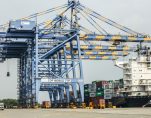
Dubai-based DP World has acquired Hong Kong’s Cargo Services Far East (CSFE) in a strategic move aimed at strengthening its foothold in the retail logistics sector across China. This acquisition, valued at approximately $300 million, highlights DP World’s intent to expand its operations within the Asia-Pacific region, particularly by enhancing its supply chain capabilities to meet the growing demands of the Chinese market.

CSFE, a leading player in retail logistics, provides comprehensive supply chain services, including warehousing, freight forwarding, and distribution, primarily serving major retail brands across Asia. By integrating CSFE’s operations into its global network, DP World is poised to offer end-to-end solutions that cater to the increasingly complex logistics needs of its customers.

The deal aligns with DP World’s broader strategy of diversifying its portfolio beyond traditional port operations. This acquisition is seen as a significant step in DP World’s efforts to position itself as a leading provider of integrated logistics solutions, leveraging CSFE’s established presence and expertise in the region to enhance its service offerings.

This move also reflects DP World’s commitment to expanding its presence in key growth markets. With China’s retail market continuing to grow, the acquisition of CSFE allows DP World to tap into a vast and dynamic consumer base, providing a crucial link between manufacturers and end-users across the region.

The acquisition is expected to enhance DP World’s ability to offer seamless, efficient, and cost-effective logistics solutions, further strengthening its competitive position in the global logistics landscape.

DP World’s acquisition of CSFE comes amid a broader trend of consolidation in the logistics industry, driven by the need to offer more integrated and scalable solutions to customers. As global trade dynamics continue to evolve, DP World’s strategic acquisitions and investments underline its commitment to adapting to these changes and staying ahead in a highly competitive market.

The integration of CSFE into DP World’s network is anticipated to bring significant synergies, including improved operational efficiencies, enhanced service capabilities, and increased market penetration in the Asia-Pacific region. This acquisition is expected to contribute positively to DP World’s financial performance, reflecting the company’s strategic focus on expanding its logistics and supply chain services.

DP World’s acquisition of CSFE marks a critical milestone in its expansion strategy, reinforcing its position as a leading global logistics provider. By leveraging CSFE’s established market presence and expertise, DP World is well-positioned to capitalize on the growing demand for integrated logistics solutions in China and beyond.

This acquisition is also in line with DP World’s vision of becoming an end-to-end logistics provider, offering a full range of services that encompass the entire supply chain, from port operations to last-mile delivery. As the logistics industry continues to evolve, DP World’s strategic investments in key growth markets like China are expected to drive its long-term growth and success.


Huawei Technologies Co. has announced a major product launch event scheduled for hours after Apple Inc. unveils its iPhone 16, intensifying the competition between the tech giants. The strategic timing of Huawei’s event is poised to capture the global spotlight immediately following Apple’s showcase, as both companies vie for consumer attention and market share in the highly competitive smartphone sector. The upcoming event, set to take place […]

Nintendo of Europe has unveiled a new leadership team following an extensive reorganization. Luciano Pereña has been appointed as the president, CEO, and chairman of the company. He succeeds Stephen Bole, who has stepped down after a six-year tenure and a total of 35 years with Nintendo. Stephen Bole, who joined Nintendo of Europe as COO and president in 2018, has decided to retire. His departure marks […]

Cryptocurrency exchange OKX has introduced an update aimed at simplifying Bitcoin arbitrage trading, a strategy that capitalizes on price discrepancies across different markets. The update, launched to cater to both high-frequency traders and institutional investors, introduces several key features designed to streamline the trading process and maximize profitability. One of the most notable enhancements is the unified trading interface, allowing traders to monitor multiple exchanges simultaneously. This […]

AlephYa Education, a prominent educational provider across the Gulf Cooperation Council (GCC) region, has announced a significant majority investment from TA Associates. This strategic investment aims to accelerate AlephYa’s growth and enhance its educational offerings, reinforcing its position in the competitive GCC education market. The deal, disclosed earlier today, positions TA Associates as the majority stakeholder in AlephYa Education. This investment is anticipated to provide AlephYa with […]

Cardano’s latest upgrade, the Chang hard fork, has gone live, marking a significant shift toward on-chain governance within its ecosystem. This highly anticipated development represents a major milestone in Cardano’s evolution, aimed at enhancing decentralization and stakeholder engagement in decision-making processes. The Chang hard fork introduces a framework that allows Cardano’s community to participate directly in governance through on-chain voting mechanisms. This new system is designed to […]

British Prime Minister Rishi Sunak is undertaking a delicate balancing act as he navigates the complex post-Brexit landscape, aiming to reset the United Kingdom’s relationship with the European Union while also addressing internal pressures. The evolving strategy reflects the challenges of maintaining sovereignty and regulatory freedom while avoiding economic disruptions that have emerged since the UK formally exited the EU.

Sunak has recently reaffirmed his commitment to the controversial Retained EU Law Bill, which mandates the repeal or reform of all EU-derived laws still in effect in the UK by the end of the year. Despite criticism from some quarters, including members of his Conservative Party, who fear that the accelerated timeline may lead to significant legislative gaps, Sunak remains steadfast. He argues that the bill is essential for fully capitalizing on the UK’s regulatory independence and for driving economic growth.

However, this push to remove EU regulations is being met with opposition. A growing faction within Parliament, including senior Conservative figures like David Davis and Robert Buckland, has expressed concerns over the feasibility of the year-end deadline. They advocate for a more measured approach, suggesting that Parliament should have greater oversight to ensure that critical areas are not neglected in the rush to eliminate EU laws. Sunak’s government, however, insists that sufficient progress is being made, with departments actively scoping out the necessary reforms.

Complicating matters further, Sunak is also managing the UK’s broader relationship with the EU. Trade tensions remain a significant concern, particularly regarding Northern Ireland, where the post-Brexit arrangements have sparked political and economic friction. Sunak has sought to ease these tensions by engaging with EU leaders and seeking areas of consensus. His efforts have included dialogues aimed at refining the Northern Ireland Protocol to address concerns from both unionists and the EU while maintaining the integrity of the UK’s internal market.

These efforts to recalibrate relations with the EU come at a time when the UK is facing economic headwinds, with businesses calling for more clarity and stability in the regulatory environment. Sunak’s approach reflects a broader strategy to reassert the UK’s global position post-Brexit while also responding to domestic pressures for economic revitalization.

As the year progresses, the success of Sunak’s strategy will likely hinge on his ability to balance these competing demands. The outcome will not only shape the future of UK-EU relations but also define Sunak’s legacy as a leader navigating the complex post-Brexit era.

Elasticsearch and Kibana, prominent tools in the realm of search and analytics, have re-entered the open-source domain, marking a significant shift in their licensing strategy. This move comes after several years of their transition to a more restrictive license model. The change aims to address growing demands from the developer community and the wider open-source ecosystem for greater transparency and accessibility. The decision to revert to open-source […]

LinkedIn has transitioned to Microsoft’s Azure Linux for its server infrastructure, marking a significant shift in its operating system strategy. The change aligns with LinkedIn’s ongoing efforts to streamline its technological stack and optimize performance. The decision to adopt Azure Linux follows LinkedIn’s evaluation of various operating systems and cloud solutions. Microsoft’s Azure Linux, designed for enhanced security, stability, and integration with Azure cloud services, was selected […]

Microsoft has transferred stewardship of its open-source project, an unexpected move that has garnered significant attention within the tech community. This decision marks a notable shift in the company’s strategy for managing its open-source initiatives.

The project, which had been developed under Microsoft’s auspices, is now under the purview of the Wine team, a prominent open-source organization known for its work in enabling Windows applications to run on Unix-like operating systems. This transition could impact both the project’s future direction and its integration with Wine’s existing ecosystem.

The rationale behind Microsoft’s decision appears to be multifaceted. On one hand, the move aligns with Microsoft’s broader strategy of embracing and supporting open-source software. By handing over control to an organization with extensive experience in open-source projects, Microsoft might be aiming to leverage the Wine team’s expertise to enhance the project’s development and adoption. This shift could also be seen as part of Microsoft’s ongoing efforts to foster collaboration with the open-source community, reflecting a commitment to contributing to and supporting the broader software ecosystem.

From the Wine team’s perspective, the acquisition of this project represents a significant opportunity to expand their portfolio and potentially integrate new functionalities into their existing software suite. Given their track record, the Wine team is well-positioned to handle the project’s complexities and drive its evolution forward. This development could lead to new features and improvements, benefiting users who rely on Wine for running Windows applications on alternative platforms.

However, the move also raises questions about the implications for the project’s current contributors and stakeholders. The transition might lead to shifts in project priorities, timelines, or development practices. Current contributors may need to adapt to the new governance structure, and stakeholders will be watching closely to see how the change impacts the project’s trajectory.

Moreover, this development underscores a broader trend within the tech industry where major corporations are increasingly engaging with open-source communities. By transferring projects to these communities, companies like Microsoft can tap into a pool of talent and innovation that may be more agile and responsive than traditional in-house teams. This strategy not only aligns with open-source principles but also helps in spreading the project’s influence across a wider user base.

The shift also highlights the evolving nature of open-source software management. As the boundaries between corporate and community-driven projects continue to blur, such transitions may become more common. They reflect a growing recognition of the value that open-source communities bring to software development and maintenance.

For users and developers involved with the project, this change may prompt a period of adjustment. They will need to stay informed about any new developments or changes in the project’s direction. Engaging with the Wine team and understanding their vision for the project will be crucial for ensuring a smooth transition and continued support for their needs.

Microsoft’s decision to hand over the project to the Wine team is a noteworthy development in the realm of open-source software. It reflects broader industry trends towards greater collaboration and integration between corporate entities and open-source communities, setting the stage for new advancements and opportunities in the field.

VISHNU RAJA
RYO YAMADA
HITORI GOTOH
IKUYO KITA