Just in:

News related to
Strategy

Magellan Capital Holdings, headquartered in Dubai, is preparing to launch a hedge fund valued at $700 million. The investment firm, known for its expertise in alternative investments, aims to capture opportunities in global markets through this initiative. This move reflects Magellan Capital’s strategy to expand its footprint in the competitive landscape of hedge funds, an industry that continues to attract substantial capital despite broader economic uncertainties. The […]

TJX Companies, the parent company of retail chains like TJ Maxx and Marshalls, has solidified its footprint in the Middle East through a strategic investment in the retail group Brands for Less (BFL). This move marks a significant expansion into a lucrative market and underscores TJX’s commitment to global growth. BFL, a prominent player in the Middle Eastern off-price retail sector, operates across several countries including the […]

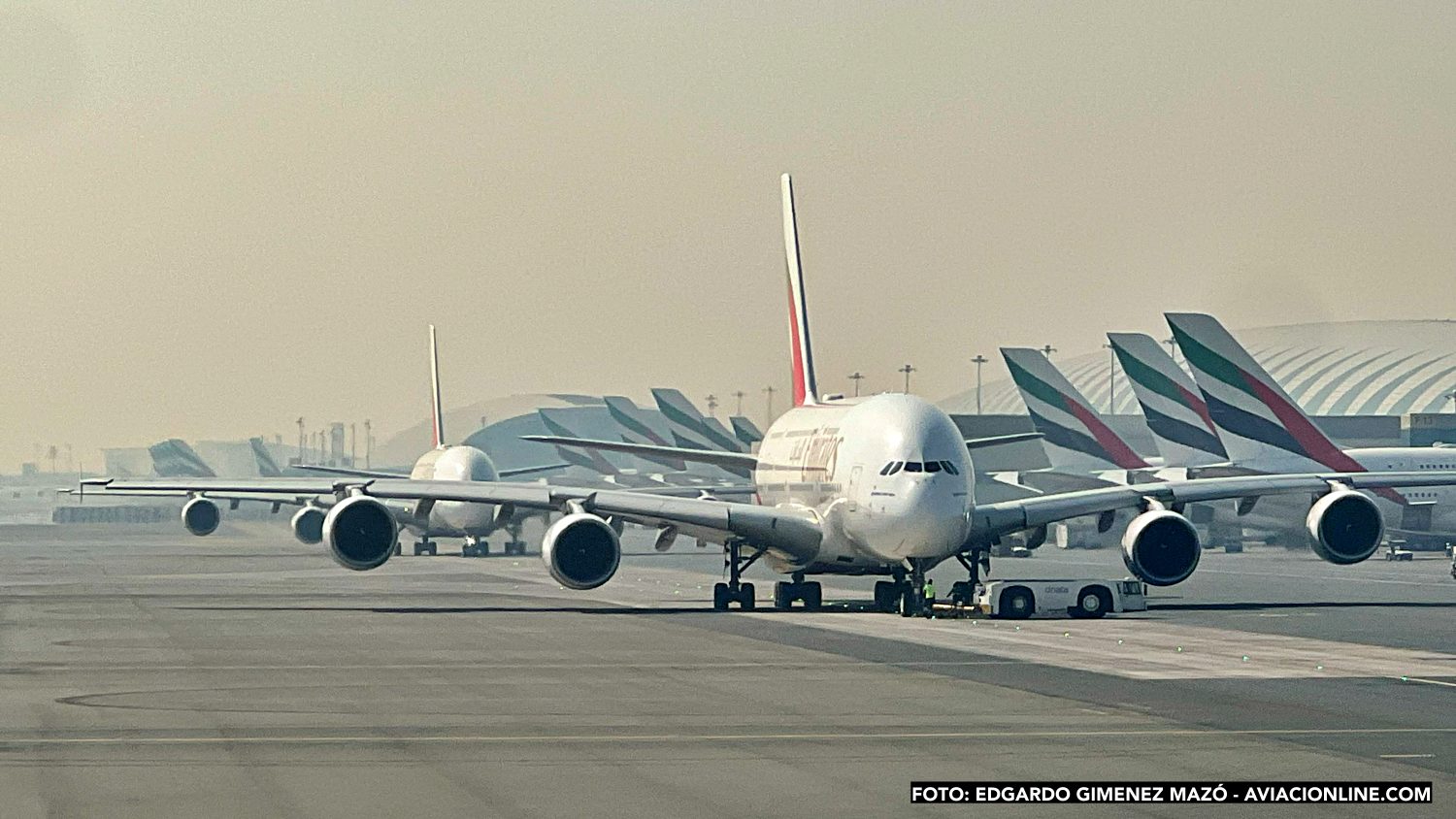
Doric Nimrod Air Two Ltd (DNA2), a Guernsey-based aircraft leasing company, has announced the sale of its last five Airbus A380 aircraft to Emirates for approximately $200 million. The sale, set to occur between October and November 2024, marks the end of DNA2’s leasing operations, with plans for the company to liquidate afterward.

These aircraft, originally acquired in 2011, have been leased to Emirates for 12 years under a deal that contributed significantly to DNA2’s portfolio. The sale follows the earlier divestment of two other A380s in 2023, which fetched $76 million. After the sale of the final five aircraft, DNA2 intends to distribute the proceeds to its shareholders, with distributions expected by the first quarter of 2025.

Emirates remains one of the few airlines to continue investing in the A380, despite many carriers phasing out the superjumbo in favor of more fuel-efficient aircraft. This acquisition aligns with Emirates’ strategy to maintain a large A380 fleet, which is integral to its long-haul operations. The airline’s commitment to the A380 is underscored by its ongoing refurbishment programs, aimed at enhancing passenger experience on these flagship aircraft.

This transaction underscores the evolving dynamics in the aviation leasing market, particularly for the A380, which has seen declining demand amid the industry’s shift towards smaller, more economical aircraft. For DNA2, the sale represents the culmination of its business model, which was specifically built around the A380, marking a significant chapter in both the company’s history and that of the aircraft leasing market.

Saudi Arabia and China are exploring the possibility of trading oil in yuan, a move that could significantly impact the global oil market, which has long been dominated by the US dollar. However, analysts from S&P Global warn that this shift faces numerous challenges and could take decades to achieve substantial scale, casting doubt on the near-term viability of the yuan as a major currency in the oil trade.

Saudi Arabia, the world’s largest oil exporter, has been deepening its economic ties with China, its biggest trading partner. The prospect of conducting oil transactions in yuan instead of the US dollar is seen as part of a broader strategy by China to internationalize its currency and reduce reliance on the dollar. Such a move would also align with Saudi Arabia’s Vision 2030, which aims to diversify the kingdom’s economy and reduce its dependence on oil revenues. However, the potential transition from dollar-based oil trade to yuan-based transactions is fraught with complexities.

Key obstacles include the deep-rooted dominance of the US dollar in global trade, the relative illiquidity of the yuan in international markets, and the complex geopolitical implications of such a shift. The US dollar has been the primary currency for global oil transactions for decades, cementing its status as the world’s leading reserve currency. Any significant move away from the dollar could disrupt financial markets and strain Saudi Arabia’s long-standing relationship with the United States.

Moreover, the yuan’s limited convertibility and lack of deep, liquid financial markets make it a less attractive option for international trade compared to the dollar. Despite China’s efforts to internationalize the yuan, including the establishment of yuan-denominated oil futures contracts in Shanghai, the currency still faces significant barriers to becoming a global standard. The Chinese government’s tight control over the yuan’s exchange rate and its restrictions on capital flows add to concerns about the currency’s suitability for large-scale international transactions.

Additionally, the geopolitical landscape plays a critical role in the potential shift toward yuan-based oil trade. Saudi Arabia’s close military and economic ties with the United States have been a cornerstone of its foreign policy for decades. Moving away from dollar-based transactions could strain this relationship, particularly given the US’s strategic interest in maintaining the dollar’s dominance in global markets.

Despite these challenges, the discussions between Saudi Arabia and China reflect a broader trend of diversification in global trade and finance. As the world’s second-largest economy, China has been increasingly asserting its influence on the global stage, seeking to reduce its vulnerability to US economic policies. For Saudi Arabia, the shift towards yuan-based oil trade would be part of its broader strategy to align itself more closely with Asia’s growing economies, which are expected to drive future demand for energy.

The implications of a successful transition to yuan-based oil trade would be profound for the global economy, particularly for the role of the US dollar. The dollar’s status as the primary currency for oil transactions has been a key factor underpinning its dominance in global finance. A significant shift towards the yuan could erode this dominance, leading to a more multipolar currency system. However, given the numerous challenges and the slow pace of change in global financial systems, such a transition is likely to be gradual and may take decades to materialize.

While the prospect of yuan-based oil trade between Saudi Arabia and China is gaining attention, the path to realizing this shift is complex and fraught with challenges. The dominance of the US dollar, the yuan’s limitations as a global currency, and the geopolitical implications of such a move all suggest that any significant change in the global oil trade currency landscape will be a long and arduous process.


Dar Global, a luxury property developer listed on the London Stock Exchange, has engaged Rothschild & Co to explore growth opportunities in the United Kingdom and Saudi Arabia. The collaboration signals Dar Global’s ambition to enhance its portfolio through strategic acquisitions and joint ventures in these key markets.

Rothschild & Co, a prestigious financial advisory firm, is set to guide Dar Global through potential acquisitions and partnerships, focusing on prime real estate opportunities. This move aligns with Dar Global’s strategy to expand its footprint in both the London market, known for its ultra-luxury developments, and Saudi Arabia, where the real estate sector is experiencing rapid growth.

Dar Global has previously made significant strides in the international luxury property sector, and this partnership with Rothschild & Co is expected to further strengthen its position. The company’s expansion efforts in London are particularly noteworthy, given the city’s status as a global hub for luxury real estate, attracting high-net-worth individuals from around the world.

In Saudi Arabia, Dar Global is likely to capitalize on the country’s Vision 2030 initiative, which includes ambitious urban development plans aimed at diversifying the economy. The Saudi real estate market has seen increased investor interest, driven by large-scale projects such as NEOM and The Red Sea Project, making it an attractive target for Dar Global’s growth strategy.

The appointment of Rothschild & Co highlights Dar Global’s commitment to leveraging expert financial advice to navigate complex markets and achieve sustainable growth. As the company looks to solidify its presence in these regions, industry analysts will be watching closely to see how these expansion efforts unfold.

Marking the Fourth Consecutive Year of Sustainable High-quality Growth Agile Channel Structure and Geographic Diversification Bolster Resilience Amid Industry Downturns HONG KONG SAR – Media OutReach Newswire – 21 August 2024 – The first baijiu company listed on the Hong Kong Stock Exchange and the second Chinese sauce-aroma baijiu stock being publicly listed, ZJLD Group Inc. (“ZJLD”, the “Group” or the “Company”, SEHK stock code: 06979. HK), […]

Zomato, the food delivery giant, is set to expand its portfolio beyond food and grocery delivery by acquiring Paytm’s movie and event ticketing business for ₹2,048 crore ($244 million). This strategic acquisition is aimed at bolstering Zomato’s presence in the “going-out” sector, which includes movie and event ticketing, a market segment that has seen substantial growth in India.

The deal was approved by the boards of both companies, with the transaction expected to close within 90 days. Under the agreement, Paytm’s movie ticketing platform, OTPL, and its sports and events ticketing arm, WEPL, will become wholly-owned subsidiaries of Zomato. The acquisition will include a primary infusion into both subsidiaries, enabling them to settle the amount payable for the transfer.

Paytm, which has been a key player in the ticketing space since acquiring the TicketNew and Insider platforms in 2017 and 2018 respectively, is divesting these assets to focus on its core financial services. Zomato’s move into this sector is seen as a strategic expansion, aiming to capture a larger share of the entertainment market in India, where it will directly compete with established players like BookMyShow.

The acquisition marks a significant shift in Zomato’s business strategy as it seeks to diversify its offerings. As of March 2024, OTPL and WEPL had reported turnovers of ₹13.14 crore and ₹236.03 crore respectively, reflecting their robust presence in the ticketing market. The deal underscores Zomato’s intent to leverage these platforms to enhance its market position and revenue streams beyond its traditional food delivery service.

Zomato’s entry into the ticketing business also aligns with the broader trend of tech companies diversifying their services to capture more value from their user bases. By integrating Paytm’s ticketing services, Zomato aims to create a more comprehensive lifestyle platform for its users, capitalizing on the growing demand for online ticketing in India.

This acquisition is part of a broader consolidation in the Indian tech sector, where companies are increasingly looking to acquire complementary businesses to drive growth and profitability. As Zomato ventures into this new domain, industry observers will be watching closely to see how the company integrates and scales its new ticketing business.

Advertisements

Arabian Post Staff Toronto-Dominion Bank’s ambitious push into the U.S. market, which once held great promise for boosting its growth, is now casting a shadow over its financial performance. The failed $13.4 billion acquisition of First Horizon Corp., coupled with a money-laundering investigation into its American branches, has severely affected investor confidence. Despite occasional positive developments, TD’s stock has significantly underperformed compared to other major Canadian banks, […]

THE RIG, an ambitious maritime venture backed by Saudi Arabia’s Public Investment Fund (PIF), is set to revolutionize the shipping industry with a new strategy aimed at boosting operational efficiency through localized partnerships. This move aligns with broader trends in the maritime sector focusing on technological advancements and regional collaborations to optimize performance. THE RIG, launched with the intent to modernize maritime logistics, has secured collaborations with […]

Revenue and Profit Attributable to Shareholders up 54% and 83% respectively Proactive in Seeking Change and Capturing Growth Opportunities to Achieve Long-term Sustainable Development (RMB’ million) Six months ended 30 June 2024 2023 Change (%) Revenue 168.8 109.3 +54% Gross profit 85.8 56.6 +52% Operating profit 56.7 33.9 +67% Profit attributable to shareholders 56.1 30.7 +83% Basic earnings per share (RMB) 0.028 0.017 +65% HONG KONG SAR […]

Saudi Aramco has finalized a substantial $2 billion contract for the expansion of the Marjan offshore oil field. This agreement marks a significant milestone in the company’s efforts to enhance its production capacity and optimize operations in one of its key oil-producing assets. The contract was awarded to a consortium led by the Italian energy company Saipem, alongside other notable partners including South Korea’s Daewoo Engineering & […]

  By K Raveendran The Centre’s abrupt reversal on its proposal to permit lateral entry into senior government and public sector positions can be traced back to a complex interplay of political dynamics,  strategic manoeuvring and to a large extent pragmatism. The change is widely attributed to the formidable pressure applied by Chirag Paswan’s Lok […]

Saudi Arabia’s ambitious NEOM project is set to revolutionize sustainable transportation with a new fleet of zero-emission electric passenger ships. This groundbreaking initiative, part of NEOM’s broader vision to establish a futuristic city with eco-friendly technologies, underscores the kingdom’s commitment to environmental sustainability and innovative transportation solutions. The introduction of these electric passenger ships marks a significant milestone in NEOM’s quest to transform its maritime sector. Designed […]

The Dubai Land Department has finalized seven significant agreements with prominent real estate developers, marking a substantial boost to the city’s property sector. These deals, signed during a high-profile ceremony, aim to advance various residential and commercial projects across the emirate, signaling a robust commitment to the growth of Dubai’s real estate market. The agreements encompass a diverse range of projects, from luxury residential towers to expansive […]

A groundbreaking partnership has been announced between the Abu Dhabi National Oil Company (ADNOC), Malaysia’s PETRONAS, and Storegga, a leading player in carbon capture and storage (CCS) technology. This collaboration marks a significant step forward in the development of offshore CCS projects, aimed at reducing global carbon emissions and advancing the transition to cleaner energy solutions. The joint venture focuses on a new offshore CCS project located […]

Saudi Arabia’s Public Investment Fund (PIF) is advancing plans to launch a new cargo airline as part of its strategic expansion in the logistics sector. This initiative is aimed at bolstering the country’s position as a major global logistics hub, enhancing its transport infrastructure and boosting economic diversification efforts. The proposed cargo airline represents a key component of Saudi Arabia’s broader vision to increase its logistics capabilities […]

An Abu Dhabi-led consortium has been awarded the contract to build a major wastewater treatment plant in Uzbekistan. This significant infrastructure project is set to enhance the country’s water management capabilities and address its growing urban demands. The consortium, consisting of Abu Dhabi’s International Holding Company (IHC) and local Uzbek partners, has been selected for this project following a competitive bidding process. The new facility will be […]

Dubai-based Lifemart, renowned for its commitment to health and sustainability, has unveiled an unprecedented initiative in eco-friendly retail: the world’s first negative price eco-bags. This innovative approach, launched in the Business Bay area, aims to address the growing concern over plastic waste while promoting eco-conscious shopping practices. The concept is simple yet revolutionary. For every eco-bag selected by a customer, Lifemart reduces their total bill by one […]

Kuwait’s government has launched a committee to oversee the consolidation of its downstream oil sector, a move aimed at enhancing efficiency and streamlining operations within the industry. This strategic initiative reflects Kuwait’s broader goal to optimize its oil production and distribution frameworks amid evolving global energy dynamics.

The newly formed committee will focus on integrating several key downstream entities under a unified operational structure. This consolidation is expected to improve synergies among Kuwait’s refining, distribution, and marketing segments, potentially leading to cost reductions and operational efficiencies. The government’s decision underscores its commitment to refining its oil sector’s infrastructure to better compete in a rapidly changing energy market.

As part of its mission, the committee will evaluate the potential merger of major downstream companies, including the Kuwait National Petroleum Company (KNPC) and the Petrochemical Industries Company (PIC). The integration of these entities is anticipated to streamline supply chains and enhance the overall value chain from refining to end-user delivery.

This consolidation effort is particularly timely given the global shift towards sustainable energy and the increasing pressure on oil-producing countries to adapt to new market conditions. Kuwait’s strategic realignment aims to fortify its position in the global oil market while addressing internal inefficiencies and aligning with international best practices.

The committee’s formation also aligns with Kuwait’s broader economic diversification strategy, which seeks to reduce dependency on oil revenues by enhancing the efficiency of its oil industry and investing in alternative sectors. By focusing on the downstream sector, Kuwait aims to leverage its existing resources more effectively and create a more resilient energy infrastructure.

The integration process will involve a comprehensive review of existing assets, operational protocols, and workforce alignment. This thorough examination is expected to facilitate a smoother transition and minimize disruptions during the consolidation phase. The government has indicated that the committee will work closely with industry experts and stakeholders to ensure a balanced approach that addresses both operational and strategic objectives.

Industry analysts view this move as a proactive step in response to fluctuating global oil prices and shifting energy policies. By consolidating its downstream operations, Kuwait is positioning itself to better manage market volatility and enhance its competitive edge in the energy sector.

Furthermore, the consolidation effort reflects Kuwait’s ongoing commitment to modernizing its energy sector and improving its global standing. As the country continues to adapt to evolving energy trends, the successful implementation of this initiative could serve as a model for other oil-producing nations facing similar challenges.

Overall, the establishment of this committee marks a significant development in Kuwait’s oil sector strategy. The focus on downstream integration is expected to drive efficiencies and reinforce Kuwait’s position in the global energy landscape, paving the way for a more robust and adaptable oil industry.

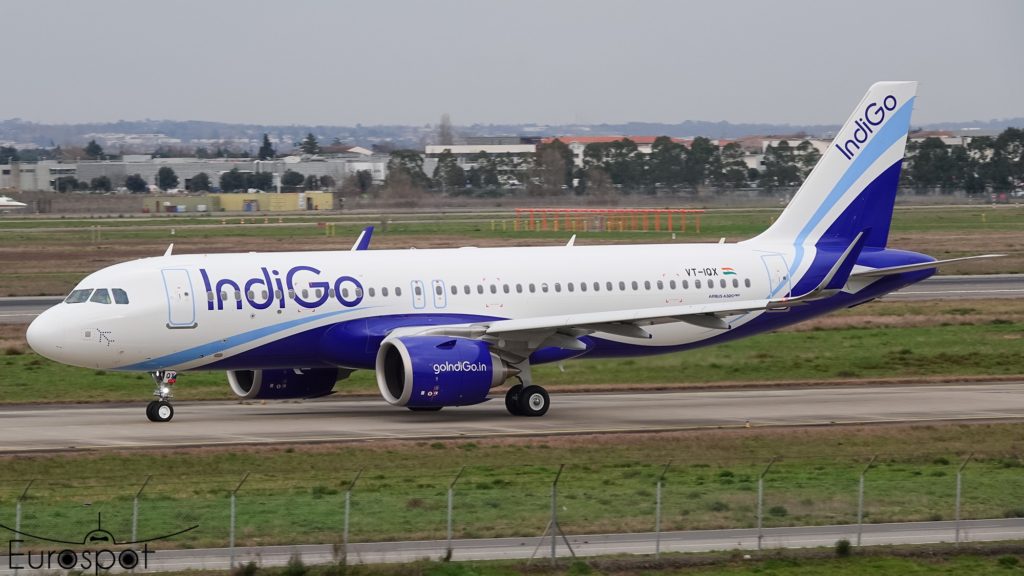
IndiGo has unveiled three new flight routes connecting Abu Dhabi’s Zayed International Airport to Mangaluru, Tiruchirappalli, and Coimbatore. This expansion, effective from next month, aims to enhance connectivity between the UAE and southern India, responding to growing demand for air travel in the region.

The new services will operate daily, with flights to Mangaluru, Tiruchirappalli, and Coimbatore scheduled to take off on a daily basis. This move is anticipated to bolster tourism and business travel between these cities and the UAE, capitalizing on the increasing number of travelers between the two regions.

Mangaluru, known for its port and economic significance in Karnataka, will benefit from improved accessibility to the Middle East, facilitating trade and investment opportunities. Tiruchirappalli, a key educational and industrial hub in Tamil Nadu, is expected to see a rise in student and business travel. Coimbatore, renowned for its manufacturing sector, will gain easier access to international markets and business partners.

This strategic route expansion aligns with IndiGo’s broader growth strategy, which focuses on increasing its footprint in key international markets. By linking these cities directly with Abu Dhabi, IndiGo aims to capture a larger share of the travel market between India and the UAE.

The airline’s move also reflects a broader trend of expanding connectivity in response to rising passenger numbers and evolving travel needs. As both leisure and business travel between India and the UAE continue to grow, airlines are investing in new routes and services to meet demand.

IndiGo’s new routes come at a time when the aviation industry is recovering from the global travel restrictions imposed during the pandemic. By establishing these direct connections, IndiGo is positioning itself to capitalize on the rebound in international travel and strengthen its market presence in the Middle East.

Passengers can expect modern aircraft and competitive fares on these new routes, consistent with IndiGo’s reputation for efficiency and affordability. The airline’s commitment to enhancing its international network is expected to foster increased economic and cultural exchanges between the UAE and southern India.

This development is part of a larger trend among airlines to expand their networks and adapt to shifting market dynamics. As travel restrictions ease and global connectivity improves, airlines like IndiGo are seizing opportunities to tap into high-demand routes and strengthen their global networks.

The Saudi Public Investment Fund (PIF) has achieved a notable expansion in its assets under management, reaching $925 billion as of the end of 2023. This substantial increase reflects a strategic investment focus and a growing commitment to bolstering the domestic economy. In a major push to stimulate local economic growth, the PIF invested $40 billion within Saudi Arabia last year. These investments have been directed across […]

Qatar Airways has announced a significant investment, acquiring a 25% stake in South Africa’s regional carrier, Airlink. This strategic move is poised to enhance Qatar Airways’ presence in the African aviation market and strengthen its network across the continent. The partnership marks a notable development for both airlines as they look to leverage each other’s strengths in their respective regions.

Airlink, a prominent player in South Africa’s regional aviation sector, operates a comprehensive network of routes connecting major cities and remote areas within Southern Africa. The acquisition by Qatar Airways is expected to bolster Airlink’s operational capabilities, expanding its reach and improving its connectivity to international destinations. For Qatar Airways, the investment aligns with its strategy to build a more extensive network in Africa, providing passengers with greater access to regional destinations.

The deal is also anticipated to facilitate greater collaboration between the two airlines, including codeshare agreements that will offer enhanced travel options for passengers. By integrating Airlink’s regional expertise with Qatar Airways’ global reach, the partnership aims to deliver a more seamless travel experience and increased convenience for travelers.

This acquisition is part of Qatar Airways’ broader strategy to expand its global footprint and strengthen its position in key markets. The airline, known for its extensive international network and high service standards, continues to seek opportunities for growth and strategic partnerships that complement its existing operations. By investing in Airlink, Qatar Airways is positioning itself to capture a larger share of the African aviation market, which has been showing signs of growth and increased demand for connectivity.

Airlink’s regional network will benefit from Qatar Airways’ support, potentially leading to enhanced service quality and operational efficiencies. The investment also reflects Qatar Airways’ commitment to supporting and fostering growth in regional carriers, which can play a crucial role in expanding global connectivity.

This partnership comes at a time when the global aviation industry is navigating post-pandemic recovery and adapting to evolving travel demands. Collaborations like the one between Qatar Airways and Airlink are seen as strategic moves to address these challenges and capitalize on emerging opportunities in the aviation sector. The integration of Airlink’s services with Qatar Airways’ global network is expected to provide passengers with a broader range of travel options and improved connectivity between Africa and other parts of the world.

As the aviation industry continues to evolve, strategic alliances and investments will play a crucial role in shaping the future of global air travel. Qatar Airways’ acquisition of a stake in Airlink represents a significant step in this direction, underscoring the importance of regional partnerships in enhancing global connectivity and fostering growth in key markets.

Kuwait Finance House has completed the sale of its entire stake in Sharjah Islamic Bank, fetching $351 million. This divestment marks a significant shift in the bank’s investment strategy, reflecting a broader trend of strategic asset reallocation in the Gulf banking sector. The sale involves a substantial block of shares, marking the end of a notable investment by Kuwait Finance House (KFH) in Sharjah Islamic Bank. The […]

Ukrainian military operations have reportedly incapacitated three crucial bridges over the Seym River in western Russia, according to statements from Russian sources. The strikes, which are part of Kyiv’s ongoing efforts to disrupt logistics and supply lines in the region, have escalated tensions as the conflict deepens. The targeted bridges are located near the border of Ukraine and are vital for the movement of Russian military equipment […]

VISHNU RAJA
RYO YAMADA
HITORI GOTOH
IKUYO KITA
Just in:
Emirates Group records AED 4.1 billion half-year profit // Asia Left Behind: Ten international companies have yet to report delivering on their cage-free egg pledges across the region // Hong Kong mandates crypto transaction disclosures to tax authorities // SC to examine students’ exam plea today // Govt opposes Arlekar’s PSC action // OpenAI identifies 948 Linux privilege escalation flaws using AI // AI trust gap reveals distinct retail priorities: Divergent paths to consumer growth in Hong Kong and the GBA // Meraas showcases five residential zones at Dubai Design Week // Vance attributes Republican midterm defeats to Iran conflict // Utilities pursue ₹1,992 cr in unpaid bills // After Reaching 7 Million Users in the Philippines, Skyro Launches Transparent Cash Loans in Malaysia // ADIA and partners establish $1.4 billion aviation venture // Oil and chip shares retreat after Democratic victories // The “1st Greater Bay Area Health and Longevity Summit & Awards Ceremony” concludes successfully in Macao // Fast Just Got Fastest: STING Energy Boost™ Celebrates Kimi Antonelli’s Formula 1® World Championship and the Fan Energy Behind It // e-Crime Bureau Signs Cybersecurity Partnership With Smart Africa, Reinforcing Its Global Expansion // Burying Head In “India Made Poverty Reduction” Data Is Dangerous // UK air traffic outage inflicted £33m financial losses // Cyberport Venture & Capital Forum 2026 Grand Opening // Middle East governments assess Iran war after US vote //