News related to
Strategy

A leading Chinese hedge fund, with an impressive 800% growth over seven years, has opted to buy the dip in Hong Kong-listed China tech stocks. This decision comes as part of a strategic response to market volatility and reduced valuations, even after a rally earlier this year. The fund’s executives believe that the current dip in stock prices presents an opportune moment to strengthen positions in undervalued […]

Elon Musk has once again captured global attention with the unveiling of Tesla’s new robotaxi concept, dubbed the Cybercab. During an event that generated significant interest among tech and automotive enthusiasts, Musk announced that the vehicle is expected to hit production by 2026. With an estimated price tag below $30,000, the Cybercab is positioned to be a disruptive force in the burgeoning autonomous transportation sector. The prototype […]

The launch of the Abu Dhabi Real Estate Centre (ADREC) signals a major push to attract more foreign direct investment (FDI) into the emirate’s growing real estate sector. Spearheaded by the Department of Municipalities and Transport (DMT), ADREC is tasked with promoting transparency, innovation, and operational efficiency, all while creating a more investor-friendly regulatory framework. The initiative underscores Abu Dhabi’s ambition to position itself as a global […]

Lunate, an investment entity based in the UAE, is actively considering a substantial investment estimated at $1 billion in HPS, a prominent credit management firm headquartered in Morocco. This strategic move reflects Lunate’s ambition to strengthen its foothold in the North African financial sector, specifically targeting opportunities in credit services and risk management. The potential partnership with HPS signifies a noteworthy shift as it aims to capitalize on the growing demand for financial services in the region.

Established in 2009, HPS has emerged as a key player in the payments and credit sectors across Africa and the Middle East. The firm specializes in offering payment solutions and software development for various financial institutions, including banks and telecommunications companies. HPS has experienced robust growth, bolstered by the increasing digitization of financial services and the rising need for efficient payment solutions. Its software products have gained traction among a diverse clientele, which includes major banks and businesses throughout the continent.

Lunate’s interest in HPS comes at a time when the credit and payments landscape in Africa is undergoing significant transformation. With the continent’s financial inclusion rates improving and digital payment adoption accelerating, the demand for innovative financial services is skyrocketing. This trend has attracted both regional and international investors, positioning firms like HPS to capture emerging market opportunities. Analysts believe that Lunate’s investment could potentially enhance HPS’s technological capabilities and expand its market reach, ultimately leading to increased profitability and growth.

Reports indicate that the negotiations between Lunate and HPS are in advanced stages, with both parties optimistic about the prospects of this collaboration. If finalized, this investment would not only provide HPS with additional capital for expansion but could also facilitate knowledge transfer and expertise sharing between the firms. Lunate’s strategic vision aligns with HPS’s growth objectives, creating a synergistic partnership aimed at maximizing value in the rapidly evolving financial landscape.

The backdrop of this potential investment is characterized by a wave of consolidation and investment activity within the African financial sector. With increasing competition from fintech startups and traditional financial institutions pivoting towards digital solutions, companies like HPS are under pressure to innovate continuously. Lunate’s entry into this market would signify a proactive approach to navigating these challenges, positioning HPS to remain competitive in a fast-changing environment.

Lunate’s decision to invest in HPS may signal its broader strategy to diversify its investment portfolio beyond traditional sectors. Historically, Lunate has focused on sectors such as real estate and technology, but this move into financial services underscores a strategic pivot towards high-growth sectors with substantial potential for returns. The firm’s leadership has expressed confidence in the African market’s potential, particularly in credit management and payment solutions.

As the investment landscape evolves, various key players are closely monitoring developments in the African credit market. International financial institutions and venture capitalists are increasingly interested in exploring opportunities across the continent, recognizing its untapped potential. This heightened interest has led to increased competition for investments, resulting in higher valuations for promising companies like HPS.

Analysts are keen to observe how this potential partnership between Lunate and HPS may impact the broader financial ecosystem in North Africa. A successful collaboration could pave the way for additional investments in the region, further enhancing its reputation as a burgeoning hub for financial innovation. The implications of such investments extend beyond individual companies, potentially driving industry standards and practices that could benefit consumers and businesses alike.

HPS’s recent advancements in payment technology, including the launch of new services aimed at improving transaction efficiency and security, have positioned it favorably to benefit from additional capital investment. These innovations not only address the growing demands of consumers but also align with regulatory expectations in the financial sector. As the landscape continues to evolve, companies that can adapt and innovate will likely emerge as leaders in their respective fields.

Abu Dhabi-based Ghitha Holding, a subsidiary of the International Holding Company (IHC), is making strategic moves to strengthen its position in the food sector by acquiring a significant stake in International Food Industries (IFI) for $11 million. This transaction highlights the company’s ongoing commitment to expanding its portfolio, particularly in the food and agribusiness sectors.

Ghitha, which has consistently pursued high-growth opportunities in line with IHC’s overarching diversification strategy, is expected to leverage IFI’s established market presence and distribution networks across the UAE and beyond. The acquisition aligns with IHC’s broader vision to solidify its presence in sectors deemed critical to the region’s food security.

The acquisition of a stake in IFI is seen as a vital move for Ghitha, known for its investments across agriculture, food processing, and distribution. This deal further enhances Ghitha’s capabilities to scale its operations, allowing it to meet the increasing demand for food products in the region and establish a stronger foothold in local and regional food markets.

The food sector in the UAE is experiencing significant growth, driven by rising demand for sustainable food sources, population growth, and government initiatives aimed at food security. IHC has been particularly active in this area, with several recent investments in food, agriculture, and logistics to bolster the UAE’s supply chain resilience. Ghitha’s acquisition is in line with these goals, as the company aims to contribute to national food security efforts while expanding its revenue base.

This acquisition comes on the heels of IHC’s broader strategy of acquiring stakes in diverse industries such as healthcare, energy, and technology, making it one of the largest and most diversified holding companies in the region. The holding company, chaired by Sheikh Tahnoon bin Zayed Al Nahyan, has demonstrated a keen focus on scaling investments in key sectors that align with the UAE’s long-term growth strategy. IHC’s rapid rise in the global investment landscape has been fueled by both organic growth and aggressive acquisition strategies, with its subsidiaries, including Ghitha, playing a critical role in achieving this vision.

International Food Industries, a notable player in the region’s food manufacturing space, specializes in producing a wide range of food products that cater to consumer needs. With this acquisition, Ghitha is expected to introduce operational efficiencies and enhance the production capabilities of IFI, further cementing its position as a leader in the region’s food industry.

The acquisition of a stake in IFI also underscores Ghitha’s ambition to scale its food-related businesses in international markets. Given its history of successful partnerships and acquisitions, Ghitha is poised to utilize its resources and expertise to ensure that IFI continues to grow and compete on a global scale.

By reinforcing its presence in the food industry, Ghitha is aligning with the UAE government’s broader goals of ensuring food security, increasing local production, and reducing dependence on food imports. The investment is expected to drive innovation within IFI, supporting the development of new products and enhancing its distribution reach across the region.

Market analysts see the acquisition as a strategic move that will likely bolster Ghitha’s financial performance, adding to the holding company’s expanding revenue streams. This also serves as another indication of IHC’s growing influence in critical industries across the UAE and its commitment to supporting sectors that play a crucial role in the country’s economic future.

Gulf International Services (GIS), one of the largest oil and gas services providers in the region, is gearing up for a major financial move. The company has announced its decision to launch an initial public offering (IPO) for its subsidiary, Al Koot Insurance and Reinsurance Company, on the Qatar Stock Exchange. This development marks a significant step in GIS’s strategy to enhance its financial capabilities and expand its market presence.

Al Koot Insurance, a key player in Qatar’s insurance industry, provides a range of insurance and reinsurance solutions with a particular focus on the energy sector. It has become an essential part of GIS’s portfolio, reflecting the group’s efforts to diversify its business operations beyond its core oil and gas services. The IPO, once finalized, will transform Al Koot into a Qatari Public Shareholding Company, a move designed to improve liquidity and market visibility.

The decision to list Al Koot comes after thorough deliberations within GIS’s Board of Directors. The company aims to align with Qatar’s financial market regulations and the legal framework set by the Qatar Central Bank. The upcoming listing is subject to final approval by regulatory bodies, and GIS has confirmed that it will release further details after the completion of due diligence.

This IPO is anticipated to enhance Al Koot’s capital structure and allow it to tap into broader investment opportunities. It also comes amid a surge of IPO activity in the region, with several companies looking to raise capital through public offerings. Qatar’s stock market has been experiencing an uptrend, benefiting from high investor interest and a stable economic environment.

Gulf International Services’ move is seen as part of a larger trend of diversification in Qatar’s business sector. The country’s vision for economic growth, as outlined in the Qatar National Vision 2030, emphasizes the importance of reducing reliance on hydrocarbons and expanding into other industries. Al Koot’s IPO is expected to play a role in this diversification process, as insurance becomes increasingly vital in supporting various sectors of the economy.

GIS’s current financial standing is strong, with the company consistently posting solid earnings from its oil and gas services. However, diversifying through the financial markets will likely bolster its long-term growth prospects. Al Koot’s transformation into a publicly listed company could provide it with new opportunities to collaborate with international investors and expand its footprint beyond Qatar.

The announcement of the IPO has generated positive reactions from market analysts, who view it as a strategic move to capitalize on the growing demand for insurance services in the region. The insurance market in Qatar, particularly in the energy sector, is set to grow as the country continues to invest in infrastructure projects and prepare for the transition to a more diversified economy.

While the exact timeline for the IPO has yet to be confirmed, the announcement underscores GIS’s commitment to optimizing its business model and adapting to changing market conditions. The public offering will not only provide Al Koot with greater financial flexibility but will also enhance its governance structure, as public companies in Qatar are required to adhere to stringent reporting and transparency standards.

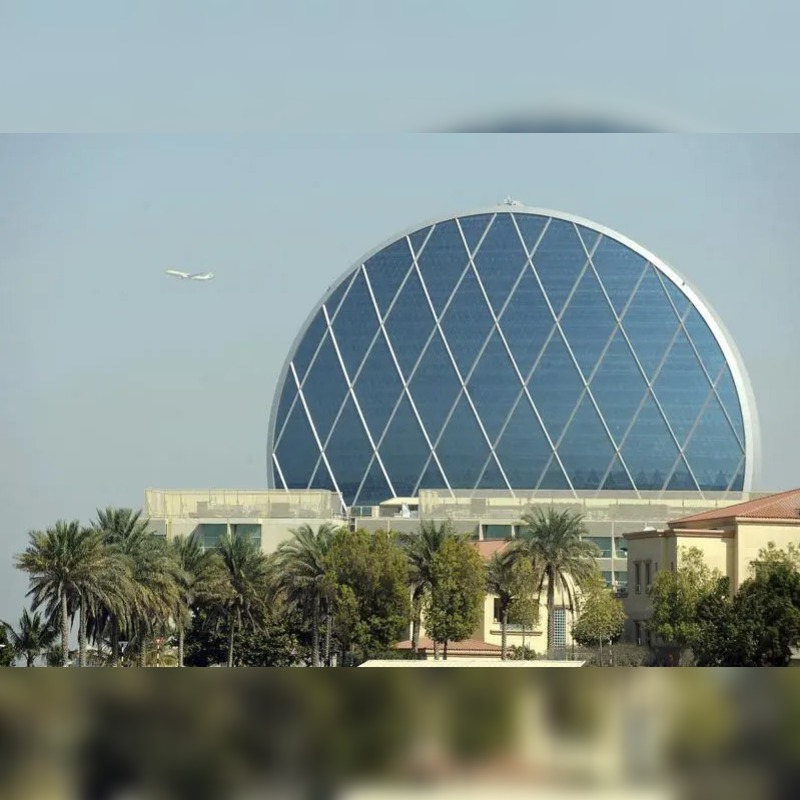
Aldar has unveiled a joint venture to spearhead a $476 million real estate development in Expo City Dubai, marking a significant move in the Emirate’s property market. The collaboration, which brings together Aldar and Dubai Holding, is expected to fuel Expo City’s transformation into a premier residential and commercial hub. The partnership will develop approximately 38,000 square meters of land within the city, with a focus on sustainability, innovation, and high-end living. This latest announcement is viewed as a strategic step for Aldar as it seeks to expand its portfolio and strengthen its presence in Dubai’s booming property sector.

Expo City Dubai, originally conceived as a site for the World Expo 2020, has been gradually transformed into a multi-functional district, serving residential, business, and entertainment needs. Aldar’s latest development aims to further enhance this district by introducing a series of new residential complexes designed to cater to the increasing demand for upscale living spaces. The development is anticipated to attract both residents and businesses looking to benefit from Expo City’s strategic location and well-established infrastructure.

This project comes at a time when the UAE’s property market is experiencing steady growth, with rising demand for luxury homes and commercial spaces. The collaboration between Aldar and Dubai Holding will leverage the strengths of both entities, with Aldar contributing its expertise in real estate development and Dubai Holding providing prime land and access to Expo City’s robust infrastructure. The project’s primary goal is to create an integrated community that aligns with Expo City’s vision of becoming a leading global destination for business, leisure, and sustainable living.

Aldar, headquartered in Abu Dhabi, has been expanding its footprint in Dubai’s real estate market over the past few years. This joint venture highlights the developer’s ambitions to play a more prominent role in shaping Dubai’s urban landscape. Aldar’s CEO has emphasized that the project will not only contribute to the city’s economic growth but also help position Dubai as a leading destination for property investment. The development, he said, aligns with the UAE’s long-term strategy to diversify its economy and boost its non-oil sectors, particularly real estate and tourism.

Expo City, which has retained much of its infrastructure and facilities from the World Expo, has seen an uptick in investment since the event concluded. Aldar’s project is one of several high-profile developments slated for the area, which is expected to attract both domestic and international buyers and investors. The city is being marketed as a hub for sustainability, innovation, and connectivity, with easy access to key locations such as Al Maktoum International Airport, Jebel Ali Port, and major highways connecting it to Abu Dhabi and the rest of Dubai.

With a focus on environmental sustainability, the development will incorporate energy-efficient designs and technologies, in line with the UAE’s broader sustainability goals. Aldar has a strong track record of integrating eco-friendly features into its projects, and this new venture is expected to follow suit, offering smart homes, green spaces, and pedestrian-friendly environments. Such features are increasingly sought after by buyers in the UAE, where the government has been promoting sustainable urban development as part of its Vision 2030 plan.

Dubai’s real estate market has shown resilience over the past year, with property prices and transactions rebounding after a challenging period due to the pandemic. Experts in the industry are optimistic about the future, pointing to Expo City’s unique selling points and its role in Dubai’s broader urban development plans. Aldar’s involvement in such a high-profile project further cements its status as one of the leading developers in the UAE, and the collaboration with Dubai Holding is expected to bring considerable synergies to the development.

Aldar’s focus on high-end residential units in this project aligns with the broader trend in Dubai’s property market, where luxury homes and apartments have seen significant growth in demand. The influx of high-net-worth individuals, particularly from Europe and Asia, has driven the expansion of the luxury segment, with properties in premium locations commanding higher prices. Aldar and Dubai Holding’s joint venture is well-positioned to capitalize on this trend, offering a blend of exclusivity, innovation, and strategic location within Expo City.

Dubai Holding, which manages an extensive portfolio of assets across multiple sectors, is expected to play a crucial role in facilitating the development’s integration with the rest of Expo City. As a key player in Dubai’s real estate and infrastructure sectors, Dubai Holding has the resources and expertise to ensure the success of this venture. Both companies have expressed confidence in the project’s potential to contribute to the city’s long-term vision of becoming a global hub for trade, tourism, and investment.

The new development is also expected to create numerous job opportunities, both during the construction phase and after the project’s completion. Expo City has already seen significant interest from businesses looking to set up offices in the area, and Aldar’s project will likely further boost its appeal as a commercial center. The mixed-use nature of the development means that it will cater to both residential and business needs, creating a dynamic community that reflects the diverse nature of Dubai’s population and economy.


Advertisements

Plans to enhance India’s maritime defense have taken a significant step forward with the announcement of the construction of two nuclear-powered submarines and the acquisition of 31 long-range drones. This move aims to bolster India’s strategic deterrence and address regional security concerns, particularly in the context of rising tensions with China.

The estimated investment for this defense initiative is around 350 billion rupees, equivalent to approximately $4.2 billion. Senior officials, familiar with the defense procurement process, confirmed that this decision aligns with India’s broader efforts to modernize its armed forces and enhance its naval capabilities.

The construction of the submarines will take place at the prestigious Hindustan Shipyard Limited in Visakhapatnam. This shipyard has been instrumental in India’s defense manufacturing capabilities and represents a significant leap forward in the country’s indigenous defense production. By building these submarines locally, India aims to reduce its dependence on foreign defense technology and strengthen its self-reliance in defense manufacturing.

The nuclear submarines, equipped with advanced stealth technologies, will enhance India’s strategic deterrent capability. These vessels will allow for prolonged underwater operations, significantly increasing the reach and flexibility of India’s navy in the Indian Ocean Region (IOR). Experts believe that the introduction of nuclear-powered submarines will provide India with a credible second-strike capability, thereby strengthening its position in regional security dynamics.

In addition to the submarines, the procurement of 31 US-made long-range drones marks another critical aspect of this defense strategy. These drones are designed for reconnaissance and surveillance operations, enhancing India’s intelligence-gathering capabilities. The drones are expected to operate alongside the Indian Navy’s existing fleet, providing real-time situational awareness in crucial maritime areas.

This procurement follows a series of high-level discussions between India and the United States, aimed at deepening defense cooperation and fostering greater interoperability between the two countries’ armed forces. The introduction of these drones is seen as a vital component of India’s efforts to modernize its military infrastructure and improve its capabilities in the face of emerging threats.

India’s decision to enhance its naval capabilities comes amid escalating tensions in the Indo-Pacific region. China’s growing assertiveness in the South China Sea and its expanding naval presence have raised concerns among its neighbors, including India. In response, India has been actively working to strengthen its defense partnerships with like-minded countries, such as the United States, Japan, and Australia, as part of the Quadrilateral Security Dialogue (Quad).

India’s commitment to strengthening its naval capabilities reflects a broader trend among nations in the region to invest in advanced military technologies. Countries such as Japan and Australia have also announced plans to enhance their naval forces in response to regional security challenges, underscoring the strategic importance of maritime security in the Indo-Pacific.

The move to construct nuclear submarines and acquire long-range drones aligns with India’s defense policy, which emphasizes a proactive approach to safeguarding its national interests. Defense experts argue that these developments will enable India to project power more effectively in the Indian Ocean, where it faces challenges from not only China but also from non-state actors engaged in maritime terrorism and piracy.

India’s push to develop indigenous defense capabilities has been a longstanding objective of the government. Initiatives such as “Make in India” aim to promote domestic defense manufacturing and reduce reliance on imports. The new submarines and drones are expected to incorporate advanced technologies and systems developed by Indian defense research organizations, further enhancing the country’s technological prowess.

As India embarks on this ambitious defense program, it will face challenges related to cost overruns, project timelines, and technological integration. Successful execution will depend on collaboration between various stakeholders, including the government, defense contractors, and research institutions. Additionally, ensuring the timely delivery of these submarines and drones will be critical to meeting the operational needs of the Indian Navy.

推动全球数字健康生态圈发展 HONG KONG SAR – Media OutReach Newswire – 10 October 2024 – Hong Kong Science and Technology Parks Corporation (HKSTP) today organised a signing ceremony with 12 strategic partners from the digital health and development sectors. This collaboration aims to collectively drive the growth of the international digital health ecosystem. This partnership will unlock the digital potential for R&D purpose, advance the city’s R&D capabilities in […]

Microsoft has officially announced a significant new phase in its Microsoft 365 Copilot offerings, marking a major leap in integrating artificial intelligence across its product suite. This new wave of innovation includes the introduction of advanced capabilities, with a strong focus on business efficiency and creativity. The announcement reveals Microsoft’s commitment to enhancing user experience by delivering AI-powered tools designed to streamline tasks across the Microsoft 365 […]

Ripple has launched a new offering called Ripple Custody, aimed at banks and fintech companies seeking secure digital asset storage. This marks a significant step for Ripple as it expands its service portfolio to support the growing demand for digital asset management solutions in the financial sector. The custody service integrates with Ripple’s XRP Ledger, offering a comprehensive solution that not only stores digital assets securely but also supports tokenization, compliance tools, and faster trading.

The launch of Ripple Custody comes at a time when more financial institutions are exploring crypto assets as part of their service offerings. Ripple’s platform provides an integrated and user-friendly interface that allows financial firms to manage a range of digital assets, including cryptocurrencies and tokenized real-world assets. The service also includes anti-money laundering (AML) risk monitoring, which is critical for meeting regulatory requirements in the global financial landscape.

Ripple Custody is built upon the technology of Ripple’s existing XRP Ledger blockchain, known for its efficiency and low-cost transaction capabilities. This ledger forms the backbone of Ripple’s ecosystem, facilitating fast and secure transactions between institutions. By integrating this ledger with the custody service, Ripple ensures that users have access to advanced blockchain technology for managing and transacting digital assets. The company’s focus on scalability and security makes it a competitive option for financial entities looking to diversify their portfolios with crypto assets.

This new service also capitalizes on Ripple’s acquisition of Metaco, a Swiss-based provider of digital asset custody and tokenization technology. This acquisition allowed Ripple to strengthen its technological capabilities in the custody space, positioning itself as a key player in the digital asset management sector. Ripple’s expansion into the custody business is part of a broader strategy to offer end-to-end solutions for financial institutions, from secure storage to liquidity and tokenization of various assets.

Ripple’s growing ecosystem aligns with the broader trend in the financial industry where digital assets are becoming a more accepted part of mainstream finance. Financial institutions are under increasing pressure to offer secure, compliant, and efficient digital asset services to meet the evolving needs of their clients. By addressing these requirements with Ripple Custody, Ripple is ensuring that its platform remains relevant in an ever-changing market.

Ripple Custody also offers advanced compliance tools, crucial for institutions navigating the complex regulatory environment around digital assets. These tools are designed to assist financial firms in adhering to AML, Know Your Customer (KYC), and other regulatory standards, reducing the risks associated with digital asset transactions. Ripple’s emphasis on compliance sets its custody service apart from other offerings in the market, as it provides an added layer of security for institutions wary of regulatory hurdles.

Another key feature of Ripple Custody is its support for the tokenization of real-world assets, enabling users to create digital representations of physical assets. This feature has the potential to unlock liquidity in traditionally illiquid markets by allowing assets like real estate or commodities to be traded on blockchain platforms. Tokenization is seen as a major innovation in the financial sector, offering new opportunities for both investors and institutions to access global markets more easily.

Ripple’s custody service also aims to enhance the speed and efficiency of trading through its integration with the XRP Ledger. By using this blockchain, the service can offer lower transaction fees and faster settlement times compared to traditional systems, making it an attractive option for institutions looking to optimize their operations. Ripple’s focus on transaction speed and cost efficiency reflects its ambition to compete with traditional financial infrastructure.

The launch of Ripple Custody has attracted attention from various sectors of the financial industry, as Ripple continues to solidify its position as a leader in the blockchain and digital asset space. By offering a secure, compliant, and efficient solution for digital asset storage and management, Ripple is helping to drive the mainstream adoption of digital currencies and tokenized assets among financial institutions.

JOHANNESBURG, SOUTH AFRICA – Media OutReach Newswire – 10 October 2024 – IT News Africa is excited to announce IT Leaders Forum 2024, which will take place on November 5, 2024, at The Capital Empire in Sandton, South Africa. This premier event will bring together top technology decision-makers from diverse industries to explore strategies for resilience and innovation in the IT sector. In the face of skilled […]

Fortinet has launched its Security Awareness and Training Service to over 30,000 primary and secondary schools throughout Saudi Arabia, marking a significant advancement in the country’s cybersecurity education landscape. This initiative aligns with the Saudi government’s commitment to enhancing cybersecurity awareness among the youth and bridging the existing skills gap in the nation. The service, which is being provided at no cost, aims to equip students and […]

Donald Trump has pledged to eliminate income taxes for Americans residing overseas, a significant proposal aimed at attracting expatriates as he intensifies his campaign for the 2024 presidential election. This announcement aligns with a broader set of tax reforms Trump has advocated, positioning him as a candidate focused on reducing financial burdens for citizens living abroad. The proposal suggests that Americans who have established residency outside the […]

Jonathan Keyes has been appointed as the Head of Sustainable Finance for the Middle East by ING, the Dutch multinational banking and financial services corporation. This strategic move aligns with ING’s commitment to promoting sustainability and supporting clients in their transitions toward more sustainable business practices. Keyes, who previously held the position of Global Head of Sustainable Finance at the bank’s headquarters in Amsterdam, brings a wealth […]

Qatar’s Lesha Bank has finalized the acquisition of Bereke Bank in Kazakhstan, marking a significant expansion into Central Asia’s financial landscape. This strategic move aims to bolster Lesha Bank’s regional presence and enhance its service offerings, catering to a broader customer base in both retail and corporate banking sectors. The acquisition was officially announced following regulatory approval from Kazakhstan’s National Bank. This pivotal decision reflects a growing […]

China Tiejsu has been awarded a significant construction contract for a tower in Dubai’s Business Bay, marking a notable expansion of its presence in the UAE construction market. This contract comes at a time when the UAE is experiencing a construction boom, fueled by ambitious development projects aimed at enhancing the country’s infrastructure and real estate sectors. The new tower is set to contribute to the skyline of Business Bay, a hub for commercial and residential developments in Dubai.

The announcement of this deal highlights the growing confidence in the UAE’s real estate sector, which is recovering robustly following the economic impacts of the COVID-19 pandemic. With an increase in demand for both commercial and residential properties, developers are keen on investing in high-profile projects. Business Bay has emerged as a focal point for real estate investments, driven by its strategic location and modern amenities, making it an attractive area for businesses and residents alike.

The contract awarded to China Tiejsu signifies not only the company’s commitment to quality construction but also its ability to navigate the complexities of large-scale projects. The firm, which has previously engaged in various international projects, is known for its efficient construction practices and innovative engineering solutions. The Business Bay tower will likely incorporate modern design elements and sustainable building practices, aligning with global trends towards greener construction.

As the UAE government pushes forward with its Vision 2040 initiative, which aims to diversify the economy and enhance sustainability, the demand for innovative construction solutions is more pronounced. The emphasis on building environmentally friendly structures is expected to be a key component of the Business Bay project, positioning it as a leader in sustainable urban development.

This contract is part of a broader strategy by China Tiejsu to establish a foothold in the Gulf region, leveraging its expertise in infrastructure development. The company aims to enhance its reputation by delivering high-quality projects on time and within budget, ensuring client satisfaction. The strategic location of Business Bay, with its proximity to key areas such as Downtown Dubai and the Dubai Canal, further adds to the attractiveness of this project.

With the global construction industry also facing challenges such as supply chain disruptions and fluctuating material costs, China Tiejsu’s ability to manage these factors will be critical. The firm has developed robust supply chain strategies to mitigate these risks, ensuring the smooth progression of its projects. This proactive approach not only enhances operational efficiency but also positions China Tiejsu as a reliable partner in the region.

The award of this contract is expected to create numerous job opportunities within the local market, further supporting the UAE’s economic recovery. The construction sector, which plays a crucial role in the nation’s economy, has seen a surge in employment as new projects get underway. Skilled labor and construction workers will be in high demand, contributing to the local workforce and economic growth.

The government’s commitment to enhancing the infrastructure in Dubai has attracted various international construction firms, resulting in heightened competition and innovation within the sector. This environment has pushed companies to adopt advanced technologies and sustainable practices, which are increasingly becoming the norm in new construction projects. China Tiejsu’s entry into the Business Bay market underscores this trend, showcasing the potential for future collaborations and partnerships.

Market analysts predict that the construction sector in the UAE will continue to grow, driven by ongoing investments in infrastructure, tourism, and real estate. The upcoming Expo 2025 in Dubai is also expected to stimulate further development, as the city prepares to accommodate increased visitors and businesses. With the backing of the government’s supportive policies and investment incentives, the landscape for construction companies appears promising.

Spinneys has announced plans to construct a significant facility in Food Tech Valley, marking a pivotal move in its expansion strategy within the region’s rapidly evolving food industry. This project aligns with the growing emphasis on innovation in food technology and aims to enhance the supermarket chain’s logistics and distribution capabilities.

Food Tech Valley, located in Abu Dhabi, is envisioned as a hub for food innovation, sustainability, and advanced agricultural practices. Spinneys’ decision to establish a facility here underscores the region’s commitment to transforming its food supply chain through cutting-edge technology and infrastructure. The new facility is expected to serve as a central point for the company’s operations, significantly streamlining its supply chain and improving access to fresh and sustainable food products.

The upcoming development will house state-of-the-art facilities designed for food processing, storage, and distribution, catering to the increasing demand for high-quality and innovative food products. It is anticipated that the facility will integrate advanced technologies to optimize operations, thereby reducing waste and enhancing overall efficiency. With this move, Spinneys aims to solidify its position as a leader in the retail food sector while addressing consumer preferences for sustainability and innovation.

Local authorities have welcomed Spinneys’ investment as a major boost to the regional economy. The project is expected to create numerous job opportunities, further contributing to Abu Dhabi’s vision of economic diversification and sustainability. Food Tech Valley is part of a broader initiative by the Abu Dhabi government to develop the food sector, encouraging investments in advanced agricultural practices and food technology.

Spinneys’ commitment to sustainability is a cornerstone of this new initiative. The facility will incorporate environmentally friendly practices, including energy-efficient systems and waste reduction technologies. By embracing sustainable practices, Spinneys aims to meet the growing consumer demand for ethically sourced and environmentally friendly products, reinforcing its brand identity as a responsible retailer.

As food supply chains face increasing pressure from global events and rising consumer expectations, the establishment of this facility is a strategic response to these challenges. Spinneys recognizes the necessity of evolving its operations to adapt to shifting market dynamics, ensuring that it can provide consumers with the best products while maintaining efficiency in its supply chain.

Industry experts view Spinneys’ investment as part of a larger trend towards modernization in the food retail sector. The shift towards technology-driven solutions in logistics and supply chain management is seen as essential for retailers aiming to remain competitive. By investing in advanced facilities and technology, Spinneys is positioning itself to navigate future challenges and meet consumer needs effectively.

The facility is expected to enhance Spinneys’ existing distribution network, allowing for quicker and more efficient delivery of products to its stores across the region. This development aligns with the company’s long-term vision to enhance customer experience by ensuring product availability and freshness, ultimately driving customer loyalty and satisfaction.

Community engagement and collaboration with local stakeholders will also play a crucial role in the development of this facility. Spinneys plans to work closely with local farmers and producers to promote regional products, thereby supporting local economies and reducing the carbon footprint associated with long-distance transportation of goods. This initiative is aligned with the broader goal of enhancing food security in the region, which has become increasingly important given global supply chain challenges.

As the project moves forward, Spinneys is committed to transparency and accountability, ensuring that all stakeholders are informed and engaged throughout the process. The company’s focus on sustainability, innovation, and community collaboration reflects its dedication to not only meeting market demands but also contributing positively to the environment and society.

Investors and market analysts are closely monitoring this development, as it could set a precedent for future investments in the food sector within the region. The successful implementation of this facility may encourage other retailers and producers to explore similar initiatives, fostering a culture of innovation and sustainability in the food industry.

Interest in real estate investment trusts (REITs) within the Gulf Cooperation Council (GCC) is increasing, fueled by favorable economic conditions, including lower interest rates and supportive government initiatives. These factors are positioning REITs as a viable investment avenue, particularly in the United Arab Emirates, where significant moves by key players signal a burgeoning market.

This week, reports emerged that Dubai Holding, a prominent state-backed conglomerate, is contemplating the establishment of a REIT, which underscores a growing trend among major firms in the region to explore this investment vehicle. The potential of a Dubai Holding REIT reflects the larger movement towards diversifying investment portfolios, a strategy encouraged by the UAE government as part of its broader economic goals.

Concurrently, the Dubai-based developer BinGhatti has expressed interest in launching a REIT, having previously issued a $200 million bond in a bid to bolster its financial footing. The firm’s initiative comes on the heels of increasing investor appetite for diversified real estate assets, particularly as traditional investment avenues face uncertainty.

Market analysts note that the current low interest rates create an attractive environment for real estate investment. With borrowing costs remaining subdued, developers and investors find it more feasible to finance property purchases and projects. This trend could potentially amplify returns on investments, particularly through REITs, which offer shareholders dividends from income generated by real estate investments.

The tax exemptions provided to REITs in the UAE further enhance their appeal. These exemptions, coupled with the government’s encouragement for diversified investments, aim to attract both domestic and foreign investors, positioning the UAE as a competitive market for REITs. By alleviating some financial burdens associated with real estate investments, the government hopes to stimulate growth in this sector, ultimately leading to more sustainable economic development.

Experts assert that the burgeoning interest in REITs also aligns with global investment trends. Investors worldwide are increasingly turning to REITs as a method of accessing real estate markets without the need for direct ownership. This trend is particularly appealing in regions experiencing rapid urbanization and population growth, such as the GCC. By investing in a REIT, individuals can gain exposure to a diversified portfolio of income-generating properties, which can be more stable compared to traditional equities.

The diversification of the investment landscape in the GCC is not limited to REITs. The broader trend toward alternative investments is gaining traction, with private equity and venture capital also drawing attention. Investors are exploring ways to balance risk and reward, seeking opportunities that traditional investment vehicles may not offer. As the GCC nations strive to diversify their economies away from oil dependency, the growth of alternative investments is expected to play a pivotal role in shaping the region’s financial landscape.

Dubai’s real estate market has demonstrated resilience, with property prices showing signs of recovery following previous downturns. This renewed confidence in the real estate sector, coupled with low interest rates, positions REITs as an attractive option for both local and international investors looking to tap into the UAE’s dynamic property market. The potential for stable income through dividends from REITs aligns with the growing demand for income-generating assets, particularly among retirees and long-term investors.

The development of the REIT sector in the GCC is still in its infancy, but the commitment from major firms like Dubai Holding and BinGhatti suggests a significant shift towards embracing this investment model. As these companies move forward with their plans, their success will likely pave the way for more firms to enter the market, fostering a competitive environment that could lead to further innovations in real estate investment.

The establishment of regulatory frameworks supporting REITs is essential for their growth. The UAE has made strides in creating a conducive environment for REITs, with guidelines that facilitate their operation while ensuring investor protection. Ongoing collaboration between the government, regulatory bodies, and the private sector will be crucial in driving the success of REITs in the region.

The global economy’s current landscape, characterized by uncertainty and volatility, emphasizes the importance of diversifying investment portfolios. As investors increasingly seek stable and resilient options, the GCC’s REITs present a promising alternative. The region’s economic diversification initiatives and the ongoing development of its real estate market contribute to a favorable outlook for REITs.

Arabian Post Staff Oil varnishing, a known issue in the operation of gas turbines and other heavy-duty industrial machinery, continues to affect performance and reliability, despite years of advancements in lubrication technologies. Since the early 2000s, when General Electric (GE) released data showing that nearly one-third of its F-class turbines were experiencing varnish formation, operators have been seeking effective solutions. Varnishing, characterized by the formation of thin, […]

Several airlines have expanded their operations over Afghanistan, marking a significant shift in air traffic dynamics in a region characterized by geopolitical instability and ongoing tensions. This development comes in the wake of changing airspace policies and a gradual restoration of air routes previously closed due to security concerns. The resumption of flights has attracted attention from various sectors, including commerce, humanitarian efforts, and diplomatic engagements. Countries […]

Hafeet Rail has successfully secured $1.5 billion in project financing from a consortium of banks, marking a significant milestone in the development of rail infrastructure in the region. This funding will support the construction and operational phases of the Hafeet Rail project, which aims to enhance connectivity and economic activity across various regions. The financing consortium includes several prominent international banks, each bringing extensive expertise in infrastructure […]

QatarEnergy has finalized a significant 20-year naphtha supply agreement with Shell, marking a pivotal development in the global energy sector. The agreement, effective from April 2025, is set to deliver up to 18 million metric tons of naphtha to Shell’s operations, primarily supporting its petrochemical ventures. This deal underscores Qatar’s growing role as a key player in the global energy market, especially in petrochemical production, where naphtha is a vital feedstock.

The announcement was made by Saad al-Kaabi, the CEO of QatarEnergy and the state’s Minister of Energy. He emphasized the importance of this agreement, stating it represents QatarEnergy’s first long-term naphtha sales contract of such duration. Al-Kaabi highlighted the collaboration as part of a broader strategy to leverage Qatar’s vast energy resources, particularly from the North Field, the world’s largest natural gas field, shared with Iran and known as the South Pars gas field in Iran.

The strategic partnership between QatarEnergy and Shell is not new; it has been built over several years through joint ventures and investments in liquefied natural gas (LNG) projects, including the Pearl GTL (Gas-to-Liquids) facility, which is a significant project in Qatar’s energy landscape. The two companies are committed to further collaboration in various energy sectors, enhancing their capabilities in energy production and distribution.

As global energy demands continue to evolve, the deal also reflects the shifting dynamics in the petrochemical industry, where companies are increasingly focused on securing long-term supply contracts to stabilize their operations. Naphtha, derived from crude oil, serves as a critical raw material in producing various chemicals and plastics. The agreement with Shell positions Qatar as a reliable supplier in a market that is grappling with fluctuating energy prices and geopolitical uncertainties.

The significance of this deal extends beyond immediate commercial interests. It aligns with Qatar’s broader vision to diversify its economy and expand its influence in the global energy landscape. By solidifying such long-term contracts, QatarEnergy aims to enhance its competitive edge, ensuring a steady revenue stream while contributing to the stability of global energy supplies.

Industry experts view this agreement as a testament to Qatar’s strategic foresight in recognizing the importance of long-term partnerships in a sector that is increasingly volatile. The collaboration not only strengthens Qatar’s energy export capabilities but also reinforces Shell’s operational efficiency as it seeks to maintain its leadership position in the petrochemical market.

As global energy policies shift towards sustainability, this agreement is also anticipated to play a role in transitioning to more sustainable energy sources. QatarEnergy has been proactive in exploring cleaner energy alternatives and investing in technologies that reduce carbon emissions, reflecting a commitment to environmental stewardship.

National Industries Group (NI Group), one of Kuwait’s leading conglomerates, is weighing a strategic move to acquire Foulath Holding, a key player in the steel and industrial sectors across the Gulf region. This potential acquisition signals NI Group’s intent to further expand its regional influence, adding to its already diverse portfolio that spans building materials, financial investments, and manufacturing across the Middle East, Europe, and North America.

Foulath Holding, based in Bahrain, specializes in steel production through its subsidiary companies like SULB and Bahrain Steel. These entities play a significant role in supplying critical steel infrastructure, not only to local markets but also to global players. SULB, in particular, has been instrumental in producing structural steel sections, which are essential for various industrial projects throughout the region. Its operations are anchored in Bahrain and Saudi Arabia, with a large production capacity focused on regional demand and export.

This possible acquisition aligns with NI Group’s long-term strategy to enhance its industrial base, particularly in sectors poised for growth. Established in 1960, NI Group has evolved into a significant industrial conglomerate, boasting a robust financial standing and a clear vision of expanding its industrial footprint. With more than 1800 employees, NI Group’s operations are diversified through companies like National Industries Company (NIC), which leads in producing building materials and infrastructure products in Kuwait.

For Foulath Holding, the acquisition could provide a stronger financial backing, leveraging NI Group’s extensive resources and experience in the industrial and financial sectors. Foulath’s role in regional steel production is vital, given the growing demand for infrastructure and construction projects throughout the GCC. This synergy could position both entities to capitalize on large-scale regional initiatives such as Saudi Arabia’s Vision 2030, which demands substantial steel input for infrastructure development.

NI Group’s ambitions are not confined to the Gulf. Through its subsidiaries like Noor Financial Investment Company and Proclad Group, it has already made strides in international markets. Noor, for example, has a diverse portfolio in financial services and real estate investments, while Proclad Group provides critical engineering solutions for the oil, gas, and energy sectors.

The discussions around the acquisition come at a time when the global steel industry faces increasing challenges, including fluctuating raw material prices and rising demand for sustainable production methods. Should NI Group successfully close this deal, it would bolster its capabilities to respond to these challenges while securing a stronger foothold in the steel manufacturing space. Such a move could also provide opportunities for innovation and expansion in environmentally friendly steel production, aligning with global trends toward sustainable development.

VISHNU RAJA
RYO YAMADA
HITORI GOTOH
IKUYO KITA