Just in:
As AI Reshapes Education, Singapore Convenes Global Dialogue on the Future of Early Childhood Education // Asia Left Behind: Ten international companies have yet to report delivering on their cage-free egg pledges across the region // AI trust gap reveals distinct retail priorities: Divergent paths to consumer growth in Hong Kong and the GBA // APT29-linked campaign exploits outdated Apple and Android software // Pinarayi faults UDF over mounting road crashes // Democrats capture Senate majority with seven Republican seats // Burying Head In “India Made Poverty Reduction” Data Is Dangerous // ADIA and partners establish $1.4 billion aviation venture // Fast Just Got Fastest: STING Energy Boost™ Celebrates Kimi Antonelli’s Formula 1® World Championship and the Fan Energy Behind It // Emirates Group records AED 4.1 billion half-year profit // BJP’s Aggressive Response Exposes Anxiety Over Opposition Unity // Oil and chip shares retreat after Democratic victories // Meraas showcases five residential zones at Dubai Design Week // Anthropic to prohibit persistent abuse of Claude chatbot // CR Longdation Aethereal Cybersecurity × Global Cybersecurity Alliance (GCSA) Join Hands to Establish the “AI and Cybersecurity Research Centre” // SC to examine students’ exam plea today // After Reaching 7 Million Users in the Philippines, Skyro Launches Transparent Cash Loans in Malaysia // U.S. Mid Term Result Is A Clear Verdict Against Trump’s Authoritarianism // Cloudflare unveils Zero Wire vulnerability intelligence service // OpenAI identifies 948 Linux privilege escalation flaws using AI //

News related to
Tech

By K Raveendran The Chinese AI startup DeepSeek has brought down the market crashing, but it has done even more damaging things to the United States. Apart from challenging Silicon Valley’s technology dominance, the Chinese have exposed the limits of Trump’s tariffs, challenging Washington’s ability to restrain China’s technological advance. The Chinese breakthrough undermines one […]

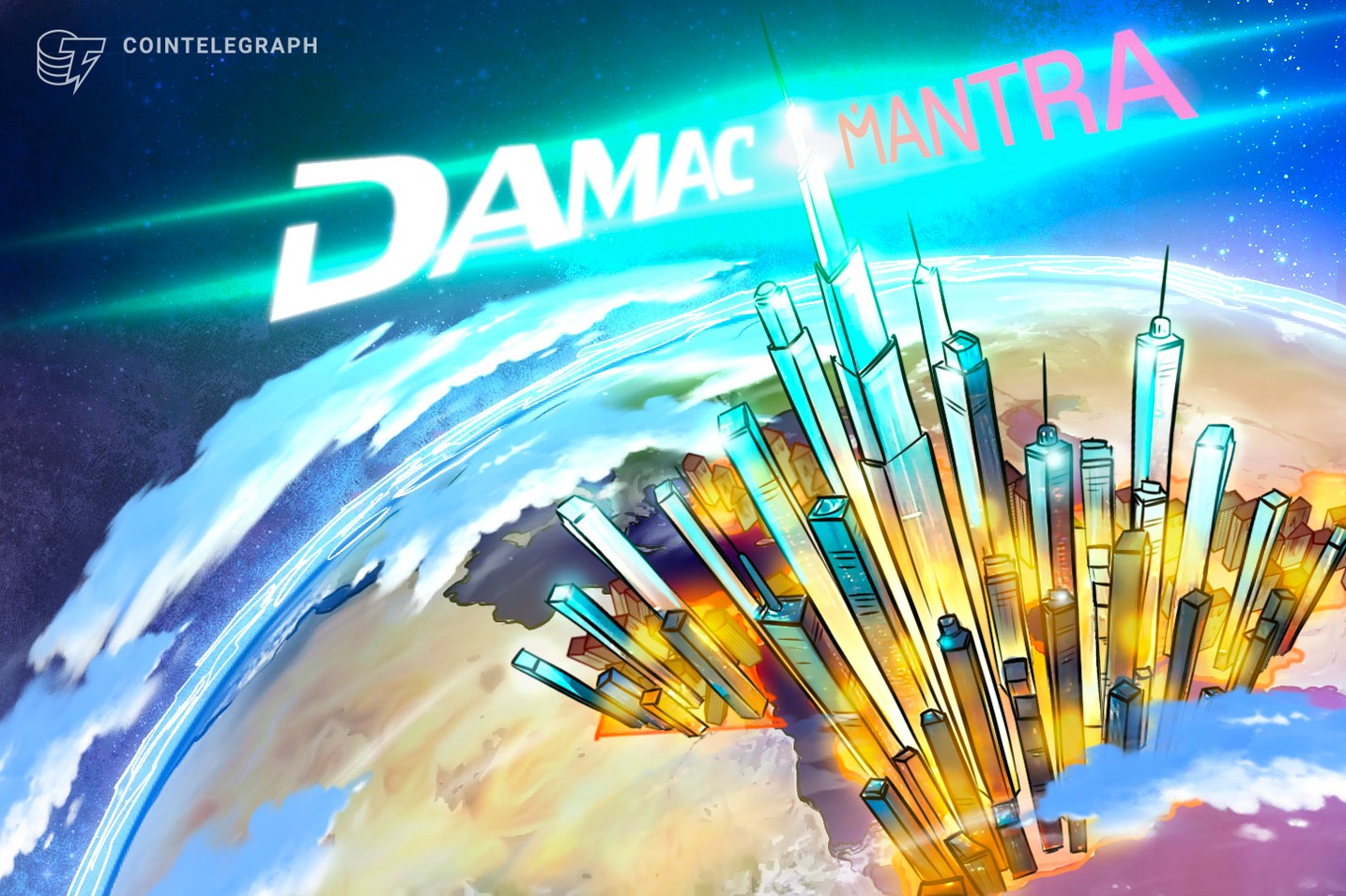
MANTRA, a blockchain platform for tokenizing real-world assets , has finalized a significant $1 billion agreement with DAMAC Group, a leading investment conglomerate in the UAE. This strategic partnership, announced on January 9, focuses on the tokenization of various assets within the Middle East region, bringing blockchain innovation into a thriving market.

The agreement underscores MANTRA’s commitment to expanding the use of decentralized finance solutions for asset management, leveraging blockchain’s potential to revolutionize traditional industries. DAMAC, known for its prominent presence in the real estate sector, will collaborate with MANTRA to tokenize a range of physical and financial assets, making them accessible through the blockchain.

DAMAC Group, founded by billionaire Hussain Sajwani in the early 2000s, has diversified its investments into several sectors, including real estate, hospitality, and entertainment. The company’s high-profile developments include luxury residential towers and resorts, which have shaped Dubai’s skyline. With a reputation for delivering upscale properties, DAMAC has long been recognized as one of the most influential developers in the region. By embracing blockchain technology, the firm seeks to modernize asset management and broaden the scope of its investment strategies.

MANTRA, on the other hand, has been gaining traction in the blockchain space for its unique approach to tokenizing real-world assets, including properties, commodities, and financial instruments. The platform’s capabilities allow users to invest in traditional assets using blockchain technology, enhancing liquidity and enabling fractional ownership. This process democratizes access to high-value assets, which was previously out of reach for smaller investors.

The partnership’s centerpiece is the tokenization of real estate assets, one of the most significant areas of focus. By converting physical properties into digital tokens, MANTRA and DAMAC aim to make real estate investment more inclusive and accessible. Investors can now trade or hold fractional ownership of properties without the traditional barriers of entry, such as the need for large capital investments or navigating complex ownership structures.

For DAMAC Group, this partnership represents an opportunity to broaden its investor base, reaching not only institutional investors but also individuals seeking exposure to high-end real estate. The ability to tokenize properties provides greater flexibility in managing assets and allows for more efficient transactions, as blockchain technology ensures transparency and reduces the need for intermediaries.

On a broader scale, the partnership aligns with global trends in digital finance, where the tokenization of real-world assets is seen as the next frontier for blockchain technology. While still a relatively new concept, the market for tokenized assets is rapidly growing, driven by increasing demand for alternative investment opportunities and the potential for blockchain to streamline asset trading.

The collaboration is also expected to have a broader economic impact in the UAE. The country has positioned itself as a global hub for technology and innovation, with several initiatives promoting the adoption of blockchain and other emerging technologies. This agreement between MANTRA and DAMAC highlights the UAE’s continued efforts to integrate cutting-edge technologies into traditional industries such as real estate.

Tokenization has the potential to address several challenges in the real estate sector, including illiquidity, high transaction costs, and the complexity of cross-border investments. Blockchain’s decentralized nature provides enhanced security and reduces the risks typically associated with traditional financial systems. Through tokenization, investors can gain access to a much broader array of real estate opportunities, including properties that were once considered inaccessible due to geographic or financial constraints.

The agreement between MANTRA and DAMAC could pave the way for future collaborations with other players in the real estate and investment sectors, both in the UAE and beyond. With the rise of digital assets, there is an increasing need for traditional businesses to adapt to the changing landscape of finance. Blockchain and tokenization offer a solution that meets this need, providing greater transparency, security, and efficiency in asset transactions.

The tokenization of RWAs is not just limited to real estate. Other sectors, including commodities, art, and even intellectual property, are beginning to explore how blockchain can enhance their operations. This trend is expected to accelerate in the coming years, as more businesses realize the potential benefits of tokenizing their assets. In this context, the MANTRA-DAMAC partnership could serve as a model for other companies looking to tap into the growing market for blockchain-based asset management.

As the global economy continues to evolve, so too does the role of blockchain in reshaping traditional industries. The MANTRA-DAMAC collaboration is a clear example of how blockchain technology can be leveraged to unlock new opportunities, reduce friction in asset transactions, and foster a more inclusive financial ecosystem. The success of this partnership will likely have far-reaching implications for the future of asset tokenization, setting the stage for further innovation in the years ahead.

Circle has launched Paymaster, a new on-chain utility designed to simplify the payment of gas fees on Arbitrum and Base networks using USDC. The tool, which allows developers to integrate this service into their applications, aims to streamline the transaction process and reduce friction for users interacting with decentralized applications .

Paymaster offers a significant advantage for developers by allowing them to cover gas fees for their users, making transactions smoother and more cost-effective. This feature removes the typical barrier of needing Ether for transaction fees on Ethereum Layer 2 solutions, opening the door for a wider range of users who may not hold ETH but possess USDC. For users of Arbitrum and Base, this means they can conduct transactions without worrying about Ethereum gas fees.

Although Paymaster charges a 10% fee on each gas transaction, it offers a promotional period where the service is free until June 30, 2025. This strategic move is aimed at encouraging widespread adoption of the tool and attracting developers to integrate it into their applications during the promotional window. By removing the upfront costs associated with using the service, Circle hopes to increase the number of dApps leveraging Paymaster for smoother user experiences and broader accessibility.

The introduction of Paymaster comes as part of a broader trend of developing more user-friendly, accessible tools for the growing decentralized finance ecosystem. One of the ongoing challenges for the DeFi sector has been the complexity and cost associated with transaction fees, particularly on Ethereum-based networks. By introducing Paymaster, Circle is aiming to reduce some of these barriers, helping to bring the benefits of blockchain technology to a larger, more diverse group of users.

This launch also highlights Circle’s continued efforts to play a leading role in the broader blockchain ecosystem, particularly in the realm of stablecoins. USDC, Circle’s stablecoin, is already widely used across multiple networks, and the ability to use it for gas payments on Layer 2 solutions like Arbitrum and Base could increase its utility and solidify its position as a preferred digital dollar for decentralized applications.

By enabling gas fee payments in USDC, Circle is helping to reduce the friction that users and developers face when interacting with blockchain applications. It addresses the need for a more accessible way for users to participate in the growing ecosystem without needing to convert assets into ETH, simplifying the user experience and promoting the broader adoption of blockchain technology.

Developers stand to benefit from Paymaster as well, as it provides a way to ensure users can interact with their applications without worrying about transaction costs. This could make it easier for new users to enter the space, as the upfront costs for interacting with decentralized applications are often seen as a significant barrier to entry.

The promotional period of Paymaster being free until mid-2025 also serves as a clear invitation for developers to experiment with the tool and incorporate it into their applications without the concern of initial fees. By offering this incentive, Circle hopes to build a solid foundation of users and developers before the 10% fee becomes effective, which could lead to more long-term integration of Paymaster into various blockchain ecosystems.

As blockchain and crypto technology continue to evolve, the launch of services like Paymaster reflects the ongoing trend of trying to make the space more user-friendly and less daunting for new participants. With the promise of smoother transaction experiences and reduced costs, this service is expected to have a significant impact on the future development of decentralized applications and blockchain use cases.

The likelihood of wildfires in Los Angeles has increased by 35 percent due to climate change, a new report suggests. According to the findings, rising temperatures, altered precipitation patterns, and prolonged droughts, all exacerbated by global warming, have contributed to the current severity of wildfires in the region. Notably, the Palisades and Eaton Canyon fires are directly influenced by these climate-driven changes, pushing the local environment into […]

HSBC is focusing on enhancing its presence in Asia, leveraging strong growth from its Middle East and North Africa investment banking operations. By capitalizing on the economic momentum in the MENA region, the banking giant seeks to extend its influence in Asia, where it has a long-established footprint. The move is seen as a strategic effort to position HSBC as a leading financial institution in both regions, […]

Nice One, a rising star in Saudi Arabia’s beauty and e-commerce sectors, made a remarkable debut on the Riyadh stock exchange this January, reflecting the ongoing boom in IPO activity across multiple industries in the Kingdom. The IPO raised an impressive $320 million, a significant milestone for the company, which saw its stock price soar by 30% on its first trading day—the maximum allowed by the exchange.

Shares of Nice One were initially priced at 35 riyals per unit, marking a strong start for the company. As the market opened, the price quickly rose to a high of SAR 64.50, before stabilizing at SAR 55.70 by the close of Wednesday’s trading session. This surge not only underscored investor confidence in the company but also highlighted the growing demand for opportunities in the region’s burgeoning beauty and e-commerce markets.

For the broader Saudi economy, Nice One’s IPO serves as a testament to the Kingdom’s strategic push to diversify its economy away from oil dependency and build up other sectors such as technology, retail, and digital services. This wave of IPOs, particularly in non-energy sectors, aligns with Saudi Vision 2030, an ambitious plan to reshape the country’s economic landscape and foster growth in new industries.

Nice One’s debut has caught the attention of investors and analysts alike, with many viewing it as a potential model for other startups within the beauty and e-commerce space. The company’s rapid rise, spurred by the increasing popularity of online retail in the Kingdom, highlights the shifting consumer behavior in Saudi Arabia, particularly among younger generations who are eager to embrace digital and mobile-first shopping experiences.

The beauty and e-commerce sectors have experienced significant growth in recent years, particularly as digital transformation has accelerated across the region. Online shopping platforms, like Nice One, have become increasingly popular as consumers seek convenience, variety, and competitive pricing. This shift in buying habits has been particularly pronounced during the COVID-19 pandemic, which further propelled the growth of e-commerce, with many consumers opting for home delivery and digital shopping solutions.

Nice One’s success also reflects the growing appeal of online beauty products in the Saudi market. The beauty industry in the region has become a major player in the global market, driven by an increasingly affluent and brand-conscious population. Saudi Arabia is home to a young, tech-savvy demographic, with high disposable incomes and a keen interest in beauty and wellness products. This has created an attractive market for local and international brands looking to expand their presence in the Middle East.

The company’s strong performance is expected to encourage other players in the e-commerce and beauty sectors to follow suit. Analysts predict that as Saudi Arabia’s stock market continues to liberalize and attract international investment, more companies within high-growth industries will consider IPOs as a means to raise capital and gain exposure on a regional or global scale.

It’s worth noting that the success of Nice One’s IPO is also closely tied to Saudi Arabia’s wider push to strengthen its capital markets. The Tadawul exchange, the largest in the Arab world, has become a focal point for IPO activity. As part of its ongoing reforms, the government has introduced initiatives designed to make the stock market more attractive to both local and international investors, including new regulations and incentives for IPO listings.

Beyond the financial impact, Nice One’s IPO also holds significance for the future of the Saudi retail and digital landscape. The company’s strong debut is a clear indicator that there is substantial growth potential in Saudi Arabia’s beauty and e-commerce markets, which have gained increasing traction both within the Kingdom and across the wider Middle East region. This sets the stage for further investment and innovation, as more companies within these sectors look to scale and capture a larger share of the market.

With a price jump of 30% on its debut, Nice One’s IPO is being seen as a benchmark for other companies that are eyeing expansion in the highly competitive beauty and e-commerce space. It serves as a signal to the market that there is a strong appetite for well-positioned companies in high-growth industries. The success of Nice One could pave the way for more consumer-focused businesses to consider listing on Tadawul, further diversifying the Kingdom’s economy.

Looking forward, the focus will be on how Nice One navigates its post-IPO growth phase. While the early performance of its stock has been promising, the company will need to demonstrate its ability to scale and maintain investor confidence. This will require continued innovation, strategic expansion, and effective management of the rapidly evolving beauty and e-commerce landscape.

OpenAI CEO Sam Altman has hinted at upcoming advancements in artificial intelligence following the rapid emergence of DeepSeek, a Chinese AI startup that has recently entered the market. Altman emphasized OpenAI’s commitment to developing superior AI models to maintain its competitive edge. DeepSeek’s swift rise has raised significant concerns within the U.S. tech industry. The company has amassed over 2 million downloads, with its AI assistant surpassing […]

Advertisements

Brad Garlinghouse, the CEO of Ripple, has expressed strong support for a diversified U.S. digital asset reserve, which would include a broad range of cryptocurrencies rather than focusing solely on Bitcoin or Ripple’s XRP. His remarks come amid growing discussions about the future of digital currencies and their role in the global financial system. In an interview, Garlinghouse underscored the importance of building a multi-asset reserve, arguing […]

Tyler Winklevoss, co-founder and CEO of cryptocurrency exchange Gemini, announced on January 30, 2025, that the company will not hire graduates or interns from the Massachusetts Institute of Technology as long as former U.S. Securities and Exchange Commission Chair Gary Gensler maintains any affiliation with the institution. This decision follows MIT’s recent reappointment of Gensler as a professor, a move that has sparked controversy within the cryptocurrency community.

Winklevoss expressed his stance on social media, stating, “As long as @MIT has any association with Gary Gensler, @Gemini will not hire any graduates from this school. Not even interns for our summer program.” This statement underscores the tension between Gemini and MIT, highlighting the significant impact of Gensler’s return on the hiring policies of leading cryptocurrency firms.

The reappointment of Gensler, who served as SEC Chair from 2021 to 2023, has been met with mixed reactions. Supporters view his return as a positive development for MIT, bringing a wealth of experience in financial regulation and policy. However, critics, including Winklevoss, argue that Gensler’s tenure at the SEC was marked by stringent regulations that they believe stifled innovation in the cryptocurrency sector. They contend that his policies were overly restrictive and detrimental to the growth of digital assets.

Gemini’s decision to halt hiring from MIT reflects broader concerns within the cryptocurrency industry regarding regulatory approaches to digital assets. The industry has long advocated for clearer and more favorable regulations to foster innovation and growth. The reappointment of Gensler, perceived by some as a proponent of stringent regulations, has intensified these concerns.

The move by Winklevoss has sparked discussions about the relationship between academia and the cryptocurrency industry. Universities like MIT have been at the forefront of blockchain and cryptocurrency research, often collaborating with industry leaders. However, the differing perspectives on regulation and innovation have led to tensions, as evidenced by Gemini’s stance.

Industry analysts are closely monitoring the situation, noting that such actions could influence future collaborations between academic institutions and cryptocurrency firms. The decision by Gemini may prompt other companies to reassess their engagement with MIT and similar institutions, potentially leading to a reevaluation of partnerships and hiring practices within the industry.

El Salvador’s legislative assembly has passed a major reform to its Bitcoin law, a move aimed at aligning the country’s cryptocurrency framework with broader financial goals, particularly following an agreement with the International Monetary Fund . The reform has been met with mixed reactions both within the country and internationally, raising questions about its impact on the nation’s economic strategy.

The proposed amendments focus on ensuring that Bitcoin operates as a legal currency in the country but with significant modifications to the conditions under which it can be used. Key adjustments include enhancing regulatory oversight and establishing clearer parameters for businesses involved in cryptocurrency transactions. The reform aims to address concerns raised by both domestic and international financial institutions regarding the volatility and risks associated with Bitcoin, which was adopted as legal tender in the country back in 2021.

This shift comes in the wake of a formal agreement between the Salvadoran government and the IMF, which had previously expressed concerns over the country’s reliance on Bitcoin as a central part of its economic strategy. The IMF had cautioned against the risks of using a highly volatile asset as an official currency, urging El Salvador to exercise caution. The reformation of the Bitcoin law is seen as a response to these international pressures, signaling a more cautious approach to the integration of cryptocurrency into the country’s financial system.

President Nayib Bukele, a strong advocate for Bitcoin adoption, has repeatedly touted the cryptocurrency as a vehicle for financial inclusion and a potential catalyst for economic growth. Despite skepticism from various sectors, Bukele maintained that Bitcoin would bring long-term benefits by providing access to financial services for the unbanked population and attracting foreign investment. However, critics have pointed to the lack of widespread adoption, citing a significant portion of the population still hesitant or unfamiliar with the digital currency.

The IMF’s role in pushing for the law reform underscores the complexities of El Salvador’s economic situation, especially as the country grapples with its growing debt levels and reliance on foreign aid. The approval of the Bitcoin law reforms is a step toward meeting conditions set by international lenders, who have been cautious about the potential destabilizing effects of cryptocurrency on traditional financial systems. For El Salvador, it marks a delicate balancing act between maintaining Bukele’s vision of innovation and securing crucial international financial support.

Supporters of the reform argue that the changes will provide greater clarity for businesses and consumers alike, reducing the legal and economic uncertainty surrounding Bitcoin transactions. By introducing new regulations, such as anti-money laundering provisions, the government aims to ensure that Bitcoin is not used for illicit purposes, while maintaining the broader goal of financial modernization.

On the other hand, critics of the reform are concerned that the amendments do not go far enough in addressing the fundamental issues with Bitcoin’s integration into the national economy. For instance, while the new rules may curb some of the more problematic aspects of cryptocurrency adoption, they may not alleviate the inherent risks tied to Bitcoin’s market fluctuations. The cryptocurrency has demonstrated significant price volatility, which has led to financial instability in countries that have taken similar paths to adopting Bitcoin.

The reform also comes at a time when the global cryptocurrency landscape is facing increasing scrutiny. In the U.S., regulatory bodies are tightening their stance on digital currencies, raising concerns over security, transparency, and the potential for fraud. Similarly, countries such as China and India have taken a more restrictive approach to cryptocurrency, while others like El Salvador and Paraguay have embraced it with varying degrees of enthusiasm and regulation.

This complex global backdrop means that El Salvador’s decision to overhaul its Bitcoin law is not just a domestic issue but part of a broader dialogue on the future of cryptocurrencies in national economies. Some observers argue that the reform may be part of a broader trend where countries reconsider their initial forays into cryptocurrency adoption, especially as economic realities evolve and financial pressures mount.

The Salvadoran government’s decision to overhaul the Bitcoin law also has implications for its wider economic policies. It highlights the ongoing tensions between innovation and regulation, as well as the balancing act that small economies must perform when navigating the global financial system. As the country continues to depend on foreign aid and investment, including funds from the IMF, the path forward for Bitcoin in El Salvador remains uncertain.

El Salvador’s experience with Bitcoin has served as a case study for other countries contemplating similar moves. The nation’s attempt to embrace the digital currency as a national legal tender has been watched closely by governments and financial institutions around the world. With the reform, El Salvador seems to be taking a more cautious approach to cryptocurrency, which may signal a shift away from its previously bold stance on Bitcoin.

Propichain has seen a surge in interest, drawing attention from traders looking for high-return opportunities as Cardano’s price stagnates. Analysts, who remain optimistic about Cardano’s long-term prospects, are closely watching the rise of Propichain, a new player in the blockchain ecosystem with a focus on real estate applications. Despite Cardano’s past success, the recent downturn has led investors to explore alternatives, with Propichain emerging as a promising contender for those seeking greater gains.

Cardano, once a leader in the blockchain space, has seen its momentum slow down significantly. Price analysts and traders are increasingly concerned about its short-term performance, with some questioning whether the blockchain can deliver on its early promise in the face of emerging competition. Propichain, however, has gained traction quickly by offering a unique value proposition in the form of a real estate-focused ecosystem. This new approach is garnering attention for its potential to capitalize on the growing demand for blockchain technology in the real estate sector.

Propichain’s strategy revolves around integrating blockchain solutions with real estate transactions, offering transparency, efficiency, and security. Its platform is designed to simplify the process of buying, selling, and renting properties through smart contracts and decentralized finance mechanisms. This offers a more direct way to facilitate transactions while reducing the need for intermediaries, a key pain point in traditional real estate markets.

What sets Propichain apart from other blockchain projects is its commitment to solving real-world problems in an industry that has been slow to adopt blockchain technology. Real estate is a sector that has been plagued by inefficiencies, such as lengthy processes, high transaction costs, and issues with trust between parties. Propichain aims to address these challenges, providing a solution that could revolutionize the way properties are traded globally.

Propichain’s real estate tokenomics also offer a strong incentive for investors. The blockchain’s native token is used to facilitate transactions and incentivize participants within the ecosystem, including buyers, sellers, developers, and other stakeholders. Analysts have noted that the potential for massive returns in this sector is a key factor driving interest in Propichain, especially given its innovative approach to tackling the inefficiencies that have long hindered real estate transactions.

For Cardano enthusiasts, the slowdown in its price performance has led many to look for viable alternatives with more immediate growth potential. While Cardano continues to be viewed positively by many long-term investors, Propichain’s rise is providing an opportunity for traders seeking quicker returns. Cardano’s slower growth in the market, despite the continued development of its ecosystem, has left some investors feeling cautious. In contrast, Propichain’s rapid development and novel approach to real estate make it an appealing choice for those eager to capitalize on a potentially explosive market.

The growing interest in Propichain is further fueled by the increasing demand for blockchain solutions in sectors beyond cryptocurrency. Real estate, with its global appeal and the constant need for innovation, offers an ideal environment for blockchain to thrive. As more developers and real estate professionals explore the benefits of decentralized platforms, Propichain is positioning itself to become a key player in this emerging market.

Traders have taken notice of Propichain’s potential to deliver high returns in a relatively short period. With its strategic focus on real estate and a unique tokenomics structure, Propichain offers a compelling investment opportunity for those looking to diversify their portfolios and gain exposure to a rapidly growing industry. As blockchain adoption continues to expand across various sectors, Propichain’s real estate ecosystem could be well-positioned for a parabolic rally in the coming months.

Despite the excitement surrounding Propichain, analysts have cautioned that the volatility of the cryptocurrency market remains a factor to consider. As with all emerging technologies, there are inherent risks involved. However, the growing demand for innovative solutions in real estate, combined with Propichain’s early success, positions the platform as a potentially significant player in the blockchain space.

While Cardano’s price performance has left many investors feeling uncertain, the development of Propichain has provided an intriguing alternative. As blockchain technology continues to evolve, the real estate sector stands to benefit significantly from the adoption of decentralized solutions. Propichain’s ability to tap into this market, while offering a more efficient and secure way to conduct transactions, has led many to believe that it may soon become a key player in the cryptocurrency and real estate industries.

Tesla continues to hold a substantial amount of Bitcoin, reaffirming its position as one of the largest corporate holders of the cryptocurrency. In its latest shareholder update for the fourth quarter of 2024, the company revealed that it did not sell any of its Bitcoin during the period. This follows a trend from previous quarters where the electric vehicle giant chose to maintain its cryptocurrency assets instead of liquidating them for cash.

As of the end of Q4 2024, Tesla holds 9,720 Bitcoins, a figure that has remained consistent since its last quarterly report. The company’s Bitcoin holdings are valued at approximately $250 million based on current market prices, a significant sum given the volatility of the cryptocurrency market. Despite fluctuations in the value of Bitcoin, Tesla has opted to retain its investment in the digital asset, signaling its long-term outlook on the future of cryptocurrency.

Tesla first announced its Bitcoin purchase in early 2021, acquiring $1.5 billion worth of Bitcoin. The announcement caused a surge in the price of the cryptocurrency and drew considerable attention to Tesla’s unconventional move in adopting digital currency. The company’s CEO, Elon Musk, has been a vocal proponent of Bitcoin, and Tesla’s move was seen as a significant endorsement of the cryptocurrency by a major publicly traded company.

However, Tesla’s Bitcoin strategy has not been without its challenges. In 2021, the company temporarily halted Bitcoin payments for its electric vehicles, citing concerns over the environmental impact of Bitcoin mining. This decision led to a dip in Tesla’s stock price and raised questions about the company’s stance on Bitcoin. Despite this, Tesla continued to hold its Bitcoin reserves, and its Q4 2024 update confirms that no changes were made to its position.

The company’s stance on cryptocurrency remains a topic of interest, particularly as other major corporations and institutional investors are also increasing their exposure to Bitcoin. Investment firms and asset managers are increasingly exploring ways to integrate digital currencies into their portfolios, and some have followed Tesla’s example in purchasing Bitcoin as part of their investment strategies. Tesla’s decision to hold Bitcoin through volatile market periods has drawn attention from investors who are keen to understand how the company balances its crypto holdings with its core automotive and energy businesses.

While Tesla has made no significant changes to its Bitcoin strategy, the company’s continued commitment to cryptocurrency reflects broader trends in the financial and technology sectors. Bitcoin has become an increasingly important asset in global markets, and its role as a store of value and potential hedge against inflation is being widely discussed. Despite some regulatory challenges and environmental concerns, Bitcoin remains a key focus for many investors and companies.

Tesla’s involvement in cryptocurrency is also linked to its broader vision of advancing renewable energy and adopting innovative technologies. Elon Musk has frequently expressed interest in integrating clean energy solutions with emerging technologies, including digital currencies. Tesla’s commitment to Bitcoin could be seen as part of its larger strategy to position itself at the intersection of technology, finance, and sustainability.

The broader landscape of corporate Bitcoin adoption is evolving, with many companies taking a cautious approach in managing their digital assets. While Tesla continues to hold its Bitcoin reserves, it has refrained from making further purchases or sales, leaving some to speculate about its long-term strategy. It remains to be seen whether Tesla will increase its holdings or make adjustments based on market conditions or regulatory developments.

Tesla’s decision to hold onto its Bitcoin could also be influenced by regulatory uncertainty surrounding cryptocurrency. Governments and financial regulators worldwide are closely scrutinizing digital assets, with varying degrees of regulation being implemented in different regions. Some countries have moved towards stricter regulations, while others have embraced cryptocurrencies as part of their financial systems. Tesla, like many other companies, is likely monitoring these developments as it assesses its cryptocurrency strategy.

As of now, Tesla’s Bitcoin holdings are a relatively small portion of its overall market capitalization, which is primarily driven by its electric vehicle sales and clean energy products. Nevertheless, the company’s ongoing engagement with Bitcoin highlights the growing intersection of technology and finance and signals its willingness to take calculated risks in exploring new markets.

Solana’s recent price surge has generated a wave of optimism in the cryptocurrency space, as investors speculate on the potential for the blockchain’s value to continue climbing. With buzz surrounding the approval of exchange-traded funds tied to cryptocurrencies and the increasing attention from large-scale users, Solana is positioned as one of the most promising assets. Its growing influence suggests significant shifts may be ahead in the broader digital asset landscape, making it essential to evaluate the factors driving this momentum.

The primary driver behind Solana’s resurgence is the anticipated approval of Bitcoin ETFs, which has sparked renewed investor interest in digital assets. While Bitcoin dominates the market, the potential for cryptocurrency ETFs to open up broader institutional participation could help raise the value of assets like Solana. The growing excitement around these ETFs is paving the way for more diversified exposure to cryptocurrencies, providing a foundation for other blockchain networks, including Solana, to gain substantial market share.

Beyond institutional investors, another factor contributing to Solana’s rise is the growing focus on the XYZVerse—a virtual ecosystem that is catching the attention of large users and influencers in the tech space. These large-scale actors, known as “whales” in crypto parlance, are starting to move significant amounts of capital into platforms like XYZVerse, further solidifying Solana’s potential for growth. This influx of attention from well-established players signals a shift in the broader digital landscape, as companies and investors alike look for opportunities to integrate blockchain technology into their existing infrastructure.

The XYZVerse, which is being touted as a decentralized metaverse, holds the promise of revolutionizing how users interact with the digital world. Built on a blockchain infrastructure, it offers opportunities for creating decentralized applications , handling financial transactions, and engaging with immersive virtual environments. As whales flock to this space, the demand for blockchain solutions that can scale and operate efficiently is higher than ever. Solana, with its high throughput and low transaction costs, has become an attractive option for developers looking to deploy services within this new digital ecosystem.

With the increased focus on these emerging platforms, the market is witnessing a renewed interest in Solana’s technical capabilities. The network’s ability to process transactions at high speed while keeping costs low gives it an edge over many of its competitors, positioning it well for future growth. For instance, Solana’s proof-of-history consensus mechanism ensures that data is time-stamped and verified in a highly efficient manner, making it an ideal candidate for large-scale applications. This has prompted both developers and investors to view the blockchain as a top contender in the race for dominance in the crypto space.

Solana’s ecosystem is seeing significant expansion, with new projects continuously emerging. From decentralized finance applications to non-fungible tokens and beyond, Solana’s ability to host and scale a wide range of use cases makes it a central figure in the future of decentralized technologies. As more developers build on Solana, the platform’s network effect grows, drawing in additional users and capital that could push the asset to new heights.

With Solana trading at a level that many observers consider undervalued, the potential for further price appreciation remains high. Analysts are already projecting a bullish outlook, with some forecasting that Solana could hit $400 per coin if the current trends continue. This optimism stems from a variety of factors, including increasing institutional participation, the burgeoning interest in virtual worlds like XYZVerse, and Solana’s technological advancements that set it apart from other blockchain platforms.

However, as with any market, there are risks to consider. The cryptocurrency space is known for its volatility, and Solana’s price movements are no exception. Regulatory challenges, network security concerns, and competition from other blockchain projects could temper its growth. Despite these risks, Solana’s strong fundamentals and growing adoption make it a strong contender for continued upward movement.

The rising optimism surrounding Solana’s future also highlights a broader trend in the digital asset space: the increasing institutionalization of cryptocurrency markets. As more financial institutions seek to integrate blockchain technologies and cryptocurrencies into their portfolios, assets like Solana are well-positioned to benefit. Solana’s speed, scalability, and affordability make it an appealing choice for both institutional investors and developers.

The increasing focus on Web3 technologies, which emphasize decentralized control of data and digital assets, adds another layer of growth potential for Solana. As more platforms and applications emerge that prioritize decentralization and blockchain-based solutions, the demand for platforms like Solana is likely to increase. This shift towards Web3 aligns with broader societal trends favoring privacy, security, and user autonomy, further enhancing Solana’s prospects in the digital economy.

The excitement surrounding Solana’s future is also tied to the rise of decentralized finance and the expanding role of blockchain in traditional finance. DeFi platforms, which operate without intermediaries, have seen massive growth in recent years, and Solana’s infrastructure has become an attractive base for these applications. The combination of low fees, fast transaction speeds, and the ability to scale make Solana an ideal choice for DeFi developers.

As the market continues to evolve, the interaction between established players, such as Bitcoin, Ethereum, and emerging platforms like Solana, will shape the future of digital assets. Solana’s rising prominence is a reflection of the increasing diversification within the cryptocurrency ecosystem, as investors look for projects that offer innovation, scalability, and real-world utility.


Coinbase has recently strengthened its Advisory Board by appointing four influential political and financial experts. This move marks a strategic push by the cryptocurrency exchange to enhance its operations and reputation, particularly in navigating complex regulatory landscapes and expanding its influence in both the financial and governmental sectors.

The new appointments signal Coinbase’s ongoing commitment to improving its strategic positioning in the fast-evolving digital asset market. As the cryptocurrency industry faces heightened regulatory scrutiny, the company is keen on leveraging the expertise of these newly appointed advisors to help guide its operations through potential legislative challenges. The new advisory team consists of individuals with deep experience in policy-making, finance, and corporate governance.

The individuals appointed bring with them decades of experience in various sectors, including finance, law, and public policy. Their expertise is expected to play a pivotal role as Coinbase continues to refine its regulatory strategies while expanding its services to new markets. Their knowledge will also assist the company in strengthening its communication with regulators and policymakers, two key groups that have become increasingly important for the exchange’s future growth.

One of the notable appointments is that of a former U.S. senator, whose background in government service is expected to provide valuable insights as Coinbase works to influence and shape crypto-related legislation in Washington. This particular appointment aligns with the company’s ongoing efforts to establish strong relationships within the political sphere, a move considered vital to the success of crypto businesses in the U.S. amid growing concerns over regulatory frameworks.

Another prominent addition is a former senior executive from one of the world’s largest investment banks. The experience of this new advisory member in financial markets and risk management will likely benefit Coinbase as it navigates market volatility and continues to expand its institutional offerings. With increased institutional interest in cryptocurrencies, the advice of such an expert could prove instrumental in helping Coinbase better serve large-scale investors and ensure robust compliance practices.

The composition of the new advisory board also includes experts with vast experience in global financial markets and regulatory affairs. These appointments reflect Coinbase’s strategy to solidify its presence internationally, as the company has faced varying degrees of regulatory scrutiny in markets outside the United States, particularly in Europe and Asia. By bringing on board individuals who have worked with international regulators, Coinbase appears poised to strengthen its international operations and better understand the regulatory demands in multiple regions.

Coinbase’s decision to bolster its Advisory Board comes at a time when the cryptocurrency industry is grappling with an evolving regulatory environment. Global regulators have intensified their efforts to create clearer frameworks for digital assets, while lawmakers continue to debate the role of cryptocurrencies in the broader economy. By bringing in top-tier experts from political and financial backgrounds, Coinbase seeks to ensure that it remains at the forefront of the ongoing dialogue surrounding digital asset regulation.

As one of the largest cryptocurrency exchanges in the world, Coinbase’s moves to enhance its advisory resources come as no surprise. The company has consistently been proactive in addressing regulatory concerns and fostering relationships with policymakers. This commitment to advisory growth is part of Coinbase’s larger strategy to build a more secure and compliant foundation for its business operations while positioning itself for sustainable long-term growth.

In recent years, Coinbase has increasingly emphasized its role as a responsible market player, striving to lead the industry toward more robust standards and practices. The newly appointed members of the Advisory Board are expected to contribute significantly to the company’s efforts in this regard. Their deep insights will likely guide Coinbase in its ongoing discussions with regulators and legislators to influence the regulatory landscape, especially as governments worldwide continue to examine the broader implications of blockchain technologies and cryptocurrencies.

Coinbase’s latest move comes as the digital asset industry continues to evolve, with developments in blockchain technology and decentralized finance contributing to an increasingly complex ecosystem. As cryptocurrency adoption grows, so too does the need for clear and effective regulation. The expansion of Coinbase’s Advisory Board, particularly with such distinguished new members, demonstrates the company’s proactive approach to navigating the regulatory challenges that lie ahead.

ElizaOS, formerly known as ai16z, has rebranded to enhance its collaboration with enterprises seeking advanced AI solutions. The project, which operates as a decentralized autonomous organization managed by AI agents, aims to solidify its position in the AI agent space.

The rebranding to ElizaOS reflects the project’s growing influence and commitment to developing cutting-edge AI technologies. The name change addresses concerns about brand confusion with the established venture capital firm Andreessen Horowitz, known as a16z.

Despite the rebranding, the ai16z ticker for its associated token will remain unchanged for now. Future updates, including potential changes to the ticker, will be determined through a DAO vote.

ElizaOS operates as a decentralized venture capital DAO run by autonomous AI agents. In January, Eliza Labs introduced ElizaOS, an open-source platform on Solana designed to build and manage AI agents and simulations.

The rebranding opens exciting doors to collaboration with established players eager to leverage ElizaOS’s groundbreaking technology. The project is now working on Eliza v2, aiming to create the most feature-rich agent framework ever developed.

Despite the rebranding, the ai16z ticker for its associated token will remain unchanged for now. Future updates, including potential changes to the ticker, will be determined through a DAO vote.

The ai16z token has experienced a sharp decline, dropping over 12% to $0.56 and marking a 53% drop in the last seven days. The broader AI crypto market cap has also suffered, falling to $37 billion, a 3.5% decline amid a downturn in AI-related assets.

Cboe BZX Exchange has refiled its application for spot Solana exchange-traded funds , paving the way for potential market shifts in the cryptocurrency space. The move comes after the U.S. Securities and Exchange Commission delayed decisions on previous submissions, signaling growing interest and evolving regulatory scrutiny around crypto-based ETFs.

The refiled application is an important step for four companies looking to launch products that will directly track the price of Solana, one of the top digital assets by market capitalization. These filings represent a significant push by crypto-focused financial institutions to bring more crypto exposure to traditional investors via regulated market products.

Despite growing enthusiasm in the market for blockchain-based investment opportunities, the SEC remains cautious, having postponed previous decisions on a range of cryptocurrency-linked ETFs. Historically, the SEC has been slow to approve such products, citing concerns over market manipulation, liquidity issues, and the volatile nature of the assets involved. The approval of such ETFs could represent a landmark development in how cryptocurrencies like Solana are integrated into mainstream financial markets.

The companies involved in the application process are seeking to offer products that provide direct exposure to Solana’s price movements. By tracking the value of Solana in real-time, the ETFs would provide a vehicle for investors who want to gain exposure to the cryptocurrency without having to directly purchase or store the asset themselves. This development reflects the increasing integration of digital assets into mainstream finance, with institutions and retail investors alike seeking easier, regulated pathways to access the growing cryptocurrency market.

While Solana’s blockchain is known for its speed and scalability, it has also faced significant challenges, including network outages and security concerns. These hurdles, along with the overall volatility of cryptocurrency markets, have been key points of debate surrounding the approval of digital asset ETFs. However, the renewed push for the approval of Solana-based ETFs highlights a broader trend of growing institutional and regulatory acceptance of blockchain technology, despite these risks.

Crypto investors have been closely monitoring the SEC’s stance on spot crypto ETFs, as these products would provide a more direct link between the digital assets and traditional financial markets. The approval of such ETFs could bring more legitimacy to cryptocurrencies and attract a broader investor base. Traditional financial firms, including major investment banks, have shown increasing interest in offering crypto-related products, with some already creating futures-based ETFs. The approval of a spot Solana ETF could help solidify the case for cryptocurrencies as an asset class.

Solana’s standing in the cryptocurrency market, along with its strong community support, has been a driving factor in the latest push for ETFs. Despite the challenges the network has faced, including a series of technical difficulties and market volatility, Solana has remained a major player among blockchain platforms, with strong development and a growing list of decentralized applications. The platform’s rapid transaction speeds and lower costs compared to other blockchain networks, such as Ethereum, make it a strong candidate for institutional investment products.

Several key players in the crypto asset management industry are behind the push for spot Solana ETFs. These include well-established investment firms with a track record in crypto and traditional finance, aiming to bridge the gap between digital assets and more traditional investment products. Their strategic efforts to file applications reflect a broader vision of integrating blockchain-based assets into existing financial systems.

The SEC’s decision on spot crypto ETFs has been highly anticipated within both the crypto industry and the broader financial sector. As regulatory frameworks for digital assets evolve, market participants expect increased clarity from the SEC on the rules governing the creation and operation of such products. The outcome of this application process could have far-reaching implications, not only for the Solana ecosystem but also for the entire cryptocurrency market, setting a precedent for other blockchain-based ETFs in the future.

The approval of a spot Solana ETF would provide investors with a way to bet on Solana’s long-term potential without the complications associated with owning the digital asset directly. This could lead to increased participation in the cryptocurrency market, allowing more retail and institutional investors to engage with Solana through a product that fits within traditional financial structures. Additionally, the launch of such a product could bolster Solana’s visibility among investors who may be unfamiliar with its underlying technology but are interested in its financial performance.

Toncoin’s price has experienced a notable decline, trading at $4.81 on January 29, 2025, reflecting a 13.2% decrease over the past month. This downturn has been accompanied by a significant increase in exchange inflows, with over 240,000 TON tokens, valued at approximately $1.16 million, moved to exchanges in the past week. This surge in exchange activity suggests a potential sell-off by investors, contributing to the downward pressure on Toncoin’s price.

The recent price movement aligns with a bearish technical pattern known as the “death cross,” where the 50-day moving average crosses below the 200-day moving average. This pattern often signals further price declines. Additionally, Toncoin’s price has fallen to a key support level between $4.50 and $4.84, indicating a critical point for potential price stabilization or further decline.

Market analysts have observed that the increase in exchange inflows and the formation of the death cross pattern are indicative of a bearish trend. The decline in Toncoin’s price and the rise in exchange inflows suggest that investors may be liquidating their positions, contributing to the downward pressure on the cryptocurrency.

A devastating stampede at the Kumbh Mela festival in Prayagraj, Uttar Pradesh, resulted in the deaths of at least 15 individuals, with many more injured. The incident occurred in the early hours as thousands of devotees gathered for a ritual bath at the confluence of the Ganges, Yamuna, and the mythical Saraswati rivers.

Eyewitnesses reported that the stampede began when crowd-control barriers gave way, leading to panic among the pilgrims. Medical personnel on-site provided immediate assistance, while rescue teams worked tirelessly to transport the injured to nearby medical facilities. Families of the victims have been seen outside hospitals, anxiously awaiting news of their loved ones.

The Kumbh Mela, a six-week-long festival that commenced on January 13, is one of the most significant events in the Hindu religious calendar, attracting millions of pilgrims from across the country. On this particular day, considered highly auspicious, a massive influx of devotees was anticipated. Despite extensive preparations, including the deployment of hundreds of cameras and the establishment of a command center to monitor crowd density, the measures proved insufficient to prevent the tragedy.

Authorities had implemented advanced technologies, such as artificial intelligence, to manage the vast crowds. Approximately 300 cameras were installed throughout the festival grounds and along access routes, supplemented by drone surveillance. These systems were designed to provide real-time data on crowd movements and densities, enabling proactive management to avert potential dangers. However, the sheer number of attendees overwhelmed these precautions.

In response to the incident, Prime Minister Narendra Modi and Uttar Pradesh Chief Minister Yogi Adityanath have called for immediate support measures and urged the public to utilize alternative riverbanks for the holy dip to alleviate congestion at the primary site. Religious leaders have also appealed to pilgrims to avoid the main bathing areas and seek less crowded locations.

The Kumbh Mela has a history of tragic incidents. In 1954, more than 400 people died in a stampede during the festival, marking one of the deadliest crowd-related disasters globally. In 2013, another stampede resulted in 36 fatalities. These recurring tragedies highlight the challenges of managing such large gatherings, despite advancements in technology and infrastructure.

KUALA LUMPUR, MALAYSIA – Media OutReach Newswire – 29 January 2025 – This week, China and the world are celebrating the arrival of the Year of the Wood Snake. According to Chinese tradition, the snake represents intelligence and transformation, often symbolizing mystery and wisdom. Wood adds the qualities of growth and flexibility. An analysis provided by global broker Octa highlights how these attributes align with current trends […]

Reliance Industries has unveiled plans to establish one of the world’s largest AI data centers in Jamnagar, India. The project, which is estimated to cost between $20 billion to $30 billion, is poised to become a significant player in the global data infrastructure sector. Once completed, it will boast a capacity of three gigawatts, supporting the growing demand for artificial intelligence and cloud computing services.

This initiative marks a monumental step in Reliance’s ongoing push into the technology and digital services sectors. The company, led by billionaire Mukesh Ambani, has consistently sought to diversify its business interests, expanding from its roots in petrochemicals and telecommunications into cutting-edge digital and tech infrastructure. With the world increasingly leaning towards AI-driven innovations, the proposed data center aims to cater to this global shift.

The AI data center in Jamnagar will serve as a cornerstone for Reliance’s plans to tap into the rising demand for AI processing and cloud services. As artificial intelligence and machine learning applications continue to surge across industries such as healthcare, finance, and manufacturing, the demand for high-performance computing facilities like data centers has never been higher. The facility in Jamnagar will provide cloud infrastructure to businesses and governments, both within India and globally, to power their AI-driven operations.

Reliance’s ambitious investment in the data center underscores the growing role of India in the global AI ecosystem. The country has long been recognized as a hub for IT outsourcing and software development, but the establishment of a state-of-the-art AI data center will further cement its place as a global player in the technology sector. This move also aligns with the Indian government’s Digital India initiative, which aims to boost digital infrastructure and make India a leader in emerging technologies.

The choice of Jamnagar as the site for the massive data center is strategic, as the city is located in close proximity to key infrastructure such as ports and highways. Additionally, the region offers a reliable power supply and favorable geographical conditions, both essential for the energy-intensive operations of a large-scale data center. The location also places the facility within reach of other key business hubs in Gujarat, one of India’s most industrialized states.

Reliance’s data center project is not only about advancing technology; it also represents a significant economic opportunity for the region. The construction and eventual operation of the facility will create thousands of jobs, ranging from construction workers to highly specialized engineers and IT professionals. The facility will also serve as a major hub for tech startups, enabling them to access advanced computing infrastructure without having to make the hefty investments in building their own data centers.

The massive scale of the data center is a reflection of Reliance’s confidence in the future of AI technologies and the increasing reliance on data processing and storage. With AI applications expected to grow exponentially in the coming years, the company’s investment positions it at the forefront of a digital revolution. The facility will also support a range of advanced technologies, including 5G networks, IoT , and edge computing, further enhancing its relevance in the evolving tech landscape.

One of the central features of the Jamnagar data center will be its emphasis on sustainability. Given the environmental concerns surrounding the energy consumption of data centers, Reliance has pledged to incorporate renewable energy sources into the facility’s operations. The company has made significant strides in transitioning towards green energy in its other business divisions, and the new data center will follow suit by integrating solar power and other renewable energy technologies to ensure its operations align with global sustainability standards.

While Reliance’s venture into AI and data infrastructure may initially appear as an expansion into a new market, it is deeply connected to the company’s broader strategy. As one of the largest conglomerates in India, Reliance has access to a vast array of resources, including capital, land, and talent, which gives it a distinct competitive advantage. Furthermore, the data center is expected to strengthen the company’s position within its digital ecosystem, complementing its existing ventures in e-commerce, telecommunications, and digital services.

The project will also further bolster the strength of Jio Platforms, Reliance’s telecom arm, which has emerged as a major player in India’s digital services sector. Jio has made significant strides in providing affordable internet access across the country, and the new data center will help to support its growing cloud services. The combination of Jio’s telecom infrastructure and the cutting-edge AI capabilities of the new data center will offer businesses the tools they need to take advantage of the latest technological developments.

Given the increasing demand for AI and cloud computing services, Reliance is also set to face stiff competition from both global tech giants and other regional players. Companies like Amazon Web Services, Microsoft Azure, and Google Cloud have already established a strong presence in India, and their advanced data center infrastructures are widely used by businesses in the region. However, Reliance’s significant investments in the sector, its strong regional presence, and its ability to offer tailored services to the Indian market may give it a competitive edge.

China’s newest artificial intelligence innovation, DeepSeek, has made waves globally, causing major disruptions in the U.S. tech sector. Following its surprising success, U.S. technology stocks experienced a sharp sell-off, with investors expressing concerns over the rapidly evolving AI landscape. The emergence of DeepSeek has raised alarms among key players in the tech industry, particularly regarding China’s growing prowess in AI development and its potential to outpace American […]

Render, a fast-emerging cloud application platform serving over two million developers, has secured $80 million in Series C funding. This capital injection is expected to fuel the company’s ambitions to expand its global footprint and redefine the rapidly evolving cloud computing landscape. The investment was led by Geodesic Capital, with participation from existing investors including Coatue and SignalFire. Cloud computing continues to play a critical role in […]

Musify, an open-source music streaming application for Android, has been gaining traction among users looking for a more personalized and flexible music listening experience. The app, which is designed to give users full control over their playback, stands out in a competitive market dominated by proprietary platforms. Offering offline support, Musify provides a unique alternative to mainstream music services, allowing users to store their favorite tracks on their devices and access them without an internet connection.

While Musify’s open-source nature makes it an appealing choice for those who prioritize privacy and customization, the app’s features are also being praised for its user-friendly interface and seamless integration with existing music libraries. It provides a smooth and consistent experience for Android users who want to break away from the limitations of traditional streaming platforms, where the scope of control is often restricted.

The primary draw of Musify lies in its flexibility. Unlike most mainstream music streaming apps that rely on cloud-based servers, Musify offers users the ability to download songs and playlists directly to their devices. This offline functionality makes it ideal for users in areas with unreliable internet access or those simply looking to minimize data usage. This feature also makes it a perfect tool for users who wish to avoid the ads and other interruptions that are commonly seen in free versions of popular streaming services.

Musify’s commitment to open-source development also appeals to a specific audience—those who are keen on supporting free software projects. The app allows users to modify and contribute to its code, which is available on platforms like GitHub. This open-source model fosters a sense of community, as users are able to directly impact the app’s future development and suggest improvements. With an increasing interest in privacy and data protection, open-source software has been gaining ground, and Musify is positioning itself as a prominent player in this trend.

The app’s interface is simple yet functional, providing basic playback controls such as play, pause, skip, and volume adjustments. It also supports various file formats, ensuring compatibility with a wide range of music files. As it allows users to create personalized playlists, organize their music library, and even explore albums, Musify has quickly become a go-to option for Android users who value customization and ease of use.

Musify’s developer community has been particularly active in refining the app’s performance. Regular updates ensure that any bugs or issues are promptly addressed, and the platform’s open-source nature means that any developer with the right skills can contribute improvements. The app’s transparent development process allows users to track changes and suggest new features, creating a sense of ownership and loyalty among its community.

Despite its promising features, Musify faces stiff competition from more established players in the streaming industry. Platforms like Spotify, YouTube Music, and Apple Music continue to dominate the market with their extensive music libraries, curated playlists, and exclusive content. These services also benefit from advanced algorithms that personalize music recommendations based on user preferences, an area where Musify is still developing its capabilities. While Musify’s offline support and open-source model are strong selling points, it remains to be seen whether it can compete with the vast resources and technologies of the major players.

Musify’s growth and adoption will depend largely on its ability to carve out a niche in the crowded music streaming landscape. The app’s commitment to user freedom, data privacy, and offline functionality provides a unique alternative, but it will need to further refine its features to appeal to a broader audience. In particular, Musify may need to enhance its discovery features to rival the recommendation systems of Spotify and others.

As Musify continues to evolve, it could play a pivotal role in shaping the future of music streaming. The app’s emphasis on open-source development and user control positions it as an alternative to the mainstream, but its long-term success will depend on how it adapts to the rapidly changing digital music landscape. By focusing on its strengths—offline listening, customization, and data privacy—Musify could become a significant player in the global music streaming market.

Bambu Lab, a well-known name in the 3D printing industry, has faced a significant backlash due to ongoing firmware issues that have divided the community. This controversy has sparked heated debates among users, enthusiasts, and professionals, with some questioning the company’s commitment to quality and transparency. While the firmware glitches have affected various printer models, the aftermath has been particularly notable among the company’s top-tier products, leaving […]

VISHNU RAJA
RYO YAMADA
HITORI GOTOH
IKUYO KITA