Arjavi Indraneesh While demand for shisha smoking is steadily going up, air quality regulations, fire safety concerns and the operational burden of managing charcoal-based systems have historically presented challenges to hospitality venues. Ronan Barry, Chief Legal and Corporate Affairs at AIR, the global leader in hookah and pioneer in advanced inhalation technologies, spoke to the Arabian Post on the emerging shisha trends and the company’s future plans. […]
Joining Forces to Build a New Regional Value Chain and Drive Industrial Upgrading across ASEAN
HONG KONG SAR – Media OutReach Newswire – 21 April 2026 – Hong Kong has long maintained a robust bilateral relationship with Malaysia. As ASEAN’s third-largest economy, Malaysia possesses strong manufacturing and service sectors and stands as Hong Kong’s eighth-largest trading partner. Amidst the global restructuring of supply chains, Hong Kong leverages its unique position as an international innovation and technology centre anchored by its regional connectivity while remaining integrated with the world. It serves as a vital springboard and strategic hub for Malaysian enterprises expanding into regional markets and for emerging firms seeking to go global. The Hong Kong Productivity Council (HKPC) and the Federation of Malaysian Manufacturing (FMM) have signed a Memorandum of Understanding (MoU), marking the establishment of a deep strategic partnership. By integrating the resource advantages of both regions, the collaboration will provide technological innovation and market expansion support for enterprises in Hong Kong and Malaysia, optimising global supply chain layouts and helping Hong Kong better implement the “Bringing in and Going Global” strategy to seize regional development opportunities within ASEAN.
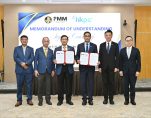
The Hong Kong Productivity Council and the Federation of Malaysian Manufacturing signed a Memorandum of Understanding, marking the establishment of a deep strategic partnership and integration of the resource advantages of both regions.
The signing ceremony of the MoU took place in Kuala Lumpur, Malaysia on April 20, 2026. Witnessed by Mr Jacob Lee Chor Kok, President of FMM; Tan Sri Dato’ (Dr) Soh Thian Lai, President Emeritus of FMM; Mr Owin Fung Ho Yin, Director of the Hong Kong Economic and Trade Office in Kuala Lumpur; and Hon Sunny Tan, Chairman of HKPC, the MoU was signed by Datuk Dr Yeoh Oon Tean, CEO of FMM, and Mr Mohamed D. BUTT, Executive Director of HKPC. This collaboration will facilitate the development of a new value chain connecting Hong Kong, Malaysia and ASEAN, driving new industrialisation in both regions while accelerating industrial upgrading and technological application.
Hon Sunny Tan, Chairman of HKPC, said, “Under the national 15th Five-Year Plan, Hong Kong has become a vital platform for enterprises to go global. Malaysia maintains robust ties with the Asian region, as well as the global industrial and trade markets. The signing of this MoU between HKPC and FMM marks a key milestone in the collaboration on industrial modernisation. We are committed to technological innovation, with a focus on enhancing expertise in automation, Industry 4.0, AI, and robotics, and actively building business matching platforms to facilitate business opportunities and expand our scope of cooperation. This not only deepens the partnership between the two organisations, but also establishes a strategic hub connecting Hong Kong with the ASEAN market. Hong Kong will fully leverage its ‘Bringing in and Going Global’, helping Malaysian enterprises precisely connect with the vast regional and global market while supporting Hong Kong companies in rooting themselves in ASEAN, co-creating a resilient and innovative cross-border value chain.”
Mr Jacob Lee Chor Kok, President of FMM, stated, “This MoU is just the beginning with our roadmap including joint technical training, workshops, technology visits and pilot projects to provide our members with first-hand exposure to the latest manufacturing innovations. We envision a future where Malaysian and Hong Kong companies collaborate on research and development (R&D), pilot new technologies and co-create solutions for emerging challenges”
Six Key Areas to Empower New Regional Industrial Upgrading HKPC and FMM will launch comprehensive cooperation to help enterprises transform technological empowerment into competitive advantage in today’s dynamic market. The two parties will focus on Smart Manufacturing & Industry 4.0, AI & Robotics Innovation, Digital Transformation & Cybersecurity, Cross-border Business Ecosystems and Talent Development.
This collaboration integrates FMM’s extensive supply chain network of over 4,000 member enterprises with HKPC’s profound R&D capabilities in product innovation and technology transfer. Through organising delegations, professional training, business matching, and technical seminars, we will assist enterprises in precisely mastering cutting-edge technologies and market trends. Furthermore, by promoting reciprocal visits between enterprises in both regions, we aim to foster mutual economic and trade empowerment. This synergy not only strengthens corporate resilience against supply chain risks but also ensures that enterprises from both regions secure a proactive position in global supply chain competition, co-creating a distinct competitive advantage.
Hashtag: #HKPC
The issuer is solely responsible for the content of this announcement.
Gold prices fell on Monday as a fresh flare-up in waters around the Strait of Hormuz rattled energy markets, pushed up the dollar and Treasury yields, and raised doubts over diplomatic efforts aimed at halting the war. Bullion, which often draws support in periods of geopolitical strain, came under pressure as traders focused instead on the inflationary impact of another oil-supply shock. The move highlighted a familiar […]
GUANGZHOU, CHINA – Media OutReach Newswire – 20 April 2026 – XTransfer, the World’s Leading B2B Cross-Border Trade Payment Platform, released its latest figures at the 139th China Import and Export Fair (Canton Fair). In the first quarter of this year, emerging markets across Asia, Africa, and Latin America accounted for 73% of XTransfer’s inbound cross-border payment collections, with 45% increase year-on-year. Collections from Africa, Latin America, and Southeast Asia increased 115%, 97%, and 18% year-on-year, respectively, highlighting growing demand among exporters for secure and efficient cross-border collection channels.
XTransfer at the 139th Canton Fair
According to statistics from the China General Administration of Customs, emerging markets in Asia, Africa, and Latin America have become a key driver of export growth. However, underdeveloped local financial infrastructure, incomplete cross-border payment systems, and shortages of foreign exchange mean buyers often struggle to access U.S. dollars. As a result, exporters in these markets frequently face low settlement efficiency, slow cash recovery, and risks such as account freezes.
To address these collection challenges, XTransfer has developed a comprehensive set of cross-border collection solutions. In 2025, payment collections from emerging markets in Asia, Africa, and Latin America rose 106% year-on-year. By region, collections increased 273% in Africa, 82% in Southeast Asia, and 94% in Latin America.
Over the same period, customs statistics show that in 2025, China’s total goods exports to Asia, Africa, and Latin America increased 14.6% year-on-year, with exports to Africa, Southeast Asia, and Latin America up 26.6%, 14%, and 8%, respectively. XTransfer’s significantly faster growth in collections compared with export growth suggests exporters are accelerating the shift from informal channels to secure, compliant collection methods, and that market recognition of high-quality cross-border payment services continues to rise.
Bill Deng, Founder and CEO of XTransfer, said emerging markets offer long-term opportunities for Chinese exporters, but many are held back by the “last mile” of collections. He added that XTransfer is committed to helping SMEs collect funds safely and quickly through secure, compliant, and efficient cross-border financial services comparable to those used by multinational companies.
Release of XTransfer PMI At the Canton Fair, XTransfer partnered with the Yicai Research Institute to publish the “China Small and Medium Enterprises (B2B) Merchandise Export Purchasing Manager Index” (XTransfer Export PMI), offering operational guidance and decision-making reference for small and micro export-oriented businesses.
This edition draws on a sample survey of XTransfer’s 800,000 SME users, selecting over 3,000 companies nationwide. It covers the full export process across export orders, pricing, procurement, logistics, staffing, and cash flow. The report shows that the March 2026 XTransfer PMI was 51.56%, indicating export conditions for SMEs are generally improving. Despite a complex external environment, SMEs have remained resilient and steadily strengthened their pricing power in international markets. Meanwhile, demand structures in emerging markets are reshaping, with export focus shifting toward intermediate goods and higher value-added products.
Resilience Amid Geopolitical Disruptions Customs data show that in the first quarter, China’s goods exports reached RMB 6.85 trillion, up 11.9% year-on-year, marking a strong start to the year and benefiting SMEs. The XTransfer PMI also shows expansion in the export order index (53.85) and the export price index (56.15). While seasonal factors like the Spring Festival affected the short term, the underlying “volume and price rising together” trend suggests SMEs are accelerating their shift from “low-price internal competition,” strengthening pricing power through technology upgrades and improved quality.
Geopolitical disruptions have also extended delivery times, pushing the logistics time PMI down to 37.50. In contrast, the sales collection (receivables) index rose to 68.59, showing a pattern of “goods moving slower, money returning faster”. This suggests overseas buyers remain strongly tied to China’s high-quality supply chain and are willing to raise prepayment ratios or shorten payment terms to secure capacity. One exhibitor, Mr Wang, said, “A Southeast Asian customer increased its deposit from 30% to 70% to lock in production, worried our capacity would be booked by others.“
Emerging Markets Demand Trends Toward “High-End” Upgrading The report highlights a shift toward higher-end demand in emerging markets. Africa’s export orders index (57.55) points to rising infrastructure-related demand; Latin America’s export orders index (56.47) and price index (57.81) signal opportunities in electromechanical and optical medical equipment; and Southeast Asia is absorbing components and semi-finished goods, calling for SMEs to move from finished-goods suppliers to supply-chain partners.
As industrialisation accelerates in emerging markets, demand for high-quality intermediate goods, complete electromechanical equipment, and technical services is rising. SMEs are moving from “low-end capacity exports” to “exports of technology and supply chain support”.
The composite PMI for the “New Three” (new energy vehicles, photovoltaics, and lithium batteries) was 54.59. The “New Three” sectors continue to hold growth potential, and enterprises need to enhance profit margins by delivering differentiated value. Hashtag: #XTransfer #PMI #Crossborder #Payment #SMEs
The issuer is solely responsible for the content of this announcement.
Light showers, dusty winds and rougher sea conditions are set to affect parts of the UAE over the coming days, with the National Centre of Meteorology forecasting a shift from fair skies on Sunday to cloudier, more unsettled weather from Monday night through midweek. Coastal areas, islands and some eastern parts are expected to face the highest chance of rainfall, while winds could reach 40kph and […]
China has launched a new satellite designed to track greenhouse gases with greater precision, adding a fresh layer of space-based monitoring to the country’s climate and environmental data network.
The satellite lifted off aboard a Long March-4C rocket from the Jiuquan Satellite Launch Centre in north-west China at 12:10 pm Beijing time on April 17. State media said the spacecraft entered its planned orbit successfully, marking the 638th mission of the Long March rocket family. Chinese reports described it as a high-precision greenhouse-gas detection satellite intended to strengthen observation of atmospheric conditions from orbit.
Chinese broadcaster CGTN reported that the satellite carries five instruments, including an atmospheric detection lidar, a broad-spectrum hyperspectral greenhouse-gas monitor, ultraviolet and infrared hyperspectral sensors for atmospheric composition, and a cloud-and-aerosol imager. Together, those tools are intended to improve detection of carbon dioxide, methane and related atmospheric variables, while helping scientists separate emissions signals from interference caused by clouds, aerosols and other background conditions. The spacecraft and launcher were developed by the Shanghai Academy of Spaceflight Technology, according to CGTN and other Chinese reports.
The launch gives Beijing a more advanced platform for a task that has become politically and economically important: measuring what is actually entering the atmosphere. Satellite-based observation has become a key part of climate governance because it can provide independent, repeated coverage across large industrial zones, energy corridors and remote terrain where ground-based monitoring is patchier or harder to verify. Methane, in particular, has come under sharper scrutiny because it traps far more heat than carbon dioxide over the short term, while carbon dioxide remains the dominant driver of long-term warming.
For China, the mission also carries strategic weight. The country has pledged to peak carbon dioxide emissions before 2030 and reach carbon neutrality before 2060, goals that require more dependable measurement of emissions trends and sector-by-sector performance. Yet that transition remains uneven. Reuters reported in February 2025 that China cut carbon intensity by 3.4 per cent in 2024, but still lagged behind its five-year target, underscoring the tension between climate pledges, industrial growth and energy security. More precise atmospheric data can help narrow that gap between policy targets and real-world measurement.
The new mission also builds on a longer Chinese effort to monitor greenhouse gases from space. In 2016, China launched TanSat, a carbon-tracking satellite aimed at taking global carbon dioxide readings roughly every 16 days, with accuracy of at least four parts per million, according to Reuters and the China National Space Administration. That earlier satellite was presented as a step towards giving policymakers more independent climate data. The new spacecraft appears to signal a move from pioneering measurement capability towards a more operational and higher-resolution system.
That matters beyond China. Space-based emissions tracking has gained prominence as governments, investors and campaigners press for more transparent climate accounting. The loss last year of MethaneSAT, a privately backed satellite funded in part by Jeff Bezos and operated by the Environmental Defense Fund, highlighted both the promise and fragility of this new monitoring architecture. At the same time, political pressure on some United States climate-observation programmes has raised concerns among scientists about the continuity of global emissions data. Against that backdrop, China’s launch adds capacity to a field in which international coverage remains valuable but uneven.
The timing is notable because climate data has become more than a scientific matter. It now feeds into carbon markets, industrial regulation, trade pressure and diplomatic claims over who is cutting emissions and who is not. Better satellite detection could strengthen verification of methane leaks from coal mines, oil and gas facilities, and large industrial sites, while also improving broader atmospheric modelling. Chinese researchers are already working on ever finer emissions datasets for the country, and the addition of a new orbital platform could help tighten links between satellite observation, ground measurements and policy enforcement.
Google has extended its Personal Intelligence system to the Gemini app’s built-in image generation tools, allowing users to create tailored visuals shaped by data from their own Google services, including Google Photos, rather than relying only on long text prompts or manual uploads. The update ties a more personal layer of context to Nano Banana 2, Google’s latest image model, as the company pushes harder to make […]
A court in Saratov has fined a local news agency and one of its executives after the outlet published a review of the television series Heated Rivalry, in a case that underlines how far Russia’s campaign against LGBTQ+ expression now extends into ordinary cultural coverage. The Oktyabrsky District Court in Saratov imposed a 500,000-rouble penalty on SaratovBusinessConsulting, widely known as SarBC, over an article that discussed why […]
South Korea is drawing a new wave of travellers who no longer see beauty as a shopping category alone but as a reason to travel. What began with online demand for Korean serums, masks and sunscreens has widened into a tourism stream built around dermatology appointments, skin clinics, make-up studios, scalp care, wellness packages and cosmetic procedures, with Seoul at its centre. Official data show the country’s tourism and medical visitor numbers have climbed sharply, giving stronger backing to the idea that beauty has become one of South Korea’s most marketable travel experiences.
The scale of that shift is visible in the medical figures. South Korea’s health authorities said 606,000 foreign patients visited in 2023, the highest number recorded since the country began tracking the sector in 2009. By 2024, the official Medical Korea platform put the figure at about 1.17 million foreign patients from 202 countries, while Seoul alone accounted for 999,642 of them, or about 85 per cent of the national total. The concentration in the capital is striking: Gangnam, Seocho, Mapo, Jung and Songpa handled the overwhelming bulk of these visits, confirming that beauty tourism is being shaped by a handful of highly specialised urban clusters rather than by the country as a whole.
Dermatology has emerged as the clearest entry point. Health ministry data for 2023 showed dermatology attracting the largest share of foreign patients, ahead of plastic surgery, and industry reporting through 2025 indicated skin treatments were outpacing more invasive procedures among international visitors. That matters because it widens the customer base. Travellers who might hesitate over surgery are more willing to book laser treatments, pigmentation care, lifting procedures, injectables or intensive facials during a short stay. The result is a form of tourism that overlaps with shopping and leisure rather than replacing them, making beauty visits easier to package into ordinary city breaks.
Government and tourism bodies have not treated this as a side trend. The Korea Tourism Organization has already built beauty directly into destination marketing through programmes such as the Korea Beauty Festival, which offers overseas visitors discounts and experiences across hair, make-up, fashion, medical treatment and wellbeing. Seoul authorities have also expanded the infrastructure around foreign patients, pointing to a jump in registered international medical centres and greater use of interpreter coordinators to help overseas visitors navigate consultations and aftercare. That kind of support helps explain why South Korea’s beauty appeal now rests not just on trendsetting products but on the ease of consuming beauty services inside a highly organised visitor ecosystem.
Another force behind the surge is the spread of Korean popular culture. K-pop, drama and celebrity social media have long influenced global beauty standards, but the commercial effect is now spilling into travel. Reuters reported on Thursday that South Korea logged an all-time monthly tourism high of 2.06 million foreign visitors in March, with first-quarter arrivals reaching 4.76 million. That growth was linked chiefly to cultural pull, including the return of BTS activity and wider interest in Korean entertainment. Beauty tourism benefits from the same soft-power halo: audiences who first encounter Korean looks through idols, actors or influencers are increasingly seeking the clinics, salons and skincare routines associated with them.
Commerce tells the same story. Reuters reported last year that South Korea overtook France as the largest cosmetics exporter to the United States in 2024, underlining how deeply Korean brands have penetrated daily routines abroad. Official trade ministry material later said cosmetics exports reached a record $10.2 billion in 2024 and were still climbing in 2025, while other official data cited in January put 2025 exports at an all-time high of $11.43 billion. Those sales matter because they function as marketing for the destination itself. Consumers who begin with Beauty of Joseon, Medicube, Biodance or similar brands often move from product loyalty to place loyalty, treating Seoul as the authentic site where innovation, testing and experience come together.
Yet the boom is not without friction. South Korea ended its VAT refund scheme for foreign cosmetic and dermatological procedures from January 2026 after allowing the incentive to run for about a decade. Industry groups warned that the move could dent price competitiveness and push more cost-sensitive travellers towards rivals such as Singapore or other regional markets. Some clinics, however, argued that the refund had become less decisive than reputation, safety and trust, especially for visitors worried about counterfeit products, opaque pricing or weaker specialist ecosystems elsewhere. That debate goes to the heart of South Korea’s position: whether it is winning mainly on affordability or on brand, quality and concentration of expertise.
Bitcoin’s market backdrop has strengthened sharply, with a closely watched Bull Score Index climbing to its highest reading since October 2025 after several previously weak on-chain signals improved over roughly three days, according to market analytics platforms tracking network activity and investor behaviour. The shift has added momentum to a rebound that has pushed Bitcoin back towards the mid-$70,000 range, even as analysts warn that the move […]
A sharp jump in brute-force attacks against SonicWall and Fortinet devices has put security teams on alert, after Barracuda said such activity made up more than half of the confirmed incidents its SOC tracked during February and March, with about 88% of the attacking IP addresses geolocated to the Middle East. The company said most attempts failed because they were blocked or aimed at invalid usernames, but […]
TURIN, ITALY – Media OutReach Newswire – 14 April 2026 – The traditional automotive model is obsolete. It is rigid, capital-heavy, and dependent on massive dealership inventories that drive up costs for the consumer. XEV is now challenging that legacy structure with the rollout of its Customer-to-Manufacturer (C2M) ecosystem. By launching the world’s first mass-customization project for micro electric vehicles, including the flagship XEV YOYO, the company allows European drivers to order personalized vehicles directly. This approach eliminates the inventory burden and introduces a “Battery-as-a-Service” model that removes the two biggest barriers to EV adoption. Those barriers are high upfront costs and residual value risk.
XEV
Decoupling the Battery from the Price Tag
For decades, the battery has been the most expensive single component of an electric car. It is also the component most likely to depreciate. XEV’s innovative business model fundamentally alters this equation by separating the vehicle (hardware) from the battery (service).
Customers purchase the car but lease the energy capacity. This strategy significantly lowers the initial purchase price. It makes premium urban mobility accessible to a broader demographic. This ranges from young professionals seeking their first vehicle to fleet operators managing tight margins.
“We are not just manufacturing cars. We are redefining vehicle ownership,” says the XEV leadership team. “Our goal is to make car production as flexible as smartphone manufacturing. We give users exactly what they need for city living without the financial weight of traditional ownership.”
3 Minutes to Full Power: Solving the Charging Crisis
Range anxiety remains a critical hurdle for European EVs. This is particularly true for drivers without private home charging infrastructure. XEV addresses this with its proprietary battery swapping network.
The XEV YOYO and the upcoming XEV XPRESSION are engineered with a modular battery system. Instead of waiting hours at a charging point, drivers pull into a dedicated station. They complete a fully automated battery replacement in approximately three minutes.
This “SWAPPING” technology does more than save time. It improves operational efficiency for commercial users and ensures the vehicle is immune to battery degradation. Since the driver does not own the battery, they never have to worry about the cell’s lifespan affecting the car’s resale value. This creates a “Zero Usage Anxiety” experience for the owner.
Data-Driven Customization: The End of “One Size Fits All”
The XEV lineup is purpose-built for the narrow streets and high congestion of European cities. With a compact footprint of roughly 2.5 meters, the YOYO navigates historic city centers with ease. However, small size does not mean limited options.
Unlike legacy automakers that push stock inventory, XEV utilizes a data-driven C2M model. Users configure their vehicles via an online platform. They select distinct exterior colors, interior materials, wheel designs, and specific features. This user input triggers a flexible production process that creates a customizable car tailored to specific tastes. XEV uses the massive data generated from these customization choices to refine future designs and forecast market trends with precision.
Commercial Application: Powering the Last-Mile Economy
The flexibility of the XEV platform extends well beyond personal commuting. It is designed to serve the booming last-mile economy. The platform supports last-mile delivery vehicles and shared mobility fleets.
XEV provides specialized enclosed cargo options for logistics companies. The vehicle can even be customized for small business applications, such as mobile coffee carts or retail trucks. For small business owners, the vehicle serves as a mobile asset that can be configured for specific trades, effectively lowering the barrier to entry for entrepreneurs.
XEV has already initiated pilot projects with major European logistics firms to prove the model’s viability for high-frequency urban commuting and commercial delivery. For car-sharing services, the high utilization rates and low maintenance needs of the YOYO make it an ideal asset for time-based rental fleets. The modular design further supports this eco-friendly lifecycle by facilitating easy repair and part upgrades. This extends the product lifespan and reduces waste compared to traditional vehicles that are often scrapped when a single major system fails.
A Strategic Supply Chain for a New Era
XEV achieves this level of flexibility through a strategic manufacturing model. The company adopts a capital-light approach that relies on deep collaboration with mature Asian automotive supply chains. This ensures rigorous quality control and cost efficiency without the bloating of traditional manufacturing.
Simultaneously, XEV is committed to European localization. The company is currently establishing assembly hubs and battery swapping networks across Europe to better serve local demand. This dual approach allows XEV to combine global manufacturing power with local market responsiveness. It ensures that while the technology is global, the support and infrastructure are local.
Availability
Sales and deliveries of the XEV YOYO have commenced in selected European markets, including Italy and Germany. The company continues to expand its infrastructure to support the growing network of users who demand a smarter and cleaner way to move through their cities.
The issuer is solely responsible for the content of this announcement.
About XEV
XEV is an innovative electric vehicle company committed to transforming the way cars are designed, built, and owned. Through its direct-to-consumer (DTC) online customization platform and a flexible production system, XEV integrates personalized user demand with modular smart manufacturing. The company’s mission is to make electric vehicles accessible and lifestyle-aligned for everyone. It drives the transition toward sustainable and personalized mobility. XEV positions itself not just as a manufacturer but as a global leader in urban electric mobility solutions.
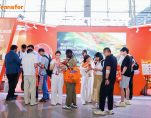
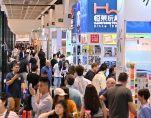
HONG KONG SAR – Media OutReach Newswire – 13 April 2026 – The Hong Kong Trade Development Council (HKTDC) will unite the global lifestyle industry with its seven lifestyle and licensing events from 27 to 30 April 2026. Encompassing gifts, houseware, fashion, printing, packaging, and licensing, these events offer buyers a streamlined and cross-sector sourcing journey. The Hong Kong Gifts & Premium Fair and Home InStyle will be hosted at the Hong Kong Convention and Exhibition Centre, where exhibitors will showcase curated international collection, enabling efficient and diverse sourcing across key lifestyle categories in one central location.
Connecting global suppliers and buyers with trending lifestyle products and innovative ideas.
In 2026, the Hong Kong Gifts & Premium Fair will spotlight four key focuses – personalisation, sustainability, health & wellness, and culture & creativity – guiding buyers to discover products that reflect the latest market trends and consumer preferences.
The fair will once again feature the highly acclaimed Hall of Fine Designs, a convergence point of reputed brands. First time exhibitors include Alpha Art Gifts LLC (United Arab Emirates), known for its unique and high-quality gift solutions; Crown Decor Pvt Ltd (India), a leading manufacturer for premium laminates. And the distinguished Hong Kong brands Camel and RedA will continue showcase their products at the fair. In addition, the Shanxi Pavilion will make its debut at the Hong Kong Gifts & Premium Fair 2026. This year, the Zhejiang Pavilion, for the first time led by the Department of Commerce of Zhejiang Province, will bring a large number of exhibitors. Meanwhile, the Korea Pavilion and Busan Pavilion will return with even greater presence.
Furthermore, the Hong Kong Exporters’ Association will assemble Hong Kong companies to form a pavilion, showcasing the design skills and branding excellence of Hong Kong’s product designers. The Smart Design Global, organised by Hong Kong Exporters’ Association, will also showcase shortlisted entries and signature products from its participating companies at the Gifts & Premium Fair, leveraging the fair as a platform to promote Hong Kong original designs to international markets.
Running concurrently, Home InStyle will focus on new materials, culture & creativity, and gerontechnology for silver‑age living, aligning with emerging lifestyle and consumer trends. The fair completes the sourcing journey by fostering meaningful connections and spark fresh inspiration across the design and lifestyle community.
A key highlight remains the signature Cultural and Creative Avenue, which will showcase distinguished designs from around the world and welcome international brands that blend unique design concepts with cultural heritage. The fair’s collaboration with Pantone will be elevated, with the Colour of the Year 2026 “Cloud Dancer” prominently featured in this zone. Through trend-focused displays and real-life applications, visitors will see the colour brought to life, helping buyers and exhibitors visualise its use in contemporary home and lifestyle products.
Furthermore, funded by the Innovation and Technology Commission, Home InStyle will launch the Gerontech and Innovative Material Pavilion, where nearly 20 local enterprises will present a wide range of innovative technology products and solutions designed for senior living, while highlighting the application of new materials in home spaces.
“Adding to the fair’s design-led highlights, the 2nd MOTIFX – Embracing the Beauty of Chinese Culture exhibition, organised by the Hong Kong Design Institute (HKDI) under the Vocational Training Council (VTC) and sponsored by the Cultural and Creative Industries Development Agency (CCIDA), invites emerging designers to reinterpret traditional Chinese elements for contemporary contexts. The project seamlessly integrating historical components into modern objects, interiors, and lifestyle products while deepening new generations’ engagement with their cultural heritage.”
Home InStyle will also host a selection of international brands known for their craftsmanship and creativity. Highlights include vibrant hand-blown Bohemian glassware, handmade baskets and bags woven from wild grapevines alongside classic bamboo steamers, and licensed DC Comics illuminated signs.
Throughout the fairs, a series of seminars and forums will bring together leading industry experts to share forward-looking insights on key trends and future developments, from creative thinking and the silver economy to sustainability and beyond. These sessions are crafted to foster meaningful dialogue and equip attendees with the latest market intelligence. As a comprehensive one-stop sourcing platform, the fairs unlock exciting business opportunities and deliver a diverse, world-class selection of lifestyle products and services tailored to every buyer’s needs.
Digital platform creates efficient exhibition experience Under the EXHIBITION+ model, the fairs integrate offline and online elements. Buyers can continue searching for products and services on the hktdc.com Sourcing platform and network through the Click2Match smart business-matching platform. During the physical fair, buyers can use the Scan2Match function of the HKTDC Marketplace App to scan exhibitors’ exclusive QR codes, bookmark favourite suppliers, browse product information and continue discussions with exhibitors online during or after the show.
Millions of Android users, including a large share of cryptocurrency wallet customers, were exposed to a software supply-chain weakness after a flaw in the widely used EngageSDK library was found to allow hostile apps on the same device to break through normal app boundaries and reach sensitive data. The issue centred on an “intent redirection” vulnerability inside the third-party Android kit, which is used for push notifications […]
Earth is becoming brighter after dark overall, but the shift is proving far less uniform than older global averages suggested, with fast-growing parts of Asia and Africa lighting up while sections of Europe and some older urban zones are dimming through efficiency drives, new lamp technologies and policies aimed at cutting waste and light pollution. The clearest picture yet, drawn from daily satellite observations between 2014 and […]
Greenlogue/AP Climate litigation is exerting growing force over energy policy, with judges and international tribunals increasingly shaping how governments approve projects, regulate emissions and weigh the costs of climate harm. That legal shift is becoming especially significant for Africa, where policymakers and lawyers are pressing for a stronger voice in rulings that could affect development choices, energy access and the pace of transition across a continent that […]
South Africa’s net foreign reserves fell to $73.19 billion at the end of March from $75.84 billion in February, as the country’s gross reserves also dropped to $77.76 billion from $81.06 billion, according to central bank data released on Thursday. The decline came after a stronger February reading and marks a pullback from levels that had been supported earlier this year by higher reserve values and foreign-exchange […]
South Africa is drawing a broader mix of overseas visitors who are staying longer, travelling with more intention and looking beyond checklist tourism, as global travel habits tilt towards slower, experience-led holidays and the country posts record inbound numbers. Official data show South Africa welcomed about 10.5 million international tourists in 2025, the highest annual total on record and above pre-pandemic levels. Statistics South Africa separately said […]
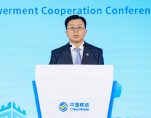
BEIJING, CHINA – Media OutReach Newswire – 8 April 2026 – On March 31, 2026, China Mobile hosted the 2026 China Mobile Digital Empowerment Cooperation Conference for Chinese Enterprises Going Global in Beijing. The conference focused on the needs for digital and intelligent development of Chinese enterprises going global, jointly exploring new trends in digital and intelligent empowerment for the global development of Chinese enterprises, and it was broadcast live simultaneously around the world. Zhang Feng, Secretary of the CPC Chinese Institute of Electronics Committee, and Guo Hao, President of the China Association of Communications Enterprises, attended the event, among others. Li Huidi, Executive Vice President of China Mobile attended the conference and delivered a speech.
Li Huidi pointed out that artificial intelligence is currently reshaping the ways of production and life with unprecedented speed and breadth, deeply restructuring the competitive landscape of global industries. AI is already the core engine driving the leap in social productivity and leading the transformation of the global industrial system. The overseas development of Chinese enterprises is undergoing a comprehensive upgrade from the traditional export of products and production capacity to the synergistic development of digital capabilities and industrial chains driven by AI.
Li Huidi stated that, in the face of a new round of technological revolution and industrial transformation, China Mobile is accelerating the transition from a “telecommunications operator” to a “technology services enterprise.” With the vision of building a world-class technology services enterprise, it comprehensively promotes the integrated innovation of communication technologies, information technologies, and AI technologies, in order to strengthen, optimize, and expand the three major businesses of “communications services, computing services, and AI services.” China Mobile will deeply integrate its AI capabilities into the entire chain of its three core businesses, paving a digital and intelligent highway for globalization, featuring the integration of networks and intelligence, safety and reliability, and universal access across all domains for Chinese enterprises going global:
First, China Mobile will strengthen communications services and empower “AI connectivity”, weaving a dense network of global intelligent interconnection. The scale of China Mobile’s international information infrastructure continues to grow. China Mobile have expanded the capacity of submarine and terrestrial cables, bringing total international transmission bandwidth to 406T and Points of Presence (PoPs) to 446. Notably, the eastern section of 2Africa, the largest submarine cable system in the world circling Africa, has been activated. The sections are expected to be completed and put into operation in the first half of this year. Spanning a total length of approximately 45,000 kilometers, this submarine cable is laid along the coastline of the African continent. It connects 33 countries and regions across the Middle East, Asia, and Europe, providing high-quality, low-latency international communication services for a population of roughly 3 billion along its route. This major information artery, which connects six continents and four oceans, provides safe and reliable guarantees for end-to-end connections. It supports the scheduling of transnational AI applications and the integration of global business for enterprises going global. Global roaming is now available in 268 destinations, and the total number of users for the JegoTrip app has exceeded 90 million. China Mobile’s international ecological cooperation continues to expand, and the “Hand-in-Hand Program” covers over 3 billion users worldwide. China Mobile have consecutively hosted events such as the Southeast Asia Cooperation Conference and the China Mobile Digital Empowerment Cooperation Conferences for Chinese Enterprises Going Global. These events have been widely praised and have strengthened China Mobile’s influence within the global ecosystem. In recent years, China Mobile’s revenue from international business has consistently maintained a trend of high-speed, double-digit growth.
Second, China Mobile will optimize computing services and drive “AI Computing”, building a globally integrated computing network across the world.As a builder of computing infrastructure, China Mobile will comprehensively increase its investment in Artificial Intelligence Data Centers (AIDC), accelerate the supply of computing, and enhance its operational capabilities for Tokens. China Mobile’s 100-megawatt-level Global Intelligent Center (GIC) in Hong Kong has officially opened, and China Mobile will deploy more nodes for AI computing along the “Belt and Road” initiative in the future. China Mobile have already established a cluster for AI computing with a capacity of 92.5 EFLOPS in China. By linking this with over 1,300 resources from self-owned and cooperative data centers overseas, China Mobile are constructing a global network for computing. China Mobile will promote Mobile Cloud to integrate high-quality global models and streamline the service chain where “Agents use Tokens, Tokens drive Computing, and Computing consumes Electricity.” This will forge a solid foundation of computing for Chinese enterprises going global.
Third, China Mobile will expand AI services and reshape digital services, stimulating new momentum across all domains for enterprises going global.As a promoter of applications for artificial intelligence, China Mobile continuously iterates the capabilities of its “Jiutian” large model. China Mobile have accumulated industrial data exceeding 20 trillion Tokens and independently developed more than 50 industrial large models. This promotes the deep integration of AI agents into the entire process of production and operations for enterprises. Overseas, China Mobile translate its leading domestic AI capabilities into a “smart engine” for Chinese enterprises expanding abroad. Targeting the pain points of enterprises going global, China Mobile have tailored a “1+8” system of products and solutions for all scenarios, which has already served tens of thousands of Chinese enterprises in their global layout. By combining the advantages of Chinese manufacturing and 5G solutions, China Mobile achieve deep integration with local ecosystems overseas. In regions including Europe, Latin America, and the Asia-Pacific, and have successfully established over a thousand benchmark cases of “AI+” digital and intelligent transformation, such as smart factories, smart ports, and smart IoV. This makes the fruits of China’s innovation in AI benefit the global market.
Looking toward the vast blue ocean of the AI era, Li Huidi proposed four initiatives: First, China Mobile will jointly build AI infrastructure to forge a solid “new foundation” for AI+ global development. China Mobile will join hands with global industry partners to accelerate the construction of global communication networks, computing networks, and intelligent networks. China Mobile will jointly optimize the layout of global submarine and terrestrial cables as well as hubs for computing, achieving mutually beneficial cooperation along the “Belt and Road” initiative and around the world. By building more high-standard Artificial Intelligence Data Centers, China Mobile will provide low-latency, highly reliable, high-performance, and widely covered infrastructure of computing networks for Chinese enterprises marching into the world. Second, China Mobile will jointly establish AI standards to build a “new consensus” on intelligence within the industry. China Mobile will continue to promote China’s full-stack AI technologies and standards to the world, covering the entire chain of computing foundations, large models, and industrial applications. This will contribute Chinese wisdom, Chinese solutions, and Chinese standards to the construction of an open, inclusive, and interoperable system of global rules for AI technology. Third, China Mobile will jointly expand AI scenarios to release “new quality productive forces” across thousands of industries. China Mobile will continuously open up China Mobile’s technological foundation and experience in various scenarios, collaborating with enterprises going global to unearth high-value industrial scenarios. By providing exclusive resources for AI computing and support for Tokens, China Mobile will empower the accelerated release of new quality productive forces through AI innovation. In key regions along the “Belt and Road” initiative, China Mobile will create more replicable and promotable benchmark projects of “AI+” digital and intelligent transformation for overseas development. Fourth, China Mobile will jointly cultivate a win-win AI ecosystem to expand the “new circle of friends” for global cooperation. China Mobile will continuously upgrade the cooperative ecological system of the “iSTAR Program. Relying on the three core pillars of “AI+ applications, cloud and AI computing, and connectivity,” China Mobile will unite the strengths of global industries, academia, research, and application. This will help build a more open, inclusive, and mutually beneficial globalized digital and intelligent ecosystem. China Mobile will jointly incubate “AI+” solutions for overseas development across more than 150 scenarios, providing intelligent escorts across the entire chain and full life cycle for Chinese enterprises going global.
At the conference, using full-stack digital and intelligent capabilities to escort Chinese enterprises going global, China Mobile released a series of “AI+” full-stack digital and intelligent infrastructure, products, and services. Together with its ecological partners, China Mobile jointly released the “White Paper on the Digital and Intelligent Ecosystem of the China Mobile International ‘iSTAR Program’ for Chinese Enterprises Going-Global,” collaboratively building a new ecosystem for AI services.
Hashtag: #ChinaMobile
The issuer is solely responsible for the content of this announcement.
Arabian Post Staff -Dubai Donald Trump has said a Tuesday deadline for Iran to accept a deal remains final, sharpening a crisis that has already pushed energy markets higher, intensified diplomatic pressure and raised fresh concern over the risk of a broader Middle East conflict. Speaking on April 6 at the White House, the US president said Tehran had made what he described as a significant move […]
Saudi Arabia’s non-oil private sector slipped into contraction in March, with business conditions deteriorating for the first time since August 2020 as conflict across the Middle East disrupted supply chains, delayed exports and hit customer demand. The Riyad Bank Saudi Arabia Purchasing Managers’ Index fell to 48.8 in March from 56.1 in February, dropping below the 50-point threshold that separates growth from contraction. Data for the […]
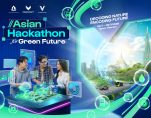
HANOI, VIETNAM – Media OutReach Newswire – 6 April 2026 – On April 6, 2026, three Vingroup member organizations—the “For Green Future” Foundation, VinUniversity, and VinTechTalent (Vingroup Young Technology Talent Club) – officially launched the Asian Hackathon for Green Future, a competition dedicated to developing technology-driven solutions for a sustainable future. Open to undergraduate and master’s students from universities across Asia, the competition offers a total prize pool of USD 24,000.
The Asian Hackathon for Green Future officially opened for registration on April 6, 2026, marking the start of the competition, with a total prize pool of USD 24,000. Photo courtesy of the “For Green Future” Foundation.
This marks the first time an Asia-wide environmental hackathon exclusively for undergraduate and master’s students is held in Vietnam. The competition aims to identify and develop technology-driven solutions to pressing environmental challenges, while fostering innovation and interdisciplinary collaboration among the younger generation.
Participants will advance through three main stages: Registration & Preliminary (April 6 – May 17, 2026); Online Training Phase (June 2 – June 28, 2026); and Final Round & Hackathon at VinUniversity (July 2 – July 5, 2026, tentative).
During the Registration & Preliminary Round, participants register online in teams of up to four members. Eligible applicants must be current undergraduate or master’s students at universities across Asia.
Application materials include an idea proposal and an introductory video. Based on evaluation by the Technical Board, the Top 30 teams will be selected to advance to the next stage.
The competition encourages interdisciplinary ideas that integrate multiple fields—including technology, environmental sciences, economics, and social sciences—with the aim of creating solutions that are innovative, feasible, and socially impactful.
Proposed ideas should address one of three key challenge areas: Renewable Energy and Low-Carbon Mobility; Urban Air Quality and Climate Resilience; Water Resources and Climate-Resilient Agriculture.
During the Online Training Round, the Top 30 teams will participate in a series of intensive training sessions and expert consultations with multidisciplinary specialists. These sessions are designed to equip teams with deeper domain knowledge and up-to-date insights on sustainability trends and relevant technologies, enabling them to further refine and expand their proposed solutions.
During the Final Round and Award Ceremony, all travel and accommodation expenses for the Top 30 teams will be fully covered. The teams will take part in a 24-hour hackathon at VinUniversity (Hanoi), where they will further develop and refine their technology-driven solutions before presenting them to the Judging Panel. Based on this evaluation, the Top 9 teams will be selected to advance to the final assessment round, from which the winning team will be determined.
The Chair of the Judging Panel is Prof. Duong Nguyen Vu, Vice Provost of Graduate Education at VinUniversity and Chief Scientific Officer at the Center for AI Research. He had been a Professor of Aerospace Engineering at Nanyang Technological University (NTU), Singapore until July 2025, where he served as Scientific Director at the Air Traffic Management Research Institute (ATMRI). Under his leadership—as Executive Director until 2025—the institute has emerged as a global leader in air traffic management research, thanks in large part to the scientific foundation he helped establish. Before joining NTU, Prof. Vu was the founding Director of the John von Neumann Institute at Vietnam National University Ho Chi Minh City, spearheading university-industry collaborations and championing innovation and entrepreneurship in education.
Prior to returning to Vietnam in 2010, he was Head of Innovative Research and Senior Scientific Advisor at the European Organisation for the Safety of Air Navigation (EUROCONTROL). He also advised Vietnam’s Minister of Planning and Investment on innovation strategy, contributing to the establishment of the National Innovation Center.
The competition offers a total prize pool of USD 24,000, comprising one First Prize of USD 8,000, one Second Prize of USD 5,000, two Third Prizes of USD 3,000 each, and five Consolation Prizes of USD 1,000 each. Beyond the awards, participating teams will gain valuable opportunities to engage with leading experts from across the region, expand their professional networks, and strengthen their access to the broader innovation ecosystem.
Dr. Le Thai Ha, Managing Director of the “For Green Future” Foundation and Head of the Organizing Committee, shared: “We believe that ideas with the power to shape the future do not always emerge from large laboratories or well-established institutions; they often arise from the insight, initiative, and determination of young people to make a difference. Through the Asian Hackathon for Green Future, we seek to create a platform where students across the region can transform their environmental awareness into tangible, innovative solutions that deliver meaningful impact for communities and the future.”
The Asian Hackathon for Green Future is expected to foster innovation aligned with sustainable development, while contributing to the development of a new generation of young talents capable of cross-border collaboration to create solutions with lasting, positive impact across the region.
For any inquiries, please contact the Organizing Committee at hackathon@foundationforgreenfuture.com for further assistance. Hashtag: #ForGreenFutureFund
The issuer is solely responsible for the content of this announcement.
Coffee Stain has shut its mobile-focused Malmö studio, ending a unit that was set up to bring the company’s irreverent game brands to phones and tablets and leaving fresh questions over how the newly listed Swedish group intends to handle mobile development. The closure was disclosed by Daniel Persson, the company’s vice-president of mobile, who said Coffee Stain had decided to close the office in Malmö and […]
Greenlogue/AP Parched hillsides and a sharply weaker winter rain pattern are putting Darjeeling tea under fresh strain, with planters warning that the famed first flush harvest is again under pressure and that the flavour profile underpinning the tea’s global prestige is becoming harder to preserve. Rainfall deficits across eastern and north-eastern parts of the country were severe through early February, and Darjeeling itself was reported to have […]











 https://www.hktdc.com/event/hkgiftspremiumfair/en