News related to
Trends

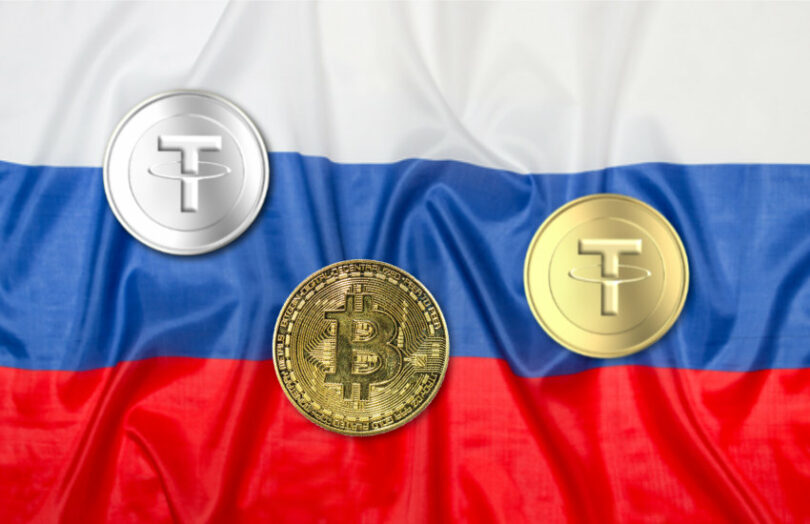
Russia has decided to suspend cryptocurrency mining operations in 10 regions, including Dagestan, Chechnya, and the Kherson regions, starting January 1, 2025. This ban will remain in effect until 2031. The move is part of the government’s broader strategy to address energy consumption issues across the country, particularly during peak usage times. Furthermore, new restrictions on mining will also be imposed in areas like Irkutsk, Buryatia, and the Trans-Baikal Territory during high energy demand periods.

This decision comes as part of a concerted effort by the Russian authorities to reduce energy consumption and manage national power grids more effectively. The increase in energy use from mining activities has been a concern for years, with crypto mining operations consuming significant amounts of electricity in some regions. By imposing the ban, the government aims to ensure that the national grid can accommodate the growing demand for energy, especially during the winter months when heating needs are at their peak.

In some areas, the restrictions will specifically target high-demand periods, such as evenings or cold spells, when power consumption spikes. The Irkutsk region, Buryatia, and Trans-Baikal Territory, which have historically been major hubs for cryptocurrency mining due to their relatively low electricity prices, will see these localized restrictions as part of an ongoing effort to stabilize the energy supply.

The ban also underscores the growing tension between the Russian government and the cryptocurrency industry. While Russia has been one of the world’s largest markets for crypto mining, it has also faced increasing criticism from environmental groups due to the high energy consumption required for mining operations. This new measure is likely to spark further debates about the environmental impact of cryptocurrencies, particularly Bitcoin, which is notorious for its energy-intensive mining process.

The Russian government has made no secret of its desire to regulate the cryptocurrency sector more strictly. A range of legislative actions, including stricter anti-money laundering measures and limitations on the use of crypto for payments, have been introduced in the past few years. By implementing these mining restrictions, the government is taking another step toward curbing the influence of the industry while reinforcing its control over the economy.

The decision to impose the mining ban for such an extended period is a significant development. It is expected to have a lasting impact on the mining sector in the country, especially in areas where cryptocurrency operations have become a substantial part of the local economy. Dagestan and Chechnya, for example, have seen a rise in mining activities due to the availability of cheap electricity. The halt in these regions could lead to significant economic disruptions for miners who rely on these locations for their operations.

Local authorities in the affected regions have expressed mixed reactions to the government’s plan. Some local leaders have welcomed the move, citing concerns about energy shortages and environmental degradation. Others, particularly those with financial interests in the mining industry, have voiced their opposition, arguing that the ban could result in job losses and economic hardship for those dependent on mining operations.

The Russian authorities have yet to provide specific details about enforcement mechanisms or the penalties for violating the ban. However, it is clear that the government intends to take a firm stance on this issue. Given the scale of the crypto mining operations in Russia, the impact of these restrictions is expected to be far-reaching, affecting thousands of miners and businesses involved in the industry.

The Russian crypto mining landscape has been shifting in recent years. As global regulatory pressures on cryptocurrencies have increased, many miners have moved operations to more crypto-friendly jurisdictions. In response, Russian authorities have taken steps to discourage mining activities within the country, seeking to ensure that the nation does not become a haven for unregulated crypto operations. The latest move to ban mining in key regions is part of a broader strategy to curb the growth of the industry, align with international regulatory trends, and preserve national energy resources.

While the ban will significantly impact mining operations in the affected regions, it is unclear whether it will lead to a broader shift in Russia’s stance on cryptocurrency regulation. Crypto miners are likely to explore alternative locations within Russia or abroad, where regulations may be less restrictive. This could result in a shift in global mining patterns, with other countries becoming more attractive destinations for mining operations.

At the same time, the Russian government’s actions could accelerate the development of other sectors related to blockchain and cryptocurrency technologies. These include blockchain-based financial services, which the government has shown an interest in fostering. However, the suspension of mining activities in key regions could undermine the overall growth of the industry within Russia.
By Nantoo Banerjee It will be unfair to expect much from the new Reserve Bank governor, Sanjay Malhotra, a career bureaucrat and former revenue secretary, in terms of delivery of key functions of a central bank chief such as controlling inflation, stabilizing domestic currency, foreign exchange control and lifting economic growth. If three of his […]

HONG KONG SAR – Media OutReach Newswire – 23 December 2024 – DYXnet, a wholly-owned subsidiary of VNET Group, Inc. (NASDAQ: VNET), is proud to celebrate its 25th anniversary in 2024, marking a quarter-century of excellence in supporting enterprises on digital transformation journeys. DYXnet hosted the Annual Luncheon 2024 in December, themed “Each Chapter a Milestone, Each Step a Leap Forward”, to kick off a new era […]

Trend Vision One™ – Email and Collaboration Security is a critical part of Trend’s centralized attack surface risk management (ASRM) platform HONG KONG SAR – Media OutReach Newswire – 23 December 2024 – Trend Micro Incorporated (TYO: 4704; TSE: 4704), a global cybersecurity leader, today announced its positioning as a Leader in the 2024 Gartner® Magic Quadrant™ for Email Security Platforms (ESP). Rachel Jin, Chief Enterprise Platform […]

Saudi Arabia is ramping up its digital transformation within the transportation sector, unveiling a series of strategic initiatives aimed at improving mobility, boosting efficiency, and fostering economic growth. As the Kingdom continues its push to modernize under Vision 2030, these efforts reflect a growing focus on technology-driven solutions that are expected to reshape the way people and goods move across the country.

The government’s latest plans involve deploying cutting-edge technologies such as artificial intelligence (AI), Internet of Things (IoT), and smart mobility solutions across various transportation systems. A key component of this digital overhaul is the integration of data analytics to optimize traffic management, enhance logistics services, and provide a seamless experience for commuters. These efforts are designed not only to address current challenges but also to position Saudi Arabia as a leader in global transportation innovation.

One of the most ambitious projects is the introduction of autonomous vehicles within the Kingdom. Saudi Arabia has already begun trials of driverless cars, with the aim of incorporating them into public transport networks in major cities like Riyadh and Jeddah. This initiative is part of a broader effort to reduce road congestion and carbon emissions while improving safety and convenience for travelers.

The digitalization of the transport sector is also closely tied to Saudi Arabia’s efforts to expand its rail network. The Haramain High-Speed Railway, which connects Mecca and Medina, is a prime example of how digital systems are enhancing the efficiency of rail travel. With the integration of AI-powered systems, the railway’s operations are becoming more streamlined, with real-time data helping to manage train schedules, predict maintenance needs, and ensure the safety of passengers.

The Kingdom is investing heavily in the development of smart airports. King Khalid International Airport in Riyadh and King Abdulaziz International Airport in Jeddah are set to undergo major digital upgrades that will introduce biometric screening, automated check-ins, and enhanced baggage tracking. These advancements aim to make air travel more efficient and secure, aligning with global trends in aviation technology.

As part of the Vision 2030 initiative, Saudi Arabia is also enhancing its maritime transport sector. Digital tools are being implemented in port management to increase efficiency in cargo handling and reduce turnaround times for ships. The adoption of blockchain technology for logistics and supply chain management is also being explored, ensuring that Saudi Arabia’s ports remain competitive on the global stage.

The private sector is playing an integral role in these transformations, with a number of tech firms collaborating with the government to develop smart transportation solutions. For instance, partnerships with international companies are bringing advanced AI technologies and IoT systems to help manage urban mobility. These collaborations are not only helping to fast-track the digitalization process but also positioning Saudi Arabia as an attractive hub for global tech investors.

The government has also launched several initiatives to promote the development of digital skills among the Saudi workforce. A growing emphasis on tech education and training programs is expected to ensure that local talent is equipped to drive the digital revolution in transportation. This focus on education and workforce development is seen as crucial to the long-term sustainability of these innovations.

While the initiatives have been met with optimism, there are challenges that Saudi Arabia will need to address to fully realize the potential of its digital transformation. Cybersecurity concerns, the need for significant infrastructure investment, and the management of large-scale data systems will be key areas to monitor as the projects progress. Moreover, ensuring equitable access to these technologies, particularly in rural areas, will be an important consideration to avoid creating digital divides.

Internationally, Saudi Arabia’s digital transport initiatives are receiving attention as a model for other nations aiming to modernize their transportation systems. The Kingdom’s strategic location as a global logistics hub is further underscored by these projects, as they are expected to strengthen its position in the broader global supply chain network. As such, these developments not only serve local needs but also contribute to Saudi Arabia’s ambitions to diversify its economy and reduce its dependency on oil revenues.

Employers in the ICT and Creative Media Industries Place Greater Emphasis on Soft Skills; Growing Recognition for Higher Diploma Graduates’ Competencies HONG KONG SAR – Media OutReach Newswire – 20 December 2024 – Led by Hong Kong Baptist University (HKBU) and funded by The Hong Kong Jockey Club Charities Trust, the Jockey Club Multiple Pathways Initiative – CLAP-TECH Pathway (CLAP-TECH) has conducted its second annual survey, exploring […]

Dogecoin’s 11% decline has positioned it as the leading loser among major cryptocurrencies, reflecting broader market concerns as Bitcoin also experiences notable drops. These movements have cast a shadow over the crypto sector during the holiday season, stirring unease in an industry already grappling with volatility and uncertainty.

Market experts attributed the downturn to a combination of factors, with QCP Capital, a trading firm, pointing to an overconfidence in market positioning. Their analysis, shared in a Friday report, suggests that traders had adopted overly bullish strategies, which backfired as the market sentiment shifted. This pattern is not isolated to Dogecoin alone but has been echoed across other key cryptocurrencies, with Bitcoin and Ethereum also facing downward pressure.

While Bitcoin remains the dominant player in the market, its decline has been significant, with the cryptocurrency losing ground as investor sentiment wavers. Experts have raised concerns about the future direction of the market, particularly as Bitcoin struggles to regain its footing. Dogecoin’s movement, which often follows trends set by Bitcoin, adds to the growing anxiety about the sector’s stability. The dip is widely seen as part of the broader correction phase that has affected digital currencies in the last few weeks.

The relationship between Bitcoin and altcoins like Dogecoin remains closely intertwined. Historically, shifts in Bitcoin’s price have had a ripple effect, influencing altcoin trends. As Bitcoin’s performance falters, smaller cryptocurrencies, including Dogecoin, often experience more pronounced fluctuations. This pattern appears to be playing out once again, with Dogecoin feeling the brunt of the market’s uncertainty. Traders had previously shown increasing optimism, but now face a sudden correction that has thrown off short-term projections.

Several factors have contributed to the market’s current mood. The ongoing scrutiny of crypto regulations globally has created an environment of caution among investors. As regulators consider tighter controls over digital assets, some market players are reconsidering their positions. For Dogecoin, a currency that has been driven in part by social media sentiment and celebrity endorsements, the external pressures are especially pronounced. Unlike Bitcoin, which is seen as a store of value by many, Dogecoin has struggled to maintain consistent long-term investor confidence.

Investor enthusiasm for digital currencies had been buoyed by the promise of blockchain technology and decentralized finance, but now, market corrections are bringing those expectations into sharper focus. Cryptocurrencies, once seen as the future of finance, are increasingly viewed as speculative assets vulnerable to short-term sentiment shifts. These developments come as the global economy faces uncertainty, with inflationary pressures and geopolitical tensions contributing to the overall risk appetite in the markets.

The combination of technical factors and macroeconomic concerns has created a more cautious environment for crypto trading. As a result, some investors are choosing to hold off on major positions until the market stabilizes. This cautious outlook has been exacerbated by the holiday season, traditionally a time when market activity can be less predictable due to lower trading volumes.

As the crypto industry navigates these challenges, market analysts are keeping a close eye on the broader trends. While Bitcoin and Dogecoin face immediate hurdles, many experts continue to view the long-term potential of cryptocurrencies as promising. However, in the short term, the volatility is likely to persist, leaving many traders to reassess their strategies. The ability of Dogecoin and other altcoins to recover will depend on several factors, including Bitcoin’s price trajectory and the ongoing regulatory landscape.

The ripple effect of Bitcoin’s struggles has also been felt among smaller crypto projects, with many seeing similar patterns of decline. However, some market observers are cautious about the depth of these corrections, noting that the crypto space has a history of bouncing back after sharp declines. While Dogecoin’s fall has been steep, it is far from the first time the currency has experienced significant volatility.

Advertisements

Abu Dhabi National Oil Company Logistics & Services (ADNOC L&S) has made a significant move to bolster its offshore operations, adding 20 new assets to its portfolio in 2024. This expansion underscores the company’s growing influence in the energy sector, particularly in offshore oil and gas logistics. ADNOC L&S aims to meet the increasing demand for offshore production and logistics services while reinforcing its position in the […]

As the new year approaches and the book on an eventful year in the energy world closes, 2025 looks set to bring more volatility, geopolitical tension and policy evolutions. Elections in almost all major global economies in 2024 have set the stage for a shifting policy landscape next year, most notably in the US, as President-elect Donald Trump outlines his priorities and plans for the incoming administration. […]

KUALA LUMPUR, MALAYSIA – Media OutReach Newswire – 19 December 2024 – With Bitcoin going through the roof in 2024 and the entire crypto market showing substantial growth, retail investors’ interest in this asset class also peaked. But how best to profit from the changes occurring in the crypto market and what avenues of investment to choose? The experts at Octa, a broker with globally recognised licences, […]

Databricks, a leading global player in data and artificial intelligence (AI), has raised $10 billion in its Series J funding round, positioning itself for accelerated growth and further innovation in the AI space. This new investment brings the company’s valuation to $62 billion, reinforcing its stature as a key player in the AI and big data sectors.

The Series J round has been spearheaded by Thrive Capital, a prominent venture capital firm known for its investments in tech-driven businesses. With this substantial financial backing, Databricks plans to expand its capabilities in AI-driven data analytics, particularly focusing on enhancing its cloud-based offerings and building on its foundational AI tools.

Since its inception, Databricks has made significant strides in providing integrated solutions for data engineers, data scientists, and business analysts. The company’s unified platform leverages the power of AI to assist organizations in unlocking insights from vast amounts of data. Its tools are designed to help companies make data-driven decisions faster and more efficiently.

The raised funds will not only accelerate Databricks’ research and development efforts but also extend its reach into new markets and industries. As the demand for AI and machine learning solutions continues to grow, Databricks is positioning itself to meet these needs with advanced tools designed to optimize business operations. This strategic move is in line with the increasing reliance on AI in various sectors, from healthcare to finance, and from technology to government services.

With its cloud-based platform, Databricks provides a comprehensive suite of solutions that enables businesses to manage their data at scale while employing machine learning and AI to generate actionable insights. One of its flagship offerings, the Lakehouse platform, integrates data lakes and data warehouses into a unified architecture, allowing for seamless access to data and analytics. This innovation has been crucial in establishing Databricks as a leader in the AI-driven data analytics space.

Over the years, Databricks has forged partnerships with several high-profile companies, expanding its influence and reinforcing its role as a leading force in the global AI landscape. This includes collaborations with major cloud providers, such as Microsoft Azure and Amazon Web Services, which have helped Databricks increase its customer base across industries. These strategic partnerships have also enabled Databricks to enhance the scalability and security of its platform, ensuring that it meets the evolving needs of enterprise clients.

As part of its future growth strategy, Databricks has also been heavily investing in talent acquisition, ensuring that it remains at the forefront of AI development. The company has been actively recruiting top AI researchers, data scientists, and software engineers, fostering a culture of innovation that drives its product development. By attracting talent from prestigious institutions and technology companies, Databricks aims to continue leading the charge in AI advancements and bring even more innovative solutions to market.

The Series J funding round follows a series of successful fundraising efforts by the company, which has already raised $8.6 billion through previous investment rounds. The additional $10 billion is expected to be primarily non-dilutive, meaning it will not significantly impact the ownership structure of the company, preserving the value for existing shareholders while enabling Databricks to scale without compromising control.

Databricks’ impressive valuation is a testament to the growing demand for AI and machine learning solutions. The company’s platform continues to attract interest from large enterprises seeking to leverage AI to gain a competitive edge in their respective industries. Furthermore, as more businesses transition to cloud computing, Databricks is poised to capitalize on the increasing adoption of AI-powered cloud solutions.

The company’s expansion plans are also aligned with the growing importance of AI in shaping the future of technology. Industries such as healthcare are increasingly turning to AI to enhance diagnostics, improve patient outcomes, and streamline operations. Likewise, financial services firms are leveraging AI to gain insights into market trends, detect fraud, and improve customer service. As these industries continue to adopt AI-driven solutions, Databricks is well-positioned to support them with its cutting-edge platform.

This funding milestone also comes at a time when venture capital investment in the AI sector is seeing exponential growth. As the potential of artificial intelligence becomes more apparent, investors are increasingly focused on backing companies that are at the forefront of AI research and development. Databricks’ ability to attract such significant investment highlights its role as a key player in this rapidly growing market.

While the company is focusing on expanding its AI capabilities, it is also placing emphasis on ensuring that its technology is accessible to businesses of all sizes. By offering a robust, scalable platform, Databricks allows organizations, from startups to global enterprises, to tap into the potential of AI without needing to develop their own complex infrastructure. This democratization of AI technology is a key component of Databricks’ long-term vision for the industry.

Arelion has introduced a new Gulf Coast route aimed at bolstering its North American network, enhancing connectivity between major hubs. The route, connecting Houston, Texas, to Jacksonville, Florida, will traverse key cities along the Gulf Coast, including Slidell, Louisiana, and Mobile, Alabama, marking a significant expansion of the company’s infrastructure in the U.S. The launch reflects Arelion’s commitment to providing more diverse, efficient, and reliable network services […]

Global data center operator Serverfarm and Greece’s Independent Power Transmission Operator (IPTO) have come together to form Gemini, a joint venture aimed at establishing hyperscale-ready data centers throughout Greece. This collaboration signifies an important step in addressing the growing demand for robust digital infrastructure in Europe, driven by the rapid expansion of cloud services, artificial intelligence, and big data applications. The joint venture will leverage the strengths […]

SoftBank Group has unveiled an ambitious $100 billion investment plan aimed at expanding artificial intelligence infrastructure in the United States. The announcement, led by CEO Masayoshi Son, positions the Japanese telecom and technology giant as a major player in shaping the future of AI development. The investment, which will span the next four years, underscores SoftBank’s commitment to leveraging AI technology for both economic and technological growth […]

Hundreds of eager visitors flocked to Caesars Virginia for the grand opening of the highly anticipated casino in Danville, Virginia, with a significant number traveling from nearby North Carolina. The event, which took place on Tuesday, attracted a large crowd, showcasing the appeal of the new facility to both locals and out-of-state casino-goers.

The opening of Caesars Virginia marks a pivotal moment in the region’s economic development, as the facility brings gaming, entertainment, and employment opportunities to the area. Situated just over the state line, the casino’s strategic location is expected to draw significant foot traffic from North Carolina, where gambling options are more limited.

Caesars Virginia, the state’s first casino, occupies a sprawling space that includes a casino floor, hotel accommodations, dining options, and entertainment venues. The facility is designed to offer a complete entertainment experience, catering not only to avid gamblers but also to those seeking a more comprehensive leisure experience.

The casino, located in the southern part of Danville, was built to capitalize on Virginia’s expanded gaming industry. State lawmakers legalized commercial casinos in 2020, with Caesars being the first to open its doors in this burgeoning market. The opening is part of a broader effort to stimulate economic growth and attract tourists to the region, especially in the wake of a changing landscape for gaming in the southeastern United States.

For North Carolina residents, the allure of Caesars Virginia’s grand opening was undeniable. With only a limited number of gambling options within the state’s borders, North Carolinians have frequently crossed state lines to visit casinos in nearby locations, such as those in Cherokee, North Carolina. Caesars Virginia, however, offers a new, nearby alternative that is expected to become a destination for both seasoned gamblers and newcomers alike.

Many attendees at the grand opening expressed excitement over the expanded gaming options now available in the area. “It’s great to have something this big and exciting so close to home,” said one attendee from Raleigh, North Carolina. The crowd at the event included a mix of seasoned casino visitors and newcomers eager to explore what the new venue had to offer.

The casino’s opening also highlights the growing competition among regional gaming markets. As Virginia continues to open its doors to the gaming industry, neighboring states like North Carolina are reevaluating their own stances on expanded gambling. In particular, North Carolina has been under pressure to revisit its gambling laws, as casinos like Caesars Virginia and the nearby casinos in South Carolina increasingly draw attention from potential gamblers.

Caesars Virginia offers a wide range of gaming options, from slot machines to table games, along with plans for a poker room in the future. In addition to the gambling offerings, the casino has invested in upscale dining options, entertainment venues, and luxury accommodations, positioning itself as not just a casino, but a comprehensive entertainment hub. The development is expected to create numerous jobs in the region, providing both direct employment in the casino itself and indirect job creation in sectors such as hospitality, retail, and services.

One of the key factors that helped make Caesars Virginia a reality was the financial investment from Caesars Entertainment, one of the largest casino and entertainment companies in the world. The company has deep roots in the gaming industry, and its experience and expertise were pivotal in ensuring the success of the project. The company’s long-standing reputation in the industry has been a significant draw for both gamblers and investors, further bolstering confidence in the casino’s future success.

For Danville, the opening represents a major milestone in the city’s revitalization efforts. The area has faced economic challenges in the past, including job losses due to the decline of manufacturing and tobacco industries. However, Caesars Virginia offers the potential to reverse these trends by bringing in new revenue streams, both through gambling and tourism. Local businesses stand to benefit from the influx of visitors, and the city itself could see long-term economic growth as a result of the casino’s opening.

The grand opening also signifies the growing trend of casinos being seen as economic drivers for their communities. As gambling becomes increasingly legalized across the country, more and more cities are seeking to tap into this lucrative industry. Danville’s choice to embrace the expansion of the gaming sector is a clear reflection of the city’s determination to adapt to changing economic realities.

While the grand opening was a celebration for many, there are concerns from some segments of the community about the potential social impacts of the casino. Critics have raised issues surrounding the possibility of increased gambling addiction, as well as the long-term effects of having a large casino in a community with a relatively small population. Nevertheless, the city has expressed confidence that Caesars Virginia will operate responsibly, with a focus on promoting responsible gaming practices.

Ohio Congressman Derek Merrin has introduced the Ohio Bitcoin Reserve Act, a proposal aimed at establishing a state treasury-held Bitcoin fund. The bill seeks to grant the Ohio state treasury the flexibility to invest in Bitcoin, positioning the state as a potential leader in cryptocurrency adoption among U.S. states. This initiative allows the treasury to manage Bitcoin holdings without mandating participation from state funds or requiring active involvement from residents.

The bill, which comes at a time when the cryptocurrency market has gained increased attention, offers Ohio a strategic path forward in embracing digital assets. The proposed fund would be managed by the state treasury, with the discretion to allocate resources into Bitcoin as part of its broader investment strategy. Unlike other state-level cryptocurrency initiatives, the bill does not impose any compulsory investment requirement, allowing Ohio’s officials the autonomy to determine how and when Bitcoin would be integrated into state finances.

Supporters of the bill argue that it provides an opportunity for Ohio to position itself as a leader in the expanding cryptocurrency market. By creating a legal framework for Bitcoin investment, the state could attract cryptocurrency businesses and innovation. Bitcoin’s increasing acceptance as a digital asset could offer Ohio a chance to diversify its state assets and leverage the growing popularity of decentralized finance.

Ohio has been no stranger to cryptocurrency initiatives. In 2018, the state became one of the first to allow businesses to pay taxes using Bitcoin, a move that was hailed as a groundbreaking step in bridging the gap between traditional finance and cryptocurrency. The Ohio Bitcoin Reserve Act builds on this history by exploring deeper integration of digital currencies into state financial management.

The Bitcoin market has demonstrated significant growth in recent years, making it an attractive asset for various institutional investors, including pension funds and sovereign wealth funds. The volatility of Bitcoin, however, raises questions about its suitability for long-term investment strategies, particularly for state treasuries tasked with maintaining fiscal stability. Critics of the proposal argue that the state should exercise caution before delving into an asset class known for its price fluctuations.

Despite these concerns, proponents of the bill argue that Ohio’s entry into the Bitcoin market could enhance the state’s investment portfolio and promote further innovation. They suggest that by allocating a portion of state funds into Bitcoin, Ohio could gain exposure to a rapidly evolving asset class, which could potentially yield significant returns over time.

The proposed legislation highlights a broader trend of states exploring the integration of cryptocurrencies into public finance. Some states have implemented blockchain-related laws to foster a regulatory framework conducive to cryptocurrency and digital asset businesses. Others are exploring whether Bitcoin and other cryptocurrencies can be used to offset debts or fund state projects. This reflects a growing trend of states seeking to diversify their investment strategies beyond traditional markets, particularly as the volatility of traditional assets and inflationary pressures continue to challenge state budgets.

However, the idea of holding Bitcoin in state treasuries raises several questions regarding regulation and governance. Bitcoin’s decentralized nature, coupled with its price volatility, presents challenges for public sector officials who must consider long-term fiscal sustainability. To address these concerns, advocates of the Ohio Bitcoin Reserve Act argue for a careful and measured approach, with clear guidelines on the allocation of funds and risk management strategies.

The bill also reflects broader national and global trends in the evolving cryptocurrency landscape. As digital currencies gain more mainstream attention, questions of regulation, taxation, and legal frameworks become increasingly pressing for governments around the world. The United States, in particular, has witnessed a range of approaches to cryptocurrency regulation, from stricter oversight to more open-minded exploration of how these digital assets can integrate into financial systems.

Ohio’s move is not entirely without precedent. Other states, such as Wyoming and Texas, have made significant strides in creating favorable environments for cryptocurrency innovation. Wyoming, for instance, has passed several blockchain-friendly laws aimed at attracting crypto companies, while Texas has positioned itself as a hub for Bitcoin mining. Ohio’s proposal takes a more hands-on approach by seeking to directly invest state funds into Bitcoin, which sets it apart from these other states that focus on regulatory support rather than direct financial involvement.

While Ohio’s proposal is still in its early stages, it has garnered considerable attention from both supporters and detractors. For its proponents, the potential benefits are clear: exposure to an emerging asset class, a chance to diversify the state’s investment portfolio, and an opportunity to attract cryptocurrency-driven businesses. Critics, however, question whether the state treasury should be exposed to the risks inherent in Bitcoin’s price fluctuations and whether this move could distract from other, more pressing fiscal priorities.

The Middle East’s mergers and acquisitions (M&A) landscape has demonstrated remarkable resilience and growth in the first half of 2024, with total deal values reaching $49.2 billion across 321 transactions. This performance contrasts sharply with the global M&A market, which has experienced a downturn during the same period. A significant portion of this activity is attributed to sovereign wealth funds (SWFs) and government-related entities (GREs) in the […]

The United Arab Emirates continues to solidify its position as a leader in global competitiveness, securing impressive rankings across various international indices in 2024. This success is attributed to the country’s strategic vision, progressive leadership, and investment in key sectors such as technology, infrastructure, and education.

According to the latest reports, the UAE ranks highly in multiple key performance indicators, reflecting its robust economy, forward-thinking policies, and well-developed infrastructure. The country’s emphasis on innovation, digital transformation, and sustainability has propelled it to the forefront of global competitiveness rankings. The World Economic Forum (WEF) Global Competitiveness Index, along with reports from the International Institute for Management Development (IMD), have highlighted the UAE’s growth trajectory in areas like business environment, digital readiness, and ease of doing business.

A key element in this achievement is the UAE’s continued push towards diversifying its economy. Efforts to reduce dependency on oil and expand non-oil sectors, particularly in finance, real estate, tourism, and renewable energy, have paid off. The country’s leadership has consistently invested in cutting-edge infrastructure and created an attractive business environment for international investors. This foresight has made the UAE an appealing destination for both foreign companies and skilled talent from around the world.

The UAE government’s leadership in prioritizing digitalization and innovation has also played a pivotal role in improving its competitive position. Initiatives such as the UAE Vision 2021 and the more recent National Innovation Strategy have facilitated the development of smart cities, e-governance platforms, and a thriving tech sector. Dubai, in particular, has become a global hub for technology startups and financial services, bolstering the UAE’s reputation as a competitive global player.

Another contributing factor is the UAE’s leadership in sustainability efforts. As the country shifts toward a greener economy, it has gained recognition for its strides in renewable energy, with projects like the Mohammed bin Rashid Al Maktoum Solar Park, one of the largest solar power projects in the world. Additionally, the UAE’s commitment to the UN’s Sustainable Development Goals (SDGs) has further cemented its standing as a global leader in sustainable growth.

While the UAE continues to excel, it also faces challenges that could impact its future competitiveness. The global economic climate, geopolitical factors, and shifts in energy markets are areas of concern. However, the UAE’s adaptability and strong governance systems have shown the country’s resilience in navigating these obstacles.

The UAE’s emphasis on education and skills development has proven essential in driving long-term competitiveness. By investing heavily in world-class educational institutions, both public and private, the country has cultivated a skilled workforce capable of meeting the demands of a rapidly evolving global economy. Programs such as the Mohammed bin Rashid Al Maktoum Foundation’s scholarship initiative and various partnerships with renowned international universities have supported the nation’s transition to a knowledge-based economy.

Despite the country’s success, there are ongoing efforts to ensure that the competitive edge is maintained. These efforts include advancing the national innovation ecosystem, enhancing digital infrastructure, and improving regulations to keep pace with global best practices. The UAE’s focus on ensuring economic resilience and sustainability positions it as a regional leader with the potential to further improve its global standing in the years to come.

Looking ahead, the UAE aims to strengthen its competitiveness by focusing on sectors such as artificial intelligence, biotechnology, and space exploration. Investments in these future-forward industries not only align with global trends but also position the country at the forefront of new technologies. The UAE’s space ambitions, embodied by initiatives such as the Hope Probe and Mars mission, highlight its determination to lead in cutting-edge research and development.

Crude oil markets across the Middle East have become increasingly constrained as the United Arab Emirates (UAE) takes steps to limit its oil exports, while international sanctions continue to affect flows from Iran. These combined actions have contributed to a tightening of global oil supplies, pushing prices higher for key Middle Eastern grades.

The UAE, one of the world’s top oil producers, has recently implemented measures to limit its output, joining other OPEC+ members in their efforts to stabilize oil markets amid fluctuating demand and economic uncertainty. This move is part of a broader strategy by the UAE to control production levels more closely, ensuring that the global supply remains in balance with the demand.

Meanwhile, the ongoing sanctions on Iran have added another layer of complexity to the Middle Eastern oil landscape. Despite some efforts to revive the nuclear deal, Tehran continues to face restrictions that prevent it from fully participating in the global oil trade. As a result, Iran’s oil exports have been significantly curtailed, with the country struggling to bypass restrictions designed to limit its oil revenues. This has further squeezed the market and contributed to higher prices for several crude grades.

The tightening of the market has had a noticeable impact on prices. For example, the price of Dubai crude, a key benchmark for Middle Eastern oil, has seen a substantial increase, reflecting the reduced availability of supply. The price uptick is particularly significant for countries in Asia, where Middle Eastern crude is a primary source of oil. The sharp rise in prices has prompted concerns among buyers about the sustainability of the situation, especially as global energy demand continues to grow.

Oil prices in the Middle East have also been influenced by broader geopolitical and economic trends. As countries like China and India recover from the pandemic and resume higher levels of industrial activity, their demand for crude oil has surged. This demand has been further amplified by supply restrictions in other regions, notably from Russia and Venezuela, where political and economic challenges have hampered production. These dynamics have intensified the pressure on Middle Eastern producers to ensure they can meet the global demand while managing the ongoing challenges posed by sanctions and production cuts.

The UAE’s decision to limit its oil exports aligns with broader efforts within the Organization of the Petroleum Exporting Countries (OPEC+) to curb production in response to shifting market conditions. OPEC+ has long been at the forefront of managing global oil output to prevent significant price fluctuations that could destabilize the market. However, the ongoing cuts, which have been in place for much of 2024, are a delicate balancing act. If production levels are reduced too much, they risk pushing prices too high, which could spark inflationary pressures around the world.

This delicate balance is evident in the price movements of several key crude grades. Brent crude, the global benchmark, has risen steadily, driven by supply concerns from key oil-producing regions, including the Middle East. Similarly, West Texas Intermediate (WTI) has seen price increases, partly due to concerns about the tight supply from OPEC+ nations.

Sanctions on Iran continue to play a significant role in these price shifts. Despite some efforts by Tehran to circumvent sanctions by selling oil on the black market, international restrictions remain in place, making it difficult for the country to regain its former market share. Iran’s oil exports, which once accounted for a substantial portion of global supply, have dropped significantly since the US re-imposed sanctions after exiting the nuclear deal. While there have been sporadic efforts to negotiate a return to the deal, these have so far yielded little in terms of significant policy changes or sanctions relief.

For the oil markets, these combined challenges—UAE production cuts and Iranian sanctions—represent a dual pressure point that is expected to persist throughout 2024. Experts warn that the global oil market will continue to face volatility as geopolitical uncertainties, economic growth trajectories, and supply disruptions intertwine.

While the UAE’s actions are likely to continue to drive the market dynamics in the short term, the long-term outlook for the region’s oil supply remains uncertain. The UAE, along with other key players like Saudi Arabia, will need to carefully navigate the challenges of balancing global demand with domestic energy strategies. In particular, the UAE’s push to manage its oil output more closely may have significant implications for global oil prices, especially if other members of OPEC+ follow suit.

Arab nations have ramped up their recruitment of migrant workers, capitalizing on the global surge in demand for labour across various sectors. As economic recovery accelerates worldwide, these countries are seeing an influx of foreign workers filling key roles in industries such as construction, hospitality, healthcare, and retail. The trend has intensified due to the increasing need for skilled and semi-skilled labour, particularly in the wake of the COVID-19 pandemic, which had earlier disrupted migration flows.

This growing demand for foreign labour in the Gulf states, such as the United Arab Emirates (UAE), Saudi Arabia, Qatar, and Kuwait, reflects a broader global phenomenon where labour shortages are pushing countries to adopt more flexible immigration policies. These nations have long relied on migrant workers to fuel their economies, but the scale and scope of the current influx are higher than before, driven by ambitious infrastructure projects, the rapid expansion of new industries, and a burgeoning consumer market.

The demand for migrant workers is particularly high in the construction sector. With large-scale projects such as the World Expo 2020 in Dubai and the 2022 FIFA World Cup infrastructure projects in Qatar, Arab nations have become magnets for workers from countries like India, Bangladesh, Pakistan, and the Philippines. In these countries, millions of people are seeking better opportunities abroad, often choosing the Gulf region for its proximity, relatively higher wages, and work availability. The UAE, for instance, has seen an increase in foreign labour as it continues to diversify its economy, moving away from oil dependency and investing in tourism, real estate, and technology.

In response, governments in the Gulf have streamlined visa processes, introduced new work schemes, and made significant changes to labour laws in an attempt to better manage the growing migrant population. The Saudi government, for example, has rolled out its Vision 2030 initiative, which includes large-scale projects requiring substantial foreign manpower, while also pushing for reforms to ensure fairer treatment of migrant workers.

Despite these efforts to regulate and manage the migrant workforce, challenges remain. Migrant workers often face difficult working conditions, including long hours and low wages, especially in the construction and service industries. Human rights organizations have regularly highlighted concerns over worker exploitation, inadequate living conditions, and restrictions on freedom of movement. These concerns have prompted some governments to introduce reforms aimed at improving the welfare of migrant workers, including enhancing housing standards and addressing unpaid wages.

The COVID-19 pandemic also played a significant role in reshaping migration trends within the Arab states. During the height of the pandemic, strict lockdown measures and border closures disrupted the flow of migrant workers. However, as vaccination efforts gained ground and restrictions eased, there was a swift rebound in the demand for foreign workers. This led to a rapid recovery in the number of migrant workers coming to the Gulf region, particularly for roles in healthcare, where there has been a significant push to employ foreign doctors and nurses to cope with the demand created by the pandemic.

Qatar’s shift towards a more comprehensive legal framework for migrant workers, which includes a minimum wage law and abolishment of the kafala system, reflects a growing recognition of the need to balance economic growth with fair labour standards. However, critics argue that the changes, while significant, may not go far enough to ensure the complete protection of migrant workers’ rights. Moreover, the influx of migrant workers can sometimes put a strain on social services and infrastructure, leading to concerns over housing shortages and rising costs in certain urban areas.

While the recruitment of migrant workers is essential for the continued economic growth of the region, it has sparked debate about the long-term sustainability of such a workforce model. Some experts have pointed out that reliance on migrant labour, without sufficient investment in the local workforce or a focus on upskilling nationals, could lead to social inequalities. Additionally, the ongoing geopolitical situation and economic shifts could affect the stability of migration flows, leading to a need for more robust policies to ensure both the welfare of workers and the long-term economic health of the region.

The growing migrant workforce also reflects a significant demographic shift in these countries. The UAE, for example, has a population where expatriates outnumber nationals, with migrants forming the backbone of the economy. This demographic imbalance raises questions about the long-term social and political implications, particularly as migrant workers often face difficulties in achieving permanent residency or citizenship. Some Gulf states have introduced policies that provide greater rights to long-term residents, but these changes have been incremental.

At the same time, the rise of technology and automation in sectors such as manufacturing and logistics could alter the demand for migrant workers in the coming years. As automation takes over certain low-skilled jobs, it is likely that there will be a shift towards a more skilled migrant workforce. Countries like Saudi Arabia and the UAE are already focusing on training their workforce to meet the demands of new technologies, which could reduce their reliance on foreign workers in the long run.

Investors have funneled a record $600 billion into global bond funds in 2024, capitalizing on some of the highest yields in decades. This marks a significant reversal from 2022, when $250 billion exited fixed-income funds.

The ICE BofA global bond index now offers yields exceeding 4.5%, the highest since 2008. This surge is attributed to easing inflation and central banks reducing interest rates, enhancing the appeal of bonds. Developed and emerging market bond funds have collectively attracted $617 billion by mid-December.

Corporate bonds have been particularly attractive, offering higher yields than government debt. Investors have shown a preference for passive exchange-traded funds (ETFs), with industry leaders BlackRock and Vanguard leading inflows. This trend is supported by companies effectively managing rising borrowing costs, making corporate bonds a favorable option.

However, the momentum of these inflows may decelerate in 2025. Equity markets have experienced gains, spurred by President-elect Trump’s policies, leading to substantial inflows into U.S. stock funds. Additionally, there is skepticism regarding the potential for further improvements in corporate bond performance.

In the ETF sector, U.S.-listed funds have achieved inflows nearing $910 billion, positioning them for a record year, potentially surpassing $1 trillion. This growth is driven by increased investor interest in actively managed fixed-income ETFs, with record inflows expected to push the industry towards a historic milestone.

The inclusion of Indian sovereign bonds into JPMorgan’s emerging markets index has also contributed to the global bond market dynamics. This move is expected to bring billions of dollars in foreign inflows, further integrating India into global financial markets.

Similarly, South Korea’s anticipated inclusion in FTSE Russell’s World Government Bond Index is projected to attract substantial investment inflows, potentially amounting to 80 trillion won ($59.7 billion) over the coming years. This development is expected to support the nation’s bond market and strengthen the South Korean won.

Despite these positive trends, certain sectors have experienced outflows. For instance, global money market funds saw substantial inflows of $127.44 billion in the week leading up to November 6, due to investor caution around the U.S. presidential election and the Federal Reserve’s policy meeting. However, investors sold off $649 million in gold and other precious metal funds during the same period.

Telegram has taken a significant step into the world of non-fungible tokens (NFTs) by launching a new feature that allows users to trade digital stickers. The messaging platform’s latest initiative, in collaboration with the TON blockchain, introduces the “Sticker Shop” mini-app. This shop will enable Telegram users to purchase exclusive, limited edition NFT stickers using Telegram Stars, a virtual currency tied to Toncoin (TON).

The Sticker Shop allows creators to upload their own digital sticker packs and monetize their artwork by selling them as NFTs. Users can browse the store, buy, and trade these stickers with ease, making this a novel way for creators to gain recognition and profit from their digital creations. Telegram has built this feature around Toncoin, leveraging the TON blockchain to provide a secure and decentralized method for transactions.

The new mini-app aims to merge the growing NFT market with Telegram’s massive user base, which exceeds 700 million monthly active users. Telegram has been steadily expanding its platform with additional features, including payments and bots, and this new offering represents a significant push into the world of blockchain and digital art. The Sticker Shop not only enhances user engagement but also offers a new revenue stream for both Telegram and creators.

Toncoin, a cryptocurrency originally developed by Telegram’s parent company, has been central to the platform’s ambitions in the decentralized finance space. By integrating TON into the Sticker Shop, Telegram seeks to promote the adoption of its blockchain. Toncoin’s role in the system is pivotal, as it underpins all transactions within the Sticker Shop, including the purchase of the NFT stickers.

Telegram’s expansion into NFTs follows broader trends in social media and digital platforms, where companies are increasingly exploring ways to incorporate blockchain technology to offer new features. Major platforms like Twitter and Instagram have already integrated NFTs into their systems, capitalizing on the growing demand for digital assets. However, Telegram’s move is particularly significant given the platform’s focus on privacy and decentralization. This approach aligns with the ethos of blockchain technology, offering a unique blend of both features.

For users, the Sticker Shop promises to be a fun and interactive way to engage with digital art, adding value to stickers that have long been a central part of the Telegram experience. The platform has become known for its vibrant and creative communities, with stickers playing a key role in personalizing conversations. With this new feature, Telegram is tapping into the trend of digital ownership, where users can not only use these stickers in chats but also potentially sell or trade them, further enhancing the sense of ownership.

As Telegram continues to build its ecosystem, the inclusion of NFT capabilities creates a seamless integration with its existing infrastructure. Telegram Stars, the virtual currency within the platform, will allow users to make quick transactions without needing to rely on external crypto wallets or exchanges. This seamless integration lowers the barrier to entry for users who might be unfamiliar with cryptocurrency, thus broadening the appeal of NFTs beyond the crypto-savvy audience.

The focus on limited edition NFT stickers adds an element of rarity and exclusivity to the stickers, similar to how NFTs in other markets have gained value due to their scarcity. By allowing only a limited number of stickers to be sold, creators can cultivate a sense of urgency among buyers, driving demand and increasing the potential for higher prices on the secondary market. This mirrors trends seen in other NFT-based platforms, where the rarity of digital items drives up their perceived value.

The move is not just about providing a platform for creators but also positioning Telegram as a key player in the growing NFT market. The digital sticker economy has already proven to be lucrative for creators, with some stickers fetching high prices due to their uniqueness and the communities that develop around them. By offering a dedicated space for NFTs, Telegram gives these creators the tools to directly monetize their work while reaching a large, engaged audience.

Telegram’s decision to build its Sticker Shop using the TON blockchain also offers a glimpse into the broader strategy of the company. Telegram has consistently pushed for decentralization in its services, and by supporting blockchain technology, the company reinforces its commitment to privacy and data security. Unlike many other tech giants, Telegram has avoided traditional monetization strategies, such as data mining, and instead focuses on offering value-added services like the Sticker Shop to generate revenue. This commitment to a decentralized and user-centric model sets Telegram apart from other social media platforms, many of which have been criticized for exploiting user data.

Despite Telegram’s massive user base, it will face competition from other platforms already capitalizing on the NFT boom. While Telegram’s integration with Toncoin provides a unique selling point, platforms like Twitter and Instagram have already made substantial strides in the NFT space. However, Telegram’s established position as a communications tool could give it an edge in attracting a broader audience to the NFT market. By combining social interaction with digital ownership, Telegram offers a distinct value proposition for both users and creators.

Findings show increasing attention on directors’ compensation from financial institutions Retainer fees for board chairs are typically 1.3 times to two times higher than board members KUALA LUMPUR, MALAYSIA – Media OutReach Newswire – 17 December 2024 – Aon plc (NYSE: AON), a leading global professional services firm, announced the findings from the 2024 Director’s Remuneration Report in collaboration with FIDE FORUM, a community of board leaders […]

Zand, a prominent player in the digital finance sector, has been strengthening its custody services with advanced security protocols aimed at protecting client assets. This move highlights the increasing importance of safeguarding digital assets amid growing concerns about cyber threats in the evolving financial landscape.

The company has invested significantly in both technology and expert security teams to fortify its custodial framework, ensuring that it remains at the forefront of security in digital asset management. Zand’s approach combines state-of-the-art encryption methods, multi-layered security systems, and a continuous audit process to maintain asset integrity. These measures are intended to offer clients a high level of confidence in the safety of their holdings, even as global attention on cybersecurity intensifies.

A key component of Zand’s security architecture is its reliance on encryption technologies, which serve as the first line of defense against unauthorized access. The encryption processes are designed to ensure that sensitive data, such as private keys and transaction details, are only accessible to the rightful owners. These measures are backed by continuous real-time monitoring systems that detect and respond to any potential breaches, ensuring that the platform remains secure at all times.

Zand employs a robust audit process, working with third-party security firms to conduct regular evaluations of its systems. This independent verification ensures that the company’s security protocols are effective and compliant with the latest industry standards. The constant review of its custodial operations reflects the company’s commitment to transparency and operational integrity.

Zand’s security framework also includes a dedicated team of cybersecurity experts who provide ongoing oversight. These professionals are tasked with identifying vulnerabilities and responding to emerging threats in real time. By employing a proactive approach, Zand ensures that any potential risks are mitigated before they can affect clients’ assets.

In the rapidly expanding world of digital finance, the need for secure custodial services has never been more crucial. With the rise in cyberattacks targeting financial institutions and digital platforms, companies like Zand are under increasing pressure to adopt advanced security measures. As digital assets gain popularity among both individual investors and institutional players, the stakes are high. Any breach in security could undermine trust in digital finance platforms, making robust security a top priority for companies operating in this space.

Zand’s emphasis on continuous audits and expert oversight sets it apart from many of its competitors, who may not invest as heavily in regular system evaluations or specialized security teams. This distinction has made Zand a trusted name for those seeking secure storage and management of their digital assets.

Despite the sophisticated security mechanisms, Zand is not resting on its laurels. The company continues to evolve its systems to stay ahead of emerging threats in the cybersecurity landscape. As cybercriminals become more sophisticated, financial institutions must adapt rapidly to counteract new forms of attacks, which range from phishing schemes to more complex forms of hacking and fraud.

As part of its commitment to staying at the cutting edge of security, Zand has also begun exploring the integration of blockchain-based solutions for asset management. The decentralized nature of blockchain offers an additional layer of security, as it makes it harder for attackers to alter or corrupt data. By incorporating these technologies into its existing security framework, Zand aims to offer clients an even more resilient solution to protect their assets.

Zand’s efforts reflect broader trends within the financial services industry, where the demand for secure and efficient digital asset management continues to rise. The growing involvement of institutional investors in the digital finance space has placed increased pressure on custodians to adopt best practices in security. These investors require assurance that their assets are being managed by platforms with stringent controls in place, and Zand’s comprehensive approach to security meets these high expectations.

The company has also worked to ensure that its custodial services are user-friendly, allowing both novice and experienced investors to manage their digital assets with ease. By prioritizing security without compromising on accessibility, Zand is positioning itself as a leading player in the evolving digital finance sector.

VISHNU RAJA
RYO YAMADA
HITORI GOTOH
IKUYO KITA