Just in:

News related to
Trends

By Satyaki Chakraborty The Communist Party of India (Marxist) has released its draft political resolution for the 24th congress of the Party to be held in Madurai in April this year. The last party congress was held in 2022 and so the coming congress held after three years, is expected to make an appraisal of […]

UAE and Saudi Arabia are poised to dominate the MENA region’s e-commerce growth in 2024, as both countries capitalise on their technological advancements, robust infrastructure, and increasing consumer adoption. With rising digital transformation efforts and governmental support, these two nations are solidifying their position as the region’s e-commerce leaders. The digital marketplace in the MENA region is forecasted to reach new heights this year, with the UAE […]

First Abu Dhabi Bank has announced a net profit of Dhs17.1 billion for 2024, demonstrating solid financial performance despite ongoing economic challenges. The UAE’s largest lender in terms of assets reported an increase in its year-on-year profits, signalling strong resilience in its core operations and strategic initiatives. FAB’s total operating income reached Dhs31.5 billion, marking a 5% increase compared to the previous year. The bank’s cost-to-income ratio […]

A marked rise in the number of AI specialists in the UAE signals the nation’s growing commitment to becoming a global leader in artificial intelligence. According to a recent report by BCG Global, the country has seen a 40% increase in AI experts since 2022, underscoring the rapid transformation in the local tech ecosystem. This surge comes as the UAE continues to prioritise technological innovation as a key driver of its economic diversification strategy.

This surge in AI talent reflects the UAE’s ambition to develop a robust digital economy and foster new industries, creating opportunities not just for local talent, but also for international professionals looking to leverage the UAE’s forward-thinking approach to technology. The UAE government’s focus on AI, highlighted by initiatives such as the UAE Artificial Intelligence Strategy 2031, has made the country a major hub for AI investment and innovation.

The UAE’s push to lead the Middle East in AI innovation stems from the wider global trend of accelerating technological advancement, with governments and private companies racing to harness the potential of AI. Within the UAE’s strategic vision, AI has become integral to a range of sectors, from healthcare and finance to logistics and education. The significant increase in AI talent coincides with the country’s broader plans to invest heavily in technology and digital transformation, ensuring that the necessary human capital is available to drive future innovations.

Key to this growth is the country’s commitment to creating an ecosystem that supports both local and global talent. Major initiatives, such as the launch of the AI Lab and the establishment of the Mohammad Bin Zayed University of Artificial Intelligence, have provided resources and educational opportunities designed to attract and nurture talent. As AI technology continues to evolve, the UAE’s investment in cultivating a skilled workforce has played a crucial role in positioning the nation as a competitive player on the global stage.

In addition to a focus on talent development, the UAE’s thriving private sector has also contributed to this growth. Tech giants, including IBM, Microsoft, and Google, have established significant operations in the country, offering both employment opportunities and collaborative platforms to foster the development of AI technologies. These companies, in partnership with local organisations, have accelerated the pace of innovation, allowing the UAE to make substantial strides in areas like machine learning, data analytics, and robotics.

The rapid expansion of AI expertise in the UAE also reflects broader trends within the region, as neighbouring countries look to emulate the UAE’s success. The UAE’s proactive stance on AI has set an example for other Gulf Cooperation Council nations, which are also exploring ways to integrate AI into their own national strategies. Bahrain, Saudi Arabia, and Qatar have made moves towards enhancing their technological capabilities, yet the UAE remains the most advanced in terms of both AI talent and technological infrastructure.

The increase in AI specialists in the UAE is not without its challenges. While the demand for talent is high, there remains a shortage of professionals with the necessary advanced skills. This gap has led to fierce competition for qualified AI experts, with companies and institutions offering increasingly attractive salaries and benefits to recruit the best talent from across the world. For example, AI professionals with expertise in areas like natural language processing, robotics, and autonomous systems are particularly sought after, with firms willing to pay premium wages to secure such expertise.

To mitigate this, the UAE has implemented several initiatives aimed at upskilling its existing workforce. The government’s emphasis on education and training, through initiatives like the National Programme for Artificial Intelligence, has helped to bridge the skills gap. Moreover, collaboration with international educational institutions has also played a vital role in ensuring that the nation is preparing its future generations for the digital economy.

Experts point out that while the country’s investments in AI talent are impressive, further efforts are needed to maintain the momentum. As AI becomes increasingly integrated into more sectors, it will be essential for the UAE to continue fostering a culture of innovation and collaboration between the public and private sectors. The government’s vision of positioning the UAE as an AI-driven economy is dependent on a continual supply of skilled professionals capable of both advancing the technology and applying it to real-world challenges.

Tesla and SpaceX CEO Elon Musk’s ambitious “buyout” offer, made available to employees, has seen an overwhelming response as the deadline draws near. By Wednesday, more than 40,000 employees from a mix of industries had expressed interest in the scheme. The initiative, which provides employees with the opportunity to exit their respective positions in exchange for a generous severance package, is creating a ripple effect across the corporate landscape.

Musk, known for his unorthodox management style, initially pitched the buyout programme with the goal of reducing costs and restructuring his growing empire. The offer, which includes a lump-sum severance and additional benefits, was extended to both salaried and hourly employees. However, it also comes with the stipulation that interested parties must leave by the end of February, with a severance package set to be paid out through September.

Industry observers have expressed mixed reactions to Musk’s strategy. On one hand, it could be a calculated move to reduce headcount while offering an attractive exit for employees seeking a change. On the other hand, the rapid sign-up rates have sparked concerns over potential long-term impacts on talent retention within Musk’s companies.

The initial wave of interest is largely attributed to the promise of a significant payout, which is perceived as a rare opportunity for employees to leave with financial security. While some see this as a chance to pursue personal or entrepreneurial goals, others have raised questions about the longer-term implications for Musk’s companies, particularly in light of the growing demands on SpaceX’s staffing and Tesla’s continued expansion.

The offer also reflects broader trends within corporate restructuring and employee turnover. Many companies are increasingly offering severance packages as part of cost-cutting measures, especially as the global economy faces uncertainty. These buyout schemes are seen by some as a win-win: employees get a financial cushion, while companies streamline their workforce to navigate economic pressures.

Though the buyout offer has been met with a high level of interest, particularly among those seeking a fresh start or financial independence, it is also revealing deeper issues within Musk’s companies. Employees have voiced concerns about the overall work environment, including high stress, long hours, and the fast-paced nature of the job. These concerns have contributed to the attractiveness of the buyout, especially among those who feel they may be reaching a breaking point.

Despite the swelling numbers of employees seeking to leave, Musk’s companies are not facing an immediate staffing crisis. Experts suggest that many of those opting for the buyout may not represent critical roles, and the company could ultimately come out ahead by shedding positions that are not central to its operations. Furthermore, it allows Musk to consolidate control and reduce costs, which is a common goal for companies seeking to increase profitability.

However, the growing popularity of the buyout scheme highlights a significant shift in employee-employer dynamics. With workers increasingly looking for work-life balance and more control over their professional futures, companies are being forced to reconsider their relationship with staff. Musk’s initiative could be seen as an attempt to meet this demand by offering a financial exit, but it may also be indicative of the pressures faced by employees in high-performance environments like those at Tesla and SpaceX.

The ultimate success of the buyout offer will likely hinge on its ability to balance financial incentives with long-term strategic goals. While Musk is not new to bold business strategies, this offer marks a critical juncture for the companies he leads. Employees’ decision to accept or decline the buyout will shape the future direction of Tesla, SpaceX, and other ventures under Musk’s control.

As the deadline for the buyout scheme approaches, Musk will likely face tough decisions regarding the impact on his companies. If more employees continue to sign up, the effect on organisational structure and morale could become a pressing concern. Conversely, if a smaller pool of workers leaves, Musk could be seen as having succeeded in streamlining operations without sacrificing too much talent.

The Czech National Bank has agreed to assess the possibility of including Bitcoin in its foreign reserve strategy. This decision follows a recent meeting of the Bank Board, which reviewed a report outlining the bank’s plans for international reserve management in 2024. The move marks a significant step towards considering digital currencies, such as Bitcoin, as a potential asset in the country’s financial strategy.

As part of its ongoing efforts to modernise reserve management, the CNB has acknowledged the growing importance of cryptocurrencies in global financial markets. The move is aimed at diversifying the country’s reserves, which have traditionally been composed of more conventional assets like gold, foreign currencies, and government bonds. The bank’s evaluation will focus on the feasibility of incorporating Bitcoin, given its rising prominence in both investment and economic contexts.

The decision to review Bitcoin as an investment option reflects broader global trends. Central banks and financial institutions worldwide are increasingly exploring the role of digital currencies in their portfolios, with some even establishing direct ties to blockchain technology. The CNB’s assessment, however, is in its early stages and will require careful consideration of Bitcoin’s volatility, regulatory implications, and long-term stability.

For the Czech Republic, the potential inclusion of Bitcoin could enhance its international reserve strategy by introducing a new layer of diversification. This step could also signal the CNB’s proactive stance in adapting to the evolving landscape of global finance.

While the CNB’s proposal is yet to be formalised, the board’s willingness to examine Bitcoin is indicative of the growing recognition of cryptocurrencies as legitimate financial assets. A full review is expected to take place in the coming months, with experts predicting that the CNB could use this period to explore Bitcoin’s role within the broader context of digital finance.

Global interest in cryptocurrencies has surged over the past few years, with Bitcoin being the most prominent of the digital assets. As Bitcoin’s market capitalisation continues to grow, its appeal as a store of value has caught the attention of investors, central banks, and regulators alike. However, its inherent volatility remains a concern for many institutions considering its potential as part of official reserve holdings.

For the Czech National Bank, this proposal comes amid broader discussions on how central banks should respond to the rise of cryptocurrencies and the increasing use of blockchain technologies. Other central banks, including the European Central Bank , have expressed interest in researching the potential benefits and risks of incorporating digital currencies into their portfolios.

One of the main challenges for the CNB will be understanding how Bitcoin’s unpredictable price movements could impact its reserve strategy. Bitcoin’s value has experienced dramatic fluctuations, making it difficult for central banks to predict the asset’s future performance with any degree of certainty. Despite this, there is a growing belief that Bitcoin and other cryptocurrencies may become more stable over time, particularly as the market matures and becomes more integrated into the global financial system.

The CNB’s move also aligns with the broader shift towards digitalisation in the financial sector. The adoption of blockchain and digital currencies is reshaping traditional financial markets, with many institutions seeking to capitalise on the emerging technologies. Bitcoin’s decentralised nature and its ability to function outside of traditional banking systems are among the factors contributing to its growing popularity as an asset class.

Despite the potential benefits, several questions remain unanswered regarding the role of Bitcoin in reserve management. A key concern for the CNB will be the regulatory landscape surrounding digital currencies. As global regulators seek to establish frameworks for cryptocurrency markets, the CNB will need to carefully assess the legal and regulatory implications of holding Bitcoin as part of its official reserves.

In addition to regulatory concerns, the CNB will need to consider the impact of Bitcoin on the country’s broader monetary policy. Bitcoin’s decentralised nature means that it is not subject to the same policies as traditional currencies, which could complicate the CNB’s ability to manage the national economy in times of crisis or economic instability.

The proposal has sparked a broader debate among financial experts about the future role of cryptocurrencies in national reserve systems. While some experts view Bitcoin as a hedge against inflation and a potential safe haven asset, others caution that its volatility and lack of regulation could make it a risky addition to central bank reserves.

As the CNB moves forward with its evaluation, the decision will likely have wider implications for central banks across the globe. If successful, the Czech National Bank’s exploration of Bitcoin could serve as a model for other institutions considering the integration of digital assets into their financial strategies. It could also pave the way for greater acceptance of cryptocurrencies as a mainstream investment option, particularly in the context of government-backed reserves.

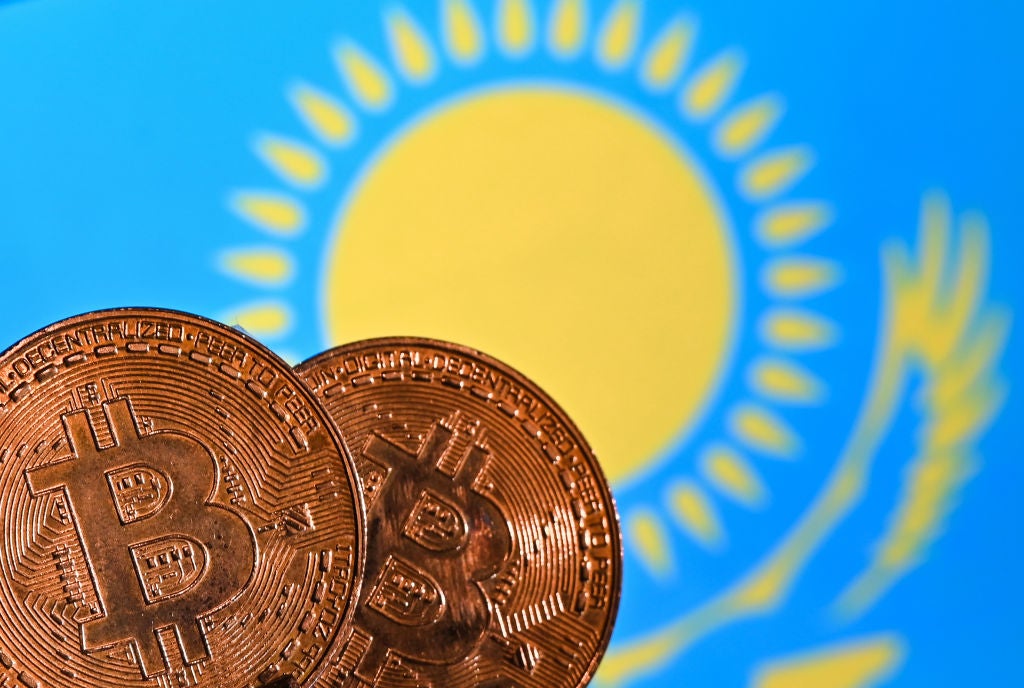
Kazakhstan’s President, Kassym-Jomart Tokayev, has called for the swift expansion of the nation’s cryptocurrency infrastructure, acknowledging its crucial role in shaping the future of the financial sector. Tokayev’s remarks, made during a government meeting on 28 January 2025, highlight the growing importance of digital currencies and assets, particularly in the face of advancements in artificial intelligence.

Addressing government officials, Tokayev pointed out that the global financial landscape is undergoing a significant transformation, with cryptocurrencies becoming a key part of economic systems worldwide. He emphasised that Kazakhstan must capitalise on these developments to stay competitive in an increasingly digital economy. The President outlined the necessity of building a robust and secure digital infrastructure that can support the growing demand for cryptocurrency transactions and services.

Kazakhstan has emerged as a critical player in the global cryptocurrency market in recent years. With a favourable regulatory environment and a relatively low cost of electricity, the country has become a hotspot for cryptocurrency mining. In fact, Kazakhstan currently ranks among the top ten countries globally in terms of Bitcoin mining hash rate, despite facing challenges such as rising energy consumption and concerns over the environmental impact of mining operations.

Tokayev’s call to action for the expansion of crypto infrastructure aligns with broader efforts to position Kazakhstan as a leader in digital finance. The government has already taken steps to strengthen the country’s position in the crypto space, including establishing regulations aimed at attracting foreign investment and enhancing market transparency. However, Tokayev stressed that the pace of development must accelerate to keep up with global trends and technological advancements.

Artificial intelligence , which Tokayev identified as a fundamental factor in the evolving financial landscape, is also seen as a major driver for the adoption of digital assets. The President pointed to the intersection of AI and blockchain technology as a pivotal area for innovation. AI’s ability to optimise blockchain processes, increase security, and enable the creation of decentralised applications is expected to drive further growth in the sector.

Kazakhstan’s proactive stance on crypto infrastructure is particularly important as the country navigates the challenges posed by global economic uncertainty and the increasing prevalence of digital assets. While digital currencies have faced volatility and regulatory hurdles in some parts of the world, Kazakhstan’s government remains committed to fostering an environment conducive to their development. Tokayev’s vision includes creating a comprehensive ecosystem that incorporates not only cryptocurrency mining and trading, but also other digital financial services such as digital banking, insurance, and payment systems.

The potential for Kazakhstan to become a regional hub for digital finance is underscored by its strategic location at the crossroads of Europe and Asia. As more businesses and individuals seek access to alternative financial systems, Kazakhstan’s crypto-friendly policies could position the country as a key player in the global digital economy.

Despite the optimistic outlook, challenges remain. One of the key concerns is ensuring the security of digital assets and protecting consumers from the risks associated with crypto investments. Tokayev acknowledged that while cryptocurrencies offer numerous opportunities, they also present risks, particularly in terms of cyber threats and fraud. As such, the President called for the development of a robust regulatory framework to safeguard the interests of investors and ensure that the benefits of digital assets are fully realised.

The government’s approach to crypto infrastructure is also focused on improving public awareness and fostering educational initiatives. As cryptocurrency adoption continues to grow, it is essential for both the public and private sectors to work together to enhance understanding and encourage responsible usage. Tokayev highlighted the need for collaboration with international experts and stakeholders to create best practices for the crypto industry and establish Kazakhstan as a trusted destination for digital asset innovation.

The push for enhanced crypto infrastructure comes at a time when global financial markets are increasingly focused on the intersection of technology and finance. Countries around the world are competing to establish themselves as leaders in the digital asset space, and Kazakhstan is determined to stake its claim. Tokayev’s remarks reflect a sense of urgency in ensuring that Kazakhstan does not fall behind in the race to capitalise on the potential of cryptocurrencies and blockchain technology.

Advertisements

PEPE, one of the most prominent memecoins in the cryptocurrency world, has recently experienced a significant downturn, dropping 60% from its all-time high. This dramatic fall has caught the attention of investors, who are now turning their focus to alternative memecoins with the potential to yield substantial returns. Among these, PEPETO, a new contender in the memecoin market, is emerging as a possible replacement. However, the question remains: Can PEPETO match or surpass the success of its predecessor?

The price plunge of PEPE has raised concerns about the sustainability of memecoins in a market prone to rapid fluctuations. PEPE’s meteoric rise had many believing that it could achieve mainstream success, but the latest decline signals a shift in investor sentiment. PEPE’s performance over the past few months has been a rollercoaster, with its value dipping significantly from its peak. For investors who bought in at the top, the current dip has been disheartening, leading some to question whether the memecoin phenomenon is over.

Memecoins, often driven by social media trends and online communities, can be notoriously volatile. Their value typically surges when they capture the public’s imagination, but they also experience sharp declines once the hype wanes. PEPE’s fall is no exception, but it is also a reminder of the risks associated with investing in such speculative assets. The cryptocurrency market, particularly the memecoin sector, remains a high-risk environment, where fortunes can be made or lost in a short amount of time.

Despite PEPE’s sharp decline, the broader memecoin market remains alive with speculation. Investors are now seeking the next big opportunity, and PEPETO has emerged as a promising candidate. Launched in recent months, PEPETO has garnered attention for its innovative approach to community engagement and its ambitious plans for expansion. With a strong following on social media platforms like Twitter and Discord, PEPETO is positioning itself as a viable contender in the crowded memecoin space.

The appeal of PEPETO lies not just in its potential for rapid gains but also in its ability to capture the imagination of the memecoin community. Similar to PEPE, it is largely driven by internet culture, leveraging memes and viral trends to increase its visibility. However, PEPETO’s developers have made efforts to differentiate it by focusing on long-term community involvement and utility. The token aims to integrate more features than just speculation, such as partnerships and unique use cases that could give it more staying power than traditional memecoins.

PEPETO’s emergence also highlights a shift in investor attitudes towards memecoins. While many are still driven by the possibility of quick profits, there is a growing interest in coins with a clear roadmap and utility beyond the speculative nature of the market. Investors are beginning to look for more sustainable projects that can provide long-term value. PEPETO’s development team has capitalized on this trend by emphasising its focus on creating a token that not only entertains but also offers tangible benefits for its holders.

One factor contributing to PEPETO’s rise is the increasing presence of influencers and crypto enthusiasts who see potential in the coin’s future. The backing of prominent figures in the cryptocurrency world has given PEPETO more visibility and legitimacy, positioning it as a serious contender. Its online community has been actively engaging with the token’s progress, further driving its popularity. As social media remains one of the primary drivers of memecoin success, PEPETO’s growing presence is a strong indicator that it may have staying power.

However, like all memecoins, PEPETO’s future is uncertain. The volatility of the cryptocurrency market makes it difficult to predict whether PEPETO can maintain its momentum. While some investors are optimistic, others remain cautious, noting that memecoins often experience significant price fluctuations based on shifting trends and market sentiment. The success of PEPE serves as a cautionary tale for investors, reminding them of the risks involved in trading speculative assets.

The future of PEPETO will likely depend on its ability to evolve beyond the hype. While it has gained significant traction in a short amount of time, it faces the challenge of sustaining interest over the long term. It must continue to build its community, expand its use cases, and deliver on its promises. Whether or not it can achieve this will determine if it becomes more than just another fleeting memecoin. For now, PEPETO stands as a symbol of the continued fascination with meme-driven tokens, but its true potential remains to be seen.

SINGAPORE – Media OutReach Newswire – 5 February 2025 – FBS, a leading global broker, introduces FBS AI Assistant, a next-generation tool designed to support traders in making informed decisions. This AI-powered feature analyzes instrument charts in seconds, providing real-time insights based on price trends, patterns, and key market signals. FBS AI Assistant FBS AI Assistant simplifies complex data, transforming complicated chart patterns into clear, easy-to-read reports. […]

Nestlé has forged a strategic alliance with Dubai AI Campus to develop an advanced AI-powered platform designed to enhance product innovation. The collaboration aims to leverage artificial intelligence to identify emerging trends, offering valuable consumer insights that could revolutionize Nestlé’s approach to market strategies. The new tool, which combines Nestlé’s extensive industry experience with the cutting-edge capabilities of AI, will focus on processing large volumes of data. […]

Appknox, a leading mobile application security firm, has launched a suite of advanced artificial intelligence features aimed at strengthening mobile ecosystem protection in the Gulf Cooperation Council region. This move comes in response to the escalating security risks posed by Generative AI technologies and the increasing reliance on mobile applications across various industries. The new security capabilities leverage AI to provide businesses with real-time visibility into potential […]

Foodics, a renowned leader in restaurant and payment technology, has teamed up with MoneyHash, a prominent payment orchestration and revenue operations platform in the Middle East and Africa region, aiming to revolutionize payment solutions for the restaurant and foodservice sectors. The partnership is poised to streamline payment processes, improve operational efficiency, and boost growth for businesses in an industry that is undergoing rapid transformation.

This strategic collaboration is designed to empower food and beverage businesses by addressing some of the most pressing challenges they face in payment management. With the market for online and digital payment services growing rapidly in the region, Foodics, known for its cutting-edge technology, is leveraging MoneyHash’s innovative capabilities to offer businesses a more seamless, flexible, and efficient way to manage their payment systems.

By integrating MoneyHash’s versatile platform, Foodics will enable restaurants to connect to multiple payment providers and optimize their revenue streams through advanced reporting and analytics. This will help businesses minimize friction, reduce operational overhead, and enhance the customer experience by offering more payment options. The system also supports different payment methods, including credit and debit cards, mobile payments, and wallets, ensuring that customers enjoy a smooth transaction experience.

The MEA region has seen significant growth in the adoption of digital payment methods. According to recent reports, the adoption of digital payments in the region has been outpacing global trends, driven by rising smartphone penetration, changing consumer behaviors, and the expansion of e-commerce. However, despite this growth, many food service businesses have struggled to integrate diverse payment systems into a unified platform, leading to inefficiencies and increased costs.

By joining forces, Foodics and MoneyHash aim to address these gaps by providing a single platform that consolidates payment services, making it easier for restaurant owners and operators to manage their transactions, understand their financial data, and make informed decisions to grow their businesses. The partnership combines Foodics’ deep expertise in restaurant technology with MoneyHash’s strong reputation for managing payment flows, offering a comprehensive solution for an industry in need of modernized systems.

The shift to integrated payment solutions is particularly critical in the context of the ongoing digital transformation of the foodservice industry. As more consumers turn to online platforms and delivery services, the demand for fast, reliable, and secure payment processing has never been higher. Operators are increasingly looking for ways to reduce payment friction, enhance customer loyalty, and improve financial transparency. The collaboration between Foodics and MoneyHash represents a significant step toward achieving these goals, providing F&B businesses with the tools they need to thrive in an increasingly competitive environment.

Foodics, with its vast portfolio of technology solutions, has long been focused on helping F&B businesses streamline their operations, from point-of-sale systems to inventory management. The company’s mission to empower entrepreneurs and restaurant owners aligns with MoneyHash’s goal of improving financial management through cutting-edge technology. MoneyHash’s platform enables businesses to connect to a range of payment providers and systems, automating the processing of payments and generating real-time data analytics that give operators better visibility into their financial operations.

The collaboration also promises to have far-reaching effects on payment security and fraud prevention. By integrating a robust payment orchestration system, businesses can ensure that payment processing is both secure and compliant with regional regulations. MoneyHash’s platform employs advanced security protocols and tools to mitigate fraud risks, offering businesses and their customers greater peace of mind when making transactions.

As part of their commitment to transforming the F&B industry, both companies are working toward expanding their presence across the MEA region. The partnership will provide local restaurants with access to innovative technology that can scale as their businesses grow. Both Foodics and MoneyHash recognize the importance of adapting to the unique challenges and opportunities presented by different markets within the region, ensuring that their solutions remain flexible and accessible to businesses of all sizes.

Industry analysts have noted that this collaboration is a crucial step toward addressing the fragmented nature of the payment ecosystem in the MEA region. With so many different payment providers operating across the area, F&B businesses often face challenges in integrating multiple systems and maintaining visibility into their payment operations. The alliance between Foodics and MoneyHash aims to reduce this fragmentation by offering an all-in-one solution that simplifies payment orchestration and revenue management.

This partnership also positions both companies at the forefront of an emerging trend in the global payments landscape: the growing importance of payment orchestration platforms. These platforms are becoming essential tools for businesses across various sectors, enabling them to manage multiple payment service providers through a unified interface. As businesses in the F&B sector increasingly adopt digital solutions, the need for such platforms is expected to continue growing, and the collaboration between Foodics and MoneyHash places them in an excellent position to meet this demand.

Ooredoo and DE-CIX have officially launched Doha IX, a state-of-the-art internet exchange platform aimed at boosting Qatar’s digital infrastructure. The partnership seeks to provide a secure and carrier-neutral solution to enhance network performance, offering businesses in Qatar and across the region improved connectivity.

Doha IX is designed to facilitate the exchange of low-latency internet traffic between operators, service providers, and content providers. The platform will also support remote peering services, allowing organizations to connect more effectively with global and regional networks. By providing a carrier-neutral environment, it offers flexibility to businesses and internet service providers, enabling them to select their preferred partners for traffic exchange without relying on a single carrier. This flexibility could be a significant advantage for companies looking to optimize their networks in a highly competitive market.

The new exchange will help alleviate some of the challenges faced by businesses in Qatar, particularly in terms of maintaining fast, efficient, and secure connections. As Qatar continues to grow as a technology and business hub in the Middle East, reliable and efficient connectivity infrastructure becomes a critical element of its economic development. Doha IX is poised to play a key role in this by providing businesses with the tools necessary to improve their network performance and stay ahead of emerging trends in the digital economy.

The establishment of the exchange comes at a time when the demand for high-quality connectivity is surging across the region. With more businesses moving toward cloud-based services and data-centric models, the need for reliable, low-latency connections is crucial. Doha IX is expected to meet this demand by offering the infrastructure needed to support a wide variety of digital applications, from e-commerce and financial services to entertainment and content delivery.

This development is also in line with Qatar’s broader goal of becoming a leading digital economy in the region. The country’s Vision 2030 plan emphasizes the importance of digital infrastructure as part of its national strategy for economic diversification. The launch of Doha IX aligns with this vision by enhancing the country’s ability to serve both local and international businesses. It also strengthens Qatar’s position as a regional hub for the internet exchange ecosystem.

DE-CIX, a leading global operator of internet exchange platforms, brings a wealth of expertise and experience to this partnership. With over 25 years of experience in running internet exchanges around the world, DE-CIX operates some of the largest and most secure peering platforms globally. Its involvement in Doha IX provides a significant boost to the exchange’s credibility and operational reliability.

The launch of Doha IX is expected to attract international players to the Qatari market, further driving competition and innovation. The platform offers a unique advantage for global content providers and internet service providers who are looking for a reliable and low-latency traffic exchange in the region. It also provides a platform for local businesses to connect with global partners, creating new opportunities for collaboration and growth.

As part of the launch, Ooredoo will provide infrastructure and connectivity support for the exchange, leveraging its extensive network to ensure smooth operations and minimal downtime. Ooredoo’s involvement further enhances the credibility of Doha IX and underscores its commitment to supporting the growing demand for high-quality internet services in Qatar.

For DE-CIX, the establishment of Doha IX marks a strategic expansion into the Middle East, a region that has seen rapid growth in digital and internet services over the past decade. The company’s presence in Qatar further strengthens its position as a global leader in the internet exchange market and offers it a chance to tap into one of the fastest-growing economies in the region.

Looking ahead, Doha IX is poised to become a key player in the digital infrastructure landscape in Qatar. As the country’s business environment becomes increasingly digital, the demand for reliable and efficient connectivity will continue to rise. The platform will provide businesses with the necessary infrastructure to stay connected and competitive in an ever-evolving global market.

Modon Holding, an Abu Dhabi-based investment firm, has secured a deal to acquire Arena Events Group, a prominent player in the temporary infrastructure and event solutions sector. The acquisition also includes Theta Bidco, the parent company of Arena, marking a significant expansion for Modon in the global events industry.With the acquisition, Modon aims to enhance its portfolio and increase its involvement in the rapidly evolving events sector, […]

The UAE further consolidates its position as a global business hub with the launch of its ambitious ‘Future Free Zone’ initiative in 2025. The World Free Zone Organization announced this visionary project to transform the free zones of the nation into international focal points of innovation. Fostering entrepreneurship, the UAE continues to stride toward sustainable growth. The ‘Future Free Zone’ project has been launched to drive advancements […]

Equinix, a global leader in data center operations, has joined forces with London-based fashion designer Maximilian Raynor to turn internet cables into wearable art. The innovative collaboration, which merges the digital world with high fashion, not only pushes the boundaries of design but also prompts a broader conversation about sustainability and the role of technology in fashion.

Maximilian Raynor, known for his avant-garde approach to design, has embraced unconventional materials in his latest collection. The partnership with Equinix, a company renowned for its pivotal role in digital infrastructure, brings a new level of creativity to both industries. Raynor’s work focuses on sustainability, often using recycled or repurposed materials in his designs. In this collaboration, internet cables, typically discarded after being used for digital connections, are given a new lease of life as elements in high-end fashion.

The decision to incorporate these materials into the collection highlights the intersection of technology and fashion, a growing trend in the fashion industry that emphasizes the use of technological waste. As the world increasingly shifts towards sustainability, many industries are exploring new ways to repurpose materials that would otherwise contribute to environmental pollution. Raynor’s use of internet cables is part of a larger movement within fashion to tackle the industry’s impact on the environment, which is one of the largest polluters globally.

This partnership also calls attention to the evolving relationship between technology and fashion, a space where boundaries are becoming increasingly fluid. Data centers, such as those operated by Equinix, are at the heart of the modern digital economy. They facilitate everything from cloud computing to e-commerce, yet they often operate out of sight, hidden in plain view behind the products and services we use daily. By transforming internet cables into fashion pieces, Equinix and Raynor are bringing attention to the vital role of digital infrastructure in modern life while showcasing its potential for creative reuse.

The fashion industry has long been a reflection of contemporary cultural and technological trends. As digital culture becomes more ingrained in everyday life, its influence on fashion design has intensified. Wearable technology, which integrates digital tools directly into clothing, is gaining momentum, and designers are increasingly incorporating elements of digital technology into their creations. Raynor’s collaboration with Equinix brings this trend to the forefront, blurring the lines between fashion, technology, and sustainability.

Critics have praised the collaboration for its ability to address multiple pressing issues simultaneously. On one hand, it shines a spotlight on the problem of e-waste and the challenges associated with the growing demand for digital infrastructure. Internet cables and other electronic components are often discarded, contributing to the growing environmental crisis caused by electronic waste. By repurposing these materials, Raynor is not only creating fashion-forward pieces but also initiating an important dialogue about sustainability in the tech industry.

Equinix, as a leading player in the data center industry, has also made significant strides towards reducing its environmental footprint. The company has committed to achieving net-zero carbon emissions by 2030, aligning with global efforts to tackle climate change. This partnership with Raynor underscores Equinix’s broader corporate responsibility to promote sustainability, especially within the tech sector. As the demand for digital services grows, so does the need for innovative solutions that balance technological advancement with environmental responsibility.

Raynor’s collection, which will be featured at various fashion shows and digital events, offers a glimpse into the future of fashion, where technology and sustainability are seamlessly integrated. His designs, which include dresses, jackets, and accessories made from repurposed internet cables, are a statement on how the fashion industry can engage with the growing demand for sustainability while embracing new materials and ideas. The collection is expected to attract attention from both tech enthusiasts and fashion aficionados, sparking a conversation about how industries can collaborate for positive environmental impact.

For Equinix, the collaboration is an opportunity to engage with a wider audience beyond its usual corporate clients. By partnering with Raynor, the company is positioning itself as a leader not only in the digital infrastructure space but also in the conversation about sustainability and corporate responsibility. This move aligns with the increasing pressure on businesses to adopt greener practices and to make a positive contribution to society and the environment.

The partnership also highlights a shift in consumer behavior, with an increasing number of individuals seeking products and brands that align with their values, particularly when it comes to sustainability. As fashion becomes more conscious of its environmental impact, consumers are looking for brands that offer transparency and commitment to responsible practices. By using repurposed materials such as internet cables, Raynor’s collection not only serves as a stylish statement but also as an eco-conscious choice, appealing to a new generation of consumers who prioritize sustainability in their purchasing decisions.

The content delivery network market is on track for remarkable growth, with estimates showing a surge in revenue from $26.8 billion in 2024 to $121.9 billion by 2033. This trajectory represents a compound annual growth rate of 18%, driven by a confluence of technological advancements, including artificial intelligence and the widespread adoption of 5G networks. As businesses worldwide increasingly rely on digital content delivery, the demand for […]

RiseUp has partnered with Misr Italia Properties to host the inaugural “RiseUp AI Summit” in Cairo, marking a significant milestone for artificial intelligence in Egypt and the broader MENA region. The summit, taking place on February 4, 2025, will bring together key industry leaders, tech innovators, and entrepreneurs to explore AI’s potential and its future impact across various sectors. The summit is expected to provide a dynamic […]

Utah is on the verge of becoming the first state in the United States to officially establish a Bitcoin Reserve, marking a significant shift in the role digital currencies could play in state-backed financial strategies. The state’s legislative body has introduced a bill that would enable the state government to purchase and hold Bitcoin as part of its official reserve assets. If approved, this move could influence other states and global financial systems, potentially setting a precedent for the future of cryptocurrency integration in government reserves.

The proposed legislation reflects Utah’s growing interest in embracing cryptocurrencies as a legitimate asset class. Over the past few years, the state has fostered an environment conducive to blockchain innovation and digital currency adoption. With Utah’s reputation for being business-friendly and its tech-savvy population, this initiative has been met with considerable attention from both cryptocurrency enthusiasts and financial regulators.

The bill’s proponents argue that Bitcoin, with its decentralized nature and limited supply, could provide a hedge against inflation and currency devaluation. As the US dollar’s value fluctuates in response to domestic and global economic pressures, Bitcoin’s deflationary mechanics make it an attractive store of value. Supporters of the Bitcoin Reserve initiative believe that holding a portion of state reserves in Bitcoin could diversify Utah’s financial portfolio, safeguarding it against potential economic downturns.

Utah’s proposed Bitcoin Reserve is not a standalone development. Several other US states, including Wyoming and Texas, have also introduced bills in recent months that explore the integration of Bitcoin into state financial management. While these bills vary in scope, they share a common thread: the desire to position Bitcoin as an accepted, even integral, part of state-backed financial systems.

The move is also viewed as a response to the growing global interest in cryptocurrency as an asset class. Central banks around the world have begun exploring digital currencies, and private institutions have increasingly added Bitcoin to their balance sheets. Bitcoin’s price volatility has presented challenges, but its overall market capitalization has continued to rise, leading some analysts to predict that digital currencies could eventually play a major role in global financial systems.

For Utah, the decision to pursue a Bitcoin Reserve could also have political and economic implications. While the bill has strong support from libertarian-leaning lawmakers and blockchain advocates, it faces opposition from those who are cautious about the risks associated with Bitcoin’s volatility. Critics warn that integrating Bitcoin into the state’s reserve system could expose taxpayers to unnecessary financial risk, especially given the unpredictable nature of cryptocurrency markets.

Despite these concerns, Utah’s government is moving forward with the proposal, citing the potential benefits of Bitcoin as a long-term financial strategy. Utah’s Governor, Spencer Cox, has expressed his belief in the importance of innovation and staying ahead of technological trends, noting that the state should be open to exploring new financial systems that could provide stability and growth in an increasingly digital world.

Another important factor driving Utah’s push for a Bitcoin Reserve is its desire to remain competitive in the tech industry. Utah is home to a thriving technology sector, often referred to as the “Silicon Slopes” due to its proximity to Silicon Valley and its robust network of tech startups. By embracing cryptocurrency and blockchain technology, Utah aims to attract businesses and talent from the burgeoning digital currency industry, which could further strengthen its economy.

The Utah proposal also builds upon the state’s track record of blockchain adoption. In 2019, Utah became one of the first states to recognize blockchain-based signatures as legally valid, and it has since introduced measures to streamline the use of blockchain in state operations. This forward-thinking approach has positioned Utah as a leader in the cryptocurrency space, with the Bitcoin Reserve bill being seen as the natural next step in its ongoing efforts to innovate and modernize its financial system.

The bill’s passage would also be a milestone in the broader national debate over the regulation and integration of cryptocurrencies in government finance. While several states have taken steps toward cryptocurrency regulation, Utah’s Bitcoin Reserve initiative could set the stage for other states to follow suit. Lawmakers across the nation are closely watching the outcome of Utah’s proposal, as it could provide a blueprint for future state-level cryptocurrency legislation.

Opponents of the Bitcoin Reserve initiative argue that Bitcoin’s volatility presents a significant risk to state finances. While Bitcoin’s long-term growth prospects have been lauded by some, its short-term price fluctuations make it a risky asset for any state to hold in its reserves. Critics also point to the environmental concerns surrounding Bitcoin mining, which requires significant energy consumption and has been the subject of ongoing debate within the broader cryptocurrency community.

In response to these concerns, the Utah government has emphasized that the Bitcoin Reserve would represent only a small portion of the state’s overall financial assets. According to proponents, Bitcoin would be used primarily as a hedge against inflation, with traditional assets like gold and bonds continuing to comprise the majority of the state’s reserve holdings. This would allow Utah to take advantage of Bitcoin’s potential upside while mitigating the risks associated with its volatility.

Utah’s Bitcoin Reserve bill includes provisions for regular oversight and risk management protocols, ensuring that the state’s financial security would not be jeopardized by any potential market downturns. The bill also outlines a framework for purchasing and storing Bitcoin, with the state’s treasurer tasked with managing the asset. This added layer of oversight is designed to reassure critics and ensure that Utah’s involvement in cryptocurrency remains in line with traditional financial best practices.


BlackRock’s spot Bitcoin exchange-traded fund has experienced a significant surge in inflows, with 5,250 BTC entering the fund, reflecting the increasing institutional demand for crypto assets. This rise follows a broader market recovery, which has driven Bitcoin and other digital assets into the spotlight, pushing the total market capitalization of cryptocurrencies above $3.3 trillion. The success of Bitcoin ETFs, particularly BlackRock’s, has underscored the growing appetite among institutional investors for exposure to cryptocurrency markets, especially after the U.S. Securities and Exchange Commission greenlit these funds.

The surge in BlackRock’s Bitcoin ETF is one of the most notable movements in recent weeks, especially as it coincides with a resurgence in cryptocurrency prices. As Bitcoin’s value continues to fluctuate, its potential as both a store of value and an investment tool remains compelling for large-scale investors. For BlackRock, the ETF has become a cornerstone of their digital asset strategy, marking the company’s significant step into the volatile yet potentially lucrative world of cryptocurrencies.

Institutional interest in Bitcoin and other digital assets has surged since the SEC’s approval of Bitcoin ETFs, leading to a broader rally within the crypto market. Bitcoin, the largest cryptocurrency by market capitalization, has long been a focal point for institutional investors, many of whom view it as a hedge against traditional market risks. With financial giants like BlackRock now offering dedicated Bitcoin investment products, the narrative surrounding cryptocurrency as an asset class is shifting, with many believing it is no longer a speculative investment but a legitimate alternative to traditional assets.

The latest data highlights that Bitcoin ETFs, such as BlackRock’s, have not only attracted substantial capital but also created a pathway for retail investors to participate in the cryptocurrency market without directly owning or managing the assets themselves. This shift towards ETFs has been partly attributed to their ease of use and the regulatory clarity provided by the SEC, which has made crypto more palatable to a wider range of investors, including pension funds, endowments, and other institutional players.

The inflow of Bitcoin into BlackRock’s ETF is a sign that the broader market is beginning to favor regulated vehicles for cryptocurrency exposure, further diminishing the stigma associated with digital assets. Since the approval of Bitcoin ETFs, the landscape has seen an influx of institutional capital, which, in turn, has helped stabilize Bitcoin prices in the face of volatility. The continuous entry of large sums into ETFs signals confidence among institutional players, marking a shift from the past where digital assets were mostly considered a speculative tool for individual investors.

Despite the momentum, questions remain about whether this rally can be sustained. As Bitcoin’s price continues to rise, it attracts more attention from both institutional and retail investors. However, concerns about regulatory scrutiny and market volatility persist. While the SEC’s approval of Bitcoin ETFs has provided some regulatory certainty, the broader regulatory landscape surrounding cryptocurrency remains uncertain. This could influence the long-term viability of the current rally and determine the future trajectory of Bitcoin and other cryptocurrencies.

Bitcoin’s price remains highly susceptible to broader market dynamics. The cryptocurrency market is notorious for its extreme volatility, and any negative news or shifts in investor sentiment can lead to sharp price corrections. While the current market conditions appear favorable, investors must tread carefully given the cyclical nature of crypto markets and the inherent risks involved. Many analysts suggest that while the inflows into Bitcoin ETFs are encouraging, the true test will come if the market faces a significant downturn or if new regulatory hurdles arise.

Another important factor that could influence the future performance of BlackRock’s Bitcoin ETF is the competition from other asset management firms. With the growing popularity of Bitcoin ETFs, several major financial institutions are racing to introduce their own crypto-focused funds. While BlackRock has established itself as a key player in this space, it faces increasing competition from firms like Fidelity and Grayscale, both of which have been eyeing the market for Bitcoin ETFs for some time. The competition could lead to further innovation and product differentiation, which might benefit investors but could also put pressure on market prices if supply outpaces demand.

On the technical side, the performance of Bitcoin ETFs like BlackRock’s will depend on how well the underlying assets are managed. Bitcoin’s price is driven by various factors, including demand, technological developments, macroeconomic trends, and investor sentiment. The ability of firms like BlackRock to effectively manage and hedge against Bitcoin’s volatility will play a crucial role in maintaining investor confidence and ensuring the longevity of the product.

The South Korean won has plunged to its lowest value against the U.S. dollar in 2025, reflecting growing concerns about global economic challenges and domestic market dynamics. As of Monday morning, the won was trading at 1,471.35 per dollar, a drop of 13.3 won from the previous session. This marks the weakest performance for the currency this year, signaling a potential shift in the financial landscape of the region.

Several factors are contributing to the depreciation of the Korean won, primarily the U.S. Federal Reserve’s tightening of monetary policy. With interest rates in the United States remaining high, capital flows are increasingly favoring the dollar, leaving emerging market currencies like the won under pressure. As the U.S. economy maintains its growth trajectory, the dollar’s strength has increased, putting further downward pressure on the won. Analysts predict this trend could continue if the Fed’s policies remain unchanged in the near term.

The fluctuation of the won is closely tied to South Korea’s economic performance, particularly its trade balance. Exports, a critical component of South Korea’s economy, have been struggling due to reduced global demand, particularly from China, one of the country’s largest trading partners. South Korea’s semiconductor exports, once a pillar of its economy, have experienced a significant slowdown, a trend exacerbated by a global semiconductor oversupply and tightening chip export controls from neighboring countries.

While South Korea’s central bank, the Bank of Korea , has attempted to stabilize the won through currency interventions, these efforts have not been enough to reverse the trend. The BOK’s decision to keep interest rates steady for most of last year, alongside its cautious approach to monetary easing, has raised concerns about its ability to support the won in the face of external pressures. This has led to increased speculation about future rate cuts, which could further weaken the won.

Domestic economic concerns also contribute to the currency’s poor performance. Consumer confidence has taken a hit amid rising living costs and a struggling job market. Youth unemployment, in particular, remains a challenge, and inflation, though moderate, has been persistent. These factors have kept domestic demand subdued, affecting the broader economic outlook and fueling fears of stagnation.

The won’s dip also reflects wider regional trends. Many other Asian currencies, including the Japanese yen and the Chinese yuan, have also faced downward pressure as the global economic environment remains volatile. However, the won’s sharp decline is drawing more attention, particularly given the importance of South Korea’s exports to the global technology supply chain. As a major exporter of semiconductors, displays, and other electronic components, the health of the South Korean economy is critical to the global tech sector.

The Korean government is under increasing pressure to address the weakening won. President Yoon Suk-yeol’s administration has faced criticism for not taking decisive action to support the currency. Financial experts have called for more robust measures, including potential interventions in the currency market or revising fiscal policies to stimulate economic growth. However, any intervention risks further destabilizing the economy, particularly in the face of persistent global inflation and supply chain disruptions.

For investors and businesses in South Korea, the weakening of the won presents both risks and opportunities. Importers, particularly those reliant on raw materials priced in U.S. dollars, are likely to see increased costs, further squeezing their margins. On the other hand, exporters may benefit from the weaker won as their products become more competitive in global markets. However, this potential upside for exporters is tempered by the ongoing global economic slowdown and the uncertainty surrounding future demand for South Korean goods.

The decline in the won also raises questions about South Korea’s broader economic strategy. Some experts argue that the government needs to adopt a more flexible monetary policy, potentially focusing on greater fiscal stimulus to support domestic demand and alleviate the burden on businesses. The government could also look at diversifying its trade partners and finding new markets for its exports, particularly in regions less affected by global economic fluctuations.

On the international stage, the won’s depreciation could complicate South Korea’s relationships with key partners, particularly the U.S. and China. A weak currency can make trade more challenging, potentially raising the cost of South Korean exports and creating diplomatic tensions. South Korea’s geopolitical position, as a key player in both the U.S.-led security alliance and its economic relationship with China, makes currency fluctuations a sensitive issue in global diplomacy.

Bitcoin and Ethereum exchange-traded funds have drawn significant investment inflows, despite a sharp decline in cryptocurrency prices. A notable $318.56 million was poured into Bitcoin ETFs, while Ethereum ETFs saw a more modest but still considerable $27.78 million, signaling investor confidence in these digital assets even amid market uncertainty.

The surge in Bitcoin ETF investments comes at a time when the cryptocurrency has seen substantial volatility. Bitcoin’s value has fluctuated dramatically, yet it remains a central figure in the broader digital asset landscape. Despite this instability, investors have expressed their continued belief in the long-term potential of Bitcoin, driven by increasing institutional interest and Bitcoin’s role as a store of value.

Ethereum, although less volatile than Bitcoin, has also experienced challenges in recent months, but its relatively stable performance in comparison to other altcoins has contributed to its steady inflow of investment into ETFs. Ethereum’s role as the underlying network for decentralized finance applications, alongside its recent network upgrades, has maintained its appeal.

The rise of Bitcoin and Ethereum ETFs is a reflection of a broader trend where institutional investors are beginning to explore digital assets through traditional financial vehicles, providing a sense of legitimacy and accessibility to cryptocurrency markets. These ETFs allow investors to gain exposure to cryptocurrencies without directly holding the underlying assets, providing a safer option for those wary of the risks of self-custody and the volatility in crypto markets.

The appeal of Bitcoin ETFs has been particularly strong in the United States, where regulatory developments have slowly begun to shape the future of cryptocurrency trading. The U.S. Securities and Exchange Commission has been cautious about approving crypto ETFs but has recently signaled increasing openness to their potential. This regulatory stance, while stringent, has created a foundation for the growing number of Bitcoin ETFs, making the asset more accessible to a wider audience. A Bitcoin ETF effectively offers exposure to the digital asset with the benefits of liquidity, security, and the oversight of regulated financial markets.

Ethereum ETFs, though not as numerous, have gained traction as investors look to capitalize on the expanding Ethereum ecosystem. Ethereum’s move to proof-of-stake with the Ethereum 2.0 upgrade has made the network more energy-efficient and scalable, which in turn bolstered its investment prospects. The Ethereum network’s prominence in smart contracts and DeFi projects positions it well for future growth, maintaining investor enthusiasm even when broader market conditions are challenging.

Despite the downturn in the broader crypto market, where other digital currencies have suffered heavy losses, Bitcoin and Ethereum continue to be seen as strong pillars in the space. According to recent reports, Bitcoin’s dominance in the market remains high, and Ethereum’s blockchain continues to be the backbone of many decentralized applications , providing further justification for the influx into their respective ETFs.

The cryptocurrency market’s decline, however, has not been without its consequences. The broader market correction has led to a drop in valuations across the board, impacting altcoins and other tokens. Despite this, Bitcoin and Ethereum remain relatively insulated due to their established networks and larger market caps. As a result, institutional investors are likely to continue favoring these two cryptocurrencies, not only because of their relative stability but also because of the increasing institutional infrastructure that supports their adoption.

Crypto ETFs have also grown in popularity outside the U.S., with Canadian and European markets seeing an influx of Bitcoin and Ethereum-focused ETFs. These markets have been more progressive in embracing crypto-based ETFs, which have now become a significant part of the investment landscape. Europe, in particular, has seen rapid adoption of cryptocurrency ETFs as investors look for more regulated exposure to digital assets.

The correlation between traditional financial markets and cryptocurrency prices has been a focal point for analysts. Many believe that the increase in ETF inflows into Bitcoin and Ethereum may be a sign of institutional investors diversifying their portfolios to hedge against inflation and economic uncertainty. The expansion of ETFs into the crypto space reflects broader trends in the financial markets, where there is growing interest in incorporating alternative assets into investment portfolios.

Dubai’s residential real estate market is experiencing significant growth, driven by a substantial influx of new residents. In the first half of 2024, over 220,000 individuals relocated to the city, reinforcing the escalating demand for housing. This trend has been further emphasized by Amira Sajwani, Managing Director of DAMAC Properties, who noted the ongoing increase in the need for residential units.

The surge in population is attributed to Dubai’s status as a global business hub, offering numerous employment opportunities and a high standard of living. The city’s strategic location, favorable tax policies, and dynamic economic environment continue to attract expatriates and investors worldwide. As a result, the real estate sector is experiencing heightened activity, with both sales and rental markets witnessing upward trends.

In response to the growing demand, developers are accelerating the construction of residential projects. DAMAC Properties, under the leadership of Amira Sajwani, is actively expanding its portfolio to cater to the diverse needs of the new residents. The company’s commitment to delivering quality housing solutions aligns with Dubai’s vision of becoming a leading global city.

Abu Dhabi’s real estate market experienced a significant surge in activity during January, reaching a total value of $2.88 billion in transactions. This marks a considerable increase in both sales and investments, reflecting growing investor confidence in the emirate’s property sector.

The uptick in transactions follows a series of market dynamics that have been shaping the real estate landscape in the UAE capital. According to the latest figures from the Abu Dhabi Department of Municipalities and Transport , the volume of deals spans various segments, including residential, commercial, and industrial properties. Notably, the residential sector continues to dominate, with a large portion of transactions involving high-value villas and apartments in sought-after areas.

The government’s commitment to fostering economic growth, especially through initiatives targeting real estate, has played a key role in stimulating demand. These policies have aimed at attracting foreign investments, bolstering infrastructure, and improving overall market conditions. New regulatory measures, such as those aimed at simplifying property ownership laws for non-residents and expanding property options, have also helped to enhance market stability.

Throughout January, luxury real estate in prime locations, particularly on Yas Island and Saadiyat Island, saw a noticeable uptick in demand. These areas, known for their high-end residential developments and world-class amenities, have become magnets for international buyers. Properties in these locations have attracted investors looking for both secure capital growth and high rental returns.

The office space market has also shown resilience, as businesses continue to expand operations in Abu Dhabi, despite global challenges. Leasing activity for commercial properties remains strong, especially for Grade-A office spaces, as companies seek modern and flexible work environments. The UAE capital’s status as a regional business hub has contributed to this demand, alongside its increasing appeal as a destination for multinational corporations.

The data further highlights the rise of off-plan sales, with developers offering new projects across multiple residential communities. These off-plan sales, which accounted for a significant portion of the month’s total value, demonstrate the ongoing confidence in Abu Dhabi’s long-term real estate prospects. The availability of flexible financing options and competitive prices in comparison to global property markets have positioned Abu Dhabi as a desirable market for investors seeking stable returns.

The UAE’s Vision 2021 agenda, which aims to diversify the economy and reduce reliance on oil, has undoubtedly influenced the real estate sector’s strong performance. A considerable focus has been placed on infrastructure development and sustainability, including green building initiatives and smart city projects, which align with global trends. These initiatives are expected to sustain the growth of Abu Dhabi’s property market in the long term, as both local and international investors turn their attention to properties with sustainable features and advanced technologies.

The value of transactions in the commercial sector, including retail and hospitality properties, has shown positive movement. As the UAE recovers from the global disruptions caused by the COVID-19 pandemic, tourism and hospitality sectors are also seeing a boost, with a surge in demand for short-term rental spaces. Investors are capitalizing on this, focusing on both residential and commercial assets that cater to the increasing influx of tourists and business travelers.

Analysts suggest that the robust performance of the real estate market is also tied to global economic conditions. As many countries continue to grapple with inflationary pressures and market volatility, Abu Dhabi’s relatively stable economic environment is increasingly seen as a safe haven for investors. This trend is expected to continue, with forecasts pointing to sustained growth in the property market throughout 2025.

As Abu Dhabi continues to make strides toward becoming a global financial and cultural hub, its real estate market is likely to remain a key contributor to the emirate’s economic growth. The government’s focus on developing a diverse and attractive real estate sector, along with ongoing investments in infrastructure, is expected to support the market’s expansion.

VISHNU RAJA
RYO YAMADA
HITORI GOTOH
IKUYO KITA
Just in:
Coinbase targets 2027 launch amid state gambling lawsuits // PicCollage extends photo editing platform to web browsers // Women held for plot to rob pilgrims // Yeebo Announces Interim Results for FY26/27 Revenue Increases by 45.5% to HK$806.7 Million Profit Attributable to Owners Surges 87.6% to HK$2,284.7 Million // Workday targets Honeydew purchase to unify AI metrics // Thailand’s Most Iconic New Year’s Celebration Returns: ICONSIAM Unveils “Amazing Thailand Countdown 2027” // Promoting Common Human Development Through Exchanges and Mutual Learning Among Civilizations // Dar Global unveils $700m Trump development in Qatar // Jaiedco and Golden Bridge Announce Strategic Collaboration for a New Dubai Islands Development // Sui activates Hashi Bitcoin lending across partner network // Anthropic shares finish above offer price after Nasdaq debut // Hackers exploit public notes to distribute NodeLinkRAT malware // Dubai Introduces SHARH, an AI-Powered Platform Helping Entrepreneurs Buy, Sell and Manage Businesses in the UAE // 2026 Tropical Rainforest Ecosystem Partners Conference Kicks off in Hainan // Phancy Announces Business Performance for the Nine Months Ended September 30, 2026 // Travel Insurance Was Built for the Few Who Claim. Ancileo’s Felt Coverage™ is for Everyone Else // Dalilk Academy reaches 27 million, targets 100 million by 2030 // HC nullifies assets FIR against minister // International Business Leaders Say Xi’s Speech Boosts Confidence in Asia-Pacific Cooperation // Antony’s wife called to police station with husband over complaint //