News related to
Trends

Leading players in the cryptocurrency industry, including Coinbase, Binance, Kraken, Robinhood, PayPal, Ripple, and others, have launched the Beacon Network, a collaborative effort to tackle the growing issue of stolen cryptocurrency. By working alongside law enforcement and researchers such as ZachXBT, the network aims to offer a real-time solution to prevent the illicit transfer and withdrawal of stolen crypto assets.

The Beacon Network functions by blacklisting suspicious crypto addresses and immediately freezing any funds that are attempted to be withdrawn to an exchange. This swift action is designed to prevent stolen funds from being converted into liquid assets or used for further illegal activities. It is part of a broader effort to safeguard the integrity of the crypto ecosystem and help victims recover assets that have been taken through hacks, scams, and other forms of cybercrime.

The network’s development is timely, as the scale of cryptocurrency thefts continues to escalate. Since 2023, an estimated $47 billion has been funneled into fraudulent wallets, often linked to a range of malicious activities, including hacks, scams, and illicit funding of groups such as North Korean cybercriminals. These trends have prompted both public and private sector entities to take stronger measures to address the vulnerabilities in the crypto world.

One of the key objectives of the Beacon Network is to fight against the growing threat posed by cybercriminals who exploit the anonymity of cryptocurrencies. By leveraging the collective resources of major crypto exchanges and financial platforms, the network seeks to build a collaborative system that can trace stolen assets in real-time. This is expected to disrupt the operations of hackers who often rely on the difficulty of tracking digital currency transactions to launder their ill-gotten gains.

In addition to dealing with cybercriminals, the Beacon Network is also focused on combating other high-profile security threats, such as the use of stolen funds to finance terrorism or support state-sponsored hacking activities. The collaboration between the crypto industry and law enforcement aims to create a more resilient framework for addressing these issues, preventing funds from reaching dangerous or malicious actors.

This initiative marks a significant shift in how cryptocurrency exchanges, financial institutions, and even government bodies approach the problem of stolen crypto. For years, the industry has struggled with the negative perception of cryptocurrencies being used for illicit activities. However, the Beacon Network serves as an example of how crypto giants can take a proactive role in addressing security concerns while maintaining the privacy and decentralised nature of their operations.

The development of the Beacon Network is also an indication of how the cryptocurrency sector is maturing. What was once an unregulated space largely dominated by individual actors and exchanges is now seeing a concerted effort to adopt more formalised and secure practices. The collaboration among these prominent crypto platforms is expected to encourage others in the industry to follow suit, creating a more secure environment for users and reducing the risks associated with digital currency theft.

For the victims of crypto theft, the Beacon Network offers hope for recovering stolen assets. With its automated tracking and freezing capabilities, users will be able to report and prevent further damage to their stolen funds before they can be laundered or moved across borders. While the process is still in its early stages, the network’s potential to return stolen assets to their rightful owners represents a significant step forward in the fight against crypto-related crime.

Royal Caribbean’s latest cruise ship, the Star of the Seas, has embarked on its maiden voyage, claiming the title of the world’s largest cruise ship. Set to join its sister vessel, Icon of the Seas, this groundbreaking debut signals the cruise line’s commitment to pushing the limits of luxury and innovation at sea. At a staggering 1,200 feet in length and capable of carrying over 9,000 passengers […]

Implementing the Core Strategy of “Single Brand, Multi-Categories, Diversified Channels” | Excelling Through Professionalism, Strengthening Strategic Foundations FINANCIAL HIGHLIGHTS In the first half of the year, the Group recorded the following operating results: – Revenue rose by 3.3% to RMB14,817 million; gross profit margin declined by 0.4 percentage points to 50% – Net operating cash inflow was RMB2,411 million – Net profit attributable to equity holders was […]

TAIPEI, TAIWAN – Media OutReach Newswire – 21 August 2025- The Southeast Asia Office of the Industrial Technology Research Institute (ITRI) and LogHealth of Mahidol University are collaborating to host the “Smart Health Industry Forum” on September 9, 2025 in Bangkok. The event aims to explore the latest trends and developments within the smart health industry of both Taiwan and Thailand. The smart health industry continues to […]

Norway’s Sovereign Wealth Fund, managed by Norges Bank Investment Management, has achieved a new milestone in its investment portfolio with an increased exposure to Bitcoin. This exposure, reaching a record high, is now valued at the equivalent of 7,161 Bitcoin, achieved through investments in companies that hold Bitcoin on their balance sheets. This move signifies a notable shift in the fund’s diversification strategy, as it moves further into the digital asset space.

The fund’s strategy typically involves investing in a broad spectrum of assets, including global equities, bonds, and real estate. However, the rising value of cryptocurrencies and their growing acceptance in mainstream financial markets have prompted the fund to increase its indirect exposure to Bitcoin. NBIM’s current indirect holdings represent a stake in Bitcoin through companies that have embraced cryptocurrency, such as MicroStrategy and Tesla, which have allocated significant portions of their balance sheets to the digital currency.

With Bitcoin’s price having seen significant volatility over the years, the fund’s exposure to the digital asset has raised questions about the risks and benefits of investing in such a volatile commodity. As of the latest figures, the total value of these Bitcoin-linked investments stands at approximately 1,387 Norwegian kroner per Norwegian citizen, based on the current exchange rates and Bitcoin’s market price.

This development underscores the growing integration of digital currencies into traditional investment portfolios. The Norwegian Sovereign Wealth Fund, traditionally focused on more conventional assets, has now ventured into a more speculative investment arena. While the fund’s management has assured that this exposure remains minimal compared to its total assets, the move reflects broader trends within institutional investment.

NBIM’s strategy aligns with increasing interest among large-scale investors in diversifying into Bitcoin and other cryptocurrencies. Over the past few years, several prominent investment funds and financial institutions have adjusted their portfolios to include Bitcoin as a hedge against inflation or as a long-term store of value. These entities view Bitcoin’s finite supply and its potential as an alternative investment vehicle in a world of low-interest rates and global economic uncertainties as key drivers behind their investment decisions.

However, the fund’s Bitcoin exposure remains highly indirect. Instead of holding Bitcoin directly, NBIM’s stake comes from investments in companies like MicroStrategy, whose CEO, Michael Saylor, is a known advocate for Bitcoin. Tesla, another key player in the space, made headlines in 2021 when it disclosed its investment in Bitcoin, which led to an immediate surge in the digital currency’s value.

The Norwegian government, which oversees the fund’s operations, has expressed cautious optimism about its cryptocurrency exposure. While the fund is generally conservative in its investment approach, there is recognition that digital assets could play a role in long-term portfolio diversification. The Fund has made it clear that its current exposure is small and that the risk of loss is something it continues to monitor.

While Bitcoin has proven to be an incredibly volatile asset, some argue that its performance over time, including periods of significant appreciation, has made it an attractive speculative asset. Proponents believe that as Bitcoin becomes more integrated into the financial system and more institutional investors enter the market, its volatility will decrease, and its value will continue to appreciate in the long term. Conversely, critics caution that Bitcoin’s lack of intrinsic value and its exposure to regulatory scrutiny could render it a risky bet for long-term investors.

The Norwegian Sovereign Wealth Fund’s growing interest in Bitcoin is part of a wider trend that is seeing institutional investors increasingly embrace digital currencies. In addition to companies like MicroStrategy and Tesla, several other financial entities have made substantial investments in Bitcoin, such as Grayscale Investments and the publicly traded Bitcoin ETF, which tracks the price of Bitcoin directly.

As this trend continues, it raises broader questions about the role of cryptocurrencies in the global financial system. While Bitcoin and other digital assets were once viewed primarily as speculative investments or a form of digital gold, they are now starting to be considered by more traditional investors as part of a diversified investment strategy. The Norwegian Sovereign Wealth Fund’s increasing exposure to Bitcoin may serve as a bellwether for other institutional investors contemplating similar moves.

The Kerala Aviation Summit has commenced in Kochi, bringing together industry leaders, policy makers, and investors to discuss the future of the aviation sector in the region. The event, inaugurated by Kerala’s Chief Minister, marks a significant step in the state’s efforts to position itself as a key player in India’s aviation industry.

Held at the state-of-the-art convention centre, the summit aims to attract both domestic and international investments while fostering innovation and sustainable growth in aviation. This year’s theme focuses on investment opportunities, the impact of new technologies on air travel, and the evolving aviation policy landscape. The event is expected to serve as a platform for discussion on the challenges and opportunities faced by the aviation sector, particularly in the context of global economic shifts and environmental concerns.

State authorities are keen to highlight Kerala’s strategic advantages for aviation growth. With its extensive coastline and proximity to international shipping routes, the state has long been an important transit point for both passengers and cargo. In recent years, Kerala’s airports have seen significant upgrades, positioning them to handle increased passenger traffic. The summit’s discussions will likely explore ways to further leverage these infrastructure improvements, including the role of private-public partnerships in expanding airport capacity and enhancing services.

Aviation experts gathered at the summit emphasised the need for a more robust policy framework that supports both air travel expansion and environmental sustainability. Experts have pointed out that despite the growth in air traffic, India’s aviation sector continues to face challenges, including fuel price volatility, regulatory hurdles, and a shortage of skilled workforce. The summit will feature panel discussions on these issues, with a particular focus on how Kerala can address these challenges to remain competitive in the rapidly evolving aviation landscape.

The event is also expected to showcase emerging technologies that are shaping the future of air travel. Innovations in electric and hybrid aircraft, along with developments in drone technology, will be a key talking point. Aviation companies and technology firms are increasingly exploring these new technologies as part of efforts to reduce the carbon footprint of the aviation industry. Kerala’s government is keen on integrating these advancements into its aviation strategy, aiming to create a sustainable aviation ecosystem that can meet the demands of a growing population while minimising environmental impact.

The summit is anticipated to have far-reaching effects on Kerala’s economy, with key players from the aviation industry looking to expand their presence in the state. This could include the establishment of new flight routes, further investment in airport infrastructure, and the growth of aviation-related businesses. Additionally, experts believe that the state’s focus on tourism and infrastructure will serve as a catalyst for more investment in regional airports, providing a vital boost to local economies.

The Kerala Aviation Summit also provides a platform for the state government to promote its aviation policies. In recent years, Kerala has introduced several initiatives aimed at reducing the cost of air travel, such as subsidies for airlines operating in regional airports. The state’s aviation policy is expected to evolve in response to emerging trends and changing market conditions, including growing demand for air travel in smaller cities and towns.

While much of the discussion will centre around investment, infrastructure, and policy, the summit will also highlight the need for enhanced training and education in the aviation sector. As the industry grows, there is a growing demand for a skilled workforce, from pilots and ground staff to engineers and air traffic controllers. The Kerala government is already working to meet this demand, with initiatives to develop training centres and promote aviation-related courses in local educational institutions.

The White House has launched an official account on TikTok, sparking fresh debate over the platform’s role in US politics and its uncertain future in the country. This unexpected move comes as the Biden administration continues to scrutinise TikTok’s operations within the United States, with concerns primarily centred around data privacy and national security. The account, created under the handle @whitehouse, aims to reach a younger audience […]

Advertisements

India’s oil import strategy showed a marked shift in July 2023, as figures indicated a significant dip in Russian oil imports, alongside a notable increase in purchases from the United States. According to the latest data, India’s Russian crude oil imports fell by approximately 3.6% in the first seven months of the year, amounting to 1.73 million barrels per day, down from the previous period. This reduction coincided with a rise in imports from the U. S., which surged by 58% over the same period, signalling a reorientation of India’s energy sourcing amid shifting global market dynamics.

The decline in Russian oil imports was most evident in July, a month in which India notably skipped shipments from Latin America, further complicating the global oil trade landscape. The data underlines India’s ongoing balancing act as it navigates its energy needs, political affiliations, and economic pressures in a complex geopolitical environment.

Since the onset of the Ukraine conflict in early 2022, India had sharply increased its reliance on Russian oil, taking advantage of discounted prices amidst Western sanctions. Russia had emerged as one of India’s largest oil suppliers, providing a significant portion of the country’s crude oil requirements at highly competitive rates. However, as global energy markets continue to adapt to the war’s long-term ramifications, shifts in India’s oil import strategies reflect an evolving approach to international energy procurement.

The surge in U. S. oil imports reflects broader trends in India’s engagement with non-Russian sources, particularly the United States. While Russia’s crude oil remained competitively priced, U. S. exports presented an alternative as India’s energy demands surged. As of July, the volume of oil imports from the U. S. showed an impressive rise, suggesting a diversification strategy that aims to reduce dependence on any one country, particularly as Russia faces increasing global scrutiny and sanctions.

This diversification is significant not only in terms of energy security but also geopolitically. With Western countries tightening sanctions against Russia, India’s oil purchases from non-Western suppliers, including the U. S., align with its broader strategy of maintaining an independent foreign policy. By tapping into American oil supplies, India positions itself as an increasingly significant player in the global energy markets, potentially leveraging these resources for both economic and strategic gains.

Simultaneously, the reduction in Latin American oil imports in July suggests a recalibration in India’s sourcing preferences. While Latin America had been a key supplier for India in previous years, particularly from countries like Venezuela and Mexico, geopolitical challenges and shifting global demand patterns appear to have altered these trade flows. This move also underscores the growing influence of U. S. oil in India’s energy mix, a shift likely influenced by factors such as pricing, quality, and strategic alliances.

The evolving oil trade patterns are not just a reflection of changing global dynamics but also highlight India’s domestic policy objectives. As the world’s third-largest oil importer, India is continually navigating the pressures of securing affordable energy while balancing its international relations. India’s energy needs are projected to grow in the coming decades, making the diversification of oil sources crucial for its future economic stability.

Further complicating matters, the global oil market has faced increasing volatility due to fluctuations in supply and demand, driven by the war in Ukraine, OPEC’s production decisions, and broader economic uncertainty. The effects of these disruptions are evident in India’s changing oil import patterns, which seem to be increasingly shaped by price sensitivity and geopolitical considerations.

Ethiopia’s foreign direct investment reached $4 billion for the fiscal year ending July 2025, according to the country’s Investment Commission. This represents a modest 2.2% increase from the previous year, signalling a steady inflow of capital despite economic challenges. The rise in FDI comes as the country prepares for a major bond restructuring, which aims to alleviate its mounting debt burden. The FDI figure is particularly significant […]

Greenlogue/AP The United States has solidified its position as the leading source of greenfield foreign direct investment in Saudi Arabia during the first half of 2025, with American companies backing 61 projects worth a total of $2.7 billion. This surge in American investments marks a significant shift in global investment trends, as US-based firms continue to bolster the Kingdom’s economic diversification efforts under its Vision 2030 initiative. […]

Dubai is poised to see a substantial rise in its millionaire population, with projections indicating that up to 10,000 affluent individuals could relocate to the emirate by the end of 2024. This influx is expected to further solidify Dubai’s position as a premier destination for global wealth, driven by a combination of favourable tax policies, a booming property market, and a growing reputation as a business hub.

As of December 2024, Dubai’s population of resident millionaires is forecast to grow to 81,200, significantly contributing to the UAE’s total of 130,500 millionaires. The surge is linked to Dubai’s ongoing efforts to attract wealthy individuals and investors through various initiatives, such as long-term residency programmes and tax advantages, which have made it an increasingly attractive place to live and do business.

The growth of millionaires in the UAE is not just a result of Dubai’s policies but also the broader trends in the global economy, with high-net-worth individuals seeking stability and investment opportunities in the face of geopolitical uncertainty. Wealth management firms, real estate brokers, and investment advisors have all noted the heightened interest from international clients in securing properties in the emirate.

Dubai’s luxury property market is one of the key factors driving this influx. The demand for high-end residential units has been on a steady rise, with prime real estate in sought-after locations such as Palm Jumeirah, Downtown Dubai, and Dubai Marina witnessing increasing sales. This growth has been further fuelled by the city’s transformation into a financial and cultural hub, alongside its status as a global tourism hotspot.

The emirate’s real estate sector has been particularly attractive to millionaires looking to invest in luxurious homes that offer not only aesthetic appeal but also potential for high returns. Dubai’s strategic position as a gateway between the East and West makes it an ideal location for international investors, offering tax incentives and the possibility of high rental yields in a stable economic environment.

The UAE’s relaxed residency laws, particularly the Golden Visa programme, have made it easier for wealthy individuals to relocate and establish themselves in Dubai. The programme grants long-term residency permits to investors, entrepreneurs, and skilled professionals, thus encouraging a more permanent presence of the ultra-wealthy in the city. It is these factors that have contributed to Dubai’s appeal as a sanctuary for wealth and a hub for international business activity.

With its pro-business environment, ease of living, and world-class infrastructure, Dubai continues to attract entrepreneurs and executives looking to make the city their new home. Additionally, the city’s vast infrastructure, which includes state-of-the-art airports, world-class medical facilities, and a thriving arts and culture scene, only adds to its desirability for those with significant financial means.

The role of real estate developers has been critical in meeting the needs of this burgeoning millionaire class. Developers are increasingly focused on delivering bespoke, high-end properties that cater specifically to the tastes of the global elite. These residences offer everything from private pools and exclusive beach access to cutting-edge smart home technology and private helipads. The push for luxury is evident across all sectors, from private villas to penthouses that offer unparalleled views of the city’s skyline.

The local government has also been proactive in ensuring that the infrastructure keeps pace with this growing demand. New residential and commercial developments are being planned across Dubai, especially in emerging areas like Dubai Creek Harbour and Dubai South, which offer a mix of luxury living and connectivity to key business districts and international airports.

For many of these new residents, Dubai is not just a place to live but also a base from which to manage their global business interests. The city’s financial services sector is thriving, with an increasing number of wealth management firms and family offices establishing a presence in the emirate. These firms provide a full range of services, including estate planning, investment management, and tax consulting, ensuring that wealthy individuals can efficiently manage their wealth while residing in the UAE.

SINGAPORE – Media OutReach Newswire – 19 August 2025 – With the demand for accountancy and finance professionals growing amid Singapore’s transition to a digital and sustainable economy, the Institute of Singapore Chartered Accountants (ISCA) today launched a $2 million Career Support Programme to help jobseekers and mid-career individuals pivot confidently into the accountancy profession. Unveiled by Ms Indranee Rajah, Minister in the Prime Minister’s Office, Second […]

Millennials and Gen Zs lead the charge in proactive wealth planning; Gen Zs also have the highest expectations towards receiving an inheritance SINGAPORE – Media OutReach Newswire – 19 August 2025 – A new report by Etiqa Insurance Singapore spotlights growing trends in intergenerational wealth transfer, with 77% of Singaporeans prioritising leaving a financial legacy to future generations. With two-thirds of Singaporeans having either received, transferred or […]

Cambridge Dictionary has added over 6,000 entries to its online lexicon this year, including the slang “skibidi,” alongside other terms that reflect internet-era linguistic shifts. Lexical programme manager Colin McIntosh emphasised that each word chosen shows signs of enduring use, based on analysis via the Cambridge English Corpus containing more than two billion instances of written and spoken English. “Skibidi” entered the dictionary with a flexible definition […]

The United Arab Emirates has reached a significant milestone, securing the 16th position globally in the 2025 Government Support Index, as outlined in the IMD World Competitiveness Yearbook. This index evaluates how effectively governments foster the conditions needed for businesses to thrive, measuring factors such as infrastructure, regulatory environment, and public sector efficiency. With this advancement, the UAE solidifies its standing as a global leader in creating […]

Cocoa processing in Ivory Coast saw a significant decline in July, with the nation’s cocoa grind dropping by 31.2% compared to the same period last year. According to figures released by the Ivory Coast Exporters’ Association, the volume of cocoa ground during the month amounted to just 39,301 metric tons, marking a sharp fall from the 57,125 metric tons processed in July 2023. This downturn has raised […]

The total Ethereum balance held across centralized exchanges has dropped to its lowest level in nine years, a trend that reflects broader shifts in the cryptocurrency ecosystem. According to data from blockchain analytics firm Glassnode, the decline is part of a wider move towards decentralised finance solutions and self-custody. The drop in ETH held on exchanges is viewed as a significant signal for the cryptocurrency market, highlighting a transformation in investor behaviour and the growing trust in blockchain-based alternatives.

The total amount of ETH on exchanges has seen a steady decline over the past few years. Figures from Glassnode show that as of late 2025, the figure stands at its lowest since 2016. This shift is attributed to multiple factors, ranging from the rise of Ethereum 2.0, a push for increased decentralisation, to increased concerns over the security and control of centralized platforms. Investors are increasingly opting to take control of their assets, preferring private wallets, staking services, and decentralised protocols over traditional exchanges.

Experts suggest the move could be indicative of a maturing market. “This trend shows a growing level of sophistication among investors,” said Dr. Linus Hoff, an economist at the Blockchain Research Institute. “Ethereum’s evolving infrastructure, such as the transition to proof-of-stake and increasing use of layer-2 scaling solutions, is leading to a more confident investor base.” The shift away from exchanges also speaks to broader concerns over centralised platforms following a series of high-profile exchange failures and regulatory scrutiny.

Ethereum’s shift to proof-of-stake, which completed its transition in 2022, has had a profound impact on the ETH market. The upgrade enables holders to stake their ETH, earning rewards for supporting the network’s security, rather than leaving their assets on exchanges. This has fostered a growing staking ecosystem where users are incentivised to lock their ETH into DeFi platforms or staking protocols, removing it from exchange balances.

The declining ETH supply on exchanges has consequences for market liquidity. Lower liquidity can sometimes lead to higher volatility, with fewer assets available for immediate sale or trade. However, it can also reduce downward pressure on ETH prices, as large sell-offs become more difficult due to a lower concentration of tokens on exchanges.

The movement of ETH away from exchanges coincides with growing concerns over security. Many investors, especially those who have witnessed the collapses of firms like FTX and Celsius, are moving their holdings to wallets and decentralized applications. As a result, decentralized finance protocols have witnessed rapid growth in adoption. According to data from DeFi Pulse, the total value locked in DeFi has increased by over 40% in the past 12 months, with Ethereum remaining the dominant blockchain.

The continued growth of Ethereum’s staking ecosystem has become a focal point of this shift. As Ethereum offers a higher annual percentage yield for staking ETH compared to other forms of investment, it presents an attractive option for long-term holders. Decentralized exchanges like Uniswap and Sushiswap have benefitted from the movement, with increasing volumes being traded on these platforms. Furthermore, institutional adoption of Ethereum as a staking asset is increasing, providing another layer of legitimacy to the DeFi ecosystem.

The broader implications of the trend also affect the governance of Ethereum itself. As more ETH moves off exchanges and into private wallets or staking protocols, the distribution of Ethereum across a wider range of holders could lead to more decentralised decision-making. This trend could reinforce Ethereum’s position as the go-to blockchain for decentralised applications and smart contracts, which are critical to its future development.

Ethereum is once again challenging heavy resistance levels, sparking optimism among investors. The second-largest cryptocurrency by market capitalisation is showing signs of strength as it attempts to break through critical price points that have stalled its upward momentum in the past. This has caught the attention of analysts, who are predicting significant gains for the cryptocurrency in the final quarter of the year, driven by an anticipated surge in demand and institutional interest.

Ethereum’s price has been hovering in a narrow range, with investors closely watching for a decisive breakout. A clear move above its resistance level could signal a shift in market sentiment, potentially setting the stage for a new wave of bullish activity. Analysts have set their eyes on key technical indicators, suggesting that Ethereum may soon see a substantial increase in value, potentially surpassing previous highs and breaking new ground before the year’s end.

Meanwhile, Dogecoin, a long-standing favourite in the cryptocurrency space, continues to show resilience despite a fluctuating market. The meme-inspired coin is inching closer to its familiar ceiling, prompting speculation on whether it will finally break through and hit new highs. Dogecoin has experienced various cycles of growth and retracement, and many investors are now wondering if it can capitalise on Ethereum’s upward momentum and sustain a bullish rally of its own.

Dogecoin’s price action remains tied to broader market trends, but its reputation as a speculative asset with viral potential could play a pivotal role in driving future price movement. As the crypto community looks to Ethereum for cues, Dogecoin’s loyal following and established place in the market ensure it will continue to draw attention, particularly as some analysts see the potential for a significant rally in the latter half of the year.

On the other hand, Remittix, a newer entrant to the market, is steadily gaining traction. The cryptocurrency’s rapid rise can be attributed to an upcoming listing tied to a hard funding threshold, creating buzz in investor circles. Remittix has quickly become a focal point for those looking for high-growth opportunities in the crypto space. With its market debut on the horizon, analysts are forecasting a potential 500% gain in the short term as the market eagerly anticipates its full-scale launch.

The excitement surrounding Remittix is built on the expectations of a broader, global remittance network offering low-cost and instant cross-border payments. Its underlying technology and potential use case could position it as a viable player in the increasingly competitive financial services sector. As it prepares for its debut, Remittix is showing the type of explosive growth that crypto enthusiasts eagerly seek, especially when backed by a clear roadmap and strategic funding milestones.

The broader market conditions continue to show signs of improvement, with Ethereum, Dogecoin, and Remittix all benefitting from a renewed investor appetite for cryptocurrencies. As the final quarter approaches, analysts are bullish on the prospects for these assets, highlighting the crucial technical levels that could signal significant gains.

Ethereum’s position is especially important, given its role as a leader in the blockchain space. Any positive momentum in Ethereum could trigger a broader market rally, lifting altcoins like Dogecoin and Remittix along with it. As market conditions evolve and investor sentiment strengthens, these cryptocurrencies are poised to be among the key beneficiaries of what could be a dynamic finish to the year.

The UAE has unveiled the third edition of the Samsung Innovation Campus, a collaborative initiative between the UAE’s Artificial Intelligence, Digital Economy, and Remote Work Applications Office and Samsung Gulf Electronics. This new chapter is part of the broader UAE Artificial Intelligence Camp 2025, aiming to nurture a new generation of talent in artificial intelligence and related fields. The event marks another significant step in the UAE’s […]

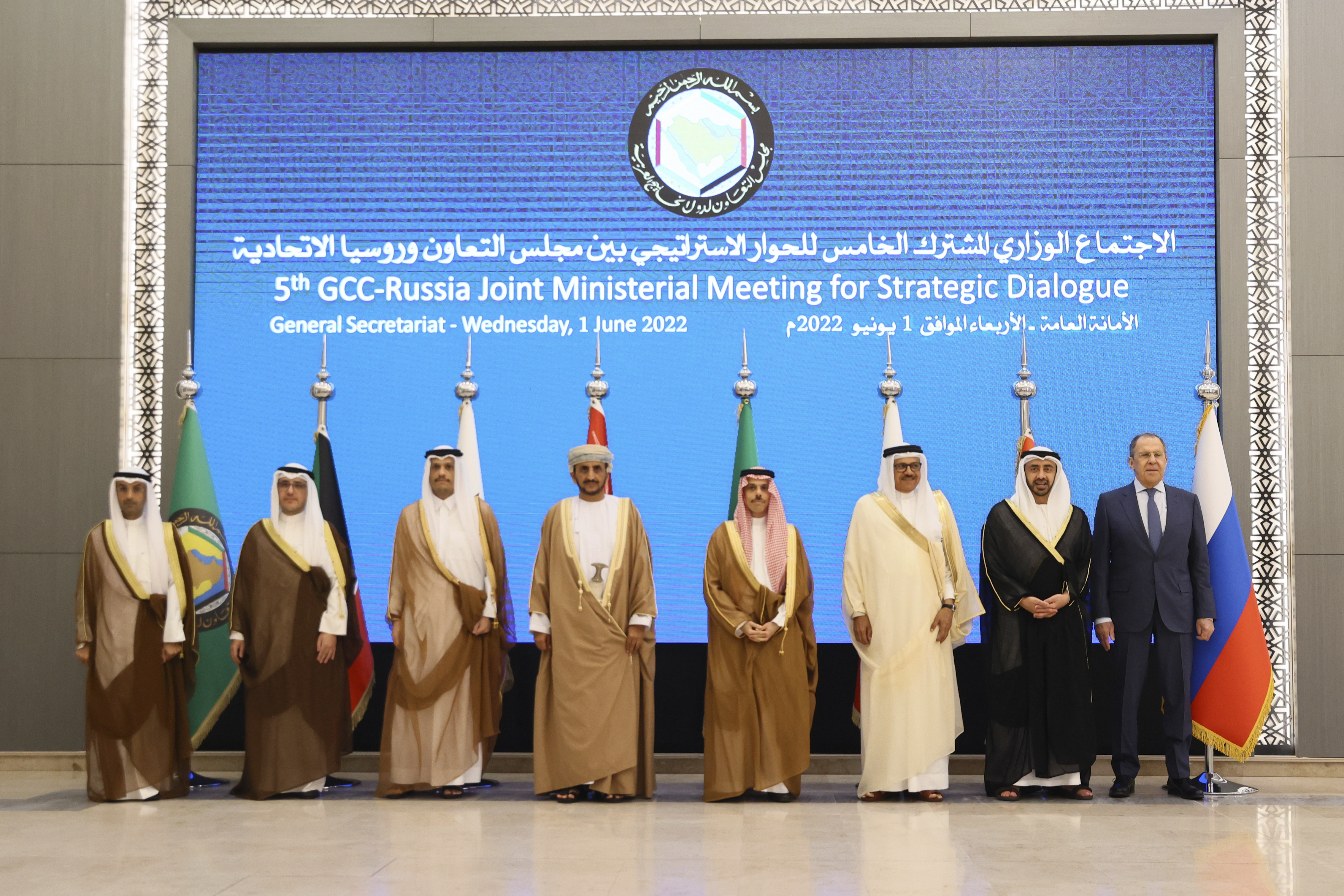
Data released by the Statistical Centre for the Cooperation Council for the Arab Countries of the Gulf reveals a notable decline in the Gulf Cooperation Council’s national income for 2023. The value of gross national income for the GCC region stood at US$2.143 trillion, down 2.7% from the previous year’s figure of US$2.202 trillion. This reduction marks a significant shift in the economic landscape of the Gulf nations.

In 2023, the disposable national income, which measures the income available for consumption and savings after taxes and transfers, also saw a downturn, reaching US$1.989 trillion, compared to US$2.515 trillion in 2022. This represents a 3% decrease in the financial resources available for the region’s residents and businesses.

The GCC’s national income data reflects broader economic trends and shifts in the region’s economic structure, with particular attention given to the changes in the oil and non-oil sectors. While the non-oil sector has grown in importance, the oil sector remains a substantial contributor to the region’s total income. By the close of 2023, the non-oil sector’s value added to the economy amounted to US$513 billion, while the oil sector still held a dominant position with a contribution of US$603.5 billion. Despite the oil sector’s continued strength, the overall decline in GNI suggests that broader economic challenges are at play.

The sharp contrast in performance between the oil and non-oil sectors could be attributed to various factors, including fluctuations in global oil prices and shifting demand for the region’s primary energy exports. While the oil industry continues to be a critical economic driver, the Gulf countries have increasingly turned to diversification efforts, investing heavily in areas such as finance, technology, and tourism to reduce reliance on oil.

The results also reflect global economic pressures, particularly the ongoing impacts of inflation, geopolitical instability, and supply chain disruptions. These external factors have influenced both domestic consumption patterns and investment flows within the region. The 2023 decline in disposable national income indicates that households and businesses in the GCC are experiencing reduced financial flexibility, possibly affecting consumption and investment decisions moving forward.

Despite these challenges, the GCC economies have shown resilience in their attempts to navigate shifting global economic conditions. Several countries within the group, notably Saudi Arabia and the United Arab Emirates, have implemented ambitious plans for economic diversification under initiatives like Vision 2030. These efforts aim to transform their economies by reducing dependency on oil, focusing instead on sectors such as renewable energy, digital innovation, and high-tech industries.

The non-oil sector’s performance is a critical metric of success for these diversification strategies. In 2023, the growth of this sector, while still overshadowed by oil, highlights the ongoing transformation of the region’s economic framework. The expansion of industries such as construction, manufacturing, and services contributes to this shift, providing the region with a more balanced economic profile, though the full impact of these changes will take time to fully materialise.

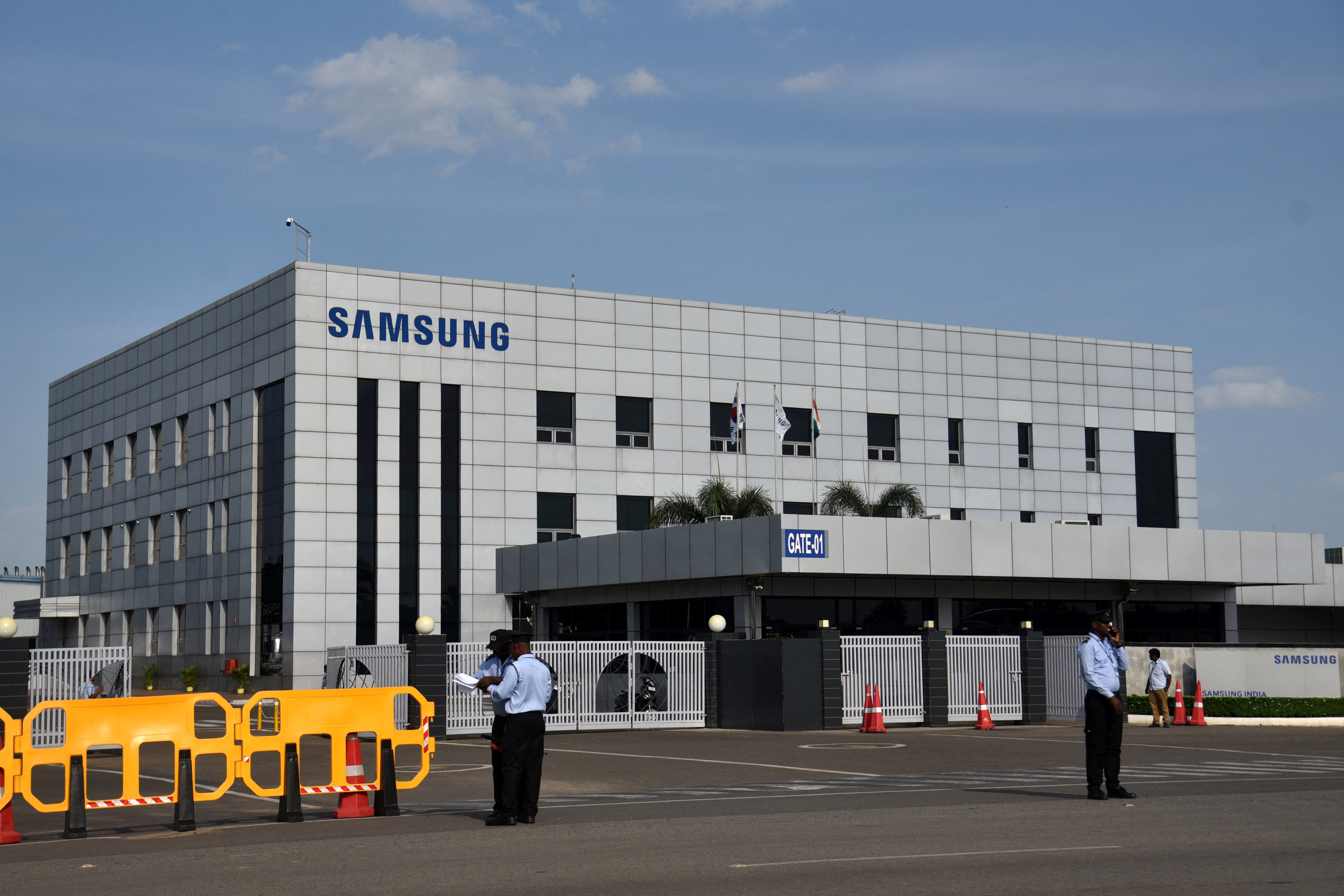
Samsung has commenced local production of laptops in India, marking a significant shift in its manufacturing strategy. The move follows growing trends in the global tech industry, where companies are increasingly decentralising their manufacturing to cater to regional markets and mitigate supply chain risks. The tech giant’s decision to set up its laptop assembly line in India comes as part of a broader push to diversify its production capabilities and tap into the country’s emerging manufacturing ecosystem.

The new facility, which is located in Noida, is expected to meet rising demand for Samsung laptops in India and other parts of Asia. The plant will focus on assembling a range of models, from entry-level to premium devices, with an emphasis on enhancing the supply of high-performance laptops. By doing so, Samsung aims to capitalise on the Indian government’s incentive schemes aimed at boosting local manufacturing and creating jobs in the sector.

India has become an increasingly attractive destination for global manufacturers due to its robust infrastructure, competitive labour costs, and a growing pool of skilled engineers and technicians. Samsung’s decision to invest in local laptop production highlights the country’s status as a strategic hub for tech companies looking to scale operations. The move also aligns with the Indian government’s vision of becoming a global manufacturing leader under the “Make in India” initiative, which encourages foreign companies to establish production bases in the country.

The South Korean company has been investing heavily in India over the past few years, with a significant focus on expanding its footprint in consumer electronics, particularly smartphones. The expansion of laptop production further strengthens its position in the Indian market, where the demand for personal computing devices has been steadily increasing. India, with its young population and rapid digitalisation, presents a lucrative market for tech companies. By establishing local manufacturing units, Samsung can not only meet this demand more effectively but also potentially lower the cost of its devices by reducing import duties and other logistical expenses.

Samsung’s Noida plant will be equipped with advanced manufacturing technology, allowing the company to ensure that its laptops meet international quality standards. The facility is expected to produce several million units annually, with an eye on both the domestic and export markets. This localisation strategy is expected to significantly cut down on shipping costs and delivery times, giving Samsung a competitive edge over other international brands that continue to import their devices into the country.

The move comes at a time when India is becoming increasingly attractive to global technology firms. Companies like Apple, Dell, and HP have already ramped up their manufacturing presence in India in recent years. India’s well-established electronics sector, supported by the government’s push to improve infrastructure and streamline regulatory processes, has led to a surge in foreign direct investment in the country’s tech manufacturing ecosystem.

Samsung’s expansion into laptop production also reflects the growing importance of India in the global supply chain. The country’s status as a low-cost production base, combined with its large consumer market, makes it an attractive location for companies looking to avoid the risks associated with heavy dependence on single countries, such as China. By shifting some of its manufacturing operations to India, Samsung can reduce its exposure to potential disruptions in China, which has long been the dominant player in global electronics manufacturing.

This shift is also likely to have broader implications for the Indian tech industry. With global giants like Samsung setting up local production lines, it is expected that the country will see an increase in the number of skilled jobs in the tech sector. Additionally, the growing demand for locally manufactured devices may spur innovation in the country’s tech ecosystem, encouraging the development of homegrown talent and technologies. This would not only strengthen India’s position as a manufacturing hub but also lay the foundation for the growth of its own tech startups.

Bullish bets on rising US oil prices plunged to a 16-year low as mounting expectations of an oversupplied market and cooling fears of sanctions on Russian crude prompted a sharp pullback by traders.

Net-long positions in West Texas Intermediate futures dropped by nearly 30,000 contracts in a single week, reaching just over 49,000—a level not seen since 2009. The shift came amid forecasts from the International Energy Agency and the US government signalling that global oil supplies will outstrip demand well into 2026, tipping sentiment decisively bearish.

Analysts have noted that expectations of Russian sanctions are beginning to fade. While geopolitical risks had earlier supported price premiums, markets now reckon that even if sanctions are imposed, ample spare capacity among OPEC+ producers and resilient non-OPEC output would cushion any disruptions. Compounding the downward pressure, the US Energy Information Administration reported an unexpected build of 3 million barrels in crude inventories, further weighing on prices.

The retreat in bullish positions is consistent with a broader narrative of abundant supply. In late July, hedge funds slashed their net-long WTI positions to their lowest since mid-April, driven by OPEC+ ramping up production and a surge in US crude stockpiles—a rise of 7.7 million barrels recorded at the end of July. Earlier in the year, speculators trimmed net-long holdings by half over a five-week span amid deteriorating technical outlooks, trade-war concerns and expectations that OPEC+ would taper production cuts.

Despite these bearish trends, forecasters caution that demand could provide occasional counter-currents. Wildfires in Canada have temporarily removed around 350,000 barrels per day of oil from production, supporting prices in the short term. Meanwhile, geopolitical flashpoints—including tensions around Iran’s nuclear programme and Russian export vulnerability—could intermittently bolster outlooks. But with OPEC+ intent on increasing output—for example, by 411,000 barrels per day in July—and projections indicating a supply surplus growing to over a million barrels per day by year-end, the dominant trend remains one of oversupply.

This convergence of factors—ample supplies, fading sanctions risk, swelling US inventories and rising OPEC+ output—has catalysed a reappraisal of market dynamics by speculators. The resulting collapse in bullish positioning reflects a recalibration of expectations amid shifting fundamentals.

Narratives of tight supply have lost momentum, leading to a revaluation of oil’s near-term trajectory across trading desks worldwide.

Futu Securities International has launched Solana trading on its Futu NiuNiu App in Hong Kong, marking a significant step in expanding access to digital asset markets. The launch comes on the heels of a broader push for crypto adoption across Asia and aims to offer more flexible trading opportunities to the region’s retail investors.

This move positions Futu Securities, an influential brokerage firm, as a key player in the competitive landscape of cryptocurrency trading in Hong Kong. The company has been focusing on bridging traditional financial services with digital asset trading, reflecting a growing trend in the region towards integrating blockchain technology into mainstream investment platforms.

The new trading feature allows users to trade Solana directly, a cryptocurrency known for its high-speed transactions and scalability, which have positioned it as a potential competitor to Ethereum. The decision to add Solana to the platform follows a series of strategic partnerships and product enhancements by Futu, aimed at capturing a share of the rapidly evolving crypto trading market.

Solana’s inclusion is particularly notable given the increasing popularity of decentralized finance platforms and non-fungible tokens, sectors where Solana has made significant strides. Its fast transaction speeds and lower fees have made it a favourable option for developers and traders alike. By offering this asset, Futu Securities provides its customers with greater flexibility to tap into the growth of blockchain-based applications.

The launch also comes at a time when other crypto trading platforms are making similar moves to expand their offerings. The competitive pressure is particularly intense in Hong Kong, a city that is positioning itself as a major hub for digital assets in Asia. Several firms are already catering to the burgeoning demand for cryptocurrency products, prompting regulators to adapt to the new landscape.

Hong Kong’s regulators have taken a balanced approach to crypto oversight, striving to foster innovation while ensuring the protection of investors. This regulatory stance has attracted firms like Futu to launch new offerings with confidence, knowing that the regulatory framework is supportive of such developments.

Futu’s move into the retail Solana trading space also ties into the broader trend of financial firms integrating digital currencies into their portfolios. The platform already offers trading in various other digital assets, including Bitcoin and Ethereum, making Solana’s addition a natural extension of their crypto offerings.

This shift is not isolated to Hong Kong alone. Several other financial institutions in Asia have been exploring ways to incorporate blockchain technology into their traditional business models. Many see digital currencies as a way to diversify their service offerings and attract a new wave of tech-savvy investors who are more inclined to explore innovative financial products.

Futu Securities’ push into the crypto space also follows its international expansion strategy. The company has been actively seeking ways to grow its customer base beyond the borders of mainland China, where stricter crypto regulations have limited access to digital asset markets. By capitalising on Hong Kong’s more open regulatory environment, Futu aims to strengthen its position in the broader Asia-Pacific region.

As retail investors in Hong Kong and across Asia continue to show increasing interest in cryptocurrencies, platforms like Futu NiuNiu are tapping into this growing demand by offering accessible and secure trading options. This aligns with broader trends in the financial industry where the lines between traditional and digital assets are becoming increasingly blurred.

The decision to offer Solana trading comes at a pivotal moment for the cryptocurrency market. Solana has garnered attention as a potential alternative to Ethereum, largely due to its speed and lower costs. With the platform’s growing user base, the ability to trade SOL on a mainstream brokerage app represents an important shift in how digital assets are perceived by traditional investors.

Binance’s Chief Security Officer, Jimmy Su, has identified North Korean hacking groups as one of the most significant threats facing the cryptocurrency sector in 2025. As the world’s largest cryptocurrency exchange, Binance has been at the forefront of monitoring and responding to cyber threats. Su’s recent statements have highlighted the urgency of addressing the escalating risk posed by North Korean cyber actors targeting the crypto industry.

The North Korean government has long been linked to a series of cyberattacks aimed at funding its regime through illicit means, with cryptocurrency exchanges being prime targets. These attacks have become more sophisticated over time, with state-backed hackers employing advanced techniques to infiltrate systems and steal millions of dollars’ worth of digital assets. Experts argue that this is part of a broader strategy to bypass international sanctions imposed on North Korea.

Su’s comments, made during an industry event in early 2025, point to a clear rise in the volume and sophistication of these attacks. According to Binance’s internal threat intelligence, these cybercriminals are using increasingly advanced malware, social engineering tactics, and even direct network intrusions to steal sensitive data and crypto assets.

An ongoing investigation by Binance’s security team revealed that these hackers have been exploiting vulnerabilities in the infrastructure of crypto exchanges and DeFi platforms. In some cases, they have used phishing emails and fake job offers to target employees of key financial institutions, hoping to gain access to privileged systems. Such tactics are a clear indication of a well-coordinated operation with global ambitions.

One of the most concerning trends identified is the use of sophisticated ransomware attacks, which have forced some exchanges to pay hefty ransoms to prevent the loss of critical data. The high-profile hacks have raised questions about the resilience of the global financial ecosystem to such breaches, especially as more governments and institutions begin to integrate blockchain technology into their operations.

North Korean actors, according to cybersecurity experts, have also shown an increasing willingness to attack smaller and lesser-known exchanges. This shift in focus comes as these platforms often lack the robust security protocols that larger exchanges like Binance and Coinbase have implemented. As a result, they are seen as softer targets, vulnerable to exploitation.

The financial implications of these attacks are staggering. Since 2019, estimates suggest that North Korean hackers have stolen over $2 billion in cryptocurrency. This is in addition to the $250 million reportedly taken from a major South Korean exchange in 2023. The stolen funds are typically laundered through complex networks of wallets and mixers, making it challenging for authorities to track and recover the stolen assets.

Su’s remarks have sparked a broader discussion about the need for improved cybersecurity measures within the cryptocurrency sector. Many industry leaders have called for a more collaborative approach, involving private companies, governments, and international law enforcement agencies. A unified strategy could help create a more secure environment for the rapidly expanding digital asset market.

The North Korean government has long denied any involvement in cyberattacks. However, international cybersecurity firms have linked numerous incidents to Pyongyang’s operatives, underscoring the persistent threat posed by the country’s cyber espionage efforts. Furthermore, it is widely believed that these hacking groups are funded by the regime to help finance its nuclear weapons programme and other illicit activities.

Efforts to combat these threats have led to increased investment in security technology, including more advanced encryption methods, real-time monitoring tools, and fraud detection systems. In addition to these technological solutions, some exchanges are considering implementing stricter Know-Your-Customer regulations to combat money laundering and ensure compliance with international financial rules.

As the stakes continue to rise, both industry players and regulators face a significant challenge. The rapid growth of blockchain technologies, along with the increasing use of decentralised finance applications, has created a complex and evolving landscape where traditional security measures are often inadequate. As a result, companies must remain vigilant and proactive in defending against cyber threats from state-sponsored actors like North Korea.

While North Korea’s cyber campaign remains a major concern, it is not the only threat facing the cryptocurrency sector. Other nation-states, including Iran and Russia, have been linked to similar activities, further complicating efforts to secure the digital assets market. However, the ongoing attention on North Korean actors serves as a reminder of the global reach and scale of the problem.

VISHNU RAJA
RYO YAMADA
HITORI GOTOH
IKUYO KITA