News related to
Trends

Sukuk issuance is projected to decline in 2025 following a record-setting year in 2024, driven primarily by reduced refinancing needs from key sovereigns in the Gulf Cooperation Council , particularly Saudi Arabia. According to Moody’s Ratings, the total global issuance is expected to fall to approximately $210 to $220 billion, a significant decrease from the previous year. The sharp decline in issuance is primarily attributed to the […]

The White House is set to host a significant summit on March 7, aimed at discussing the future of cryptocurrency and digital assets. The event will see the participation of high-profile figures from the crypto industry, alongside members of the Presidential Working Group on Digital Assets. The gathering will provide a platform for leaders to discuss policy and regulatory frameworks surrounding digital currencies and their potential impact on the economy.

Among the 20 to 25 invitees are key players from some of the most influential companies in the crypto and blockchain sectors. The summit will bring together individuals who have shaped the industry through their work in technology, finance, and digital innovation. Some of the most prominent names on the guest list include Michael Saylor, the CEO of MicroStrategy, who is known for his advocacy of Bitcoin, Brian Armstrong, CEO of Coinbase, and Vlad Tenev, CEO of Robinhood.

Also attending are Arjun Sethi, CEO of Kraken, David Bailey, CEO of Bitcoin Magazine, and Matt Huang, co-founder of Paradigm. These leaders represent a cross-section of the cryptocurrency ecosystem, spanning exchanges, media, and venture capital firms. Other notable attendees include JP Richardson, CEO of Exodus, Kyle Samani, managing partner of Multicoin Capital, and Zach Witkoff, co-founder of WLFI. Sergey Nazarov, the co-founder of Chainlink, will also be present, further emphasizing the blockchain industry’s influence on the digital assets conversation.

The event’s significance extends beyond the individual discussions among these leaders. With the Biden administration focusing on digital assets and their regulatory framework, the summit marks a critical moment in the government’s ongoing effort to better understand the complexities of cryptocurrency markets. Attendees are expected to engage in dialogues that could shape the regulatory environment surrounding digital assets in the United States.

Over the past year, the U.S. government has shown an increasing interest in regulating the cryptocurrency industry. This heightened focus comes amid concerns over the volatility of digital assets, their potential for illicit use, and their long-term impact on financial markets. The summit at the White House is seen as a way to bridge the gap between policymakers and industry leaders, with the goal of crafting policies that support innovation while ensuring consumer protection.

A key topic likely to dominate discussions at the summit is the role of digital assets in the broader financial ecosystem. As cryptocurrencies become more mainstream, there is growing pressure to ensure that they operate within a clear regulatory framework. Some experts argue that without proper regulation, the risk of fraud, money laundering, and market manipulation could undermine trust in digital currencies. Others, however, advocate for a hands-off approach, arguing that overregulation could stifle innovation and limit the potential benefits of digital assets.

The White House summit is expected to focus on a range of issues, from the regulatory treatment of cryptocurrencies to their use in traditional financial markets. A major point of contention has been whether cryptocurrencies should be classified as commodities, securities, or a new class of assets entirely. This distinction has major implications for how they are taxed, traded, and regulated.

For many in the crypto space, this summit represents a critical opportunity to engage directly with policymakers and advocate for policies that support innovation. The presence of prominent figures like Michael Saylor, who has been vocal about his support for Bitcoin as a store of value, and Brian Armstrong, who has been an outspoken advocate for clearer regulatory guidelines, suggests that the meeting will feature a candid and open discussion on the future of digital assets.

One of the critical issues that attendees may address is the potential for a central bank digital currency in the U.S. While other countries, such as China, have made significant strides in developing CBDCs, the U.S. has been cautious in its approach. Some industry leaders are concerned that the introduction of a government-backed digital currency could undermine the decentralised ethos of blockchain technology and compete with private cryptocurrencies like Bitcoin.

At the same time, the growing interest in decentralized finance and non-fungible tokens is likely to feature in conversations. DeFi, in particular, has emerged as one of the most disruptive trends within the cryptocurrency space, offering financial services such as lending and borrowing without the need for traditional intermediaries like banks. This fast-evolving sector could pose challenges for regulators, who will need to balance fostering innovation while ensuring these platforms comply with existing financial laws.

Another important aspect of the summit will be the broader international context. As global governments begin to take action on cryptocurrency regulation, the U.S. faces increasing competition from other countries in setting the pace for crypto innovation. European countries, for example, have introduced their own regulatory frameworks for digital assets, while nations like El Salvador have adopted Bitcoin as legal tender. How the U.S. positions itself in this global race for regulatory leadership could have far-reaching consequences for the industry.

Offering Both General and Life Insurance to Meet Customers’ Various Protection Needs HONG KONG SAR – Media OutReach Newswire – 5 March 2025 – PAO Bank Limited (“PAObank”) announced that it has been granted an Insurance Agency Licence from the Insurance Authority (“IA”) and has signed strategic partnership agreements with China Ping An Insurance (Hong Kong) Company Limited (“PAHK”) and FWD Hong Kong (“FWD”) respectively. PAObank is […]

ByteDance, the parent company of TikTok, has initiated a new share buyback program for its U.S.-based employees, offering $189.90 per share. This marks an 11% increase from the previous buyback prices of $171 and $181 per share. The latest valuation positions ByteDance at approximately $315 billion, reflecting a significant recovery from its valuation dip in 2023.

The company’s robust balance sheet, bolstered by its expanding domestic and global operations, underpins this enhanced valuation. Despite facing potential U.S. bans over national security concerns, ByteDance continues to demonstrate financial strength. Congress passed legislation last year requiring ByteDance to divest TikTok by January 19, or face a ban in the United States. The enforcement of this ban was postponed for 75 days, allowing the company time to explore its options.

ByteDance’s consistent share buyback programs not only provide liquidity to its investors and early employees but also serve as a testament to its confidence in sustained growth. The company’s valuation trajectory has been noteworthy; in December 2023, a buyback offer valued ByteDance at $268 billion, and by November 2024, this figure had risen to $300 billion.

The company’s flagship product, TikTok, boasts a user base of 170 million Americans. Despite its popularity, TikTok has been under scrutiny due to national security concerns, leading to legislative actions aimed at curbing its operations in the U.S. ByteDance has been actively engaging with the U.S. administration to devise a plan that would allow TikTok to continue operating in the country.

In addition to its share buyback initiatives, ByteDance is making significant investments in artificial intelligence infrastructure. The company plans to spend over $12 billion on AI infrastructure in 2025, with approximately $5.5 billion allocated for acquiring AI chips in China, doubling its expenditure from the previous year. About 60% of these purchases will come from Chinese suppliers like Huawei and Cambricon, with the remainder from Nvidia, modified to comply with U.S. export controls. Furthermore, ByteDance plans to invest around $6.8 billion overseas to enhance its AI model training capabilities.

These strategic investments in AI are part of ByteDance’s efforts to bolster its technological capabilities and maintain a competitive edge in the rapidly evolving digital landscape. The company’s focus on AI aligns with industry trends, as rivals like Baidu, Alibaba, and Tencent also ramp up their AI initiatives.

However, ByteDance’s expansion and valuation growth are not without challenges. The company faces regulatory hurdles, particularly in the U.S., where concerns about data security and potential Chinese government influence have led to calls for stricter oversight or outright bans of TikTok. In response, ByteDance has filed a federal lawsuit against the proposed ban, arguing that it infringes on users’ free speech rights.

Introduction This article aims to provide an informative overview of the WienerAI project and its associated token, highlighting its development journey and periodic upgrades introduced by the team since its inception. It is important to note that this text does not constitute financial advice. Rather, it reflects the author’s perspective based on available information and personal observations, with the sole purpose of informing readers. Project Background WienerAI […]

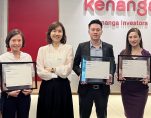
KUALA LUMPUR, MALAYSIA – Media OutReach Newswire – 3 March 2025 – Kenanga Investors Berhad (“Kenanga Investors“) was presented with a total of five (5) awards at the LSEG Lipper Fund Awards 2025 (“Awards“). This year, the firm surpassed its previous successes, earning recognition across multiple categories, marking a continued commitment to excellence in fund management. From left to right: Brandon Ong, Portfolio Manager; Low Pei Yee, […]

Bitcoin experienced a notable surge, climbing nearly 10% to reach $86,500, following the White House’s announcement of its inaugural Cryptocurrency Summit scheduled for March 7. President Donald Trump, who has previously identified himself as America’s “first crypto president,” is set to host the event, underscoring his administration’s commitment to positioning the United States at the forefront of the digital currency revolution.

The summit is expected to convene prominent figures from the cryptocurrency industry, including founders, CEOs, and leading investors. This initiative aims to foster dialogue on regulatory frameworks, technological advancements, and the broader adoption of digital assets. The announcement has been met with enthusiasm within the crypto community, reflecting a growing recognition of the sector’s significance in the global financial landscape.

Prior to this development, Bitcoin had been trading below $80,000, reflecting a period of bearish pressure influenced by broader economic uncertainties. Analysts had observed a significant decline from its all-time high of $109,000, attributing the downturn to concerns over U.S. economic instability, particularly inflation and trade policies. President Trump’s confirmation of tariffs on Mexico and Canada had exacerbated these worries, potentially sparking inflation and impacting investments in higher-risk assets like cryptocurrencies and stocks.

In the immediate aftermath of the summit’s announcement, Bitcoin’s price surged by approximately 8%, reaching $86,500. This rapid appreciation underscores the market’s sensitivity to policy signals and institutional engagement. The surge was accompanied by a significant increase in trading volume, highlighting growing anticipation among both institutional and retail investors.

Market analysts are now closely monitoring Bitcoin’s trajectory. Some predict that the cryptocurrency may remain range-bound between $89,000 and $108,000 in the coming weeks, while others caution about potential further declines due to ongoing market volatility. The Relative Strength Index indicates that Bitcoin is nearing oversold levels, suggesting a potential rebound if selling pressures ease.

The upcoming summit also raises questions about potential regulatory shifts. President Trump’s pro-crypto stance has been well-documented, and his administration’s policies have been perceived as supportive of digital assets. The summit may provide further clarity on regulatory approaches, potentially influencing market dynamics and investor sentiment.

In the broader context, Bitcoin’s recent price movements mirror trends observed in traditional safe-haven assets like gold. The precious metal recently reached an all-time high above $2,900 per ounce, driven by economic uncertainties and trade tensions. If Bitcoin continues to follow this pattern, some analysts speculate that it could recover past $100,000 and target $125,000 in the near future.

However, it’s essential to approach such projections with caution. The cryptocurrency market is inherently volatile, influenced by a complex interplay of factors including macroeconomic indicators, regulatory developments, and technological innovations. Investors are advised to conduct thorough research and consider their risk tolerance when engaging with digital assets.

Advertisements

Bitcoin has experienced significant volatility, with its price surging to $87,000 before plummeting below $80,000. This dramatic fluctuation has led to over $800 million in liquidations within the past 24 hours, predominantly affecting long positions.

The cryptocurrency’s value reached a peak of $87,000, marking a substantial increase. However, this upward momentum was short-lived, as Bitcoin’s price swiftly declined, falling below the $80,000 threshold. This marks the first time since November 11 that Bitcoin has traded at such low levels.

The sharp downturn has resulted in extensive liquidations across the market. Data indicates that long positions worth over $800 million have been liquidated, accounting for more than 90% of all liquidations during this period. Notably, approximately 44% of these liquidations, valued at $371 million, occurred on the Bybit exchange.

Several factors have contributed to this heightened volatility. Uncertainties surrounding U.S. President Donald Trump’s tariff plans and cryptocurrency policies have created a climate of apprehension among investors. Additionally, a significant security breach involving the theft of $1.5 billion worth of Ether from the Bybit exchange has further eroded market confidence.

The broader economic landscape has also played a role in Bitcoin’s price movements. A sell-off in U.S. tech stocks has influenced investor sentiment, leading to a more cautious approach toward high-risk assets like cryptocurrencies. Since mid-December, Bitcoin’s market value has decreased by approximately 25%, down from its peak of $105,000.

Market analysts are closely monitoring key support levels to assess potential future movements. The $80,000 mark is considered a critical support level; a sustained decline below this threshold could signal further bearish trends. Conversely, if Bitcoin manages to stabilize above this level, it may indicate resilience and the potential for a rebound.

The recent volatility has also impacted other cryptocurrencies. Ether experienced a decline of nearly 6%, reaching its lowest level since January 2024. Similarly, XRP saw a significant drop, though it has shown signs of a slight recovery.

Singapore’s fintech investment recalibrated to US$1.3 billion in 2024, in line with global shifts toward sustainable growth. Crypto and blockchain investment increased 22 percent in H2’24 to US$267 million, driven by AI-integrated solutions. AI-powered fintech surged, with investment jumping from US$24 million in H1’24 to US$160 million in H2’24, reflecting demand for regtech and automation. H2’24 fintech deal value grew 41 percent, reflecting a shift toward high-value, […]

The WOW Summit 2025 is set to take centre stage in Hong Kong as a key platform for exploring the intersection of cutting-edge technologies like artificial intelligence , fintech, robotics, digital art, gaming, and decentralized finance. Organised by Invest Hong Kong and the Hong Kong Tourism Board, the event promises to delve into the transformative effects these technologies have on everyday life, with a particular focus on the innovation and opportunities they bring to global industries.

Held in one of Asia’s foremost hubs for technological innovation, the summit will bring together industry leaders, entrepreneurs, and experts from around the world. Attendees can expect a comprehensive overview of how technologies such as AI and blockchain are reshaping sectors from healthcare to finance. The event will highlight emerging trends, from automated systems and machine learning to virtual reality gaming, underscoring the potential impact on both business and society.

At the core of the summit’s agenda is the exploration of AI’s evolving role in society. Hong Kong has emerged as a key player in AI development, with substantial investments pouring into AI-driven start-ups and established tech giants ramping up their AI capabilities. During the event, thought leaders and innovators will discuss AI’s application in various fields, including predictive analytics, personalisation in services, and the role of machine learning in business decision-making. The future of work and the integration of AI into professional environments will also be a focal point, as companies seek to leverage automation to enhance efficiency.

A significant feature of the summit will be the discussions around decentralized finance , a rapidly growing sector that challenges traditional financial systems by offering decentralised, blockchain-based alternatives to traditional banking and finance. Hong Kong, with its robust financial infrastructure and regulatory frameworks, is positioning itself as a leader in this space. Experts will examine how DeFi is likely to evolve, its impact on the financial ecosystem, and the potential risks and benefits it brings for investors, businesses, and consumers.

Robotics will also take centre stage, with a particular focus on advancements in autonomous systems and robotics in manufacturing, healthcare, and logistics. Hong Kong’s strategic location in Asia has made it a key player in the robotics sector, with the city’s companies and research institutions driving innovations in automation, from drones to humanoid robots. The summit will offer insights into the future of robotics, exploring how these technologies can enhance efficiency, reduce costs, and improve service delivery across industries.

Gaming and digital art are expected to be key discussion points, with Hong Kong increasingly becoming a hub for digital art and interactive media. The event will bring together game developers, artists, and content creators to explore the evolving landscape of digital entertainment. Panel discussions and demonstrations will explore how augmented and virtual reality technologies are reshaping gaming experiences, as well as the growing role of NFTs in the digital art world. As the line between digital and physical experiences continues to blur, the summit will examine the role these technologies play in shaping new forms of creative expression and entertainment.

Alongside the spotlight on technologies, WOW Summit 2025 will offer significant networking opportunities for businesses, governments, and startups to collaborate on innovative projects and share insights. Hong Kong, with its well-established reputation as a global business and financial centre, will be the ideal location to connect entrepreneurs with investors, paving the way for cross-border partnerships and investment opportunities.

The event will also focus on Hong Kong’s potential as a global technology hub. As one of Asia’s most technologically advanced cities, Hong Kong is positioning itself as a bridge between East and West, offering unique opportunities for international collaboration. The city’s sophisticated infrastructure, business-friendly policies, and strategic location make it an attractive destination for technology companies looking to expand their reach in Asia and beyond.

The rise of AI, blockchain, and robotics in everyday life is a topic of intense interest globally, and WOW Summit 2025 is poised to be a critical meeting point for thought leaders in these fields. As businesses and governments around the world navigate the complexities and opportunities of emerging technologies, the summit offers a unique chance to gain a deeper understanding of how these innovations are likely to shape the future. The conference will provide a platform for the latest research, case studies, and practical insights that could redefine industries and lead to new solutions to contemporary challenges.

A highlight of the summit will be a series of keynote speeches and panel discussions led by some of the most influential figures in technology. Industry giants and startup founders will share their insights on the role of emerging technologies in shaping tomorrow’s world. Attendees will have the opportunity to hear about groundbreaking developments in AI, blockchain, and robotics, as well as the future of decentralised finance, all of which are driving significant changes in various sectors.

As part of the WOW META FEST 2025, the summit will also feature interactive exhibitions and live demonstrations of emerging technologies, offering visitors the chance to experience firsthand the innovations that are set to redefine how we live, work, and interact. The event aims to bridge the gap between the digital and physical worlds, providing an immersive experience that allows visitors to explore the future of technology in a tangible way.


The 14th Blockchain Forum is scheduled to convene in Moscow on April 23-24, 2025, bringing together over 15,000 participants from more than 100 countries. This significant event aims to explore advancements in Web3, cryptocurrencies, and mining, positioning the CIS market as a pivotal player in the global cryptocurrency landscape.

The forum will feature insights from over 100 esteemed speakers, including founders and top executives of leading companies in the blockchain sector. Attendees can anticipate engaging in behind-the-scenes discussions and networking with professionals across various industries. The event will also host more than 150 exhibitors, showcasing the latest innovations and services in the blockchain and cryptocurrency domains.

Key topics on the agenda encompass blockchain infrastructure development, the potential of decentralization through Web3, the future of digital property via NFTs, investment strategies in cryptocurrencies, and the evolving landscape of mining. These discussions aim to provide participants with a comprehensive understanding of current trends and future directions in the blockchain industry.

The Blockchain Forum is organized by a subsidiary of the international Blockchain Life Forum, which has a history of hosting significant crypto events worldwide. This marks the forum’s return to Russia since 2022, aiming to reestablish its status as a premier international crypto enterprise. The event is set to take place at the MTS Live Hall, located at Enthusiasts Highway, Building 5, Structure 2, Moscow.

Participants are encouraged to secure their tickets promptly, as early bird pricing is currently available. The forum offers unparalleled opportunities for networking, learning, and collaboration among global leaders in the blockchain and cryptocurrency sectors.

International Holding Company has unveiled its financial results for 2024, showcasing a substantial 54.2% increase in revenue, reaching Dhs92.7 billion, up from Dhs60.1 billion in 2023. This impressive growth is attributed to strong performances across various sectors, notably real estate and construction, marine and dredging, and hospitality and leisure. The company’s net profit stood at Dhs25.7 billion, indicating a strategic shift towards value-driven investments. Total assets expanded […]

SINGAPORE – Media OutReach Newswire – 26 February 2025 – On February 20, the “Exploring New Growth” OPPO Ads Connect 2025 Southeast Asia Salon was successfully held in Singapore alongside the launch of OPPO Ads’ new Device+ Marketing Solution. This is OPPO Ads’ first platform-level event abroad, showcasing its strategic capabilities, creative accomplishments, market insights, and marketing product solutions. Attended by marketers, service providers, developers, industry practitioners, […]

The cryptocurrency market is experiencing significant volatility, with Bitcoin’s value dropping below $90,000 and the Crypto Fear and Greed Index falling to levels indicative of heightened investor anxiety.

Bitcoin, the leading cryptocurrency by market capitalization, has seen a substantial decline, trading at $88,420, a decrease of approximately 3.9% from the previous close. This downturn is part of a broader market sell-off affecting various digital assets.

The Crypto Fear and Greed Index, a tool that gauges market sentiment by analyzing factors such as volatility, market momentum, and social media trends, has dropped to 25, categorizing the current sentiment as “Extreme Fear.” This marks a significant shift from the previous day’s neutral position at 49.

Several factors have contributed to this decline in market confidence. A notable incident is the $1.5 billion hack of Ether from the Bybit exchange, which has raised concerns about the security of digital assets and the robustness of trading platforms. Additionally, global economic uncertainties, including potential shifts in U.S. economic policies and impending tariffs on imports from Canada and Mexico, have added to investor apprehension.

The impact of this sentiment is evident across various cryptocurrencies. Ethereum is currently trading at $2,476.08, reflecting a 1.2% decrease. Other major cryptocurrencies such as Solana , XRP, and Dogecoin have also experienced declines, with SOL plunging 14% and both XRP and DOGE down by over 8% in the past 24 hours.

Market analysts suggest that the current bearish sentiment may be overextended. They emphasize the importance of macroeconomic decisions in influencing market trajectories and caution against reactionary trading based solely on short-term market movements.

In response to the growing institutional interest in cryptocurrencies, Citadel Securities, under the leadership of Ken Griffin, has announced plans to enter the cryptocurrency market-making sector. This move aims to provide liquidity for cryptocurrencies on global exchanges, signaling a shift from the firm’s previously cautious stance on digital assets.

Despite the prevailing market downturn, some industry leaders remain optimistic about the long-term prospects of cryptocurrencies. Cathie Wood, CEO of ARK Investment Management, highlighted that institutional adoption of Bitcoin is still in its early stages. She anticipates a significant increase in Bitcoin’s value as more institutions engage with the cryptocurrency, suggesting that the current market consolidation is a healthy phase before potential growth.

Conversely, the rapid proliferation of meme-based cryptocurrencies has introduced additional volatility into the market. These meme coins, often driven by speculative trading and lacking fundamental value, have led to financial losses for many investors. High-profile endorsements and subsequent failures of such coins have underscored the need for clearer regulations to protect investors and maintain market integrity.

The recent downturn has also led to significant liquidations across the market, with over $1.5 billion in positions being liquidated within a 24-hour period. This wave of liquidations has further exacerbated the downward pressure on cryptocurrency prices, contributing to the prevailing atmosphere of fear and uncertainty among investors.

International Holding Company , under the leadership of Chairman Sheikh Tahnoon bin Zayed Al Nahyan, has reported a remarkable 54.2% increase in revenue for the fiscal year 2024, reaching AED 92.7 billion, up from AED 60.1 billion in 2023. This significant growth is attributed to strategic portfolio management and the integration of AI-driven efficiencies across its diverse business units. The company’s total assets expanded by 52% to […]

In today’s competitive business environment, efficiency and data-driven decision-making are essential for success. One of the most powerful tools to enhance productivity and data analysis is Microsoft Excel. At Priority Management Brisbane, we understand the importance of equipping businesses with the right skills to maximize their potential. If you’ve been wondering what Microsoft Excel training can do for your Brisbane business, this guide will highlight the key […]

Gamescom Asia and the Thailand Game Show have united to create a new, expanded event, Gamescom Asia x Thailand Game Show. This merger marks a significant shift in the region’s gaming landscape, bringing together two of the most influential gaming events in Southeast Asia. The collaboration aims to enhance the gaming experience for both attendees and exhibitors, offering a larger platform for developers, enthusiasts, and industry leaders.

This newly formed partnership aims to create a dynamic fusion of gaming culture, technology, and entertainment, combining the strengths of both events. Gamescom Asia, an offshoot of the iconic Gamescom held in Germany, has been a staple in Asia since its inception in 2020, while the Thailand Game Show has built a legacy of over a decade as one of the largest gaming conventions in the region. By merging, the organisers hope to combine the best elements of both shows and deliver an unmatched experience for the gaming community.

The newly branded Gamescom Asia x Thailand Game Show is poised to offer an expansive space for game developers, tech companies, and content creators. With exhibitors from around the globe, the event will showcase the latest innovations in gaming, technology, and interactive media. The merger signals a stronger focus on international collaborations, while still maintaining the region’s unique cultural identity.

The event’s organisers have promised a more comprehensive range of activities, including more engaging stages, improved networking opportunities, and expanded partnerships with key industry players. According to industry experts, this collaboration will significantly increase the event’s reach, attracting a wider audience and providing companies with access to a larger pool of potential clients and partners.

By combining resources, Gamescom Asia x Thailand Game Show is set to deliver new content, activities, and experiences for all involved. Gaming tournaments, developer talks, product showcases, and influencer-led panels will be part of the expanded programme. This year’s event is expected to have an even greater emphasis on eSports, a growing sector in Southeast Asia, with competitive gaming being a key focal point of the show.

The decision to merge was also driven by the growing demand for gaming conventions across Southeast Asia. With an increasing number of game developers and tech companies looking to tap into the region’s lucrative market, organisers recognised the need for a bigger, more inclusive event. The collaboration of Gamescom Asia and Thailand Game Show represents a direct response to this demand, positioning the event as the premier gaming exhibition in the region.

Despite the merger, both brands will retain their distinct identities. While Gamescom Asia x Thailand Game Show will serve as the unified event name, both Gamescom and Thailand Game Show will continue to be used in marketing and branding efforts. This approach aims to preserve the unique characteristics of each event while also blending their strengths.

The expansion of the event comes at a time when Southeast Asia has emerged as one of the fastest-growing gaming markets globally. A recent report shows that the region’s gaming industry has experienced double-digit growth in recent years, driven by rising internet penetration, mobile gaming popularity, and an expanding youth population. By uniting, the two events are set to capitalise on these trends and bring together the brightest minds in the gaming world.

The partnership is also seen as a step forward in the region’s broader push to become a global hub for gaming and eSports. With multiple countries in Southeast Asia making significant investments in gaming infrastructure, eSports arenas, and game development, the merger of these two conventions helps to solidify the region’s growing importance in the global gaming industry. The influx of international companies to Southeast Asia, combined with the growing enthusiasm for local game development, has set the stage for Gamescom Asia x Thailand Game Show to become a must-attend event on the global calendar.

For attendees, the merger represents an exciting opportunity to witness a more diverse range of content, from AAA game reveals to indie game showcases. The show’s new scale also offers more opportunities for hands-on experiences with the latest gaming hardware and software. Additionally, with an increased number of exhibitors, the show is expected to become a hotspot for networking, fostering collaboration between developers, investors, and other stakeholders in the industry.

Asperitas, a Dutch thermal management company, has unveiled its DFCX series, a new line of modular Direct Forced Convection immersion cooling solutions designed to enhance performance, reliability, and energy efficiency across data centers of varying scales. This product line aims to cater to standalone edge facilities as well as hyperscale data centers, addressing the growing demand for sustainable and high-density computing environments. The DFCX series represents a […]

Stellar’s native cryptocurrency, XLM, is confronting a significant downturn, with technical analyses indicating a potential 35% price drop. Currently trading at approximately $0.298598, XLM has experienced a downward trajectory, influenced by prevailing bearish market sentiments and specific chart patterns.

Technical indicators have identified the formation of a ‘death cross’ on XLM’s daily chart, where the 50-day moving average crosses below the 200-day moving average. This pattern is traditionally viewed as a strong bearish signal, suggesting potential for further declines. Analysts project that if this trend persists, XLM’s price could descend to around $0.22, marking a 35% decrease from its current value.

Further compounding the bearish outlook, the Relative Strength Index for XLM has fallen below the neutral 50.00 threshold, indicating increased selling pressure. The RSI’s decline reflects a shift towards bearish momentum, raising concerns among investors about the cryptocurrency’s near-term performance.

Market sentiment surrounding XLM has also been adversely affected by a broader decline in the cryptocurrency sector. Over the past week, XLM’s price has decreased by approximately 9.74%, aligning with a general downturn observed across various digital assets. This trend suggests that macroeconomic factors and investor caution are contributing to the current market dynamics.

Despite the prevailing bearish indicators, some analysts advise caution before making definitive conclusions about XLM’s future trajectory. While technical patterns like the death cross and declining RSI provide insights into potential trends, they do not guarantee specific outcomes. Investors are encouraged to consider a range of factors, including market volatility and external economic influences, when evaluating their positions in XLM.

In response to the current market conditions, some investors are exploring alternative cryptocurrencies that may offer resilience against the downturn affecting XLM. Assets such as Chainlink and Dogecoin have demonstrated relative stability, prompting market participants to diversify their portfolios in an effort to mitigate potential losses associated with XLM’s decline.

The U.S. Securities and Exchange Commission is set to overhaul its regional offices, eliminating top leadership positions in a bid to streamline operations and reduce costs. As part of a broader initiative to focus on efficiency, the SEC will remove leaders from its 10 regional offices. This restructuring comes as part of a cost-cutting strategy influenced by the rising use of cryptocurrencies, specifically Dogecoin, in the broader market.

The decision marks a significant shift in the SEC’s internal operations, with some industry experts speculating that the move reflects a broader shift towards modernizing the regulatory body. The restructuring process, which is expected to take effect within the next few months, will see regional directors and other senior officials in these offices losing their jobs. The SEC has been facing mounting pressure to address the growing costs associated with regulatory functions and to adapt its approach to a rapidly evolving financial environment, particularly within the cryptocurrency space.

The decision follows a series of budget constraints and operational reviews that have highlighted inefficiencies within the SEC’s regional structure. One of the key drivers for this restructuring is the increasing role of digital currencies in financial markets, with some reports indicating that the SEC’s existing framework has struggled to keep pace with new technologies and digital asset regulations. The increasing focus on cryptocurrencies like Dogecoin, and the expansion of digital finance, has led to a demand for more targeted and technologically advanced regulatory mechanisms.

The removal of these leadership roles is not the first sign of restructuring at the SEC. Previous attempts have included efforts to modernize its approach to oversight in the digital age. While the elimination of top regional positions may cause some disruption in the short term, experts argue that this is part of a long-term strategy to enhance the commission’s responsiveness to emerging sectors like cryptocurrency and blockchain technology.

Several critics have questioned the effectiveness of this cost-cutting measure, arguing that reducing leadership roles in regional offices may lead to a loss of expertise and reduce the SEC’s capacity to oversee complex financial activities effectively. Some industry veterans, however, believe that this move is necessary for the SEC to remain relevant in a fast-changing landscape. They point out that the traditional approach to regulating financial markets is being increasingly challenged by technological advancements, and the SEC must adapt to these changes in order to maintain its position as a leading regulatory authority.

The impact of the changes on the day-to-day operations of the SEC is still unclear, with some predicting that the agency will need to rely more on centralised teams and automated systems to perform tasks that were previously handled by regional offices. It remains to be seen how the commission will manage the transition and whether it will be able to maintain its level of oversight across the U.S. financial markets without the extensive network of regional offices.

The SEC’s decision comes amid increasing scrutiny of its role in overseeing the cryptocurrency sector, which has seen explosive growth in recent years. While some digital asset markets like Bitcoin and Ethereum have reached high levels of institutional adoption, Dogecoin has become particularly popular among retail investors, driven by social media trends and celebrity endorsements. The SEC has faced challenges in formulating clear and consistent regulatory frameworks for digital assets, with questions about whether cryptocurrencies should be classified as commodities or securities.

Critics argue that the SEC’s delay in defining its stance on cryptocurrencies has created uncertainty in the market, which has hindered innovation. Proponents of a more aggressive regulatory approach, however, believe that stronger oversight is necessary to prevent fraud and market manipulation, particularly in volatile assets like Dogecoin.

The cost-cutting plan also reflects broader trends in U.S. government agencies seeking to optimise spending and streamline operations. As federal agencies grapple with limited budgets and an expanding range of regulatory responsibilities, efficiency has become a key focus. The SEC’s restructuring may also be seen as part of a larger push towards consolidating regulatory functions in an era of tightening fiscal policies.

While the full extent of the SEC’s plans remains unclear, the announcement has raised questions about the future of the agency’s regional offices and their ability to respond to emerging market trends. As the cryptocurrency sector continues to grow, the SEC will need to strike a delicate balance between reducing costs and ensuring that it can effectively regulate new and evolving markets.

HTXMining, a prominent liquidity staking platform, is gaining recognition for its innovative approach to enabling passive income within the cryptocurrency sector. Offering advanced staking solutions, HTXMining is empowering investors to grow their digital asset portfolios through its user-friendly and highly efficient model. By leveraging blockchain technology and decentralised finance principles, HTXMining is providing a fresh avenue for crypto enthusiasts seeking steady returns without the complexities typically associated with traditional investment methods.

At the core of HTXMining’s appeal is its seamless integration of liquidity staking. Unlike conventional staking, which locks up digital assets in a particular blockchain network, liquidity staking allows users to stake their crypto assets without sacrificing liquidity. This means that investors can earn rewards from staking while retaining the ability to access their funds at any given moment, giving them the flexibility to respond to market conditions swiftly. This feature has already attracted a significant user base, with many turning to HTXMining to diversify their portfolios and enhance their passive income potential.

HTXMining’s staking solutions are built on the back of a robust and scalable infrastructure designed to handle large volumes of transactions with minimal risk. The platform supports a range of leading cryptocurrencies, including Ethereum , Binance Coin , and others, allowing users to participate in staking opportunities across multiple networks. By utilising cutting-edge algorithms, HTXMining optimises reward generation, ensuring that users maximise returns on their investments while mitigating the risks of price volatility that can be inherent in the crypto market.

One of the platform’s key features is its focus on decentralisation. HTXMining operates under a decentralised governance model, enabling token holders to have a say in platform decisions, such as staking rewards, upgrades, and community incentives. This fosters a sense of ownership and participation among users, which is a growing trend in the broader DeFi space. Through its democratic approach, HTXMining sets itself apart from other platforms that remain under centralised control, offering transparency and community-driven development.

Security is another critical aspect of HTXMining’s offerings. Recognising the importance of protecting users’ digital assets, the platform employs industry-leading security measures, including multi-signature wallets, encrypted data transmission, and regular audits. These protocols are designed to safeguard investors’ funds, providing them with peace of mind as they engage in staking activities.

HTXMining’s value proposition also extends beyond passive income generation. The platform is actively involved in the research and development of new staking models, aiming to improve the efficiency and scalability of the broader liquidity staking ecosystem. By collaborating with leading blockchain developers and participating in industry forums, HTXMining is positioning itself as a key player in shaping the future of decentralised finance.

The platform offers a comprehensive suite of tools and analytics for users to track their staking performance. These features enable investors to monitor their rewards, assess market trends, and adjust their staking strategies accordingly. For those new to crypto staking, HTXMining provides educational resources and support, ensuring that users of all experience levels can engage with the platform confidently and effectively.

As the demand for passive income opportunities in the crypto space continues to grow, HTXMining is capitalising on this trend by expanding its product offerings and building strategic partnerships. Its commitment to user-centric solutions, combined with its focus on decentralisation, security, and scalability, positions HTXMining as a standout platform in the rapidly evolving DeFi landscape. With the increasing adoption of cryptocurrencies and the growing interest in yield-generating assets, the platform is well-positioned to attract further investment and continue driving innovation within the space.

While HTXMining’s impact on passive income generation is undeniable, the broader implications of its success could extend to the mainstream adoption of decentralised finance. As more users recognise the benefits of liquidity staking and become comfortable with crypto-based investment strategies, platforms like HTXMining could play a pivotal role in bringing DeFi into the financial mainstream. However, challenges remain, particularly in terms of regulatory uncertainty and market fluctuations, which could impact the platform’s long-term sustainability.

KUALA LUMPUR, MALAYSIA – Media OutReach Newswire – 25 February 2025 – Over the past few years, the strategic endorsements, enigmatic tweets, and business manoeuvres of Elon Musk have caused shock waves in the cryptocurrency market with wild price fluctuations. Today, he is creating a native cryptocurrency on the X platform under the temporary name, X Money. Source: Shutterstock When and if it happens, the project can […]

BANGKOK, THAILAND – Media OutReach Newswire – 24 February 2025 – Dr. Chana Poomee, Chairman of Thai Cement Manufacturers Association (TCMA), has been elected as the President of the ASEAN Federation of Cement Manufacturers (AFCM). In his two years term 2025–2027, he aims to strengthen collaboration among the eight ASEAN cement-producing member countries driving ASEAN Cement dynamically, accelerate the development of the AFCM Decarbonization Roadmap, and foster […]

Netrouting and AFIBER have successfully activated a 400-gigabit backbone connection between The Hague and Amsterdam, significantly boosting data transfer capabilities for clients of Netrouting and Data Facilities Data Centers in the Netherlands. This development offers enhanced connectivity, reduced latency, and increased bandwidth for businesses operating within these regions. The newly established redundant backbone link connects DFDC’s facilities in The Hague to major data hubs in Amsterdam, including […]

VISHNU RAJA
RYO YAMADA
HITORI GOTOH
IKUYO KITA