News related to
Trends

EdgeCortix has launched its SAKURA‑II M.2 AI accelerator for the Raspberry Pi 5 and other Arm‑based platforms, enabling high‑performance, energy‑efficient execution of generative AI at the device edge. With 60 TOPS and 30 TFLOPS performance within an 8–10 W power envelope, the SAKURA‑II module supports advanced models including Llama 2, Stable Diffusion, Vision Transformers and VLMs on compact, affordable hardware. Dr Sakyasingha Dasgupta, EdgeCortix founder and CEO, highlighted that the integration “opens […]

Amazon Web Services has secured a landmark 20‑year power purchase agreement with Talen Energy, guaranteeing 1,920 MW of carbon‑free electricity from the Susquehanna nuclear plant in Pennsylvania. The contract, lasting until 2042 with extension options, positions nuclear energy as a pillar of Amazon’s strategy to meet surging demand from its AI and cloud operations. Talen will gradually ramp up delivery, starting with 840–1,200 MW by 2029 and reaching full […]

SINGAPORE – Media OutReach Newswire – 16 June 2025 – ST Telemedia Global Data Centres (STT GDC), a leading data centre service provider headquartered in Singapore, today published its 2024 Environmental, Social and Governance (ESG) report. The report details progress toward STT GDC’s ESG targets, as well as its three main ESG pillars – carbon-neutral data centre operations by 2030; a safe, secure, diverse and inclusive workplace; […]

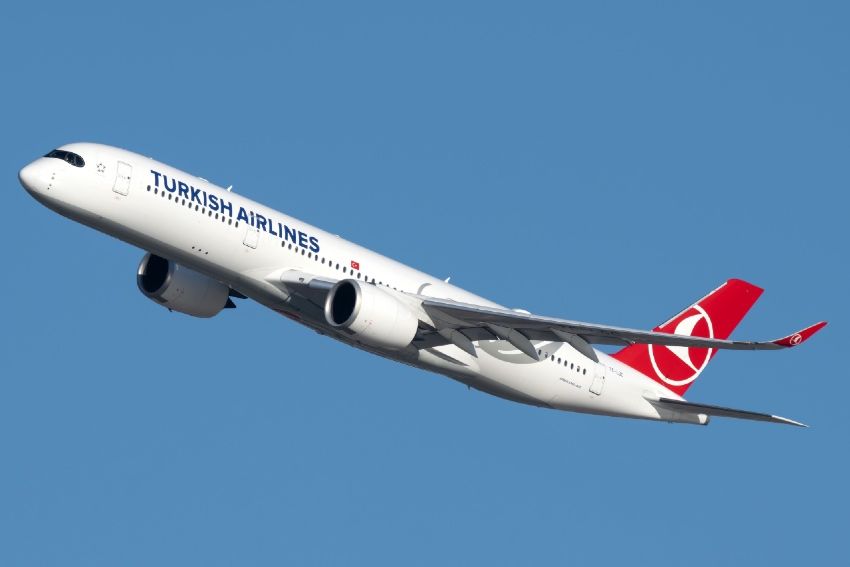
Turkish Airlines and TAP Air Portugal have deepened their codeshare collaboration, extending shared services to a host of new international destinations. Under the broadened agreement unveiled at the IATA Annual General Meeting on 4 June, travellers can now book seamless flights on routes to Brazil, Morocco, Qatar and Mauritius, while Turkish domestic holiday hotspots Dalaman and Bodrum are also integrated into the expanded arrangement.

Bilal Ekşi, chief executive of Turkish Airlines, explained that the enhanced alliance “offers greater flexibility and a wider range of travel options” and aims to bolster tourist and business connectivity between Türkiye and Portugal. TAP Air Portugal CEO Luís Rodrigues underscored that strategic partnerships are essential for extending the airline’s reach eastwards, remarking that the arrangement “provides our global passengers and our Portuguese community with increased options to visit new and exciting places using our Turkish Airlines partner”.

Both carriers are members of the Star Alliance network, which encompasses more than 1,160 airports in over 190 countries. Turkish Airlines, holding a Guinness World Record since December 2024 for servicing the largest number of countries, flies to 340 destinations across 129 countries, while TAP Air Portugal ranks as Europe’s safest airline and leads European service to Brazil.

The update enhances booking convenience and connectivity for passengers. With the codeshare, flyers can book single-ticket itineraries that combine flights operated by each carrier, gain through-check of baggage, and accrue loyalty benefits across both their Miles&Smiles and TAP Miles&Go programmes. The inclusion of Brazil responds to TAP’s strong presence in South America, where the airline operates over 1,250 weekly flights to 14 cities.

Beyond South America, the new route options into North Africa, the Middle East, and the Indian Ocean signify a strategic push to diversify leisure and business travel offerings. Dalaman and Bodrum, already popular among European tourists, have now become a seamless gateway for Portuguese travellers to experience Turkish coastlines within the shared network.

Theresa Walsh, aviation analyst at AeroInsight Strategies, noted that although codeshare agreements are common, this specific expansion stands out due to its geographical reach: “Covering holiday-centric jets like Dalaman and bridging long-haul markets from Lisbon to São Paulo or Doha offers a genuinely integrated experience.” She projected that ticket sales could rise by up to 8–10% on the newly covered routes over the next year.

Industry experts highlight that the move may also serve as a template for TAP as it navigates its planned partial privatisation. Portugal’s government is preparing to offload its 51% stake in TAP, with a 49% stake open to bids from Air France‑KLM, Lufthansa or IAG. Strengthening international partnerships may enhance TAP’s value proposition to prospective investors by showcasing expanded network synergy.

Passenger advocacy groups have raised the question of whether such agreements might introduce pricing complexity, as combining two carriers can involve disparate fare rules. Both airlines have reassured the public that prices will remain transparent, with unified booking and support frameworks across shared routes.

Operationally, the partners will synchronise schedules, optimise cabin connections, and co‑ordinate service protocols. TAP’s fleet of Airbus NEO aircraft, lauded for fuel efficiency, will fly in conjunction with Turkish Airlines’ diverse mix of modern jets.

Premier travel agents in Lisbon and Istanbul report immediate upticks in enquiries. João Ribeiro, a senior agent at Lusitano Travel, commented: “Our clients value simplicity. Booking Lisbon–Bodrum via Istanbul on one ticket, with aligned timings and baggage allowances, is exactly the evolution they want.”

The alliance extension comes as both airlines seek to rebalance portfolios in response to shifting tourism trends and evolving geopolitics. Airlines across Europe are recalibrating their route maps to lean on partnership networks, minimising standalone risk. The expanded Turkish‑TAP codeshare is among the most notable examples of this trend in 2025.

G42 has unveiled a new London‑based subsidiary, G42 Europe & UK, designed to amplify its AI infrastructure and services across the United Kingdom and continental Europe. The entity, co‑chaired by Omar Mir and Marty Edelman, will deliver end‑to‑end AI offerings—from advisory and model deployment to supercomputing infrastructure—for sectors including finance, healthcare, energy and manufacturing. The launch comes as G42 continues its strategic European rollout, following the roll‑out of AI compute […]

Abu Dhabi‑based IHC, in collaboration with BlackRock and Lunate, has officially launched Reinsurance Intelligence Quotient—RIQ—a global, AI‑native reinsurance platform headquartered in the Abu Dhabi Global Market. Anchored by over US $1 billion in initial equity, RIQ aims to underwrite more than US $10 billion in liabilities, spanning property and casualty, life, and specialty lines.

The platform unites human talent with advanced artificial intelligence to refine risk selection, cost control, underwriting, and customer service. Its AI core provides real‑time insights and precision decision‑making, seeking to optimise capital deployment on a global scale. Registered with the Financial Services Regulatory Authority of ADGM, RIQ is in the final stages of securing full regulatory approval.

The board of directors, chaired by Dr Sultan Ahmed Al Jaber, includes notable figures such as Syed Basar Shueb, H E Mohamed Hassan Alsuwaidi, Sofia Abdellatif Lasky, and RIQ CEO Mark Wilson, former leader at Aviva and AIA. The governance structure positions RIQ to balance regional expertise with global vision, leveraging its strategic partners.

The initiative builds on a May plan unveiled by IHC, BlackRock, and Lunate to establish an AI‑powered reinsurer targeting US $10 billion in liabilities with over US $1 billion in capital. BlackRock will contribute its Aladdin technology and insurance asset management services, while Lunate brings private and public market investment capabilities.

IHC CEO Syed Basar Shueb has emphasised the venture’s role in accelerating Abu Dhabi’s and the wider region’s nascent insurance and capital market ecosystems. “RIQ is the embodiment of IHC’s vision to invest in the next frontier of global financial services,” Shueb stated. Meanwhile, RIQ CEO Mark Wilson described the platform as purpose‑built for a changing market, combining speed and flexibility backed by deep capital.

Dr Al Jaber, who also serves as UAE’s minister of industry and advanced technology, said the platform would “connect global capital with high‑growth markets, all from the heart of Abu Dhabi’s thriving financial centre”. This reflects a broader strategic push by Abu Dhabi to position itself as a hub for innovative financial services and AI‑driven offerings.

Analysts have observed that RIQ’s AI‑native architecture could challenge traditional reinsurance models, where legacy systems often hinder real‑time pricing accuracy and capital efficiency. With global risk landscapes evolving due to climate change, cyber threats, and geopolitical instability, the deployment of AI in underwriting and risk transfer represents a notable shift in industry norms.

Industry commentators note that IHC, already one of the region’s largest investment houses, continues to accelerate its diversification strategy, adding reinsurance to its growing portfolio that spans technology, energy, real estate, healthcare, and food production. Its ability to marshal more than US $455 billion in assets and maintain tight ties to the Abu Dhabi ruling establishment adds strategic depth to RIQ’s capital and governance framework.

Key trends marking this launch include the convergence of finance and bleeding‑edge technology, a stronger regional emphasis on insurance capacity, and elevated geopolitical importance of financial resilience. RIQ is set to capitalise on these developments, channeling global capital into emerging markets, while establishing Abu Dhabi as a next‑generation centre for financial innovation.

Crypto WINNAZ has rolled out an on‑chain yield engine aimed at meme coins, promising returns between 20× and 300× for participants who lock tokens into its lottery‑style prize pool starting 15 June. The initiative seeks to inject utility into tokens that traditionally rely on community hype, offering holders an alternative to sell‑driven volatility.

Meme coins have long suffered from a fundamental flaw: lacking intrinsic utility, they depend solely on speculative interest. This often leads to boom‑and‑bust cycles that leave latecomers holding the bag. Crypto WINNAZ’s model, however, introduces a structured yield mechanism. Participants lock in their meme coins, entering a provably fair lottery that rewards winners with a share of the prize pool—effectively turning stagnant holdings into yield‑bearing positions.

By embedding this financial gameplay at the smart‑contract level, WINNAZ separates itself from conventional meme‑coin launches that prioritise hype over structure. Industry analysts note this innovation addresses the “utility gap” that plagues such assets. Instead of value being purely speculative, holders gain access to periodic payouts, creating behavioural incentives around long‑term holding and moderating the hyper‑volatility typical of pump‑and‑dump schemes.

The timing of the launch coincides with broader meme‑coin ecosystem trends. Platforms such as Solana’s Pump.​fun and Justin Sun’s SunPump have pioneered meme‑coin launch infrastructure, underscoring growing demand for structured token launch engines. WINNAZ adds to the wave by focusing on yield—a pivot emphasised in a 2024 sector analysis which identified “launchpads” and liquidity engines as defining features of the current meme‑coin cycle.

Critics highlight potential risks: lottery models entail asymmetric payoff structures that may favour early or large liquidity contributors. Smaller investors face low probabilities of winning, and on‑chain yield frameworks have occasionally been undermined by exploit attempts. Crypto WINNAZ asserts its lottery contracts are transparent and secured via third‑party audits, although full external verification is pending.

Front‑line voices in the sector emphasise the importance of incentives aligned with holder interests. An HTX Research report on meme‑coin platform evolution underscores that sustainability hinges on blending cultural momentum with financial structure. WINNAZ exemplifies this hybrid, pairing community excitement with measurable yield.

Market reception to the launch announcement is mixed. Early presale interest suggests enthusiasm among yield‑chasing investors, yet sceptics note that without broader ecosystem integration—such as staking utility, cross‑chain interoperability or DAO governance—the yield engine may function fleetingly as a novelty.

Crypto WINNAZ has unveiled a roadmap that outlines evolving functionality, including integration with DeFi protocols and launchpad collaborations. These enhancements could expand utility beyond prize pools and foster secondary‑market liquidity, a recognised challenge for meme coins according to analytics platforms like Artemis, which found meme tokens delivered returns six times higher than average in 30‑day windows, but often lack persistent demand.

As part of its social engagement strategy, WINNAZ is introducing community initiatives and giveaways, aiming to sustain interest across diverse token sub‑communities. In line with developer insights from meme‑coin launch ecosystems, community traction is critical to underpinning utility mechanisms.

Crypto WINNAZ’s experiment brings together two volatile elements: meme‑coin culture and on‑chain yield mechanics. If successful, this hybrid defines a new meme‑coin archetype—one where token holders are rewarded for participation, not just speculation. Its launch could prompt rival projects to consider similar on‑chain utility frameworks when building meme economies.

Advertisements

Emaar Properties today unveiled VYOM, its global digital platform for reselling homes, offering users a streamlined, secure and transparent alternative to conventional resale methods. The platform enables homeowners and investors to list properties, upload images and directly manage buyer inquiries through a single online portal, granting full autonomy over the resale process. Emaar’s founder, Mohamed Ali Alabbar, described VYOM as more than a tool—it represents a shift in resale […]

IFA Hotels & Resorts, the hospitality arm of Dubai-listed International Financial Advisors Holding Company, has received board approval to increase its capital. The move, sanctioned on 11 June, aims to address borrowings totalling more than KWD 17.3 million, according to the parent company’s announcement. The proposed capital raise follows IFA Hotels’ earlier struggles with mounting liabilities. Listing on the Kuwait Stock Exchange, IFA Hotels specialises in developing, managing and […]

A new maritime alliance took shape on 12 June 2025 as AD Ports Group and the Arab Shipbuilding & Repair Yard Company signed three Heads of Terms, solidifying their collaboration in marine services across Bahrain, in a ceremony attended by H.H. Shaikh Nasser bin Hamad Al Khalifa, His Majesty’s Representative for Humanitarian Works and Youth Affairs and Chairman of Bapco Energies. The agreements build upon the operational success of ASRY Marine, […]

Sharjah achieved a total real estate trading value of AED 5.5 billion during May 2025, recording 8,415 transactions across the emirate. The total area traded reached 13.2 million square feet, underlining the emirate’s advancing market strength. Investors conducted 1,574 outright sales deals, accounting for roughly 18.7 per cent of activity, alongside 381 mortgage registrations totalling AED 1.1 billion—4.5 per cent of the transactions. Additionally, 1,486 initial sale contracts were signed, and 3,619 ownership certificates […]

Japanese investment firm Metaplanet has scaled its way into the top ten corporate Bitcoin holders by acquiring a further 1,088 BTC for roughly $117.9 million, boosting its total holdings to 8,888 BTC and vaulting above Galaxy Digital and Block Inc. into ninth place worldwide. The firm purchased the coins at an average price of approximately $108,400 each, signalling deepening confidence in its treasury strategy underpinned by sustained market uncertainty.

Metaplanet’s pivot from hotel management to cryptocurrency began in 2024. Since then, its stock has surged dramatically, at times rising over 8,850 per cent in just two years, as the company pursued a bitcoin‑centric treasury model. That performance has mirrored similar moves in the sector, including U.S. software firm Strategy, whose model inspired Metaplanet’s pivot.

The firm announced a plan to raise approximately $5.3–5.4 billion via stock acquisition rights—the largest warrant issuance in Japan—to scale its bitcoin holdings to 210,000 BTC by the end of 2027. Metaplanet previously outlined a target of 21,000 BTC by the end of 2026, which has since been superseded by the more ambitious 100,000 BTC milestone for next year.

Metaplanet’s CEO, Simon Gerovich—a former Goldman Sachs derivatives trader—told investors that Bitcoin serves as a hedge against a weakening yen, prolonged negative interest rates, and rising concerns over sovereign debt, setting it apart from traditional safe‑haven assets such as government bonds. This reflects broader market trends: analysts at Bitwise and Bitfinex suggest high sovereign bond default probabilities and consolidation above cost basis support further upside for Bitcoin prices.

Metaplanet’s strategy, dubbed the “555 Million Plan” and following its earlier “21 Million Plan”, channels nearly all funds raised into bitcoin purchases while maintaining flexibility to adjust funding based on market conditions and shareholder dilution safeguards. Its holdings, valued at close to $1 billion, now compare with those of Strategy, which boasts over 580,000 BTC, and ranks first among corporate holders.

Investor reactions have been swift: Metaplanet’s stock surged 15–22 per cent following the acquisition announcement and financing plan, underscoring strong market appetite for its bold strategy. Still, scepticism remains; industry analysts such as Standard Chartered caution that corporate reliance on Bitcoin may heighten balance‑sheet risk during market downturns and raise concerns about overvaluation in proxy‑stock structures.

This aggressive accumulation mirrors industry-wide dynamics. Over 60 public companies now hold more than 3 per cent of Bitcoin’s total supply, with estimates suggesting corporate demand may channel up to $330 billion into Bitcoin by 2029. In this environment, Metaplanet is positioning itself as Asia’s counterpart to MicroStrategy, not only through fearless accumulation but also via initiatives like the forthcoming ‘Bitcoin Hotel’ in Tokyo and educational outreach through its Japanese licence of Bitcoin Magazine.

Nevertheless, experts warn that this model carries heightened exposure to Bitcoin’s extreme volatility, potential regulatory shifts, and macroeconomic undercurrents. While some view Metaplanet as a pioneer advancing institutional acceptance of crypto, others argue the strategy intensifies concentration risks within corporate treasuries.

Air India has partnered with blockchain-based loyalty specialist Loyyal to allow Maharaja Club members to earn points on everyday purchases across key brands in the United States and the United Kingdom. The collaboration enables members to accrue Maharaja Points on shopping at major retailers such as Walmart, Victoria’s Secret, New Balance, GAP, Victorinox and Alamo – marking a significant expansion of the airline’s loyalty programme.

Members now earn up to 99 Maharaja Points per USD 100 spent at Walmart, 310 points per GBP 100 at Victoria’s Secret, 300 points at Victorinox, 45 at New Balance, 180 at GAP and 64 points at Alamo. These offerings are accessible via the Maharaja Club Partner Offers page on Air India’s website, where members can select a brand and follow on-screen prompts to initiate their purchases.

Shailesh Kumar Singh, Head of Loyalty at Air India, commented that the alliance with Loyyal “makes it easier for our members to earn Maharaja Points on everyday essentials and shopping, without needing to fly frequently”. Meanwhile, Loyyal CEO Ashish Kumar Singh noted that the initiative “significantly boosts the earning potential for Maharaja Club’s members,” adding that it enriches daily experiences and complements travel benefits.

The partnership follows a broader revamp of the Maharaja Club, which adopted a simplified tier structure, updated identity and enhanced customer features. Air India has added more than 50 non-airline partners over the last 18 months, supporting its transformation under the Vihaan.AI strategy and leveraging its Star Alliance membership.

The move aligns with global loyalty trends, where airlines increasingly engage shoppers via retail partnerships. By enabling points accrual through non-travel spend, loyalty programmes become more relevant to everyday consumer behaviour, fostering engagement beyond flight activity. Consumers, meanwhile, gain tangible value even during non-travel periods.

Maharaja Club’s integration with Star Alliance further enhances its value proposition. As noted by Air India’s own commentary, elite-tier members benefit from worldwide priority check-in, lounge access at over 1,100 locations, extra baggage allowance, and the ability to accrue and redeem points across the alliance’s 25 carriers. These features remain central to the programme’s repositioning.

Industry analysts highlight that Loyyal’s blockchain-based platform offers secure, transparent point tracking and easier integration of diverse partners. Though Air India and Loyyal have not disclosed technical details publicly, Loyyal’s existing reputation in travel loyalty schemes supports confidence in seamless implementation.

Under the agreement, Air India continues to broaden access to Maharaja Points across shopping categories. The move targets customers traveling abroad or residing outside India, reinforcing Air India’s global outreach following its Tata Group-led transformation. In support, the programme emphasises that points can be redeemed for award flights and cabin upgrades through Air India or Star Alliance partners.

The timing of the launch coincides with Air India’s widened network with new interline agreements and route expansions, such as recent pacts with airlines like airBaltic, Cyprus Airways and Uzbekistan Airways, aimed at increasing global connectivity. As passengers gain more travel options, the value of earning and using loyalty points is projected to grow.

As more household and lifestyle brands are added to the programme, members could diversify their point accrual even further. Air India has indicated that additional partners will be announced in due course, though specifics have not yet been released.

Maharaja Club members benefit from streamlined user experience with clearly stated earning rates for each participating brand. For example, spending at Victoria’s Secret yields 310 points per GBP 100, while spending at Victorinox delivers 300 points per USD 100 – figures that are prominently showcased on the shopping portal.

Air India’s alignment with Loyyal fits within its hospitality-driven repositioning under Vihaan.AI, along with fleet modernisation, training investments, new routes, and enhanced premium services. The airline aims to appeal to international leisure and business travellers – particularly those based abroad – by offering points that can accrue through both travel and lifestyle spending.

Industry commentators suggest that Loyyal’s blockchain solution offers underlying benefits including transparent audit trails, fraud reduction and easy tracking of reward accrual from non-travel sources. This increases both partner and consumer confidence in the integrity of the loyalty ecosystem.


Arabian Post Staff -Dubai G‑SHOCK has released its GA‑V01 in the UAE, marking a significant step forward in hybrid timepiece design by blending analogue presence with digital clarity in a robust, contemporary form. The GA‑V01 introduces a distinctive spherical aesthetic, combining a full‑screen LCD display with striking analogue hands that pivot via a magnetic “Shock Release Hand” mechanism. This innovation absorbs impacts by allowing the minute hand […]

The Logistics Real Estate Market on the Chinese Mainland Shows Signs of Stabilization Amid Ongoing Consumer and Industrial Demand HONG KONG SAR – Media OutReach Newswire – 10 June 2025 – Cushman & Wakefield (NYSE: CWK) has published its inaugural global logistics and industrial outlook, ‘Waypoint 2025‘, which highlights a significant shift in the sector as global supply chains are reconfigured and cost pressures evolve. Drawing on […]

Harrison Street, a US-headquartered real assets investment firm with over $56 billion in assets under management, has formally expanded into the Middle East by establishing an office within the Abu Dhabi Global Market, after receiving regulatory approval from the Financial Services Regulatory Authority. The move is being viewed as a strategic step to tap into the region’s institutional capital base and aligns with Abu Dhabi’s ambitions to attract global investment managers.

The firm’s new office, located at ADGM’s Al Sila Tower, is expected to anchor its regional operations and serve as a platform for growth across the Gulf and wider MENA region. Harrison Street becomes the latest in a line of global asset managers to choose Abu Dhabi as a regional headquarters, following similar moves by BlackRock, Brevan Howard, and Apollo Global Management. The announcement underscores the appeal of ADGM as a regulated environment that offers tax benefits, legal certainty, and direct access to sovereign wealth and pension funds.

Christopher Merrill, co-founder and CEO of Harrison Street, described the expansion as a natural extension of the firm’s long-term growth strategy. He emphasised that the company is aiming to offer institutional investors across the Middle East access to thematic investment opportunities in alternative real assets, including student housing, senior living, healthcare infrastructure, and digital assets. Merrill said the firm sees “substantial appetite among Gulf-based investors for exposure to long-duration, inflation-protected assets with stable yield profiles.”

While Harrison Street has traditionally focused on North America and Europe, its new ADGM base signals an intention to deepen partnerships with investors in the Gulf region. The decision is also part of a broader effort to diversify funding sources and tailor strategies that align with regional priorities such as healthcare expansion, demographic shifts, and digital infrastructure.

The ADGM licence will enable Harrison Street to carry out regulated investment activities and offer tailored asset management services to qualified investors in the UAE and beyond. According to the firm’s regional head, who is set to be announced in the coming weeks, the Abu Dhabi office will focus on both capital raising and direct investment origination, particularly in sectors aligned with government-backed development goals across the Gulf.

Industry observers say Abu Dhabi’s financial centre has matured into a viable launchpad for international firms targeting sovereign and institutional capital. With assets under management in ADGM growing to over $1 trillion this year, the financial centre is increasingly positioning itself as a global hub for private equity, venture capital, and asset management. Harrison Street’s entry follows a regulatory trend where ADGM has been accelerating approvals for asset managers, family offices, and hedge funds in a bid to rival more established global centres.

Global interest in Middle East capital pools has surged, with firms across Europe and the US actively seeking to establish an on-the-ground presence. Harrison Street’s thematic investment strategy, focused on secular trends such as ageing populations and technological adoption, is seen to resonate well with Gulf investors pursuing diversification beyond traditional energy-linked assets.

Merrill indicated that the firm will look to build co-investment partnerships and joint ventures with local institutions, leveraging its experience in structuring real estate and infrastructure funds across developed markets. He also hinted at the possibility of localised strategies that may include greenfield development and operating partnerships in sectors like education and senior care, particularly in markets undergoing demographic transition such as Saudi Arabia and the UAE.

ADGM authorities welcomed the firm’s entry as further validation of Abu Dhabi’s rising influence in the global investment ecosystem. The financial centre has actively courted global asset managers through a mixture of regulatory reforms, dual licensing frameworks, and strategic partnerships with Abu Dhabi Investment Office and Mubadala.

Emirates NBD, the UAE’s second-largest bank by total assets, has initiated a mandate for a possible 10-year fixed-rate “Kangaroo” bond denominated in Australian dollars under its A$4 billion Kangaroo Debt Issuance Programme. The bank is seeking indications of interest at initial price thoughts of about 195 basis points above the relevant asset swap rate, aiming to meet growing appetite among institutional investors for high-quality yield. The bond is […]

Starbucks has announced price reductions averaging 5 yuan on select iced and tea‑based beverages in China, marking a significant shift in its pricing strategy within its second‑largest market. The move, effective from this Tuesday, will place some drinks at 23 yuan, aiming to broaden appeal during afternoon hours amid mounting competitive and economic pressures.

China’s coffee landscape has grown increasingly fragmented, driven by a prolonged deflationary trend and cautious consumer sentiment. Deflation persisted into its fourth month as of May, with consumer prices dipping 0.1 per cent year‑on‑year, prompting retailers across sectors to adjust pricing. Domestic chains such as Luckin Coffee, Manner Coffee and Cotti Coffee now retail Americanos for between 14–15 yuan, while JD.com and Alibaba‑affiliated delivery services can bundle drinks via promotions for as low as 2.9 yuan. Bubble‑tea giant Mixue has entered the fray with tea coffees priced at around 6.9 yuan, following a $444 million IPO in Hong Kong.

A spokesperson closely involved with Starbucks China, speaking anonymously, maintained that the adjustments are not a capitulation to a price war but rather a strategic effort to attract more afternoon foot traffic, particularly towards non‑coffee offerings like frappuccinos and tea lattes. This follows a subtle shift over recent months, where the company introduced smaller drink sizes and more digital coupons to stimulate transactions.

As of late 2024, Starbucks operates 7,685 outlets across the mainland, having added a roasting plant in Kunshan and continued store expansion. Nonetheless, slowing China growth—4.7 per cent in Q2 2024—and deflationary trends have eroded consumer confidence, with job insecurity prompting tighter spending in discretionary areas such as cafés.

Starbucks’ appeal has long rested on its “third‑place” ambience—charging premium for experience. But critics and analysts note that domestic players emphasise product innovation and affordability. Kearney’s Sherri He described the shift: “Starbucks is targeting white‑collar professionals… but broader masses opt for lower‑cost, trend‑driven products”. Indeed, Luckin now runs more than 20,000 stores nationwide, tripling Starbucks’ footprint in major urban centres.

Luckin’s resurgence—after accounting scandals and bankruptcy—has been marked by aggressive volume strategies and rapid recovery in same‑store sales, recording triple‑digit net income growth in late 2024. That firm’s continued expansion underscores the pricing threat Starbucks faces, particularly in lower‑tier cities where cost sensitivity is acute.

Analysts point to broader strategic recalibrations within Starbucks. Last week, the company reportedly explored partnerships and divestments tied to its China operations as part of a wider turnaround push. In recent financial reports, Starbucks admitted North America and China comp store performance remained under pressure, with CEO Brian Niccol pledging menu simplification and improved customer experience.

Starbucks’ pivot seems aimed at reintroducing affordability while defending its premium image. While global chains retreat from steep discounting, in China delivering price accessibility may be essential ground‑level defence. Observers will be monitoring whether afternoon footfall increases and if lower price points sustain margins amid stiff competition.

The broader market vibrates with innovation and localisation. Domestic players are accelerating menu iterations—bubble‑tea flavours, brown sugar boba lattes, coconut‑coconut variants—tailored to Gen‑Z preferences. Mixue’s model, which prioritises ingredient and equipment revenues to franchisees, allows ultra‑low pricing and rapid store proliferation—a direct challenge to Starbucks’ directly‑operated format.

Starbucks’ push into smaller Chinese towns—far beyond tier‑one cities—is another key differentiator. With a goal of opening 9,000 outlets by end‑2025, the company is banking on long‑term expansion even as urban discretionary spending decelerates. But this scale‑up entails heightened exposure to price‑led local competitors.

Etihad Airways and Ethiopian Airlines have launched a strategic codeshare partnership designed to broaden travel options and enhance connectivity across their global networks. This collaboration enables passengers to access a wider array of destinations with seamless transfer options, utilising the complementary routes of the two carriers. The agreement allows Etihad, based in Abu Dhabi, and Ethiopian Airlines, headquartered in Addis Ababa, to offer joint flight services where […]

HONG KONG SAR – Media OutReach Newswire – 9 June 2025 – From June 12 to 15, the INTERNATIONAL AUTOMOTIVE&SUPPLY CHAIN EXPO in Hong Kong will host a major international auto show under the theme “New Car, New Journey.” The event will bring automakers, experts and media together showcasing future mobility innovation and trends. At the upcoming exhibition, BAIC Group will present both passenger and commercial lineup, […]

Apparel Group has marked a significant milestone by launching Go Colors’ inaugural international store at Dubai’s Silicon Central Mall, signalling the brand’s entry into the global retail market. This expansion represents a strategic step for Go Colors, which has established a strong presence in India with its vibrant and affordable fashion offerings. The move aims to capitalise on Dubai’s status as a retail hub, known for its diverse, fashion-conscious clientele and high footfall of international shoppers.

Go Colors is part of the Apparel Group, a leading retail conglomerate that manages over 75 global brands across the Middle East, India, and beyond. The launch in Dubai is designed to leverage the city’s cosmopolitan market, introducing Go Colors’ distinct range of colourful apparel, accessories, and lifestyle products to a broader audience. The brand’s identity revolves around youthful, trendy designs and a commitment to affordable pricing, which has resonated well with the domestic market and is now poised to attract the diverse demographics of Dubai’s shoppers.

Dubai’s Silicon Central Mall, a recently developed retail complex situated in the heart of Dubai Silicon Oasis, was chosen for its strategic location and modern infrastructure. The mall is rapidly emerging as a key destination for technology and lifestyle retail, combining innovation with shopping experiences. This aligns with Go Colors’ dynamic brand ethos and the Apparel Group’s ambition to expand its footprint in premium retail locations. The new store covers approximately 2,000 square feet and features a wide array of products tailored to appeal to men, women, and children, maintaining the brand’s core focus on versatility and style.

The decision to launch Go Colors internationally reflects broader trends in the retail sector, where Indian-origin brands are increasingly seeking growth beyond domestic boundaries. This expansion is facilitated by Dubai’s robust economic framework, ease of doing business, and a strong retail infrastructure that attracts international brands looking to establish a presence in the Middle East. Industry experts note that the Middle East retail market continues to grow steadily, driven by a young population, rising disposable incomes, and a blend of traditional and contemporary shopping preferences.

Go Colors’ entry into the Dubai market comes amid intensifying competition among apparel brands vying for consumer attention in the region. The brand’s strategy focuses on differentiating itself through vibrant colour palettes, frequent new collections, and price accessibility. This approach is expected to attract not only the local UAE residents but also expatriates and tourists, who constitute a significant share of Dubai’s retail consumers. By emphasising a youthful and energetic brand image, Go Colors aims to fill a niche that balances trendy fashion with everyday affordability.

The Apparel Group’s leadership expressed confidence in the growth potential of the new store. The group’s CEO highlighted that the launch represents a blend of innovation, market understanding, and the ability to connect with diverse consumer groups. He underlined the importance of Dubai as a gateway for international expansion and pointed to the group’s extensive experience in managing multiple global brands as a key asset in navigating new markets. The leadership’s vision for Go Colors involves not only store expansion within the UAE but also potential future openings in other strategic locations worldwide.

Operationally, the new store employs a mix of local staff trained in customer engagement and product knowledge, ensuring a high standard of service that aligns with the brand’s values. The layout of the store is designed to offer a seamless shopping experience, combining colourful, eye-catching displays with intuitive product categorisation. This allows customers to easily navigate through seasonal collections, casual wear, and accessories. Additionally, the store integrates digital elements such as QR codes for product information and promotions, reflecting a growing trend towards blending physical and digital retail experiences.

Market analysts observe that the Apparel Group’s expansion strategy is well-timed, considering the growing appetite for fast fashion and lifestyle brands in the Middle East. The region’s retail sector is adapting rapidly to shifts in consumer behaviour, with increased demand for value-oriented yet stylish apparel. Go Colors’ proposition fits into this paradigm by offering fresh designs frequently, thus catering to consumers seeking variety without compromising affordability. This trend is underscored by data indicating increased spending on casual and lifestyle clothing across GCC countries, driven by younger demographics and evolving fashion sensibilities.

While the launch signals optimism, challenges remain for Go Colors as it enters a competitive and sophisticated market. Established international brands and regional players alike have entrenched customer bases, and consumer expectations for quality, trendiness, and service are high. Success will depend on how effectively Go Colors can localise its product offerings, adapt to cultural preferences, and sustain a compelling value proposition. The Apparel Group’s experience in the Middle East retail sector, including managing franchises and original brands, is expected to play a crucial role in mitigating these challenges.

The store opening is also part of a wider retail resurgence in Dubai, as the city continues to attract global investors and shoppers post-pandemic. Retail experts point to increased foot traffic in malls and rising consumer confidence as indicators of a robust recovery. Government initiatives promoting tourism, retail innovation, and business-friendly policies have contributed to this positive environment. For Go Colors, entering this market now could provide early mover advantages as consumer habits stabilise and purchasing power strengthens.

The 2025 Infiniti QX80 marks a significant departure from its predecessor, delivering a blend of commanding presence and refined agility rarely seen in full-size luxury SUVs. Infiniti’s latest iteration sheds the bulkiness that once defined the model, replacing it with a sleeker, more aerodynamic silhouette while enhancing interior sophistication and technological integration. This transformation reflects the brand’s push to compete more aggressively within the crowded luxury SUV […]

Dubai’s Museum of the Future has launched a vibrant series of events and interactive workshops designed to engage visitors with cutting-edge technology and innovation throughout June. This initiative aims to expand public interaction with future-forward concepts, positioning the museum as a hub for experiential learning and exploration in the region. The new programme features a blend of activities tailored to various age groups and interests, with a […]

Dubai has recorded a robust 20 per cent increase in overall student enrolment at private higher education institutions during the 2024–25 academic year, pushing total numbers to an unprecedented 42,026 students across 41 KHDA‑licensed campuses. International student presence surged by 29 per cent, now constituting 35 per cent of the total enrolment, while Emirati participation surged by 22 per cent, signalling growing confidence among nationals in private university offerings. This expansion […]

VISHNU RAJA
RYO YAMADA
HITORI GOTOH
IKUYO KITA