News related to
Trends

Bitcoin’s price surge has surpassed $104,000, prompting widespread speculation over whether it is time to short the cryptocurrency. The latest surge represents a significant milestone for the digital asset, which has witnessed a dramatic increase in value over the past several months. This rise has ignited a range of reactions from investors and analysts alike, with some seeing it as a peak and others believing it is the beginning of a new upward trend.

Bitcoin’s journey to this point has been characterised by volatility, but the rise to $104,000 has brought it to the forefront of market discussions. This latest price level is viewed by some as a sign of continued bullish momentum, especially given the strong demand from institutional investors and increasing mainstream acceptance of cryptocurrencies. However, the steep climb has also prompted concerns about the sustainability of the rally.

For those closely monitoring the cryptocurrency markets, this price point raises critical questions. Is Bitcoin’s surge a bubble, or is it the start of a long-term bullish trend? The volatility of Bitcoin is not new, but its recent surge has magnified the debate between those advocating for holding and those seeing the potential for a market correction.

The growing influence of institutional investors has undeniably shaped Bitcoin’s price trajectory. Major financial institutions, including banks and investment firms, have increasingly integrated Bitcoin and other cryptocurrencies into their portfolios. This influx of institutional capital is often cited as a key driver behind the latest surge in prices. Additionally, the broader economic environment, including inflation concerns and fears about traditional investment vehicles, has led many to view Bitcoin as a hedge against fiat currency depreciation.

However, Bitcoin’s price movements also come amid regulatory challenges, with governments around the world grappling with how to approach cryptocurrencies. In some jurisdictions, stricter regulatory measures could have an adverse effect on prices, especially if there are significant clampdowns on mining or trading activity. The regulatory landscape continues to evolve, adding an additional layer of uncertainty for investors.

The question of whether this is the time to short Bitcoin arises from the observation that the cryptocurrency market often experiences extreme price fluctuations. The potential for a significant pullback after such a rapid increase in value cannot be overlooked. Bitcoin’s past behaviour shows that it has often experienced large corrections following major rallies. This pattern has led many traders to consider shorting the cryptocurrency, betting that its value could drop in the near term.

While shorting Bitcoin can be a lucrative strategy in some market conditions, it also carries considerable risk. Short sellers who misjudge the market could face substantial losses, particularly given the unpredictable nature of cryptocurrency prices. As such, some experts caution against betting against Bitcoin, arguing that the long-term outlook for the cryptocurrency remains strong due to its growing adoption and integration into the financial system.

For those wary of shorting, the more conservative approach would be to take a wait-and-see stance, monitoring the market’s movements for signs of a correction or continuation of the bullish trend. Some investors believe that Bitcoin’s price will stabilise at this new level before embarking on another leg of growth.

Looking beyond the immediate future, the broader trends within the cryptocurrency market also provide some context for Bitcoin’s performance. Innovations in blockchain technology, the rise of decentralised finance, and increasing use cases for digital currencies in various sectors all point towards a growing role for cryptocurrencies in the global economy. This could contribute to a long-term uptrend for Bitcoin, making it a less likely candidate for a sharp price reversal.

BYLINE ARTICLE FOR COP30 11 NOVEMBER 2025 BELEM, BRAZIL – Media OutReach Newswire – 11 November 2025 – Malaysia is not simply setting goals; it is actively translating its ambition into reality. Following the introduction of the Malaysia Pavilion theme, ‘Climate Action Now: Net Zero Pathways Unlocked,’ at the recent International Greentech & Eco Products Exhibition and Conference Malaysia (IGEM 2025), we have cemented our commitment in […]

SRV, a leading global player in its field, has made a significant move by opening a new office in Dubai, marking a pivotal moment in the company’s growth strategy. This new location is not merely an addition to its network but a strategic step towards building stronger international partnerships, fostering collaboration, and setting a new benchmark for excellence in the industry.

Dubai has long been a hub for innovation and commerce in the Middle East, making it an ideal location for SRV to enhance its reach and capabilities. The opening of the office signals SRV’s commitment to strengthening its presence in the region, as well as its desire to expand its impact on a global scale. Dubai’s strategic position at the crossroads of Europe, Asia, and Africa presents an opportunity for SRV to connect with clients, partners, and markets across multiple continents.

The Dubai office is set to serve as a key hub for SRV’s operations in the Middle East, offering a range of services that align with the company’s core values of innovation, agility, and excellence. With this expansion, SRV aims to meet the growing demand for its services while continuing to deliver high-quality solutions that exceed client expectations. The company’s decision to establish itself in Dubai highlights its dedication to delivering value and fostering long-term relationships with its partners.

The company’s leaders emphasized the importance of Dubai as a strategic gateway to new business opportunities, as well as its potential to drive collaborative efforts that span different industries. With its state-of-the-art infrastructure, world-class business environment, and dynamic workforce, Dubai offers a fertile ground for SRV to enhance its technological offerings and scale its operations to meet the needs of a rapidly evolving global market.

This move also aligns with SRV’s broader vision of becoming a global leader in its sector by fostering a culture of collaboration across borders. By tapping into the diverse and highly skilled talent pool available in Dubai, SRV is poised to bring fresh perspectives and innovative solutions to its clients. The company’s approach to talent acquisition and retention will play a crucial role in driving its success in the region, ensuring that it continues to set new standards for performance and excellence.

The Dubai office is expected to serve as a vital point of contact for clients in the region, offering both strategic and operational support. As the business landscape in the Middle East continues to evolve, SRV’s presence in Dubai will allow the company to remain at the forefront of industry trends, driving advancements in technology and service delivery that align with the needs of the local market.

As part of its ongoing commitment to innovation and growth, SRV is also focused on building partnerships with local businesses and stakeholders to ensure that its services are not only cutting-edge but also relevant to the specific needs of the region. The company aims to create a collaborative environment where local and global teams can work together seamlessly to develop solutions that drive meaningful change.

Crescent Enterprises, a prominent UAE-based conglomerate, has announced a bold investment plan amounting to AED 1 billion in the Gulf Cooperation Council, India, and Southeast Asia over the next three years. The initiative, spearheaded through the company’s strategic platform, CE-Invests, is aimed at acquiring minority stakes in mid-market businesses across various high-growth sectors, such as consumer goods, healthcare, manufacturing, and financial services. The company’s move is rooted […]

Abu Dhabi National Hotels, a leading hospitality investment and management company in the UAE, has made a significant move into Ras Al Khaimah’s burgeoning luxury real estate sector. The company has officially announced the launch of The Residences at Nasim Al Bahr, part of the prestigious Luxury Collection Resort & Spa located on Al Marjan Island. This waterfront development is valued at Dhs3 billion and represents a major step for ADNH in diversifying its portfolio to include high-end residential properties.

Designed to offer an elevated living experience, The Residences at Nasim Al Bahr combines contemporary architectural design with premium amenities, setting a new standard for luxury in the region. The project is poised to cater to a growing demand for exclusive residential options in Ras Al Khaimah, which is rapidly becoming a sought-after destination for affluent buyers looking for both tranquillity and luxury living close to nature and world-class leisure offerings.

Located in one of the most picturesque areas of Ras Al Khaimah, the development aims to integrate seamlessly with its surroundings while providing residents with unparalleled access to the resort’s vast amenities, including a luxurious spa, gourmet dining options, and recreational facilities. The residential complex is part of a wider trend in the UAE, where demand for upscale properties, particularly those offering a mix of leisure and residential facilities, has surged in recent years.

The development is not only a milestone for ADNH but also a reflection of the broader trends shaping the UAE’s real estate market. The emirate of Ras Al Khaimah has long been known for its pristine landscapes, including its beaches, mountains, and desert terrain. As a result, luxury developments, particularly those offering panoramic views and exclusive features, have become increasingly popular among investors, both locally and internationally.

According to industry experts, the success of this development hinges on its ability to cater to an increasingly sophisticated clientele seeking privacy, comfort, and luxury in a serene environment. This move into Ras Al Khaimah comes as part of ADNH’s strategy to tap into the growing demand for luxury properties that cater to high-net-worth individuals and families seeking to invest in the UAE’s most prestigious residential locations.

Ras Al Khaimah has witnessed notable growth in its real estate sector in recent years, thanks to a series of strategic initiatives by the local government to promote the emirate as a hub for both tourism and high-end residential developments. The launch of The Residences at Nasim Al Bahr comes at a time when the UAE’s northern emirates are gaining increasing attention from investors, further diversifying the real estate landscape beyond the traditionally dominant markets of Dubai and Abu Dhabi.

This project also complements the UAE’s broader ambition to expand its luxury tourism and hospitality sectors, positioning itself as a global leader in high-end living and leisure experiences. The addition of The Residences to the portfolio of the Luxury Collection Resort & Spa is expected to attract a diverse range of international buyers, who are increasingly looking beyond the major urban centres for exclusive and private residences.

HONG KONG SAR – Media OutReach Newswire – 10 November 2025 – CPA Australia’s regional survey about business technology adoption shows that most companies in Hong Kong have used artificial intelligence (AI) tools at different levels. Though the increasing AI application helps to improve productivity, it also transforms the hiring trends in the accounting and finance industry, and increases concerns on data protection and governance, according to […]

Dubai’s economy has demonstrated remarkable strength in the first half of 2025, with growth surpassing projections and reaffirming the emirate’s status as a global economic powerhouse. The city’s GDP expanded by 4.4 percent, reaching AED 241 billion, while the second quarter saw a notable 4.7 percent growth, bringing the total GDP for Q2 to AED 122 billion.

Key sectors played a pivotal role in driving this impressive performance. Dubai’s diversified economy, marked by a robust blend of finance, tourism, real estate, and trade, continues to thrive despite global uncertainties. The construction sector also witnessed significant growth, with an influx of infrastructure projects reflecting Dubai’s ambition to maintain its position as a leading global business hub.

One of the standout performers has been Dubai’s financial services industry, which has grown by a substantial margin. This sector’s success is largely attributed to Dubai International Financial Centre, which continues to attract a global clientele seeking access to the region’s thriving markets. With new regulatory reforms and the expansion of digital financial services, the financial services sector remains a cornerstone of Dubai’s economic resilience.

In addition, the real estate sector has shown signs of recovery after a few years of downturn, with both residential and commercial properties seeing increased demand. This growth can be linked to Dubai’s competitive positioning within the global property market, particularly in the luxury and hospitality segments. The city’s focus on international investors and high-net-worth individuals, combined with attractive incentives such as long-term visas and ease of doing business, has further bolstered investor confidence.

Tourism has also been a driving force behind Dubai’s economic growth. The city has seen a steady rise in international visitors, who are drawn to its world-class attractions, shopping festivals, and hospitality offerings. The Dubai Expo 2020, now extended into 2025, has had a ripple effect on the tourism sector, generating further investments and exposure to new global markets. Events and conferences have continued to bring in significant numbers of international guests, contributing to growth in the hospitality, retail, and leisure sectors.

The transportation and logistics sectors have been equally important to Dubai’s continued success. Dubai’s strategic location as a transport and logistics hub for the Middle East, Africa, and Asia continues to give it a competitive edge. Dubai International Airport, which consistently ranks among the world’s busiest airports, has witnessed a surge in passenger traffic, further solidifying its position as a key global aviation hub. Meanwhile, the port sector remains robust, with Dubai Ports World continuing to expand its reach internationally through strategic acquisitions and partnerships.

The emirate’s government has played a significant role in fostering a business-friendly environment, attracting foreign investment and enhancing the ease of doing business. New initiatives such as the Dubai Future Foundation and Dubai 2040 Urban Master Plan have injected fresh momentum into the city’s long-term growth trajectory. Dubai’s commitment to sustainable development, with a focus on green energy and technological innovation, ensures its competitiveness in a rapidly changing global economy.

Dubai’s resilience in the face of global economic challenges speaks to the emirate’s strategic focus on diversification and innovation. The city has managed to stay ahead of the curve by adopting advanced technologies in sectors like finance, healthcare, and education. In particular, the embrace of artificial intelligence, blockchain, and digital innovation has helped Dubai stay at the forefront of global economic trends.

Advertisements

The aeronautical action‑adventure title The Falconeer has received what developer Tomas Sala describes as a “complete re‑imagining,” with the update being offered at no extra cost to all current players. Every major aspect of the game has been overhauled, from art and lighting to performance and environmental systems, signalling a clear pivot in the life of the originally released game. The new edition, dubbed the Revolution Remaster, introduces […]

The central processing unit has long stood as the cornerstone of computing, from powering individual computers to driving large-scale data centres that underpin the digital world. However, as artificial intelligence has surged in importance, there is a significant shift occurring in the hardware landscape. The increasing complexity and computational demands of AI tasks, such as machine learning, deep learning, and data analytics, have pushed companies to develop […]

Abu Dhabi National Oil Company is poised to significantly ramp up its global trading operations, with plans to increase the volume it handles by two-thirds over the next few years. This expansion is part of a broader strategy to strengthen ADNOC’s position on the global stage and tap into new revenue streams. The move signals the growing ambition of the UAE’s state-owned oil giant to enhance its commercial footprint beyond traditional oil and gas production.

Since the establishment of its trading arm in 2018, ADNOC has been gradually building its global network, positioning itself as a major player in international energy markets. The company has already set up trading offices in key financial hubs such as Singapore and Geneva, with the United States next on its list. This expansion is seen as a strategic initiative aimed at consolidating ADNOC’s presence in both the fuel trading and energy markets, where it competes with some of the world’s largest oil companies.

Ahmed Bin Thalith, CEO of ADNOC Global Trading, outlined the company’s goals during a recent interview. He explained that ADNOC’s trading operations are central to its broader strategy of extracting greater value from the fuel produced not only in the UAE but from global markets. Thalith emphasized that the expansion of the trading unit is integral to ADNOC’s vision of becoming a more diversified energy enterprise, moving beyond its traditional role as a major oil producer.

The UAE, known for its vast reserves of oil and natural gas, is under pressure to diversify its economy, which is heavily dependent on hydrocarbons. By expanding its trading operations, ADNOC seeks to secure additional revenue streams from the global sale of fuel products, a vital step as the world moves towards a more sustainable energy future. The move aligns with the UAE’s broader vision of positioning itself as a global energy hub, diversifying into renewable energy and other industries, such as technology and manufacturing.

ADNOC’s global trading expansion follows a series of similar moves by other Gulf oil companies seeking to broaden their operations beyond the traditional export of crude oil. Companies like Saudi Aramco have been pursuing similar strategies to increase their influence in the global energy trading market. However, ADNOC’s strategy to build a robust trading platform since 2018 gives it a more established presence in the field. The company is now looking to leverage its growing infrastructure to manage an even greater volume of trades, both within the Middle East and globally.

In addition to expanding its physical presence in strategic locations, ADNOC Global Trading is also exploring new technologies to improve its operations. This includes the use of data analytics and advanced digital tools to monitor and predict market trends, a crucial aspect for maintaining competitiveness in the volatile global energy market. By integrating cutting-edge technology into its trading practices, ADNOC aims to stay ahead of the curve and better position itself in a market where agility and adaptability are paramount.

The decision to enter the U. S. market is one of the more ambitious elements of ADNOC’s expansion plans. The company aims to tap into the largest energy market in the world, which has seen significant changes in recent years due to the shale revolution and growing interest in alternative energy sources. By establishing a presence in the U. S., ADNOC hopes to gain access to new trading opportunities, as well as foster relationships with key players in the global energy sector.

The expansion also reflects ADNOC’s long-term vision of becoming a more diversified energy company that is not solely reliant on crude oil exports. The UAE has been increasingly investing in renewable energy, and ADNOC’s trading division is seen as a key pillar in achieving this transition. As part of its sustainability strategy, ADNOC has set ambitious targets for reducing its carbon footprint and increasing its investment in cleaner energy technologies, including solar power and hydrogen.

Two-day forum explores AI and blockchain venture capital landscape, unveiling new global capital trends HONG KONG SAR – Media OutReach Newswire – 7 November 2025 – Cyberport’s flagship event, the Cyberport Venture Capital Forum 2025 (CVCF), achieved a record-breaking over 500 deal flows, with more than 2,700 attendees and over 180,000 online views. Themed “The Innovation-Venture Nexus: Igniting Transformative Success”, the two-day forum, together with highlight events […]

Bad Brain Game Studios, a Canada-based video game developer, has confirmed its closure following a strategic decision by its parent company, NetEase. The shutdown marks a significant shift in NetEase’s gaming portfolio, reflecting broader industry trends and company priorities. Founded in 2018, Bad Brain Game Studios garnered attention for its innovative approach to game development, focusing on immersive experiences and pushing boundaries within the gaming landscape. The […]

The International Monetary Fund has commenced its 2025 Annual Research Conference, a high-profile event gathering economists, policymakers, and financial experts. This year’s theme, “The Evolving Landscape of Global Trade and Financial Systems,” is expected to delve into the complexities surrounding international trade, global economic policies, and emerging financial trends. Held in Washington, D. C., the conference is hosting a mix of seasoned experts from various sectors, including […]

Pine Labs, a prominent Indian fintech firm, has raised a substantial Rs 1,754 crore from anchor investors in preparation for its initial public offering. The move signals strong investor interest ahead of the opening of the IPO on November 7, where shares will be priced within a range of Rs 210 to Rs 221 each.

The anchor investors, who are typically large institutional entities, have been allocated a significant portion of the shares to help stabilise demand for the listing. Among these investors are major domestic and international institutions, including mutual funds, insurance companies, and global financial entities. These strategic investments are expected to provide a solid foundation for Pine Labs’ public debut, further solidifying its position as a leader in the digital payments space.

The company, which is known for providing payment solutions to merchants across Asia and the Middle East, has seen significant growth in recent years, driven by the increasing adoption of cashless transactions and digital payment technologies. The funds raised from the anchor investors will enable Pine Labs to expand its offerings and continue developing cutting-edge solutions for a rapidly evolving market.

The upcoming IPO, which marks a key milestone in the company’s growth trajectory, is expected to attract substantial attention from retail and institutional investors alike. Pine Labs’ business model, which focuses on providing a wide range of payment solutions, has become increasingly relevant in a time when businesses and consumers alike are moving towards digital and contactless payment methods.

Pine Labs is well-positioned to capitalise on the growing demand for digital payment infrastructure. The company has a broad customer base that spans a wide array of industries, including retail, travel, and hospitality. This diverse portfolio allows Pine Labs to weather fluctuations in specific sectors while benefiting from overall trends towards digital transformation.

The funds raised will also support Pine Labs’ ongoing efforts to expand its geographical footprint and penetrate new markets. The company plans to increase its presence in Southeast Asia and the Middle East, where digital payment adoption is growing rapidly. This expansion is part of a broader strategy to become a leading player in the global digital payments ecosystem.

In addition to its core payment services, Pine Labs has been investing in expanding its offerings to include more advanced financial products. The company has introduced services like BNPL, which has garnered attention as a growing trend in the consumer finance space. By diversifying its product range, Pine Labs aims to attract new customers and deepen its relationships with existing clients.

Despite the competitive nature of the fintech industry, Pine Labs has demonstrated a strong track record of financial performance, which has helped to bolster investor confidence in its upcoming IPO. The firm has managed to build solid relationships with leading financial institutions and tech companies, giving it access to capital, resources, and cutting-edge technologies.

Google Finance is set to incorporate prediction market data directly into its search results, expanding the range of financial insights it offers to users. This new feature will initially be available to users of Google’s Labs platform before a wider rollout. The collaboration with Polymarket and Kalshi, two major players in the prediction market space, will allow Google to display real-time data on market-based forecasts in various sectors, such as political events, economic trends, and sports outcomes.

The integration of such data into Google’s search engine marks a significant step towards broadening the accessibility of prediction markets, a growing segment of the financial landscape. Users will now be able to view aggregated predictions and their associated probabilities directly within the search interface, providing more granular insights on topics such as election outcomes, corporate performance, and macroeconomic indicators.

Polymarket, which is known for its focus on a wide array of topics, including politics, entertainment, and global events, will provide its data to Google’s search engine. Kalshi, on the other hand, is a US-based platform that focuses specifically on financial events, making it a complementary addition for users seeking predictions about market movements and economic indicators.

The shift towards integrating prediction market data into mainstream platforms such as Google is likely to make these markets more visible and accessible to a broader audience. Prediction markets themselves allow participants to trade on the outcomes of specific events, with the market prices reflecting the collective judgment of participants about the probability of certain events occurring. This type of market has been seen as a powerful tool for forecasting, given its ability to aggregate diverse opinions and form an accurate collective forecast.

For Google, this move fits within its broader strategy of incorporating more dynamic and diverse data into its search results. The company has a long-standing goal of making its platform not only a repository of information but also a tool for deeper engagement with users. By showcasing data from prediction markets, Google is enhancing its offerings in the financial information space and providing users with the tools to make better-informed decisions.

Although prediction markets have been around for some time, they have historically been niche platforms, often requiring a deep understanding of the markets and the underlying mechanics to participate effectively. With this new integration into Google’s platform, however, the data will be made more accessible, potentially attracting a new wave of users who are curious about using prediction markets for a range of applications, from understanding political trends to making investment decisions.

The potential for prediction markets to become a mainstream tool for forecasting has been a topic of interest among economists and financial analysts alike. As more platforms like Polymarket and Kalshi gain traction, there is growing optimism that prediction markets can offer valuable insights into a wide range of global issues. Google’s move to display such data directly within search results could accelerate the adoption of these markets, positioning them as a central part of the decision-making process for individuals and businesses alike.

A forecast from global property and advisory firm BlackBrick indicates that villa communities in Dubai are entering a phase of measured growth, as end-users and investors increasingly favour data-driven decisions over speculative leaps. The firm highlights key drivers behind villa demand in Q4 2025, underlining Dubai’s resilience in luxury real-estate.

According to founder and CEO Matthew Bate, the villa segment is evolving into “an era of intelligent luxury” where lifestyle and long-term value count more than sheer size or opulence. He states that buyers are now prioritising spaces with breathing room, community connection and ownership of land rather than just lavish finishes.

BlackBrick’s outlook identifies several communities expected to outperform over the next 12 months. Among them are Al Barari and Arabian Ranches where projected gains of 15-20 per cent are indicated, while Jumeirah Islands and Jumeirah Golf Estates are assigned more modest growth expectations of 7-12 per cent.

The underlying dynamics reflect broader trends in Dubai’s residential market. Analyst estimates show that prime villa prices increased by 94 per cent between Q1 2020 and Q4 2024, signalling sustained appetite for villa ownership in the emirate. Supply remains tight in several key enclaves, underpinning market strength. According to market commentary, villas continue to command a premium due to their scarcity and appeal to families, expatriates and high-net-worth individuals seeking long-term domiciliation.

BlackBrick’s forecast emphasises five main demand drivers. These include the appeal of open layouts and natural light; ownership of land; upgrade potential in older stock; community-focused living in gated compounds; and timeless design replacing overt extravagance. Bate argues that sustainable growth founded on genuine demand and limited supply reinforces market quality.

From a broader perspective, villa markets in Dubai are benefiting from macro-drivers such as population growth, global mobility and favourable tax frameworks. Consultant data suggests villa and townhouse sales accounted for 20 per cent of transactions but 42 per cent of total sales value in one recent quarter-year period — pointing to concentrated value capture in this segment. Meanwhile rental yields for villas and townhouses continue to remain attractive, further bolstering investor interest.

However, the market is not without caveats. The high entry cost for villas means that affordability remains a barrier to broader participation. While growth has been strong, analysts caution that the pace of appreciation may moderate as the market enters its maturity phase. One consultancy anticipates single-digit annual growth in prime villas going forward. Additionally, investors and buyers are advised to carefully consider developer track-records and listings pipelines, given limited resale inventory in select luxury enclaves.

Data-led brokers like BlackBrick suggest that the path ahead is less about aggressive expansion and more about sustained value capture. End-users, long-term residents and seasoned investors are shaping the villa market’s next chapter — one anchored in lifestyle, location and land ownership, rather than speculative upside alone. The hallmark now is thoughtful investment in vetted communities with established infrastructure, strong connectivity and recognized quality.

Cyberport Welcomed 10 Listed Companies and 2 Unicorns over the past year Cyberport Investors Network (CIN) Celebrates 8th Anniversary with a Yearly Threefold Growth Cumulative Funds Surpassed HK$4.2 Billion HONG KONG SAR – Media OutReach Newswire – 6 November 2025 – The annual flagship event Cyberport Venture Capital Forum 2025 (CVCF) officially opened today at Hong Kong Cyberport. The two-day forum, themed “The Innovation-Venture Nexus: Igniting Transformative […]

A fresh platform launched by the startup SolarLedger is aiming to reshape how clean-energy data is processed and verified by introducing what it describes as a “green energy operating system” that embeds robust security features and market interfaces. At the heart of the offering are distributed-ledger and Internet-of-Things tools designed to automate the generation, trading and auditing of solar and other renewable-energy flows. According to the company’s statements, the system incorporates cryptographic tools such as zero-knowledge proofs and multi-signature verification to bolster data authenticity and traceability.

SolarLedger’s solution addresses growing concerns in green-finance and energy markets about the reliability of datasets underpinning asset-backed claims, such as renewable-energy certificates or carbon credits. By running real-time tracking of generation, storage, trading and settlement, the platform aims to reduce friction in peer-to-peer energy transactions and enhance transparency for smaller producers who have lacked access to institutional channels. This comes at a moment when distributed energy generation is expanding rapidly but remains under-represented in traditional electricity markets.

From a market-participant perspective, SolarLedger’s architecture is being pitched as transformative. It enables solar modules and storage systems not only to supply power but also to act as tradeable units with embedded provenance metadata. Smart-contract modules match producers and consumers, while traceable certificates of origin claim to be issued as each kilowatt-hour is generated. The firm states that its system eliminates much of the manual reconciliation and trust-layer overhead that currently slows clean-energy transactions, thereby unlocking new income streams for distributed generators.

On the technical side, the platform’s use of zero-knowledge proofs is particularly noteworthy. ZKPs allow one party to prove a fact is true without revealing the underlying data. This is increasingly recognised in academic literature as a potent tool for privacy-preserving validation in decentralized systems. In SolarLedger’s case, the firm says it uses ZKPs to validate meter-data reports and audit logs without exposing granular user or asset-level details. Complementing this, the system applies multi-signature verification — requiring multiple authorised parties to validate transactions — to further enhance trust in each asset’s lifecycle.

Emerging trends in the broader energy-tech space amplify SolarLedger’s relevance. Analysts observe that decentralised energy systems—particularly rooftop solar, microgrids and battery storage—are growing faster than transmission-interconnection frameworks in many regions. Traditional centralised electricity markets were built at a time when generation was large-scale and top-down. By contrast, distributed-generation assets today face barriers to participation in wholesale or retail markets, often due to information asymmetry, latency in settlement, and limited trust among counterparties. SolarLedger aims to bridge that gap by enabling smaller producers to join trading ecosystems on more flexible and transparent terms.

However, important challenges remain across regulation, interoperability and scalability. While SolarLedger cites pilot testing and proof-of-concept deployments, wide-scale adoption will require alignment with local grid-code legislation, energy-market rules, and national certification schemes. Integration with existing utilities and regulatory frameworks may prove complex, particularly in jurisdictions where grid operations and energy trading are tightly regulated. Furthermore, the academic literature on ZKP implementation cautions that although ZKP offers strong privacy and integrity gains, the complexity and computational overhead can be non-trivial — especially when applied to high-frequency data environments.

Another key player to watch in this space is Powerledger, an Australian blockchain-energy-software company which has built peer-to-peer energy-trading platforms and environmental-commodity tracking solutions. Its experiences highlight the twin challenges of scaling and commercialising such platforms in multiple jurisdictions. SolarLedger will need to demonstrate not just technical readiness but also market-acceptance, cost-competitiveness and regulatory compliance if it is to capture a meaningful share of the decentralised-energy-market value chain.

Re-engineering towards a Resilient, Adaptive and Sustainable Supply Chain SINGAPORE – Media OutReach Newswire – 6 November 2025 – The 2nd edition of the Asia-Pacific Textile and Apparel Supply Chain Expo & Summit (APTEXPO 2025) returns to Singapore from 19–21 November 2025, reaffirming its role as the region’s premier platform for the textile and apparel industry. Bringing together global leaders, decision-makers, and innovators, the event will drive […]

HO CHI MINH CITY, VIETNAM – Media OutReach Newswire – 5 November 2025 – Many countries in Asia are reporting a sharp rise in flu cases. The intensified rainy season is fueling transmission and creating ideal conditions for rapid spread. In a single week, Thailand recorded more than 30,000 new cases.1 Meanwhile, Japan declared a nationwide flu epidemic on 3 October after confirming more than 6,000 patients […]

Abu Dhabi-listed investment firm Waha Capital has confirmed that its subsidiary, Waha VAS Limited, has completed its divestment from the AI-fintech group Optasia following the latter’s listing on the Johannesburg Stock Exchange. The firm reported proceeds of US$119 million, an internal rate of return of 25 per cent, and a multiple on invested capital of four times. Waha VAS initially acquired a 20 per cent stake in […]

Dubai’s fuel-retail market marked a shift this week as Emirates Petroleum Company opened its 158th service station, the “Al Buhaira” site in Barsha South, incorporating what the company describes as the GCC’s first dedicated Electric Vehicle Service Centre. This move underscores Emarat’s response to evolving mobility trends as electric vehicles gain traction across the region. Located in Dubai’s New Dubai zone, the Al Buhaira station not only […]

Meta Platforms Inc.’s messaging service WhatsApp has launched a dedicated app for the Apple Watch that allows users to engage with chats, voice calls and media directly from their wrist, without constantly accessing an iPhone. The update marks a departure from years of limited smartwatch support and brings the Apple Watch experience much closer to the full smartphone version of WhatsApp. The new app offers call notifications, […]

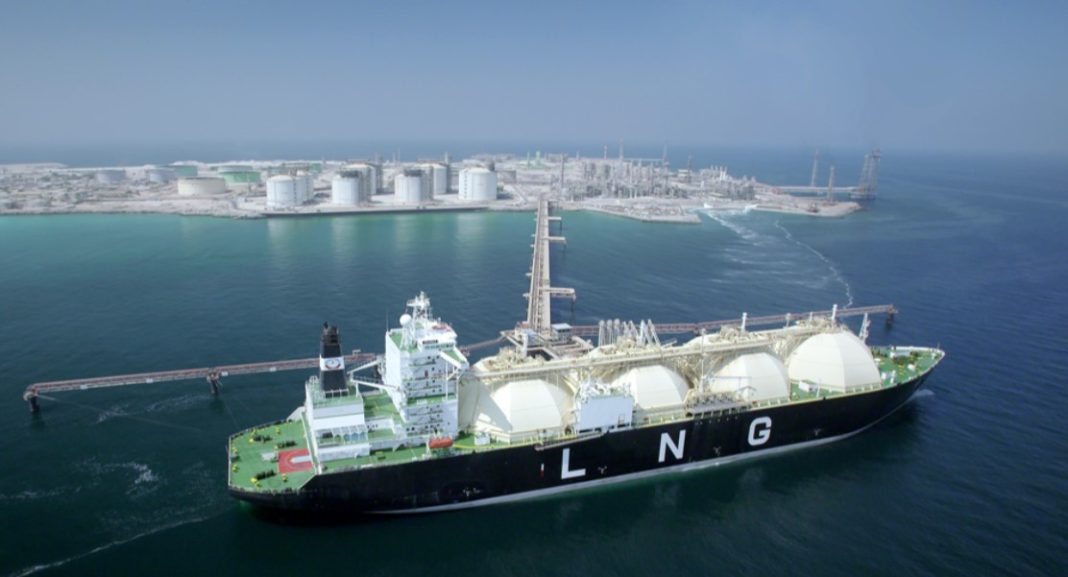
Abu Dhabi’s state energy company signed a 15-year sales and purchase agreement with a unit of British energy major for the delivery of up to 1 million tonnes per annum of liquefied natural gas. The contract represents the first long-term LNG sales deal between the company and Shell and marks the eighth offtake agreement secured for its new export facility.

The LNG will be supplied from the Ruwais LNG project in Al Ruwais Industrial City, Abu Dhabi, which is under development and is set to become the first LNG export plant in the Middle East and Africa region to operate on clean power. Shell holds a 10 per cent equity stake in the project. The agreement converts a previous heads of agreement into a definitive contract and accelerates the project’s commercial timeline.

By securing this deal, more than 8 mtpa of the facility’s planned 9.6 mtpa capacity has already been contracted across Asia and Europe, just 16 months after the project’s final investment decision in July 2024. The project comprises two liquefaction trains of 4.8 mtpa each and is designed to more than double the company’s existing LNG production capacity to around 15 mtpa.

The deal is timed to global gas-market conditions where demand is picking up and energy security is a key concern for buyers. By locking in long-term supply, the exporting company seeks to position itself as a “reliable global supplier of lower-carbon LNG”, while the buyer views the contract as a strategic commitment to expanding its LNG portfolio and securing long-term supplies.

For the seller, the rapid pace at which contract commitments have been won is significant. The chief executive of the gas-division described the achievement of contracting more than 80 per cent of the plant’s capacity within roughly a year of FID as “a new benchmark” for large-scale LNG projects globally, and noted that construction, contractor mobilisation and site works remain on track for commissioning by the end of 2028. The buyer emphasised its long-standing partnership of more than fifty years with the Abu Dhabi exporter and said the agreement supports its global LNG-expansion strategy.

Analysts note that the project’s clean-power design, advanced technology deployment, and rapid contracting distinguish it in the LNG market. That said, while the exporting company releases its ambition to expand its LNG portfolio, competitors in the region are also pursuing aggressive growth, raising competitive risk. Moreover, delivering commercial operations at a low-carbon intensity adds complexity and cost — achieving the projected timeline and performance will require careful execution.

On the demand side, the contract underscores how buyers are increasingly seeking longer-term and lower-emissions supply arrangements in the transition-era gas market. For the buyer, the deal adds to its diversified portfolio of LNG suppliers as it faces intensified competition for cargoes from traditionally dominant exporters. The seller’s ability to secure multiple offtake agreements rapidly helps de-risk the project and supports financing and construction momentum.

One key theme emerging is the alignment of LNG expansion with sustainability credentials. The Ruwais facility’s design to run on clean grid-powered operations, along with claims of being among the lowest-carbon intensity LNG plants globally, reflects a shift in gas-project metrics: projects are now evaluated not solely on cost and capacity but also on carbon footprint and technology sophistication. This trends suggests that access to lower-carbon LNG could become a differentiator among suppliers and a value driver for buyers.

However, achieving this low-carbon ambition may face challenges such as securing clean-power infrastructure, managing capital-cost escalation, and meeting stringent environmental and regulatory expectations across export markets. The broader LNG market is also subject to volatility in feed-gas supply, shipping capacity constraints, and fluctuating demand growth in key markets such as Asia and Europe.

VISHNU RAJA
RYO YAMADA
HITORI GOTOH
IKUYO KITA