News related to
Trends

The government of Sharjah has made a strategic decision to transfer a 20% stake in Invest Bank to a sovereign security fund. This transaction signals a pivotal shift in the emirate’s banking sector, with potential implications for the financial landscape. The move underscores Sharjah’s commitment to bolstering its financial stability and growth prospects. Invest Bank, a key player in the UAE’s banking sector, has seen substantial developments […]

The Abu Dhabi National Oil Company (ADNOC) is poised for significant expansion in global markets, with its CFO, Alvaro Silva, indicating that this growth could play a crucial role in boosting the development of the company’s drilling units. The state-owned oil giant, one of the largest and most profitable energy firms globally, is concentrating on increasing its international footprint as part of a broader strategy to diversify […]

Venture capital funding in Saudi Arabia and the UAE has experienced a notable decline, as shifting investor priorities and regional economic trends impact the growth of startups and early-stage businesses in both countries. The drop reflects broader changes in the global investment landscape, marked by a heightened focus on risk-adjusted returns and increased caution in the face of global economic uncertainty. In the past year, venture capital […]

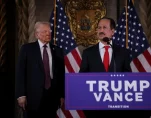
Emirati billionaire Hussain Sajwani has pledged to invest $20 billion in the U.S. data center industry, a move announced alongside President-elect Donald Trump at his Mar-a-Lago residence in Palm Beach, Florida.

Sajwani, chairman of Dubai-based DAMAC Properties, expressed his intention to potentially exceed the $20 billion investment, contingent upon favorable market conditions. This substantial commitment underscores the growing demand for data infrastructure to support advancements in artificial intelligence and cloud services.

DAMAC Properties, under Sajwani’s leadership, has a history of collaboration with the Trump Organization, notably developing the Trump International Golf Club in Dubai, which opened in 2017. Sajwani’s relationship with Trump has been well-documented, with the two families sharing both business and personal ties.

The announcement comes amid a surge in investments in AI technology and the necessary infrastructure to support it. Since the introduction of OpenAI’s ChatGPT in late 2022, there has been a significant increase in funding directed toward generative AI technology and the infrastructure required to support it. For instance, Microsoft announced plans to invest approximately $80 billion this fiscal year to expand its AI capacity.

President-elect Trump has emphasized his commitment to bolstering domestic industries and attracting foreign investment. During his campaign, he proposed higher tariffs on Chinese goods to limit China’s access to advanced data center technology. The announcement of Sajwani’s investment aligns with Trump’s economic agenda, aiming to stimulate job creation and technological advancement within the United States.

However, it’s worth noting that not all previously announced investments have come to fruition. Early in his first term, Trump announced a $10 billion investment by Foxconn in a Wisconsin factory, which promised thousands of jobs but was largely abandoned. Despite such precedents, the current investment climate, particularly in AI and data infrastructure, appears more robust, with multiple tech giants committing substantial funds to expand their capabilities.

Sajwani’s investment is expected to focus on the construction of data centers across various U.S. states, including Texas, Arizona, Oklahoma, Ohio, Illinois, Louisiana, Michigan, and Indiana. These facilities will play a crucial role in supporting the growing demands of AI applications and cloud computing services.

The U.S. data center industry has been experiencing significant growth, with estimates suggesting that the country could attract up to $1 trillion in data center investments over the next five years. Sajwani’s commitment represents a notable contribution to this expanding sector, highlighting the increasing importance of data infrastructure in the digital economy.

In addition to his ventures in real estate and data centers, Sajwani has diversified his business interests through his private investment firm, which acquired Italian fashion group Roberto Cavalli in 2019. He has also invested in luxury developments in London, including the Versace-branded DAMAC Tower in Nine Elms.

The collaboration between Sajwani and Trump has not been without scrutiny. Their business dealings have raised questions about potential conflicts of interest, given Trump’s political position and the international scope of their ventures. Nonetheless, both parties have maintained that their relationship is strictly professional, centered around mutually beneficial business opportunities.

As the U.S. continues to tighten restrictions on the export of AI chips to China, investments like Sajwani’s are seen as strategic moves to bolster domestic technological infrastructure. The Biden administration had previously implemented measures to limit China’s access to advanced AI technology, a stance that President-elect Trump appears poised to continue with key appointments in his administration.

Sajwani’s commitment to investing in U.S. data centers reflects a broader trend of international investors recognizing the potential of the American technology sector. With the increasing integration of AI and cloud services into various industries, the demand for robust data infrastructure is set to rise, making such investments both timely and strategically significant.

The announcement has been met with optimism from industry analysts, who view it as a positive indicator of continued growth and innovation in the U.S. technology sector. As these data centers become operational, they are expected to create numerous job opportunities and contribute to the advancement of AI and cloud computing technologies.

While the full impact of Sajwani’s investment will unfold over the coming years, its alignment with current technological trends and economic policies suggests a significant boost to the U.S. data center industry. As the digital economy expands, the importance of such infrastructure investments cannot be overstated, positioning the United States as a continued leader in technological innovation.


Mashreq Bank, a leading financial institution in the Middle East and North Africa (MENA) region, has completed the sale of a majority stake in its digital payments subsidiary, NEOPAY, for $385 million. The stake was acquired by a consortium comprising Arcapita Group Holdings Limited, a global alternative investment firm based in Bahrain, and DgPays, a prominent financial infrastructure technology provider in the Europe, Middle East, and Africa […]

Over 300 industry leaders convene in Hong Kong to explore the future of Asian property markets HONG KONG SAR – Media OutReach Newswire – 7 January 2025 – The MIPIM Asia Summit concluded its 18th edition on December 4th, bringing together over 400 international delegates at the Grand Hyatt, Hong Kong. As Asia’s premier real estate investment platform, this year’s summit focused on the vision for the […]

Saudi Arabia’s water sector experienced pivotal advancements in 2023, with desalinated seawater production growing by 31 percent. The increase has resulted in desalinated water now accounting for half of the country’s distributed water supply, marking a rise from 44 percent in the previous year. These developments were detailed in the latest report from the General Authority for Statistics, which highlights significant shifts in the kingdom’s water management […]

Advertisements

Dubai has seen an impressive influx of international visitors, with 16.79 million tourists arriving between January and November 2024. This substantial number marks a notable recovery and growth for the city’s tourism sector, building on the momentum generated by global interest in the UAE’s post-pandemic offerings and its continued expansion as a global hub for leisure, business, and culture. Tourism figures for Dubai in 2024 have surpassed […]

HONG KONG SAR – Media OutReach Newswire – 2 January 2025 – The social media platform Xiaohongshu, known as the “Chinese version of Instagram,” has rapidly risen in popularity in recent years. With its massive traffic and influence, it has become an essential guide for mainland Chinese tourists visiting Hong Kong. This trend has motivated more businesses and enterprises to leverage the platform for promotion, striving to […]

Celebrating Asia’s Best in Service Experience and Taste for the Senses KUALA LUMPUR, MALAYSIA – Media OutReach Newswire – 2 January 2025 – Regional online news portal, News Hub Asia (NHA), is proud to unveil the inaugural NHA Top 10 Awards, recognising outstanding service providers across Asia. The awards celebrate excellence in a variety of categories, including eateries, tourism and travel, health and wellness, sports, arts and […]

By Nitya Chakraborty from Hanoi Vietnam, the Communist nation with nearly 10 crore population is presently the focus of the big investors of the world including the USA as the nation’s leadership has made a miracle in building a highly skilled youth brigade along with the creation of an investment climate which can compete with […]

Crude oil prices are projected to remain within the $70 per barrel range, influenced by multiple factors, including potential oversupply conditions and shifts in geopolitical dynamics. Experts suggest that while the market might stabilize around this figure, uncertainty from global demand and political maneuvers will continue to shape its trajectory in the coming months.

The crude market has entered a phase where supply and demand fundamentals are being tested against evolving global economic conditions. Several key developments, particularly around oil-producing nations, have created a delicate balance that keeps prices in a relatively stable range, yet susceptible to fluctuations driven by external factors.

For months, the oil market has been closely watching the decisions of the Organization of the Petroleum Exporting Countries (OPEC) and its partners, such as Russia, who collectively manage production quotas to balance supply. OPEC’s recent moves to curb production have been aimed at propping up prices, but an increase in U.S. oil output has led to speculation that there may be an oversupply in the market. The United States has reached record production levels, largely driven by shale oil, which could overshadow OPEC’s production cuts.

Geopolitical tensions in major oil-producing regions, such as the Middle East, remain a persistent risk to price stability. However, analysts have indicated that, at least for now, the global oil market is able to absorb disruptions without a significant impact on prices. The advent of more diverse energy sources, including natural gas and renewable energy, has also lessened oil’s price volatility compared to previous decades.

One of the most notable contributors to the ongoing price forecast is former U.S. President Donald Trump’s impact on energy policies. His administration’s push for energy independence and deregulation policies have led to a surge in domestic oil production. While Biden’s administration has implemented more stringent climate and energy policies, the effects of Trump’s legacy are still visible, with shale producers continuing to drive the U.S. oil production boom.

Despite this, global oil consumption, especially in China, has shown signs of slower growth, a factor that could weigh on oil prices. Experts note that while China remains a major driver of global energy demand, its economic slowdown could dampen the demand for crude, putting downward pressure on prices. Additionally, OPEC’s attempts to control prices by adjusting production could be more difficult to execute as non-OPEC countries, particularly the U.S., maintain higher levels of output.

Environmental pressures are also playing a role in shaping oil demand. Many nations are intensifying their efforts to transition to cleaner energy sources, potentially limiting the demand for fossil fuels in the long term. Governments worldwide are setting more ambitious renewable energy targets and offering incentives for green technologies, which could lead to a future reduction in oil dependency.

Despite these long-term trends, the immediate outlook for crude remains cautiously optimistic. The global recovery from the pandemic, especially in developed economies, is expected to continue driving demand for oil, particularly for transportation and manufacturing. Yet, the resurgence of COVID-19 in certain regions and the ongoing supply chain disruptions may have a complex impact on global economic growth, which will, in turn, influence oil demand.

In the U.S., gas prices remain a central topic as consumers face fluctuating fuel costs. While gas prices in the country have seen recent increases due to tighter refinery margins and seasonal demand spikes, there is no consensus on how long this trend will persist. Analysts believe that domestic production levels, combined with seasonal factors, could prevent prices from surging uncontrollably.

In Europe, the situation is more nuanced. Energy prices, including natural gas and oil, have been a driving force behind inflation. The war in Ukraine, ongoing for several years now, has further complicated Europe’s energy dynamics, pushing countries to reconsider their energy strategies. Despite Europe’s focus on alternative energy, oil continues to play a significant role in meeting energy demand, particularly in transportation and industry. With the cost of living rising and energy prices still high, consumers in Europe are facing additional financial strain.

At a global level, the shift toward more sustainable energy production and consumption is growing, but it is clear that oil remains a cornerstone of the global energy mix for the time being. Countries that rely heavily on oil exports, like Saudi Arabia and Russia, continue to exert influence on the market, pushing for price stabilization measures. However, the dynamics of global energy consumption are changing, and the transition to greener alternatives remains a key factor to monitor.

Saudi Arabia has secured a significant financial agreement, arranging a $666 million Shariah-compliant revolving credit facility. This deal represents the country’s continuing efforts to bolster its economy while maintaining adherence to Islamic financial principles. The facility was structured in alignment with Shariah law, which prohibits earning or paying interest, marking an important step for the nation’s economic and fiscal policies.

The loan is set to bolster Saudi Arabia’s financial resources, enabling it to support its economic diversification programs under Vision 2030. This initiative, launched by Crown Prince Mohammed bin Salman, aims to reduce the kingdom’s reliance on oil revenues by expanding investments in sectors like technology, tourism, and entertainment. As part of this strategy, Saudi Arabia has been working to establish itself as a leading hub for global finance, with a strong focus on Islamic finance.

Key international and local banks participated in the deal, underscoring the growing confidence in Saudi Arabia’s financial and economic reforms. The country’s ability to attract investment in this manner signals a positive outlook for its economic future, as it navigates the transition towards a more diverse and sustainable economic model.

The revolving credit facility is structured to provide flexibility in financing, offering Saudi Arabia the ability to draw and repay funds as needed. This arrangement reflects a growing trend among global sovereigns seeking to tap into Shariah-compliant financial instruments. The use of such instruments is becoming increasingly popular, especially in the Middle East, where Islamic finance is a long-standing practice.

Saudi Arabia’s commitment to maintaining a robust and diversified economy is evident in its proactive approach to financing. The revolving credit facility aligns with the broader objectives of Vision 2030, aiming not only to reduce the kingdom’s dependence on oil exports but also to position it as a key player in the global financial landscape.

The financial facility is also a testament to the continued strength of the Saudi banking sector. Despite challenges posed by global economic fluctuations, Saudi banks have demonstrated resilience, supported by sound regulatory frameworks and a relatively stable domestic economy. This deal further underscores the country’s ability to secure favorable financing terms in the global market.

For global investors, this deal represents a favorable opportunity, as Saudi Arabia’s creditworthiness remains strong, bolstered by its strategic economic initiatives. With international markets increasingly receptive to Shariah-compliant investments, Saudi Arabia is well-positioned to capitalize on these trends, fostering further growth and stability.

The arrangement also reflects the broader international appetite for Islamic finance products. Global financial institutions are increasingly keen on structuring deals in compliance with Islamic finance principles, attracted by the stability and ethical foundations of these financial models. This aligns with global financial trends that emphasize sustainability, ethical investing, and financial inclusion.

Saudi Arabia’s ability to attract such significant financing indicates a growing trust in the kingdom’s economic reforms. With continued investments in infrastructure and development projects, the deal contributes to the country’s long-term economic objectives. This marks another milestone in the ongoing evolution of Saudi Arabia’s financial landscape, which aims to integrate more Islamic finance mechanisms and create a sustainable, diversified economy.

The success of the deal highlights the growing sophistication of the Saudi financial market. As more international institutions embrace Shariah-compliant products, the kingdom is establishing itself as a financial powerhouse in the region. This further positions Saudi Arabia as a leader in Islamic finance, not only attracting regional but also global investors seeking ethically aligned opportunities.

The $666 million deal is part of a broader set of financial moves that align with the kingdom’s Vision 2030 goals. With a clear focus on reducing its dependency on oil and diversifying into other sectors, Saudi Arabia is positioning itself as a destination for international investment. This revolving credit facility represents a key component of these efforts, reinforcing Saudi Arabia’s fiscal stability and commitment to a robust, sustainable future.

HONG KONG SAR – Media OutReach Newswire – 30 December 2024 – In September 2024, the Federal Reserve initiated a rate-cutting cycle, lowering rates three times over the year by a total of 100 basis points to a range of 4.25%-4.5%. While this trajectory appears stable on the surface, the VT Markets research team highlights that factors like inflation rebounds, new government policies, and optimistic economic forecasts […]

HONG KONG SAR – Media OutReach Newswire – 30 December 2024 – AS Watson Group and Al-Futtaim Group jointly announce the opening of Watsons’ new flagship store at City Centre Bahrain Mall, signifying the Watsons’ entry into a new market alongside the United Arab Emirates (UAE), Kingdom of Saudi Arabia (KSA) and Qatar. This also marks the third store opening in three months in Bahrain, strengthening its […]

Dubai is set to unveil an innovative rental index that will track real-time transaction data, providing a more accurate picture of the city’s evolving rental market. This move aims to address growing concerns over fluctuating rents and offer greater transparency to both tenants and landlords. The index will rely on actual rental contracts, rather than estimates or surveys, to better reflect the dynamics of the market.

The introduction of this new system is expected to have a significant impact on the real estate sector, which has seen sharp price increases over the past few years. With its dynamic nature, the rental index will allow for more responsive adjustments, providing both market participants and policymakers with up-to-date insights. Industry professionals are hopeful that it will encourage fairer rental practices and more informed decision-making.

Real-time data will be collected from a variety of sources, including government agencies, property developers, and real estate companies, ensuring a comprehensive overview of the market. By incorporating transactional data, the rental index aims to offer an unparalleled level of precision compared to traditional methods of tracking rent prices.

The move comes as Dubai’s rental market continues to face pressure, with demand outstripping supply in several key areas. Properties in central locations, such as Downtown Dubai and Dubai Marina, have seen some of the steepest increases in rent, driven by a combination of population growth, returning expats, and a thriving tourism sector. At the same time, other areas of the city, such as Dubai Silicon Oasis and International City, have witnessed more modest increases, reflecting broader trends in the real estate market.

This initiative is also part of Dubai’s broader efforts to modernize its infrastructure and become more data-driven in its approach to urban planning. The rental index will complement existing digital initiatives, such as the Dubai Land Department’s e-services platform, which allows residents and property owners to complete transactions and obtain relevant permits online. By harnessing the power of big data, the government aims to improve urban management and streamline processes, enhancing both the quality of life for residents and the efficiency of business operations.

Experts argue that the real-time rental index could play a key role in mitigating rent volatility, particularly in times of economic uncertainty. With inflationary pressures affecting global markets and economic conditions fluctuating, many Dubai residents have been grappling with rising living costs, especially in the rental sector. The rental index will provide more consistent benchmarks for pricing, allowing tenants to better plan their finances and giving landlords a clearer understanding of the competitive landscape.

The data-driven approach to tracking rents also has the potential to reduce speculation in the market. Real-time transactional data will help establish more accurate baseline rents and avoid inflated pricing based on outliers or overly optimistic projections. For tenants, this means less uncertainty in terms of potential price hikes and a clearer path to securing affordable housing options. For landlords, it provides a tool to gauge the market and adjust rental prices in line with demand, ensuring competitiveness without overpricing.

The rental index is not expected to be a one-size-fits-all solution but rather a resource for stakeholders to use in conjunction with other market data. The government’s focus on transparency will be key, as it will encourage both landlords and tenants to align their expectations with more factual, data-driven insights. The index will also be instrumental in creating a fairer environment for the growing number of new residents who have recently moved to Dubai.

With more transparency in rental data, potential investors from abroad may be more inclined to enter the Dubai real estate market. Clearer information on rental trends, backed by verified data, will offer them the confidence they need to make informed investment decisions. The introduction of such an index highlights Dubai’s ongoing commitment to evolving as a global hub for business and innovation.

As Dubai’s rental market continues to evolve, the success of the new index will depend on the accuracy and comprehensiveness of the data it tracks. Real-time data will need to be consistently updated to ensure that the index reflects the latest trends and developments. Furthermore, its effectiveness will also depend on how well it is integrated into broader real estate and urban planning strategies, including new housing policies and initiatives aimed at boosting supply in high-demand areas.

The rental index is expected to have wider implications for how housing is regulated and managed in Dubai. By prioritizing data over assumptions, the city is taking a bold step toward more equitable and efficient real estate practices. The index will provide both tenants and landlords with a reliable framework for navigating the rental market, creating a more balanced environment for all involved.

By K Raveendran The year 2024 marked a historic period for gold, perhaps fit to be called the ‘Year of Gold’ due to the yellow metal’s remarkable performance across various metrics. Total demand for God surpassed an unprecedented US $100 billion, underpinned by robust investment activity and a supportive macroeconomic backdrop. This astounding demand surge […]

Equinix, a leading global digital infrastructure company, has announced an agreement to acquire BT Group’s data center operations in Ireland for €59 million. The transaction encompasses two carrier-neutral facilities located in Dublin’s Citywest and Ballycoolin areas, collectively covering approximately 150,000 square feet. Subject to regulatory approvals, the deal is anticipated to conclude in the first half of 2025. This strategic move aligns with BT’s ongoing shift towards […]

Ethiopia has made significant strides in transforming its energy resources into a digital economy powerhouse, with Bitcoin mining emerging as a key driver. The Grand Ethiopian Renaissance Dam (GERD), a major hydropower project, is central to this transformation, providing a green energy solution that is powering Bitcoin mining operations across the country. The utilization of this renewable energy has turned excess electricity into a lucrative asset, with Bitcoin mining accounting for a substantial portion of Ethiopia’s electric power revenue.

The country’s Bitcoin mining industry, which was virtually nonexistent just a few years ago, is now booming. By harnessing the abundant electricity from GERD, which is Africa’s largest hydropower plant, Ethiopia has been able to tap into the global cryptocurrency market. The country has rapidly become a destination for Bitcoin miners, leveraging low-cost and sustainable energy to make the industry viable on a large scale.

Bitcoin mining requires substantial electricity, as it involves solving complex mathematical problems in exchange for cryptocurrency rewards. However, one of the most significant challenges for miners worldwide is the cost of energy. In Ethiopia, this challenge is alleviated by the low-cost and sustainable electricity generated by GERD, which has become a powerful draw for Bitcoin mining firms looking to cut down on operational costs.

The financial impact of this burgeoning sector is already significant. According to Ethiopian Electric Power (EEP), Bitcoin mining now generates about 18% of its total revenue. This revenue stream has surpassed earnings from electricity exports, positioning the country’s energy sector in a stronger financial position. The influx of investment from Bitcoin mining firms has spurred the growth of related industries and job creation, as mining operations often require substantial infrastructure, technology, and skilled labor.

The country’s government has recognized the potential of Bitcoin mining as a key economic driver. Ethiopia has entered into agreements with at least 25 Bitcoin mining firms, which have established operations across the country. These deals are expected to further boost the economy, as the mining sector continues to grow. The partnerships are not only providing immediate economic benefits but also fostering long-term innovation in the energy and technology sectors.

Ethiopia’s shift toward using renewable energy for Bitcoin mining comes at a time when the global demand for sustainable energy solutions is rising. The country’s emphasis on green energy aligns with global trends toward environmentally friendly technologies. As Bitcoin mining faces growing scrutiny over its environmental impact, Ethiopia’s model could serve as a blueprint for other nations seeking to balance economic growth with sustainability.

However, the growth of the Bitcoin mining sector has raised some concerns. Despite the benefits, critics argue that Bitcoin mining could lead to excessive energy consumption, which could strain Ethiopia’s power grid. As the mining industry expands, there are concerns about the long-term sustainability of energy use. The government will need to monitor the sector closely to ensure that mining operations do not overburden the country’s power supply.

In response, the Ethiopian government has made efforts to manage the expansion of Bitcoin mining responsibly. Regulatory measures are being put in place to balance the growth of the sector with the need to protect the national energy grid. These measures include ensuring that Bitcoin miners do not consume more electricity than is sustainable, and promoting efficient energy use within the sector. The government has also been working to diversify its energy mix to ensure that the country’s energy needs are met in the long term.

One of the most important factors contributing to the success of Ethiopia’s Bitcoin mining industry is the country’s rich renewable energy resources. Ethiopia has one of the largest hydropower potentials in Africa, with the GERD alone providing a substantial portion of the country’s electricity. In addition to hydroelectric power, Ethiopia is investing in other renewable energy sources, such as wind and solar power, to further diversify its energy portfolio.

The growing importance of Bitcoin mining in Ethiopia has caught the attention of international investors, who are increasingly looking for opportunities in the country’s emerging digital economy. The cryptocurrency industry has been experiencing rapid growth, and Ethiopia’s strategic positioning as a low-cost, renewable energy hub for Bitcoin mining could attract significant foreign direct investment. As global demand for Bitcoin continues to rise, Ethiopia’s green energy Bitcoin mining model could become a key player in the international market.

SINGAPORE – Media OutReach Newswire – 27 December 2024 – Black Group Investment Holding Pte Ltd (Black Group) and Zenzic Oasis Holding Pte Ltd (Zenzic Oasis) today announced that they have signed an investment and strategic partnership agreement with the goal of expanding the use of cell-based therapeutic solutions, including personalised treatments. Above (from left): Dr. Lim Kah Meng, Tan Zi Jing and Dato Sri’ Alan Lee […]

The cryptocurrency landscape in 2024 is undergoing significant shifts, with meme coins such as Shiba Inu (SHIB) and Dogecoin (DOGE) continuing to lead the charge. Both of these tokens, fueled by viral trends and strong community backing, have positioned themselves as key players in the market. As the cryptocurrency industry moves toward 2025, however, new competitors are emerging, challenging the dominance of these meme giants. This shift presents critical questions about the future of meme coins and the strategies that will define the market.

Dogecoin, often referred to as the original meme coin, has long been associated with a strong, vocal community and celebrity endorsements. Its rise began in 2013 as a joke, based on the popular Shiba Inu dog meme. Despite its humble beginnings, Dogecoin has gained significant traction over the years. 2024 has seen a continuation of its influence, with prominent figures like Elon Musk often boosting its profile through social media. Dogecoin’s community, known for its lighthearted and inclusive ethos, has solidified its position as one of the most well-known digital assets in the crypto world.

Shiba Inu, on the other hand, has taken a more strategic approach to solidifying its place in the meme coin sector. Launched in 2020, SHIB has quickly evolved beyond a mere joke coin. Its ecosystem now includes decentralized exchanges, staking protocols, and plans for future metaverse integration. With a highly engaged user base and a decentralized community-driven approach, SHIB has proven to be more than just a meme coin, garnering support from both retail and institutional investors. Its strategy of expansion into various sectors of decentralized finance (DeFi) gives it an edge in attracting a more diversified audience.

Despite the strong presence of both SHIB and DOGE, the landscape is rapidly changing. The year 2024 has seen the emergence of new meme coins and innovative blockchain projects that are beginning to challenge the established order. These newer entrants often benefit from the lessons learned by earlier tokens, creating more robust, scalable ecosystems to better serve the DeFi community. The result is a more competitive market where no coin can rest on its laurels, no matter how well-established it may be.

As Shiba Inu and Dogecoin maintain their popularity, there is growing interest in the next big meme coin. Tokens like Floki Inu, Kishu Inu, and even smaller, community-based projects are vying for attention and investor dollars. Each of these coins is looking to replicate the viral success of their predecessors but with unique twists. Floki Inu, for example, has sought to distinguish itself by focusing on its education and charity initiatives, creating a sense of purpose beyond the typical meme coin narrative. Meanwhile, Kishu Inu has leaned into decentralized applications (dApps) and partnerships with major platforms, aiming to provide more utility for its holders.

One of the critical factors in determining the leading meme coin in 2025 will be innovation. While Shiba Inu and Dogecoin have been successful due to their strong communities, new meme coins are beginning to integrate cutting-edge technology that could give them a competitive edge. These include improved transaction speeds, enhanced security features, and better integration with DeFi protocols. The evolving nature of meme coins means that their success will no longer solely depend on community enthusiasm but also on the technical and financial value they provide.

Another significant trend is the increasing focus on regulatory compliance. As meme coins grow in prominence, they are beginning to attract the attention of regulators around the world. Countries like the United States, the European Union, and parts of Asia are exploring how to regulate digital currencies, particularly those with large and active communities. This regulatory scrutiny could have a substantial impact on the future of meme coins, forcing projects to adapt in order to comply with evolving laws. Meme coin developers will need to strike a balance between maintaining their community-driven ethos and addressing the concerns of regulators and lawmakers.

Community involvement will remain crucial for meme coin success, but as the space matures, the competition is expected to get fiercer. Dogecoin’s strong association with Musk and the internet’s viral nature has certainly helped it maintain its status, but its growth may be limited by the risk of over-reliance on a few key figures. Shiba Inu, on the other hand, has worked hard to diversify its ecosystem, offering a more sustainable model that goes beyond just hype and viral moments. This diversification will likely play a crucial role in SHIB’s continued relevance, especially as meme coins shift from being a pure speculative investment to a part of a broader digital economy.

The future of meme coins in 2025 may also be influenced by the growing trend of DeFi and the rise of decentralized autonomous organizations (DAOs). Both SHIB and DOGE have seen their communities embrace decentralized governance, where decisions about the direction of the project are made collectively by token holders. This shift toward decentralized governance could fundamentally change the way meme coins are developed and sustained. A more decentralized approach could lead to new ways of incorporating meme coins into decentralized applications, staking protocols, and other blockchain-based services.

Toncoin has remained a key player in the cryptocurrency market, consistently showing strength as a utility coin and a solid investment for long-term holders. However, with the market’s rapid evolution and shifting investor sentiments, some Toncoin holders are now pivoting their attention to a new contender: FXGuys ($FXG). This emerging DeFi token is garnering significant attention due to its innovative features and bold predictions of a potential 20x growth in the near future.

FXGuys, which recently gained traction within the decentralized finance (DeFi) space, is being recognized for its groundbreaking approach to how cryptocurrencies are traded and invested in. The platform’s model, which includes a Trade2Earn system, a unique Trader Funding Program, and staking opportunities, has captivated investors seeking the next big opportunity within a competitive and ever-changing landscape.

The growth of FXGuys comes at a time when investors are increasingly wary of inflationary assets and are actively exploring decentralized finance as a potential hedge. DeFi projects have grown exponentially, with the promise of disrupting traditional financial systems and providing users with more control over their investments. FXGuys stands out in this sector by offering an integrated approach that blends trading, staking, and reward incentives, all while maintaining a high level of transparency and security for its users.

A significant appeal of FXGuys is its Trade2Earn system, which allows users to earn tokens through trading activities. This model has drawn comparisons to successful crypto platforms like PancakeSwap, which have similarly incentivized trading through token rewards. FXGuys aims to replicate this success but with additional features like the Trader Funding Program, which helps users secure capital for trading strategies. This funding mechanism is particularly attractive to newer or less experienced traders who may lack the initial capital to make significant trades but still want to participate in the market’s potential gains.

Beyond its innovative business model, FXGuys has attracted the attention of some of the most prominent figures in DeFi. Analysts and influencers are increasingly betting on the potential of the $FXG token to surge, with some predicting a 20x growth in the upcoming months. While these predictions are based on market trends and growing interest in the platform, many investors see them as speculative at this stage, urging caution. However, the consensus among experts is that the fundamentals of the project are strong, and its ability to attract users and investors is already proving successful.

The project’s focus on sustainable tokenomics is another factor that sets FXGuys apart from other DeFi platforms. By introducing mechanisms that are designed to support long-term growth and stability, FXGuys aims to ensure that the token’s value is not subject to the volatile swings that have plagued other cryptocurrencies in the past. This long-term vision is attractive to both institutional investors and those seeking more than just quick returns from the volatile crypto space.

Staking is another key element of FXGuys’ offering, which has captured the interest of seasoned investors in the DeFi community. Staking provides users with the opportunity to lock in their tokens and earn rewards over time, giving them a passive income stream that supports the platform’s long-term vision. With the rise of staking across various blockchain networks, FXGuys has managed to carve out its niche by providing competitive rewards and leveraging its other unique features.

Despite its early stages, FXGuys is already making strides within the cryptocurrency market, challenging some of the larger, more established tokens in the DeFi space. It has attracted a growing user base, with many noting that the platform’s user-friendly interface, transparency, and innovative features are key reasons for its appeal. The platform has made it a point to prioritize security, ensuring that all trades and investments are protected against fraud and manipulation, which has helped it gain the trust of its rapidly expanding community.

The timing of FXGuys’ rise is significant, as the DeFi market has witnessed an influx of institutional investors, driven by the search for alternative financial solutions. This trend is expected to continue, with major financial institutions and tech companies exploring the potential of blockchain-based financial services. In this environment, FXGuys appears well-positioned to capitalize on the growing demand for decentralized financial platforms that offer both reliability and growth potential.

As the crypto market continues to evolve, the competition among DeFi projects is intensifying. While Toncoin has remained a strong asset for many, the arrival of new, innovative platforms like FXGuys is prompting investors to reassess their portfolios. With a projected 20x growth and a distinctive approach to DeFi, FXGuys is fast becoming a focal point for those looking to stay ahead of the curve.

Agility Global, a leading logistics and supply chain services provider, has secured a $1.4 billion credit facility to support its ongoing operations and future growth initiatives. The financing comprises €1 billion and $370 million, with maturities of three and five years, respectively. This strategic move aims to enhance the company’s financial flexibility and fund its expansion plans across various markets. The credit facility was arranged with a […]

KUALA LUMPUR, MALAYSIA – Media OutReach Newswire – 25 December 2024 – As the year draws to a close, traders are turning their attention to the Santa Claus rally, a period known for delivering consistent market gains. Kar Yong Ang, a financial market analyst at Octa Broker, explores the rally’s history, key factors, and strategies that enable traders to capitalise on this annual phenomenon. Understanding the Santa […]

VISHNU RAJA
RYO YAMADA
HITORI GOTOH
IKUYO KITA
Just in:
IEA forecasts fourth-quarter oil surplus as Gulf shipments rebound // Nvidia appoints Colette Kress interim chief after Huang departure // From Dubai to the EU: how UAE-based crypto firms can expand under MiCA // Yicura BioMed Advances Dual Capital and Industrial Strategy: Completes First Closing of Series B Financing Led by Gobi Partners // Hackers falsify NVIDIA GPU readings to mask cryptomining // TORRAS Launches Two New iPhone Duo Cases from Its Popular Ostand Series, Addressing Foldable Phone Users’ Concerns About Difficult Stand Positioning and Scratches // Crescent Enterprises venture arm funds Oyster Therapeutics development // Microsoft restores services gradually but gives no recovery deadline // OpenAI unveils ChatGPT Wallet for agent-led purchases // Salik posts Dhs1.045bn profit despite lower toll traffic // Microsoft outage leaves Outlook and Teams users disconnected // 11 Boutique Xinjiang Wineries to Debut in Singapore // L’OCCITANE Celebrates 50 Years Of Provençal Craftsmanship With Holiday 2026 Collection // Sun World Ba Den Mountain marks Vietnam Culture Day, welcoming Cambodian visitors over Bon Om Touk // Messi affair SIT finds all-round violations // Electoral register gains 2.17 lakh voters // China’s Taiwan warning tests Washington’s defence commitments // US authorities dismantle North Korean cryptocurrency deception infrastructure // October Food Price Shock Has Far Reaching Consequences // Microsoft apologises as Outlook services recover after outage //