News related to
Trends

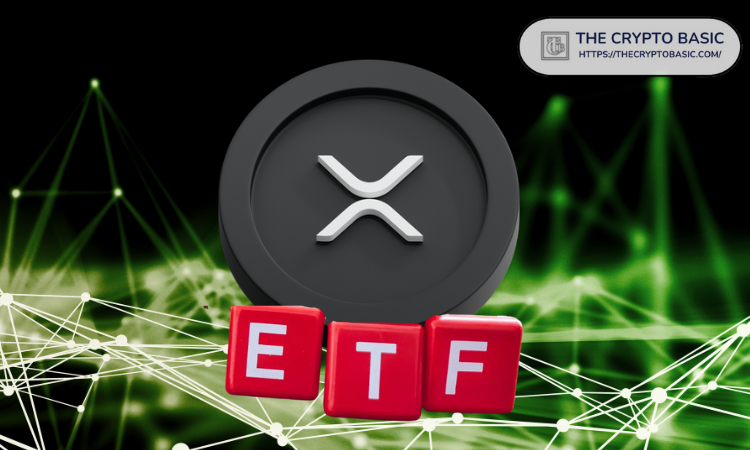
Ripple Labs has achieved a significant legal victory as the U.S. Securities and Exchange Commission officially dropped its lawsuit against the company. This development has not only propelled XRP’s market performance but also opened the door for future financial products centered around the cryptocurrency.

The SEC’s decision to withdraw its case concludes a four-year legal battle that began in December 2020, when the agency accused Ripple of conducting unregistered securities sales totaling $1.3 billion. Ripple’s CEO, Brad Garlinghouse, announced the resolution, marking a pivotal moment for the company and the broader cryptocurrency industry. He described the SEC’s move as a “resounding victory” and a “long overdue surrender” by the regulator.

The immediate market reaction to the news was pronounced. XRP’s price surged by approximately 13%, reaching nearly $2.56. This surge solidified XRP’s position as the third-largest cryptocurrency by market capitalization, trailing only Bitcoin and Ethereum. The broader cryptocurrency market also experienced positive momentum, with Bitcoin rising 2.2% to $84,096 and Ethereum increasing 6.6% to $2,031.

Beyond the immediate market implications, Ripple’s legal victory has broader significance for the cryptocurrency industry. The case had been closely watched as a potential precedent for how digital assets might be regulated in the United States. The SEC’s decision to drop the lawsuit may signal a more favorable regulatory environment for cryptocurrencies, encouraging further institutional adoption and investment.

In the aftermath of the legal resolution, Ripple’s CEO, Brad Garlinghouse, expressed optimism about the company’s future prospects. He anticipates the launch of an XRP exchange-traded fund by the end of 2025, reflecting growing investor interest and potential regulatory acceptance. Garlinghouse stated, “I have immense confidence in the ETFs. I think there are 11 different filings pending with the SEC to launch XRP ETFs. I think those will be live in the second half of this year.”

The potential approval of an XRP ETF would represent a significant milestone for Ripple and the broader cryptocurrency market. ETFs provide investors with a regulated and accessible means to gain exposure to digital assets, potentially attracting a broader investor base. Several applications for XRP ETFs are currently under review by the SEC, including proposals for spot, leveraged, and inverse ETFs. Notably, asset management firm Franklin Templeton has recently joined the list of applicants, underscoring the growing institutional interest in XRP.

The resolution of Ripple’s legal challenges and the anticipated launch of an XRP ETF come at a time of increasing mainstream acceptance of cryptocurrencies. Major financial institutions are exploring digital asset offerings, and regulatory clarity is gradually improving. Ripple’s recent developments position the company to capitalize on these trends and potentially expand its influence within the financial sector.

However, challenges remain. The cryptocurrency industry continues to navigate a complex regulatory landscape, and the approval of an XRP ETF is contingent upon the SEC’s assessment of market stability, investor protection, and other factors. Additionally, the volatility inherent in cryptocurrency markets poses risks that both investors and regulators must consider.

Despite these challenges, Ripple’s recent achievements have bolstered confidence among its stakeholders. The company’s proactive engagement with regulators and commitment to compliance have been pivotal in resolving legal disputes and paving the way for future innovations. As the industry evolves, Ripple’s experience underscores the importance of collaboration between regulators and cryptocurrency firms to foster a sustainable and inclusive financial ecosystem.


Cognite, an industrial software firm backed by Saudi Aramco, has inaugurated an artificial intelligence services center in Bengaluru, Karnataka. The company is actively pursuing partnerships with leading Indian conglomerates to enhance industrial operations through advanced AI solutions. The newly established center has already secured collaborations with a prominent cement manufacturer and a major automotive company, though specific details remain undisclosed. Håkon Bjerke, Cognite’s Chief Strategy Officer, emphasized […]

Arabian Post Staff -Dubai Abu Dhabi’s sovereign wealth fund, ADQ, has entered into a strategic partnership with U.S.-based private equity firm Energy Capital Partners to invest over $25 billion in energy infrastructure projects across the United States. This 50-50 collaboration aims to develop 25 gigawatts of new power generation capacity, primarily to meet the escalating electricity demands of data centers and other energy-intensive industries. The joint venture […]

Binance led global cryptocurrency exchange app downloads in February, achieving 4.83 million installs. OKX followed with 2.47 million downloads, while Bitget secured 1.57 million.

Binance’s dominance reflects its extensive user base and robust infrastructure. The platform offers a wide range of services catering to both novice and experienced traders, featuring a user-friendly interface and comprehensive security measures. This combination has contributed to its global popularity.

OKX has made significant strides, attracting a large number of traders with its advanced trading features and competitive fee structure. The platform’s commitment to providing a seamless trading experience has solidified its strong position in the industry.

Bitget has emerged as a formidable player, gaining traction due to its focus on copy trading and social trading features. These allow users to replicate the trades of successful traders, appealing to those looking to leverage the expertise of others.

The dominance of Binance, OKX, and Bitget in February’s download rankings reflects the growing demand for reliable and user-friendly cryptocurrency exchange platforms. As the cryptocurrency market continues to evolve, these platforms are well-positioned to capitalize on the increasing interest in digital assets. Their ability to adapt to market trends and provide innovative solutions will be crucial in maintaining their leadership positions.

Other notable platforms in the top ten include Coinbase with 1.38 million downloads, Bybit with 1.31 million, Crypto.com with 884,000, KuCoin with 609,000, MEXC with 543,000, Kraken with 343,000, and Gate with 320,000.

These figures highlight the competitive nature of the cryptocurrency exchange market, with platforms continually striving to enhance their offerings to attract and retain users.

In related developments, HTX reported a substantial surge in trading volume in February, accompanied by an 8.15% month-over-month rise in app logins, indicating heightened user engagement. The platform also secured a top-three position in EUR-stablecoin trading volume and was recognized by Forbes as one of the “Top 25 World’s Most Trustworthy Crypto Exchanges of 2025.”

The cryptocurrency exchange landscape is continually evolving, with platforms investing in user experience, security, and innovative features to differentiate themselves in a crowded market. As user preferences shift and new technologies emerge, exchanges that can adapt and meet the changing demands are likely to maintain or improve their standings in future download rankings.

The data underscores the importance of mobile accessibility in the cryptocurrency market, as users increasingly prefer managing their digital assets on-the-go. Exchanges that offer intuitive and secure mobile applications are better positioned to attract a broader user base.

The emphasis on features like copy trading and social trading, as seen with Bitget, indicates a trend towards community engagement and educational resources within trading platforms. These features not only empower novice traders but also foster a sense of community among users.

As regulatory landscapes shift and user expectations evolve, cryptocurrency exchanges face the ongoing challenge of balancing innovation with compliance and security. Platforms that can navigate these complexities while delivering value to their users are likely to see continued growth in both downloads and active user engagement.

Organisations should balance optimisation and workforce expectations HONG KONG SAR – Media OutReach Newswire – 19 March 2025 – KPMG China announced today the release of its ninth annual Hong Kong Employment Outlook survey, providing insights into the latest trends and challenges facing the region’s employment market. The report covers the headcount expectations of Hong Kong professionals, a salary outlook with an analysis of compensation and benefits […]

Investcorp, a global alternative investment firm, has acquired a majority stake in Miebach Logistik Holding GmbH, a leading German supply chain and logistics consultancy. The transaction, announced on 17 March 2025, will see Miebach’s existing equity partners retain a significant minority share. Financial details of the deal have not been disclosed, and completion is anticipated in the second quarter of 2025, pending regulatory approvals. Established in 1973 […]

The global economy is experiencing fresh waves of volatility as Trump’s second term reignites trade conflicts, currency battles, and inflationary pressures. Markets have already reacted—tariff hikes on Chinese goods, retaliatory measures from Beijing, and escalating tensions with Europe are shifting capital flows at a breakneck pace. Investors can’t afford to be complacent. They must position portfolios to withstand uncertainty, hedge against risk, and seize opportunities in this […]

Advertisements

CME Group, the world’s largest futures exchange, has introduced Solana futures contracts, providing institutional investors with an additional tool for trading the popular cryptocurrency. This move marks a significant step in the expansion of derivatives markets, particularly as digital assets like SOL continue to rise in prominence within the blockchain ecosystem.

The introduction of Solana futures comes at a time when demand for cryptocurrency-related products among institutional players is growing. By expanding beyond traditional spot trading and options, CME Group is responding to a clear market trend: the increasing appetite for advanced financial instruments in the digital asset space. With the launch of these futures contracts, CME Group further solidifies its position as a leader in cryptocurrency derivatives trading, following its successful rollouts of Bitcoin and Ethereum futures.

For institutional investors, Solana futures provide a method of hedging risk and gaining exposure to the cryptocurrency market without having to directly own or manage the underlying asset. Futures contracts are particularly useful for large-scale traders, offering opportunities to speculate on price movements and manage the volatility associated with crypto assets. The addition of SOL futures further diversifies the range of cryptocurrency products available on the CME Group’s platform, complementing its existing offerings.

SOL, the native cryptocurrency of the Solana blockchain, has seen impressive growth in recent months. It continues to strengthen its position as a leading layer 1 network, noted for its fast transaction speeds and low costs, which have made it a popular choice for developers. As the blockchain ecosystem continues to evolve, Solana’s robust performance in areas like decentralized finance , NFTs, and gaming has contributed to a growing number of use cases, driving interest among both retail and institutional investors.

The rise of Solana can be traced to its unique combination of scalability and decentralization, offering an alternative to slower and more expensive platforms like Ethereum. In particular, Solana’s ability to process thousands of transactions per second at a fraction of the cost of its competitors has made it an attractive option for developers seeking high-performance blockchain solutions. This technical advantage is reflected in the increasing adoption of the Solana network, further contributing to its growing market capitalization and network activity.

As the launch of Solana futures unfolds, the attention is on how the product will be received by institutional traders, many of whom have previously shown a preference for more established cryptocurrencies like Bitcoin and Ethereum. However, the entry of new institutional investors into the Solana market could be a game-changer. The volatility that characterises Solana’s price movements may appeal to institutional traders looking for more active trading opportunities and higher-risk, higher-reward positions. Moreover, the futures contracts offer a way to gain exposure to Solana’s price without being directly affected by the underlying volatility in the same way as spot holders.

In addition to its core functionality as a trading tool, the launch of Solana futures is also indicative of broader trends within the cryptocurrency market. The growing institutional interest in digital assets has led to a surge in derivative products, enabling sophisticated trading strategies that were once unavailable in the traditional financial markets. The success of Bitcoin and Ethereum futures, which have attracted billions in liquidity, serves as a precedent for the growing acceptance of cryptocurrencies in institutional investment portfolios.

The move to introduce Solana futures aligns with CME Group’s broader strategy of offering diverse cryptocurrency-related products to meet the needs of institutional investors. By expanding its product offering to include Solana, CME Group not only attracts more traders to its platform but also increases the legitimacy of the cryptocurrency market within traditional financial systems. This development is likely to encourage further innovation and investment in the sector.

Beyond Solana’s technical advantages, the timing of its futures contract launch also positions CME Group strategically within the broader cryptocurrency landscape. As the digital asset market continues to mature, institutional adoption is poised to grow, with more regulatory clarity and financial infrastructure emerging. As one of the first exchanges to offer a futures contract for Solana, CME Group places itself at the forefront of this market evolution.

Despite Solana’s recent successes, challenges remain for the network. The blockchain’s rapid growth has been accompanied by concerns over network stability, with occasional outages raising questions about the scalability and reliability of its technology. While these issues have not significantly hindered Solana’s progress to date, any technical difficulties could potentially affect investor confidence in the network. However, as Solana continues to innovate and improve its infrastructure, its position in the crypto space looks increasingly secure.

The introduction of Solana futures is expected to bring increased liquidity to the market, further boosting its visibility and legitimacy in the eyes of institutional investors. For CME Group, the move represents a strategic push to offer products that cater to the growing demand for cryptocurrency-based trading instruments, and it reflects the evolving nature of digital asset markets.

MoirAI Cloud, a Florida-based AI infrastructure startup, has secured $1 million in pre-seed funding to enhance energy efficiency in AI-driven data centres. The company’s innovative approach leverages AI to optimise power consumption and significantly reduce energy waste, with the potential to cut energy usage by up to 95%. The investment comes at a time when the global data centre market is under increasing pressure to adopt more […]

Abu Dhabi National Oil Company is evaluating a potential acquisition of energy assets from Mubadala Investment Company, a sovereign wealth fund, in a transaction that could be valued at approximately $10 billion, according to individuals familiar with the matter.

Discussions between the two entities commenced late last year but have encountered obstacles in recent months due to disagreements over asset valuation. The negotiations have since stalled, with both parties yet to reach a consensus on the terms of the deal.

This prospective acquisition aligns with ADNOC’s strategic objective to expand its global energy portfolio and diversify its operations. The state-owned oil giant has been actively pursuing international investments to strengthen its presence in the global energy market. In February 2025, ADNOC announced plans to transfer stakes in some U.S. assets to its newly established international investment firm, XRG PJSC, as part of a broader initiative to create an $80 billion global venture.

Mubadala Investment Company, established in 2002, manages a diverse portfolio spanning various sectors, including energy, utilities, and real estate. The potential divestment of its energy assets could be part of Mubadala’s strategy to rebalance its investment portfolio and focus on other sectors.

ADNOC’s interest in Mubadala’s energy assets reflects a broader trend among Middle Eastern oil companies to diversify their holdings and invest in downstream and international assets. This strategy aims to mitigate risks associated with fluctuating oil prices and to capitalize on emerging opportunities in the global energy landscape.

The outcome of the negotiations remains uncertain, and it is unclear whether the parties will resume discussions to finalize the deal. Both ADNOC and Mubadala have declined to comment on the ongoing negotiations.

In a related development, ADNOC has been considering an international listing for its newly established investment arm, XRG. Initial discussions suggest that a minority stake could be listed in approximately five years, with guidance from Bank of America. This move aligns with ADNOC’s strategy to diversify its revenue streams and strengthen its global investment mandate.

ADNOC has been actively pursuing international acquisitions to bolster its global presence. In March 2024, the company, in collaboration with Austrian energy producer OMV AG, planned to acquire Canada’s Nova Chemicals Corp. This acquisition was part of efforts to form a major global chemical company, reflecting ADNOC’s commitment to expanding its footprint in the global energy and chemicals sectors.

The potential acquisition of Mubadala’s energy assets underscores ADNOC’s strategic intent to diversify its portfolio and enhance its position in the global energy market. As the energy landscape continues to evolve, such strategic moves are indicative of the company’s efforts to adapt and thrive in a dynamic environment.

The global energy sector has been witnessing significant shifts, with companies seeking to diversify their portfolios and invest in sustainable energy solutions. ADNOC’s recent activities, including the establishment of XRG and the pursuit of international acquisitions, highlight its commitment to aligning with global energy trends and securing its position as a leading energy provider.

Bitso, a leading cryptocurrency exchange in Latin America, has added Toncoin to its trading platform, reflecting its commitment to broadening digital asset offerings. Users can now trade TON through the Bitso app, enhancing their access to The Open Network’s ecosystem.

To begin trading Toncoin on Bitso, users should:

1. Create a Bitso Account: Register and complete the verification process.
2. Fund the Wallet: Deposit local currency or other cryptocurrencies into the Bitso wallet.
3. Purchase TON: Navigate to the Buy/Sell section in the Bitso app, locate the TON trading pair, and execute the transaction.

This integration offers users seamless, efficient transactions within The Open Network’s ecosystem.

Toncoin, the native cryptocurrency of The Open Network , is designed to facilitate decentralized applications and services. The network aims to provide fast, secure, and scalable blockchain solutions, positioning itself as a significant player in the evolving digital landscape.

Founded in 2014, Bitso has emerged as a prominent cryptocurrency platform in Latin America, boasting over 7 million users globally. The exchange offers a variety of services, including a mobile app for buying, selling, and using cryptocurrencies, as well as Bitso Alpha, a platform tailored for traders seeking advanced tools and high liquidity. Bitso operates under regulatory frameworks in countries like Mexico, Brazil, and Argentina, ensuring compliance and security for its users.

The addition of Toncoin aligns with Bitso’s strategy to diversify its cryptocurrency offerings, catering to the growing demand for varied digital assets. This move not only enriches the trading options for existing users but also attracts new investors interested in exploring The Open Network’s capabilities.

In the context of the broader cryptocurrency market, Toncoin has been gaining attention. Technical analyses suggest potential price movements, with patterns indicating possible bullish trends. However, as with all cryptocurrencies, investors are advised to conduct thorough research and exercise caution due to the inherent volatility of the market.

Bitso’s continuous efforts to integrate diverse cryptocurrencies demonstrate its dedication to providing comprehensive services to its user base. By adding assets like Toncoin, Bitso enhances its platform’s appeal, offering users opportunities to engage with emerging technologies and blockchain innovations.

The U.S. Treasury Department has initiated discussions with leading cryptocurrency custody firms to determine the most secure methods for managing the nation’s Strategic Bitcoin Reserve. These talks underscore the government’s commitment to integrating digital assets into its financial infrastructure while ensuring their security.

Earlier this month, President Donald Trump signed an executive order establishing a government-held Bitcoin reserve, marking a significant shift in the administration’s approach to digital currencies. The reserve is primarily composed of approximately 200,000 bitcoins seized through criminal and civil proceedings, with the intent to retain these assets as a store of value. This move aims to create a “digital Fort Knox,” reflecting the growing importance of cryptocurrencies in the global financial landscape.

In light of this development, the Treasury Department engaged with executives from three prominent crypto custody firms to discuss best practices for safeguarding the reserve. Anchorage Digital, a leading crypto custodian, confirmed its participation in these meetings. Nathan McCauley, CEO of Anchorage, noted that Treasury officials were keen to understand the intricacies of securely storing a national Bitcoin reserve and the implications for stablecoins and market structure. He remarked, “The Treasury Department is asking all the right questions. It’s clear that Treasury officials are treating this move into the digital asset space with care, recognizing that the United States is quite literally writing history.”

These consultations are part of the Treasury’s broader effort to develop a comprehensive strategy for managing and securing digital assets. A source familiar with the discussions indicated that the department is in the early stages of formulating its approach and is actively seeking insights from industry experts. The current consensus among industry leaders suggests that involving third-party custodians may be a prudent interim solution. This approach would allow the government to leverage existing expertise in crypto asset management while it builds internal capabilities for potential self-custody in the future. Self-custody refers to the practice of independently holding cryptocurrencies in cold wallets, secured by private keys, without relying on external custodians.

The establishment of the Bitcoin reserve has sparked discussions about the potential benefits and challenges of integrating digital assets into national reserves. Proponents argue that holding Bitcoin could serve as a hedge against inflation and enhance the country’s financial resilience. However, critics caution about the volatility of cryptocurrencies and the complexities involved in their secure storage and management.

The Treasury’s proactive engagement with industry experts reflects a cautious and informed approach to these challenges. By consulting with established crypto custody firms, the government aims to implement robust security measures and operational protocols to protect its digital assets. This strategy is crucial to mitigate risks associated with cyber threats and to ensure the integrity of the nation’s financial holdings.

The move to establish a Bitcoin reserve also aligns with broader global trends of governments and institutions exploring the adoption of digital assets. As cryptocurrencies become increasingly mainstream, the need for secure and regulated custody solutions has become more pronounced. The U.S. government’s initiative may set a precedent for other nations considering similar measures, potentially influencing global standards for digital asset management.

While the Treasury Department has not publicly disclosed specific details of its custody strategy, the ongoing consultations indicate a deliberate and methodical approach. The involvement of reputable firms like Anchorage Digital suggests that the government is prioritizing security and leveraging industry best practices. This collaboration between public institutions and private crypto custodians could pave the way for more integrated and secure financial systems in the digital age.

KUALA LUMPUR, MALAYSIA – Media OutReach Newswire – 14 March 2025 – Silver is attracting investor interest, with market analysts predicting a potential leap to $40 per troy ounce in 2025. The metal is rising in global investment portfolios, providing stiff competition to gold’s long reign over commodity markets. Kar Yong Ang, a financial market analyst at Octa Broker, explains why silver has a very good opportunity […]

Octa, a global contract-for-difference broker established in 2011, has been honoured with the ‘Best Use of AI in Fintech 2025’ award by Global Business Magazine. This accolade highlights Octa’s commitment to integrating artificial intelligence into its proprietary trading platform, OctaTrader, enhancing user experience and trading efficiency. The award recognises OctaTrader’s suite of AI-driven tools, notably the AI Pattern Recognition feature and OctaVision. The AI Pattern Recognition tool […]

Wipro GE Healthcare has unveiled the Versana Premier R3, an advanced ultrasound system integrating artificial intelligence to enhance diagnostic accuracy and streamline clinical workflows. This state-of-the-art device aligns with the ‘Make in India’ initiative, being manufactured at the company’s production-linked incentive factory in Bengaluru.

The Versana Premier R3 represents a significant advancement in medical imaging technology. By incorporating AI-driven productivity tools, the system optimizes dynamic tissue imaging and assists in precise volume calculations, thereby improving overall workflow efficiency. These features are designed to support clinicians in delivering more accurate and timely diagnoses, ultimately enhancing patient outcomes.

Chaitanya Sarawate, Managing Director of Wipro GE Healthcare South Asia, emphasized the company’s dedication to AI advancements: “At Wipro GE Healthcare, we continue to make advancements in AI, investing in foundation models that can help enhance precision care, ease clinical workflows, and enable better patient outcomes. AI is central to building a future where healthcare is personalized, preventive, and affordable. The launch of our Versana Premier R3 is yet another testament to our commitment towards the delivery of ‘Made in India MedTech – for India and the world.'”

Anup Kumar, Business Head of Ultrasound at Wipro GE Healthcare, highlighted the system’s potential impact: “We are very proud to launch the Versana Premier R3, our state-of-the-art ‘Made in India’ ultrasound system. With the growing NCD burden in the country, there is a pressing need for advanced patient-centric technologies that can provide faster, personalized, and more accurate diagnosis. Powered by AI, Versana Premier R3 delivers exceptional image clarity and versatile organ scanning, enhancing diagnostic precision and empowering clinicians to make timely and well-informed decisions.”

The introduction of the Versana Premier R3 comes at a critical time, as India faces a rising burden of non-communicable diseases . The country’s vast population necessitates advanced diagnostic technologies to manage and mitigate these health challenges effectively. The system’s AI capabilities are expected to play a pivotal role in this regard, enabling healthcare providers to offer more precise, personalized, and preventive care.

A recent report by PwC indicates that 57% of healthcare providers in India have already integrated AI into their operations, surpassing global adoption rates. This growing embrace of artificial intelligence underscores the significance of the Versana Premier R3 in meeting the country’s evolving healthcare demands.

The system’s ‘VisionBoost architecture’ and 8-million-channel digital processing deliver exceptional image clarity. With compatibility for 23 different probes, the Versana Premier R3 offers dynamic organ scanning capabilities, enhancing diagnostic precision and empowering clinicians to make timely and well-informed decisions.

Wipro GE Healthcare has been at the forefront of the ‘Make in India – for India and the world’ initiative, manufacturing state-of-the-art medical technologies domestically. The company’s PLI factory in Bengaluru has previously developed revolutionary products such as the Revolution Aspire CT system and the Optima IGS320 AI-enabled Cath Lab. In a further commitment to India’s healthcare industry, Wipro GE Healthcare recently announced an investment exceeding INR 8,000 crore over the next five years.

The Versana Premier R3’s AI-driven features are designed to assist even less experienced practitioners in performing high-quality scans, thereby democratizing access to advanced diagnostic tools. This aligns with global trends where AI is being leveraged to empower general practitioners and other healthcare providers to perform scans more quickly and reliably, saving clinical and operational time and effort.

In addition to enhancing diagnostic capabilities, the Versana Premier R3 is equipped with a self-learning onboarding tool. This feature supports skill development among clinicians, enabling them to adapt quickly to new workflows and improve their diagnostic capabilities. Such tools are particularly valuable in low-resource settings, where access to specialized training may be limited.

The integration of AI in ultrasound technology is not unique to Wipro GE Healthcare. Other companies, such as EchoNous, are also bringing premium ultrasound technology together with industry-leading AI to transform point-of-care ultrasound and make results more accessible for providers and patients alike. This trend reflects a broader movement in the medical technology industry towards incorporating AI to improve diagnostic accuracy and efficiency.

The launch of the Versana Premier R3 is expected to have a significant impact on India’s healthcare infrastructure. By providing clinicians with advanced tools to diagnose and monitor various health conditions more effectively, the system contributes to the broader transformation of the medical diagnostics landscape. This aligns with the global shift towards personalized and preventive healthcare, where early detection and timely intervention are crucial.

Wipro GE Healthcare’s commitment to innovation and quality is evident in the development of the Versana Premier R3. The company’s focus on integrating advanced technologies into their products ensures that healthcare providers have access to the best tools available, ultimately benefiting patients through improved care.

The introduction of the Versana Premier R3 also highlights the importance of local manufacturing in the medical technology sector. By producing the system domestically, Wipro GE Healthcare not only supports the ‘Make in India’ initiative but also ensures that the technology is tailored to meet the specific needs of the Indian healthcare system.

Blockchain analytics firm Arkham Intelligence has introduced a new tagging system designed to track cryptocurrency transactions of prominent figures in the digital asset space. This feature, termed the “Key Opinion Leader” tag, enables users to monitor the wallet activities of influencers boasting over 100,000 followers on the platform X .

As of March 8, Arkham has cataloged approximately 950 wallet addresses associated with these high-profile individuals. Noteworthy figures identified include Ethereum co-founder Vitalik Buterin, crypto entrepreneur Justin Sun, Binance founder Changpeng Zhao, Yearn Finance co-founder Andre Cronje, and U.S. President Donald Trump.

The primary objective of this initiative is to enhance transparency within the cryptocurrency ecosystem. By allowing users to observe the digital asset movements of influential personalities, Arkham aims to shed light on potential market trends and provide insights into the holdings and transactions of these key players.

In the past, Arkham has provided valuable insights into the activities of major crypto figures. For instance, the platform tracked Vitalik Buterin’s liquidation of $2.5 million worth of meme coins, which were subsequently directed to his biotech charity, Kanro. Additionally, in May 2024, Arkham identified a wallet linked to Donald Trump, revealing holdings exceeding $10 million, primarily comprising MAGA and ETH tokens.

Under the newly introduced KOL tag, several prominent figures and their crypto holdings have been highlighted:

– Justin Sun: The founder of Tron leads the list with nearly 4 million followers on X. One of his wallets holds over $590 million in digital assets, with approximately $435 million in Tron .

– Vitalik Buterin: With around 5.7 million followers, Buterin’s wallet contains roughly $523 million in Ethereum.

– Hong Qi Yu: The CEO of Tokenize Xchange has over 723,000 followers and holds $28.31 million in digital assets.

– Arthur Hayes: The co-founder of BitMEX possesses $18.32 million in assets and has 640,000 followers.

– Dinghua Xiao: With 235,000 followers, Xiao’s wallet holds $12.33 million in cryptocurrencies.

– Murad Mahmudov: Known as “Muststopmurad” on X, he has 718,300 followers and $5.27 million in digital assets.

The introduction of the KOL tag comes amid growing concerns about the reliability of influencer-backed tokens. Research indicates that 76% of such tokens fail to deliver, with their value plummeting by more than 90% within just three months. This has raised alarms about misleading endorsements and the potential for pump-and-dump schemes within the crypto community.

By offering this tracking feature, Arkham provides investors with the tools to scrutinize whether influencers genuinely back the tokens they promote or if their endorsements are merely paid advertising. This level of transparency could help distinguish genuine endorsements from deceptive promotions, thereby fostering a more informed and secure investment environment.

The crypto community has responded with mixed reactions to this development. Some users commend the move towards greater transparency, while others express concerns about privacy and the potential misuse of such information. One user commented, “Biggest scammer on top! Now everyone can watch your wallets. But they should know y’all have multiple ones.”

KUALA LUMPUR, MALAYSIA – Media OutReach Newswire – 9 March 2025 – In 2025, global markets are navigating a phase of economic uncertainty as potential inflationary pressures induced by trade tariffs, shifting central bank policy, and geopolitical risk shape trading conditions. Traders who integrate fundamental analysis into their strategies can navigate these uncertainties more effectively, positioning themselves ahead of major market movements. Kar Yong Ang, a financial […]

Apple has unveiled a monumental plan to invest $500 billion in the United States over the next four years, underscoring its commitment to domestic manufacturing, artificial intelligence development, and job creation. This initiative represents one of the largest single investments by a technology company in U.S. history. The investment encompasses several key components aimed at bolstering Apple’s infrastructure and technological capabilities. A significant portion is allocated to […]

By K Raveendran Oil prices have hit their lowest since October and by all indications the downward move is far from over. Brent has already dipped below 70 dollars per barrel as the market is feeling the weight of a supply overhang, with OPEC+ barrels set to flood an already well-supplied system, keeping a lid […]

Microsoft has entered into a strategic collaboration with the Government of Kuwait to establish an Azure cloud region within the country, aiming to accelerate Kuwait’s digital transformation and bolster its position as a regional technology hub. This initiative is set to provide advanced cloud services, enhance data residency, and stimulate the development of smart infrastructure across various sectors.

The partnership aligns with Kuwait’s Vision 2035, a national development plan that seeks to diversify the economy and reduce dependence on oil revenues by fostering a knowledge-based economy. By integrating Microsoft’s AI capabilities into the Azure cloud platform, the collaboration aims to drive innovation in key industries, including finance, healthcare, and education.

Kuwait has been proactive in adopting cutting-edge technologies to modernize its infrastructure and services. Notably, the country was the first in the region to implement 5G technology and currently boasts one of the highest 5G penetration rates globally. This existing technological foundation positions Kuwait favorably for the integration of advanced cloud services and AI solutions.

The establishment of a local Azure cloud region is expected to address critical concerns regarding data residency and security. By ensuring that data remains within national borders, the initiative aims to comply with local regulatory requirements and build trust among businesses and consumers. This move is anticipated to encourage more organizations to migrate to cloud platforms, thereby enhancing operational efficiency and scalability.

In the financial sector, the collaboration is poised to introduce AI-driven analytics and automation, enabling institutions to offer personalized services and improve risk management. The healthcare industry stands to benefit from enhanced data management systems, telemedicine capabilities, and predictive analytics for patient care. Educational institutions are expected to leverage cloud-based tools to facilitate remote learning and collaboration, aligning with global trends in digital education.

Microsoft’s investment in Kuwait extends beyond infrastructure development; the company plans to launch initiatives aimed at enhancing digital literacy and skills among the Kuwaiti workforce. These programs are designed to equip professionals with the competencies required to thrive in an AI-driven economy, thereby supporting the nation’s broader employment and economic diversification goals.

The Kuwaiti government has demonstrated a commitment to fostering innovation through various initiatives. For instance, the Insurance Regulatory Unit established IruSoft, an insurance regulatory platform designed for licensing, supervision, and inspection of the insurance sector. This platform introduced unique supervision-technology , insurance-technology , and regulatory-technology automated modules, reducing the resources required to ensure fairness, transparency, and competition in the sector. The implementation of such platforms reflects Kuwait’s dedication to integrating technology into governance and regulatory frameworks.

The collaboration with Microsoft also underscores Kuwait’s active participation in international digital initiatives. As a member of the Digital Cooperation Organization , Kuwait engages with other nations to promote digital prosperity and inclusive growth of the digital economy. The DCO focuses on fostering cooperation in areas such as digital innovation and governance, aligning with Kuwait’s objectives of leveraging technology for sustainable development.

The anticipated launch of the Azure cloud region is expected to attract global technology companies and startups to Kuwait, creating a vibrant ecosystem for innovation. This influx of technology enterprises is likely to generate employment opportunities, stimulate local entrepreneurship, and position Kuwait as a competitive player in the global digital economy.

The collaboration is set to enhance public sector services by enabling the development of smart city initiatives, improving urban planning, and delivering citizen-centric services. The integration of AI and cloud technologies can lead to more efficient public transportation systems, energy management, and public safety measures, thereby improving the quality of life for residents.

The educational sector is poised to undergo significant transformation through this partnership. By integrating cloud services into curricula and administrative operations, educational institutions can offer personalized learning experiences, streamline management processes, and facilitate research collaborations. This technological integration is expected to produce a generation of digitally adept graduates, ready to contribute to various sectors of the economy.

In the realm of healthcare, the Azure cloud region is anticipated to support the development of telemedicine services, electronic health records, and AI-driven diagnostic tools. These advancements can lead to improved patient outcomes, increased access to healthcare services, and optimized operational efficiencies within medical institutions.

The financial industry is also set to benefit from enhanced security measures, compliance solutions, and data analytics capabilities provided by the Azure platform. Financial institutions can leverage these tools to detect and prevent fraud, assess credit risks more accurately, and offer tailored financial products to customers.

Microsoft’s collaboration with Kuwait signifies a pivotal step in the nation’s journey towards digital transformation. By harnessing the power of AI and cloud computing, Kuwait aims to diversify its economy, enhance public services, and improve the overall standard of living for its citizens. This initiative reflects a broader trend in the region, where countries are increasingly investing in technology to drive sustainable development and global competitiveness.

KUALA LUMPUR, MALAYSIA – Media OutReach Newswire – 8 March 2025 – OctaTrader, Octa broker’s proprietary trading platform, was recently awarded for the ‘Best Use of AI in Fintech 2025’ by Global Business Magazine. This award gives due credit to OctaTrader’s diverse suite of AI-powered features, including one of its most powerful tools, the recently released AI Pattern Recognition. The Global Business Magazine award Octa, a global […]

The UAE Ministry of Economy, in partnership with Integra Seven, a prominent public policy research and consulting firm, convened the ‘Future of Jobs’ workshop in Dubai. This initiative brought together senior representatives from 14 key economic entities and companies nationwide, focusing on strategies to empower, attract, and retain talented individuals, aligning with the nation’s vision for economic diversification and innovation.

The workshop provided an exclusive preview of the forthcoming UAE Future Tech Talent Report 2024, scheduled for release in October. Participants included business leaders and talent experts from organisations such as Fragomen, Du, Amazon Web Services , Coffeee.io, DP World, Dubai Knowledge Park, Dulsco Group, e&, HSBC, MCG Talent, Nabta Health, Standard Chartered, and Stripe. Discussions centred on the latest trends in tech talent and policy-driven strategies to bolster the UAE’s position as a global hub for skilled professionals.

Dr Thani bin Ahmed Al Zeyoudi, Minister of State for Foreign Trade and Minister in charge of Global Talent Attraction and Retention, emphasised the critical role of public-private collaboration in shaping the national economic agenda. He stated, “Public-private dialogue is at the core of our approach to developing our national economic agenda. This roundtable on talent attraction is part of a series of important discussions that support our broader vision of crafting policies that ensure continued growth and diversification, advancing our ambitions to foster an economy based on knowledge and innovation.”

The roundtable addressed several key policy areas, including the intensifying global competition for tech talent. Participants explored the role of the UAE’s national brand in attracting global talent and recognised the importance of refining strategies to ensure sustained access to specialised skills that support the country’s economic ambitions.

Natalia Sycheva, Managing Director of Integra Seven, highlighted the significance of the insights revealed in the upcoming UAE Future Tech Talent Report 2024, building on the findings from the previous year’s edition. She remarked, “While the 2023 report identified key trends that have since been reinforced, the 2024 edition uncovers several new and, in some cases, unexpected developments. These will be critical for business leaders and policymakers to carefully assess as they plan for the future.”

As discussions progressed, senior executives examined ways to close skills gaps, enhance collaboration between educational institutions and industry, and streamline the integration of local and international talent into the UAE workforce. The roundtable emphasised the need for an agile, future-focused approach to workforce development, ensuring the UAE remains at the forefront of the global tech talent race.

The UAE Future Tech Talent Report 2024, scheduled for release in October, aims to offer comprehensive insights and actionable recommendations for both businesses and policymakers. This initiative underscores the UAE’s commitment to fostering a knowledge-based economy and solidifying its status as a global incubator for skilled professionals.

Nyla Abaya, a distinguished online fashion brand, has launched its premium abaya collection in the United Arab Emirates , offering an array of handcrafted designs that blend traditional aesthetics with contemporary elegance. The brand’s online platform showcases a variety of abayas, each meticulously crafted to cater to the discerning tastes of fashion-conscious women in the region. The collection features abayas made from luxurious fabrics such as organza […]

By Dr. Sobhanlal Datta Gupta A controversy has erupted centring around CPI(M)’s position expressed in the Draft Political Resolution for the ensuing 24th Party Congress that the present Narendra Modi Government is not fascist, but marked by fascist tendencies. This stand has been subjected to criticisms by other Left parties on the ground that this […]

VISHNU RAJA
RYO YAMADA
HITORI GOTOH
IKUYO KITA