Just in:

News related to
Trends

Arabian Post Staff -Dubai Dubai is positioning itself as a pivotal player in the global gold market, leveraging its unique geographic location, robust infrastructure, and forward-thinking policies. The city has seen a surge in gold trade activity, propelled by geopolitical shifts, increased bullion acquisitions by central banks, and a strategic focus on refining and trading gold to meet evolving market demands.Central banks have significantly boosted their gold […]

The United Nations General Assembly has overwhelmingly voted in favor of a resolution recognizing the right of the Palestinian people to self-determination, paving the way for the establishment of an independent Palestinian state. A total of 170 countries supported the resolution, signaling strong international backing for the Palestinian cause, while six nations, including Israel and the United States, voted against it. Nine others abstained from the vote, […]

Rocket Lab, led by founder and CEO Peter Beck, has emerged as a formidable contender in the commercial space industry, standing out for its innovation and strategic focus on small rocket launches. Despite being a fraction of the size of SpaceX, the company has demonstrated resilience and adaptability, achieving remarkable milestones that have positioned it as a strong competitor to Elon Musk’s aerospace giant. The company’s valuation […]

Bitcoin’s historical price movements following halving events have sparked speculation about its trajectory in the cryptocurrency market. Bitwise Asset Management’s research highlights that Bitcoin prices tend to peak approximately 400 days after a halving, a phenomenon closely tied to the cryptocurrency’s supply mechanics. With 213 days elapsed since the last halving on April 11, 2024, projections suggest that Bitcoin’s next peak may materialize around May 2025.

Halving events, occurring roughly every four years, reduce the rewards for mining Bitcoin, effectively decreasing the supply entering circulation. These supply contractions have historically catalyzed upward price movements. Following the 2020 halving, Bitcoin reached a new all-time high of $69,000 in November 2021, about 530 days after the event. The delayed peak compared to earlier halvings has been attributed to evolving market dynamics and increasing institutional involvement.

Analyzing past patterns, the first halving in 2012 saw Bitcoin rise from $12 to $260 within a year. The subsequent halving in 2016 initiated a bull run that peaked at $20,000 by late 2017. These trends underline a consistent correlation between halvings and significant price surges, typically within a 12 to 18-month window. Such trends are often supported by reduced supply, which bolsters scarcity-driven demand.

The broader cryptocurrency market context also plays a crucial role in shaping Bitcoin’s price movements. Regulatory clarity, institutional adoption, and macroeconomic factors like interest rate policies and inflation expectations influence investor sentiment. As of late 2024, Bitcoin has shown resilience, maintaining prices above $30,000 despite market volatility, signaling steady interest from both retail and institutional investors.

Technical indicators, including Relative Strength Index (RSI) and Moving Average Convergence Divergence (MACD), suggest mixed signals for Bitcoin’s short-term trajectory. The RSI levels hover near overbought conditions, while MACD trends remain bullish, indicating potential consolidation before any significant upward movement. Analysts argue that Bitcoin’s price stability is underpinned by its increasing role as a hedge against inflation and store of value, mirroring traditional safe-haven assets.

The Al Ain Book Festival 2024 launched this week, bringing together literary enthusiasts, authors, publishers, and cultural figures from around the world. Held at the Al Ain Convention Centre, the event promises a series of engaging discussions, workshops, and book exhibitions aimed at promoting reading and encouraging creative exchanges in the literary world.

The festival, now in its 12th edition, is a cornerstone of the UAE’s rich cultural landscape, reflecting its commitment to supporting the arts and literature. It draws attention to a growing national interest in fostering a literary environment that aligns with the country’s Vision 2030 initiatives. The UAE has long championed the promotion of knowledge and culture, making the Al Ain Book Festival a significant event for intellectuals and cultural figures across the Middle East and beyond.

A variety of activities is set to unfold throughout the festival, including book signings, panel discussions, and performances by local and international authors. Organizers have emphasized the importance of creating an inclusive space for both seasoned authors and newcomers to share their perspectives on current global trends in literature and storytelling. Among the festival’s primary objectives is to foster a deeper connection between local audiences and global literary movements.

As a growing international platform, the Al Ain Book Festival also showcases the UAE’s role as a bridge between Eastern and Western literary traditions. The festival’s theme this year centers on “Innovating Tradition,” reflecting the evolving nature of literature in a rapidly changing world. This theme resonates with the ongoing cultural shift seen in various media and publishing channels, including the rise of digital publishing, podcasts, and multimedia storytelling.

The opening day highlighted some of the festival’s major attractions, including the participation of prominent authors such as novelist and essayist Dr. Maha Al-Fahim, whose works explore the intersection of personal identity and societal change. Her recent work on cultural transitions in the Arab world has been a focal point of many academic discussions. Also, the event sees participation from acclaimed international authors, with discussions on themes ranging from contemporary fiction to non-fiction, and an exploration of how traditional forms of storytelling are being reshaped by technology.

Emerging trends in global literature are central to this year’s programming, with a focus on works that challenge conventional narratives, particularly regarding gender, race, and global migration. At the heart of these discussions is the rise of diverse voices within the literary world, marking a shift from historical literary canons toward a more inclusive and multifaceted approach to writing and storytelling. The festival’s organizers are keen to promote dialogue about the global influences on literature, and many panels are centered around how regional narratives blend with global themes.

Another notable development this year is the festival’s expanded outreach through digital platforms, allowing virtual participation for international attendees. With digital media becoming an integral part of the literary world, the festival embraces hybrid events, making it accessible to a wider audience globally. This approach has received positive feedback from both exhibitors and attendees, who recognize the importance of adapting to new methods of engagement in a post-pandemic world.

The event also emphasizes the role of publishing in shaping cultural conversations. UAE-based publishers are showcasing their latest works, while international publishers are promoting books that address a range of social issues. This presents an opportunity for publishers and authors to connect, share experiences, and discuss future trends in the global book market. Industry experts are discussing the challenges and opportunities within the publishing sector, including the impact of digital transformation and the growing demand for content across various media.

The festival has become a key event for nurturing local talent. Emirati authors, whose works have garnered attention for their unique perspectives on history, society, and culture, continue to have an increasingly significant presence at the festival. They use the platform to reach a broader audience, seeking to preserve and promote their cultural narratives while engaging with the global literary community.

An important aspect of the Al Ain Book Festival is its educational outreach. Schools and universities across the region are encouraged to bring students to the event, fostering early engagement with literature and learning. Educational workshops designed for young people are held throughout the festival, encouraging them to express their creativity and explore their literary interests. This initiative reflects the festival’s ongoing commitment to cultivating a new generation of readers and writers.

Keynote speeches and discussions also delve into the challenges faced by the modern publishing industry. Themes of copyright protection, digital piracy, and the economic viability of print publishing in an increasingly digital world have been discussed in-depth by panelists. These discussions emphasize the need for adapting traditional business models to stay relevant in a fast-changing global market.

The festival is not just an academic event but also a celebration of the arts. Cultural performances, including poetry readings, music inspired by literary themes, and live art installations, add to the dynamic nature of the festival. This integration of different forms of artistic expression reflects the growing convergence between literature, music, and visual arts in today’s cultural scene.


Ras Al Khaimah has launched a new industrial initiative with the establishment of Ras Al Khaimah Minerals, marking a significant step in the emirate’s ambition to become a regional industrial hub. This new venture will focus on advancing the minerals and metals sector, an area that is poised for growth in the region. The announcement underlines Ras Al Khaimah’s strategic vision to diversify its economy and attract investments that will stimulate its industrial development.

The establishment of Ras Al Khaimah Minerals is expected to draw attention from investors both locally and internationally, particularly as the emirate seeks to leverage its natural resources and strengthen its position in the global minerals market. This move aligns with broader efforts by the UAE to diversify its economy beyond oil and gas, focusing on sustainable growth and innovation in key industries.

Ras Al Khaimah has long been recognized for its strategic geographic position, which offers access to both regional and international markets. The new company aims to capitalize on this advantage by providing a platform for investment in industrial minerals and metals, with an emphasis on sustainable practices and advanced technologies. By focusing on these sectors, Ras Al Khaimah aims to not only drive economic growth but also contribute to the broader goals of the UAE’s economic diversification plans.

The decision to create Ras Al Khaimah Minerals comes at a time when the global demand for industrial minerals and metals is growing, driven by the rise of technology, infrastructure development, and clean energy initiatives. Ras Al Khaimah is positioning itself to take advantage of these trends by fostering an environment conducive to innovation and growth within the mining and manufacturing sectors.

Industry experts have highlighted the importance of this new initiative for Ras Al Khaimah’s economy, noting that the emirate’s natural reserves of minerals and metals, including limestone, gypsum, and other raw materials, offer a strong foundation for the development of the sector. Ras Al Khaimah Minerals will play a central role in ensuring that these resources are harnessed efficiently and responsibly, creating value for both the local economy and global markets.

The formation of the new company is also expected to create new job opportunities and boost the emirate’s industrial capabilities. As the UAE continues to push forward with its Vision 2030 agenda, Ras Al Khaimah’s commitment to industrial development will play a key role in achieving national objectives, particularly in the areas of sustainability, innovation, and economic diversification.

As the emirate expands its industrial footprint, it also aims to attract investment from multinational corporations, particularly in sectors such as construction, manufacturing, and renewable energy. The launch of Ras Al Khaimah Minerals will be pivotal in driving this forward, with the company’s strategic focus on enhancing the emirate’s competitive edge in the minerals market.

With the formation of Ras Al Khaimah Minerals, the emirate is poised to become a key player in the regional industrial landscape. The new company will help expand Ras Al Khaimah’s industrial base, creating synergies with other sectors such as construction and infrastructure, which are expected to benefit from the increased availability of high-quality raw materials.

Ras Al Khaimah Minerals will also serve as a catalyst for the development of new technologies and innovations in the mining and manufacturing sectors. The company will prioritize research and development to enhance the efficiency and sustainability of operations, ensuring that the emirate remains at the forefront of industry advancements. This approach will be crucial in attracting investment, as the global mining sector increasingly favors companies that adopt environmentally responsible practices and embrace technological innovation.

The UAE’s broader economic strategy, which emphasizes diversification and sustainability, is set to benefit from the growth of Ras Al Khaimah’s industrial minerals and metals sector. As the country seeks to reduce its reliance on oil revenues, projects like Ras Al Khaimah Minerals play a crucial role in building a resilient, future-proof economy. By strengthening its industrial base, Ras Al Khaimah is not only supporting the UAE’s diversification goals but also enhancing its competitive position in the global marketplace.

Seef Properties, a leading developer of retail and entertainment hubs in Bahrain, has entered into a strategic collaboration with Majd Investment Company, a prominent Saudi-based investment firm. The partnership aims to bring a major mixed-use project to Dammam, a rapidly growing city on the eastern coast of Saudi Arabia. The venture, valued at approximately $132 million (BD 50 million), is set to become Seef’s first undertaking in Saudi Arabia, marking a significant milestone for the Bahraini developer as it expands its footprint into the Saudi market.

The new development, which will combine residential, retail, and entertainment spaces, is part of Seef Properties’ broader strategy to diversify its portfolio and tap into the expanding opportunities within the Gulf region. The project is expected to cater to the increasing demand for modern living spaces and high-quality commercial venues in Dammam, which is witnessing significant urban growth due to its strategic location and ongoing economic development.

Seef Properties’ entry into Saudi Arabia aligns with the Kingdom’s Vision 2030, which aims to diversify the economy, reduce dependence on oil revenues, and foster the growth of various sectors including retail, tourism, and real estate. The partnership with Majd Investment Company, which has a strong presence in the Saudi market, is expected to streamline the execution of the project, leveraging local expertise and resources to ensure its success.

The Dammam development is set to feature a variety of amenities including retail outlets, dining options, entertainment centers, and modern residential units. It is designed to serve as a comprehensive lifestyle destination that integrates shopping, leisure, and living spaces in a dynamic urban environment. The project will not only enhance the local real estate market but also attract regional and international investors looking to capitalize on the expanding consumer base in the region.

Majd Investment Company, known for its diverse portfolio of investments across real estate and various other sectors, will play a key role in the development, providing strategic input, financial backing, and guidance throughout the project lifecycle. The collaboration with Seef Properties brings together two major players in the regional real estate and investment sectors, combining Seef’s extensive experience in developing large-scale retail and entertainment projects with Majd Investment’s in-depth understanding of the Saudi market.

The announcement of the partnership comes at a time when the Saudi real estate sector is experiencing a surge in demand driven by various factors, including population growth, urbanization, and government initiatives to enhance infrastructure. Dammam, as one of the major urban centers in the Eastern Province, is well-positioned to benefit from these trends. The city’s proximity to key industrial hubs, its growing commercial landscape, and the ongoing expansion of its transportation networks make it an attractive location for large-scale developments.

Seef Properties’ entry into the Saudi market represents a strategic move to capitalize on the evolving real estate landscape in the region. By partnering with Majd Investment Company, Seef gains access to critical local market knowledge, which will help mitigate potential risks and ensure the project aligns with the demands of Saudi consumers. The partnership is also expected to enhance Seef’s competitive edge in the region, offering a unique value proposition to investors, retailers, and consumers alike.

This collaboration highlights the increasing trend of cross-border partnerships within the Gulf Cooperation Council (GCC) region as companies seek to leverage each other’s strengths to tap into new markets. The real estate sector, in particular, has seen a surge in joint ventures and strategic alliances as developers look to diversify their portfolios and expand into neighboring countries with high-growth potential.

The Dammam project is expected to create numerous job opportunities and contribute to the local economy, further cementing its importance as a key part of Saudi Arabia’s Vision 2030 plan to create a vibrant, sustainable economy. The project will also contribute to the development of the region’s retail and entertainment sectors, which have been identified as key drivers of economic growth.

Advertisements

Global climate goals are facing an escalating challenge as the 1.5°C target, a key ambition set under the Paris Agreement, increasingly appears unattainable. Despite decades of concerted global efforts, the pace of emissions reductions has remained insufficient to halt the ongoing rise in global temperatures. Many experts now argue that it is time to reassess strategies and focus on more adaptable and pragmatic climate solutions. The central […]

Mergers and acquisitions (M&A) activity in the Middle East and North Africa (MENA) region has been notably strong in 2024, with the UAE and Saudi Arabia emerging as the dominant players, driving a significant share of the regional deal flow. A combination of strategic investment initiatives, favorable business regulations, and robust economic frameworks has positioned these two countries as key contributors to the growing M&A landscape.

The first half of 2024 saw the total M&A activity in the MENA region reach $49.2 billion, with a 12% increase in deal value compared to the previous year. Both the UAE and Saudi Arabia accounted for a substantial portion of this growth, with the UAE in particular benefiting from its business-friendly environment. The UAE’s reputation as a hub for cross-border investments, particularly in sectors such as real estate, energy, and technology, has been key to its position as a leader in regional M&A activity. The country’s strong legislative framework, along with the ease of doing business, has attracted both regional and international investors.

In Saudi Arabia, M&A deals have largely been driven by the government’s Vision 2030 reform plan, which focuses on diversifying the economy and reducing dependency on oil. This vision has led to a surge in infrastructure and energy-related deals, as well as investments in sectors like tourism, healthcare, and entertainment. Major sovereign wealth funds like Saudi Arabia’s Public Investment Fund (PIF) have been instrumental in facilitating these high-value transactions.

An interesting trend in the region has been the growing dominance of sovereign wealth funds in driving M&A. These funds, which include the Abu Dhabi Investment Authority (ADIA), Mubadala, and PIF, have been actively acquiring stakes in both domestic and international markets. They are increasingly playing a pivotal role in shaping the region’s investment climate, particularly in high-growth sectors such as insurance, real estate, and energy.

Noteworthy transactions include the acquisition of a 60% stake in Zhuhai Wanda Commercial Management Group by a consortium including Mubadala and ADIA, valued at $8.3 billion. Another significant deal saw Abu Dhabi Future Energy Company (Masdar) acquire a 67% stake in Greek company Terna Energy for $2.9 billion. These transactions are part of a broader strategy of cross-border investments aimed at expanding the MENA region’s global influence.

Despite fluctuations in global oil prices, the MENA region’s M&A market has demonstrated resilience, supported by stable oil revenue streams and continued government infrastructure spending. Industry experts attribute the growth to the diversification efforts by governments and a strategic push to invest in sectors beyond oil and gas.

Insurance and real estate are among the sectors that have seen the most M&A activity, driven by factors such as the growth in tourism, major infrastructure projects, and the rising middle class. These sectors, which traditionally account for a significant portion of M&A transactions, have attracted investments that reflect both short-term returns and long-term strategic goals.

The shift towards cross-border M&A activity has also been a defining characteristic of the market in 2024. Cross-border deals accounted for 52% of the total deal volume, with outbound investments, particularly from the UAE and Saudi Arabia, directed largely towards the United States, which remains a preferred target market. The growing influence of MENA-based investors in international markets reflects a broader trend of increased economic diversification.

This surge in M&A activity aligns with broader economic trends within the MENA region, where countries like the UAE and Saudi Arabia continue to build economic power through diversification and international partnerships. Local economic policies are tailored to foster an attractive investment climate, which has been crucial in maintaining the momentum of M&A deals.

SINGAPORE – Media OutReach Newswire – 15 November 2024 – Woh Hup, an esteemed name in the world of Asian sauces, proudly marks its 88th anniversary this year. Known for its delicious sauces, concentrated stocks, and instant noodles, Woh Hup has embarked on a remarkable journey fueled by a passion for crafting recipes that have stood the test of time, beloved by both professional chefs and homemakers. […]

The work arrangement process cannot be viewed without considering that furniture is the key factor in creating a productive and inviting environment in an office. Starting from chairs designed with consideration for the human body to sophisticated desks, the right organisational design not only serves the purpose of improving productivity but also makes a positive first impression on any visitor and employees. Offispace.sa is known to be […]

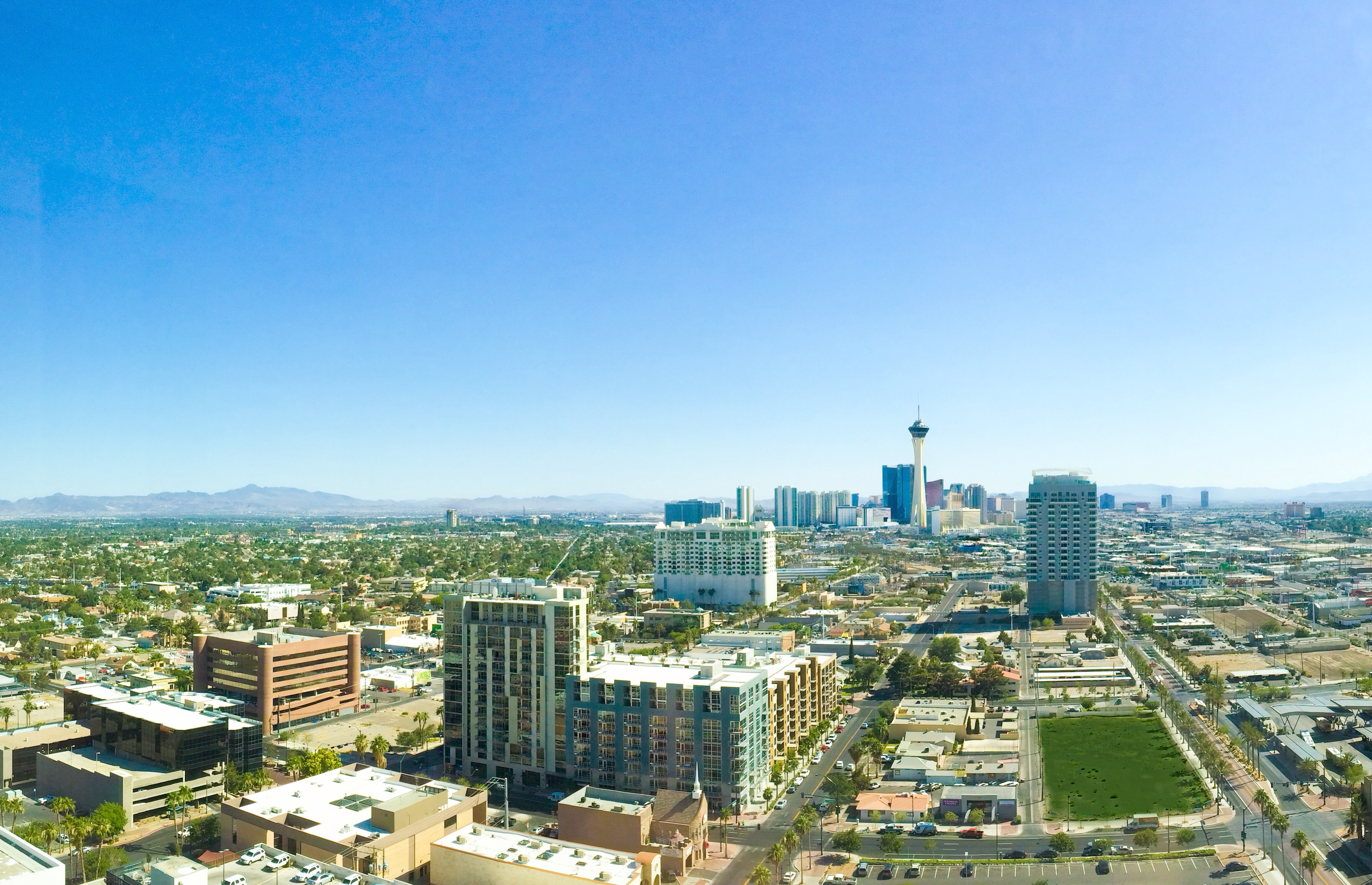
Hundreds of hotel workers at a casino near the Las Vegas Strip initiated a strike early Friday morning, marking a significant escalation in their ongoing battle for better working conditions and a new contract. The labor dispute, which has gained widespread attention in recent weeks, underscores a larger trend in the hospitality industry, as workers demand fair wages, improved benefits, and job security amid rising living costs.

The workers, including housekeepers, bellhops, and other hotel staff, voted overwhelmingly to strike after lengthy negotiations failed to produce an agreement with their employer. The casino, located just off the iconic Strip, is one of many in the area where unions have mobilized in recent months to address what they describe as an imbalance between the enormous profits of hotel operators and the conditions faced by their employees.

Negotiations had intensified over the last few months, with workers demanding increased wages to keep pace with the rising cost of living in the region. According to union representatives, many of the employees have not seen significant pay raises in years, despite the booming tourism industry and record profits for casinos. With inflation affecting prices across the board, particularly for housing and groceries, employees argue that their compensation no longer aligns with their work’s value.

The union representing the workers, the Culinary Workers Union Local 226, has been vocal about the need for a contract that reflects the economic realities faced by workers. The union’s president, Geoconda Argüello-Kline, emphasized that hotel and casino employees are critical to the industry’s success, yet they are often underpaid and overworked. She pointed to the financial disparities between the workers’ paychecks and the multi-billion-dollar profits generated by these establishments, noting that the workers’ wages have not kept up with the inflationary pressures affecting Las Vegas.

The strike is particularly significant as it takes place in one of the most profitable entertainment hubs in the world. Casinos and hotels along the Strip are a major draw for visitors, with the hospitality sector contributing billions to Nevada’s economy. Yet, workers argue that the benefits of this boom have not trickled down to those on the frontlines.

While the casino’s management has not yet made a public statement regarding the strike, sources close to the company say they were hopeful for a resolution before it reached this point. The strike, however, appears to be the result of growing frustration among workers who feel that their concerns have been ignored by management.

The labor movement in Las Vegas has long been a powerful force, with unions advocating for workers’ rights and striving to secure better wages and working conditions. Over the years, the city’s hospitality workers have won significant improvements, including better healthcare benefits, pension plans, and protections against workplace abuses. However, with many hotel workers still earning hourly wages that barely cover the cost of living, union leaders argue that more needs to be done.

This strike follows a broader wave of labor activism across the United States, where workers in several industries, from education to healthcare, have pushed for fairer compensation and improved working conditions. The Las Vegas hospitality sector, with its reliance on low-wage labor, is particularly vulnerable to such labor unrest, as workers in this sector continue to voice dissatisfaction with wages that fail to keep pace with rising costs.

The strike is also a reflection of larger societal trends, where economic inequality has become a central issue for many Americans. With the gap between the wealthy and the working class growing ever wider, calls for more equitable pay and conditions have become louder. The Las Vegas hospitality workers’ actions are part of this broader movement, aiming to address the disparities that many workers face in industries that thrive on consumer spending but offer few rewards to the people providing the services.

For many workers, the strike represents a crucial turning point. It is not just about wages, but about dignity and respect for their labor. Many hotel employees in Las Vegas feel that their work, which often involves long hours and physical labor, is undervalued, even as the industry continues to profit immensely from the tourism that their efforts help to drive.

The outcome of the strike will likely have broader implications for labor movements across the country. If the workers succeed in securing better terms, it could inspire similar actions in other cities where workers in hospitality and service industries face similar challenges. Conversely, if the strike fails to yield the desired results, it could dampen morale in labor movements and set back efforts to secure better conditions for workers.

Lenovo Group, the world’s largest PC maker, has announced plans to establish a state-of-the-art manufacturing facility in Saudi Arabia. This move aligns with the Kingdom’s Vision 2030 strategy, which seeks to diversify the economy by developing its technology and manufacturing sectors. The new facility, which will focus on assembling and producing personal computers and IT equipment, is expected to strengthen Lenovo’s foothold in the Middle East while driving local job creation and technical skill development.

Set to be located in the King Abdulaziz City for Science and Technology (KACST) area, the factory underscores the growing importance of Saudi Arabia as a strategic hub for global technology companies. Lenovo’s decision to invest in this region comes as demand for PCs and enterprise IT solutions continues to grow across the Gulf Cooperation Council (GCC) countries. With an annual production capacity estimated to reach tens of thousands of units, the plant will play a key role in meeting the technology needs of government entities, enterprises, and individual consumers in the region.

The factory is expected to generate hundreds of jobs for Saudi nationals, with Lenovo committing to knowledge transfer and training programs aimed at fostering local expertise in advanced manufacturing processes. This initiative aligns with the Kingdom’s Saudization goals, which prioritize the integration of local talent into key economic sectors. Lenovo’s executives emphasized that the plant would not only serve regional markets but also have the potential to export products to neighboring countries, further positioning Saudi Arabia as a technological hub for the wider Middle East.

Lenovo’s partnership with local entities and stakeholders, including the Ministry of Investment and the Saudi Industrial Development Fund, highlights the collaborative approach that has characterized its entry into the market. By leveraging Saudi Arabia’s supportive regulatory environment and infrastructure, the company aims to streamline operations and maximize efficiency in its production pipeline. This collaboration marks another milestone in Saudi Arabia’s efforts to attract foreign direct investment into its high-tech industries, a key pillar of Vision 2030.

The timing of Lenovo’s announcement coincides with a global shift in manufacturing trends, as companies seek to diversify their supply chains and mitigate risks associated with overdependence on specific regions. Lenovo’s Saudi factory will help the company reduce logistical complexities and ensure supply chain resilience, especially in a post-pandemic world where disruptions to global trade have underscored the need for localized production hubs.

While Lenovo has long been a dominant force in the global PC market, this investment represents its first manufacturing venture in Saudi Arabia. It signals the company’s intent to deepen its engagement with Middle Eastern markets, which have experienced steady growth in digital adoption and IT spending. Analysts believe this move could serve as a blueprint for other tech companies looking to expand their presence in the region.

The announcement also reflects the Kingdom’s broader ambitions to become a leader in emerging technologies such as artificial intelligence, robotics, and cloud computing. Saudi Arabia’s investments in smart cities like NEOM and other large-scale infrastructure projects are expected to drive demand for IT hardware and services, providing a robust market for companies like Lenovo to tap into. Additionally, the factory’s establishment could catalyze the development of ancillary industries, such as component manufacturing and logistics, further enriching the local economy.

Observers note that Lenovo’s move could pave the way for increased competition among technology companies in the region, prompting other global players to explore similar opportunities. This competitive environment is likely to benefit end-users by improving access to cutting-edge technology and reducing costs through localized production.

As the factory’s construction progresses, Lenovo plans to roll out community engagement programs aimed at fostering innovation and interest in technology among Saudi youth. These initiatives, including internships and partnerships with local universities, are intended to ensure that the Kingdom’s workforce remains equipped to meet the demands of a rapidly evolving digital economy.

The surge in stablecoin transactions has brought the digital asset market to a pivotal moment, with adjusted on-chain volumes edging close to those of Visa, a global payment giant. Stablecoins, valued for their pegged nature to fiat currencies, have reached a circulation supply exceeding $150 billion, supported by an ecosystem of 27.5 million monthly active users. However, a nuanced examination reveals that this rapid growth masks complexities and operational challenges within the sector.

A significant portion of stablecoin activity is driven by large-scale traders and automated bots, as noted in a detailed study conducted by Visa in collaboration with Allium Labs. The findings highlighted that while on-chain stablecoin transactions surpassed $2.2 trillion in April alone, only $149 billion represented organic payment activities originating from genuine users. This discrepancy raises questions about the utility and adoption of stablecoins as mainstream payment instruments.

The competitive landscape within the stablecoin market has also intensified. Circle’s USDC has outperformed Tether’s USDT in transaction volumes, signifying shifting user preferences and adoption trends. On-chain analyses have further confirmed that the overall stablecoin transaction volume has exceeded Visa’s average monthly transaction values for 2023. Despite these milestones, experts underscore that stablecoin networks remain in a nascent phase of development.

Challenges, including double-counting during cross-chain transactions, contribute to inflated transaction figures. For instance, transferring $100 of USDC to another stablecoin on decentralized platforms such as Uniswap is recorded as $200 in on-chain activity. These anomalies underscore the need for more precise tracking mechanisms to evaluate the actual usage of stablecoins effectively.

Industry leaders, including Visa, are closely monitoring this evolution. Analysts forecast that the total value of circulating stablecoins could reach $2.8 trillion by 2028, marking an 18-fold increase from current levels. However, the pathway to achieving this growth depends on addressing critical infrastructural and regulatory hurdles. Observations from payments platforms such as Airwallex emphasize the importance of refining existing systems to improve the efficiency of stablecoin networks.

Glassnode’s analysis of stablecoin velocity, which measures the speed at which value circulates within networks, shows that only 20% of the total supply is transacted daily. Such metrics illustrate the limited penetration of stablecoins into broader economic activities despite their expanding market capitalization.

Abu Dhabi’s sovereign wealth fund, the Abu Dhabi Investment Authority (ADIA), is significantly increasing its allocations to private equity in a strategic pivot to enhance long-term returns. This move underscores ADIA’s growing interest in high-risk, high-reward investment opportunities as it adapts to global market shifts. The fund’s decision comes at a time when traditional investment avenues are facing unprecedented volatility and when private equity is seen as […]

Viu, the pan-regional OTT video streaming service operated by PCCW, has expanded its offerings in the UAE by introducing a new benefit for its Viu Premium subscribers. As part of this initiative, new subscribers to the Viu Premium service will receive a complimentary Careem Plus subscription, enhancing their streaming experience with added value.

The partnership between Viu and Careem, the popular ride-hailing and services platform, brings together two prominent players in the region’s digital landscape. Careem Plus offers a variety of perks, including discounts on rides, food delivery, and more. This collaboration aims to not only strengthen Viu’s position in the competitive streaming market but also provide a broader suite of benefits for consumers.

This move follows a series of efforts by Viu to maintain its relevance in the increasingly crowded OTT sector. Viu has been expanding its content library and services across the Middle East and North Africa (MENA) region, targeting a growing base of digital-first consumers who are looking for diverse entertainment options. By offering added value through the Careem Plus subscription, Viu seeks to differentiate itself from other streaming platforms operating in the UAE and the larger Gulf region.

The strategy also aligns with broader regional trends, where OTT platforms are increasingly bundling services to offer more comprehensive packages. The integration of third-party services, such as ride-hailing or food delivery, has become a key strategy for service providers to boost customer loyalty and enhance user experience. This type of cross-sector partnership is growing in popularity, as it creates a more holistic ecosystem for consumers, blending entertainment with convenience.

For Careem, the collaboration with Viu allows the company to tap into the expanding base of Viu subscribers, potentially increasing its reach in the UAE. Careem’s move to offer exclusive perks to Viu Premium subscribers further underscores the platform’s efforts to enhance its value proposition, especially as it continues to evolve beyond its original ride-hailing model. The company, which has expanded into services like food delivery and digital payment solutions, has long been striving to position itself as an all-in-one lifestyle app in the region.

Viu’s premium service offers a wide range of on-demand content, including popular Arabic, Asian, and international shows, as well as movies and exclusive originals. With the addition of the Careem Plus subscription, Viu is aiming to elevate its value offering and cater to a broader audience who may be interested in both entertainment and lifestyle services. The initiative also highlights a broader trend in the OTT space, where platforms are looking for innovative ways to keep their customers engaged and retain their subscriptions in an environment where consumer loyalty is hard to maintain.

The UAE market, known for its high smartphone penetration and advanced digital infrastructure, has seen a rapid increase in the adoption of OTT services over the past few years. The shift toward on-demand entertainment, accelerated by the global pandemic, has contributed to the growth of digital streaming platforms. However, the competition remains fierce, with global players like Netflix, Amazon Prime, and regional services such as OSN and Shahid vying for consumer attention.

Viu, which operates in 16 markets across the Asia-Pacific and MENA regions, faces increasing competition in the UAE and wider MENA market, where local and international content providers are aggressively pursuing market share. By introducing perks such as the Careem Plus subscription, Viu hopes to add a layer of convenience that appeals to the diverse and digitally savvy consumers of the UAE, who are accustomed to seamless, multifaceted services.

The Viu-Careem collaboration also highlights a shift in the region’s approach to digital services, with companies moving toward integrated digital ecosystems. By bundling various services under one umbrella, companies are encouraging consumer stickiness. For instance, Viu subscribers can now enjoy discounts on Careem rides or deliveries, while Careem users can benefit from entertainment options from Viu. This model may set a new precedent for future partnerships in the region, where the boundary between entertainment, travel, and lifestyle services continues to blur.

The promotion is available to new Viu Premium subscribers in the UAE, with terms and conditions applicable to the complimentary Careem Plus subscription. The launch comes at a time when many OTT platforms are re-evaluating their strategies to stay competitive. As subscription fatigue sets in among users who are overwhelmed by an abundance of platforms, value-added features like the Careem Plus subscription can help sway potential customers toward Viu’s premium offering.

UAE investors have seen their wealth soar following a remarkable surge in Bitcoin prices, attributed to the political and economic shifts following Donald Trump’s victory in the US election. The cryptocurrency, which had been volatile in the years preceding the win, experienced unprecedented growth as markets reacted to the shifting political landscape, with many investors in the UAE now seeing significant returns on their investments.

Bitcoin’s price surged sharply after the US election results were confirmed, with many financial analysts predicting the trend would continue as uncertainty around Trump’s policies drove investors toward assets perceived as safer or potentially more profitable. The volatile nature of cryptocurrencies makes them an attractive option for those willing to accept the risks for the potential rewards. For investors in the UAE, Bitcoin presented a new opportunity, and many took advantage of the fluctuating prices in anticipation of future growth.

Several prominent cryptocurrency investment platforms have seen increased activity in the UAE, with more people turning to Bitcoin as a hedge against inflation and political instability. The surge in Bitcoin’s value has not only been a boon for individual investors but also for cryptocurrency trading platforms and firms offering Bitcoin-based investment products. Several such platforms reported a spike in sign-ups and transactions in the wake of Trump’s election win, which, combined with the global economic uncertainty that followed, has sparked an interest in digital currencies as an alternative to traditional investments.

In Dubai, where many investors have a global outlook, Bitcoin is quickly becoming a key component of wealth management strategies. The local cryptocurrency market has witnessed a rise in demand for both Bitcoin and other digital assets. Investors are diversifying their portfolios with more aggressive positions in cryptocurrency, banking on the potential for continued growth amid the global economic challenges. Some have even opened Bitcoin-specific funds, offering high-risk, high-reward opportunities to those seeking to capitalize on the digital currency’s upward trajectory.

A key factor contributing to this wave of Bitcoin investment is the cryptocurrency’s appeal as an alternative store of value. With concerns around traditional financial systems, particularly in the Middle East, many are seeking to protect their wealth by investing in assets that are decentralized and not subject to the fluctuations of regional currencies or government policies. Bitcoin, with its promise of independence from state-controlled monetary systems, offers a solution that is increasingly attractive to investors in the UAE.

The global appeal of Bitcoin, combined with its growing legitimacy, has made it a more palatable option for UAE investors, many of whom are looking to broaden their financial horizons. The UAE’s status as a financial hub with a progressive regulatory environment for cryptocurrencies has further contributed to the growing interest. While cryptocurrencies remain largely unregulated in many parts of the world, the UAE has been one of the leading countries in the region to introduce frameworks aimed at fostering innovation while protecting investors.

The surge in Bitcoin prices has also prompted a flurry of interest from young, tech-savvy investors in the UAE. As more millennials and Gen Z individuals enter the investment landscape, they are increasingly looking toward digital currencies as a means of growing their wealth. The UAE has one of the highest concentrations of cryptocurrency holders in the Middle East, with a growing number of younger investors taking positions in Bitcoin as part of a broader trend of tech-driven financial strategies.

While the surge in Bitcoin’s price has created substantial wealth for some investors, the cryptocurrency market remains highly volatile, and many caution against overexposure. Financial advisors emphasize the importance of diversifying portfolios, as the rapid rise in Bitcoin’s value could be followed by equally dramatic declines. Investors are urged to remain cautious, keeping in mind that the cryptocurrency market’s unpredictability makes it unsuitable for all types of investors.

The geopolitical factors that contributed to Bitcoin’s rise are also critical to understanding the broader trends at play. Following Trump’s win, the global economy experienced shifts in trade relations and economic policies, which, in turn, affected investor behavior. As Bitcoin’s value continues to fluctuate in response to these political developments, the currency remains a speculative asset. However, for many in the UAE, the rewards have been substantial, allowing some to realize returns on their investments that were previously unimaginable.

Following the victory of Donald Trump in the 2024 U.S. presidential elections, the UAE has experienced a significant surge in remittance flows, with major beneficiaries being India and the Philippines. This spike is attributed to a combination of factors, including a shift in economic dynamics, increasing confidence in the stability of the global economy, and adjustments in the exchange rates. With these countries historically being some of the largest recipients of remittances from the UAE, the recent growth reflects deeper patterns in the region’s labor markets, trade relations, and the broader economic impact of political developments in the United States.

The rise in remittances highlights an enduring trend of expatriates from South Asia and Southeast Asia sending money home, especially in the face of shifting geopolitical and economic landscapes. While the UAE has long been a hub for foreign workers, the current influx of financial support underscores both the strength of these diasporas and their economic significance to the countries of origin. India and the Philippines, two of the top remittance-receiving nations globally, have seen increases that could have significant effects on their local economies, particularly in terms of poverty reduction, infrastructure development, and consumption spending.

For India, which is consistently one of the largest recipients of remittances globally, the increase reflects ongoing economic stability. Many Indian workers in the UAE are employed in sectors such as construction, hospitality, and services, industries that have been impacted by fluctuating global demand. However, with Trump’s victory, there has been a renewed optimism about the UAE’s economic outlook, boosting confidence among remitters. Additionally, the Indian Rupee’s performance against the UAE Dirham has also played a crucial role in making remittance transfers more lucrative for Indian workers, with an improved exchange rate encouraging them to send more money home.

Philippine remittance volumes have mirrored this surge, driven by the large number of Filipino workers across various sectors in the UAE. The increase in remittances to the Philippines is tied to both economic and political factors. With Trump’s win, many Filipino workers have reported feeling more confident in their job security within the UAE, leading to higher disposable incomes and an increased desire to support their families back home. The Duterte administration’s improved diplomatic relations with the UAE, as well as the UAE’s robust labor laws, have also contributed to a more secure working environment for Filipino expatriates. Furthermore, the Philippine government has actively encouraged remittances as a key element in sustaining the country’s economic growth, which is evident in the increased financial flows back home.

One of the key drivers behind the rising remittance numbers is the favorable exchange rate that has emerged following Trump’s victory. The UAE Dirham is pegged to the U.S. Dollar, and with Trump’s anticipated pro-business policies, many economists predict continued economic growth in the region, leading to stronger currencies like the Dirham. As a result, workers from India and the Philippines are able to send larger amounts of money home for each unit of foreign currency they earn.

This surge also aligns with broader trends in global migration patterns, where many labor-exporting countries have seen their nationals continue to seek employment in the UAE despite challenges posed by the global economy. With job opportunities available in sectors like construction, health care, and information technology, both India and the Philippines remain major exporters of labor to the UAE, a relationship that continues to be a vital component of both nations’ economic strategies.

Another factor influencing the rise in remittances is the UAE’s active role in international trade. Trump’s foreign policy outlook, which tends to favor global markets and open trade policies, has reinforced investor confidence in the UAE, positioning it as a leading financial center in the region. This has had a trickle-down effect on remittances, as expatriates feel more secure in sending money back home, knowing that the overall economic stability of the UAE is likely to hold steady.

For both India and the Philippines, remittances are a critical pillar of economic support. The funds sent by workers abroad contribute significantly to the countries’ GDP, provide direct financial assistance to households, and bolster government revenues. In India, remittances have been linked to the reduction of poverty, greater access to education and healthcare, and even the growth of small businesses. Similarly, in the Philippines, remittances support everything from consumer spending to investments in rural development and infrastructure projects.

Despite the positive impact of these remittance flows, challenges persist. The COVID-19 pandemic had a brief dampening effect on global remittances due to economic uncertainties and travel restrictions, but the post-pandemic recovery has led to a strong rebound in money transfers, especially from the UAE. Many of the expatriate workers in the UAE rely heavily on their income to support families in their home countries, making the rise in remittances particularly crucial for those living in more economically vulnerable regions.

KUALA LUMPUR, MALAYSIA – Media OutReach Newswire – 14 November 2024 – Adding exotic currency pairs to a portfolio is a popular way to get exposed to a wider variety of assets. These pairs, which include currencies from emerging markets or smaller economies, offer unique opportunities due to their volatility and potential for high returns. For traders in regions like India and Southeast Asia, exotic pairs can […]

Revolut has officially launched its crypto trading platform, Revolut X, in 30 additional European countries. The expansion marks a significant milestone for the financial technology company, which is targeting experienced traders seeking advanced features in cryptocurrency trading. The new rollout is designed to bolster the platform’s presence in Europe, tapping into an increasing demand for more sophisticated trading tools.

The platform, which first launched in the UK and Europe, offers a comprehensive suite of crypto trading features tailored to individuals with a higher level of expertise in the digital assets space. Revolut X includes a range of tools such as real-time market data, advanced charting, and analysis capabilities that are expected to appeal to traders with more in-depth knowledge of the volatile cryptocurrency market.

Revolut, known for its wide array of financial services, had previously made moves in the cryptocurrency market by offering a simpler, more beginner-friendly crypto service through its primary app. The launch of Revolut X in these new markets is part of the company’s strategy to differentiate itself in an increasingly competitive space dominated by established players such as Binance, Kraken, and Coinbase.

The 30 new countries added to Revolut X’s reach include several key European markets, notably in the EU and surrounding regions. These markets represent some of the most active areas for cryptocurrency adoption, with high levels of market penetration and investor interest. For Revolut, this is a calculated move aimed at capturing more of the trading segment from other platforms that cater to more advanced users.

Industry experts suggest that Revolut’s expansion into these markets comes at a time when crypto trading is gaining momentum across Europe. Regulatory frameworks in many EU nations are becoming more favorable, with clearer rules providing a safer environment for traders. This is seen as a major advantage for platforms like Revolut X, which seeks to build trust and legitimacy in a market that has faced scrutiny in recent years due to concerns over security and market manipulation.

With the introduction of advanced trading features, Revolut X also aims to address the growing demand for decentralized finance (DeFi) and other innovative financial products. As more traders seek out opportunities in non-fungible tokens (NFTs), decentralized exchanges (DEXs), and other blockchain-based assets, Revolut is positioning itself as a key player in these evolving markets.

The cryptocurrency sector in Europe has shown considerable growth, with increasing institutional interest and more retail investors participating in crypto markets. Several nations, particularly Germany, France, and the Netherlands, have already seen a rise in retail investment, and there is an ongoing effort within the European Union to establish clearer regulatory standards for digital assets. This regulatory clarity, along with the expanding acceptance of crypto in traditional financial systems, provides a supportive backdrop for Revolut’s expansion.

However, Revolut’s venture into the cryptocurrency space has not been without challenges. Despite the company’s large customer base and technological edge, it faces stiff competition from other financial technology companies and crypto-native platforms that are already well-established in European markets. Furthermore, cryptocurrency trading remains a high-risk venture for many traders, with concerns over market volatility, regulatory changes, and technological risks such as hacking and fraud.

For Revolut, the strategic move to expand Revolut X to 30 new markets is aimed at capitalizing on the increasing adoption of cryptocurrencies and positioning itself as a serious player in the crypto trading sphere. It also aligns with the company’s broader goal of diversifying its service offerings to encompass a wider array of financial products. This includes plans to broaden access to traditional banking, investment options, and more advanced trading tools. As the market matures and regulatory clarity continues to evolve, Revolut’s early investments into crypto trading could prove to be a significant growth area in its future.

The introduction of Revolut X in these 30 countries also signals a shift in the company’s overall business strategy. By targeting more experienced traders, Revolut is moving away from its initial focus on mainstream consumers and expanding into a niche that has shown higher profitability. This move reflects broader trends in the financial industry, where firms are seeking to capture more sophisticated users who are looking for advanced trading features and greater customization in their investment strategies.

SINGAPORE – Media OutReach Newswire – 13 November 2024 – Ampersand Associates, a leading commercial interior design company, proudly announces its forward-looking service outlook, backed by over 13 years of extensive industry experience. With leadership that includes a Managing Director boasting nearly 30 years in the field and a lead designer with over 20 years of experience, Ampersand is uniquely positioned to address the evolving needs of […]

KUALA LUMPUR, MALAYSIA – Media OutReach Newswire – 13 November 2024 – As China solidifies its influence across Southeast Asia, it becomes the region’s largest trading partner and a crucial investor in areas like infrastructure, technology, and renewable energy. This release explores how China’s expanding economic reach shapes Southeast Asian markets, from Indonesia’s booming coal exports to Vietnam’s tech transformation, and provides a glimpse into future growth […]

Providing a snapshot of the SaloneSatellite Collection and showcasing the talents of emerging international designers at the West Kowloon Cultural District until 21 November HONG KONG SAR – Media OutReach Newswire – 12 November 2024 – The much-anticipated ‘SaloneSatellite Permanent Collection 1998-2024’ Exhibition makes its official debut in Hong Kong today, showcasing more than 100 innovative award-winning works by talented international designers at the Arts Pavilion of […]

By Anjan Roy As president elect Donald Trump is edging towards taking over powers in America on January 20 next year, the country is lurching towards becoming a typical case of a plutocracy. Money bags, as opposed to public spirited men and women who have devoted a life time in public affairs, are coming to […]

VISHNU RAJA
RYO YAMADA
HITORI GOTOH
IKUYO KITA
Just in:
Hackers falsify NVIDIA GPU readings to mask cryptomining // US resumes flights after nationwide air traffic shutdown // Saudi fund assets forecast to cross $400 billion // L’OCCITANE Celebrates 50 Years Of Provençal Craftsmanship With Holiday 2026 Collection // IEA forecasts fourth-quarter oil surplus as Gulf shipments rebound // October Food Price Shock Has Far Reaching Consequences // Microsoft outage leaves Outlook and Teams users disconnected // TORRAS Launches Two New iPhone Duo Cases from Its Popular Ostand Series, Addressing Foldable Phone Users’ Concerns About Difficult Stand Positioning and Scratches // Inpex reaffirms Gulf oil strategy despite shipping constraints // Woman found dead as bank moves to repossess home // Microsoft restores services gradually but gives no recovery deadline // Microsoft apologises as Outlook services recover after outage // Rooftop solar planning gaps behind power shortages // Salik posts Dhs1.045bn profit despite lower toll traffic // Electoral register gains 2.17 lakh voters // US authorities dismantle North Korean cryptocurrency deception infrastructure // Crescent Enterprises venture arm funds Oyster Therapeutics development // China Reconciled To U.S. Curbs On Chips Exports, Woos South Korea For Supply // Sun World Ba Den Mountain marks Vietnam Culture Day, welcoming Cambodian visitors over Bon Om Touk // Yicura BioMed Advances Dual Capital and Industrial Strategy: Completes First Closing of Series B Financing Led by Gobi Partners //