News related to
Trends

The Monetary Authority of Singapore (MAS) is set to launch a new wholesale Central Bank Digital Currency (CBDC) testnet, named the SGD Testnet, which aims to facilitate the commercialization of tokenization in the financial sector. This initiative is designed to enhance digital financial transactions, allowing various financial institutions to explore innovative applications of digital currencies in their operations. Notable participants include major banks such as Standard Chartered, DBS, Citi, and HSBC, indicating strong industry interest and potential collaboration.

Tokenization has garnered significant attention in Singapore’s financial landscape, particularly within the fixed income, foreign exchange (FX), and asset management sectors. MAS has actively promoted this technology as a means to improve efficiency and security in financial transactions, aiming to leverage blockchain technology for better transparency and trust. The regulator envisions that the SGD Testnet will enable financial institutions to experiment with digital assets and tokenized forms of traditional securities, thereby reducing settlement times and enhancing overall liquidity in the market.

The push for tokenization aligns with global trends as financial institutions and regulators explore ways to modernize the financial system. Tokenized assets, which represent ownership of real-world assets on the blockchain, can provide enhanced accessibility and liquidity, transforming how investors engage with financial products. By establishing the SGD Testnet, MAS seeks to position Singapore as a leader in the tokenization movement and attract more participants to its burgeoning fintech ecosystem.

Initial trials on the SGD Testnet will focus on specific use cases, including tokenizing fixed-income securities and facilitating cross-border transactions. This will provide participating banks with the opportunity to assess the operational capabilities of a wholesale CBDC and how it can integrate with existing systems. The testnet will also serve as a sandbox for innovation, allowing institutions to experiment with new business models and services that could emerge from widespread tokenization.

MAS has already indicated strong interest from various financial sectors, particularly in how tokenization can streamline processes. The regulator aims to gather feedback and insights from participating institutions during the testing phase to refine the framework and regulations surrounding CBDCs and tokenized assets. This iterative approach not only enhances the regulatory environment but also fosters collaboration among banks, technology providers, and other stakeholders in the financial ecosystem.

As the demand for tokenization grows, global financial markets are increasingly recognizing its potential benefits. The integration of tokenized assets into traditional financial systems could enable greater access for retail investors, democratizing investment opportunities and improving market efficiency. Moreover, tokenization can enhance the transparency of transactions, allowing for real-time tracking and reporting, which could be particularly beneficial for compliance and regulatory oversight.

In addition to improving transaction speed and reducing costs, the development of a wholesale CBDC could also enhance the resilience of Singapore’s financial system. By providing a secure and stable digital currency alternative, MAS aims to mitigate risks associated with traditional banking systems and increase the overall robustness of the financial infrastructure. The SGD Testnet represents a crucial step toward achieving these objectives and ensuring that Singapore remains at the forefront of global financial innovation.

As part of the initiative, MAS has highlighted the importance of collaboration with the private sector to ensure the successful deployment of the testnet. By engaging with major banks and fintech firms, MAS hopes to harness a diverse range of expertise and insights that will contribute to the ongoing development of tokenization technologies. This collaborative approach is expected to accelerate the adoption of digital currencies and tokenized assets, allowing Singapore to capitalize on emerging trends in the global financial landscape.
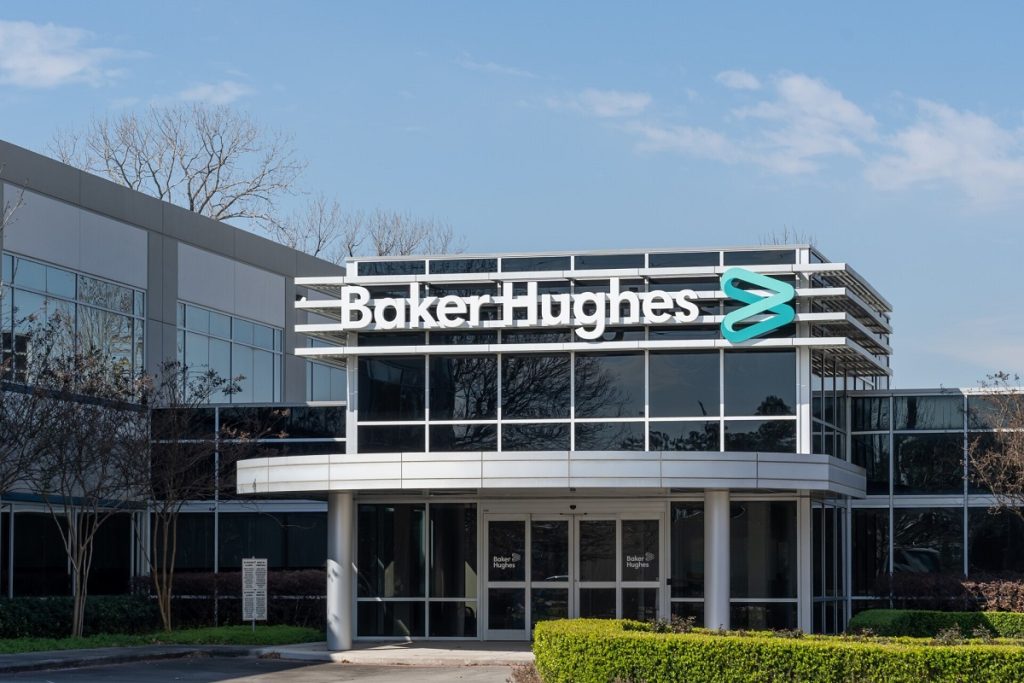

Baker Hughes has inaugurated its latest state-of-the-art facility dedicated to surface pressure control (SPC) solutions in Abu Dhabi. This new headquarters and manufacturing center is poised to serve as a pivotal hub for the company, enhancing its operational capabilities within the region and beyond.

Covering an expansive area of 46,000 square meters, the Abu Dhabi SPC facility will specialize in providing a comprehensive range of wellhead and subsea tree equipment and services. This strategic investment underscores Baker Hughes’ commitment to meeting the growing demand for energy solutions in the Middle East, a region increasingly recognized for its vital role in the global energy landscape.

The new center will not only cater to local markets but will also support international clients seeking advanced SPC technology. It is designed to facilitate enhanced production and operational efficiency, aligning with the industry’s shift towards digitalization and sustainable practices. With a focus on innovation, the facility will leverage cutting-edge technology to develop and deliver robust solutions tailored to the unique challenges of the energy sector.

In a statement during the inauguration, the company’s executives emphasized that this investment is a testament to Baker Hughes’ long-term strategy to strengthen its presence in key markets. The facility will incorporate advanced manufacturing techniques and is equipped with high-tech machinery to enhance productivity and streamline operations. This move aligns with broader industry trends where companies are increasingly prioritizing automation and efficiency to remain competitive.

Baker Hughes has established itself as a leader in energy technology, serving a diverse clientele that includes oil and gas operators, renewable energy firms, and industrial companies. The new Abu Dhabi center will be pivotal in extending its service offerings across various energy sectors, reflecting the company’s dedication to providing comprehensive support for its customers’ evolving needs.

The location of the facility in Abu Dhabi is strategically significant, given the emirate’s position as a major hub for energy production and innovation in the Middle East. Abu Dhabi continues to attract substantial foreign investment in the energy sector, making it an ideal site for Baker Hughes to amplify its operations. The company aims to enhance its collaboration with local stakeholders and contribute to the emirate’s vision of sustainable development in energy.

In addition to meeting regional demands, the Abu Dhabi SPC solutions unit is set to play a vital role in the company’s global supply chain. The facility is expected to streamline the production of critical components, reduce lead times, and improve service delivery. By localizing manufacturing capabilities, Baker Hughes can respond more swiftly to the needs of its clients, ensuring that they receive high-quality equipment and services without unnecessary delays.

Baker Hughes has also expressed a strong commitment to sustainability. The new facility is designed with environmental considerations in mind, incorporating energy-efficient technologies and processes to minimize its carbon footprint. As the global energy landscape shifts toward greener alternatives, the company’s efforts to integrate sustainability into its operations are expected to resonate well with stakeholders who prioritize environmentally responsible practices.

The inauguration ceremony highlighted Baker Hughes’ role in advancing the energy transition. Executives noted the importance of investing in new technologies and solutions that can help the industry meet its decarbonization goals. This aligns with the broader agenda of governments and organizations around the world to pursue cleaner energy sources and reduce greenhouse gas emissions.

The facility is anticipated to create numerous job opportunities for local talent, supporting the development of skills in advanced manufacturing and energy technologies. Baker Hughes is committed to fostering a diverse and inclusive workforce that reflects the communities it serves. By investing in local talent, the company not only enhances its operational capabilities but also contributes to the socioeconomic development of the region.

Industry analysts view this expansion as a strategic move that positions Baker Hughes favorably amid an evolving energy market characterized by increasing demand for innovative solutions. As the company continues to invest in technology and infrastructure, it reinforces its commitment to providing exceptional service and maintaining a competitive edge in the energy sector.

Rackspace Technology has formalized a multi-year Strategic Collaboration Agreement (SCA) with Amazon Web Services (AWS), marking a significant expansion of their partnership. This agreement aims to enhance Rackspace’s ability to deliver a comprehensive suite of cloud services, including hybrid and multicloud solutions, as well as artificial intelligence capabilities to its clients. As enterprises increasingly pivot toward cloud-based infrastructures, this collaboration positions Rackspace to play a pivotal role […]

Actress and filmmaker Olivia Wilde has entered the world of venture capital with the launch of her new firm, which aims to invest in innovative start-ups across various industries. This move marks a significant shift from her Hollywood career and positions Wilde as a burgeoning player in the investment landscape. With a focus on nurturing creativity and fostering entrepreneurial spirit, the firm seeks to support companies that align with Wilde’s values, particularly those led by women and underrepresented founders.

Wilde’s firm has been described as an extension of her long-standing commitment to advocating for diverse voices in the entertainment industry. By transitioning into venture capital, she intends to amplify these efforts by providing financial backing to emerging companies that challenge the status quo. This venture comes at a time when the tech and entertainment sectors are increasingly intertwined, offering unique opportunities for innovative collaborations.

In her announcement, Wilde emphasized her desire to empower entrepreneurs who prioritize ethical practices and social responsibility. The firm is particularly interested in companies that address pressing global issues, such as climate change and social inequality. This aligns with Wilde’s own advocacy work and reflects a broader trend among investors who are increasingly seeking to make a positive impact through their financial decisions.

The establishment of Wilde’s venture capital firm reflects a growing trend among Hollywood figures who are diversifying their portfolios and engaging in investment activities. Celebrities such as Ashton Kutcher and Serena Williams have also made headlines with their venture capital endeavors, demonstrating that the intersection of entertainment and entrepreneurship is becoming more commonplace. These figures leverage their influence and resources to identify and support promising start-ups, often bringing valuable connections and insights from their respective industries.

Wilde’s approach to venture capital aims to differentiate her firm from traditional investment models. By prioritizing personal connections and collaborative relationships with entrepreneurs, she seeks to create a supportive ecosystem where start-ups can thrive. This ethos is particularly relevant in a market that can be notoriously challenging for new businesses to navigate.

Emerging trends in the venture capital landscape indicate a growing demand for investments in technology that address sustainability and social justice. As investors increasingly recognize the importance of Environmental, Social, and Governance (ESG) criteria, Wilde’s firm appears well-positioned to capitalize on this shift. Many investors are prioritizing companies that not only show potential for financial returns but also contribute positively to society.

Wilde’s entry into venture capital also comes at a time when the start-up ecosystem is witnessing unprecedented growth. According to industry reports, investment in start-ups has surged in various sectors, including health tech, fintech, and green technology. This influx of capital has created a competitive landscape, making it crucial for entrepreneurs to differentiate themselves to attract funding. Wilde’s firm may offer a unique advantage to start-ups that resonate with her values and vision.

The firm has already begun to explore potential investment opportunities, actively engaging with founders and attending pitch events. With Wilde’s celebrity status and industry connections, she can leverage her platform to elevate the visibility of the start-ups she chooses to support. This aspect of her venture could open doors for promising companies that might otherwise struggle to gain traction in a crowded market.

Wilde’s commitment to mentorship is expected to be a hallmark of her investment strategy. By offering guidance and resources to start-ups, she aims to foster an environment where innovative ideas can flourish. This hands-on approach contrasts with the more traditional model of passive investment, positioning Wilde’s firm as a collaborative partner in the entrepreneurial journey.

The impact of Wilde’s venture capital firm may extend beyond financial support; it could also inspire other figures in the entertainment industry to explore similar paths. As more celebrities engage in venture capital, the potential for creative partnerships and cross-industry innovation grows. This could lead to exciting developments in sectors ranging from technology to sustainability.

As Wilde embarks on this new chapter, her background as a filmmaker may influence her investment choices. Her experience in storytelling and understanding of audience engagement could guide her in identifying start-ups with compelling narratives and strong market potential. By focusing on the human element of entrepreneurship, Wilde’s firm is likely to emphasize not just the financial metrics but also the stories behind the companies and their founders.

The cryptocurrency market is witnessing a surge of interest in emerging tokens that analysts predict could follow the trajectory of previous meme coin successes. Among the multitude of digital currencies, four specific coins are currently drawing heightened attention for their potential explosive growth. As investors scour the market for the next big opportunity, the community is eager to identify which tokens may rise to prominence in the same way as the now-famous PEPE coin.

At the forefront of this emerging trend are Shiba Inu (SHIB), Floki Inu (FLOKI), Dogecoin (DOGE), and the newly launched meme-inspired currency, Wojak (WOJAK). These coins, while tethered to the whimsical and often unpredictable nature of meme culture, demonstrate fundamental characteristics that have sparked interest from seasoned and novice investors alike. Analysts point to a combination of community engagement, social media momentum, and unique branding strategies as pivotal elements influencing these cryptocurrencies’ potential success.

Shiba Inu, which started as a playful homage to Dogecoin, has evolved into a prominent player within the meme coin arena. Its community-driven approach and decentralized nature have facilitated a loyal following, leading to significant price fluctuations that investors seek to capitalize on. The Shiba Inu ecosystem continues to expand with initiatives such as ShibaSwap, which allows users to trade various tokens within its platform. Moreover, the introduction of Shiba Inu’s own decentralized stablecoin, TREAT, has further bolstered its position as a multifaceted player in the crypto landscape.

Floki Inu, another meme-based cryptocurrency, has made significant strides in establishing its identity beyond mere speculation. With a focus on utility, Floki Inu aims to integrate its currency into a wider array of applications, including play-to-earn gaming and NFT marketplaces. The project has garnered attention through strategic marketing campaigns, including sponsorships and partnerships that elevate its visibility within the crowded crypto space. The growing community of Floki enthusiasts continues to push for adoption and usability, which could enhance its value proposition.

Dogecoin remains a staple in the cryptocurrency market, often regarded as the benchmark against which other meme coins are measured. Originally created as a joke, Dogecoin’s robust community and high-profile endorsements from celebrities and industry leaders have propelled it into mainstream recognition. As new projects and tokens emerge, Dogecoin continues to hold its ground, aided by ongoing developments such as increased transaction capabilities and collaborations with prominent brands, which sustain its relevance and appeal.

The newly minted Wojak coin represents the latest wave of meme-inspired cryptocurrencies seeking to tap into the cultural zeitgeist surrounding internet memes. Named after the Wojak meme, a character symbolizing various emotions, this coin has quickly gained traction among meme enthusiasts. Early adopters are eager to explore its potential for both profit and community engagement. With social media buzz fueling its initial momentum, Wojak coin is positioning itself as a fresh contender in the meme coin landscape.

Market analysts suggest that the rise of these four cryptocurrencies reflects a broader trend within the digital currency space, characterized by the intersection of meme culture and financial speculation. As investors become increasingly adept at identifying emerging opportunities, the excitement surrounding these coins serves as a testament to the evolving dynamics of the crypto market.

A pivotal factor in the success of these tokens is their ability to harness community involvement and social media presence. Platforms like Twitter and Reddit play a crucial role in shaping perceptions and driving investment decisions, as enthusiastic communities rally around these coins to promote their growth. The viral nature of meme coins creates a feedback loop, where hype can lead to increased investment, which in turn fuels further hype, creating a self-sustaining cycle.

However, the volatility of meme coins poses inherent risks for investors. Many experts caution that the speculative nature of these investments can lead to sharp price fluctuations and potential losses. The market is rife with examples of tokens that have skyrocketed in value only to plummet just as dramatically, underscoring the importance of thorough research and a cautious approach to investing in cryptocurrencies.

As the cryptocurrency landscape continues to shift, investors are advised to stay informed about market trends and the underlying technologies of the coins they consider. The evolution of Shiba Inu, Floki Inu, Dogecoin, and Wojak coin illustrates the fluid nature of the crypto market, where the next potential success story can emerge from unexpected corners.

Saudi Arabia, as host of the 16th United Nations Convention to Combat Desertification (UNCCD) Conference of the Parties (COP16), is intensifying its call for comprehensive global efforts to address the escalating crises of land degradation, desertification, and drought. With a staggering 40% of the world’s land already classified as degraded, impacting around 3.2 billion people, Saudi officials have underscored the pivotal role COP16 could play in reshaping […]

Covestro AG, the German polymer giant, appears set to endorse a takeover bid from Abu Dhabi National Oil Company (ADNOC) following an extensive review of ADNOC’s offer terms. This potential endorsement arrives as Covestro revises its profit outlook, a decision influenced by operational pressures across global markets. ADNOC, a major energy player based in the UAE, proposed acquiring Covestro at a valuation that positions the German firm’s […]

Advertisements

Mubadala Investment Company, a prominent state-owned investment arm based in Abu Dhabi, has acquired a 49% stake in the Spanish industrial firm Tubacex’s subsidiary, Tubacex Group, for approximately $200 million. This strategic investment aims to bolster Mubadala’s presence in the European industrial sector, particularly in the field of manufacturing specialized steel products used in energy, oil, and gas applications. The acquisition signifies a continued trend of Middle […]

HONG KONG SAR – Media OutReach Newswire – 31 October 2024 – International Genius Company (“IGC“, stock code: 0033.HK) is pleased to release its annual report for the year ended 30 June 2024 (the “Year under Review“). During the Year under Review, IGC has been continuously promoting strategic transformation through two engines: “technology driven + innovative cooperation model”. IGC aims to become an artificial intelligence trading technology […]

By Nitya Chakraborty Republican candidate Donald Trump’s Diwali message, just four days before the crucial November 5 presidential elections in USA, has enormous significance, which goes beyond the possible impact on Hindu-Americans voters on the polling day. The content of the message will have big impact on Bangladesh politics in the event of a Trump […]

Abu Dhabi has unveiled a new licensing framework aimed at facilitating the establishment and operation of longevity medicine centers. This initiative, announced by the Department of Health – Abu Dhabi (DoH), seeks to bolster the emirate’s position as a hub for health and wellness, particularly in the burgeoning field of longevity medicine. The framework is designed to promote research, innovation, and the implementation of advanced medical practices […]

The delivery of Emirates’ first Airbus A350 has been postponed until early December, marking yet another setback in the airline’s fleet expansion plans. Originally scheduled for delivery in mid-2023, this delay is attributed to ongoing supply chain challenges that have impacted the aviation industry globally.

Emirates has been at the forefront of modernizing its fleet, committing to acquiring 50 Airbus A350-900 aircraft, a move aimed at enhancing operational efficiency and passenger comfort. The A350 is known for its fuel efficiency and long-range capabilities, making it a strategic choice for Emirates as it navigates a recovering post-pandemic travel market. However, the postponement reflects broader trends affecting major airlines, which are grappling with supply chain disruptions exacerbated by global events, including the lingering effects of the COVID-19 pandemic and geopolitical tensions.

Airbus has acknowledged the challenges it faces in meeting delivery schedules, largely stemming from shortages in parts and components critical for aircraft assembly. Despite these hurdles, the manufacturer is actively working to resolve the issues, with plans to ramp up production in the coming months. The delay in Emirates’ delivery reflects a cautious optimism within the industry, as airlines anticipate a rebound in demand for air travel, particularly in regions with high passenger traffic.

Industry experts suggest that this setback may lead Emirates to adjust its operational strategies temporarily. The airline has been known for its ability to adapt to market changes rapidly, and this delay may prompt a re-evaluation of its short-term capacity plans. With the holiday season approaching, there is increased pressure on airlines to meet passenger demand, and any fleet expansion delays could impact their service offerings.

Emirates’ commitment to the A350 program remains strong, as the aircraft is designed with advanced technology, including a quieter cabin and improved aerodynamics. The A350’s introduction is expected to bolster Emirates’ already extensive fleet of modern aircraft, which includes Boeing 777s and Airbus A380s. The A350 will also complement Emirates’ sustainability goals, contributing to reduced carbon emissions through its advanced fuel-efficient engines.

Airlines across the globe are facing similar challenges. Other major carriers have reported delays in aircraft deliveries, including Boeing and regional players, highlighting a systemic issue within the aerospace supply chain. The demand for aircraft has surged as travel restrictions ease and passenger numbers rebound, prompting manufacturers to strive for higher production rates while grappling with the complexities of sourcing components.

Emirates’ leadership remains optimistic about the long-term benefits of its investment in the A350, believing that once the aircraft enters service, it will provide a significant competitive advantage in the market. The airline’s management has emphasized its commitment to fleet modernization as a key driver of its strategy to enhance customer experience and operational efficiency.

As the airline prepares for the eventual delivery of the A350, it continues to explore other opportunities to expand its network and services. Emirates has been actively engaging in partnerships with various airlines, aiming to enhance connectivity and improve service offerings across its routes. This strategy includes forging codeshare agreements that allow for greater flexibility and options for travelers.

Despite the delays, Emirates has managed to maintain a strong market position, aided by its extensive route network and premium service offerings. The airline has invested heavily in marketing and customer engagement initiatives, ensuring that it remains a top choice for international travelers. This proactive approach, coupled with its strong brand recognition, positions Emirates well to navigate the challenges presented by fleet delays and supply chain disruptions.

The upcoming delivery of the Airbus A350 is critical not only for Emirates but also for Airbus, as it signals a milestone in the manufacturer’s recovery from the disruptions that have plagued the aviation sector. Successful deliveries are essential for restoring confidence among airlines and signaling a return to normalcy within the industry.

Mubadala Capital and Temasek’s Seviora Holdings are embarking on a collaborative journey to explore investment opportunities in the global market. This strategic partnership aims to leverage each firm’s unique strengths and expertise to identify promising sectors, particularly in technology, healthcare, and sustainability. The collaboration signals a proactive approach in a rapidly evolving investment landscape, as both entities seek to capitalize on emerging trends and the potential for high returns.

Mubadala Capital, the asset management arm of the Abu Dhabi-based Mubadala Investment Company, has a strong reputation for fostering innovative ventures and driving economic diversification. It manages a diverse portfolio that spans multiple sectors, including technology, healthcare, real estate, and energy. The firm has been actively investing in global markets, aiming to enhance the UAE’s economic landscape while ensuring sustainable growth. Their focus on strategic investments has led them to seek partnerships that can amplify their reach and impact.

Temasek’s Seviora Holdings, part of the Singaporean investment giant, also emphasizes a diversified portfolio, with substantial investments in growth sectors across the globe. Seviora Holdings aims to deliver long-term value by concentrating on companies and technologies that are expected to shape the future. This alignment with Mubadala Capital’s ethos presents a significant opportunity for both firms to share insights and resources, ultimately enhancing their investment strategies.

The collaboration comes at a time when global investment dynamics are shifting, particularly in the wake of economic uncertainties and geopolitical tensions. Investors are increasingly prioritizing sectors that not only promise financial returns but also contribute to social and environmental sustainability. This trend is reflected in Mubadala Capital and Seviora Holdings’ strategic focus, emphasizing investments that are resilient and aligned with sustainable development goals.

Both firms are likely to explore opportunities in technology, particularly in areas such as artificial intelligence, fintech, and digital health. The COVID-19 pandemic has accelerated digital transformation across various industries, leading to an influx of innovative startups seeking capital. Mubadala Capital has already established a strong presence in the technology sector through investments in prominent companies and venture funds. This expertise positions them well to identify and support promising technological innovations.

Healthcare is another area of interest for the partnership. The pandemic highlighted the critical need for advancements in healthcare technology and infrastructure. Both Mubadala Capital and Seviora Holdings recognize the potential for significant returns in this sector, particularly as the demand for innovative healthcare solutions continues to rise. Investments in telemedicine, biotechnology, and healthcare-related technologies are expected to remain focal points for both firms.

Sustainability is increasingly becoming a core aspect of investment strategies worldwide. Both Mubadala Capital and Seviora Holdings have demonstrated a commitment to sustainable investing, aligning their portfolios with environmental, social, and governance (ESG) criteria. The global shift towards renewable energy, waste management, and sustainable agriculture presents fertile ground for new investment opportunities. The partnership is expected to actively seek out ventures that not only offer financial returns but also contribute positively to society and the environment.

Geopolitical considerations are also influencing investment decisions. The partnership between Mubadala Capital and Seviora Holdings may allow them to navigate complex international markets more effectively, utilizing their combined knowledge and networks. Their collaboration could enable them to identify emerging markets and sectors that are poised for growth, especially in regions that are becoming increasingly attractive for foreign investment.

As Mubadala Capital and Seviora Holdings move forward with their investment exploration, their focus will likely remain on fostering partnerships with innovative companies and dynamic startups. The potential for co-investments and sharing of expertise will be crucial in identifying and nurturing businesses that can deliver strong returns while addressing pressing global challenges.

The economic landscape continues to evolve, with investors becoming more discerning in their choices. The collaboration between these two influential investment firms represents a significant step towards capitalizing on new opportunities while adhering to ethical and sustainable investment practices. As they seek out ventures that align with their strategic goals, the partnership is poised to play a vital role in shaping the future of investment in key sectors.

By K Raveendran With clear indications that Israel is sparing Iranian oil facilities from attack, the downward pressure on oil has further increased and there is renewed talk of oil settling down around the level of $50 to the barrel. Crude has already fallen to early 70s and the demand-supply equations have not been particularly […]

IPO Oversubscribed by 1.5x SINGAPORE – Media OutReach Newswire – 31 October 2024 – Goodwill Entertainment Holding Limited (“Goodwill Entertainment” or the “Company“, and together with its subsidiaries, the “Group“), a multi- entertainment concepts operator, registered its offer document today in connection with the proposed placement (the “IPO“) and listing of its ordinary shares in the capital of the Company on the Catalist Board (“Catalist“) of the […]

35 remarkable projects across Asia Pacific recognised HONG KONG SAR – Media OutReach Newswire – 31 October 2024 – The MIPIM Asia 2024 Awards, widely regarded as the most prestigious honors recognizing excellence and innovation in Asia’s real estate industry, has unveiled its winners after a rigorous and thorough judging process. The winners of the coveted Gold, Silver, and Bronze awards will be announced at the highly […]

Investing intelligently involves understanding the various asset classes and how they work together to create a well-diversified portfolio. A key element of successful investing is diversification, which helps reduce risk while maximizing returns over the long term. This guide explores different asset classes and their importance in building a balanced investment strategy. What Are Asset Classes? Asset classes are groups of investments that share similar characteristics and […]

Abu Dhabi’s Economic Vision 2030 gains momentum with a pivotal collaboration between the Emirates Water and Electricity Company (EWEC) and the Abu Dhabi National Exhibitions Company (ADNEC). This partnership aims to transform the ADNEC Centre into a hub for clean energy, marking a significant step towards sustainable development in the region. The agreement, announced on October 30, 2024, highlights EWEC’s commitment to providing renewable energy solutions. By […]

The International Air Transport Association (IATA) has announced its plans to incorporate digital currencies into its financial settlement systems, signaling a significant shift in how the aviation industry conducts transactions. This move aims to enhance operational efficiency and cater to evolving consumer preferences in a rapidly digitizing world.

With a growing interest in digital currencies, particularly cryptocurrencies and stablecoins, IATA’s initiative addresses the need for more flexible payment methods within the airline sector. The association’s director general, Willie Walsh, emphasized that adopting digital currencies could facilitate quicker settlements, reduce transaction costs, and improve overall customer experience.

As airlines seek innovative ways to optimize their operations post-pandemic, integrating digital currencies presents an opportunity to streamline payment processes. Currently, many airlines and travel-related companies are grappling with the challenges of legacy systems that often hinder speed and efficiency. Walsh stated that integrating digital currencies aligns with the industry’s push towards modernization and technological advancement.

Digital currencies have gained traction in various sectors, but the aviation industry remains cautious due to regulatory uncertainties and the volatile nature of many cryptocurrencies. However, IATA believes that working closely with regulators will ensure that the introduction of digital currencies into financial systems complies with existing laws and regulations.

Emerging trends in the financial landscape are shaping the future of payments in aviation. With a significant portion of travelers expressing interest in using cryptocurrencies, airlines must adapt to meet this demand. Research indicates that younger generations, particularly millennials and Gen Z travelers, are more inclined to use digital currencies for purchases. By embracing these payment methods, airlines can attract a tech-savvy customer base that values flexibility and innovation.

IATA’s move also reflects a broader trend across various industries exploring blockchain technology and digital assets. Companies are increasingly recognizing the potential of blockchain to enhance transparency and security in transactions. This technology allows for secure, real-time processing of payments, reducing the risks associated with fraud and chargebacks.

Several airlines have already begun to experiment with accepting cryptocurrencies. For example, major carriers like AirAsia and Lufthansa have launched initiatives allowing customers to book flights using Bitcoin and other digital currencies. These pioneering efforts indicate a growing willingness among airlines to adapt to changing market conditions and consumer preferences.

The pandemic has accelerated the digital transformation across industries, with contactless payment options becoming a necessity rather than an option. IATA’s strategy to integrate digital currencies is in line with this trend, enabling airlines to offer a seamless and secure payment experience for travelers.

While the potential benefits are significant, challenges remain. Regulatory frameworks surrounding digital currencies vary widely across countries, creating complexity for airlines operating in multiple jurisdictions. IATA is actively engaging with international regulators to address these concerns and promote a cohesive approach to digital currency adoption.

Industry experts believe that for digital currencies to gain widespread acceptance in aviation, robust standards and guidelines must be established. These standards would address issues such as security, interoperability, and compliance with anti-money laundering regulations. Collaboration among stakeholders, including airlines, payment providers, and regulatory bodies, will be crucial in developing a sustainable framework for digital currency transactions.

As the aviation industry grapples with rising operational costs and fluctuating fuel prices, digital currencies may offer a more stable alternative for financial settlements. Stablecoins, which are pegged to traditional currencies or commodities, could provide airlines with a hedge against volatility, enabling more predictable budgeting and planning.

The adoption of digital currencies is not just about payment processing; it also opens avenues for innovative loyalty programs and customer engagement strategies. Airlines could leverage blockchain technology to create more transparent and efficient loyalty schemes, allowing customers to earn and redeem rewards in digital currency.

As IATA moves forward with its plans, collaboration with technology providers and financial institutions will be essential. By partnering with fintech companies, airlines can access the necessary infrastructure and expertise to integrate digital currencies seamlessly into their existing systems.

Customer education will play a vital role in the successful implementation of digital currency payment options. Airlines will need to inform travelers about the benefits, risks, and practicalities of using digital currencies for purchases. This initiative could also foster a greater understanding of blockchain technology and its applications in aviation.

ADNOC Drilling, a subsidiary of the Abu Dhabi National Oil Company, has reported a remarkable 30% increase in its net profit for the third quarter of the fiscal year, driven by robust demand for drilling services and a strategic focus on operational efficiency. The company, which is a key player in the region’s oil and gas sector, generated a net profit of approximately $220 million during this […]

Saudi Arabia’s ACWA Power has made a significant leap in the renewable energy sector by securing deals worth over $1.78 billion, aimed at bolstering its portfolio in renewable energy and battery storage projects. These agreements come as part of the company’s strategy to enhance its presence in the sustainable energy market and contribute to the Kingdom’s ambitious Vision 2030 initiative, which seeks to diversify its energy sources […]

UAE-based issuers have raised a staggering $11.7 billion in the third quarter of 2024 through bond and sukuk offerings, marking a significant achievement in the region’s capital markets. This surge demonstrates robust investor confidence and a growing appetite for fixed-income securities, despite global economic uncertainties and fluctuations in interest rates. The third quarter witnessed a notable increase in activity compared to previous quarters, with both sovereign and […]

Shuaa Capital, a leading asset management and investment firm in the UAE, has announced the board’s approval for the issuance of $175 million in multi-currency bonds (MCBs). This strategic move is designed to bolster the company’s financial position and enhance its capabilities to meet the growing demands of its investment operations. The approved bonds will likely serve as a key tool for Shuaa Capital in diversifying its […]

Abu Dhabi-based CYVN Holdings is set to acquire the automotive division of the renowned British luxury car manufacturer, McLaren. This significant move represents a strategic expansion for CYVN, a company well-established in the investment sector, particularly within the automotive and technology markets. The acquisition underscores CYVN’s commitment to diversifying its portfolio and strengthening its presence in the high-performance automotive segment.

McLaren Automotive, celebrated for its innovative design and engineering, has faced several challenges in recent years, including financial difficulties exacerbated by global supply chain disruptions and the impact of the pandemic. The brand is known for its exceptional sports cars, such as the McLaren P1 and the 720S, which have garnered a strong following among car enthusiasts and collectors. The acquisition aims to revitalize the brand while integrating CYVN’s resources and expertise to enhance production efficiency and expand market reach.

The financial specifics of the deal have not been disclosed, but analysts suggest that CYVN Holdings has leveraged its substantial investment capabilities to facilitate this acquisition. The transaction is expected to provide McLaren with the necessary capital infusion to reinvest in product development, marketing, and expanding its electric vehicle offerings. The automotive industry is increasingly shifting towards sustainability and electrification, and McLaren has already initiated plans to introduce hybrid and fully electric models.

CYVN Holdings has expressed its intention to maintain McLaren’s legacy while injecting new energy into the brand. This includes a potential increase in research and development efforts, focusing on advanced technologies that align with global automotive trends. Furthermore, the acquisition is anticipated to enhance McLaren’s competitive positioning against other luxury automotive brands, such as Ferrari and Lamborghini, which have also been expanding their electric vehicle lineups.

Industry experts view this acquisition as a critical turning point for both companies. For CYVN, gaining control of a prestigious automotive brand like McLaren enhances its reputation in the luxury sector. For McLaren, this transition could mark the beginning of a new era, enabling it to emerge stronger from its financial setbacks.

As the automotive landscape evolves with rapid technological advancements, partnerships between investment firms and automotive companies are becoming increasingly prevalent. This acquisition reflects a broader trend where financial entities invest in established brands to leverage their market potential. CYVN’s strategic approach highlights the growing interest in the automotive sector among investors looking for promising opportunities.

The implications of this acquisition extend beyond the financial sphere. McLaren’s integration into CYVN’s portfolio could lead to synergies that enhance operational efficiencies. Analysts predict that there will be a focus on optimizing production lines and enhancing supply chain management, especially in light of the ongoing global semiconductor shortages that have plagued the automotive industry.

McLaren’s workforce, known for its engineering prowess, is also a focal point for CYVN. The new ownership structure may foster a collaborative environment that allows for cross-pollination of ideas between CYVN’s existing ventures and McLaren’s automotive expertise. This integration may yield innovations that enhance product offerings and attract a broader customer base.

The transition is expected to be smooth, with CYVN leadership pledging to retain key personnel within McLaren’s management team. This continuity is crucial for maintaining the brand’s identity and ensuring that the legacy of innovation and performance is upheld. Current management is likely to play a pivotal role in navigating this new phase, emphasizing the importance of preserving McLaren’s unique culture while adapting to the changing market dynamics.

As the deal moves toward completion, stakeholders from both companies are optimistic about the future. Analysts emphasize that the automotive sector is at a critical juncture, with opportunities for growth through technological innovation and sustainability initiatives. The partnership between CYVN Holdings and McLaren Automotive could be a blueprint for future collaborations, demonstrating the potential of strategic investments in revitalizing established brands.

With electric and hybrid vehicles becoming the focus of the automotive industry, this acquisition positions both entities to capitalize on emerging trends. McLaren’s storied history in motorsports and its engineering excellence provide a solid foundation for developing cutting-edge electric vehicles that resonate with environmentally conscious consumers.

VISHNU RAJA
RYO YAMADA
HITORI GOTOH
IKUYO KITA